
Craft, materials
and ideas
Thinking on bespoke furniture, architectural joinery, materials and the process of making for exceptional interiors.
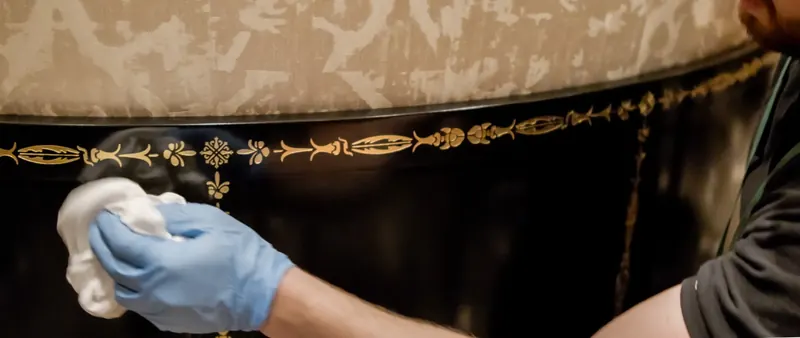
What is bespoke furniture?
A guide to commissioning made-to-order pieces
Bespoke furniture is made entirely to your specification, from dimensions and material to finish and detail. This guide explains how the process works, what separates truly bespoke from semi-custom, and what to expect when commissioning with Make Bespoke Studio.
Read the article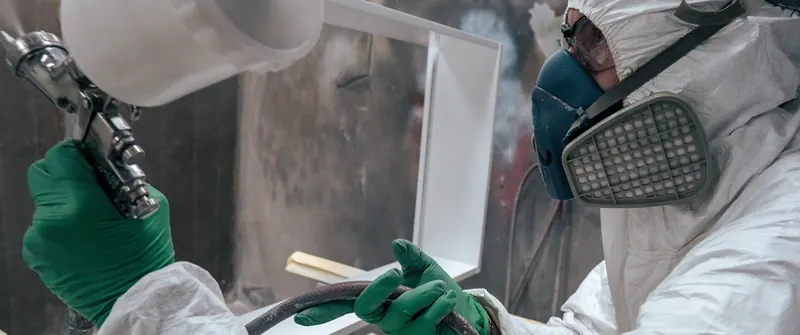
Lacquered furniture: sheen, colour, process and cost
What lacquered wood is, the types of lacquer, how sheen and colour are chosen, how a piece is sprayed, what drives the cost and how to look after it.
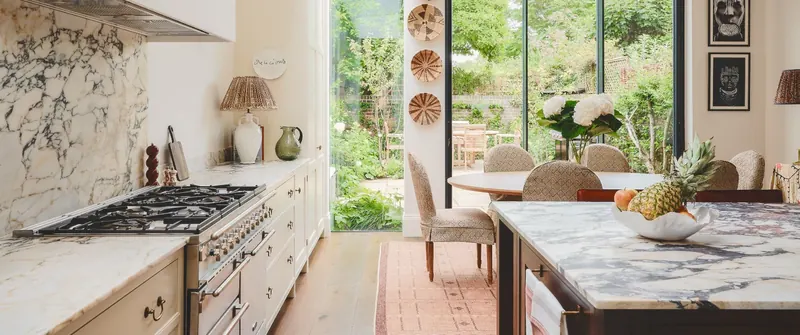
Bespoke furniture for private residences homes, apartments and listed buildings
Bespoke furniture and joinery for private homes: what sets a bespoke commission apart from retail furniture, and how a piece is designed, made and installed.
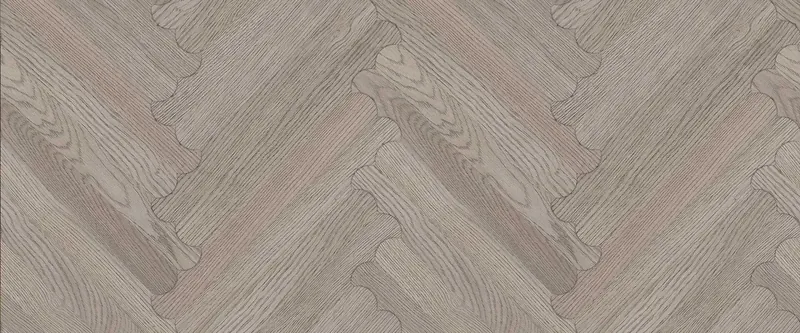
Wood flooring installation: what a good specification includes
How to install wood flooring well: site conditions, subfloor flatness and moisture, acclimatisation, fixing, setting out herringbone and chevron, and movement gaps.
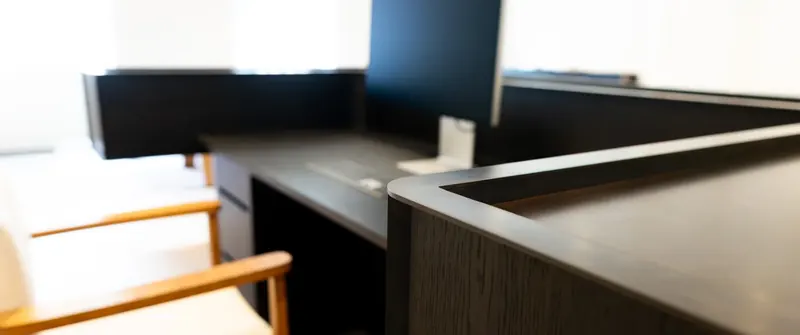
Bespoke office & workplace furniture
Bespoke office and workplace furniture — boardroom tables, reception desks, workstations and storage built for the intensity of commercial use, with power and data engineered in. How we produce it.

PVD steel: colour, process & durability
What PVD coating on steel actually is, how the process works, the colour range (gold, brass, rose, bronze, black, gunmetal, blue), its durability and limitations, and what drives the cost.
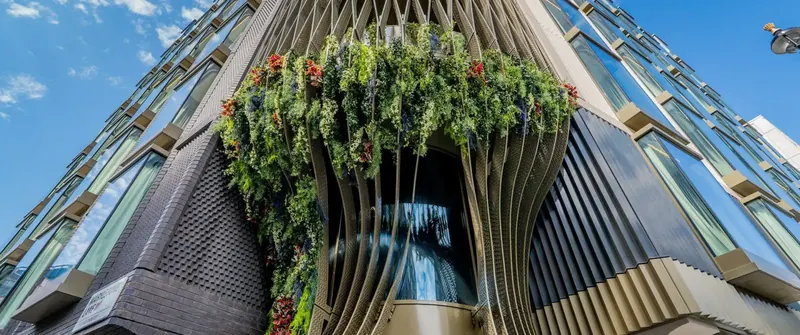
Hotel & hospitality refurbishment
How furniture and joinery are handled in a hotel, restaurant or commercial refurbishment — phasing around a trading business, matching existing interiors, lead times and programme, and refreshing FF&E without closing the doors.
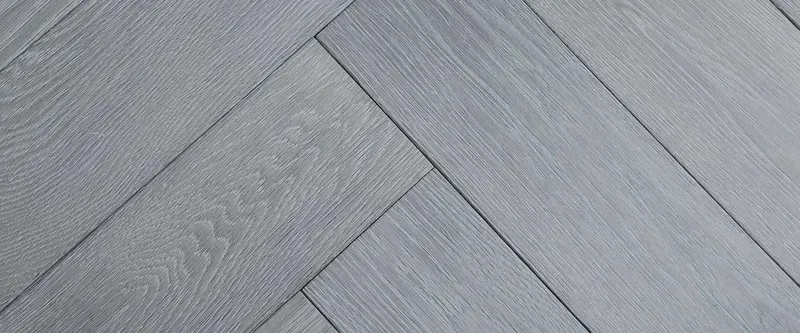
Wood floor finishes: oil, lacquer, texture and colour
Oil or lacquer? How finishes, brushing, smoking and fuming change the look, wear and upkeep of an oak floor, and how to choose between them.
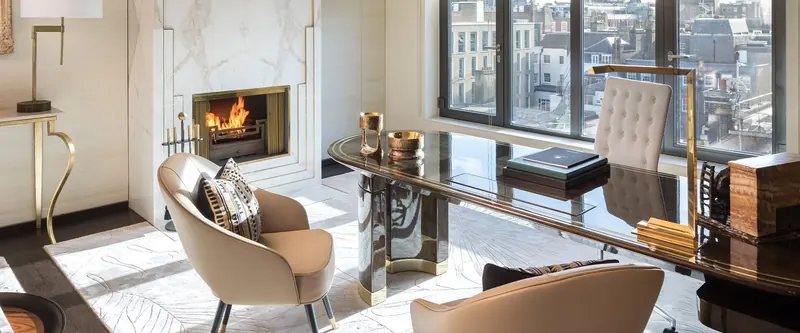
Boardroom & conference tables
How a bespoke boardroom or conference table is designed and built: sizing, power and AV integration, sectional construction, veneer matching and a base engineered to be dead stable.
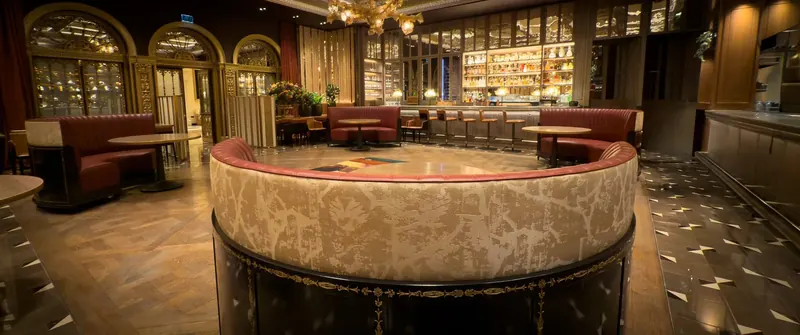
Restaurant & bar furniture and FF&E
Bespoke restaurant and bar FF&E — banquette seating, tables, bar tops and millwork built to survive the intensity of service. How we produce hospitality furniture that ages well.
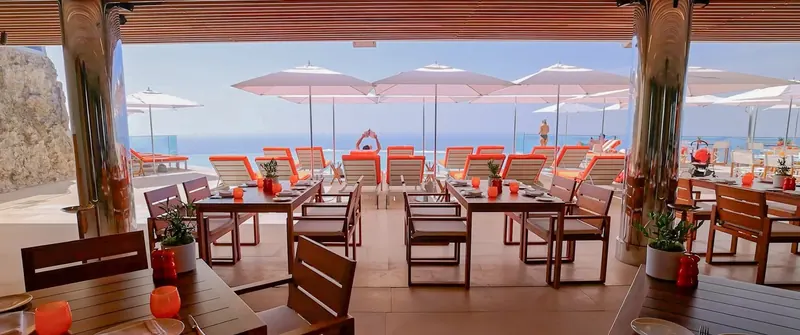
Bespoke outdoor furniture
Teak, Corten, stainless, all-weather rope and performance fabrics — how bespoke outdoor furniture is built to survive sun, rain and frost while still looking considered.
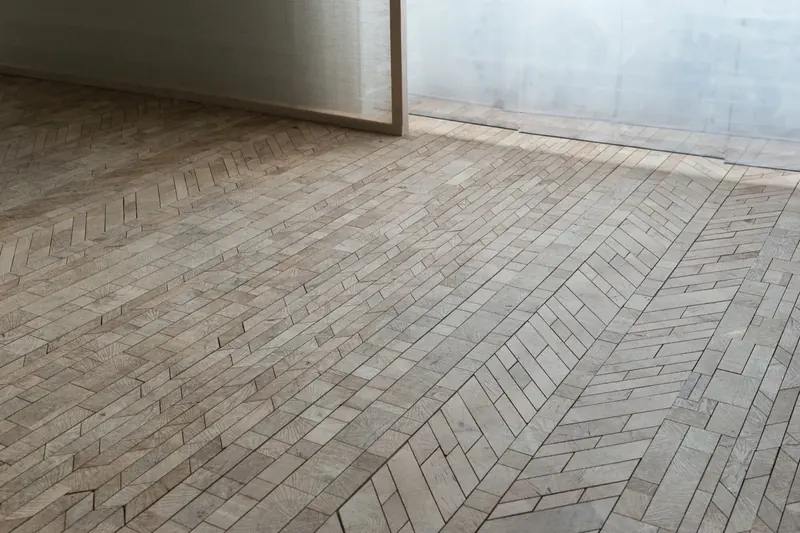
Wood flooring over underfloor heating: what to specify
How to specify wood flooring over underfloor heating: engineered construction, the 27°C surface limit, bonding, moisture testing and commissioning.
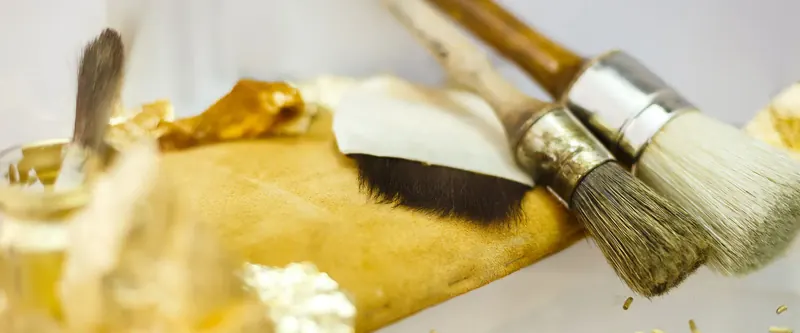
What is gesso?
What gesso is, what it is made from, its role as the smooth ground beneath gilding and water gilding, and how it is used in bespoke gilded furniture, frames and finishes.
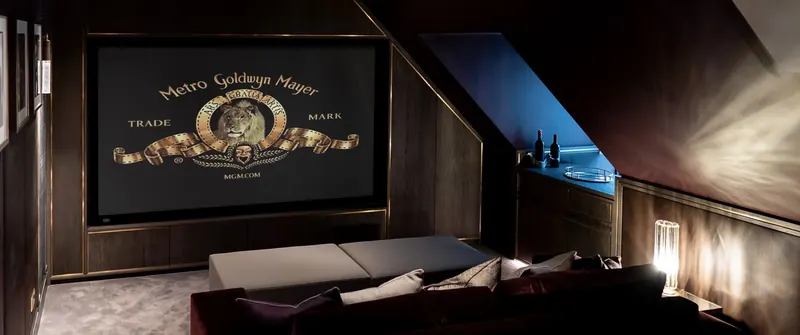
Home cinema & media-room joinery
Bespoke home cinema and media-room joinery — acoustic panelling, concealed technology and atmosphere, engineered with the AV and acoustic teams. How a media room is built to disappear.
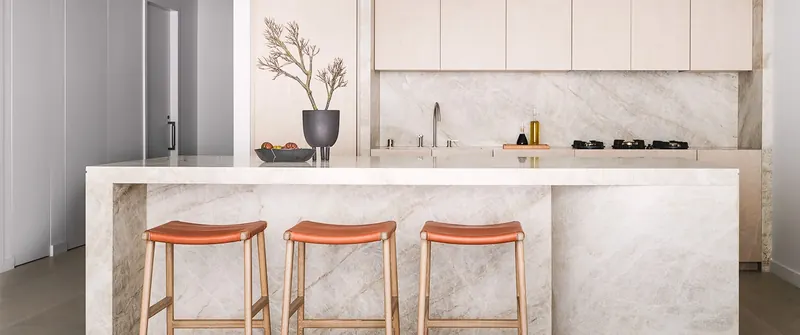
Quartzite: worktops & surfaces
What quartzite is, how it differs from quartz, granite and marble, its durability and care, the finishes it takes, and where it works best in worktops, surfaces and furniture.
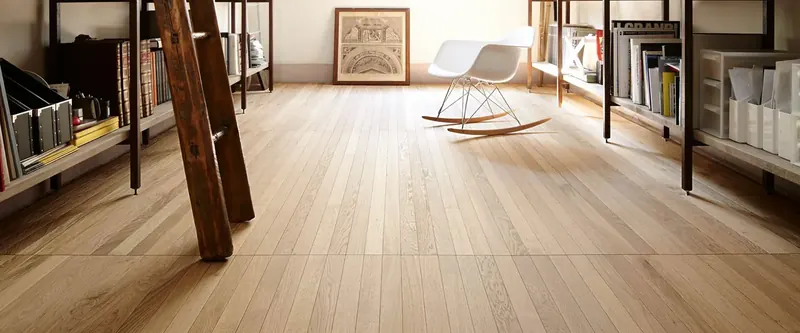
Sustainable wood flooring: choosing the timber
A guide to sustainable wood flooring: oak, ash, walnut and reclaimed timber, with the pros and cons of each, certification and the law.
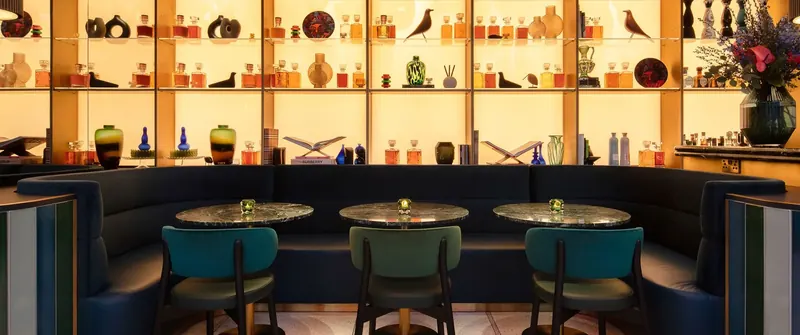
Contract furniture: what it means
What contract furniture means, how contract-grade differs from residential furniture, the durability and fire-compliance standards behind it, and what to look for when specifying furniture for hotels, restaurants and commercial spaces.
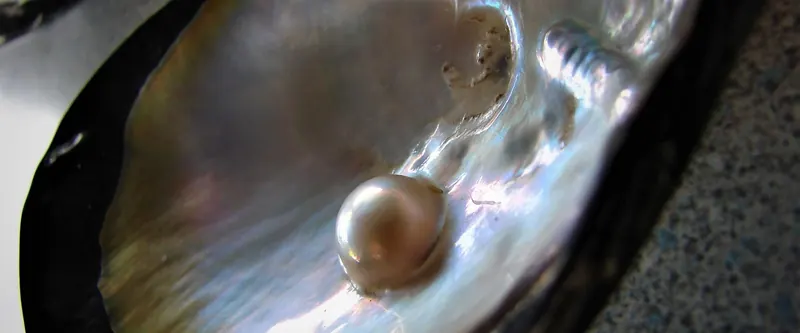
What is mother of pearl?
What mother of pearl (nacre) is, where it comes from, why it shimmers with that iridescent lustre, and how it is used in marquetry, inlay and bespoke furniture as one of the most luxurious natural materials.

Lead times for bespoke furniture
What "lead time" really covers, indicative ranges by discipline, what stretches a programme, and how to brief early.
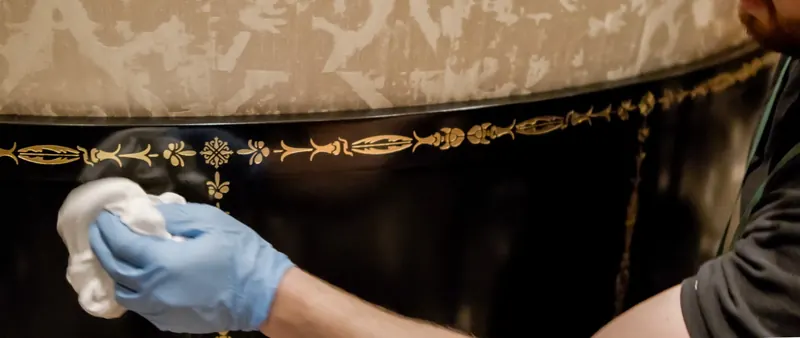
French polishing & hand-finished timber
French polishing explained — what shellac hand-finishing is, how it differs from lacquer, the process, and where a hand-polished surface earns its place on fine bespoke furniture.
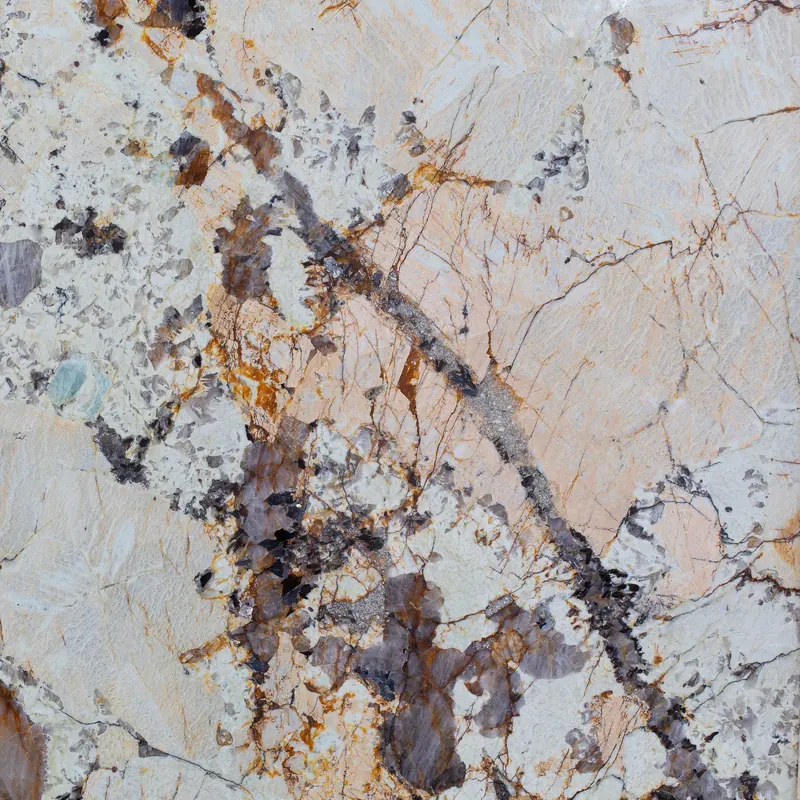
What is quartzite?
What quartzite is, how it differs from quartz, granite and marble, why it is so hard and durable, and what makes it one of the best natural stones for worktops and bespoke surfaces.
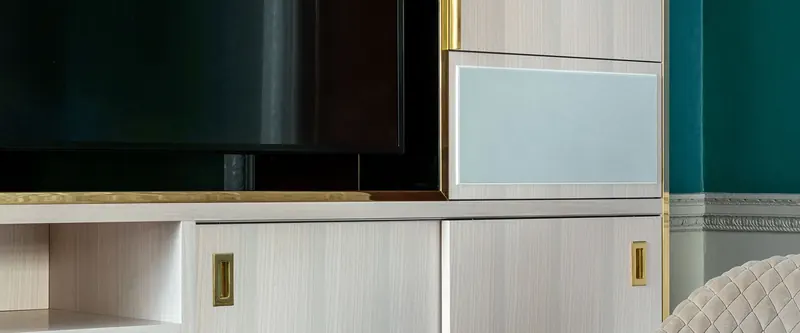
Bespoke media wall units
What a bespoke media wall unit is, how the technology is concealed, fitted vs freestanding, materials and finishes, and how AV, cable and lighting are integrated into a media wall.
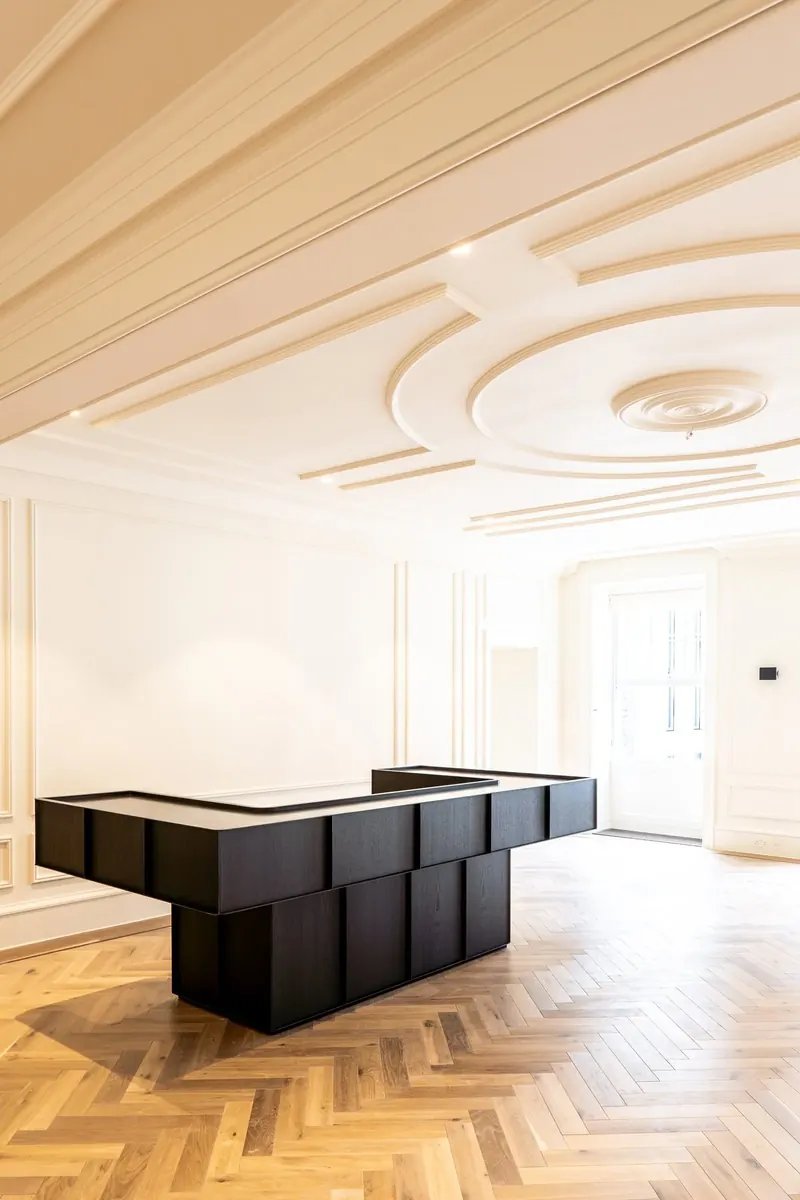
Hotel reception desks & lobby joinery
How bespoke hotel reception desks and lobby joinery are designed — the hero piece of the arrival experience — balancing brand statement, ergonomics for staff, durability and integrated technology.
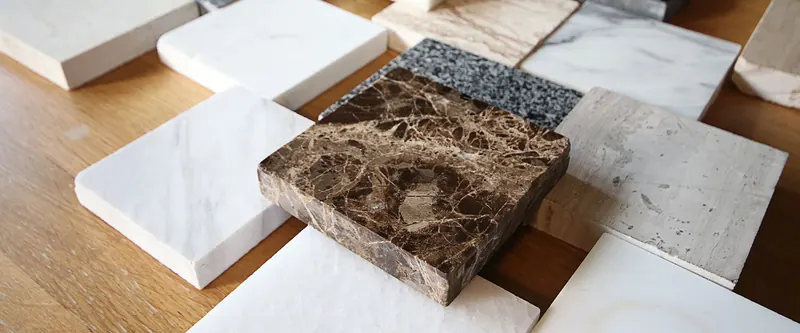
Working with an interior designer
How a bespoke furniture maker and an interior designer work together — who does what, when to involve the maker, from sketch to shop drawing to install. A guide to the designer-maker collaboration.
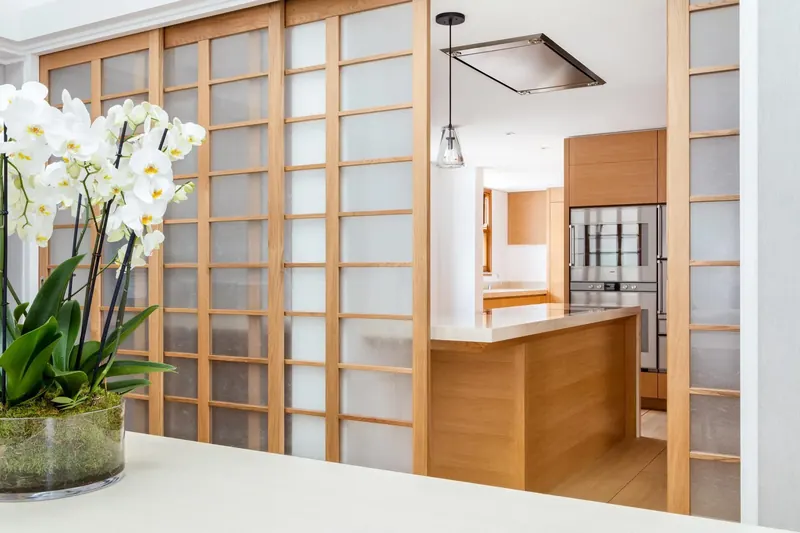
Japanese joinery: joints without nails
What Japanese joinery is, the famous interlocking joints (kanawa tsugi, shihou kama tsugi, kigumi), the philosophy behind nail-free wood joinery, and how its principles inform bespoke furniture today.
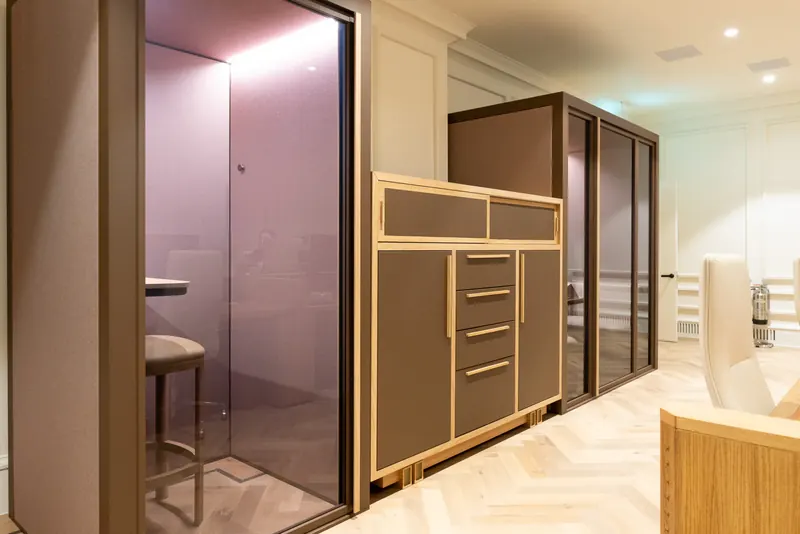
Bespoke cabinetry & casegoods
How fine cabinets, sideboards and casegoods are made: carcass construction, veneer matching, soft-close drawers, internal fit-out and hardware — and what separates the good from the ordinary.
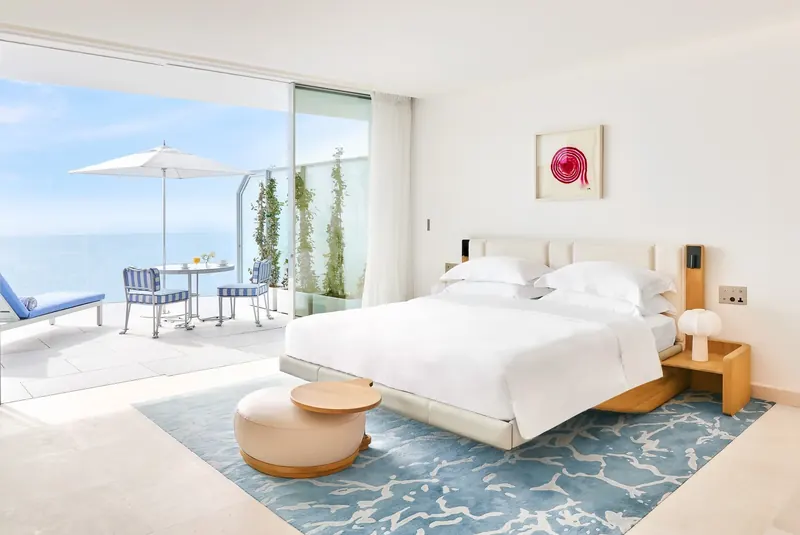
Hotel guestroom furniture & headboards
What goes into a hotel guestroom furniture set — headboards, casegoods, wardrobes, desks and minibar joinery — how the room set is designed for repetition and durability, and why bespoke guestroom furniture is specified.
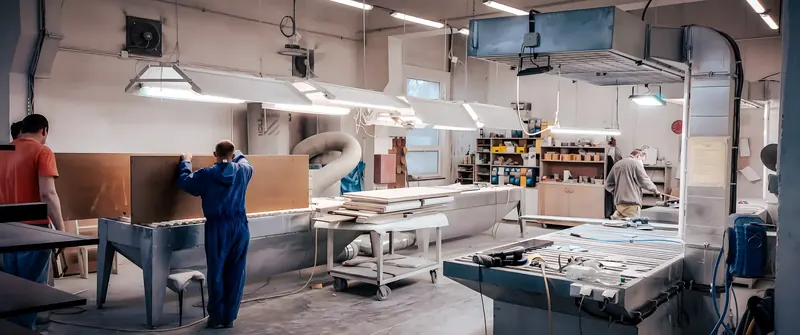
What is joinery?
What joinery is, how it differs from carpentry, the kinds of joinery (fitted, furniture, architectural), what a bespoke joiner does, and what bespoke joinery in London involves.
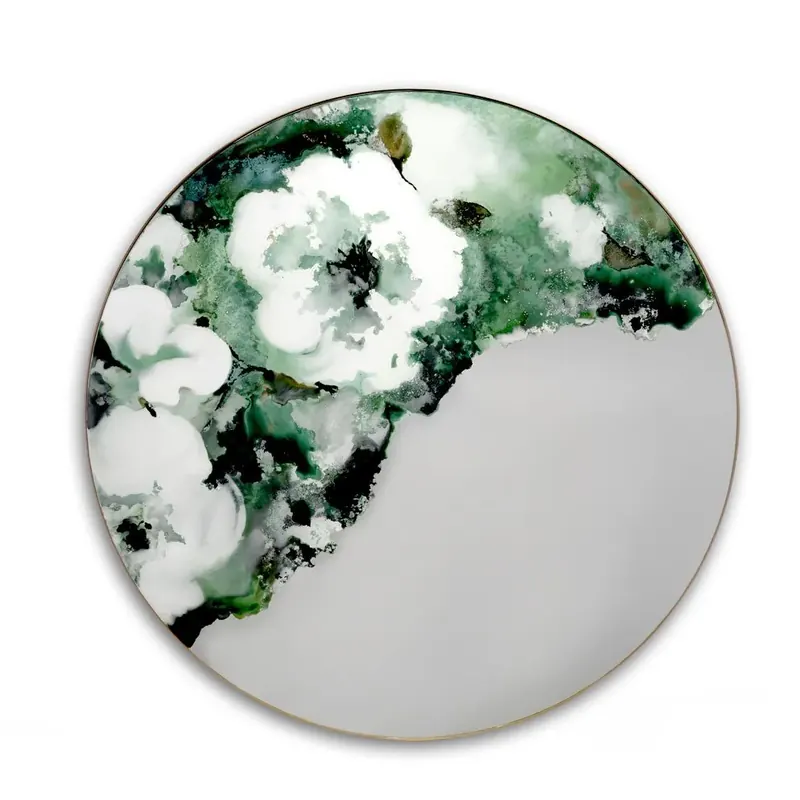
Where verre églomisé works
Where gilded glass belongs in an interior — feature walls and glass 'wallpaper', joinery and cabinet doors, mirrors, splashbacks and bars, ceilings and lift interiors — and where it can and can't go.
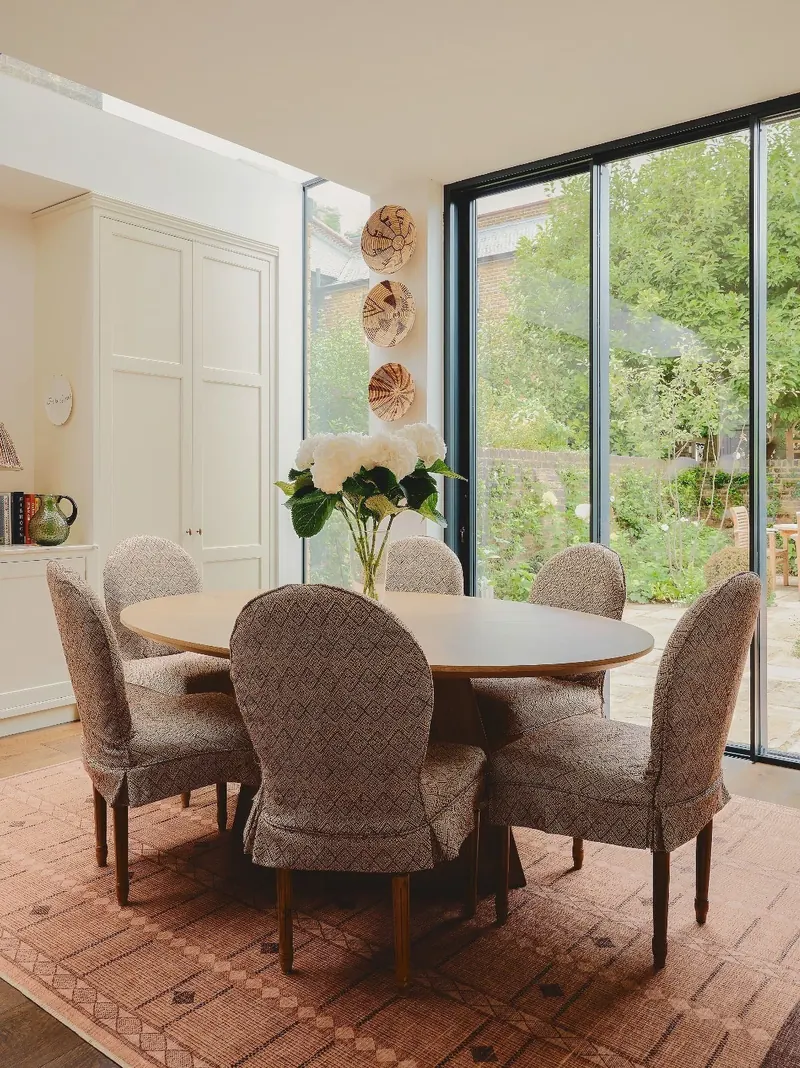
Designing a bespoke dining table
Sizing, proportion, top materials, bases and extending mechanisms — a practical guide to commissioning a bespoke dining table that seats the room and lasts a lifetime.
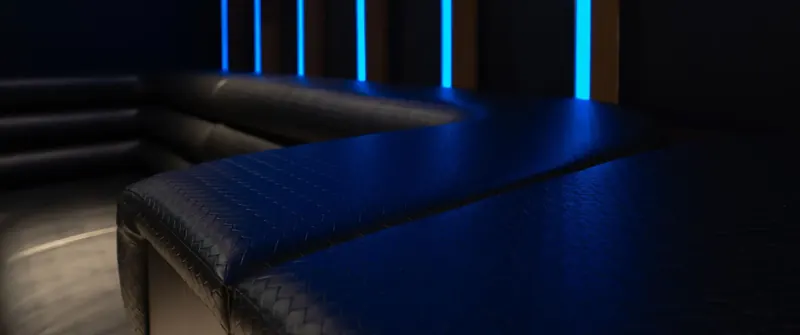
Banquette seating: bespoke design & build
What banquette seating is, why it is the backbone of restaurant and bar layouts, the anatomy of a well-built banquette (frame, foam, springs, upholstery), and how bespoke banquettes are designed for comfort, durability and covers.
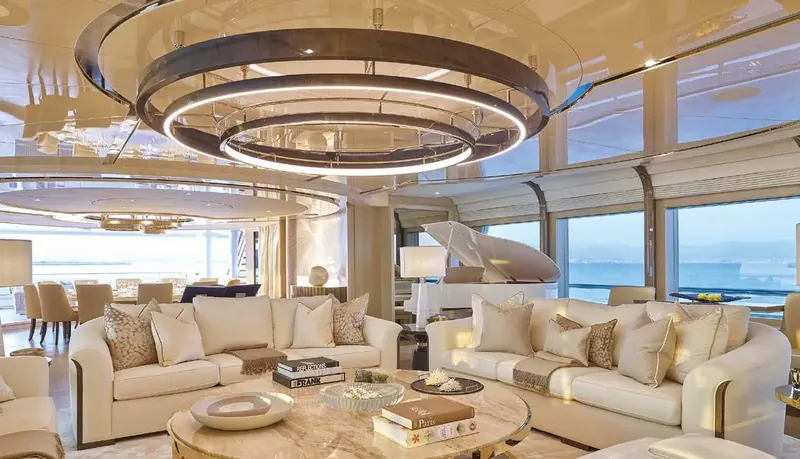
Hotel lighting design: building the guest experience in light
Layered light, colour temperature and statement fixtures — the practices behind hotels that feel right.

Verre églomisé vs antique mirror
Verre églomisé and antique 'foxed' mirror are constantly confused. Here is the real difference — a gilded, designed image versus deliberately aged silvering — and which to specify for your scheme.
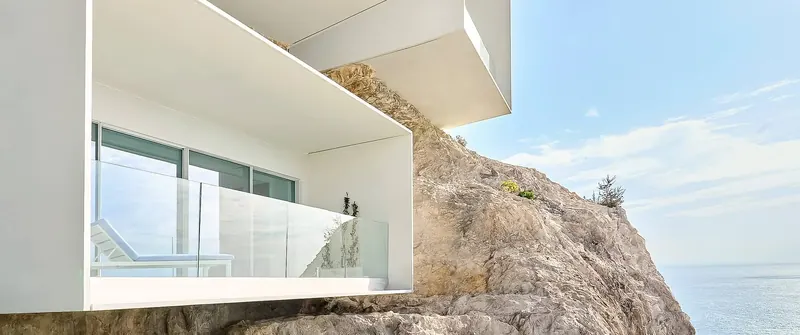
Hotel FF&E: what it means
What FF&E means in hotels and hospitality — furniture, fixtures and equipment — what it includes, how a bespoke FF&E package is designed, procured and installed, and how it differs from OS&E and the building fit-out.
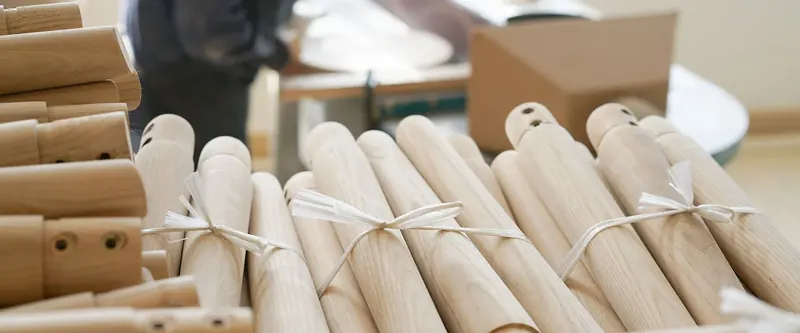
The joints that make furniture last
Dovetails, mortise-and-tenon, dowels and more — the timber joints that separate furniture built to last from furniture built to a price, and where each one belongs.
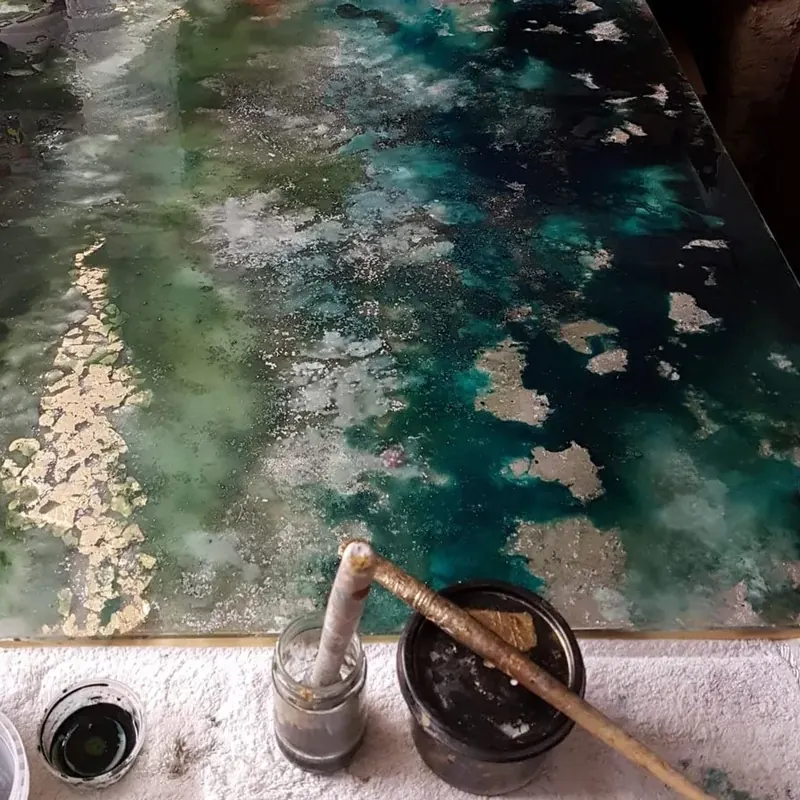
Verre églomisé: water vs oil gilding
The two ways to gild glass — water gilding (bright, mirror-like) and oil gilding (soft, matt) — and how the choice, and the leaf itself (gold, moon gold, palladium, silver), defines a verre églomisé panel.
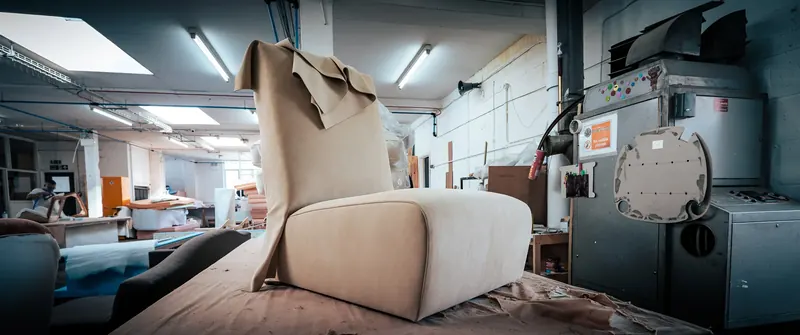
How a bespoke sofa is made
Inside a bespoke sofa: the kiln-dried hardwood frame, the suspension, the layered fills, and the hand-upholstery — and why a made-to-measure sofa outlasts anything off the shelf.
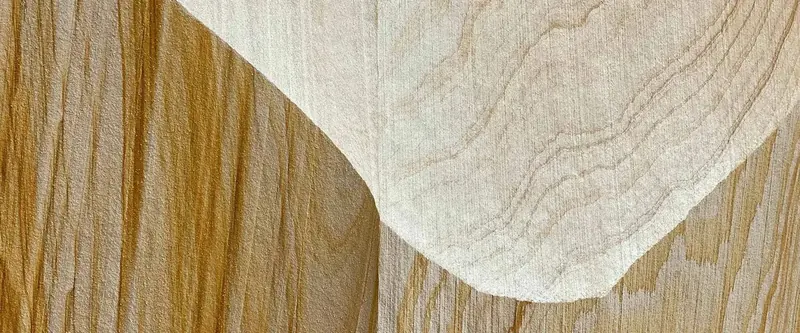
Wood species for bespoke furniture
Oak, walnut, ash, cherry and beyond — a guide to choosing timber for bespoke furniture by colour, grain, hardness and how it ages, and where each species belongs.

The history of verre églomisé
The story of verre églomisé — from Roman gold-glass through its Renaissance revival to the 18th-century Parisian framer Jean-Baptiste Glomy, who gave the technique its name.
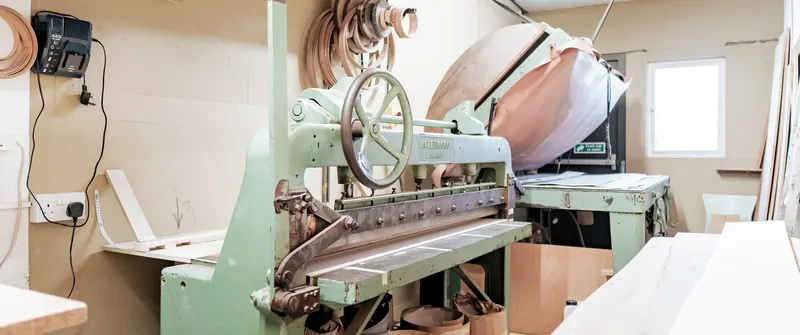
Veneer & book-matching
What veneer really is, why fine furniture uses it, and the craft of book-matching, slip-matching and sequencing leaves so the grain flows across a whole piece.
Value engineering: what VE means in interior design
What VE stands for, what it looks like on an interiors package, and why it is not cost-cutting.
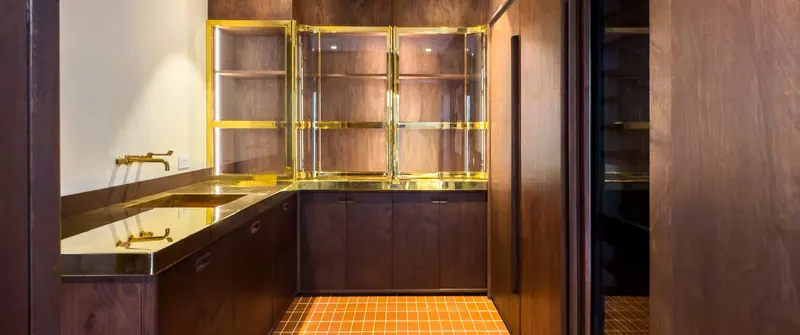
The craft of welding brass
Why brass is one of the most demanding metals to weld, and how it is done: heat control, MIG vs TIG, distortion management and colour-matched finishing — with a worked example from a Camberwell brass commission.
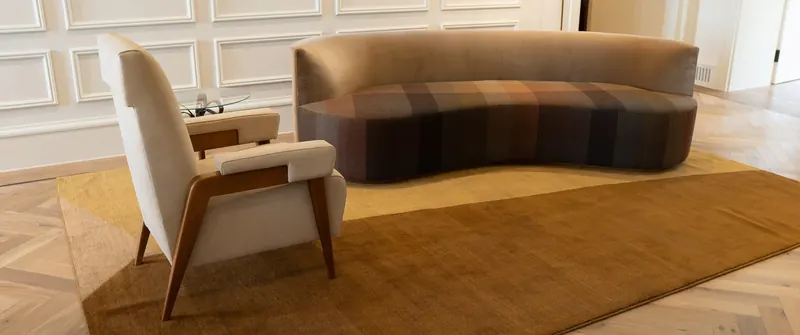
Upholstered furniture: fabric, leather and form
How fabric and leather selection, frame construction and filling choices define the character of a bespoke upholstered piece, from sofas to statement armchairs.
Read →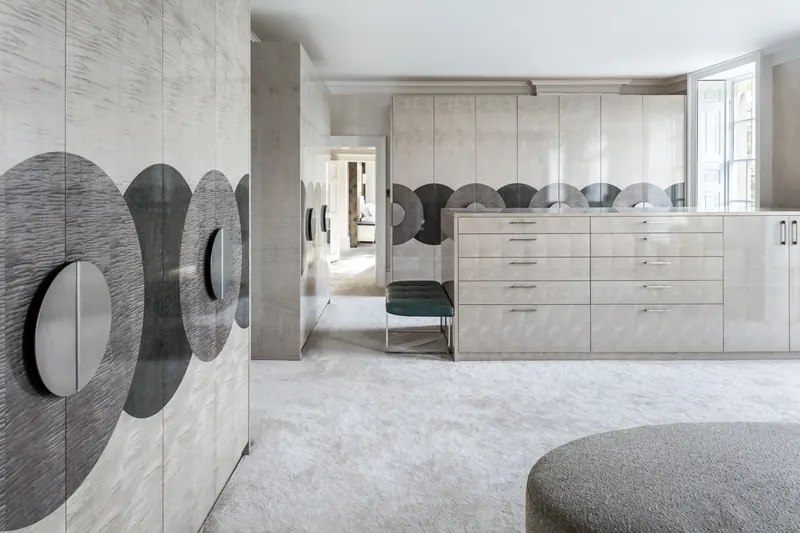
Bespoke fitted wardrobes and dressing rooms
Design, internal fit-out, materials and lead times for fitted wardrobes and walk-in dressing rooms.
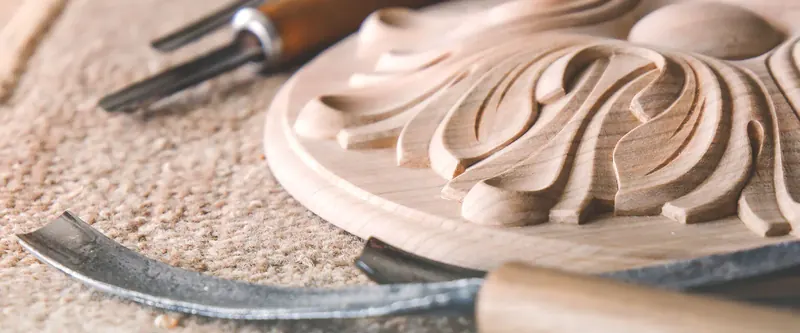
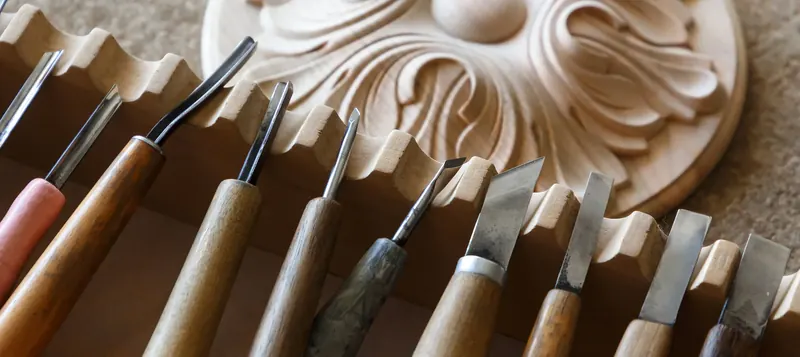
Hand-carving in furniture making
The craft of hand-carving in bespoke furniture: how carvers work timber by hand for mouldings, ornament, show-wood and relief detail, and where hand-carving belongs in luxury interiors.
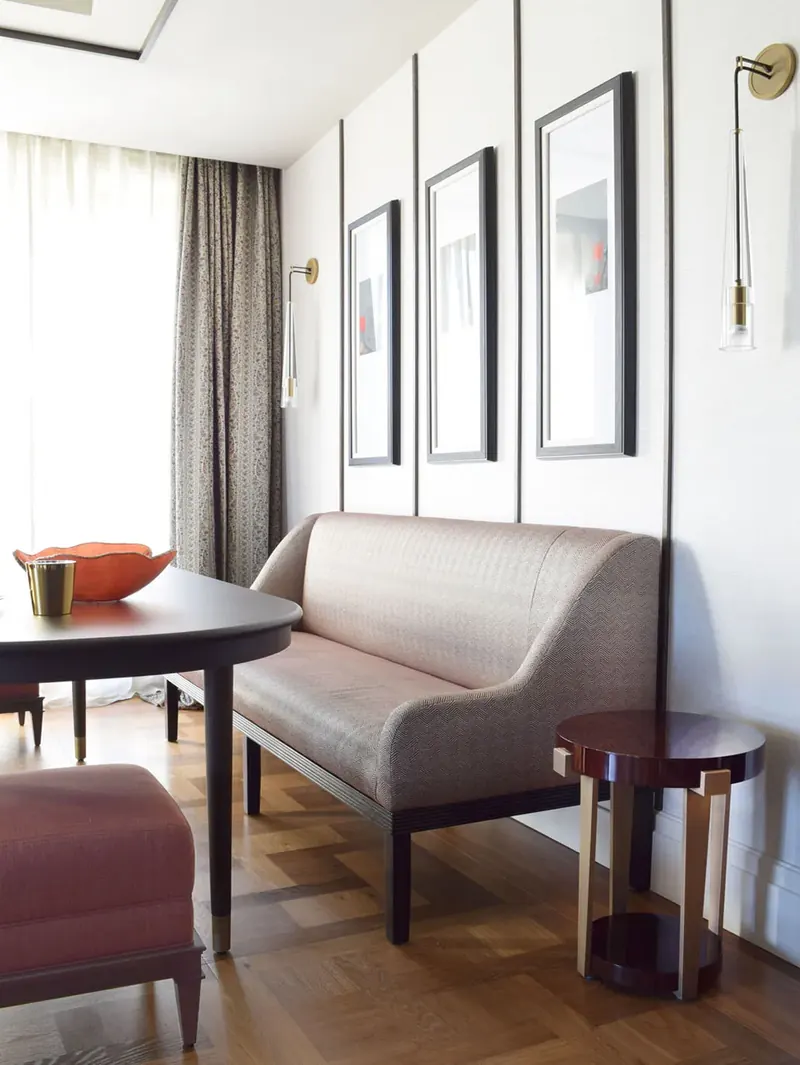
Bespoke kitchens: how luxury cabinetry is designed and priced
What separates a bespoke kitchen from a fitted one, how cabinetry is built, and what drives the cost.
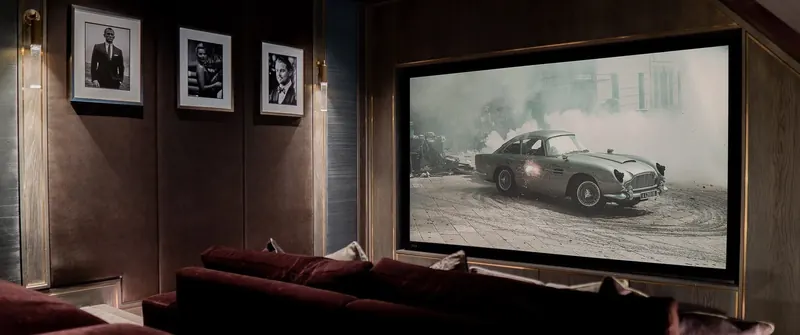
Bespoke wall panelling: design, materials and installation
Panelling styles from boiserie to fluted, the materials, and how it is specified and fitted.
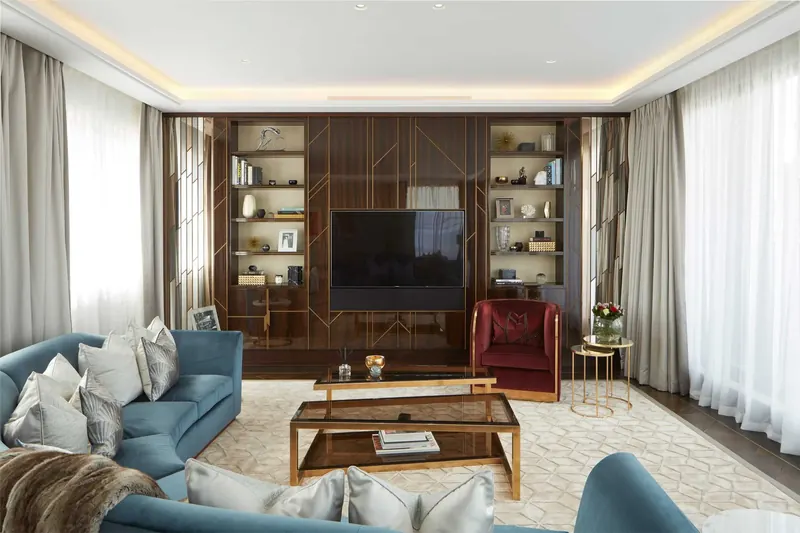
Bespoke joinery for luxury interiors
From fitted libraries and wall panelling to hotel reception desks, how architectural joinery shapes the character of a space.
Read →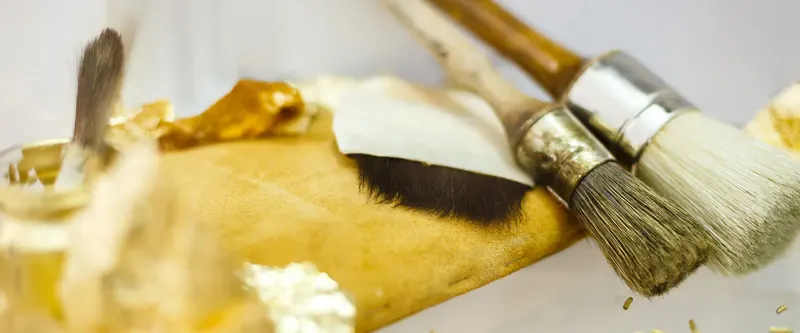
Gilding & gold leaf
The craft of gilding: how gold leaf and metal leaf are applied to furniture and interiors, the difference between oil and water gilding, and where gilding is used in luxury bespoke work.
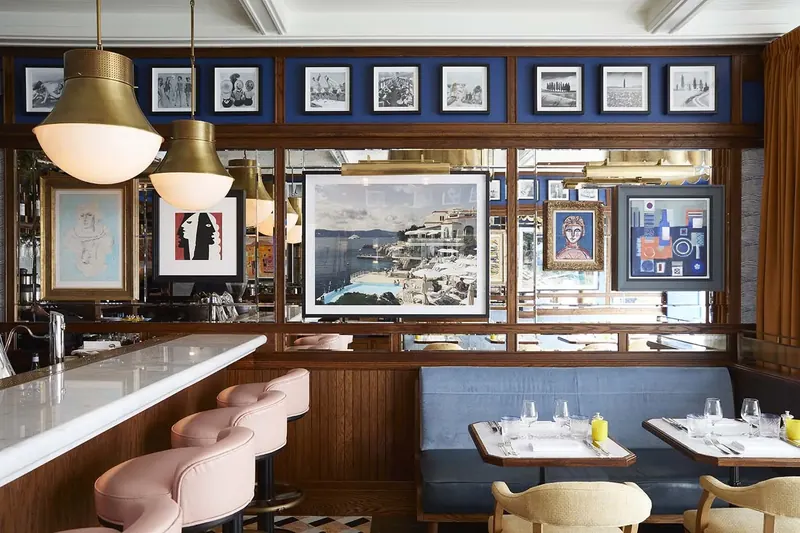
Bespoke lighting for interiors
From crystal chandeliers to contemporary pendants, a guide to commissioning bespoke lighting for luxury residential and hospitality projects.
Read →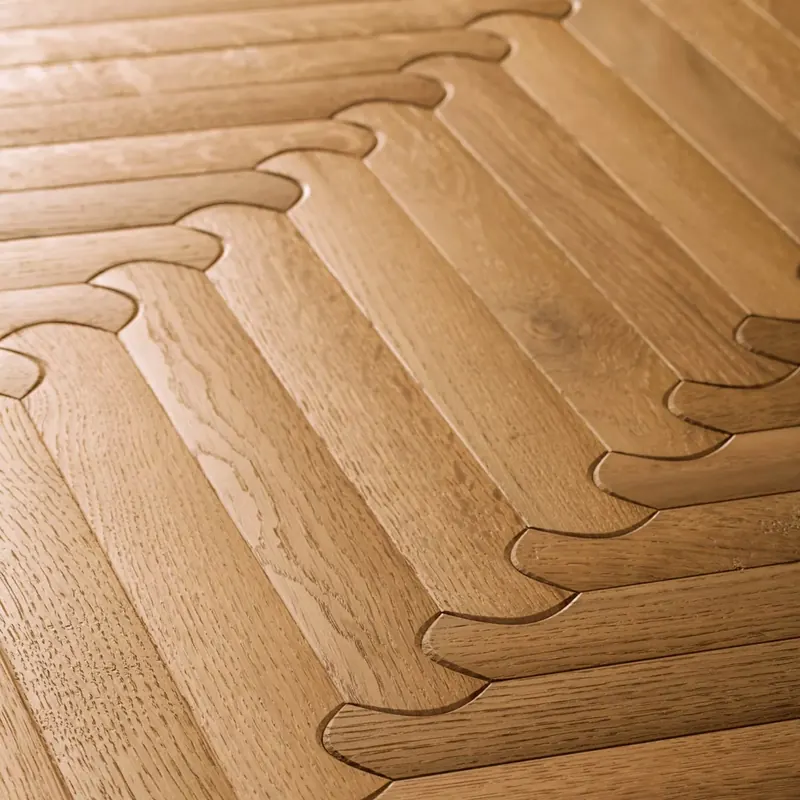
Wood flooring: specifying bespoke parquet and hardwood floors
Species, pattern, finish and installation, a guide to commissioning bespoke wood flooring from our workshop network for luxury residential and hospitality projects.
Read →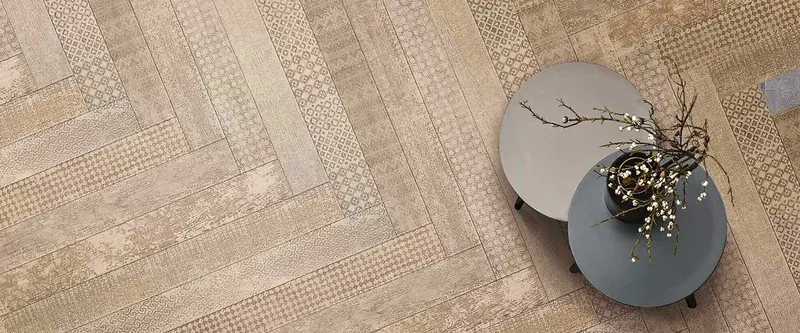
Engineered vs solid wood flooring
The real difference between engineered and solid wood flooring: construction, stability, underfloor heating, refinishing and where each is the right choice for luxury interiors.

Patination: how metal ages
How metal patinates: the chemistry of how brass, bronze, copper and steel change colour with age, how patination is induced and controlled, and how to specify a living metal finish for luxury interiors.

Exotic surface finishes for bespoke furniture
Shagreen, shell, mother of pearl and straw marquetry, a guide to the rarest surface finishes in luxury furniture and how they are specified and applied.
Read →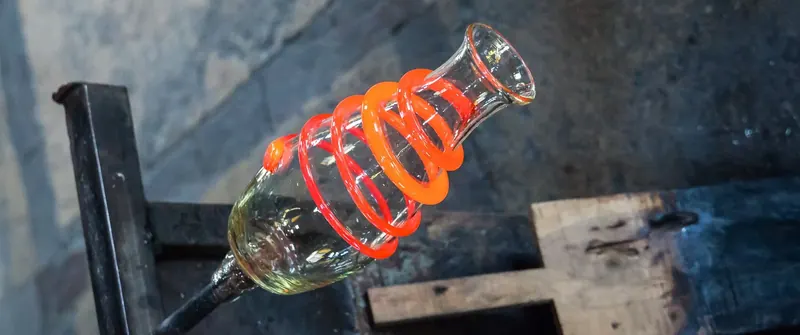
Murano glass: the techniques of a thousand-year island
Blowing, incalmo, sommerso, millefiori and filigrana — the furnace techniques of Murano and how they shape bespoke lighting.
Read →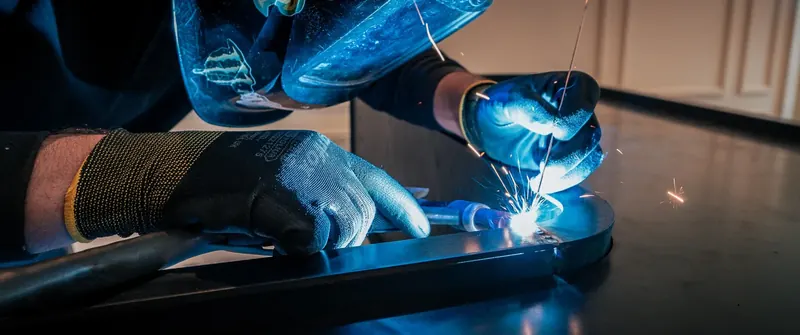
MIG vs TIG welding in furniture making
The two welding processes behind fine metalwork: MIG and TIG. How they differ, when each is used in bespoke furniture and architectural metalwork, and why the choice is a finishing decision as much as a structural one.
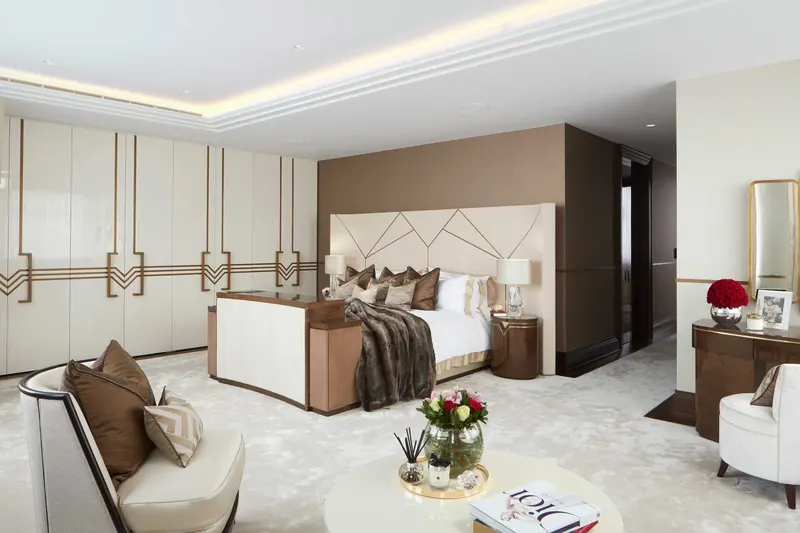
Metal inlays: drawing in brass and bronze
Brass stringing, Boulle work and mixed-material marquetry — the techniques and metals of furniture inlay.
Read →
Metal finishes: a guide to brass, bronze and beyond
Polished, satin, aged or blackened, how to specify metal finishes for bespoke furniture and architectural joinery, from brass to gunmetal.
Read →
Verre églomisé: gilding from the back of the glass
Gold and silver leaf applied to reverse glass, a Roman technique refined over centuries that gives bespoke panels their characteristic luminous depth.
Read →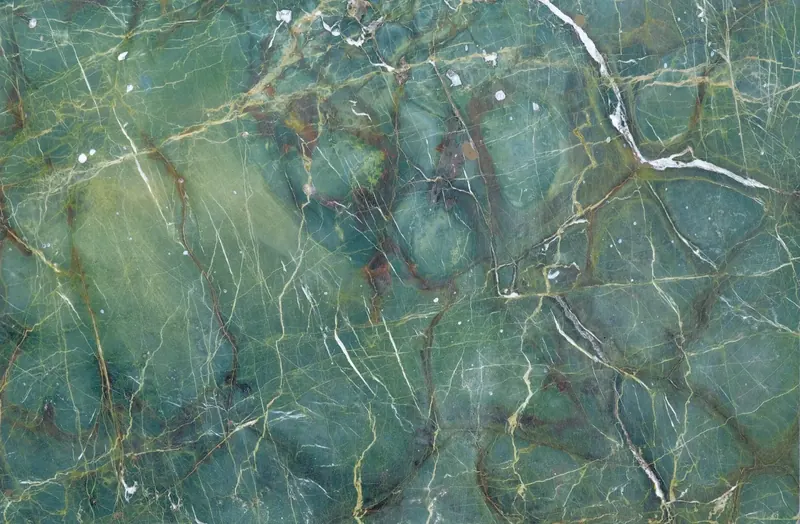
Stone & marble in interiors
How natural stone and marble are used in bespoke furniture and interiors: marble, travertine, onyx and quartzite tops, the finishes, sealing, and how stone is templated and fitted.

Straw marquetry: a rare craft revived
Harvested rye straw, split and burnished into geometric patterns, a 17th-century technique rediscovered by Jean-Michel Frank and still practised today.
Read →
Sheet metal fabrication for interiors
How sheet metal is fabricated for bespoke furniture and interiors: cutting, forming, joining and finishing brass, bronze, steel and aluminium sheet into worktops, cladding, furniture and architectural metalwork.
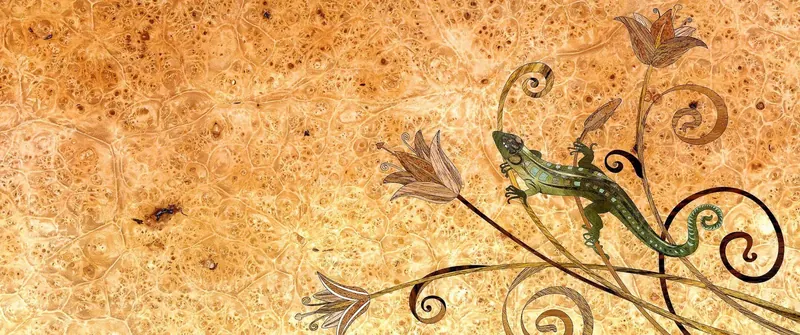
Marquetry: the craft of decorative wood inlay
From Boulle work to contemporary mixed-material compositions, how marquetry transforms flat surfaces into intricate works of applied art.
Read →
How to specify bespoke joinery
A guide for interior designers and architects: the drawings a maker needs, materials, construction, compliance, site and programme.
Read →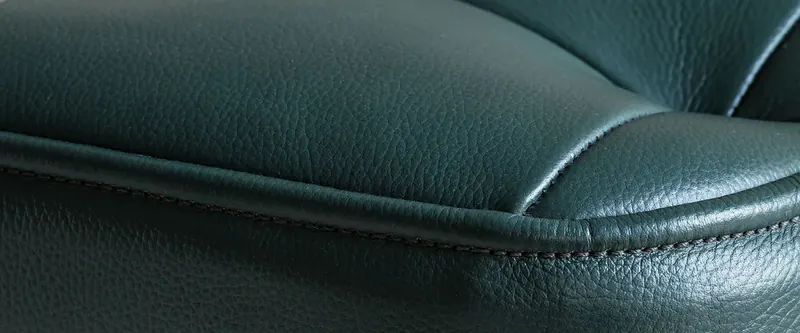
Leather in bespoke furniture
How leather is used in bespoke furniture: full-grain and aniline hides, upholstery leather, desk-top inlay and wrapped panels — the types, the finishes and how leather is specified and cut.
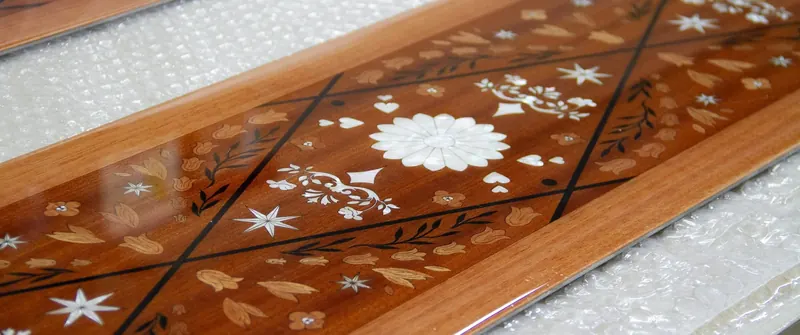
Luxury decorative craftsmanship: marquetry, gilding and rare techniques
A guide to the decorative crafts that distinguish a bespoke piece: marquetry, gilding, verre eglomise, metal inlay and more.
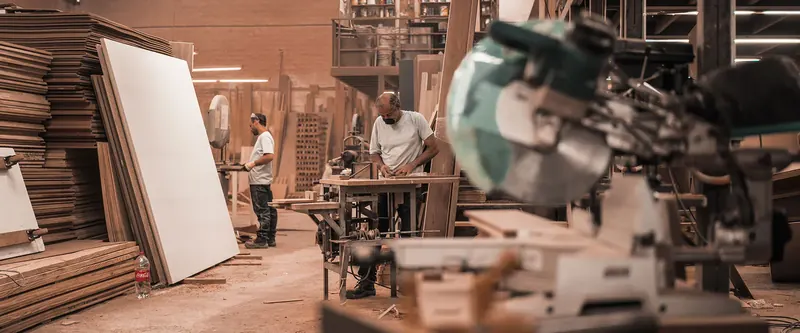
Inside the workshop: how bespoke furniture is made
A walk through our partner workshops, woodwork, metalwork, spraywork, stonework and upholstery, and what happens at each stage of a commission.
Read →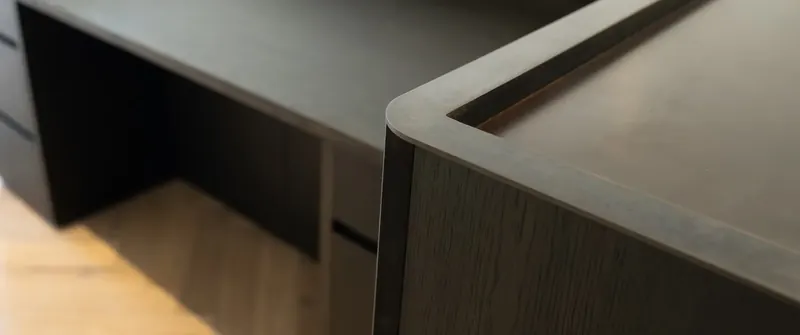
A guide to bespoke metalwork
What bespoke metalwork involves: the metals (brass, bronze, steel, aluminium), the finishes, and the applications — furniture frames, architectural metalwork, worktops and lighting — for luxury interiors.
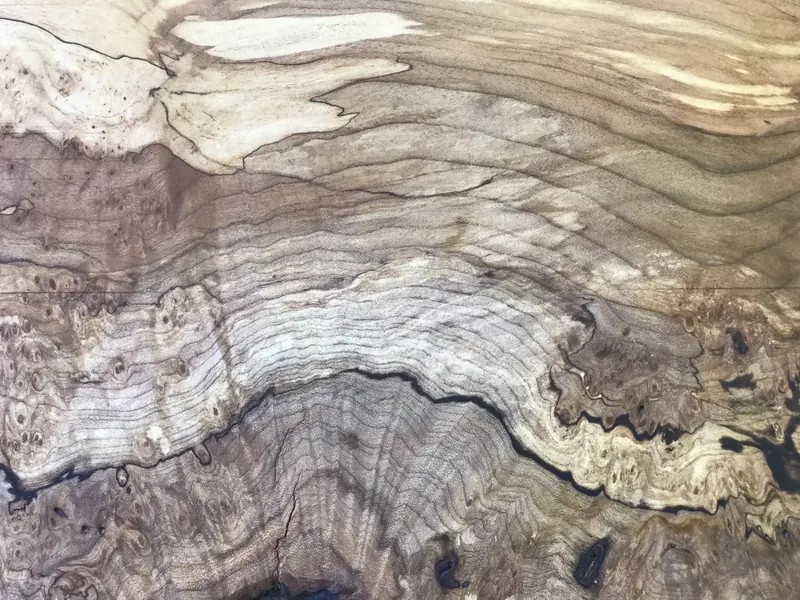
A working glossary of wood veneer
Crown, quarter and rift cuts, book and slip matching, burr and fiddleback figure — the vocabulary of veneer, defined.
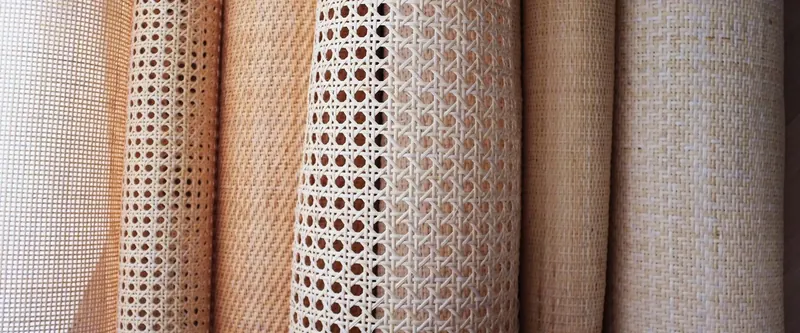
Rattan & cane in bespoke furniture
How rattan and cane are used in bespoke furniture and interiors: woven panels, sheet rattan, cane webbing and modern polymer alternatives — where each works, and how it is specified.
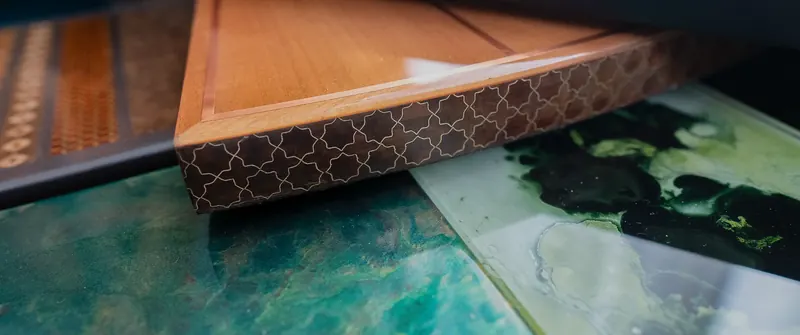
Wood veneer, lacquer and leather
A guide to materials used in luxury bespoke furniture — hardwoods, veneers, lacquers, metals and upholstery fabrics. Make Bespoke Studio, London.
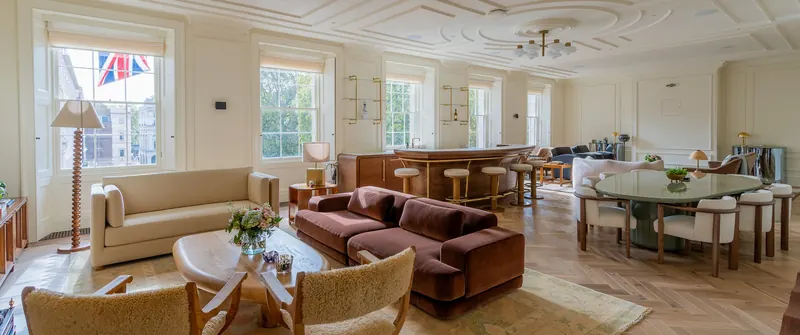
How to commission bespoke furniture: a step-by-step guide
Brief, drawings, material selection, prototyping, production, the full commissioning process explained for interior designers and private clients.
Read →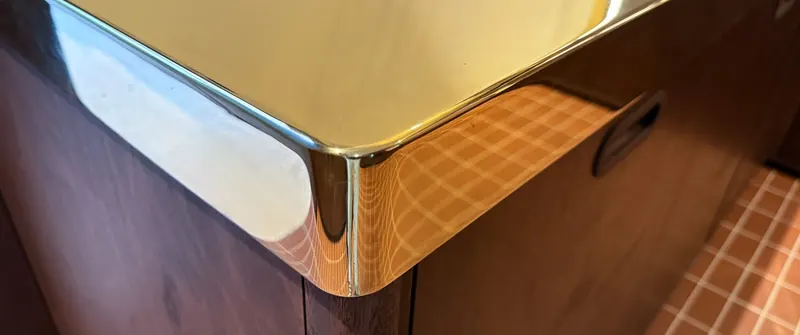
How much does bespoke furniture cost?
What drives the price, indicative ranges by piece type, and how bespoke compares with off-the-shelf and made-to-measure.
Read →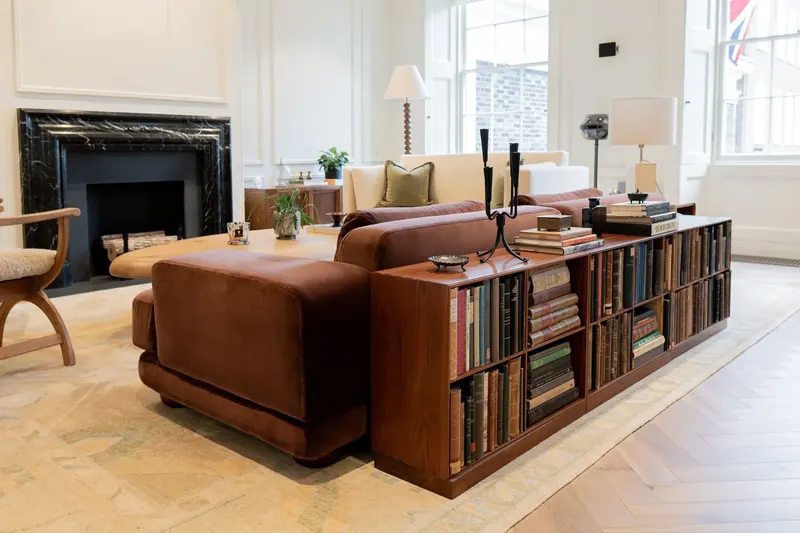
Bespoke vs off-the-shelf furniture
When bespoke furniture is worth it over off-the-shelf: the real differences in fit, construction, materials, longevity and cost — a practical comparison for designers and private clients.
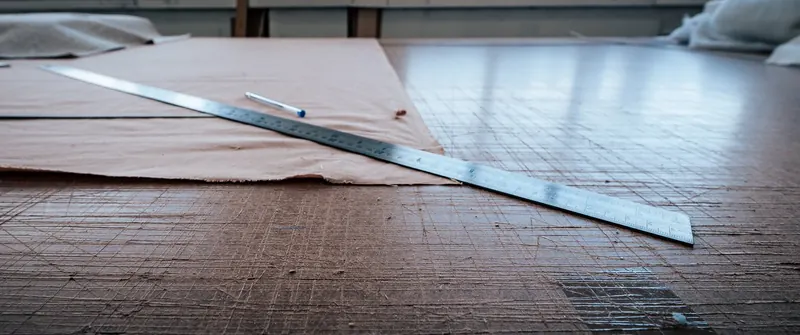
Bespoke vs made-to-measure: what's the difference?
What each term really means, the key differences, and when to choose bespoke over made-to-measure or off-the-shelf.
Read →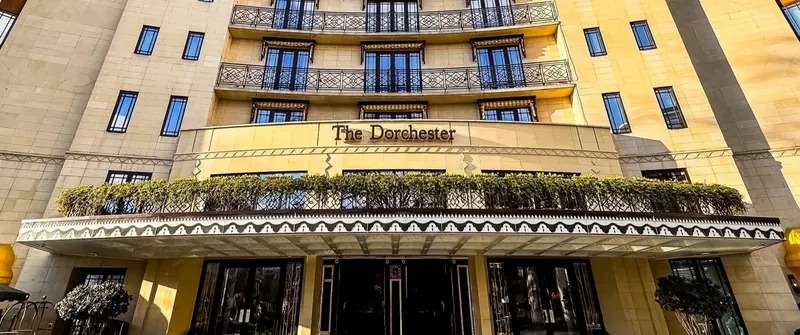
Bespoke furniture and FF&E for hospitality
What hotel, restaurant and bar interiors demand, how bespoke compares with contract furniture, and how to specify bespoke FF&E.
Read →