Wood Veneer
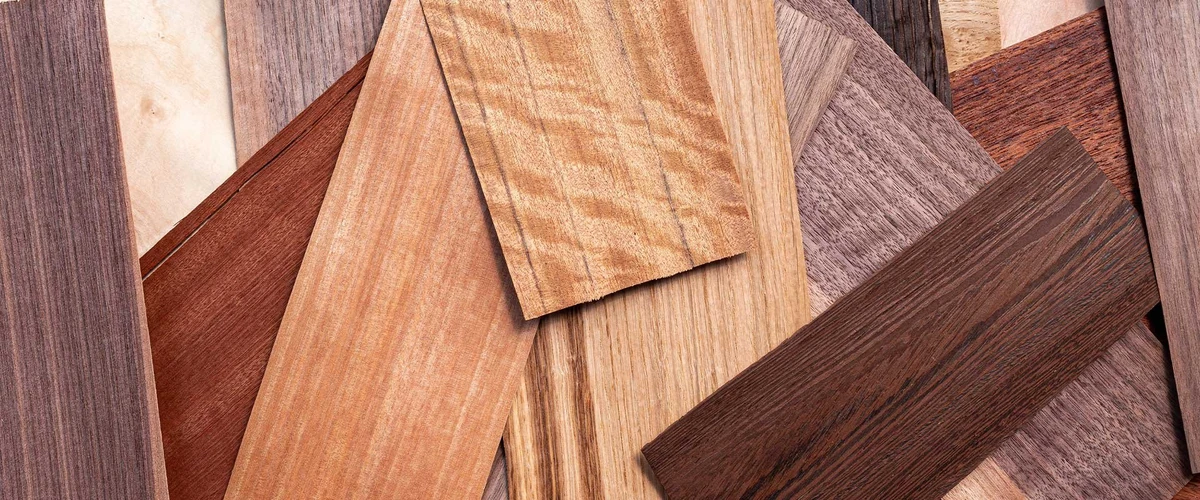
Wood veneer stands out as a material that combines the beauty of natural wood with versatility and sustainability.
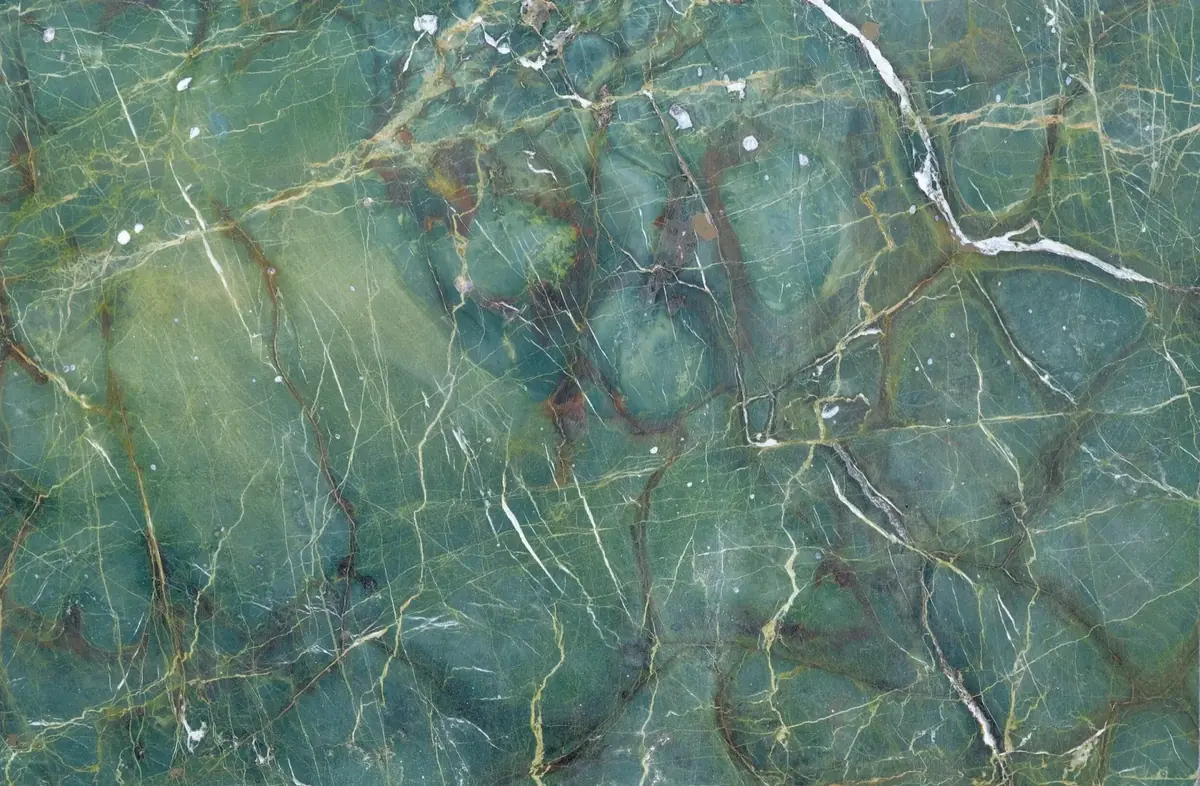
Wood veneer stands out as a material that combines the beauty of natural wood with versatility and sustainability. Our bespoke veneer products range from wood veneer sheets and precision veneer components to luxury stone veneers, cut and matched for furniture, joinery and wall panelling.
The species of wood selected for veneer can dramatically influence the look and feel of a space. Our collection spans American species like Black Walnut and Tulipwood alongside African and Central American hardwoods. We prioritise FSC-certified veneers to ensure environmental, social, and economic benefits.
Veneer's versatility makes it ideal for various applications, from dining room tables to decorative surface finishes in commercial projects. The beauty of veneer is further enhanced by its finishing options, from lacquer to high gloss finishes, the choice of surface treatment can accentuate the natural beauty of the wood grain.
At Make Bespoke Studio, our dedication to craftsmanship, quality, and sustainability is reflected in our bespoke wood veneer offerings.
Have a timber or a look in mind?
Tell us about the project and we will advise on the species and the cut.
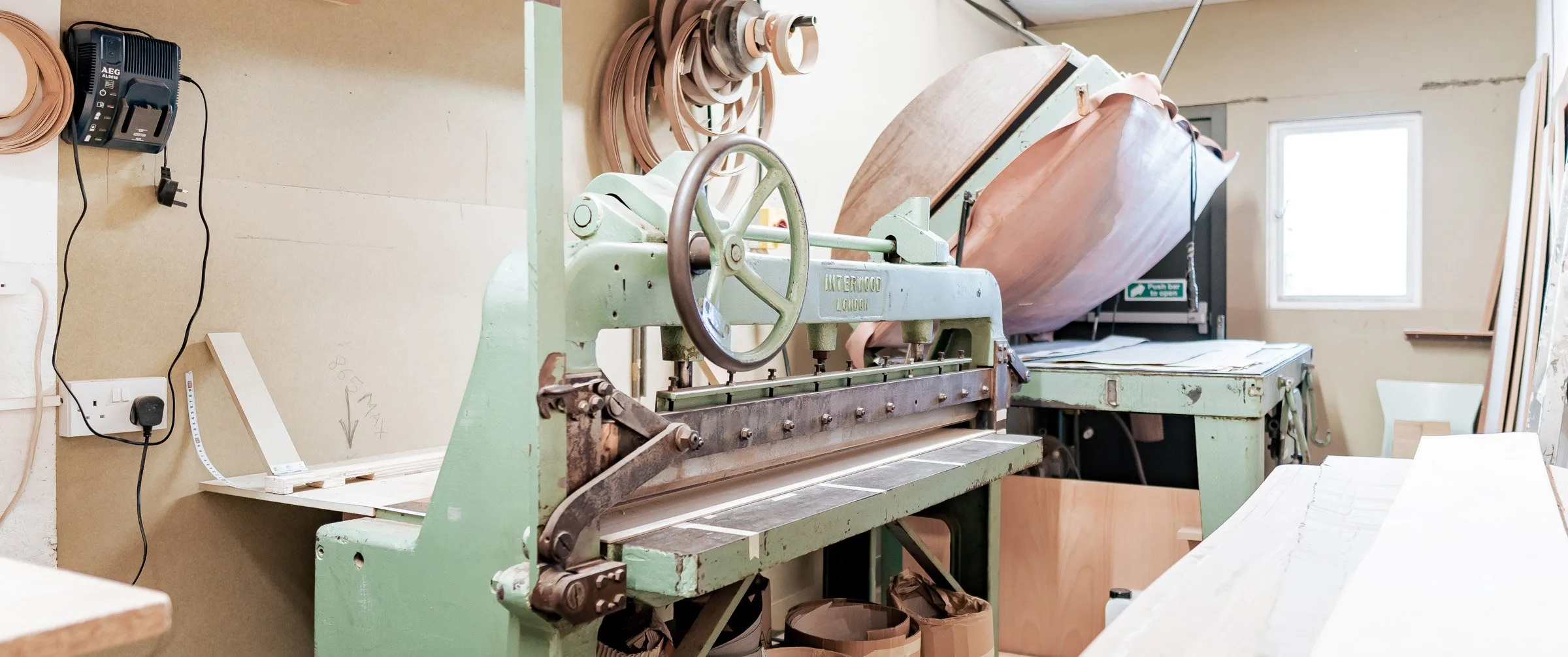
Where wood veneer is used.
From large-scale wall installations to the finest drawer fronts, veneer is the surface that defines the character of a piece. Every application benefits from considered grain selection and precise matching.
- Cabinet and casegood surfaces
- Wall panelling
- Fitted wardrobes and dressing rooms
- Dining and occasional tables
- Hotel headboards
- Reception desk fascias
- Library shelving
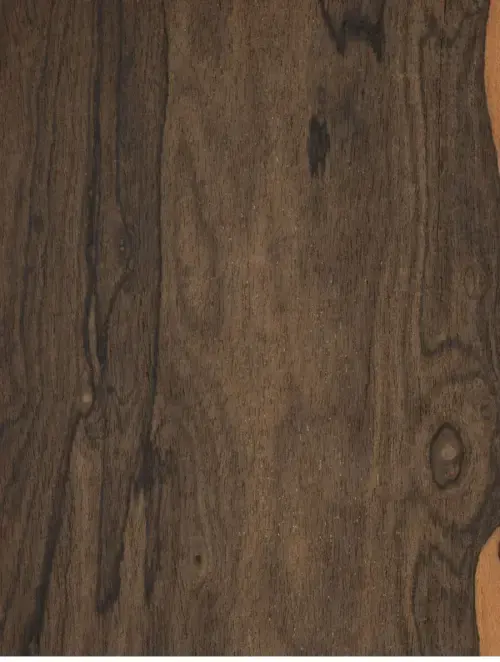
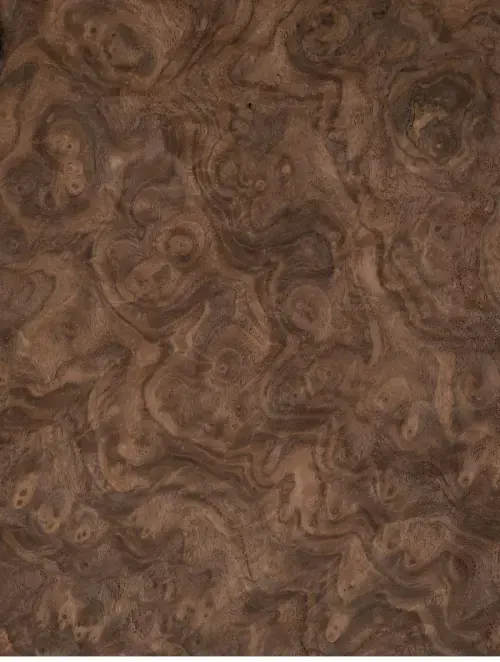
The species library
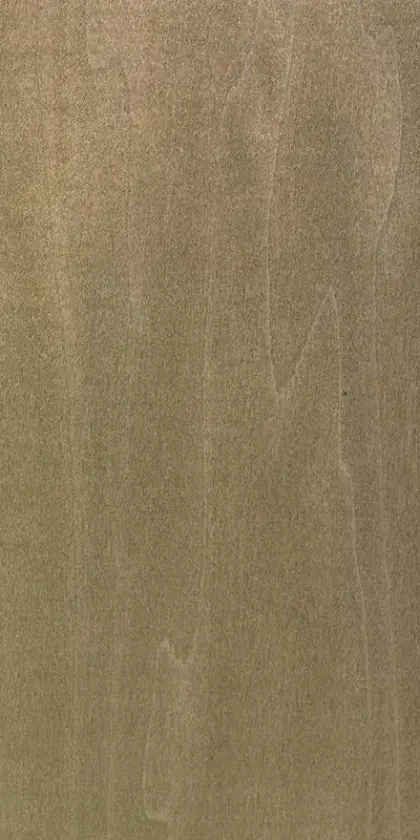
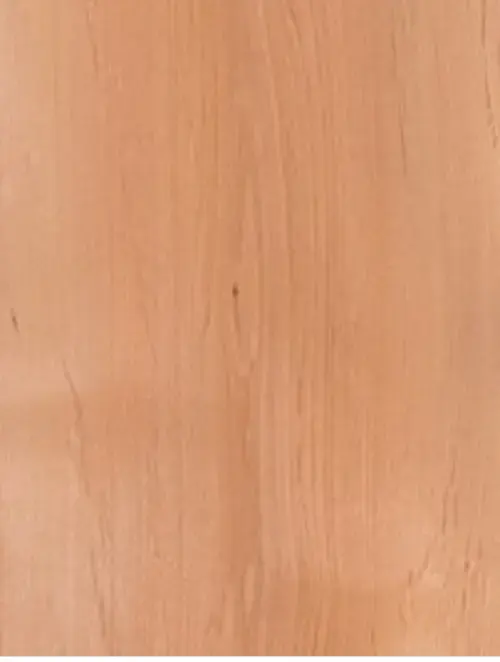
The workhorses: oak (crown or quarter cut, including fumed brown oak), American black walnut, maple, cherry and ash. Around them sit the characterful seconds — sycamore with its fine wavy figure, anigre’s soft ribbon stripe, hickory’s bold contrast, alder and tulipwood for painted and stained work, and bamboo for linear contemporary schemes. Dyed Tabu veneers extend the palette into consistent greys, blues and blacks, and the rarities live on our exotic veneers page.
Cuts, matches and figure
How a log is sliced and how leaves are joined matter as much as species: crown cut for cathedral grain, quarter cut for calm vertical lines, book matching for mirrored symmetry, slip matching for quiet repetition, sunburst and diamond matches for tabletops. The full working vocabulary — flitches, lay-ons, balancing veneers, burr and fiddleback figure — is defined in our wood veneer glossary.
FSC certification, in practice
FSC (Forest Stewardship Council) certification is the benchmark for responsible timber: it verifies that a veneer’s journey from forest to finished panel is tracked through a chain of custody, that the source forest is managed for biodiversity and regeneration, and that the communities and workers within it are dealt with fairly. We specify FSC-certified veneers as standard, which matters increasingly on hospitality and development projects where sustainability reporting reaches down to the FF&E package. Certification documentation is supplied with the project record on request.
Veneer in service
Veneered surfaces carry most of our joinery and casegoods work: panels are built symmetrically on stable substrates, edged in solid timber where wear demands it, and finished in lacquer or oil. For the patterns veneer can become, see marquetry; for a milled, fluted surface in oak or walnut, see fluted wood panels.
Have a scheme that calls for
exceptional surface?
Need samples? Get in touch and tell us about your project.