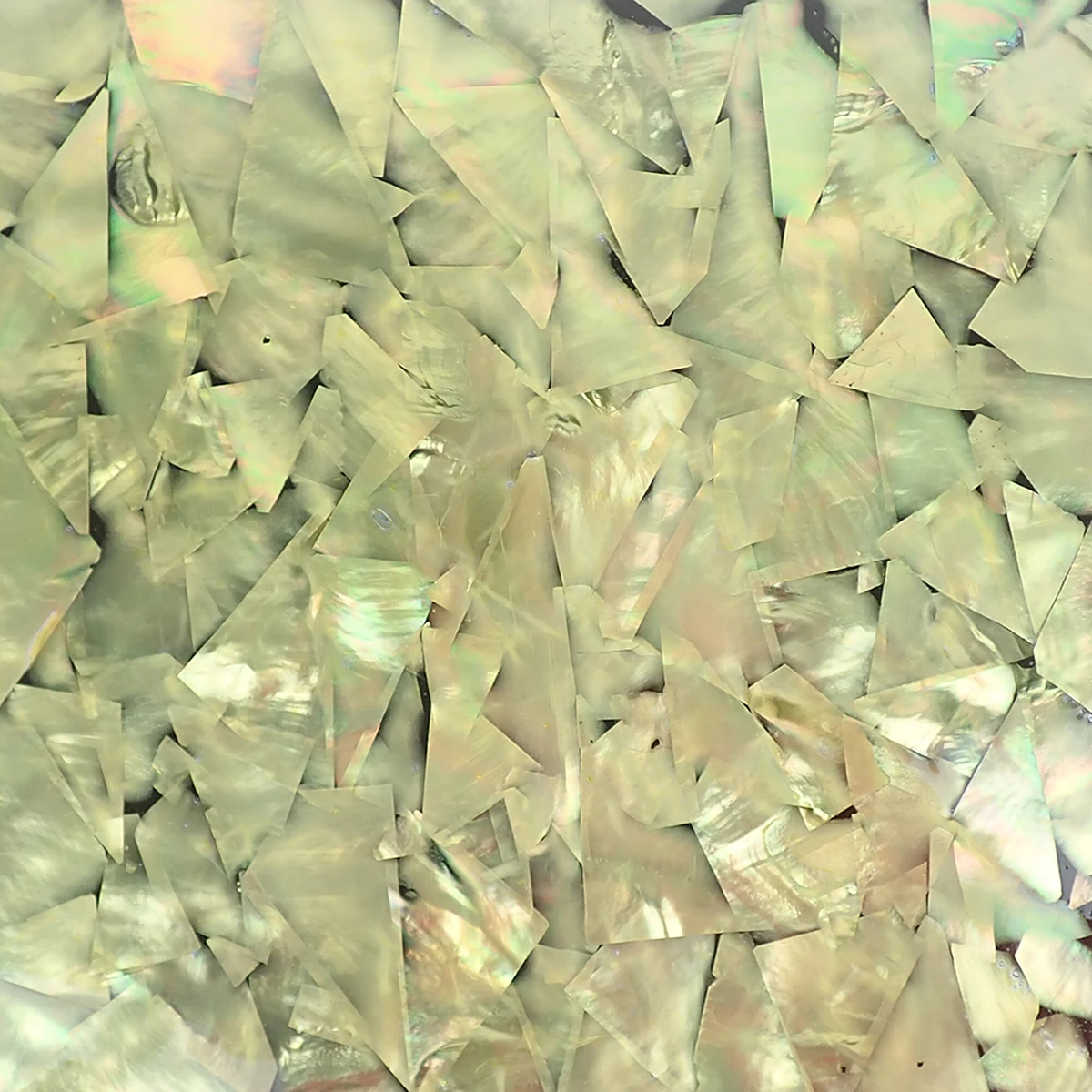
Designers often use mother of pearl for bespoke furniture pieces, most commonly in the form of mosaic tile designs, but also for marquetry detailing.
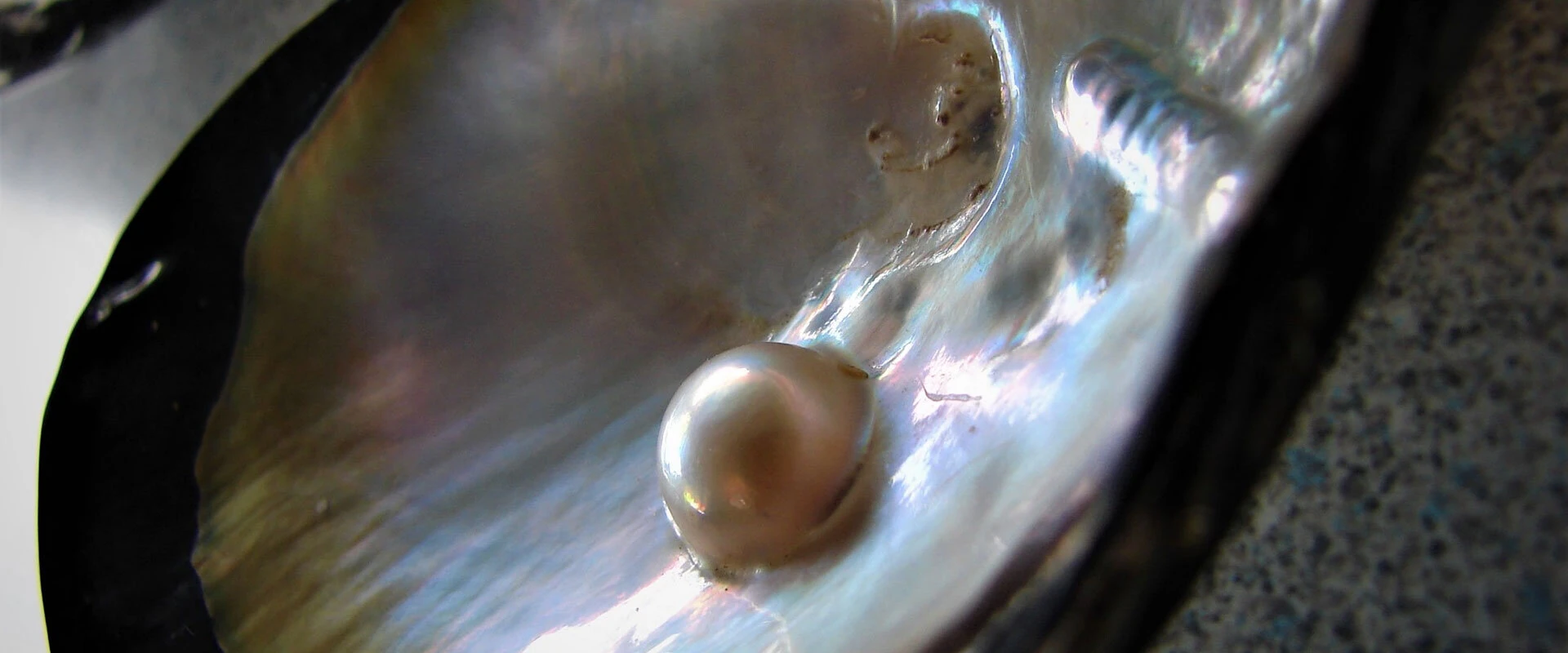
Mother of pearl refers to the iridescent lining that's found in the inner surface of a nacre-producing mollusc's shell. Another term for mother of pearl is nacre, which is the substance that forms pearls. Mother of pearl is made of aragonite, a type of calcium carbonate, formed by the pearl oyster, as well as freshwater pearl mussels and abalone.
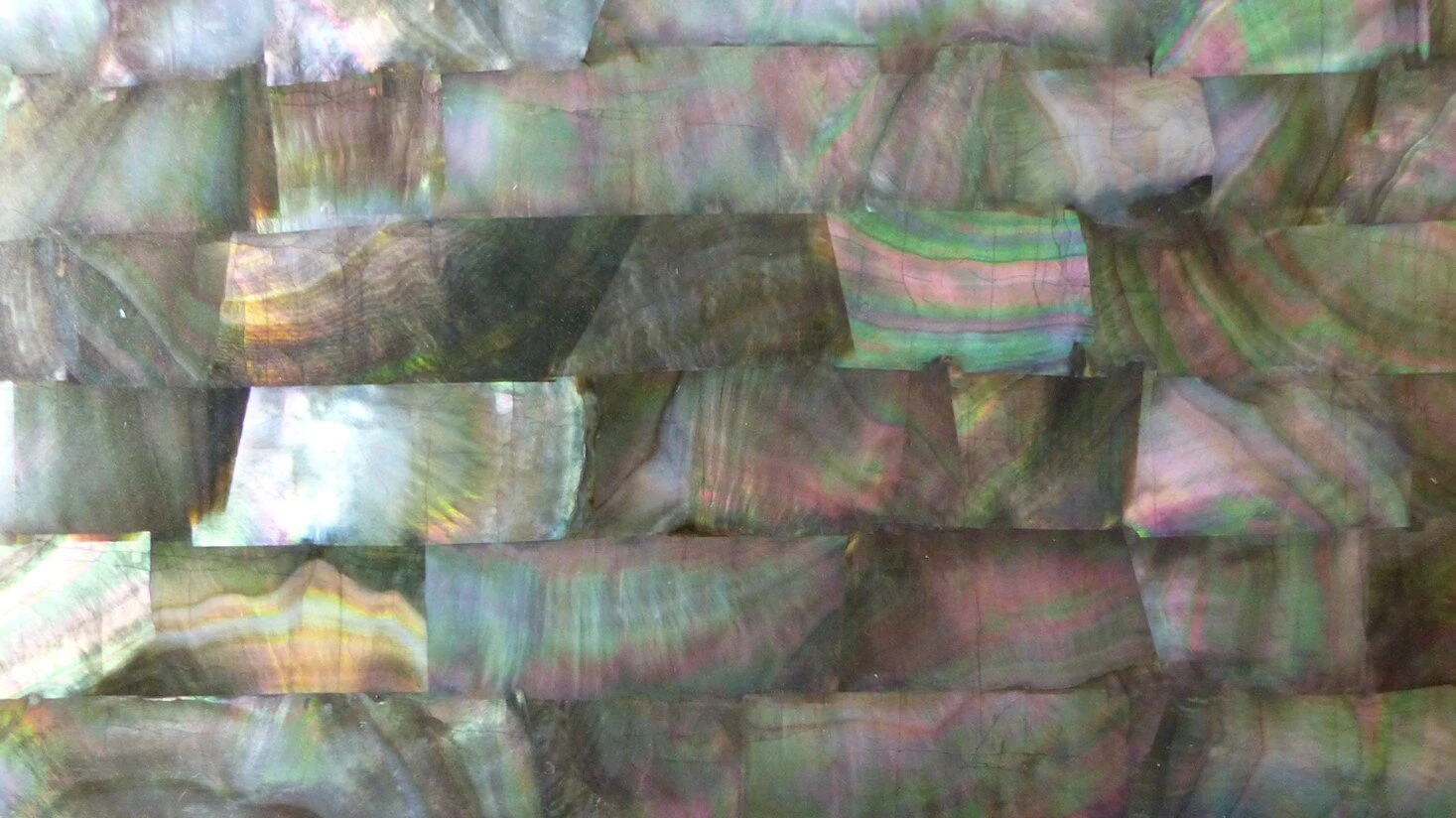
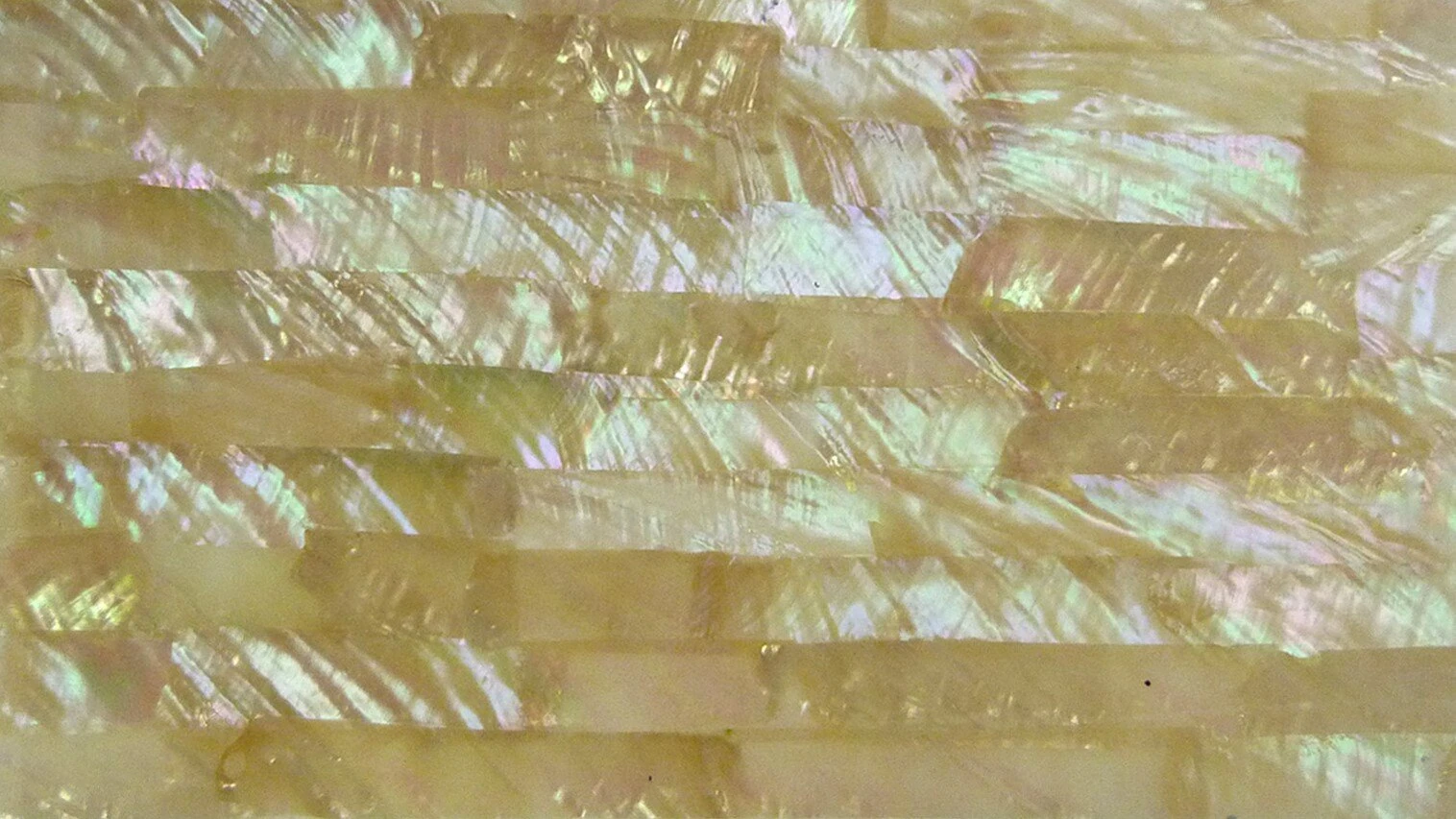
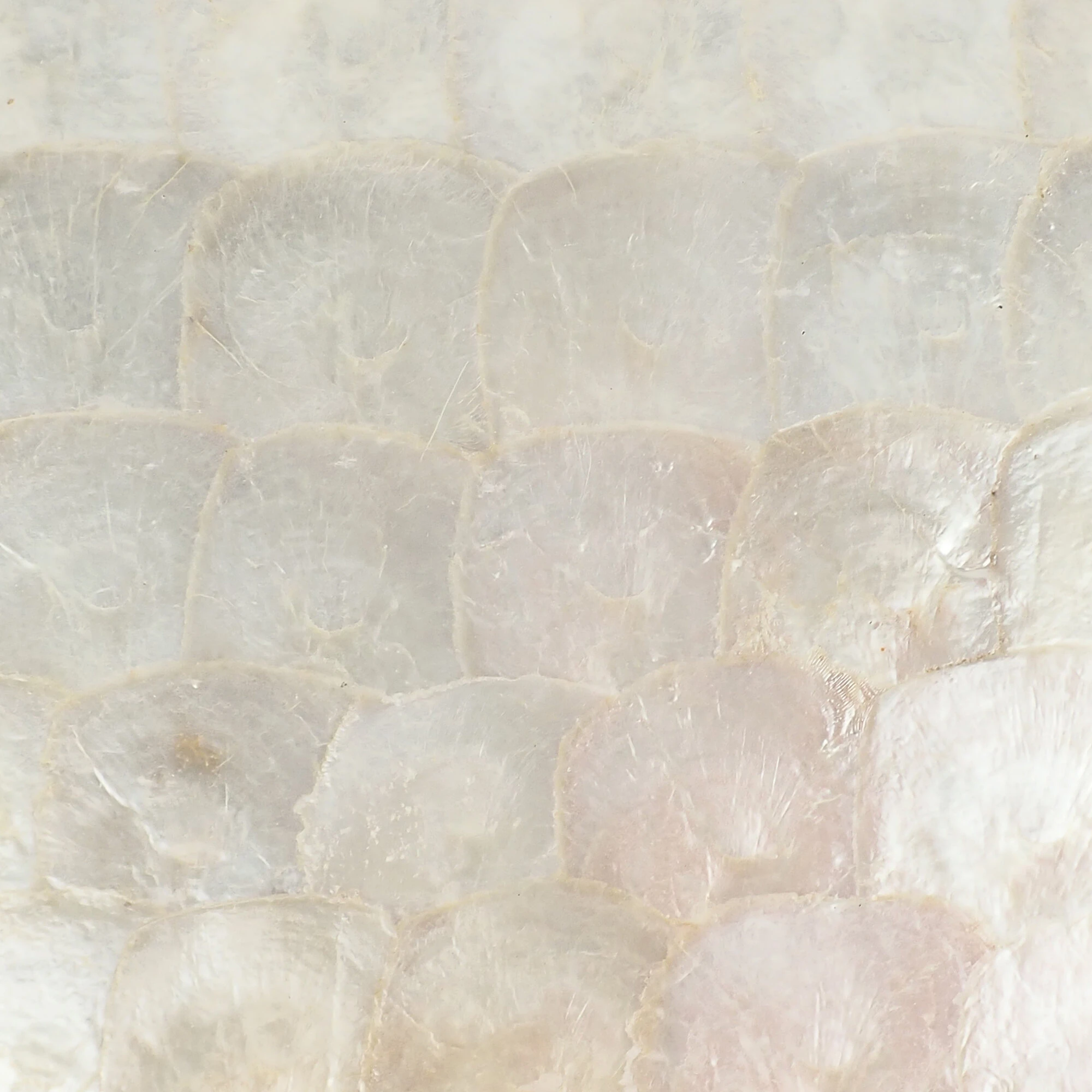
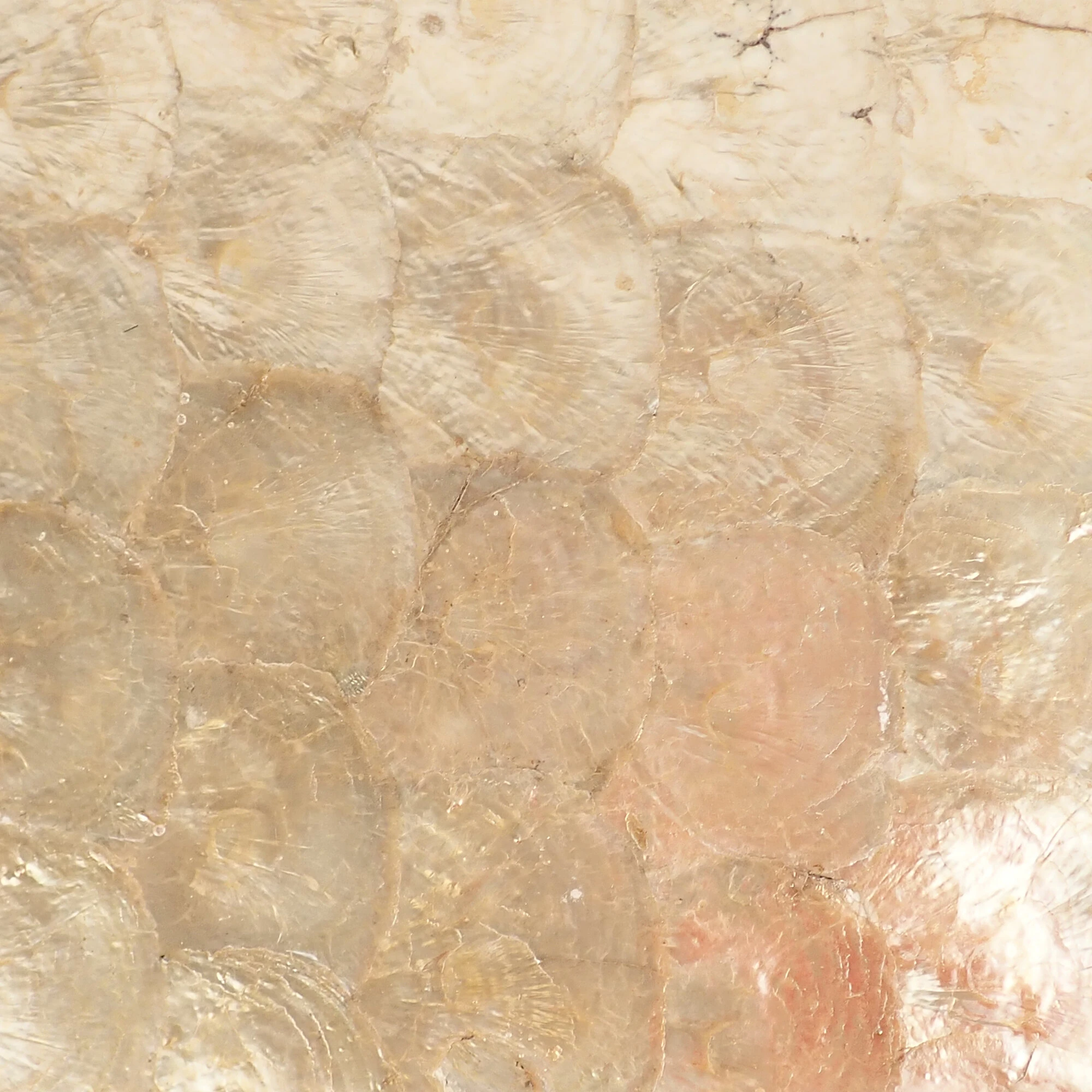
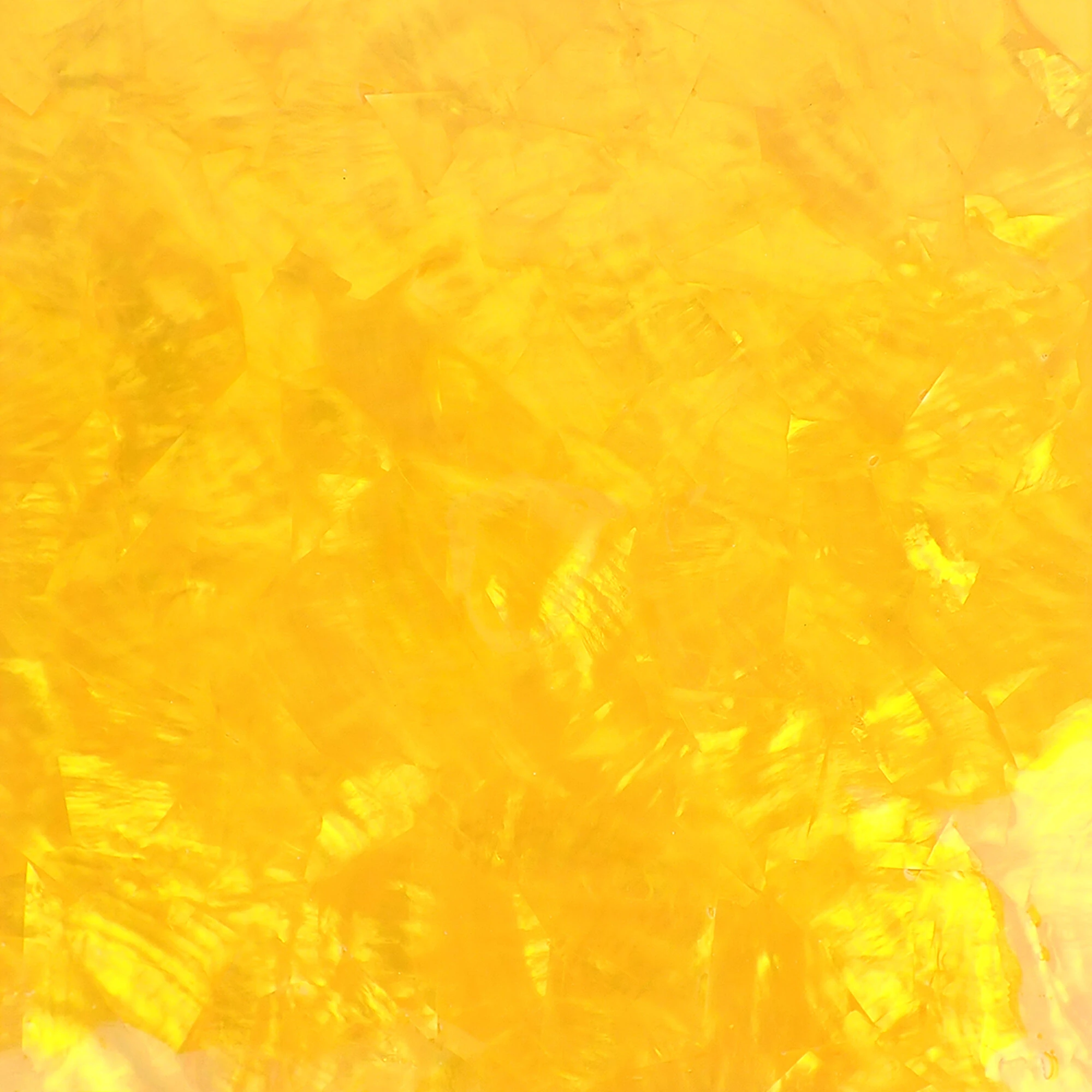
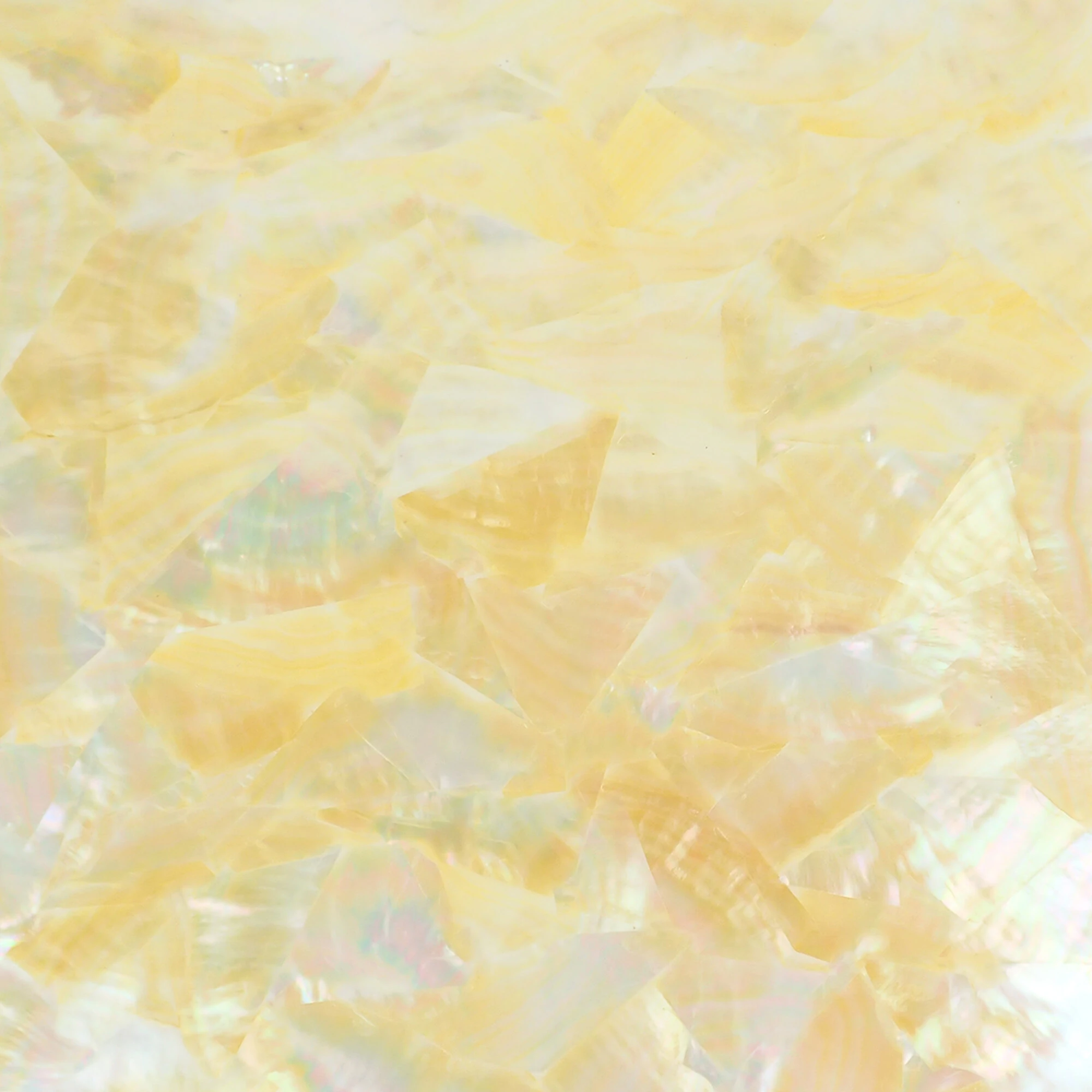
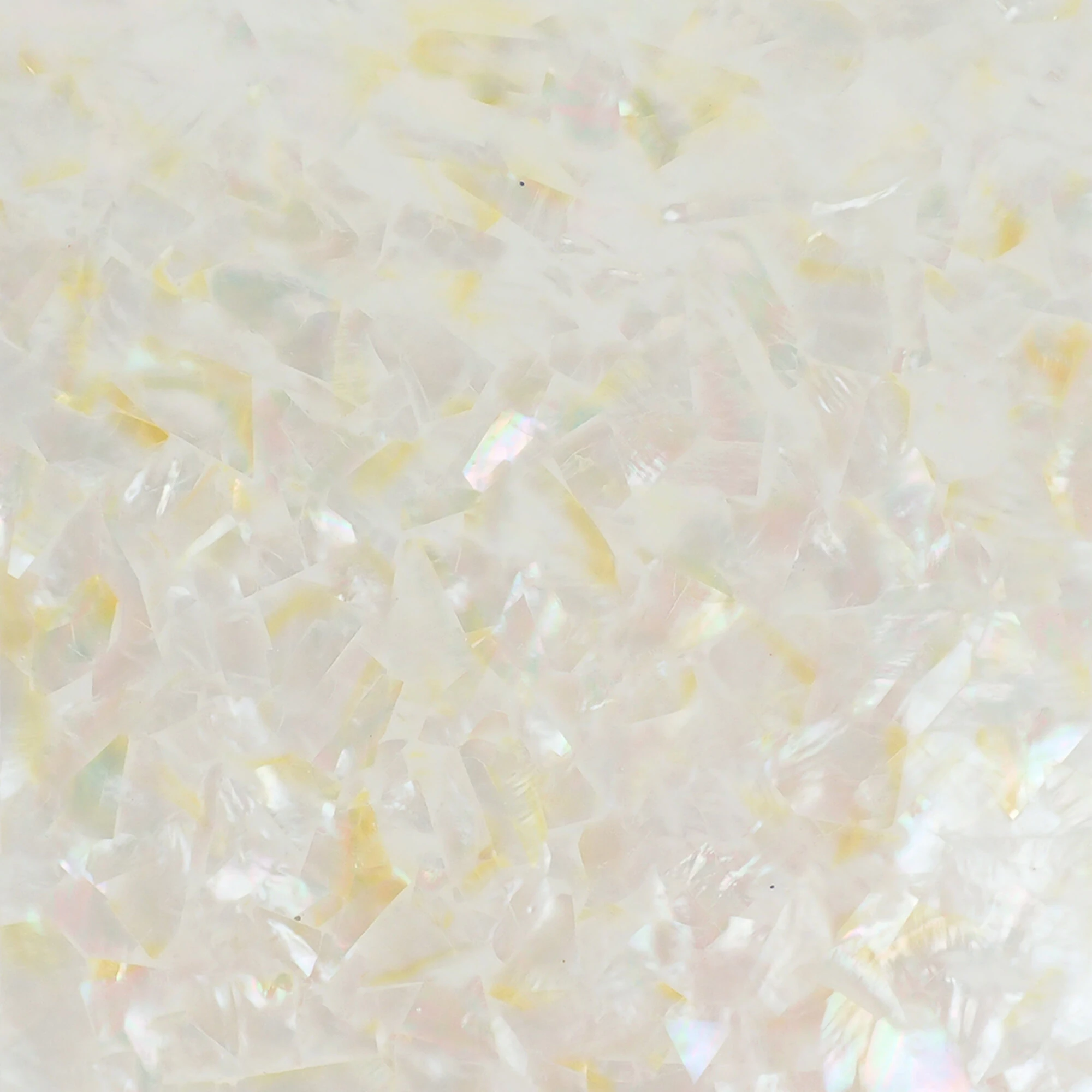
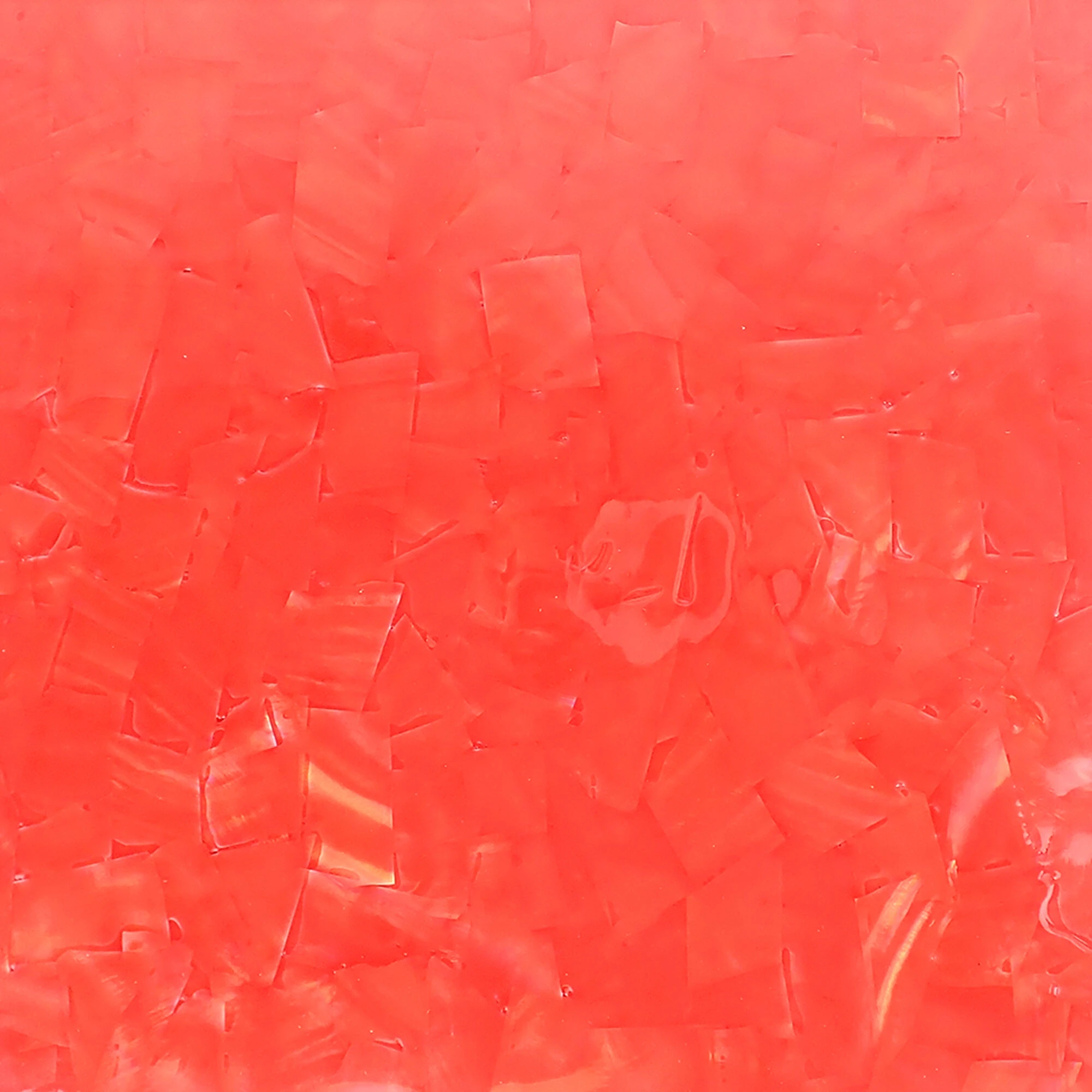
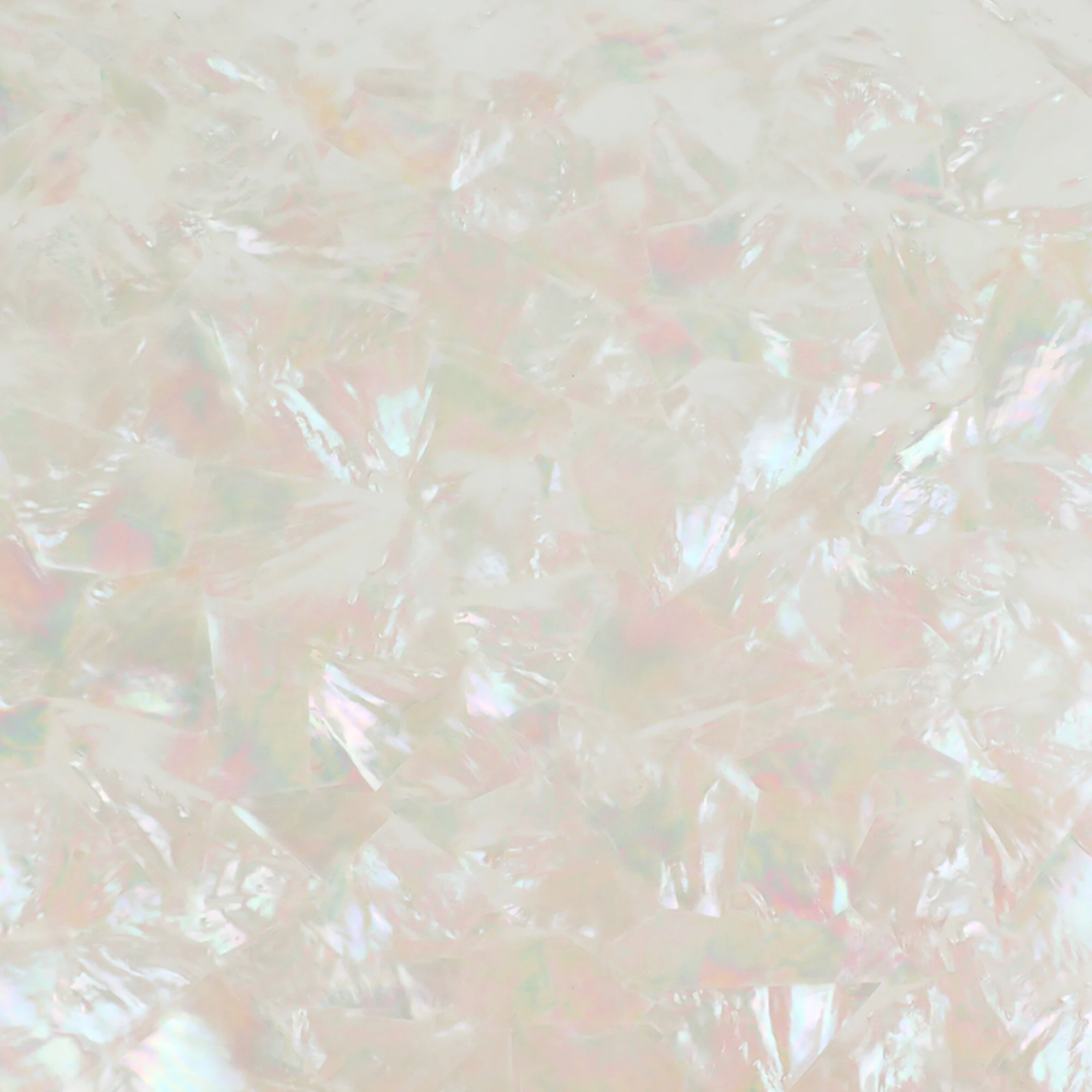
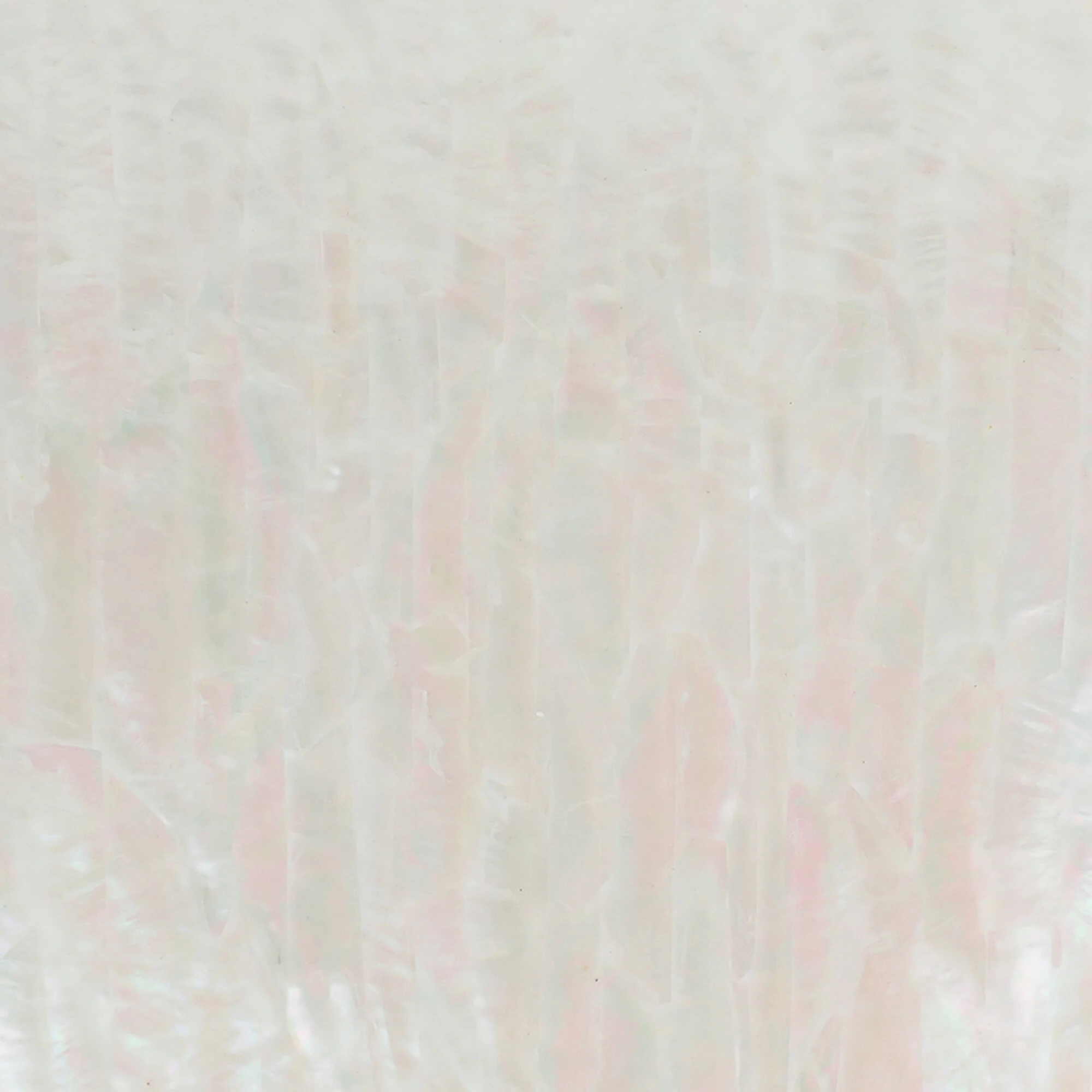
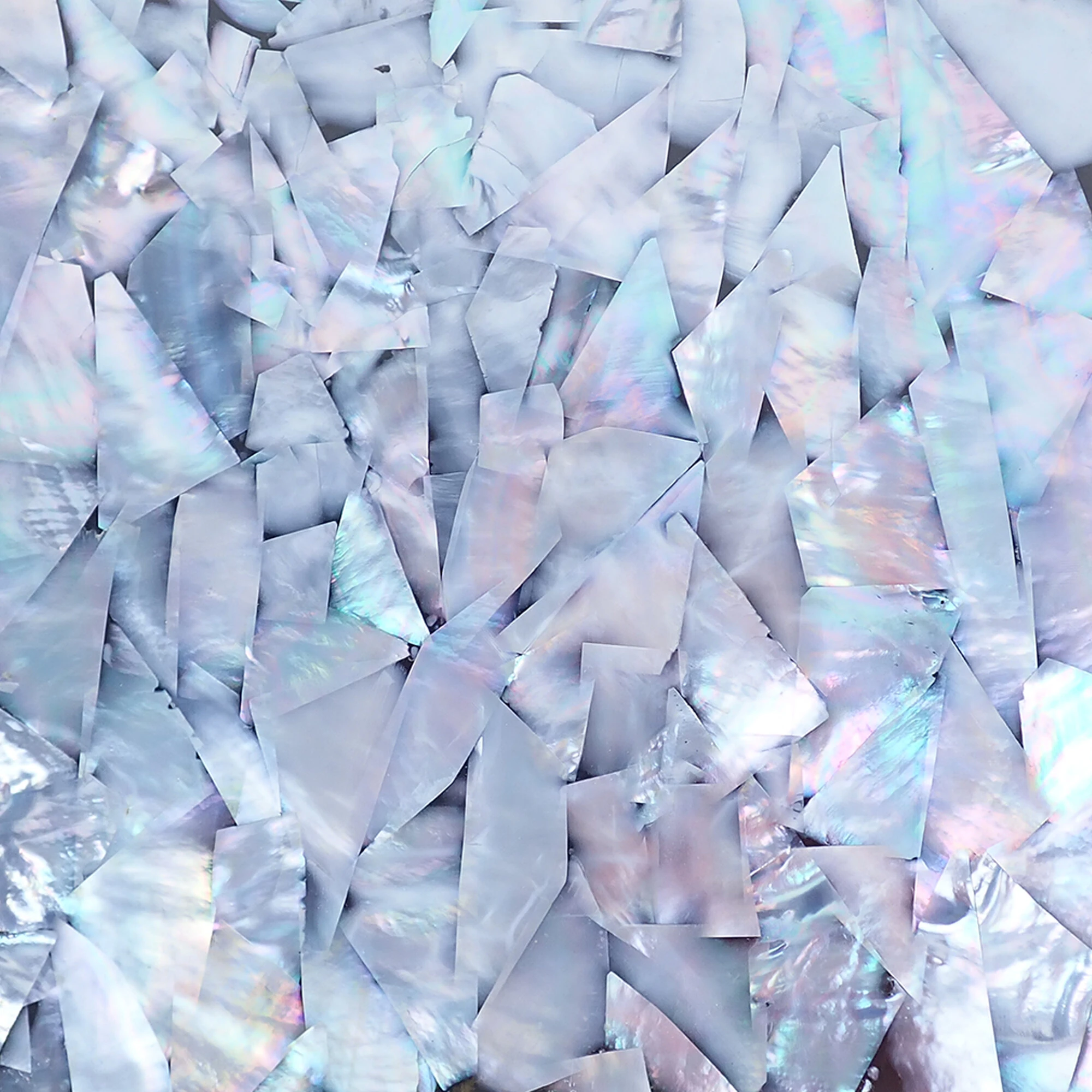
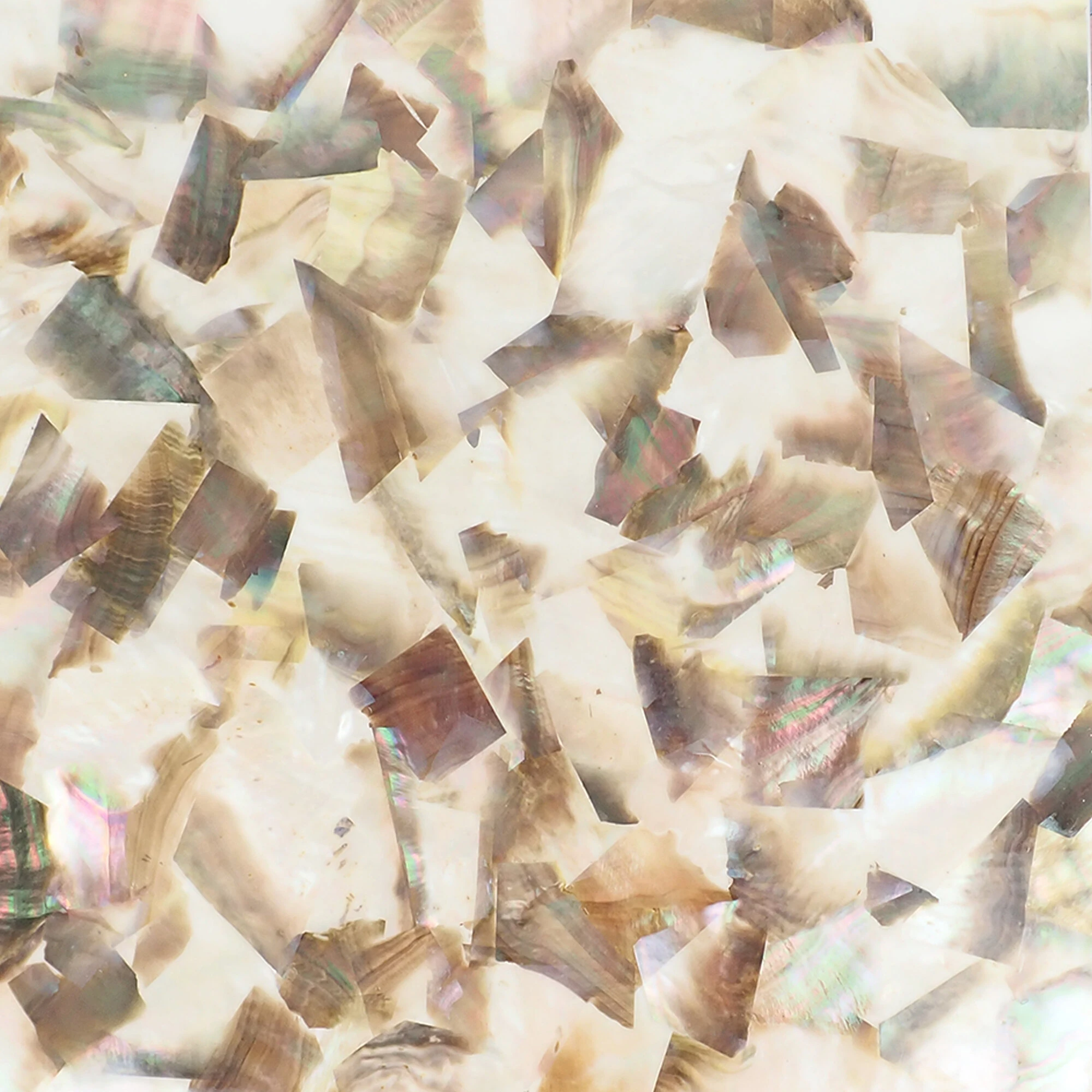
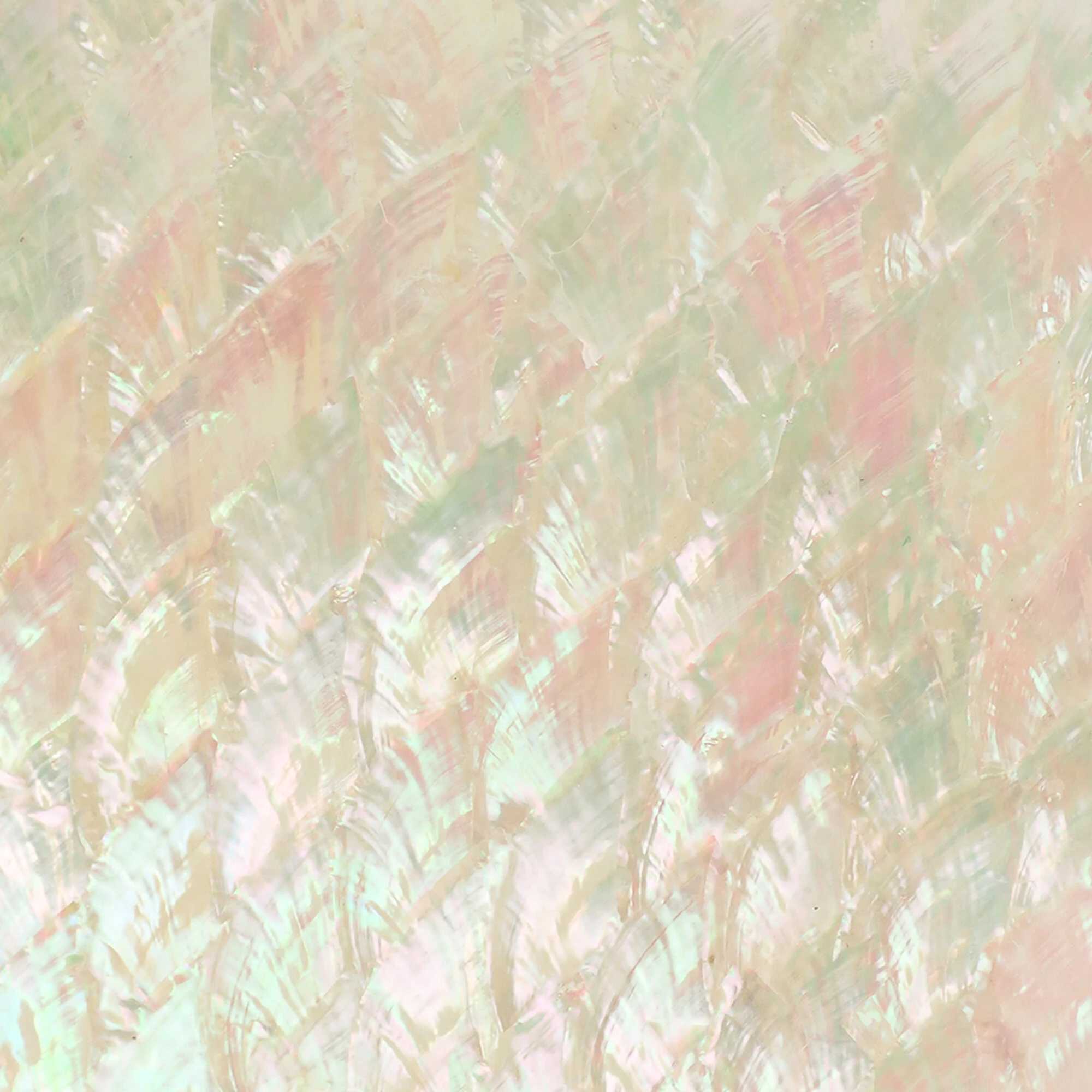
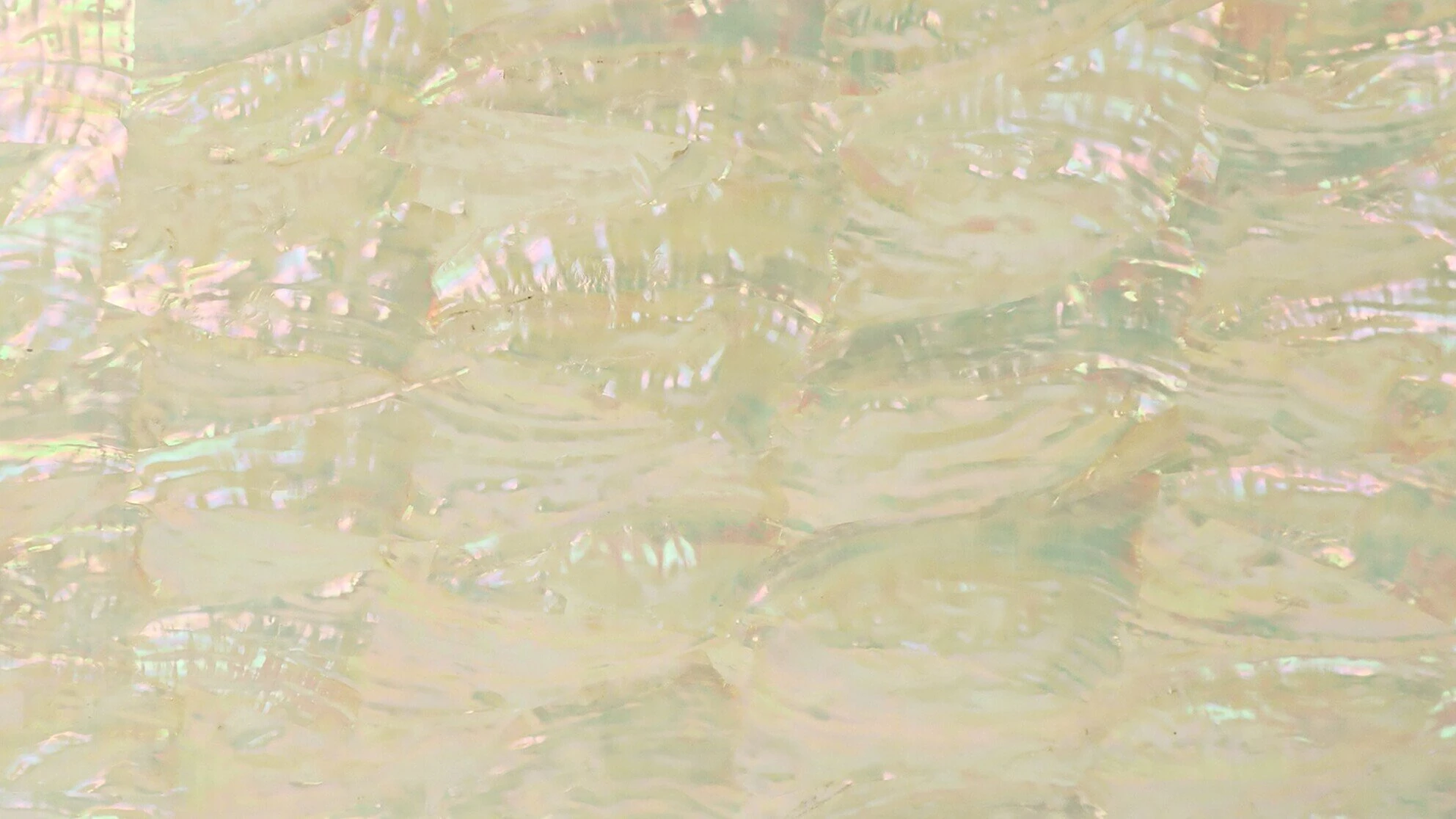
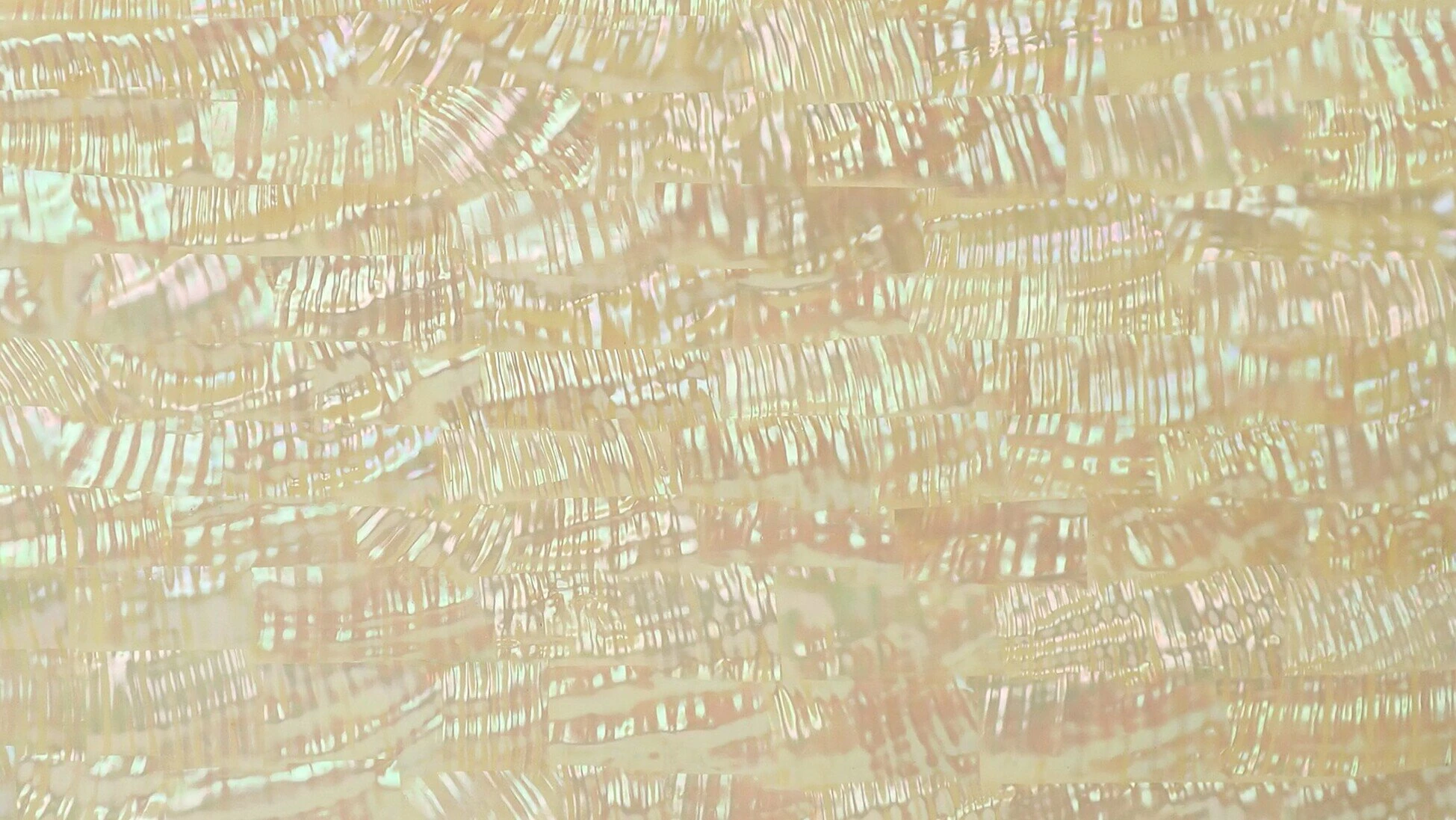
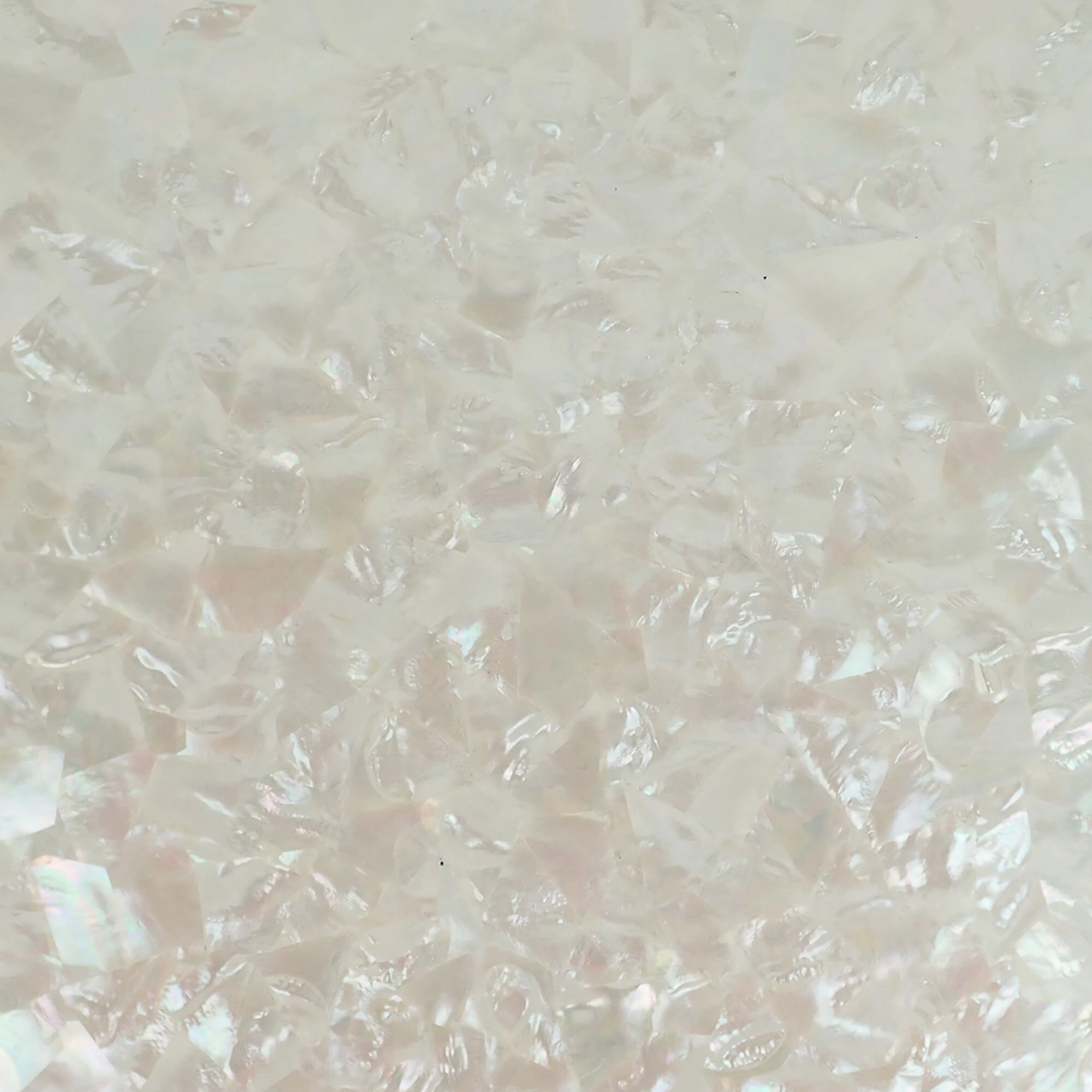
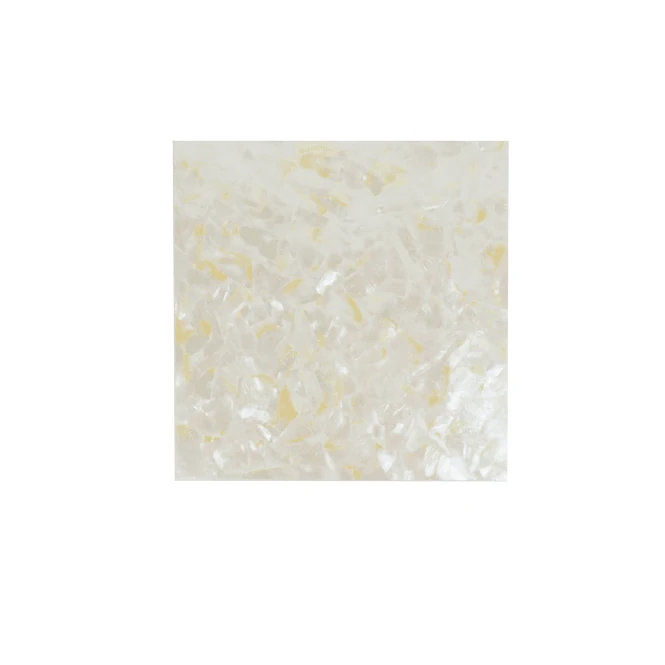
Mother of pearl is generally opaque to translucent in appearance and is typically white, cream or off-white in colour, however, you'll also come across grey, silver, yellow, black, blue-green and red varieties.
The material is specified in considered interiors because of how it behaves under light. The microscopic layered structure of nacre splits and diffracts light rather than simply reflecting it, which gives the surface its shifting, depth-filled quality. Worked correctly, a shell panel reads differently as the viewer moves and as the light changes through the day.
Where mother of pearl is used.
A surface of extraordinary optical refinement, used wherever the specification calls for a material that diffracts rather than merely reflects light.
- Cabinet faces, door and drawer inlay
- Marquetry panel work
- Table and desk top surfaces
- Wall panels and decorative screens
- Tessellated shell tiling
- Bathroom and vanity cabinet details
- Combined shell and lacquer surfaces
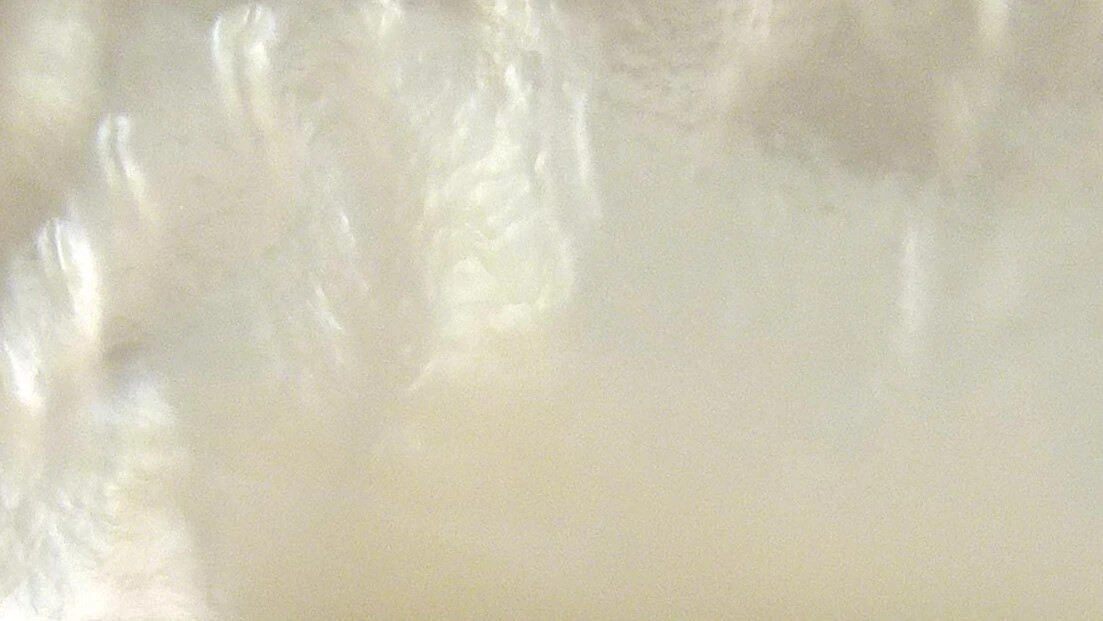
Dyed mother of pearl
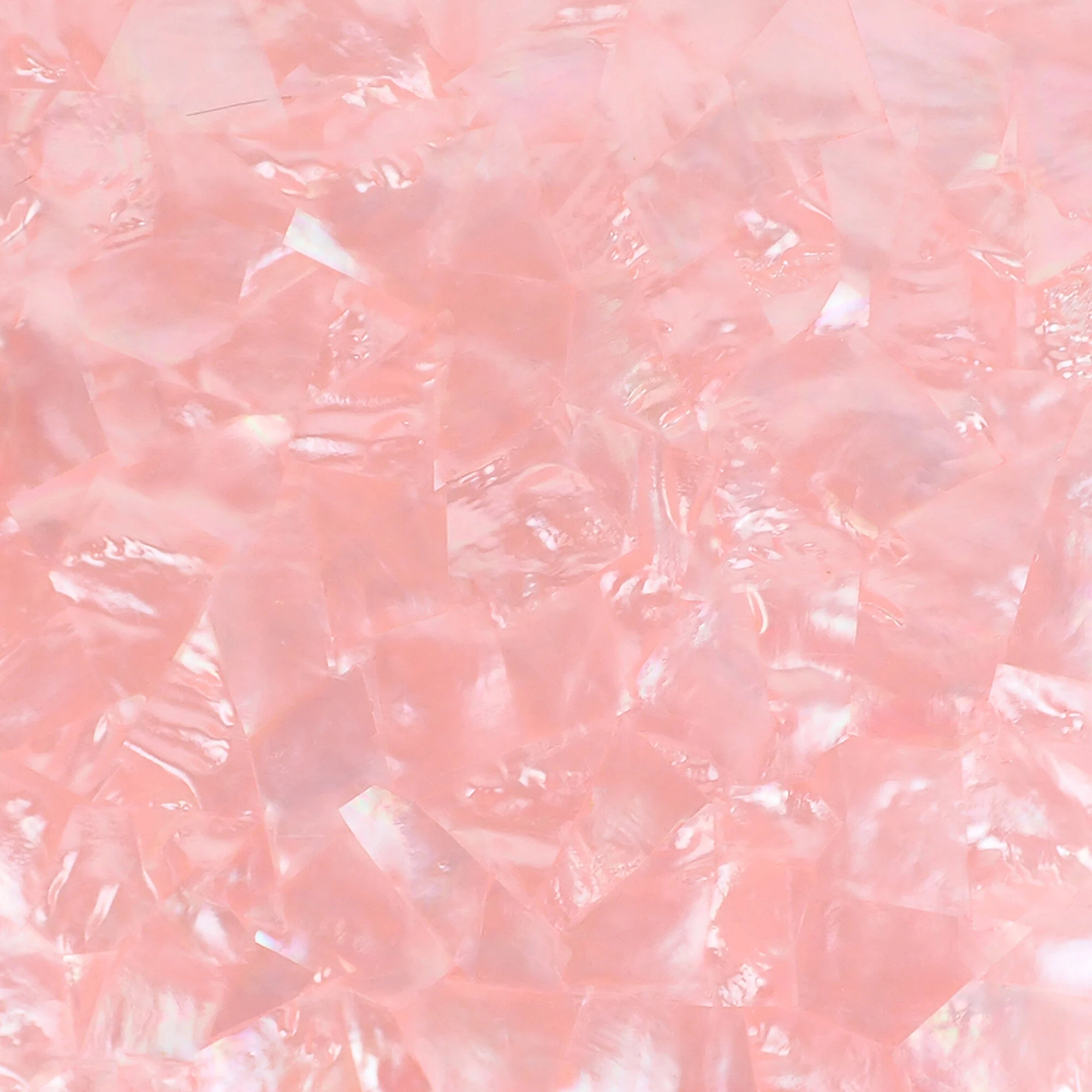
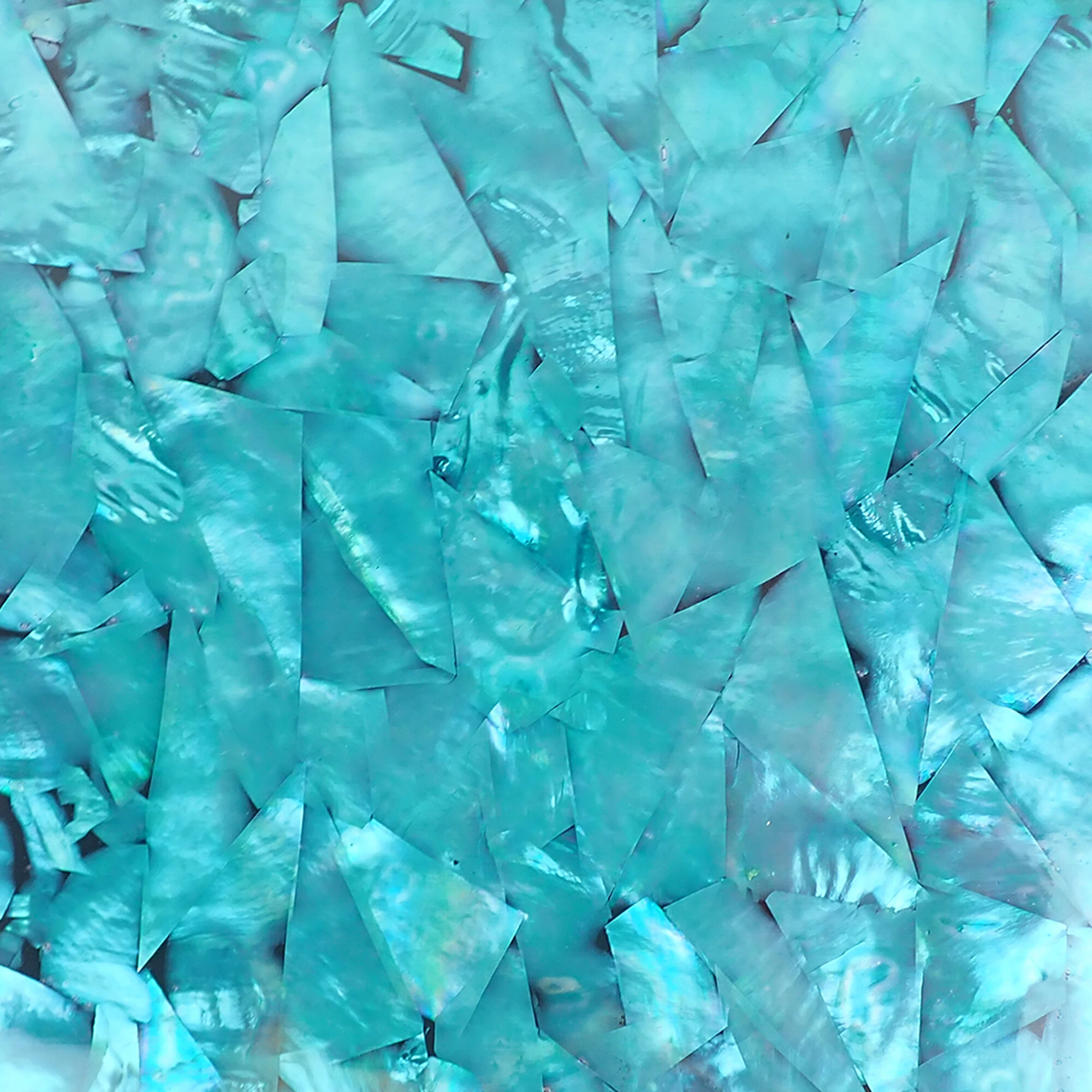
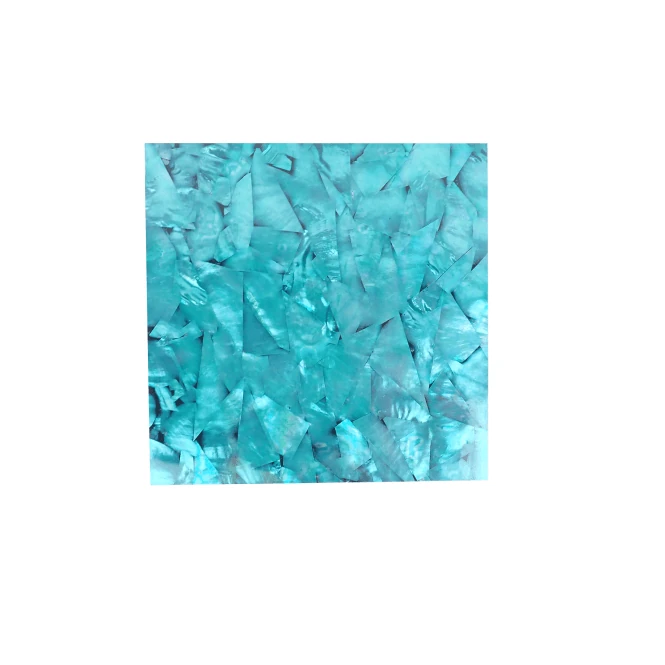
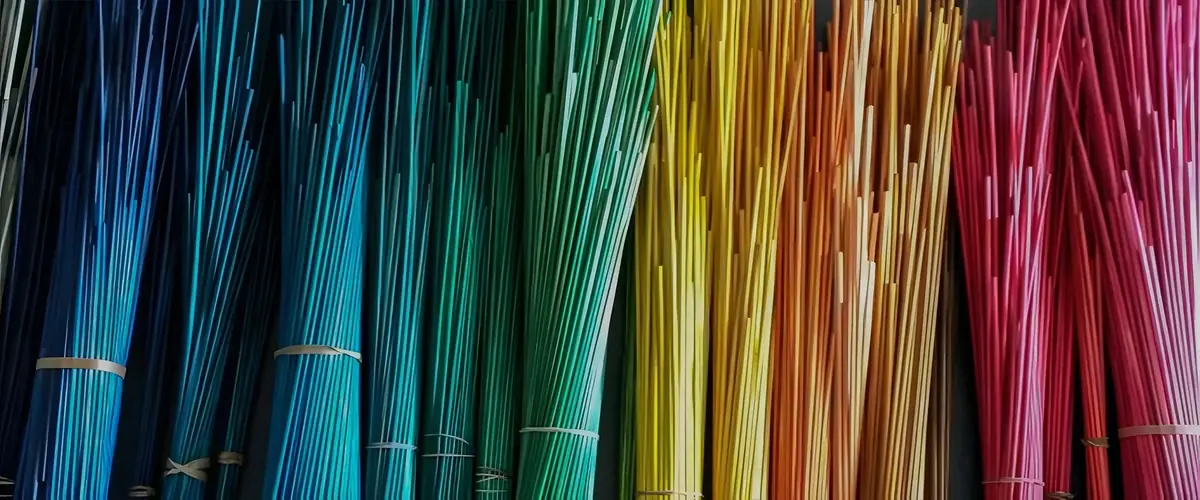
Natural nacre runs from silver-white to smoked gold — but the palette does not stop there. Shell can be pressure-dyed in a controlled bath, the immersion time setting the depth of colour, or brush-dyed for gradients and accents. Because the dye penetrates rather than coats, the iridescence survives: a blue or emerald mother of pearl still turns and flashes in the light. Dyed pieces are sealed after colouring to fix the hue and protect against moisture and wear.
 01 / 61
 02 / 61
 03 / 61
 04 / 61
 05 / 61
 06 / 61
 07 / 61
 08 / 61
 09 / 61
 10 / 61
 11 / 61
 12 / 61
 13 / 61
 14 / 61
 15 / 61
 16 / 61
 17 / 61
 18 / 61
 19 / 61
 20 / 61
 21 / 61
 22 / 61
 23 / 61
 24 / 61
 25 / 61Lum a Mother of Pearl Varnished Laminate Shell Veneer
 26 / 61Lum a Mother of Pearl Varnished Laminate Shell Veneer
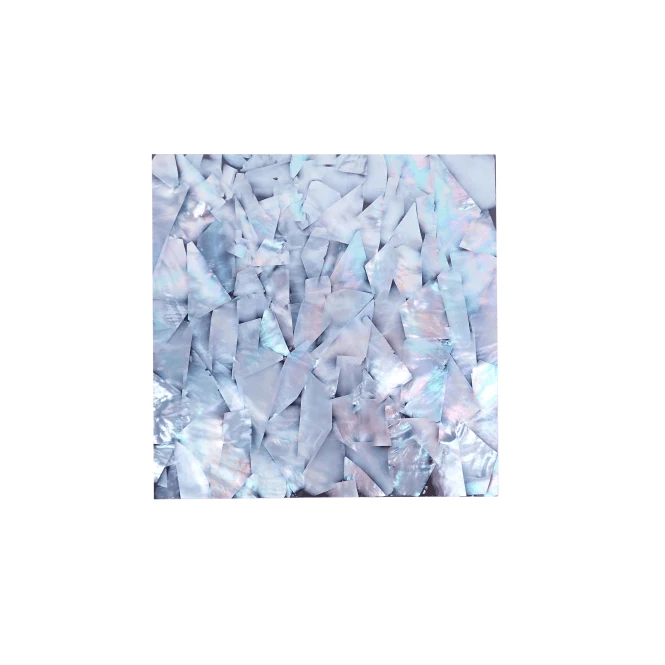 27 / 61Lum a Mother of Pearl Varnished Laminate Shell Veneer
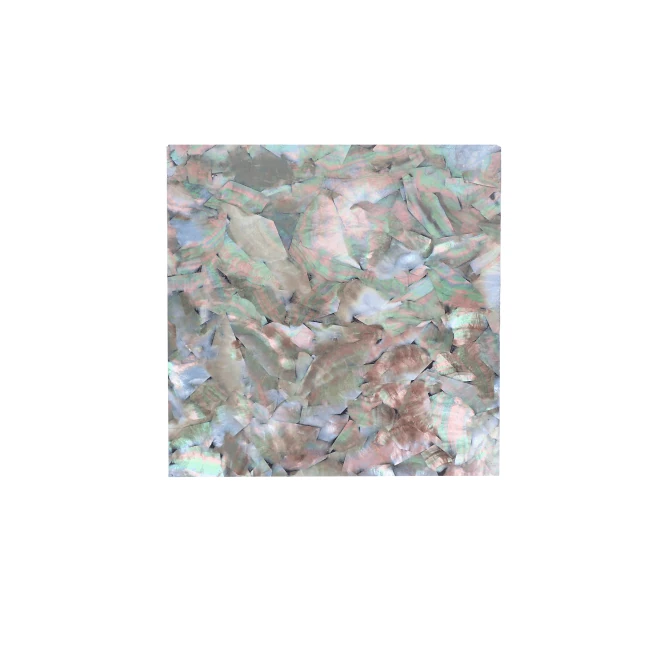 28 / 61Lum a Mother of Pearl Varnished Laminate Shell Veneer
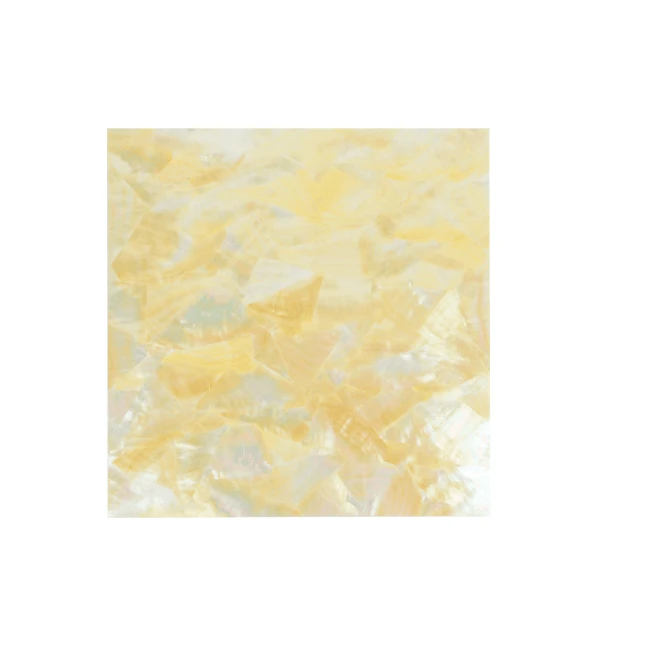 29 / 61Lum a Mother of Pearl Varnished Laminate Shell Veneer
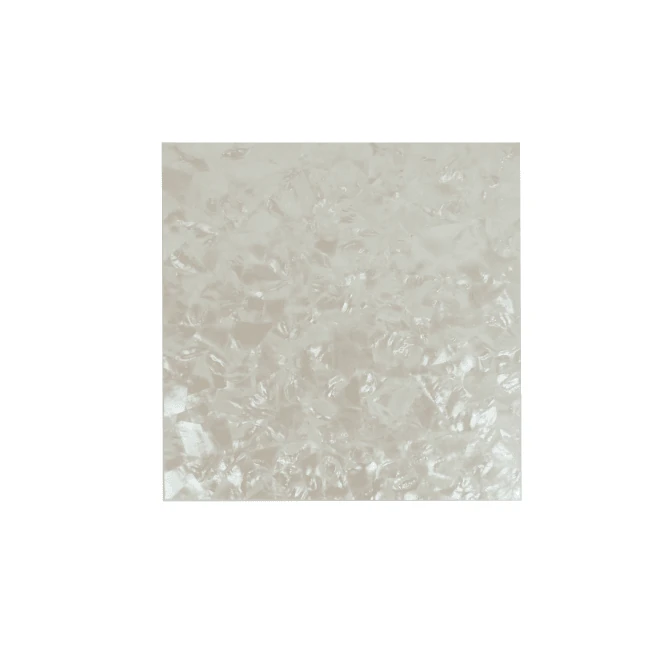 30 / 61Lum a Mother of Pearl Varnished Laminate Shell Veneer
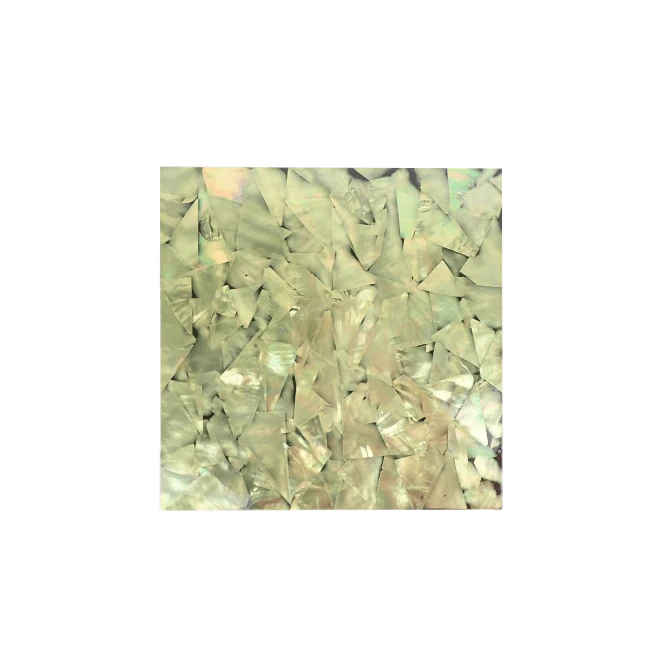 31 / 61Mother of Pearl Varnished Laminate Shell Veneer
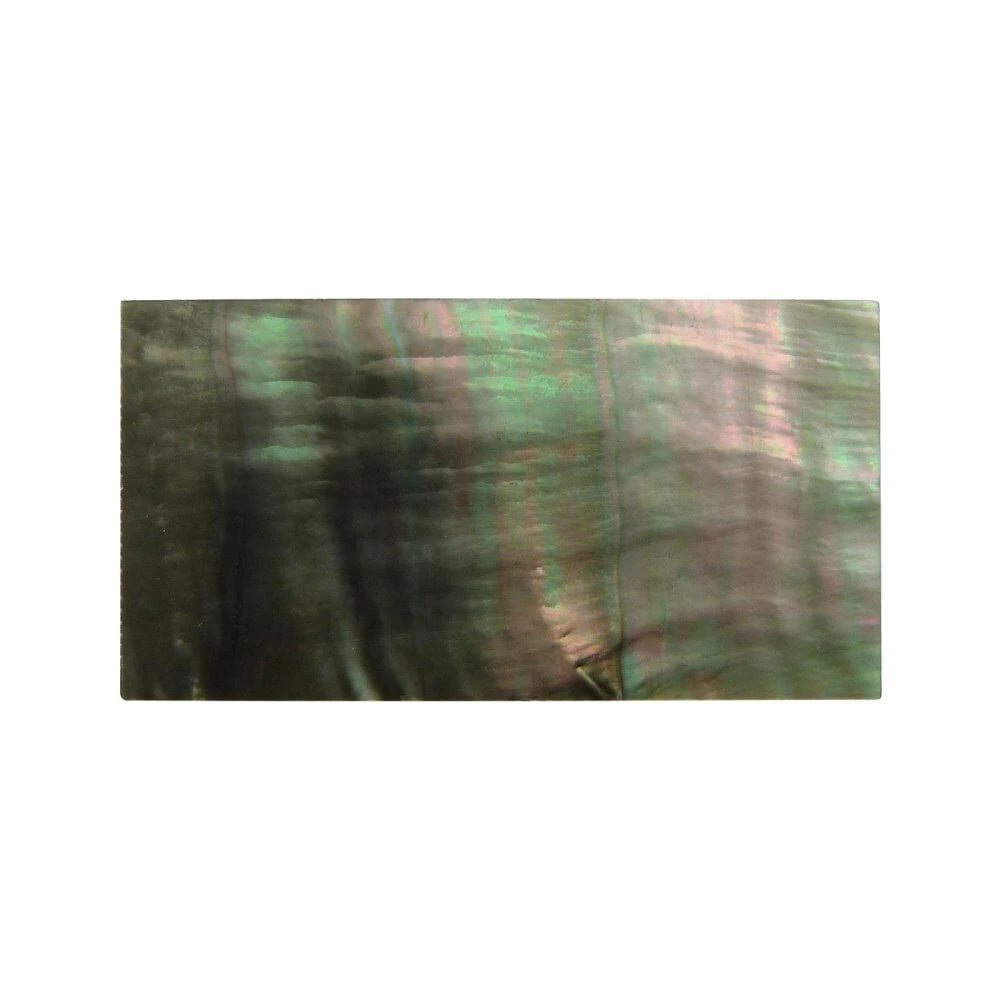 32 / 61Incudo Black Mother of Pearl Inlay
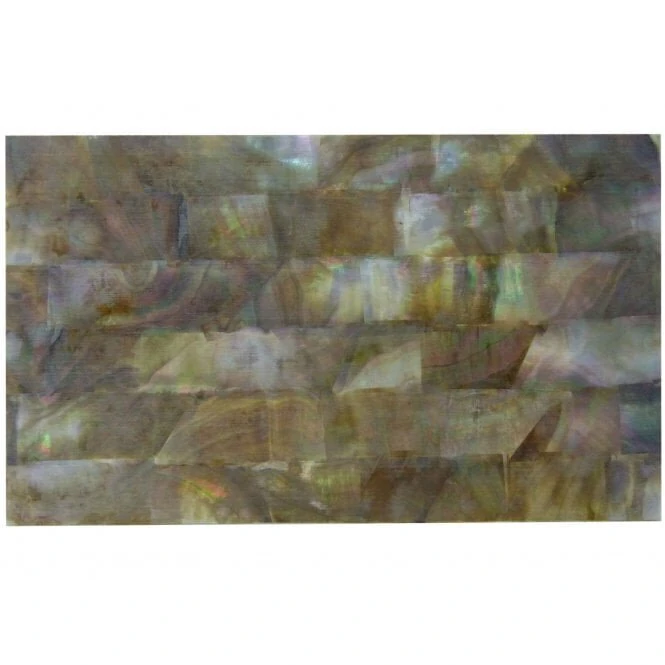 33 / 61Incudo Black Mother of Pearl Laminate Shell Veneer
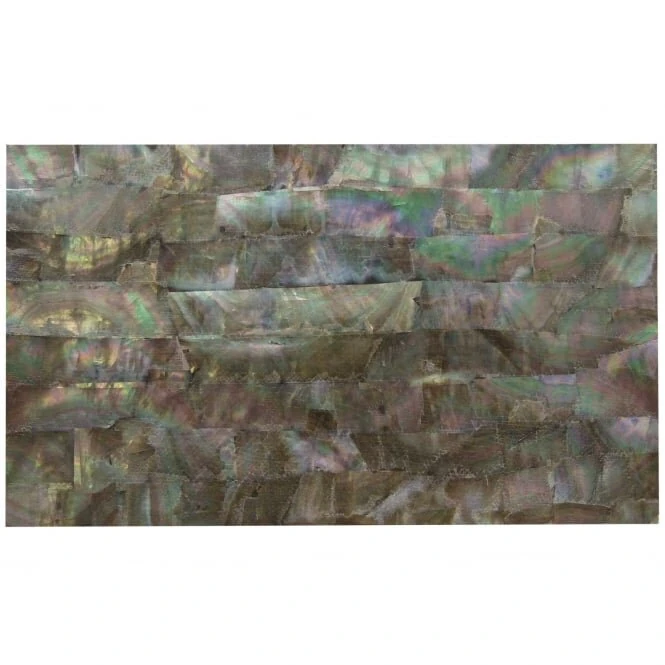 34 / 61Incudo Flexible Self Adhesive Shell Veneer
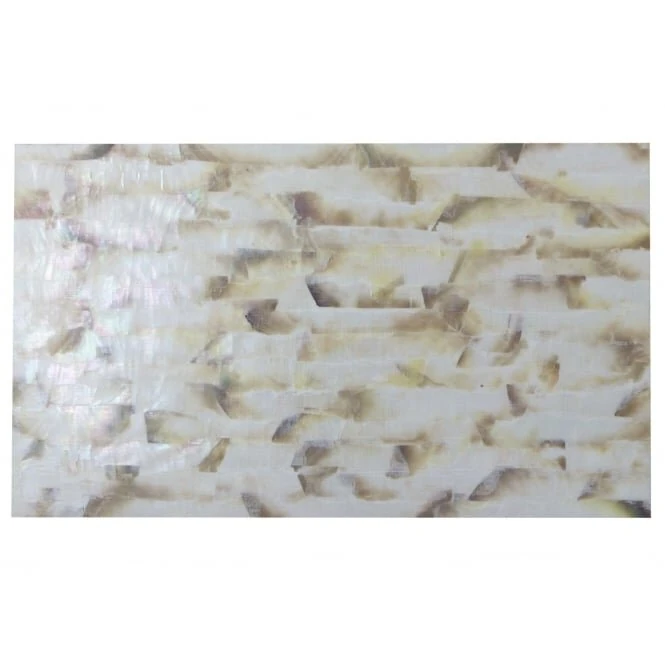 35 / 61Incudo Flexible Self Adhesive Shell Veneer
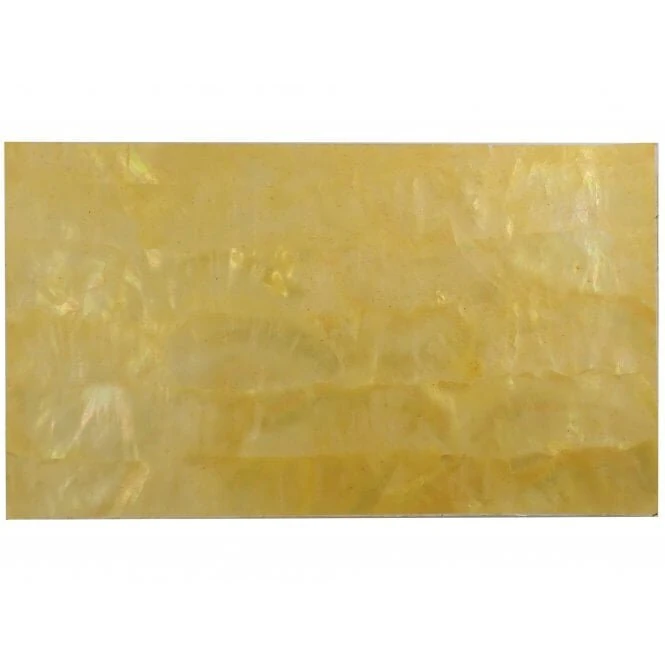 36 / 61Incudo Flexible Self Adhesive Shell Veneer
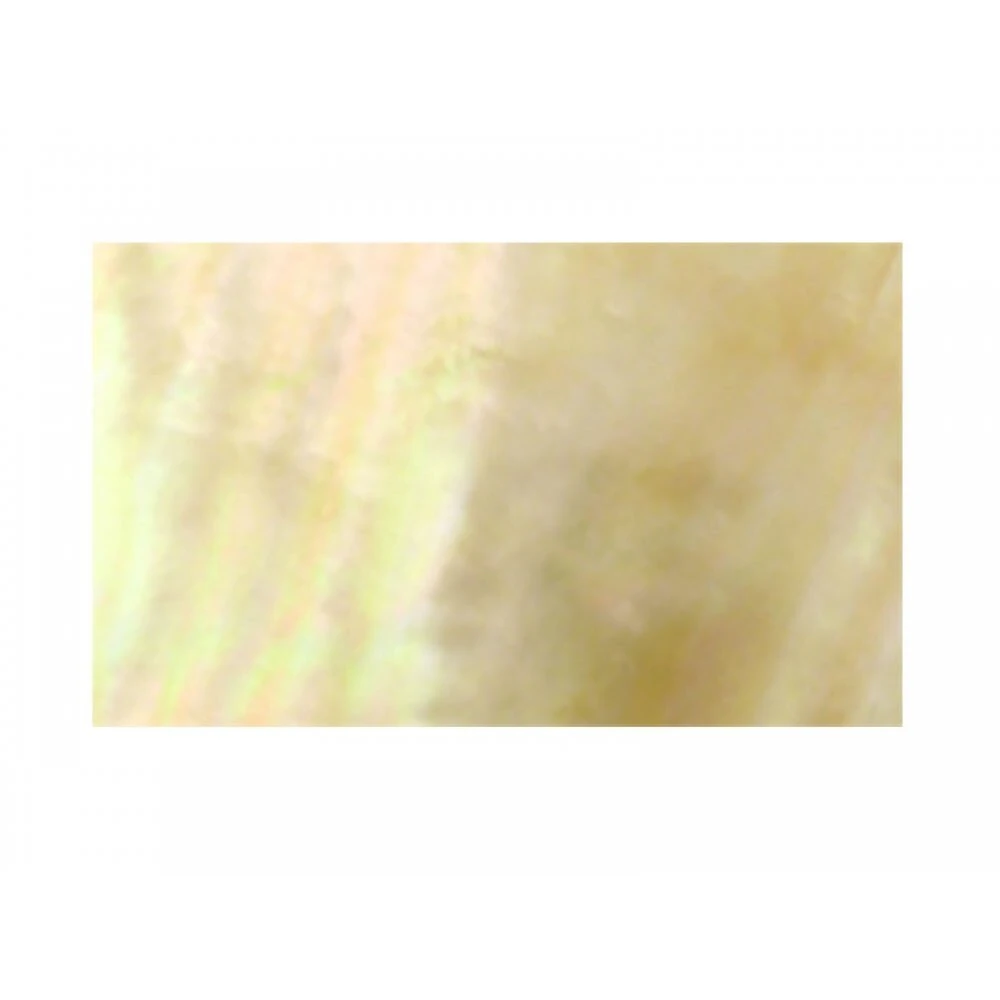 37 / 61Incudo Gold Mother of Pearl Inlay
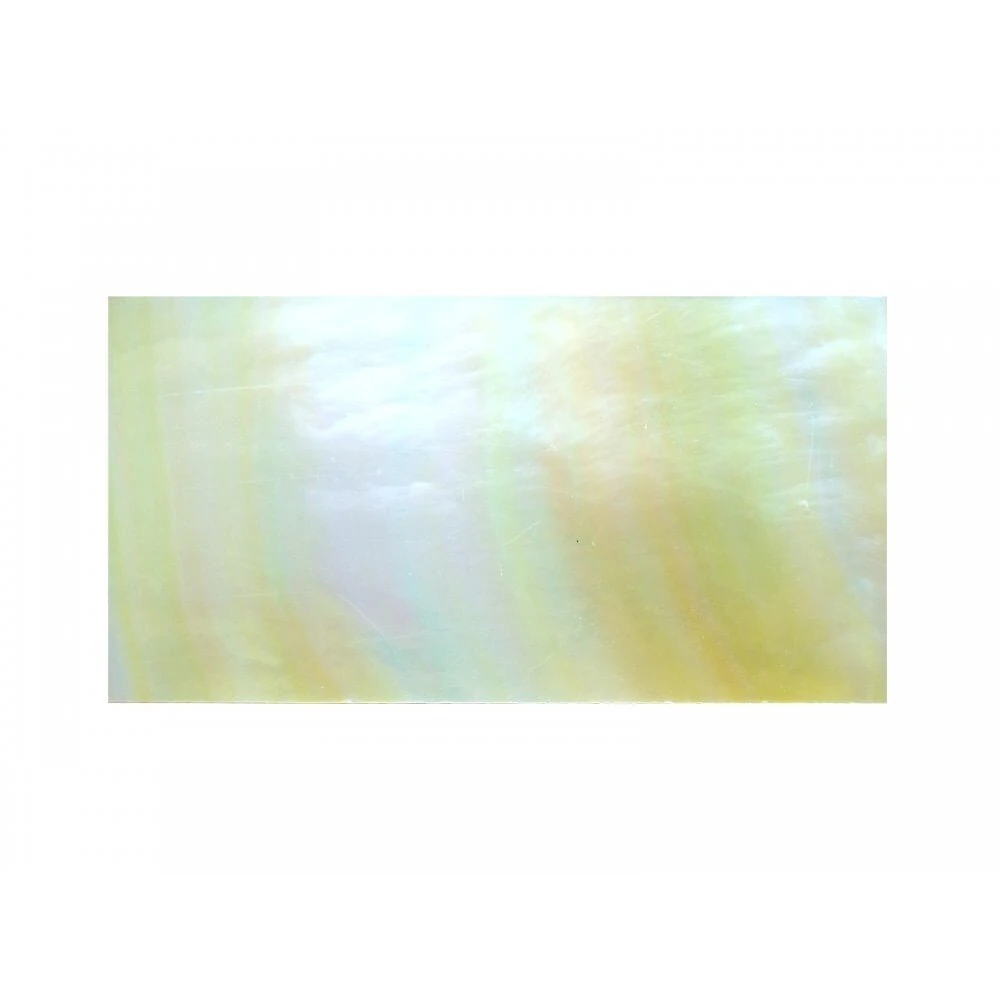 38 / 61Incudo Gold Mother of Pearl Inlay
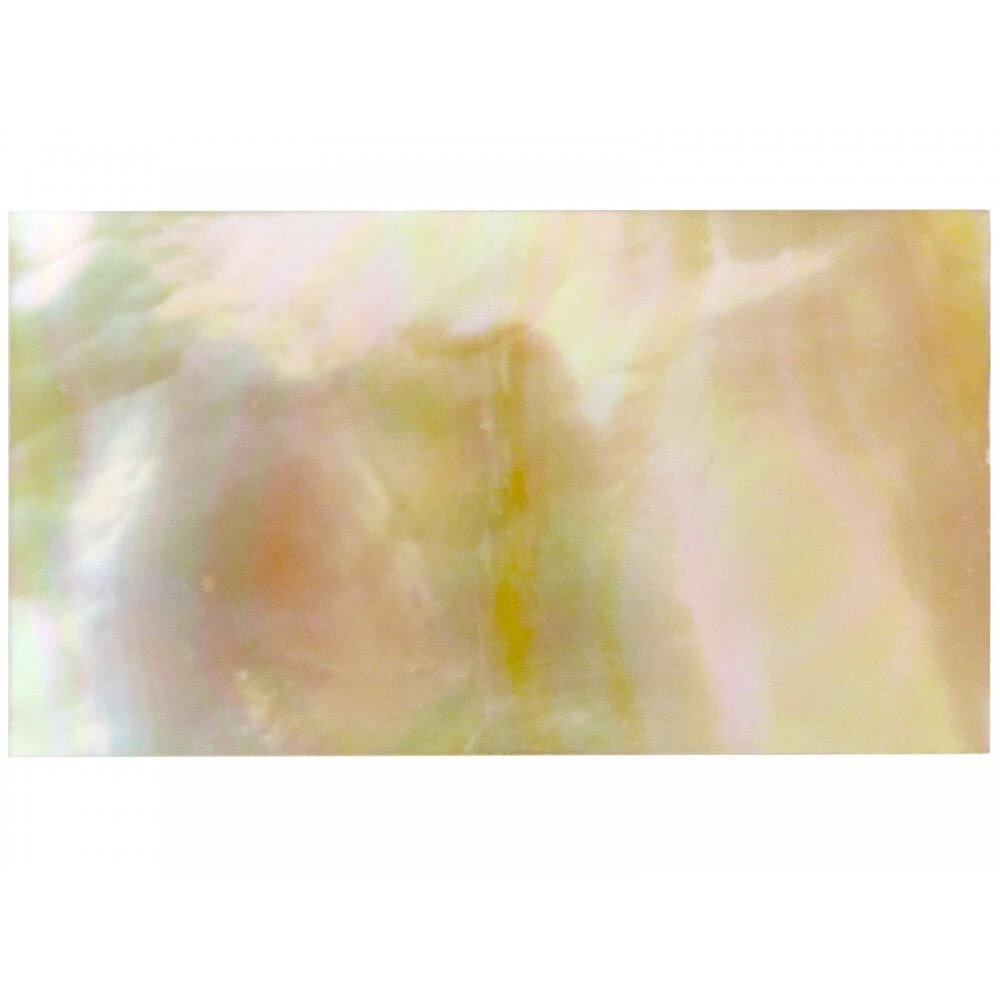 39 / 61Incudo Gold Mother of Pearl Inlay
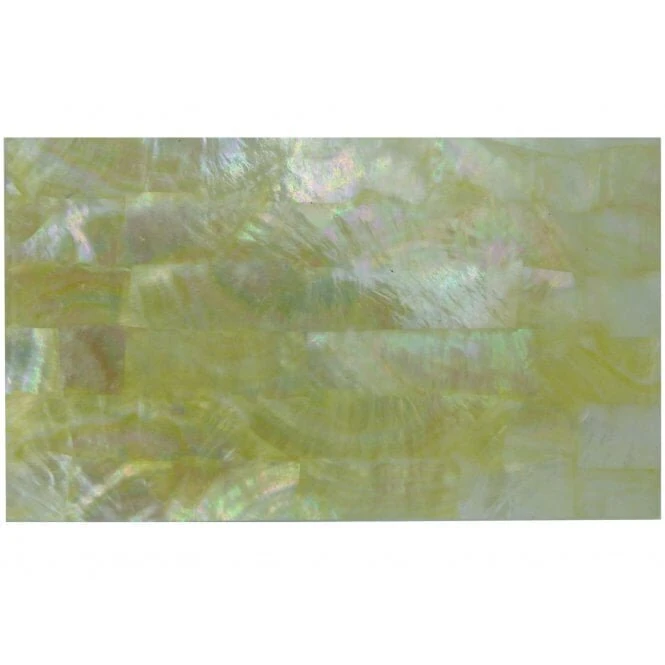 40 / 61Incudo Gold Mother of Pearl Laminate Shell Veneer
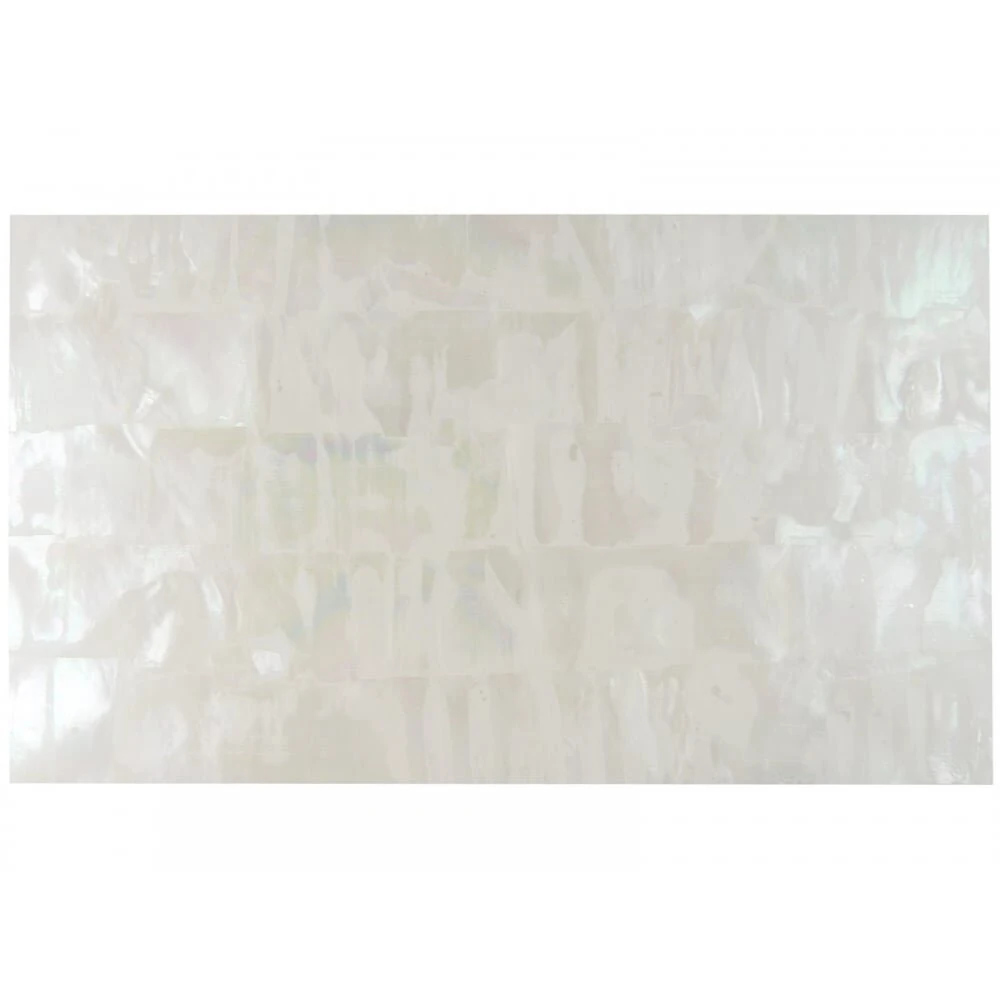 41 / 61Incudo Laminate Shell Veneer
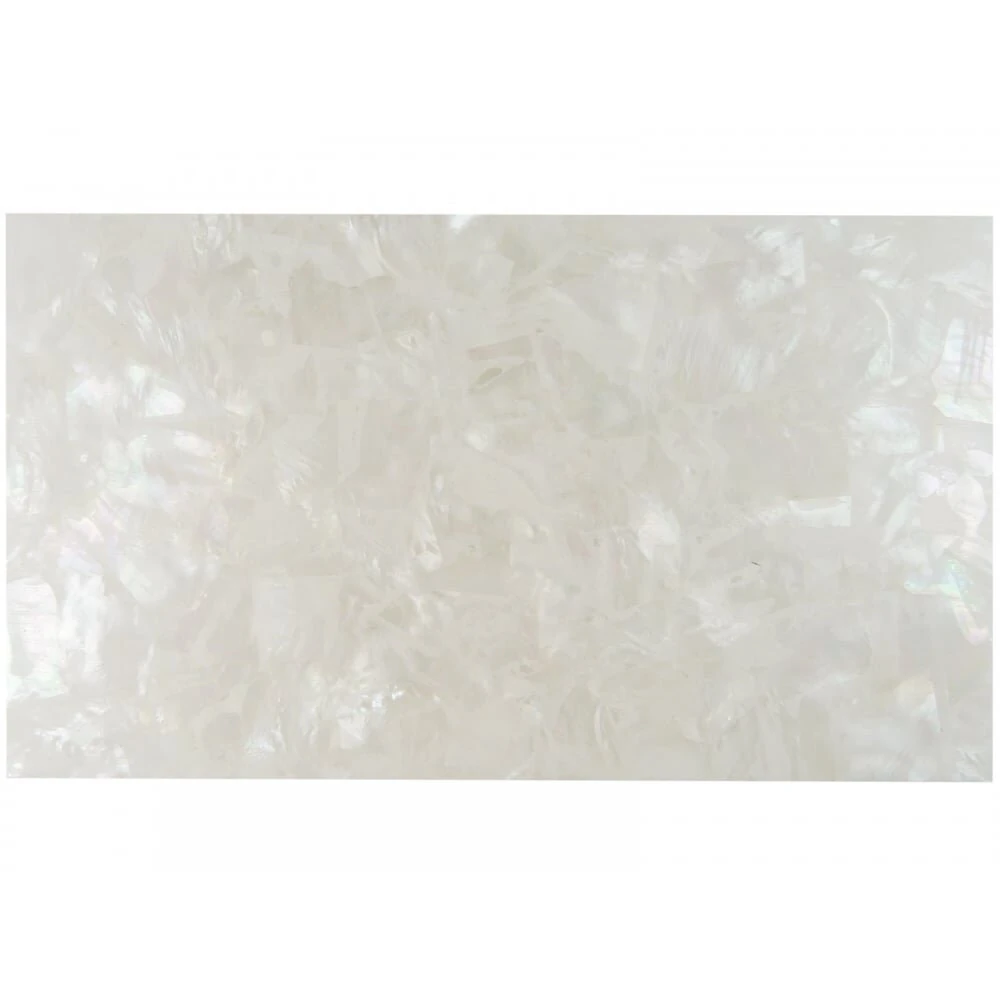 42 / 61Incudo Laminate Shell Veneer
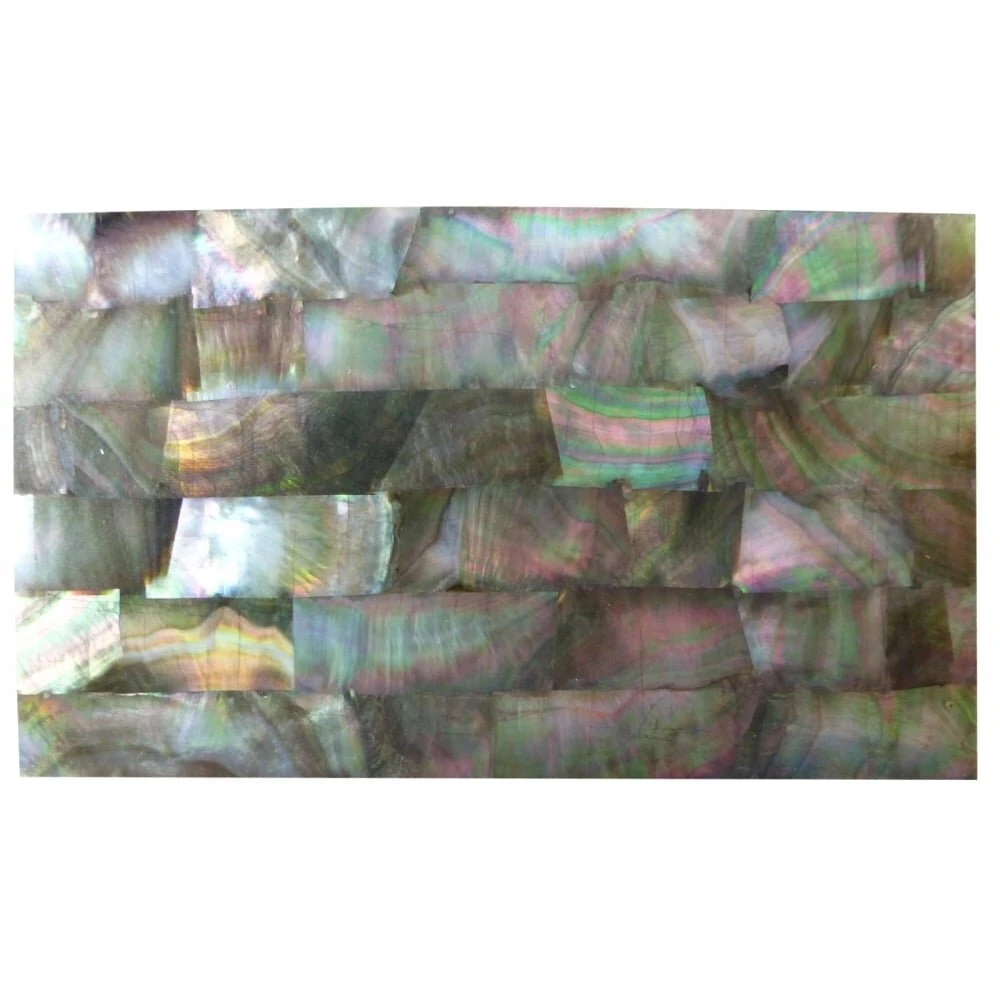 43 / 61Incudo Laminate Shell Veneer
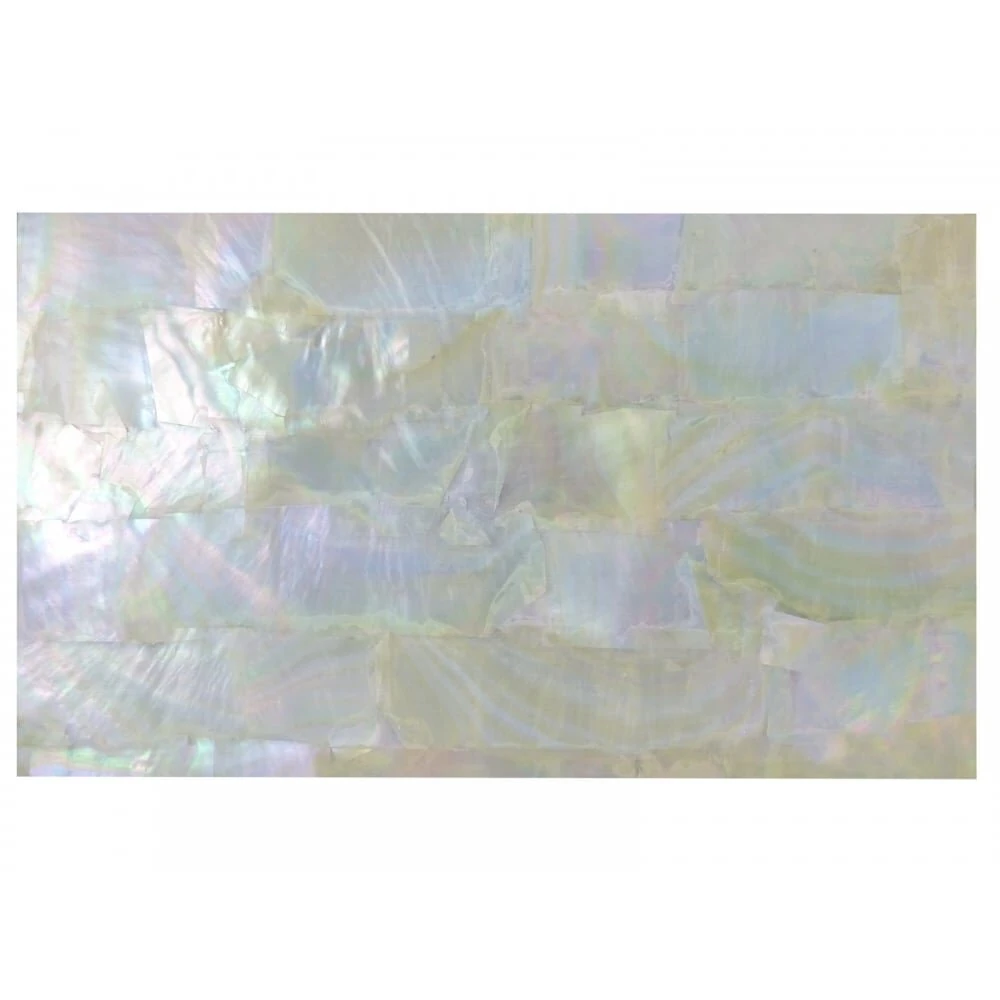 44 / 61Incudo Laminate Shell Veneer
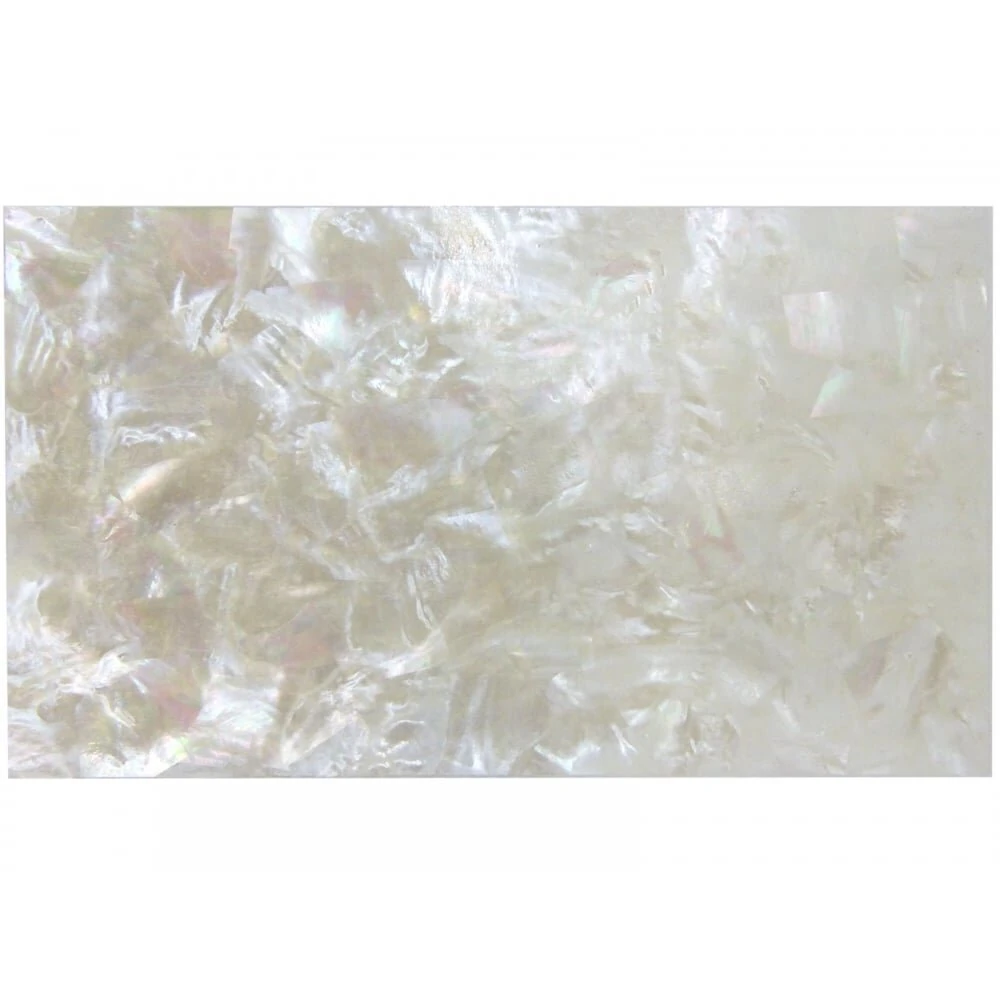 45 / 61Incudo Varnished Laminate Shell Veneer
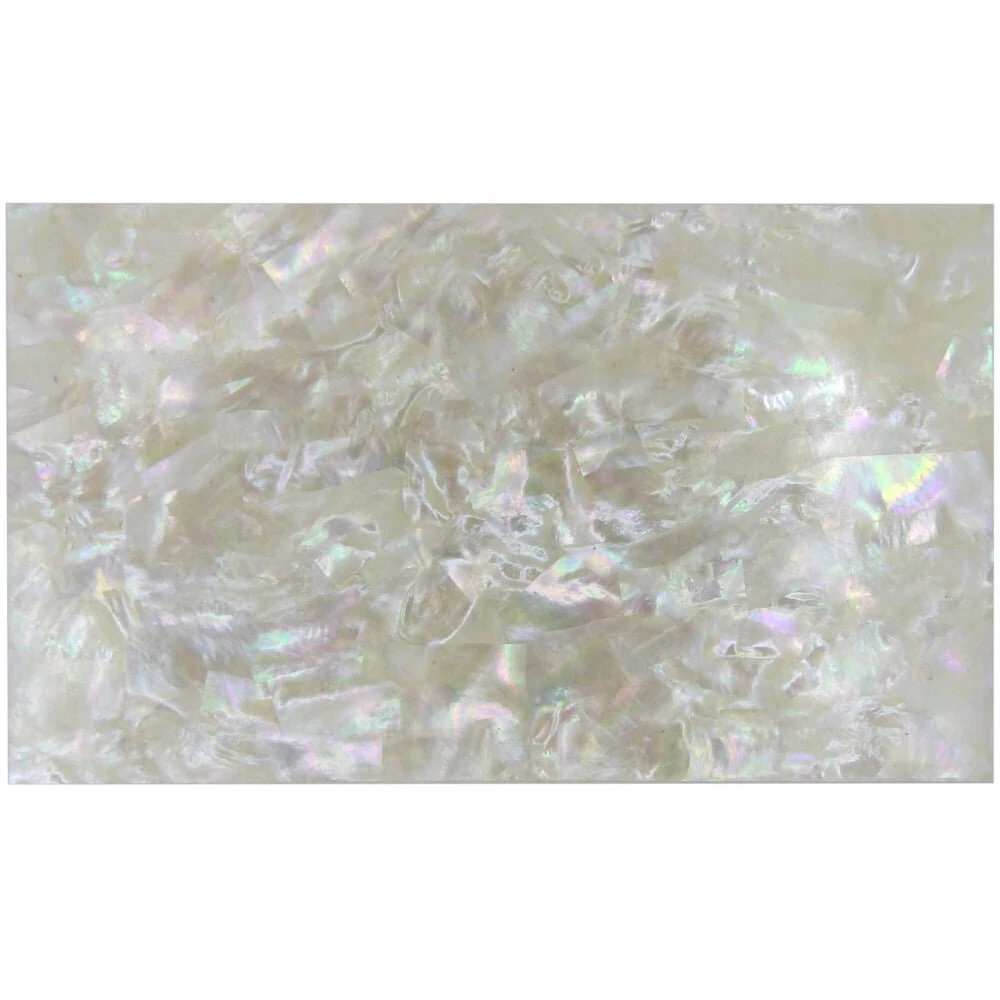 46 / 61Incudo Varnished Laminate Shell Veneer
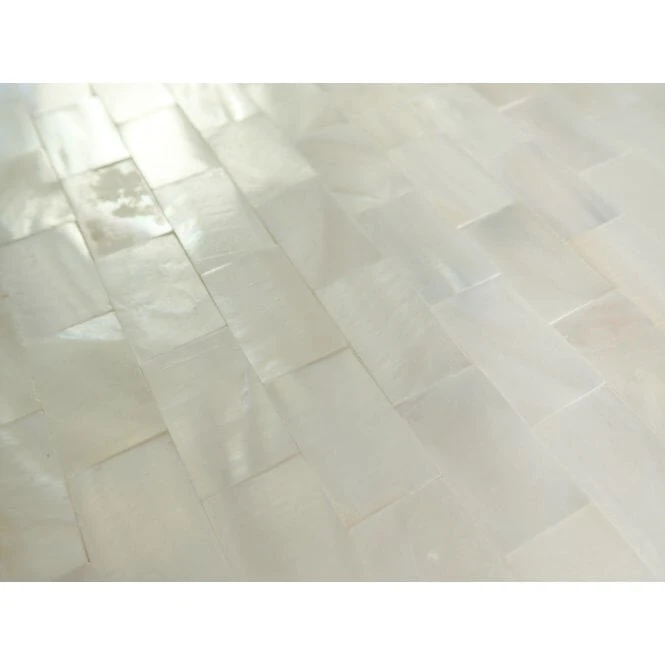 47 / 61Incudo White Mosaic Mother of Pearl Tile Sample
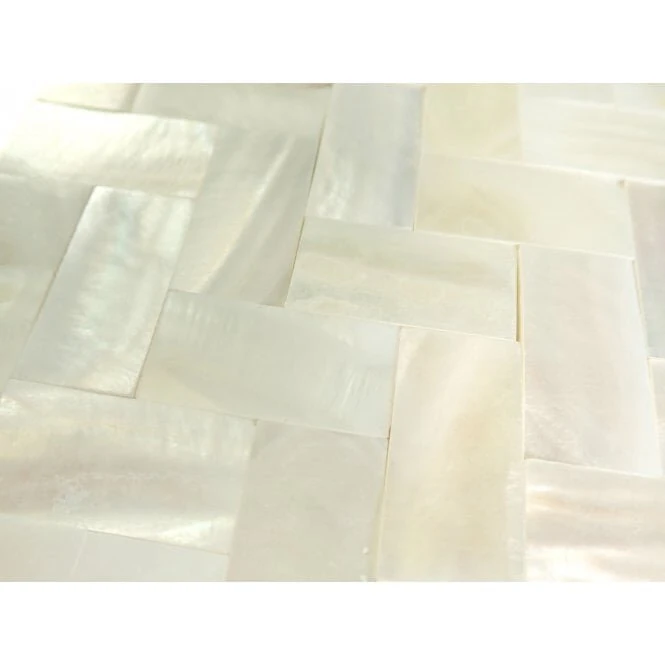 48 / 61Incudo White Mosaic Mother of Pearl Tile Sample
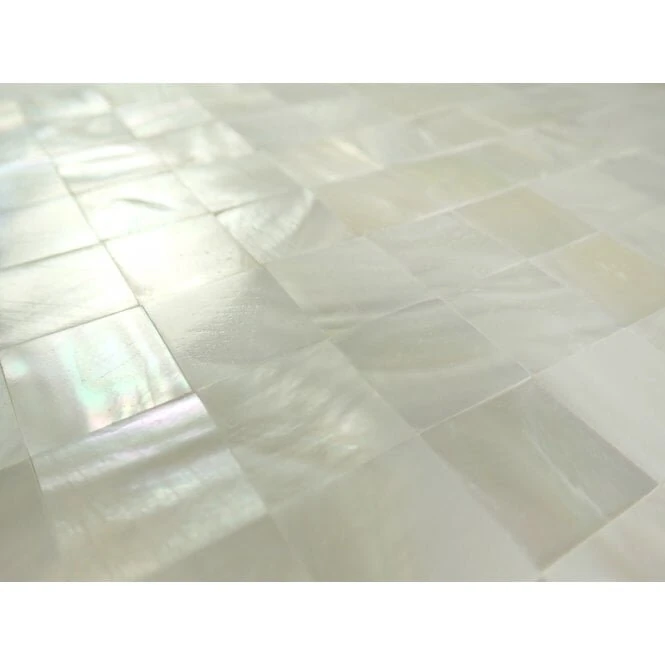 49 / 61Incudo White Mosaic Mother of Pearl Tile Sample
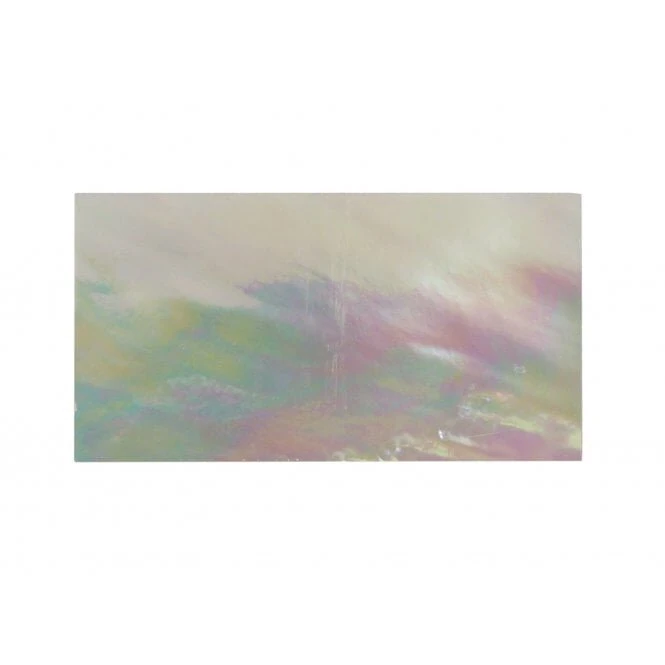 50 / 61Incudo White Mother of Pearl Inlay
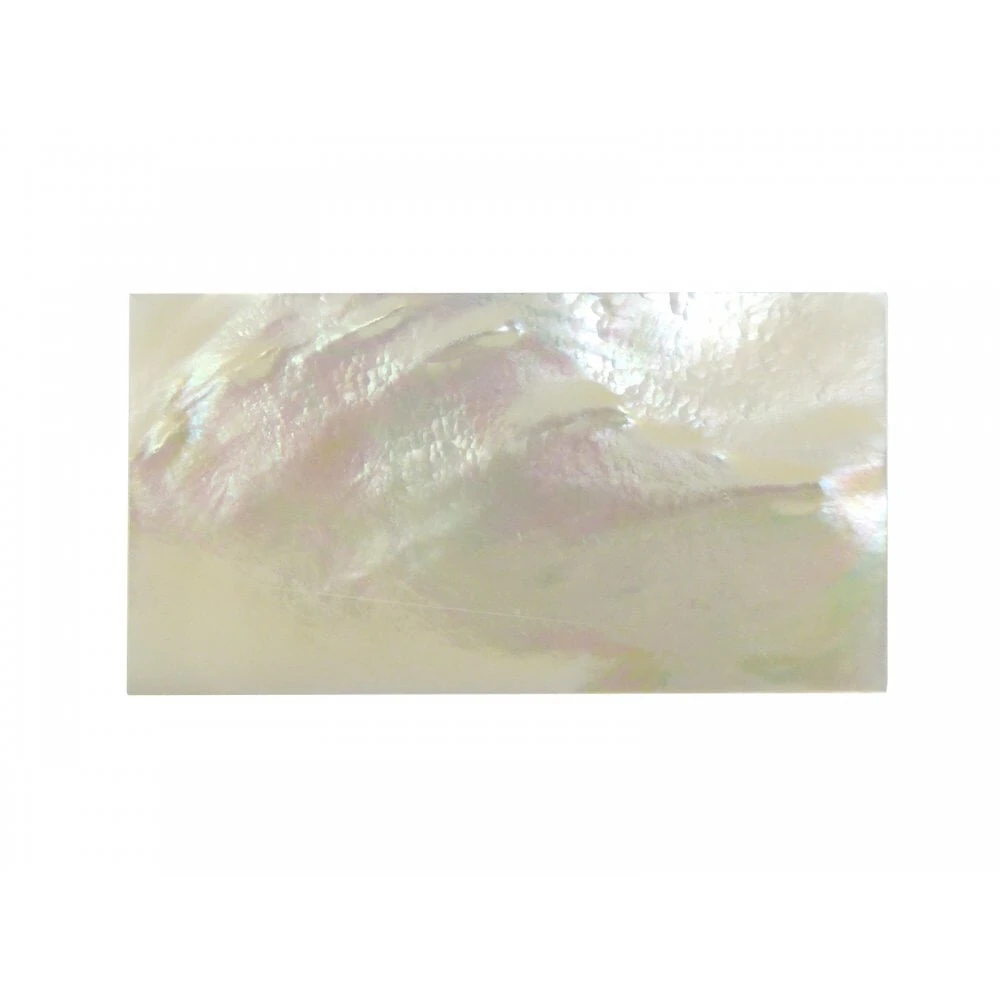 51 / 61Incudo White Mother of Pearl Inlay
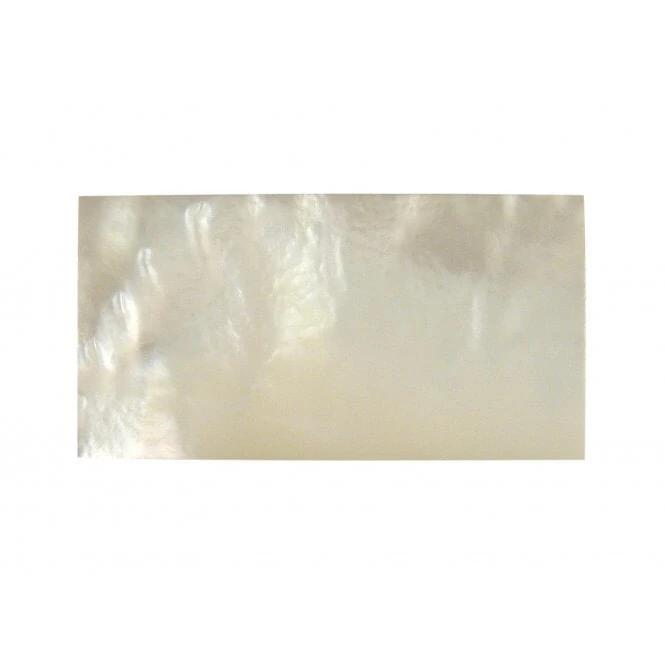 52 / 61Incudo White Mother of Pearl Inlay
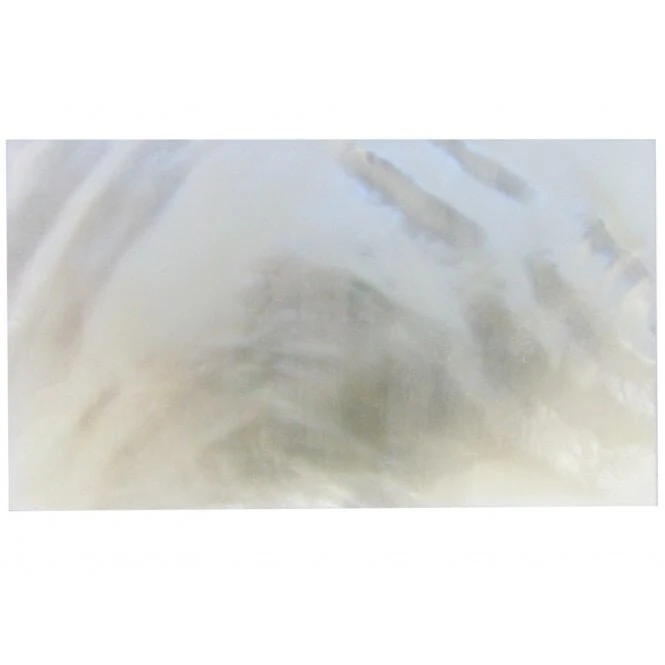 53 / 61Incudo White Mother of Pearl Inlay
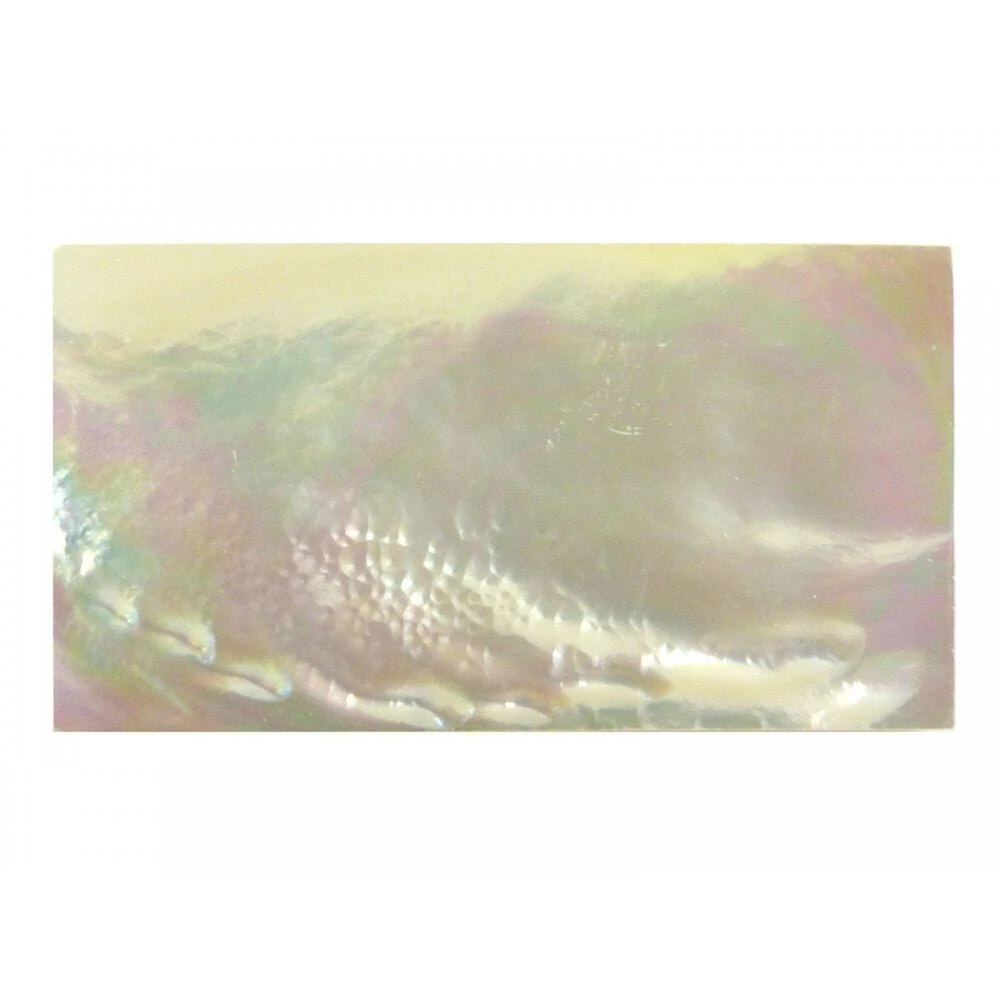 54 / 61Incudo White Mother of Pearl Inlay
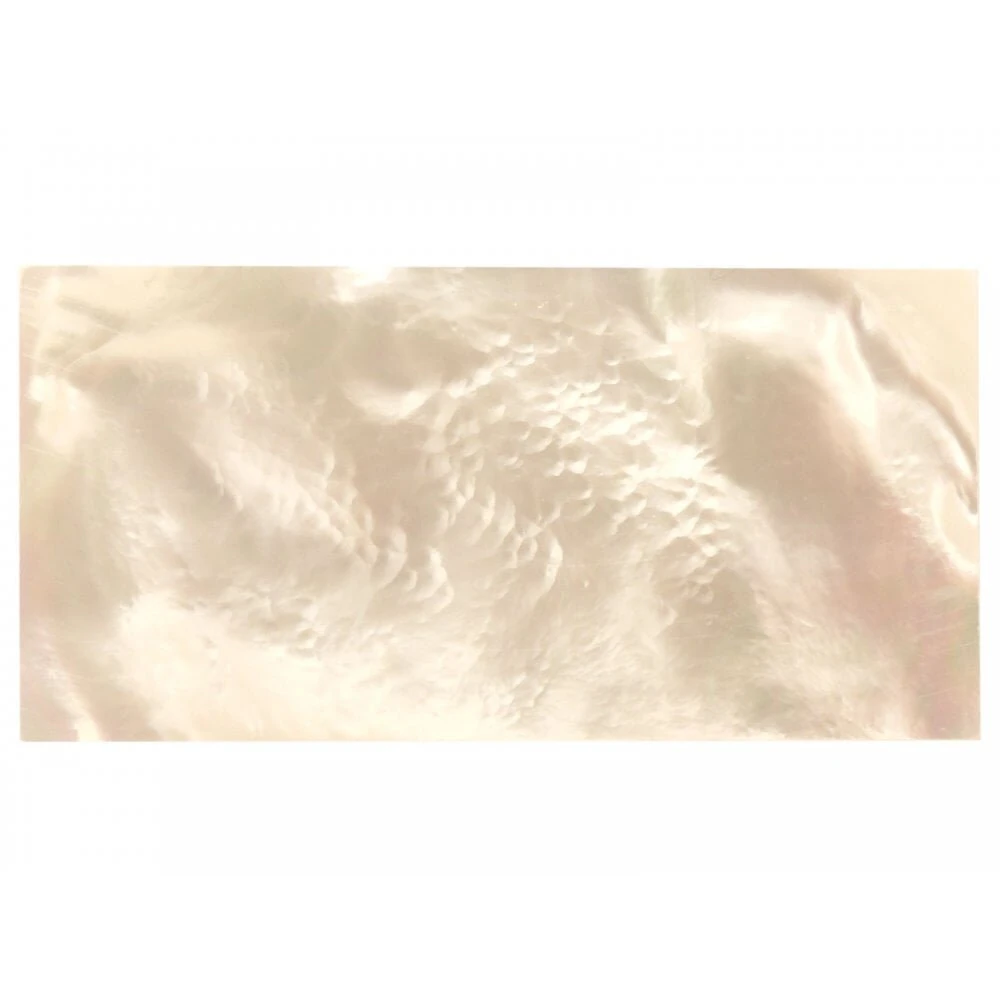 55 / 61Incudo White Mother of Pearl Inlay
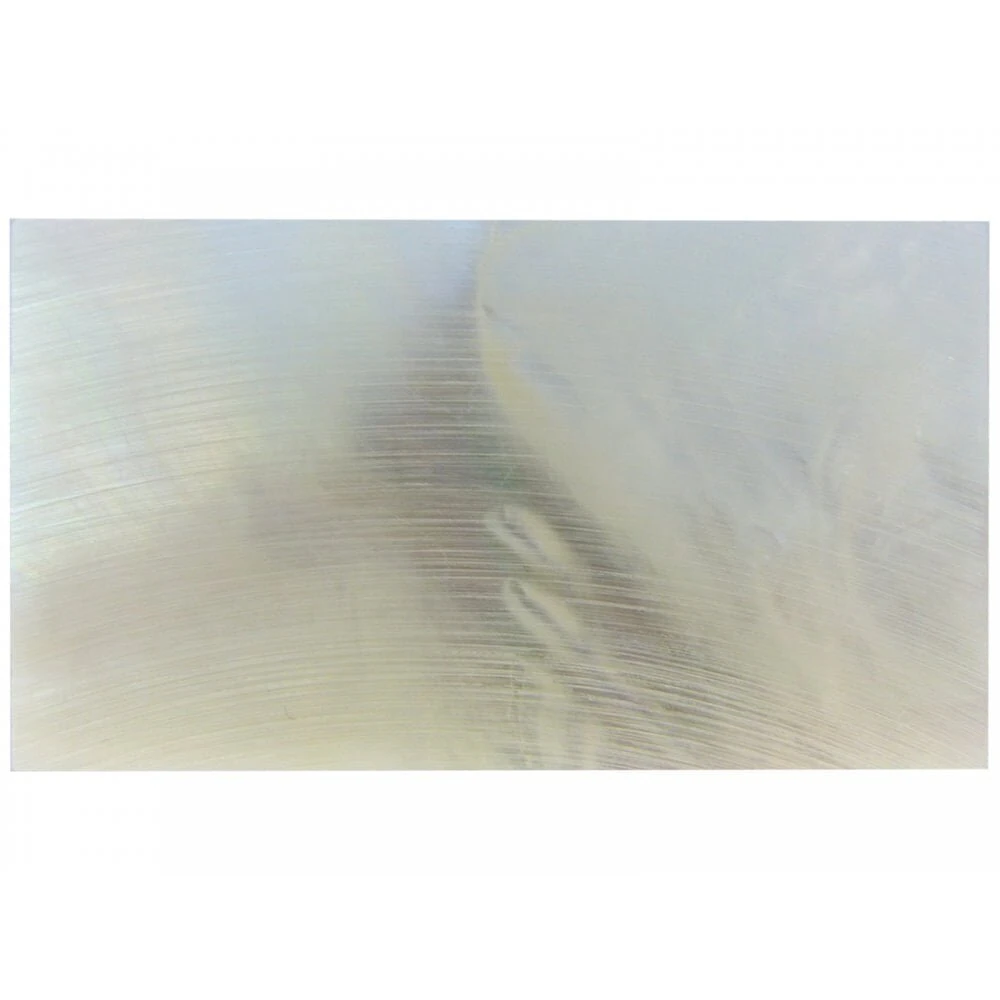 56 / 61Incudo White Mother of Pearl Inlay
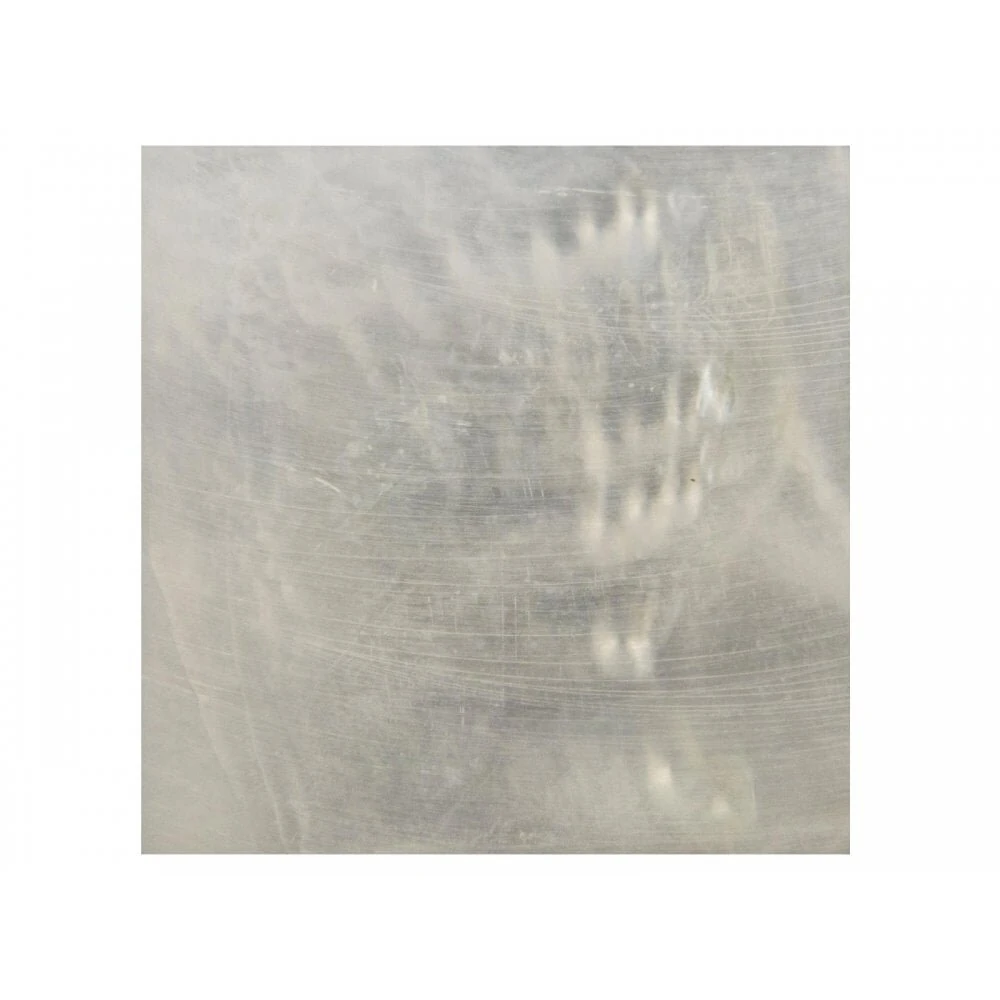 57 / 61Incudo White Mother of Pearl Inlay
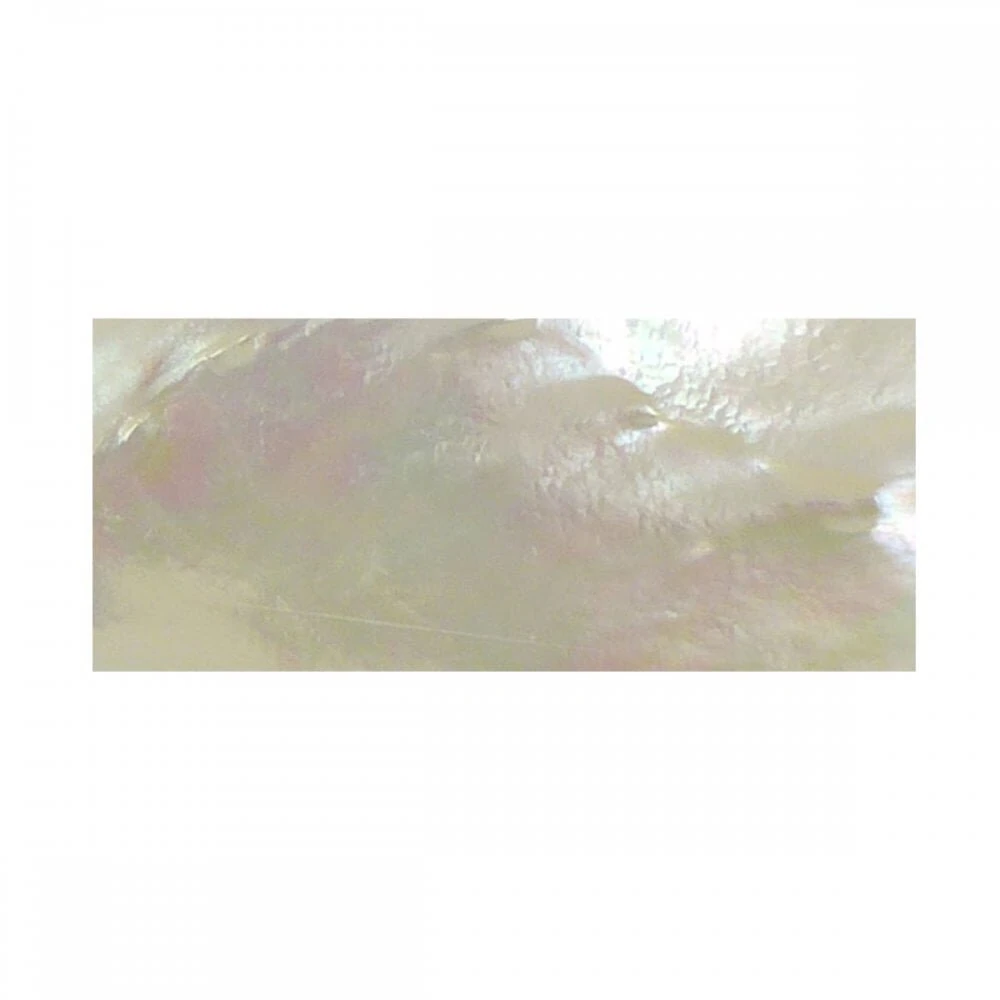 58 / 61Incudo White Mother of Pearl Inlay
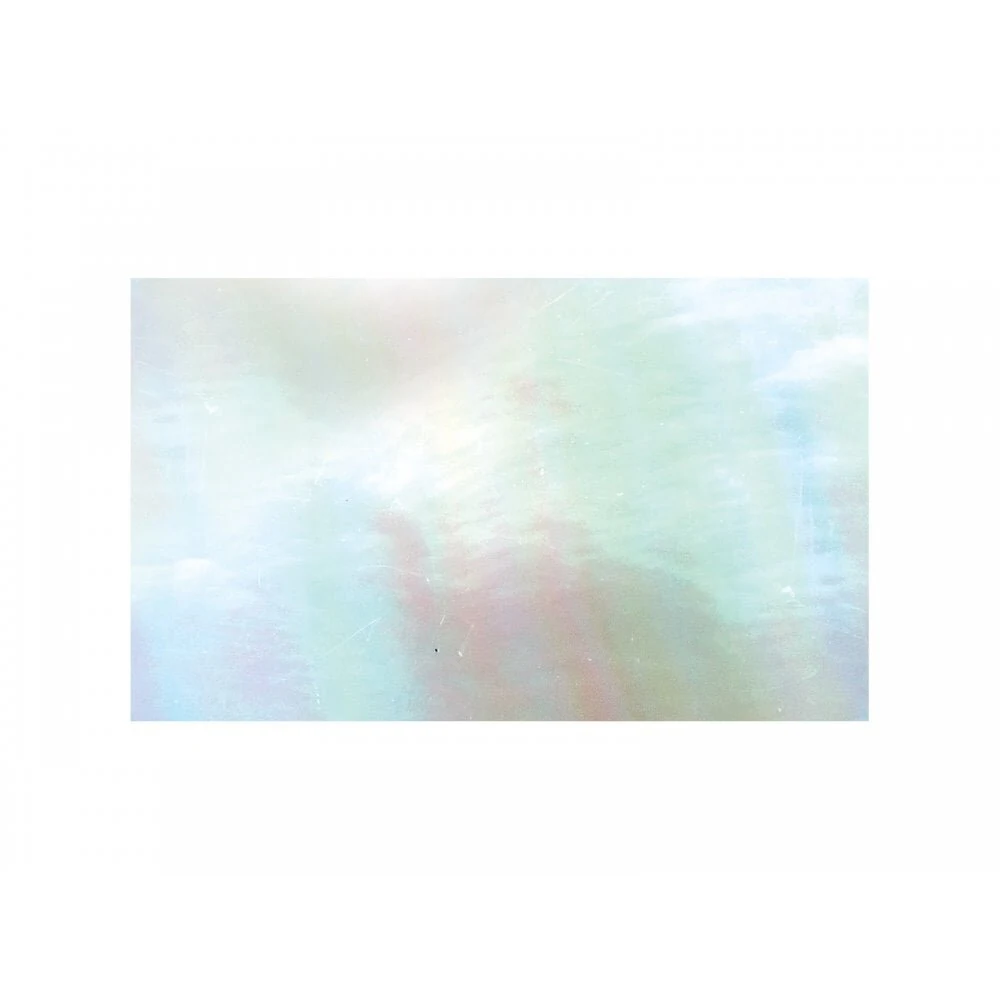 59 / 61Incudo White Mother of Pearl Inlay
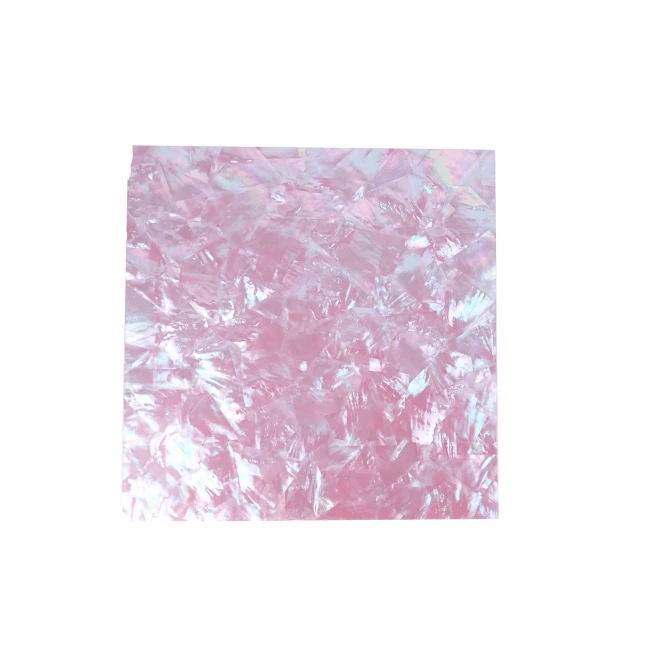 60 / 61Lum a Mother of Pearl Varnished Laminate Shell Veneer
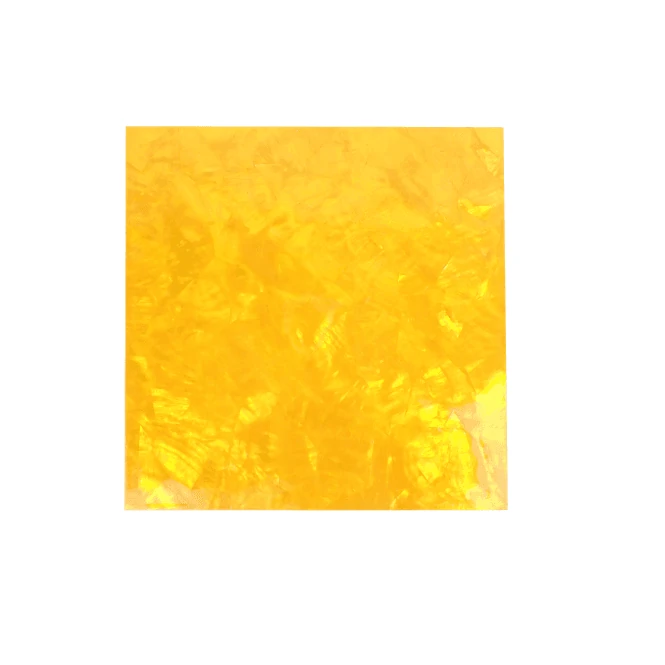 61 / 61Lum a Mother of Pearl Varnished Laminate Shell Veneer
A detail in mother of pearl, or a whole surface?
Tell us about the project.
From sketch to inlay
Contemporary shell work pairs the oldest material with the newest cutting. A hand-drawn design is digitised into a vector file, and shell laminate sheets — thinned to uniform thickness — are laser-cut to it, yielding interlocking motifs and lace-fine geometry no hand tool could repeat consistently. Tight nesting of the cut paths also conserves the material, which matters with a surface this precious. Assembly remains entirely manual: each piece placed by hand, adjusted, and bonded before the panel is levelled and finished.
Where shell belongs
Mother of pearl works at two scales: as full surfaces — tabletops, drawer fronts and panels tiled in shell — and as inlay within marquetry, where its iridescence plays against the matt of timber veneers. It pairs naturally with lacquer grounds and shagreen, and appears across our furniture, lighting and jewellery-box scale commissions. Samples of natural and dyed shell are available through our sampling service.
The nacres we work with
Different molluscs yield different shell, and each has its own colour range and working character. The choice is usually driven by the scheme, the scale of the piece and the size of the usable nacre an individual shell can give.
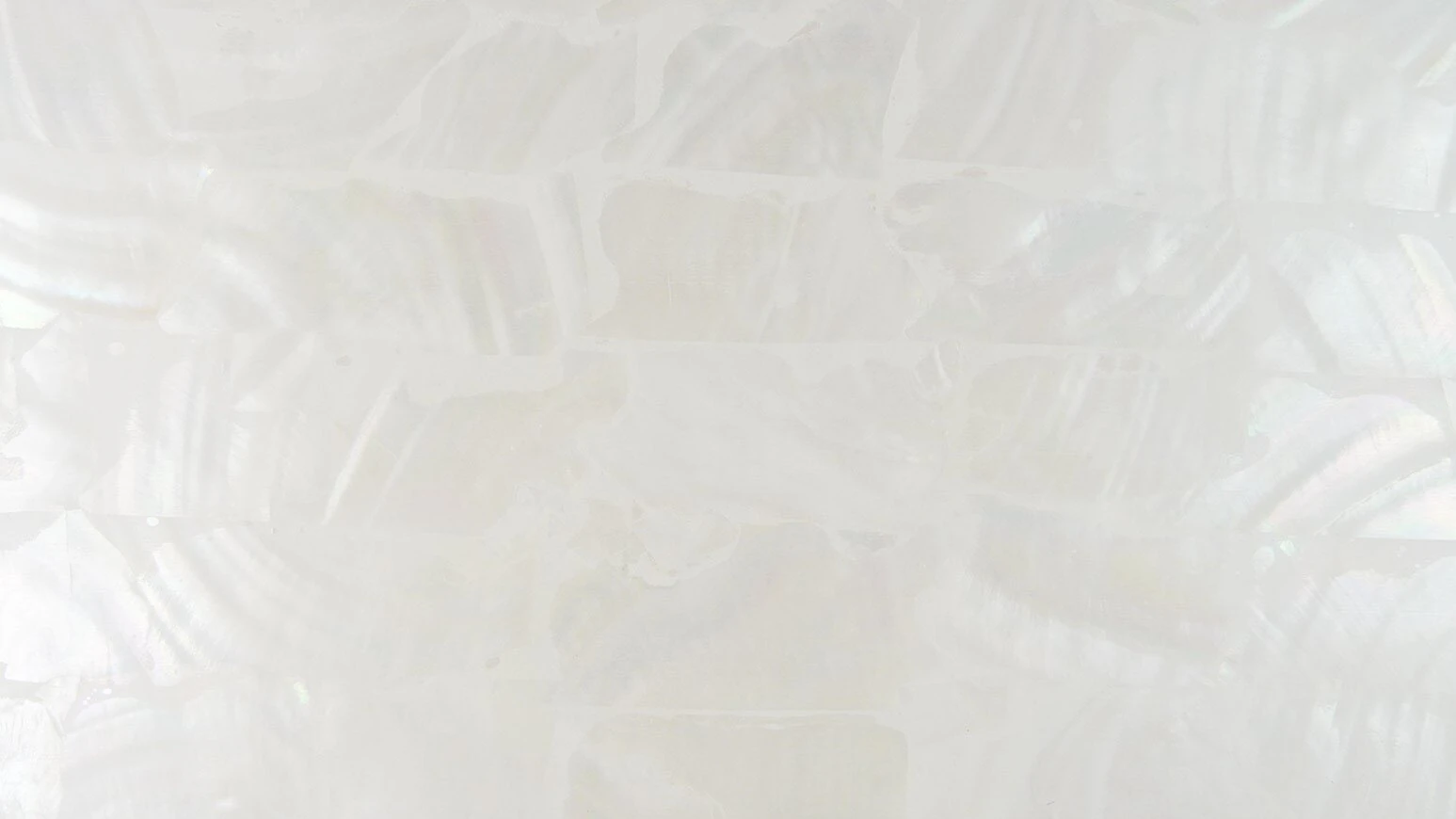
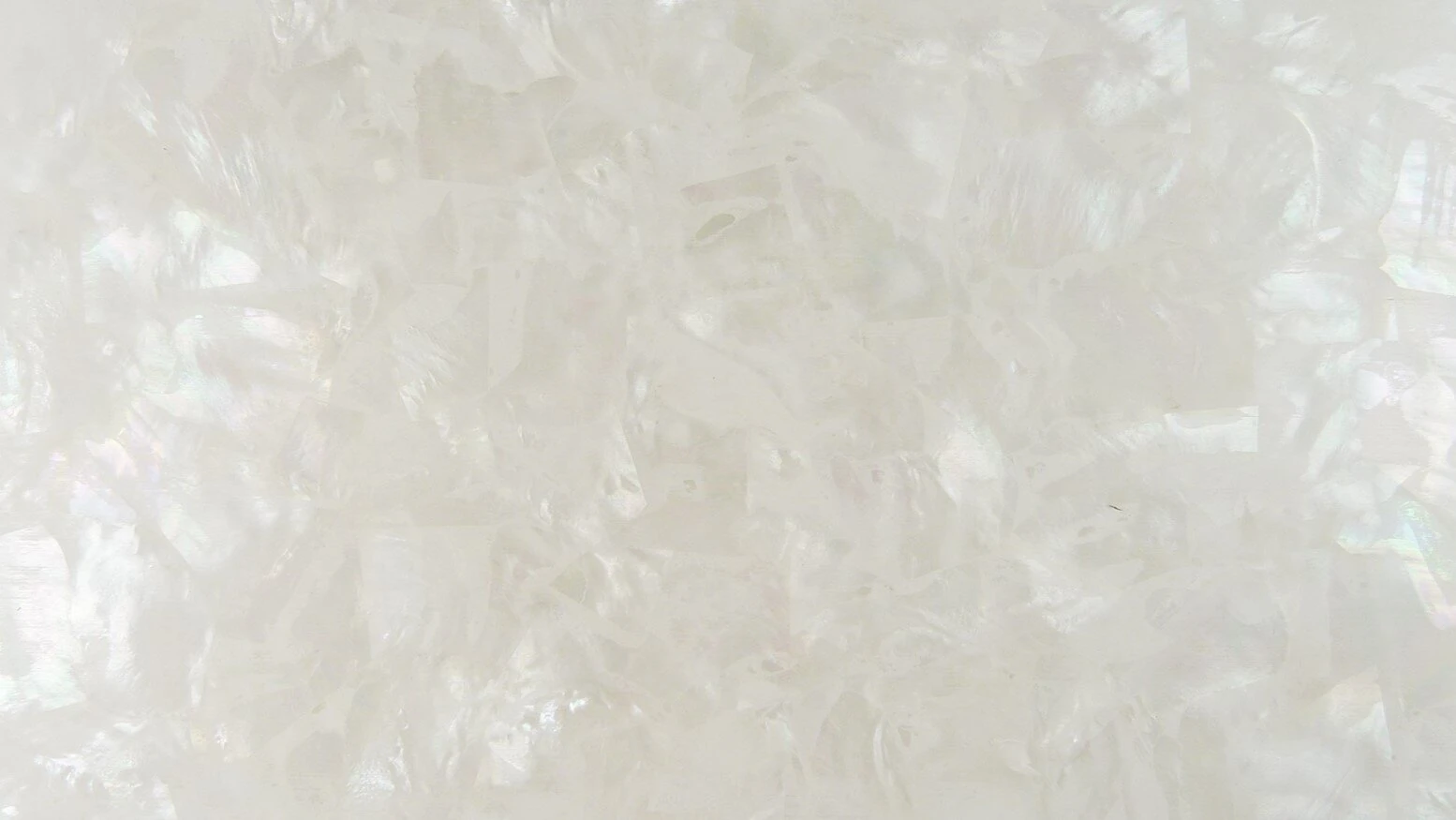
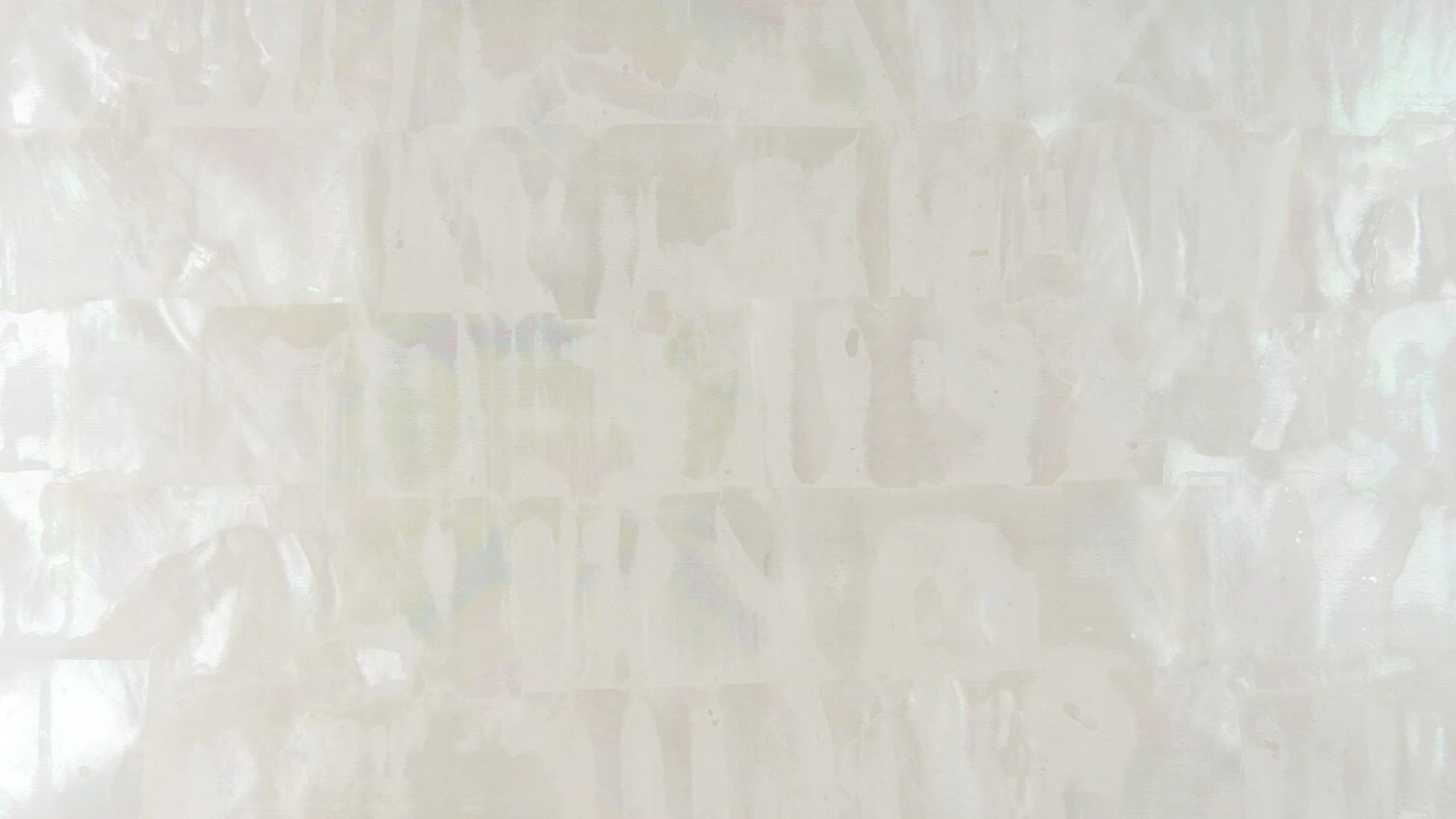
- White mother of pearl comes mainly from the white-lipped oyster. It runs from clean silver-white to warm cream, with a soft, even iridescence, and is the most widely specified for pale and neutral schemes.
- Black mother of pearl comes from the black-lipped oyster. The ground is dark grey to near-black, shot through with green, blue and pewter flashes. It reads as a deep, animated surface rather than a flat black.
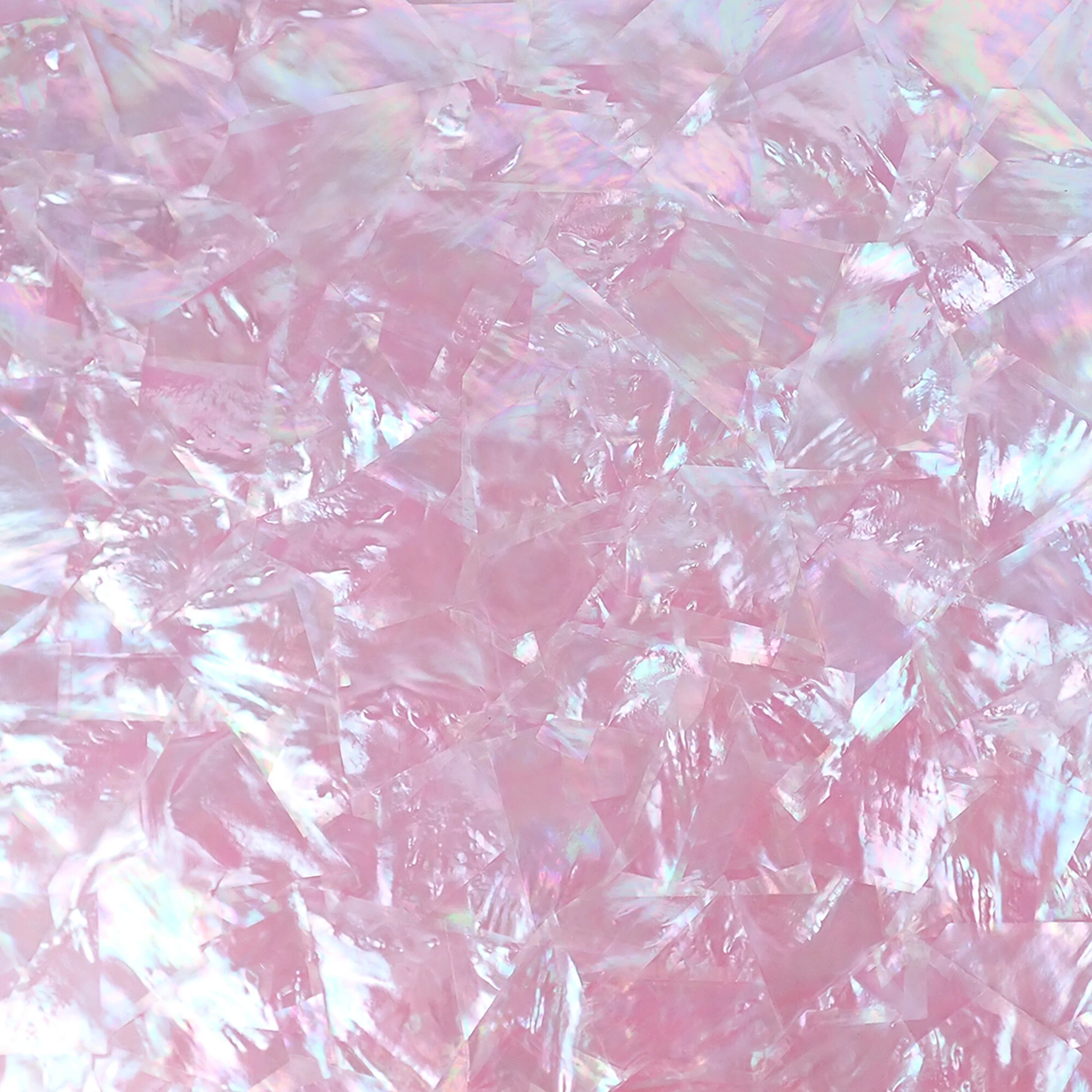
- Pink mother of pearl is drawn from the queen conch and similar shells, giving soft rose and salmon tones. Usable yields are smaller, so it suits inlay and accent work more than large fields.
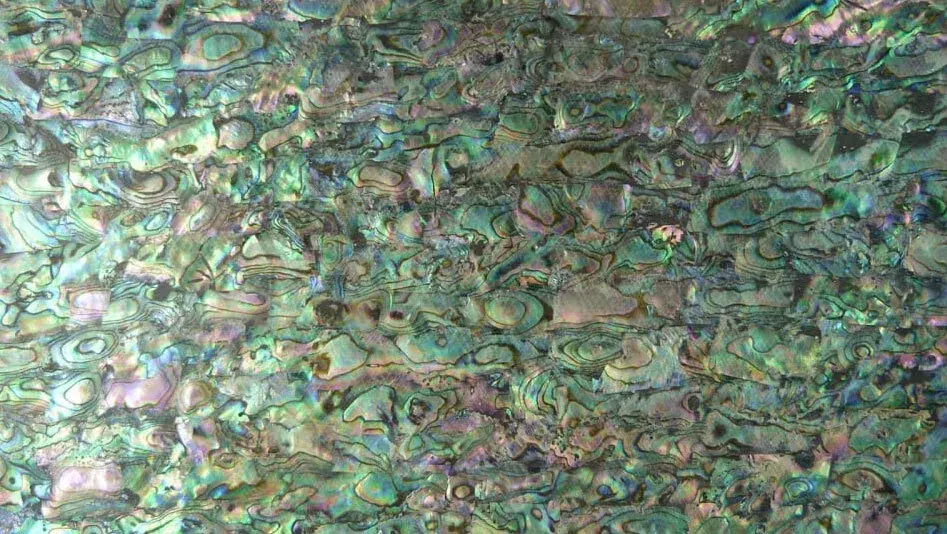
- Abalone (paua) is the most saturated of the group, with blue, green, violet and bronze playing across a dark ground. It is harder and more brittle than oyster shell, so it is cut in smaller pieces and used where strong colour is wanted.
Natural shell can also be dyed to extend the palette into blues, greens and other hues, as described above. Reconstituted shell, made from natural nacre bonded into a stable sheet, offers a more uniform tone and consistent thickness where a calmer, more repeatable surface is required.
How it is cut and laid
Shell arrives as small, naturally curved sections, so almost all decorative work begins by reducing it to thin, flat laminate. From there it is worked in three main ways.
- Inlay. Shapes are cut and set into recesses routed or carved into the ground surface, then levelled flush. This is the approach for figurative motifs, borders and lettering within a timber or lacquer field.
- Tessellated tiles. Small squares or geometric pieces of shell are laid edge to edge across a surface, like a fine mosaic, with the grout lines kept tight. This is how larger continuous fields, such as table tops and cabinet faces, are built up.
- Marquetry. Shell is combined with timber veneers and other materials, cut to a shared pattern and assembled into a single sheet so that the iridescence of the nacre plays against the matt of the wood.
Cutting is done by hand for one-off motifs and by laser for fine, repeatable geometry, with assembly always completed by hand. Because the colour and figure vary from shell to shell, pieces are sorted and oriented during laying so the surface reads as intended.
Substrates and finishing
Shell is a thin, brittle facing and depends on a sound, stable substrate beneath it. The usual grounds are stable MDF, plywood or solid timber for furniture and joinery, chosen for flatness and dimensional stability so the inlay does not lift or crack with movement. The shell is bonded down, then the surface is filled level so the joints between pieces disappear.
Once laid and levelled, the surface is sealed and built up with clear lacquer, then cut back and polished. The lacquer protects the nacre, evens out the small differences in height between pieces and lets the iridescence read through a smooth, continuous plane. Finishes can be taken from a high polish to a softer satin depending on the scheme. Where shell is set into a coloured lacquer ground, the two are finished together as one surface.
Care and practical considerations
A finished shell surface is durable in normal interior use, with the lacquer doing most of the protective work. It is best treated as a decorative rather than a heavy-duty surface: suited to cabinet faces, table tops and wall panels rather than areas of constant abrasion. Dust with a soft, dry or barely damp cloth, and avoid solvents, abrasive cleaners and standing water, which can attack the lacquer and the nacre beneath. Protect from prolonged direct sunlight, as strong UV can affect dyed shell over time. With reasonable care a shell surface holds its appearance for many years, and a worn lacquer finish can usually be cut back and repolished without disturbing the shell.
Is mother of pearl suitable for table tops?
Yes, on a stable substrate and under a built-up lacquer finish. The lacquer carries everyday wear and gives a level, wipeable surface, while the shell sits protected beneath it. We would still treat it as a decorative top and advise against sustained heat, standing liquid and abrasion.
What is the difference between natural and reconstituted shell?
Both are real nacre. Natural shell keeps the full variation of colour and figure of the individual shell. Reconstituted shell is natural nacre bonded into a uniform sheet, which gives more consistent tone and thickness and larger usable areas, at the cost of some of that natural variation.
How do we work with it?
We work to drawing or to a scheme, advising on shell type, colour, layout and finish, and integrating the shell with grounds such as lacquer and complementary materials. Samples of natural and dyed shell are available through our sampling service, and the work is carried out through our workshop network.
What it is
Mother of pearl refers to the iridescent lining that’s found in the inner surface of a nacre-producing mollusc’s shell. Another term for mother of pearl is nacre, which is the substance that forms pearls. Mother of pearl is made of aragonite, a type of calcium carbonate, formed by the pearl oyster, as well as freshwater pearl mussels and abalone. Nacre is secreted by the mollusc as a defence mechanism against irritants and abrasions that find their way into the shell. Over time, the creature secretes layers of nacre which smoothen the surface of the shell and entombs any irritants that cling to the inner surface of the shell.
Seen in
Have a scheme that calls for
a surface of genuine refinement?
Need samples? Get in touch and tell us about your project.