Bespoke outdoor furniture is built quite differently from anything kept indoors, because it must survive sun, rain, frost and salt while still looking considered: a materials problem first, solved with teak, weathering steel, marine-grade stainless and all-weather synthetics.
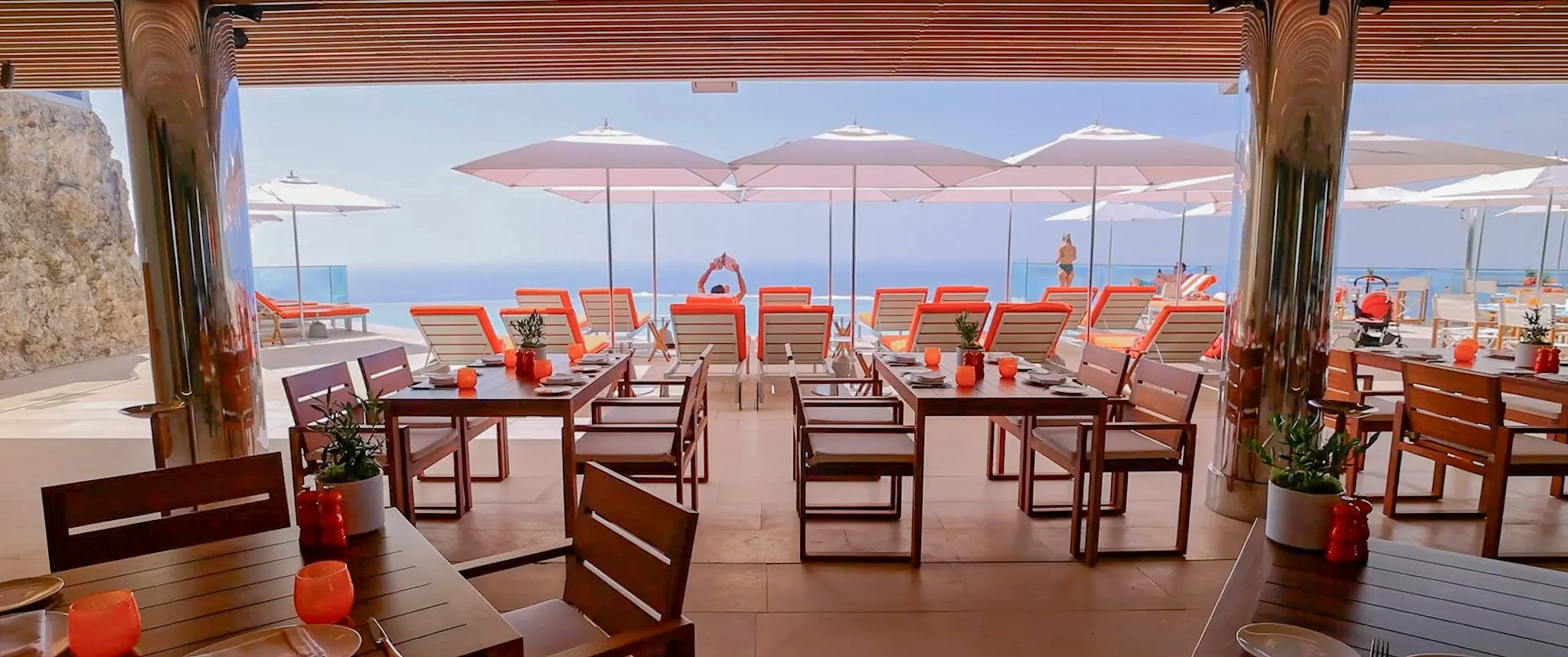
Leave a teak bench out for a single summer and you can watch it change colour. The honey warmth fades first at the edges, then across the seat, until one wet October morning you notice it has gone the soft silver-grey of driftwood — not damaged, not tired, just weathered into something quieter and, to many eyes, more beautiful. That slow surrender to the elements is the whole truth of outdoor furniture. It is bleached by sun, soaked by rain, frozen through winter and, near the coast, worked at constantly by salt — all while being asked to look as considered as the interior it extends. That double demand, brutal exposure and high expectation, is why bespoke outdoor furniture is built quite differently from anything that stays indoors: the design is dominated by material and detail choices that decide whether a piece ages gracefully or simply rots.
The materials that survive
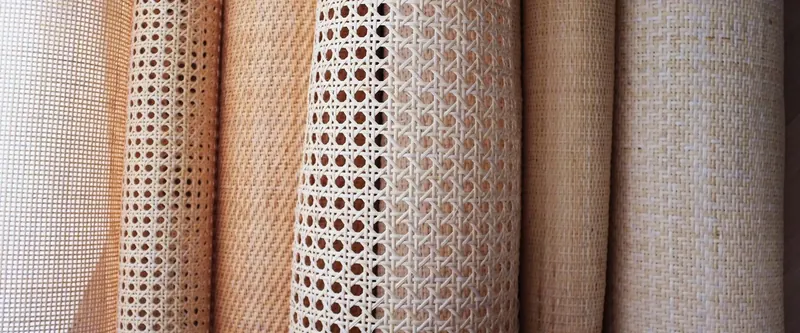
Outdoor furniture is a materials problem first, and everything else follows from it. Teak is the classic for good reason — its own natural oils make it extraordinarily resistant to water and rot, and it will silver to that elegant grey if left alone or hold its honey colour if you feed it. Corten (weathering) steel grows a stable, self-protecting skin of oxide that needs no paint and gives a sculptural, almost architectural presence; run a hand over it after rain and it has the warm, mineral roughness of a garden wall. Stainless steel — marine-grade 316 anywhere near the coast — and powder-coated aluminium carry structure without corroding. All-weather rope and woven synthetics stand in for natural rattan outdoors, shrugging off the UV and damp that would defeat the real thing in a season or two.
Detailing for the weather
Material is only half the answer; the detailing decides the rest. Water has to be able to drain and air to circulate, so seats and tops are drawn to shed moisture rather than cup it — a slatted top, a fractional fall, a gap you would never notice but the rain finds gratefully. Fixings are specified in stainless or other non-corroding metals, because a single mild-steel screw will bleed a rust tear down a beautiful timber leg within one wet season, and there is no unseeing it once it starts. Timber is jointed so it can move as it wets and dries. None of this is glamorous, and we have learned most of it the hard way: the weather misses nothing, and it shows you with absolute clarity where you cut a corner, usually about eighteen months later. These quiet decisions are the ones that actually determine how long a piece lasts.
Performance upholstery
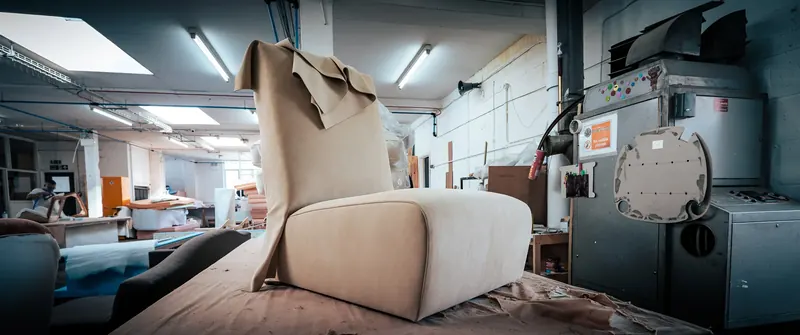
Seating you actually want to sit on needs cushions, and outdoor cushions have to take rain and sun without going musty or fading to a ghost of their colour. Performance fabrics — solution-dyed acrylics and their kin, where the colour goes right through the fibre rather than sitting on the surface — resist UV, water and mildew, paired with quick-dry, open-cell foams and proper drainage so a cushion caught in a shower sheds the water and dries rather than sitting there sodden. The same upholstery principles we bring to indoor seating still hold; they are simply tuned for a harder climate.
Caring for it through the seasons
Outdoor furniture asks a little in return for decades of life, and how little depends entirely on what you choose. Teak can be left to silver with no upkeep at all, or kept golden with an annual oiling on a dry afternoon — both are correct, it is purely a matter of the look you prefer. Corten needs nothing; its rust is the finish. Stainless and powder-coated metals want only an occasional wash. Performance cushions are happiest stored or covered over winter, though they will forgive being left out. The point of choosing the right materials at the start is precisely this: the care stays light and optional, never a running fight against a piece that was never built for the open air.
Designed to weather, not just survive
The best outdoor furniture does not brace itself against the weather — it is designed to age alongside it. The teak silvers, the Corten deepens to bronze and umber, the whole piece gathers character rather than looking worn out. That is what bespoke is for: furniture made for one particular terrace, garden or roof, in materials chosen for that exact light and exposure, and built so that years outdoors are part of the plan rather than a threat to it. If you are furnishing a space that opens to the sky, we would be glad to design for it.