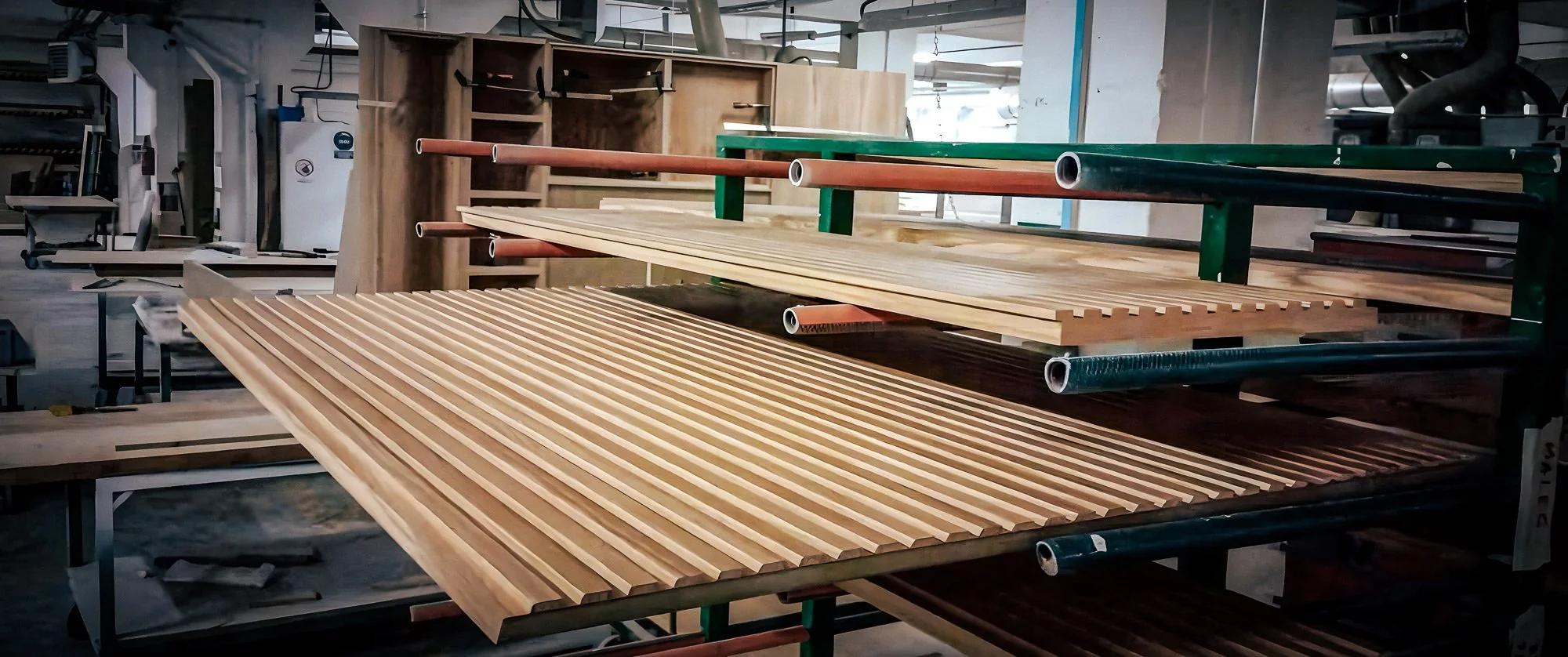
Lead Times
Realistic programmes from the outset
Make Bespoke Studio provides realistic lead times from the moment a commission is confirmed, and we stick to them. Typical production lead times vary by product type and complexity, but most commissions fall within 10–16 weeks from drawing approval to delivery.
Lead time planning begins at the development stage. We flag any long-lead components, bespoke hardware, specialist stone, Murano glass, at the outset so these do not create surprises later. Rush commissions can sometimes be accommodated; contact us to discuss your programme.
A typical commission runs across three phases: development (2–4 weeks for drawings, specification and samples), production (6–12 weeks depending on scope and complexity), and installation (1–5 days on-site). These phases can overlap where the programme demands it — sampling can run in parallel with production for components already agreed. We provide a written programme at sign-off and update it whenever milestones shift.
Programme by product type
| Product Type | Typical Lead Time | Notes |
|---|---|---|
| Furniture — casegoods & upholstered | 10–14 weeks | From drawing approval to UK delivery |
| Joinery — fitted | 12–16 weeks | Includes site survey and installation |
| Lighting — bespoke | 10–14 weeks | Standard bespoke metalwork and shades |
| Murano Glass Lighting | 14–18 weeks | Murano furnace schedule dependent |
| Stone & Specialist Materials | +4–6 weeks | Allow additional time above standard lead |
Further in our process
What drives a lead time
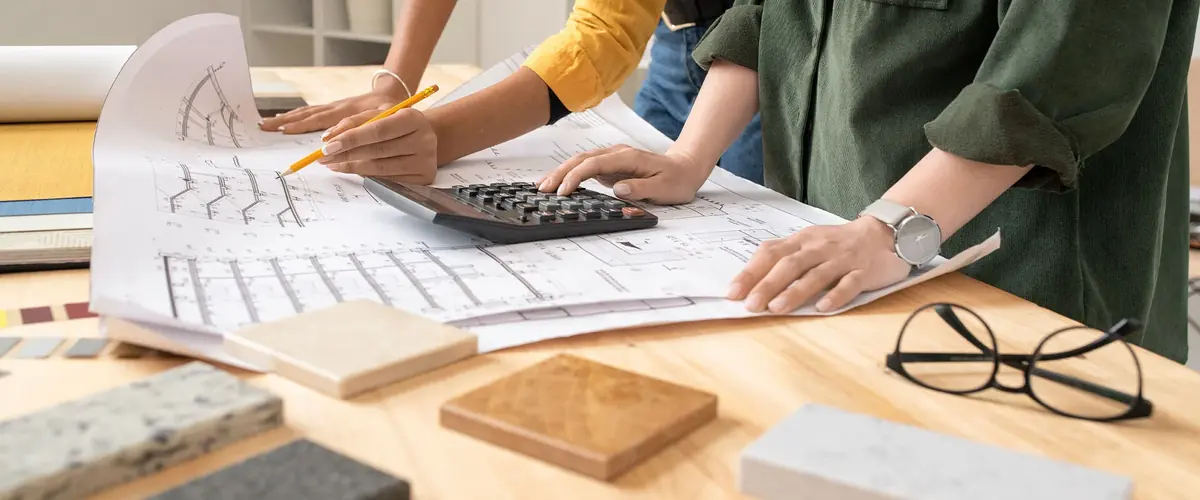
Three clocks run on every commission: design time (drawings, samples, approvals — the part the project team controls), procurement time (materials and long-lead components), and production time (the workshop itself). Most quoted “lead time” is the third clock, but projects are usually late on the first two — which is why we manage all three from confirmation.
The long-lead list
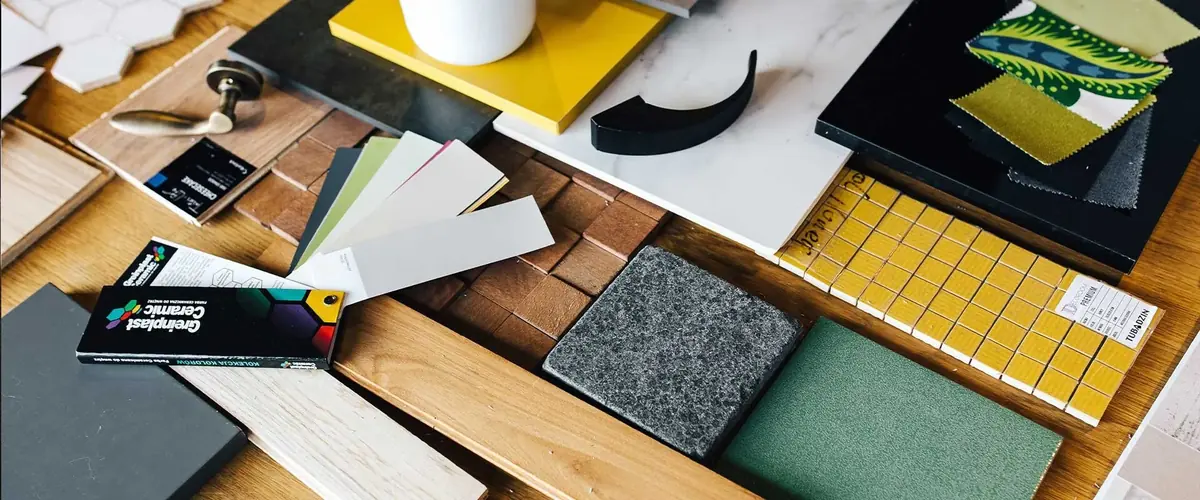
Some components set the programme regardless of workshop speed: Murano glass blown to order in Venice, specialist stone from quarry, bespoke ironmongery, COM fabrics from mills with their own queues. We flag these in the first programme so they are ordered against drawing approval, not discovered at week eight.
How we hold a date
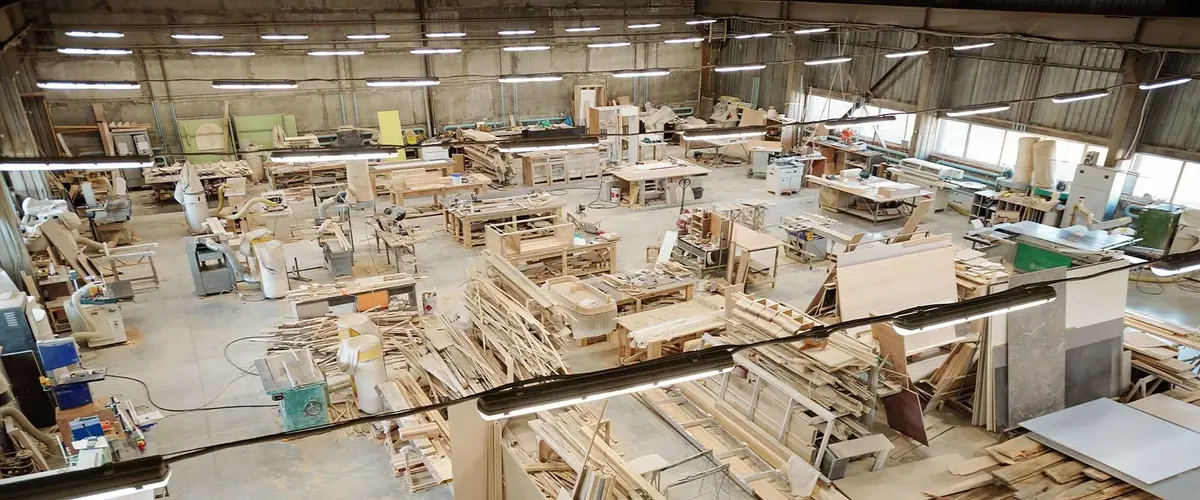
Hospitality and development projects run backwards from an opening date that does not move. We sequence production to match site readiness, build float into delivery rather than manufacture, and report progress against the programme weekly — the discipline described on our hospitality supply page. Where a date is genuinely impossible, we say so at quotation, not at week twelve.
When the clock starts
Lead times are counted from written approval of the shop drawings and samples, not from the first enquiry. Most commissions take 10 to 16 weeks from that point to delivery. Before it sits development: typically two to four weeks of drawings, specification and sampling, and the part of the programme the project team has most influence over.
How to shorten a programme
- Decide early on the long-lead elements: stone, Murano glass, bespoke ironmongery and COM fabrics. They can be ordered against drawing approval while everything else is finalised.
- Approve samples in batches rather than one at a time, so production can start on agreed components while the rest are resolved.
- Keep one decision-maker on each package. Programmes slip on approvals far more often than in the workshop.
- Where a date is fixed, tell us at enquiry. We plan backwards from it, and say at quotation if it can't be met.
International projects
For projects outside the UK, the programme adds crating, shipping and customs, which our project management team coordinates with logistics and installation partners on the ground. We have delivered commissions across Europe, the Middle East and the United States, and build these steps into the written programme from the start rather than adding them at the end.
Common questions
Can you accommodate a rush?
Sometimes. Where components are already agreed, sampling and production can overlap; we'll tell you honestly at quotation what is achievable.
The quickest gains come before the workshop: fast approval of drawings and samples, early orders for long-lead materials, and one decision-maker per package. Some partner factories run shorter standard programmes (our Bergamo partner works to a four-week standard lead time for upholstery, lacquer and decorative finishing), so allocating work to the right workshop can take weeks off a date. What we won't do is compress finishing or curing times, because a rushed lacquer shows it for the life of the piece.
What most often delays a bespoke commission?
Approvals and long-lead materials, not the making itself. That's why we flag long-lead items in the first programme and report progress against it weekly.
Murano glass is blown to order on the furnace schedule and takes 14 to 18 weeks; quarried stone, bespoke ironmongery and COM fabrics from mills with their own queues can each add four to six weeks. On the design side, a sample returned for a third revision or a drawing waiting for sign-off stops the clock just as surely. Batched sample approvals, a single decision-maker per package and decision dates agreed at the outset keep most programmes on track.
Do lead times include installation?
Fitted joinery lead times include site survey and installation. For freestanding pieces the lead time runs to UK delivery; installation is usually one to five days on site.
Before installation we confirm site readiness against the programme: floors down, decoration finished, power available and access clear. A site that isn't ready is the most common reason an installation date moves, so we check it ahead of delivery rather than on the day. Snagging, final touch-in and handover follow on, and international installation is coordinated with local partners once customs clearance is confirmed.