A joint is where furniture is quietly won or lost: from hand-cut dovetails and mortise-and-tenons to honest dowels and dominoes, the craft lies in matching each joint to the load, the material and the part it serves.
Pull open a drawer in an old, well-made cabinet and turn it over in your hands. The corners tell you everything. Run a thumb along them: if you feel interlocking fingers of timber, snug and deliberate, the maker was thinking about the decades. If you find a stapled butt joint or a smear of dried glue, they were thinking about the afternoon. A joint is the place where furniture is quietly won or lost — the hidden decision that settles, long before anyone notices, whether a piece survives a generation or doesn't. As a bespoke furniture maker, the joints we choose are that difference: the line between a piece that is handed down and one that is thrown out.
The dovetail
The dovetail is the signature of fine cabinetmaking — interlocking, fan-shaped pins and tails that lock against the very direction a drawer is pulled. Cut one well and it needs almost no glue to hold; the geometry does the work, and you feel it when the joint seats with a soft, dense thud and simply refuses to come apart the wrong way. Through-dovetails are shown proudly at the corners of boxes and drawers; lapped, or half-blind, dovetails tuck themselves out of sight behind a drawer front. They are slow to cut and unforgiving of a wandering line — which is precisely why finding them is a sign of a maker who spent both the time and the care.
Mortise and tenon
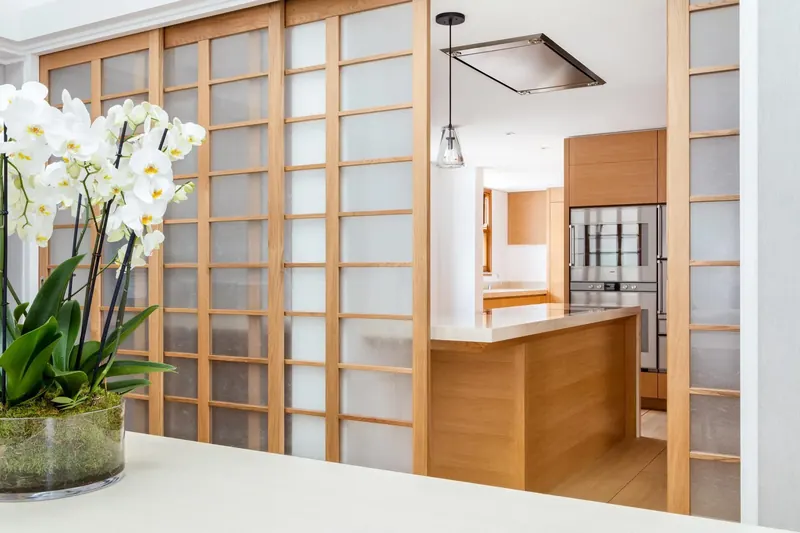
Where the dovetail joins boards, the mortise-and-tenon joins frames — a tongue (the tenon) cut on one piece slips into a matching socket (the mortise) in another, glued and sometimes pegged through for good measure. It is the joint that holds chairs, tables and door frames together under the racking, twisting loads of everyday use, and it has done so for thousands of years because nobody has bettered it for strength in a frame. There is a particular satisfaction in the moment a good tenon closes: the shoulder meets the face with a clean tap, the gap vanishes, and you know it will carry weight and timber movement for a lifetime without ever working loose. The Japanese joinery tradition refined nail-free interlocking joints like these into an art of its own.
Dowels, dominoes and the honest uses of each
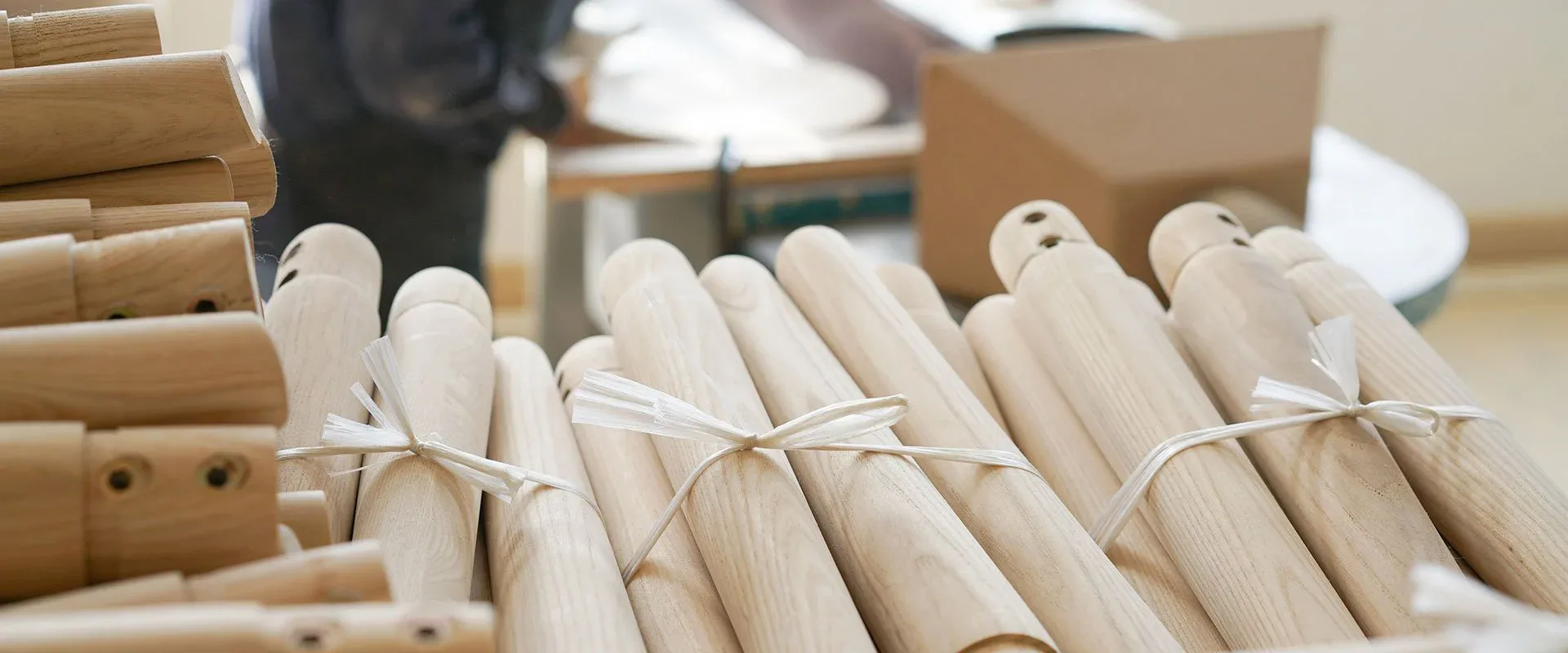
Not every joint needs to be a hand-cut dovetail, and a good part of the craft is knowing where a simpler joint is the right answer rather than merely the cheaper one. Dowelled and loose-tenon (domino) joints are strong, repeatable and entirely honest in many carcass and frame applications — there is no virtue in cutting a dovetail nobody will see for a load it never has to bear. The skill is matching the joint to the load, the material and the part of the piece: visible joinery worked to show, hidden joinery worked to perform.
Machine and hand, together
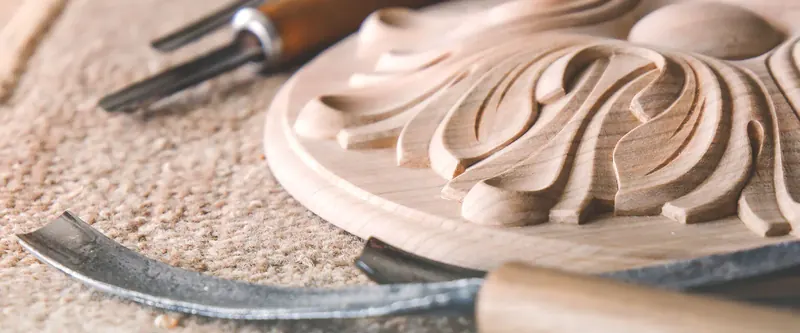
Modern bespoke joinery is not a museum exercise. We cut joints with CNC precision where consistency and repetition call for it, and by hand where a piece deserves the eye and judgement of a maker leaning over the bench. The two are not in tension: the machine takes away the drudgery and guarantees the tolerances, while the hand brings the final paring, the fit you feel rather than measure, the small decisions a cutter cannot make. I still trim the last of a fine tenon with a chisel and test it dry, again and again, easing a shaving here and there until it draws together with that faint suck of air and sits without a whisper of play — and in that quiet moment of a joint coming true you understand why a maker can give a whole working life to it. The same principles run through our hand-carving and our cabinetry alike.
How to judge it yourself
You do not need to be a cabinetmaker to read a piece — you only need to know where to look. Pull a drawer fully out and turn it over: are the corners interlocked and dovetailed, or simply butted and stapled? Is the bottom let cleanly into a groove, or pinned to the underside as an afterthought? Open and close the doors and listen: do they sit with even, hairline gaps and shut without a rattle? Press a shelf at its centre and feel for flex; look underneath a table or chair to see how the legs meet the frame. A visible, well-cut joint is a good sign; a metal bracket hiding the connection is usually covering for a weak one. The corners and the undersides will always tell you more than the polished show-surfaces ever do.
Why it matters to you
Joints are invisible in the showroom and decisive over a lifetime. They are why solid, well-jointed bespoke furniture can be repaired, re-finished and passed gladly to the next pair of hands, while flat-pack furniture is effectively disposable from the day it is screwed together. When you commission a piece from us, the joinery is quietly engineered for the load it will carry and the years it will serve — the part you will never see, doing the work that matters most, long after the rest of us have stopped paying attention to it.