Working stone into bespoke furniture is a discipline of selection, templating and fabrication: marble, travertine, onyx and quartzite, each chosen for a specific use, finish and edge, then cut from a single unrepeatable slab.
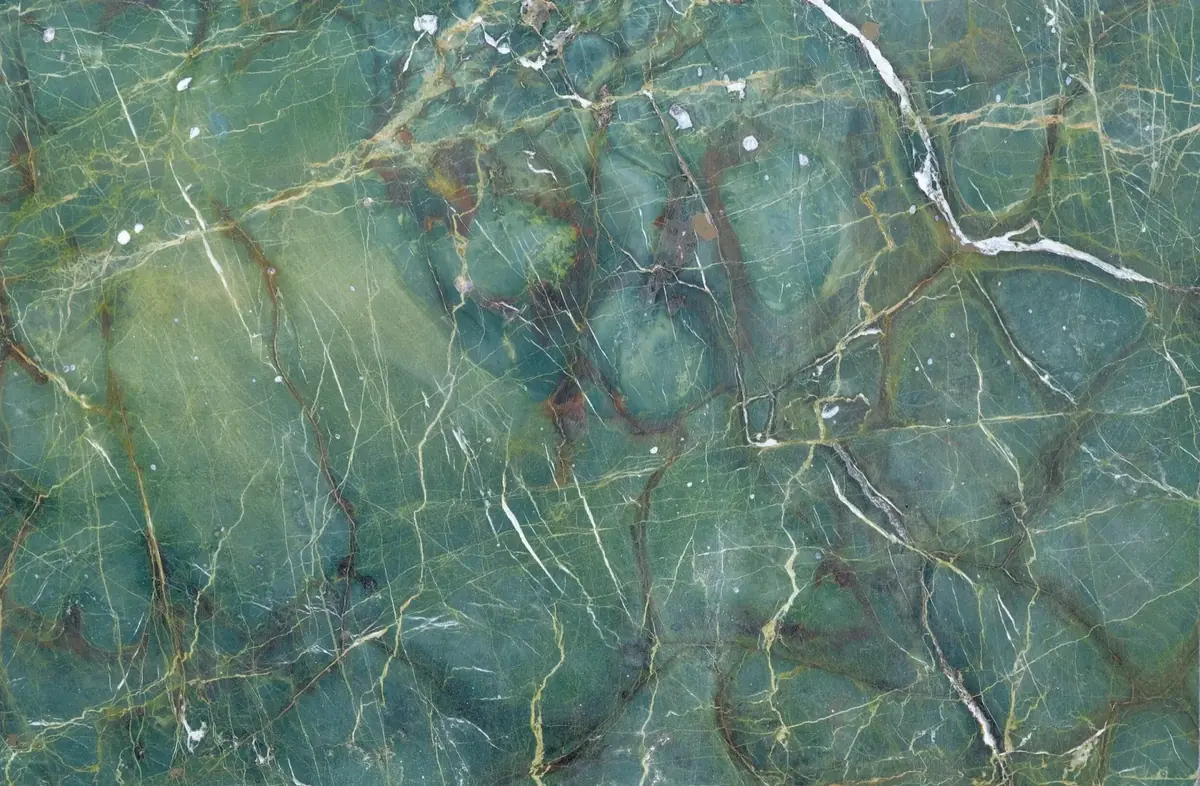
Lay a hand flat on a freshly cut slab and the first thing you feel is the cold — a deep, mineral cold that takes a long time to give up. Then the weight, which you sense before you ever try to lift it. And then, once your eye adjusts, the veining: a seam of grey drifting across white like weather coming in over a hill, or a river seen from very high up. No factory drew that. It is geological time made visible, frozen mid-movement. A marble tabletop, an onyx bar front, a travertine console — each is a single slice of stone that took millions of years to form, and no two will ever match. Working stone into bespoke furniture is a discipline of selection, templating and fabrication that sits alongside the timber and metalwork, and the decisions begin long before anything is cut.
The principal stones
Marble is the classic: metamorphic limestone with that characteristic veining, ranging from the cool whites of Carrara and Calacatta to deep greens, golds and blacks. It is beautiful but relatively soft and porous, and that softness shapes everything about how it is used. Travertine is warmer — a naturally pitted limestone, more matte and contemporary, with little open pores that catch the light and read almost like texture you can hear underfoot. Onyx is the showpiece: translucent enough to be backlit until it glows from within, and reserved for feature pieces where its drama earns its fragility. Quartzite is the quiet workhorse — a much harder natural stone that reads like marble but shrugs off scratching and etching far better, increasingly specified where someone wants the marble look on a surface that has to actually work for a living.
Finishes
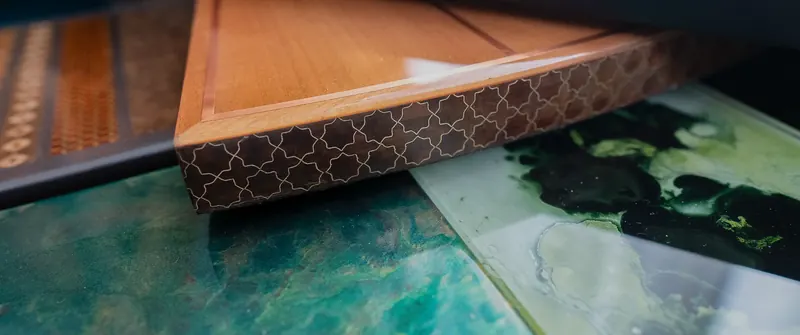
The same stone can be two completely different materials depending on how it is finished. Polished gives the deep, reflective, formal surface that brings the veining up to its most dramatic, as if it were lit from below. Honed is matte and quieter, softer to the eye and the hand, and forgiving of the small marks of daily life. Leathered and brushed finishes lay in a subtle texture you notice with your fingertips before your eyes. The edge is a separate decision again, and it changes the whole character of a piece — a crisp square edge, a softened bullnose, or a mitred apron that lets a thin slab read as a reassuringly thick one.
The reality of natural stone
Marble and the other calcite stones are porous and reactive. Acids — wine, a squeeze of lemon, the wrong cleaner — will etch the surface, and a spill left to sit can stain. We are always honest with clients about this from the outset: it is not a flaw to be hidden but a characteristic to be designed around. Sealing reduces porosity and buys time against staining, but it will never make marble bulletproof, and a surface that will meet acid every day should be honed, which masks etching far better than a polish, or reconsidered in favour of quartzite. For many people the gentle etching and patina that marble earns over the years is precisely the point — the same acceptance of a living material that draws them to patinated metal. A marble worktop is not meant to look as it did on day one; it is meant to look like it has been lived on.
Templating, fabrication and weight
Stone is templated from the finished piece — a precise pattern lifted from the very cabinet or base it will sit on — then cut, edged and finished to that template in our stone workshop. Weight is a genuine engineering constraint, not a footnote: a large marble tabletop can run to 200–250kg, and the base must be designed from the start to carry it without complaint. Tops travel separately from their bases and are lifted into place on site, settled onto concealed brackets by a crew who have done it many times and still hold their breath. Templating has to be exact, because unlike timber, stone offers no second chances — it cannot be quietly trimmed to fit once it is cut.
Specifying stone
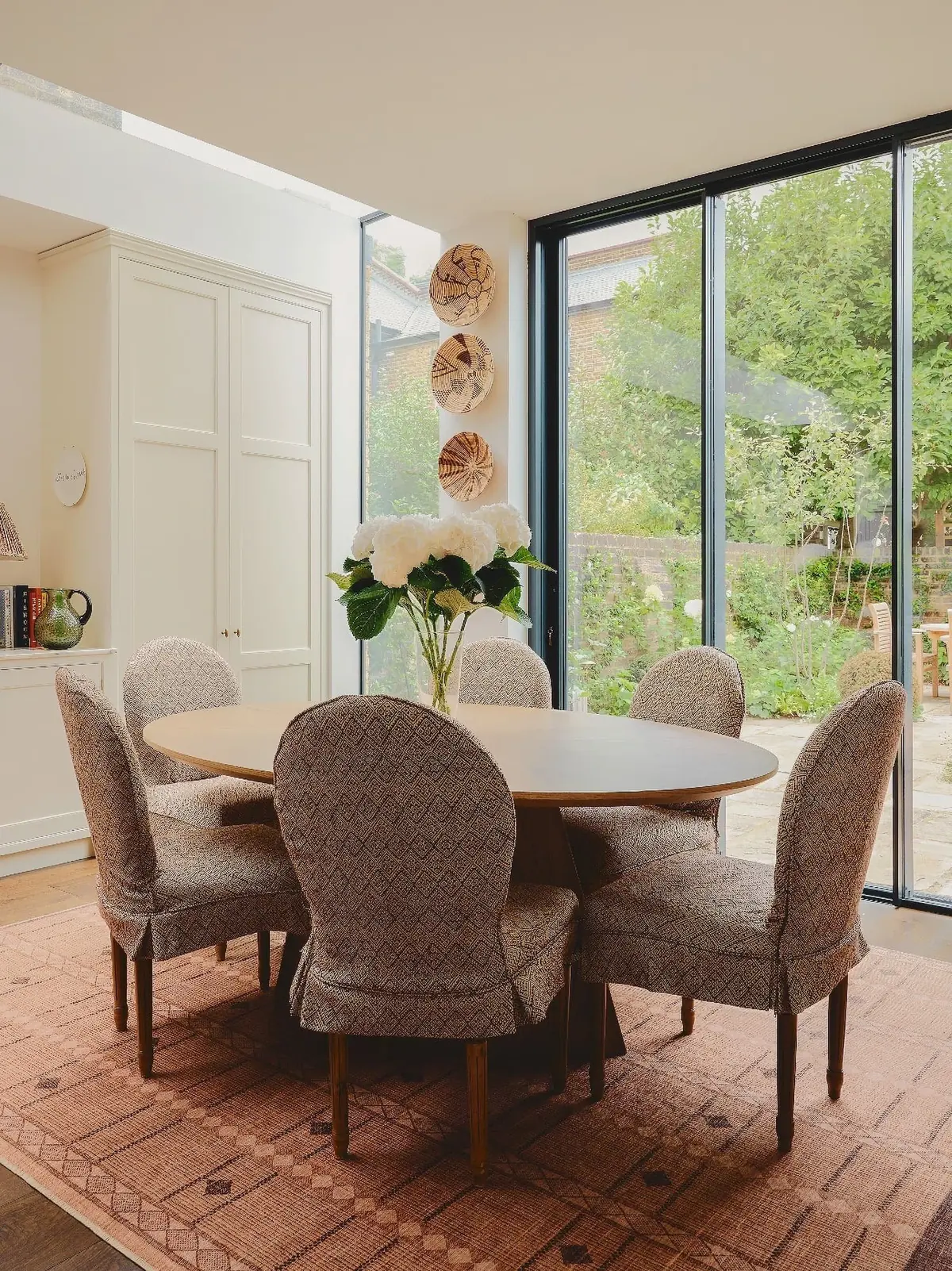
Because every slab is its own thing, we like to select from the actual stone rather than a small sample — the veining, the movement and the colour all shift across a single block, and a sample can only ever lie a little. There is a real pleasure in standing in a slab yard, turning the leaves of stone one against the next, watching for the moment a particular piece simply looks back at you. We coordinate slab selection, templating and fabrication as part of the wider commission, so a stone-topped dining table or console arrives as one resolved, considered piece rather than a top set on a base. The full stone range is set out on our stone page, and the wider palette in our materials guide. Tell us how a piece will be used and lived around, and we will help you find the stone that will wear that life well.