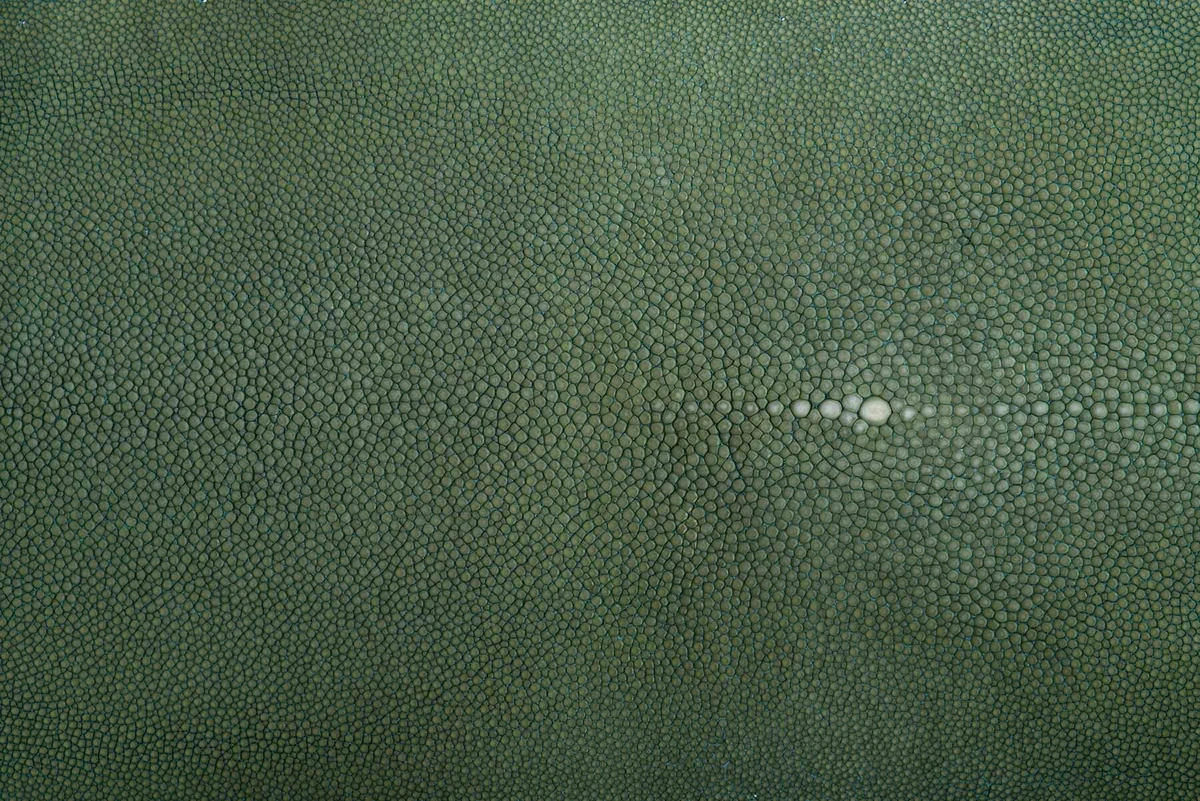
Shagreen — the skin of the sea
Stingray skin with its distinctive calcite nodule surface, an historic luxury material with a strongly contemporary character.
Shagreen is the skin of the stingray (or ray), processed and dyed to reveal the dense field of calcite nodules (placoid scales) that cover the animal's back. These nodules read as a fine, even pebbling, neither smooth nor rough, that catches light differently across the surface. Each skin has a unique arrangement of nodules, and no two panels are identical. The material has been used in luxury furniture and accessories since the 18th century, it appears on the work of Eileen Gray and Jean-Michel Frank, and it retains a strongly contemporary character.
The defining feature of a shagreen panel is the pearl, the pale, rounded run of larger nodules along the centre line where the ray's spine sat. Makers position the pearl deliberately: centred on a box lid, mirrored across a pair of cabinet doors, or set off to one side as a quiet accent. The grain grows finer towards the edges of the skin, so the layout of a piece is a composition, not just a cladding decision.
Make Bespoke Studio uses shagreen for small-scale luxury surfaces: box and tray tops, cabinet door inserts, furniture top inlays, tabletop fields and decorative panel work. The material is available in a wide range of dyed colours, from natural grey-white through deep green, black, pale gold and bespoke tints. Where genuine stingray is not suitable for the use or the budget, an embossed-leather or resin-cast alternative reproduces the nodule pattern at larger format. For comparison with other hides, see leather in bespoke furniture.
Genuine shagreen is ethically sourced from by-product stingray skins, the fish being commercially caught for food, and the material carries CITES documentation confirming its legal provenance.
Real Shagreen
Shagreen is reserved for luxury surface applications where its distinctive nodule pattern and tactile quality become the focal point. Each piece is unique, the natural variation of every skin ensures no two commissions are identical.
- Jewellery and display box surfaces
- Cabinet door inserts
- Small furniture top inlays
- Decorative tray and accessory surfaces
- Luxury wall panel inserts
 01 / 32Alma Leather Shagreen Agate
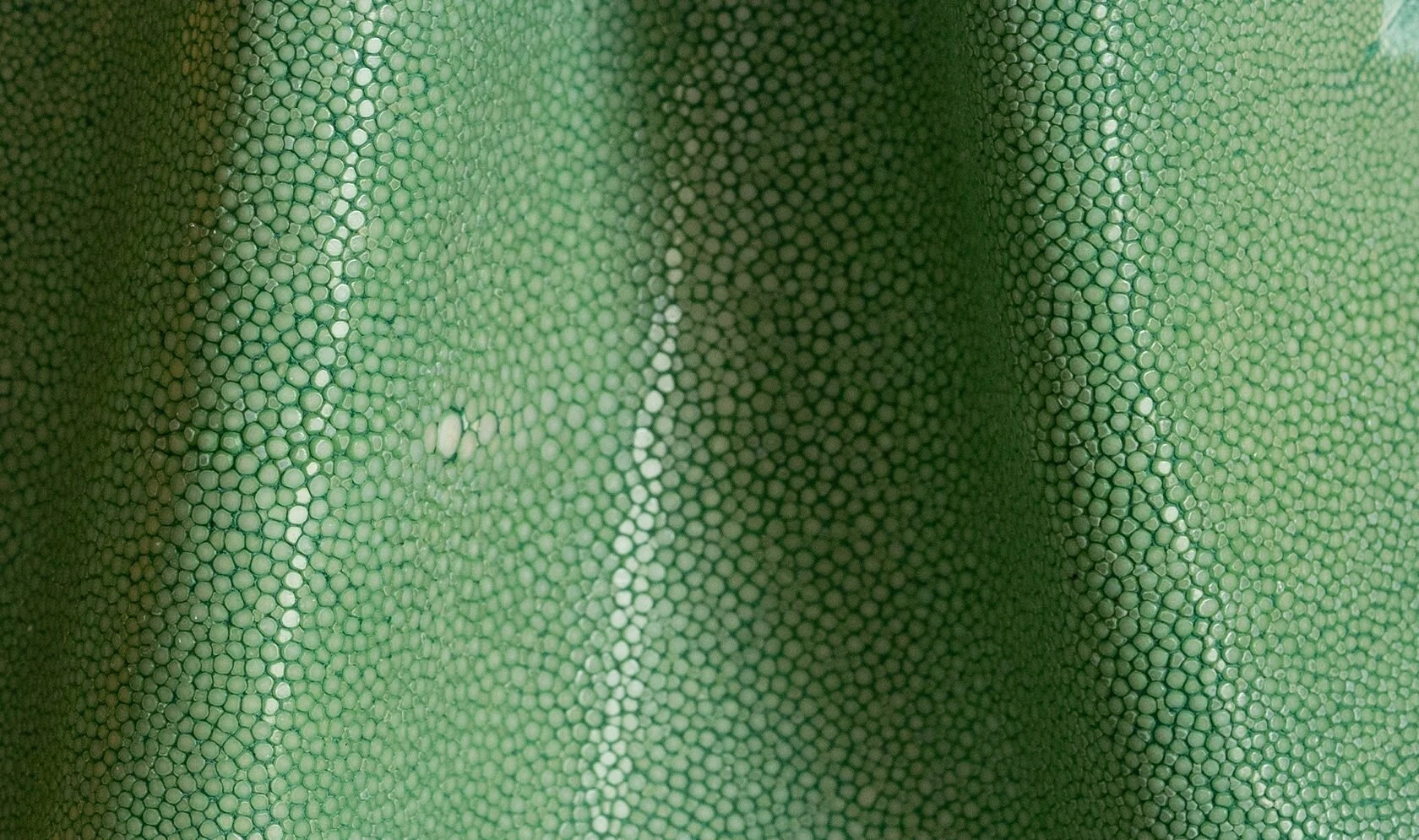 02 / 32Alma Leather Shagreen Apple
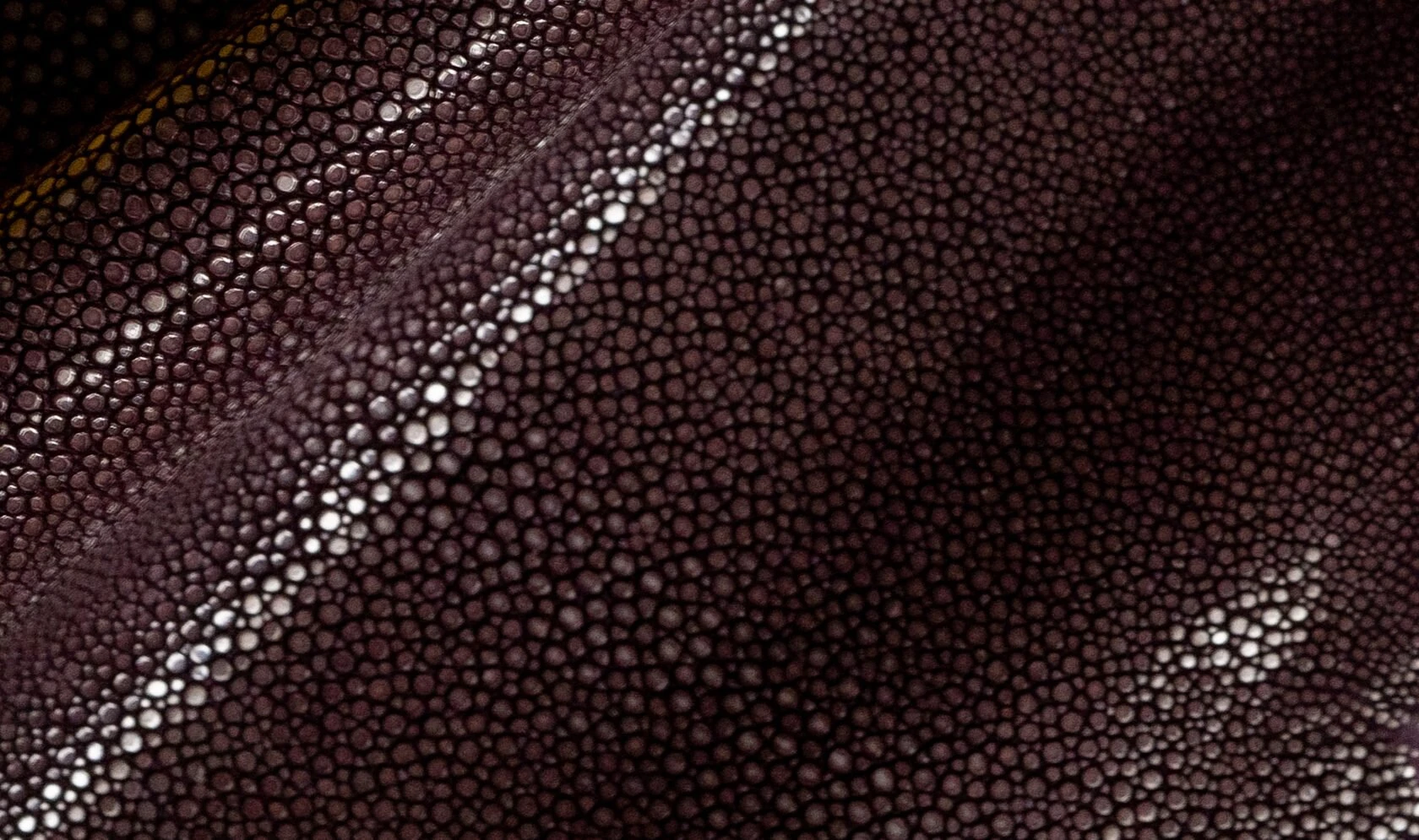 03 / 32Alma Leather Shagreen Aubergine
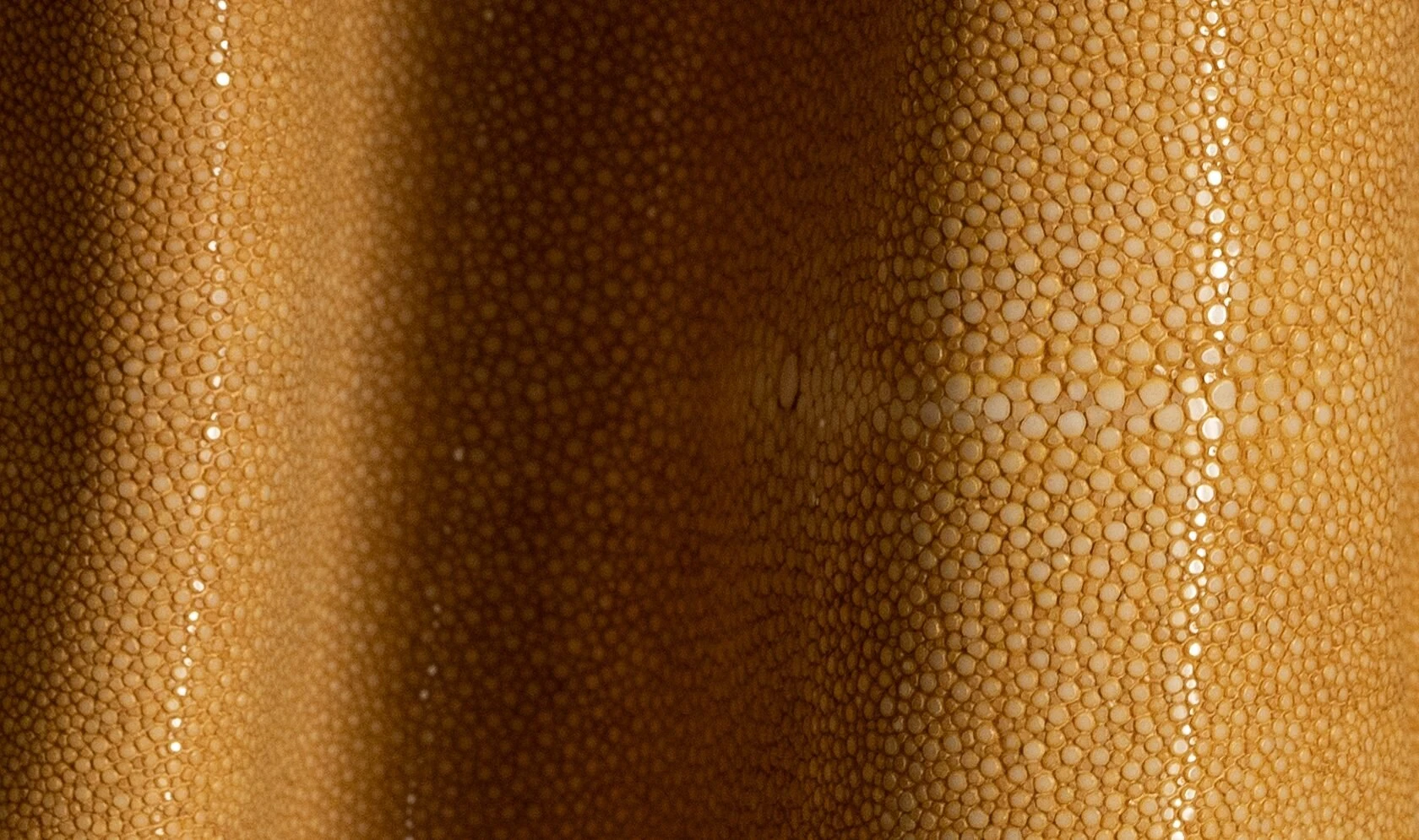 04 / 32Alma Leather Shagreen Beige
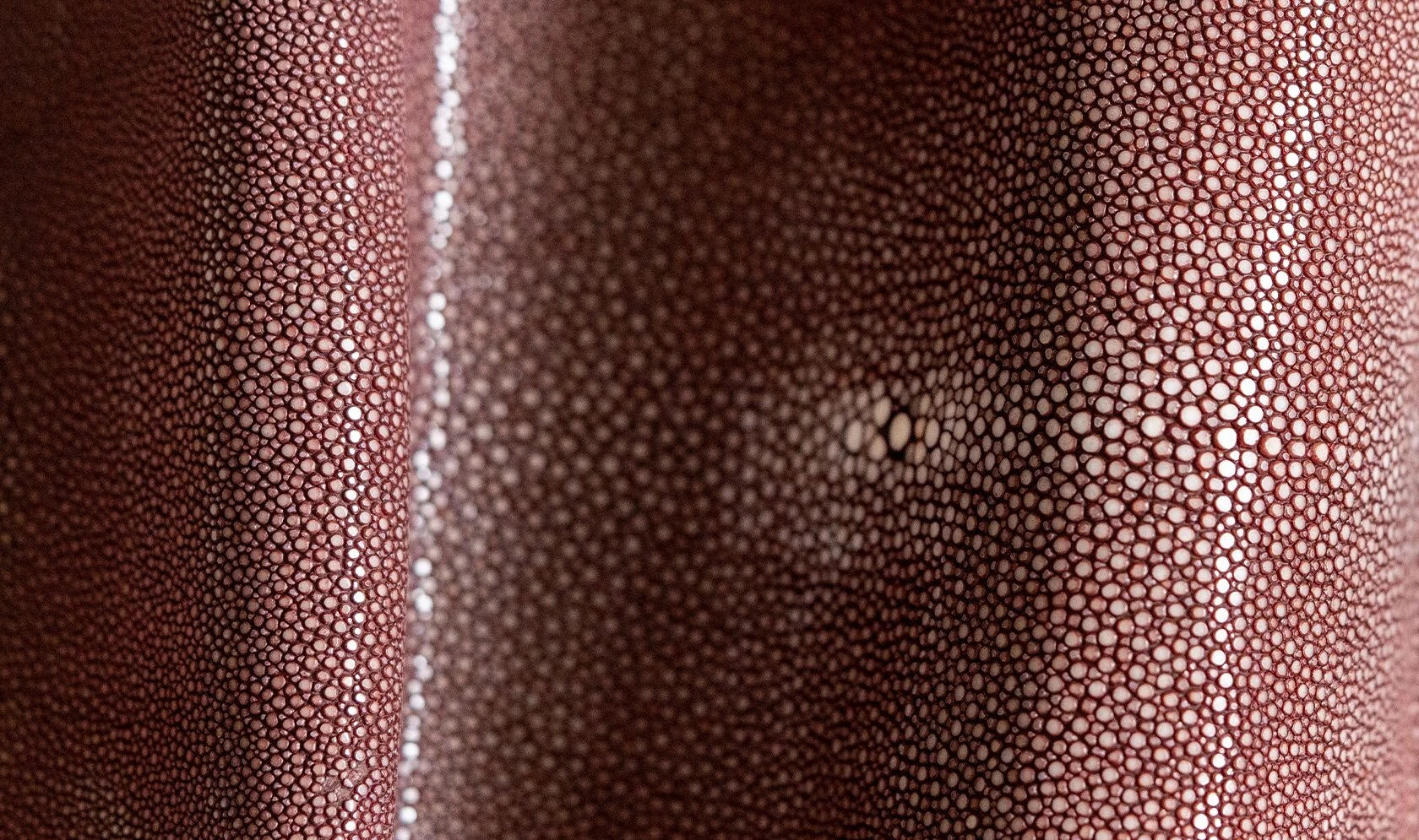 05 / 32Alma Leather Shagreen Berry
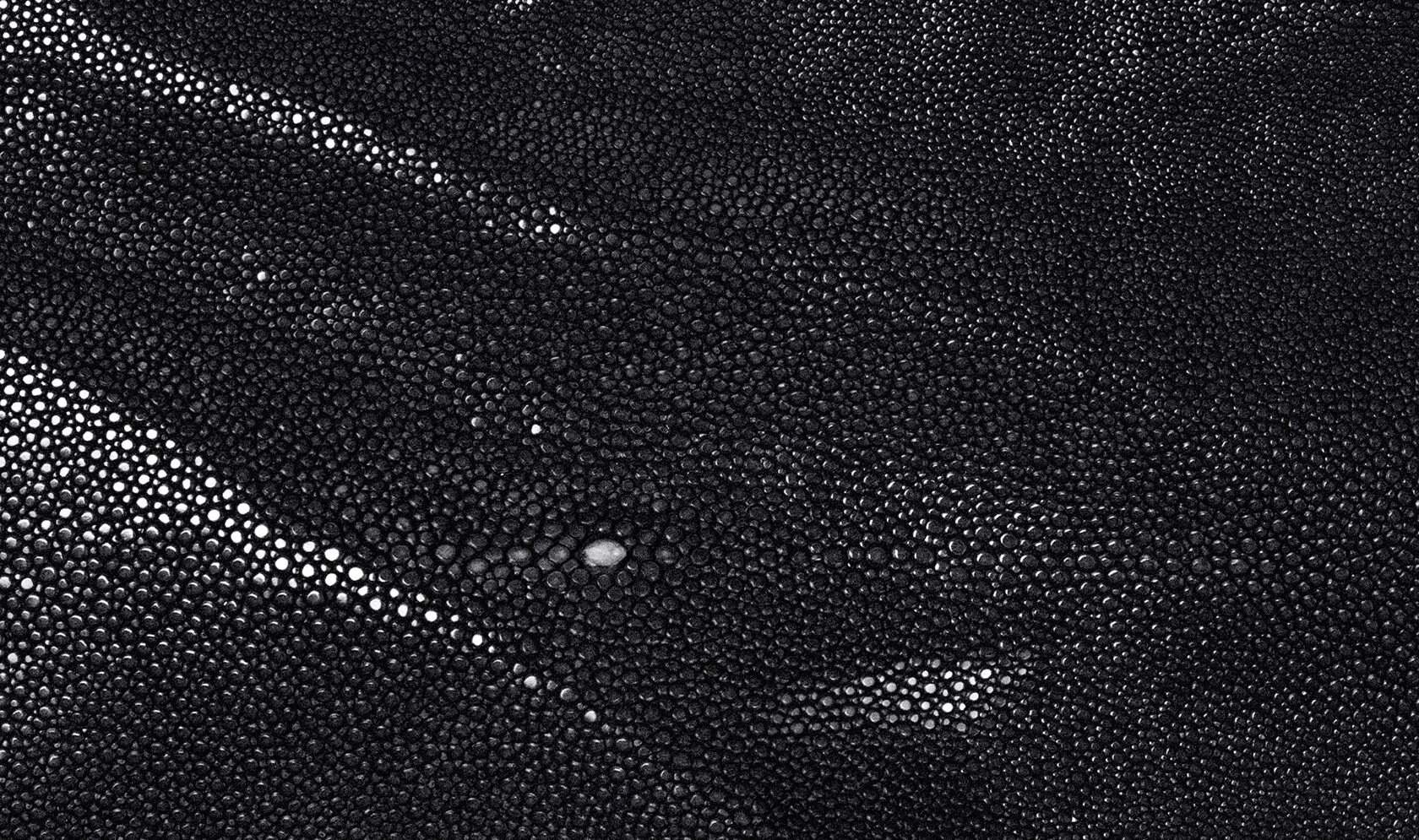 06 / 32Alma Leather Shagreen Black
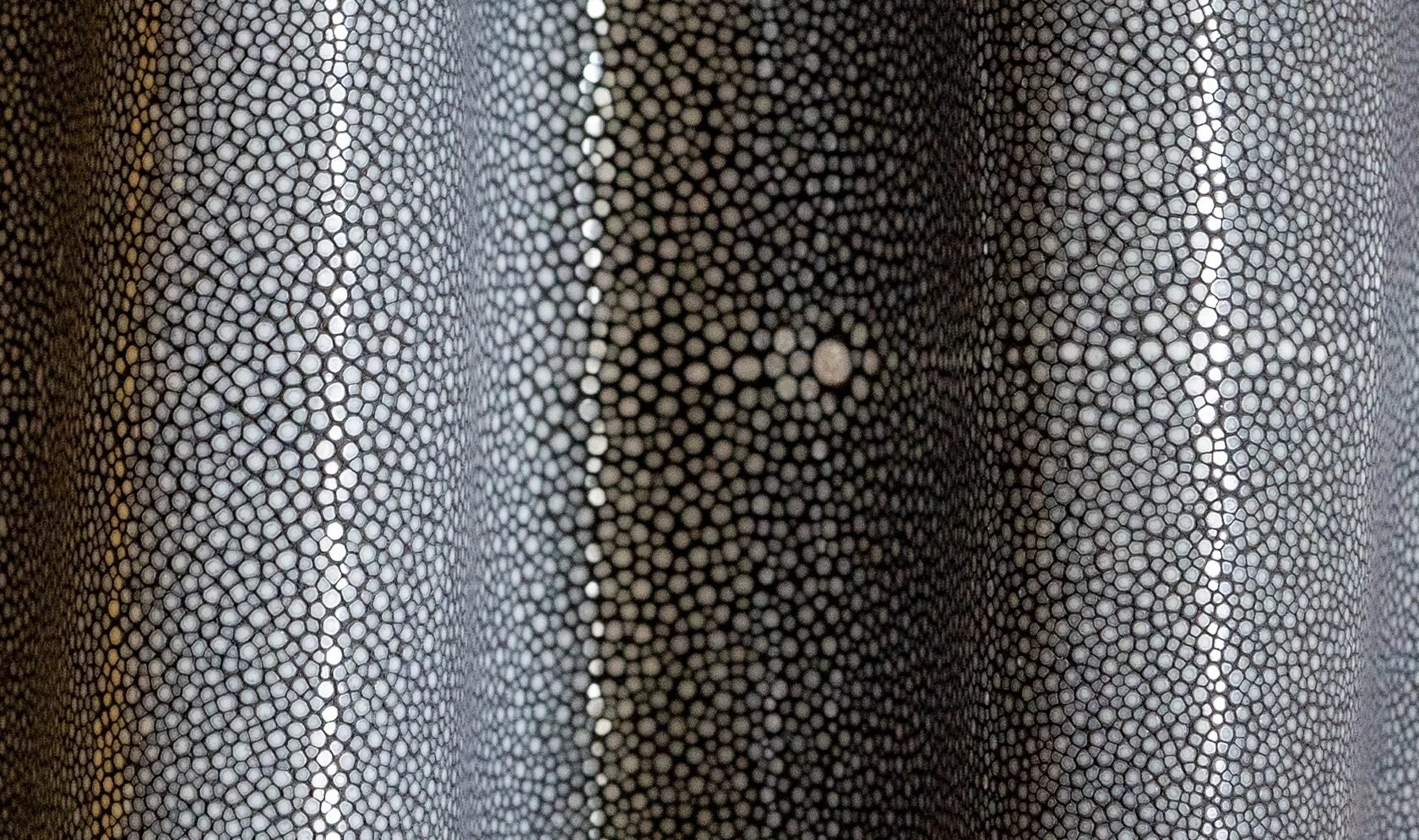 07 / 32Alma Leather Shagreen Charcoal
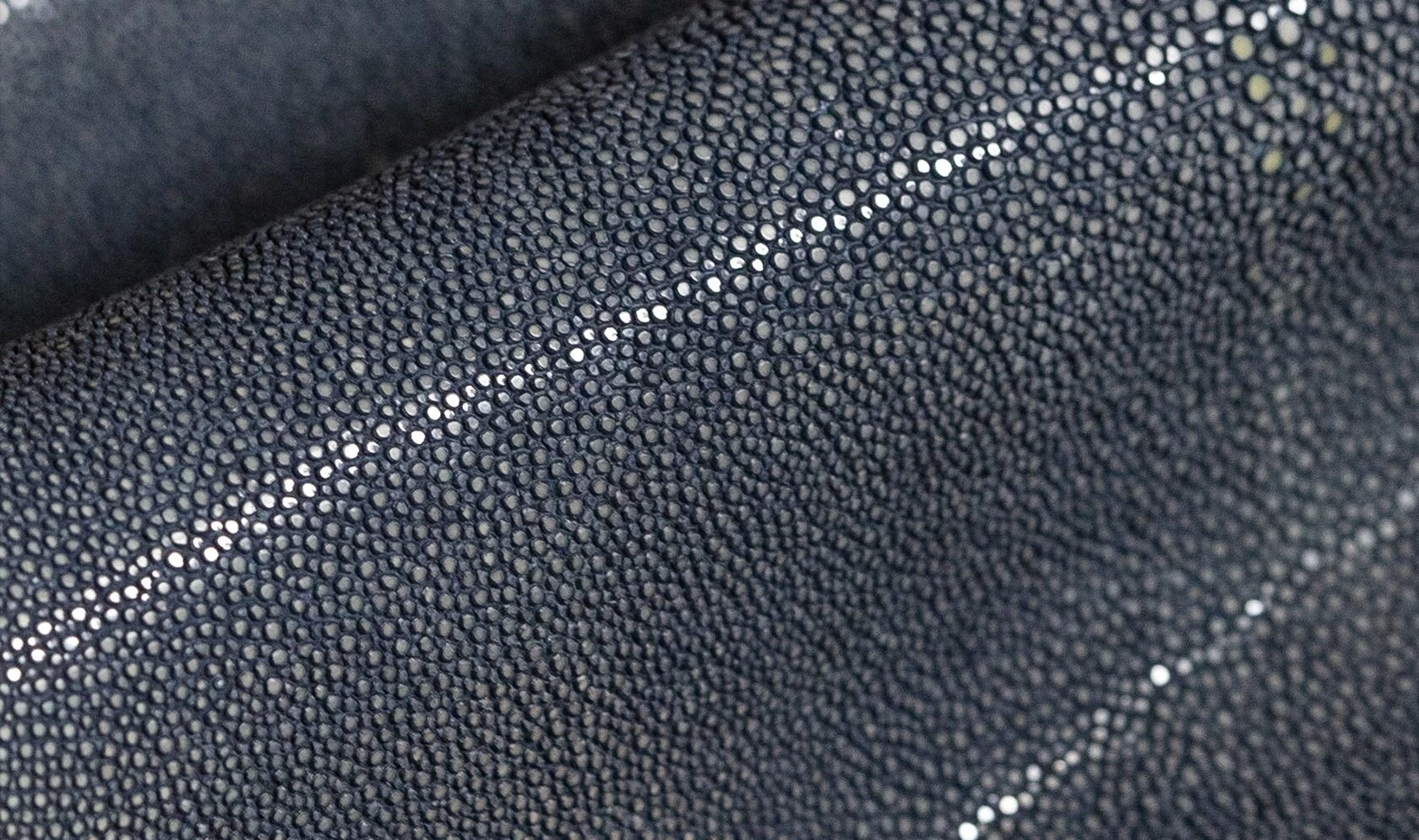 08 / 32Alma Leather Shagreen Denim
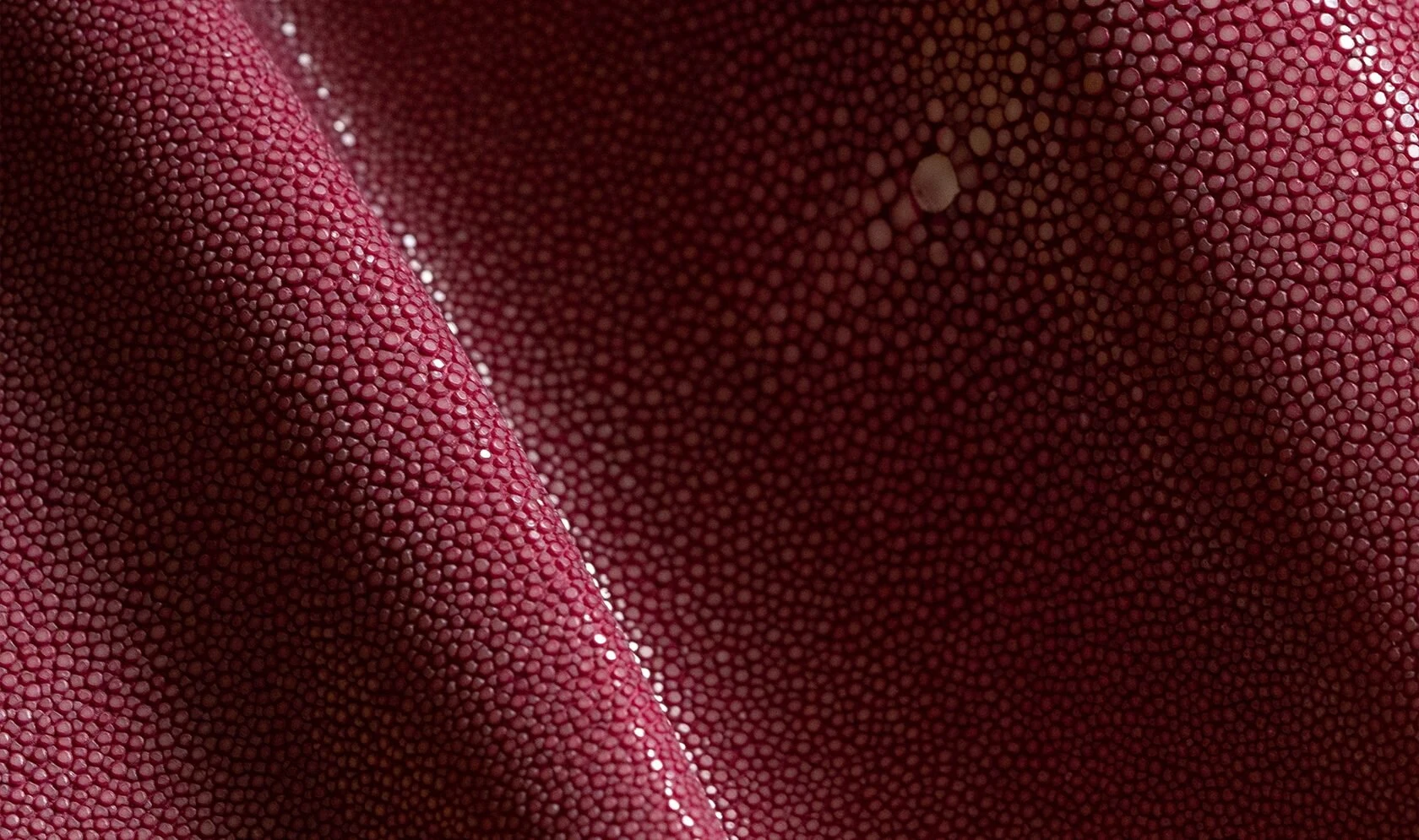 09 / 32Alma Leather Shagreen Fuchsia
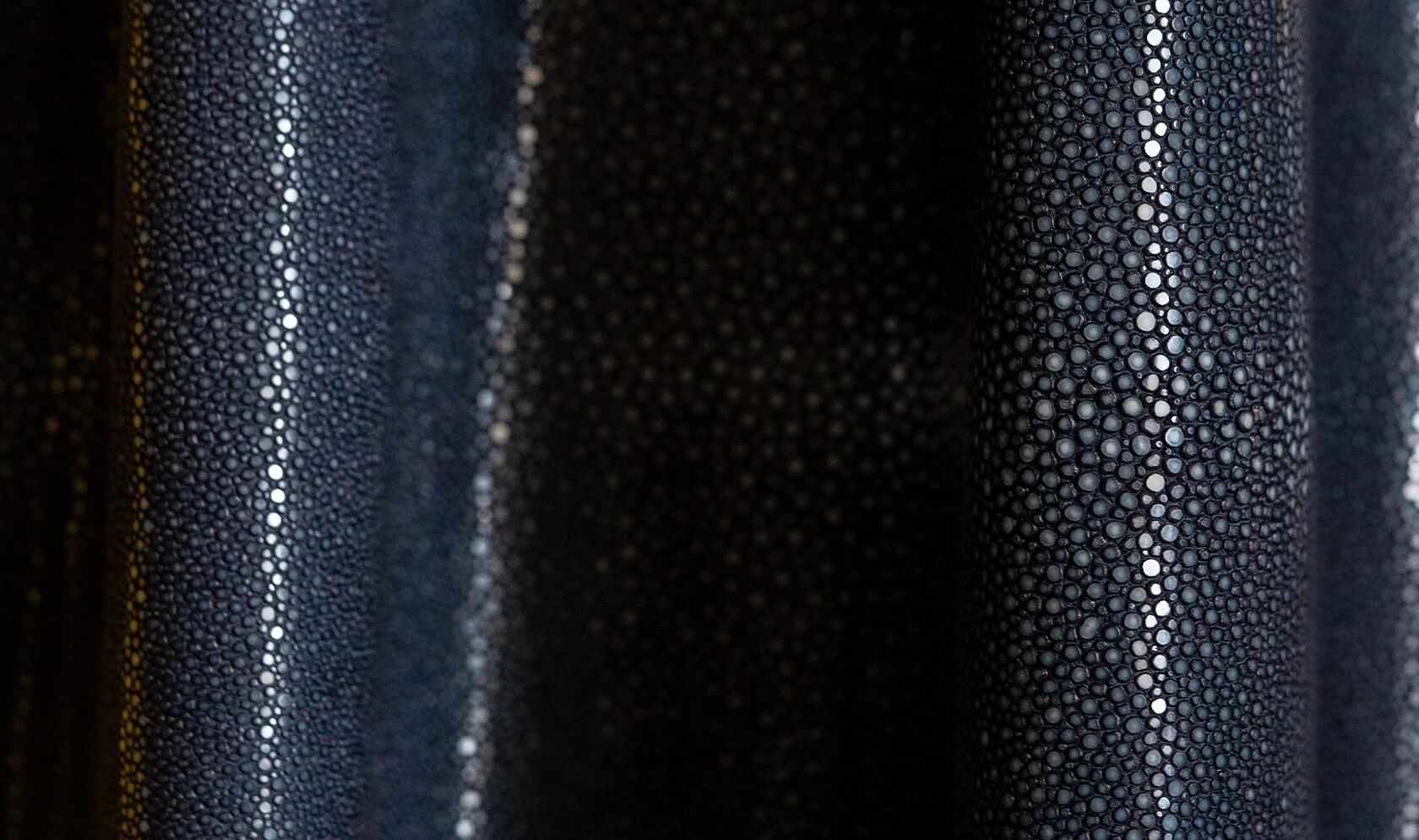 10 / 32Alma Leather Shagreen Indigo
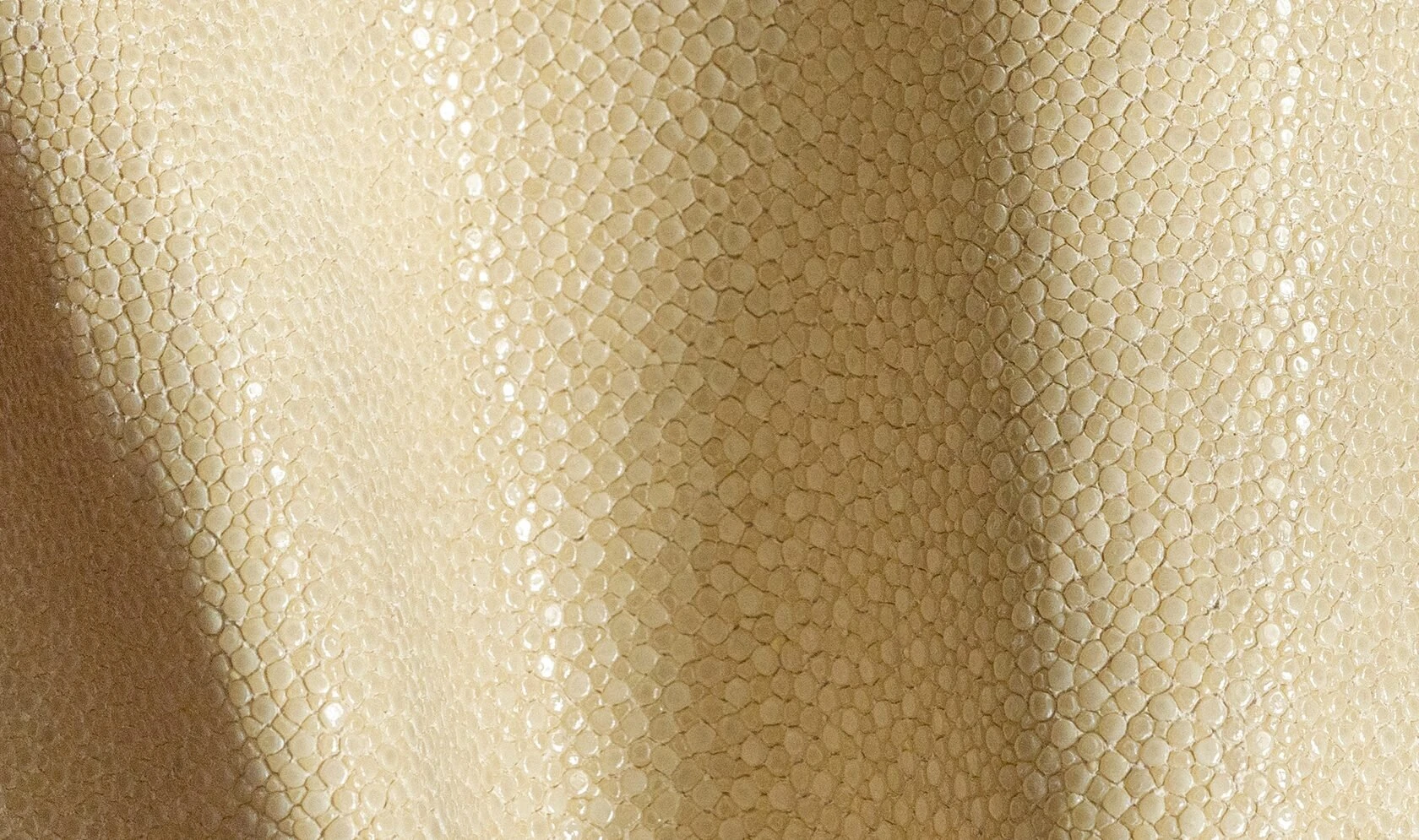 11 / 32Alma Leather Shagreen Ivory
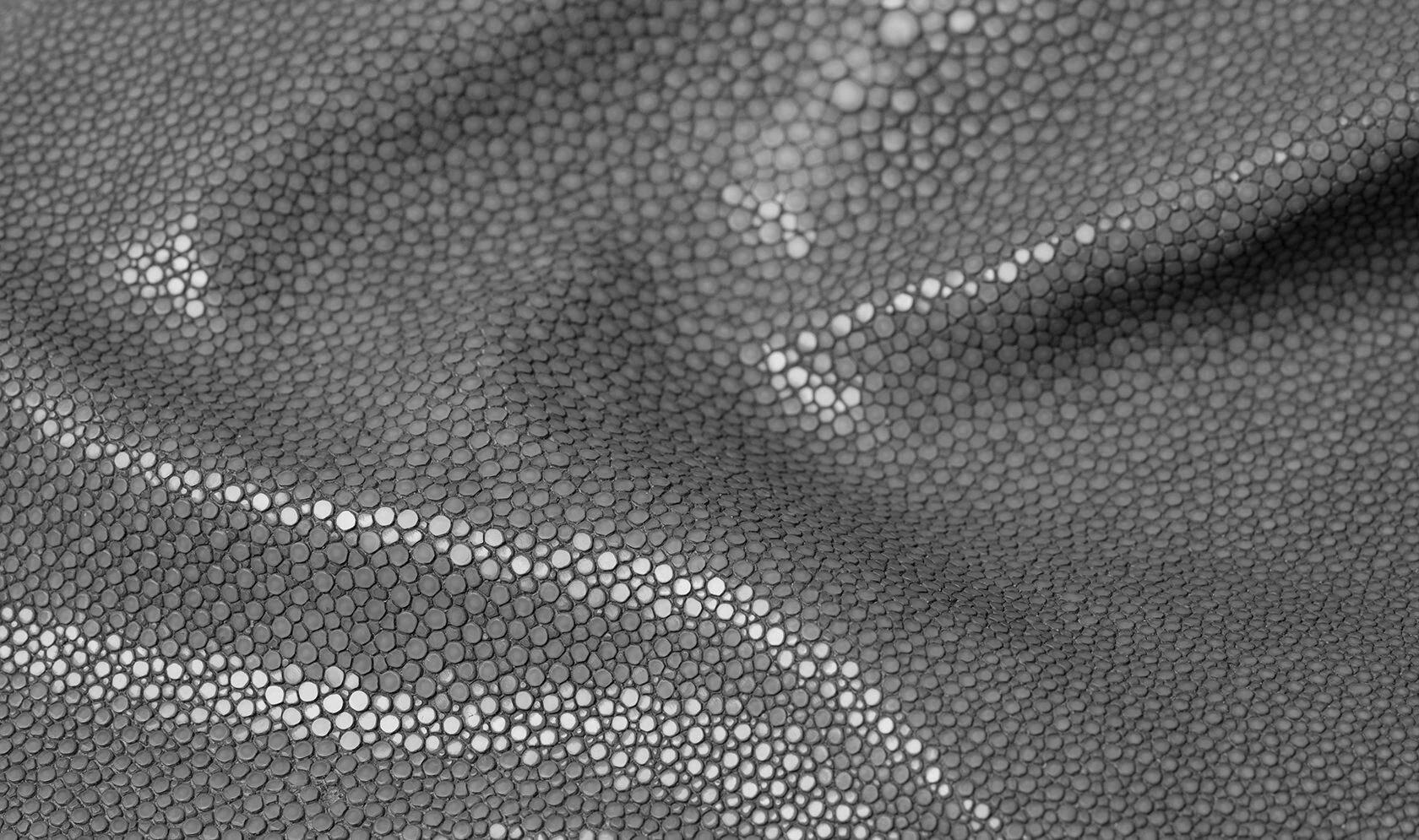 12 / 32Alma Leather Shagreen Lightgrey
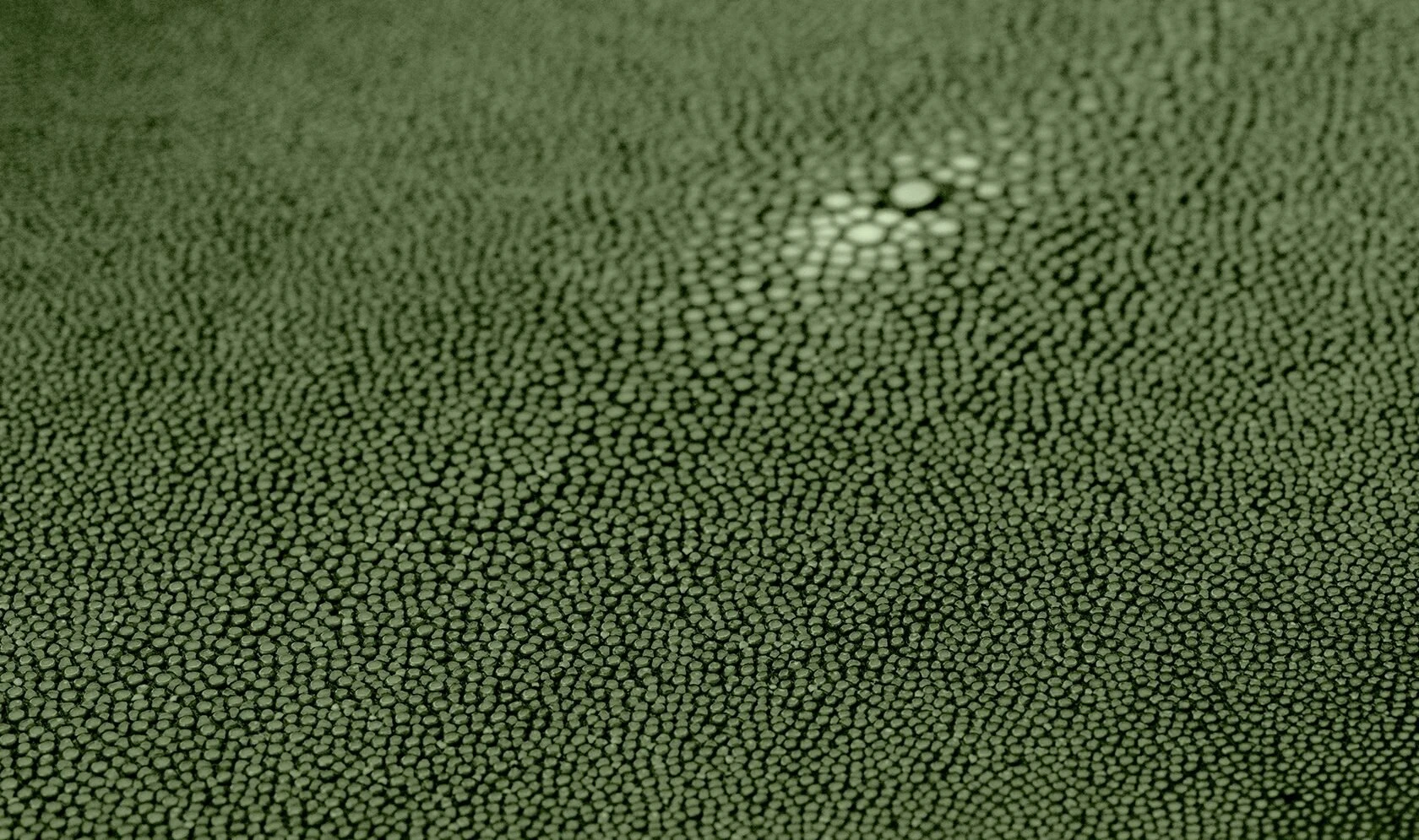 13 / 32Alma Leather Shagreen Moss
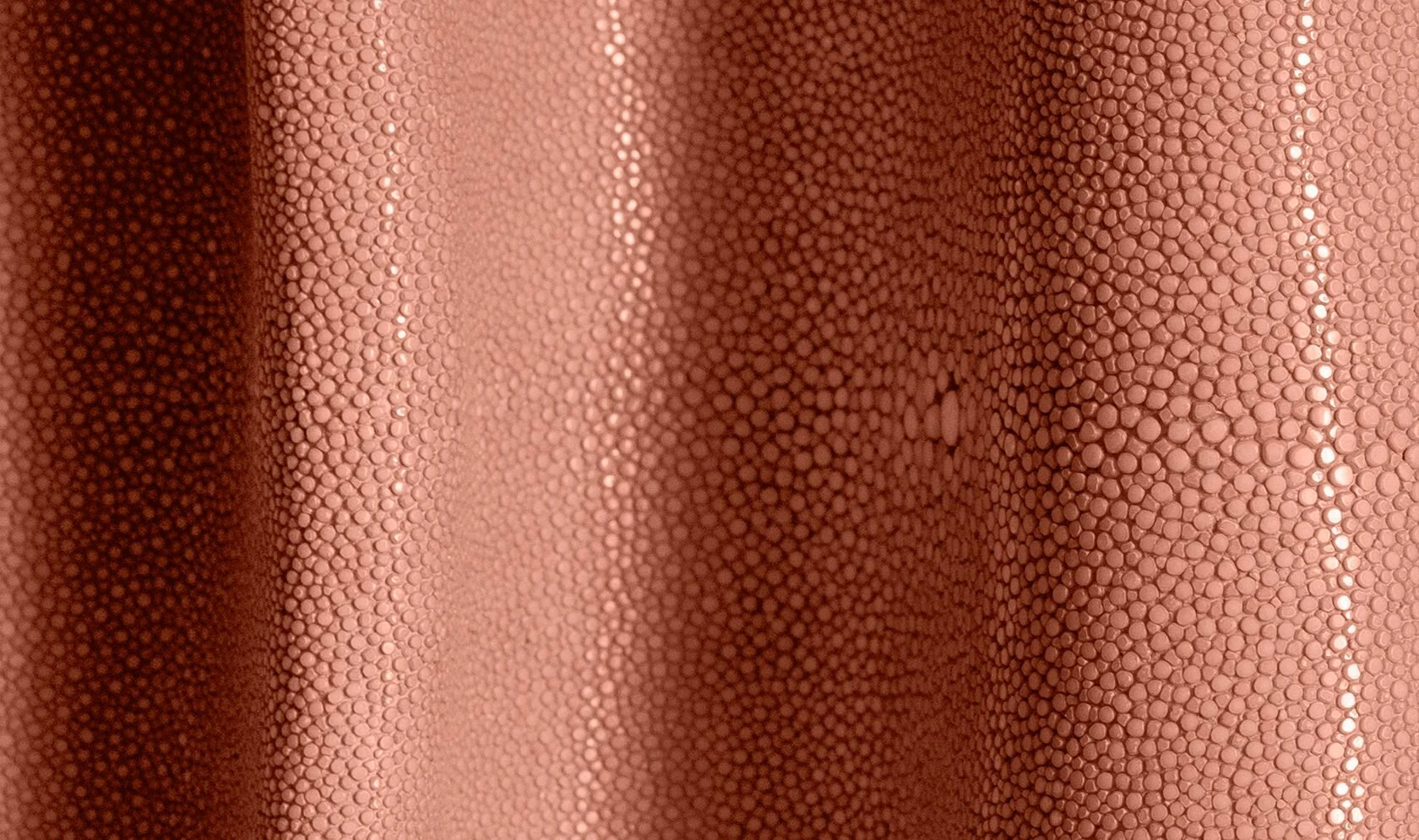 14 / 32Alma Leather Shagreen Orchid
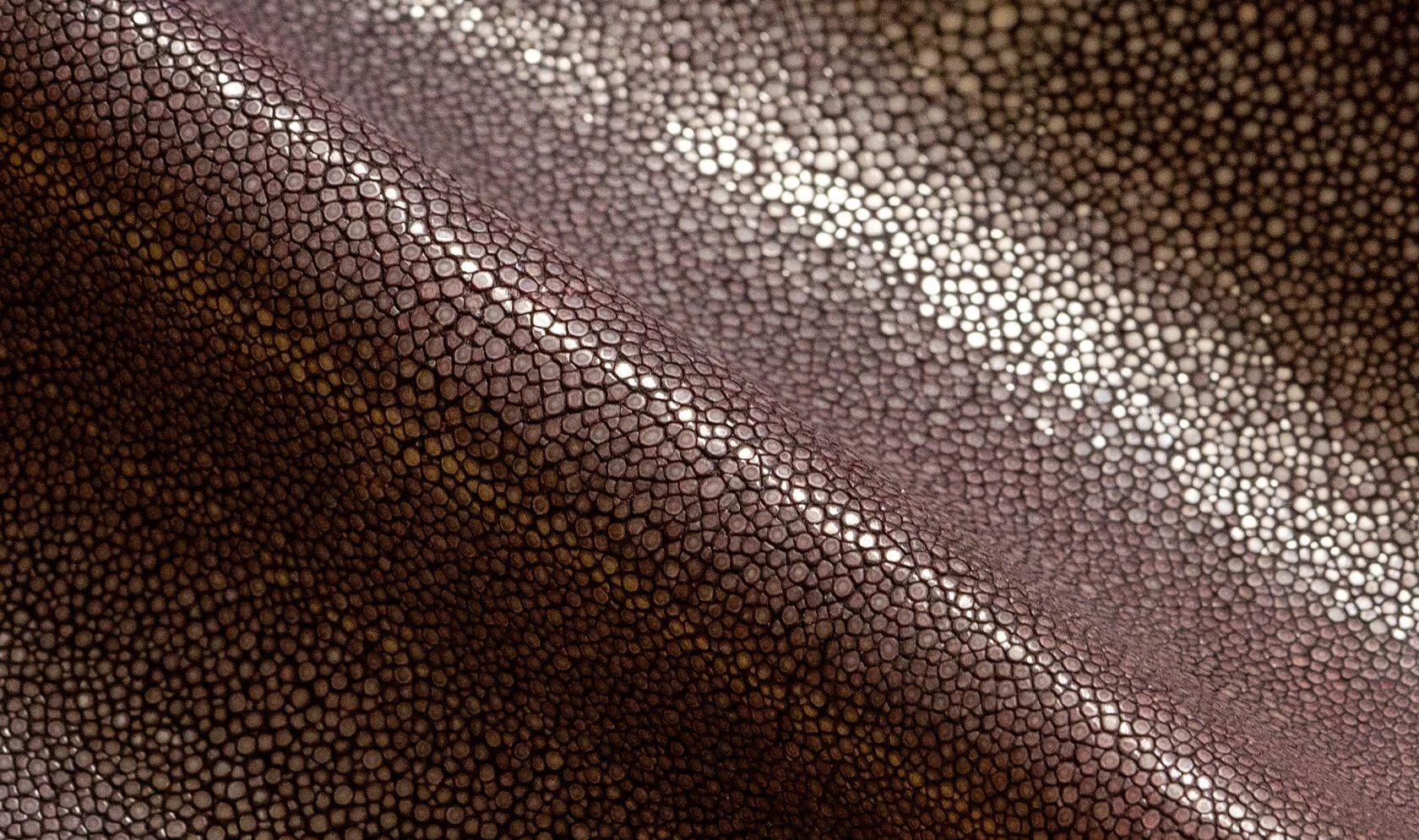 15 / 32Alma Leather Shagreen Plum
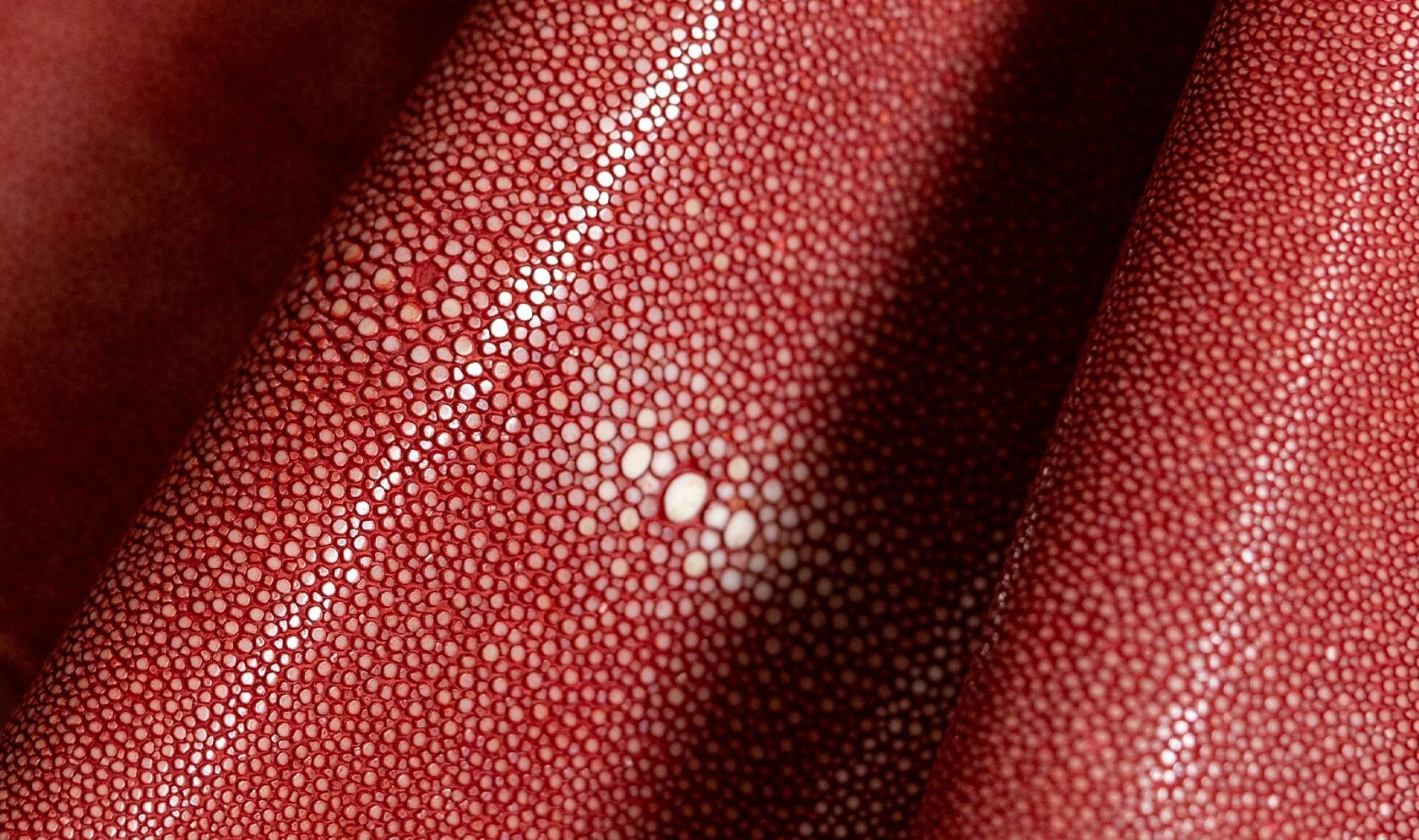 16 / 32Alma Leather Shagreen Red
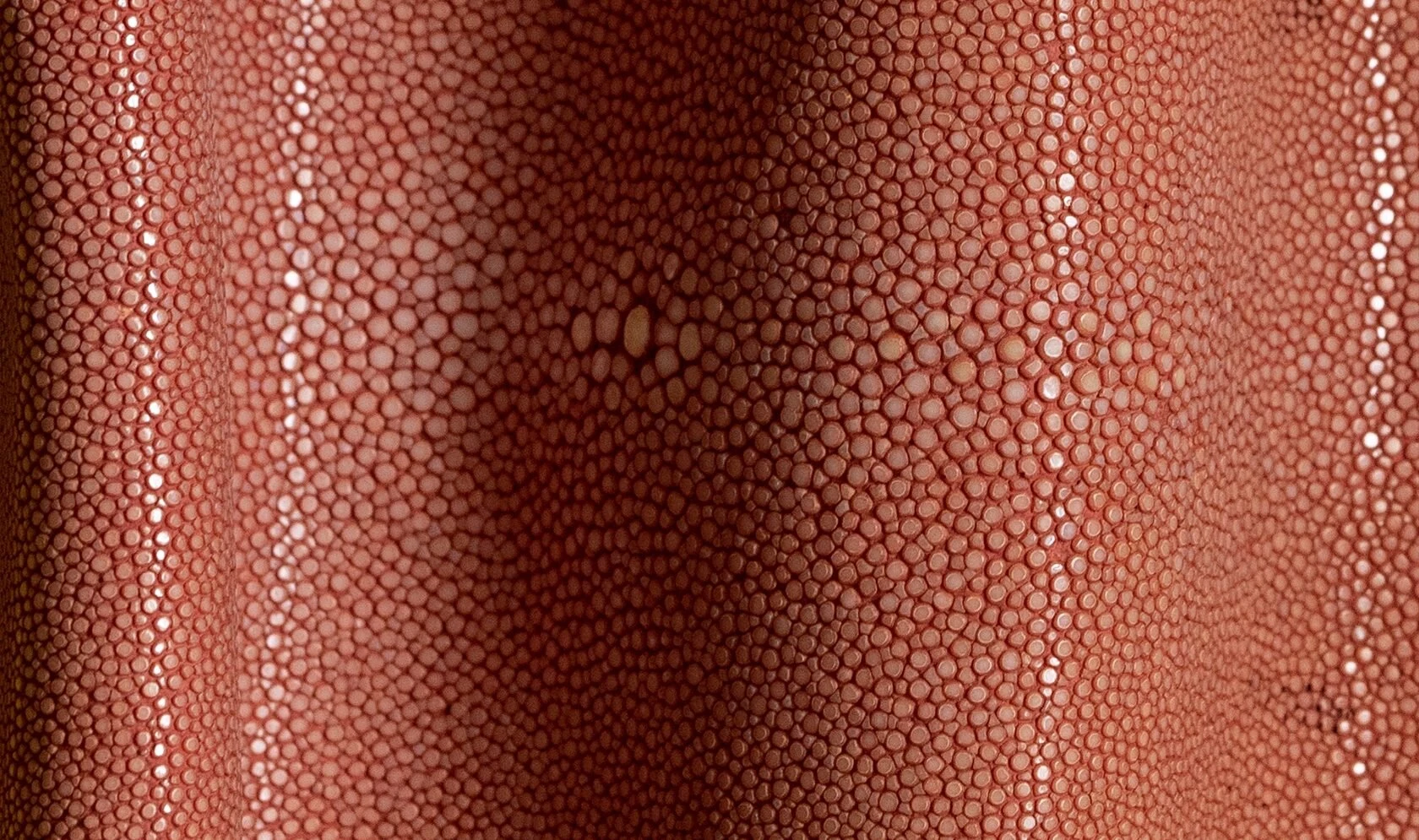 17 / 32Alma Leather Shagreen Rose
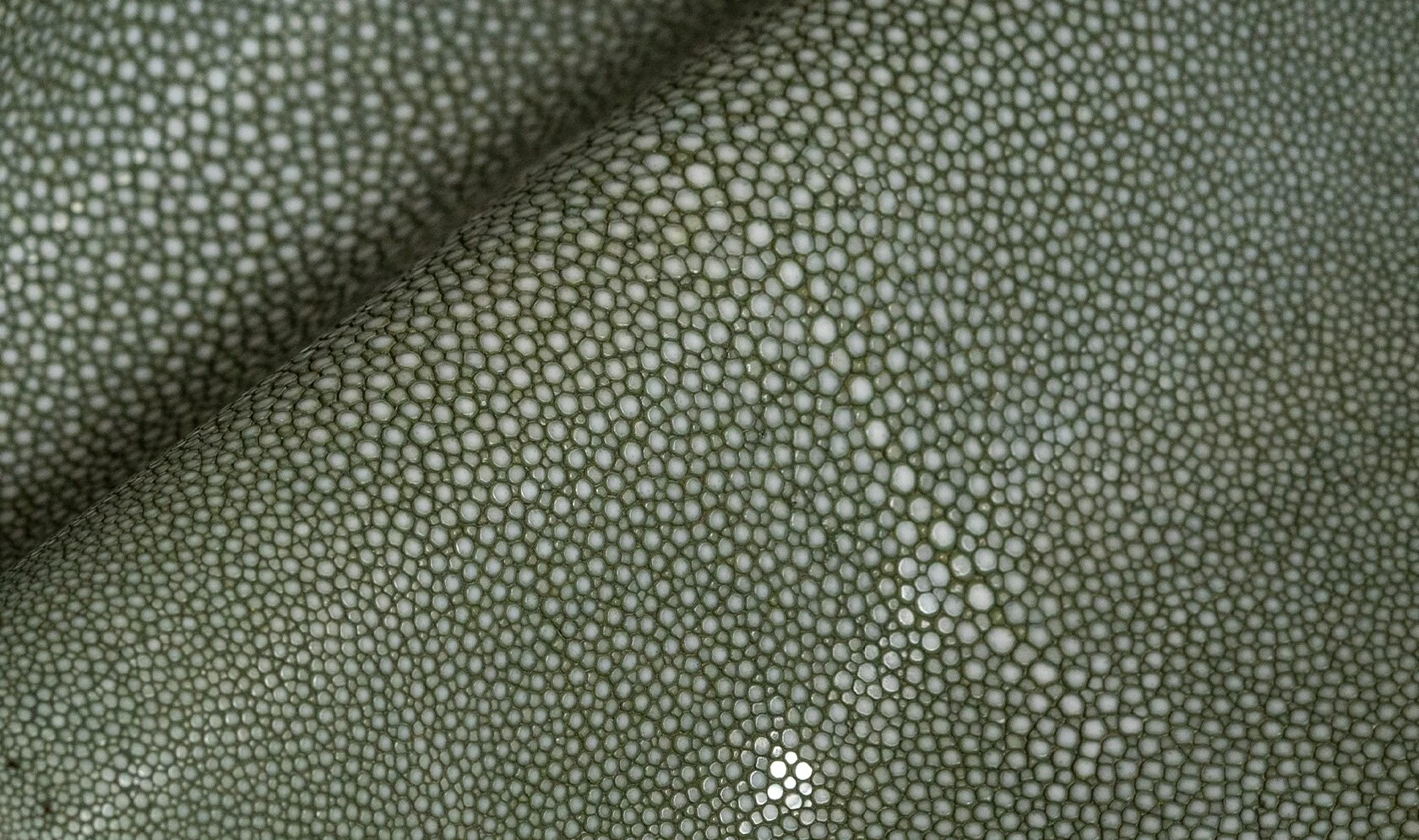
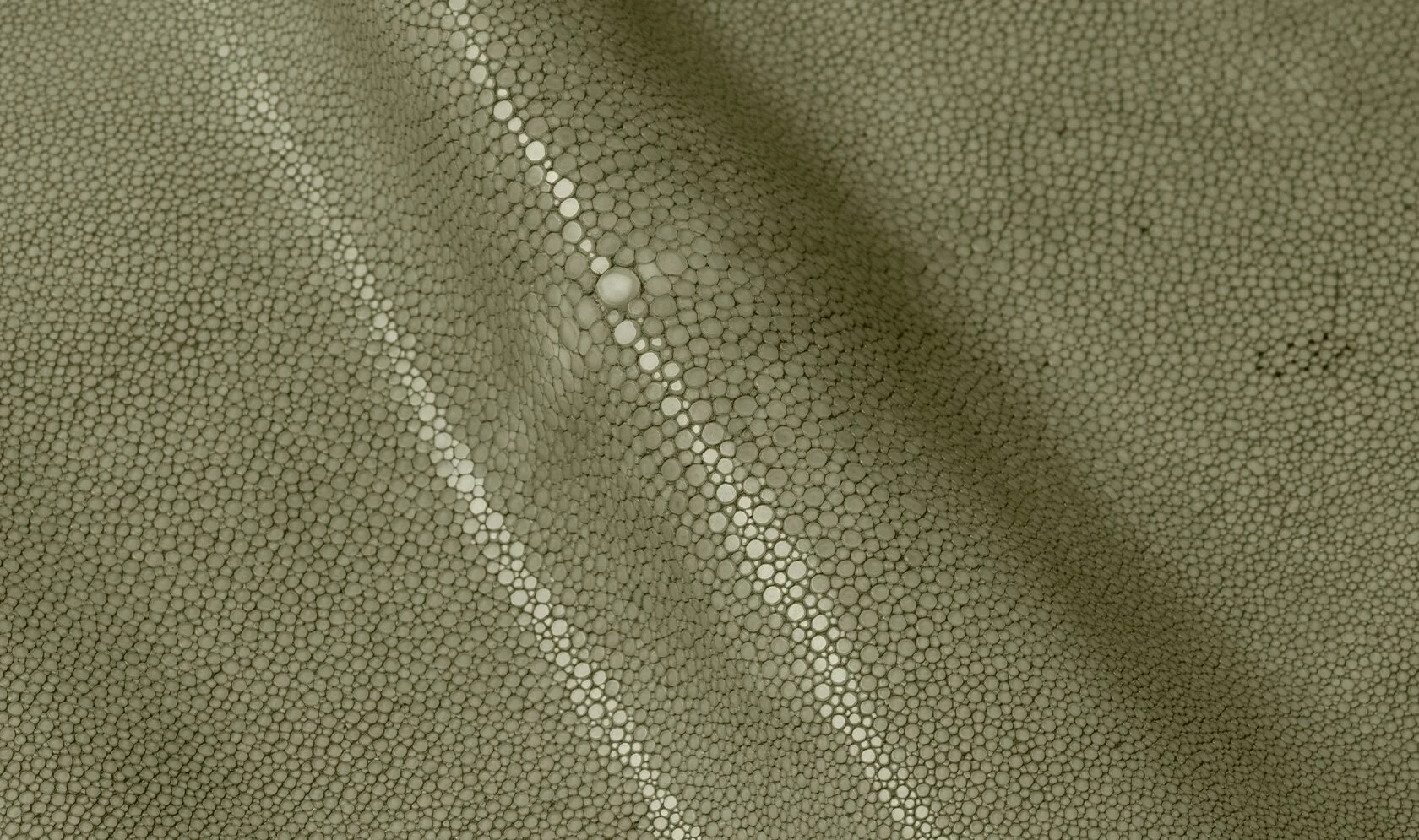 18 / 32Alma Leather Shagreen Sage
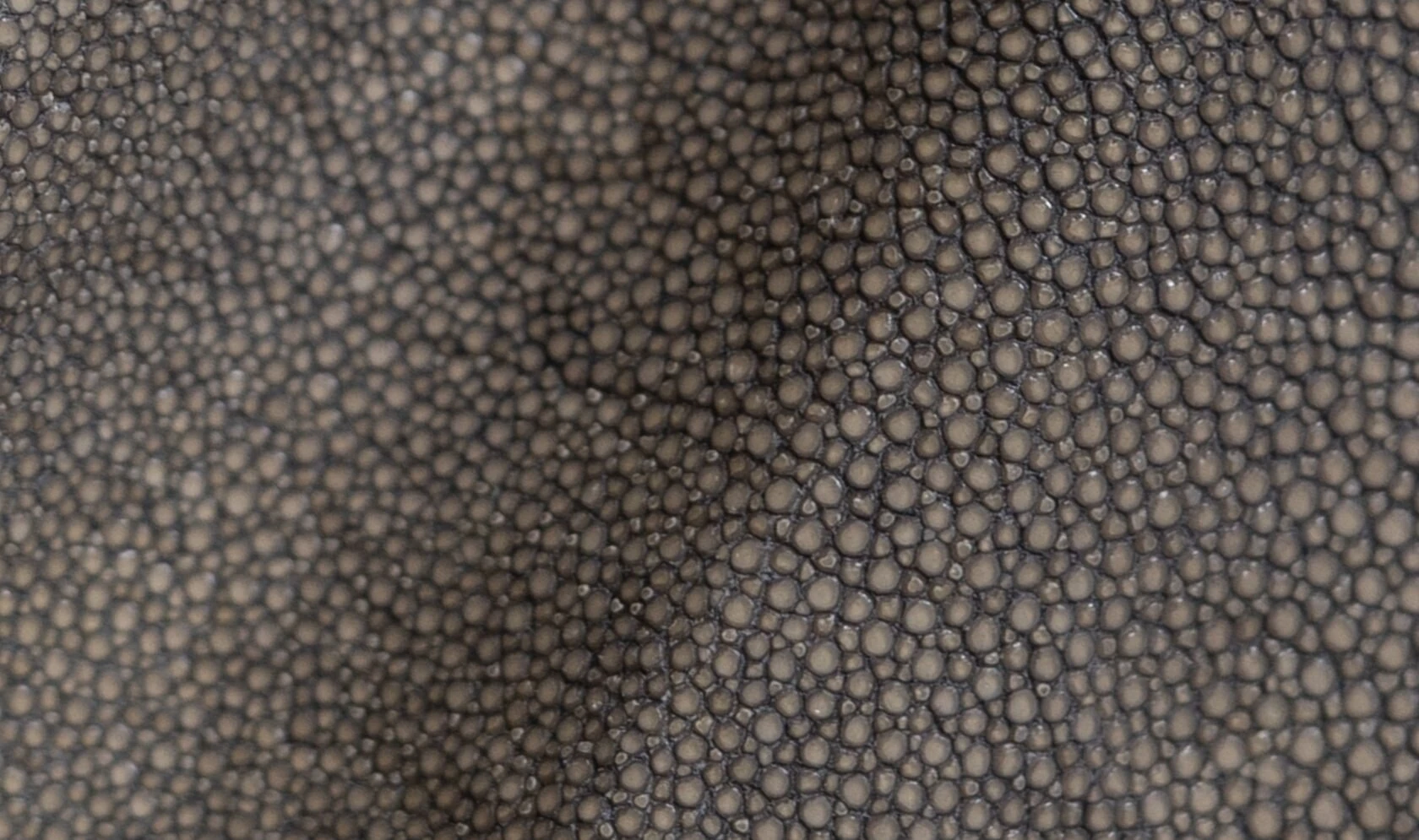 19 / 32Alma Leather Shagreen Stone
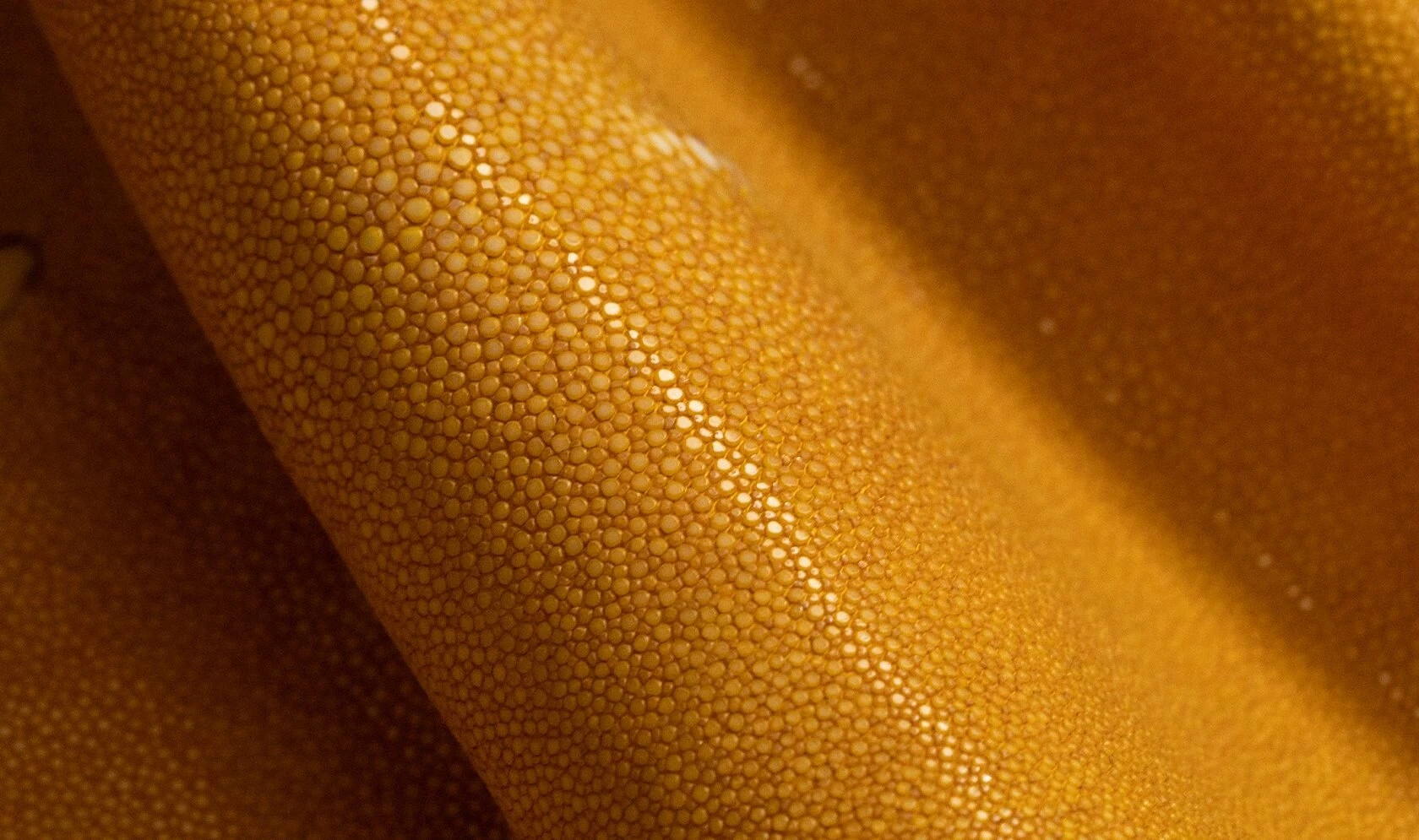 20 / 32Alma Leather Shagreen Yellow
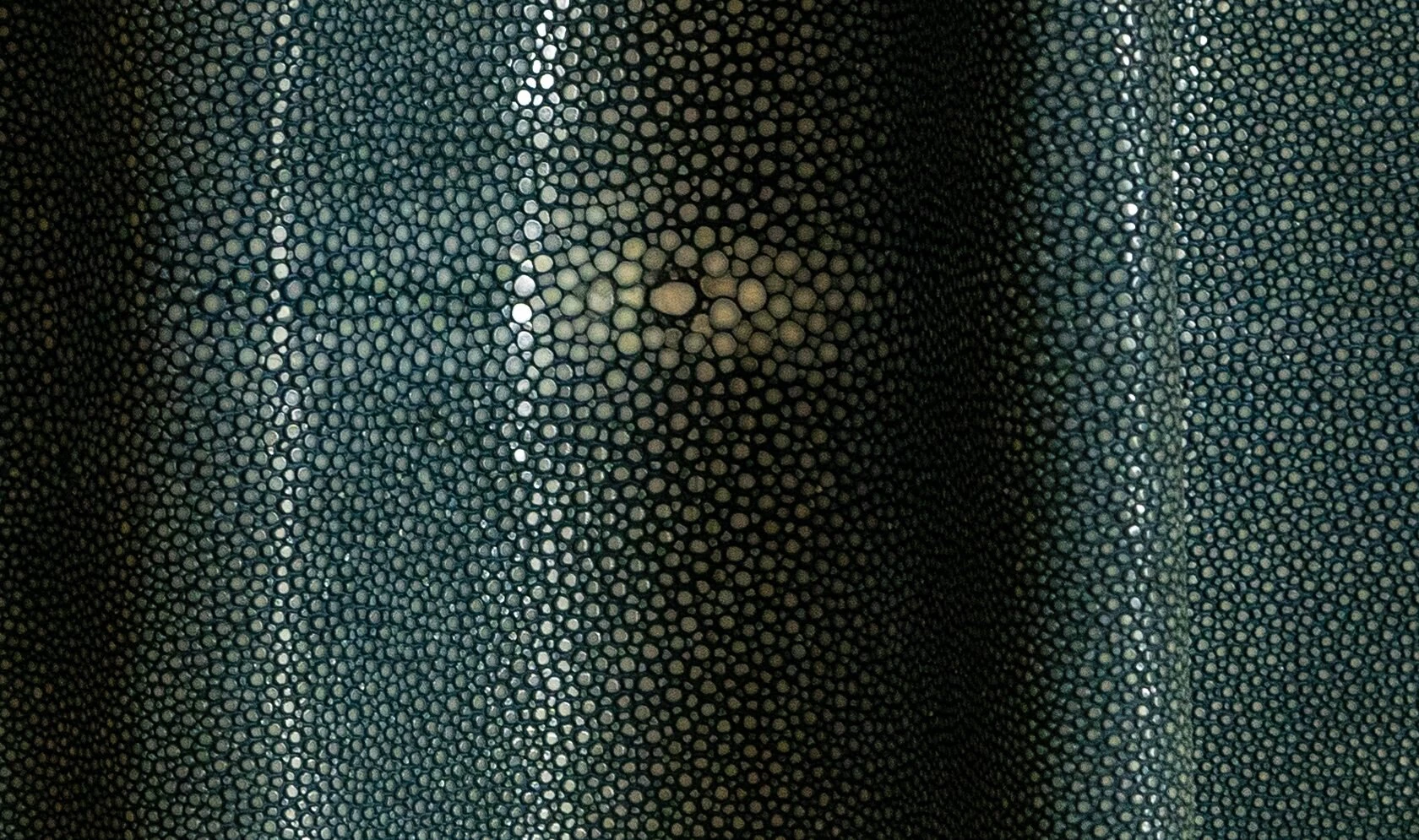 21 / 32Alma Leather Shagreen Teal
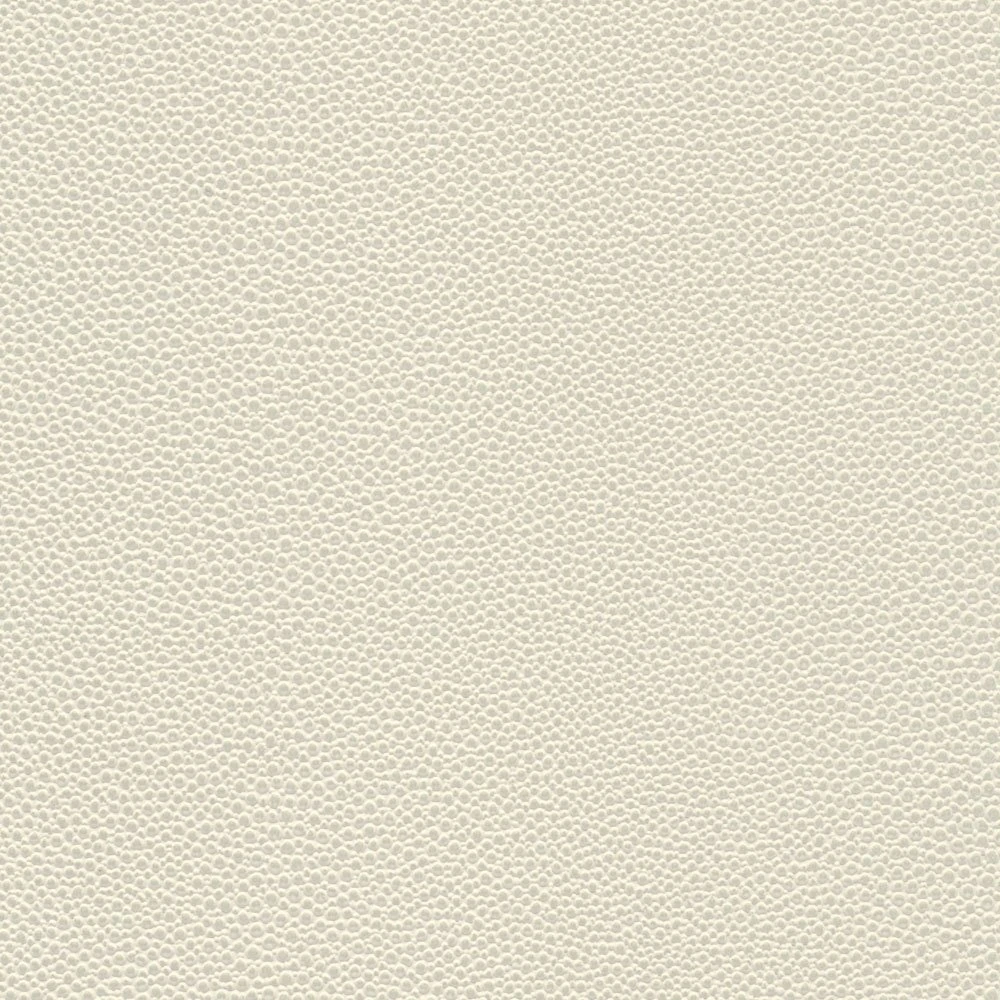 22 / 32Shagreen Eggshell
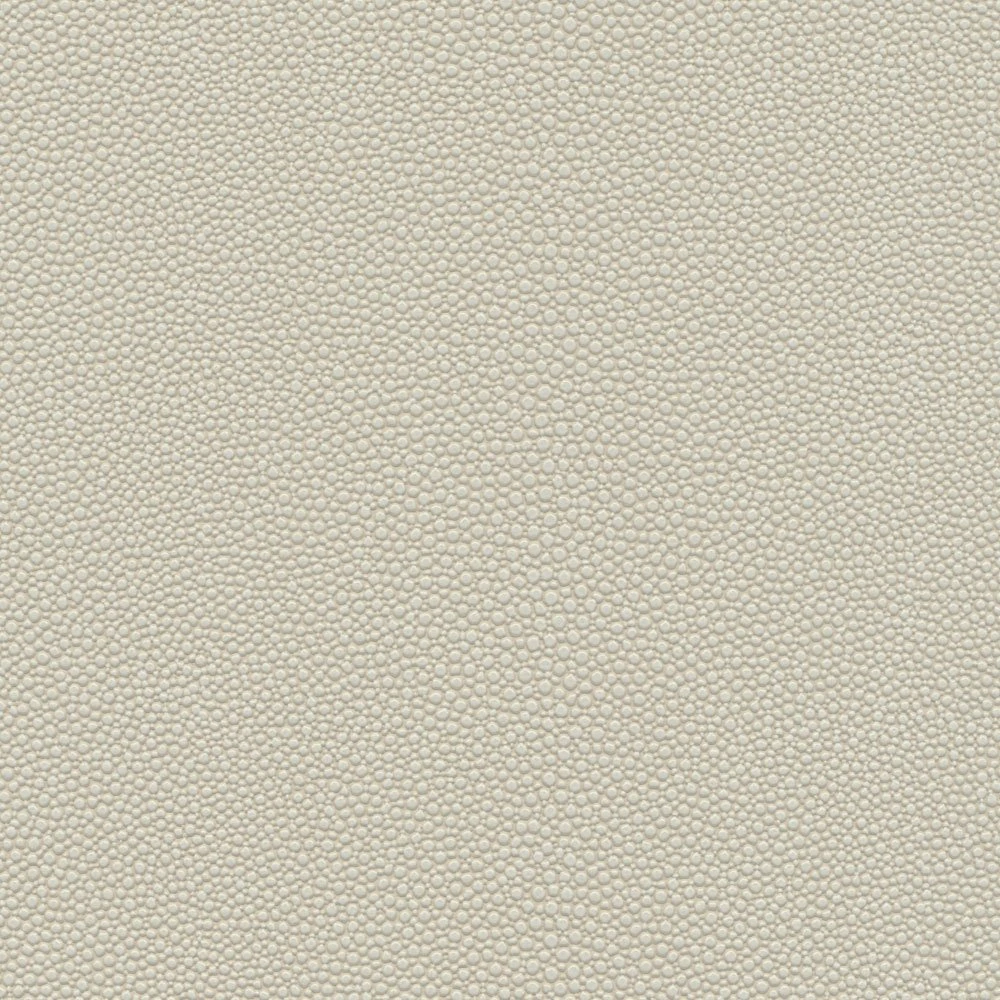 23 / 32Shagreen Linen
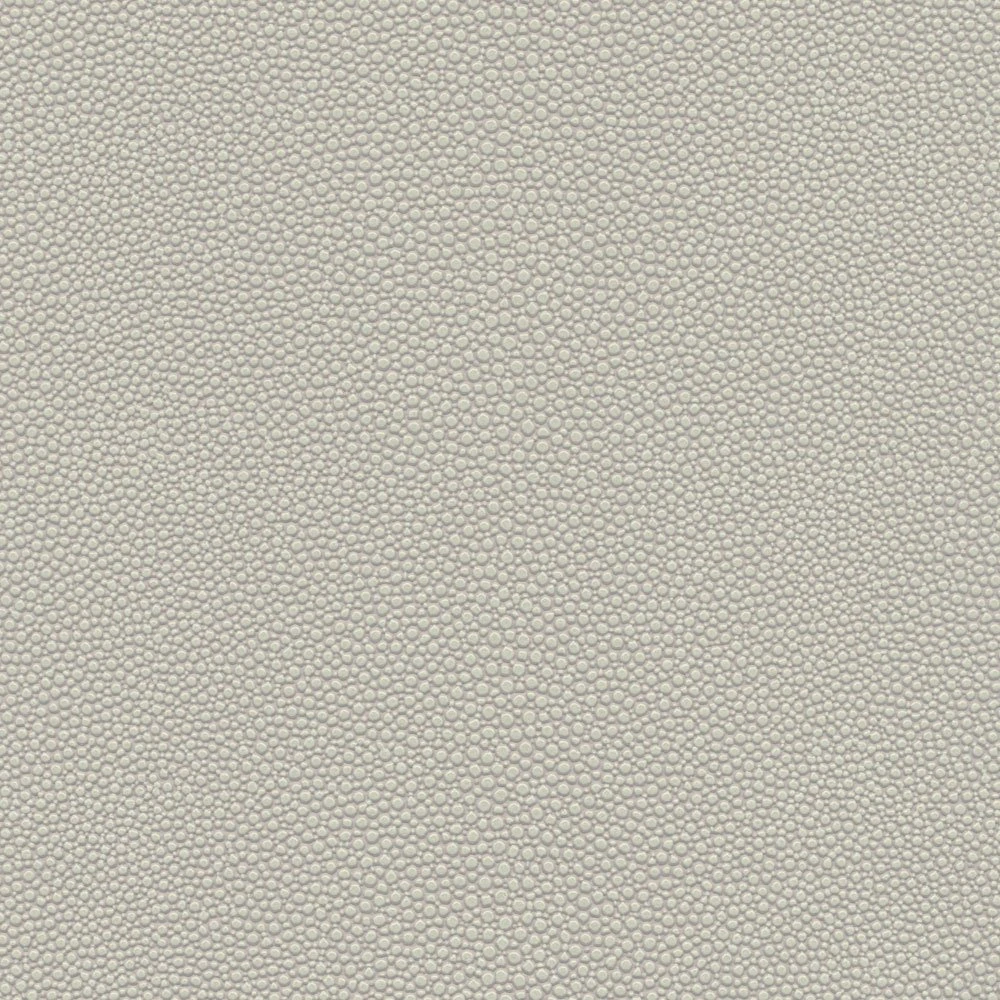 24 / 32Shagreen Oatmeal
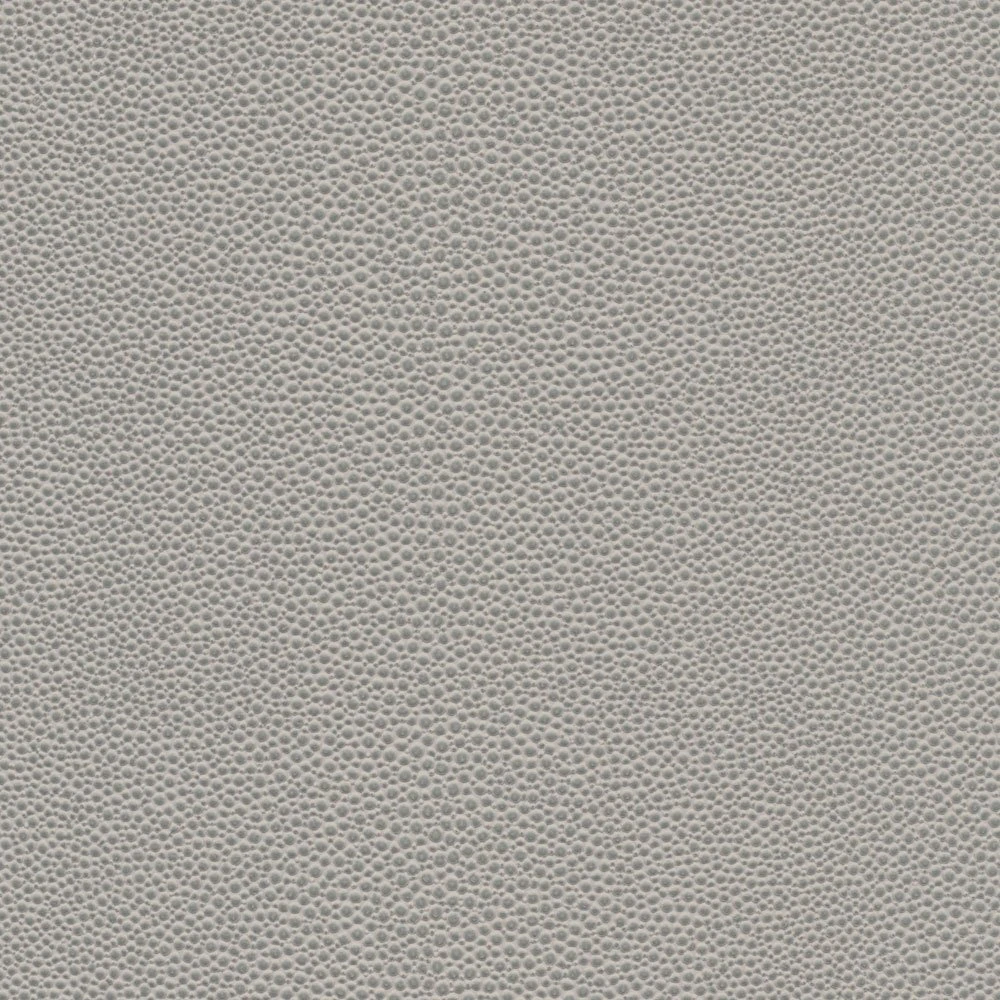 25 / 32Shagreen Fog
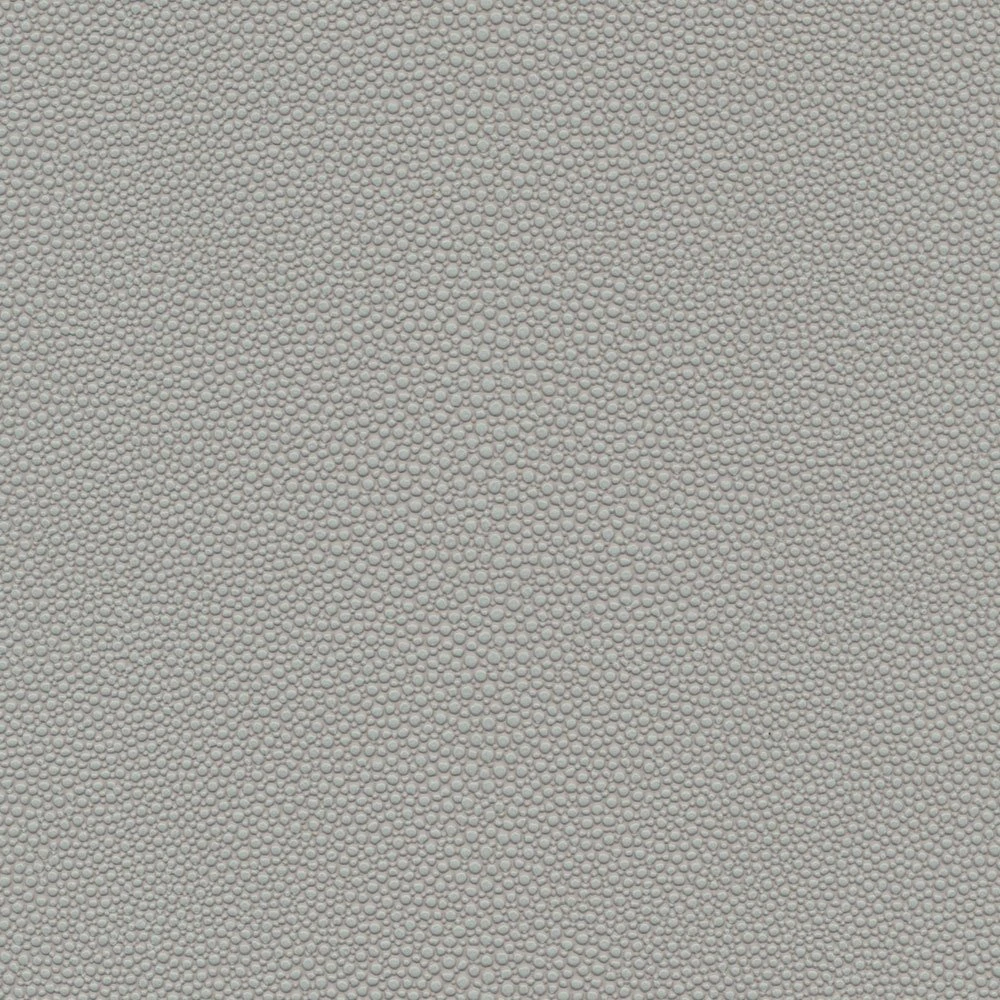 26 / 32Shagreen Steel
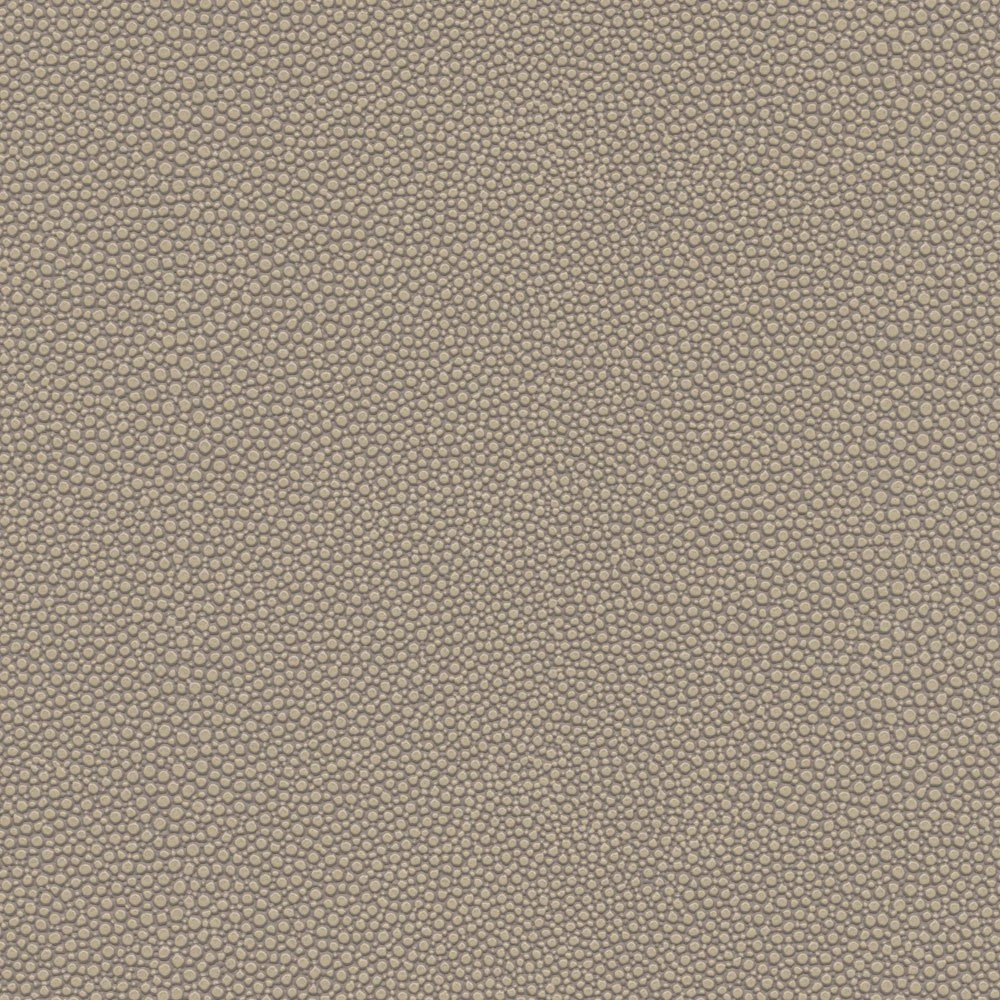 27 / 32Shagreen Parch
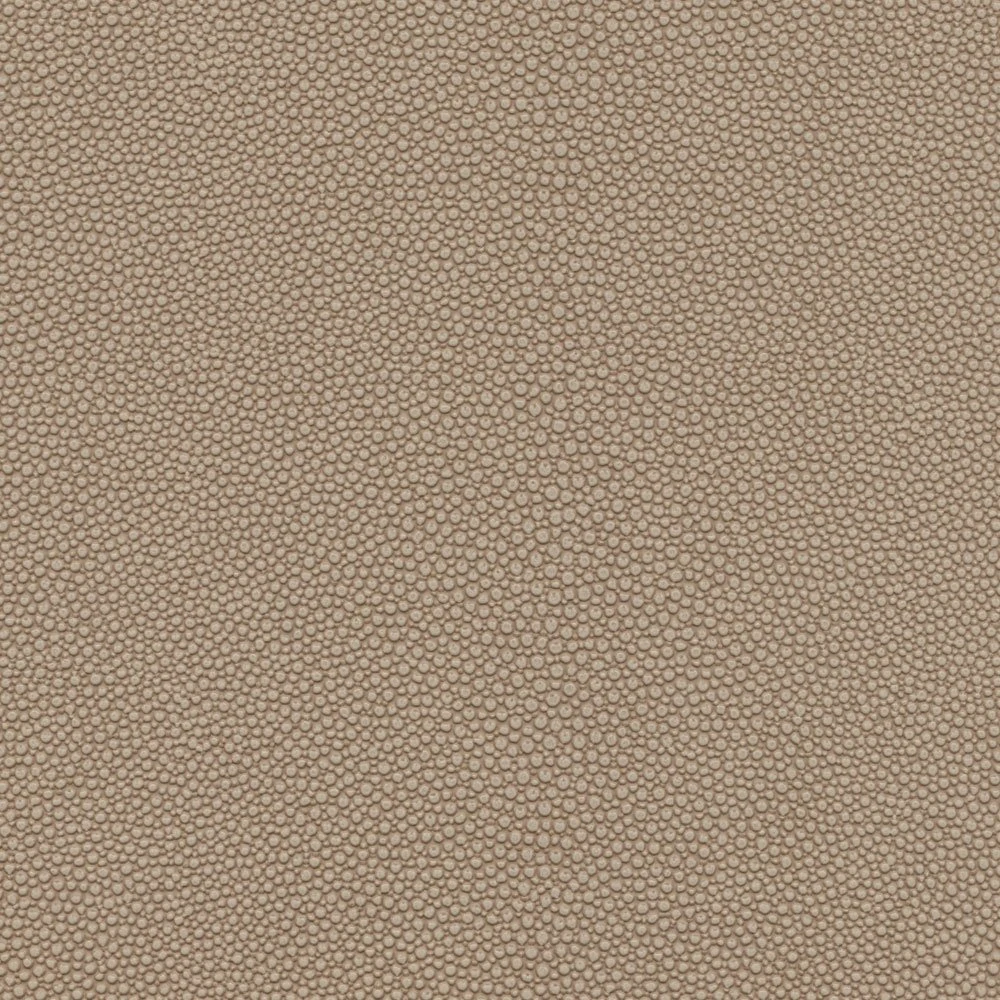 28 / 32Shagreen Fawn
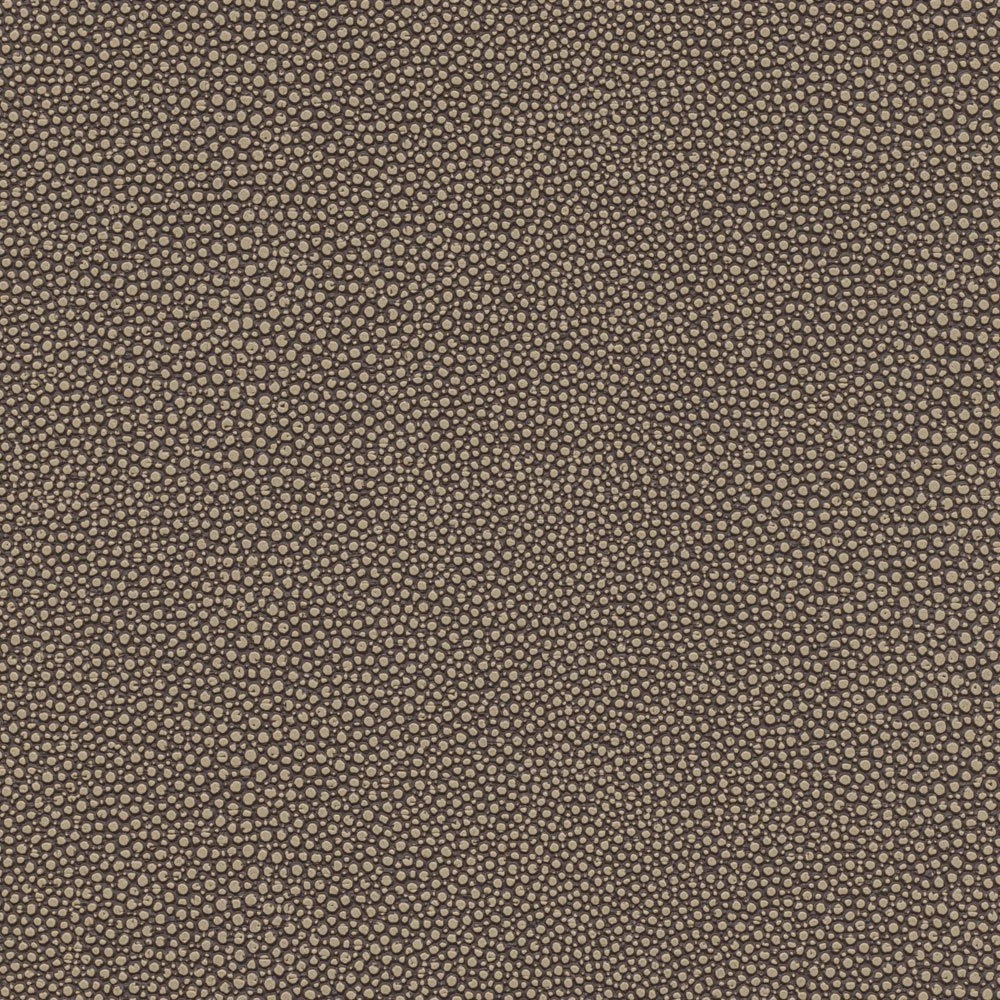 29 / 32Shagreen Earth
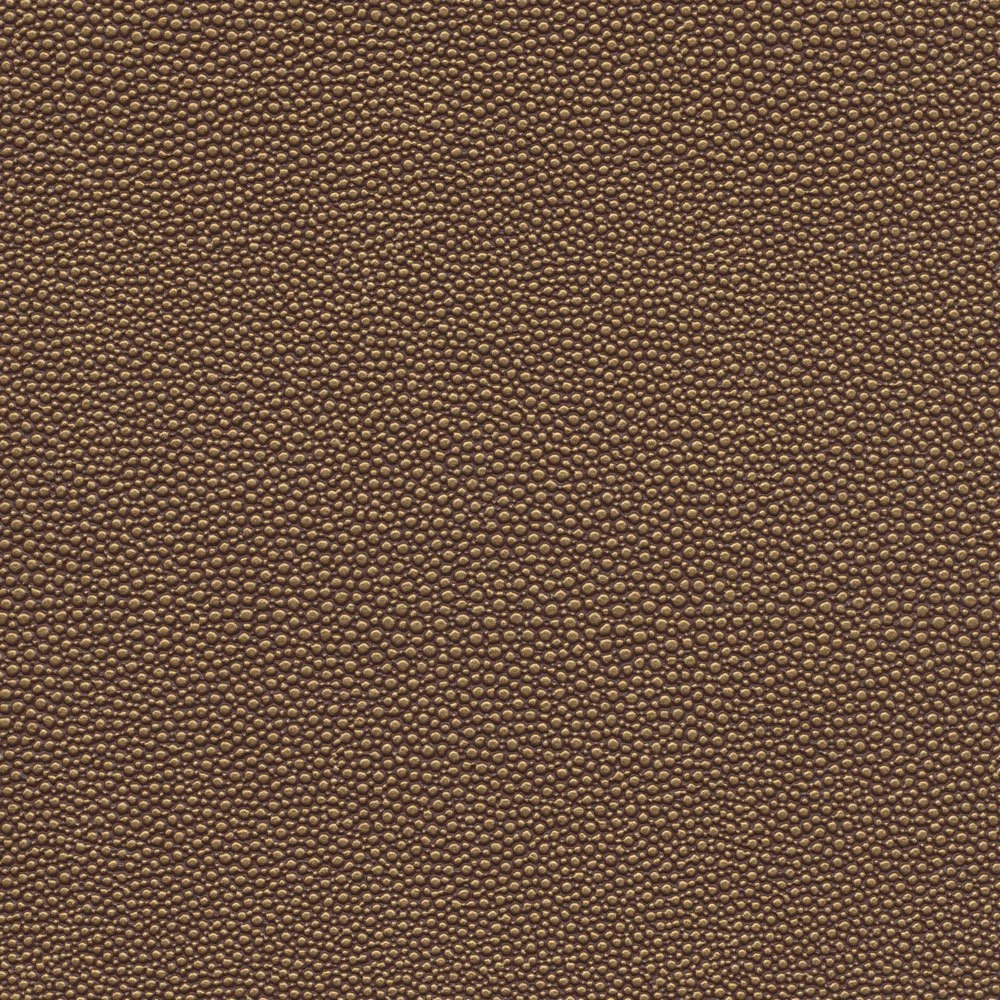 30 / 32Shagreen Ethiopia
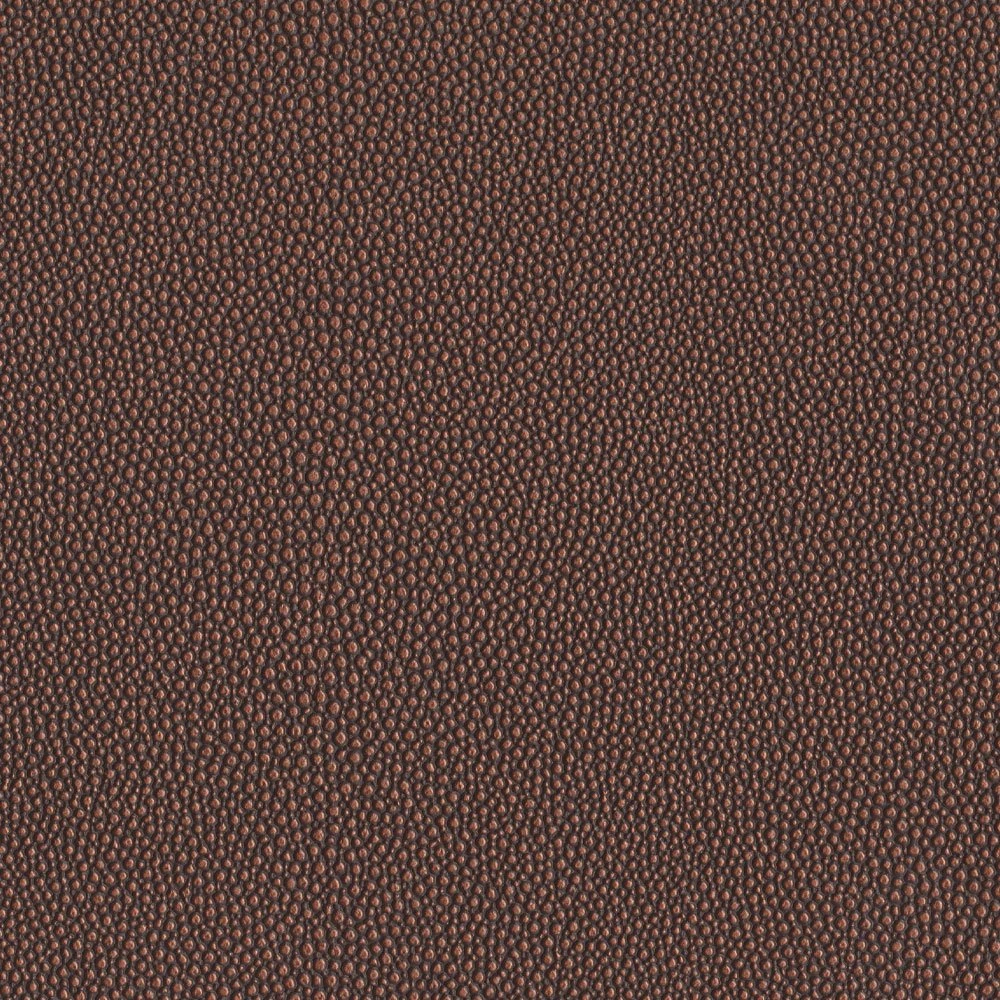 31 / 32Shagreen Ridge
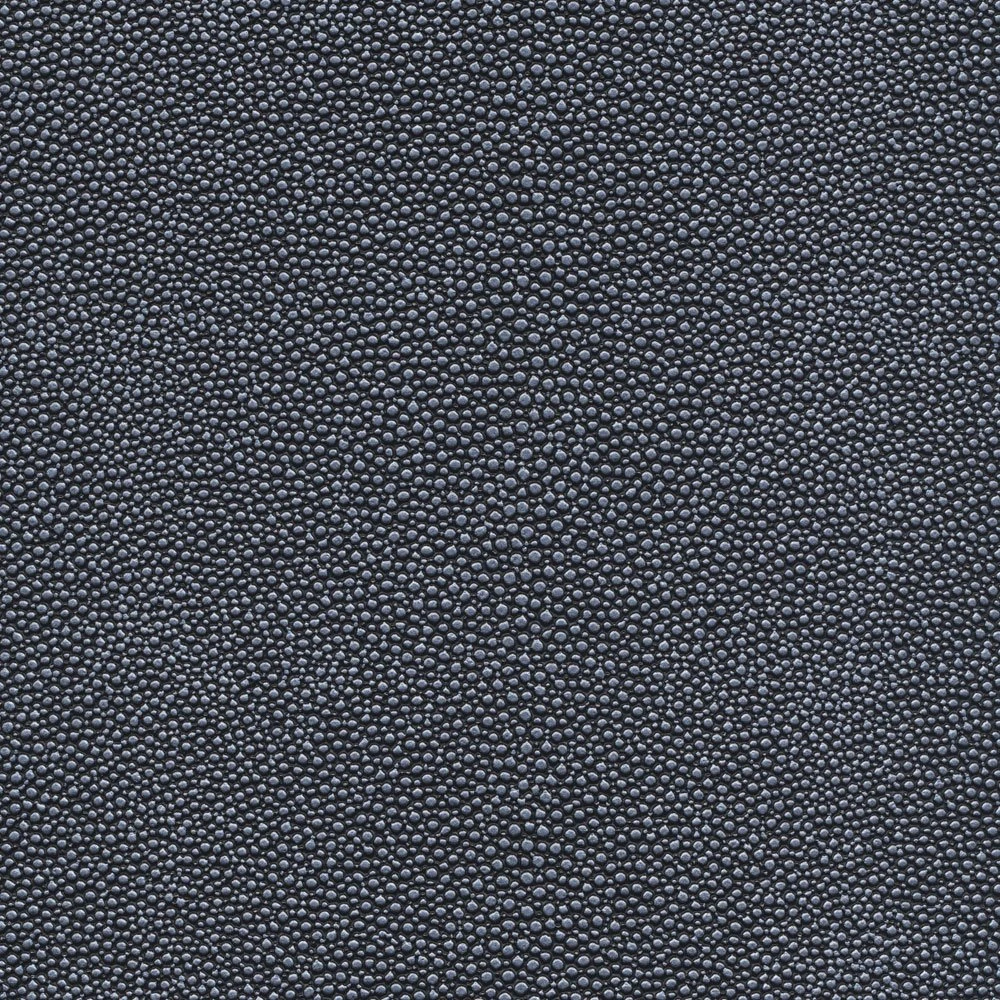 32 / 32Shagreen Abyss
A feature in shagreen?
Tell us about the piece and the room it is for.
Real Shagreen — Alma Leather
Genuine stingray skin, ethically sourced, available in 21 dyed colours. Each skin has a unique nodule arrangement, no two panels are identical.
Faux Shagreen
A high-quality embossed leather alternative capturing the characteristic nodule pattern of real shagreen. Available in 11 tonal colourways.
Each skin is small, so a single surface is rarely one piece. The joins between panels are part of the craft.
A raw stingray skin arrives as a stiff, scaly hide. Preparing it is slow work. The skin is cleaned, soaked and sanded back so the tips of the calcite nodules are levelled to an even plane, which is what gives finished shagreen its smooth-to-the-hand feel over a visibly textured face. It is then dyed, often in several passes to build colour into the porous surface, and sealed. Natural, undyed shagreen keeps the pale, slightly translucent grey-white of the calcite itself.
Stingray skins are small, commonly the size of a hand or a sheet of paper, so most surfaces are made from several skins laid up together. The maker matches grain, tone and nodule scale across the panels, plans where each pearl will fall, and tightens the seams so the joins read as deliberate divisions rather than flaws. The skins are then bonded to a rigid substrate, typically a stable timber or MDF core, before being trimmed and finished flush with surrounding veneers or metalwork.
The embossed-leather and resin alternatives are made differently: a nodule pattern is pressed or cast into a continuous material. These reproduce the look at large, unbroken format and suit wall panels, larger tabletops and high-traffic surfaces where genuine skin would be impractical, though they lack the natural variation and the depth of a real skin.
Living with shagreen.
Sealed and mounted on a rigid core, shagreen is hard-wearing and stable. Its calcite surface resists scratching well, and a sealed finish shrugs off everyday handling. It is best kept away from prolonged direct sunlight, which can fade dyed colours over time, and from standing water and harsh solvents, which can mark the finish or lift a seam.
- Dust with a soft, dry or barely damp cloth
- Wipe spills promptly, never leave standing liquid
- Avoid solvents, abrasives and silicone polishes
- Keep out of prolonged direct sunlight
- Hard surface, suited to lids, fronts and tops more than heavy-wear floors
- Natural colour and nodule variation is inherent, not a defect
We treat the pearl as the focal point of a piece, and set out the rest of the layout around it.
Shagreen is commissioned through our workshop network as a made-to-order surface. We begin with the use and the setting: a jewellery box lid, a run of cabinet doors, a tabletop field or an inset panel. From there our makers select skins to suit the colour and scale you want, plan the pearl placement and seam layout, and prepare samples so you can approve the tone and texture before fabrication.
The material integrates readily with the other surfaces we work in. Shagreen panels can be framed in timber, edged in brass or bronze, or combined with lacquer, leather and mother of pearl. We can match a dyed colour to an existing scheme, specify a genuine skin or an embossed alternative according to the surface and budget, and detail the edges, hinges and fixings so the finished piece reads as a single considered object.
Is shagreen durable enough for daily use?
Yes, on the right surface. Sealed and mounted on a rigid core, it stands up well to handling on lids, doors and tops. It is less suited to surfaces that take standing water, heavy abrasion or constant foot traffic.
What is the difference between genuine and faux shagreen?
Genuine shagreen is real, dyed stingray skin with natural nodule variation and a pearl down the spine. Faux shagreen is an embossed leather or cast resin that reproduces the pattern in a continuous sheet, useful for larger or higher-wear surfaces.
Can a colour be matched to my scheme?
Within the limits of a dyed natural material, yes. We can work to a wide range of tints and prepare samples for approval, though tone varies slightly skin to skin, which is part of the material's character.
Real Shagreen
Please see the gallery below for available colours, and for more information and samples please visit Alma1938
Have a commission that calls for
a truly exceptional surface?
Need samples? Get in touch and tell us about your project.