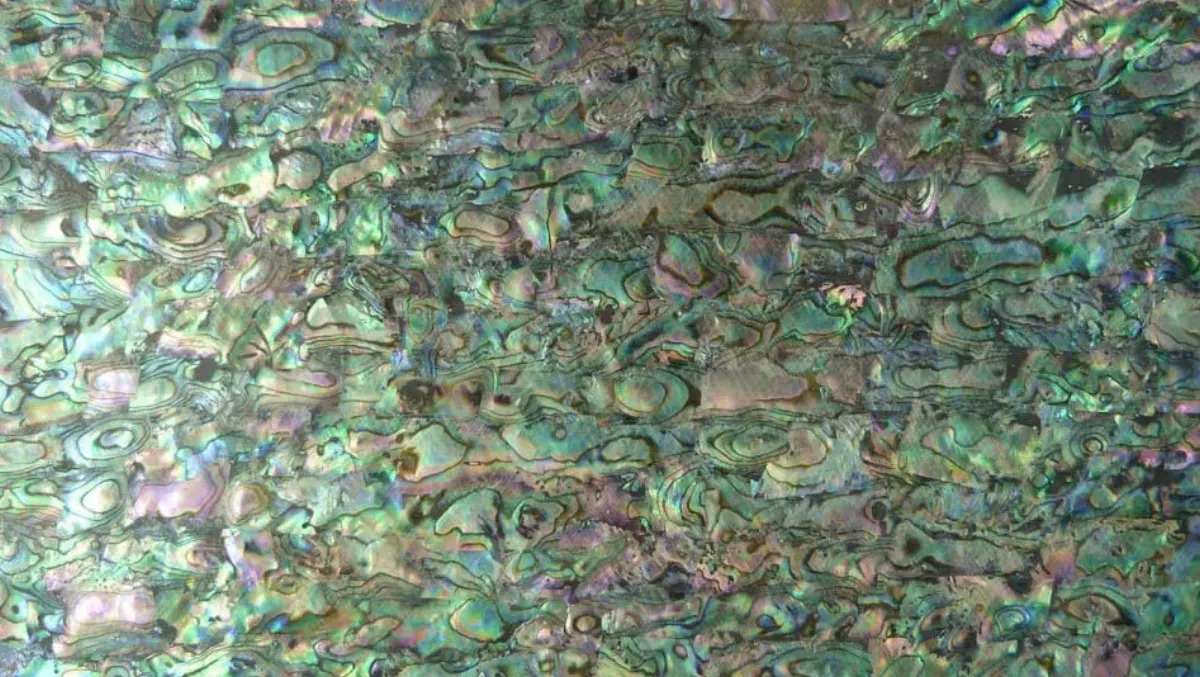
Shell
Paua, abalone, black-lip and gold-lip shell veneer for inlay, marquetry and surface applications.
Decorative shell is the iridescent inner layer of a mollusc shell, the nacre, cut and laid as a thin surface material. At Make Bespoke Studio it is specified for inlay, marquetry and surface treatments where a worked colour cannot give the depth a viewer expects: the iridescence comes from light passing through stacked layers of aragonite, so the colour shifts with the angle of view and the angle of the light. No pigment behaves this way.
Several shells are used in interiors, each with its own character. Capiz, the flat translucent shell of the windowpane oyster, reads as a pale, milky pane and is traditionally cut into small squares and tessellated across panels and lighting. Penshell (the pen, or pinna, shell) gives larger pieces in warm bronze, taupe and charcoal tones, well suited to wide surfaces. Abalone, including New Zealand paua, carries the strongest blue, green and violet iridescence and is most often used as a marquetry inlay rather than a full field. Eggshell, the crushed shell of duck or quail egg, is a separate lacquer technique: fragments are set into wet lacquer to produce a fine crackled white surface. Mother-of-pearl, the white nacre most often taken from oyster, has its own dedicated page.
Shell can be laid flat across a substrate, tessellated as small tiles, or set into routed recesses in joinery as inlay. It is commonly finished over with lacquer or paired with solid wood and gilding, and appears most often in our decorative and luxury furniture commissions.
The material has a long history in European and Asian decorative arts, appearing in Japanese urushi lacquerwork, Louis XIV furniture and 19th-century Anglo-Indian inlay. We work with both the traditional material and contemporary flexible shell veneer, in which thin shell is laminated to a backing so it can follow curved surfaces.
Shell for a panel, a tabletop or an inlay?
Tell us about the project.
Shell
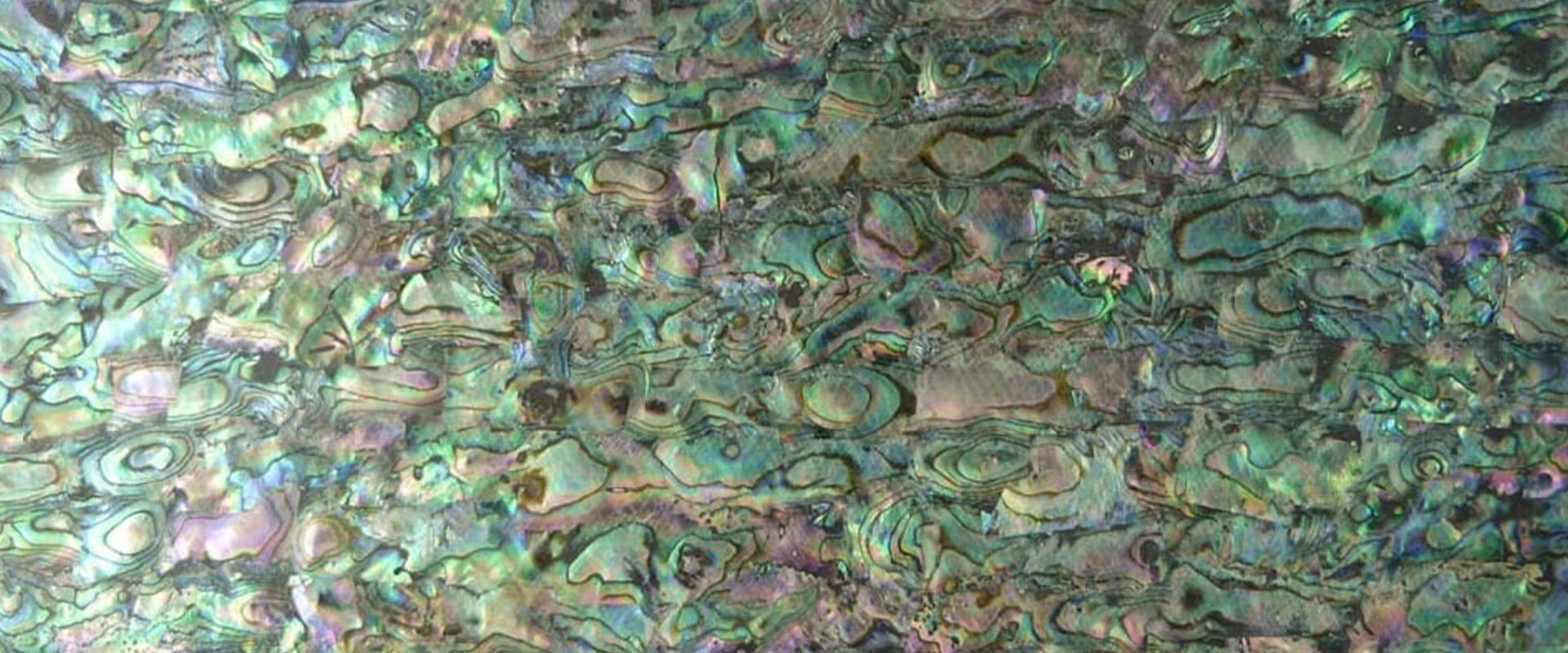 01 / 39Green Shell
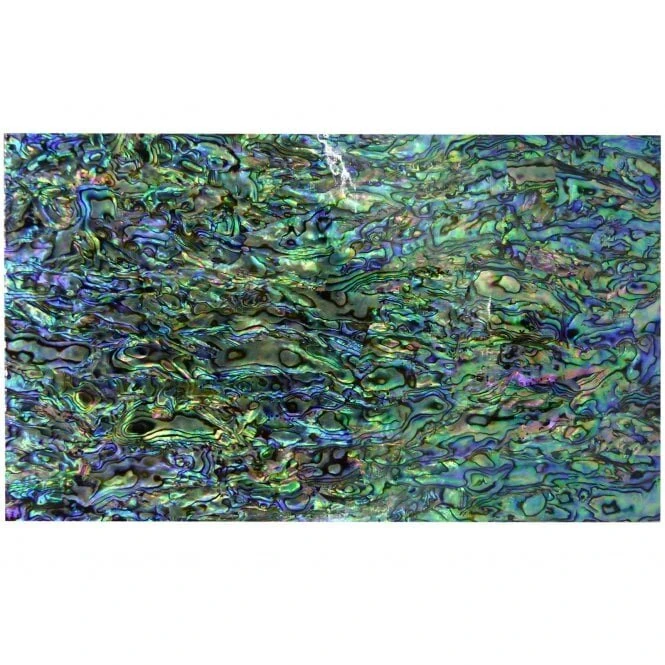 02 / 39Incudo Green Abalone Varnished Laminate Shell Veneer
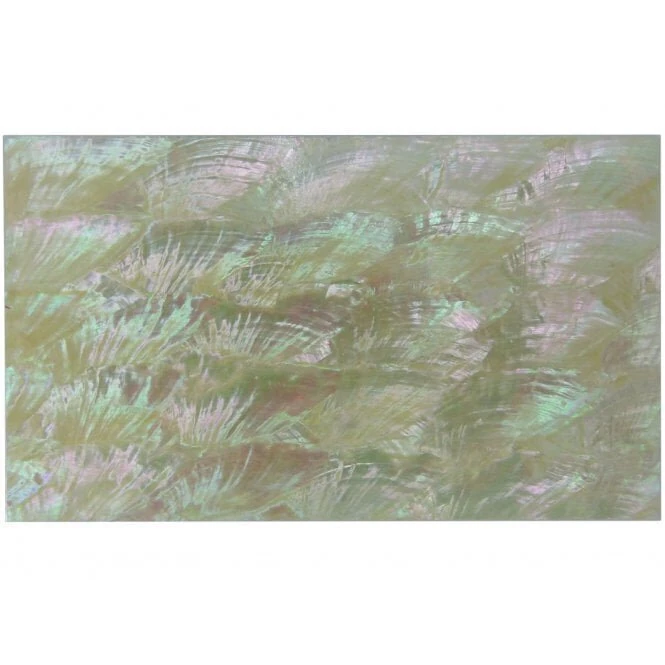 03 / 39Incudo Korean Large Abalone Laminate Shell Veneer
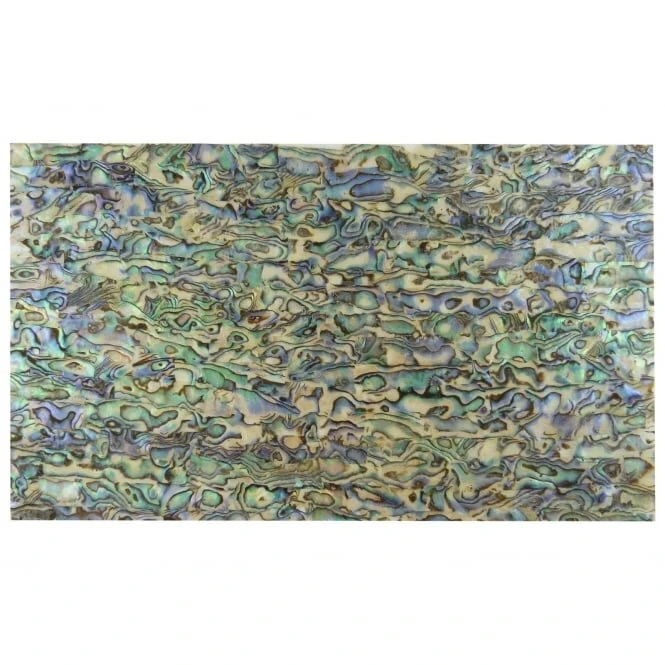 04 / 39Incudo Laminate Shell Veneer
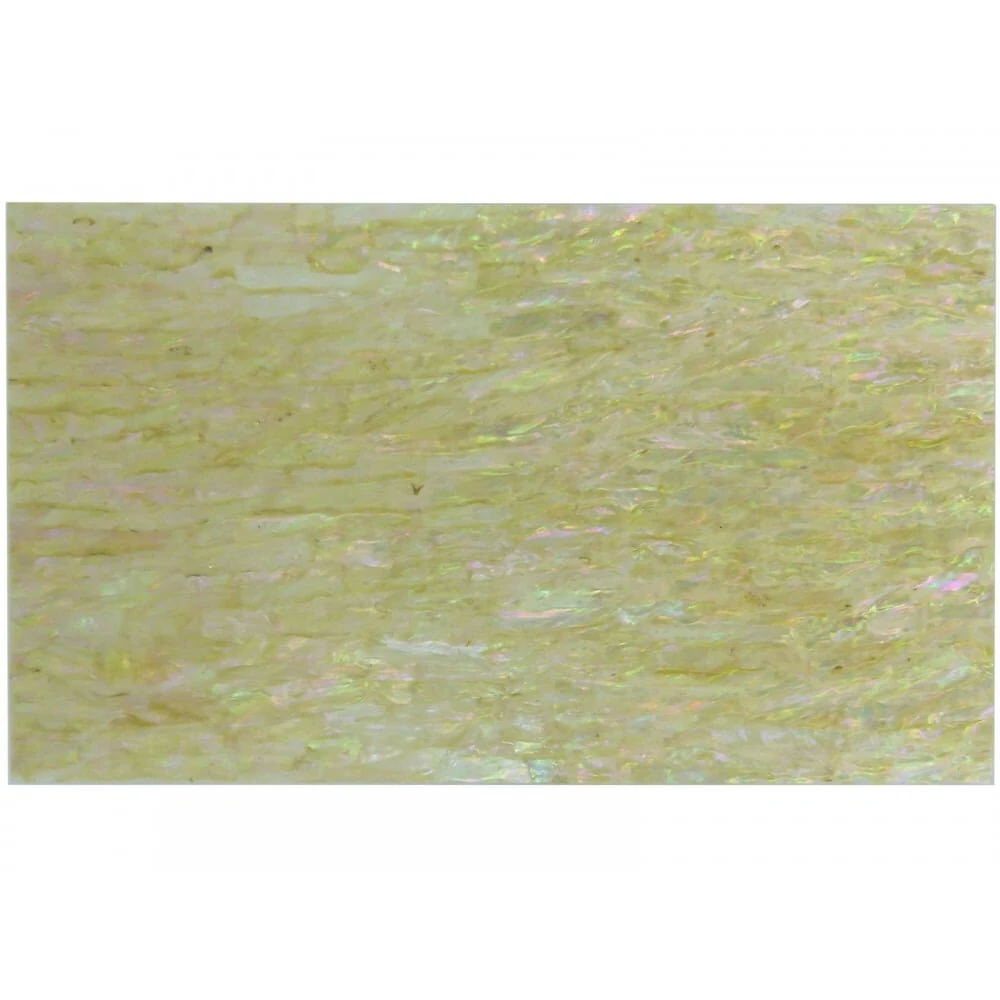 05 / 39Incudo Laminate Shell Veneer
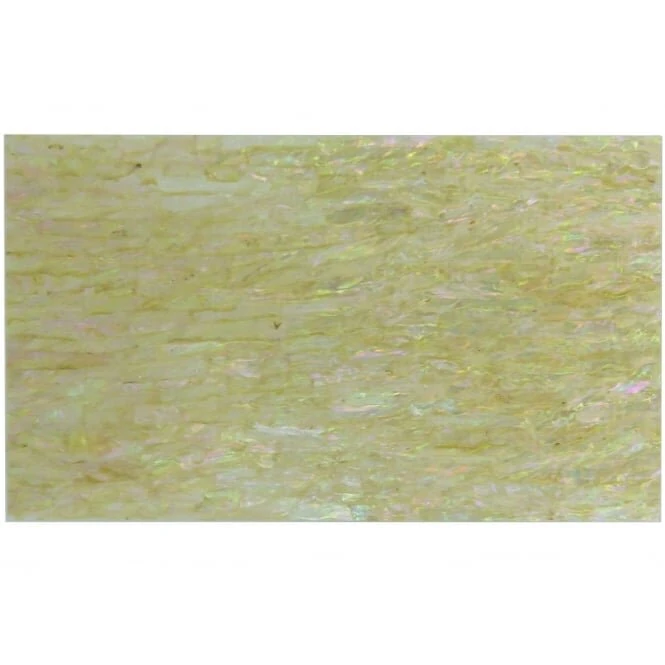 06 / 39Incudo Laminate Shell Veneer
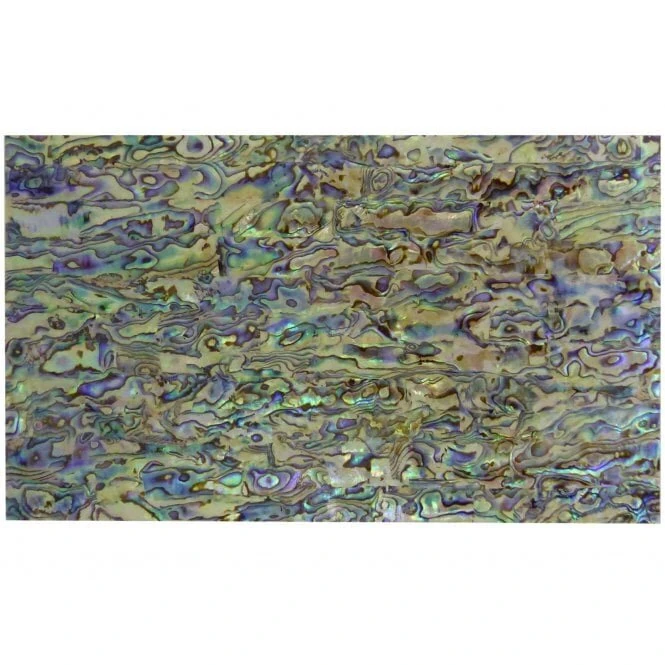 07 / 39Incudo Green Abalone Laminate Shell Veneer
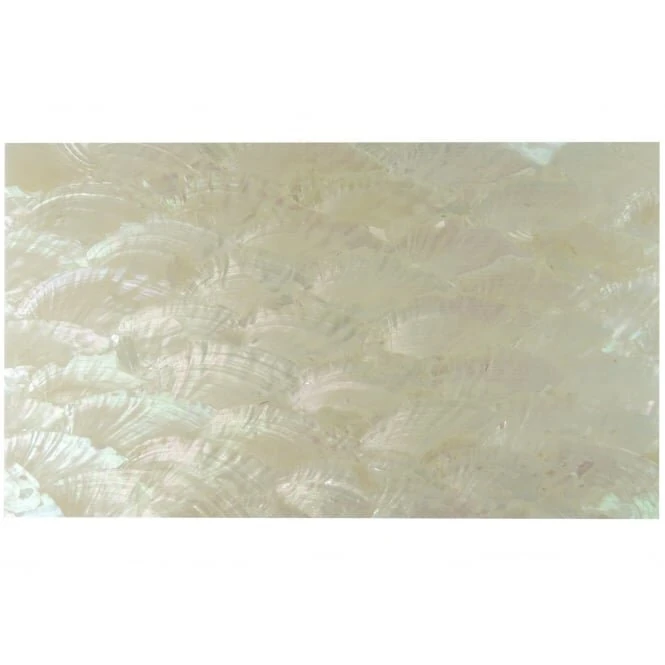 08 / 39Incudo Laminate Shell Veneer
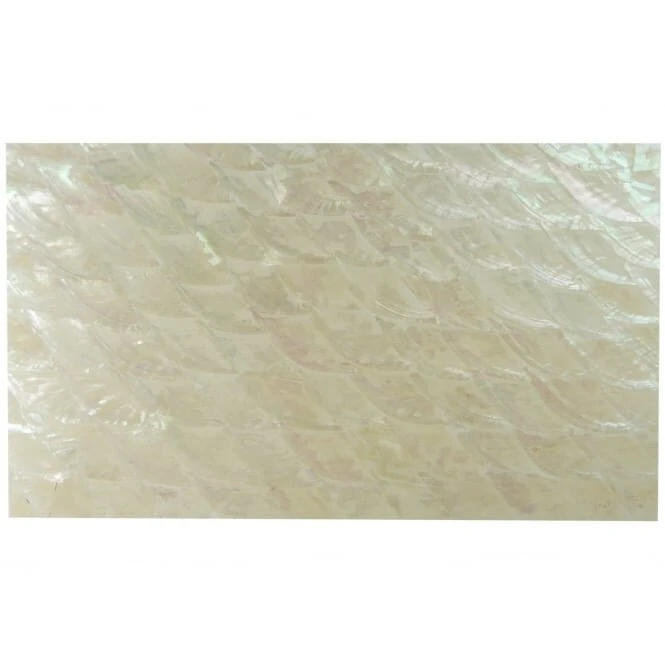 09 / 39Incudo Laminate Shell Veneer
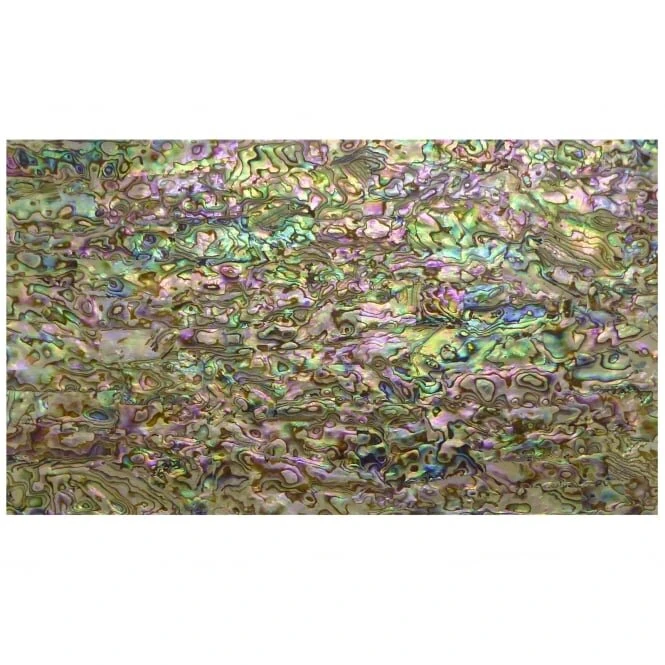 10 / 39Incudo Laminate Shell Veneer
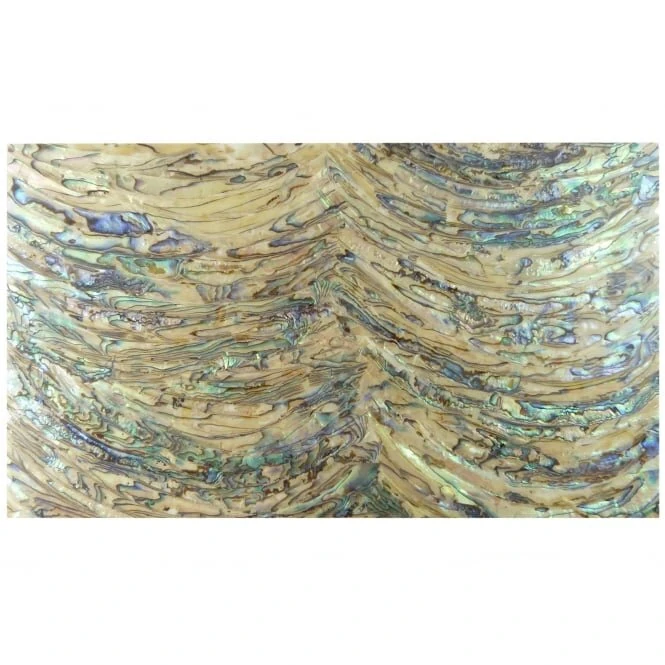 11 / 39Incudo Laminate Shell Veneer
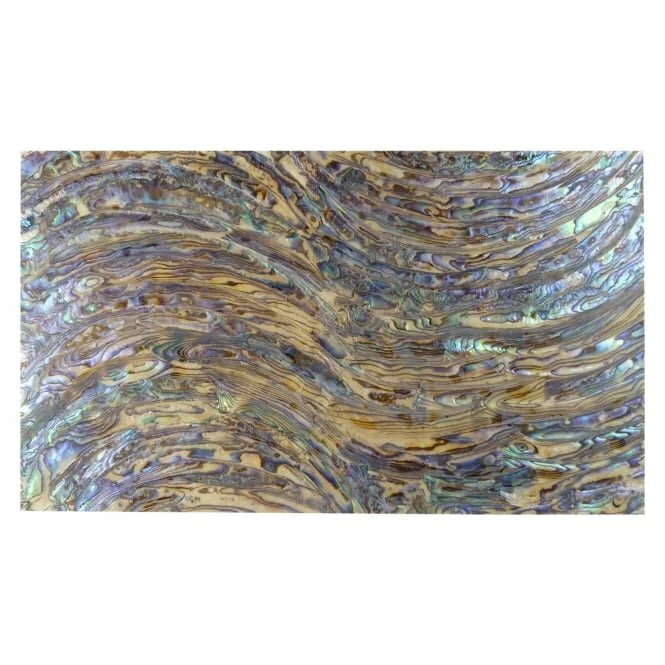 12 / 39Incudo Laminate Shell Veneer
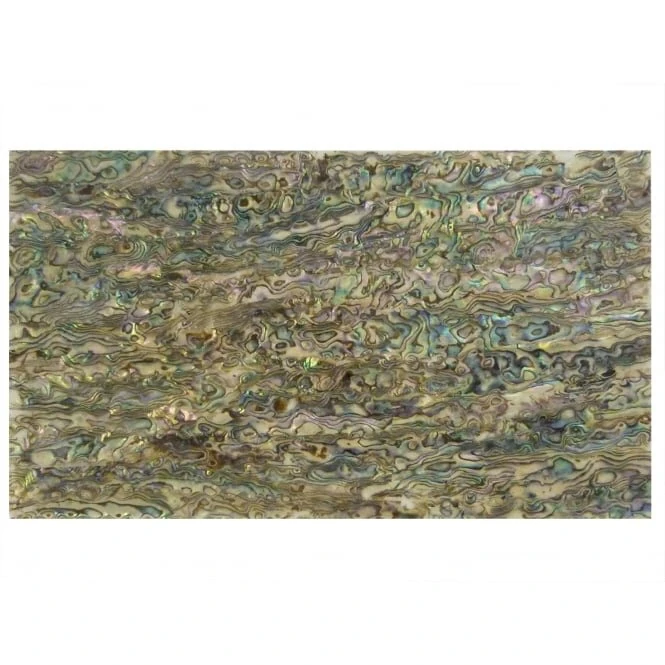 13 / 39Incudo Laminate Shell Veneer
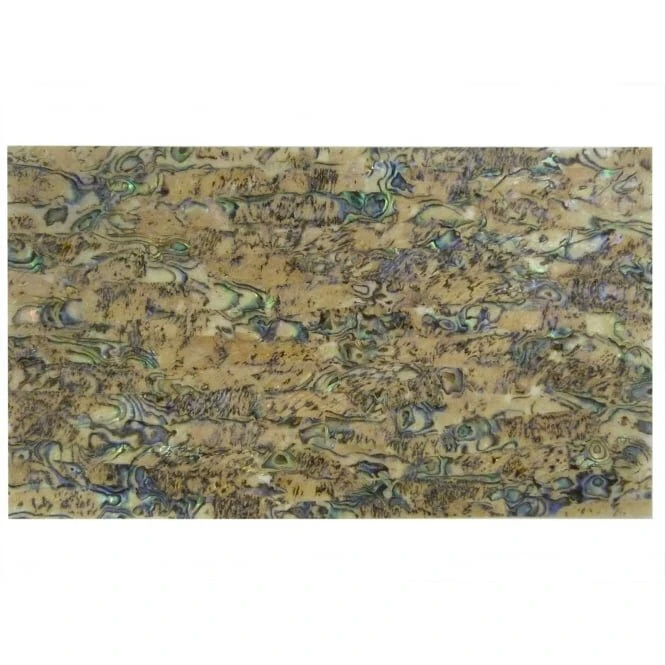 14 / 39Incudo Laminate Shell Veneer
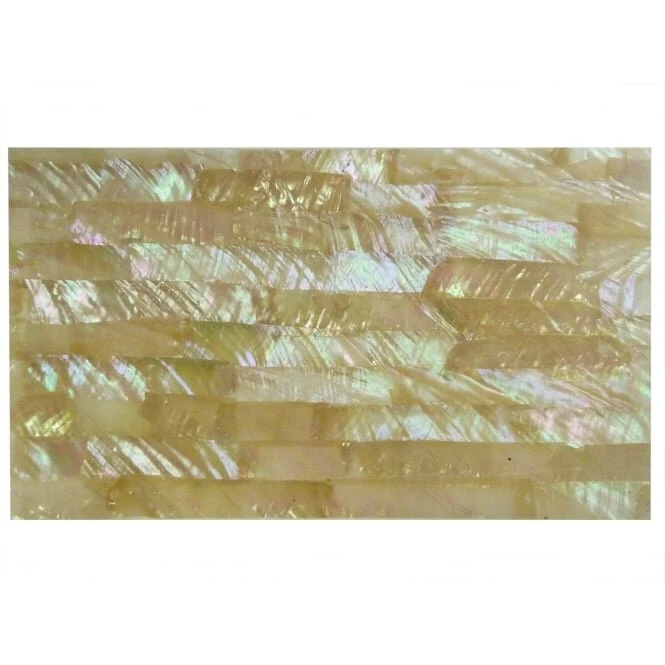 15 / 39Incudo Laminate Shell Veneer
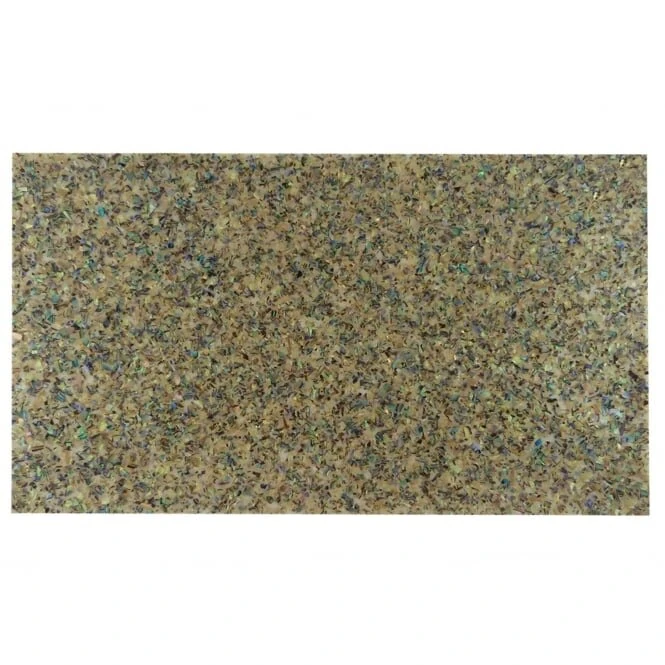 16 / 39Incudo Laminate Shell Veneer
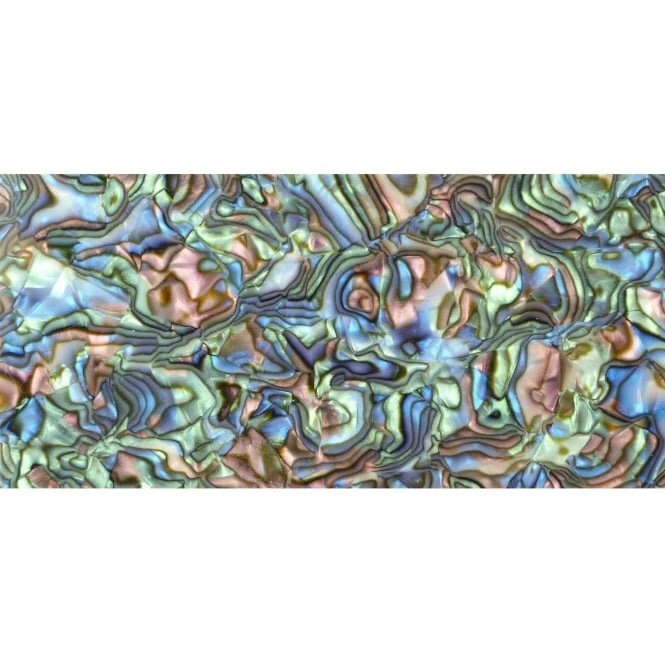 17 / 39Incudo Shell Celluloid Sheet
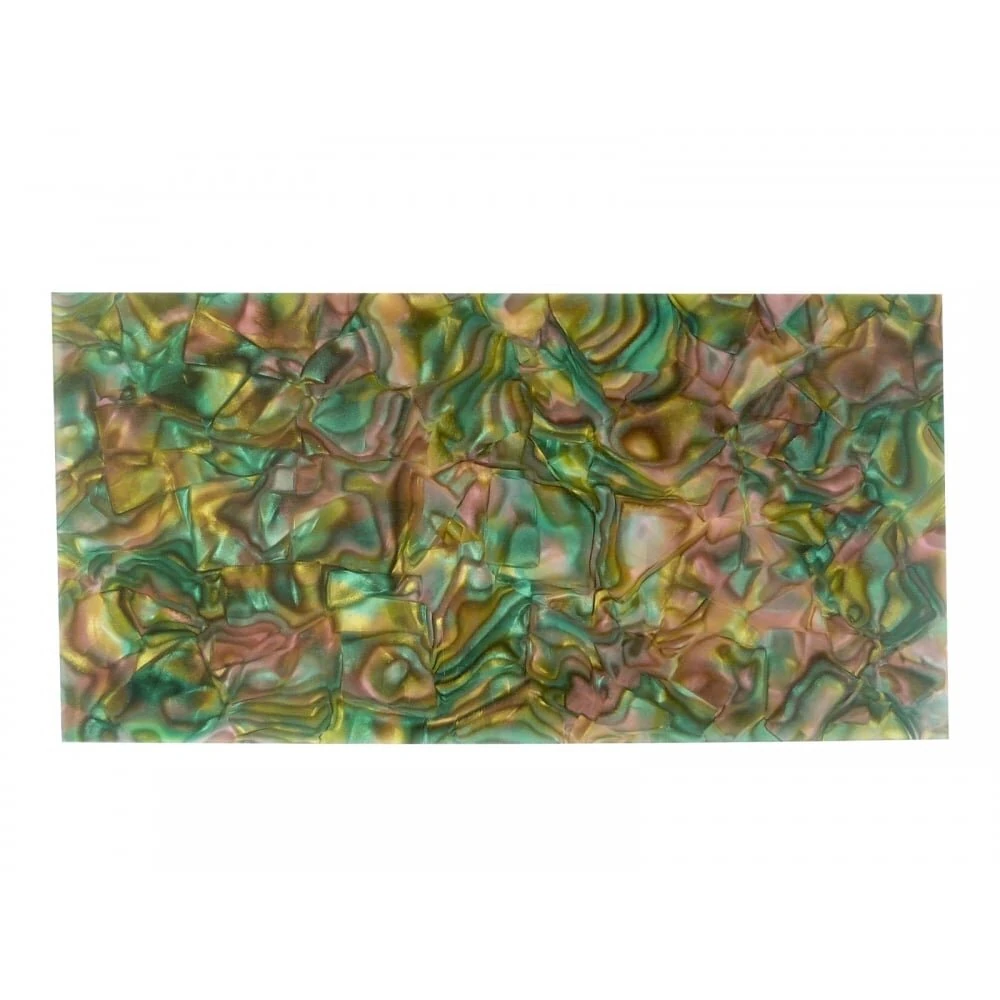 18 / 39Incudo Shell Celluloid Sheet
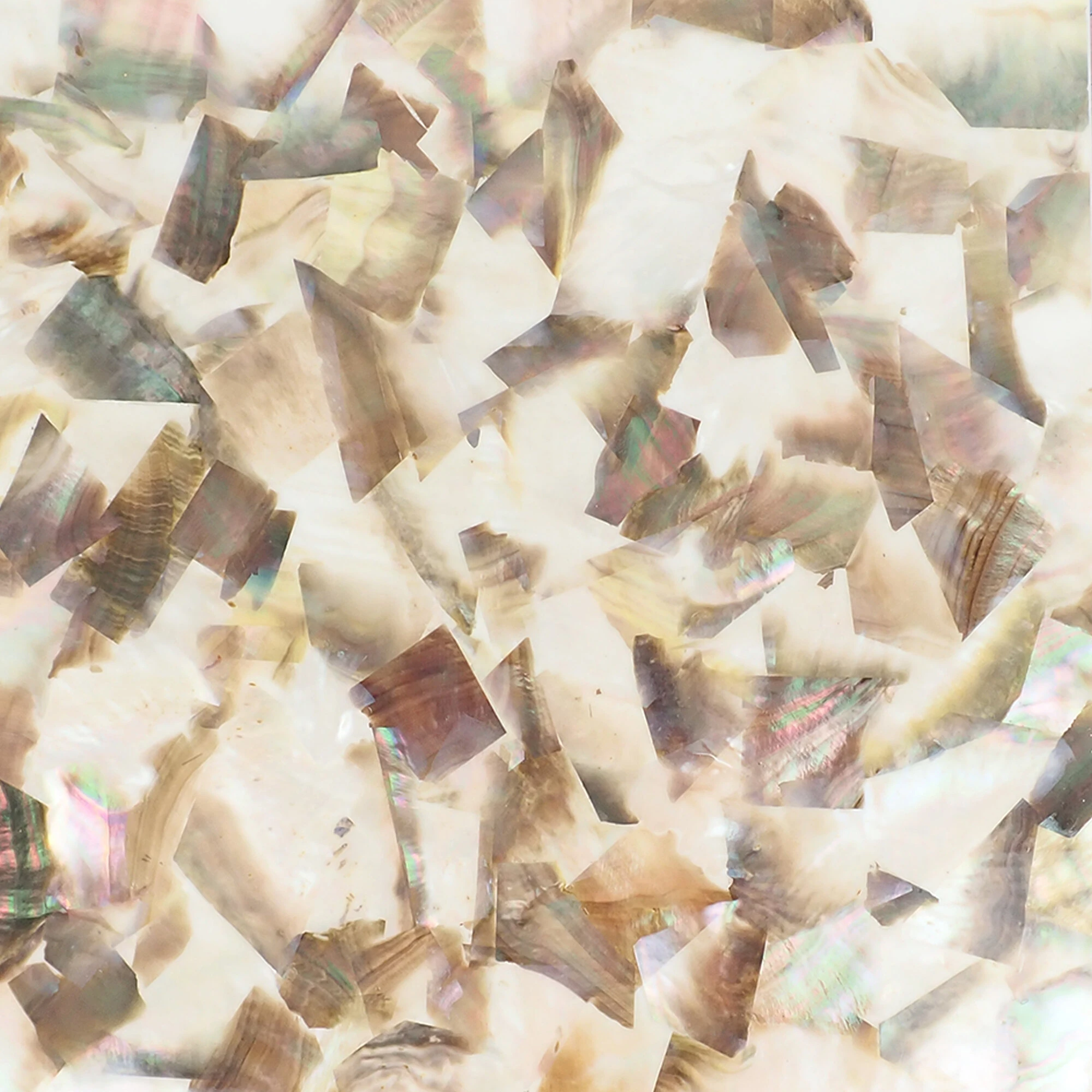 19 / 39Incudo Shell Celluloid Veneer Wrap
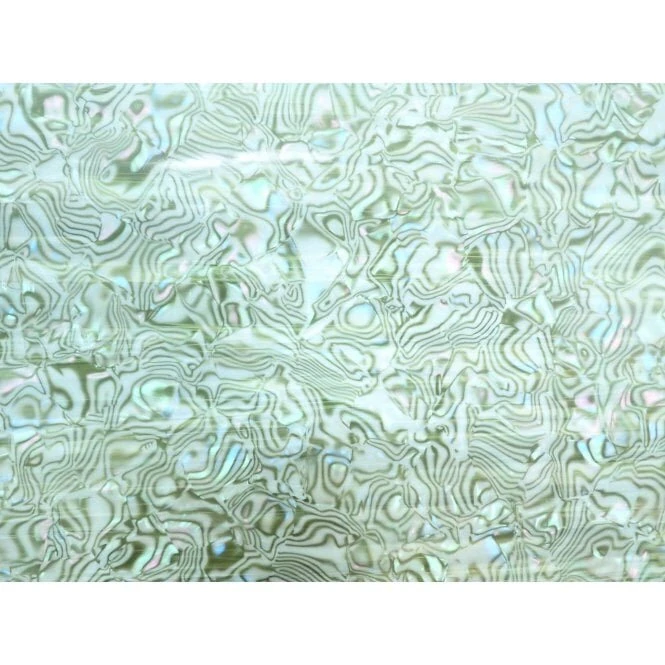 20 / 39Incudo Shell Celluloid Veneer Wrap
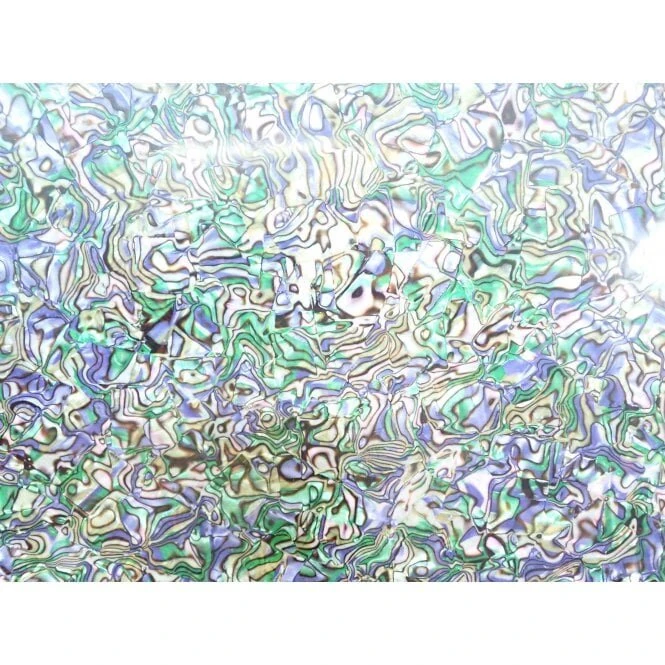 21 / 39Incudo Shell Celluloid Veneer Wrap
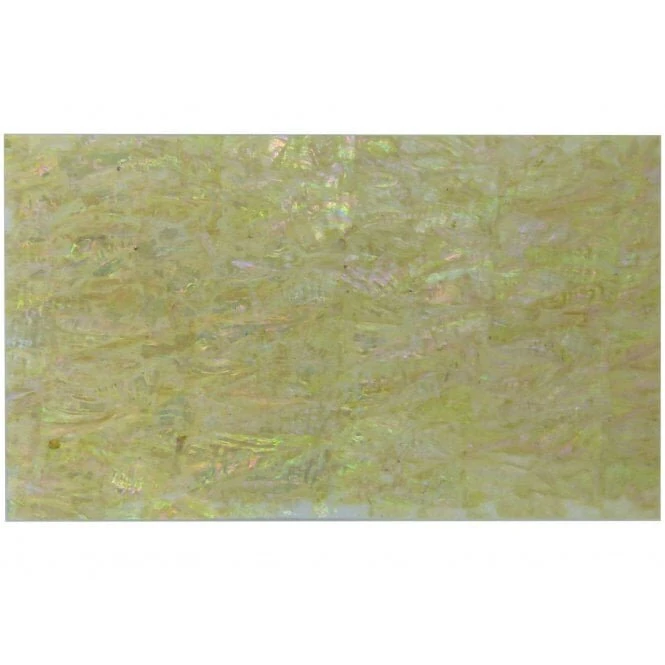 22 / 39Incudo White Natural Abalone Laminate Shell Veneer
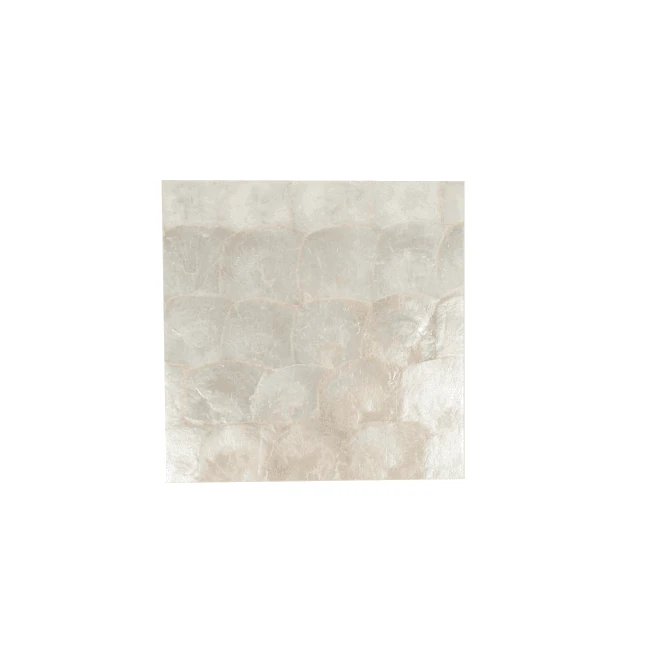 23 / 39Lum a Capiz Varnished Laminate Shell Veneer
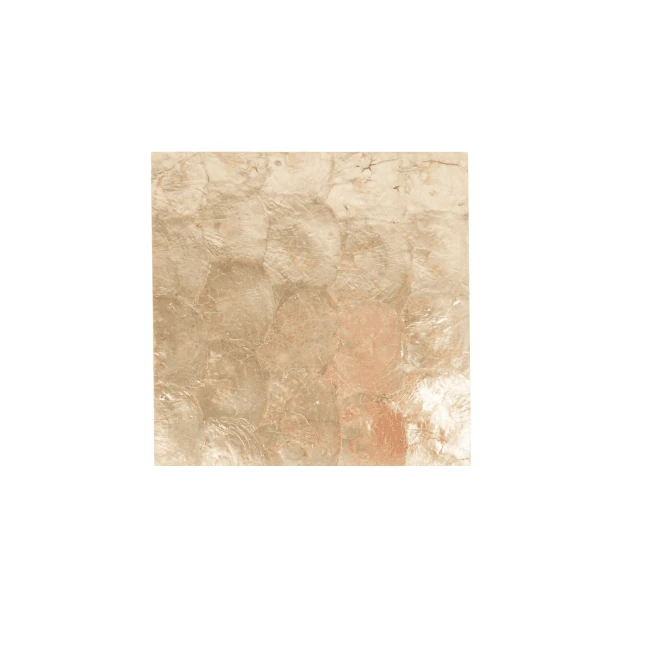 24 / 39Lum a Capiz Varnished Laminate Shell Veneer
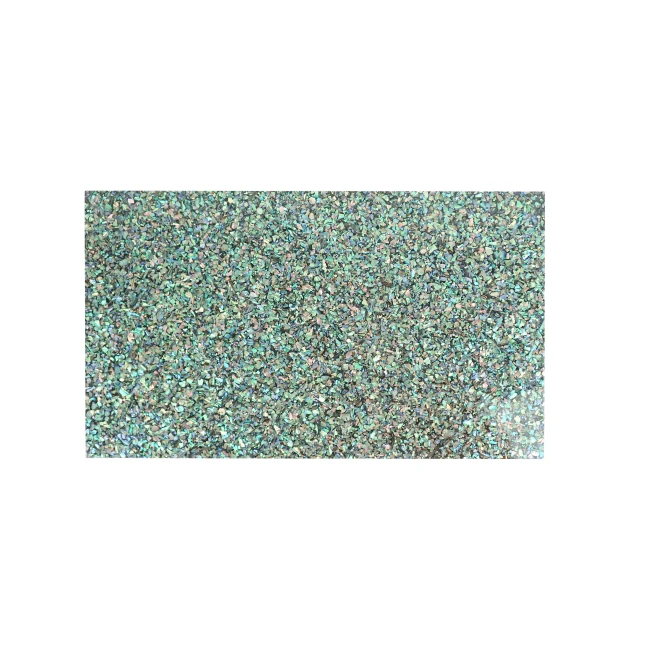 25 / 39Lum a Galaxy Varnished Laminate Shell Veneer
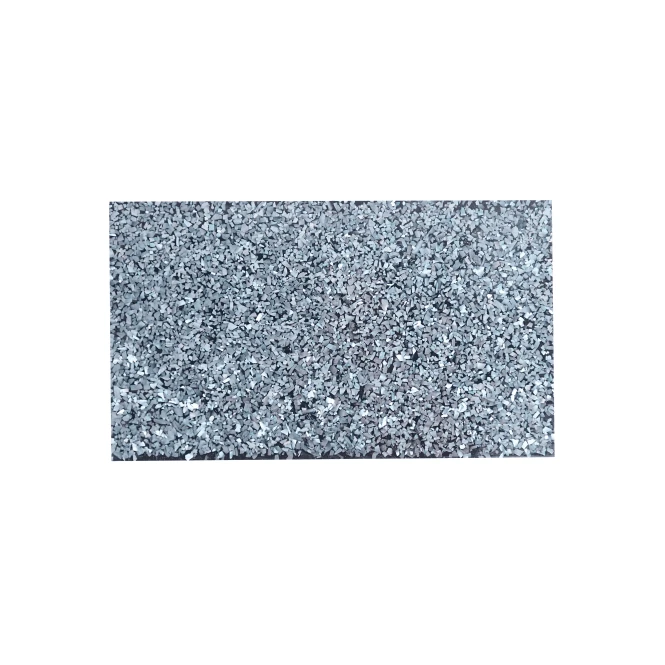 26 / 39Lum a Galaxy Varnished Laminate Shell Veneer
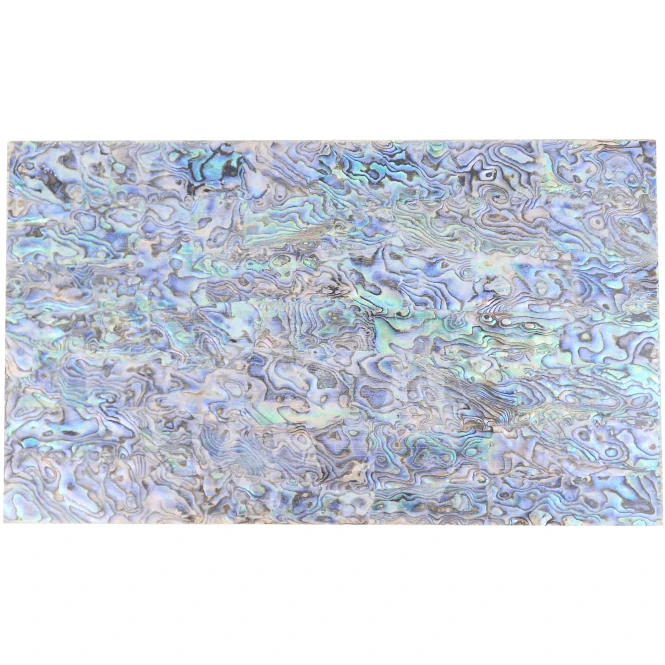 27 / 39Lum a Green Abalone Laminate Shell Veneer
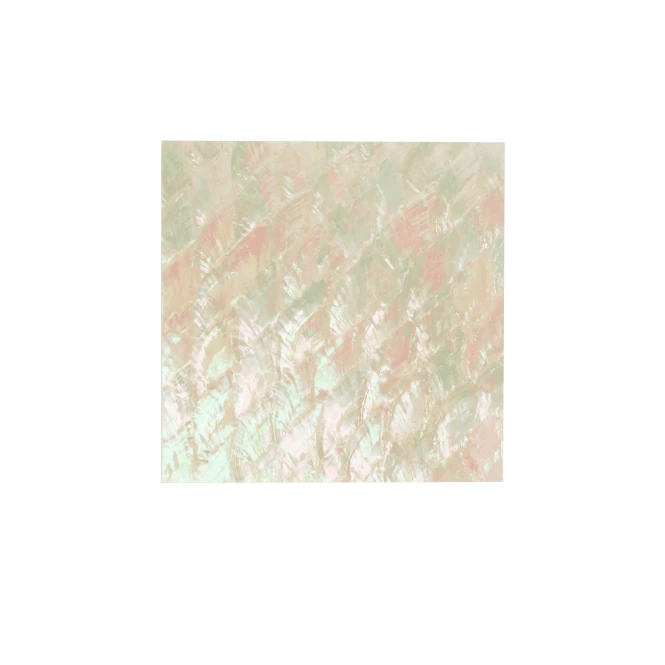 28 / 39Lum a Natural Abalone Varnished Laminate Shell Veneer
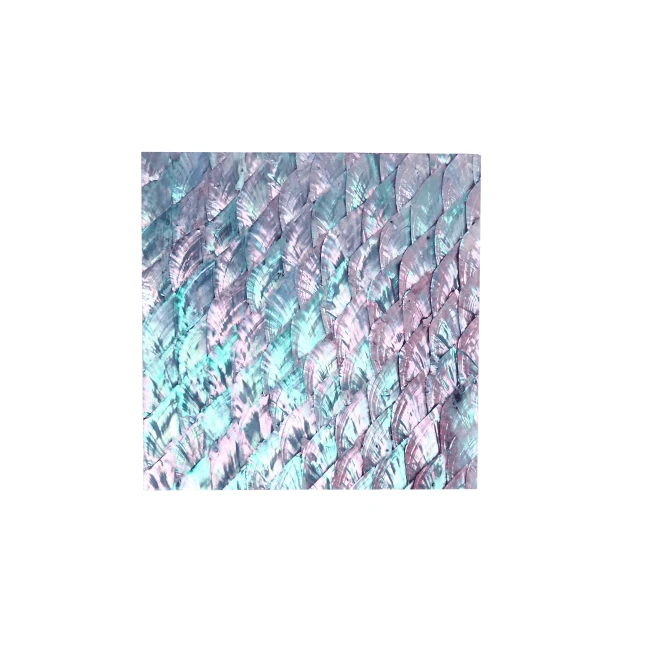 29 / 39Lum a Natural Abalone Varnished Laminate Shell Veneer
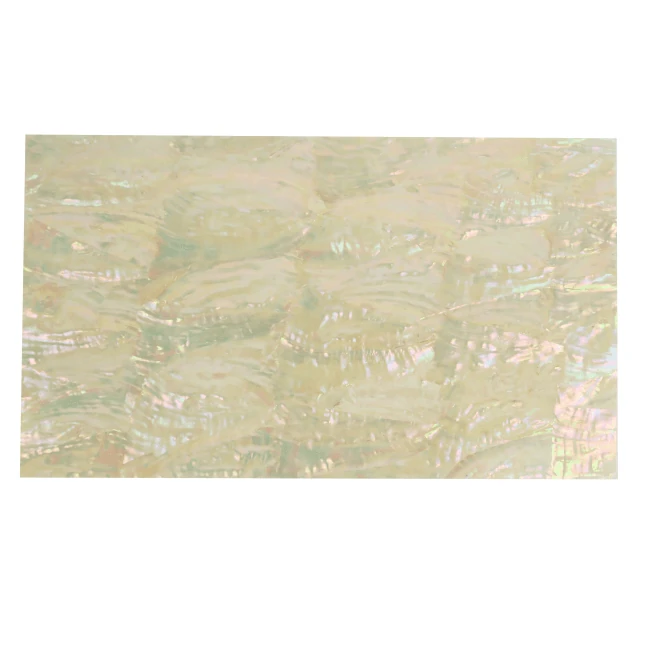 30 / 39Lum a Natural Korean Abalone Varnished Laminate Shell Veneer
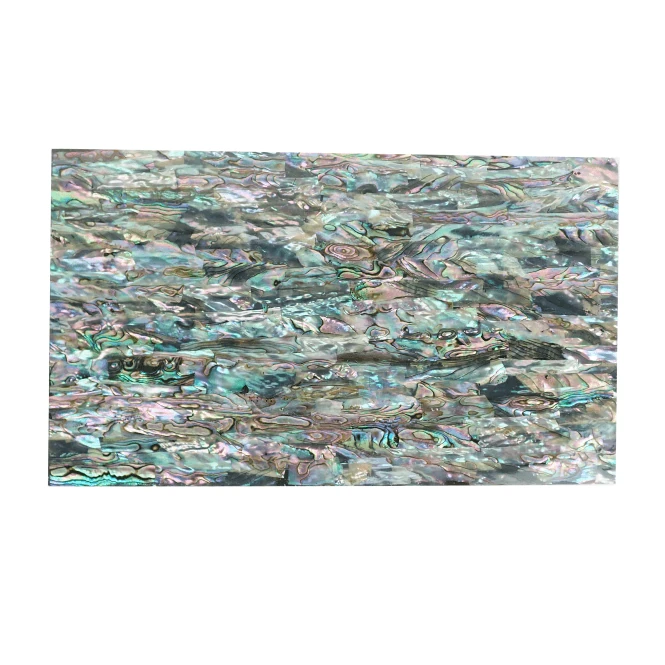 31 / 39Lum a Natural Mexican Abalone Varnished Laminate Shell Veneer
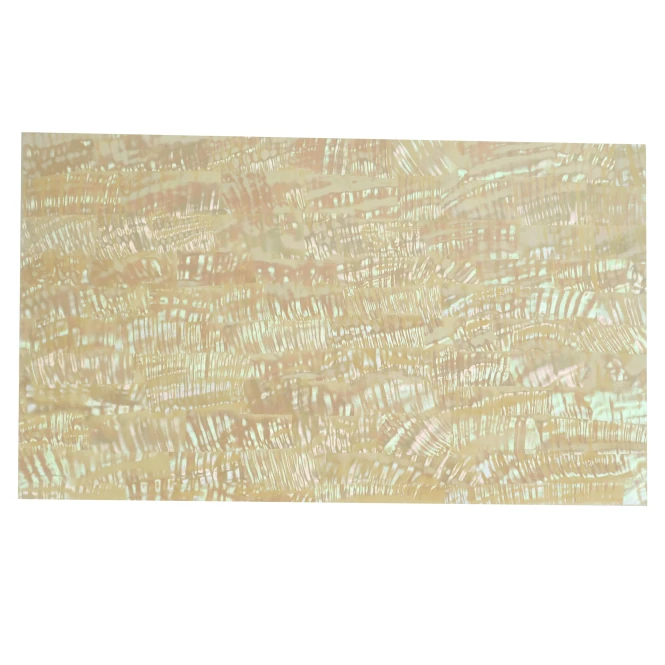 32 / 39Lum a Natural Mexican Ripple Abalone Varnished Laminate Shell Veneer
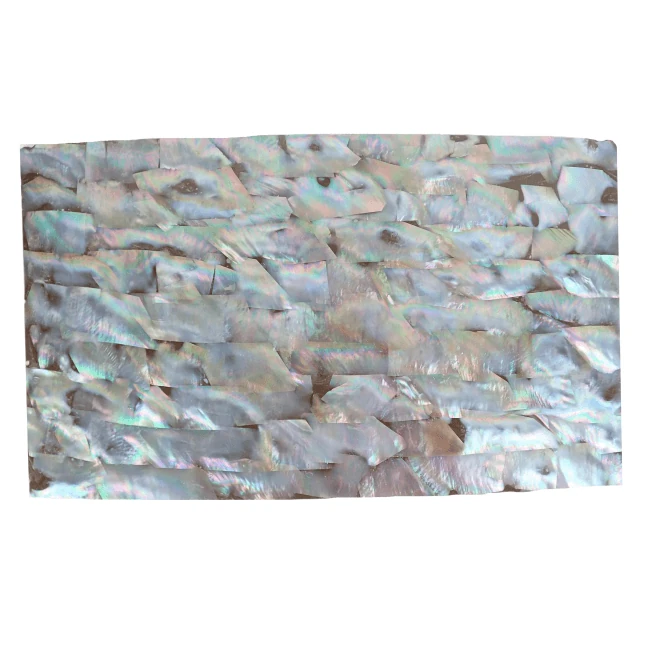 33 / 39Lum a Natural Wing Oyster Varnished Laminate Shell Veneer
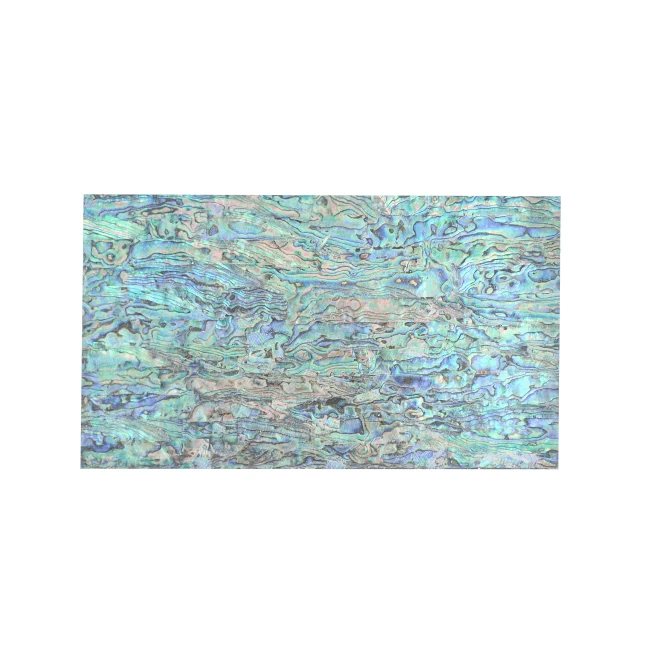 34 / 39Lum a Paua Abalone Flexible Self Adhesive Shell Veneer
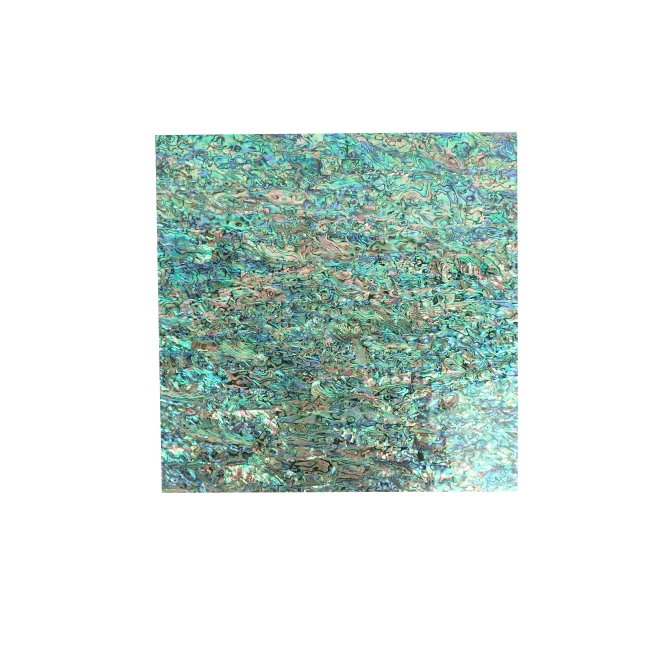 35 / 39Lum a Paua Abalone Varnished Laminate Shell Veneer
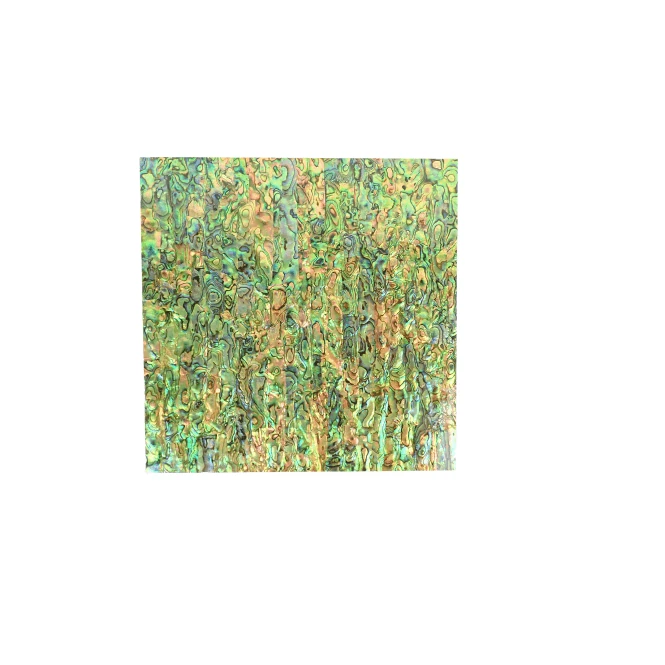 36 / 39Lum a Paua Abalone Varnished Laminate Shell Veneer
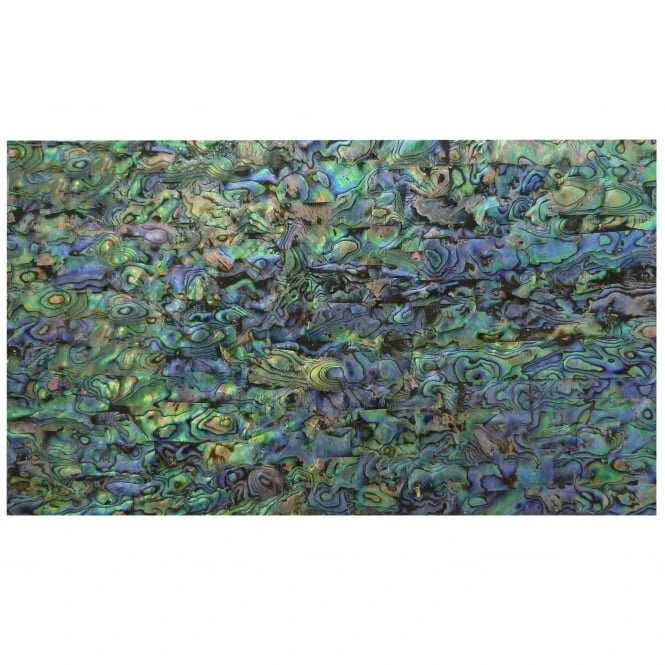 37 / 39Incudo Flexible Self Adhesive Shell Veneer
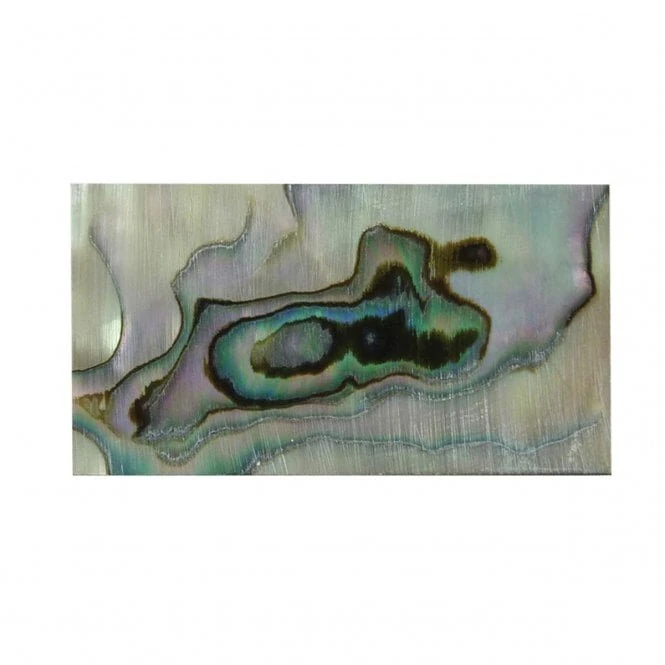 38 / 39Incudo Green Abalone Inlay
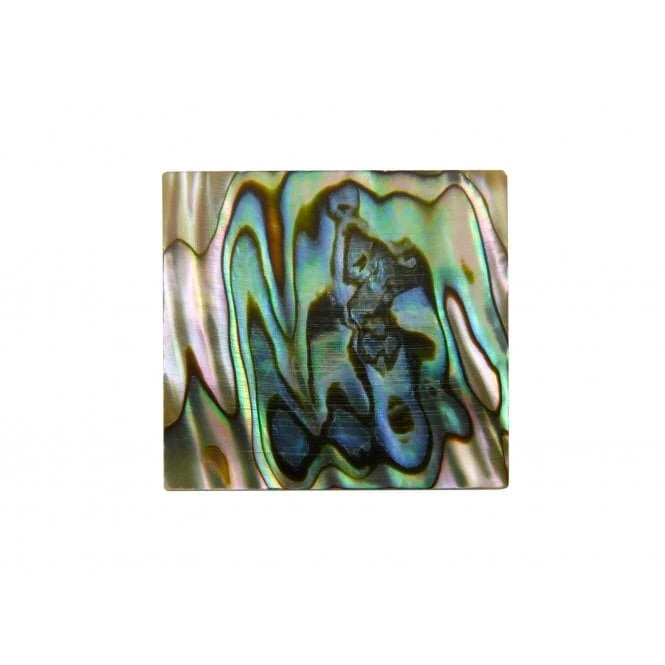 39 / 39Incudo Green Abalone Inlay
Where shell is used.
Shell suits surfaces meant to be seen up close and from changing angles, where its shifting iridescence reads as movement rather than as a fixed colour. It is most often a feature surface or an inlaid detail rather than a hard-working everyday top.
- Wall panels and feature walls in tessellated capiz or penshell
- Cabinet faces, doors and drawer fronts
- Folding screens and room dividers
- Tabletops and console surfaces, under protective lacquer
- Furniture inlay and marquetry in abalone and paua
- Eggshell lacquer panels and accents
- Display cabinet and jewellery box interiors
- Bar and reception fronts on curved substrates
Lumëa — Abalone & Capiz
Laid well, shell stops looking like a material and starts behaving like a surface of moving light.
Shell reaches a usable surface in one of two ways. As a tessellation, small flat pieces, capiz squares or cut penshell tiles, are laid edge to edge across a prepared substrate and grouted or set flush so the joints read as a fine grid. As a marquetry or inlay, shaped pieces of abalone or paua are cut to a pattern and set into wood, lacquer or a wider field of shell. Flexible shell veneer, where a thin shell layer is laminated to a backing, lets us carry either approach onto gentle curves.
The substrate matters more than the shell. We work onto stable, flat or pre-formed cores such as MDF, plywood or solid timber, sealed and levelled before any shell is laid, because shell is rigid and will telegraph any movement or unevenness beneath it. Pieces are bonded, then the surface is filled, levelled and built up before finishing.
Finishes and formats.
Shell arrives as small natural pieces, as cut tiles, as laminated sheets and as flexible self-adhesive veneer. The finish over the top sets both the look and the durability, from a high-build lacquer to a softer hand-rubbed sheen.
- Capiz tiles: pale, translucent, tessellated in squares
- Penshell tiles: bronze, taupe and charcoal tones
- Abalone and paua: blue, green and violet inlay pieces
- Laminated sheet veneer for flat panels
- Flexible self-adhesive veneer for curves
- Eggshell set into wet lacquer for a crackled white field
- Clear lacquer, tinted lacquer or hand-rubbed finishes
- Matte, satin or gloss surface sheen
Specify it for the surfaces people lean towards, not the ones they lean on.
Shell is hard but brittle, and the nacre layer is thin. Under a good lacquer it resists everyday wear and is straightforward to keep clean, but it is not a chopping or a high-impact surface. We recommend it for vertical and feature areas, cabinet faces, screens and wall panels, and for tabletops where a protective finish carries the load rather than the shell itself.
Care is simple. Dust with a soft dry cloth, or wipe with a barely damp one and dry at once. Avoid abrasive pads, solvents and ammonia-based glass cleaners, which dull lacquer and can lift shell at the edges. Keep pieces out of prolonged direct sunlight and away from standing water, and stand hot or wet objects on a mat. With reasonable care a lacquered shell surface holds its iridescence indefinitely.
Working with shell.
A few of the questions specifiers ask most often when bringing shell into a scheme.
Can shell go on a curved surface?
Yes. Tight curves are built up from small tessellated pieces, while gentle curves can take flexible shell veneer laminated to a backing. Sharp corners and compound curves are handled piece by piece.
How is shell different from mother-of-pearl?
Mother-of-pearl is one type of shell nacre, the white pearl layer of oyster. The broader shell family here includes capiz, penshell, abalone and paua, with stronger colour and iridescence. Mother-of-pearl has its own page.
Is shell suitable for a dining or kitchen surface?
It can be used on a tabletop under a protective lacquer, treated as a feature surface rather than a worktop. For heavy daily wear or direct food preparation we would suggest a more robust material.
Have a scheme that calls for
iridescence without imitation?
Need samples? Get in touch and tell us about your project.