Joinery is the workshop craft of making things from wood by joining pieces together: cutting, shaping and assembling timber into doors, staircases, panelling, fitted cabinetry and furniture, held by interlocking joints rather than nails.
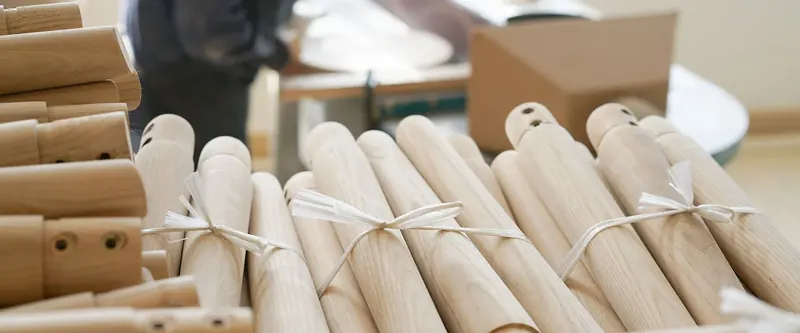
Stand in a workshop at the start of a day and the air tells you what is being made. The clean pepper of freshly planed oak, the resinous sweetness of pine, the warm cocoa note of walnut under the saw. A chisel pares a shaving so fine it curls and falls without a sound. Somewhere a mallet finds its rhythm. This is the world the word belongs to. At its simplest, joinery is the craft of making things from wood by joining pieces together — the trade of cutting, shaping and assembling timber into doors, windows, staircases, panelling, fitted cabinetry and furniture. The name comes from the joints themselves, the interlocking connections that hold timber together without relying on nails. A joiner is the craftsperson who makes these components, traditionally in a workshop, to be installed elsewhere.
Joinery vs carpentry
The two terms are often used interchangeably, but there is a real distinction. Joinery is the workshop craft of making timber components — the precise, bench-based work of cutting joints and building doors, cabinets and staircases. Carpentry is the on-site craft of constructing and fixing timber in place — framing, first-fix structural work and installation. In practice the same people often do both, and a bespoke maker like us covers the full span: we produce in the workshop (joinery) and install on site (carpentry). When people search for “carpentry and joinery” they usually mean exactly this combined service.
The kinds of joinery
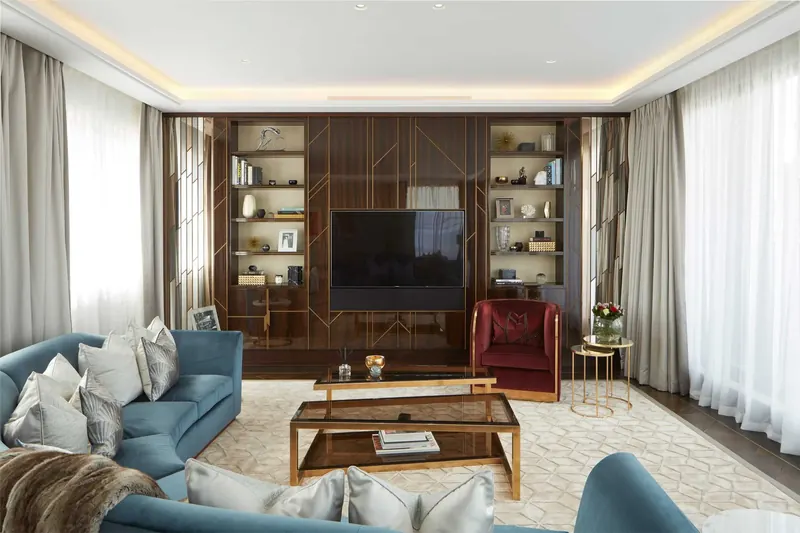
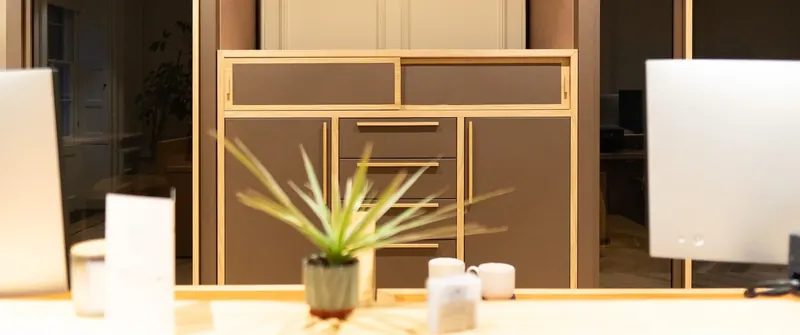
Bespoke joinery falls into a few broad families. Fitted (architectural) joinery is built into the building — alcove cabinetry, media walls, fitted wardrobes, panelling, libraries and staircases, scribed to the architecture so it looks original to the house. Furniture joinery is freestanding pieces — cabinets, tables and seating frames — made to move with you. Structural and second-fix joinery covers doors, windows, skirting and the timber elements of the building itself. We work across all three, often within a single project.
What a bespoke joiner actually does
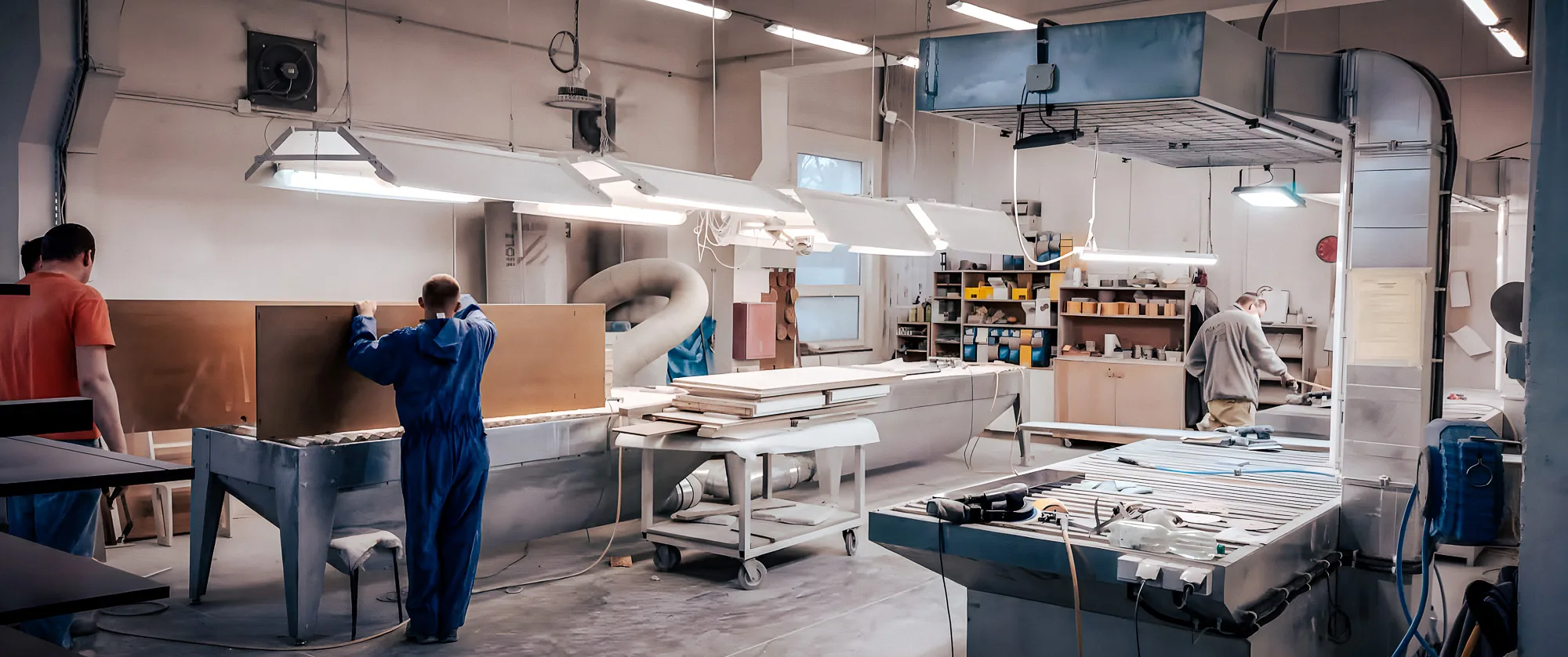
A bespoke joinery commission runs from drawing to installed piece. It begins with design and shop drawings — the dimensioned, detailed plans that say exactly how each component is made. The pieces are then built and finished in the workshop, where the joints are cut, the timber or veneer is worked, and the whole is assembled and finished. There is a particular quiet I have come to love in that final dry assembly, when a piece comes together on the bench for the first time and the joints close with a soft, certain sigh — no glue yet, nothing forced, everything simply where it should be. Finally it is delivered and installed, scribed and fixed to the real, never-quite-square building. The skill is in all three stages — the precision of the workshop and the judgement of the install.
Bespoke joinery in London
For a London project, bespoke joinery is usually the only way to make timber fit period proportions, awkward alcoves and the exacting standards of high-end residential and hospitality interiors. We work as a joinery partner to interior designers, architects and private clients across London and internationally, making fitted and freestanding joinery in our workshops and installing through our team — no handoff between the people who make a piece and the people who fit it.
Why bespoke joinery
Off-the-shelf joinery fits the room to the product; bespoke joinery fits the product to the room. It is the difference between cabinetry that almost lines up with the alcove and joinery that looks built into the wall, between a staircase ordered from a range and one drawn for the exact rise of your hall. For interiors where fit, proportion and quality matter, bespoke joinery is the foundation everything else sits on — the thing the eye stops fighting because nothing about it is quite wrong. If you have a space that deserves to be made for, rather than fitted out, we would be glad to hear about it.