Opus Collection
End-grain oak — natural, smoked & black
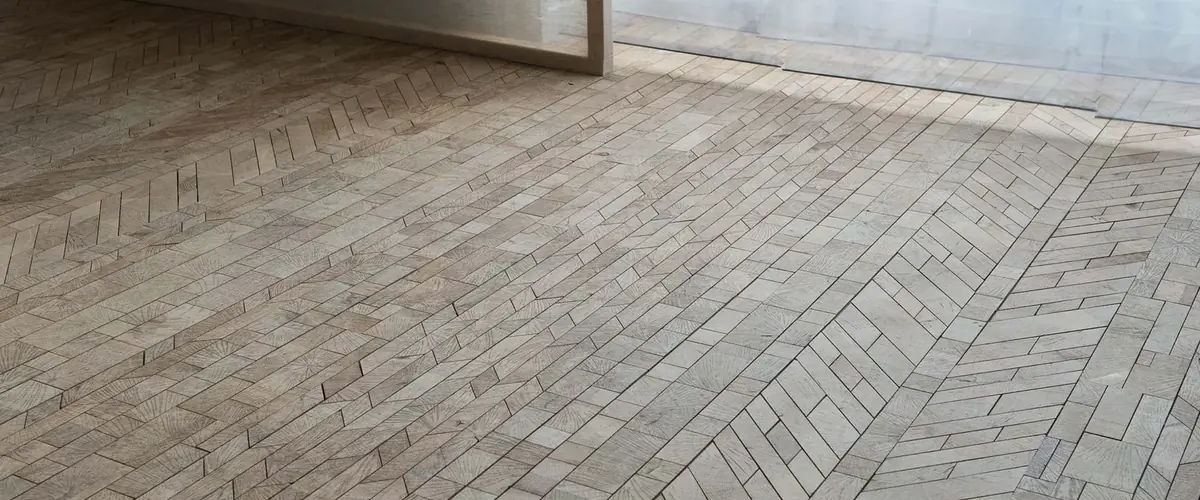
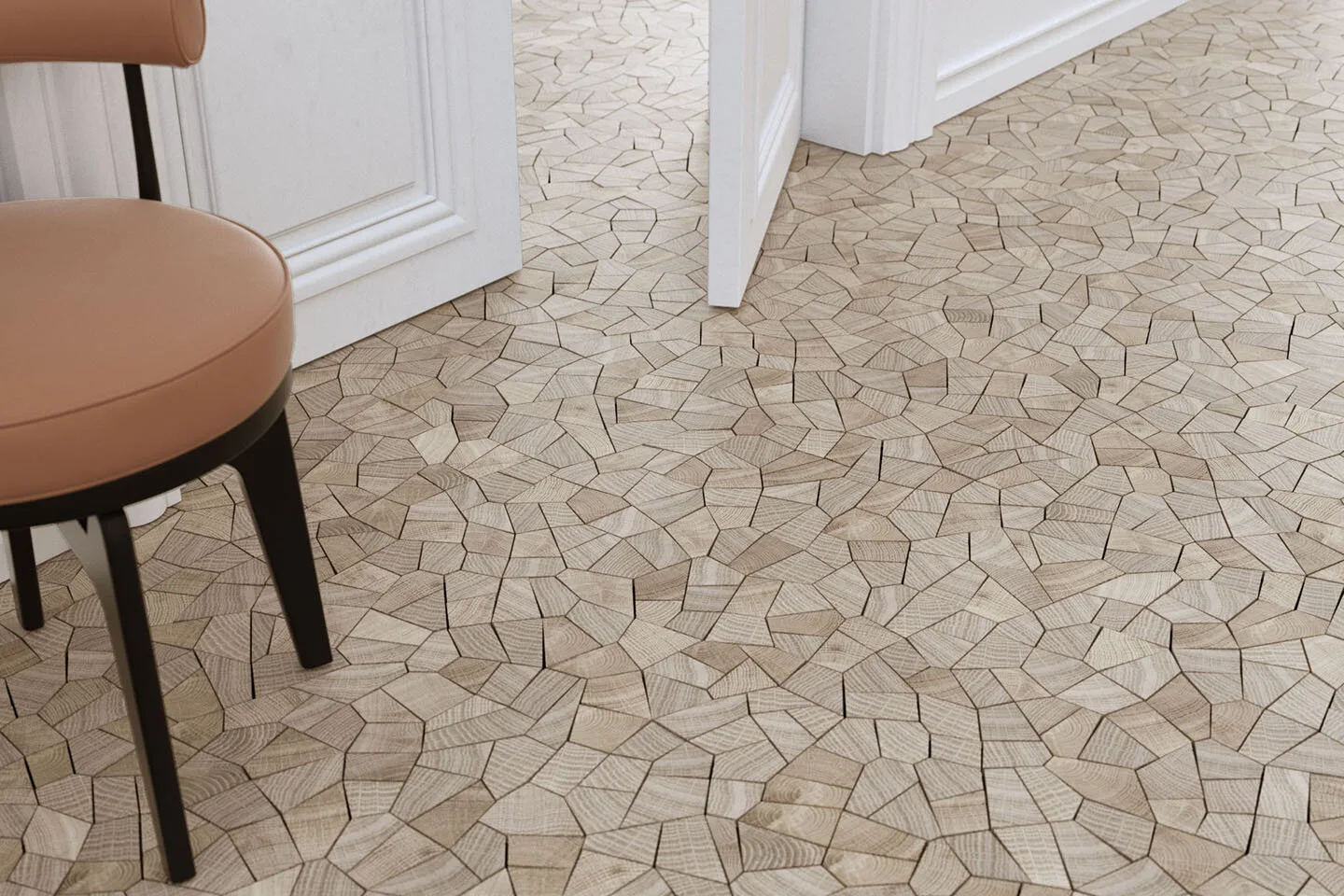
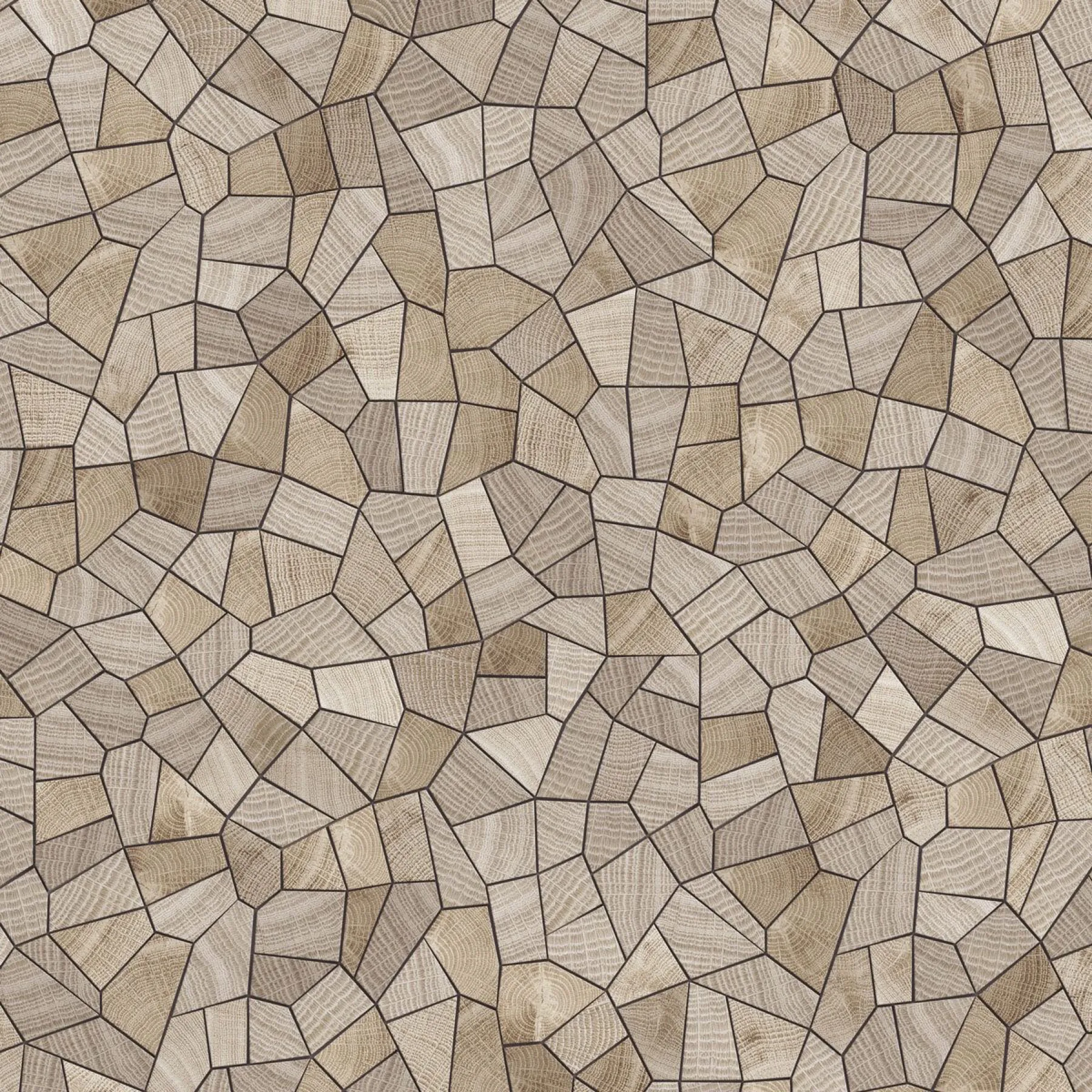
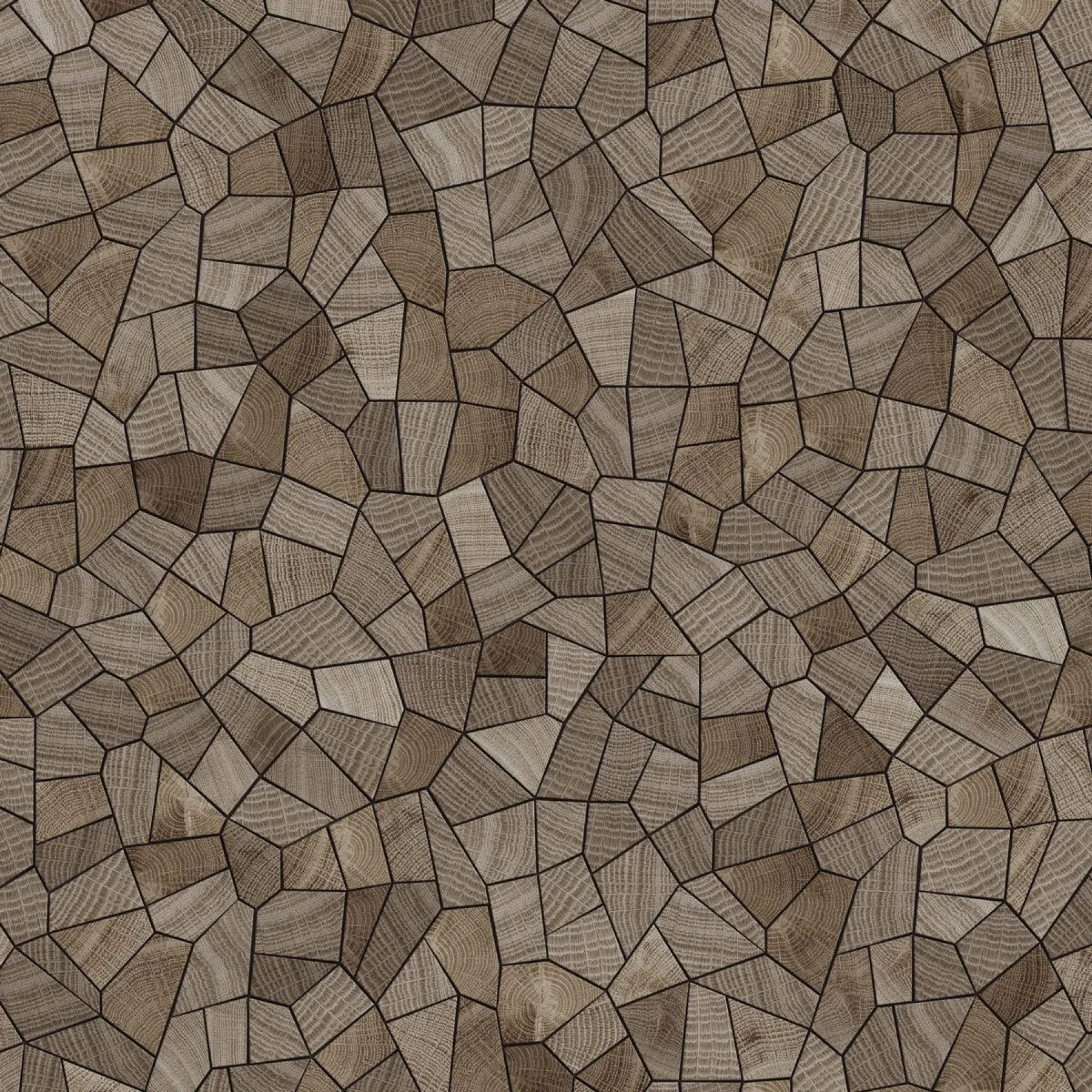
Opus is a handmade wooden surface that arrives completely pre-assembled. It is, in effect, an organic, endless pattern obtained with just one tile. The idea comes from nineteenth-century Paris, where the streets were paved in oak blocks stood on end with their rings facing the sky. A few of those floors survive in Paris and around Versailles, and Opus revives the craft with a pattern the old pavers never imagined.
The collection is made from end-grain oak: the timber is cut so that its cross-section faces upward, exposing the growth rings and the dense fibre that runs the full depth of the block. This is the same orientation once used for workshop and factory floors, where end grain was chosen because it wears far more slowly than a flat-sawn plank.
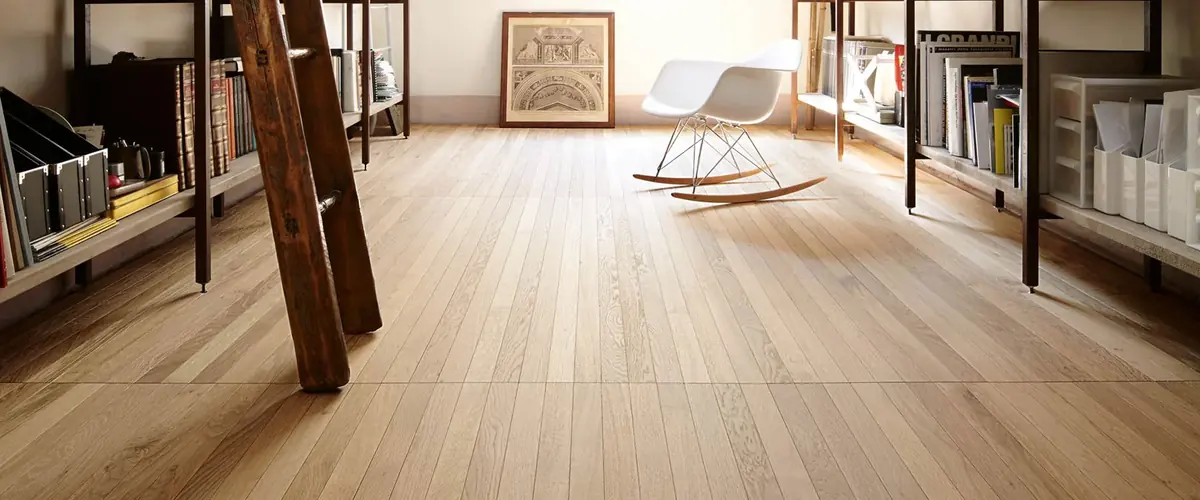
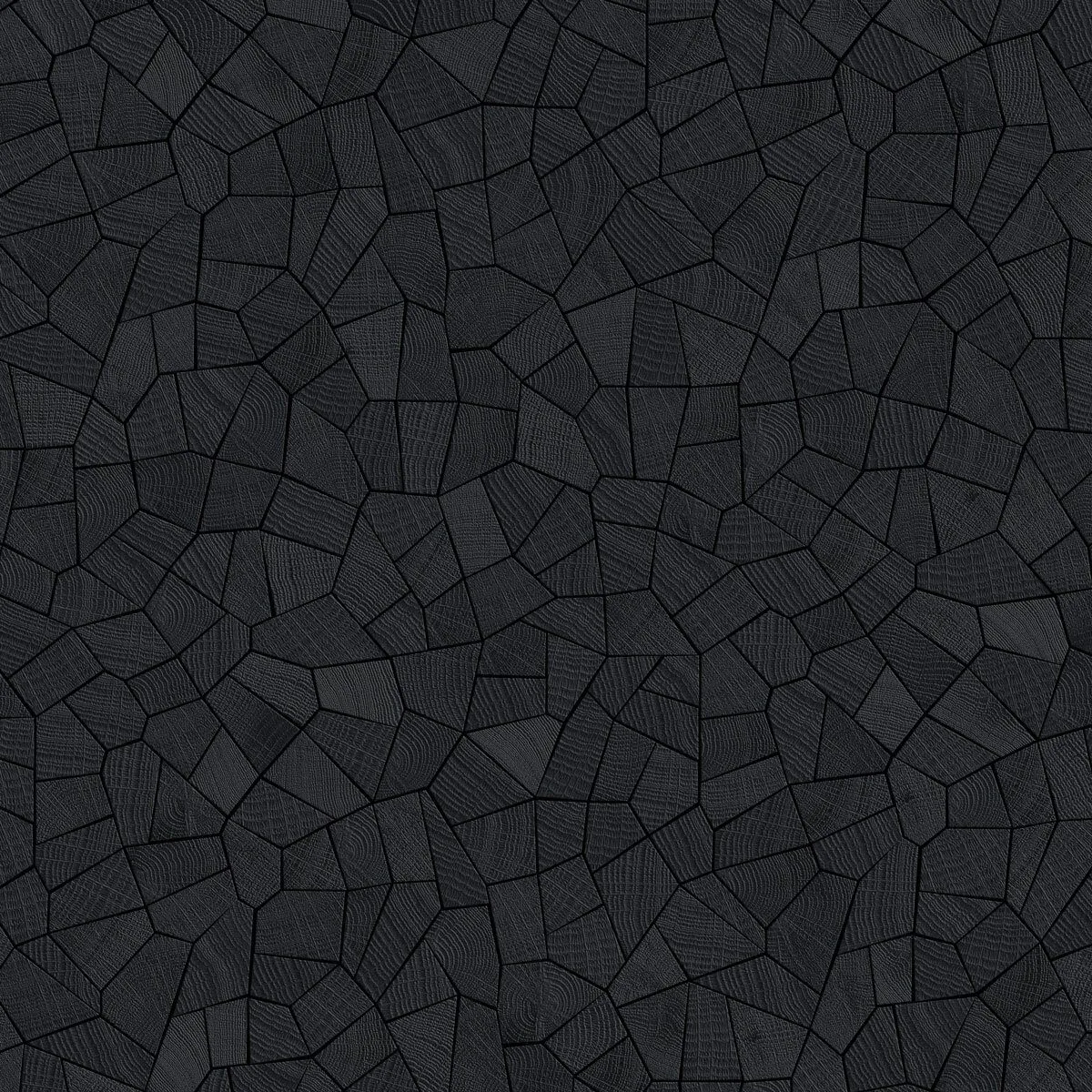
Opus is offered in three finishes, natural, smoked and black, with standard and bespoke panel dimensions, each sealed with a two-component invisible varnish. It is suitable for underfloor heating and, rated by the maker at usage class 34, is intended for residential, hospitality and retail interiors, on both floors and walls.
See the Opus mosaic laid in a room in the floor visualiser, in natural, smoked or black oak.
Collection details
| Material | End-grain solid oak |
| Finishes | Natural / Smoked / Black. No stain is used |
| Surface treatment | Two-component invisible varnish |
| Construction | 12 mm birch plywood base with an 8 mm oak top layer |
| Fire rating | Cfl-s1, as stated by the maker |
| Joints | Under 1 mm, with optional filling in brown or black |
| Certification | FSC and PEFC, as declared by the maker |
| Dimensions | Standard and bespoke panel dimensions |
| Format | Pre-assembled tiles, laid multidirectionally with no visible repeat |
| Application | Floors and walls. Usage class 34, for very heavy commercial traffic |
| Underfloor heating | Compatible |
| Made by | Our workshop network, for Make Bespoke Studio |
One tile, an endless pattern
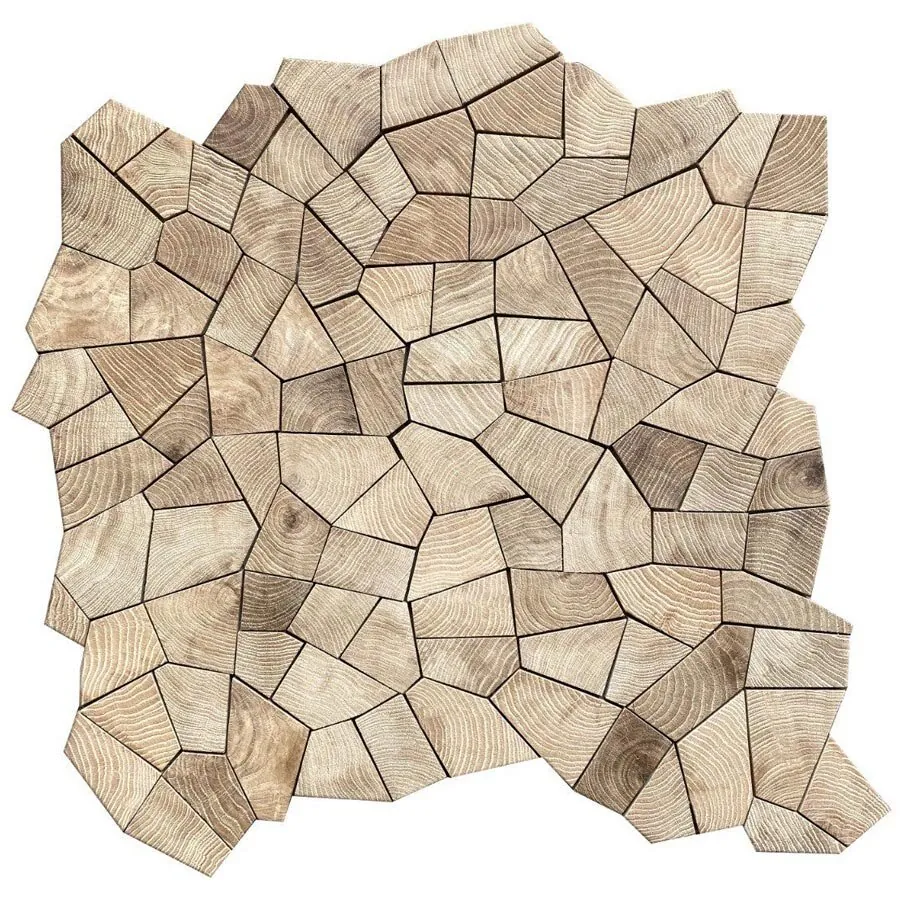
The idea behind Opus is simple to state and demanding to make. A single handmade tile is designed so that its edges resolve into the next tile in every direction. The composition uses a hidden-repetition system: the points at which one tile meets another are placed so that the seams disappear into the grain, and the field reads as one continuous surface rather than a grid of repeated units.
Because the join is concealed, the tiles can be laid multidirectionally. There is no fixed orientation to follow and no obvious repeat to align, so the pattern can turn corners, wrap around a hearth or run the length of a corridor without the eye catching a seam. The result is an organic, endless pattern obtained with just one tile, in the spirit of the Parisian oak paving that inspired it.
End-grain oak, and why it lasts
Opus is made from end-grain oak. The timber is cut across the trunk rather than along it, so the wearing surface is the cut end of the fibre rather than its side. Each block presents the growth rings and the dense vertical fibre that runs the full depth of the piece. This orientation is harder to compress and harder to dent than a flat-sawn board, which is why end grain was the historic choice for workshop and factory floors that took constant use.
The same character that makes end grain hard-wearing also gives it depth. Light falls into the open pores and ring structure, so the surface reads differently at standing height, at seated height and under the hand. Oak carries its own variation in tone and figure, and on an end-grain surface that variation is amplified, giving a floor that feels settled rather than uniform.
Finishes
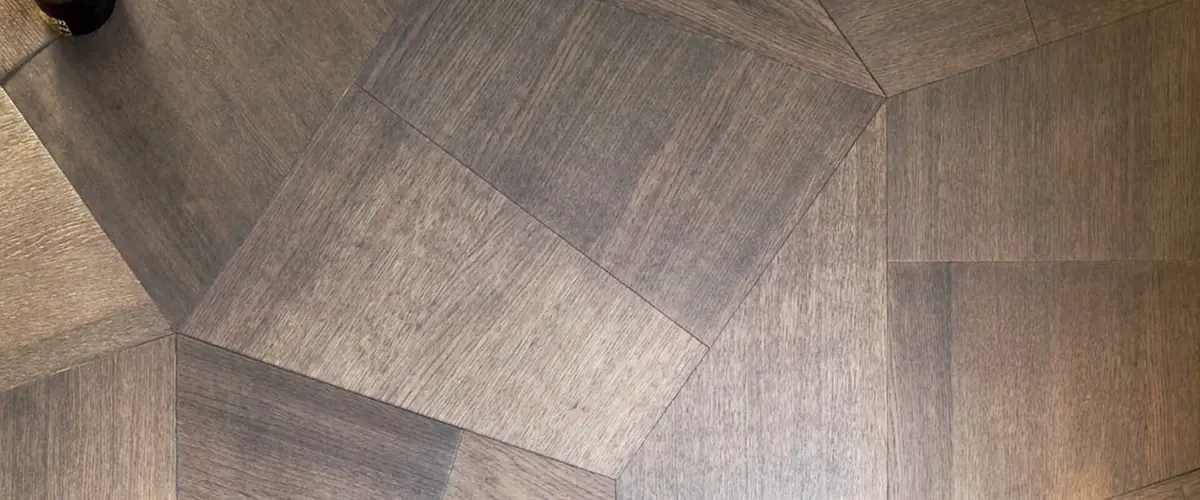
Opus is offered in three finishes. Natural is oak with a textured surface that catches the light. Smoked is oak smoked through its full depth, so the colour runs through the block and shows natural brown tones, not a surface stain. Black is based on the Japanese shou sugi ban technique of charring, which gives a deeply textured black.
No stain is used in any of the three, and each is sealed with a two-component invisible varnish, which gives a high resistance, the maker says. Standard and bespoke panel dimensions allow the format to be scaled to the room. For how varnish, oil, brushing and smoking compare, see our guide to wood floor finishes.
Where Opus is used
Opus is specified for both floors and walls. As a floor it suits high-traffic residential rooms and hospitality and retail settings such as reception areas, and the maker rates it at usage class 34. As a wall it brings the same continuous, seamless field to a vertical surface, where the depth of the end grain reads strongly under raking light. Because the tiles arrive pre-assembled and connect without a visible repeat, a single material can carry from floor to wall without a break in the pattern.
- Floors: living spaces, hallways, studies and hospitality and retail interiors that need a hard-wearing surface.
- Walls: feature walls, joinery faces and panelled rooms where a continuous timber field is wanted.
- Underfloor heating: compatible, subject to the usual acclimatisation and subfloor preparation.
Installation and the pre-assembled system
Each Opus tile is built and finished in the workshop before it reaches site, so the intricate composition is not assembled piece by piece on the floor. This is the practical advantage of the system. The labour of arranging the small elements has already been done, and the fitter lays whole tiles that lock into the pattern. That shortens installation time against a comparable hand-laid mosaic and reduces the room for error, because the relationships within the pattern are set before delivery.
As with any solid timber surface, the tiles should be acclimatised to the room before fitting, and the subfloor should be flat, dry and suitable for a bonded installation. Where underfloor heating is used, the system should be commissioned and run through its cycle in advance so the timber settles to a stable moisture content. Our guide to wood flooring over underfloor heating sets out the figures and the order of work. For what a good installation specification covers, see our guide to wood flooring installation.
Care and maintenance
A varnished end-grain surface is straightforward to live with. Day to day, it needs no more than sweeping and a barely damp mop, with cleaners as the maker advises. Standing water should be wiped up promptly, and felt pads under furniture will protect the surface from point loads.
Common questions
How can one tile create a pattern with no visible repeat?
The tile is drawn so that the grain and the join lines resolve into the adjacent tile in every direction. This hidden-repetition system places the seams where they fall into the figure of the oak, so the field reads as continuous even though it is built from a single repeating unit laid multidirectionally.
Is end-grain oak suitable for a busy household?
Yes. End grain is harder-wearing than a flat-sawn board, which is the reason it was historically used for floors under heavy use. Rated by the maker at usage class 34, Opus is intended for high-traffic residential, hospitality and retail interiors.
Can Opus be used with underfloor heating?
Yes, subject to correct subfloor preparation and acclimatisation. The heating should be commissioned before fitting so the timber settles to a stable moisture content.
For end-grain oak laid in geometric patterns, see the Forêt collection.