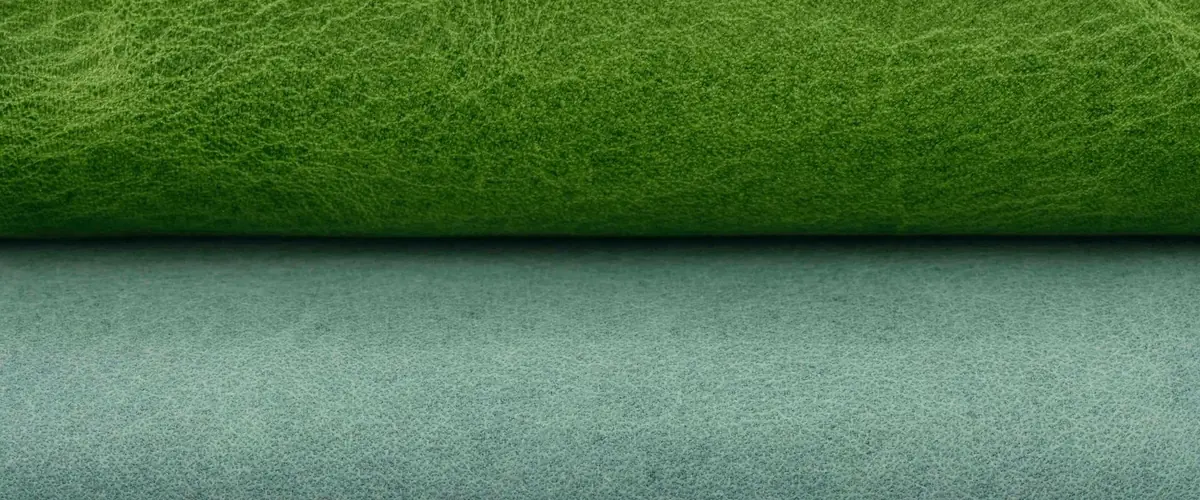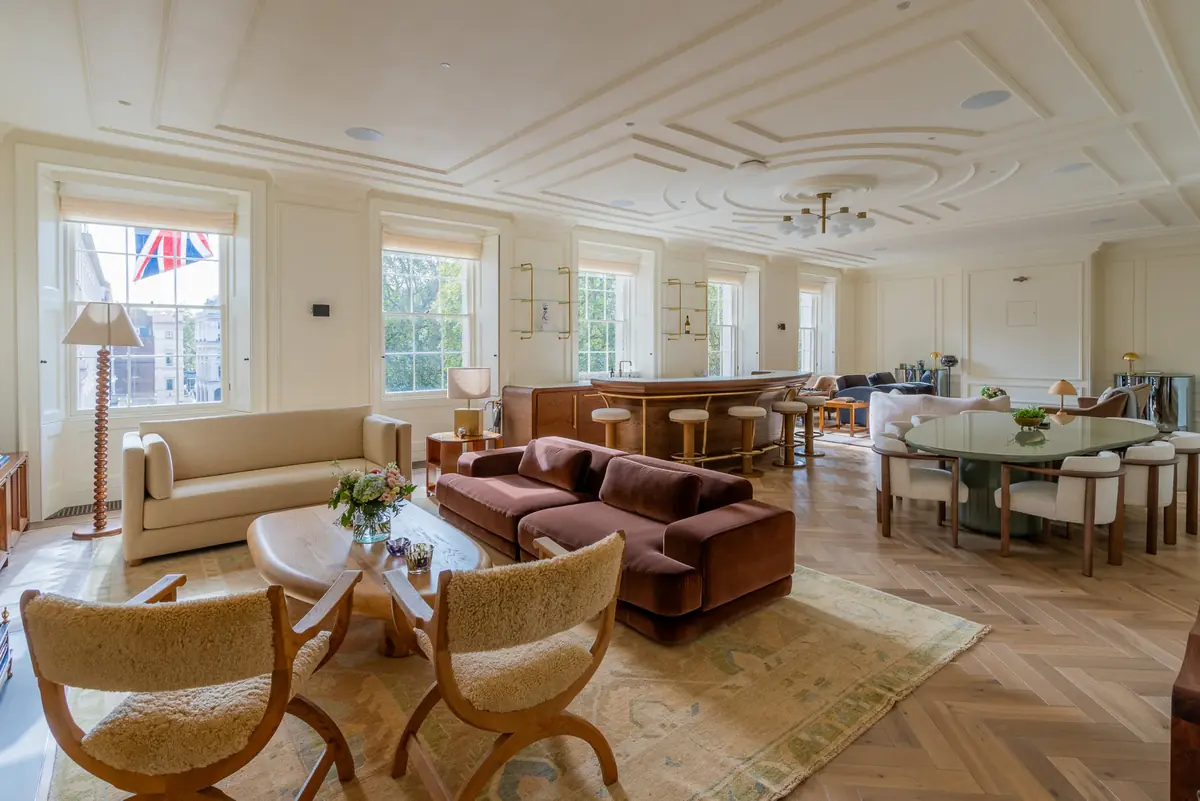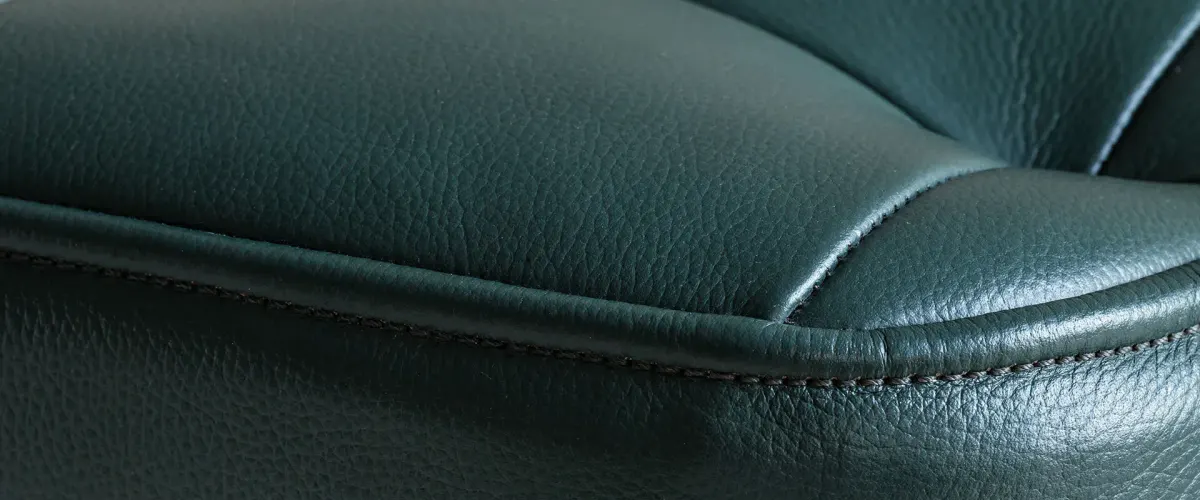
Leather in bespoke furniture ranges from full-grain and aniline hides to pigmented finishes, each ageing differently: full-grain patinates best and improves with use, while pigmented is the most durable and cleanable.
Unroll a full-grain hide across the bench and it announces itself before you have looked at it properly — that warm, faintly smoky smell, the weight of it as you lift one edge, the way it drapes rather than folds. Run a hand across the surface and you feel the grain shift under your fingers, no two square inches quite alike. This is the quiet advantage leather has over almost everything else in a luxury interior: it improves with use. A well-chosen hide on a club chair, a desk or a headboard does not wear out — it develops, softening and deepening into a patina that records years of handling. That quality, and the warmth and weight leather brings to a piece, is why it remains central to bespoke furniture. But “leather” covers a wide range of materials, and the differences between them decide how a piece looks, feels and ages.
The grades of hide
Full-grain leather is the top of the hierarchy: the entire natural grain of the hide, with nothing sanded away. It is the strongest, most characterful leather, it shows the natural marks of the animal — a healed scar, a fold along the flank, the faint map of a life lived — and it patinates best. Top-grain has had the surface lightly corrected and is more uniform. Aniline leather is dyed through with soluble dyes that leave the natural surface visible — the most natural-looking and luxurious, but the least protected; semi-aniline adds a light protective coat for more resilience. Pigmented leather has a surface coating that makes it the most durable and cleanable, at the cost of some of the natural depth. The choice runs from the most natural and characterful (and least forgiving) to the most protected and hard-wearing.
Where leather is used
- Upholstery — sofas, club chairs, dining chairs, headboards and benches, in full-hide leather worked around the natural geometry of the hide. Curved leather work in particular demands cutting around the hide's shape rather than against it. Covered under upholstered furniture.
- Desk and table tops — leather-inlaid writing surfaces, often gold-tooled along the border, set into a timber or metal frame; a traditional finish that holds a pen nib without slipping and ages into character with every letter written on it.
- Wrapped panels and detailing — leather wrapped over cabinet fronts, drawer faces, bed surrounds and feature panels, bringing softness and warmth to casegoods and joinery.
Cutting and yield
Leather is sold by the hide, and each hide is a natural, irregular shape with marks, grain variation and a usable yield of around 50–55 square feet. Cutting a commission from hides is a craft of its own: laying the pattern to work around the natural marks, matching grain and tone across panels, and accounting for the parts of the hide that cannot be used. We always lay a hide out and live with it for a while before the knife touches it — reading where the grain is tightest, where a mark wants to fall on a cushion rather than a seat front, how two panels will sit side by side once they are on the frame. Leather does not let you take anything back; cut it wrong and the hide remembers. This is why it is quoted per frame from standard hides rather than by the metre, and why a leather commission carries more cutting allowance than a fabric one.
Leather and fire compliance
For contract and hospitality work, leather seating must meet the same fire regulations as fabric — Crib 5 under BS 5852 — achieved with the right interliner without affecting the hide's surface. Full-hide leather is widely specified in hospitality precisely because it is hard-wearing and ages well under heavy use, looking better after a few hundred guests than it did on the day it was installed.
Specifying leather
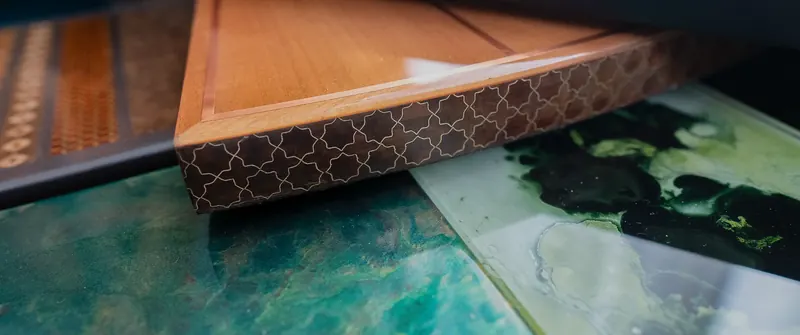
The decisions are the grade (how natural vs how protected), the colour and the finish, and the application. The studio holds leather samples in its materials library for sign-off in the hand — and leather really does need to be judged in the hand, where you can feel its temper and watch the colour change as it catches the light. Customer's Own Leather is welcomed. Leather rarely sits alone — it meets timber, metal and fabric on the same piece — and the combinations are coordinated as a single commission. The wider palette is set out in our materials guide, and fabric alternatives under fabrics. Specified well, a hide is one of the few things in a room that will look better the day you hand it on than the day it was made.