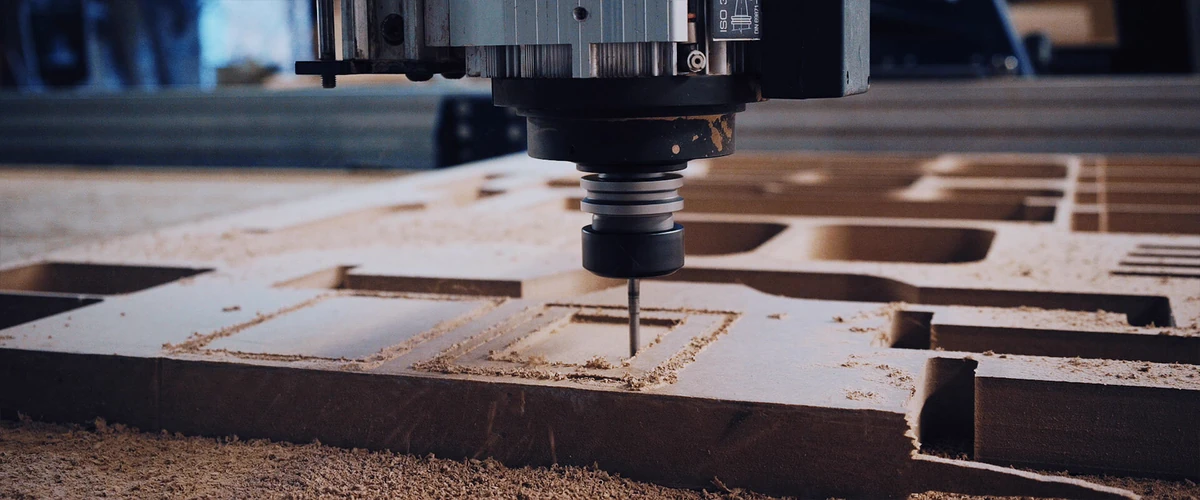
Precision tools,
human hands
CNC routing, 3D printing and digital fabrication, technology that serves the handmade, never replaces it.
Digital precision,
craft sensibility
Our technology facility houses 5-axis CNC routing, water jet cutting, laser cutting, PVD coating and 3D printing under one roof. Each machine extends what the workshop can produce — reaching geometries, tolerances and surface qualities that hand tools alone cannot achieve reliably or at scale.
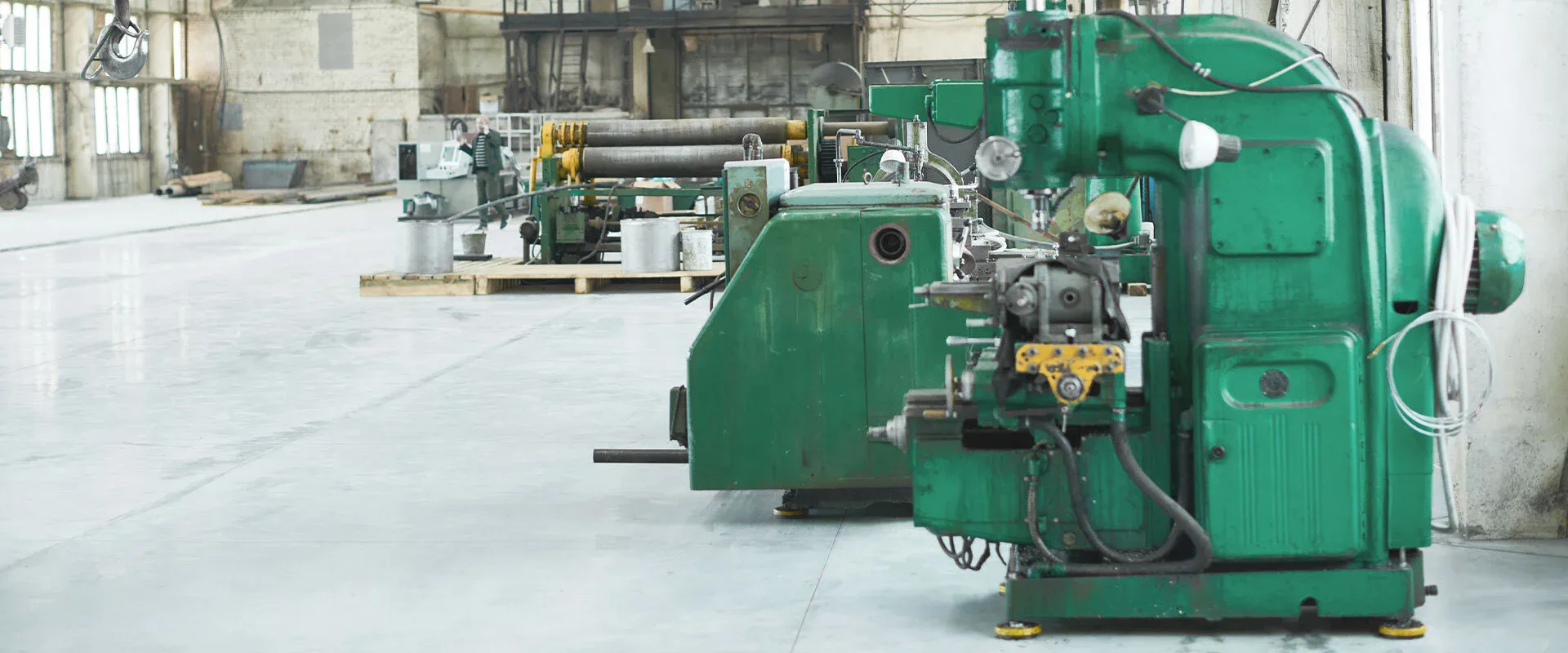
The facility exists in direct service of the craftspeople who follow. Components arrive at the bench pre-cut, pre-profiled and ready for assembly, fitting and finishing by hand. Technology eliminates the variables that introduce error at scale; craft addresses what technology cannot resolve alone.
A complex form or a repeating pattern?
Tell us what needs cutting or machining.
5-axis CNC routing machines operate across three rotational planes simultaneously, enabling complex compound angles, curved profiles and deep undercuts that fixed-axis machines cannot reach. The same programme runs identically across every component in a production run, ensuring joints, rebates and panel profiles match precisely regardless of batch size.
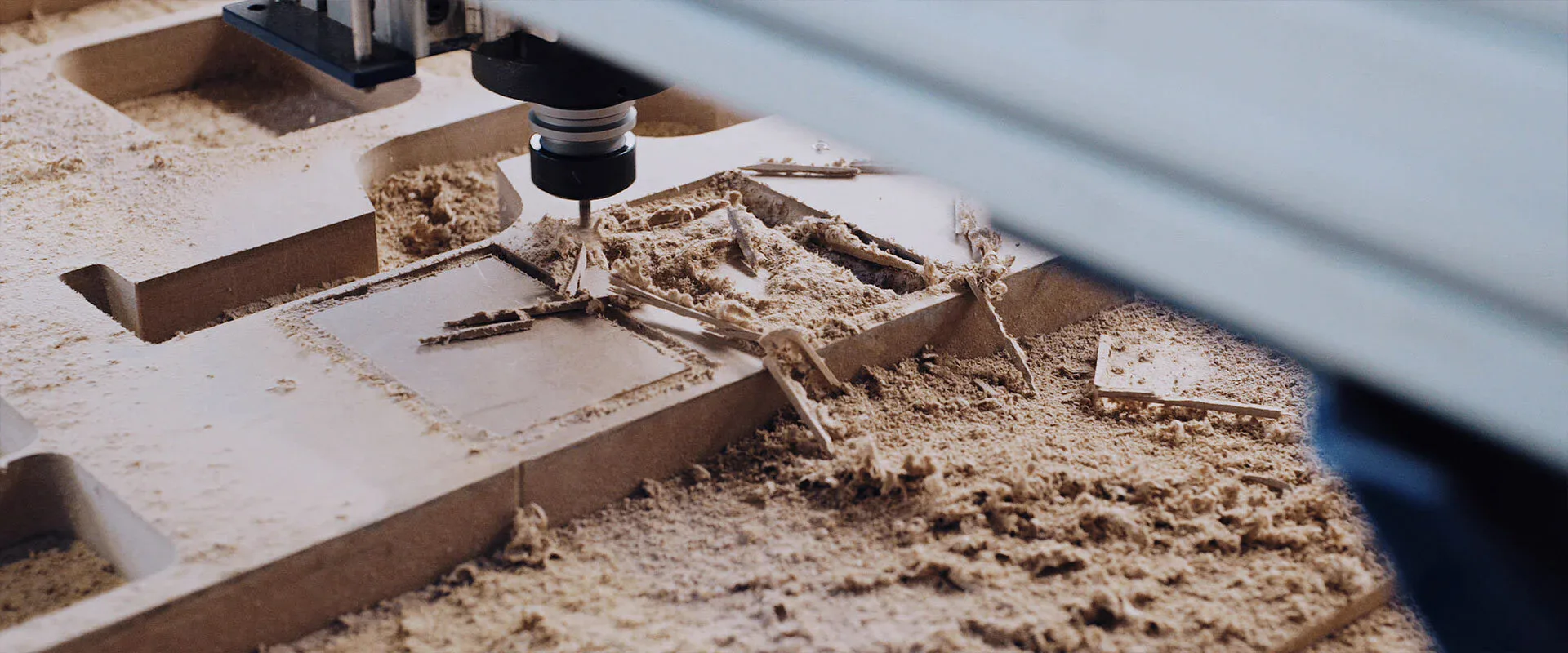
Physical vapour deposition deposits ionised metal vapour onto a substrate at the molecular level, producing a coating — brass, gold, chrome, black — that is harder than the base metal itself. Applied to furniture hardware, handles and architectural metalwork, PVD finishes resist scratching and tarnishing at a level that electroplating or lacquering cannot match.
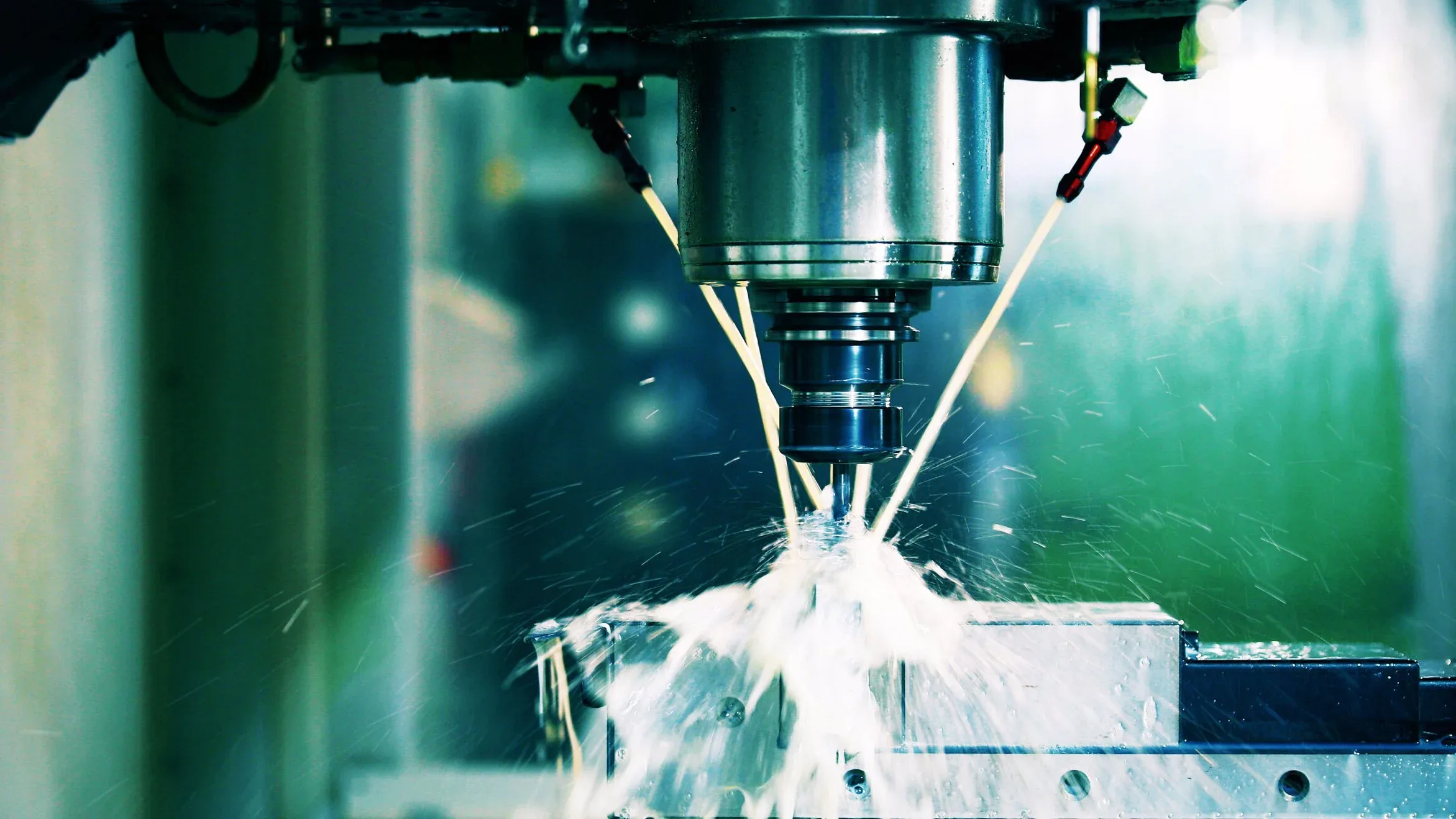
Water jet cutting uses a stream at up to 60,000 psi, mixed with abrasive garnet, to cut stone, steel, glass and composite materials. There is no heat-affected zone — no warping, no case hardening, no material stress — making it the preferred method for hard stone profiles and precision metal components where dimensional accuracy is critical.
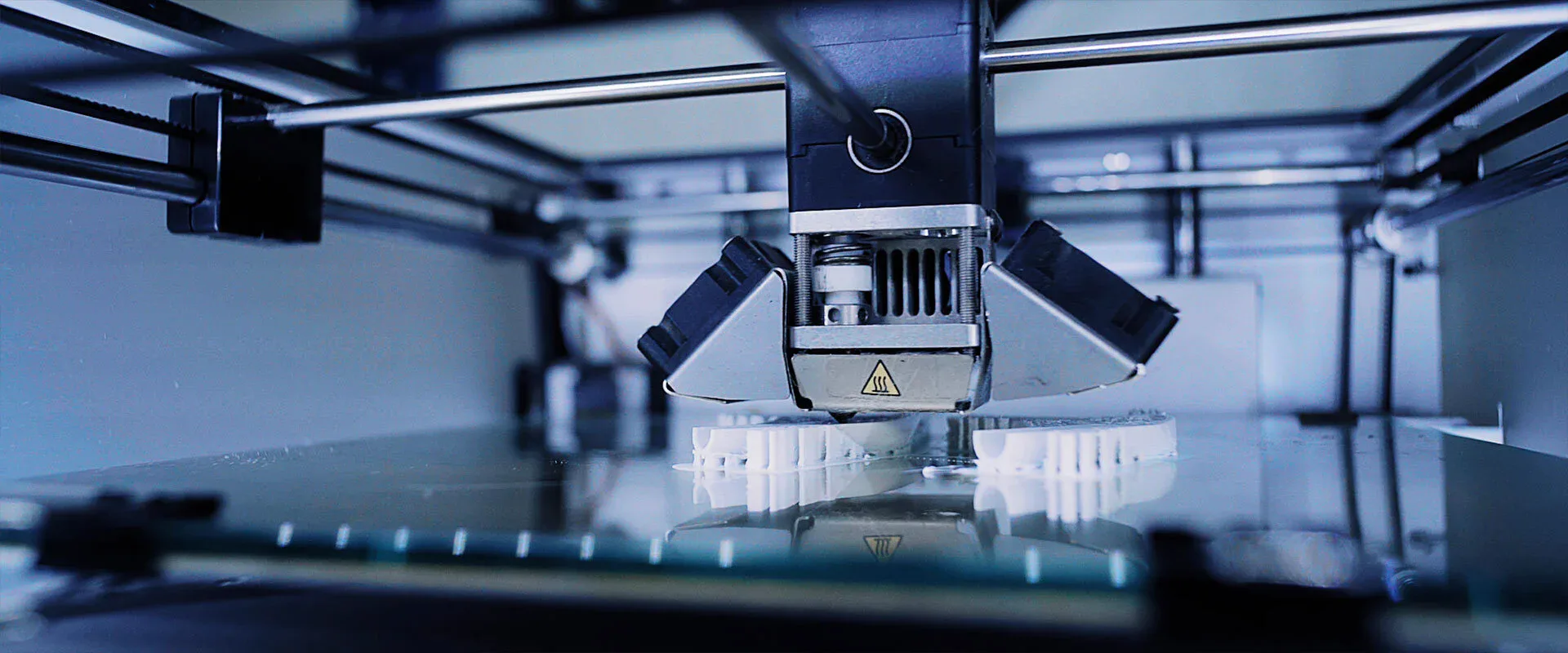
CNC laser cutting produces edges and engravings accurate to fractions of a millimetre in wood, acrylic, leather and thin metals. Used for decorative screens, inlay profiles, grille patterns and bespoke hardware components where edge quality and repeat accuracy are both required.
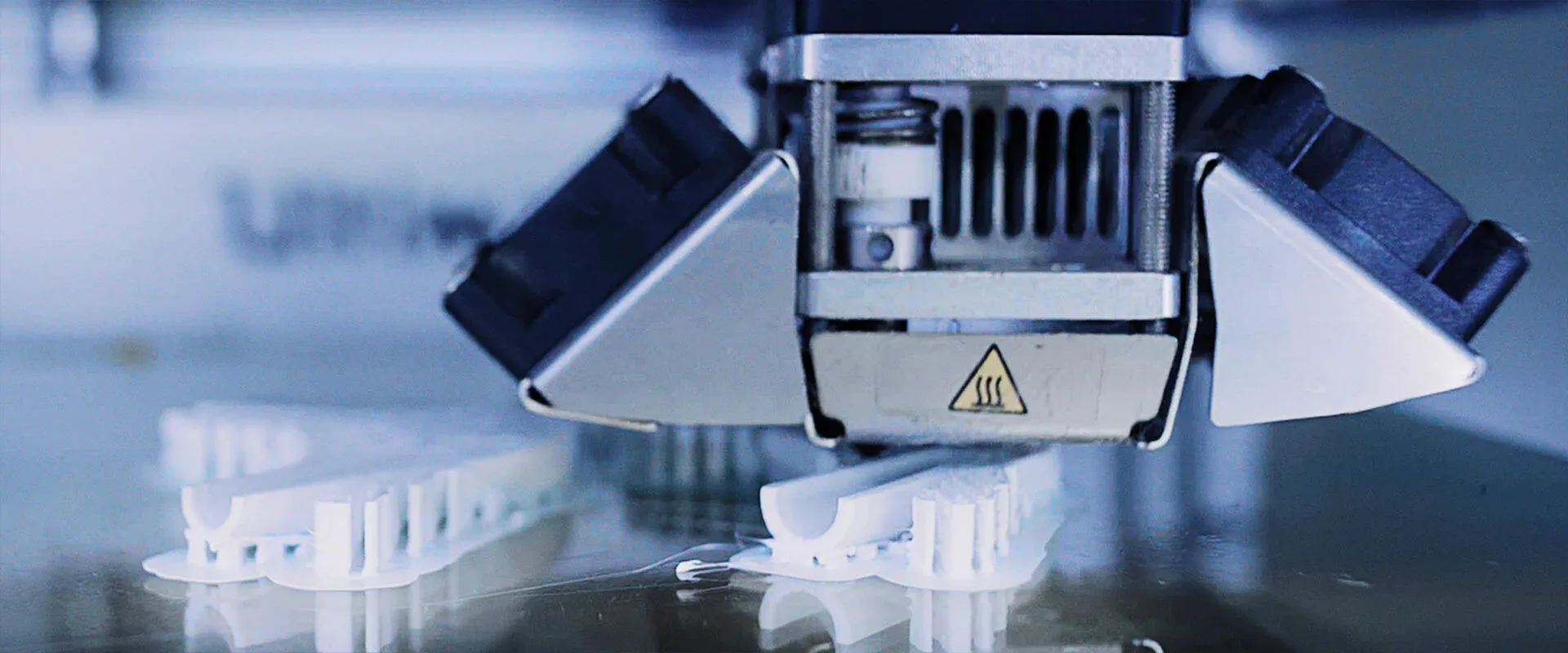
3D printing is used for prototyping lighting components, custom fittings and complex architectural details before production begins. A physical model at exact scale allows designers and clients to confirm geometry, proportion and surface detail — faster than machined mock-ups, cheaper than tooled samples, accurate enough to identify any modifications required before commitment to final production.
.webp)