Verre
Églomisé
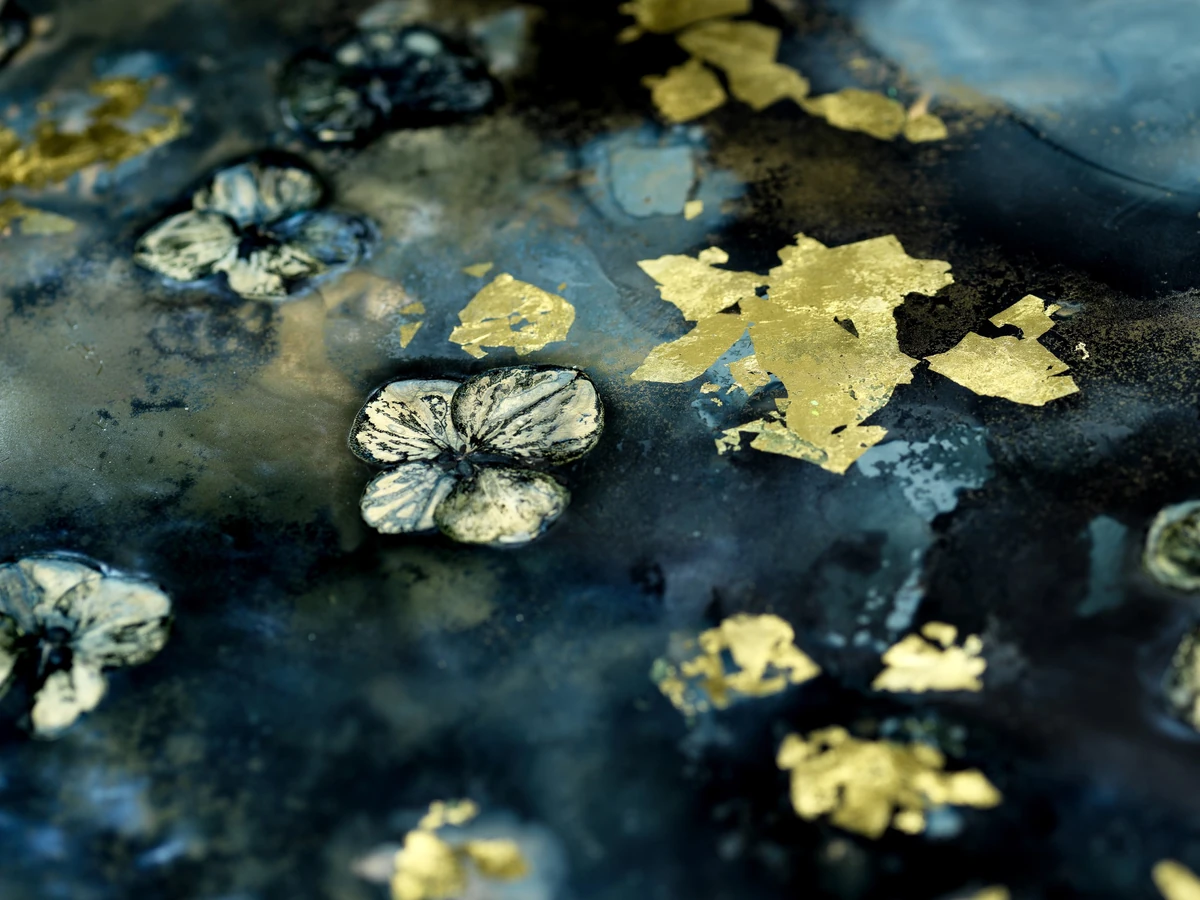
Verre églomisé — meaning ‘glass eglomisé’ in French — is the ancient art of reverse gilded glass: laying gold, silver or metal leaf onto the back of a glass panel, then painting and protecting the reverse so the finished surface is viewed through the glass itself. The technique produces surfaces of extraordinary depth, warmth and luminosity that cannot be replicated by any other means.
A gold-leafed mirror panel is not a surface, it is a field of light that shifts with every hour of the day.
Verre églomisé takes its name from Jean-Baptiste Glomy (1711–1786), a Parisian frame-maker who popularised the technique of gilding the reverse face of glass and engraving through the leaf to create a decorative design. The technique itself is considerably older — reverse glass gilding appears in medieval manuscripts and early Venetian mirrors — but Glomy's work brought it to wide decorative use, and the name has remained.
The method works by laying gold, silver or metal leaf onto the rear face of the glass using gelatine size as an adhesive. Leaf is applied to the lightest areas first; darker tones and background colours follow in successive layers — highlights before background. The glass face is the viewing face and is never touched during the work. The result is a surface of unusual depth: the gold appears to sit behind the glass rather than on it. Available leaf types include gold, silver, platinum, copper, aluminium, nickel, chrome and bronze.
Make Bespoke Studio works with specialist verre églomisé artists to produce panels to commission, from satin-finish gold panels and antiqued silver mirror work to architectural compositions in metal leaf and polychrome. Commissions range from small furniture insets to full-height feature wall panels. The metal leaf itself — gold, silver, platinum, copper and the imitation metals, with their characteristic tarnish and patina behaviour — is covered in our materials guide to verre églomisé panels, alongside our gallery of recent finishes.
Verre Églomisé Processes
The glass panel is cut to size, thoroughly cleaned and degreased. Even a fingerprint on the gilding surface will prevent proper adhesion of the leaf.
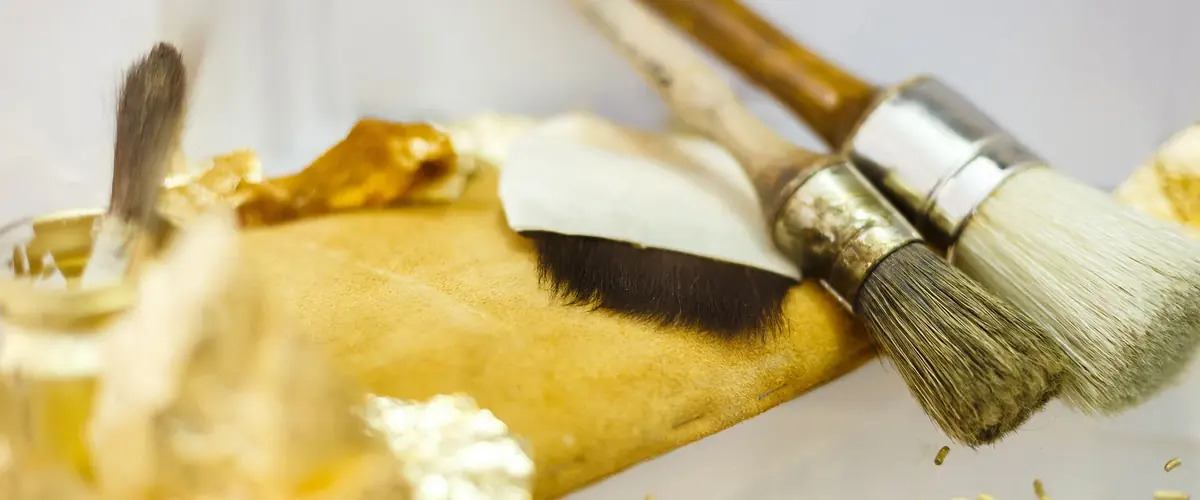
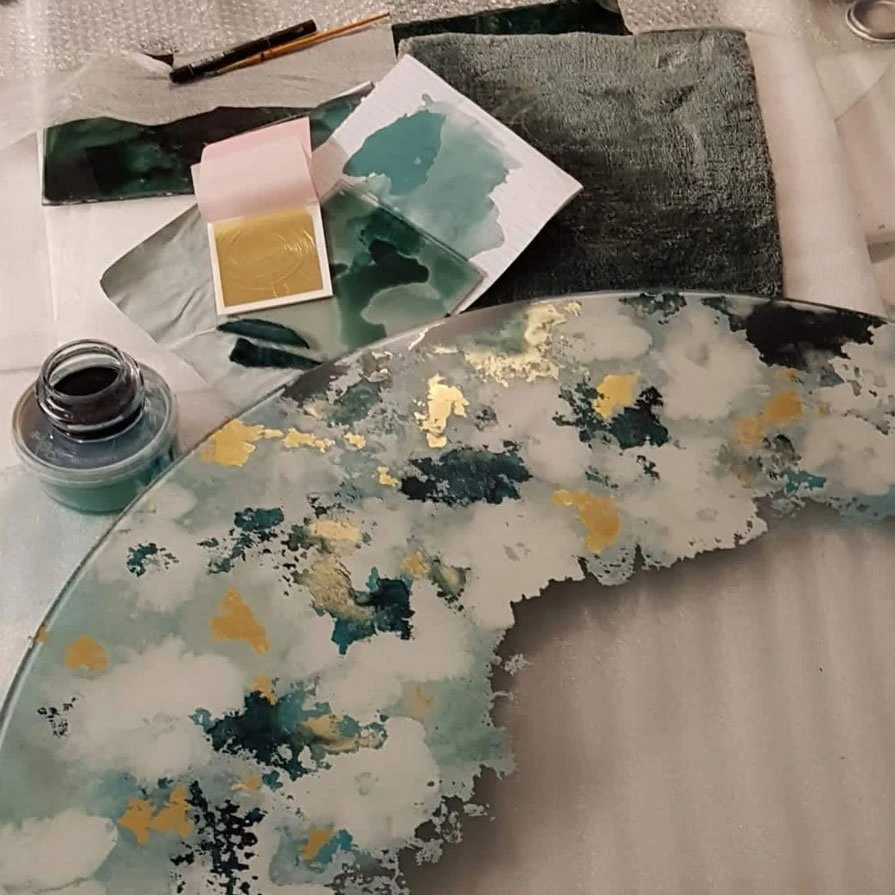
A thin layer of gelatine size is applied and allowed to tack. Gold, silver or specialist metal leaf is laid piece by piece with a gilder's tip, building up from lightest to darkest — highlights first, background last. Multiple layers build depth and tonal range.
Get in touch if you’d like to elevate your project with reverse-gilded glass.
Samples are made for each project, so tell us about yours.
Working from the reverse, the artist engraves or paints into the leaf to develop the design. Because the glass face is the viewing face, all work is executed in mirror image; scale and composition must be planned with this in mind from the outset.
The completed panel is sealed on the reverse with a protective paint or backing material, and the glass face, which is now the viewing face, is cleaned and polished.
Verre Églomisé Design
Commissions begin with drawings. Designers and architects can supply their own artwork for execution in églomisé, or the studio develops compositions and colour palettes to brief. Scaled sketches and physical samples of the specified technique are produced for approval before work on the commission piece begins.
Verre églomisé is executed in reverse — highlights before background, the glass face never touched during the work. The build sequence must be resolved before leafing starts; adjustments to composition or colour are straightforward at that point and difficult after. Samples establish both the design and the process before the commission piece is committed to.
Scale is not a constraint. Commissions range from small furniture insets to full-height wall panels. Site-specific architectural installations are coordinated with the installation team at the specification stage. Lead times depend on scale and complexity.
Modern Materials
Gold, silver, platinum, copper, aluminium, nickel, chrome and bronze leaf are all workable on glass. High-carat gold will not tarnish. Silver can be sealed to stabilise the finish or left to develop a natural patina over time. Copper and brass leaf oxidises — depending on the commission, the resulting shift in surface quality can be a deliberate choice rather than a problem to avoid.
Glass used is typically low-iron at 4–12mm, selected on the basis of application and installation requirements. Toughened glass cannot be altered once processed — dimensions, edge details, cut-outs and bevels must all be confirmed before the glass is sent for toughening. The viewing face is never touched during the work.
Gilded Glass
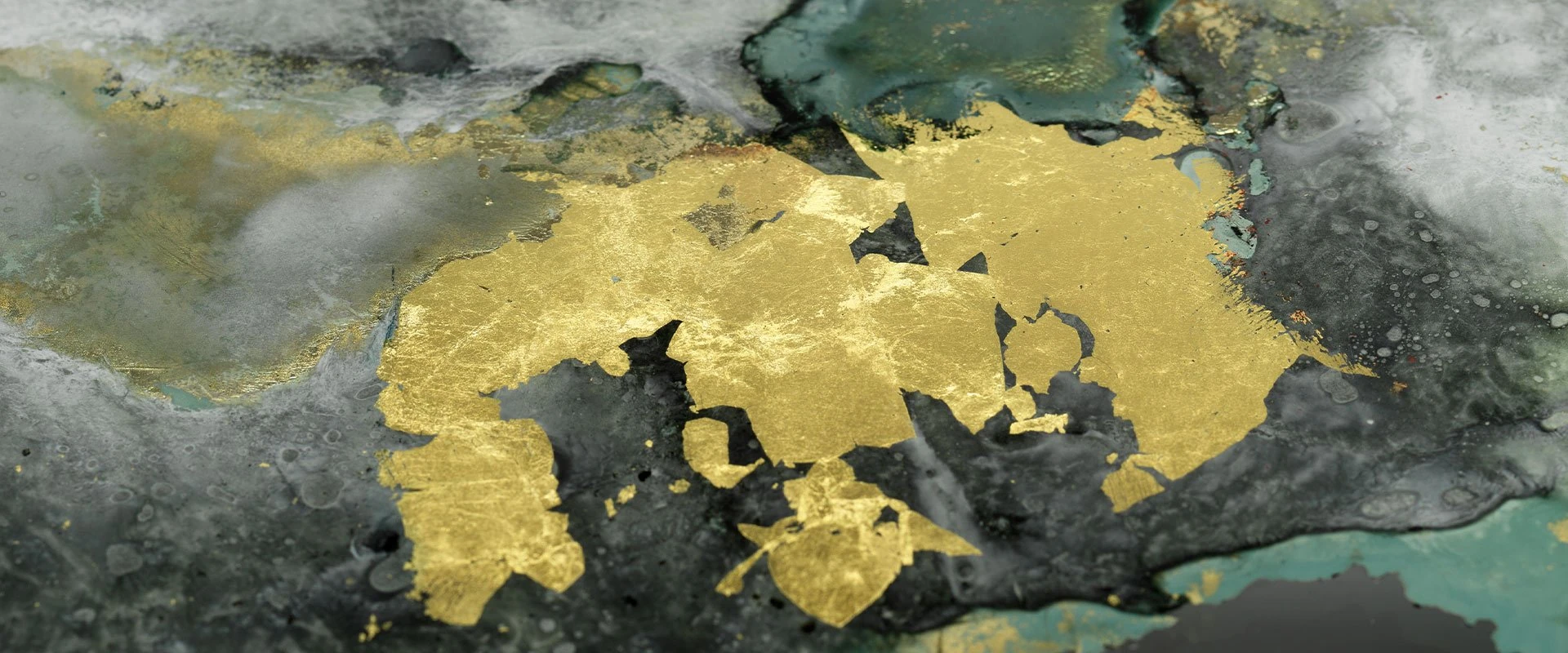
For the gilding process, we apply high carat gold, silver or other metal leaf combined with polychromes to achieve the mirror-like reflective finish, which is applied to the glass using a delicate gelatine glue. We can work to any colourway and design artwork to compliment any interior scheme. Real gold, silver, platinum can be used for the gilded sections, or any precious metal leaf. For the difference between the two main gilding methods, see water and oil gilding.
Water Gilding With Real Leaf
In general, leaf can fade if not sealed, and it may also fade when exposed to UV light. A good quality UV sealer can prolong the colour of the leaf, but we can also let the leaf fade naturally in sunlight to create muted tones. Genuine gold leaf is the most popular as this allows for more variety of textures and patterns. A high carat gold leaf won't tarnish so much, but leaf metals like copper and brass leaf can be used, but will oxidise and change over time, even when sealed. Silver leaf can also be used for some designs and can be allowed to live, or made stable with the suitable sealer.
Variegated Metal Leaf
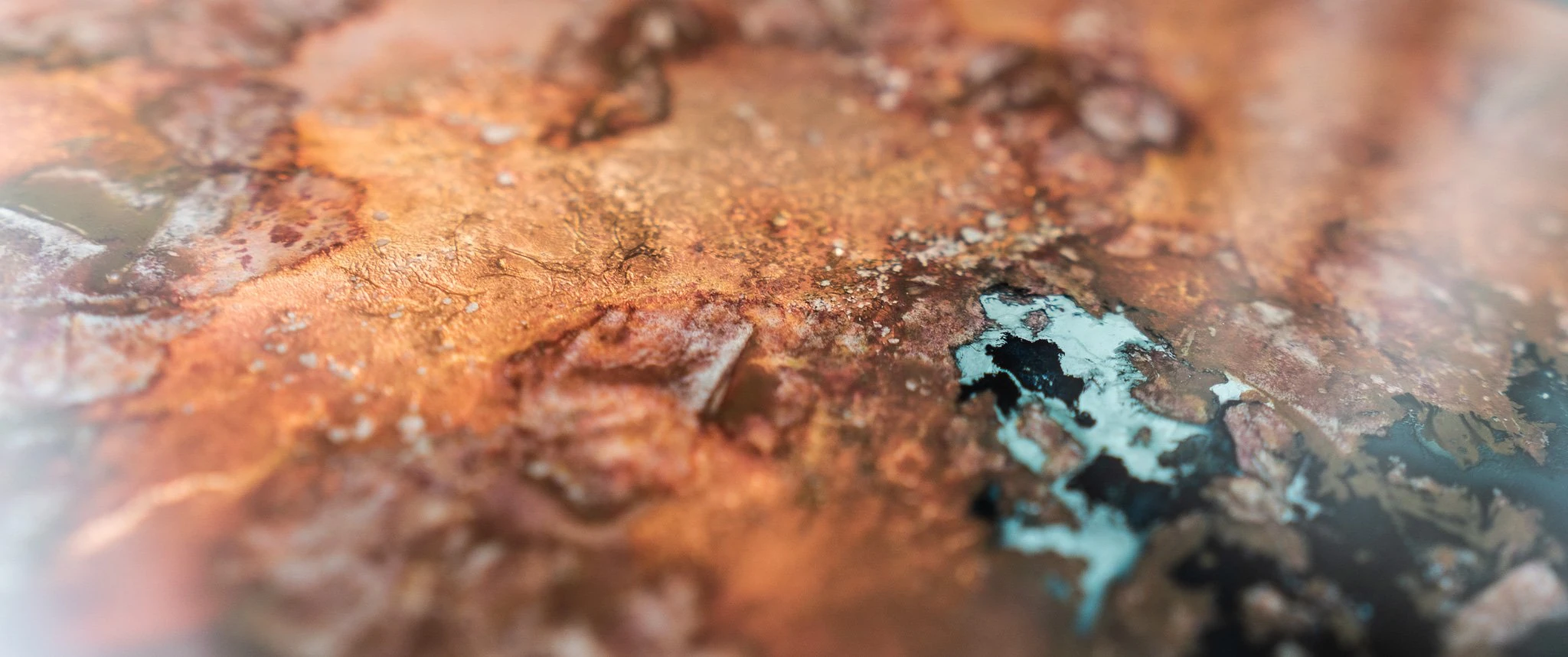
Variegated leaf — mechanically shredded into fine flakes — creates different surface effects depending on application: sprinkled lightly onto a tacky ground for broken colour, or pressed flat to produce a cracked finish. Imitation metals require sealing with lacquer to prevent tarnish. Dutch gold (imitation gold leaf) ages and deepens in character over time; some commissions specify this quality deliberately.
Dutch Gold
A high carat real gold should remain true in colour and will not tarnish, but a 'Dutch gold' can also be applied to the glass. This imitation gold and will age and tarnish over time, adding interest and a deeper texture to the work. Layers of paints/pigments are then added and some final back-gilding, in semi-transparent sections, for luminous highlights. Gilded with Dutch gold fragments, hand painted with pigments, paints, powders. The semi transparent leaves are then back-gilded to add highlighted sections.
Reverse Painted Glass
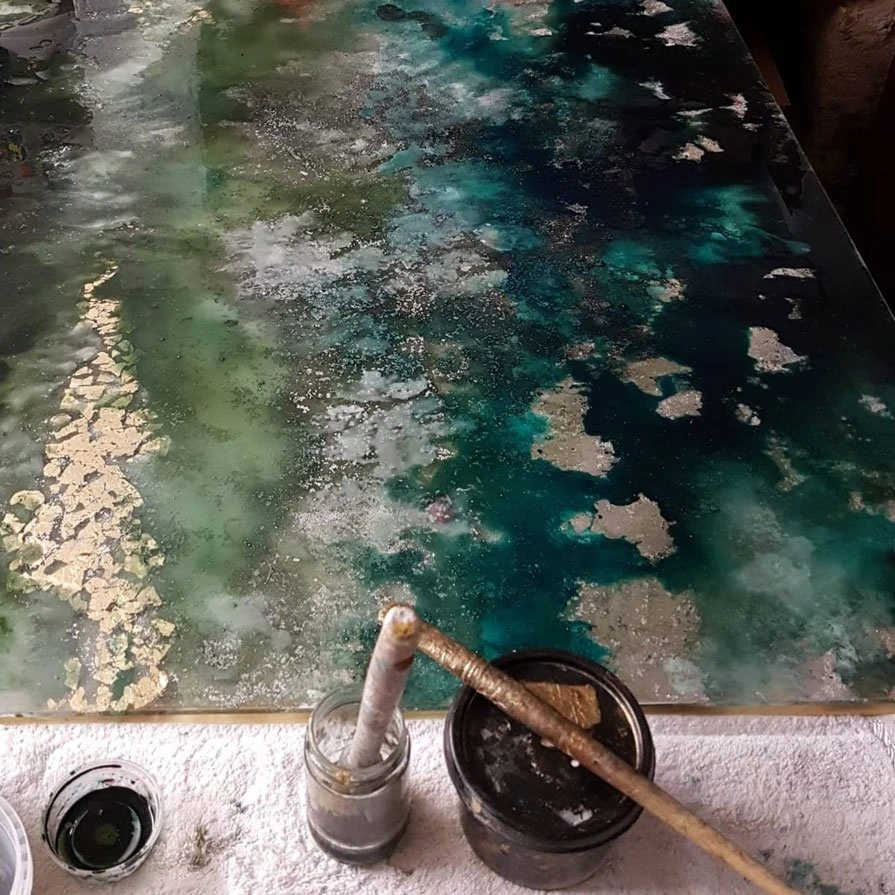
Pigments and powders, and gold leaf applied to areas that are distressed once the original layer of silver has dried and adhered to the glass. The decorative glass surfaces are made from reverse painting glass. We work with many different colours and materials to make truly original designs. Painting on glass with coloured metallic-effect mica powder pigments that create eye-catching shimmering colour effects which move and react in the light. We generally use low iron glass at 4 to 12mm thick, depending on the usage and how it is to be installed and can add in edge details such as bevels, or cut outs, laminating and shaping of the glass. Almost all glass that we work with is toughened which cannot be altered once it has been processed.
Antiqued Mirror
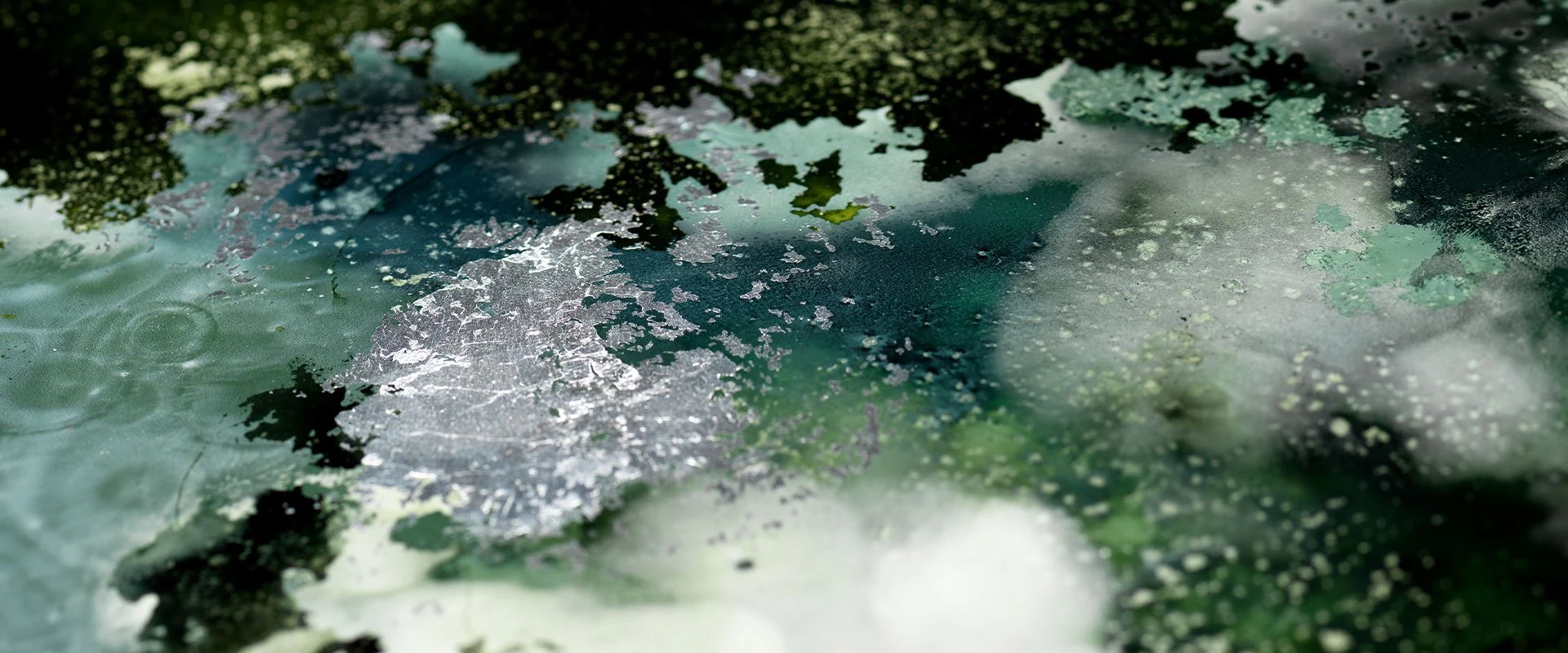
The use of gilding glass produces a reflective surface, producing a mirror like finish on the surface that resembles antique mirror. These mirrored surfaces use different leaf types and coloured pigments for this gilded glass technique, and gives rise to a wide range of antique mirror surfaces which can be used in a variety of luxury furniture applications.
A distressed hand gilded mirror is another term for a type of mirror that has been chemically treated to give it a distressed appearance, like foxing. This treatment creates a natural patina that gives the piece a vintage feel. Please see the link to our antique mirror materials page for more examples:
Modern Techniques
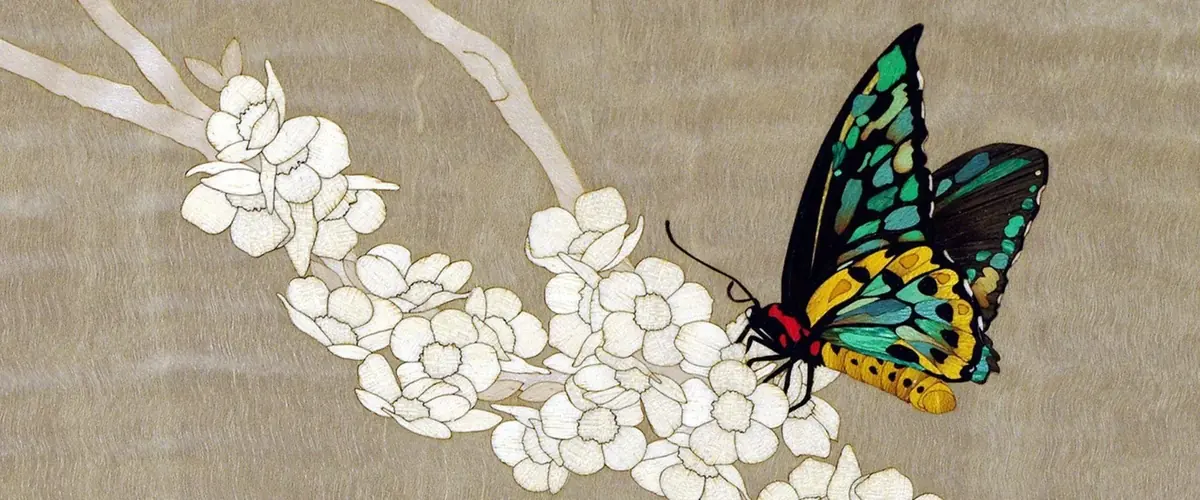
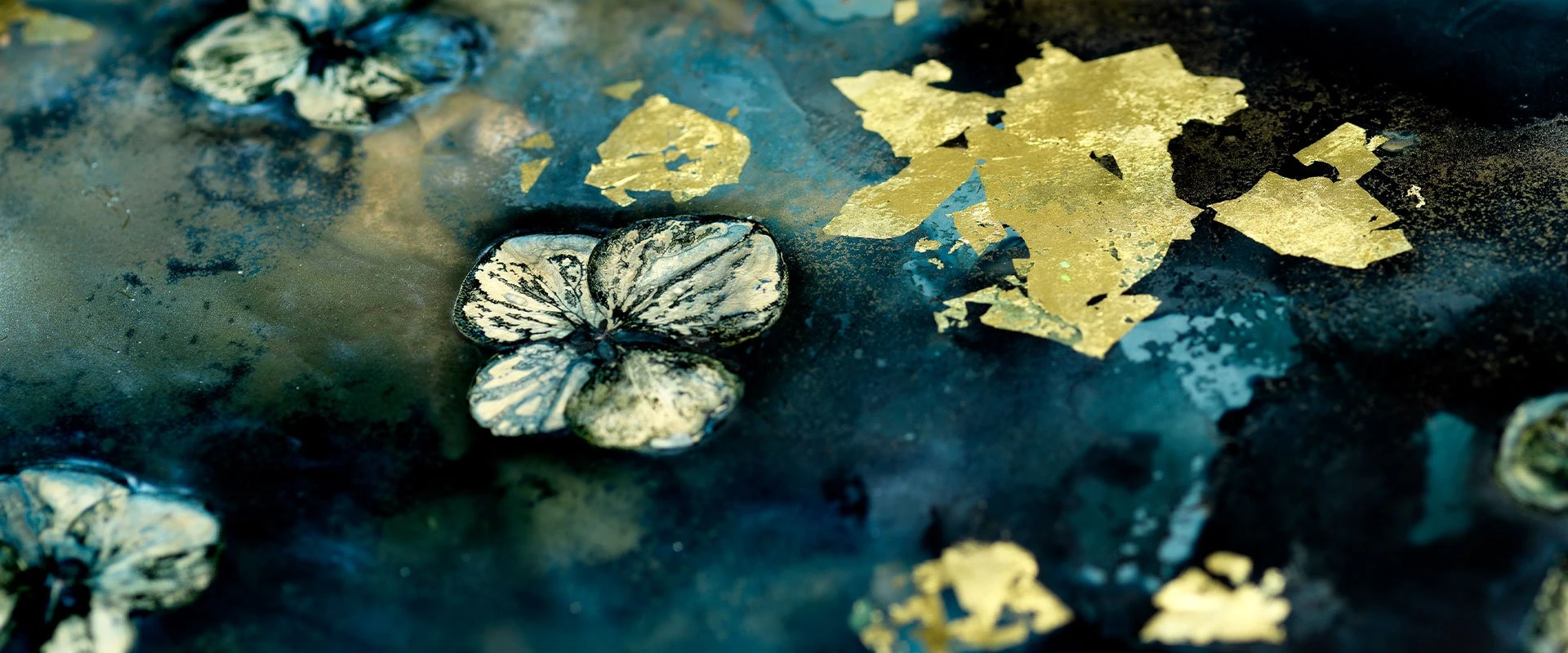
Today, special paints in strong, lightfast colours have been developed for the signwriting trade which allow us to produce colour charts by mixing these pigments to create a palette of suitable colours for the bespoke surface. We use a number of techniques to create our contemporary verre églomisé, which include etching designs into the glass and leaf. We also use a decoupage technique to break up the leaf into fragments to form abstract patterns. Whilst a floral design remains popular, with etched flower motifs on much of our work, we are also able to produce more modern abstract designs for a more contemporary look.
Where verre églomisé belongs
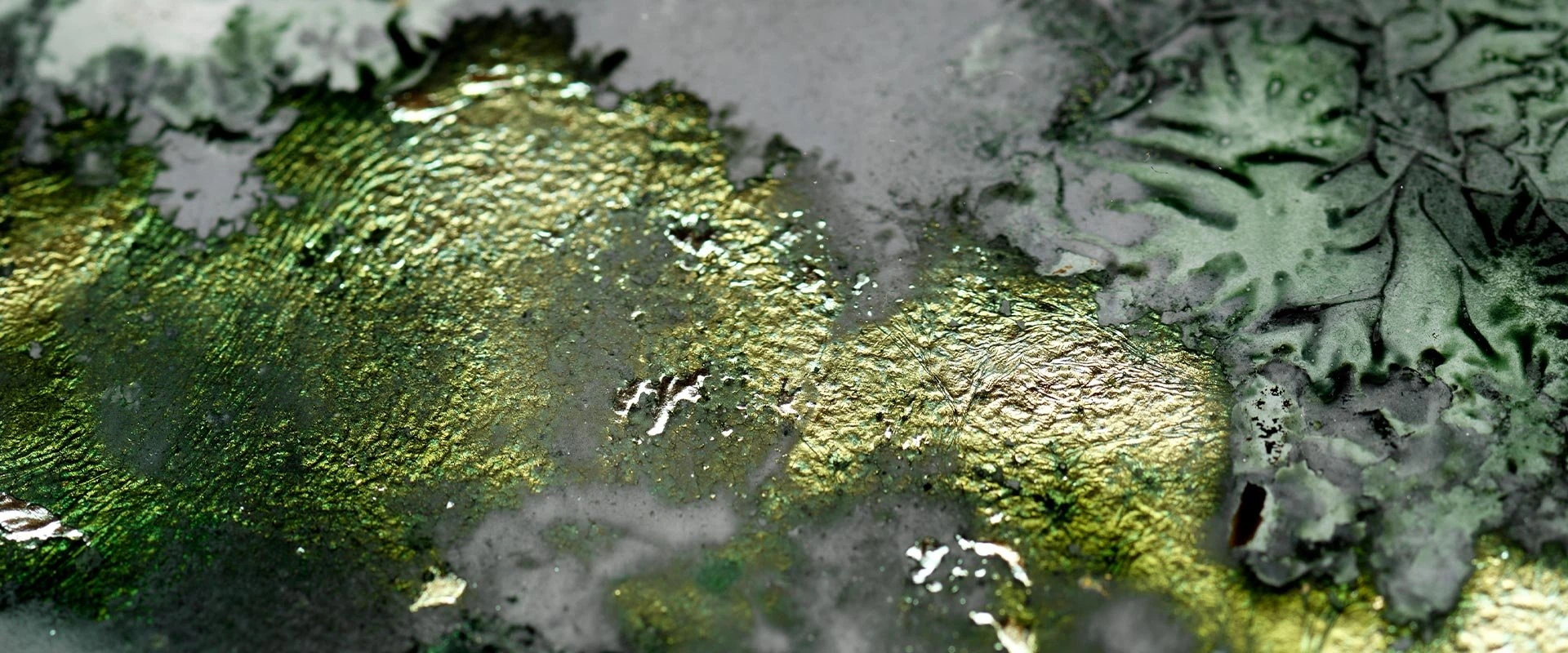
Verre églomisé works at any scale. A small inset panel in a piece of furniture and a full-height architectural installation are both within range. It is most effective where it can catch and interact with changing light — at a bar back, as a mirror wall, or as a cabinet inset seen from across a room.
- Mirror and mirror frame inserts
- Bar back panels
- Cabinet door inserts
- Feature wall panels
- Backlit ceiling and wall panels
- Headboard inserts
- Table top protective glass panels
Luxury Bespoke Furniture Design
For designing luxury bespoke furniture, a verre églomisé surface could be used for a table top, such as a side table or console, or even as a dining table surface. We can also make eglomise panels for doors of sideboards, credenzas, and cupboards or bar cabinets.
Eglomisé Feature Mirrors
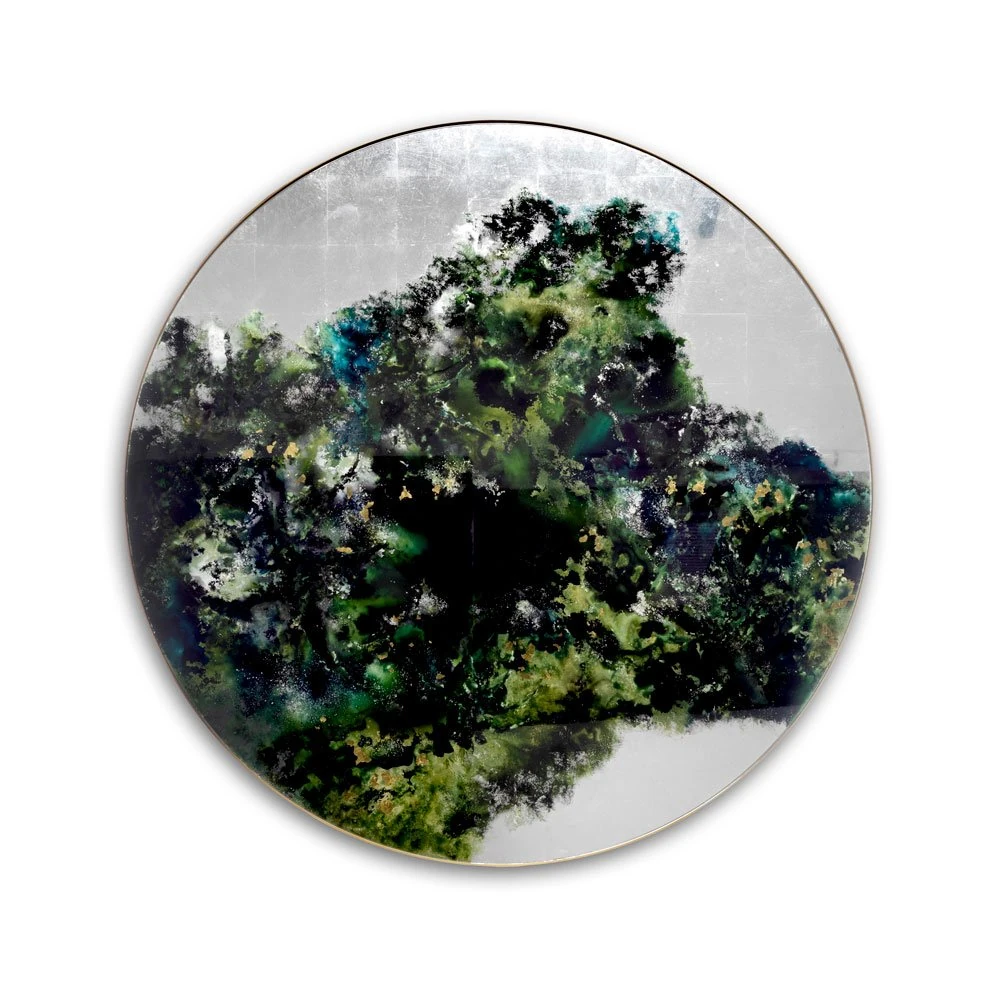
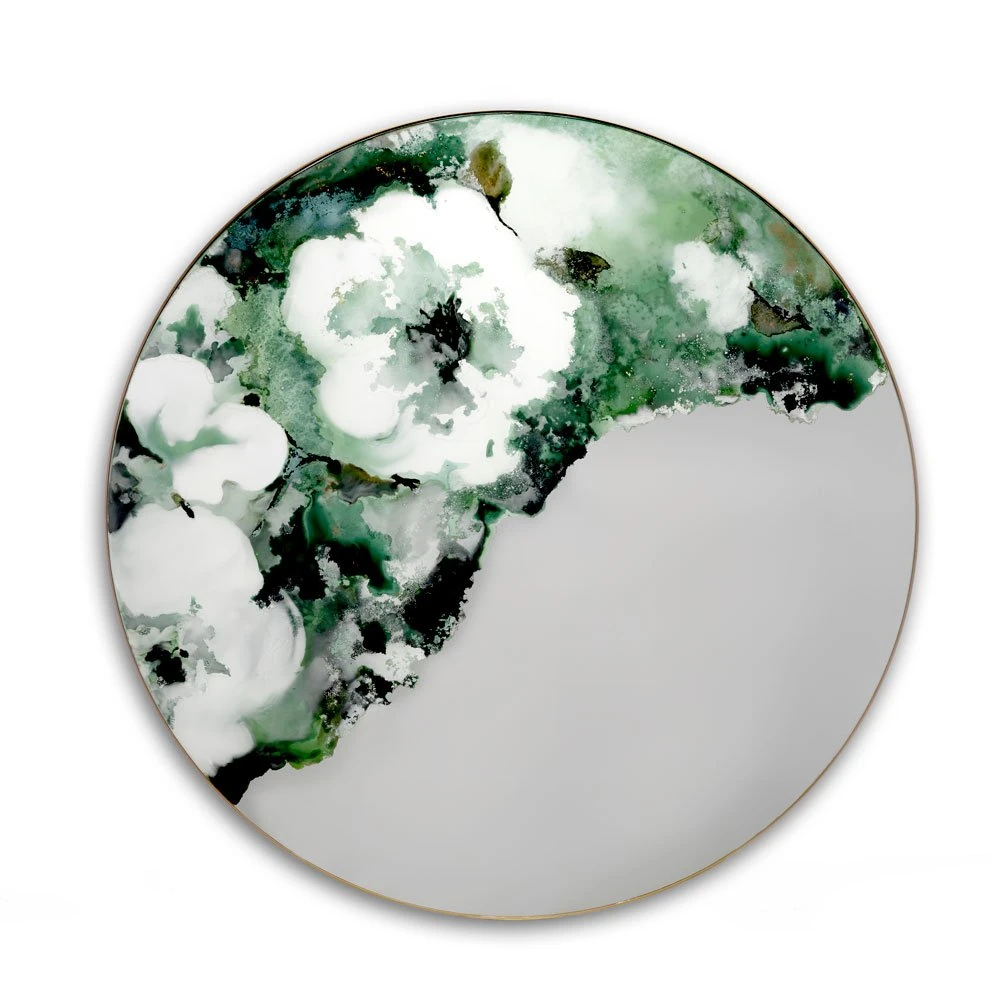
A decorative mirror is a common use for verre églomisé, which acts as a stand-alone piece of artwork. We have produced a number of round wall mounted mirrors with a circular metal frames. It's also possible to make an entire feature wall using decorative panels of mirrors using the same technique but on a much larger scale.