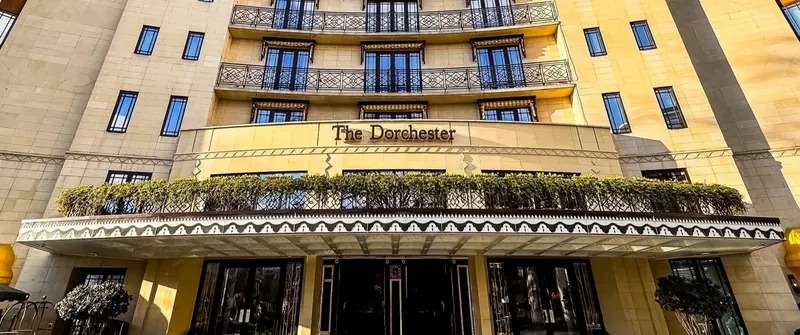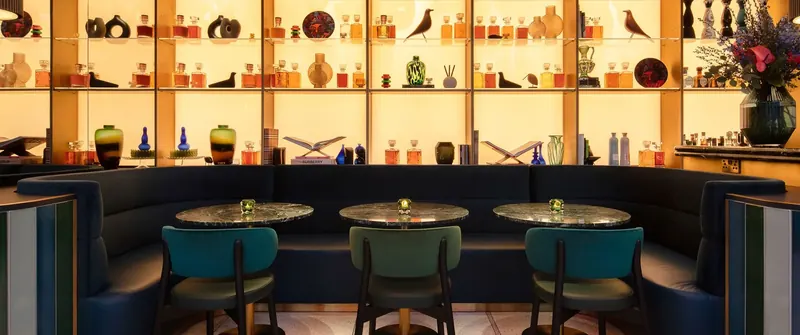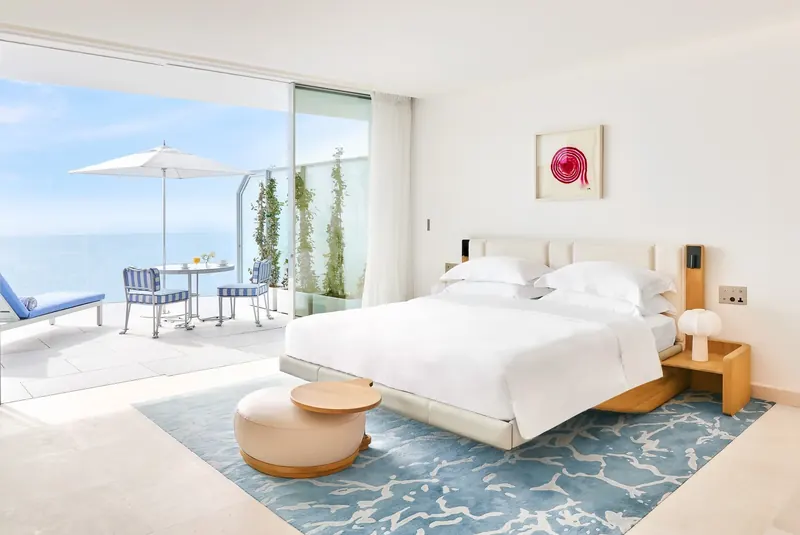
FF&E stands for furniture, fixtures and equipment: the loose and fitted items, from beds and seating to joinery, lighting and soft furnishings, that turn a finished building shell into a working hotel or restaurant.
An hour before a hotel opens, the lobby is quieter than it will ever be again. Protective film is being peeled off table tops, a porter is wheeling the last headboard down a corridor that smells of fresh paint and packing blankets, and somewhere above you there are two hundred guest rooms waiting to be dressed — each one identical to the last, each one needing its bed, its desk, its wardrobe and its reading light in place before the first key card is issued. All of that — the things you sit on, sleep in, store your shirts in — is FF&E. FF&E stands for furniture, fixtures and equipment: the loose and fitted items that turn a finished building shell into a working hotel or restaurant. It covers everything that is not part of the structure itself — the beds, chairs, sofas and tables, the joinery and casegoods, the lighting, mirrors and soft furnishings. In hospitality it is one of the largest and most visible parts of any project, and getting it made and delivered well is what makes an interior feel resolved rather than merely furnished. It is the heart of our hospitality work.
What FF&E includes
FF&E is a broad schedule, but it generally breaks down into a few families. Furniture — beds, headboards, seating, banquettes, tables, desks and case goods. Fixtures — the fitted joinery that is screwed and scribed to the building: wardrobes, vanities, minibar units, reception desks, panelling and built-in storage. Equipment, in the FF&E sense, is the loose decorative and functional layer — lighting, mirrors, and the styling pieces that dress a room. The numbers are easy to underestimate. A single guest room can carry dozens of FF&E line items, from the bed frame down to the bedside tray, and a whole property runs to thousands. Walk a procurement schedule with a designer and you feel the weight of it: page after page, every item drawn, costed and dated.
FF&E vs OS&E vs the fit-out
Two distinctions matter, and they are the ones most often blurred. The base build (or shell-and-core) is the structure, services and fixed finishes — the bones of the building, not FF&E. OS&E (operating supplies and equipment) is the operational kit a hotel needs to trade — the crockery, linen, glassware and amenities that get replenished week after week — also separate from FF&E. FF&E sits between the two: the designed, made-to-order furniture and joinery that gives the interior its character and has to be specified, manufactured and installed to a programme. It is the part where bespoke makers like us come in.
How a bespoke FF&E package is delivered
A hospitality FF&E package runs all the way from a schedule and a set of design drawings to installed, signed-off furniture standing in a finished room. We work from the designer's FF&E schedule and specifications, value-engineer where it genuinely helps without thinning the design intent, prototype and sample for approval, manufacture across our workshop network, and coordinate delivery and installation to the site programme. That last stretch is where the discipline shows. Because a hotel opens to a fixed date that has already been sold to guests, programme and consistency are everything — a guestroom set repeated two hundred times must be identical down to the grain match and the edge profile, durable enough to survive a decade of suitcases and cleaning trolleys, and delivered on the day the floor is ready, not before and certainly not after. The first time we shipped a full guestroom run at this volume, what stayed with me was not the making but the choreography — a lorry timed to a lift booking, a snagging list closed room by room while the next pallet waited in the yard. It is a different craft from one-off residential work, and it is one we are built for.
Why bespoke FF&E is worth it
Off-the-shelf contract furniture is cheaper, and for some projects it is the right call — but it limits the design and rarely fits the space exactly, leaving the awkward gaps and near-misses that a guest can never name but always senses. Bespoke FF&E lets a designer realise a specific vision — the right proportions, the right materials, joinery that resolves cleanly around a pillar or a sloping eaves line — while still meeting the contract-grade standards of durability and fire compliance that hospitality demands and that the building control officer will check. For a hotel or restaurant whose interior is part of its brand, that control is the whole point.
Planning an FF&E package
The best FF&E outcomes start early, with the maker at the table alongside the designer, so that buildability, budget and programme are understood while there is still time to act on them rather than discovered when the lorries are loading. If you are planning a hotel, restaurant or members'-club project and want a partner to carry the FF&E from schedule to switched-on room, we would be glad to talk it through.