British craft, in
ambitious hands.
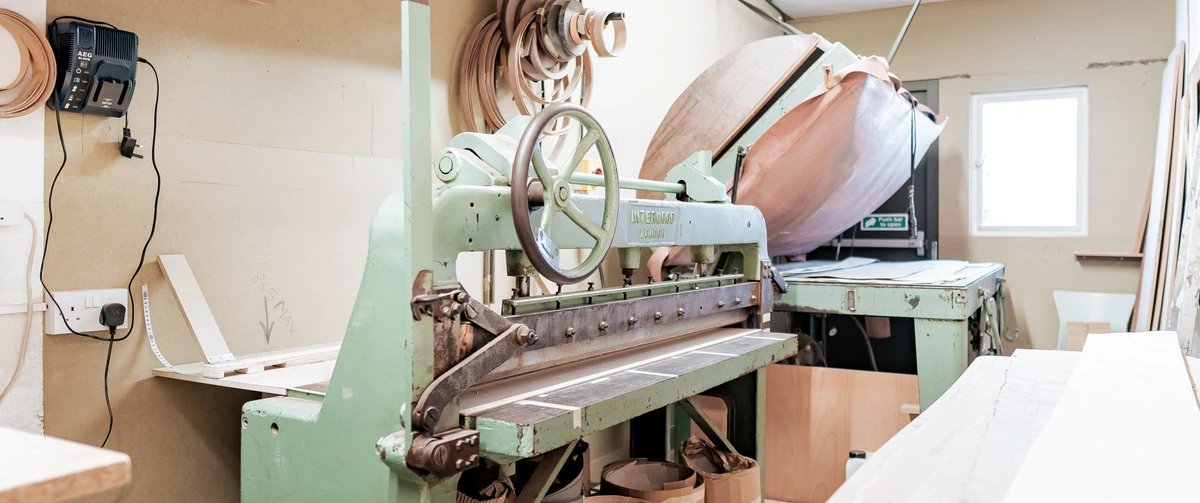
Fifteen workshops, British craft at the core, and one studio accountable for putting them at the disposal of designers with something difficult in mind.
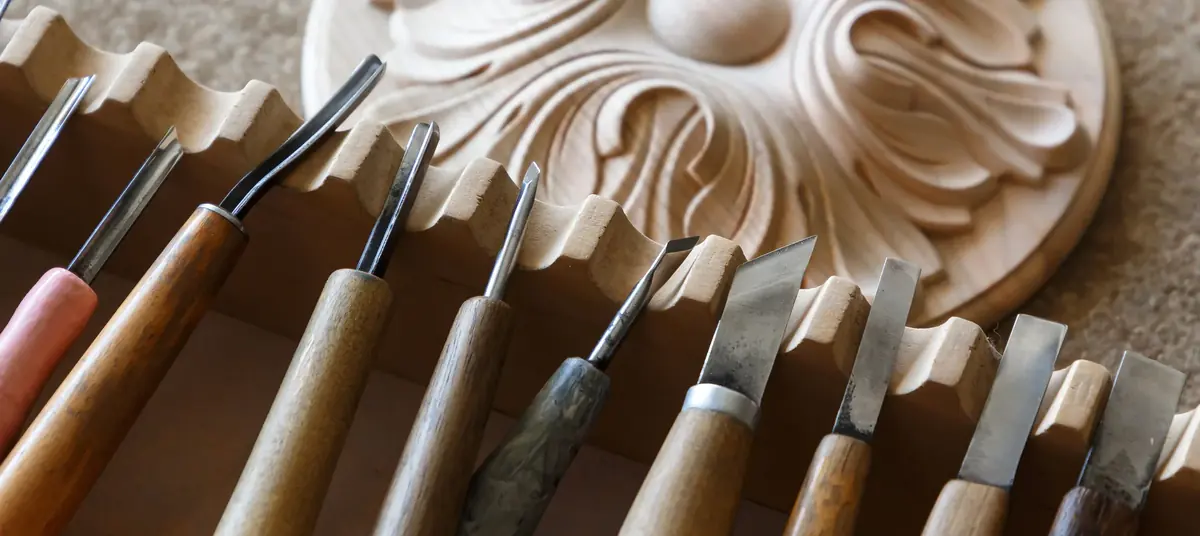
Britain still has extraordinary makers — veneer layers, gilders, French polishers, metalworkers, upholsterers who can hand-tie a seat. What it has fewer of every year is the steady stream of demanding work that keeps those skills alive and worth training into.
That is the studio's first purpose. We manage from London and produce through a network of fifteen workshops — British benches for the hand-crafts of metalwork, cabinetmaking and upholstery, and specialist partners abroad where a discipline or a capacity genuinely lives elsewhere. Murano glass is made in Murano. That is not a compromise, it is the point.
The second purpose is the designers we work for. An interior designer's best ideas are usually the ones nobody has told them how to build. Our job is to remove that ceiling — to bring the making knowledge early enough that ambition survives contact with the programme, and the finished room is better than the one that was drawn.
How we work.
The right bench for the work
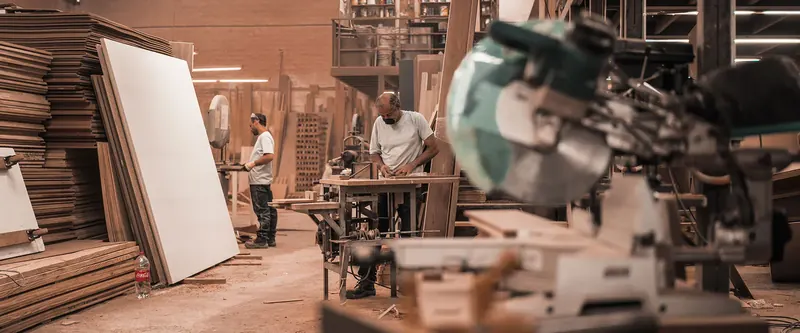
Each discipline goes where it is done best. British workshops carry the hand-crafts and keep those trades in work; Murano, Bergamo, Łódź and Istanbul bring skills and scale Britain does not have. The studio names the maker either way, because anonymous manufacturing is how craft gets devalued.
The designer's ambition sets the brief
We start from what the scheme wants to be, not from what is easy to produce. If an idea has not been built before, that is a question for the workshop, not a reason to redraw it.
Knowledge shared early
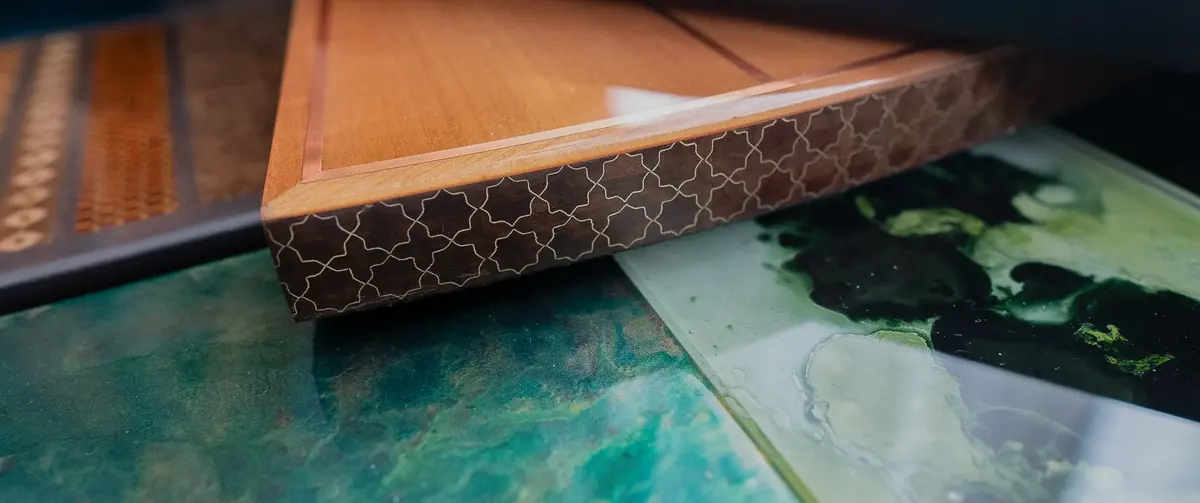
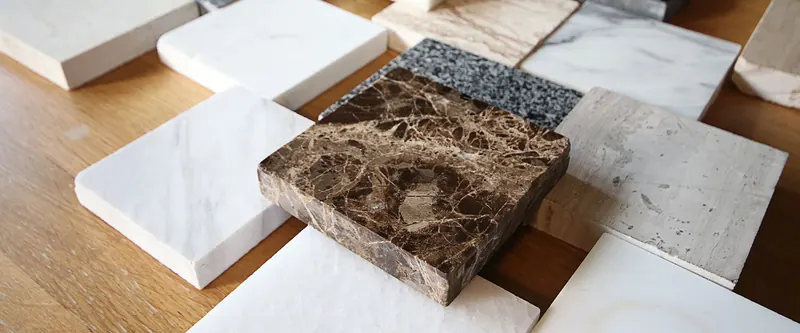
Samples, prototypes, sections and honest technical advice, while drawings can still change cheaply. Designers specify with far more confidence when they can hold the thing and know how it will behave.
Design first, wherever it is made
Drawings, specification and quality control stay with the studio in London. A partner factory realises the design; it never redraws it to suit its own machinery.
Materials chosen for how they age
A finish that photographs well on day one and marks badly in year three has not done its job. We specify for the tenth year of a piece's life, and say so when a material will not take the wear a room will give it.
One studio, accountable
Across furniture, joinery, lighting and flooring, responsibility sits in one place. Coordinating the trades is our problem to solve, not something handed back to the design team.
Confidentiality as standard
A great deal of our work is for clients and venues we will never name. Discretion is a condition of being trusted with the work, not an add-on to the service.
What this looks like on a project.
In practice it means a maker in the room while the drawings are still moving, and a workshop asked "can this be done?" before the answer has to be no. It means sample boards, mock-ups and section drawings put in a designer's hands early enough to change their mind for the better.
It also means the unglamorous parts are taken seriously: setting out, tolerances, access, sequencing on site, and documenting finishes so a piece can be matched and repaired years later by the same trade that made it. Most of what makes a commission succeed happens before anything is cut.
If that is how you like to work, the trade pages set out the practical side, and working with an interior designer covers who does what, and when.