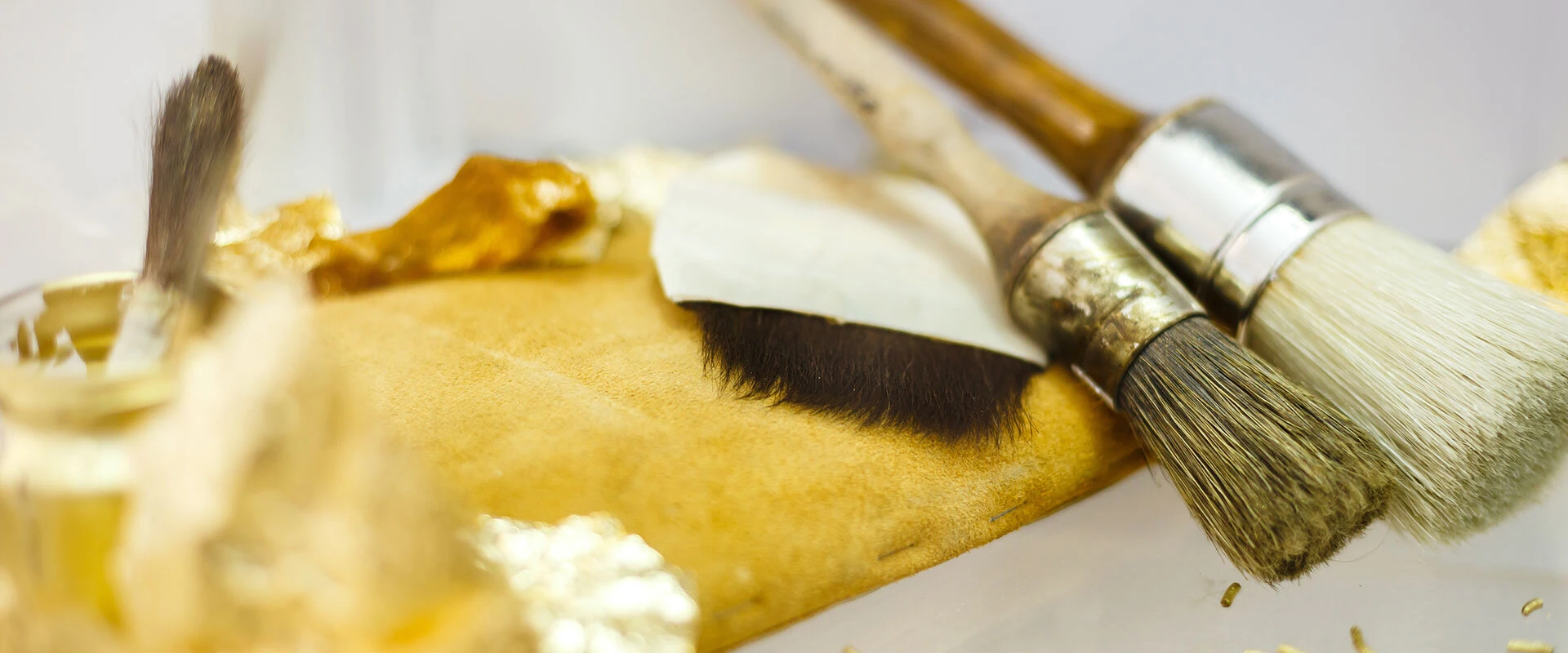
Gold leaf, applied by hand
Water gilding, oil gilding and metal leaf, the highest expression of applied finish.
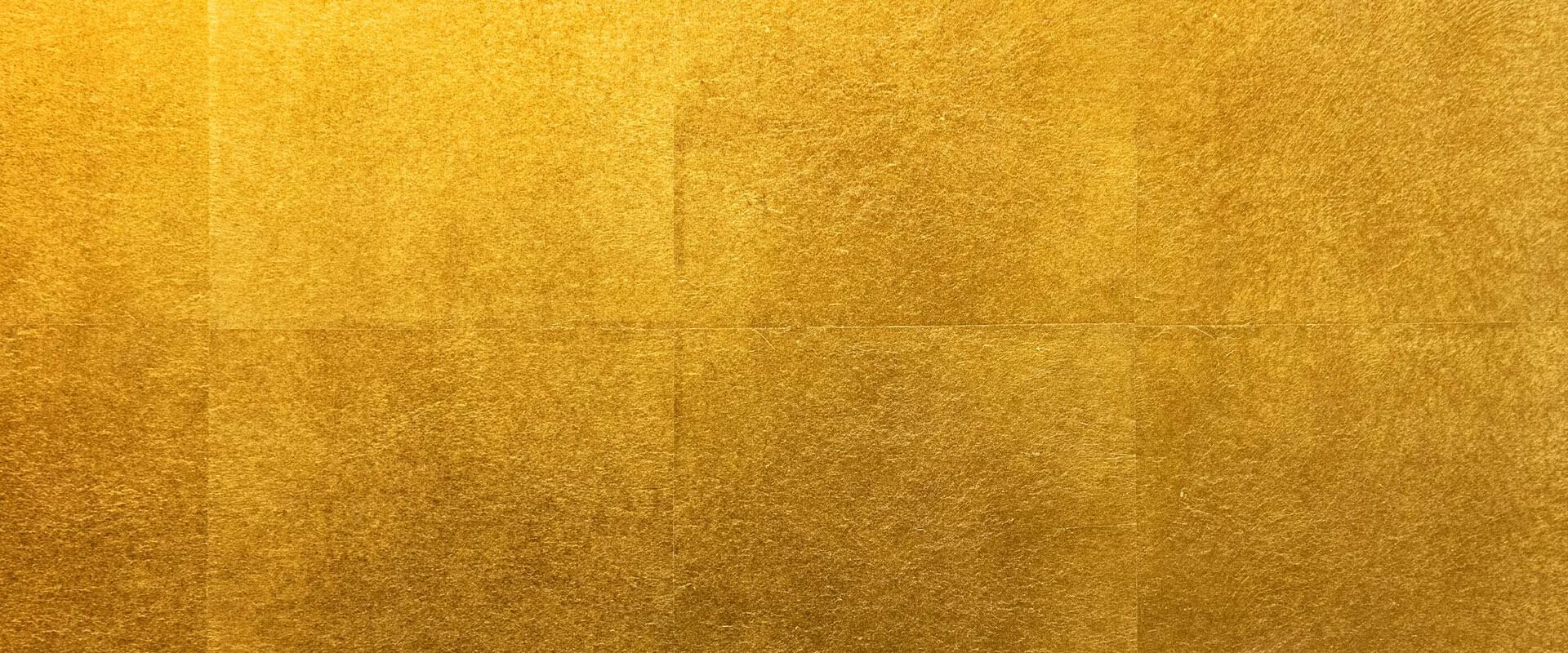
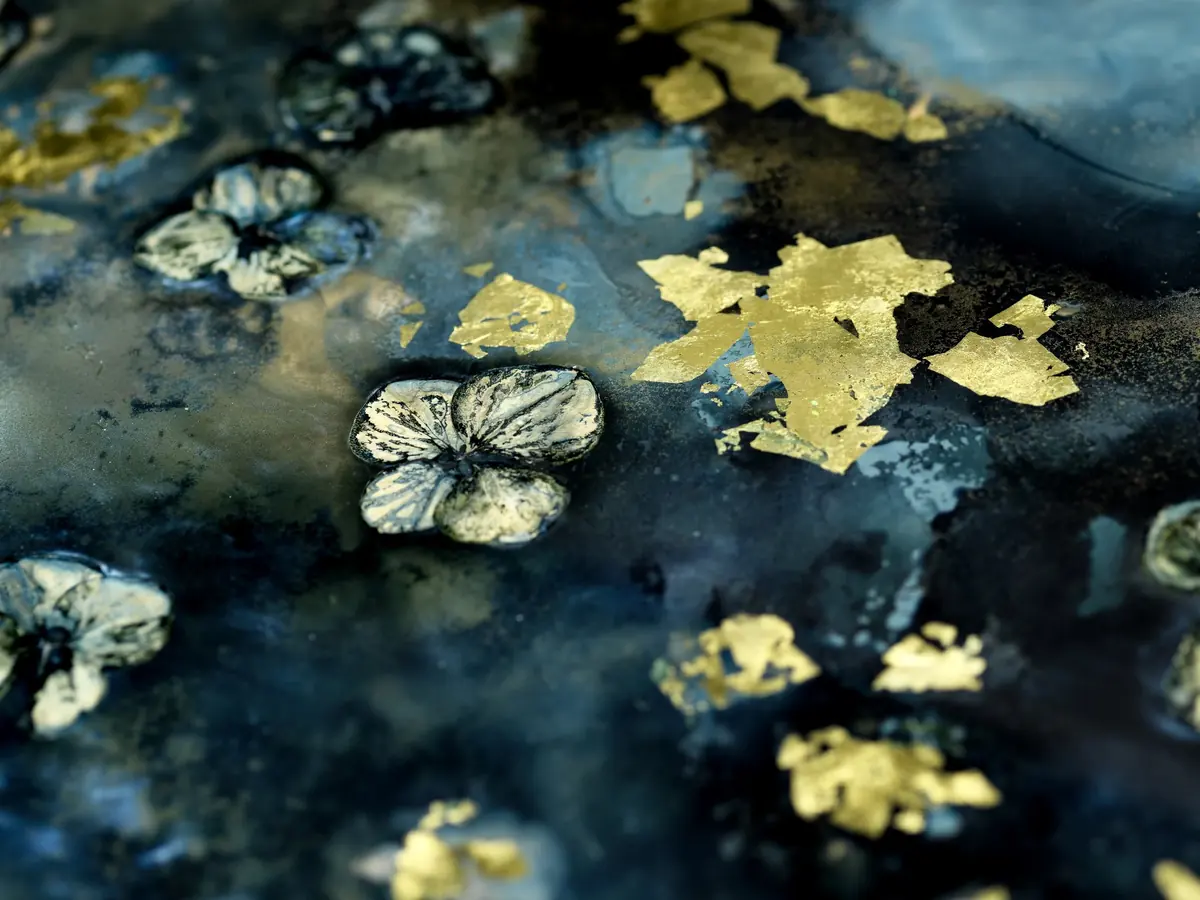
Gilding is the application of metal leaf, gold, silver, copper, aluminium or Dutch metal, to a prepared ground. At Make Bespoke Studio, it is used to finish carved timber, glass panels, lacquered surfaces and architectural joinery elements where a precious surface quality is specified. Gilded furniture, gold leaf furniture, water-gilded frames and mirrors are among the pieces finished this way.
We work in both water gilding and oil gilding. Water gilding, the traditional technique, requires a chalk gesso ground, clay bole, and burnishing with an agate tool to achieve a bright, reflective finish. Oil gilding is more durable and suited to exterior or high-traffic applications.
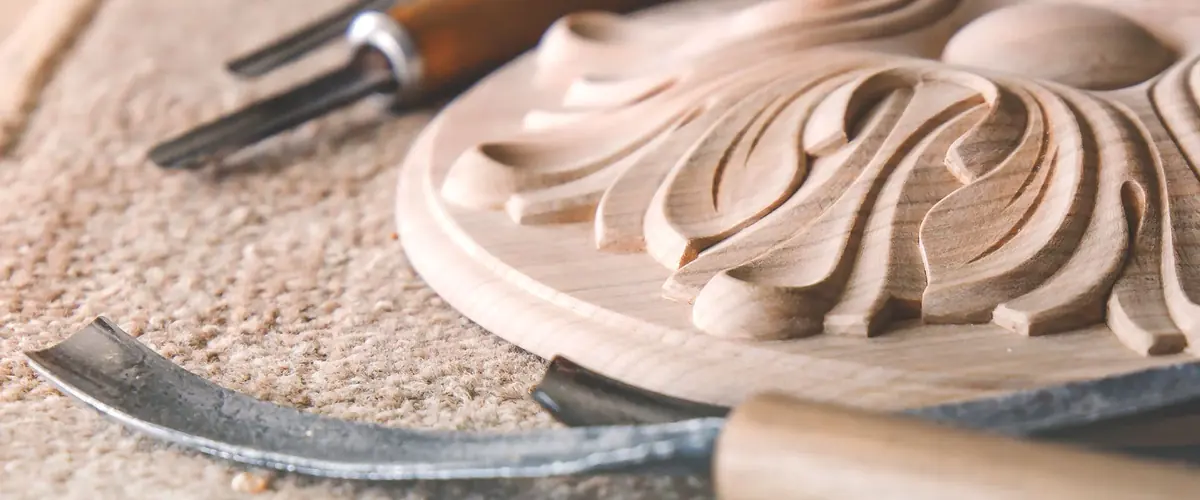
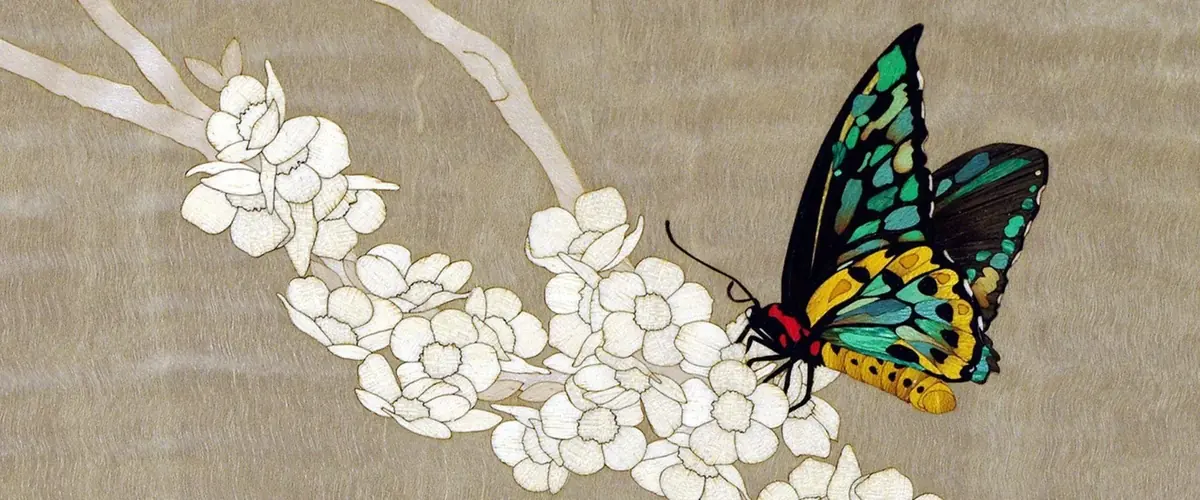
Gilding appears across our hospitality projects, bar fronts, restaurant ceiling coffers, hotel lobby detailing, and residential commissions: dining room niches, console tables, mirror frames and decorative door surrounds. It is often combined with verre églomisé or hand carving.
Get in touch if you’d like to elevate your project with a hand-gilded detail.
Tell us about the piece and the finish you imagine.
How the work is done
Chalk gesso applied in multiple coats, rubbed back between each to a flawless base.
Clay bole, red, yellow or black, applied over gesso, determining the final warmth of the gold.
Metal leaf floated onto wetted bole or oil size with a gilder's tip, lapped at joins.
Agate burnisher drawn across dry leaf to consolidate the metal and achieve brilliance.
Water gilding and oil gilding
The two principal techniques differ in their ground. Traditional water gilding builds the surface on layers of gesso bound with rabbit-skin glue, sanded to perfect smoothness before the leaf is laid — the only method that allows true burnishing, where the gold is polished to a mirror over a clay bole. Oil gilding fixes the leaf to a tacky adhesive size — oil size for the traditional schedule, modern acrylic sizes for faster work — and produces a softer, satin lustre with considerably more durability. Water gilding for the finest interior pieces; oil gilding where the surface must work for a living, which is why it carries most of our hospitality commissions.
Laying the leaf
Leaf arrives in books — whisper-thin sheets that tear at a breath — and is lifted, laid and pressed with soft brushes rather than fingers. On flat panels the work is rhythm; on carved and curved surfaces each leaf is coaxed into the detail, overlapped, and the excess skewed away with a dry brush once the size has set. The skewings are kept: on antique finishes they patch and patinate later layers.
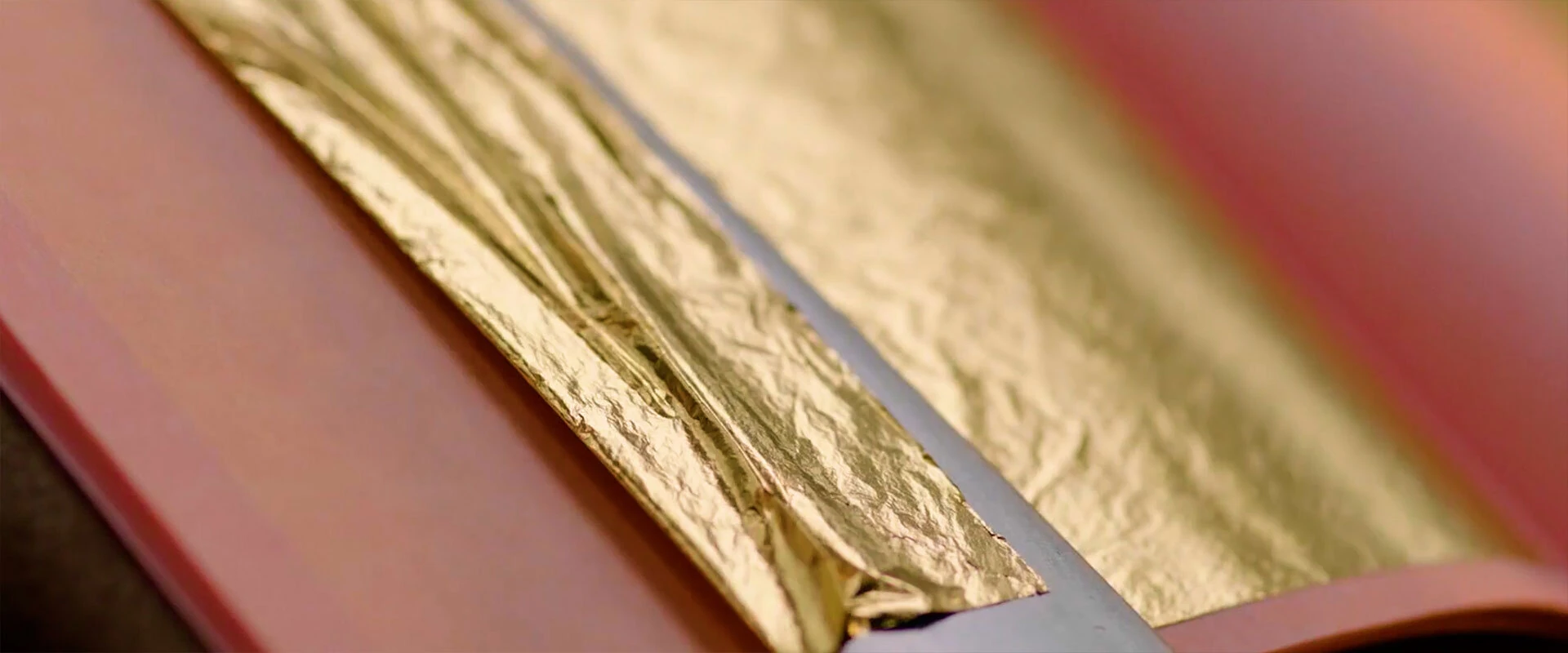
Genuine and imitation leaf
Genuine gold leaf — in carats and shades from pale lemon to deep red-gold — cannot tarnish and needs no sealing on interior work: the finish that improves for a century. Imitation leaf (Dutch metal, brass-based) and aluminium or copper leaf deliver the effect at scale for larger schemes; they require sealing against oxidation, which we build into the finish schedule. Silver and white golds open the palette further. The honest conversation about where genuine earns its cost — and where imitation serves the design equally well — is part of every gilding commission.
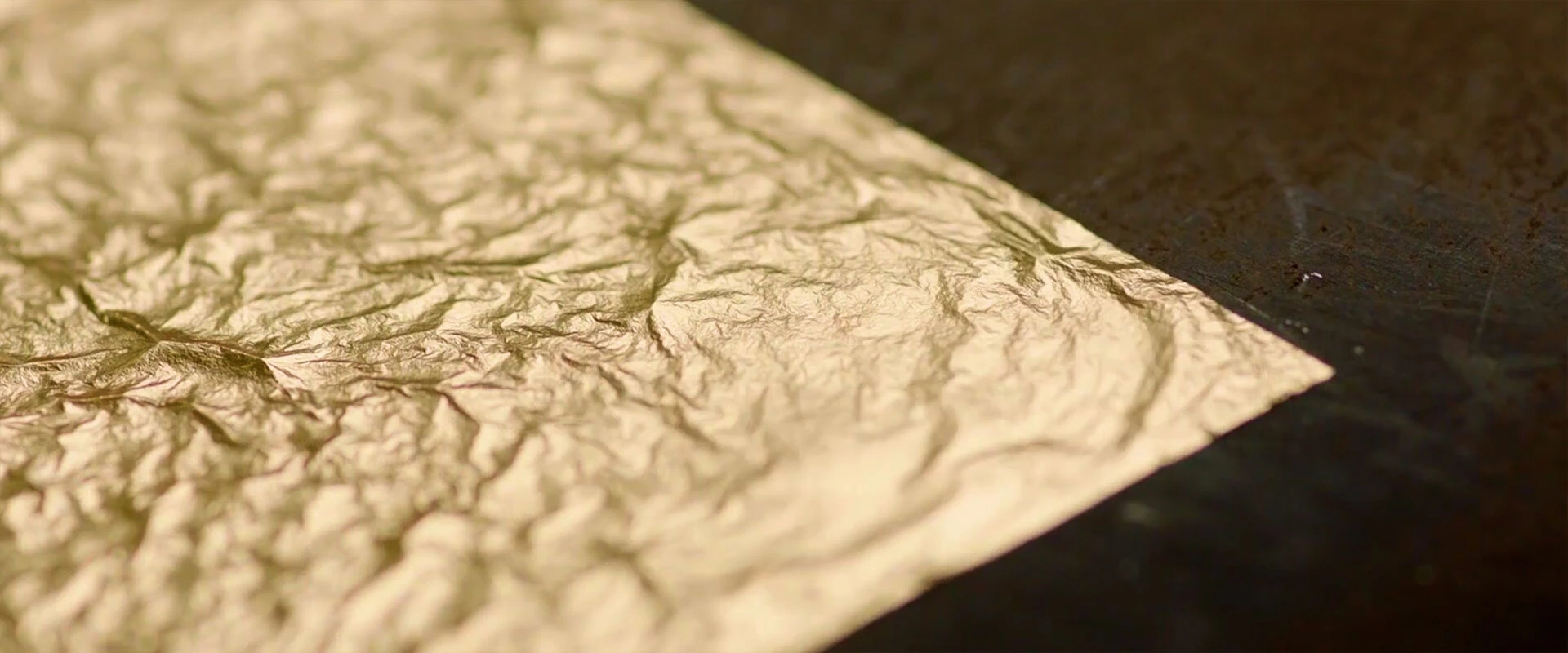
Antiqued, distressed and sealed
New gold is not always the brief. Antique gold finishes are built by distressing the leaf, rubbing through to the bole, and layering patinas and toners until the surface carries decades it never lived. Sealing is specified to the setting: waxes and shellacs for residential pieces, robust lacquer systems over imitation leaf and in high-traffic or humid environments. Gilded elements often sit within larger schemes — against verre églomisé glass, lacquered grounds and carved timber from our hand-carving workshop.
Where this technique is applied
- Carved furniture and frames
- Architectural ceiling coffers and mouldings
- Bar fronts and hospitality joinery
- Mirror and picture frames
- Decorative door and cabinet surrounds
- Glass panels (combined with verre églomisé)
- Exterior signage and architectural lettering