Désir Collection
A woven reading of the wooden floor
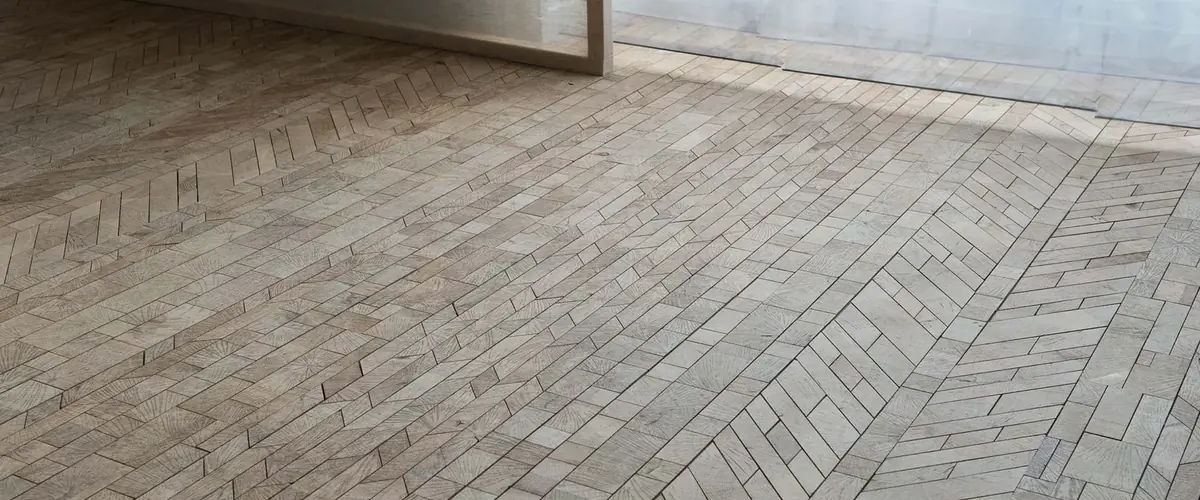
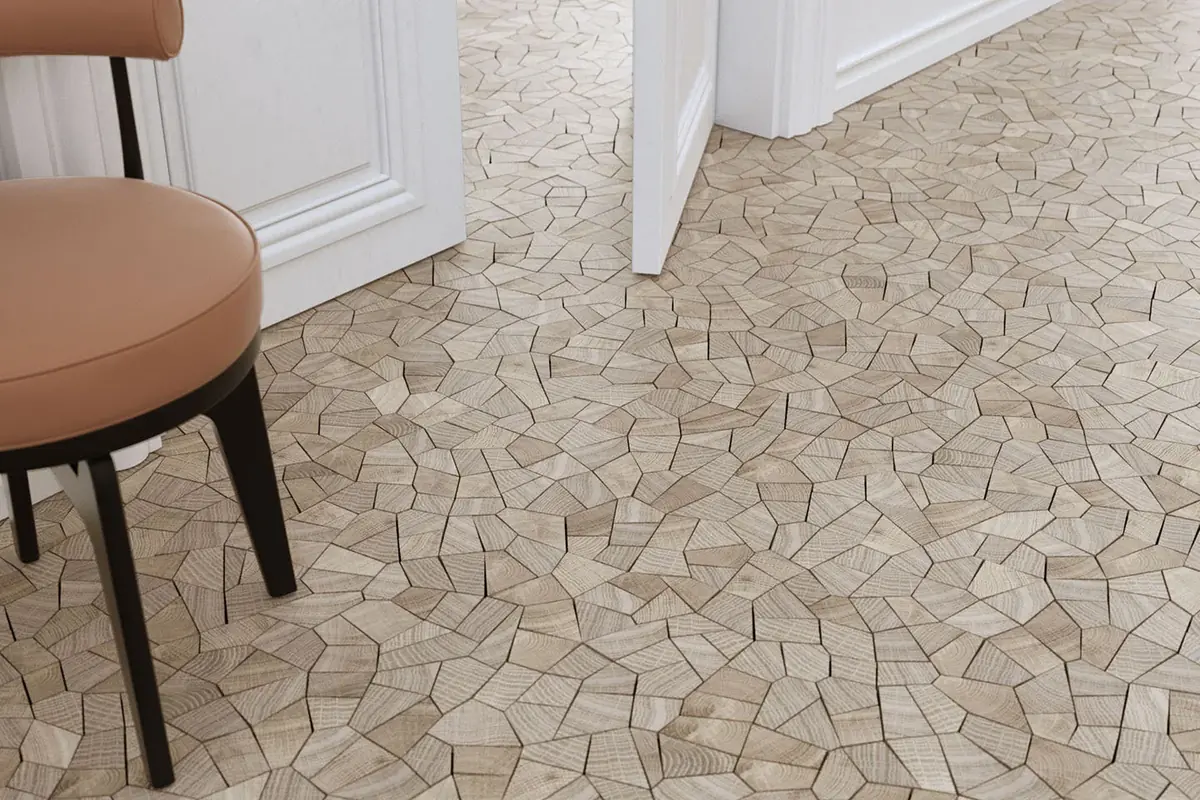
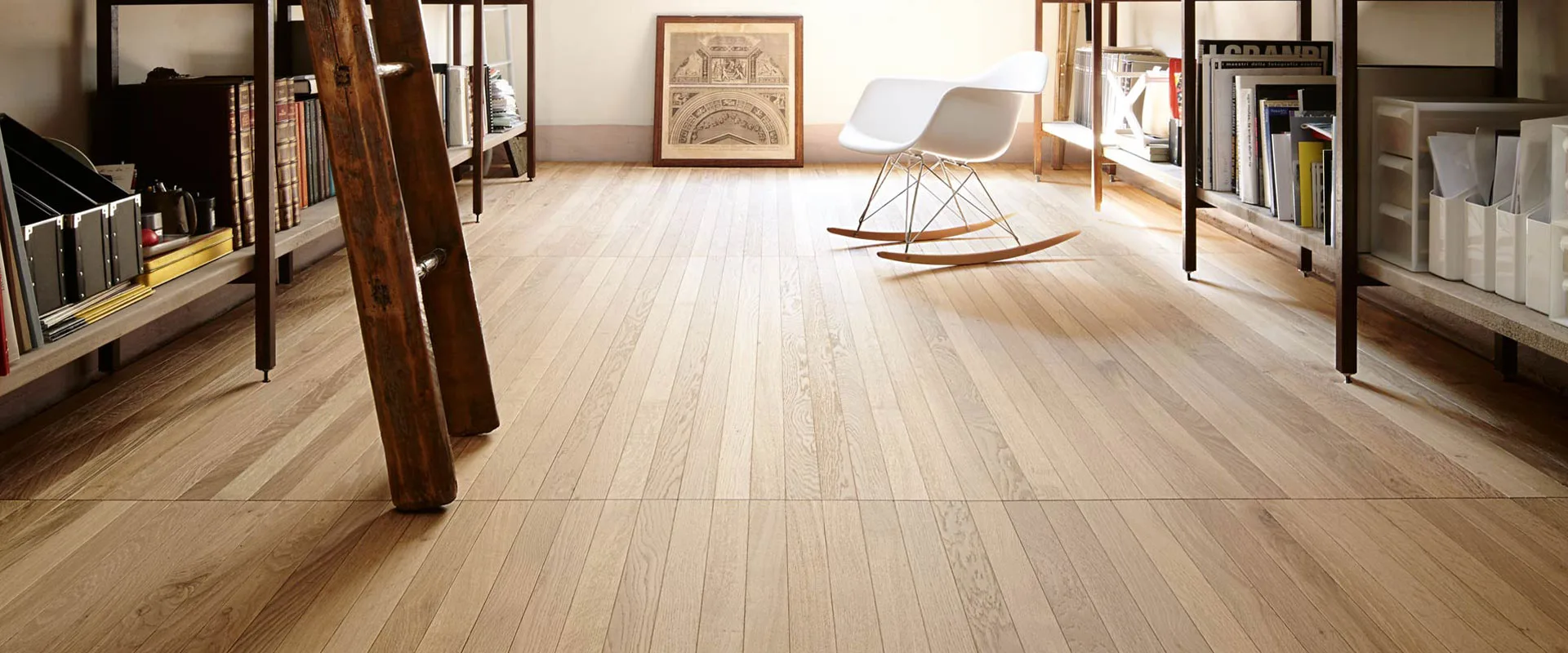
Désir reinterprets the harmonic proportions of narrow and long wooden boards using the more traditional installation techniques of ancient hardwood flooring. Slender oak planks of varying lengths are arranged in an original woven texture, so the floor reads as a continuous, gently shifting field rather than a repeating geometric pattern.
The collection is worked in oak and given heritage finishes, with a soft heat-treatment that draws out the natural character of the wood. The result is calm and grounded: a surface that holds warmth across the day and sits comfortably in both period rooms and quieter contemporary interiors.
Désir is offered in two variants, Oak Civita 1695 and Oak Fiesole 1125, each holding the warm middle of the oak spectrum. The collection suits bedrooms, living rooms and private dining spaces, where the woven lay can be read across the full breadth of the floor.
See the Désir woven lay in a room in the floor visualiser.
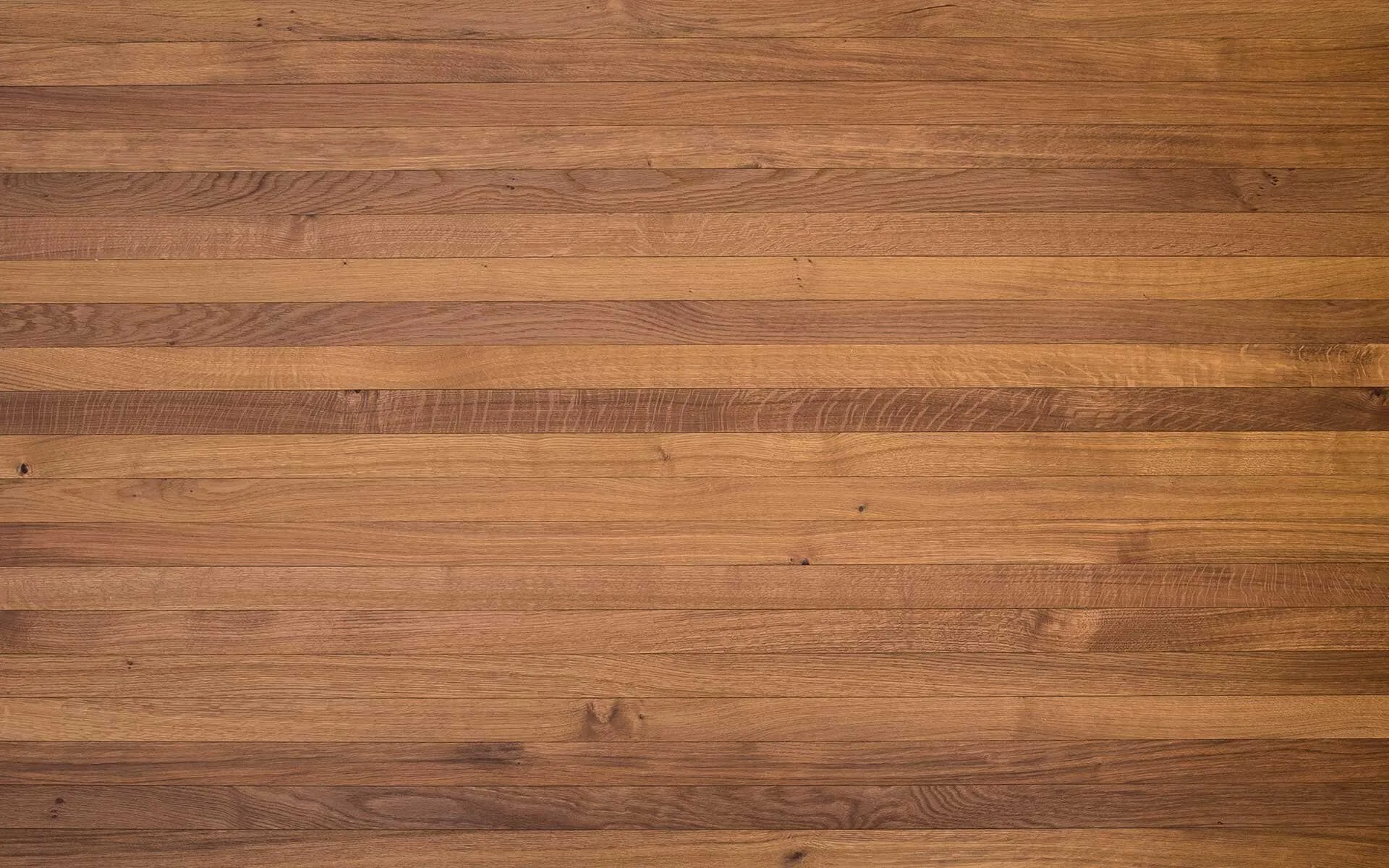
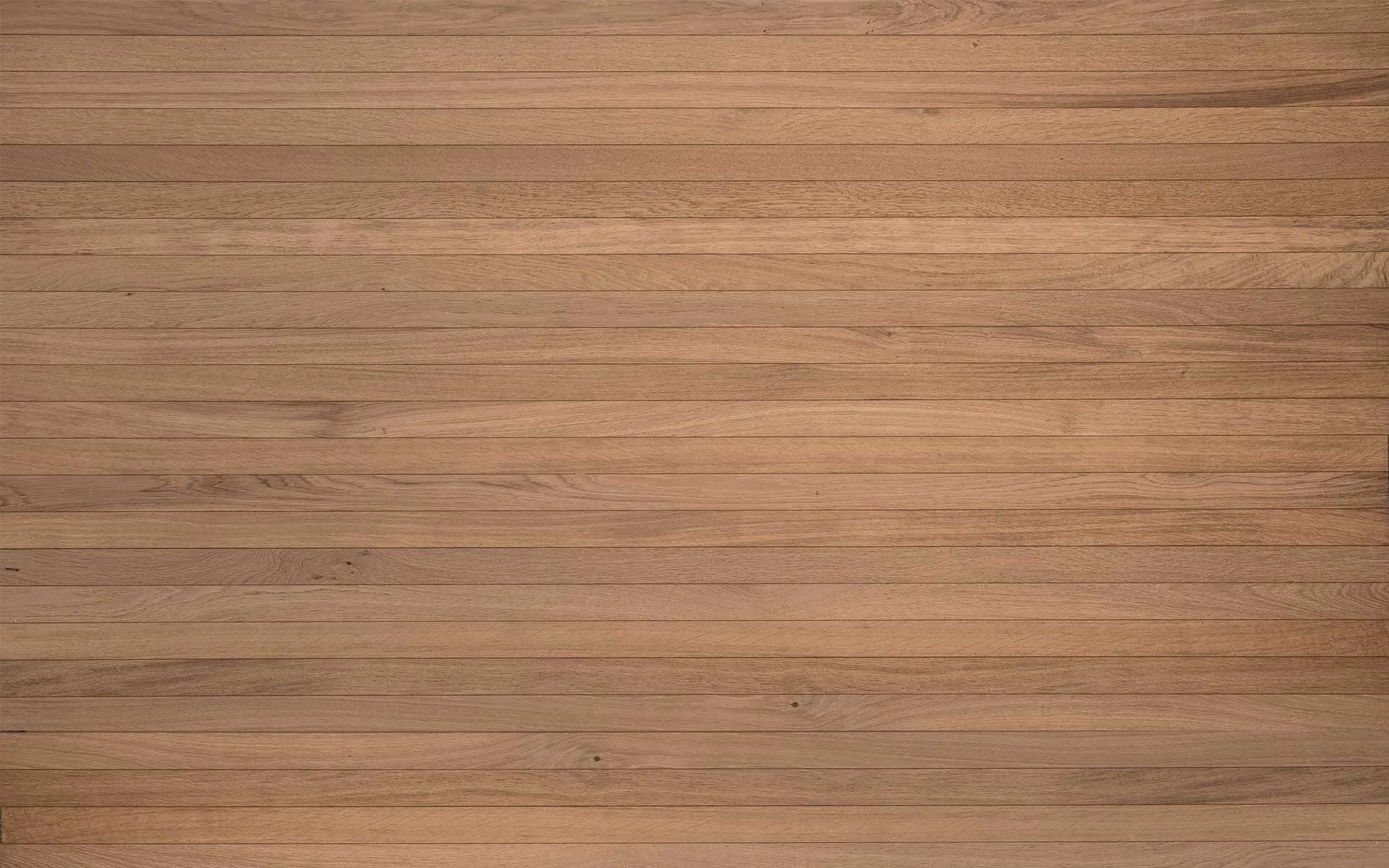
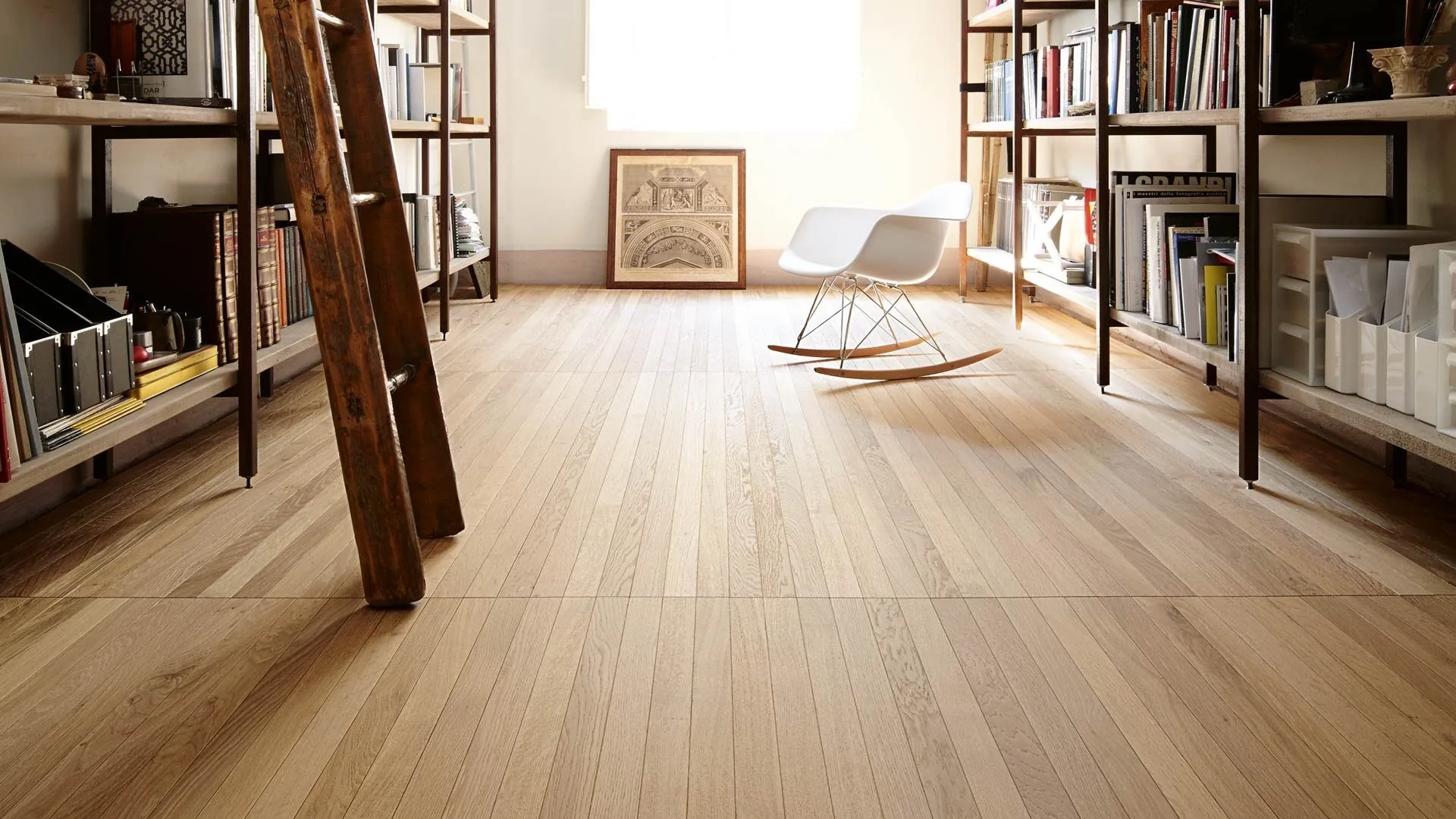
Collection details
| Material | Oak |
| Variants | Oak Civita 1695 / Oak Fiesole 1125 |
| Surface | Woven lay of slender planks in varying lengths |
| Finish | Heritage finishes with a soft heat-treatment |
| Underfloor heating | Compatible |
| Dimensions | Custom lengths & widths available |
| Origin | Made within our workshop network, supplied through Make Bespoke Studio |
The woven lay
The defining idea behind Désir is the woven texture. Rather than the long, uniform runs of a conventional board floor, the collection uses slender planks cut to varying lengths and set down in the manner of older hardwood floors, where boards were used as they came and the eye was led across the room rather than down it. Short and long pieces sit alongside one another, breaking the strict lines of a single direction and giving the surface a soft, interlaced quality. Light is read across the floor in small steps, which keeps the pattern quiet and avoids the formality of a fixed geometric repeat.
This approach draws on the harmonic proportions of narrow and long boards. The widths are kept restrained, and the relationship between width and length is held within a measured range, so the floor feels considered rather than busy. It is a way of building rhythm into a floor without resorting to chevron or herringbone, and it reads well across larger rooms where a single plank direction can feel mechanical.
Oak and heat-treatment
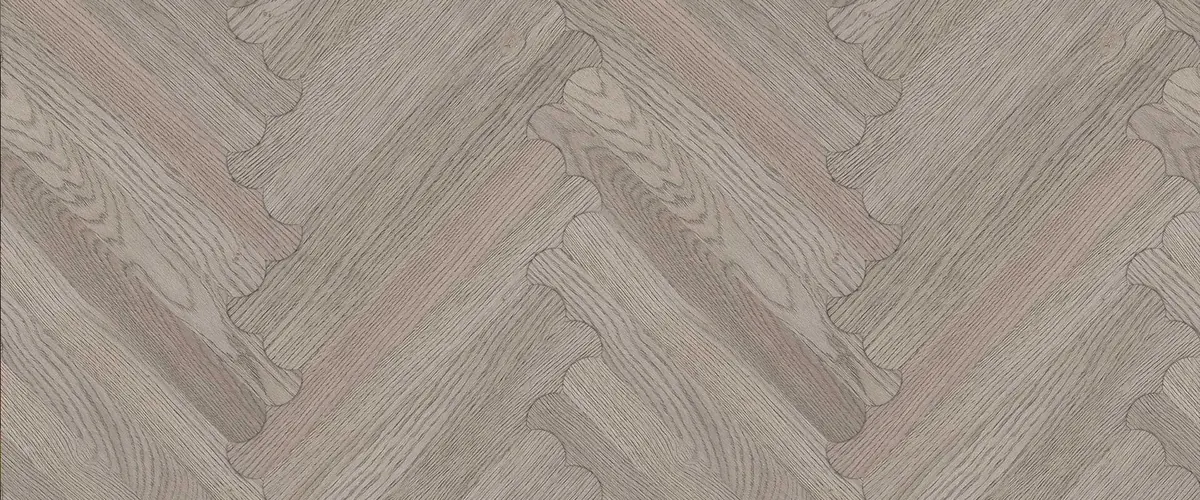
Désir is worked in oak, a close-grained hardwood long favoured for floors that need to last. The boards are given heritage finishes with a soft heat-treatment, a controlled, gentle warming of the timber that deepens and settles its tone without staining. The treatment draws colour from within the wood itself, so the grain stays legible and the surface keeps the look of natural, unforced oak. For how oil, lacquer, brushing and smoking compare, see our guide to wood floor finishes.
Beyond tone, a measured heat-treatment helps to relax the timber and reduce its tendency to move with changes in humidity, which contributes to a more settled floor once it is laid and acclimatised. The two variants, Oak Civita 1695 and Oak Fiesole 1125, sit within the warm middle of the oak range. Civita carries a little more depth, Fiesole a touch more light, and both are intended to age gracefully rather than to present a single fixed appearance.
Fitting and underfloor heating
The woven lay asks for care in setting out. Because lengths vary and the pattern relies on a balanced spread of short and long pieces, the floor benefits from being dry-laid and read before fixing, so the distribution feels even across the room. A flat, sound and dry substrate is the starting point, and we survey and advise on preparation as part of supply.
The collection is suitable for use over underfloor heating. As with any wood floor, the boards should be acclimatised to the room before fitting, the system should be commissioned and brought up to temperature gradually, and surface temperatures kept within the limits we specify. Handled this way, oak performs steadily over a warmed subfloor and the woven surface remains stable in everyday use. Our guide to wood flooring over underfloor heating sets out the figures and the order of work. For what a good installation specification covers, see our guide to wood flooring installation.
Applications and maintenance
Désir is intended for interiors that want warmth rather than spectacle. It suits bedrooms, living rooms, studies and private dining spaces, and works equally in period rooms and quieter contemporary schemes. The restrained widths and the woven lay make it a good choice for connecting spaces, where a single continuous floor can run between rooms without drawing attention to a fixed direction.
Day-to-day care is straightforward. Grit is the main cause of wear, so brushing or vacuuming and the use of mats at entrances do most of the work. The floor should be cleaned with products suited to a finished wood surface and standing water avoided. Heritage-finished oak can be maintained in place and refreshed over time, and localised marks can usually be addressed without lifting boards, which is part of the long working life expected of a floor of this kind.
How we work with it
We supply Désir as a considered specification rather than an off-the-shelf product. Custom lengths and widths are available, and the balance of the woven lay can be tuned to the proportions of a particular room. Boards are made within our workshop network, and we are glad to prepare samples in both variants so that tone and grain can be assessed under the light of the actual space.
For bolder geometry in end-grain oak, see Forêt. For precision-engineered floors in more formal rooms, see Undici.
Common questions
Is Désir suitable for underfloor heating?
Yes. The boards should be acclimatised before fitting and the heating brought up gradually, with surface temperatures held within the limits we specify. On that basis oak performs reliably over a warmed subfloor.
What is the difference between Oak Civita 1695 and Oak Fiesole 1125?
Both are oak with the same woven lay and heat-treated heritage finish. Civita reads with a little more depth and Fiesole with a touch more light. We recommend viewing samples of both in the room before deciding.
How is the woven texture achieved?
Slender planks are cut to varying lengths and set down using traditional installation techniques, so short and long pieces interlace across the floor instead of running in uniform lines. The effect comes from the lay itself rather than from any applied pattern.