Classics Collection
Classic oak in a considered range of shades
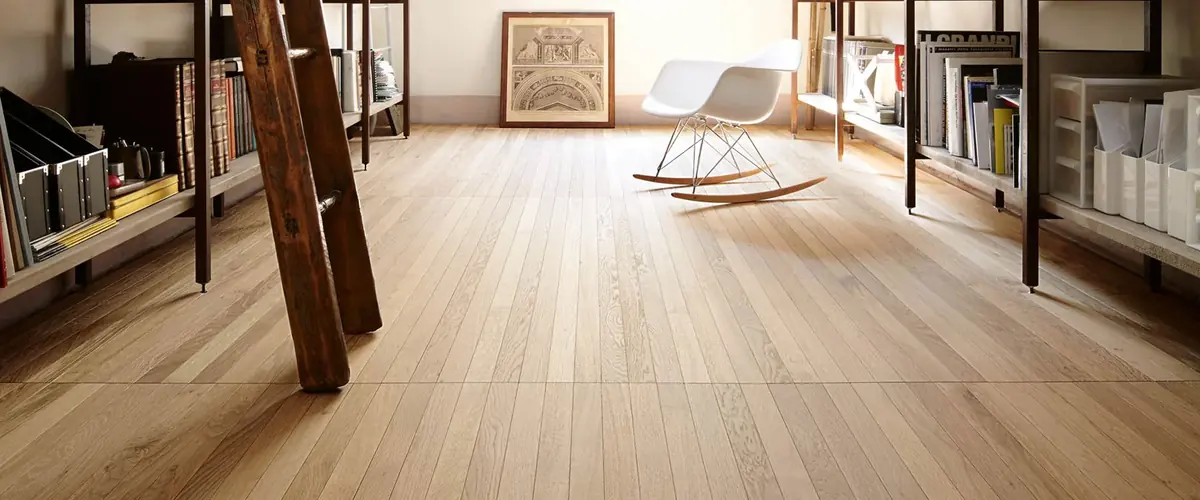
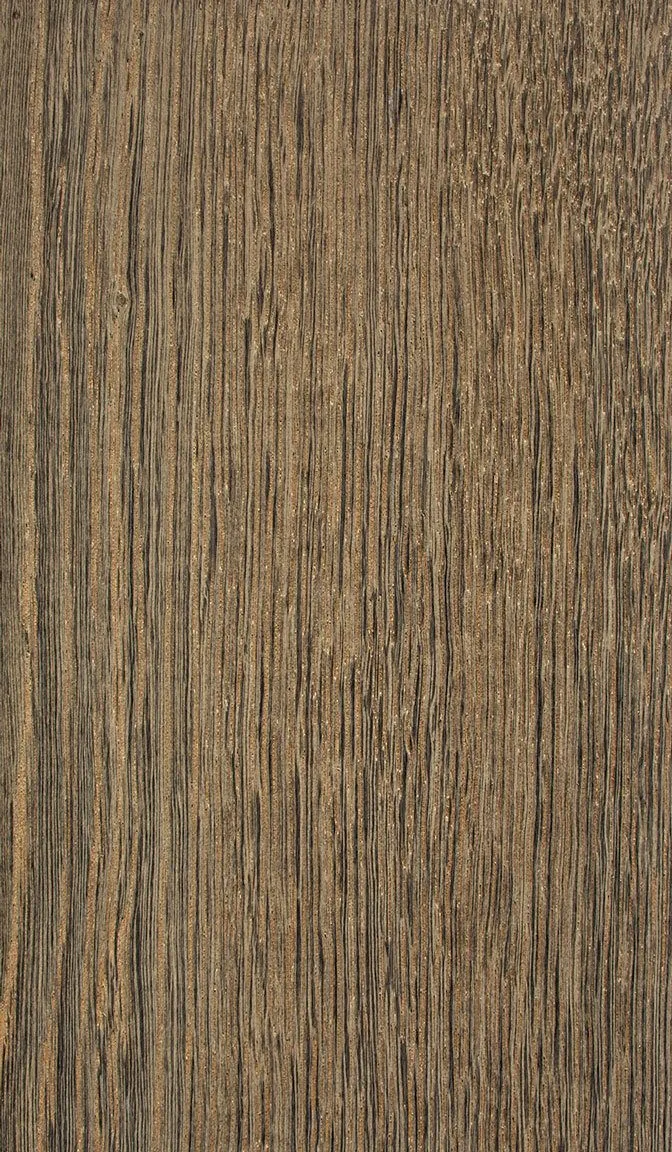
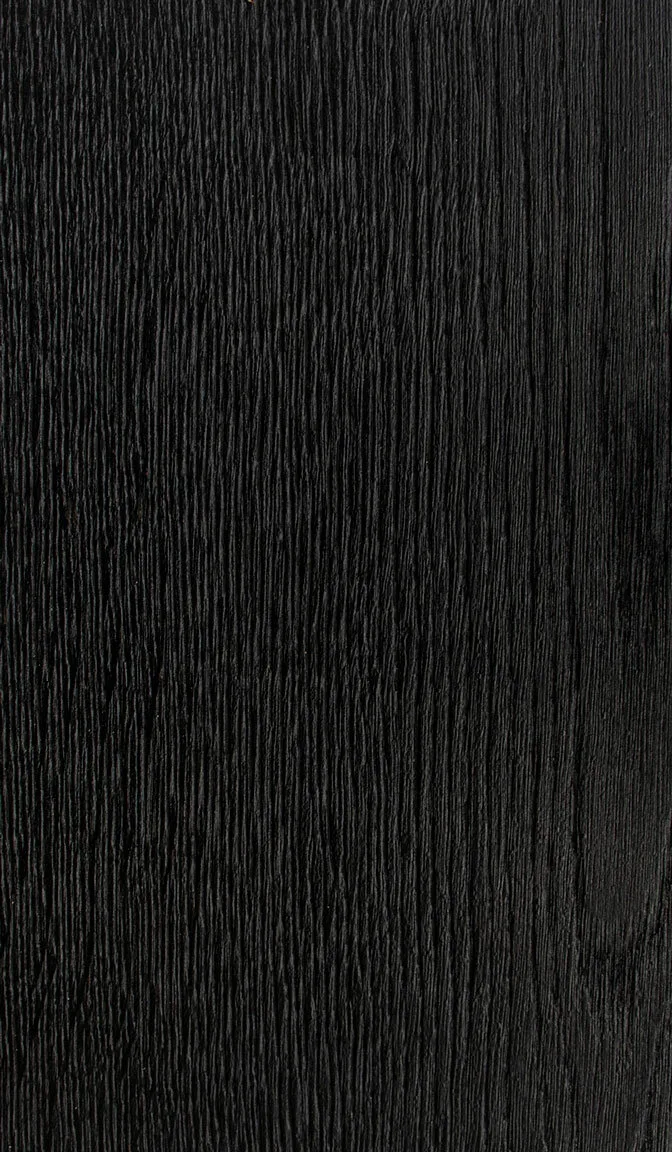
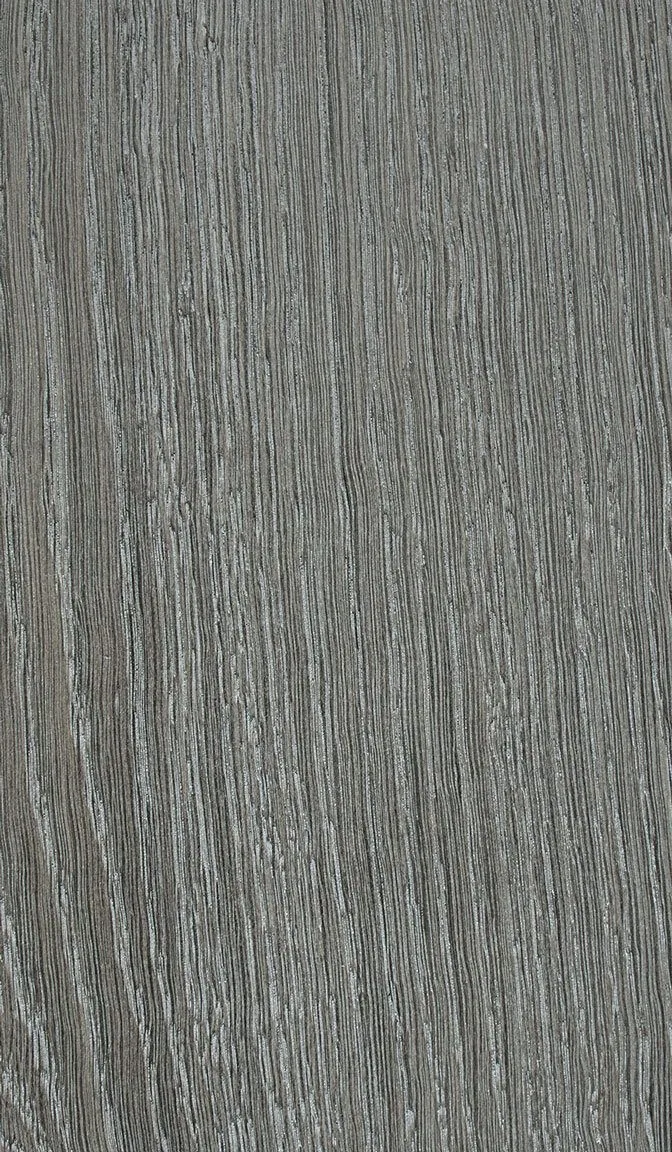
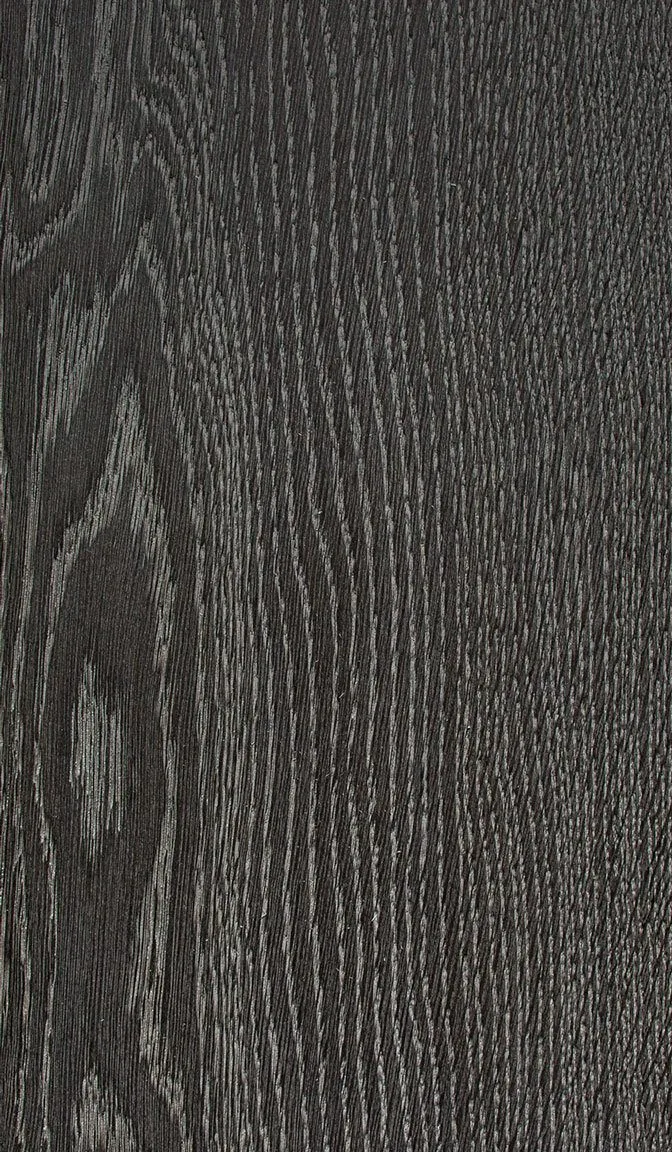
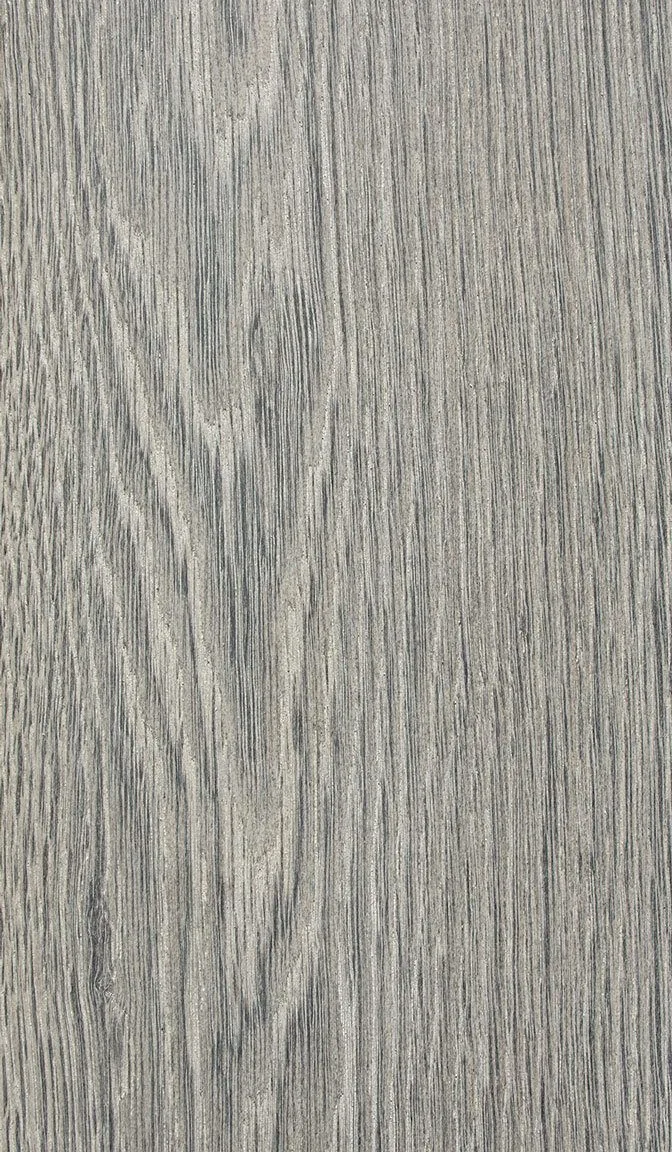
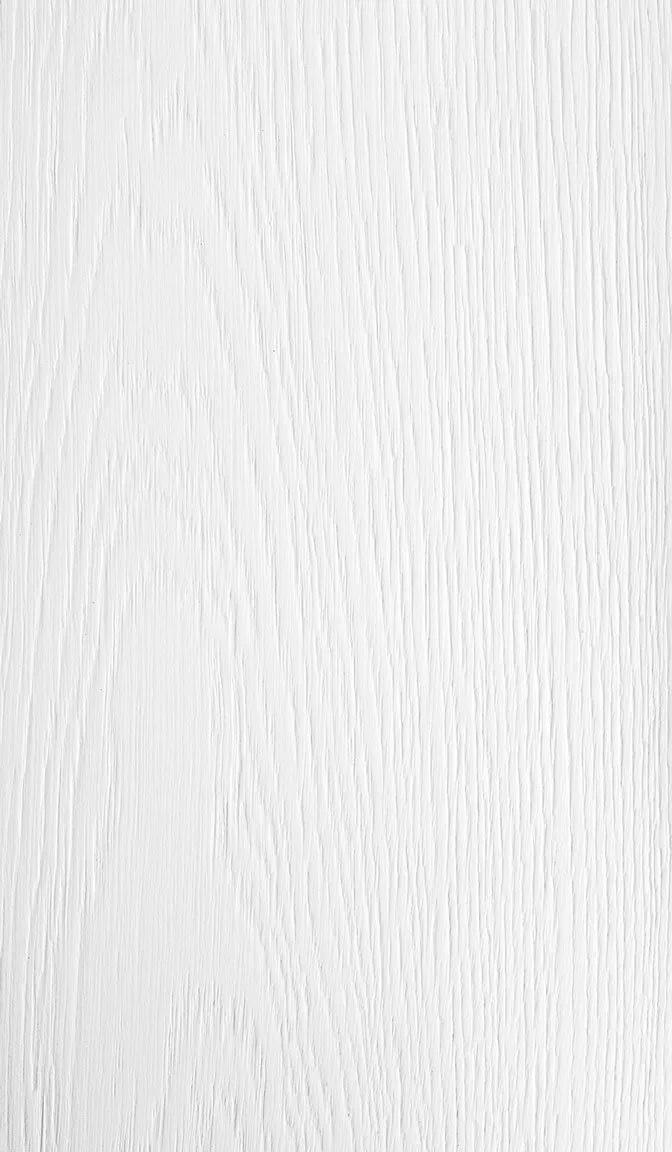
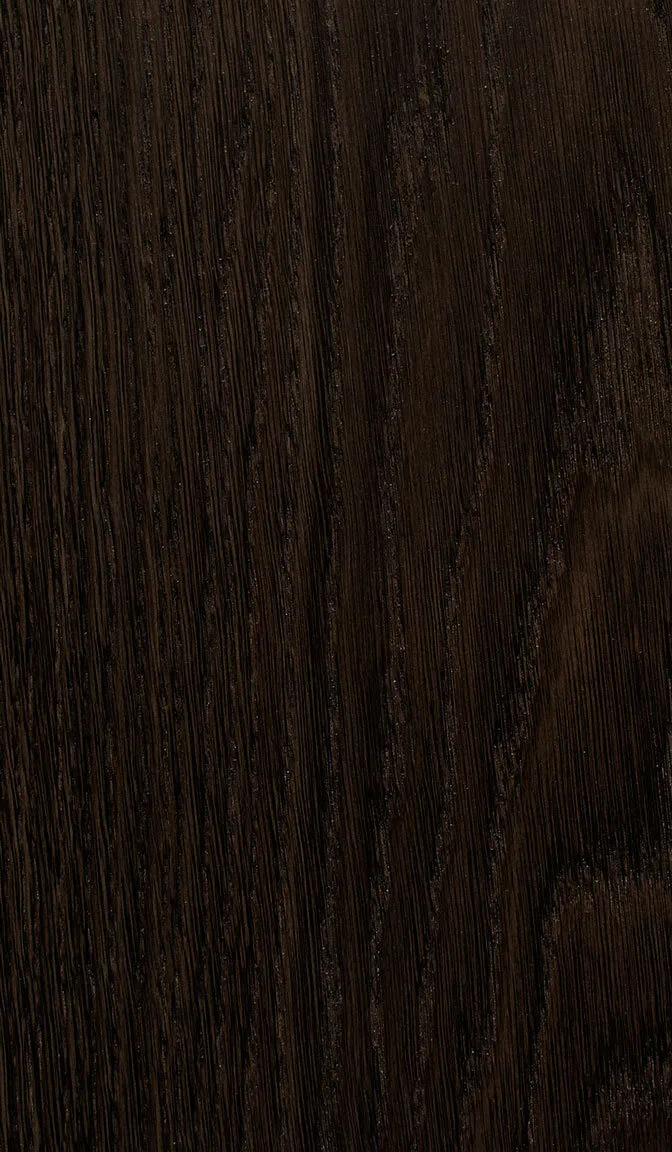
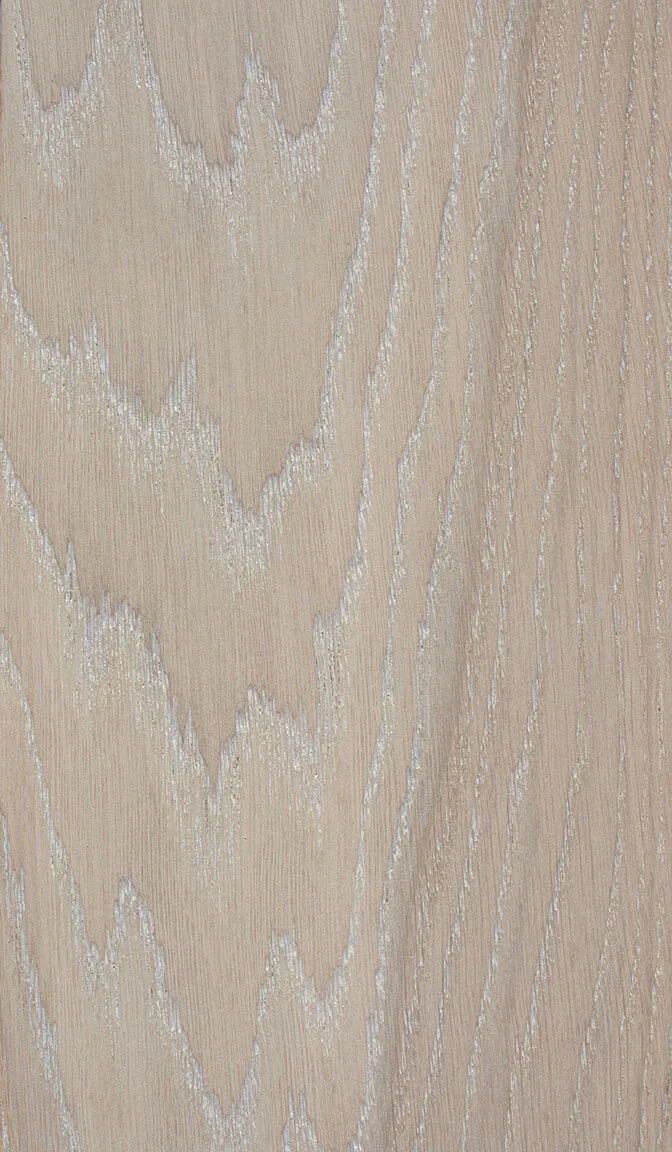
Classics is our core oak flooring range, built around a single, well-understood material and offered in a wide spread of shades and colours. The collection runs across twelve finishes: Rocher Brun, Rocher Charbon, Rocher Bleu Gris, Rocher Noir, Rocher Blanc, Tout Blanc, Noir Marais, Blanc Rosé, Brun Doux, Brun Marais, Miel Doux and Naturel. Together they move from soft pale tones through warm honeyed browns to deep greys and near-blacks, all held within the natural character of oak.
The intention is continuity. A single property can be floored in one collection, with shade shifts used to mark the change from formal rooms to private ones. Classics suits both a traditional house and a contemporary apartment, and each finish is available as plank or parquet so the same colour can read differently from room to room. Surfaces can be specified with a natural oil or a UV-lacquer finish depending on how the floor will be used.
Compare the Classics shades in a room, as plank or herringbone, in the floor visualiser.
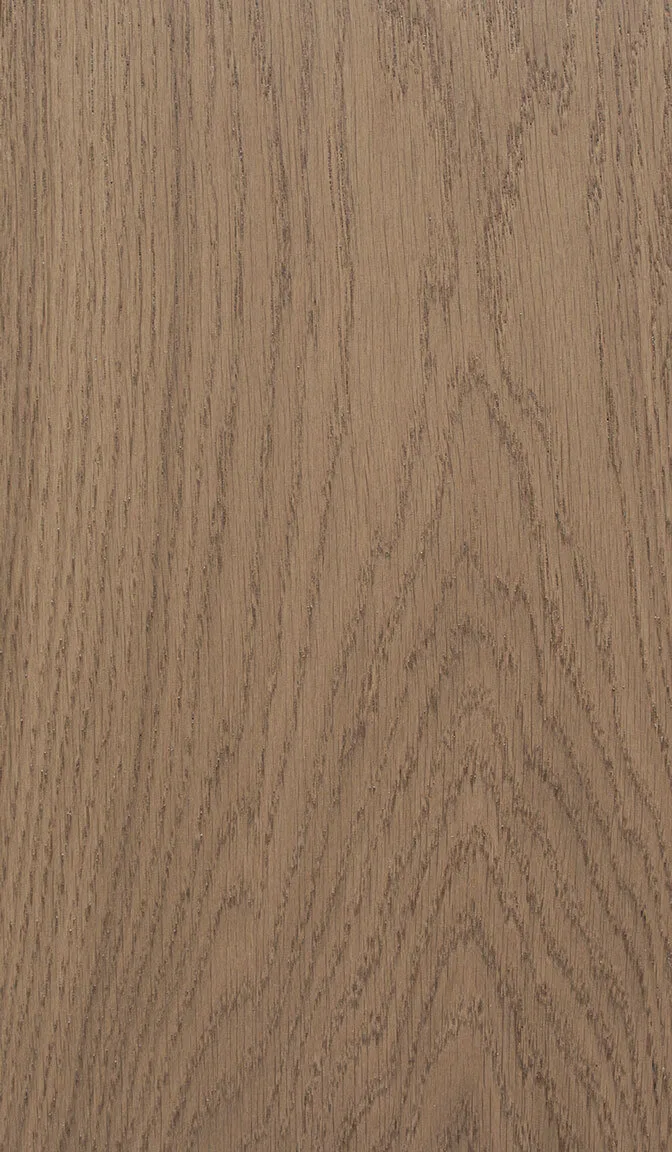
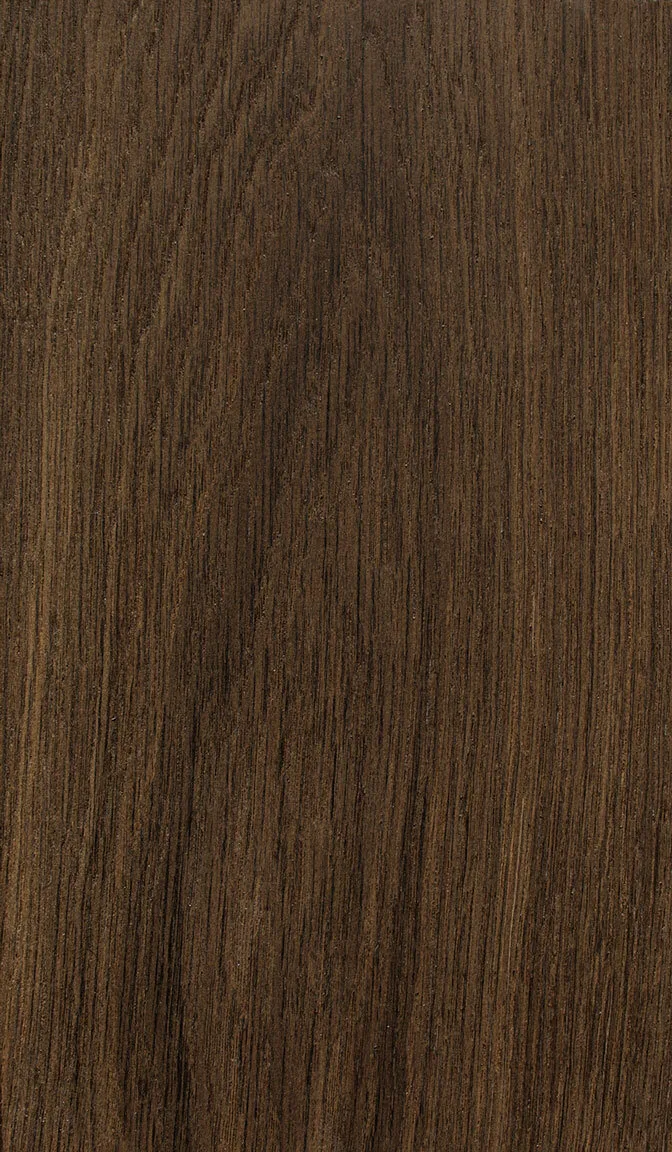
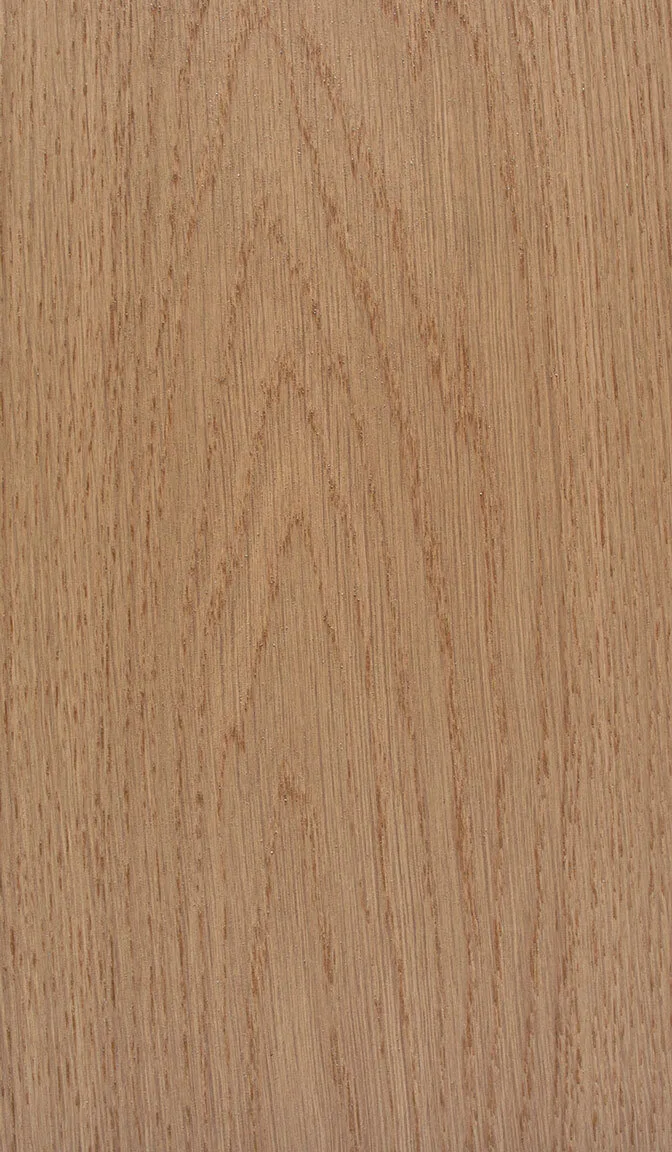
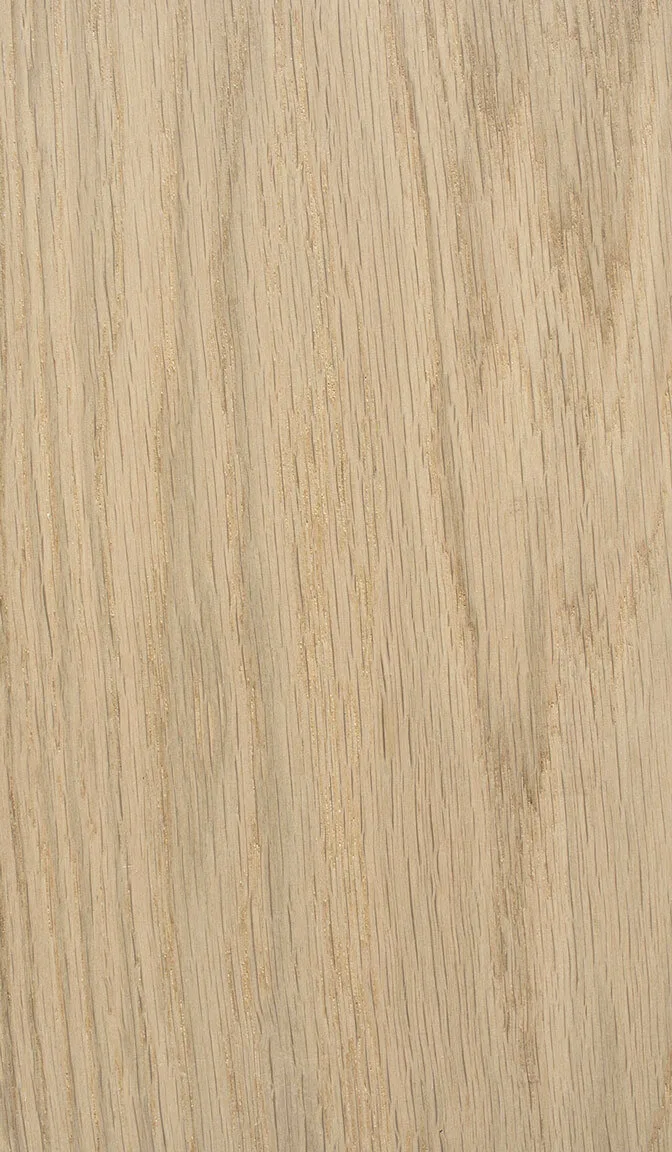
Collection details
| Material | Oak |
| Shades | Rocher Brun / Rocher Charbon / Rocher Bleu Gris / Rocher Noir / Rocher Blanc / Tout Blanc / Noir Marais / Blanc Rosé / Brun Doux / Brun Marais / Miel Doux / Naturel |
| Finish | Natural oil or UV-lacquer; brushed texture optional |
| Format | Plank or parquet |
| Underfloor heating | Suitable when correctly specified and acclimatised |
| Made by | Our workshop network |
A single material, many shades
Classics is built on oak because oak behaves well underfoot and ages with grace. The grain is open and legible, the timber is hard enough for daily wear, and it takes colour readily without losing its own character. Rather than ask each project to start from a blank sheet, the range sets out a considered family of finishes that work together, so a specifier can hold a whole scheme in one collection.
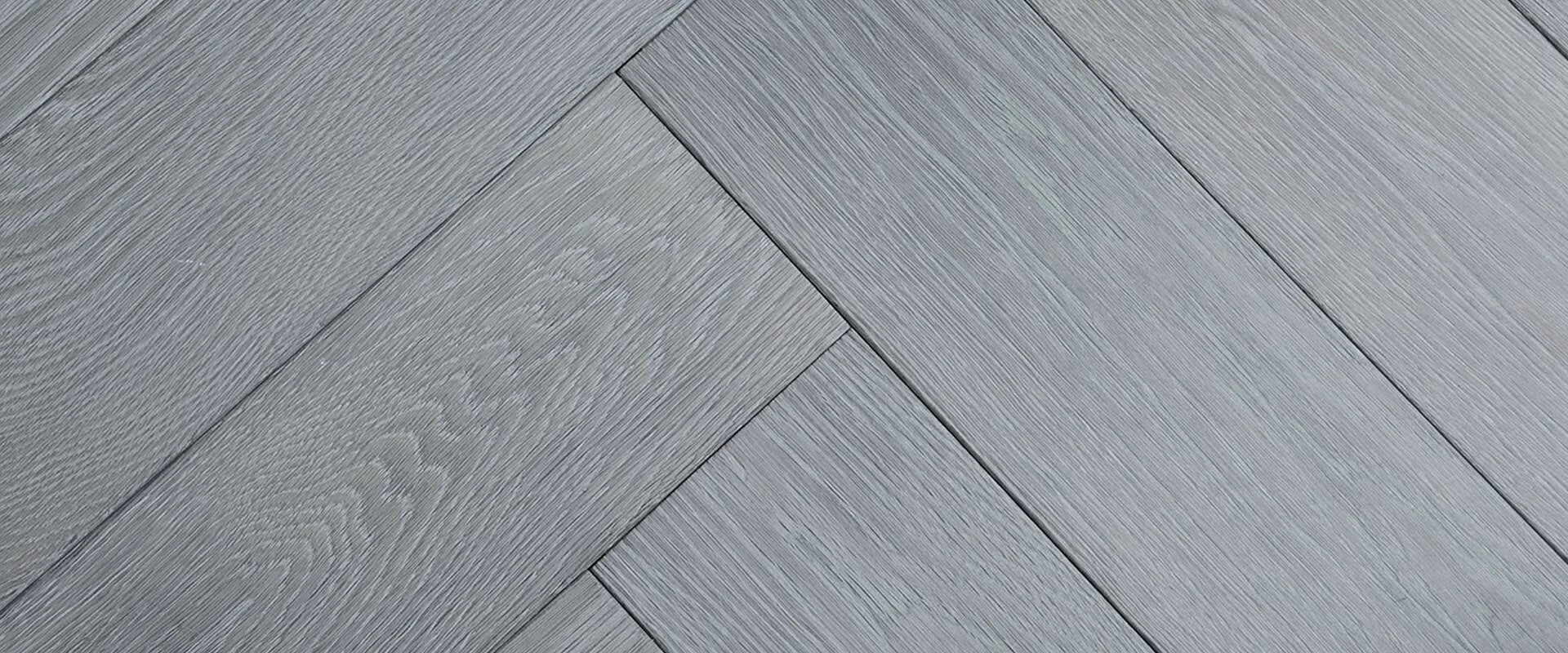
The twelve shades fall into loose groups. The Rocher finishes (Rocher Blanc, Rocher Bleu Gris, Rocher Brun, Rocher Charbon and Rocher Noir) move from a pale, chalky white through a soft blue grey and a mid brown to a deep charcoal and a near black. Tout Blanc reads as a clean, even white. Blanc Rosé carries a faint warm blush. Brun Doux and Brun Marais sit in the brown register, the first softer and the second deeper and more grounded. Miel Doux is a gentle honey tone, and Naturel keeps the timber close to its raw, unstained colour.
Grades and character
Oak is selected by grade, which describes how much natural movement is allowed to show. A cleaner grade keeps knots, sapwood and colour variation to a minimum and reads calm and uniform. A more characterful grade allows knots, mineral streaks and stronger figure, which gives a floor more life and depth. The grade is chosen alongside the shade, since the same colour can feel quiet on a clean board and lively on a rustic one.
Plank or parquet
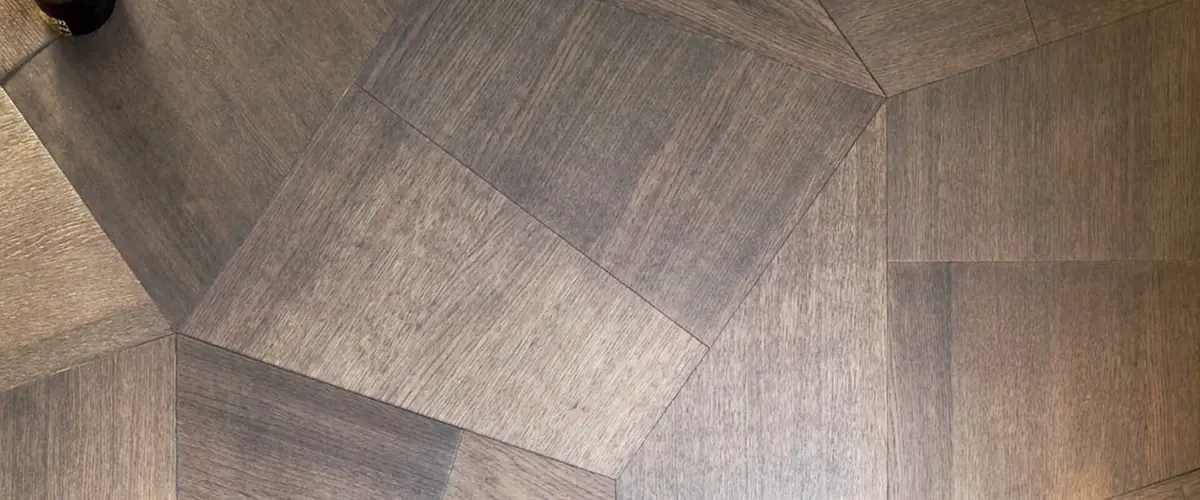
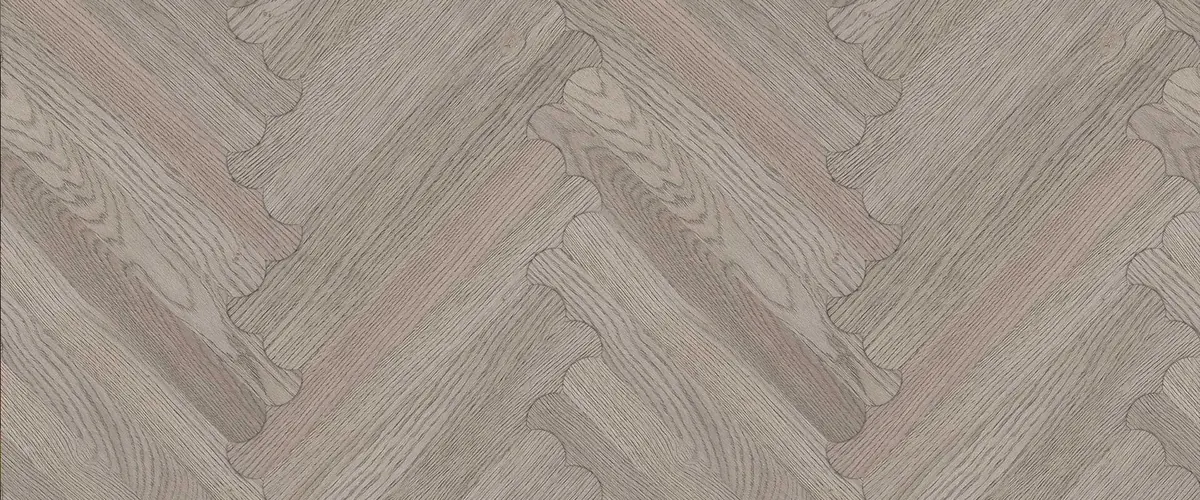
Every shade is available in two formats. Plank is the familiar long board, laid in lengths and widths to suit the room, and tends to feel open and contemporary. Parquet sets smaller pieces into a repeating geometry, with herringbone and chevron the most requested. Parquet draws more attention to the floor itself and rewards careful setting out against the walls and thresholds. Because the colour is shared across both formats, the same shade can run as plank through living rooms and as parquet in an entrance or study.
How the colour is achieved
Colour in oak is reached in a few different ways, and the route affects how the floor will look and wear.
- Staining applies pigment to the surface of the wood, which gives precise, repeatable control over tone and is how most of the lighter and mid shades are set.
- Reactive colouring works with the tannins in the oak so the colour develops in the grain rather than sitting on top, which reads with more depth and is well suited to the greys and darker browns.
- Smoking darkens the timber through its thickness by reacting the wood in a controlled atmosphere, which gives the deepest, most settled charcoals and blacks.
Because oak varies from board to board, some shade variation between planks is expected and is part of the material. Samples are made from the same process as the finished floor so the tone can be approved before a project commits.
Finishing
The surface is then finished, and the finish is as much a maintenance decision as an aesthetic one. A natural oil sinks into the wood, leaves a matt, tactile surface and lets the grain breathe; it can be refreshed in worn areas without sanding the whole floor. A UV-lacquer sits on the surface as a harder, sealed film, which suits kitchens, lettings and busier commercial settings where resistance to spills and traffic matters more than patina. A brushed texture can be added to either, lifting the grain slightly so the floor feels less flat underfoot and hides everyday marks. For how oil, lacquer, brushing and smoking compare, see our guide to wood floor finishes.
Underfloor heating and fitting
Classics can be laid over underfloor heating when the floor is correctly specified and the heating is commissioned gently. Oak responds to changes in heat and humidity, so the boards are acclimatised on site before fitting, the subfloor is checked for moisture and flatness, and the heating is brought up and down in stages rather than in one step. Plank can be fitted as a floating floor or bonded down; parquet is normally bonded to give the pattern a stable base. Our makers set out the work from the main sightlines of the room so joints and pattern align with doorways and walls. Our guide to wood flooring over underfloor heating sets out the figures and the order of work. For what a good installation specification covers, see our guide to wood flooring installation.
Maintenance
Day to day care is simple: sweep or vacuum to keep grit off the surface, and clean with a barely damp mop and a product suited to the finish. Oiled floors take an occasional maintenance oil in high-traffic areas, which keeps the surface even and refreshes the colour. Lacquered floors need no recoating in normal use and are cleaned rather than fed. Felt pads under furniture, mats at entrances and prompt attention to spills will keep any of the shades looking settled for years.
Choosing a shade
Shade is judged most reliably in the actual room. Light from windows, the colour of the walls and the size of the space all shift how a floor reads, so a pale shade can feel cool in a north-facing room and warm in the afternoon sun. As a rough guide, the paler finishes such as Rocher Blanc, Tout Blanc and Blanc Rosé open up smaller or darker rooms; the mid tones of Naturel, Miel Doux and Brun Doux are the most forgiving across a whole property; and the deeper Rocher Charbon, Rocher Noir, Noir Marais and Brun Marais give weight and definition to larger rooms. We supply samples in the chosen format and grade so the decision is made against the real material.
Common questions
Can the same shade be used as both plank and parquet?
Yes. Each of the twelve shades is produced in both formats, so a single colour can run as plank in some rooms and as parquet in others while reading as one floor.
Will the floor change colour over time?
Oak settles and can mellow with light and use, and oiled floors in particular develop a soft patina. The effect is gradual and even, and is part of how a natural timber floor matures.
How do oil and lacquer differ in practice?
Oil gives a matt, repairable surface that is easy to touch up locally; lacquer gives a harder, sealed surface that resists spills and heavy traffic but is less suited to spot repair. The right choice depends on the room and how it will be used.