
Acrylic
Glass-like qualities with clarity, brilliance, and transparency, but at half the weight
Acrylic, the common name for polymethyl methacrylate (PMMA), is a transparent thermoplastic with high optical clarity and good stiffness. It transmits more light than ordinary glass, weighs about half as much and resists impact several times better, which is why it is specified where the look of glass is wanted without the weight or fragility.
For furniture panelling, top surfaces and lighting, acrylic offers a wide colour range, a deep gloss and predictable workability. Our acrylics share these core properties, but patterns differ in their construction and therefore in suitable use. Because every sheet transmits some light, all of them lend themselves to backlit and edge-lit detailing to varying degrees.
Pearloid
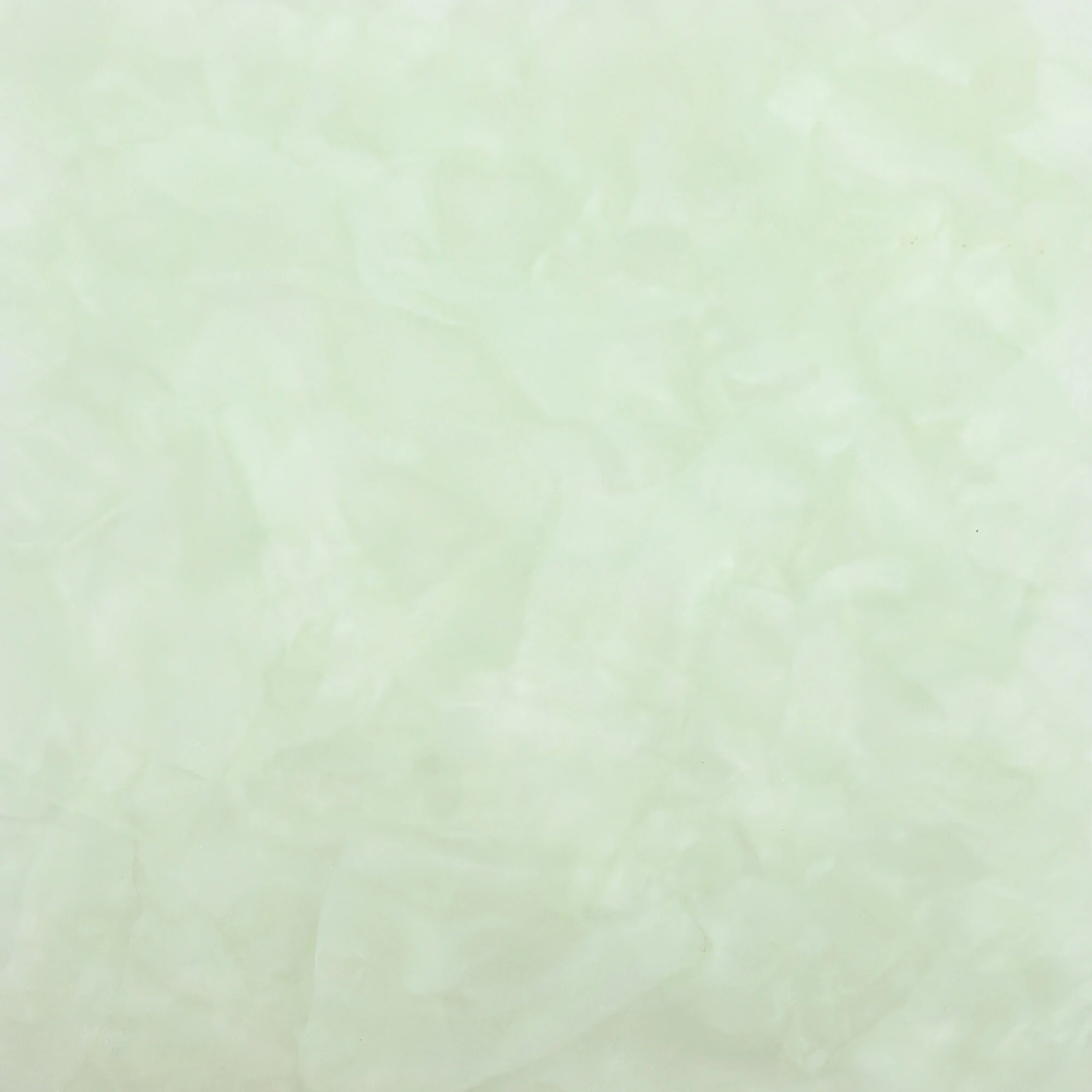 01 / 41Regency Green Pearloid
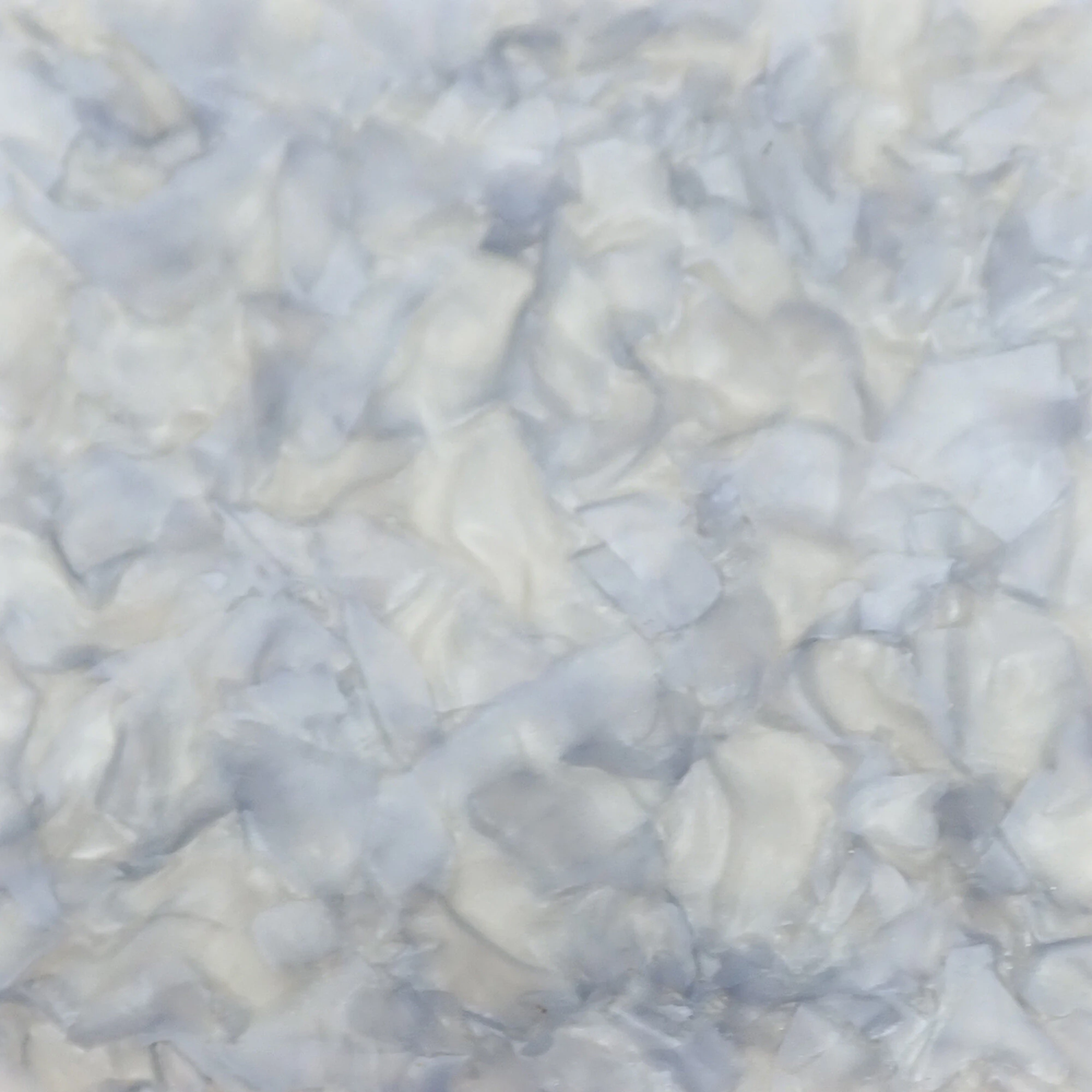 02 / 41Silver Pearloid
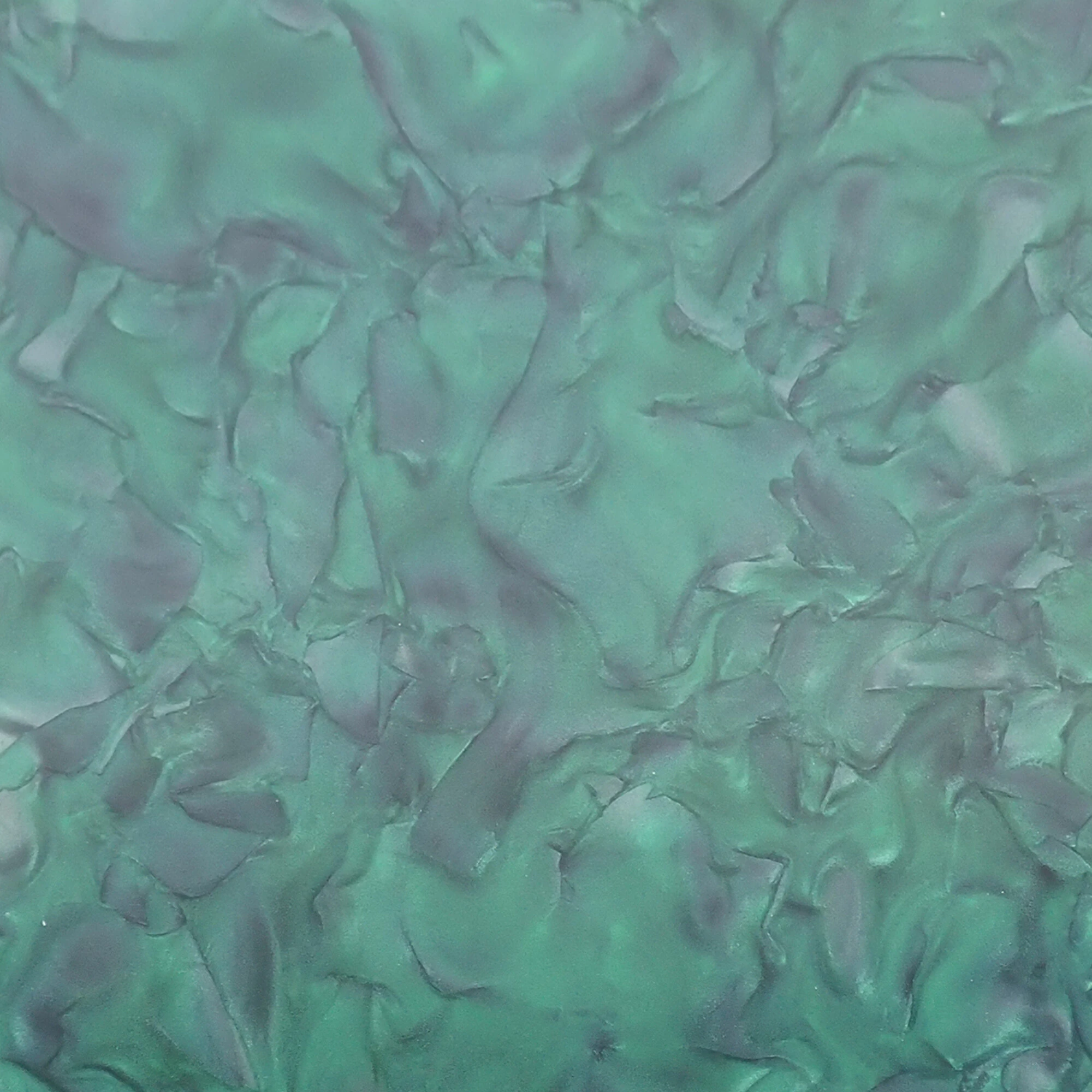 03 / 41Emerald Green Pearloid
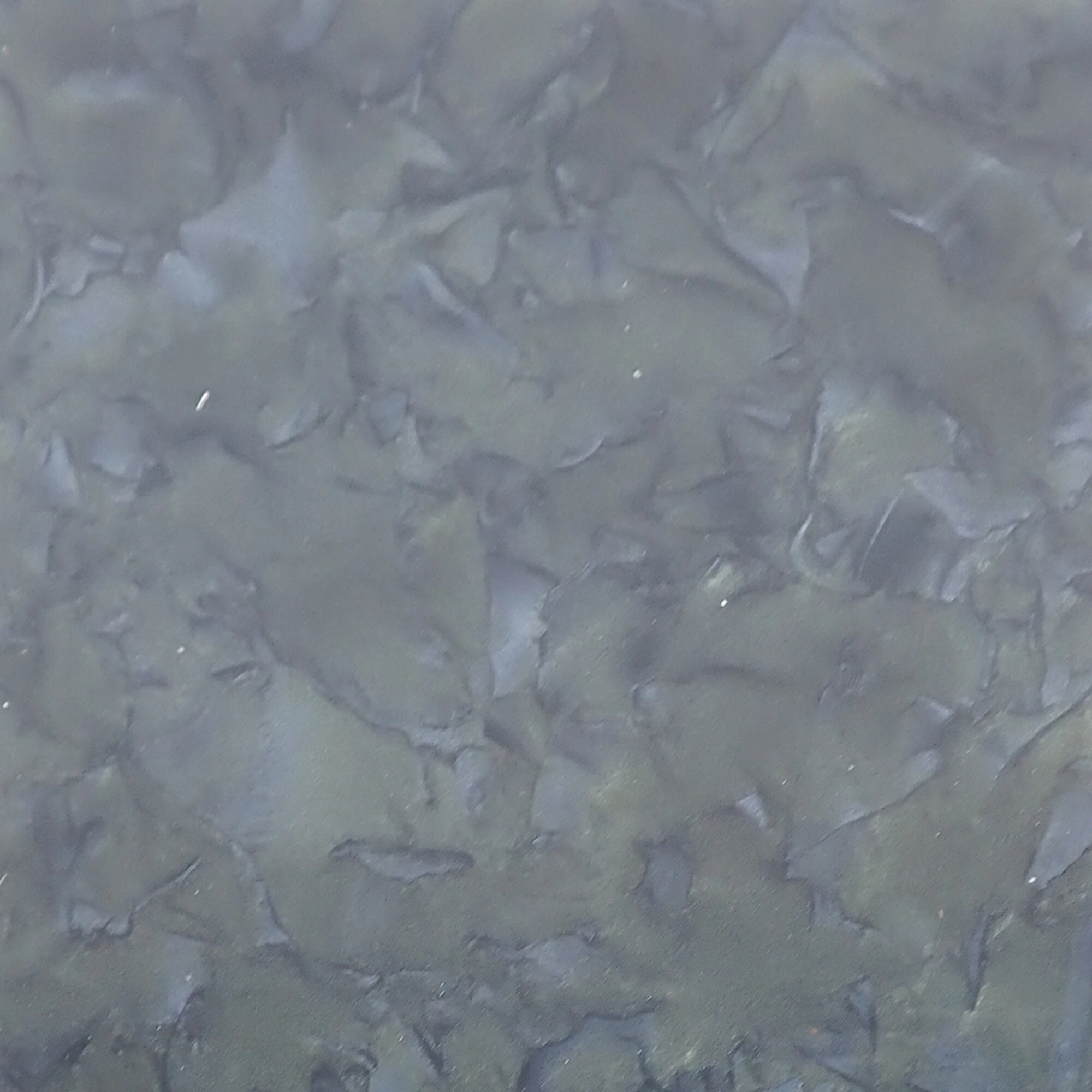 04 / 41Dark Grey Pearloid
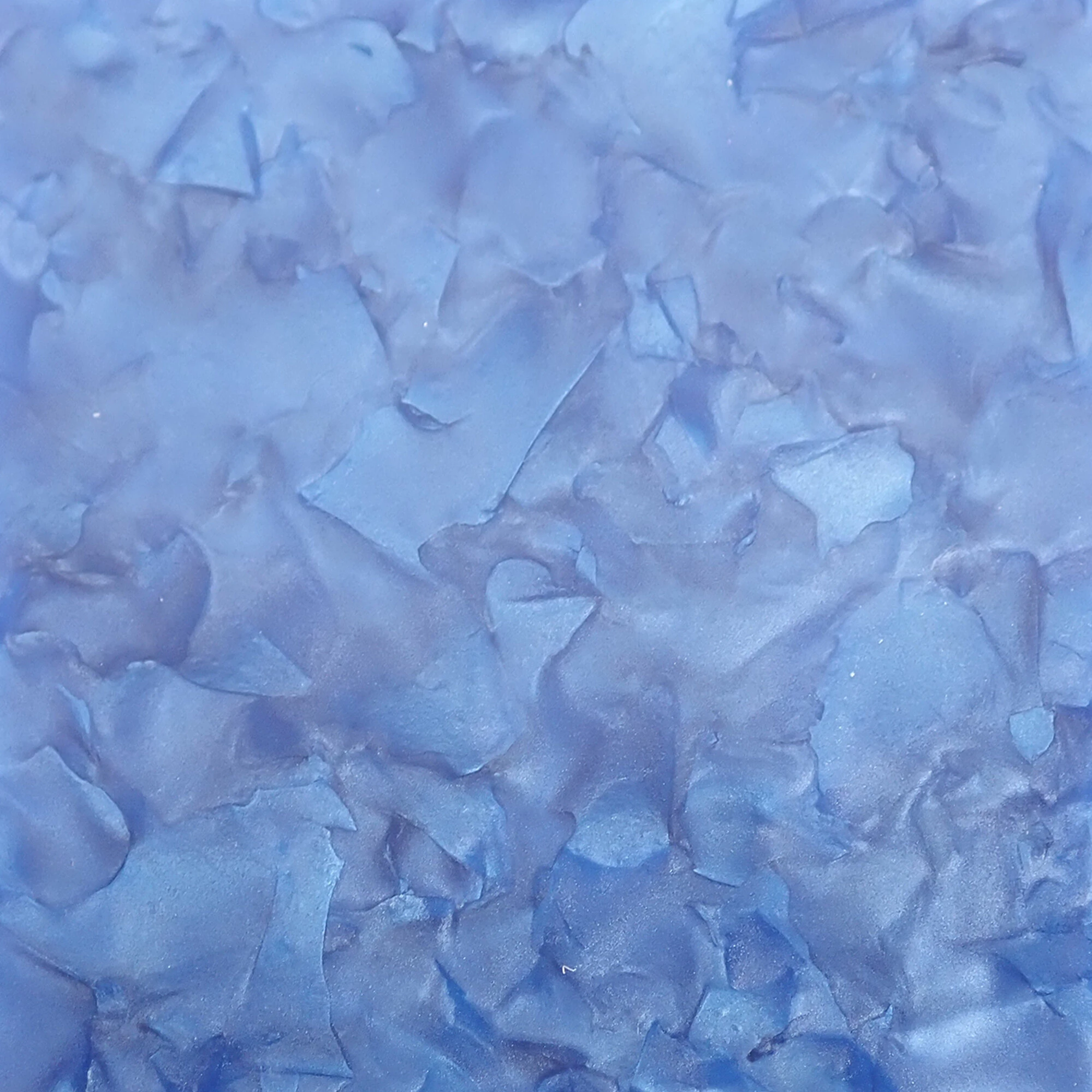 05 / 41Sky Blue Pearloid
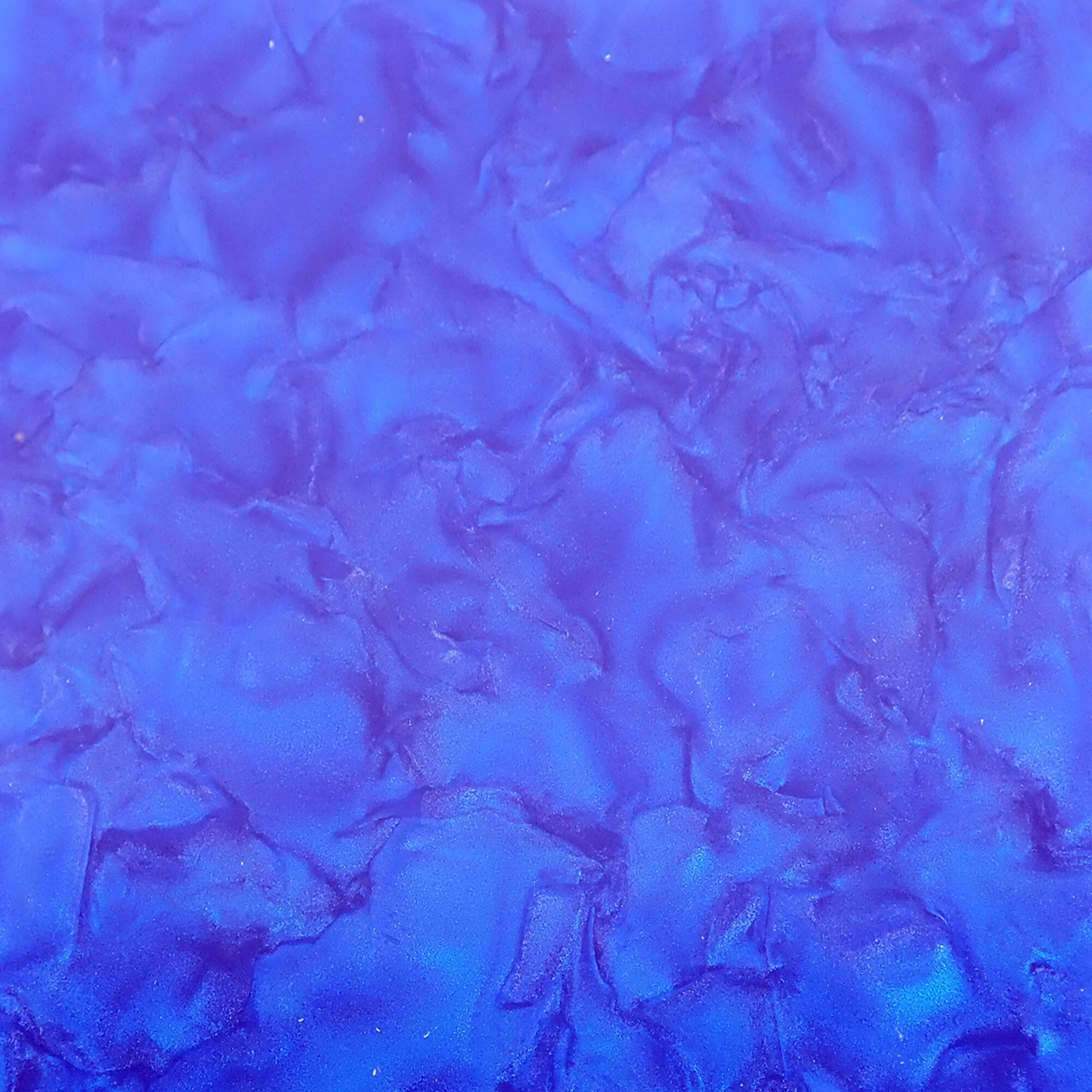 06 / 41Blue Pearloid
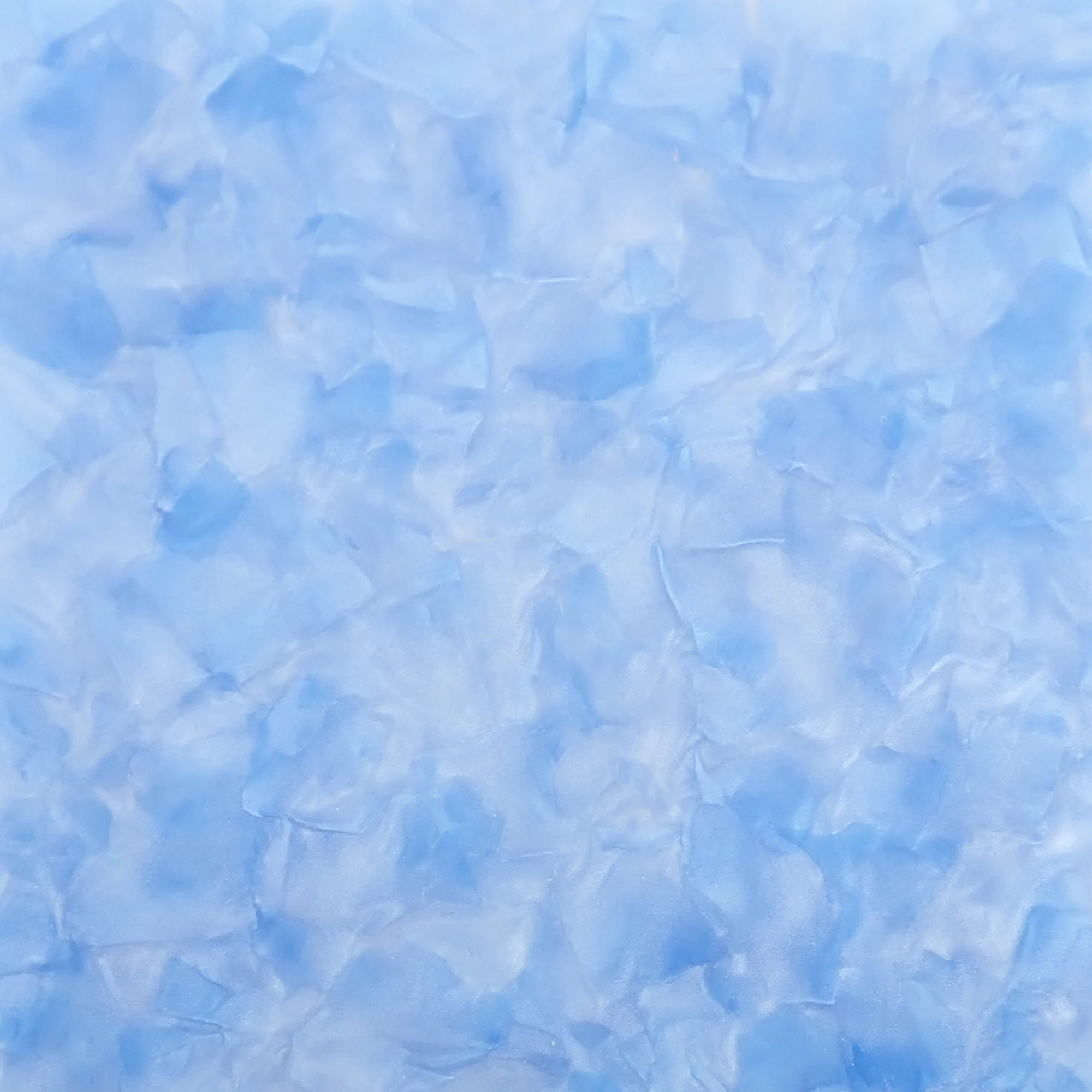 07 / 41Steel Blue Pearloid
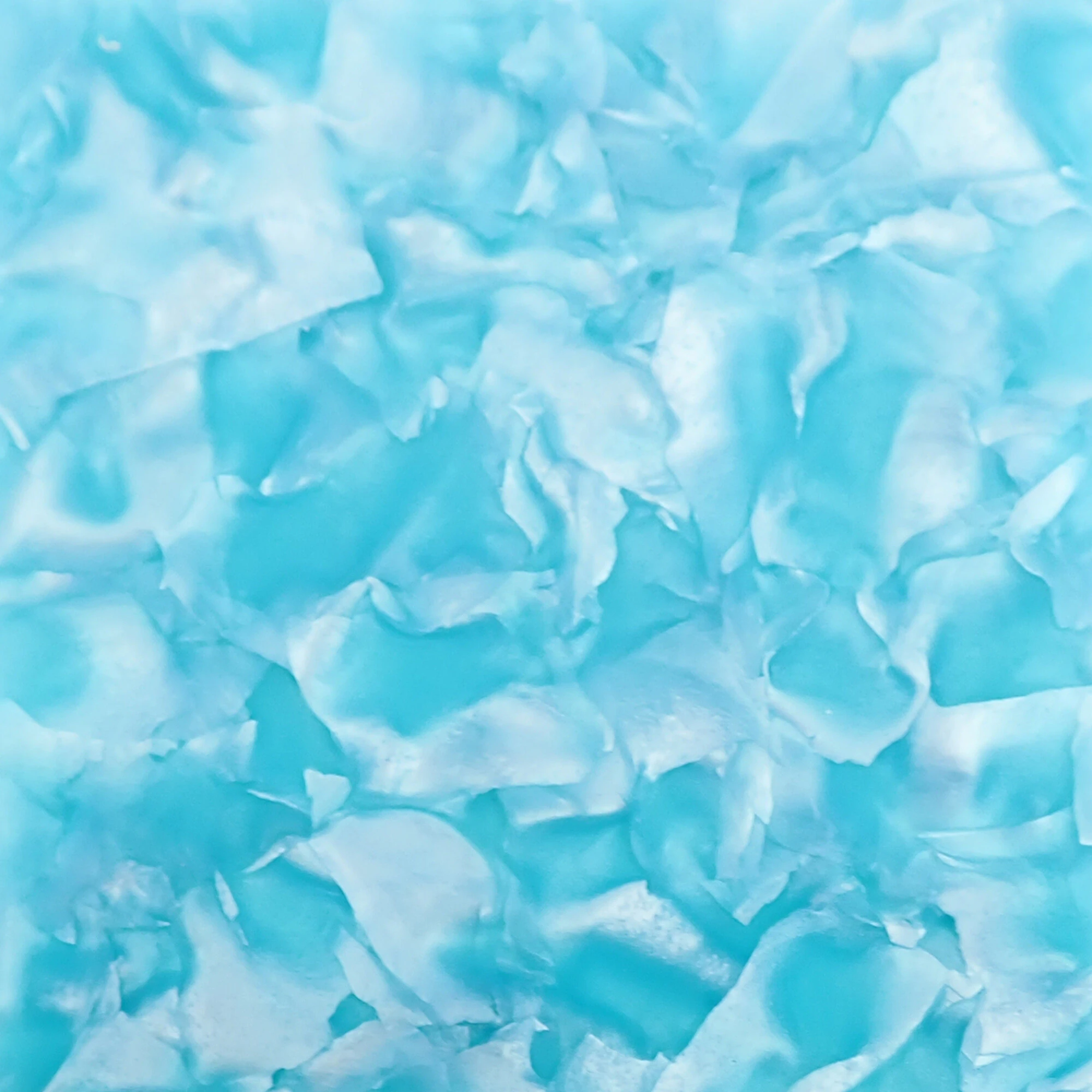 08 / 41Cyan Pearloid
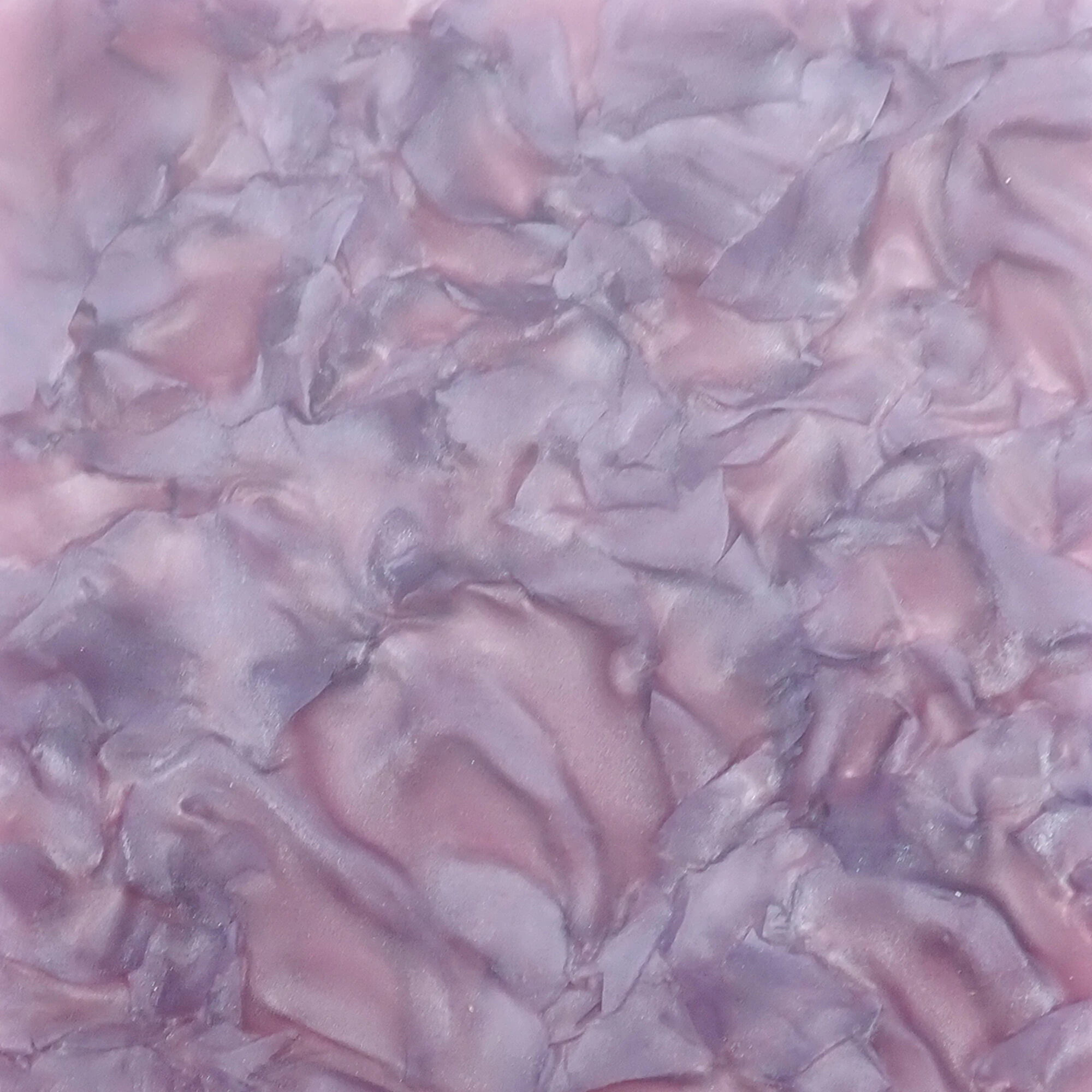 09 / 41Amethyst Pearloid
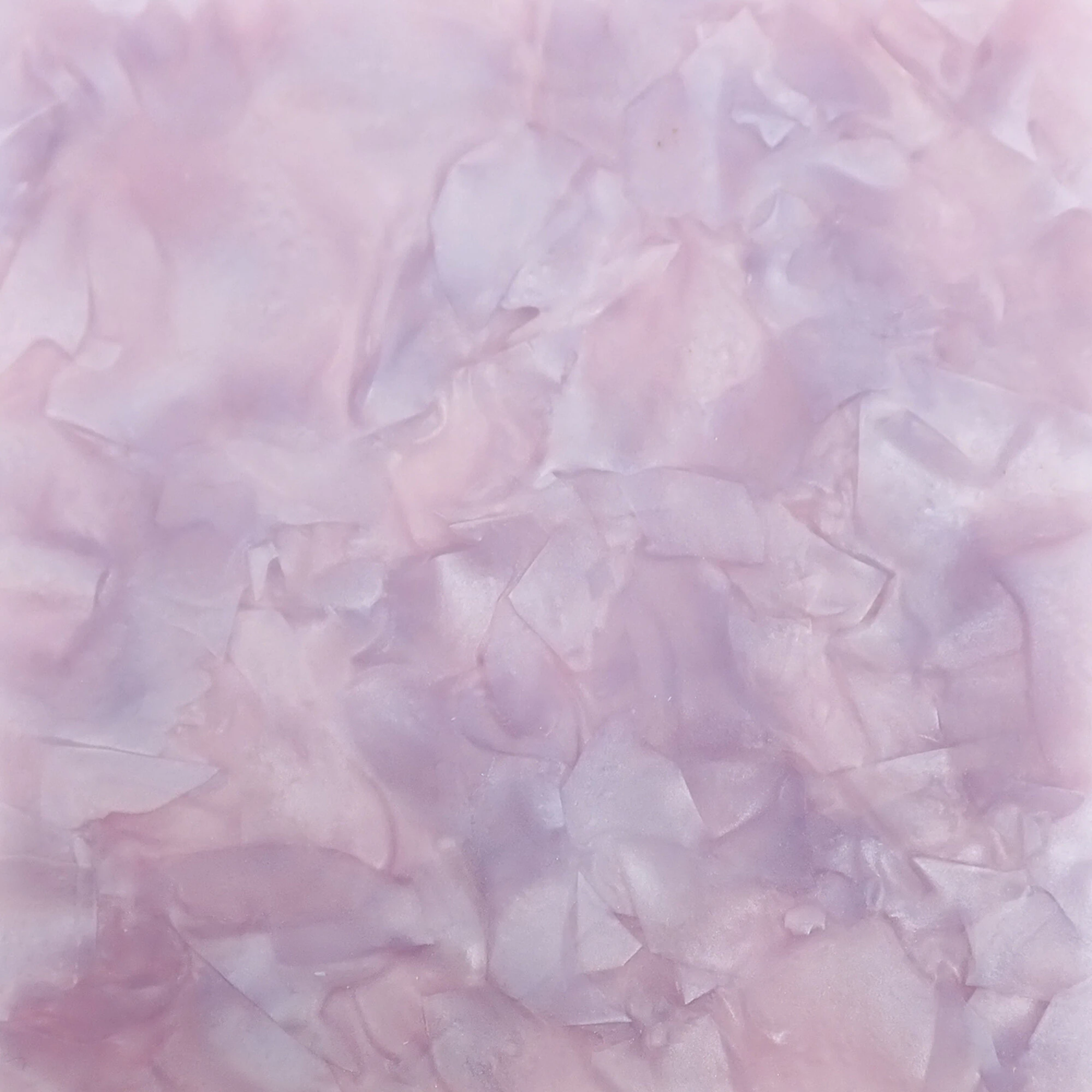 10 / 41Mauve Purple Pearloid
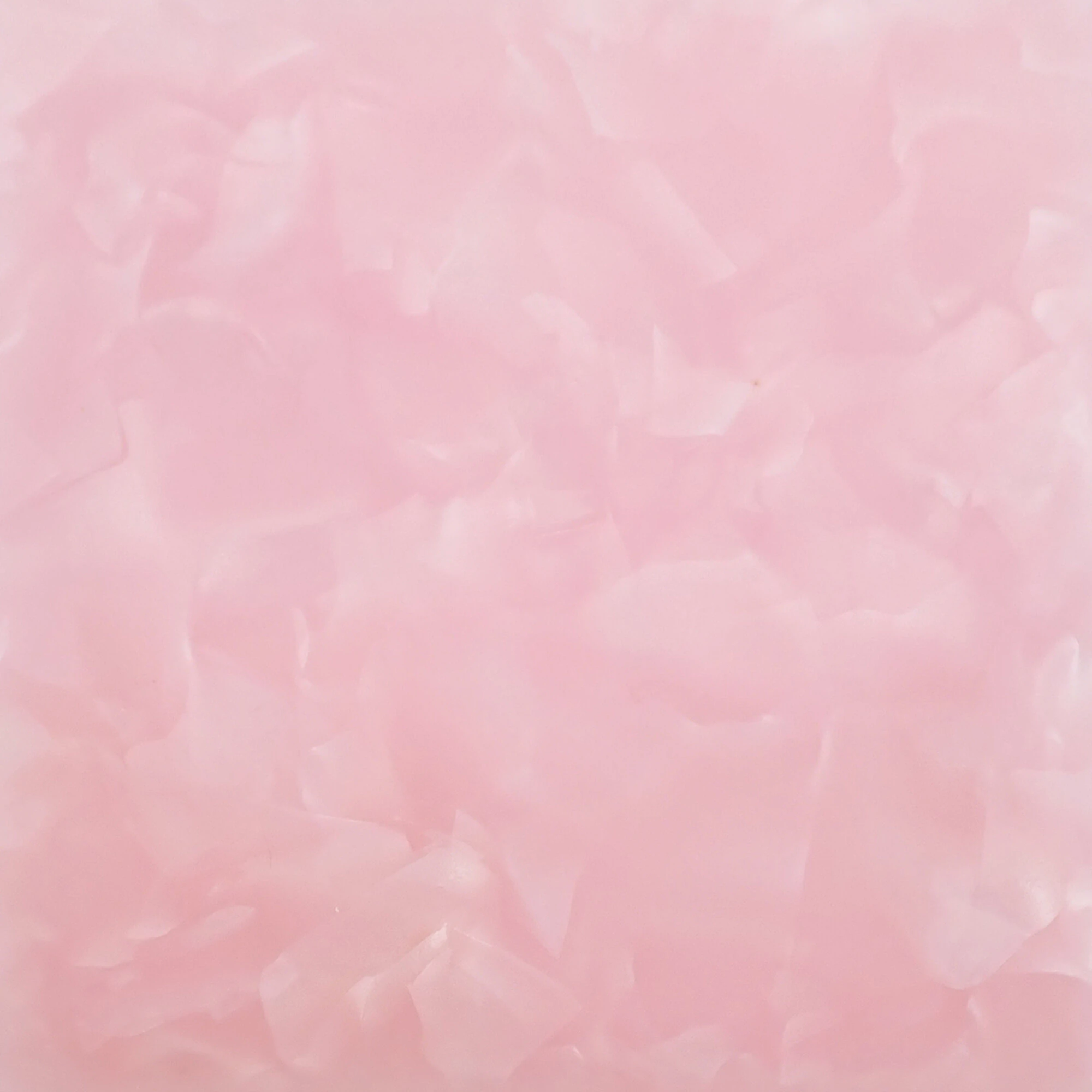 11 / 41Baby Pink Pearloid
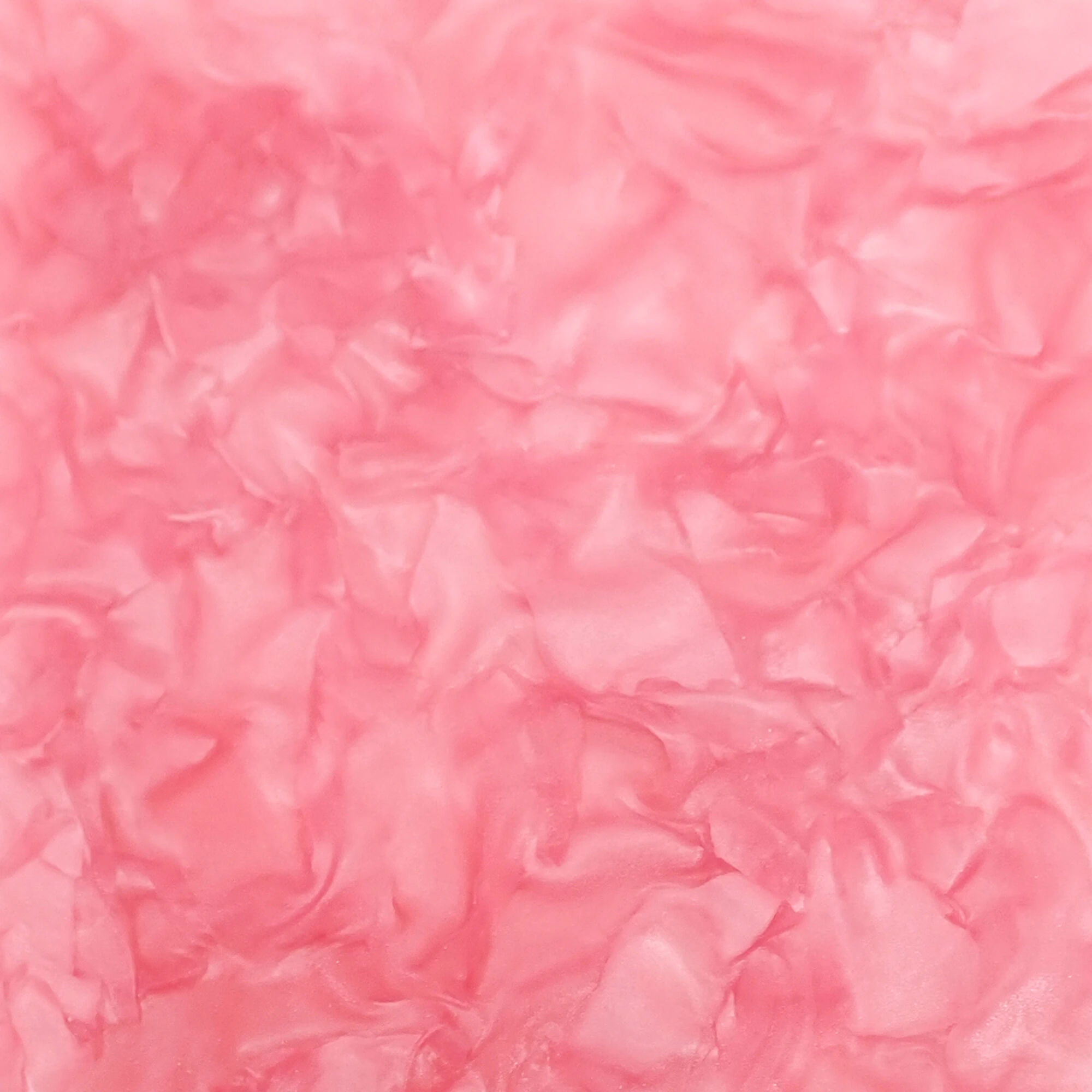 12 / 41Pink Pearloid
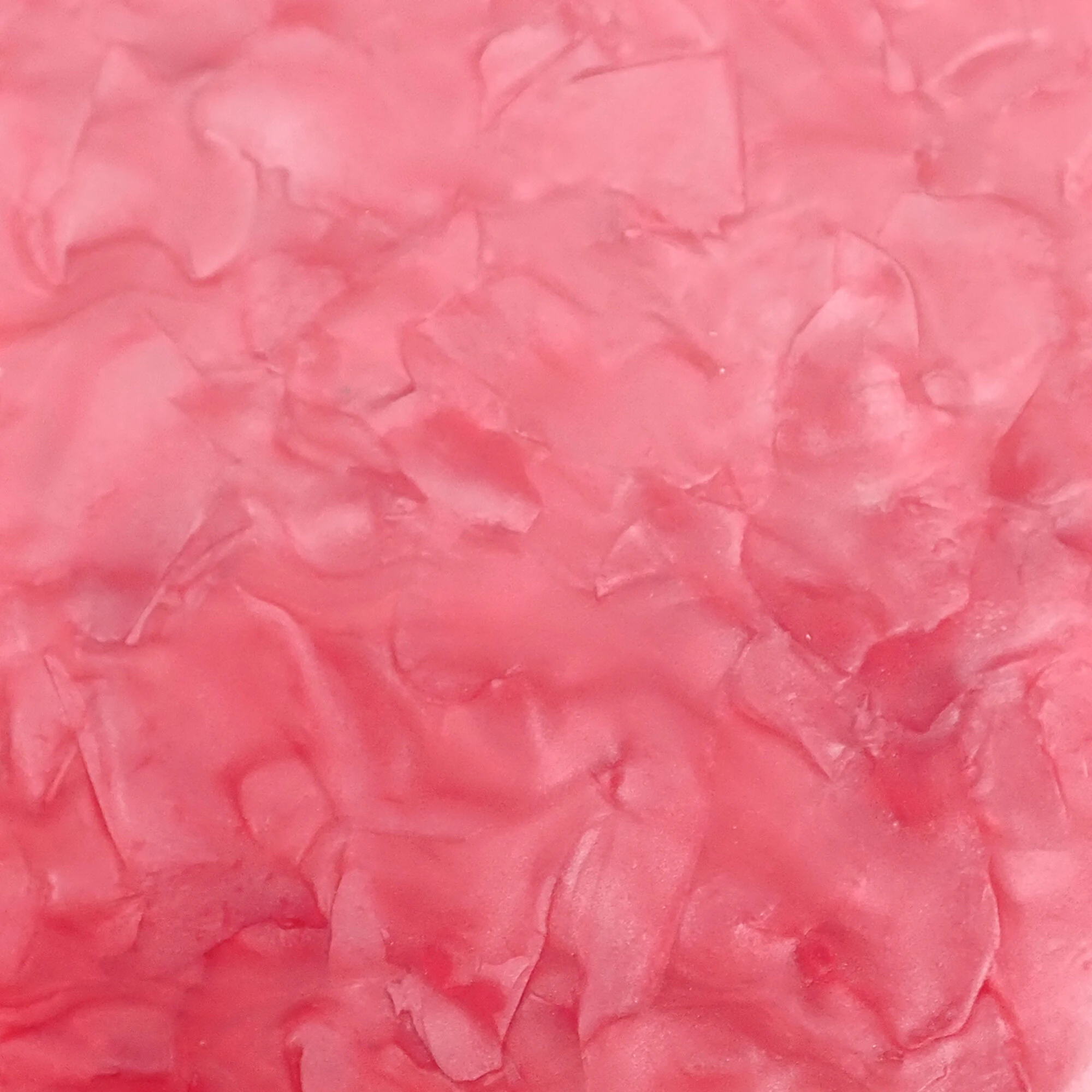 13 / 41Red Pearloid
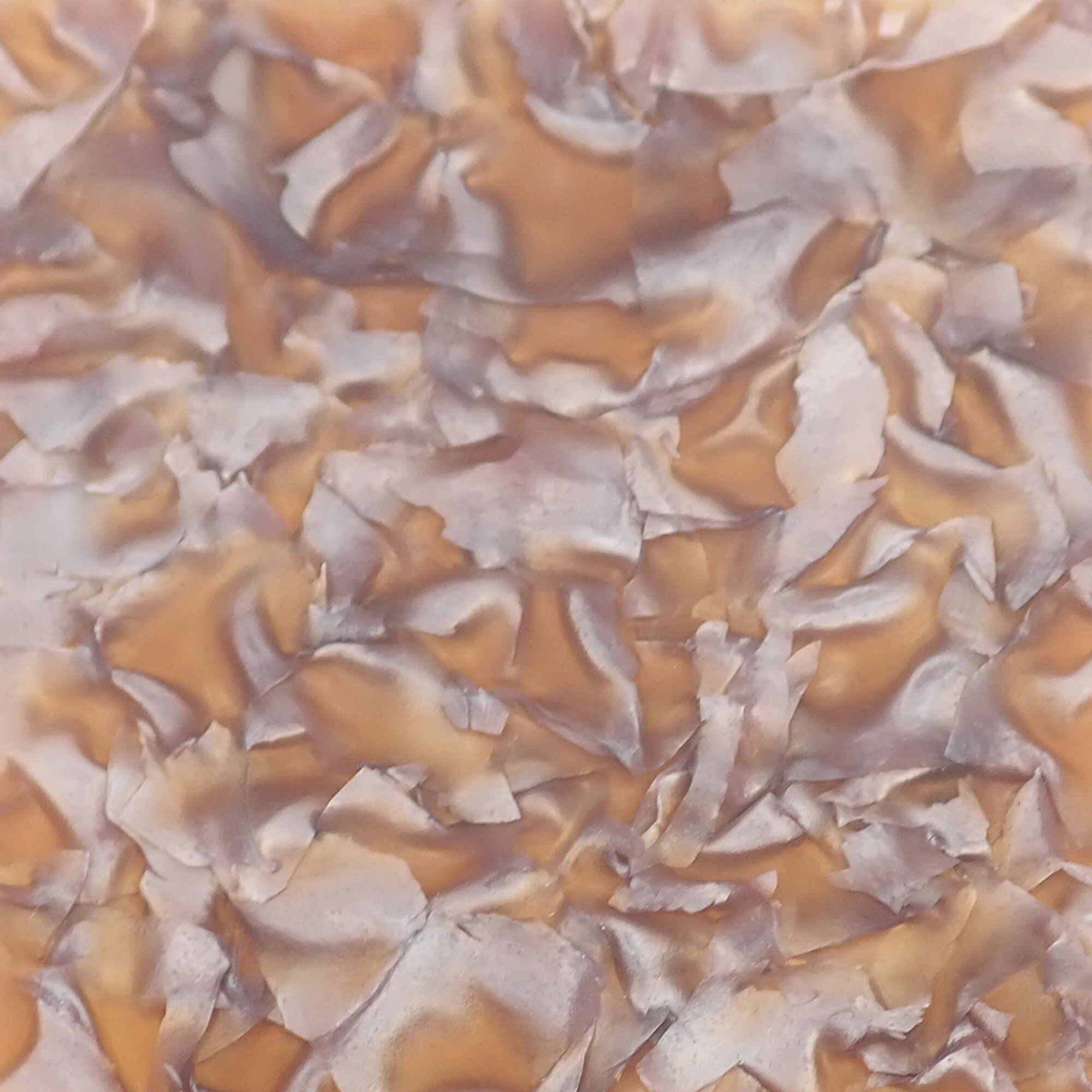 14 / 41Tortoiseshell Brown Pearloid
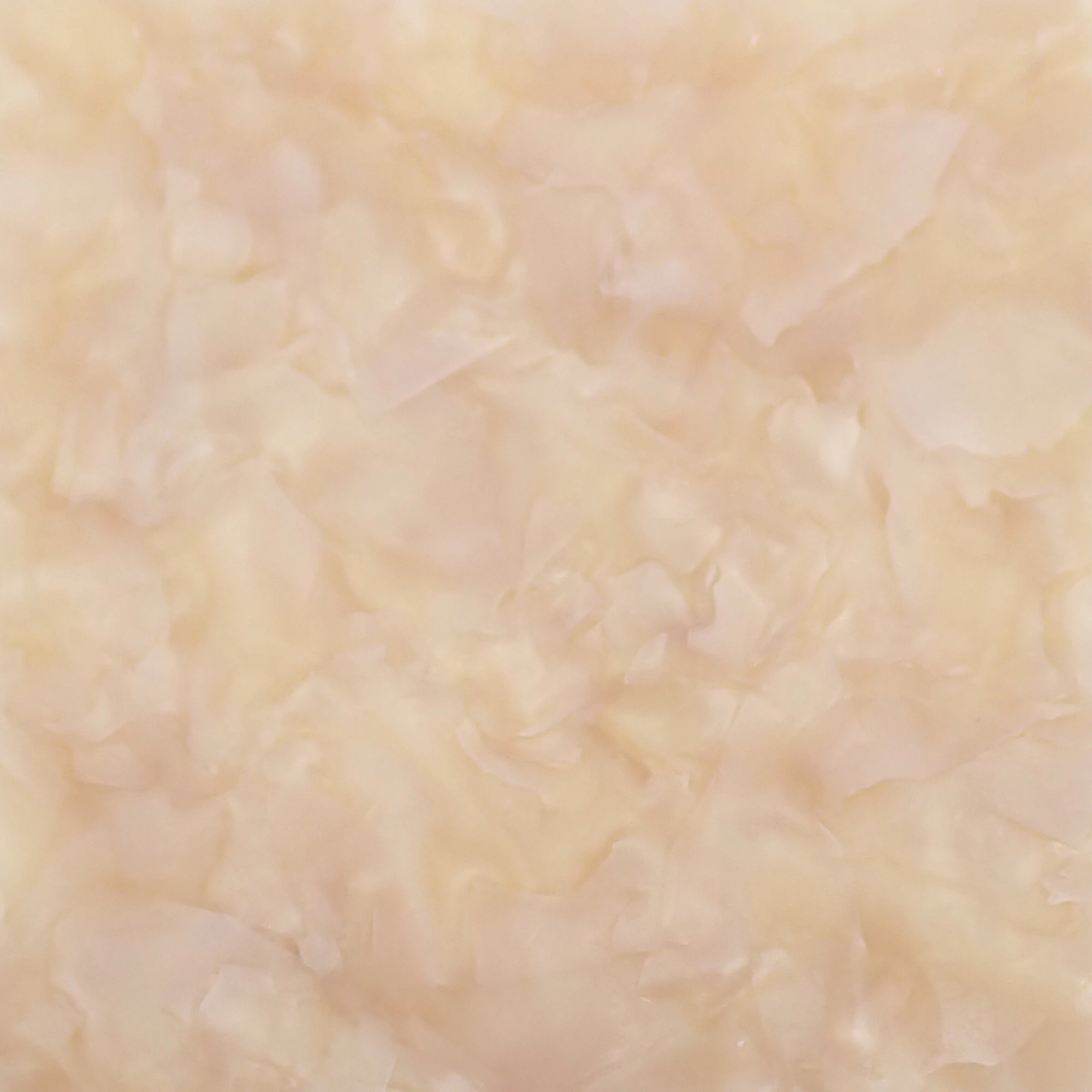 15 / 41Tan Brown Pearloid
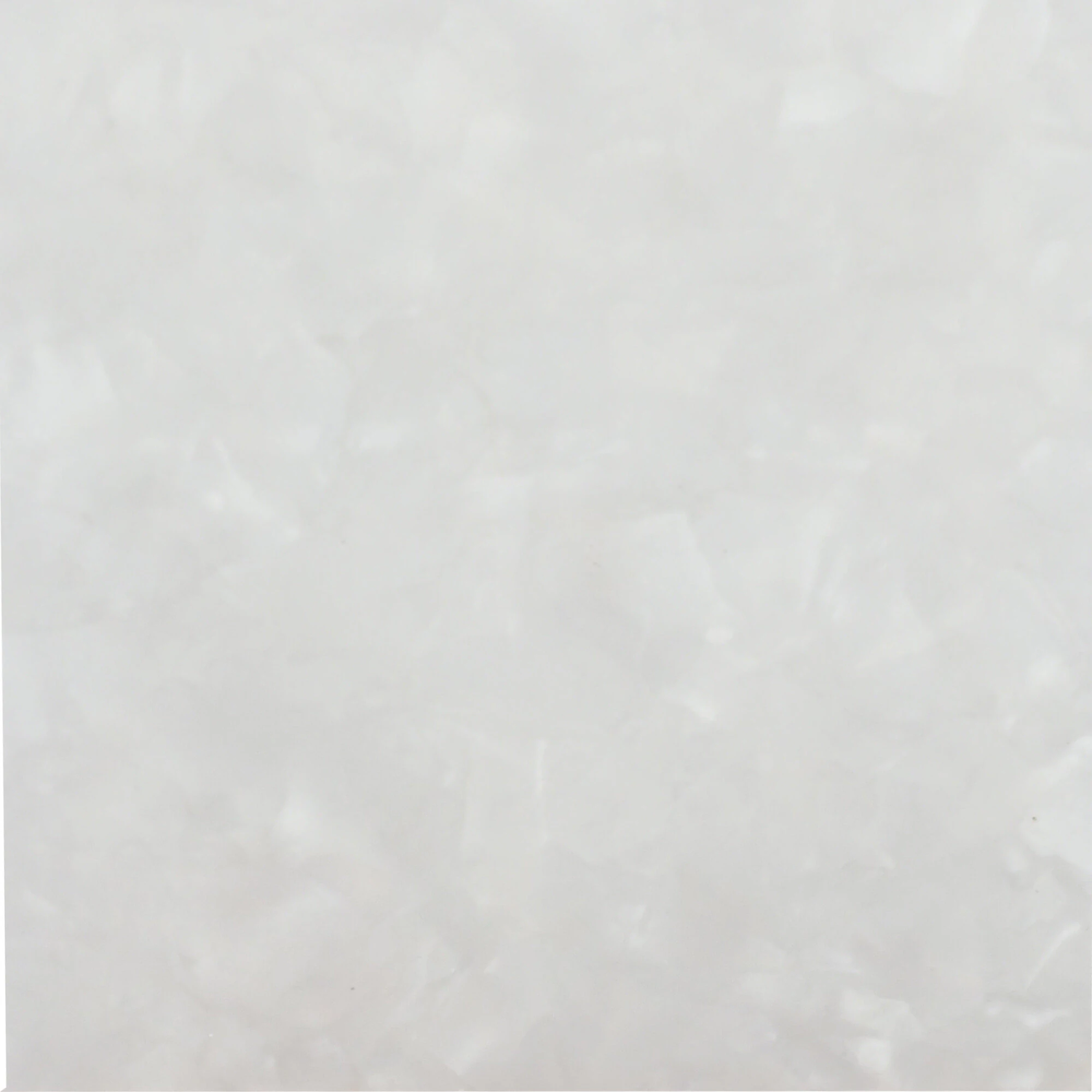 16 / 41White Pearloid
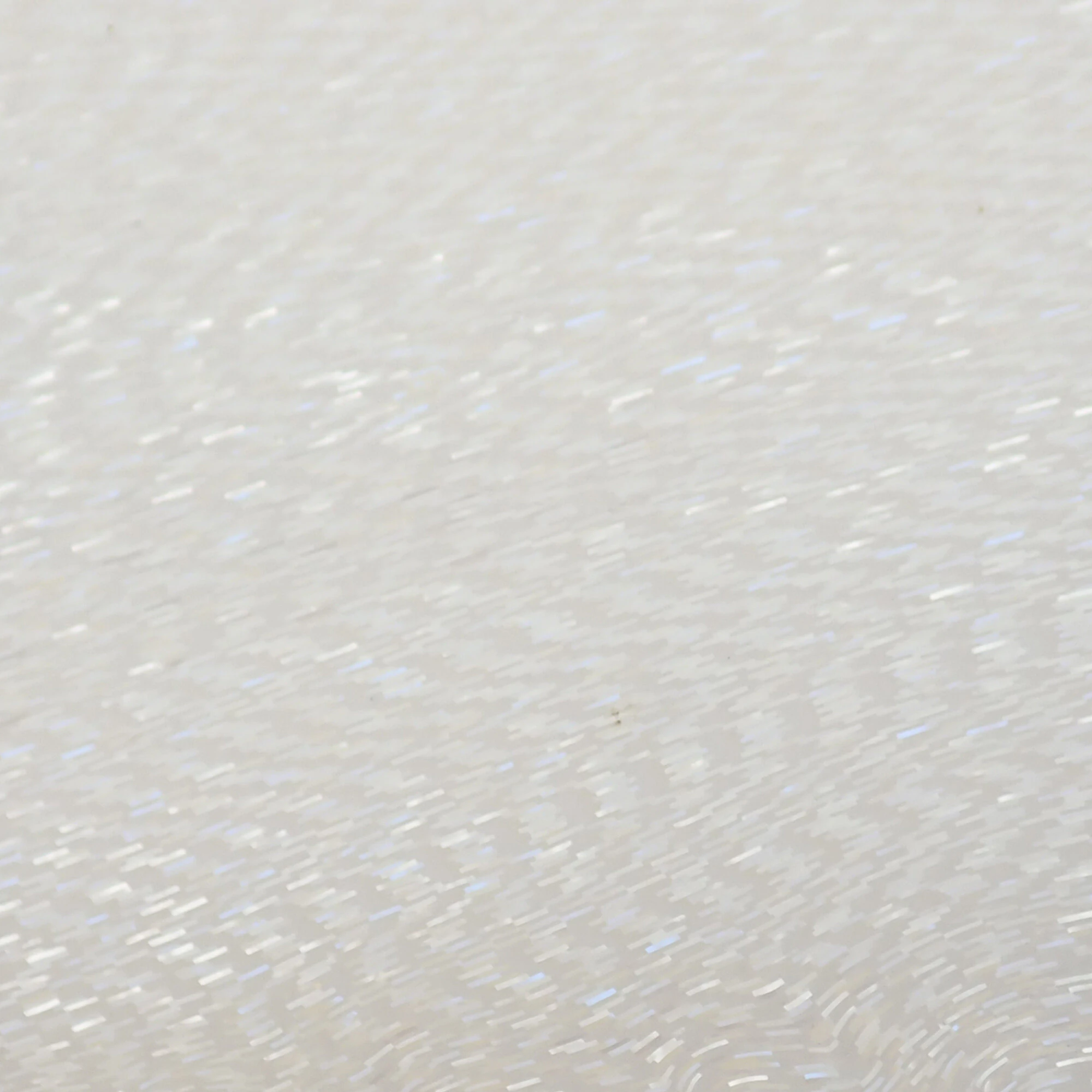 17 / 41White Confetti
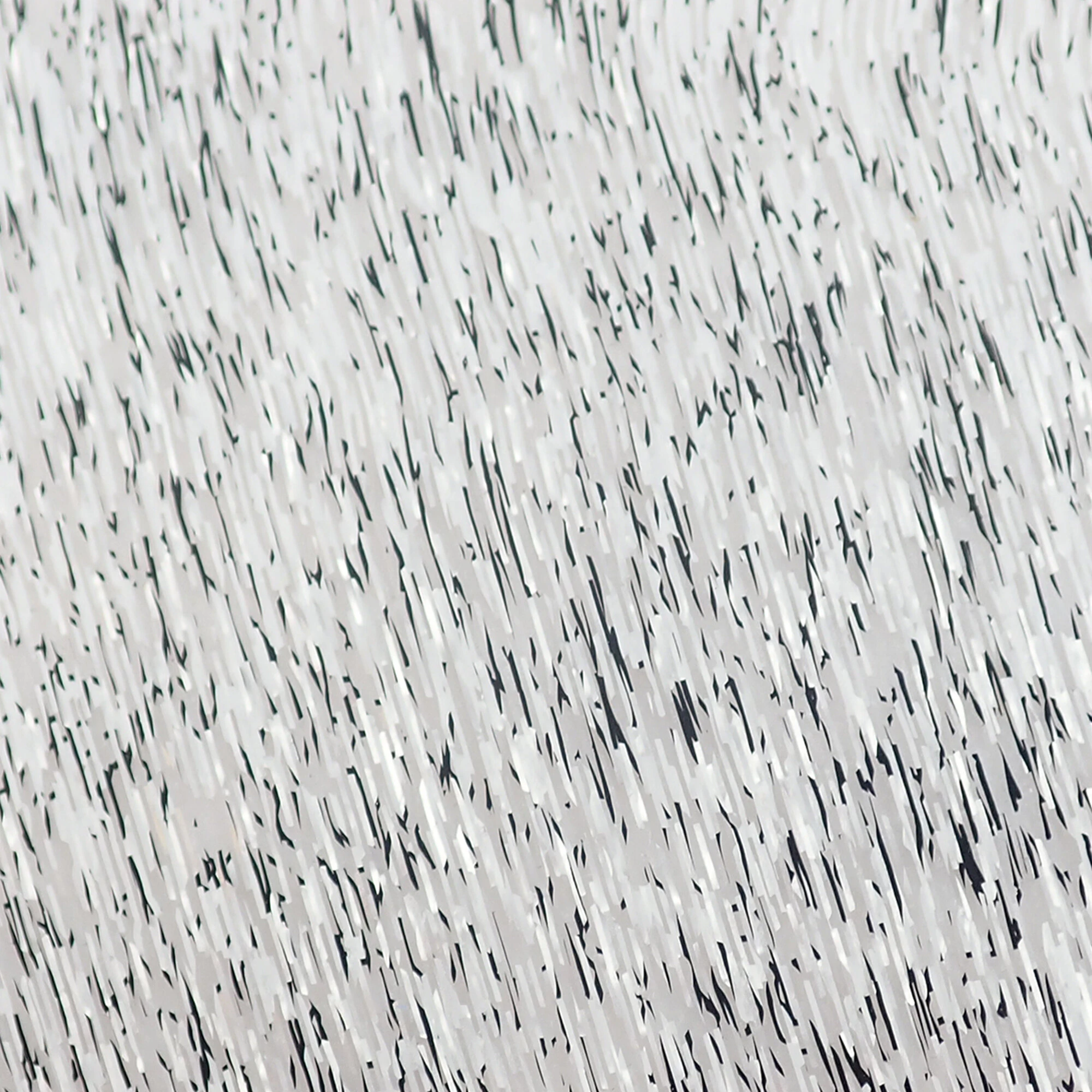 18 / 41Black and White Confetti
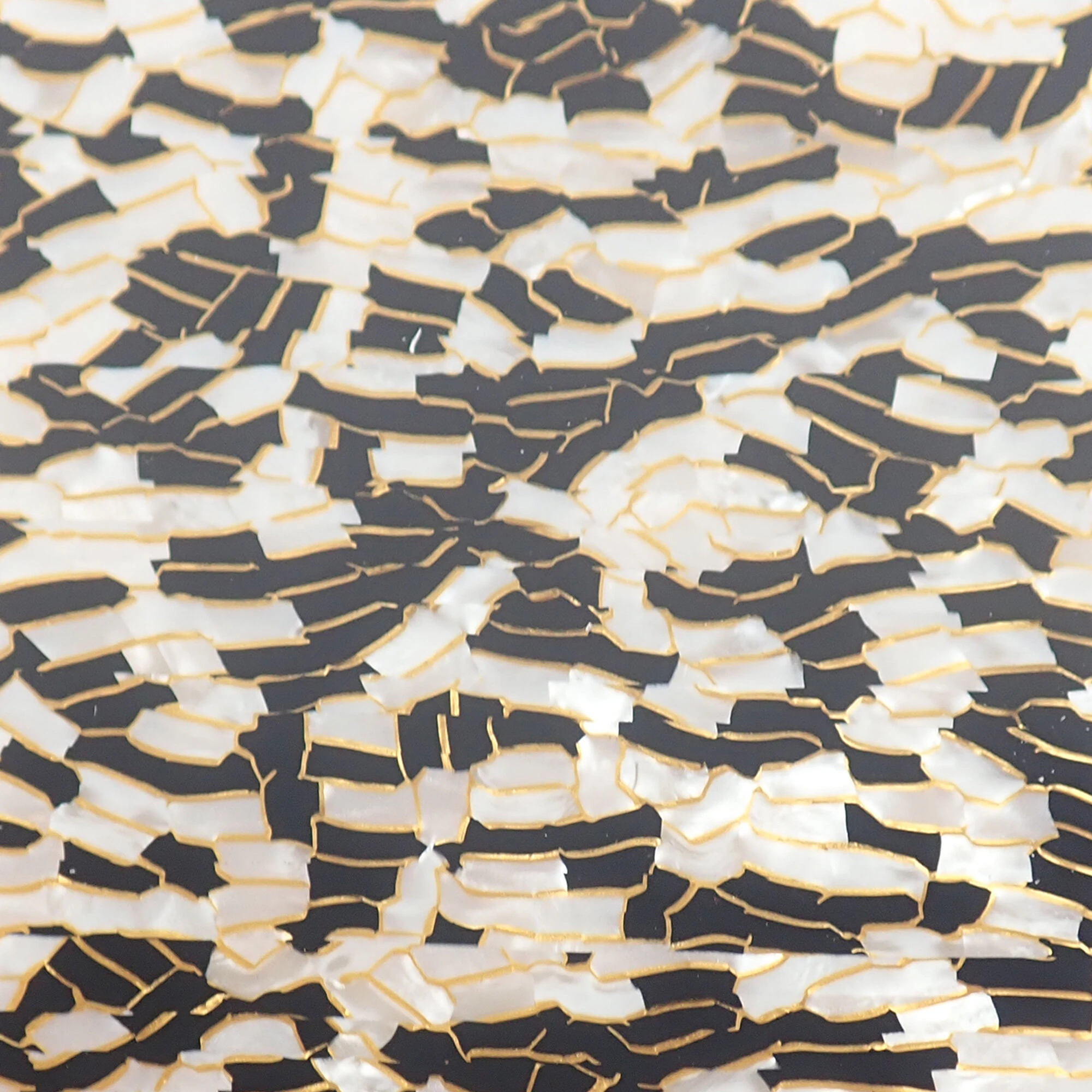 19 / 41Black and White Crackle
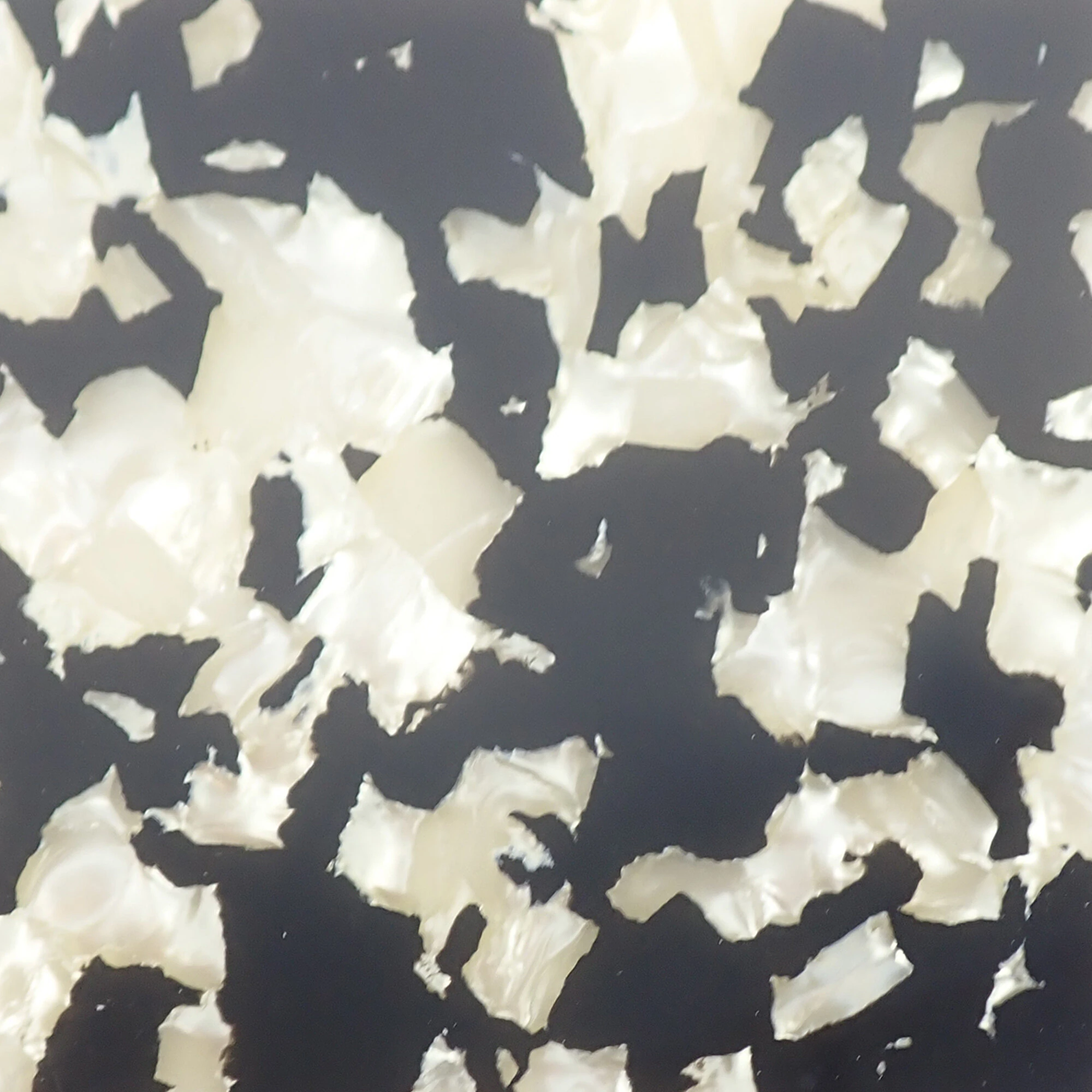 20 / 41Black and White Pearloid
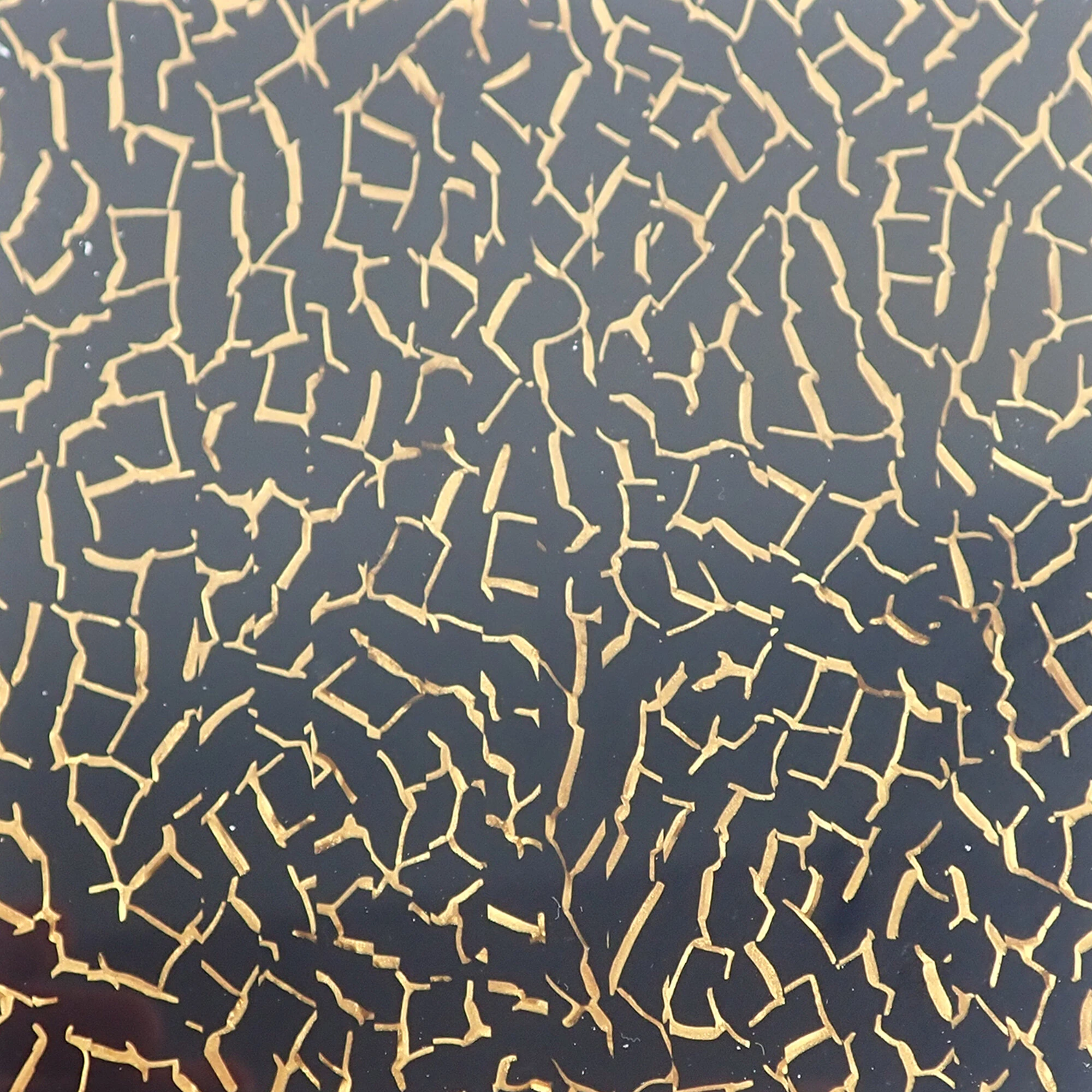 21 / 41Black Crackle
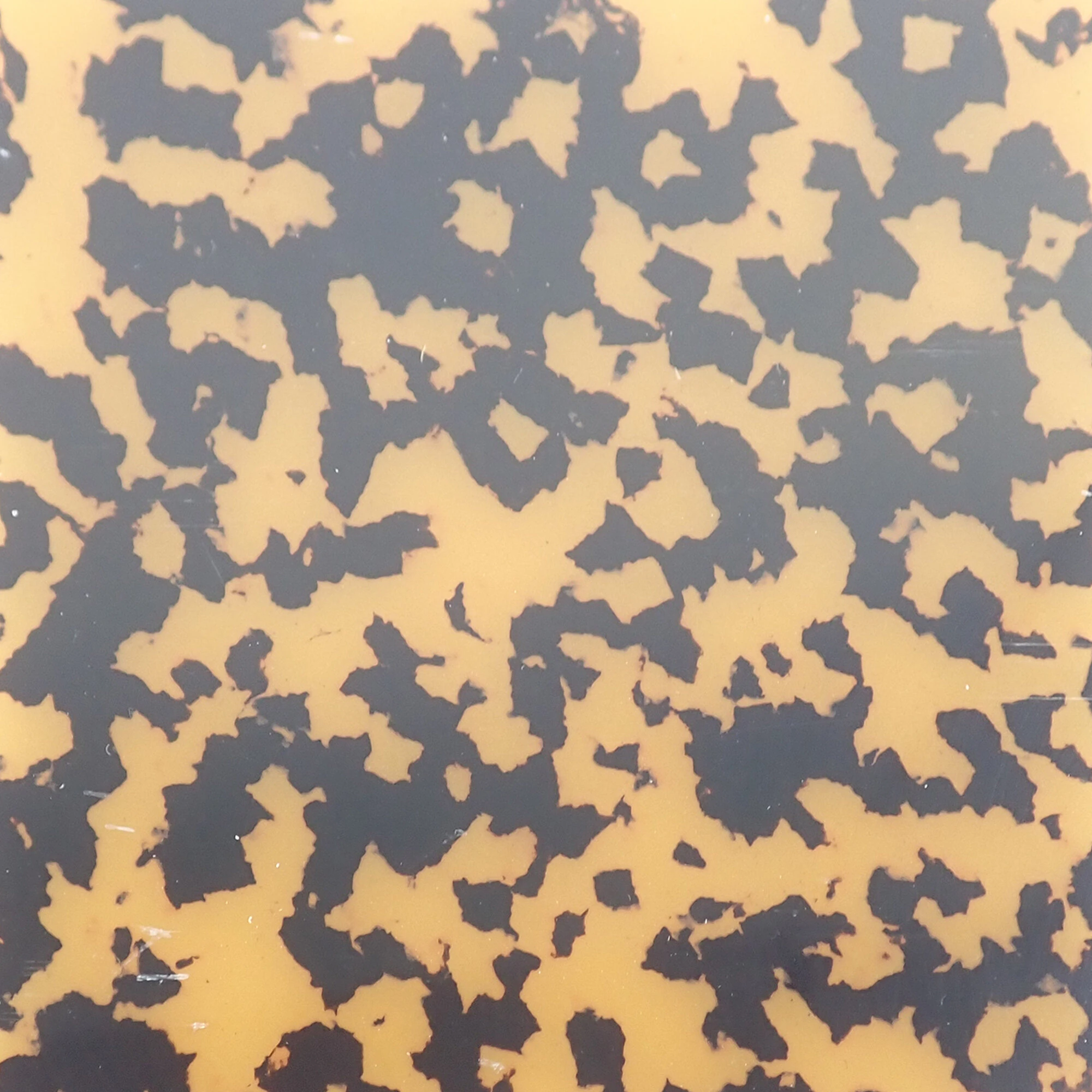 22 / 41Dark Spotted Tortoiseshell
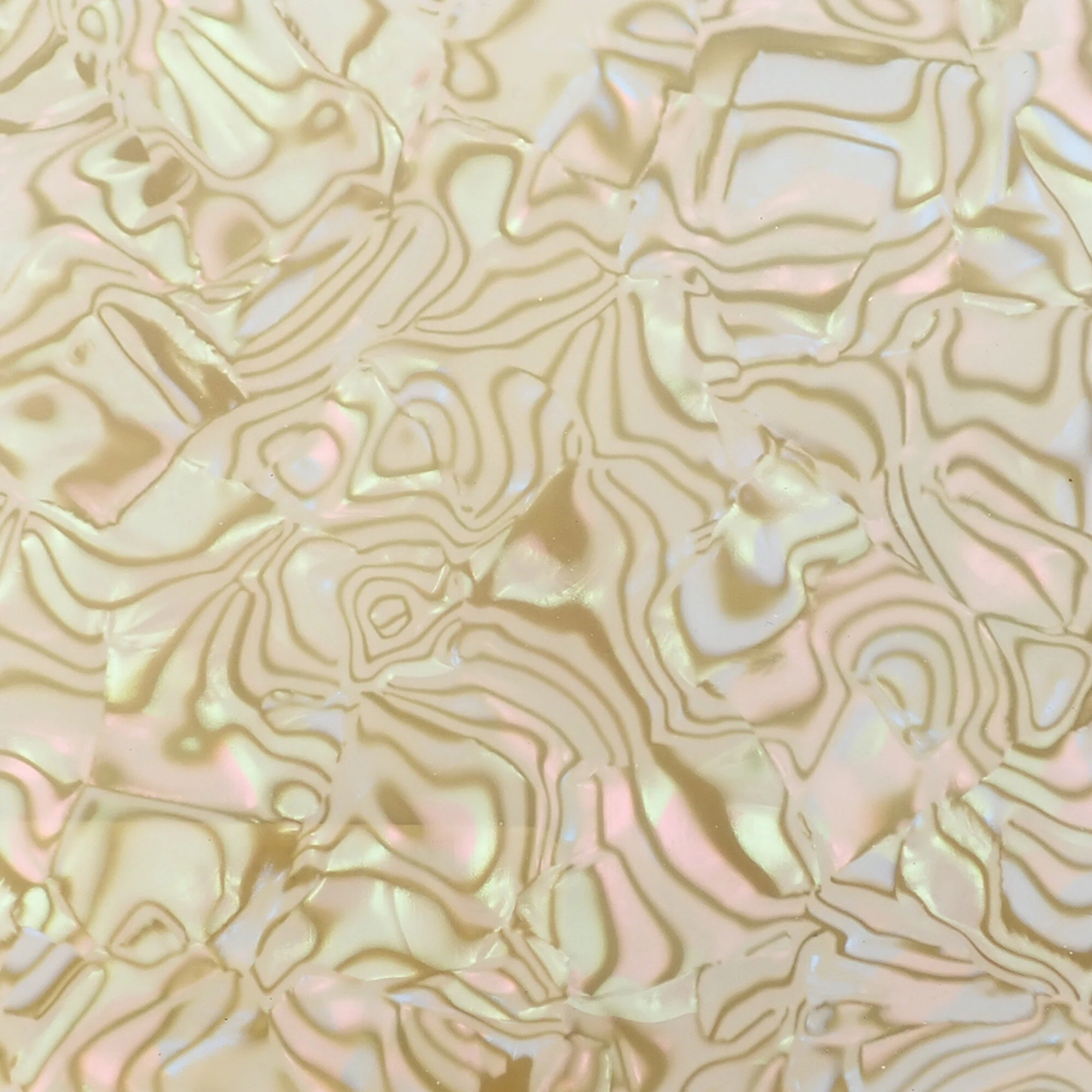 23 / 41Light Abalone Shell
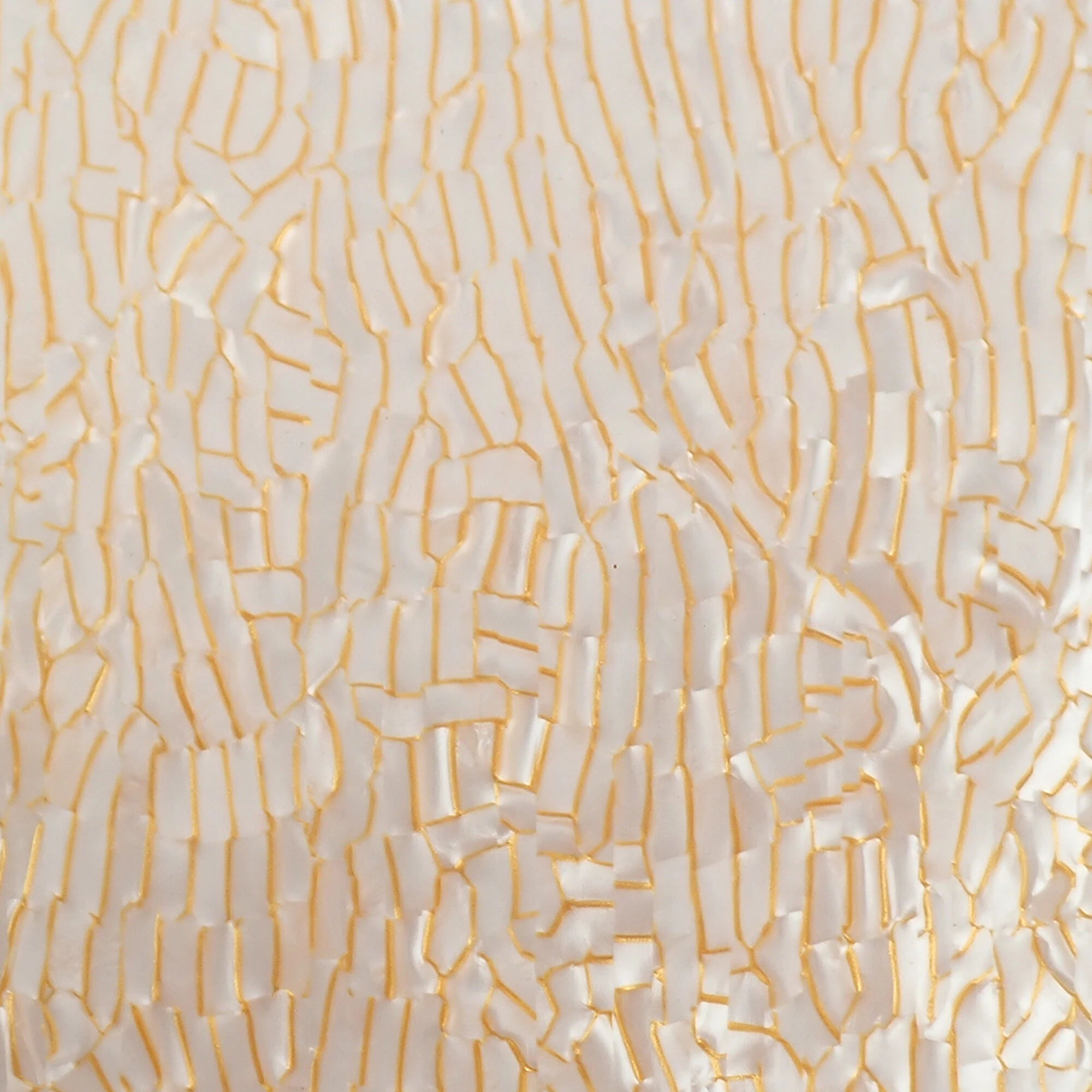 24 / 41White Crackle
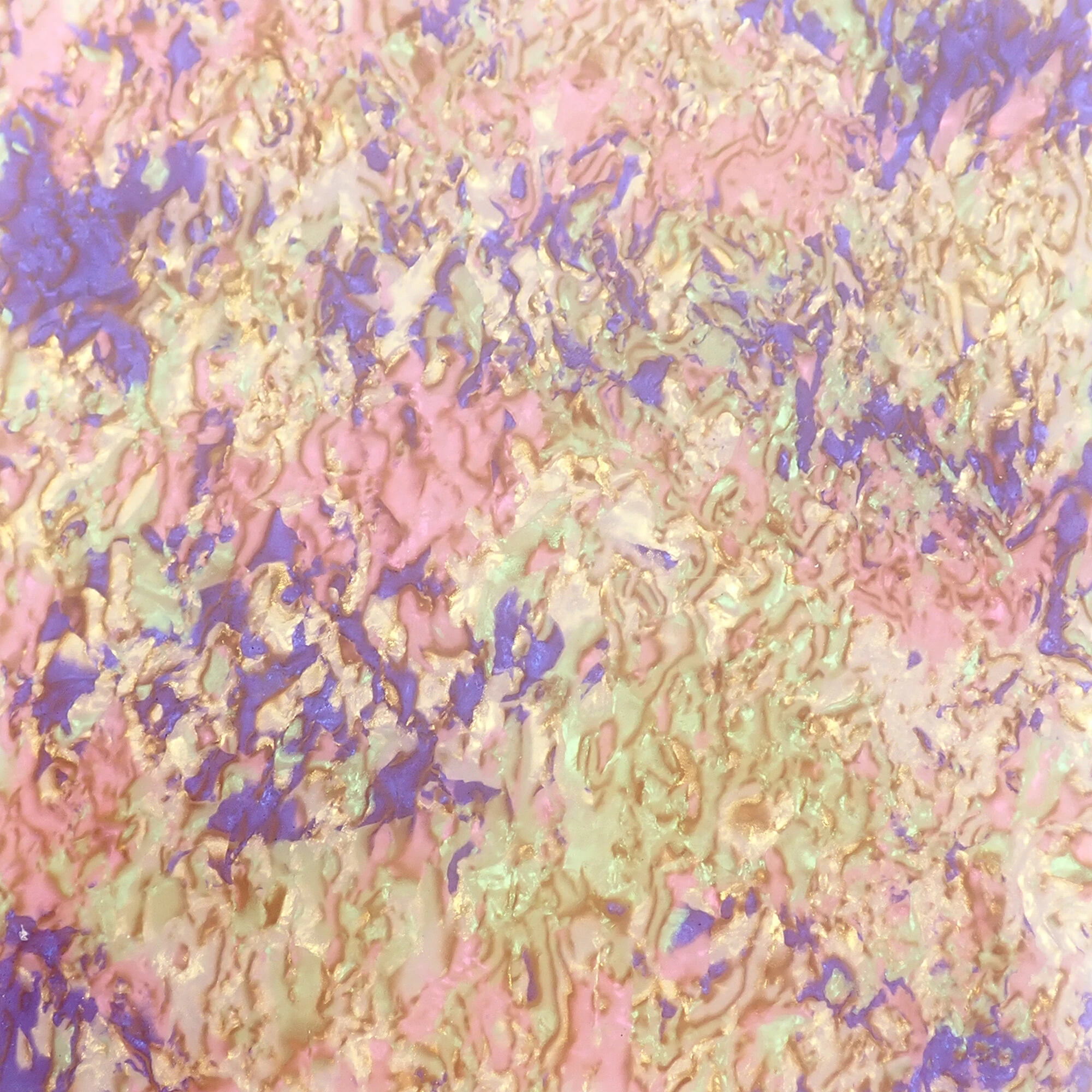 25 / 41Pink Splatter
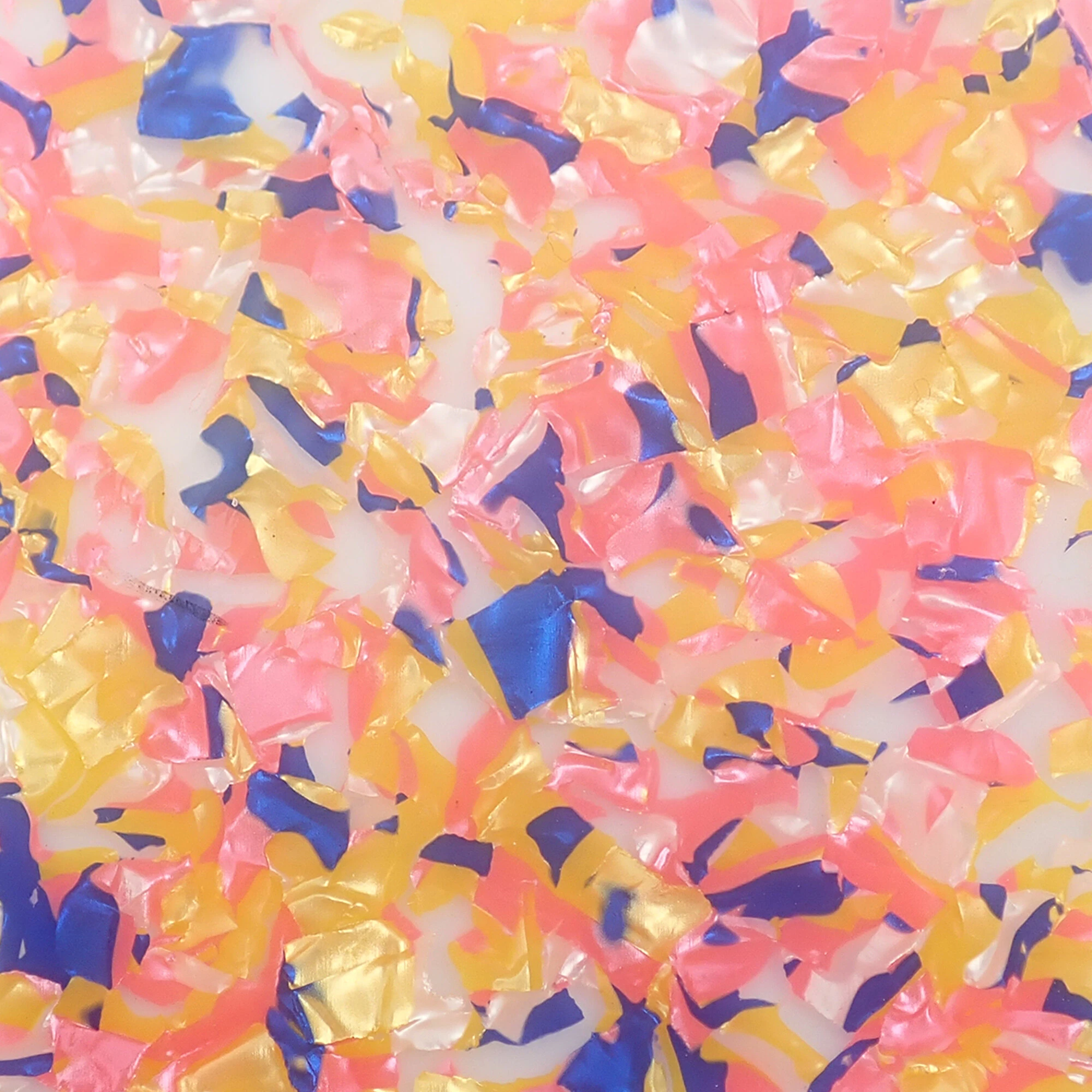 26 / 41Calico Pearloid
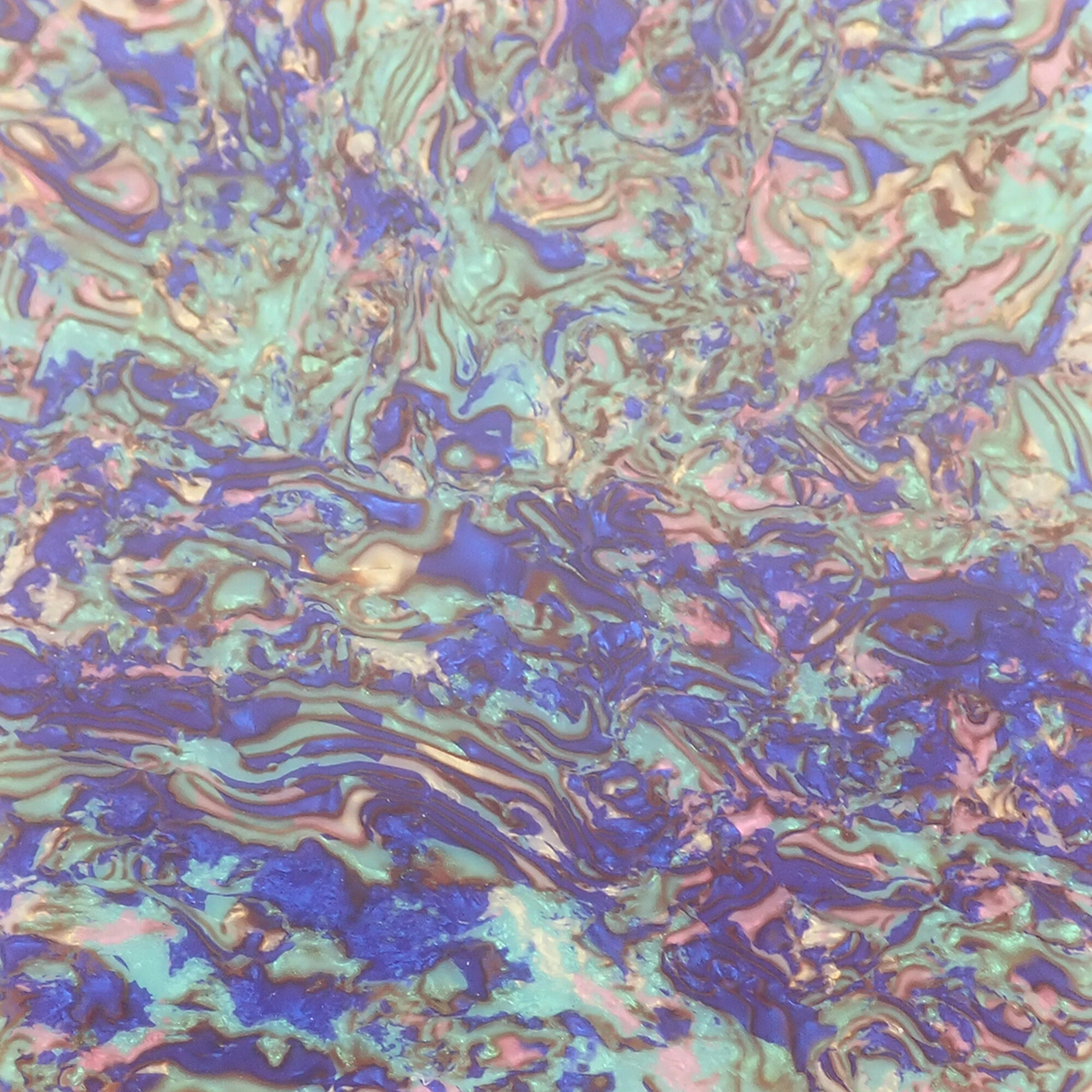 27 / 41Blue Splatter
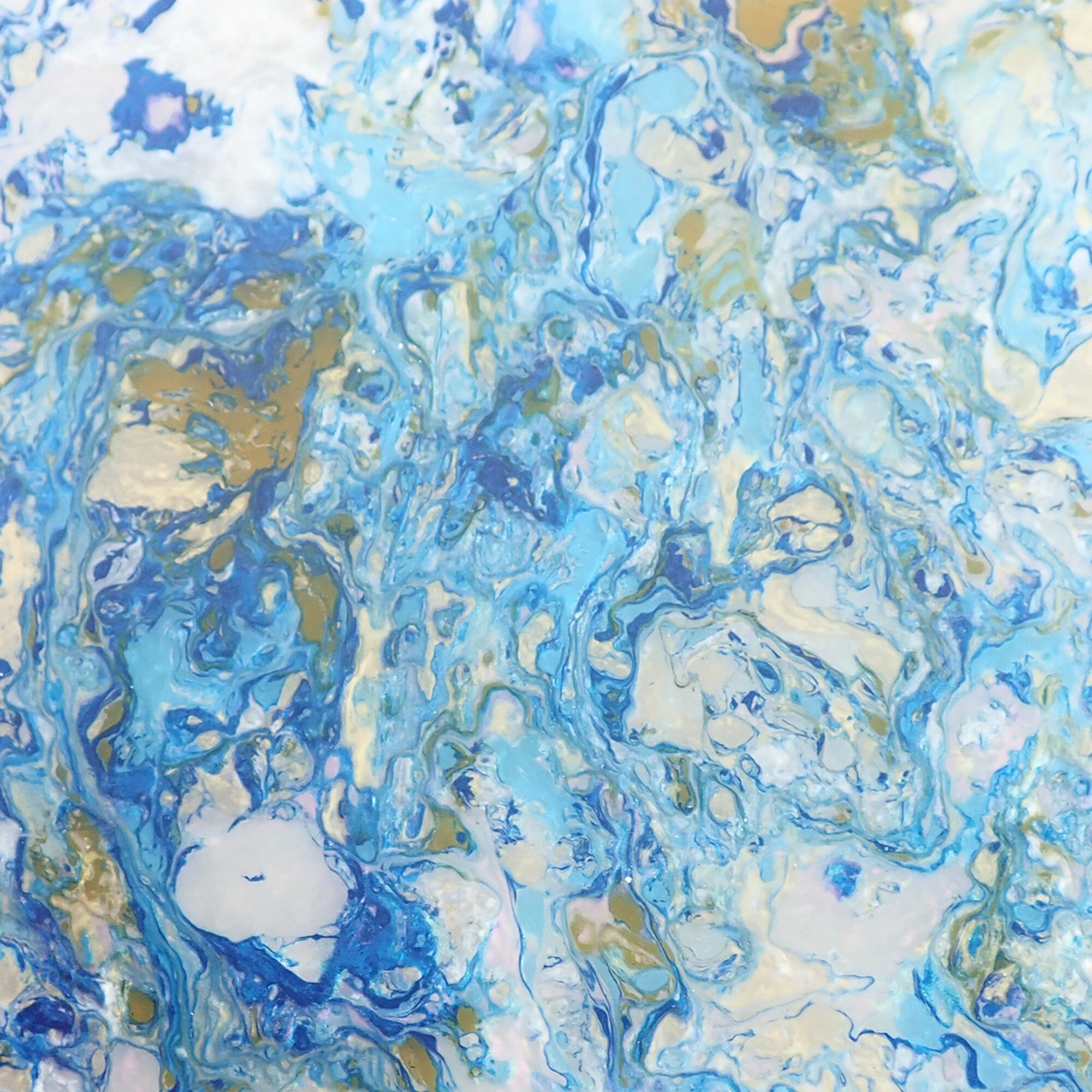 28 / 41
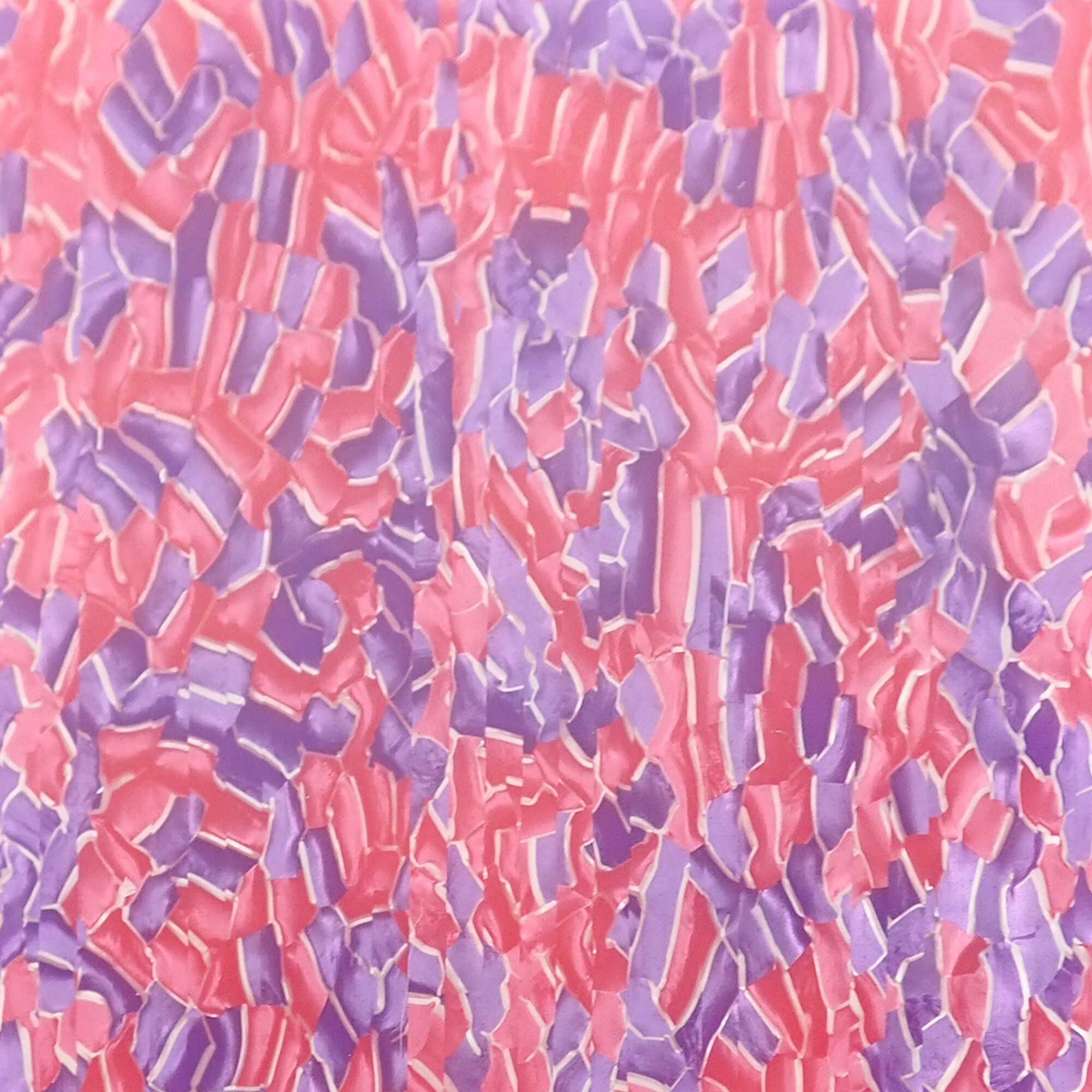 29 / 41Purple Crackle
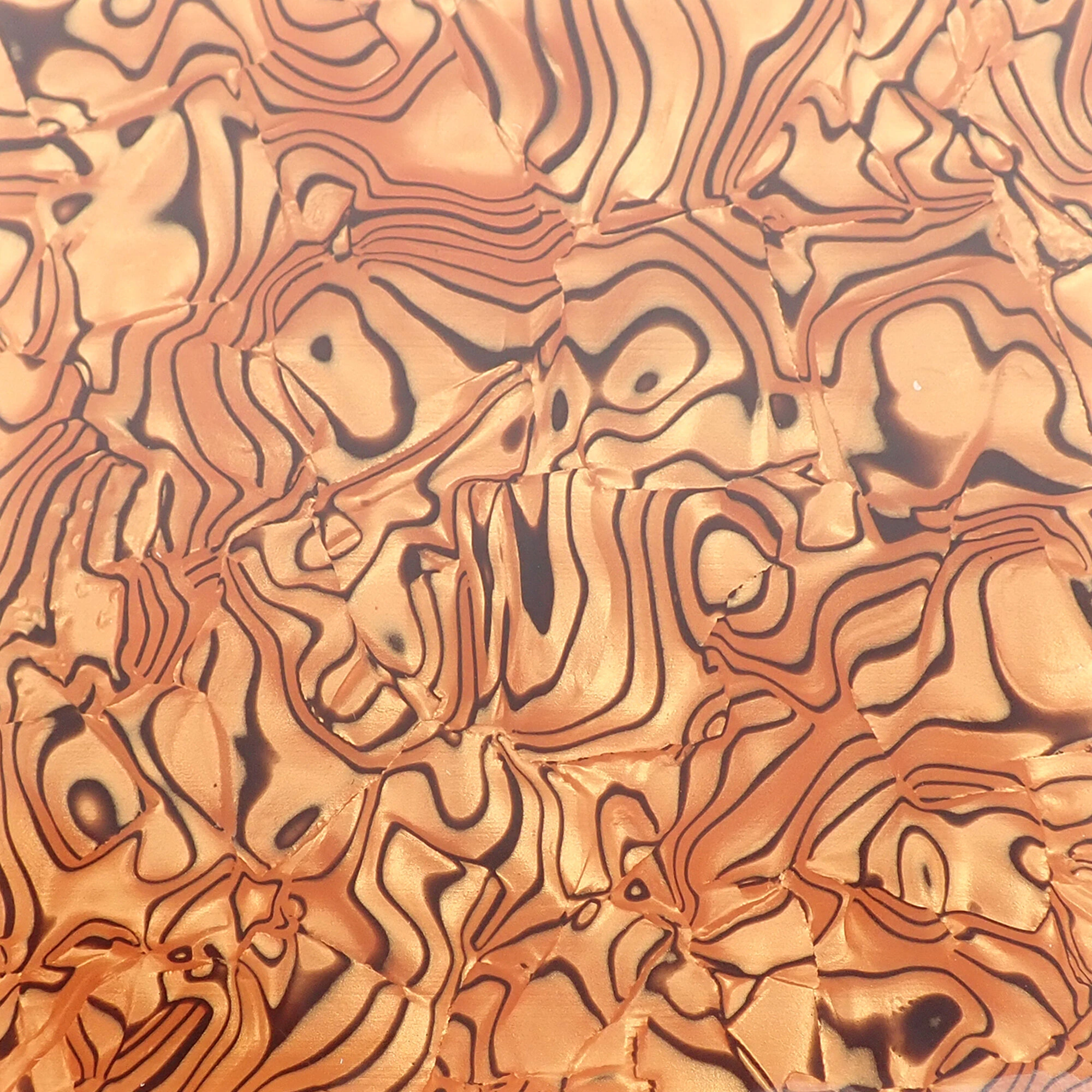 30 / 41Brown Tiger Shell
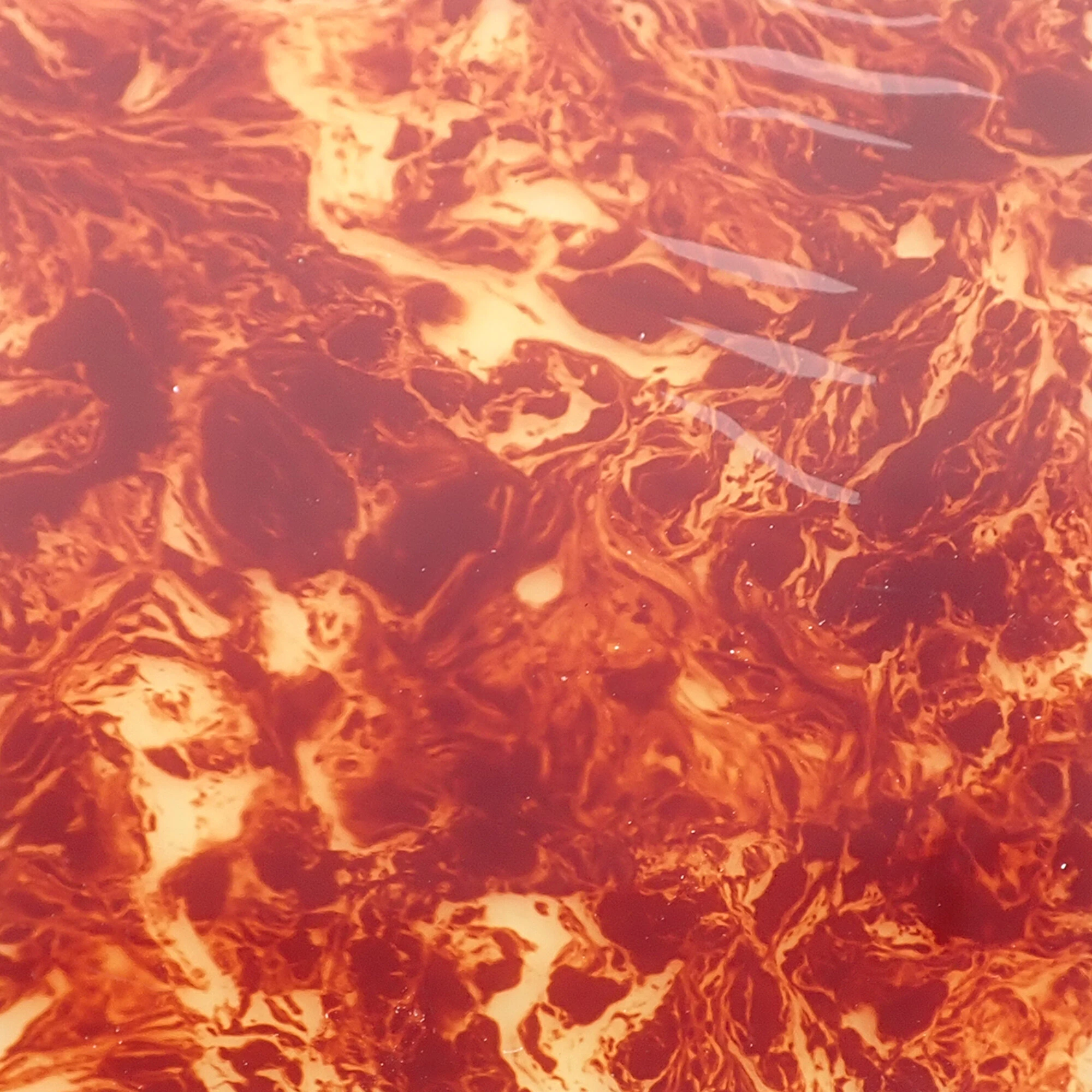 31 / 41Dark Tortoiseshell
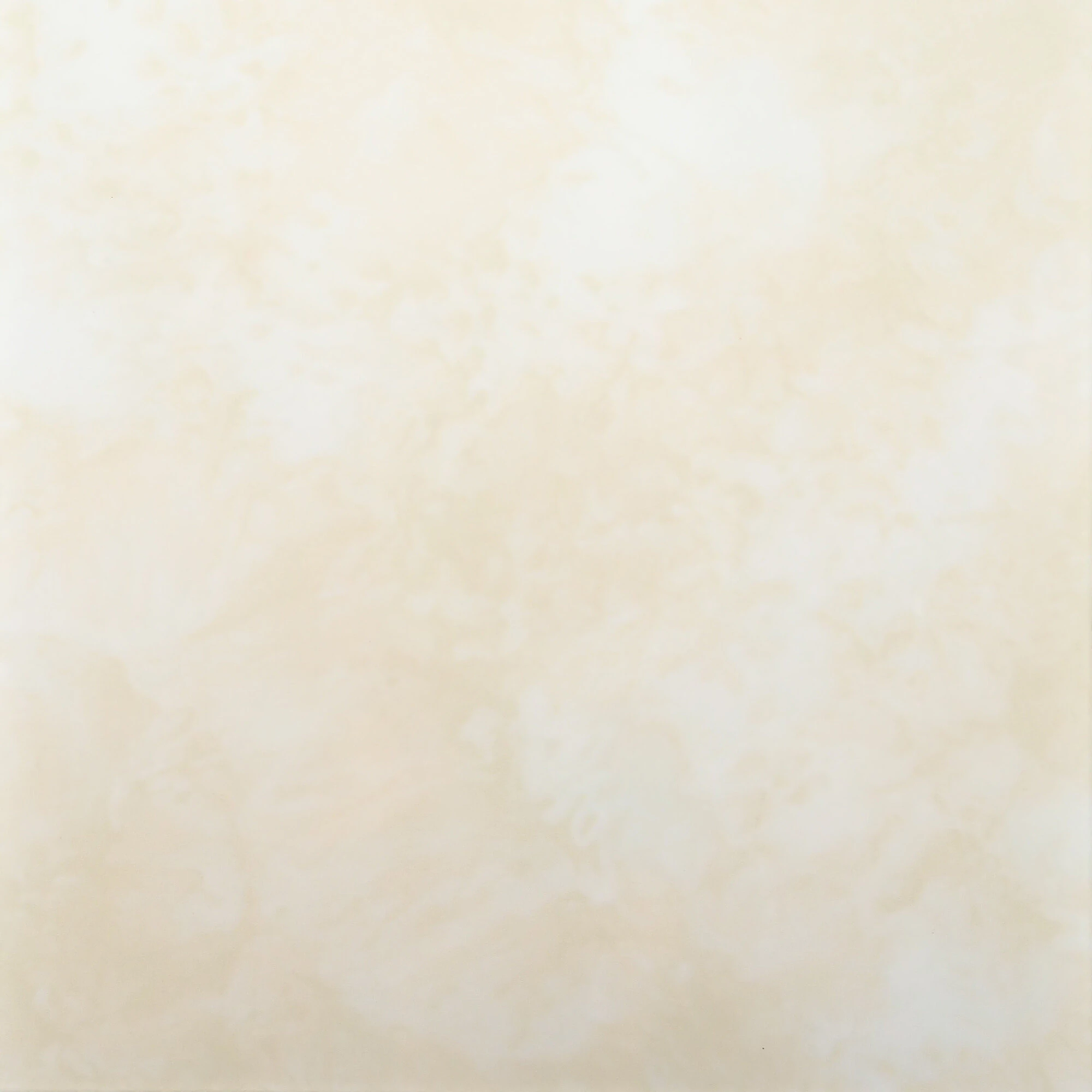 32 / 41White Jade Stone
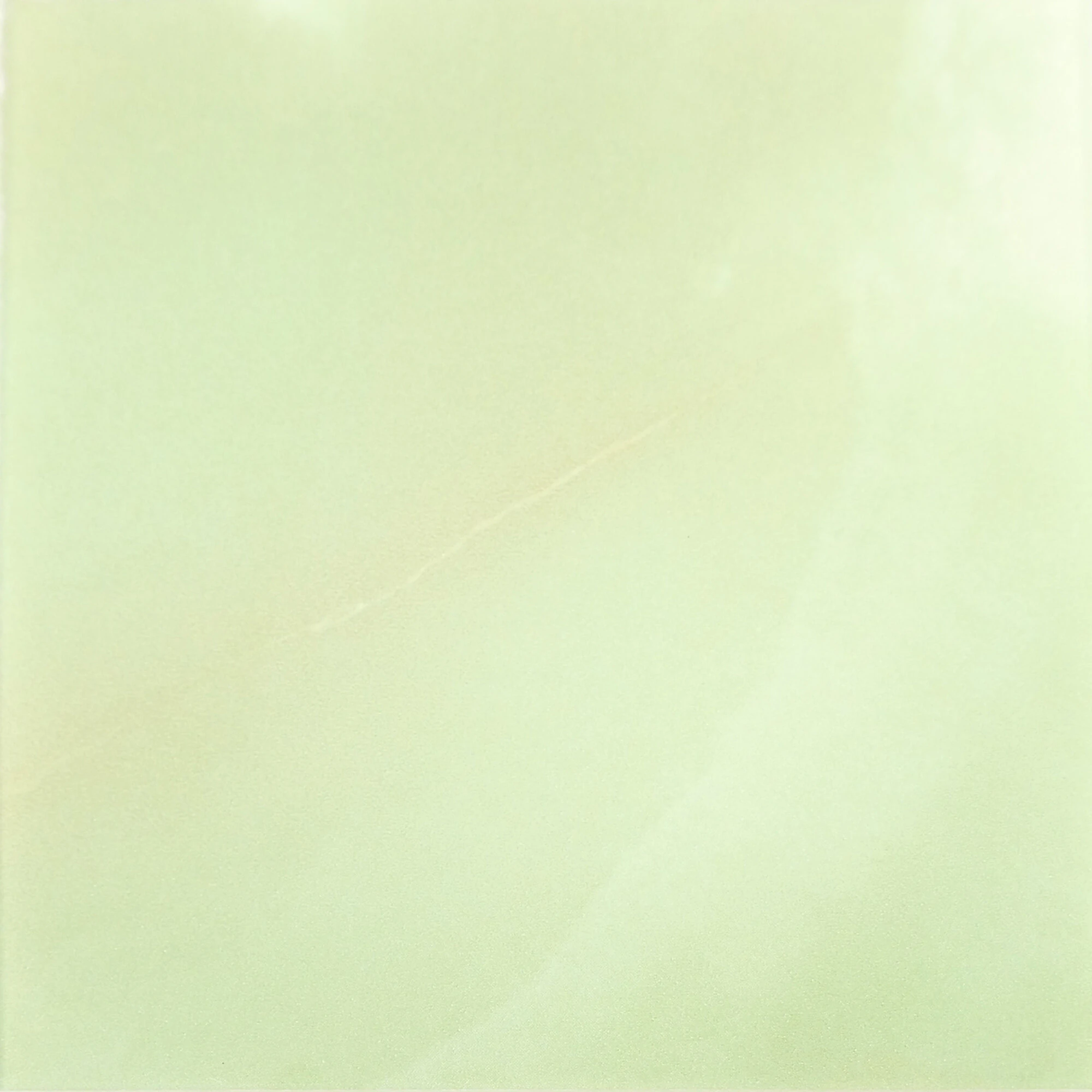 33 / 41Natural Jade Stone
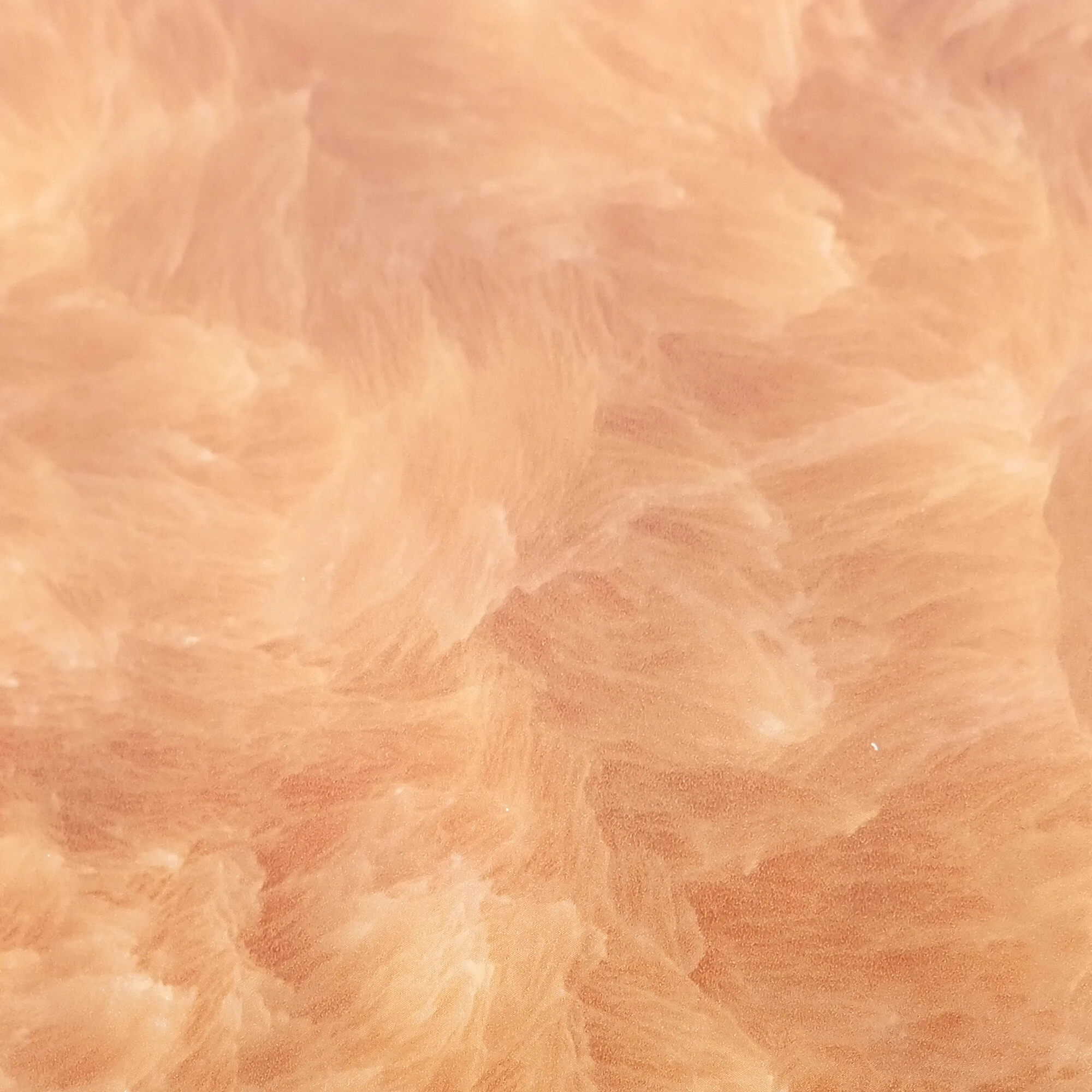 34 / 41Red Candia Stone
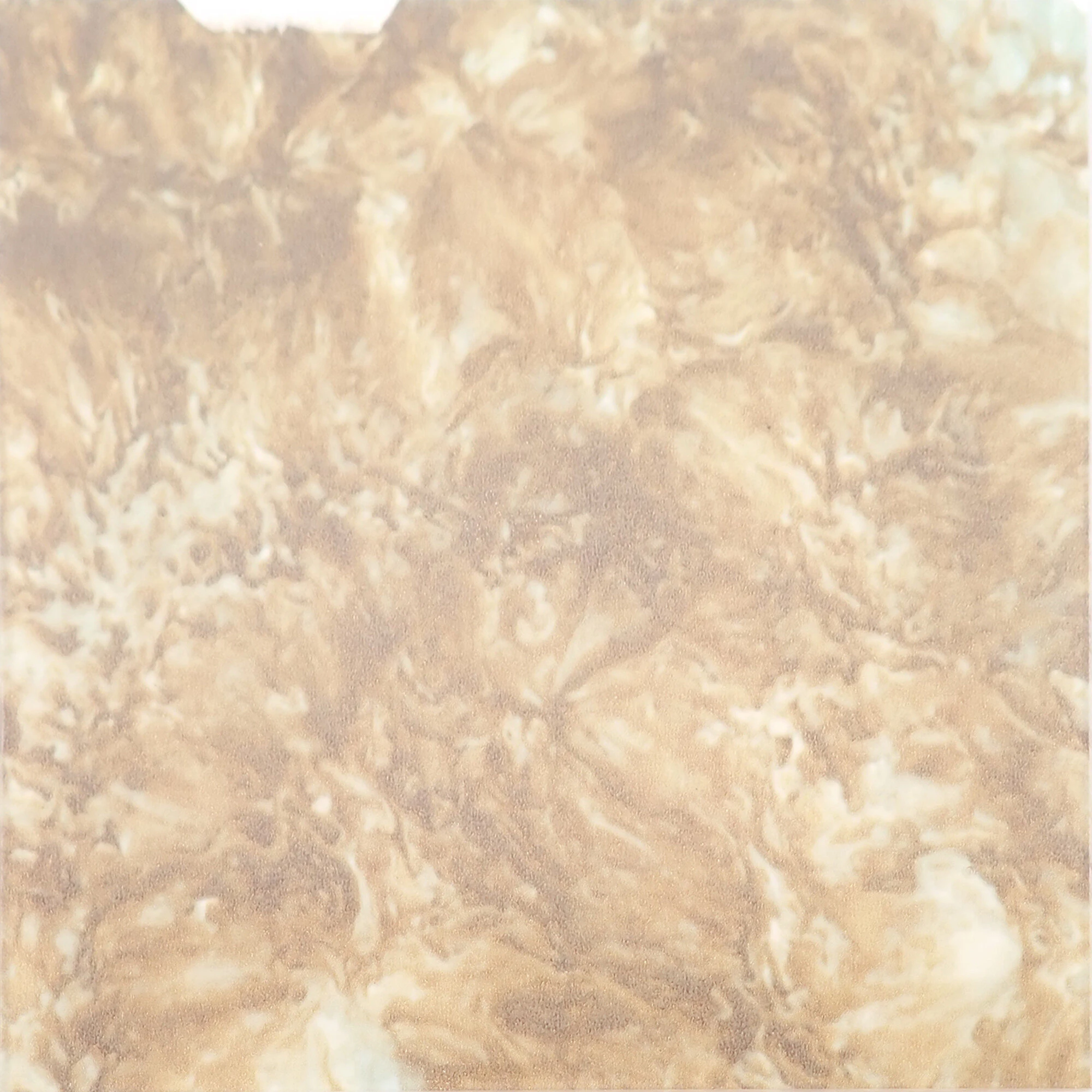 35 / 41Antique Beige Marble Stone
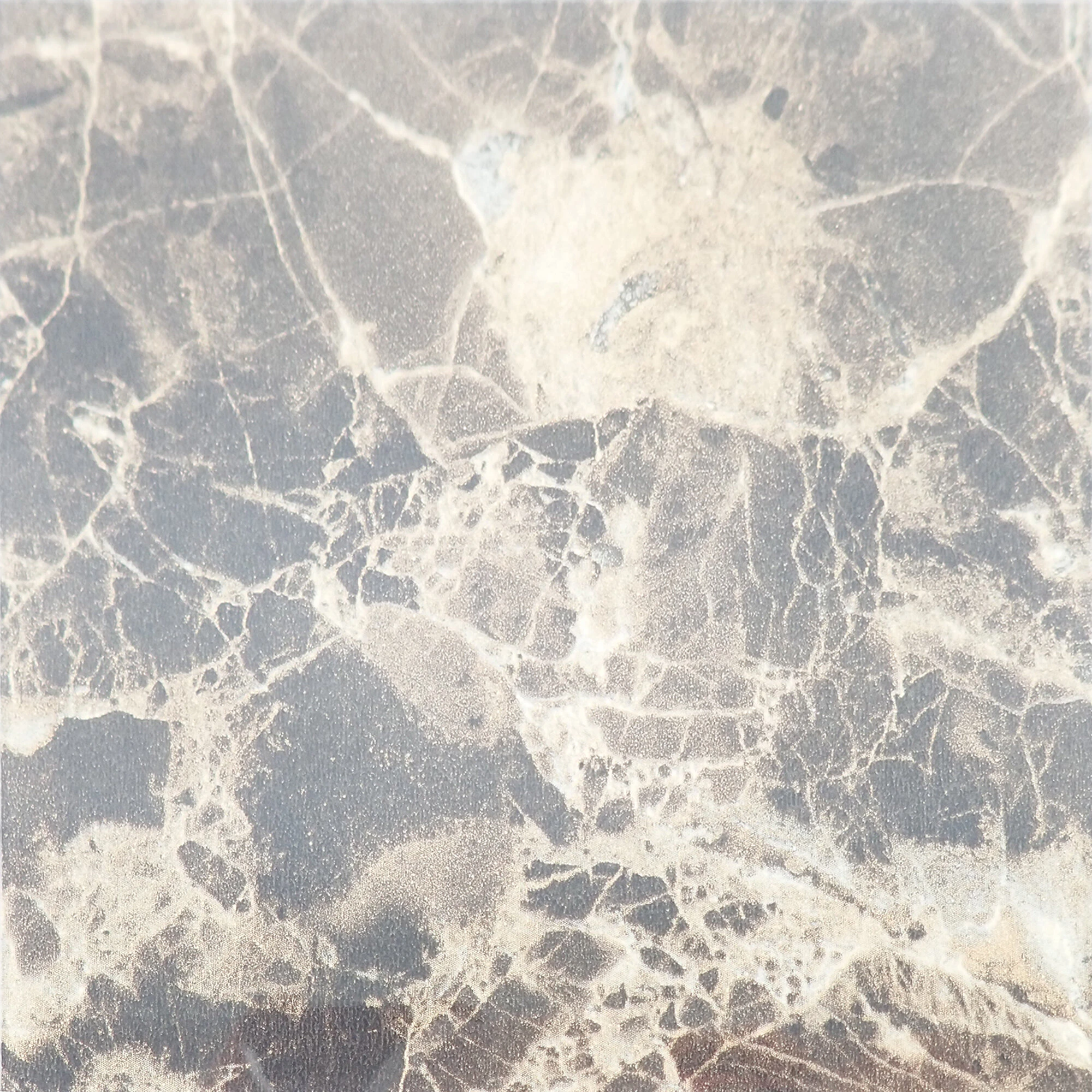 36 / 41Golden Emperador Stone
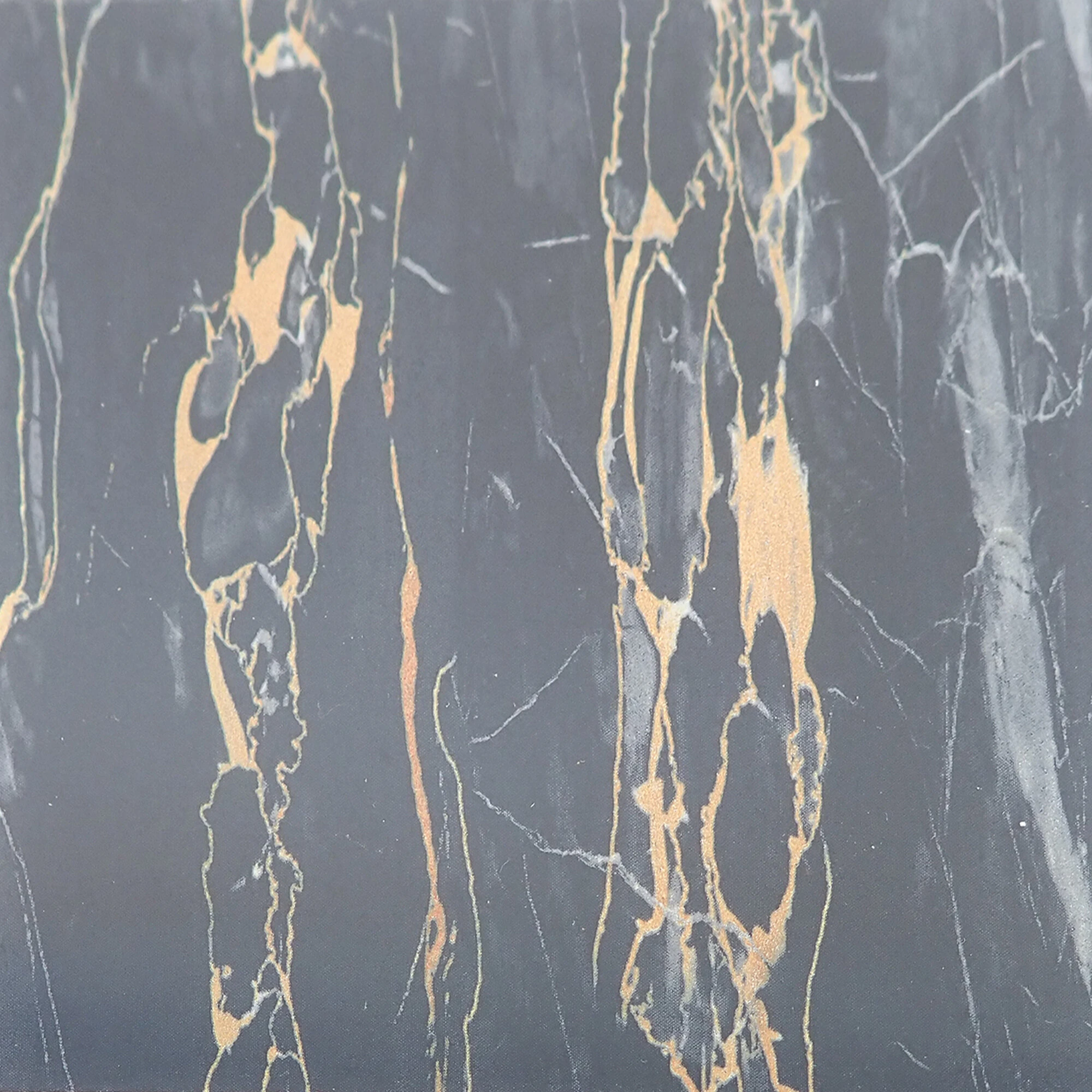 37 / 41Nero Gold Stone
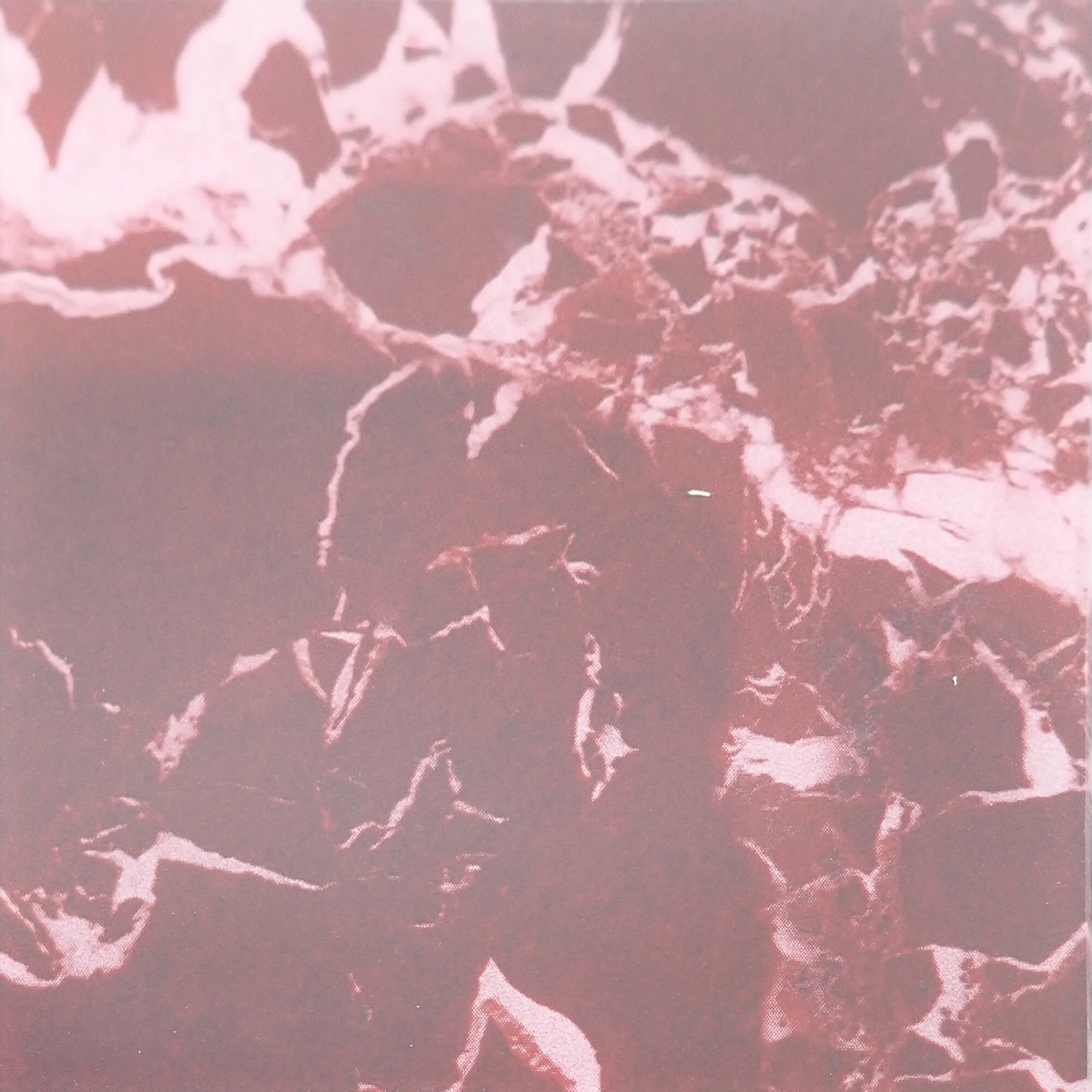 38 / 41Rosso Levanto Stone
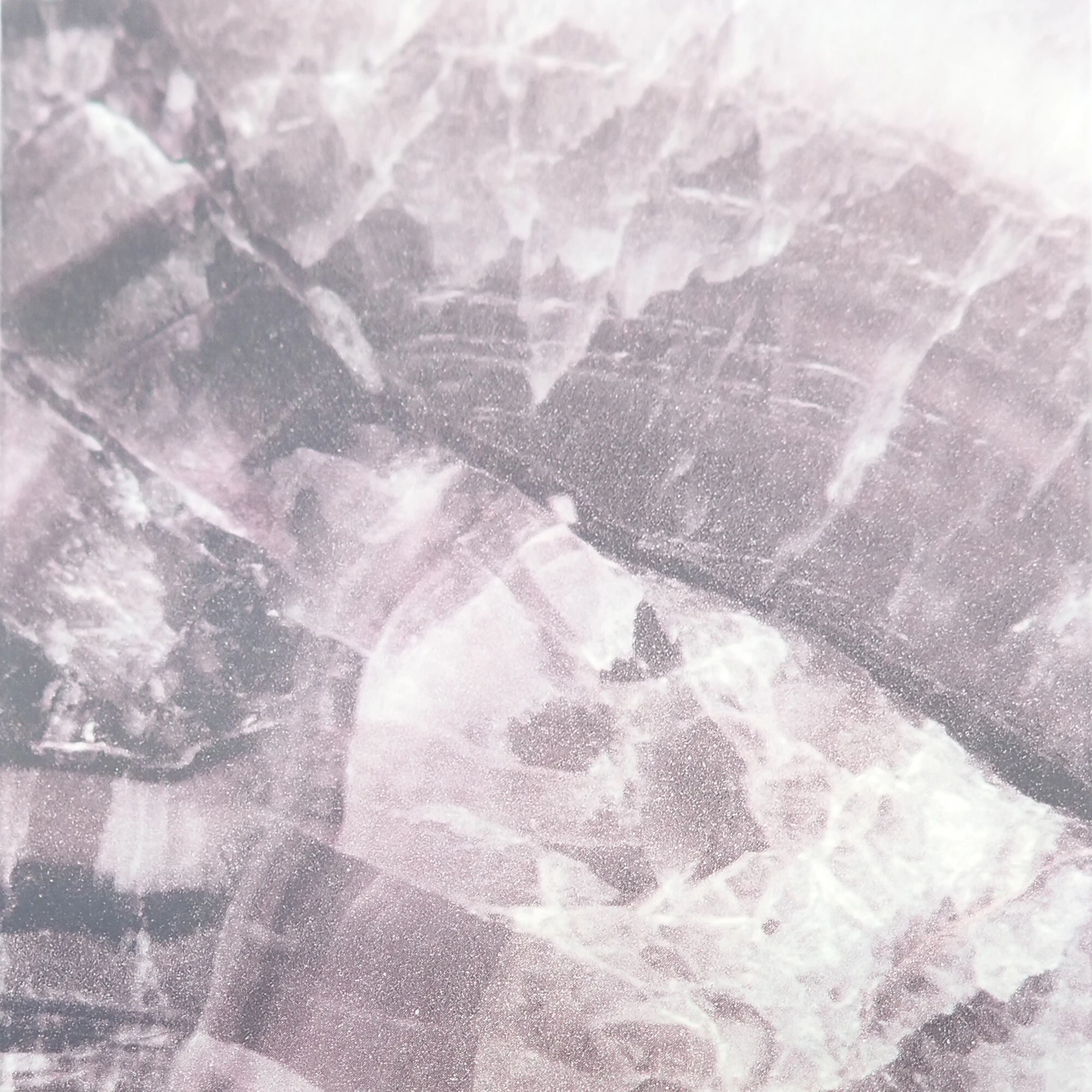 39 / 41Dark Emperador Stone
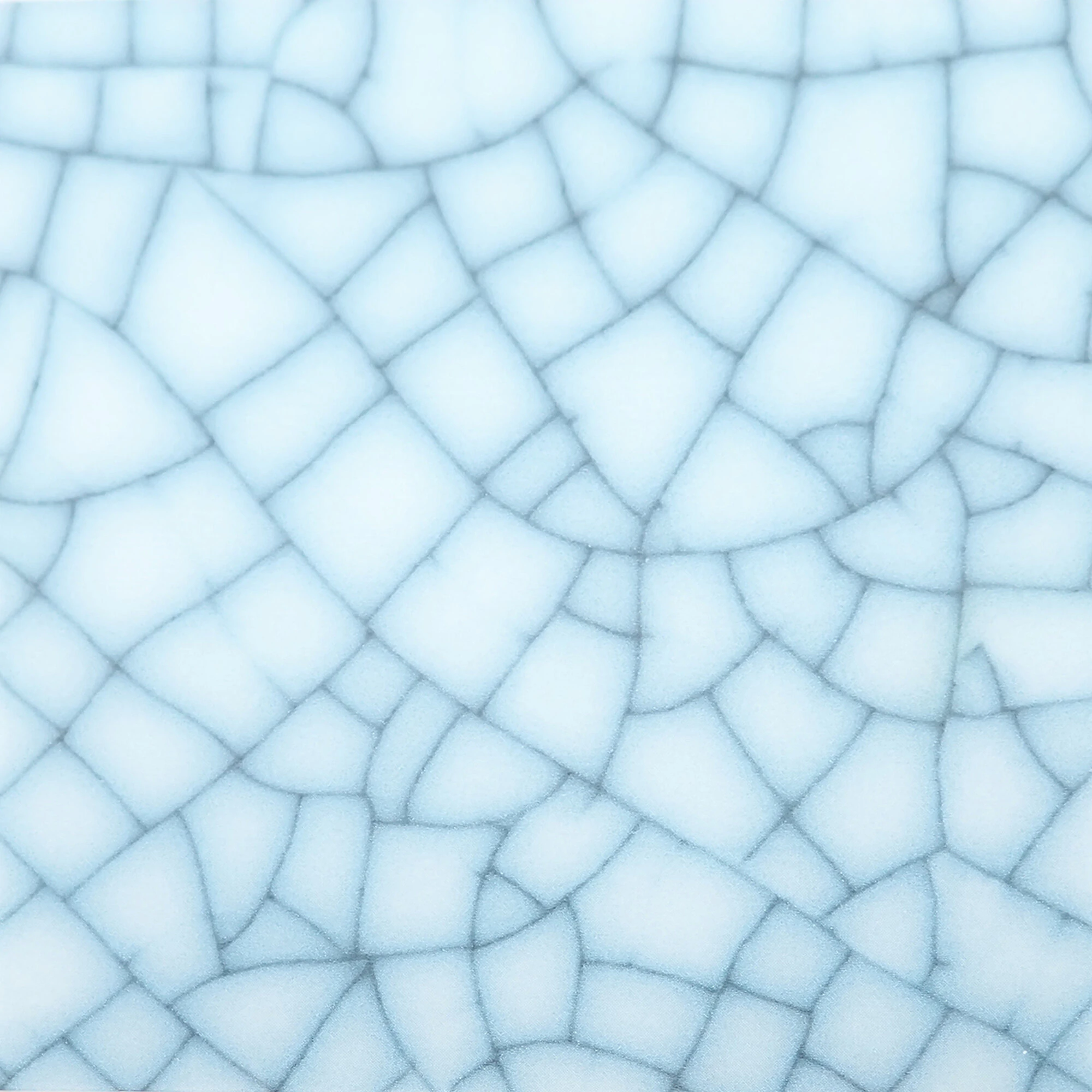 40 / 41Song Porcelain Stone
 41 / 41Cream River Marble Stone
Considering acrylic for a screen, a panel or a feature?
Tell us about the project.
Further reference
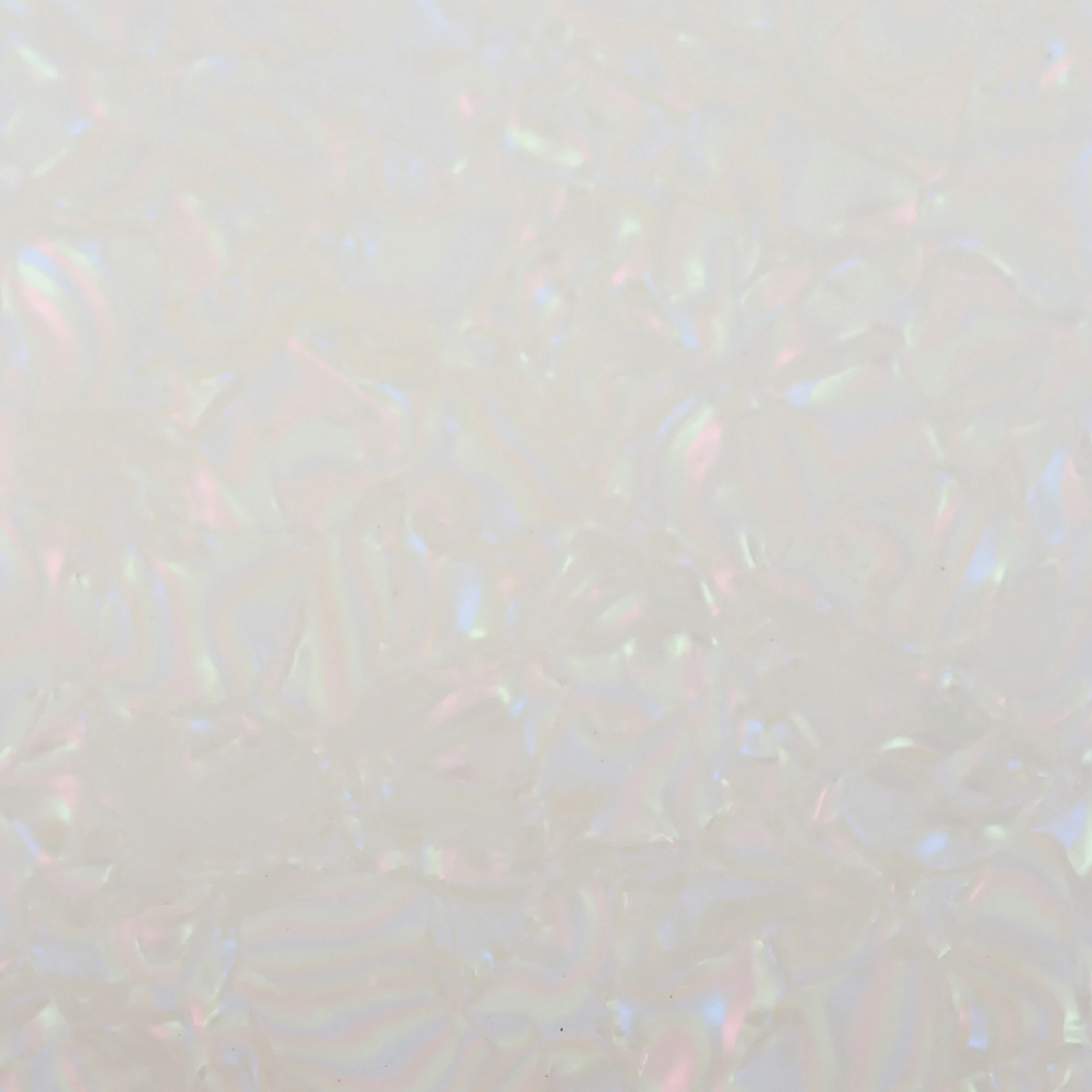
Colour & character
Cast for clarity and colour, extruded for tolerance and value: the grade follows the use.
Acrylic sheet is made in two ways. Cast acrylic is poured between glass moulds and cured, which gives a higher, more consistent molecular weight. It holds tighter colour, takes a cleaner cut and laser edge, polishes to a brighter finish and thermoforms with fewer faults, so it is our default for decorative and lit work. Extruded acrylic is produced in a continuous run between rollers. It is more uniform in thickness and lower in cost, and it bonds and vacuum-forms well, which suits volume components and signage.
Optical clarity is acrylic's defining trait. A standard clear sheet transmits around 92 percent of visible light, edges show little of the green tint seen in soda-lime glass, and the surface keeps its gloss without yellowing under normal interior conditions. Colour runs from water-clear through transparent tints, frosted and satin diffusers, opals and solid opaque tones, alongside pearlescent, stone-effect and patterned ranges. Tinted and opal sheet is well suited to edge-lighting: light entering the edge travels through the sheet and reads as a soft glowing line, while diffusing grades spread an even wash across a backlit panel without hot spots.
Where acrylic is used.
Acrylic's combination of light transmission, colour depth and workability makes it the material of choice for backlit decorative applications in hospitality and high-end residential interiors. Its gloss and lightness also make it a strong choice for contemporary furniture.
- Backlit bar back panels
- Hospitality ceiling features
- High-gloss furniture components
- Decorative screens and room dividers
- LED-backlit decorative walls
- Contemporary furniture with integral lighting
Cut, polished, formed and bonded by hand, so the joins disappear and the colour carries through.
Acrylic is cut by saw, router, laser or CNC. Laser cutting leaves a flame-polished edge straight from the machine, while sawn and routed edges are dressed back through progressive abrasives and either flame or diamond polished to a clear, glass-like finish. That polished edge matters in lit work, since it is the edge that carries the glow. Sheet is thermoformed by heating it to a pliable state and shaping it over a mould, which allows curved panels, returns and seamless corners. Pieces are joined with solvent or two-part cements that fuse the surfaces into a near-invisible bond rather than sitting on top as an adhesive line.
Within our workshop network these methods are combined to build backlit panels, glazing, furniture components and display pieces to a brief. We size and edge sheet to suit the lighting, integrate LED sources so the diffusion reads evenly, and match colour and pattern across a run. Our makers handle the cutting, forming and bonding within the workshop so that joints, edges and lit transitions are resolved as part of the piece rather than left as a fixing detail.
Living with acrylic.
Acrylic is durable and light, but it is a softer surface than glass and will mark if handled carelessly. A little planning at specification keeps it looking right.
Does acrylic scratch?
Yes. The surface scratches more readily than glass, so it is best kept off heavy-traffic worktops unless an abrasion-resistant grade is specified. Light scratches in clear sheet can often be polished out.
How is it cleaned?
Wipe with a soft, damp cloth and a mild soap solution. Avoid solvents such as alcohol or ammonia-based glass cleaners, which can craze the surface, and use a microfibre cloth rather than anything gritty.
Is it suitable everywhere?
It is well suited to vertical panels, lit features, screens and decorative furniture. It carries more static and is less heat-resistant than glass, so it is kept away from direct heat sources and chosen by grade for any high-use surface.
Pearloid Collection
16 pearloid acrylic colours with an iridescent, lustrous finish.
Celluloid Laminate Collection
18 celluloid laminate patterns including tortoiseshell, confetti, crackle and shell effects.
Stone Acrylic Collection
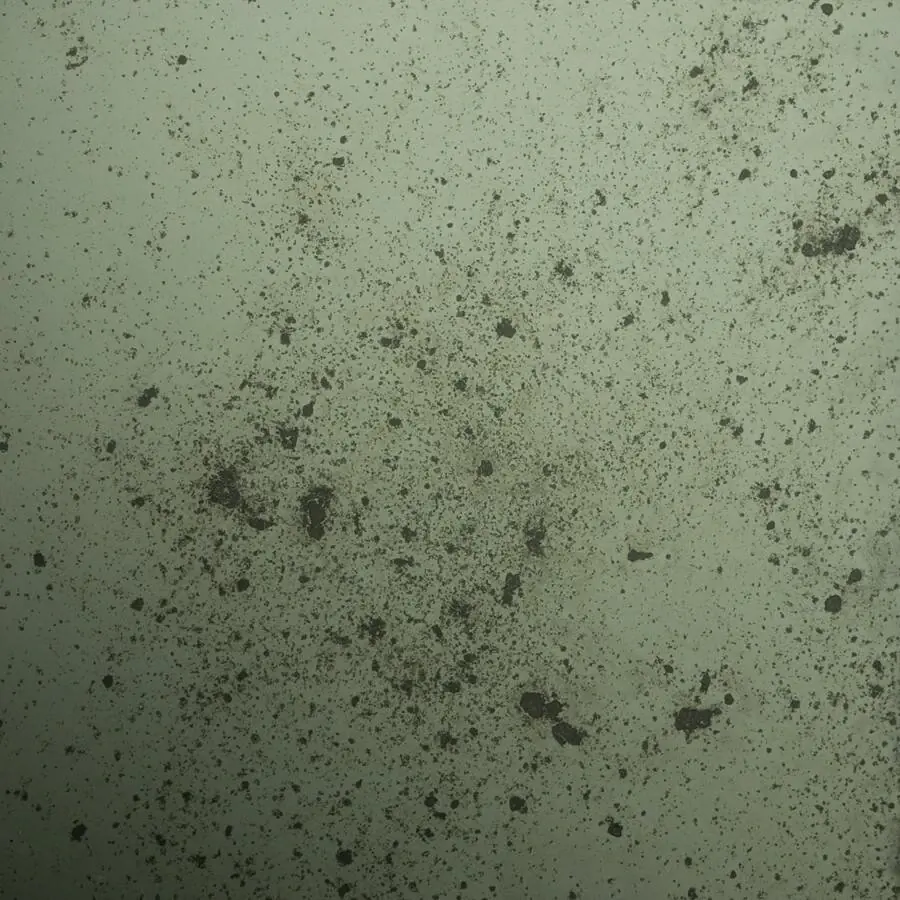
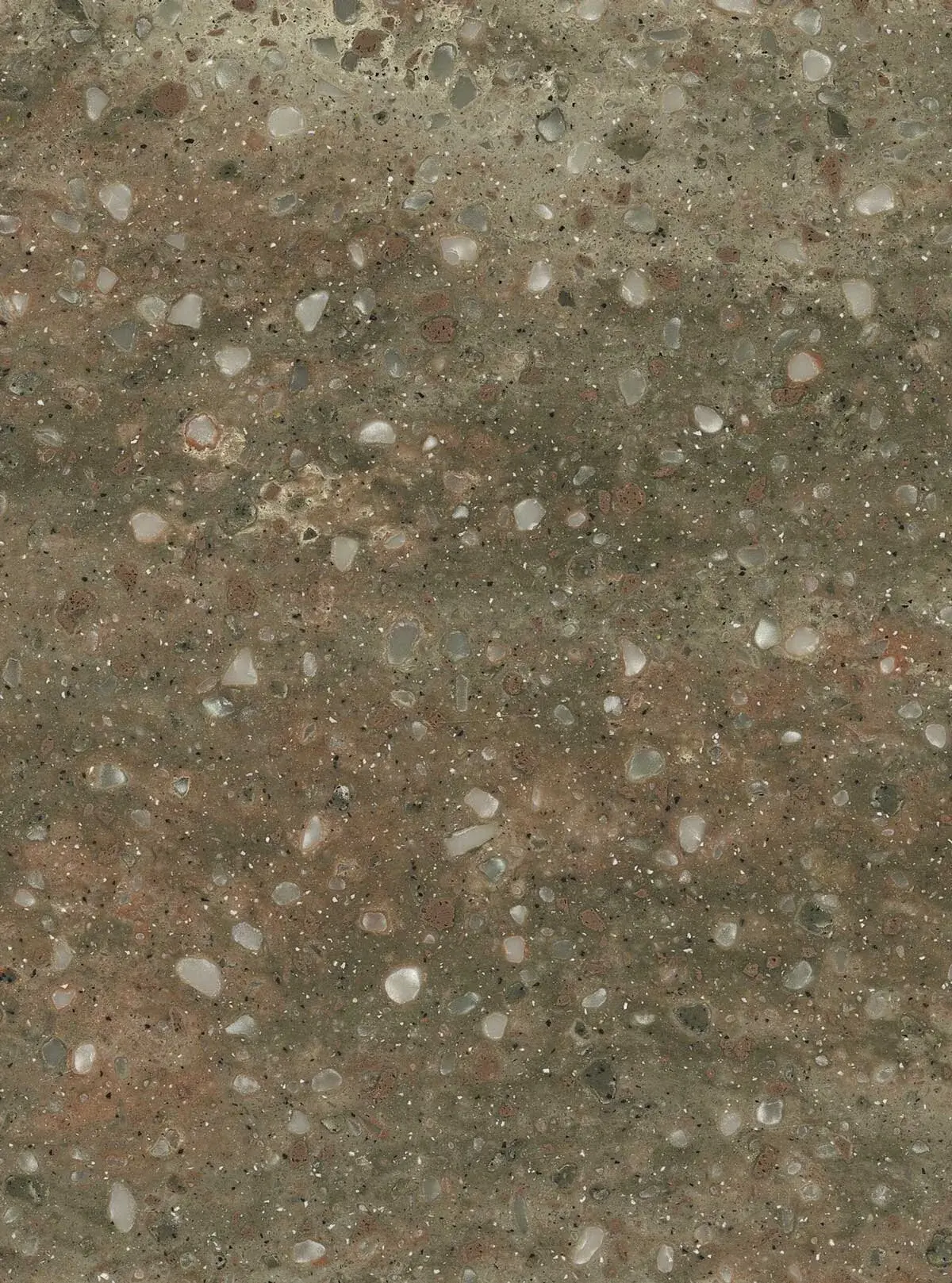
10 stone-effect acrylic finishes mimicking marble and exotic stones.
Have a scheme that calls for
light and colour?
Need samples? Get in touch and tell us about your project.