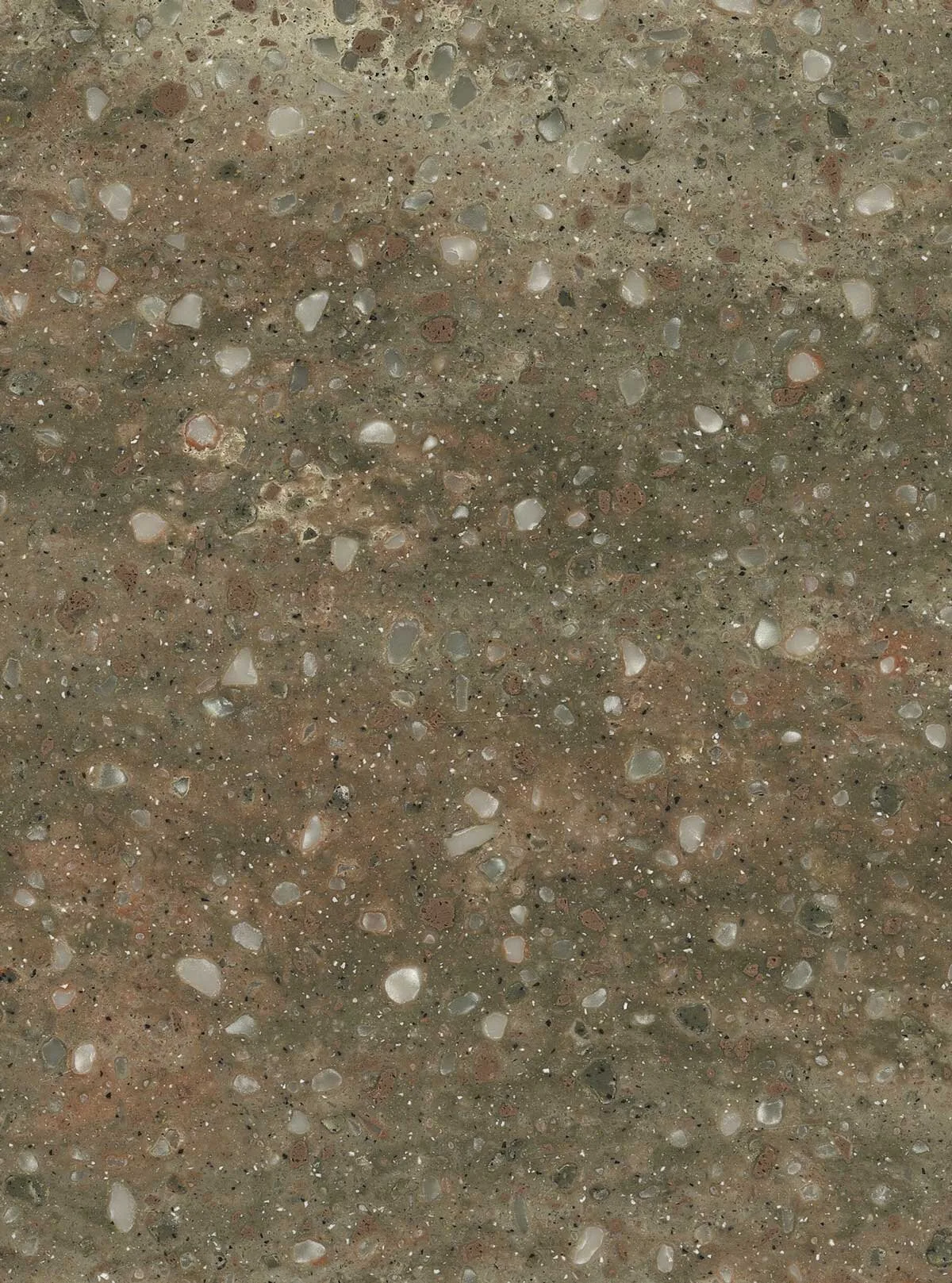
Corian
Designers value Corian as a material that can transform their most ambitious visions into reality
Corian is a solid surface material first developed by DuPont. It is non-porous through its full thickness, renewable, and available in a wide palette of colours and finishes. Its defining quality is seamlessness: sheets can be joined with a colour-matched adhesive and sanded back so the join is effectively invisible. This allows Corian to wrap complex forms and run continuous lengths that natural stone, with its fixed slab sizes, cannot match. We specify it where a scheme calls for one uninterrupted surface, a hygienic finish, or a form that no quarried material could deliver.
Because the colour and composition run through the whole sheet rather than sitting on a surface layer, Corian behaves differently from a veneered or laminated panel. It can be worked much like a dense hardwood: cut, routed, edge-profiled, inlaid and joined. The result reads as a single solid object rather than an assembly of parts. That continuity is the reason designers reach for it on vanities, basins, work surfaces and joinery where a visible seam or a porous grout line would compromise the result. For a work surface with the look of reclaimed timber rather than a plain solid colour, see Foresso, a timber terrazzo made from waste wood and resin.
Where it's used
A composite of mineral and acrylic, worked like a single solid block.
Corian is made from a blend of natural minerals, principally alumina trihydrate derived from bauxite, bound in an acrylic resin. The two are combined with pigments and cast into sheets, typically supplied at 6mm, 12mm and 19mm thicknesses. The mineral content gives the material its density and its warm, slightly matte appearance; the acrylic binder is what allows it to be thermoformed.
Heated in a controlled oven to around 150 degrees Celsius, a sheet becomes pliable and can be draped over a mould to form curves, coves and three-dimensional shapes, then holds that form permanently once cool. This is the property that sets it apart from stone and most engineered surfaces. Edges can be built up by laminating layers together, so a thin sheet can present as a thick, solid profile without added weight in the field.
The colour palette is extensive, running from clean whites and soft neutrals through greys and deep charcoals to stone-effect and lightly veined patterns. Several lighter colours are translucent enough to transmit light, which is the basis for backlit panels. Surface finish can be adjusted at the fabrication stage, from a soft matte to a higher sheen, by the grade of abrasive used in the final sanding.
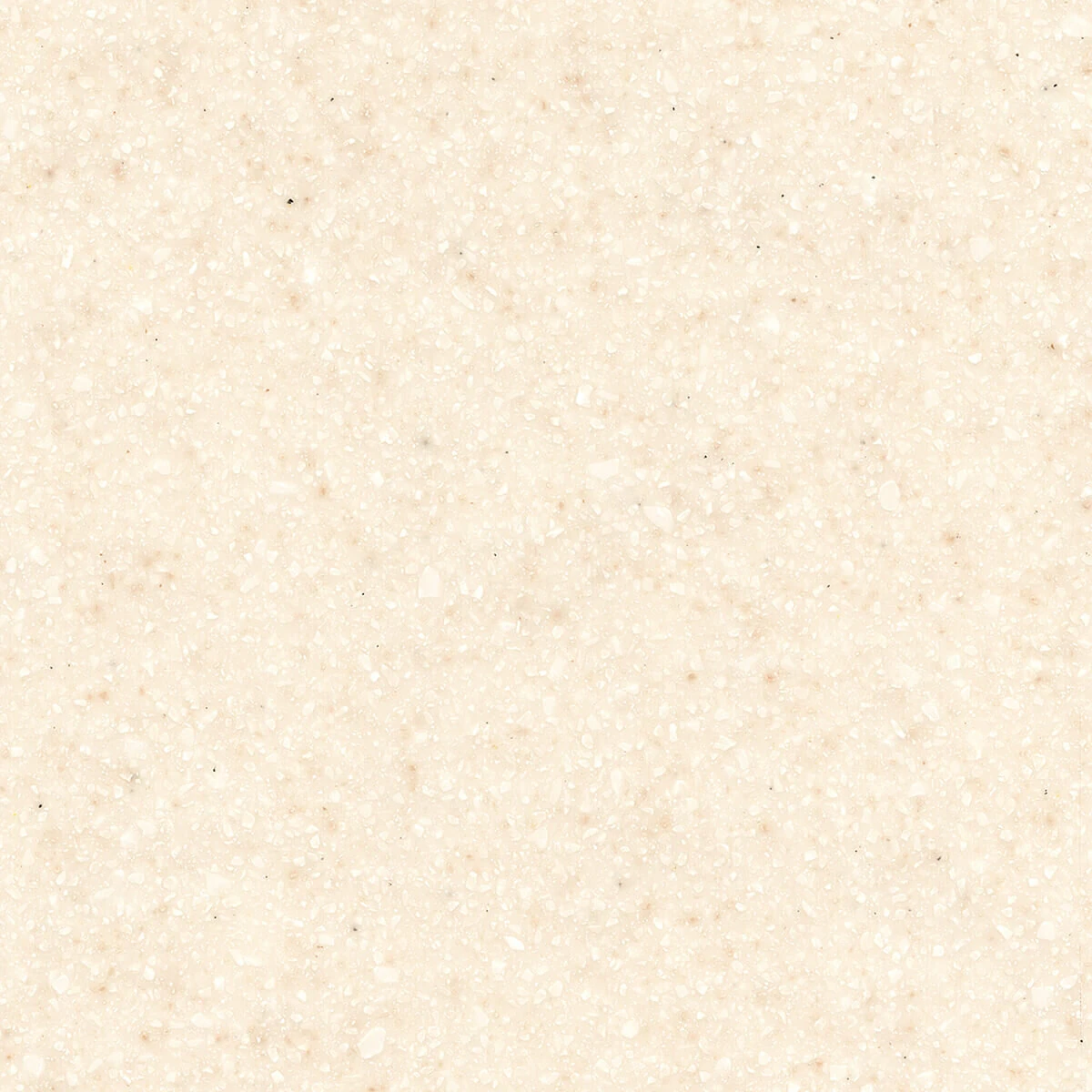 01 / 115Corian Abalone
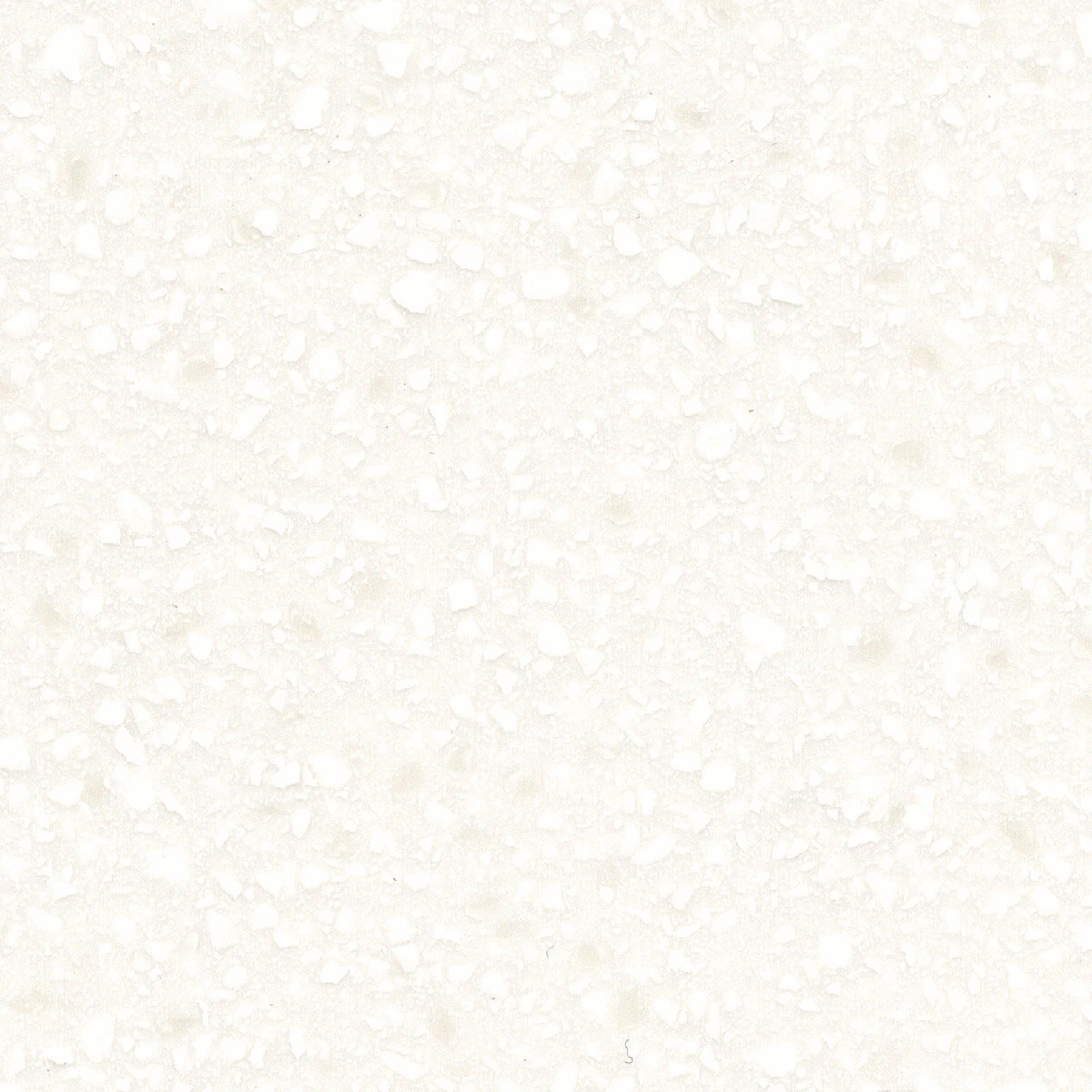 02 / 115Corian Antarctica
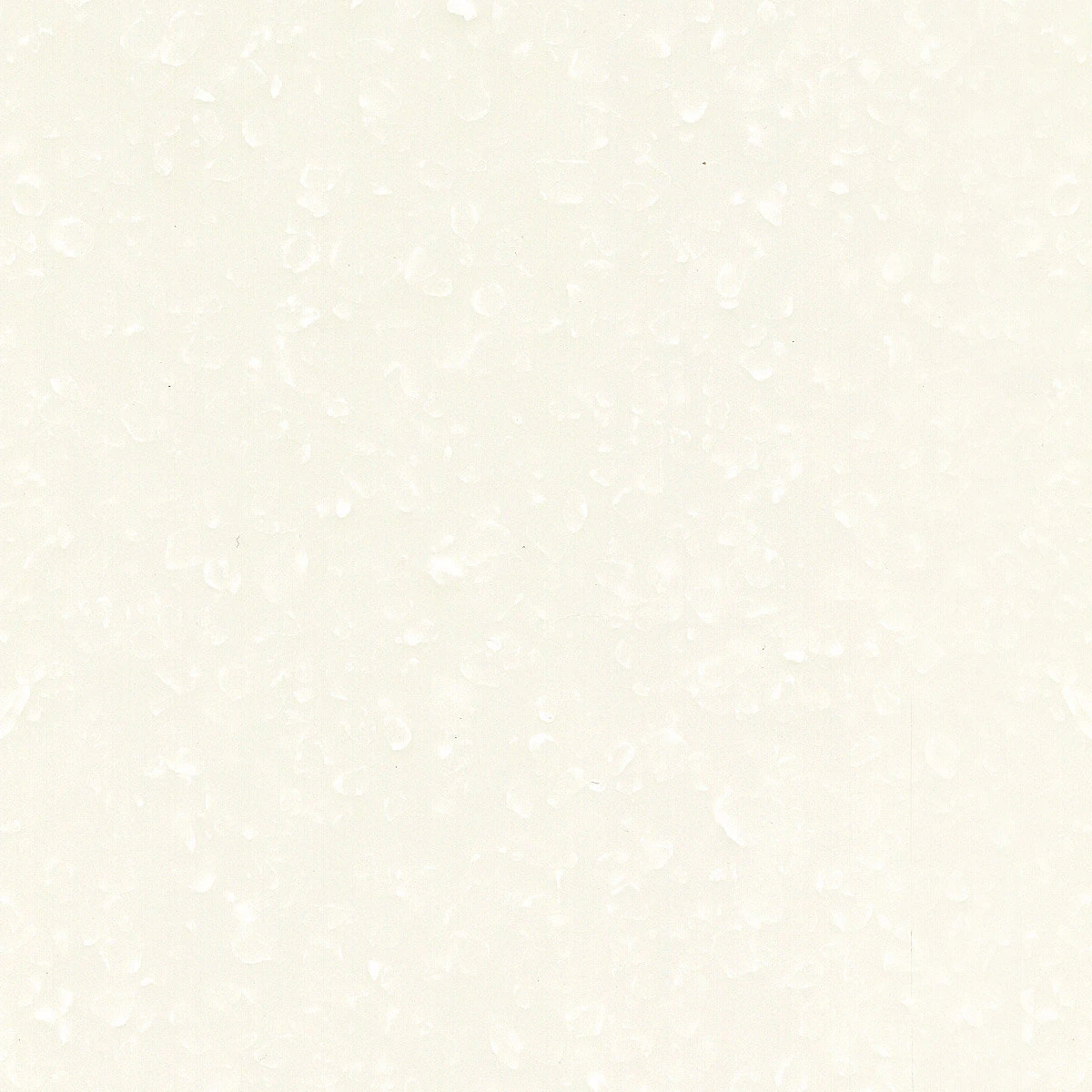 03 / 115Corian Arctic Ice
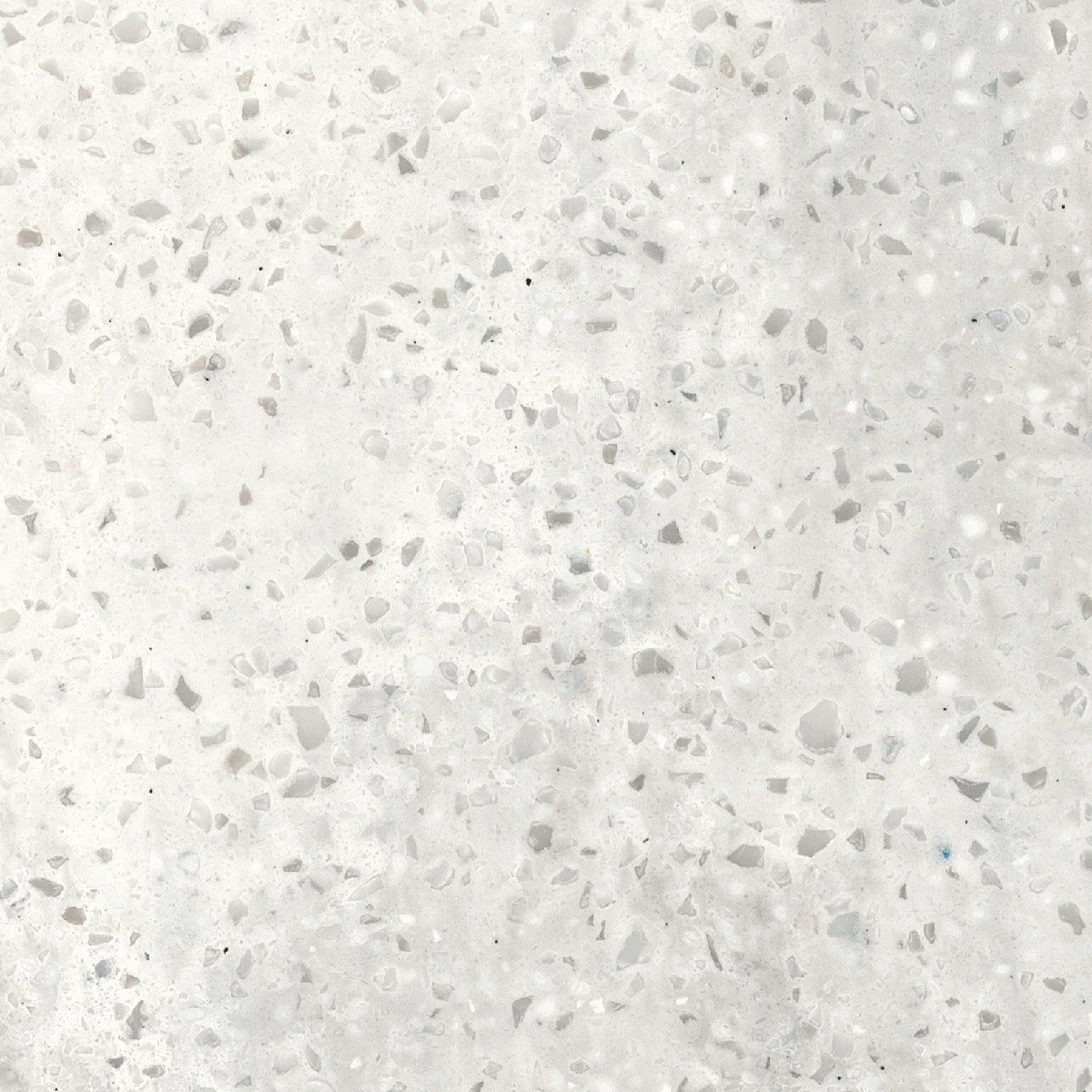 04 / 115Corian Arrowroot
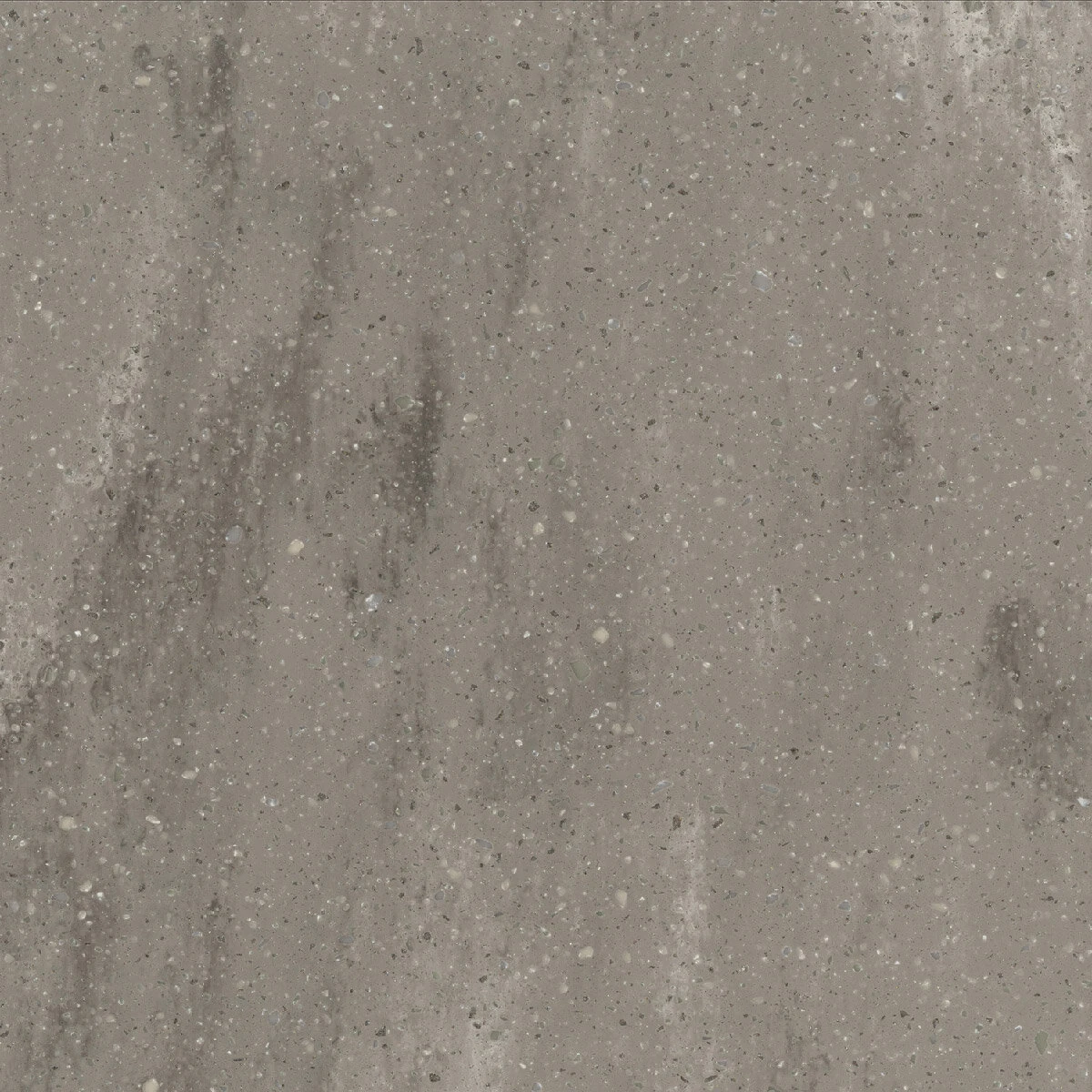 05 / 115Corian Ash Aggregate
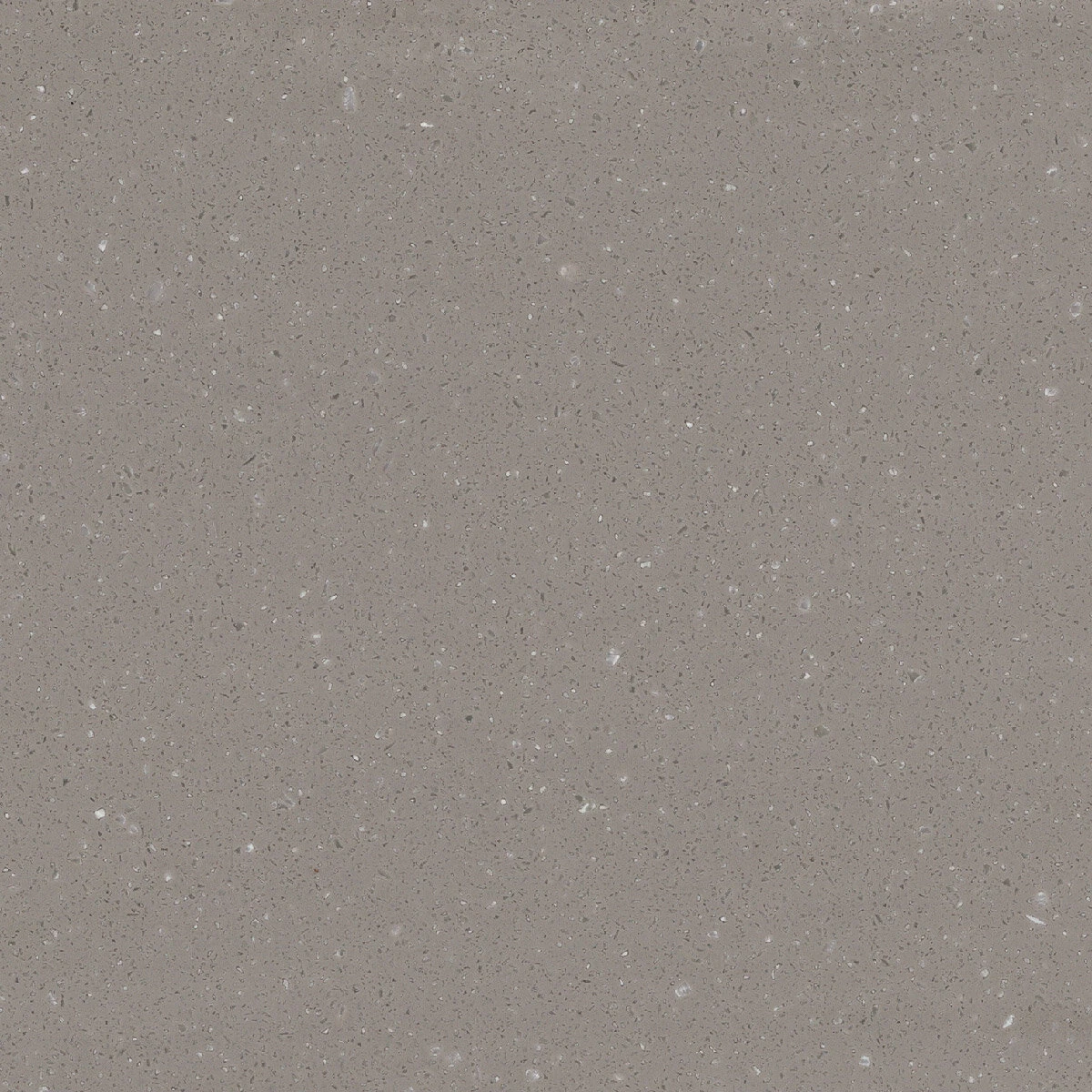 06 / 115Corian Ash Concrete
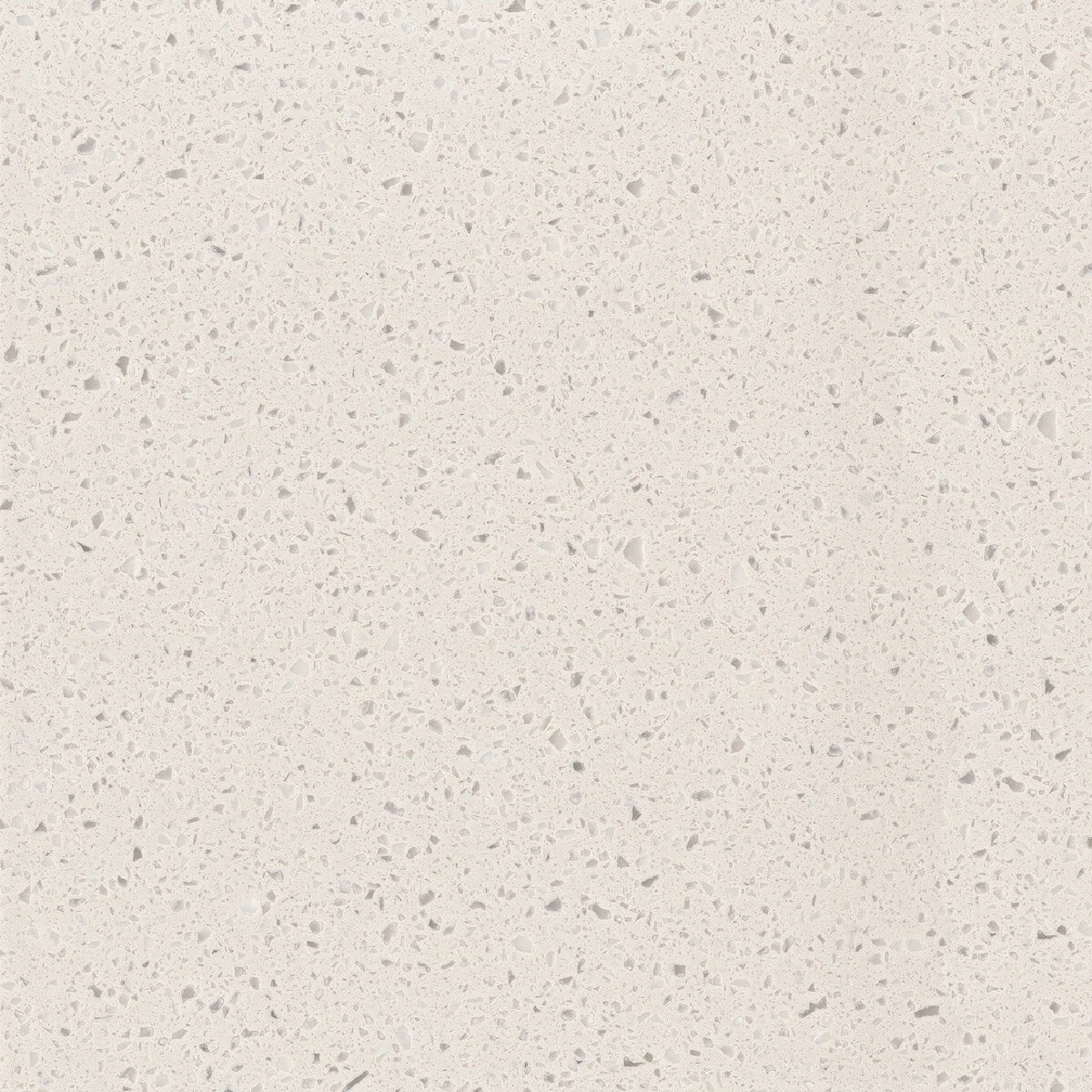 07 / 115Corian Aspen
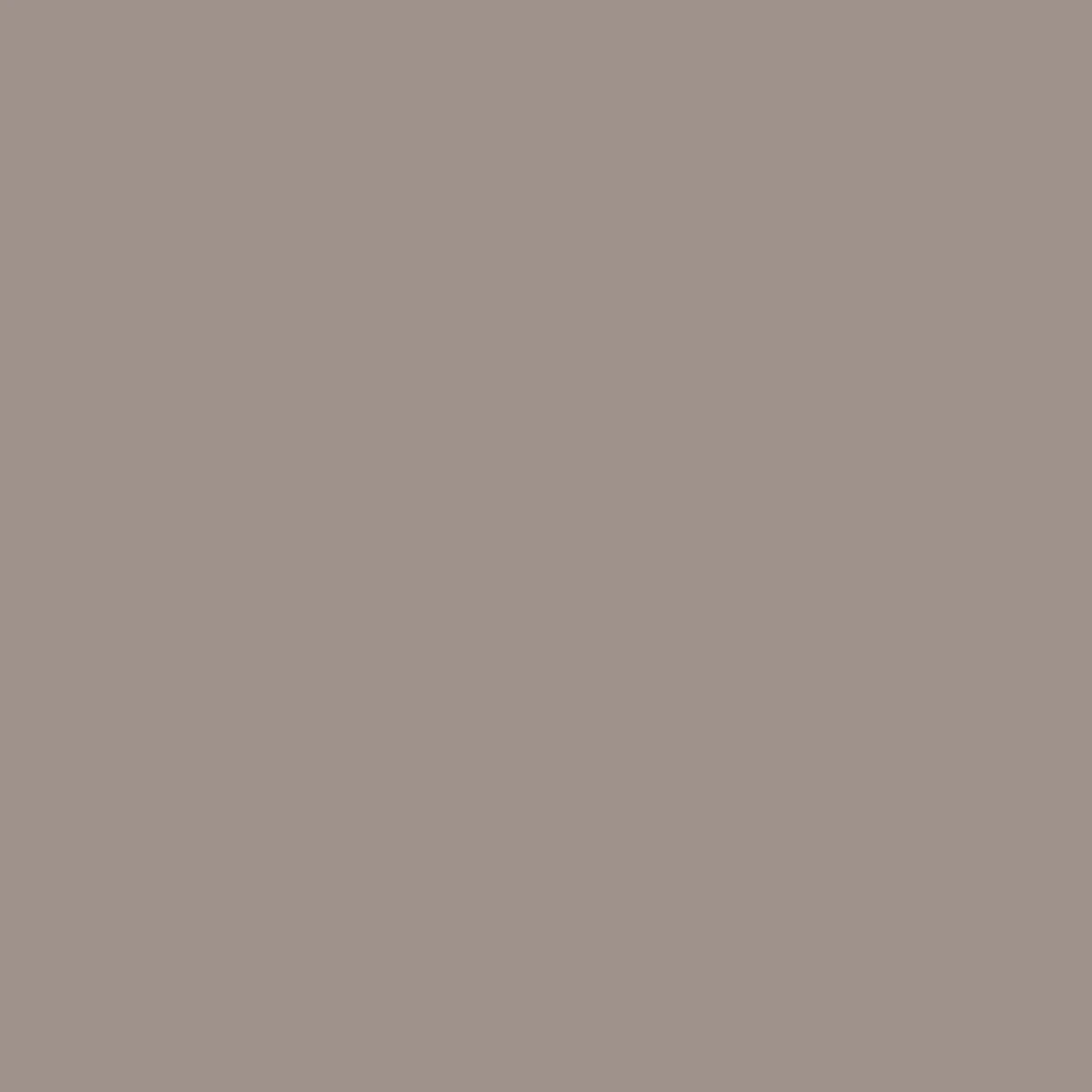 08 / 115Corian Athena Grey
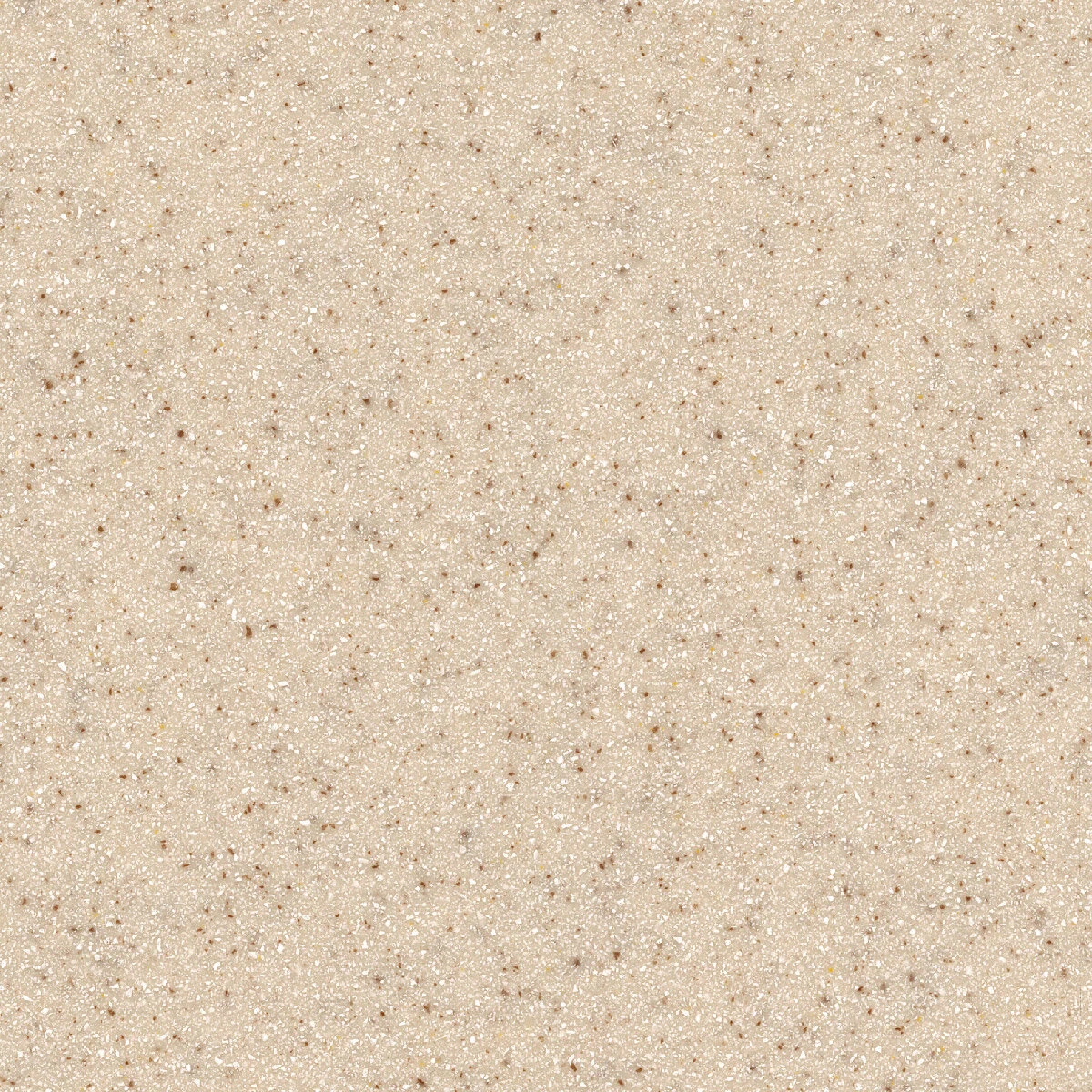 09 / 115Corian Aurora
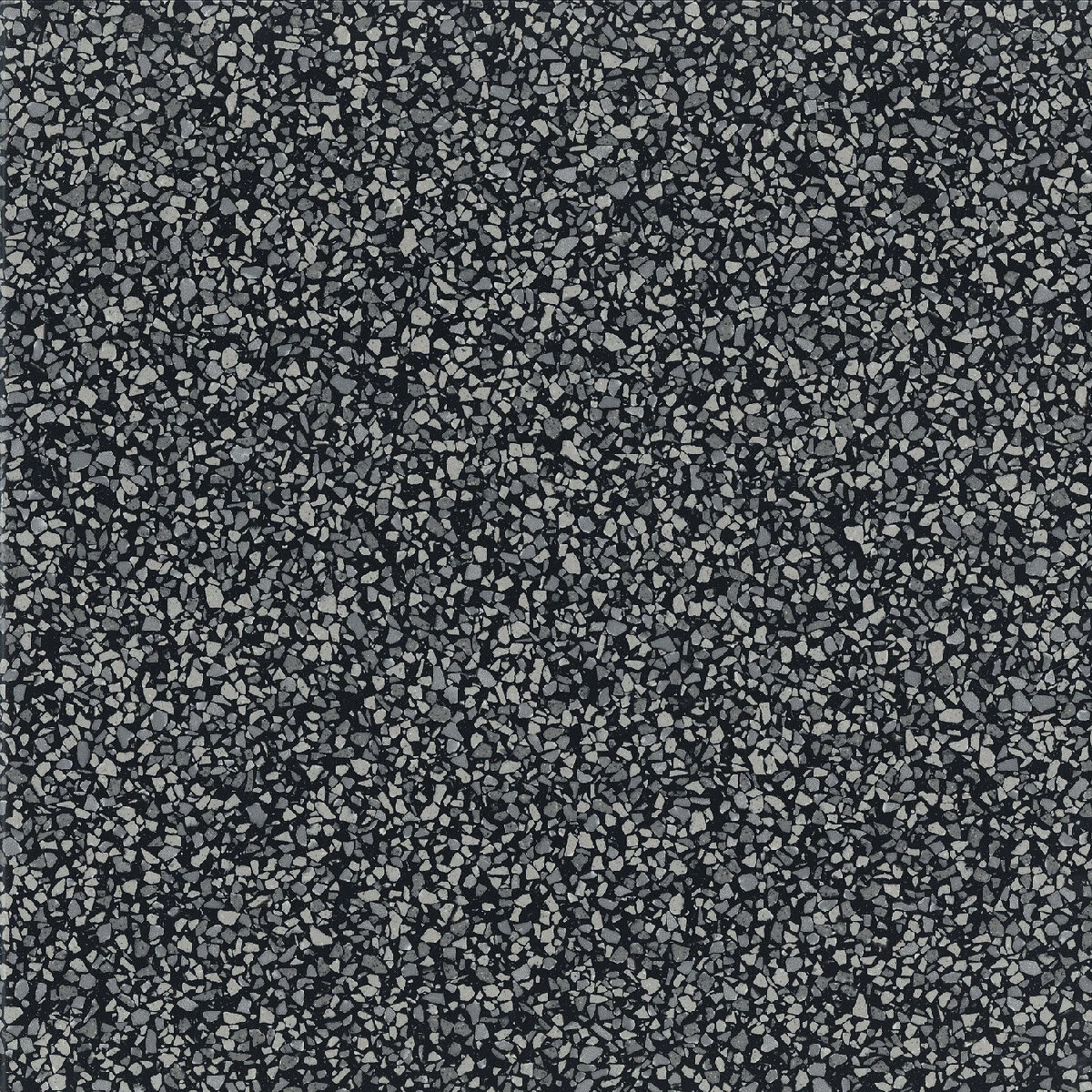 10 / 115Corian Basalt Terrazzo
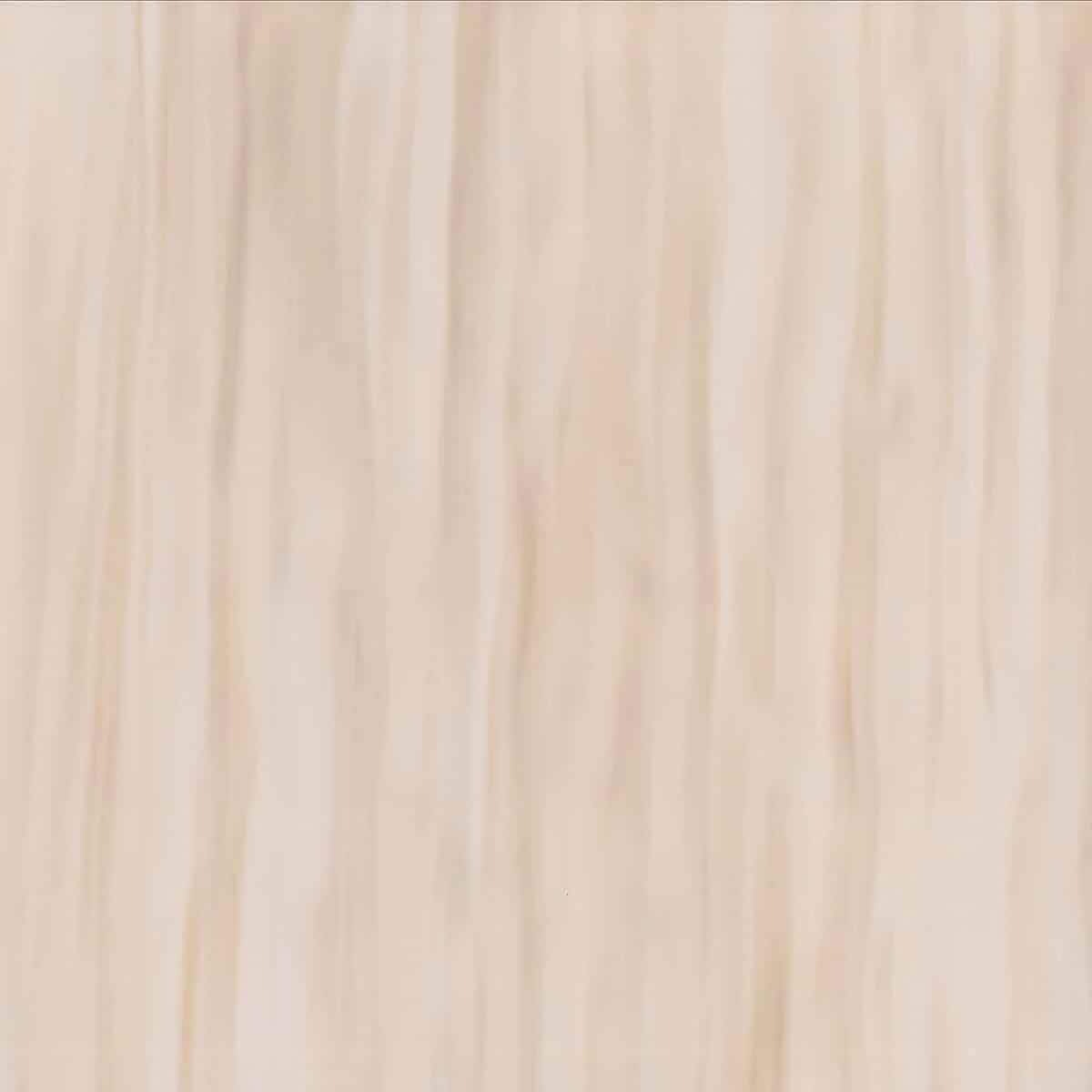 11 / 115Corian Beech Nuwood
 12 / 115Corian Bisque
 13 / 115Corian Blooming Green
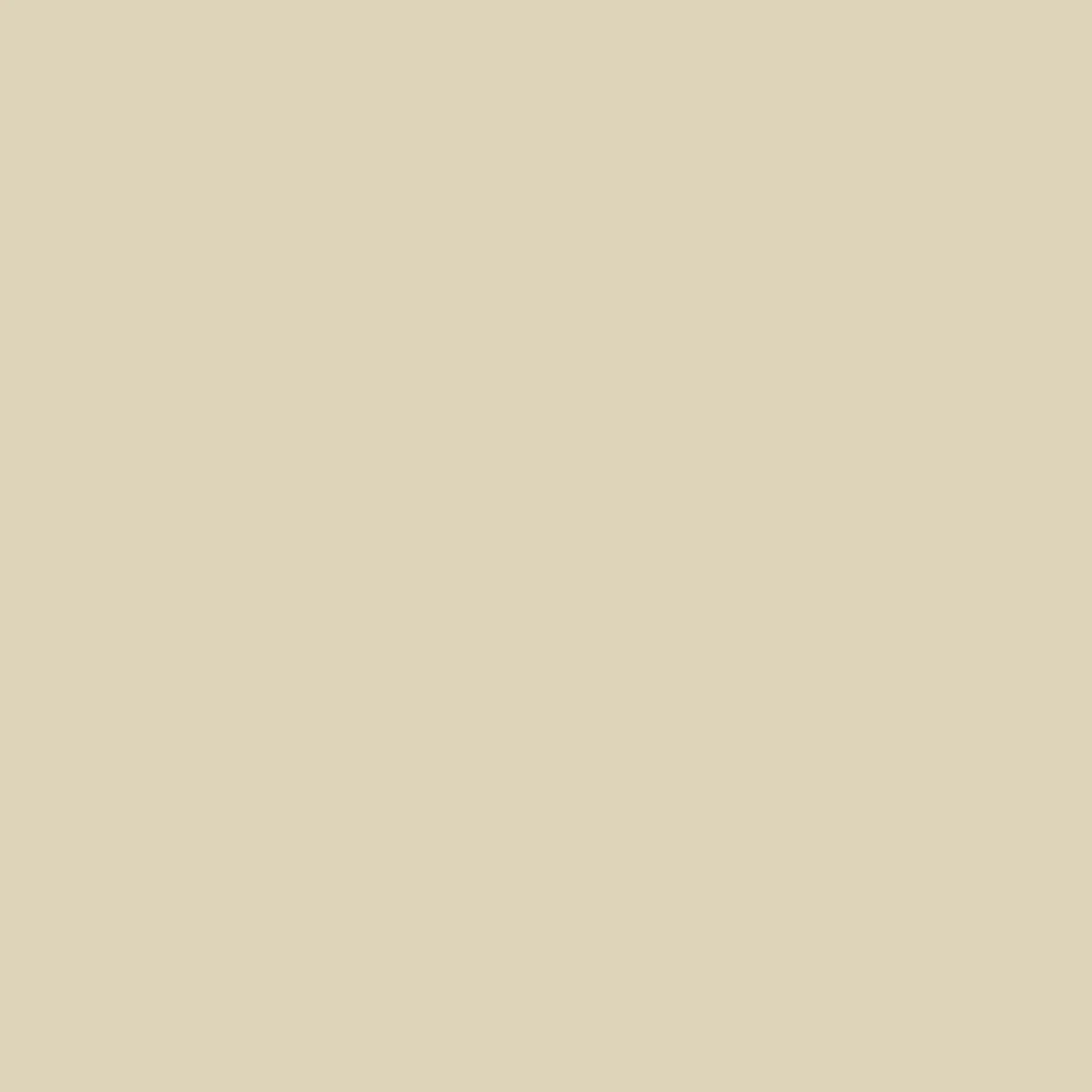 14 / 115Corian Bone
 15 / 115Corian Cameo White
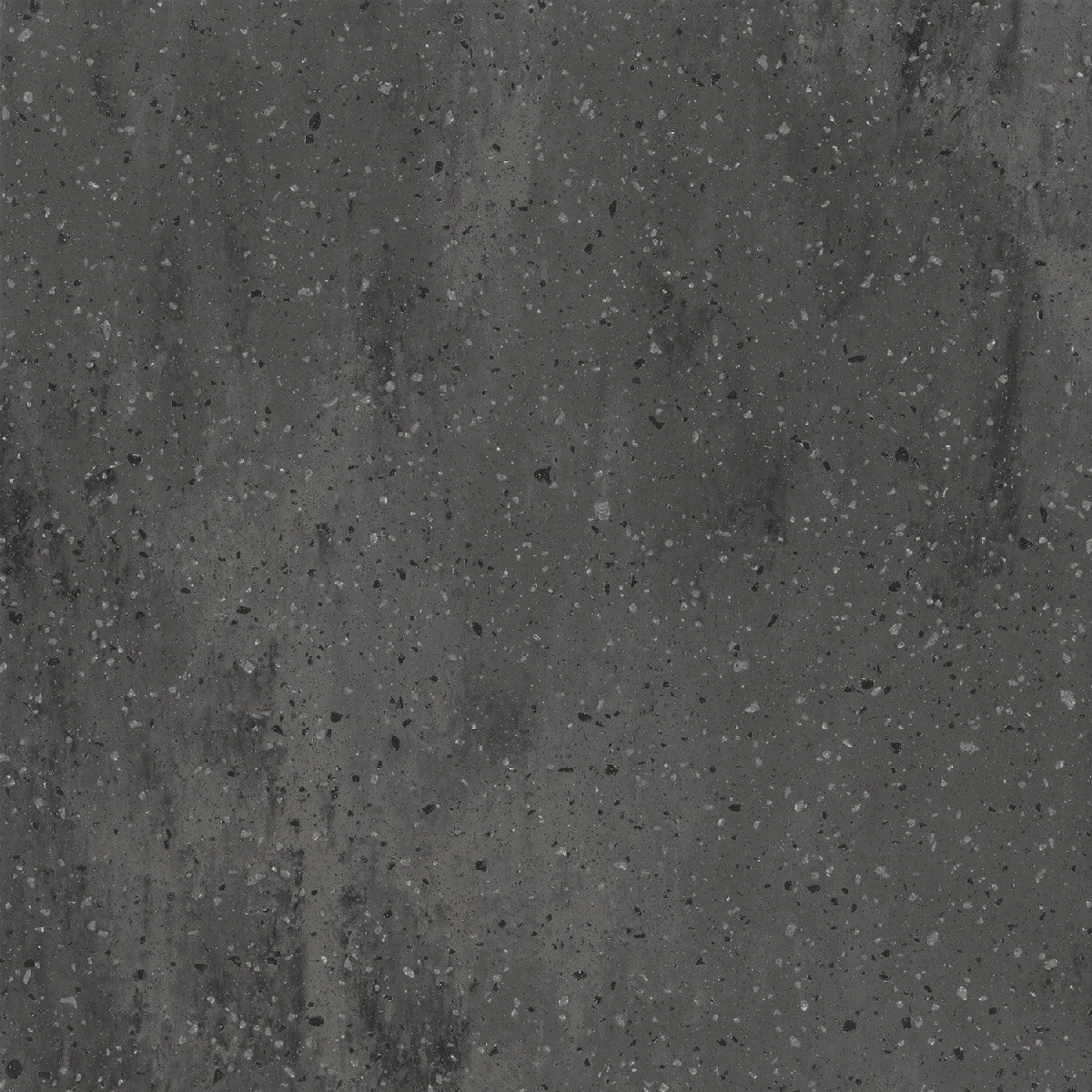 16 / 115Corian Carbon Aggregate
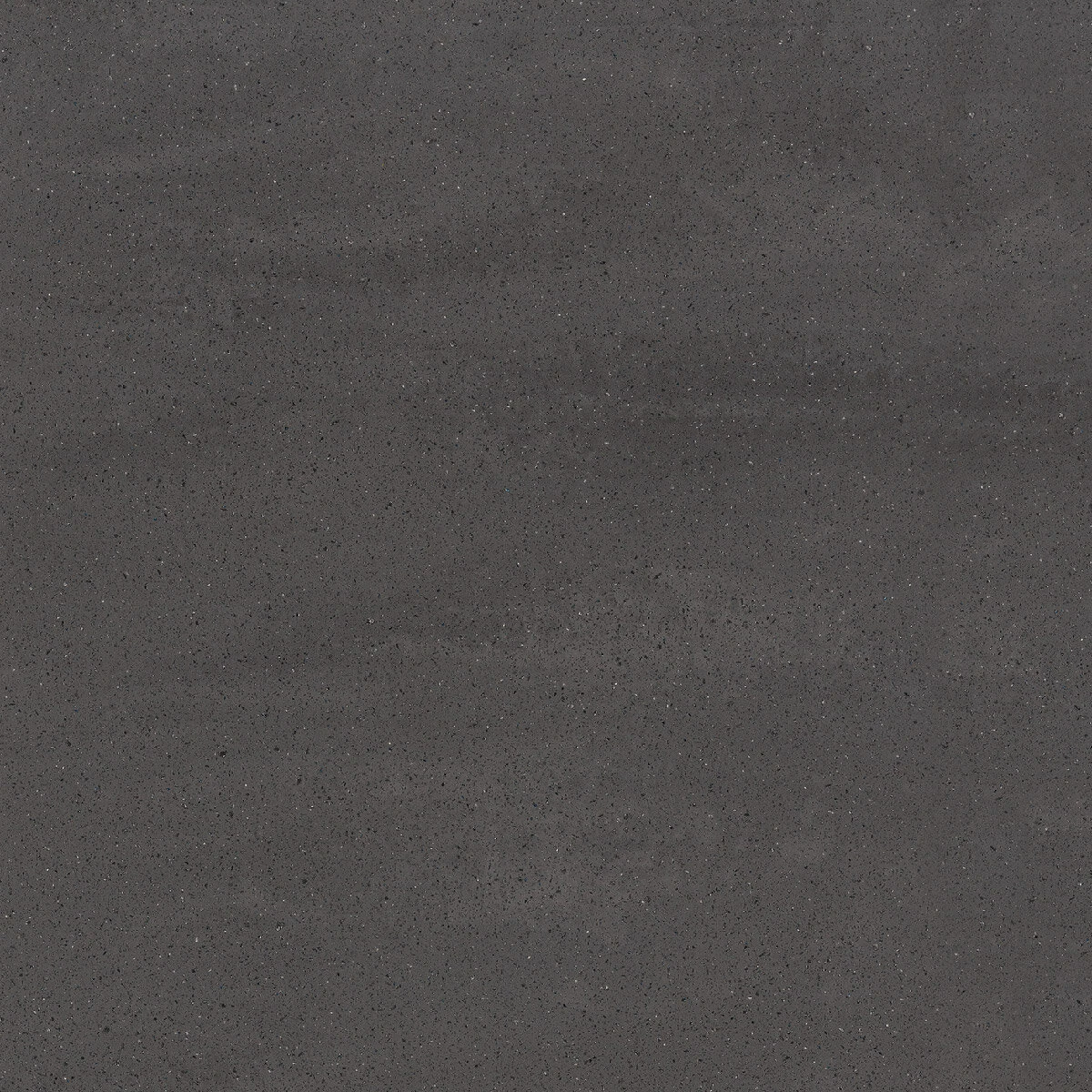 17 / 115Corian Carbon Concrete
 18 / 115Corian Citrus Orange
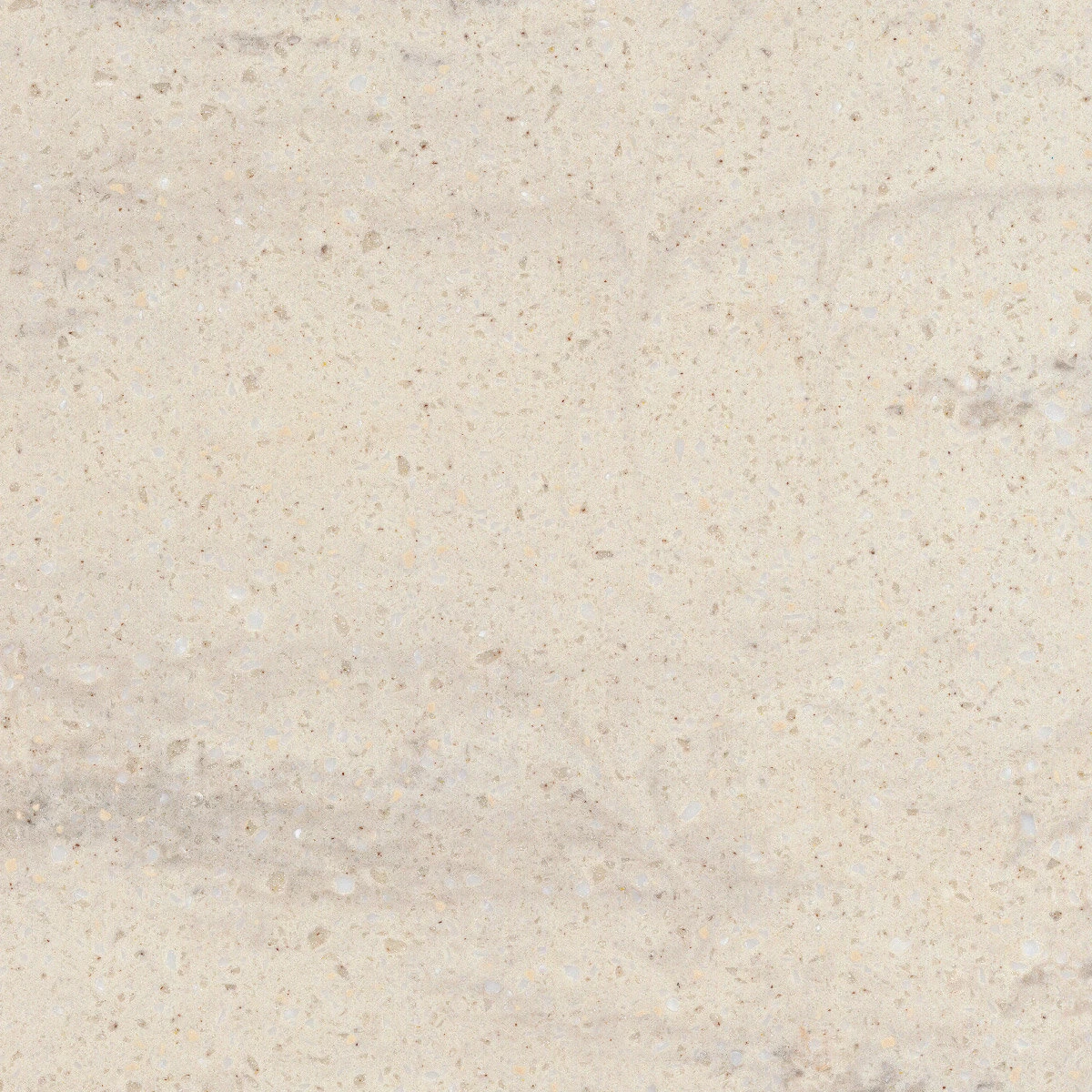 19 / 115Corian Clam Shell
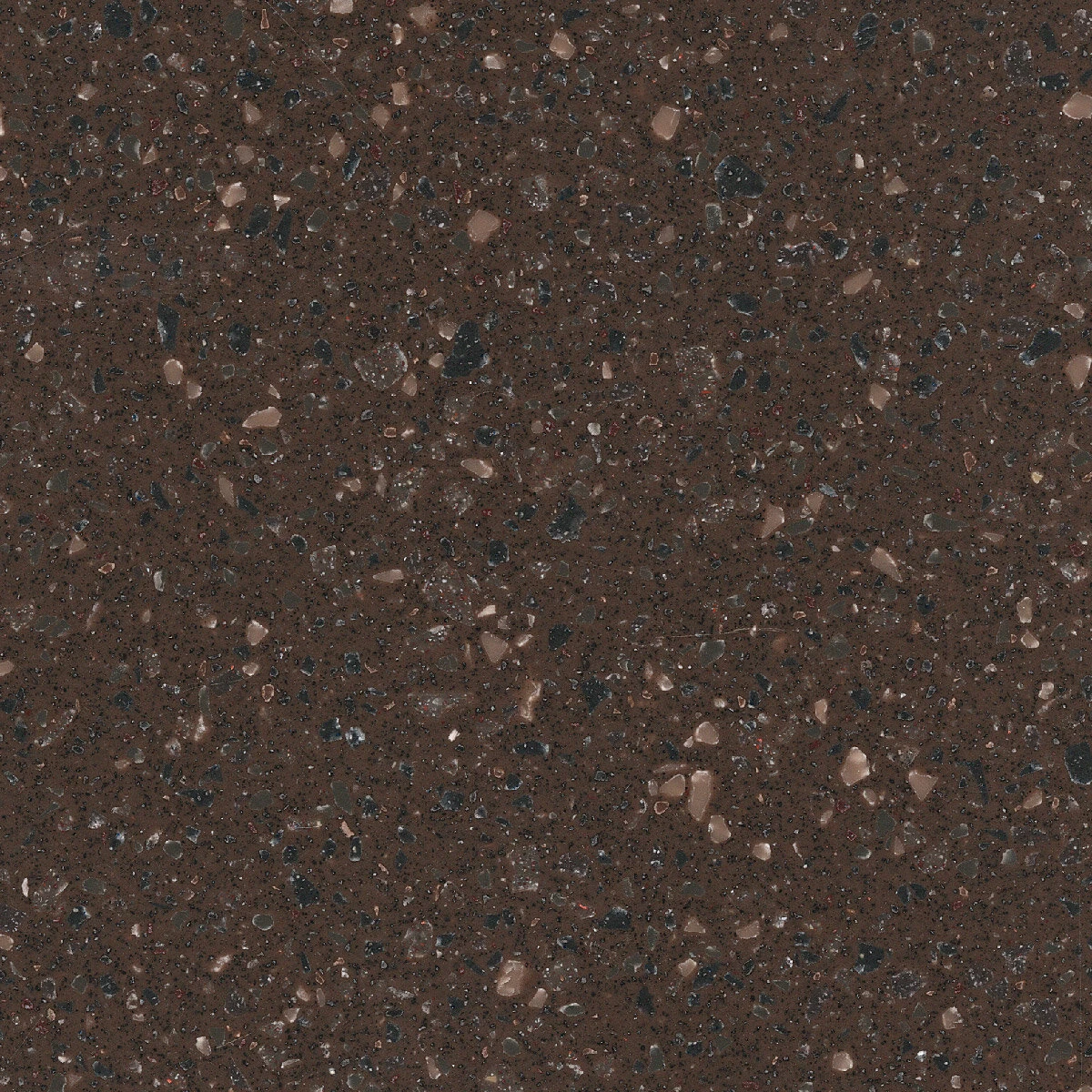 20 / 115Corian Cocoa Brown
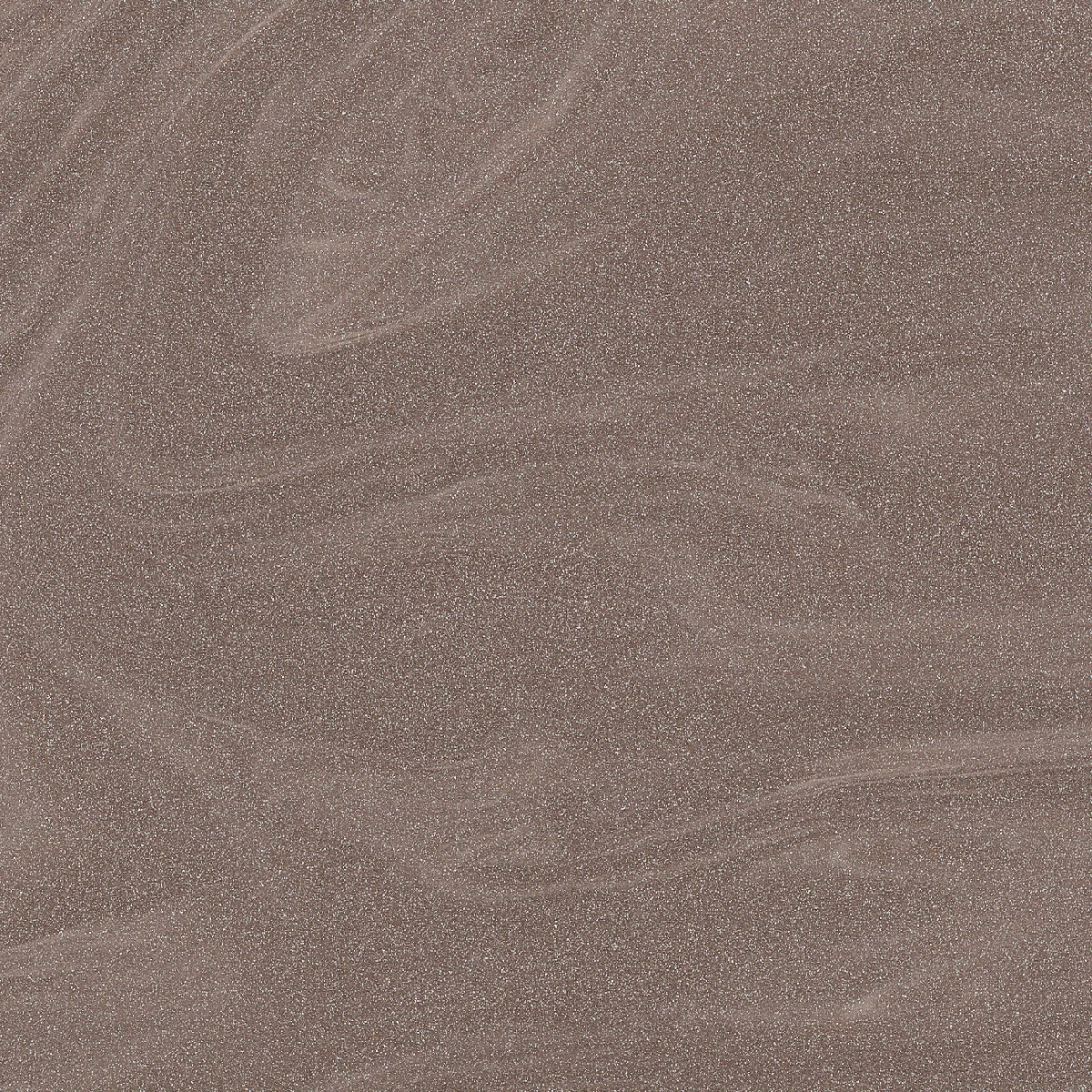 21 / 115Corian Cocoa Prima
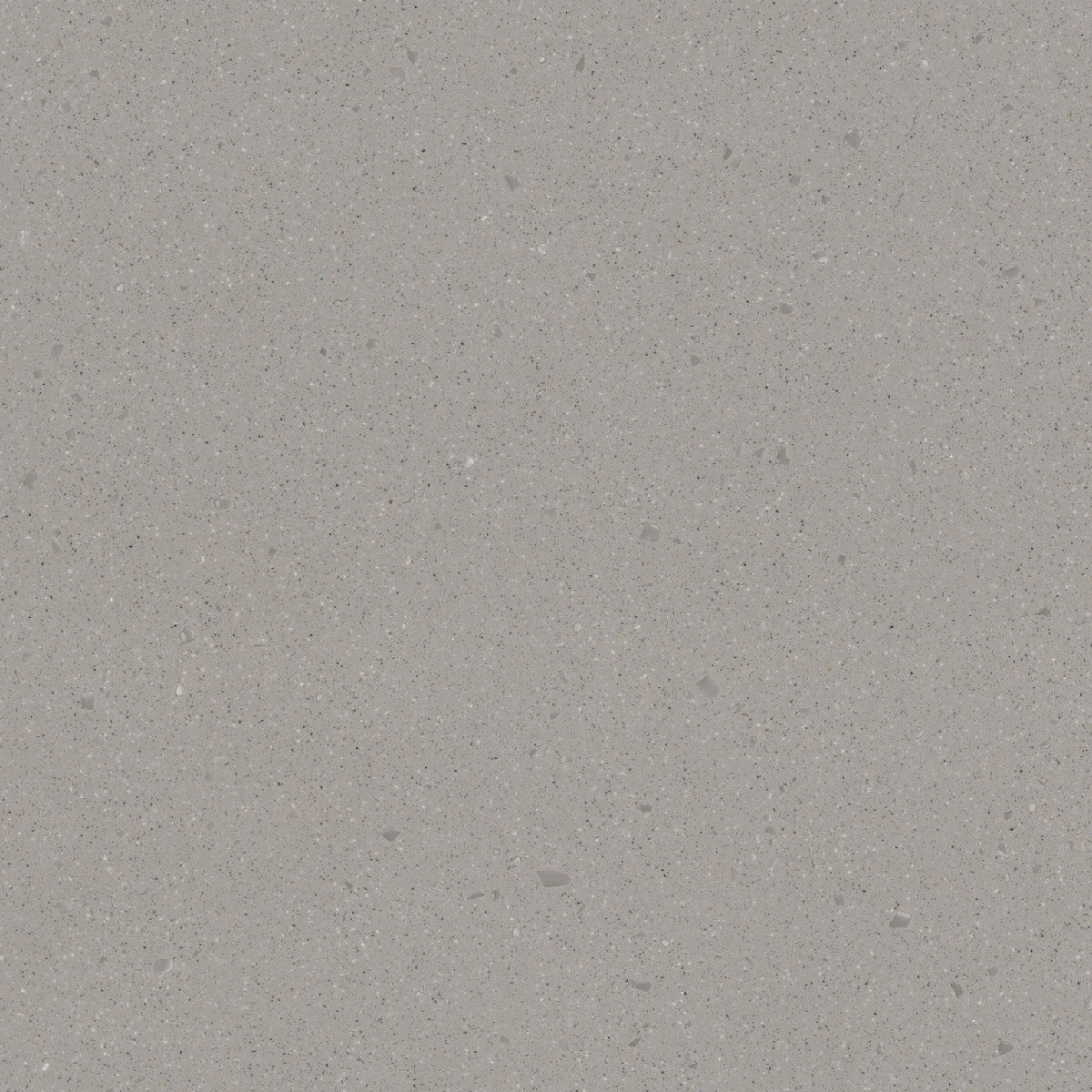 22 / 115Corian Cool Grey
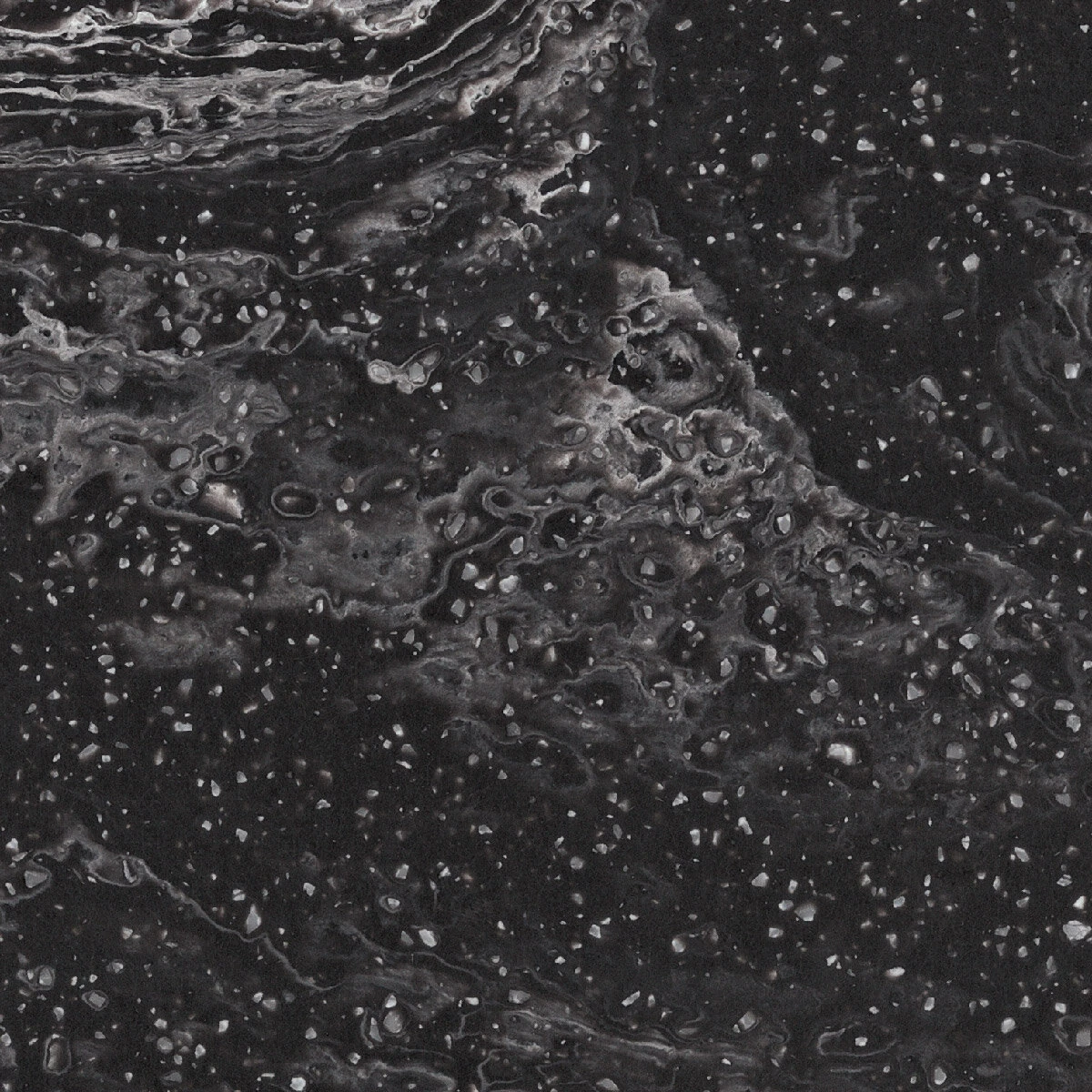 23 / 115Corian Cosmos Prima
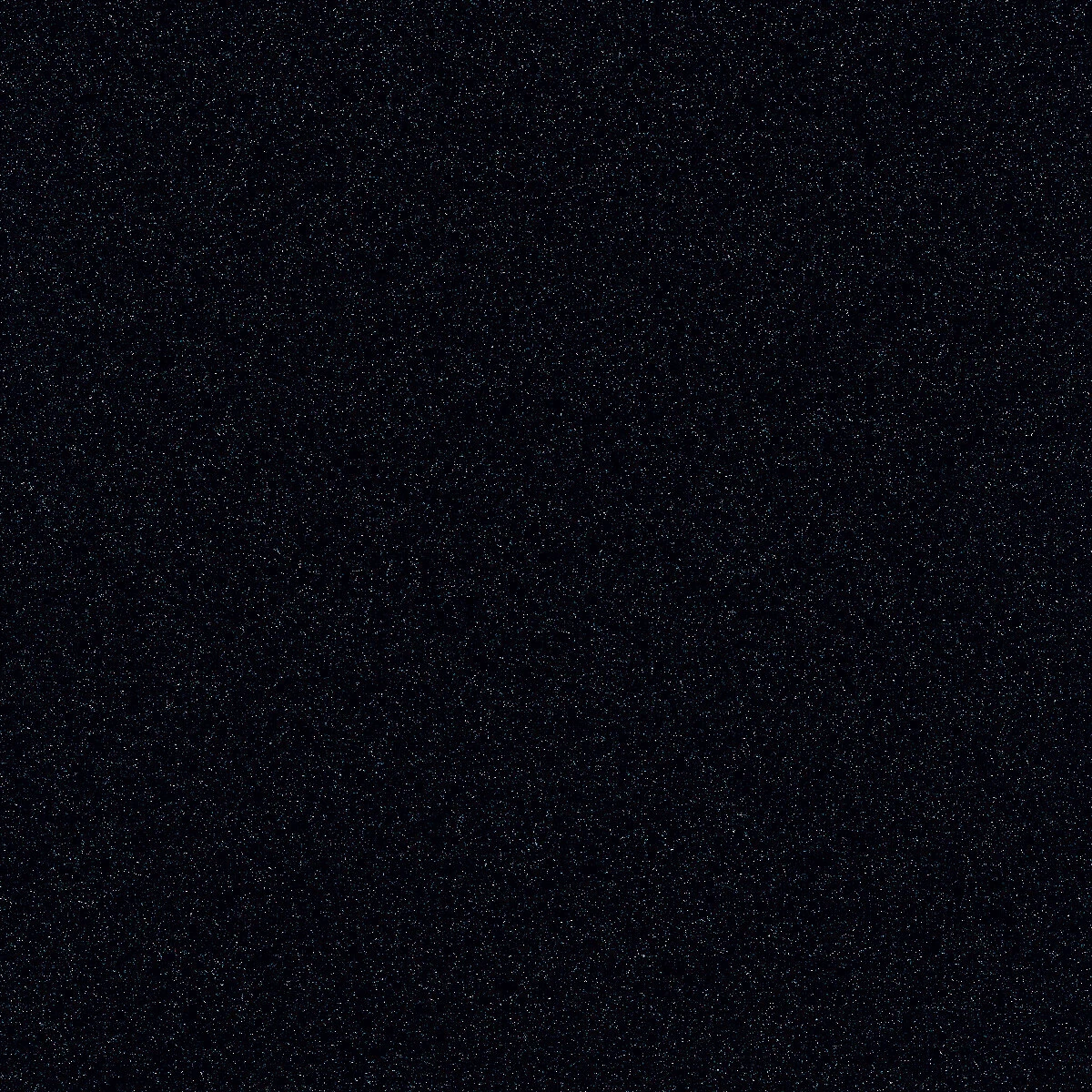 24 / 115Corian Deep Anthracite
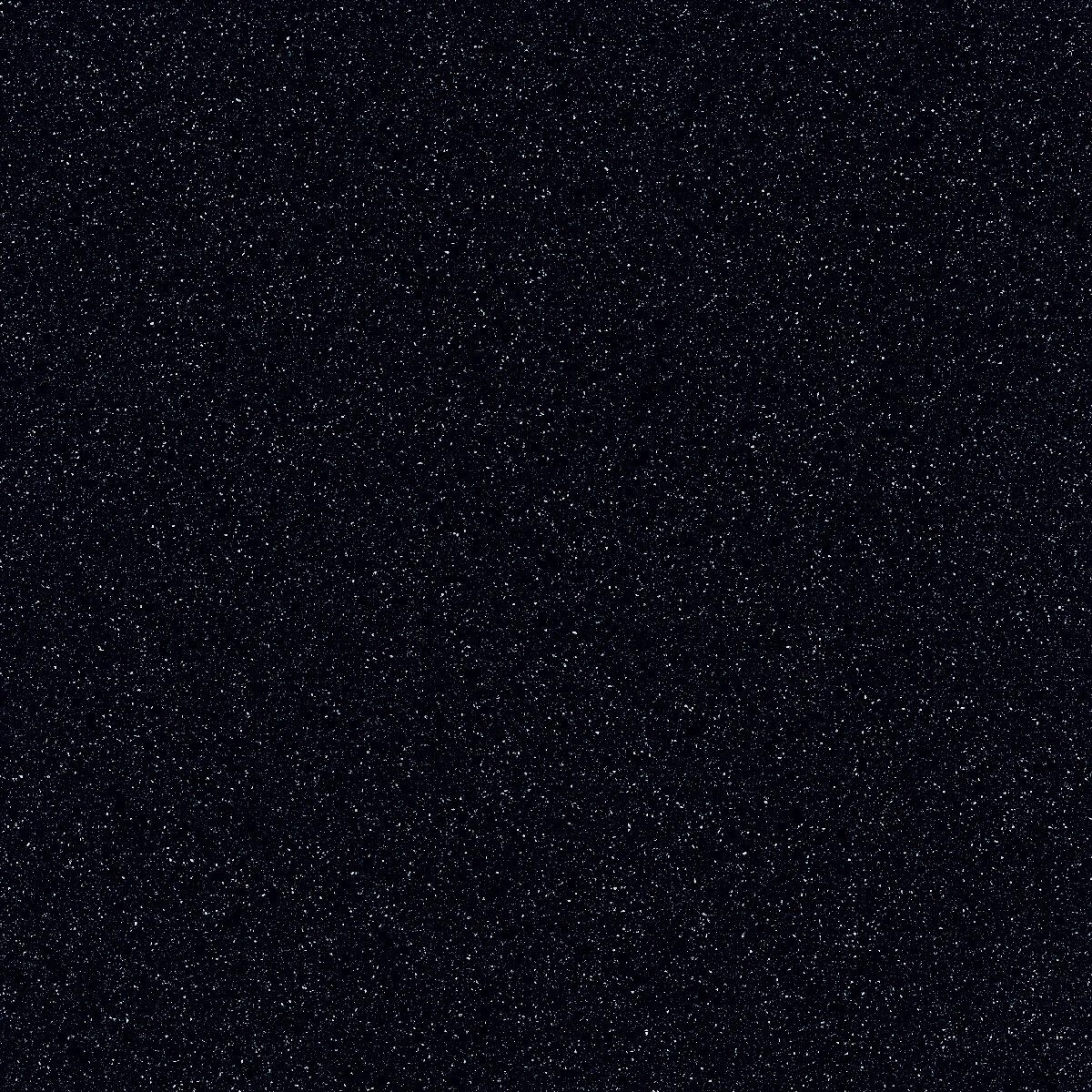 25 / 115Corian Deep Black Quartz
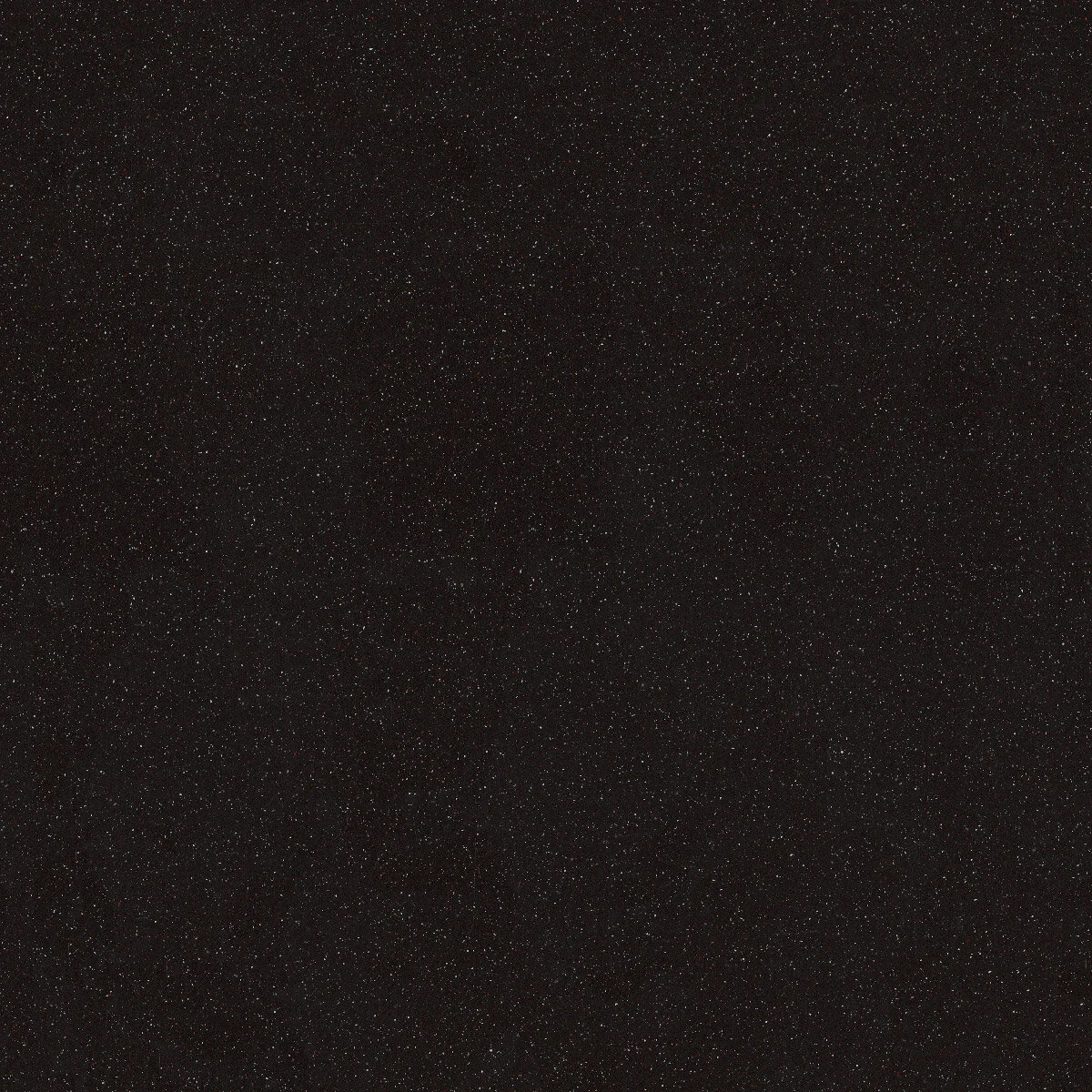 26 / 115Corian Deep Caviar
 27 / 115Corian Deep Cloud
 28 / 115Corian Deep Espresso
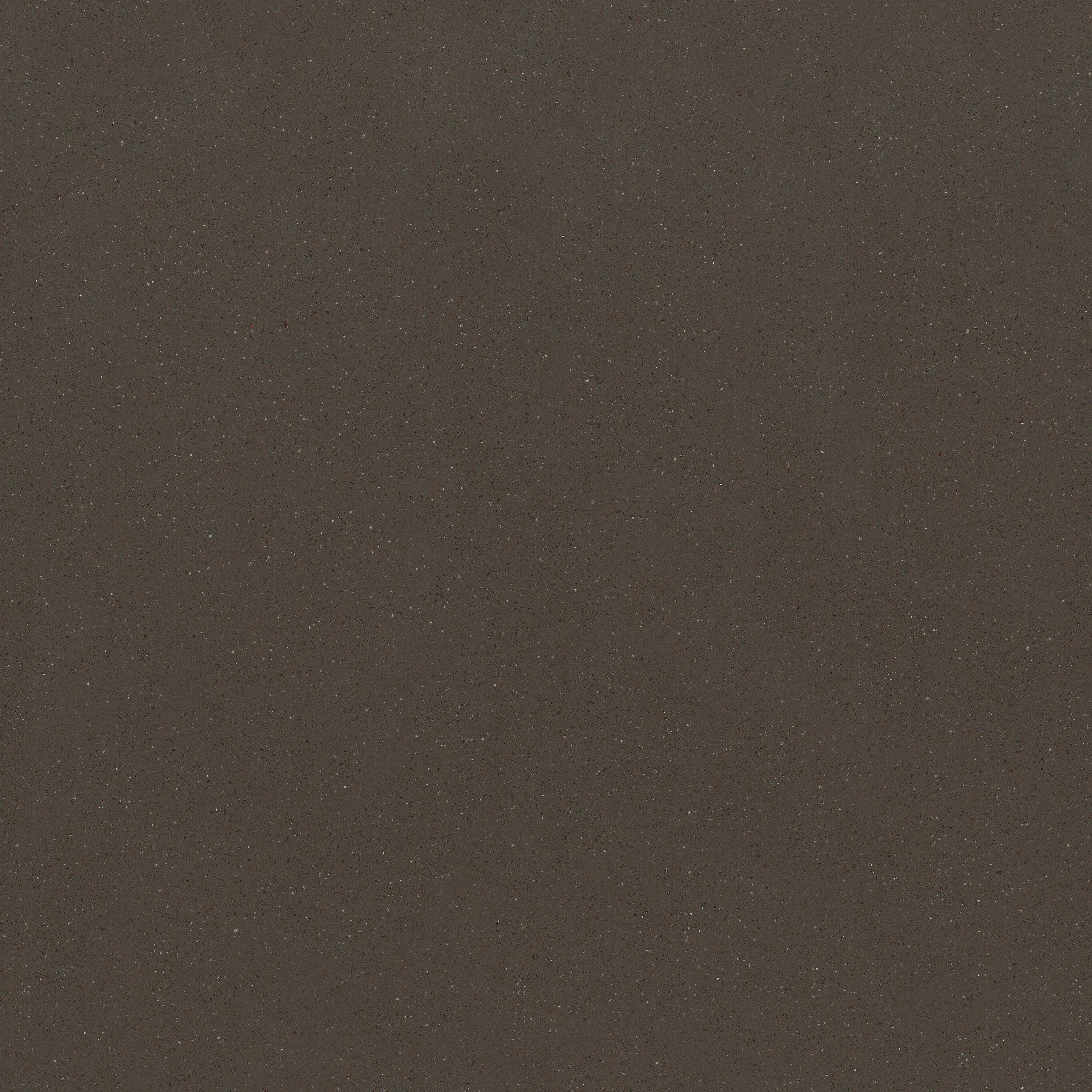 29 / 115Corian Deep Mink
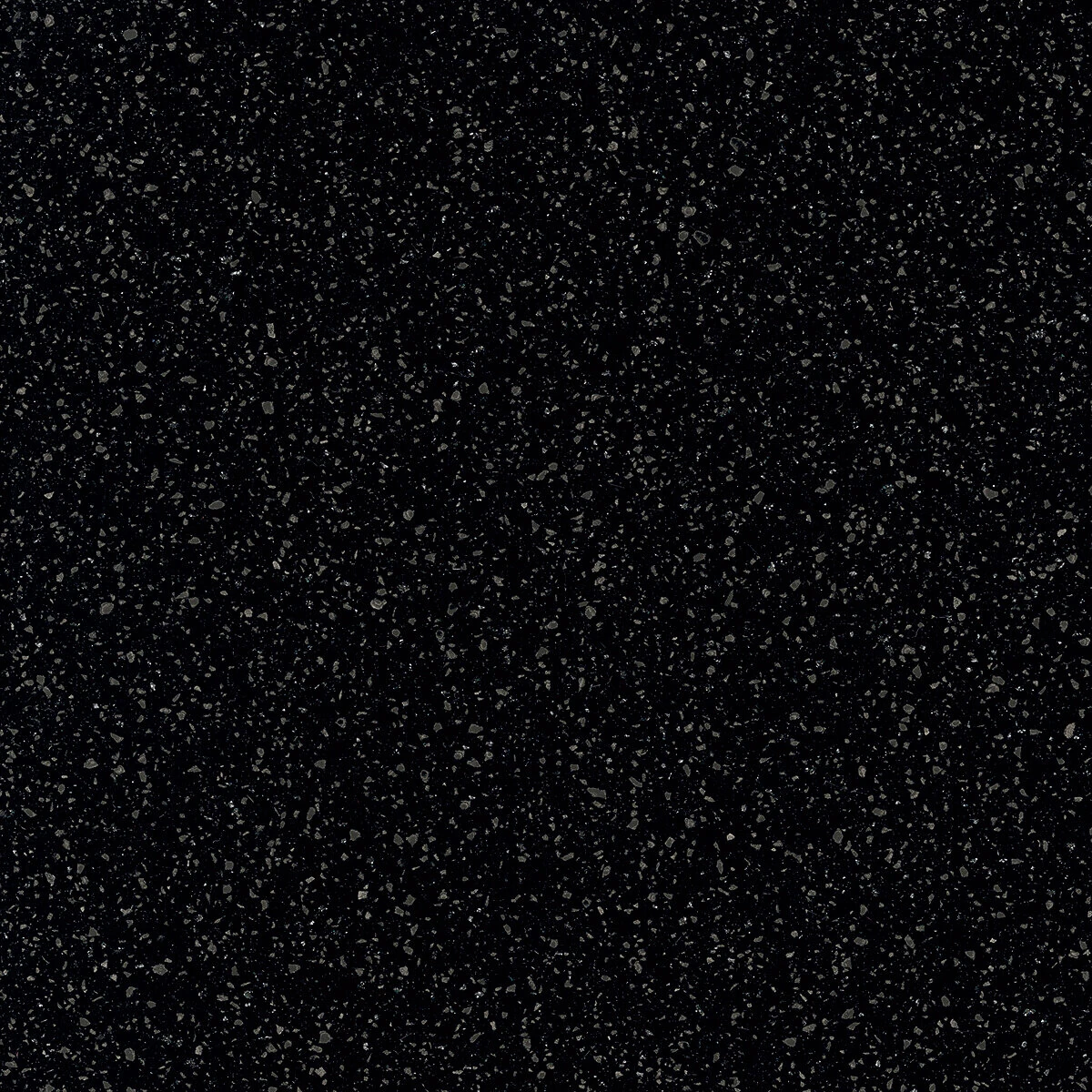 30 / 115Corian Deep Night Sky
 31 / 115Corian Deep Nocturne
 32 / 115Corian Deep Sable
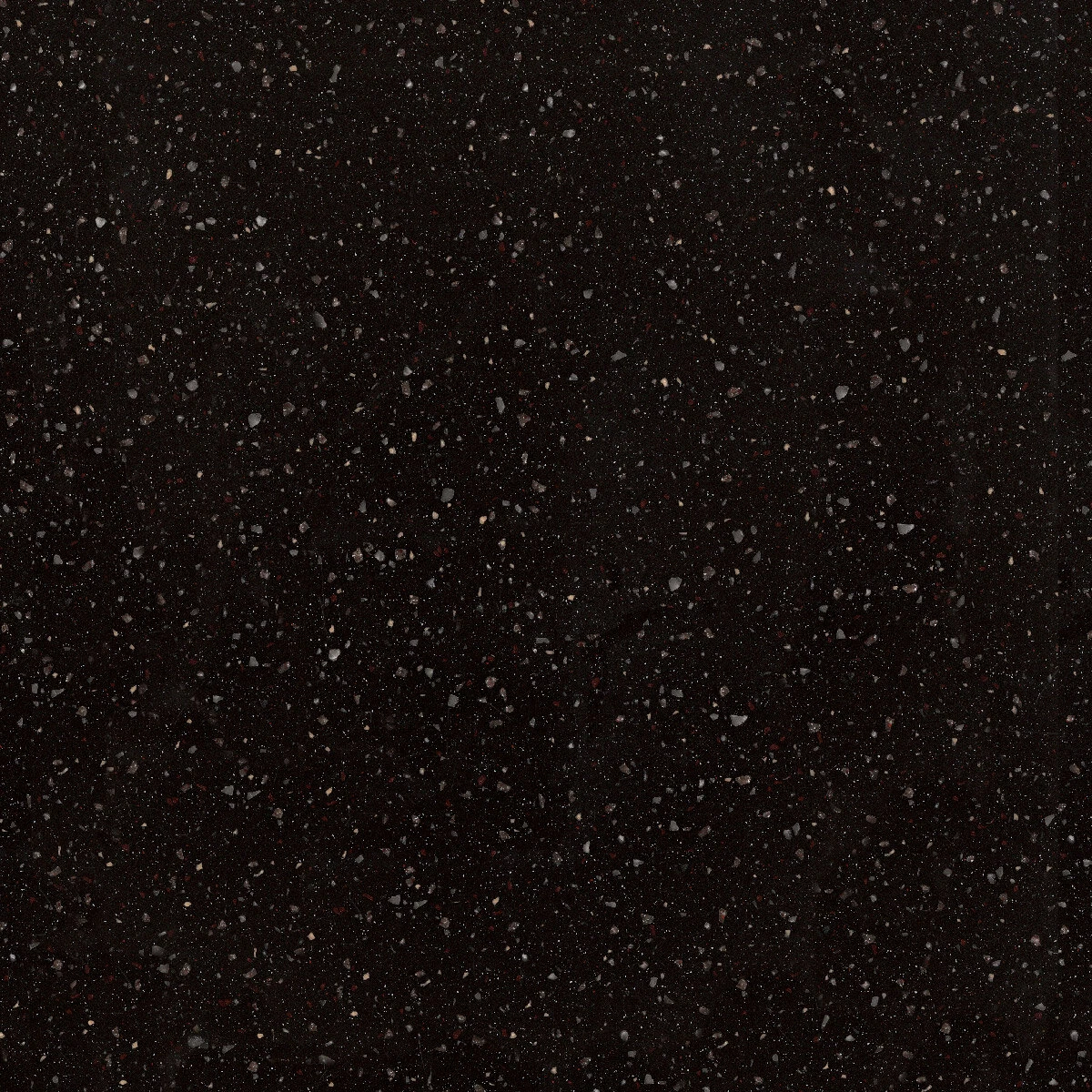 33 / 115Corian Deep Storm
 34 / 115Corian Deep Titanium
 35 / 115Corian Designer White
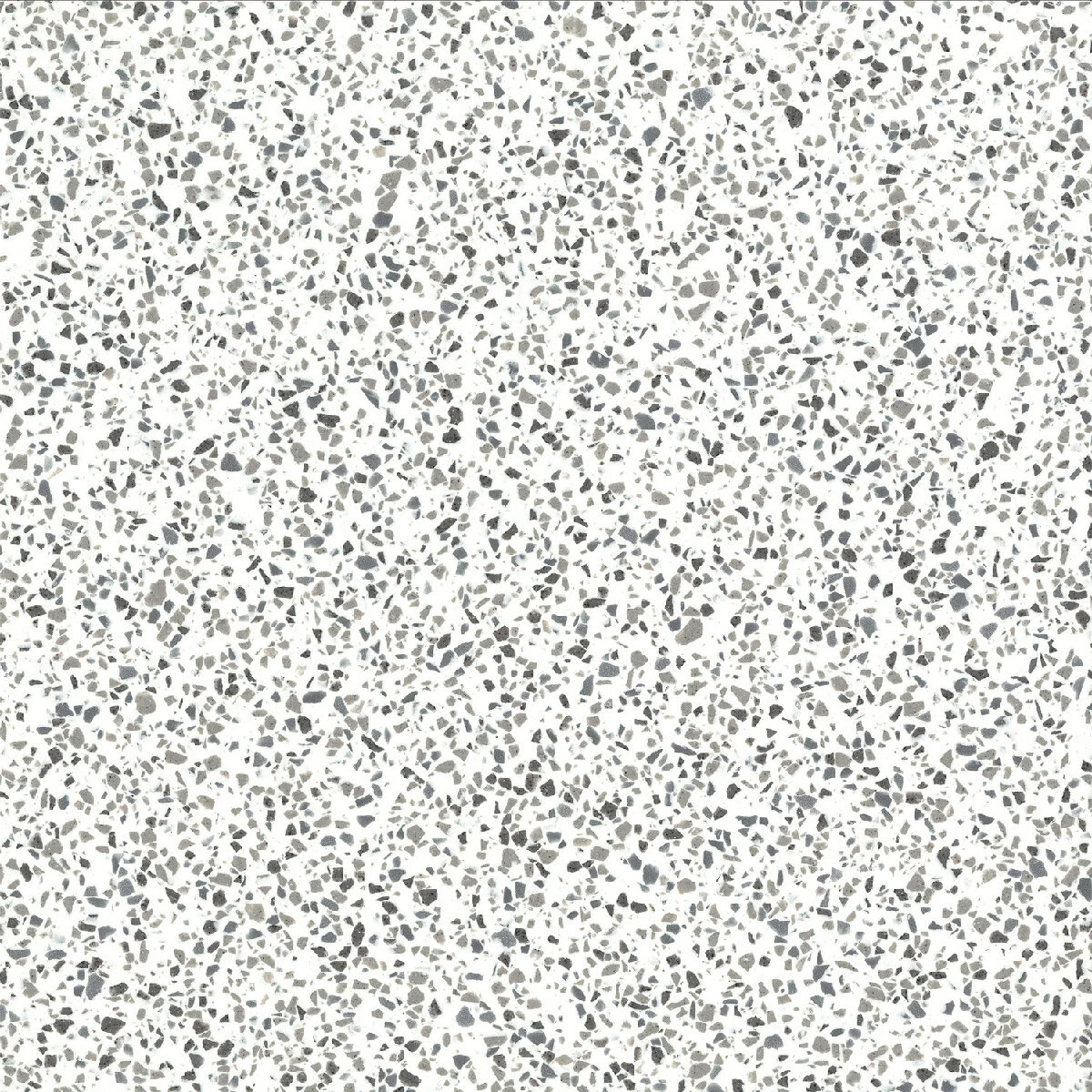 36 / 115Corian Domino Terrazzo
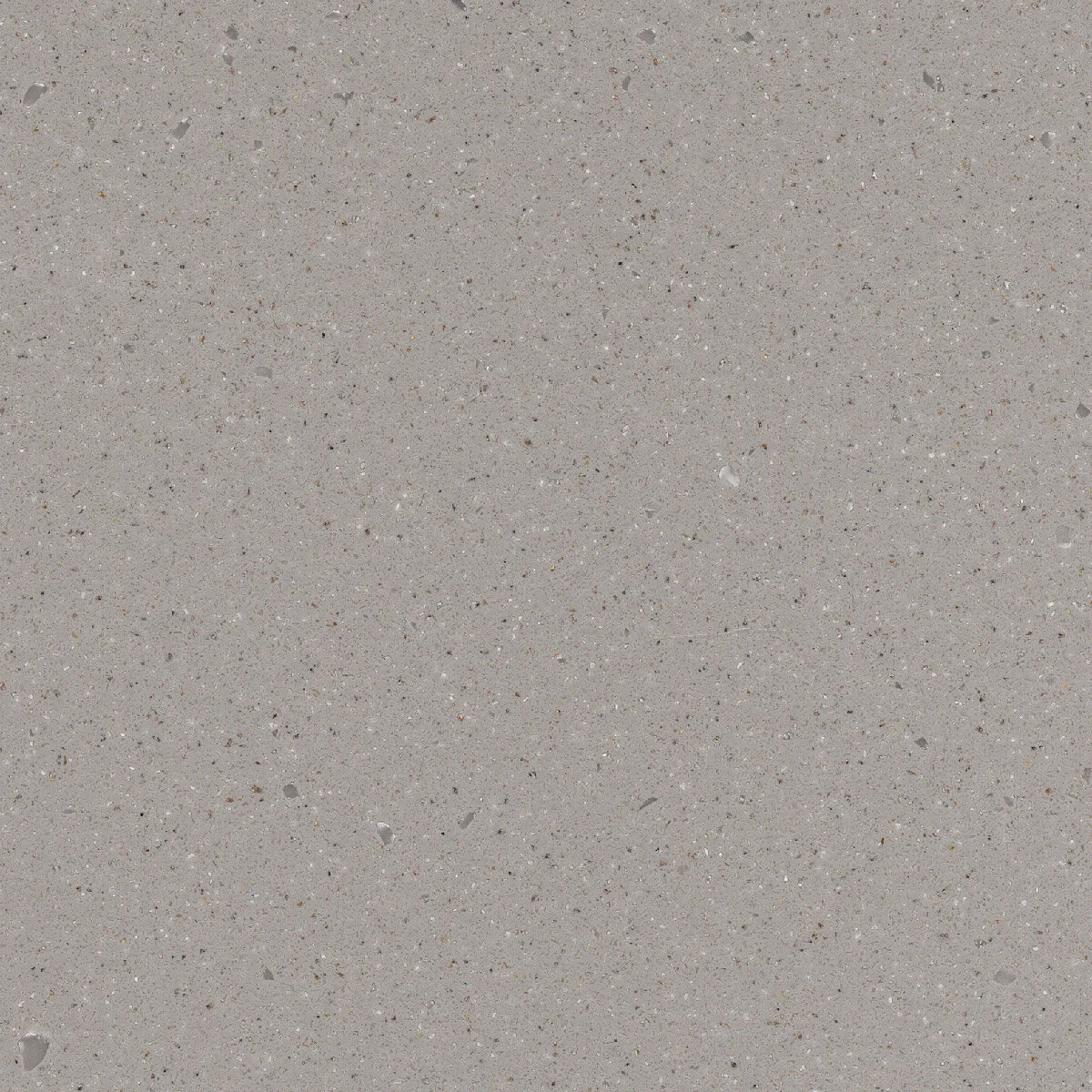 37 / 115Corian Dove
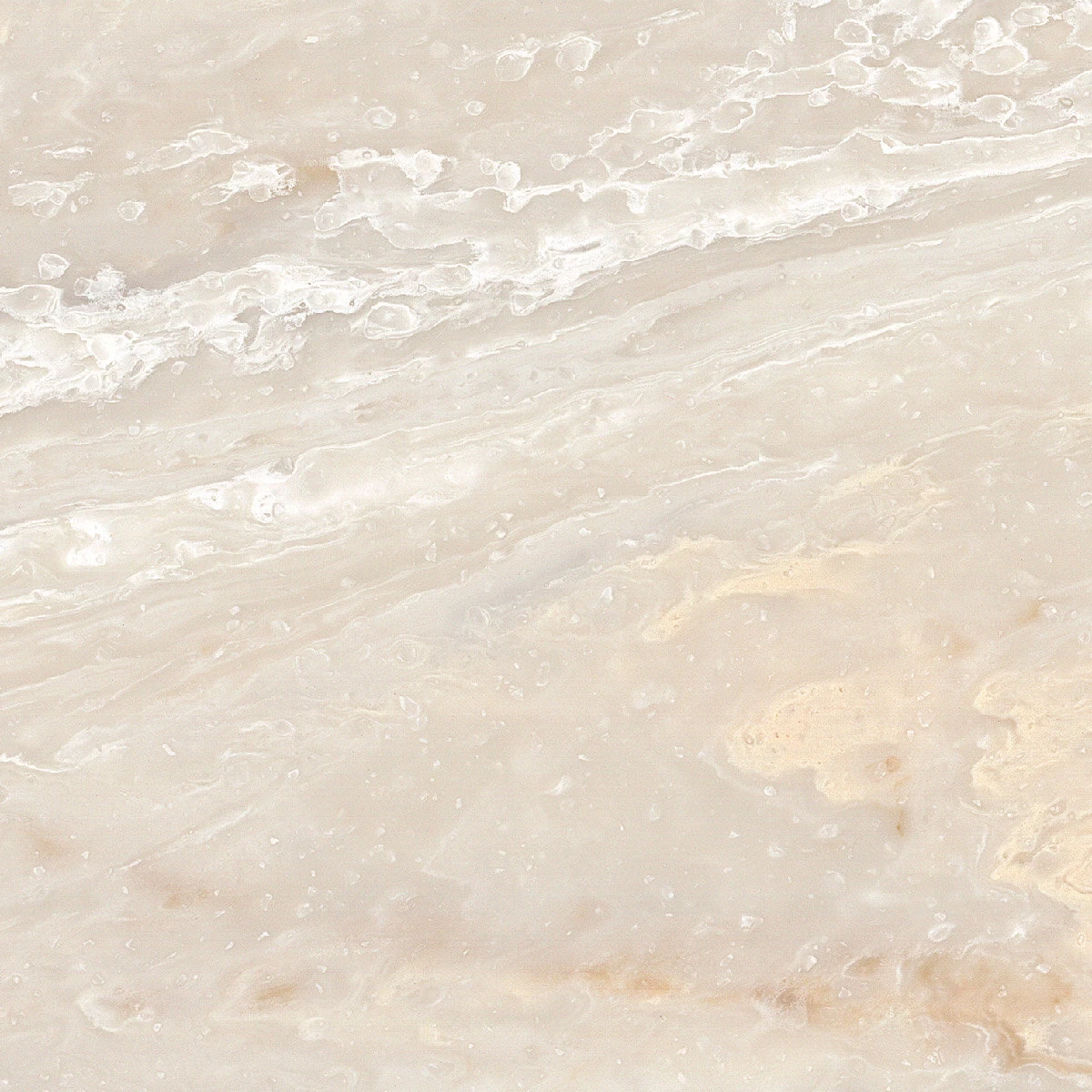 38 / 115Corian Dune Prima
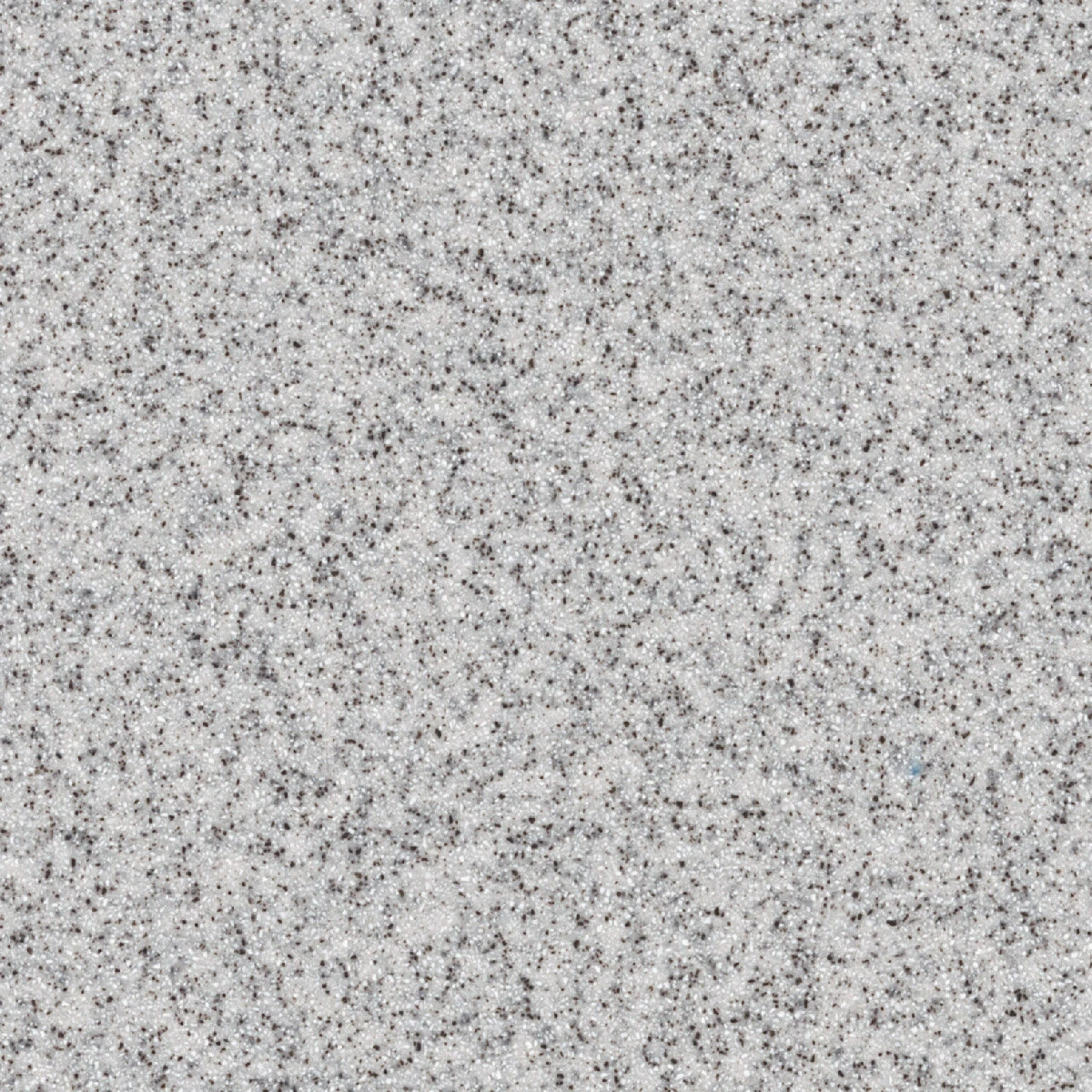 39 / 115Corian Dusk
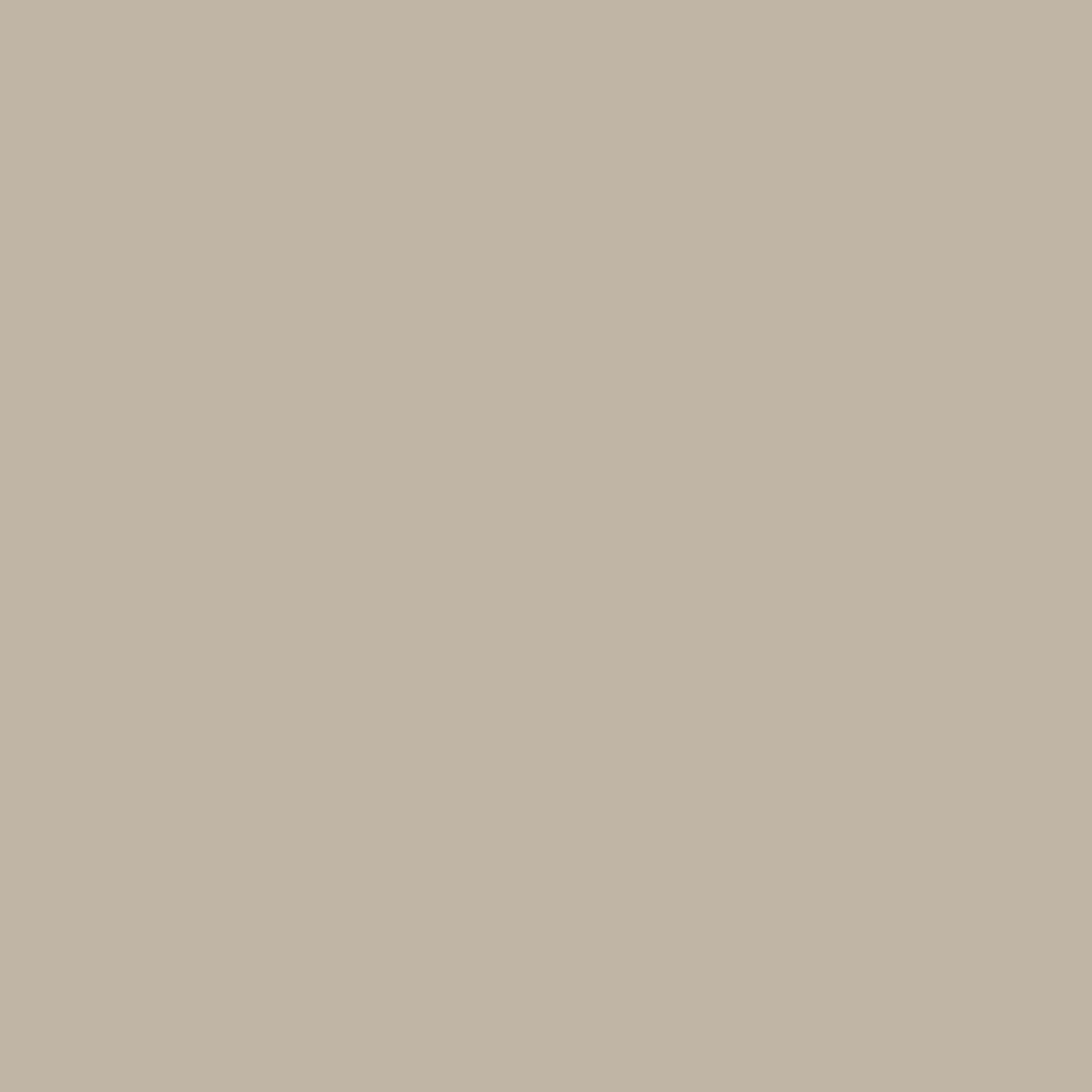 40 / 115Corian Elegant Grey
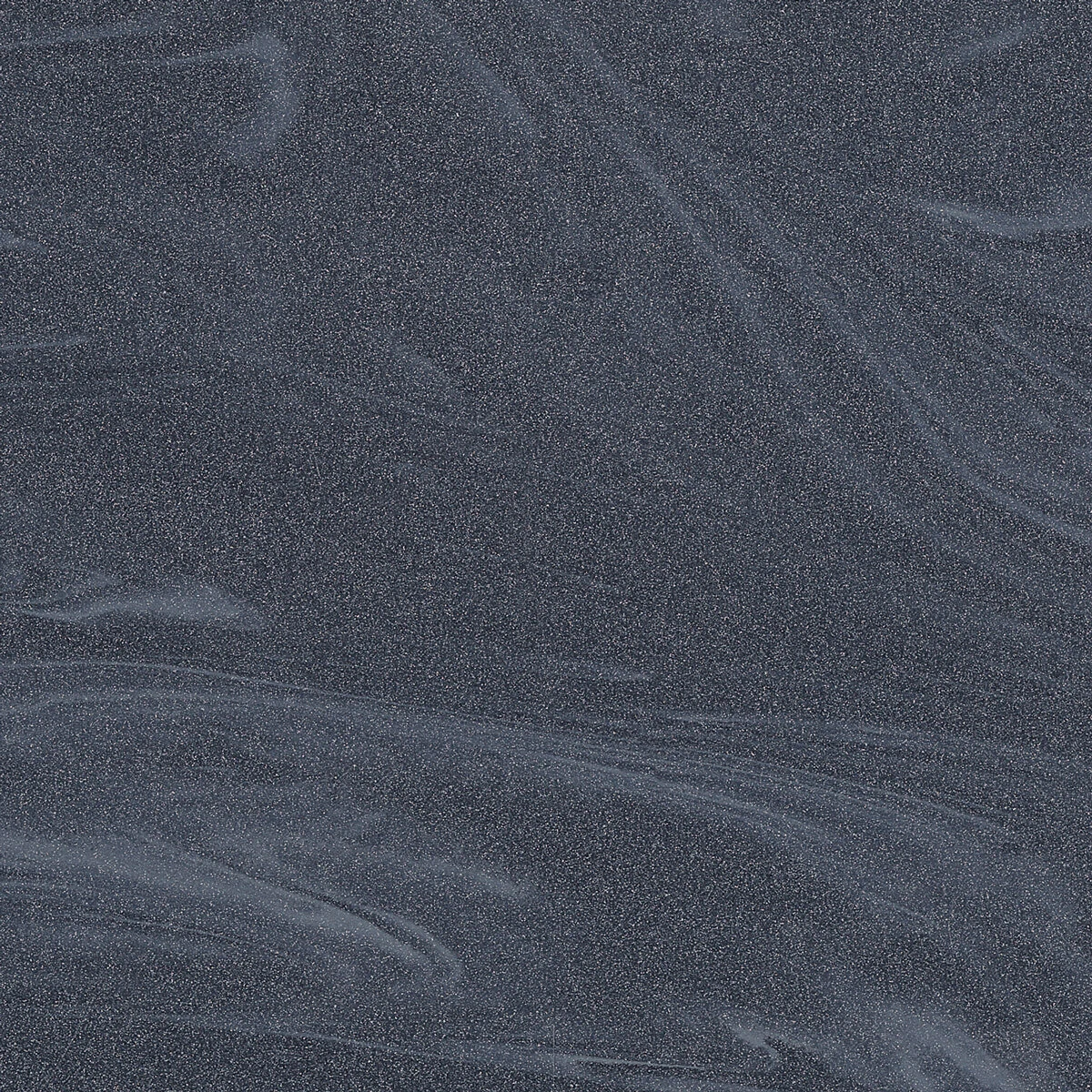 41 / 115Corian Evening Prima
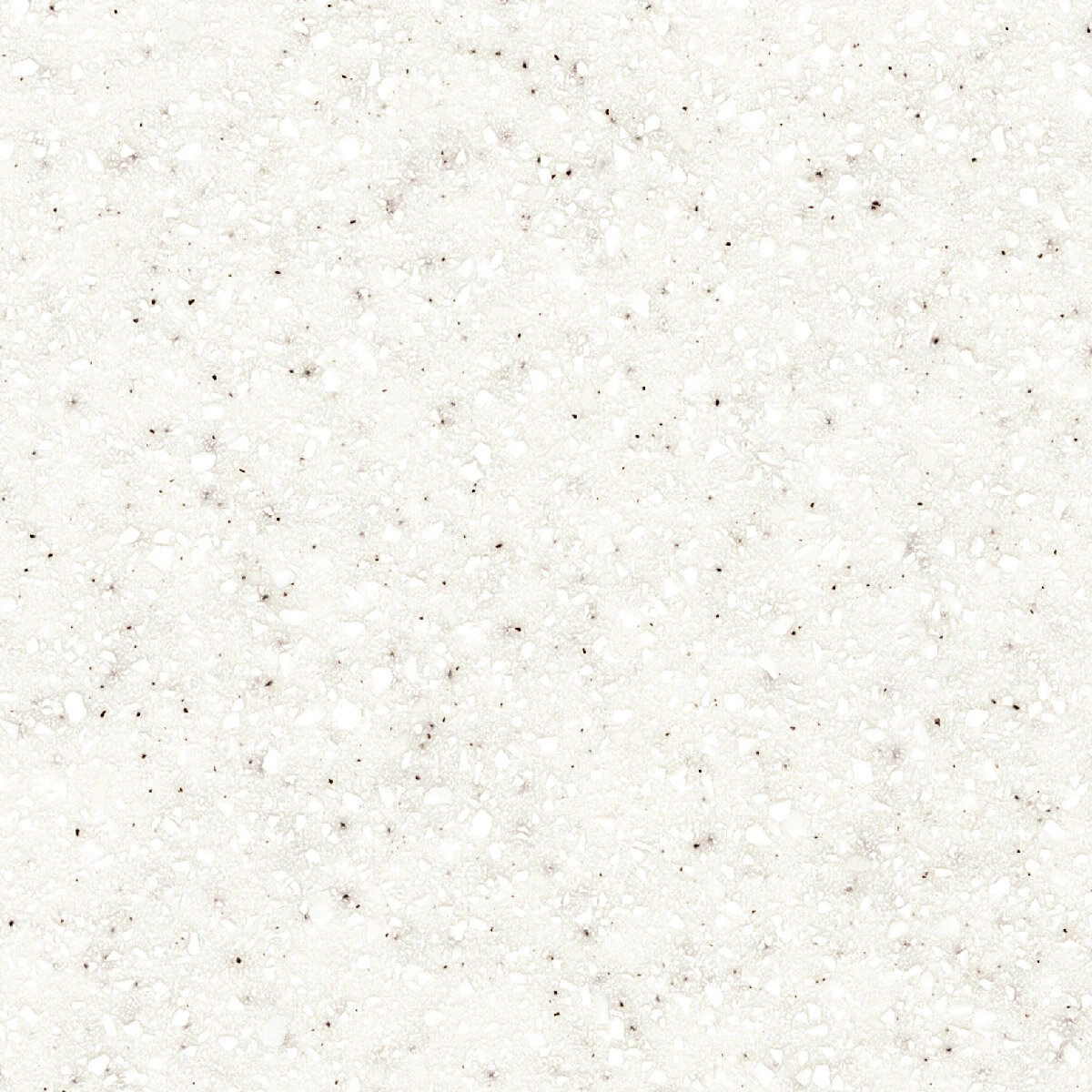 42 / 115Corian Everest
 43 / 115Corian Glacier Ice
 44 / 115Corian Glacier White
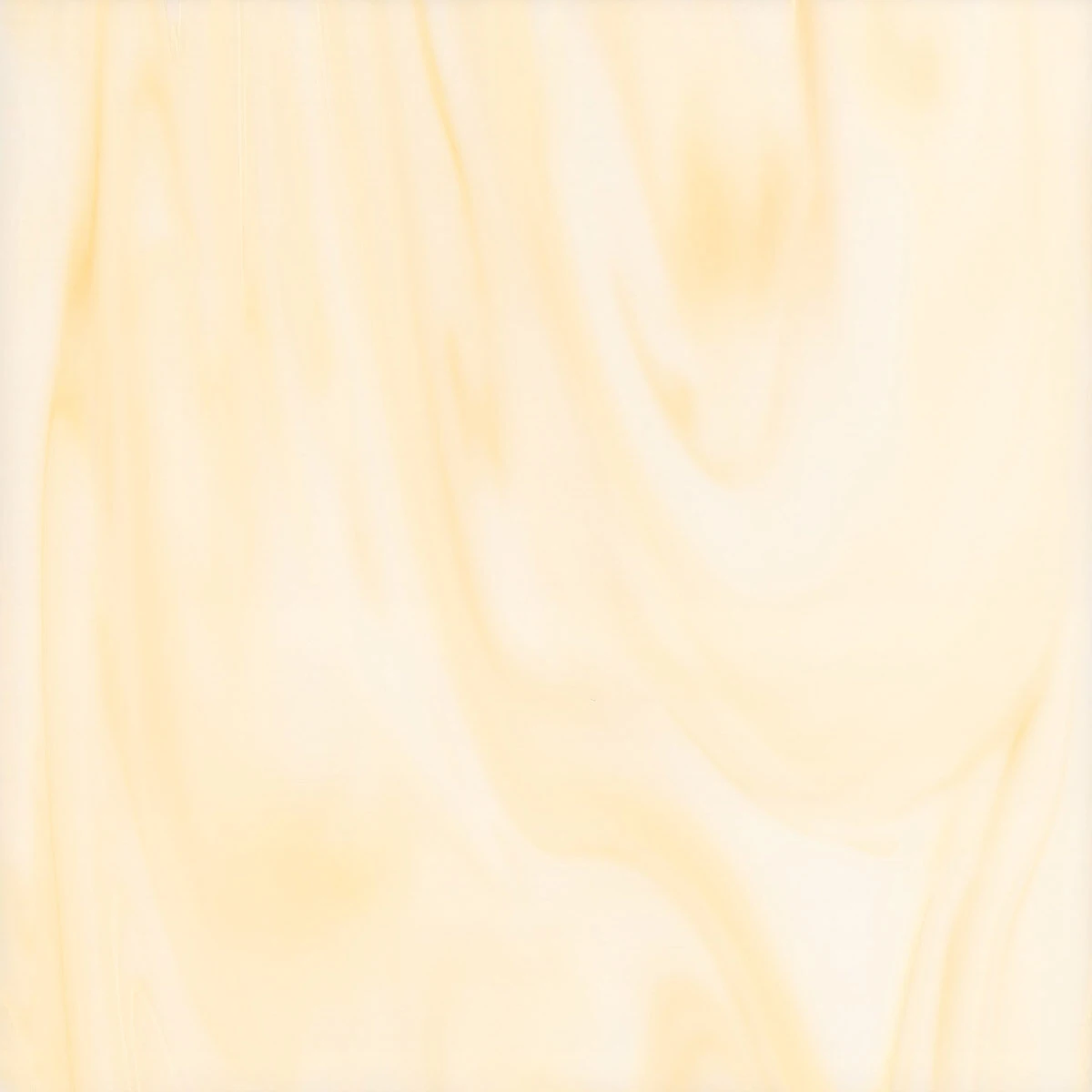 45 / 115Corian Golden Onyx
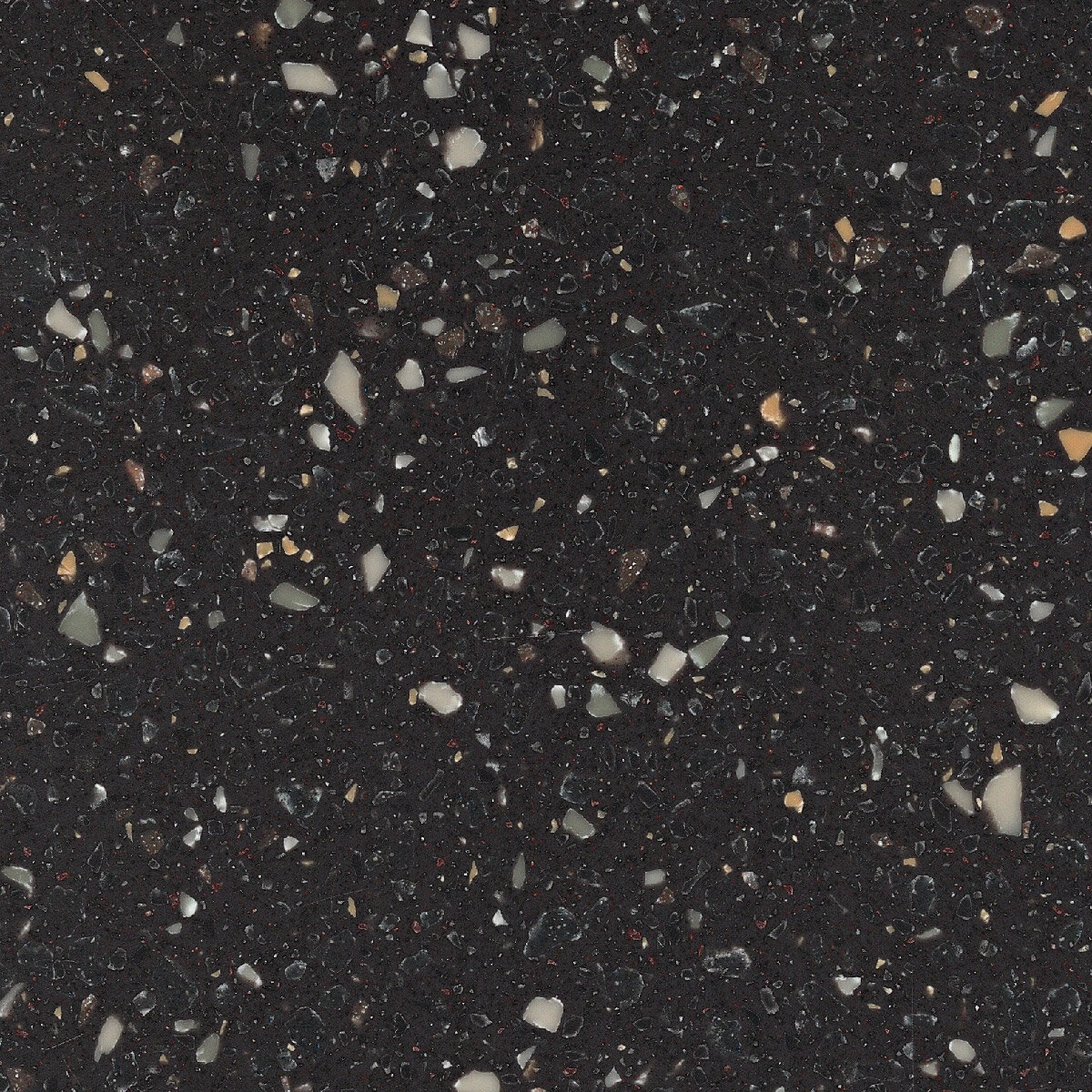 46 / 115Corian Gravel
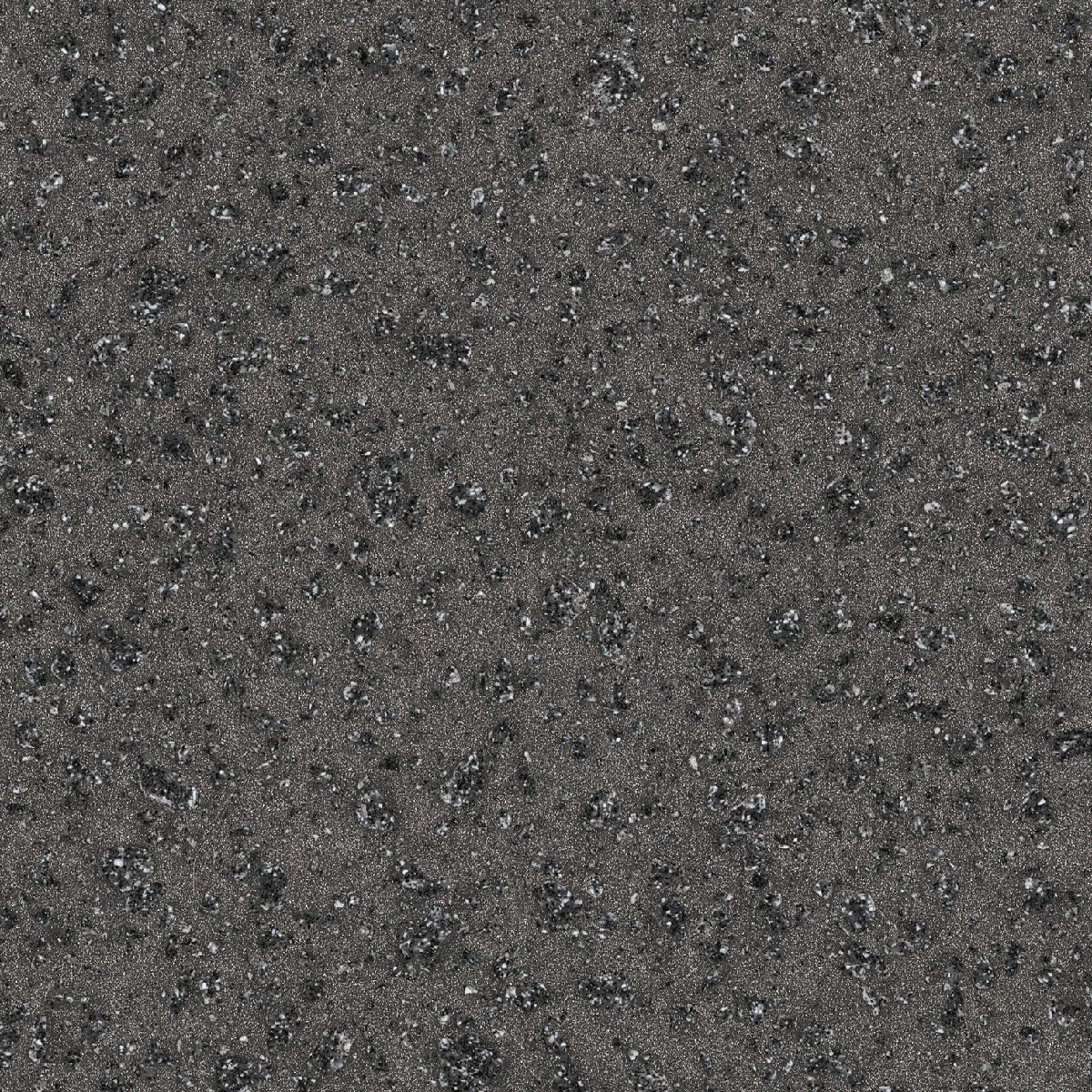 47 / 115Corian Graylite
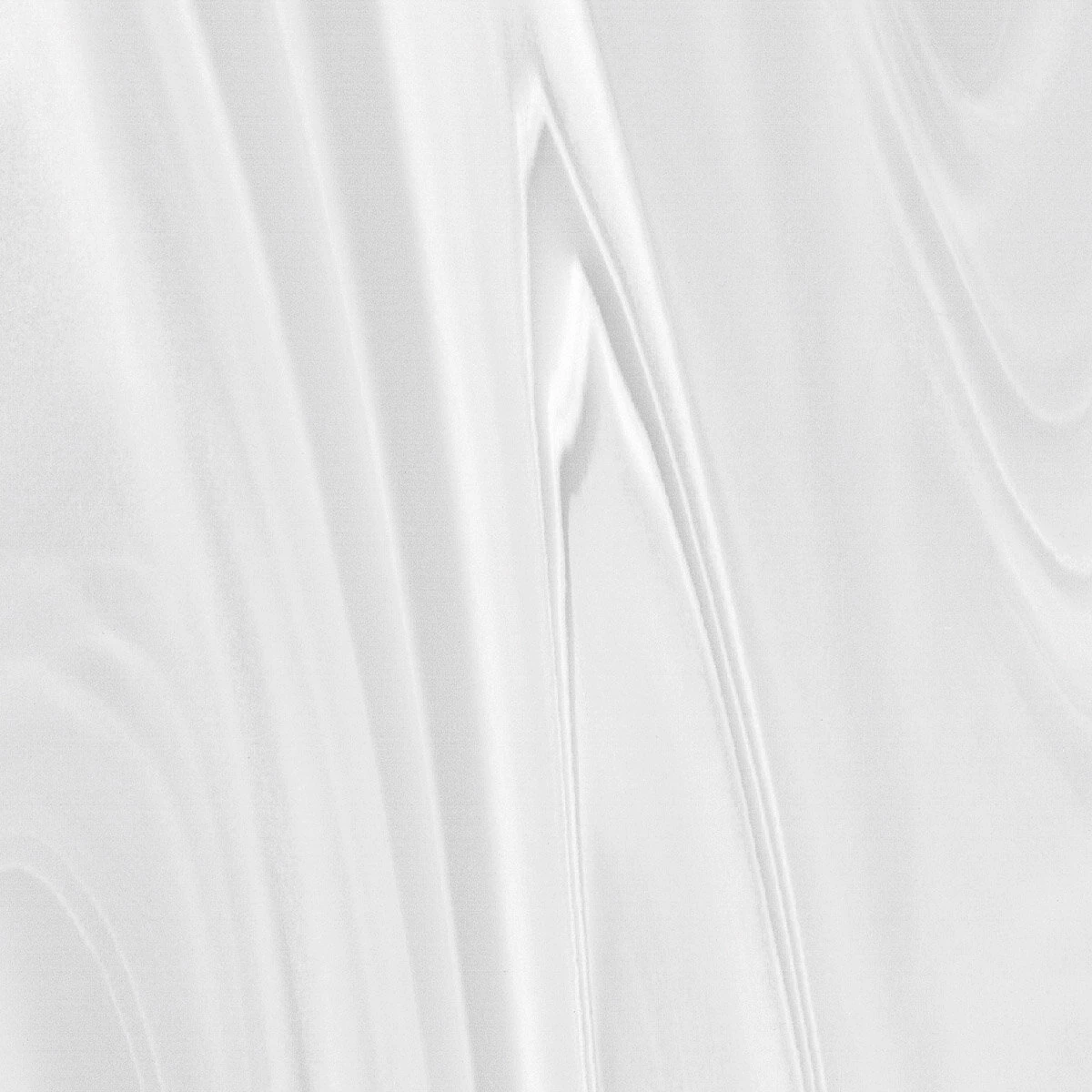 48 / 115Corian Grey Onyx
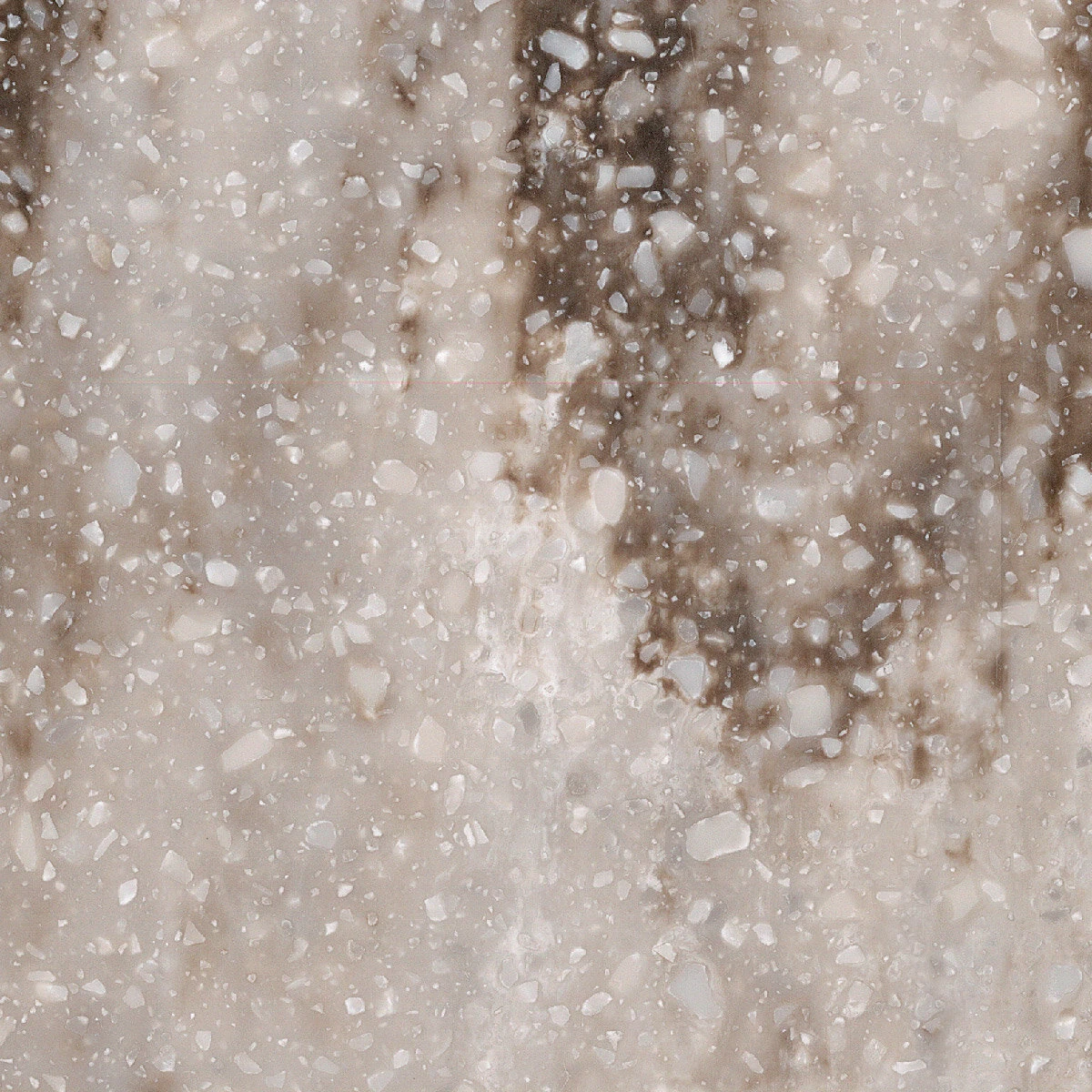 49 / 115Corian Hazelnut
 50 / 115Corian Hot
 51 / 115Corian Imperial Yellow
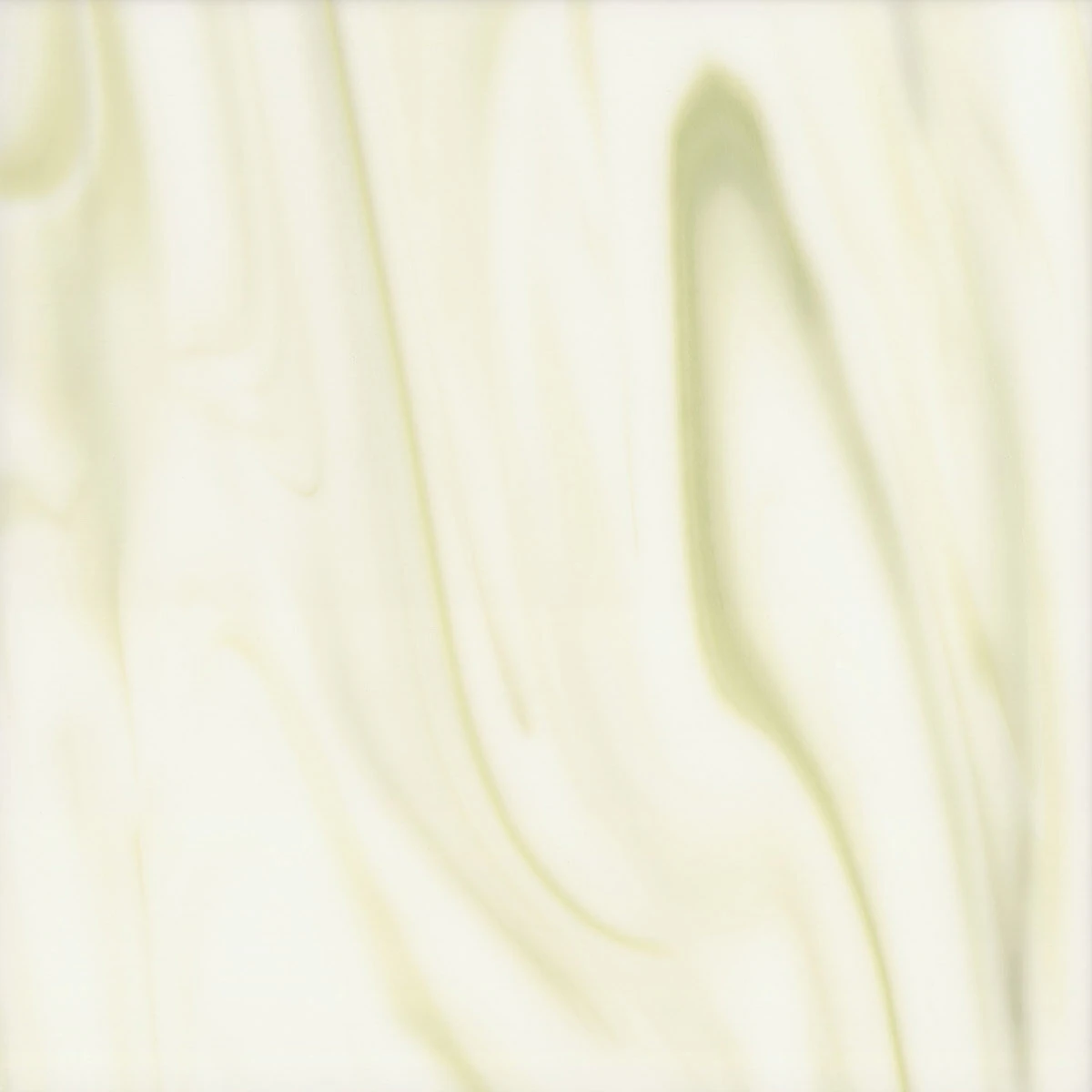 52 / 115Corian Jade Onyx
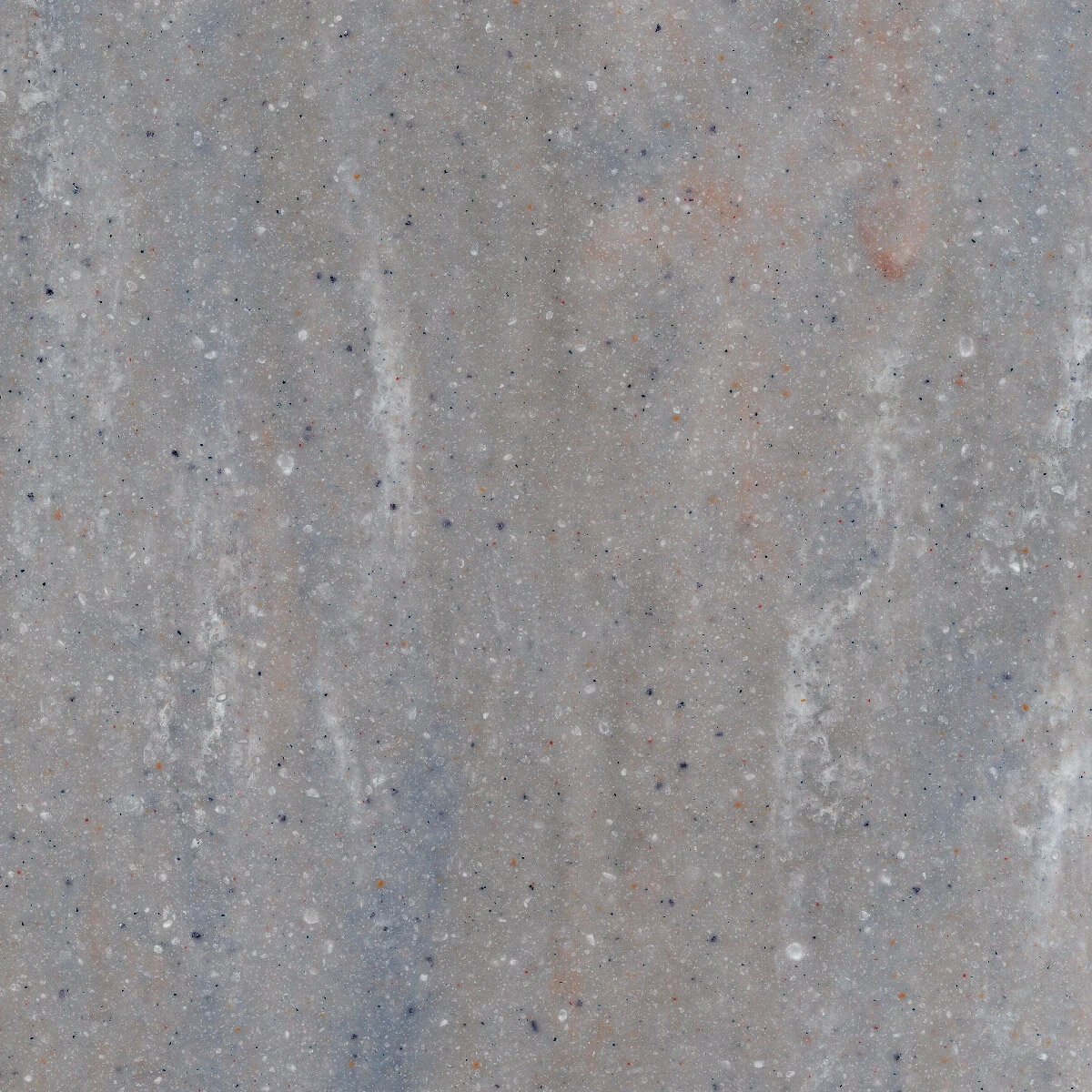 53 / 115Corian Juniper
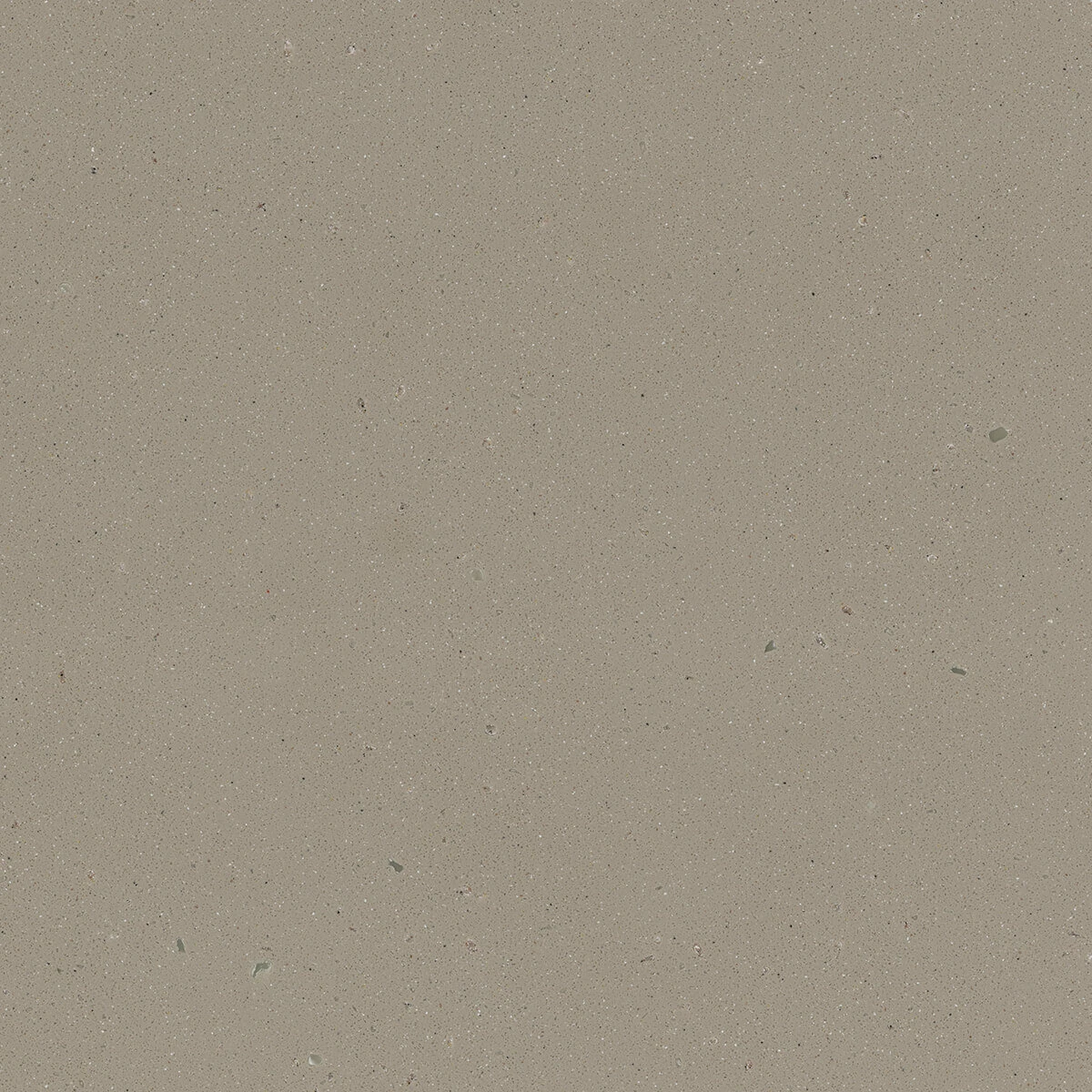 54 / 115Corian Keystone
 55 / 115Corian Laguna
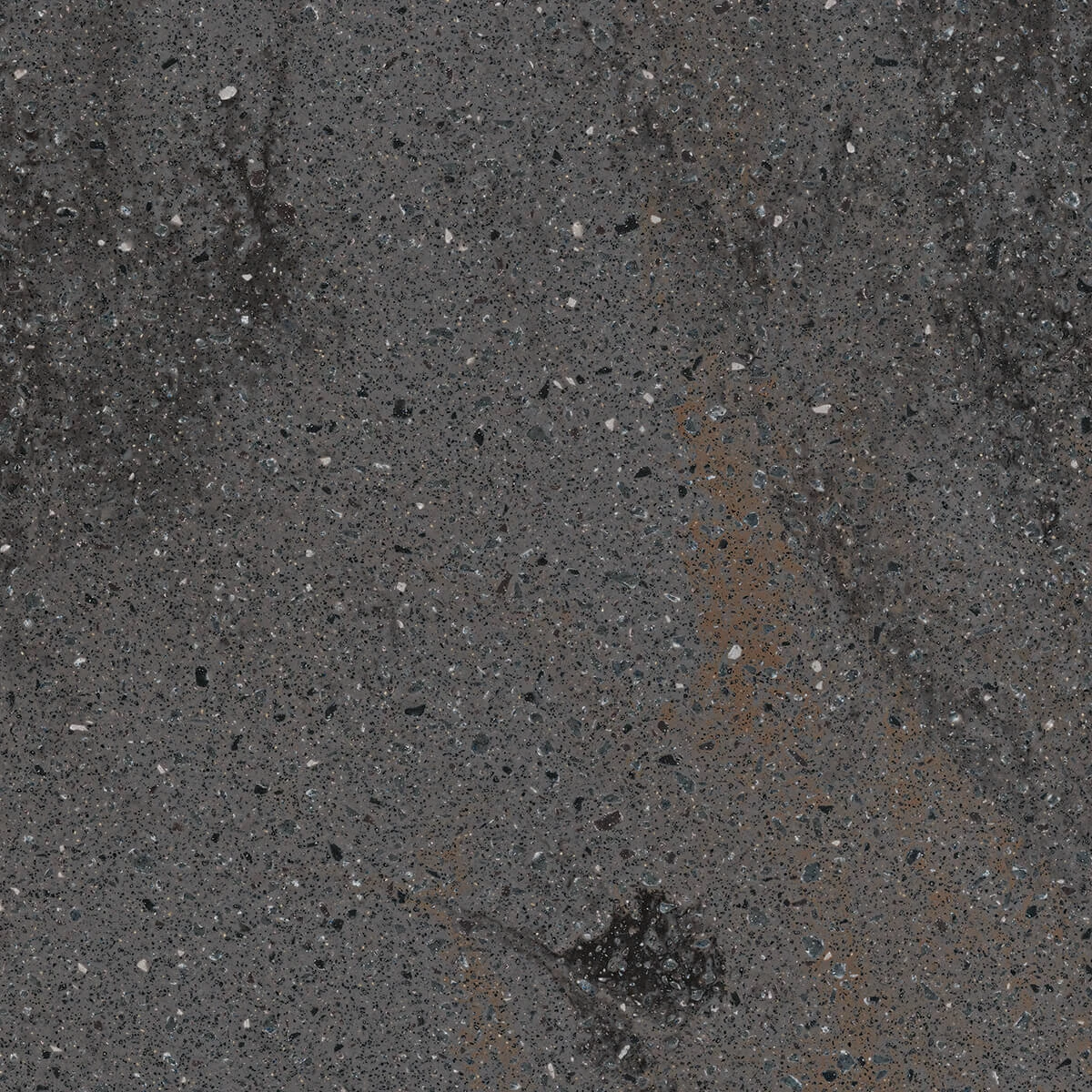 56 / 115Corian Lava Rock
 57 / 115Corian Light Ash
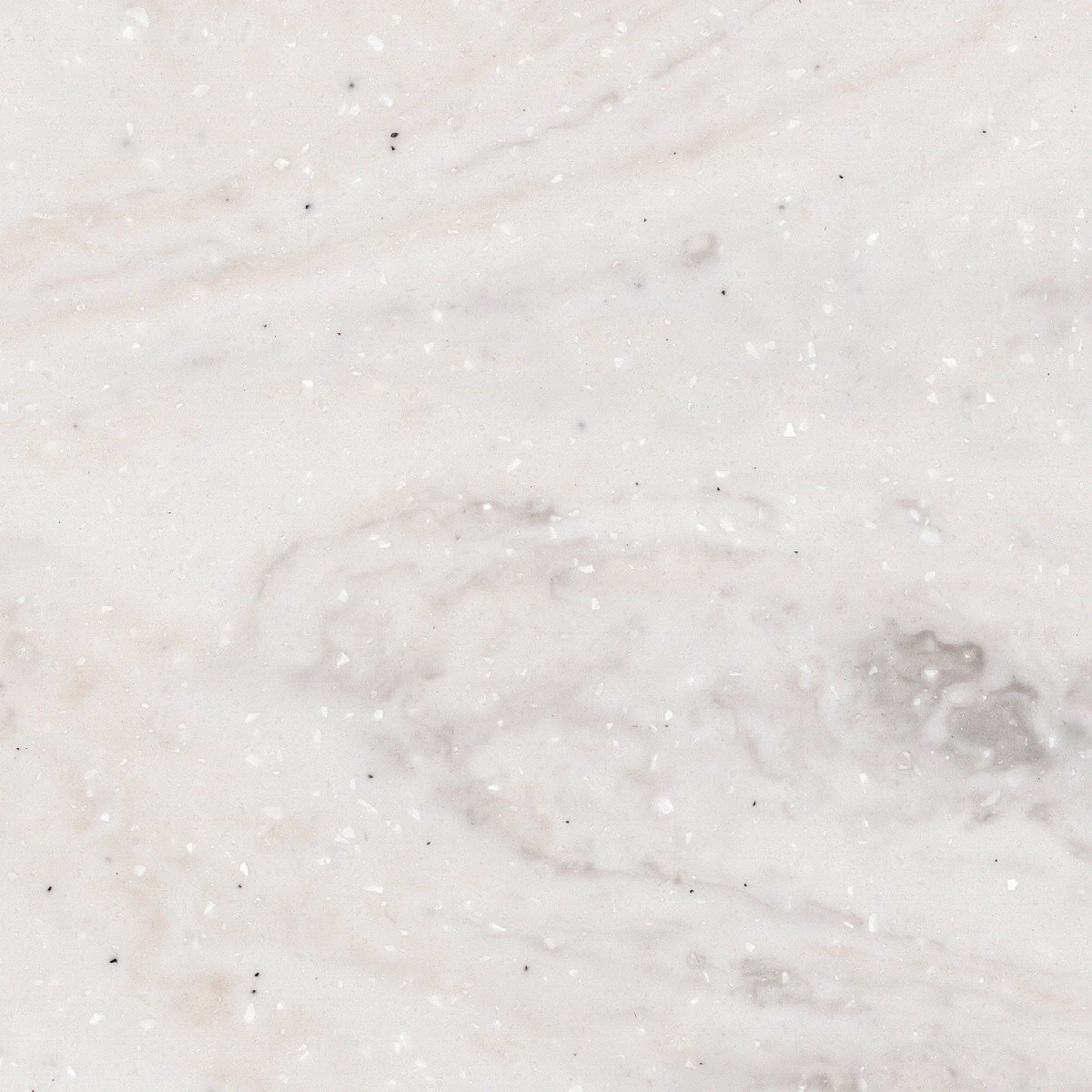 58 / 115Corian Limestone Prima
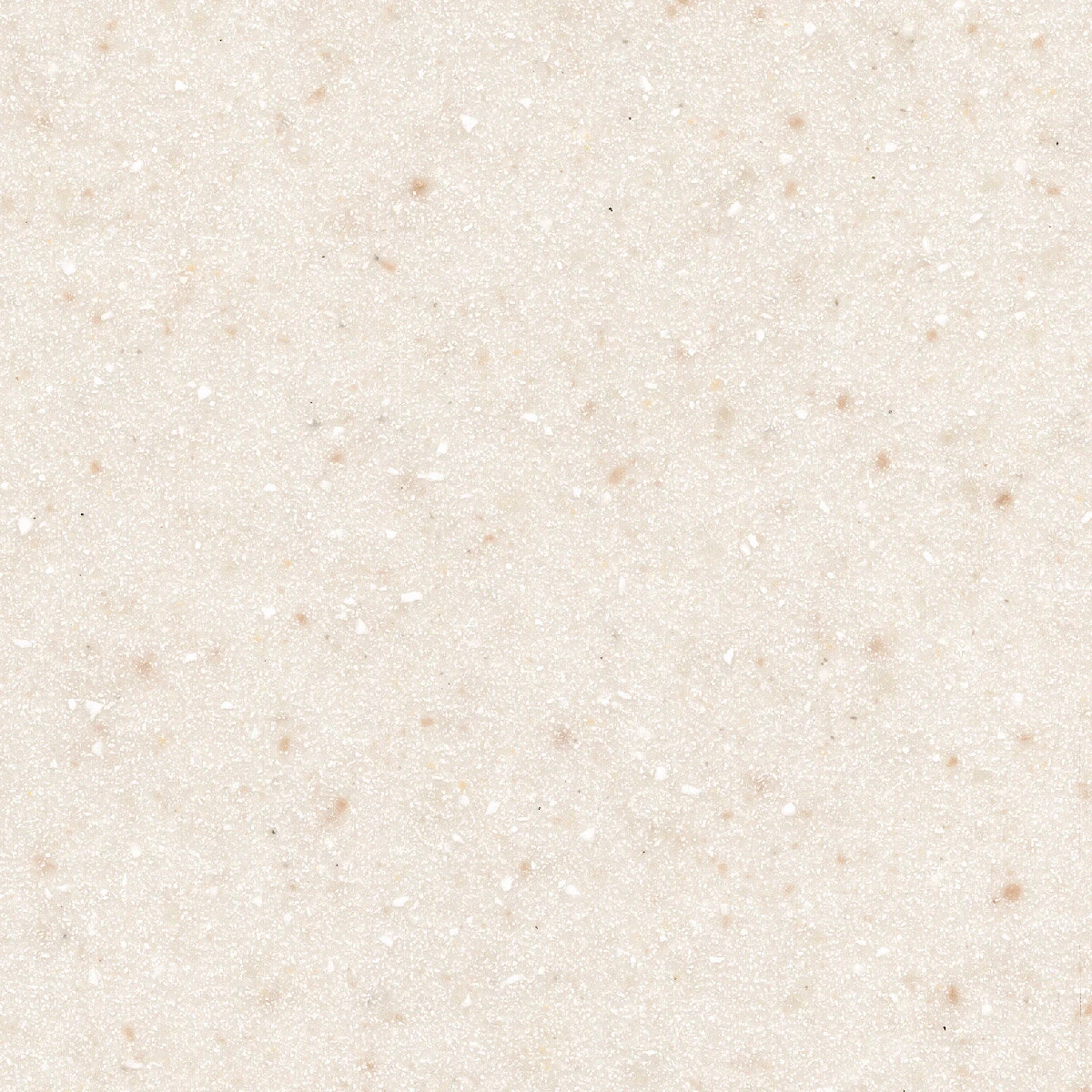 59 / 115Corian Linen
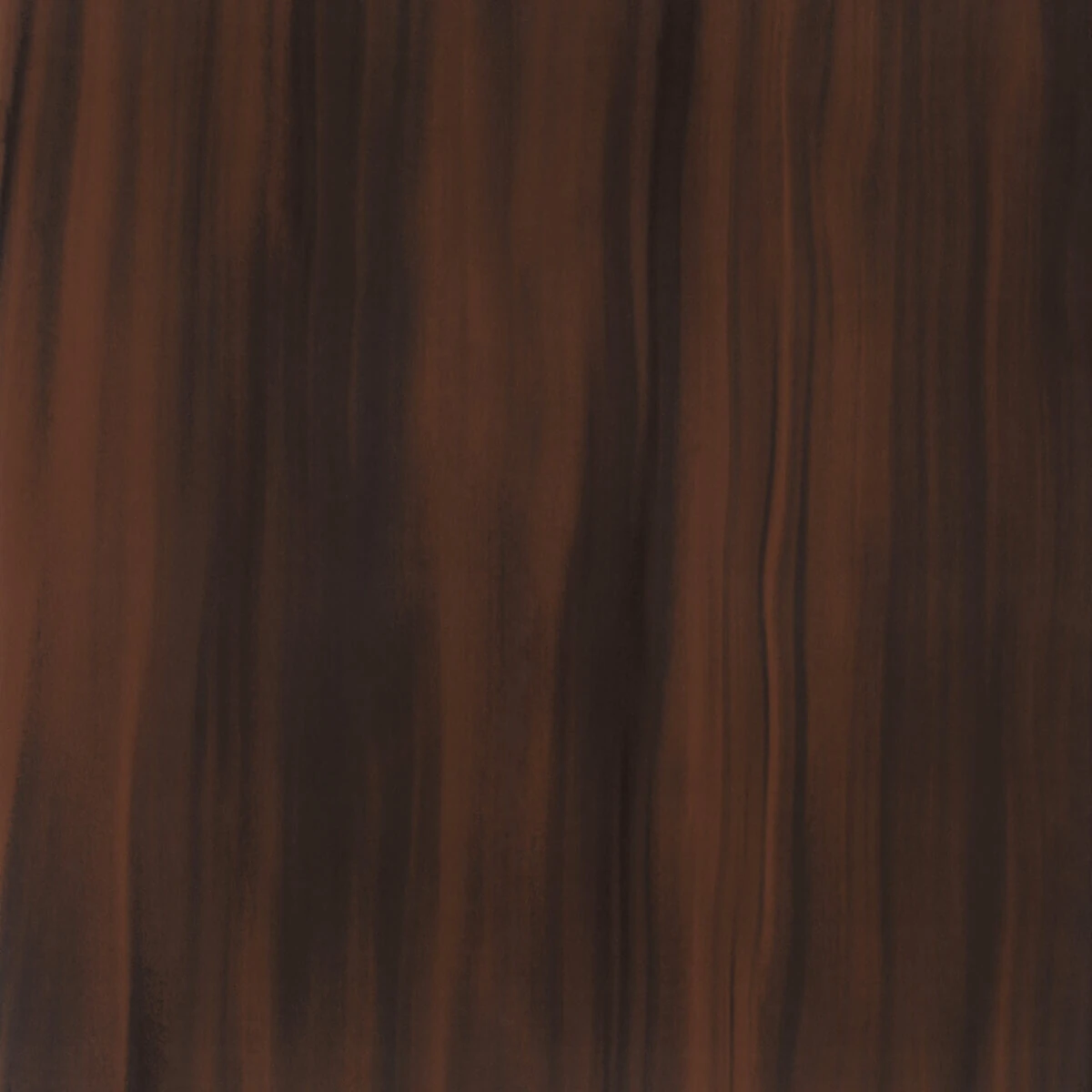 60 / 115Corian Mahogany Nuwood
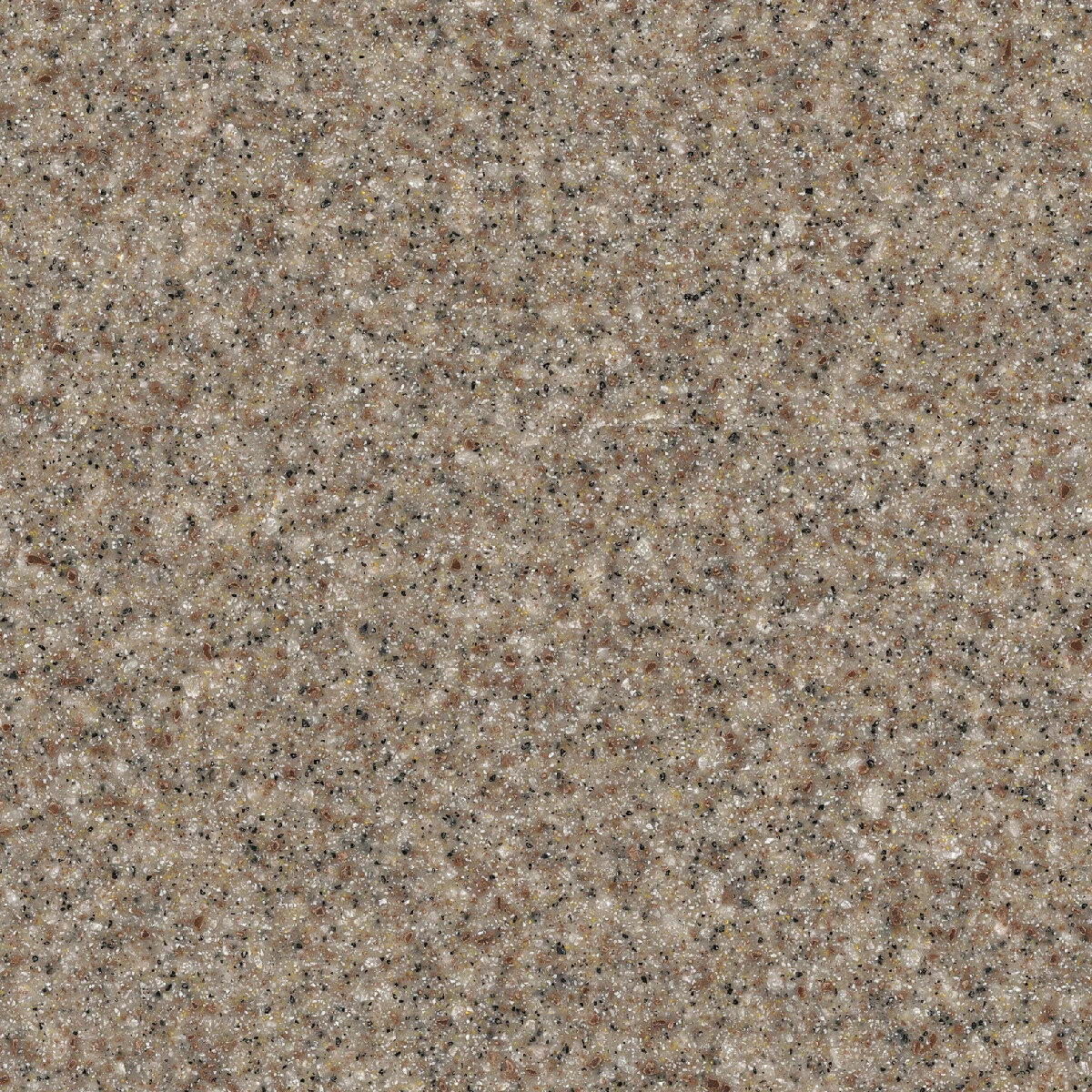 61 / 115Corian Matterhorn
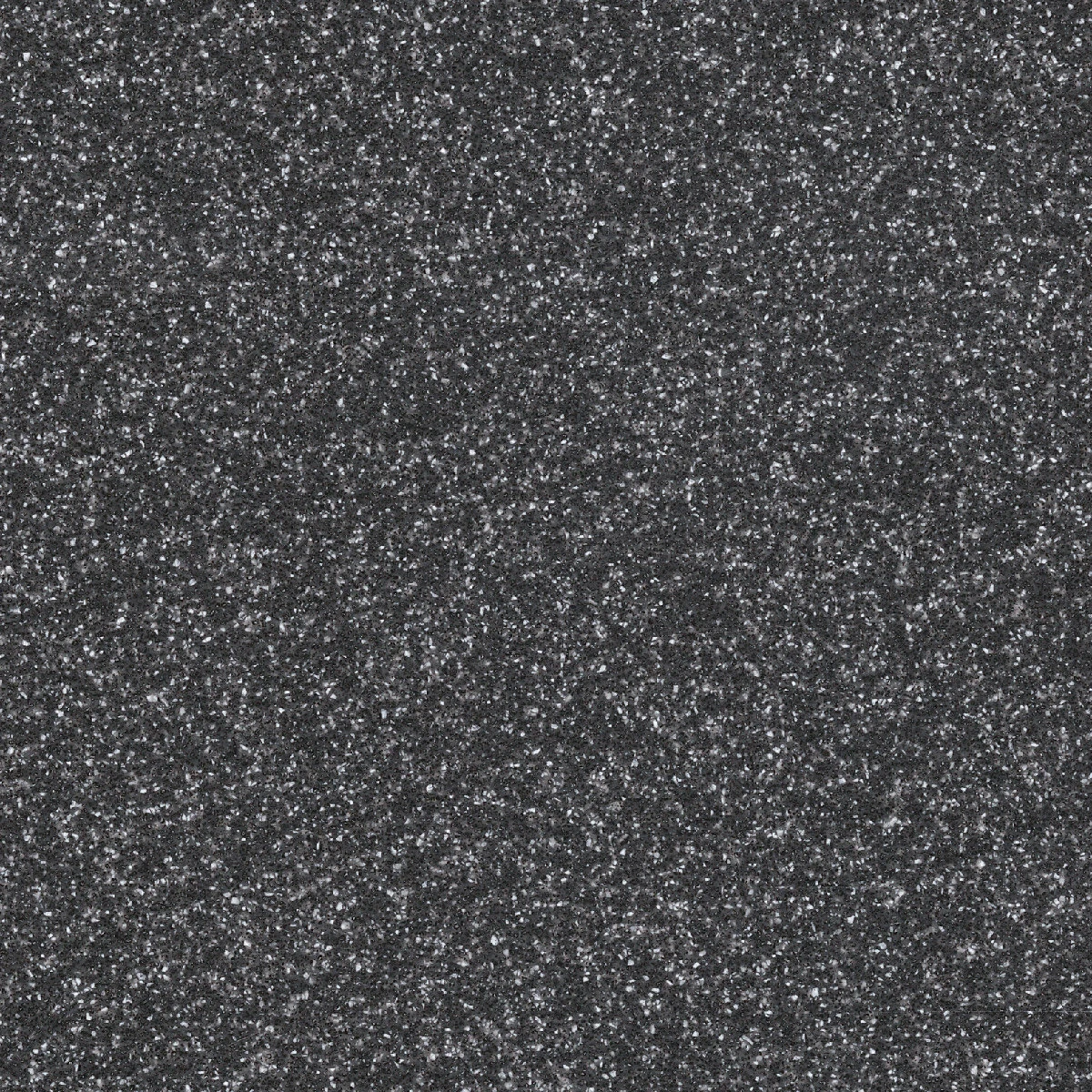 62 / 115Corian Midnight
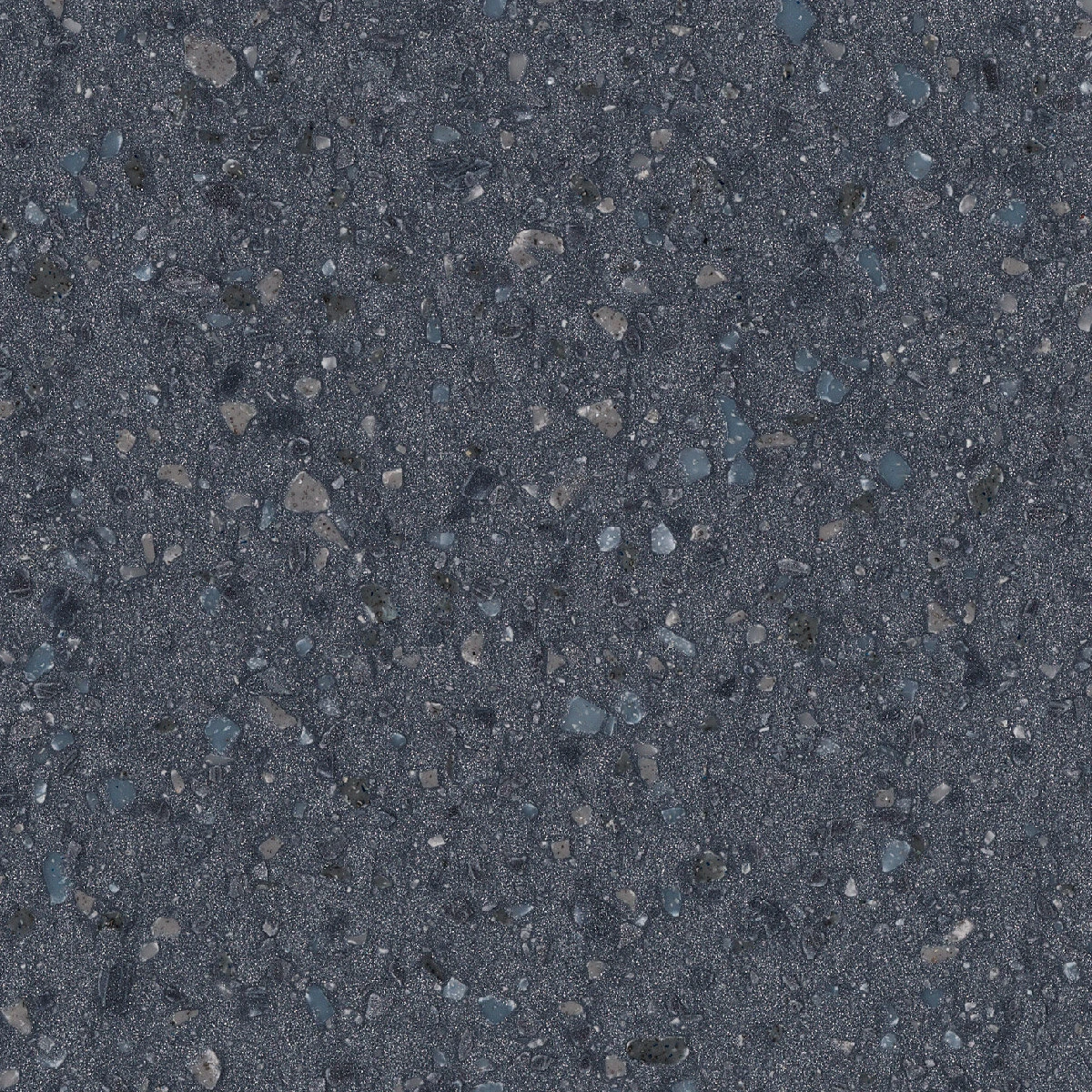 63 / 115Corian Mineral
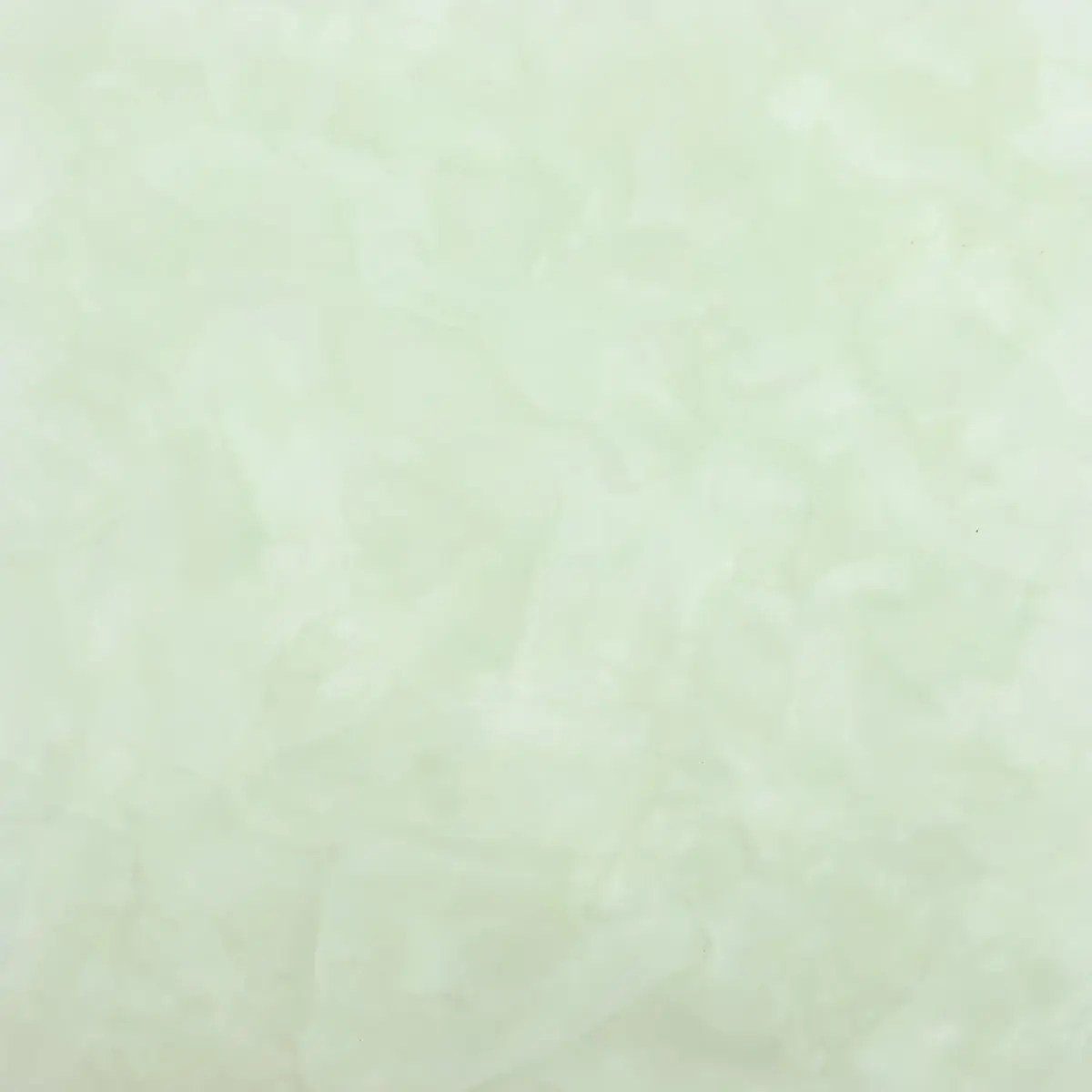
 64 / 115Corian Mint Ice
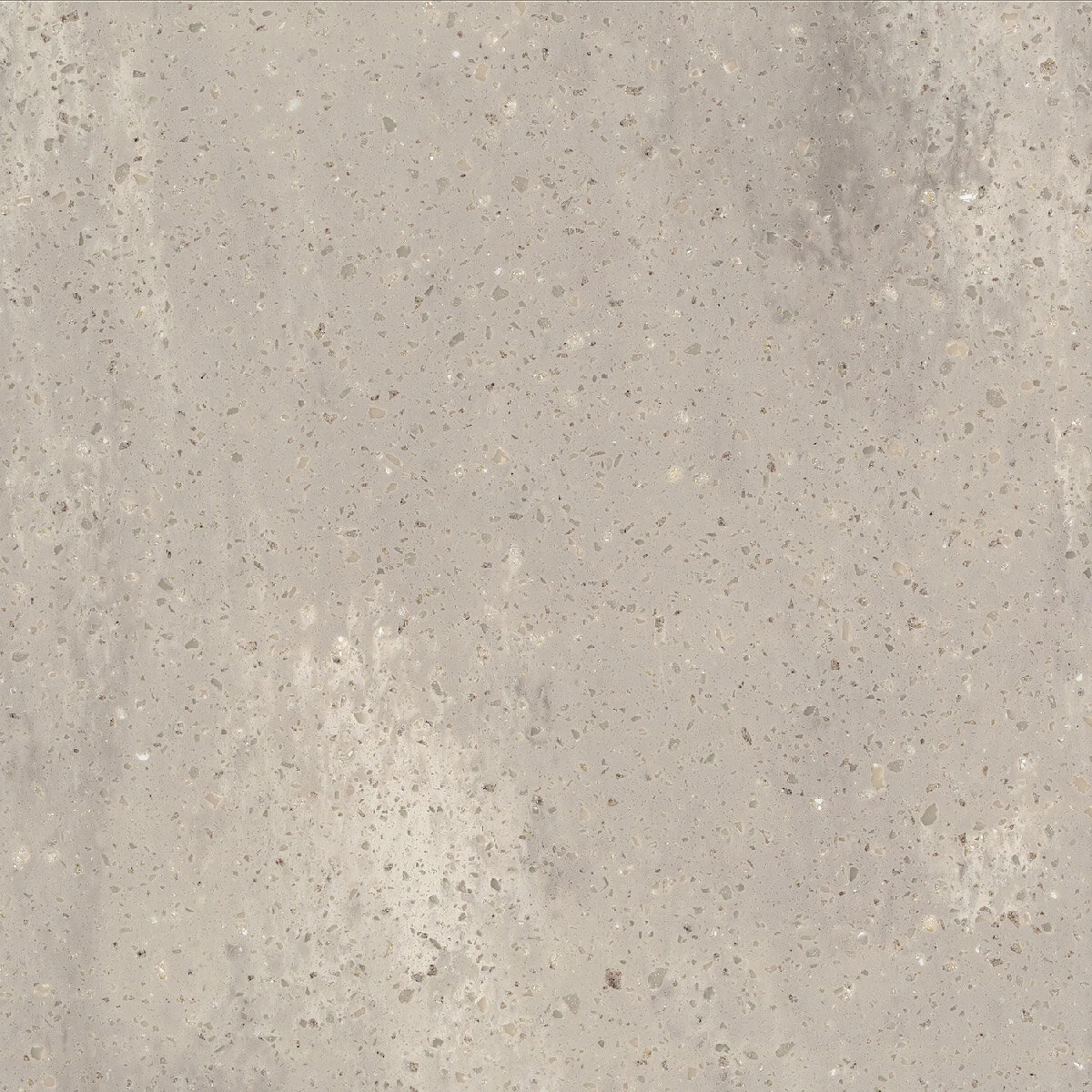 65 / 115Corian Neutral Aggregate
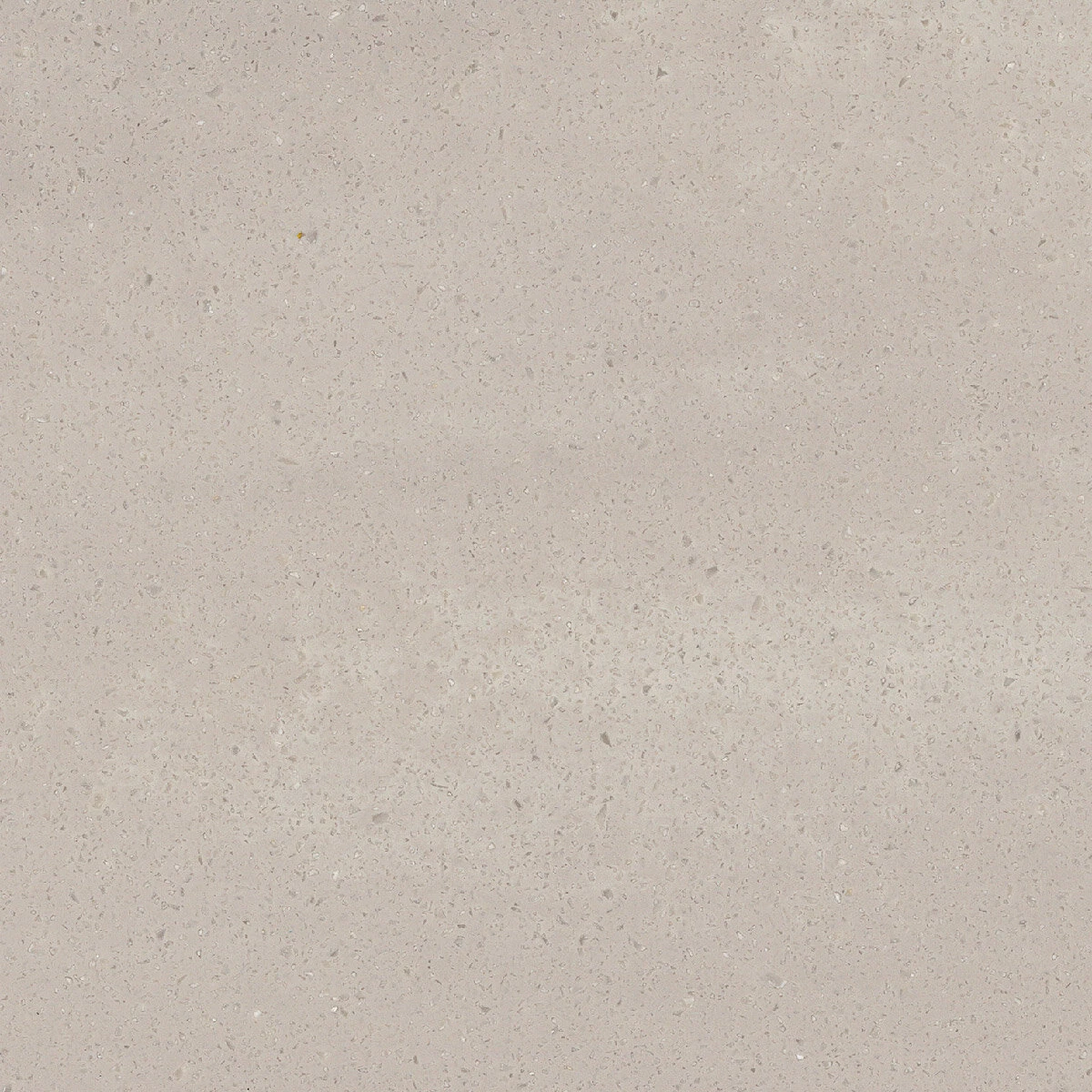 66 / 115Corian Neutral Concrete
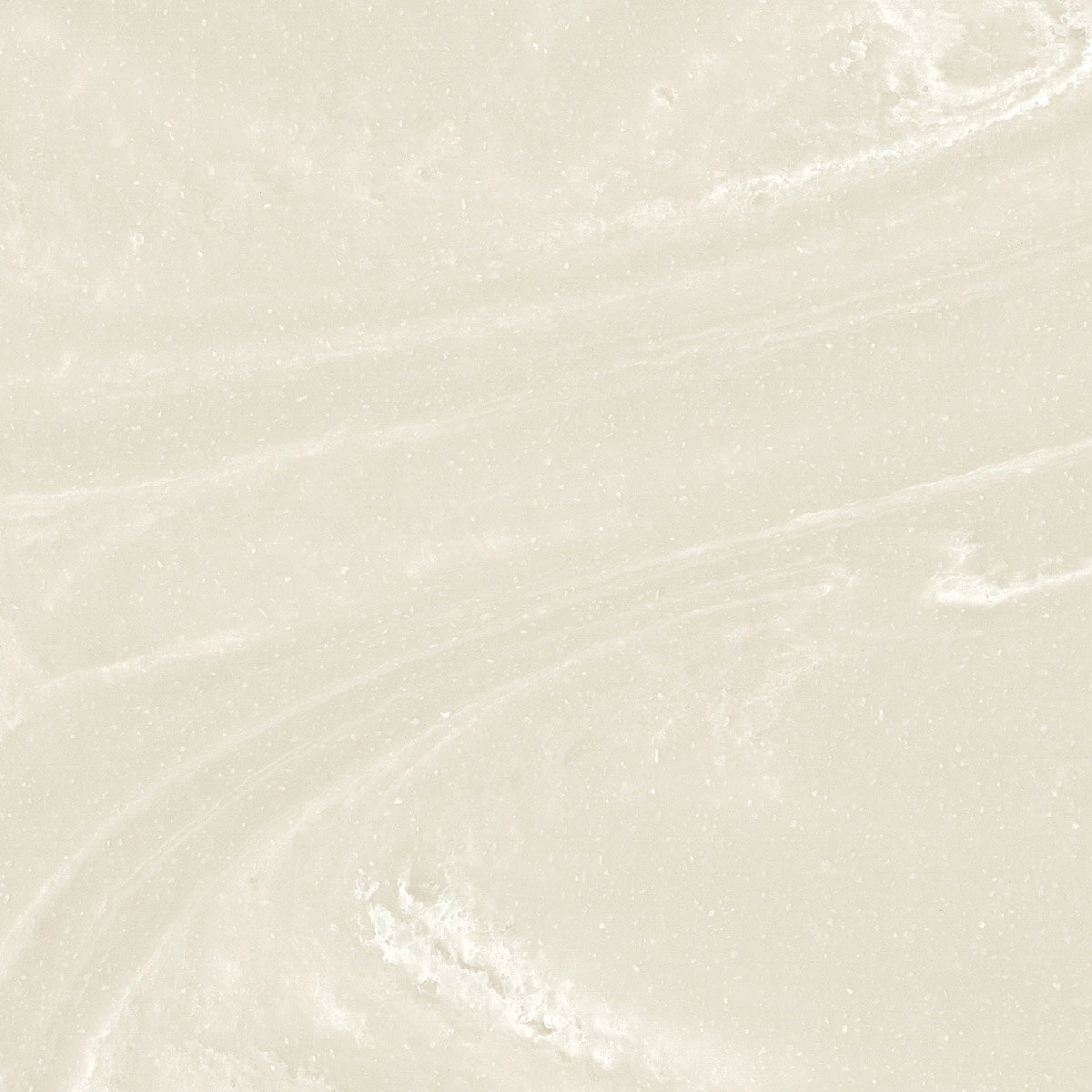 67 / 115Corian Nimbus Prima
 68 / 115Corian Pearl Grey
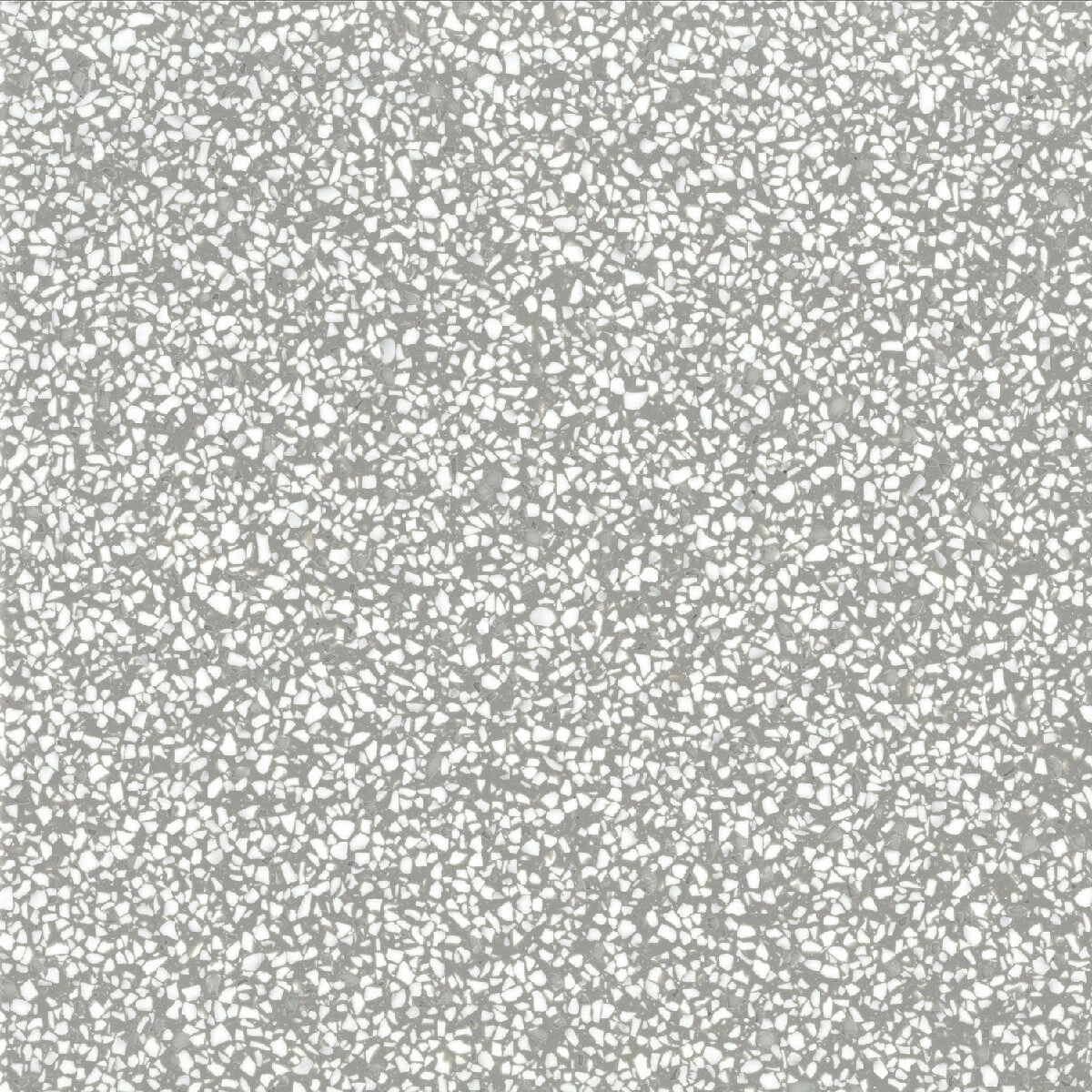 69 / 115Corian Pebble Terrazzo
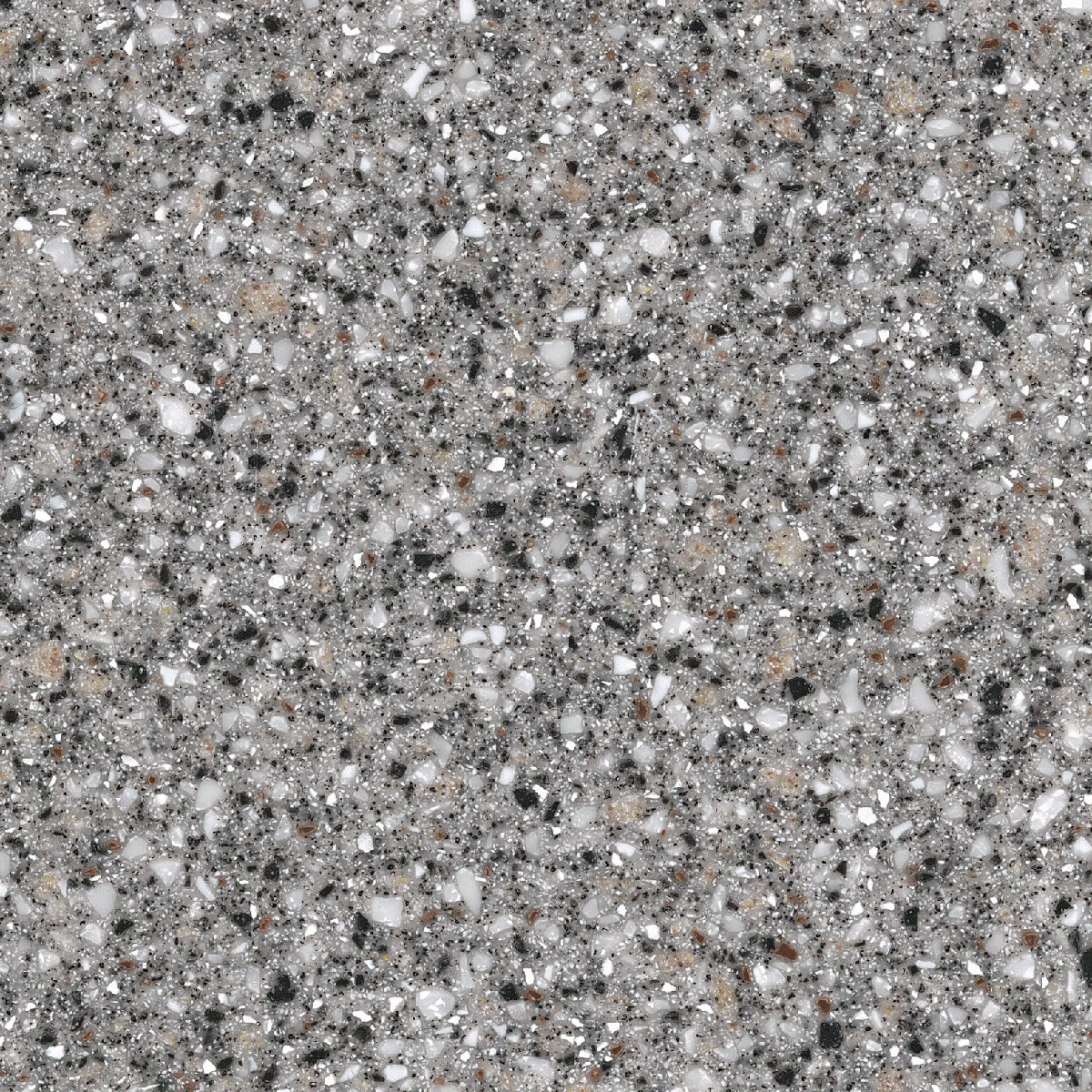 70 / 115Corian Platinum
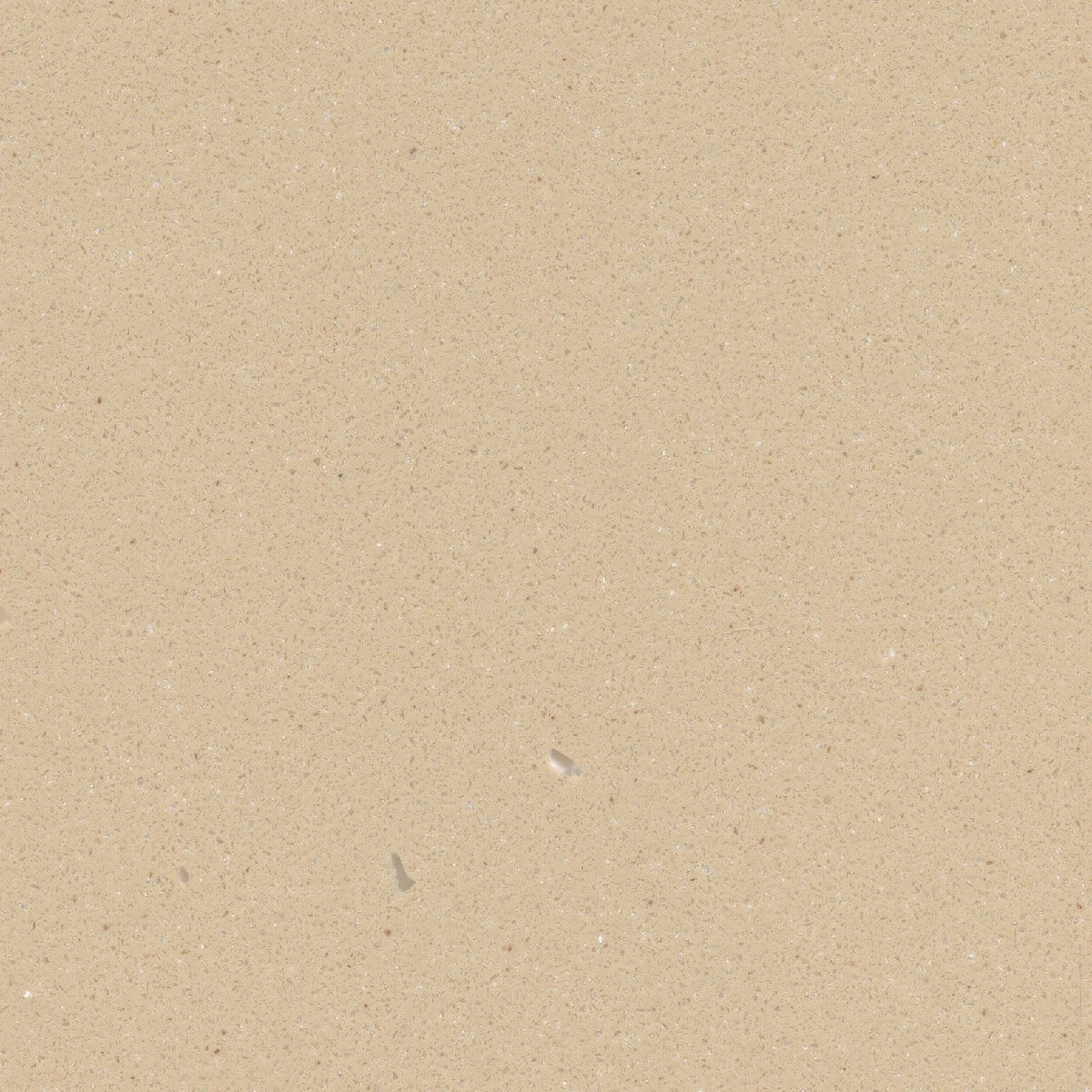 71 / 115Corian Raffia
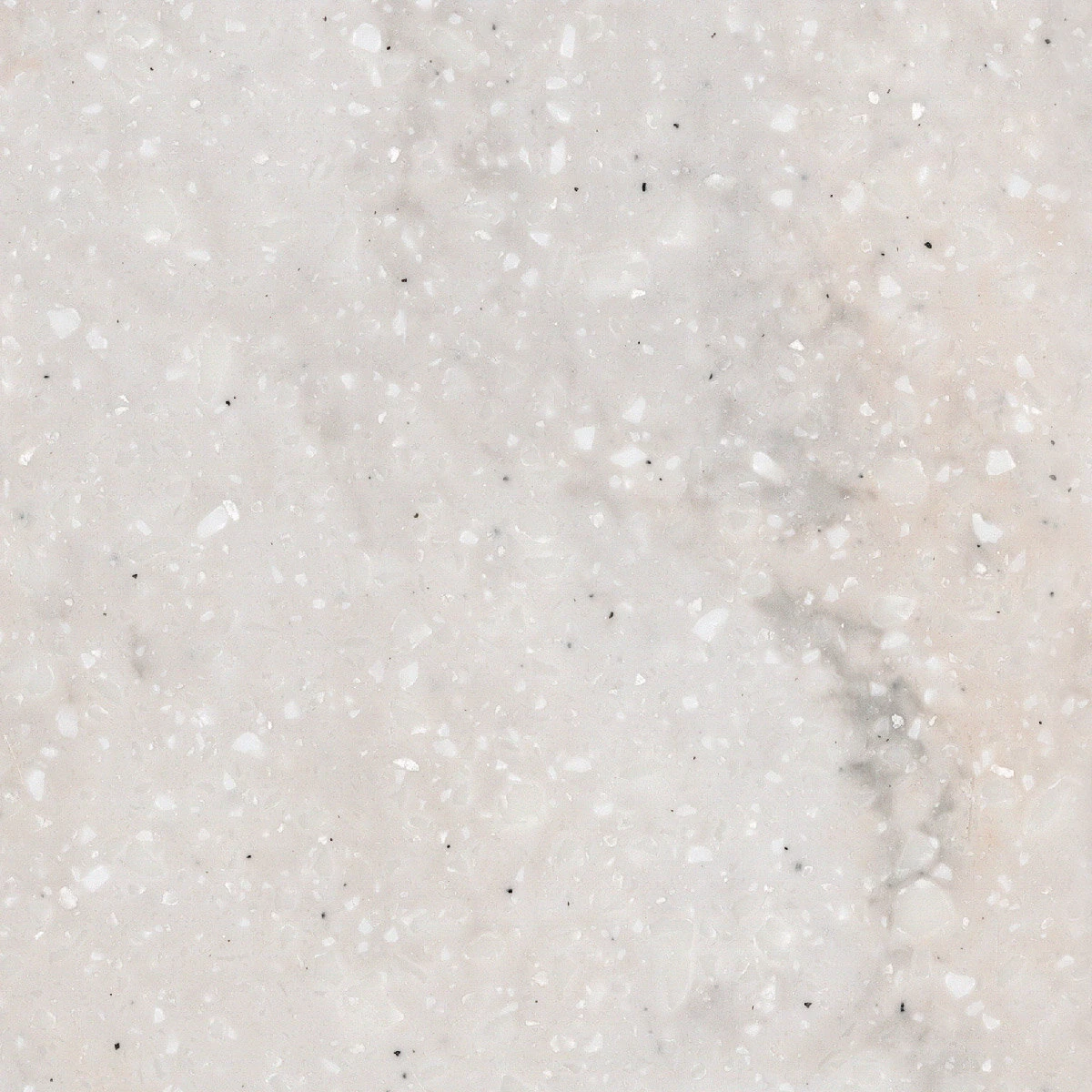 72 / 115Corian Rain Cloud
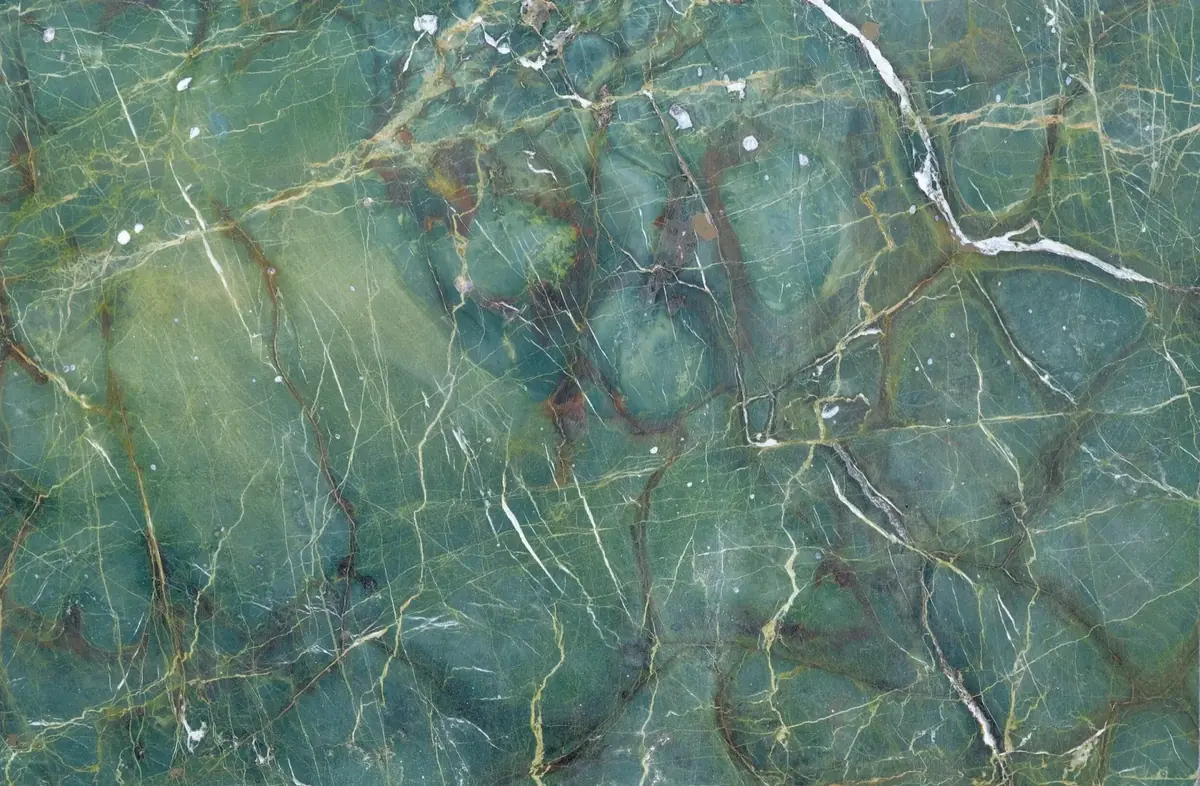
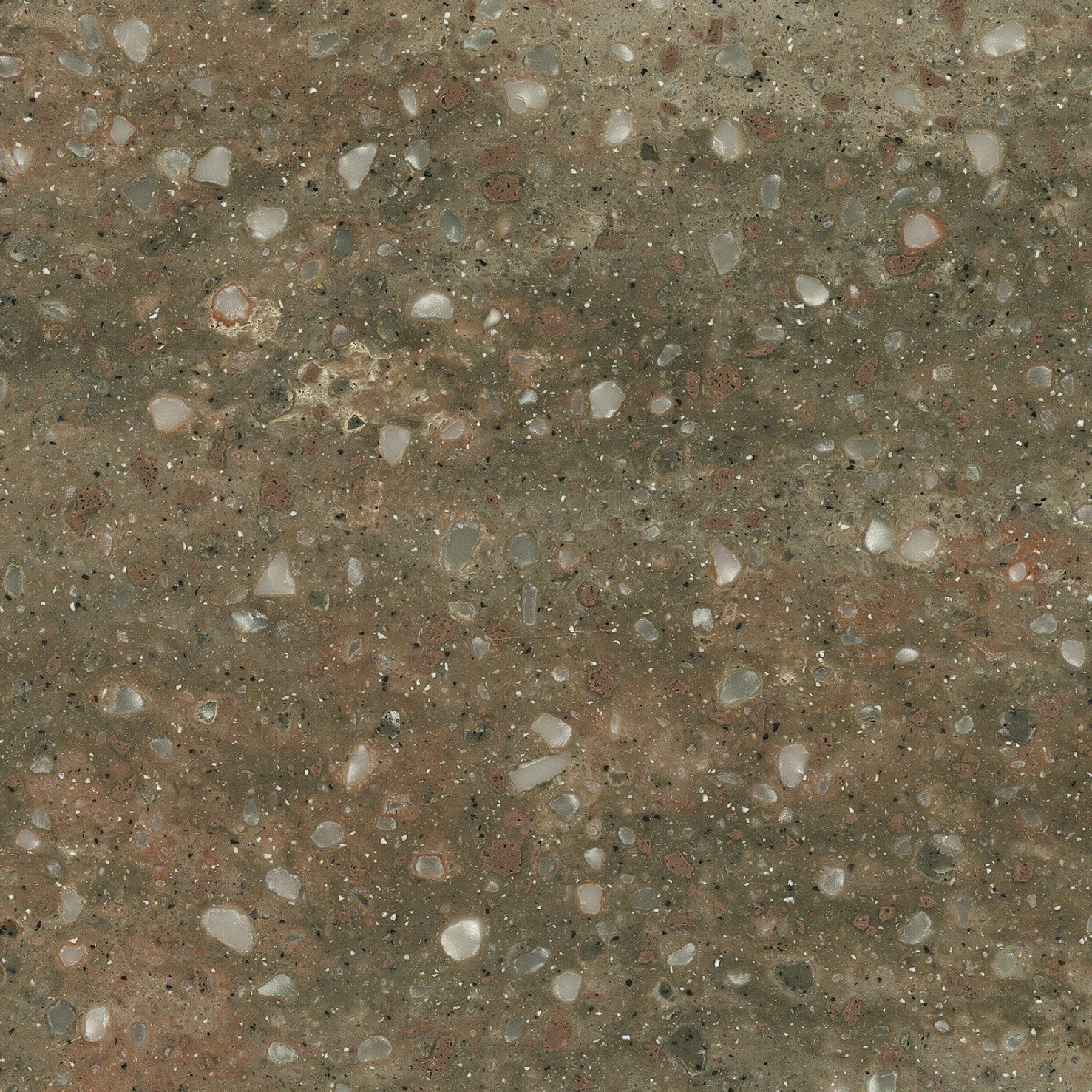 73 / 115Corian Rosemary
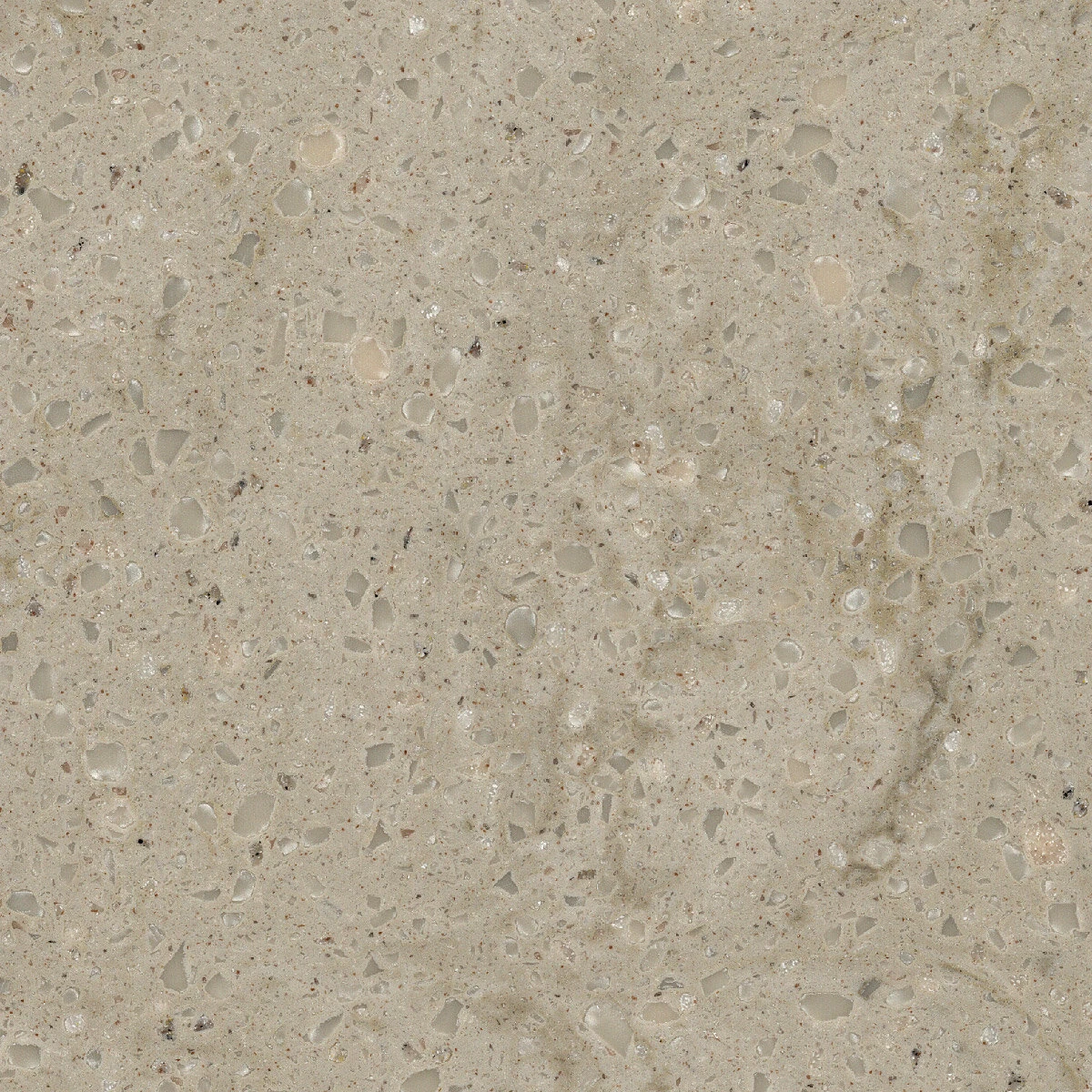 74 / 115Corian Sagebrush
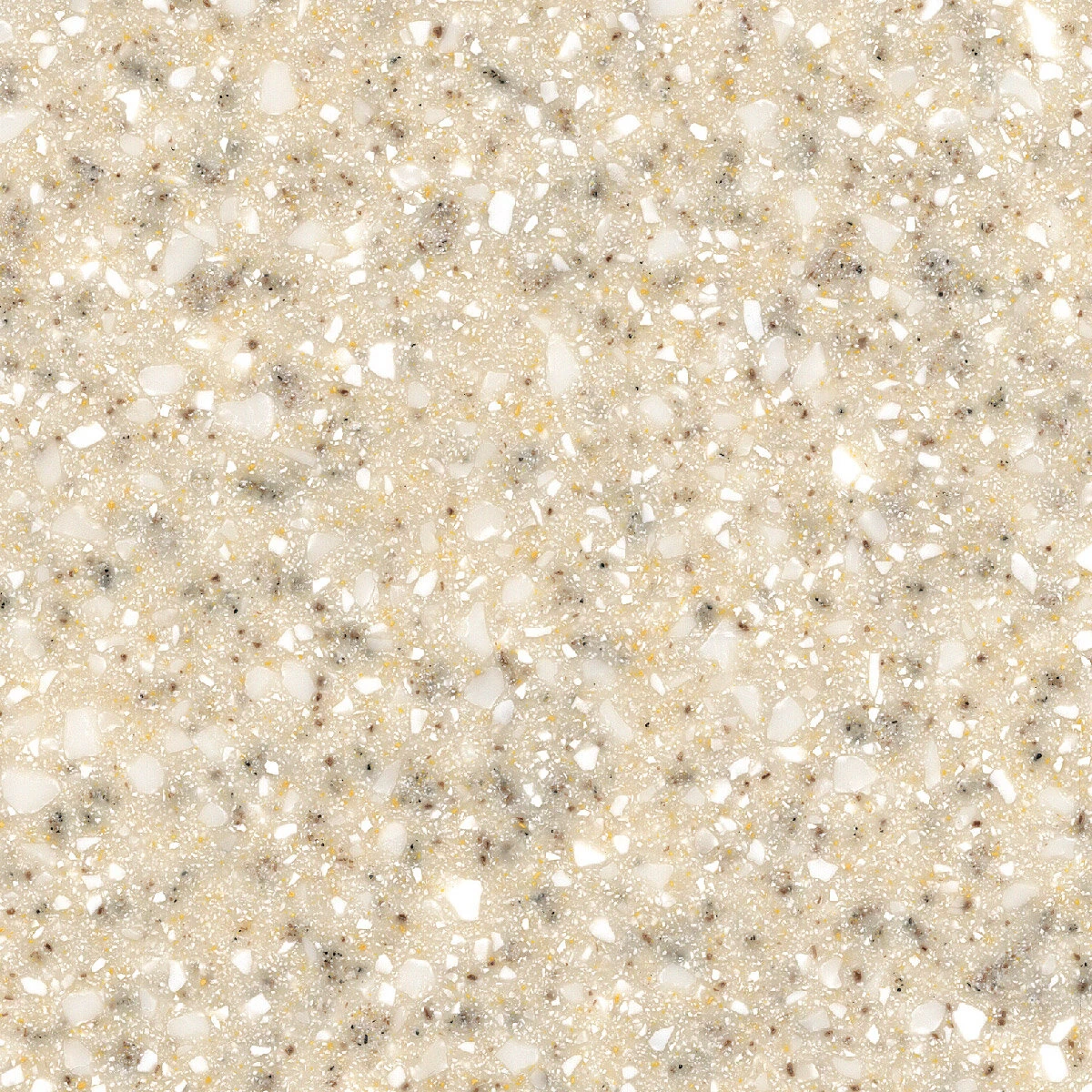 75 / 115Corian Sahara
 76 / 115Corian Salt
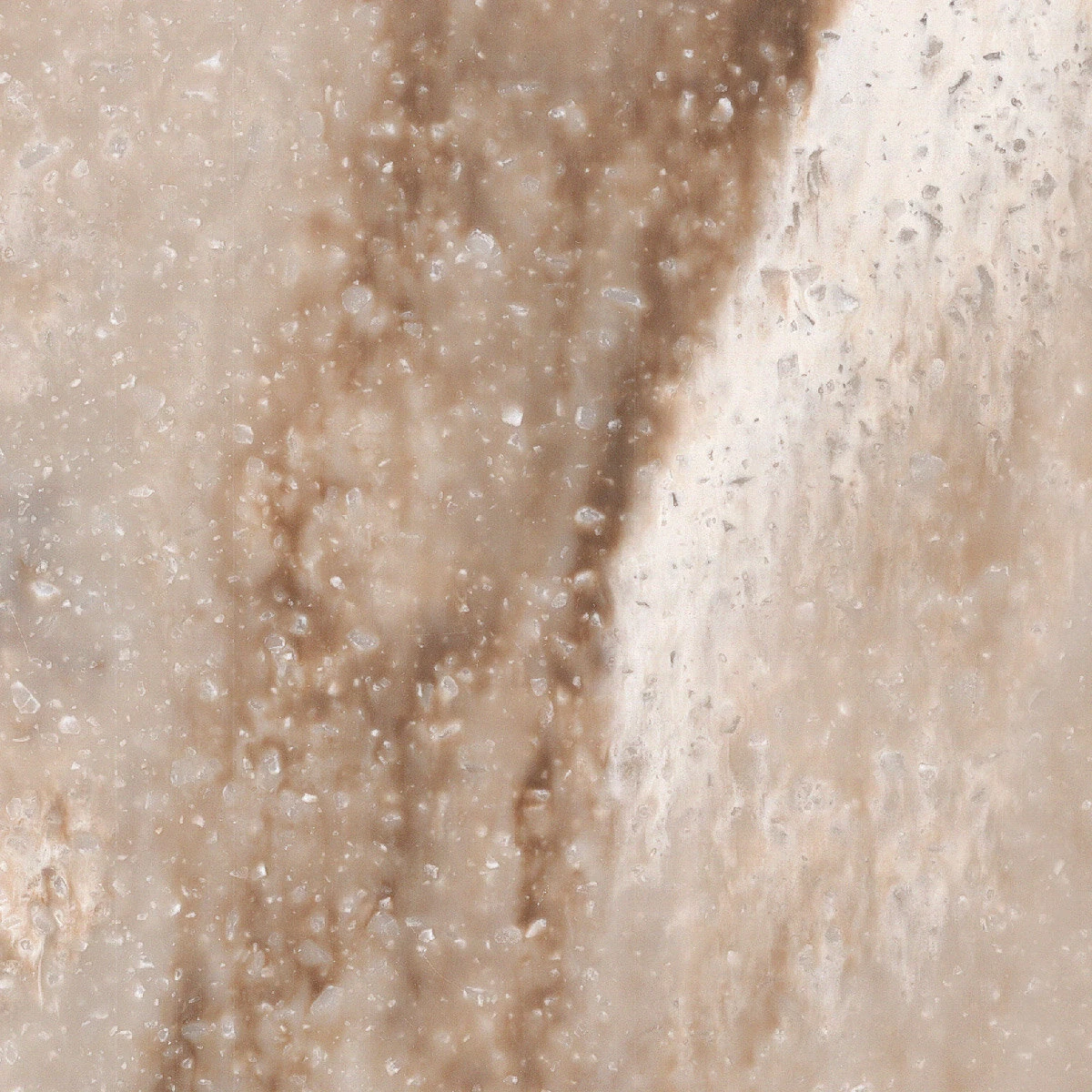 77 / 115Corian Sandalwood
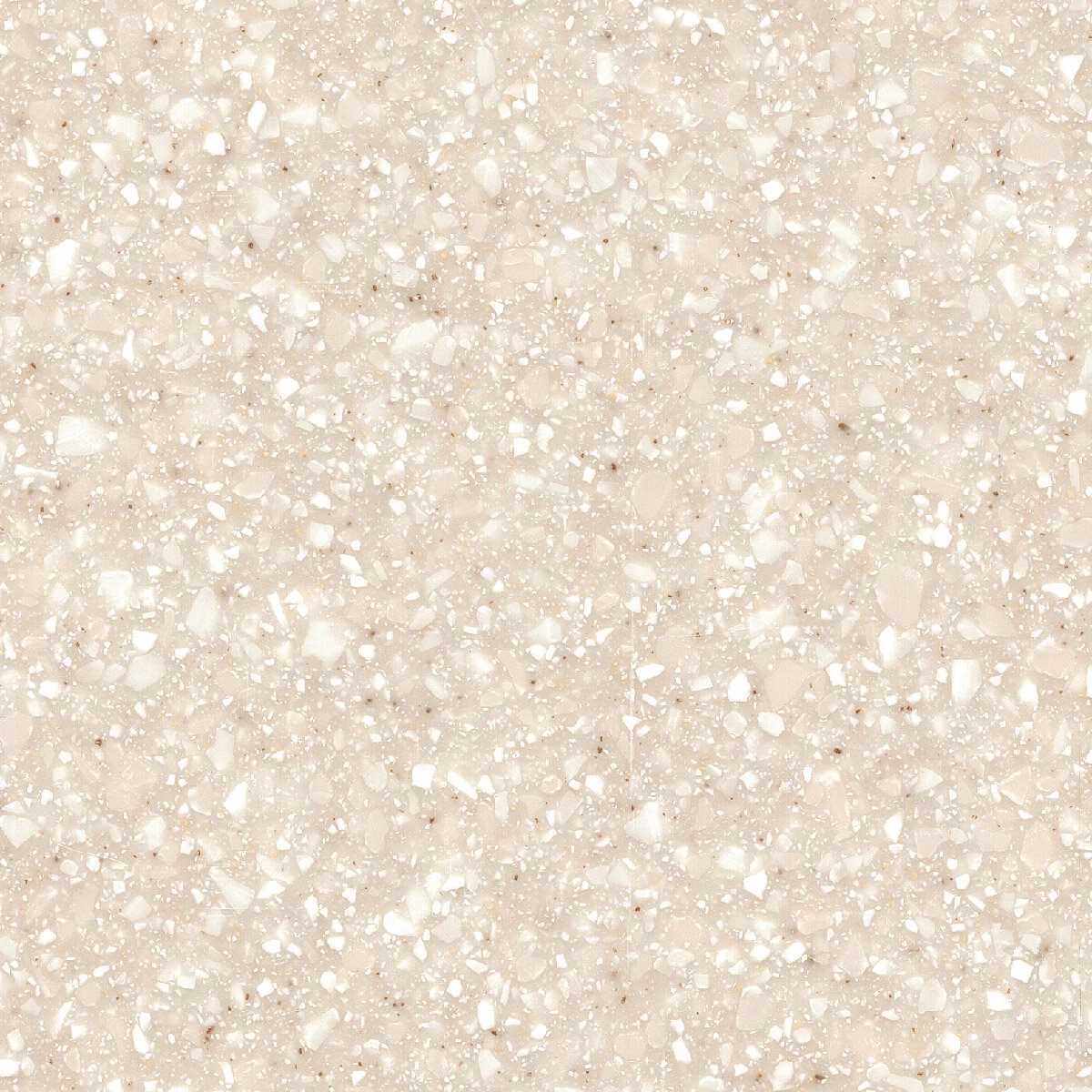 78 / 115Corian Savannah
 79 / 115Corian Seagrass
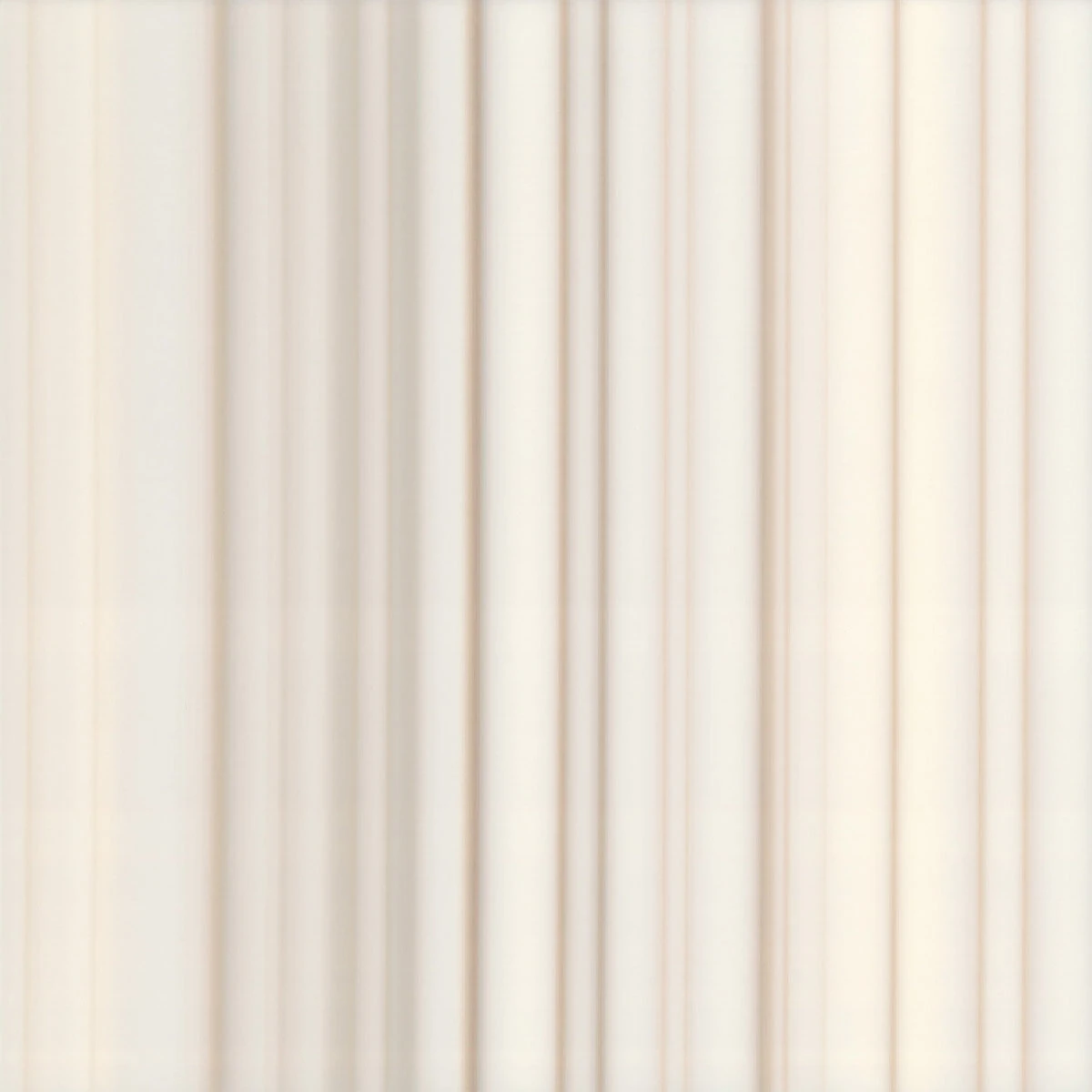 80 / 115Corian Sepia Linear
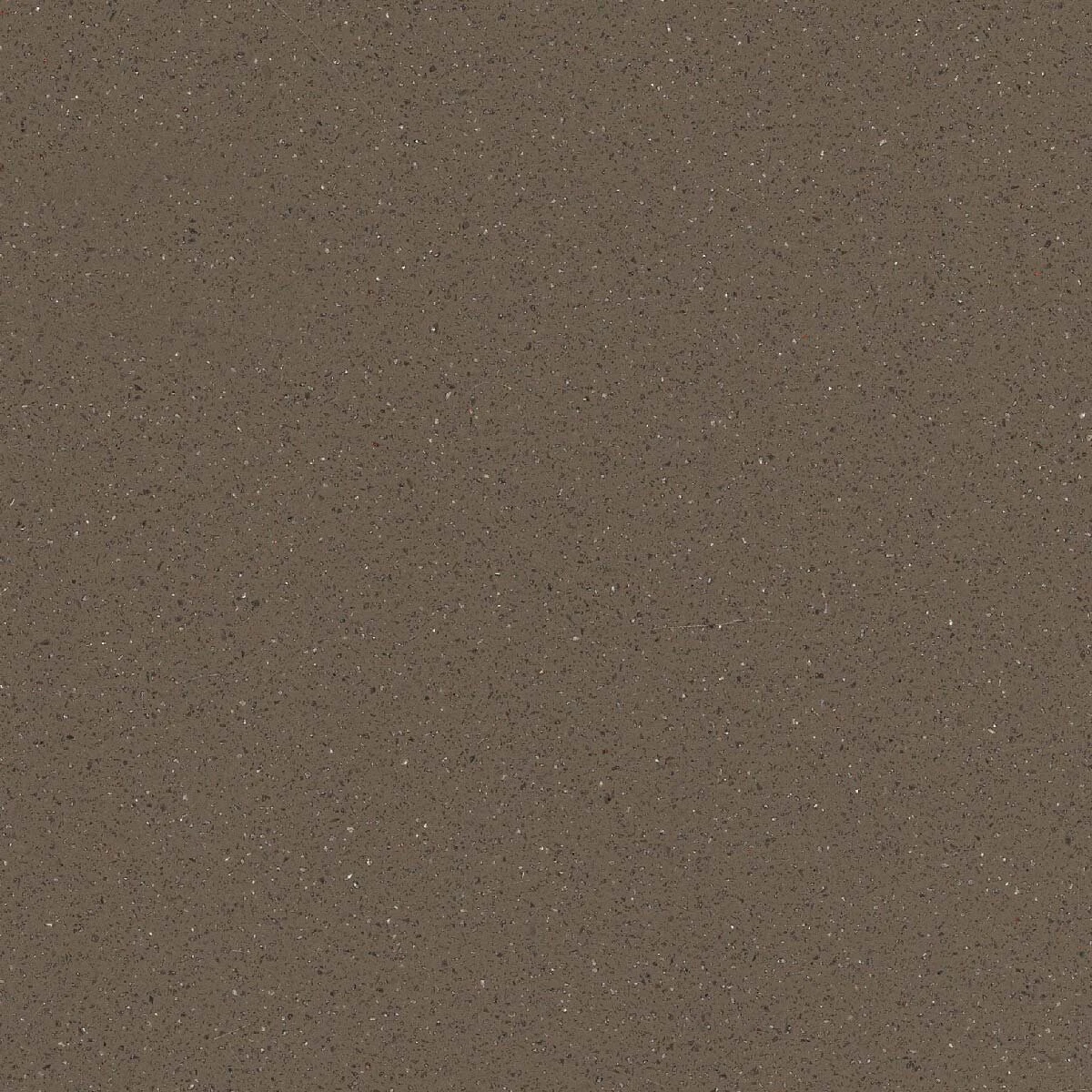 81 / 115Corian Sienna Brown
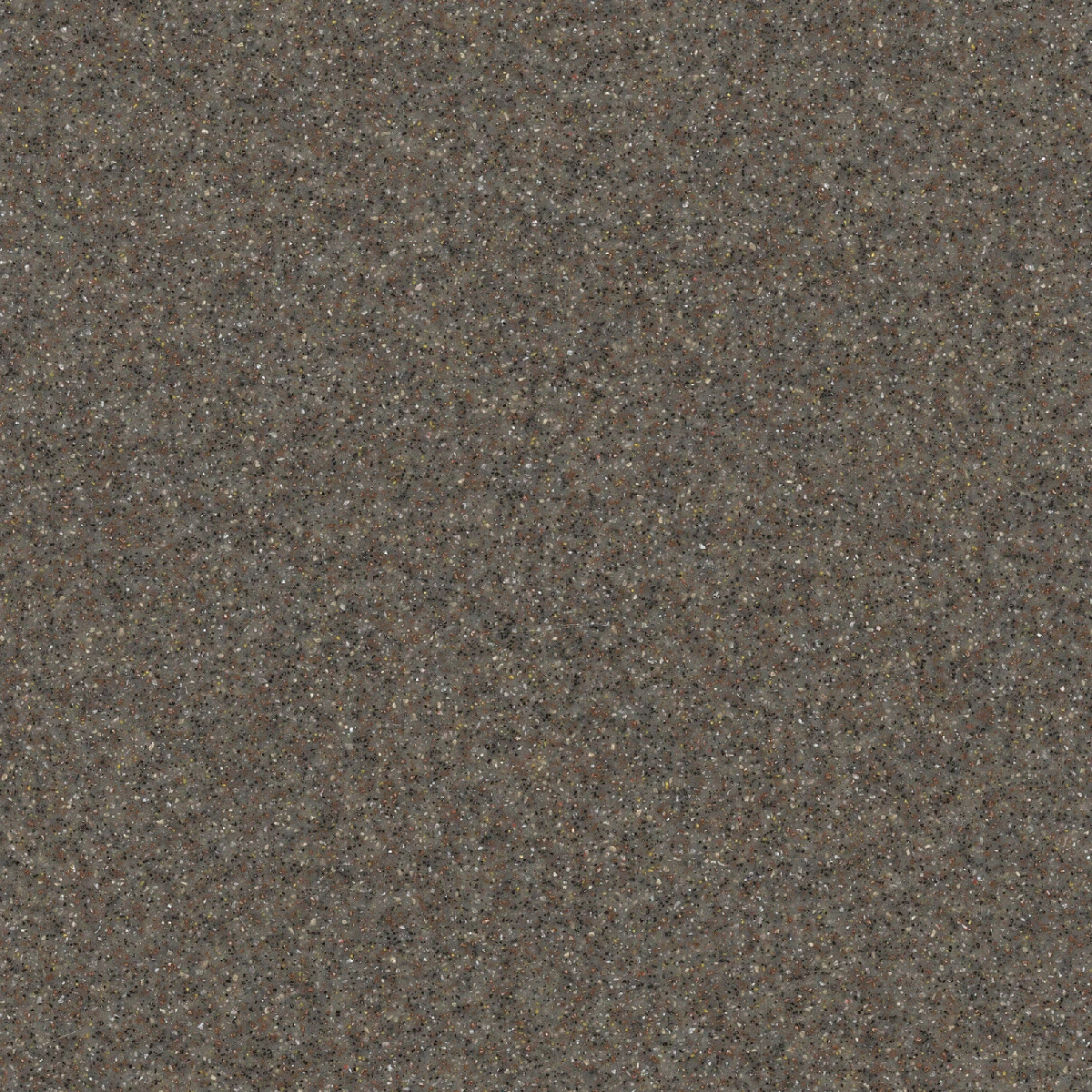 82 / 115Corian Silt
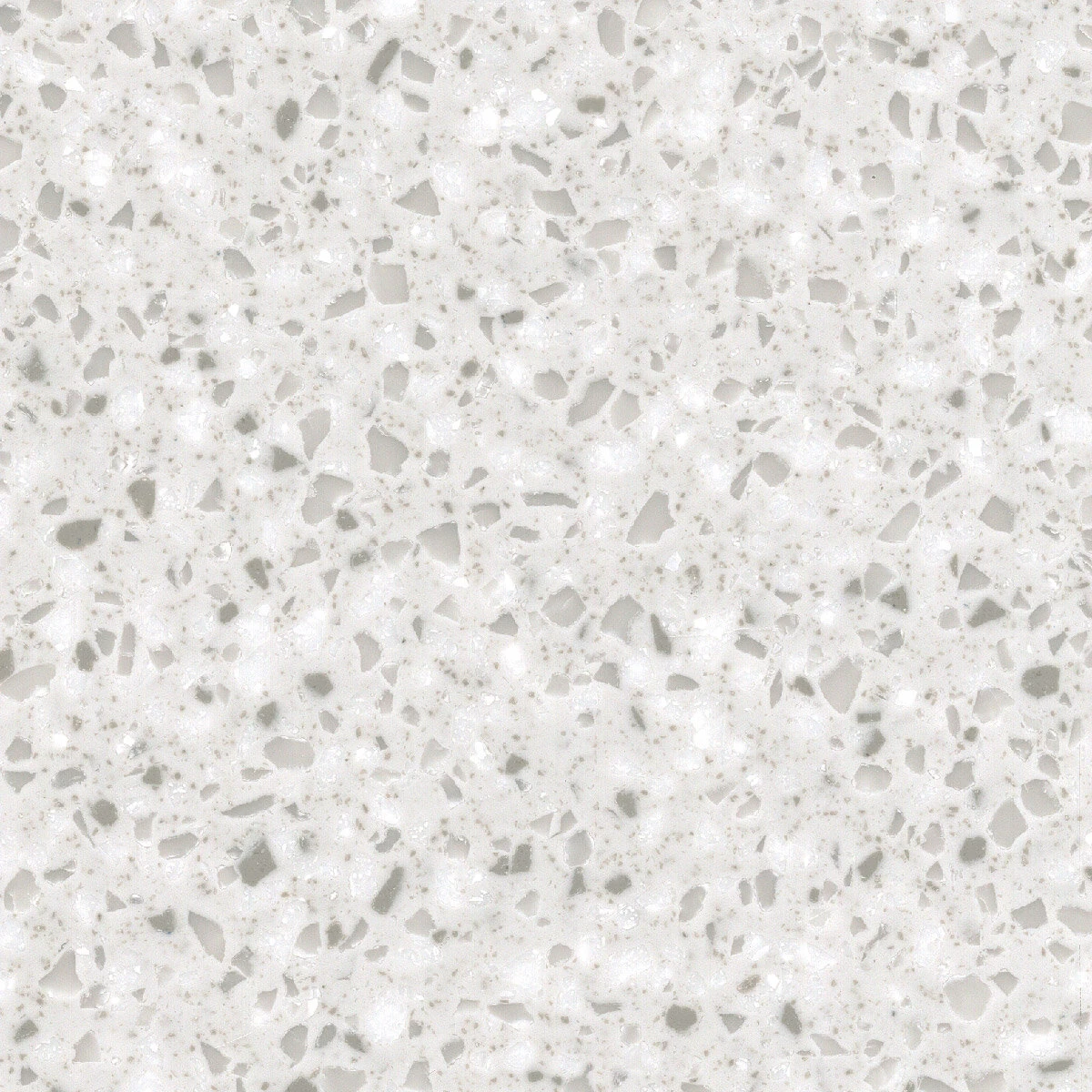 83 / 115Corian Silver Birch
 84 / 115Corian Silver Grey
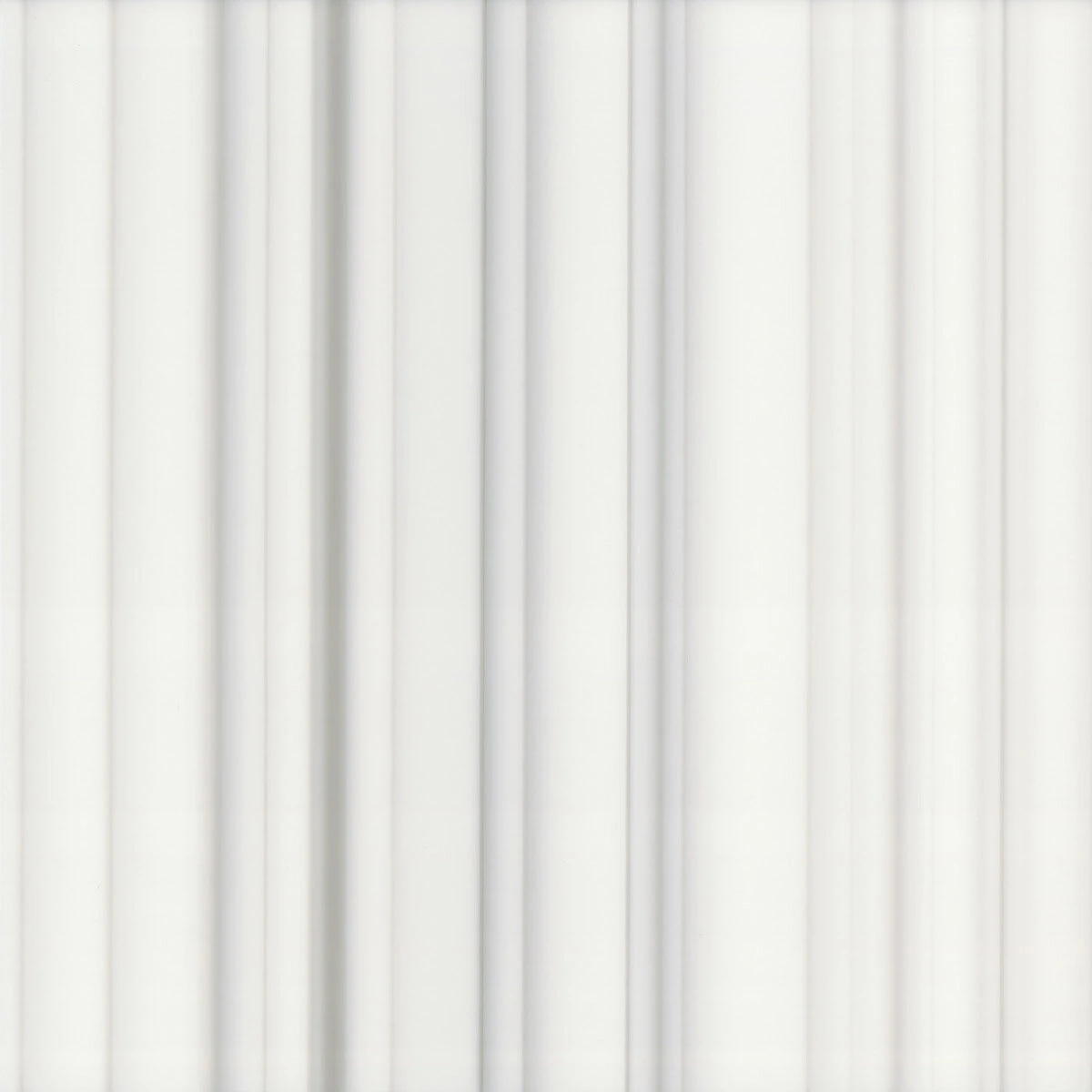 85 / 115Corian Silver Linear
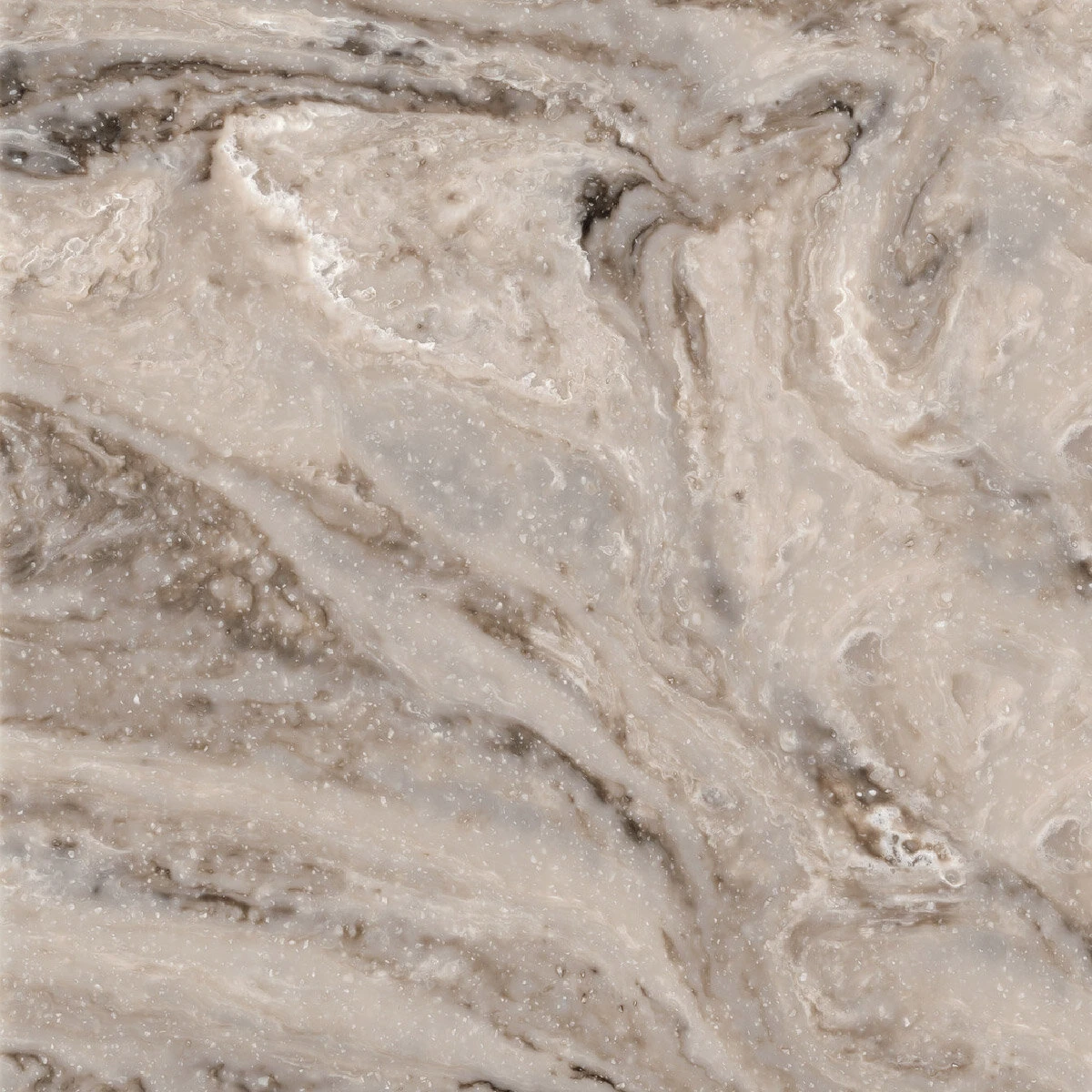 86 / 115Corian Smoke Drift Prima
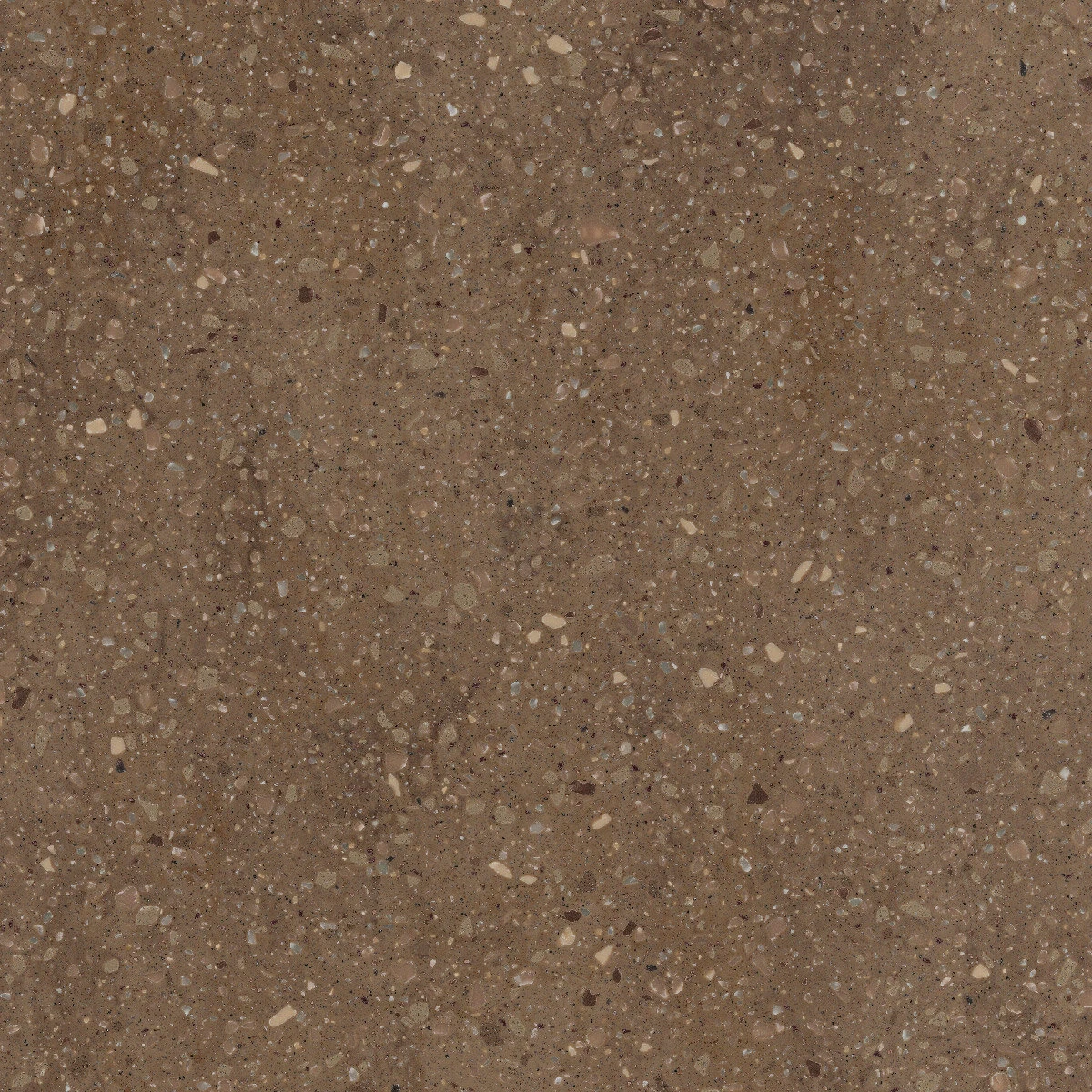 87 / 115Corian Sonora
 88 / 115Corian Sparkling White
 89 / 115Corian Stratus
 90 / 115Corian Summit White
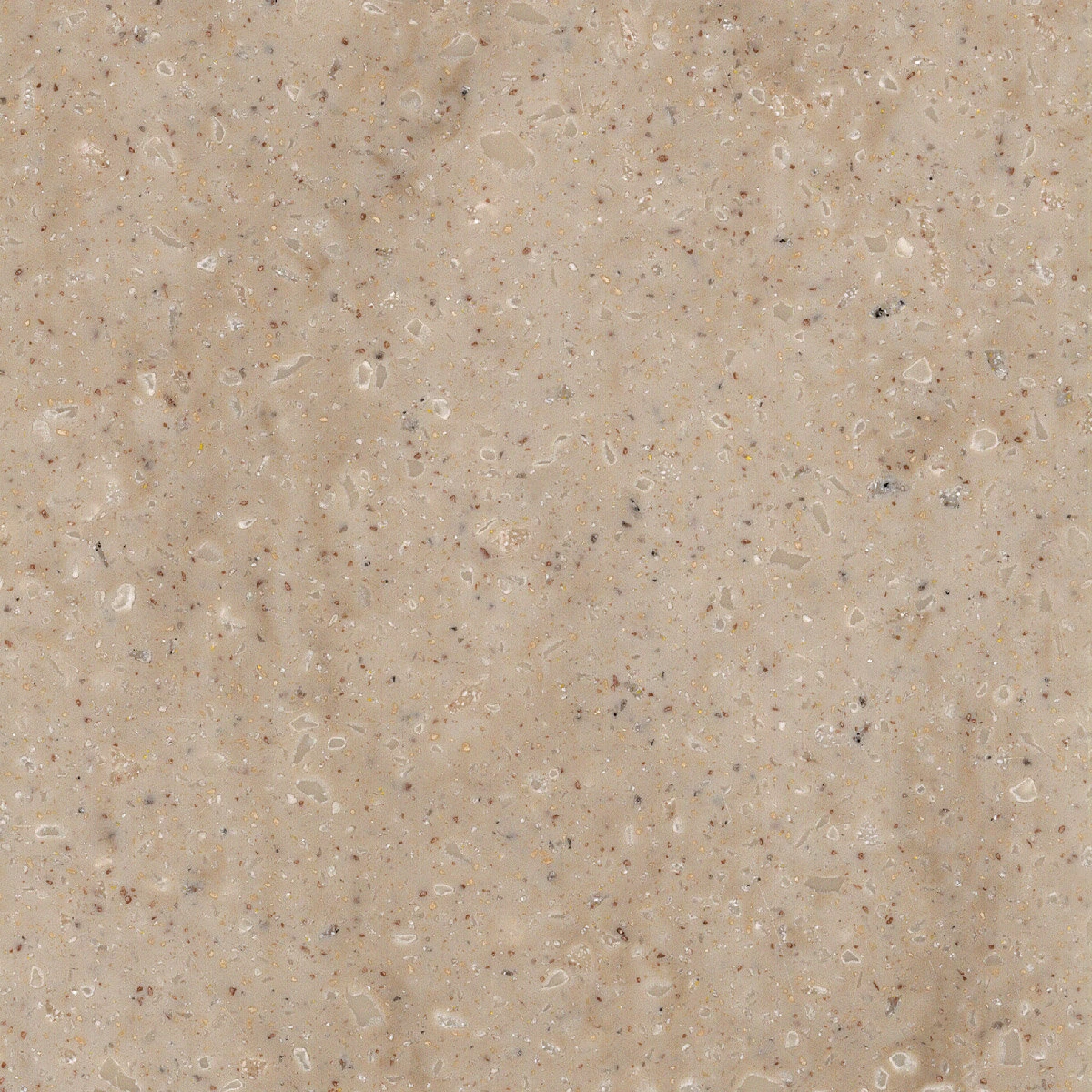 91 / 115Corian Tumbleweed
 92 / 115Corian Vanilla
 93 / 115Corian Venaro White
 94 / 115Corian Verdant
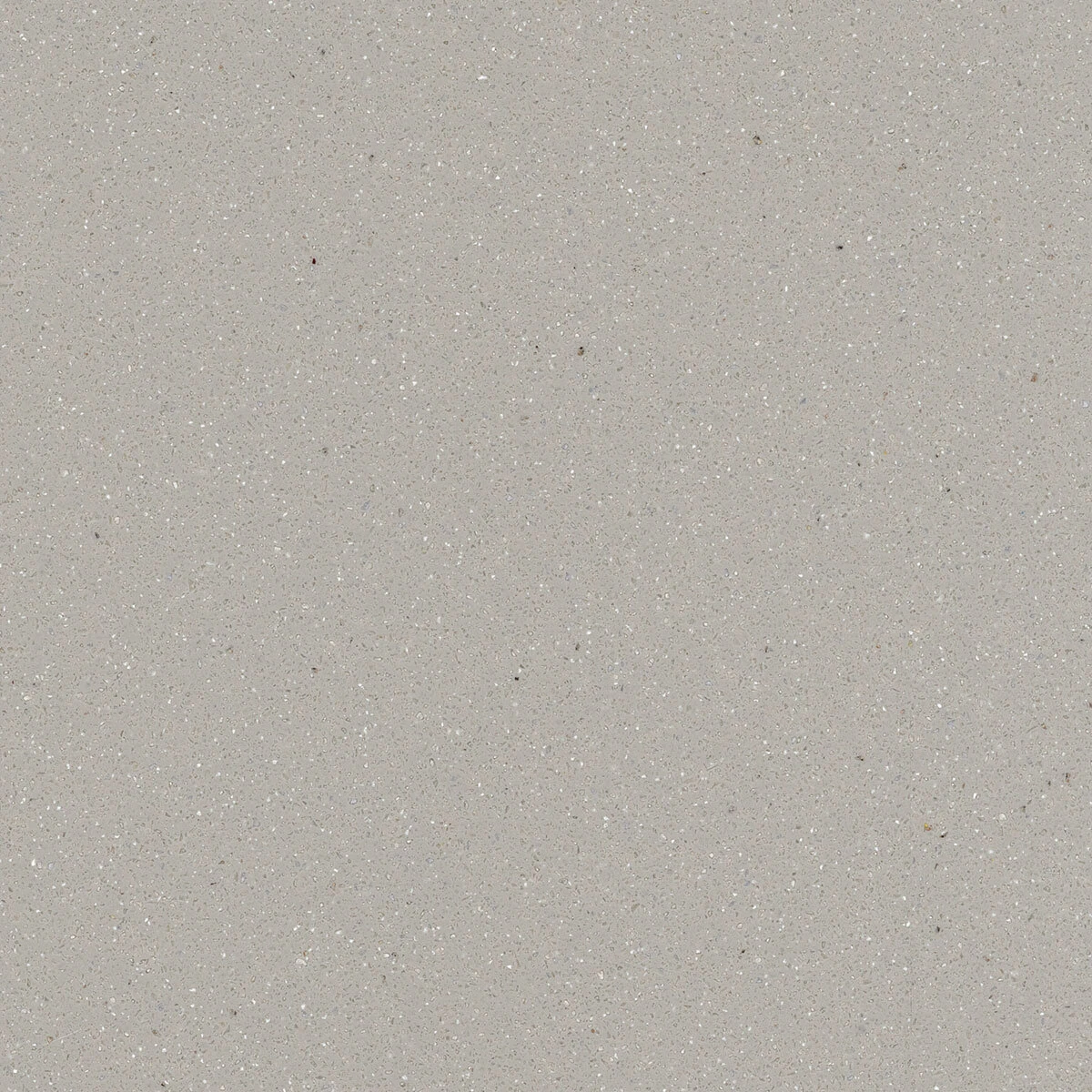 95 / 115Corian Warm Grey
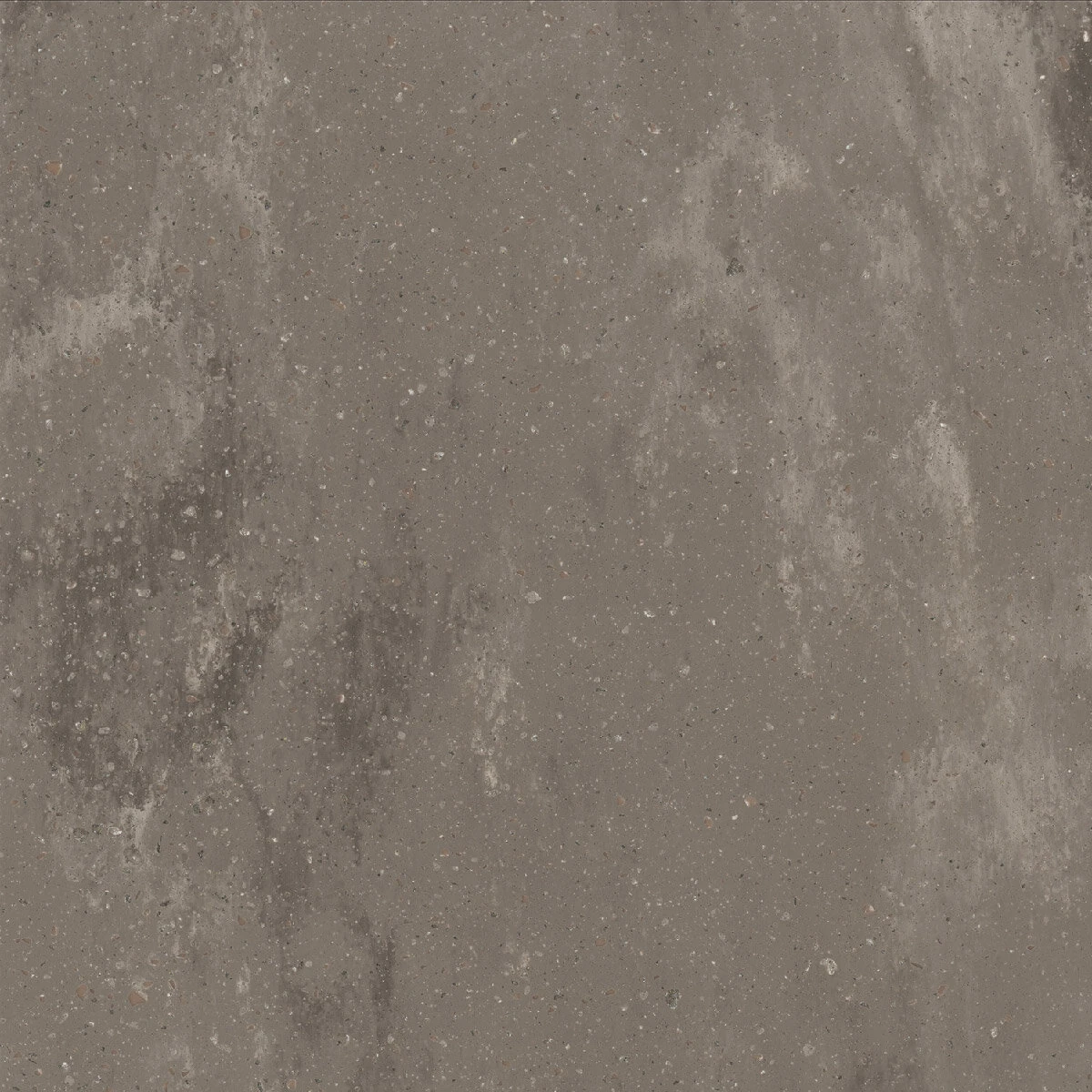 96 / 115Corian Weathered Aggregate
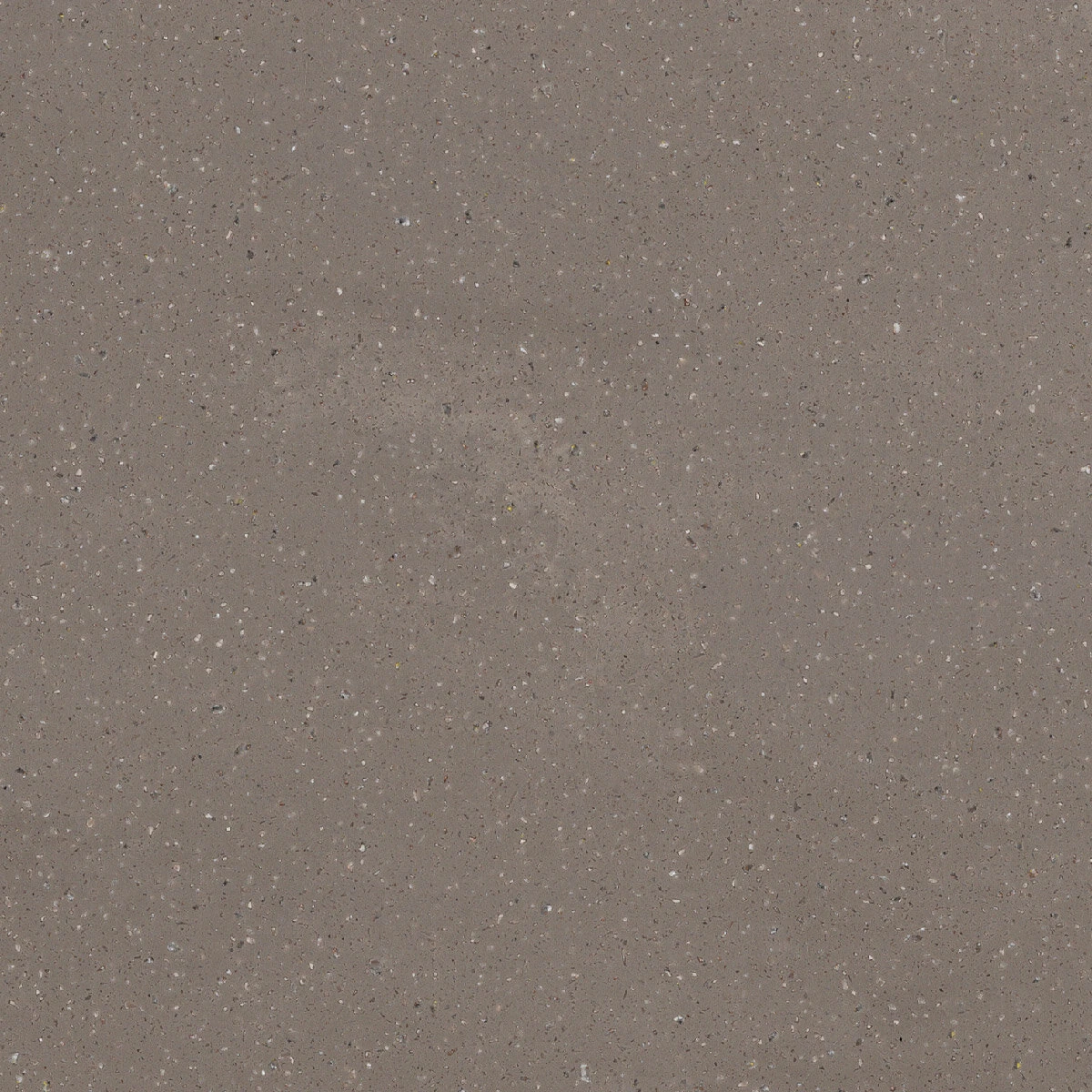 97 / 115Corian Weathered Concrete
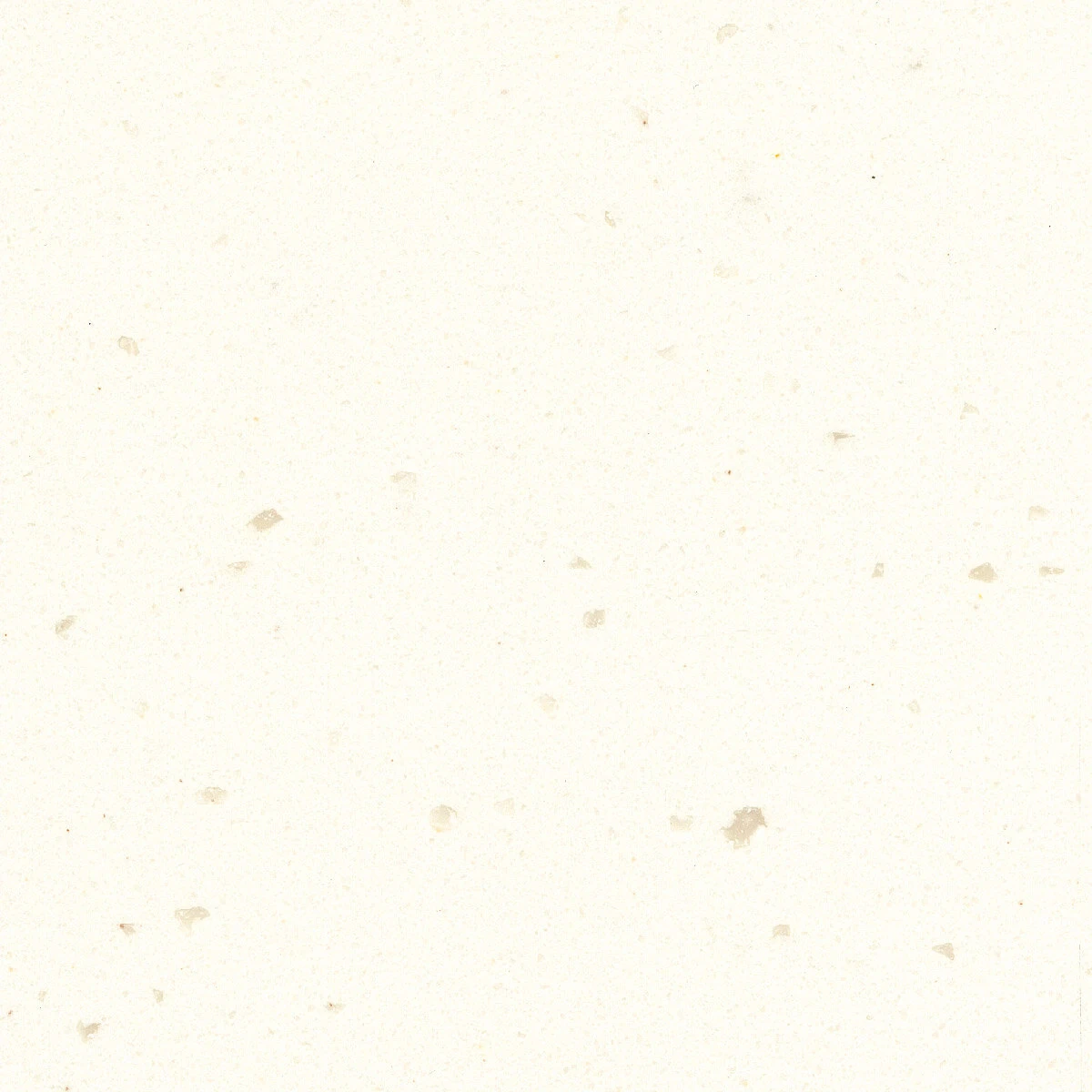 98 / 115Corian White Jasmine
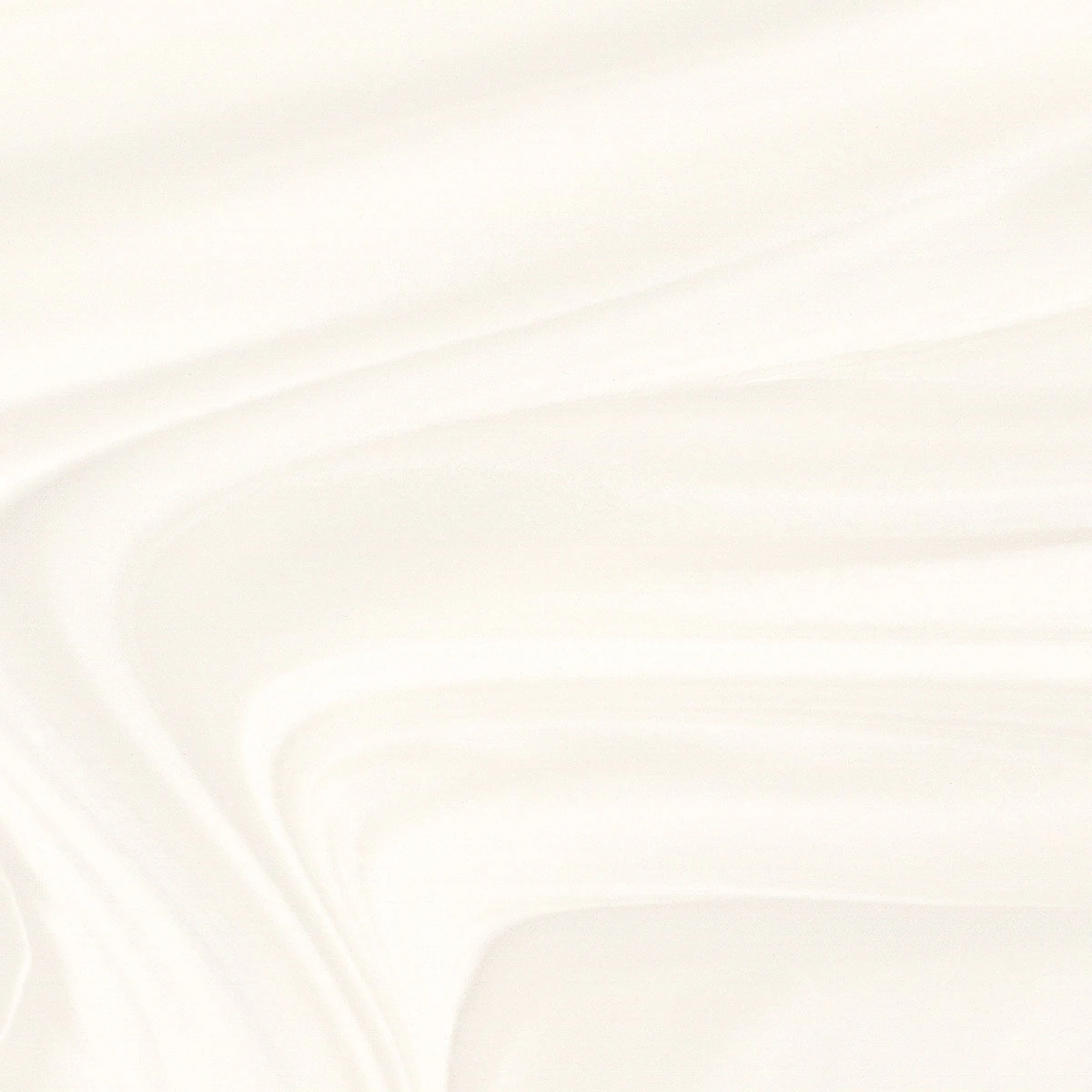 99 / 115Corian White Onyx
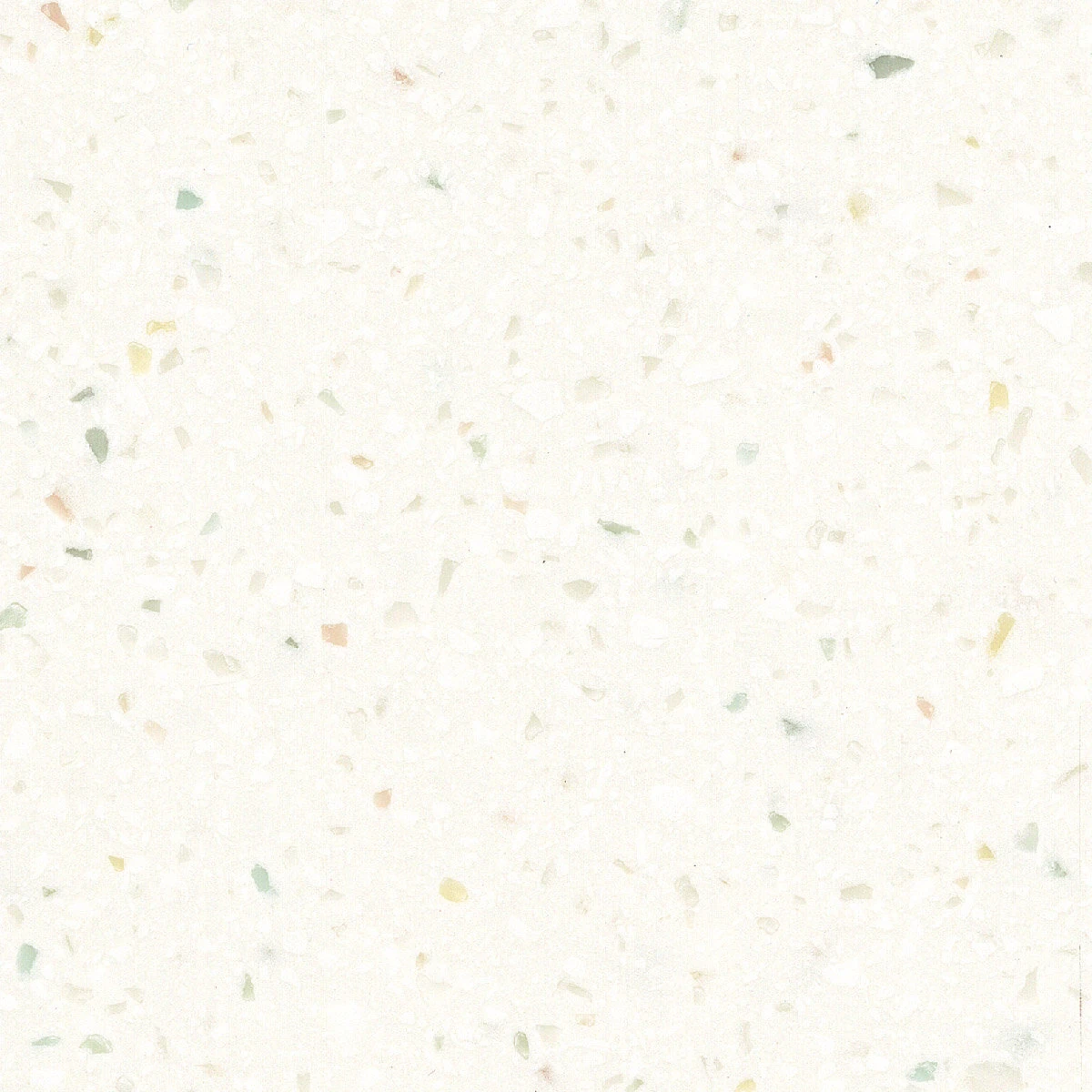 100 / 115Corian Whitecap
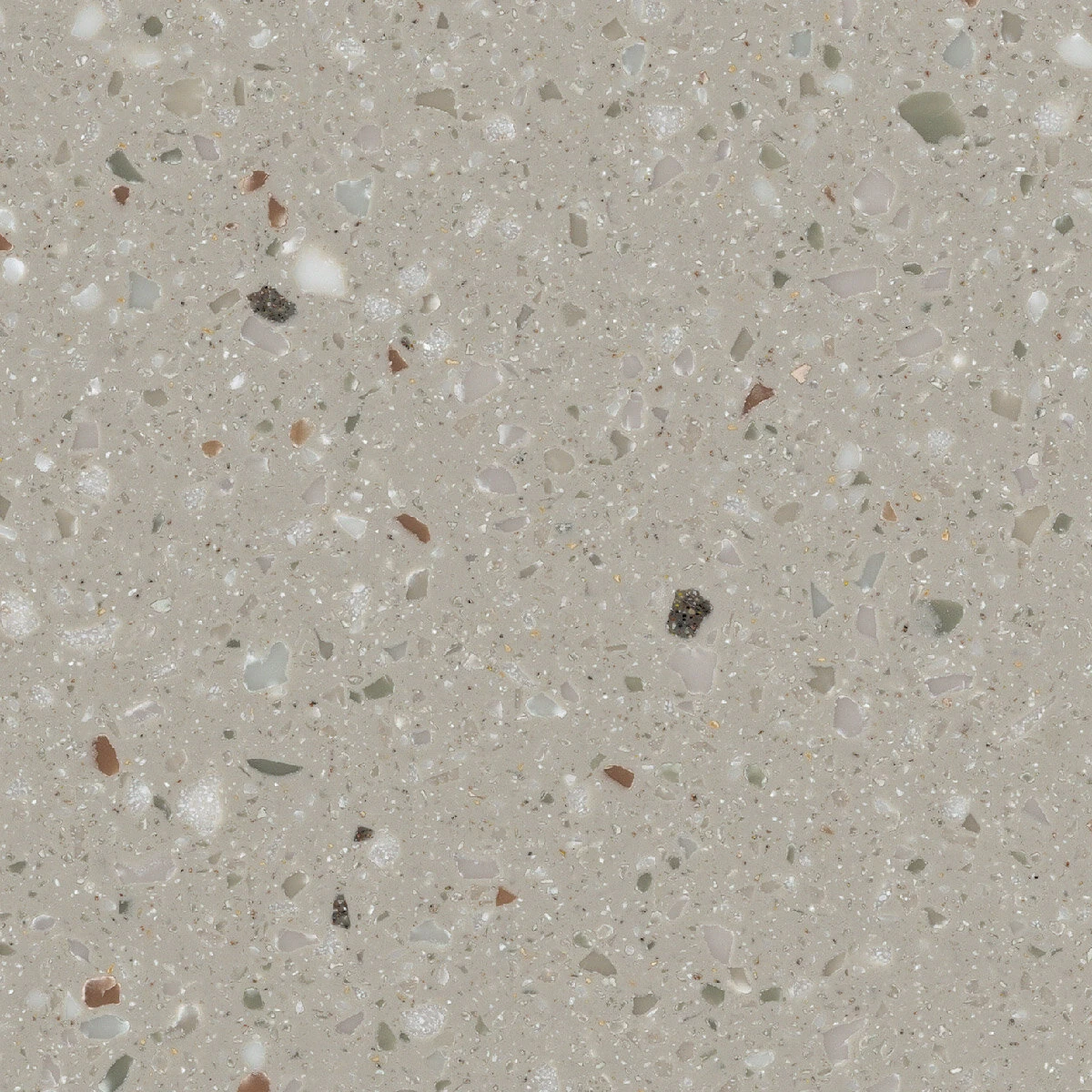 101 / 115Corian Willow
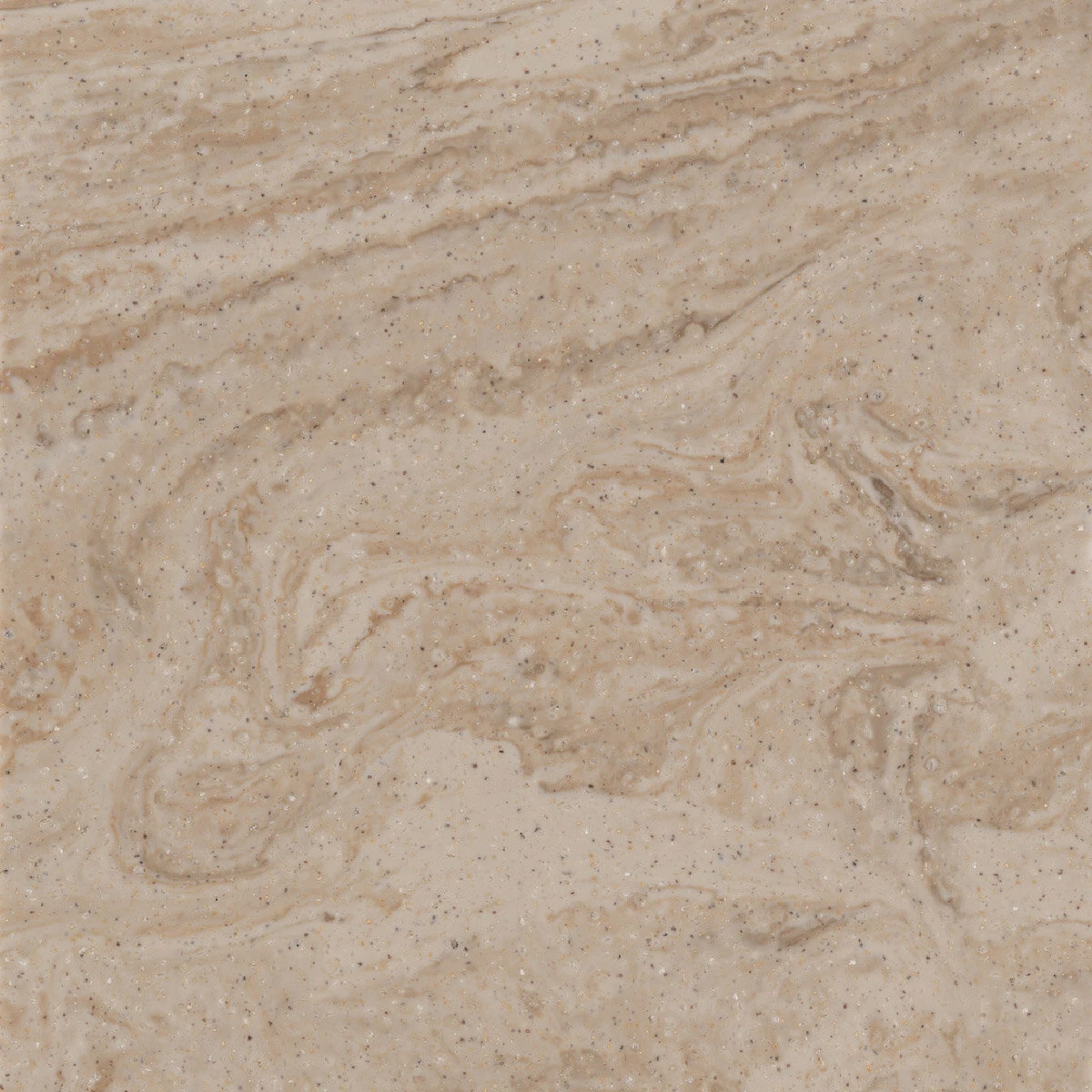 102 / 115Corian Windswept Prima
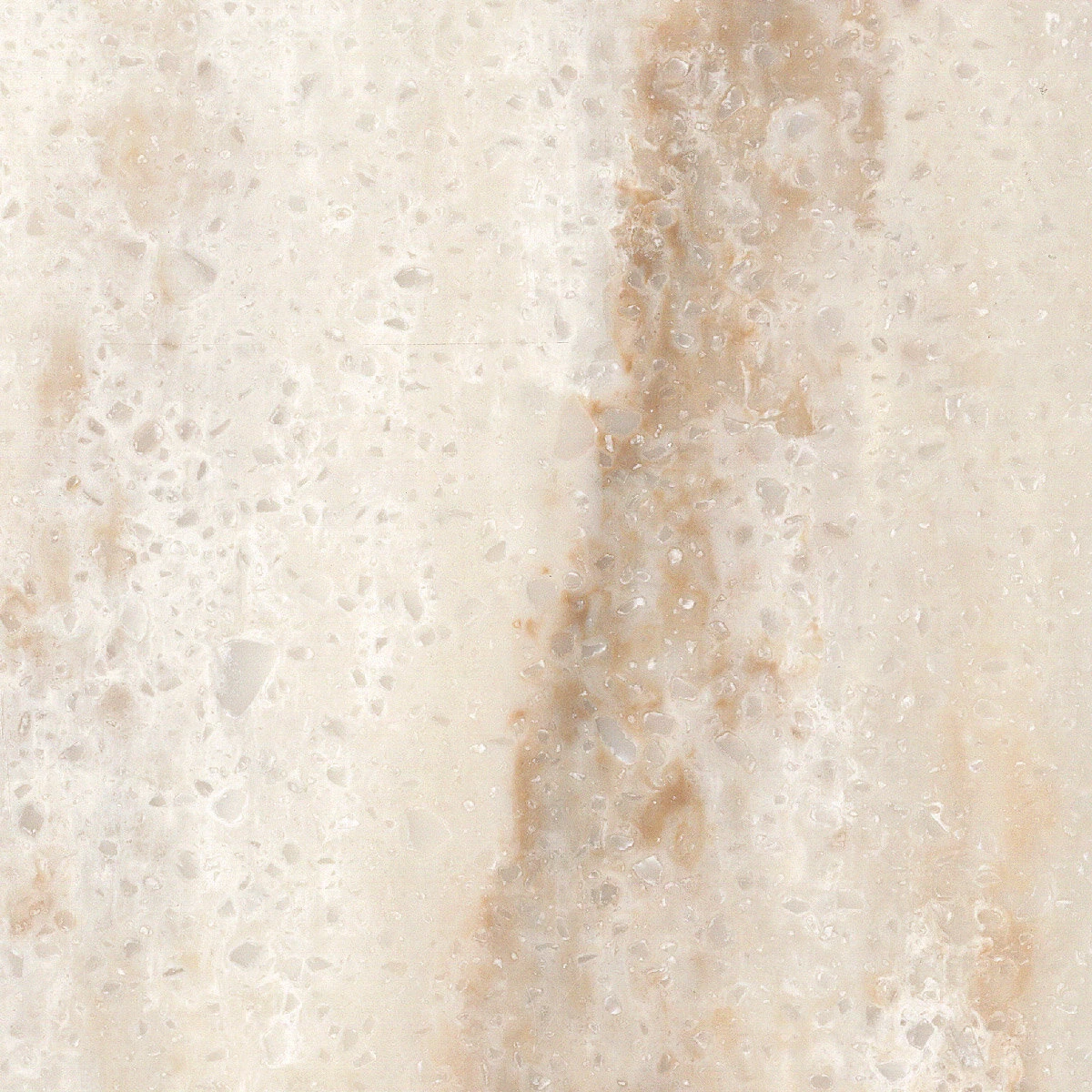 103 / 115Corian Witch Hazel
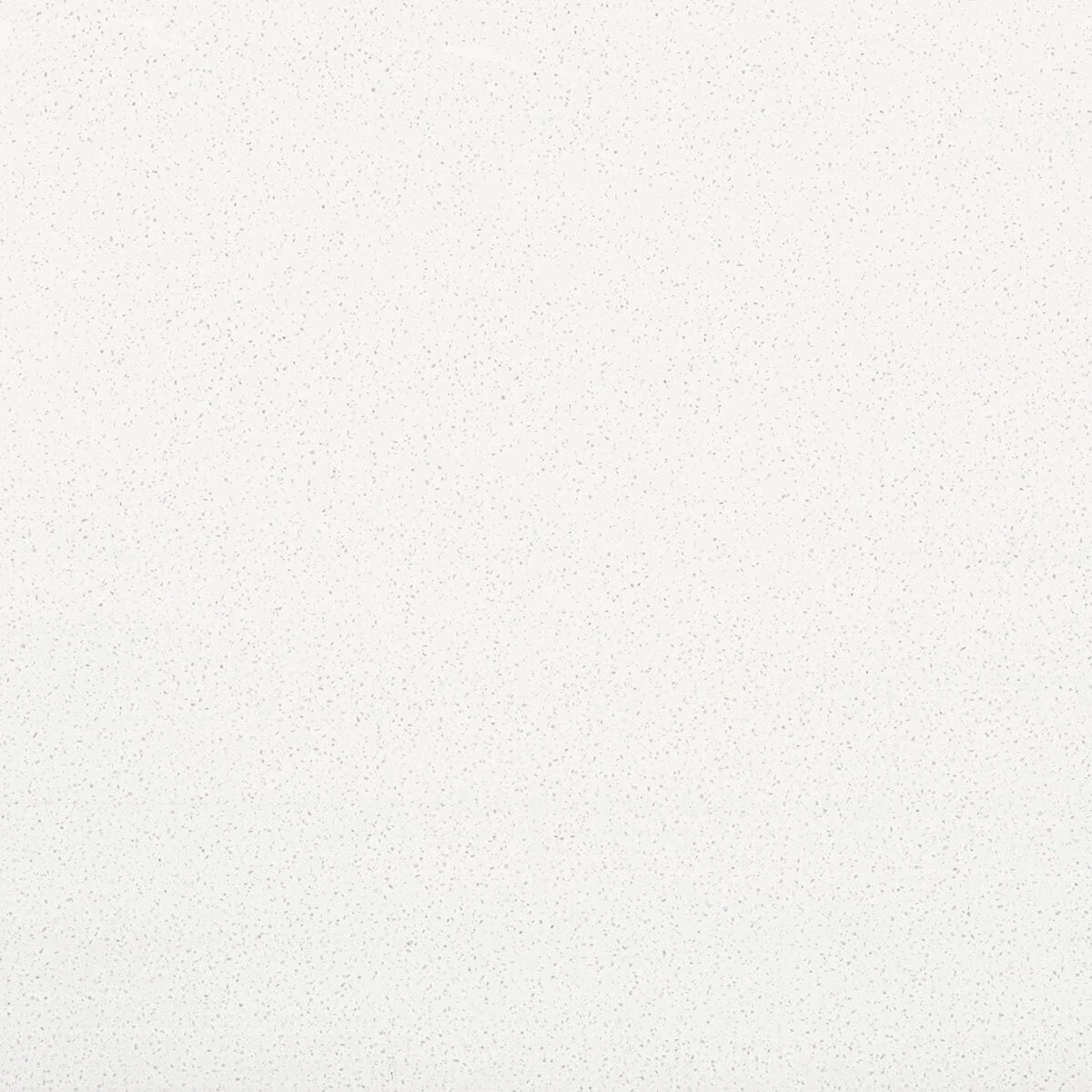 104 / 115Dupont Montelli Autumn
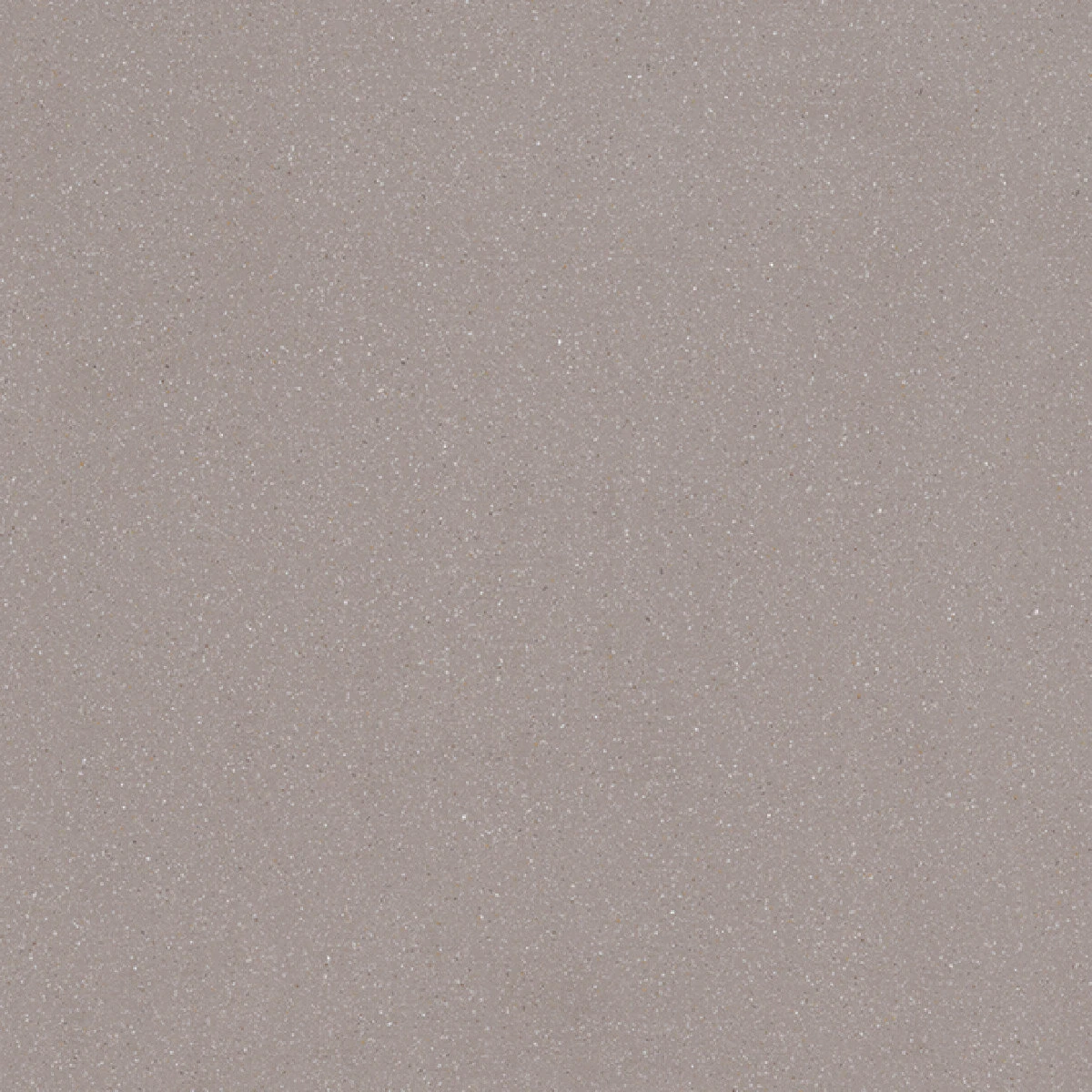 105 / 115Dupont Montelli Bark
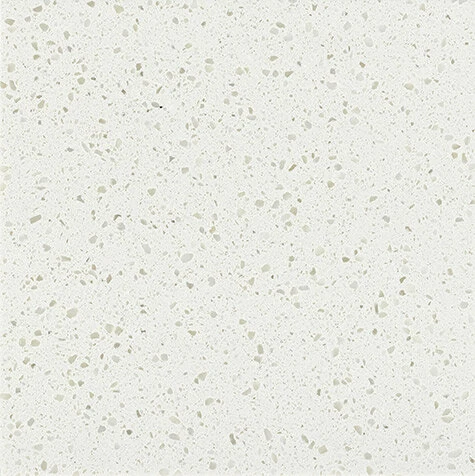 106 / 115Dupont Montelli Bianco
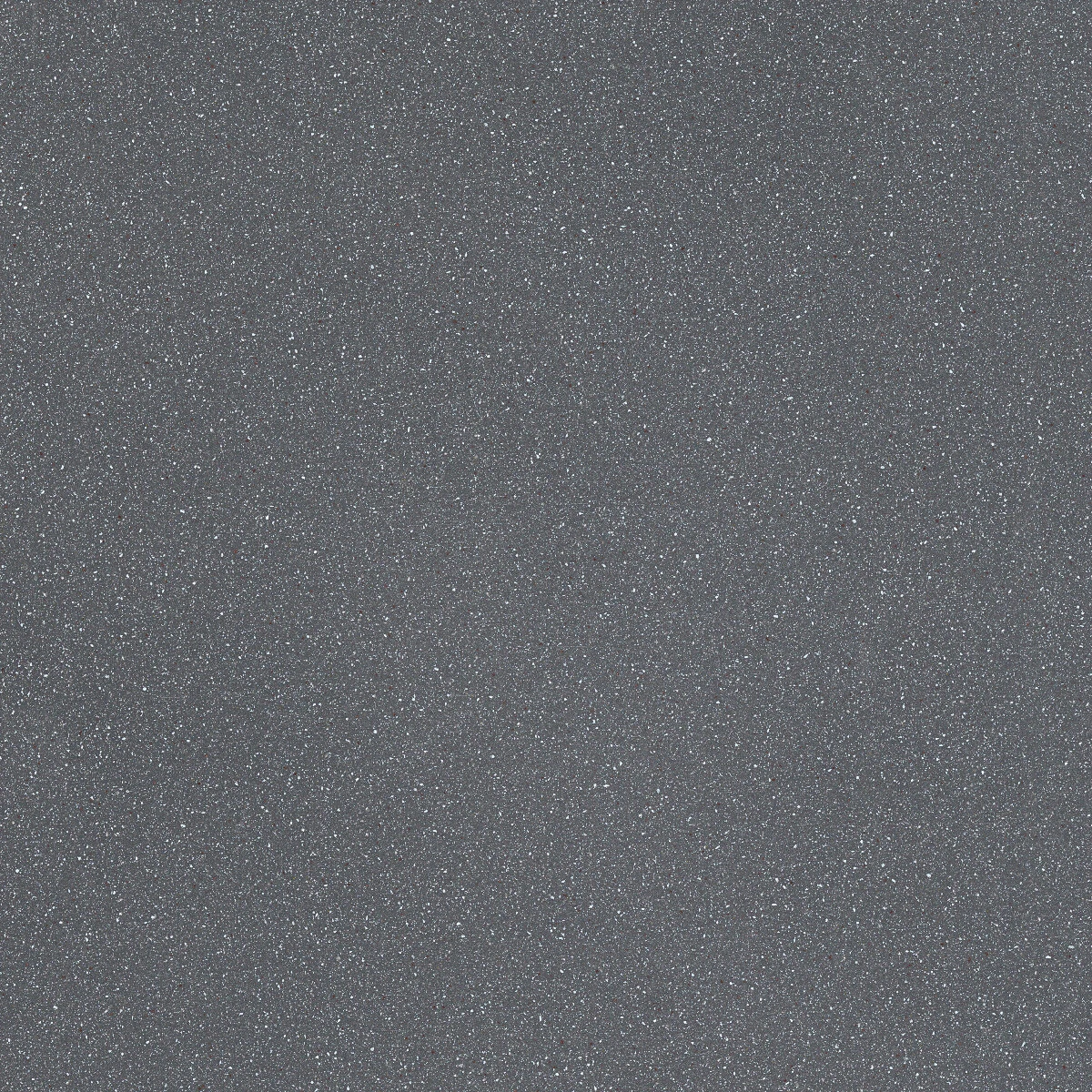 107 / 115Dupont Montelli Crepuscule
 108 / 115Dupont Montelli Dew
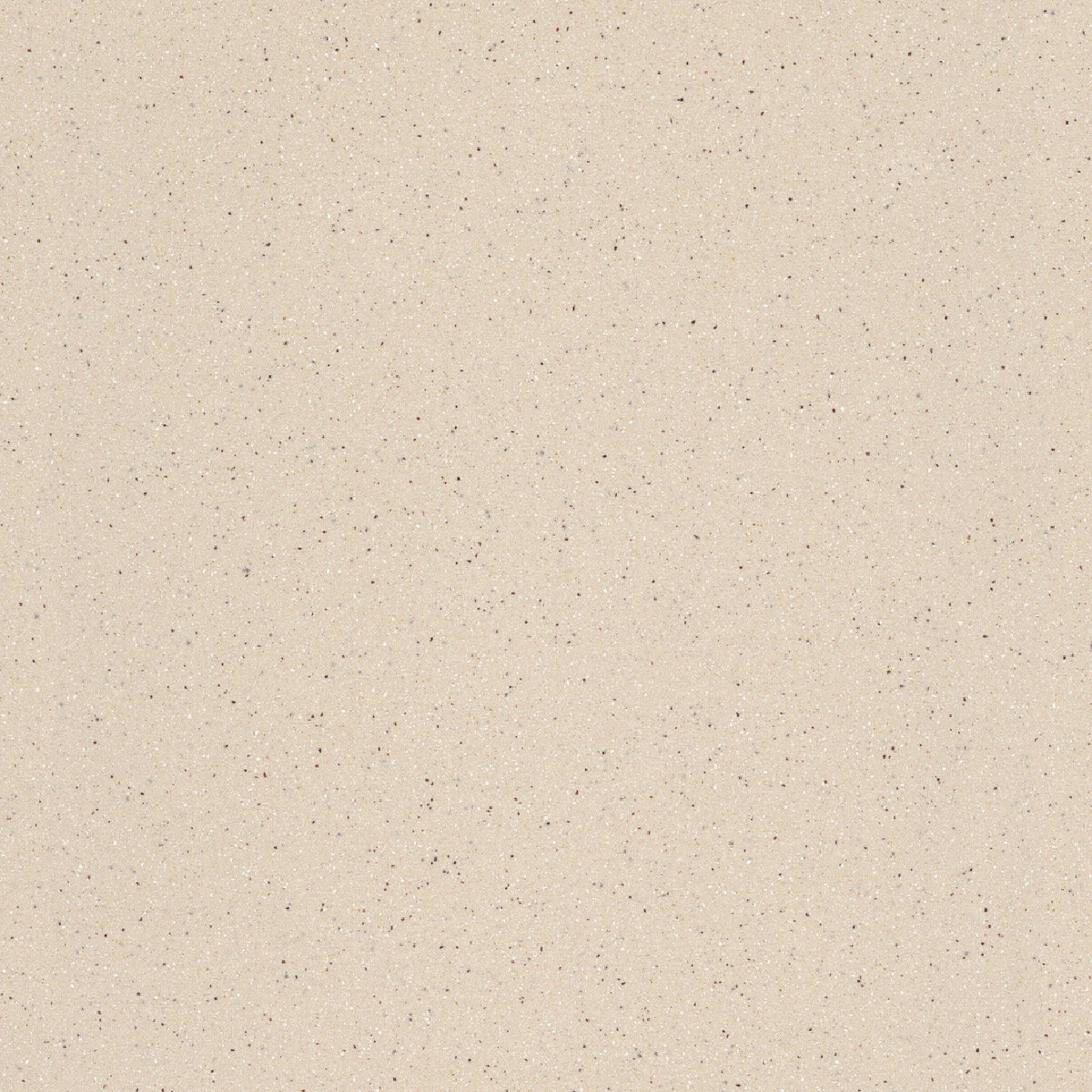 109 / 115Dupont Montelli Gleam
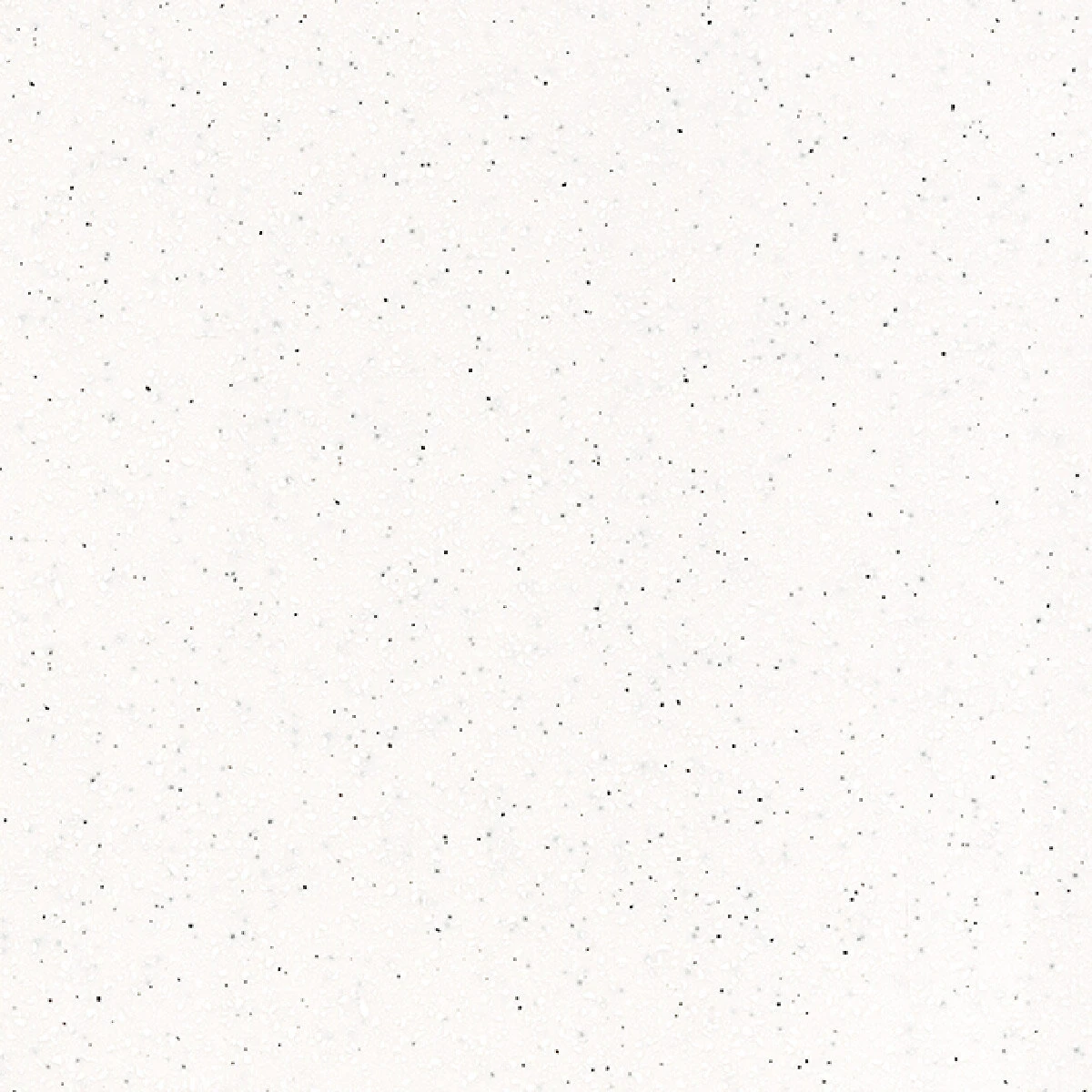 110 / 115Dupont Montelli Mood Daisy
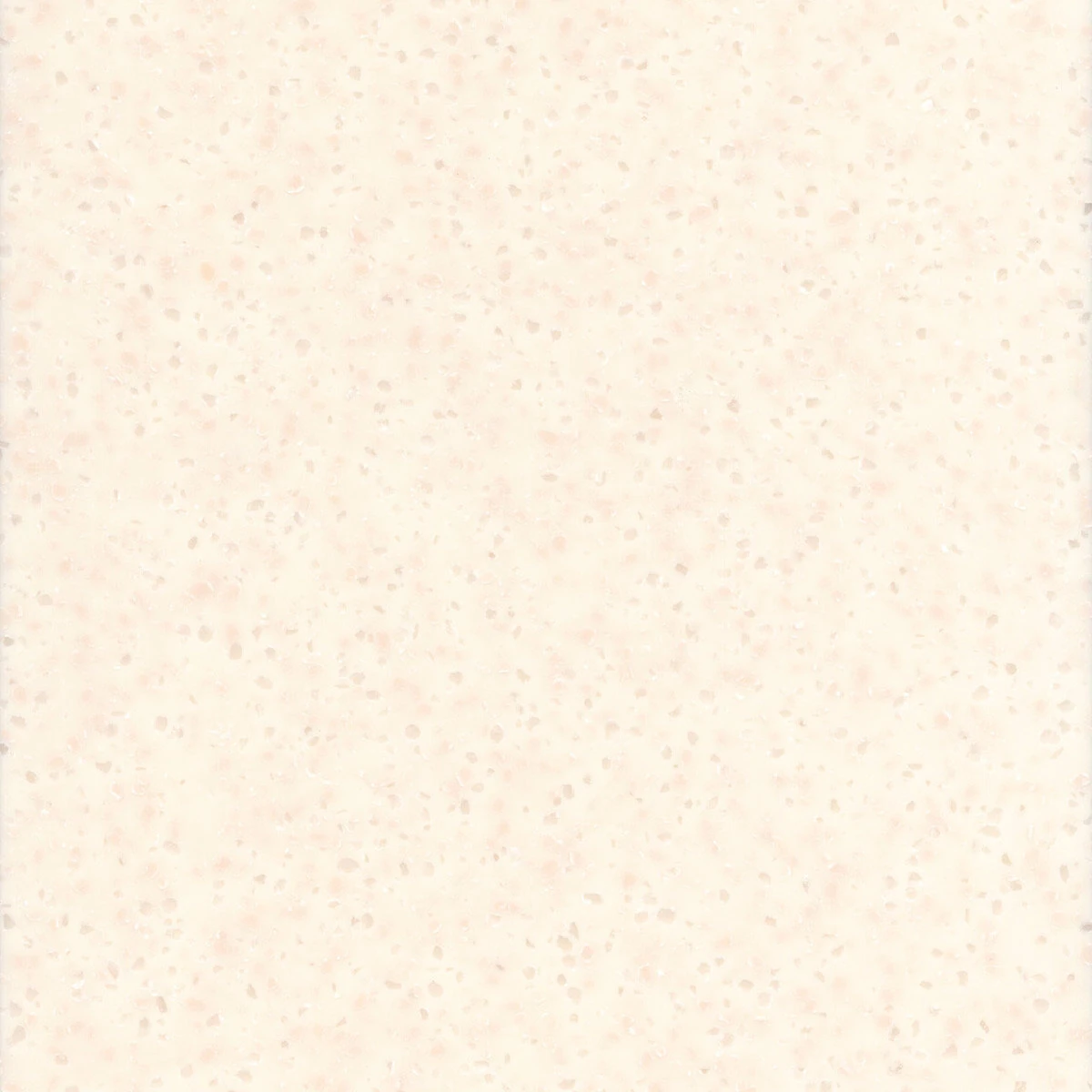 111 / 115Dupont Montelli Moon Light
 112 / 115Dupont Montelli Moss
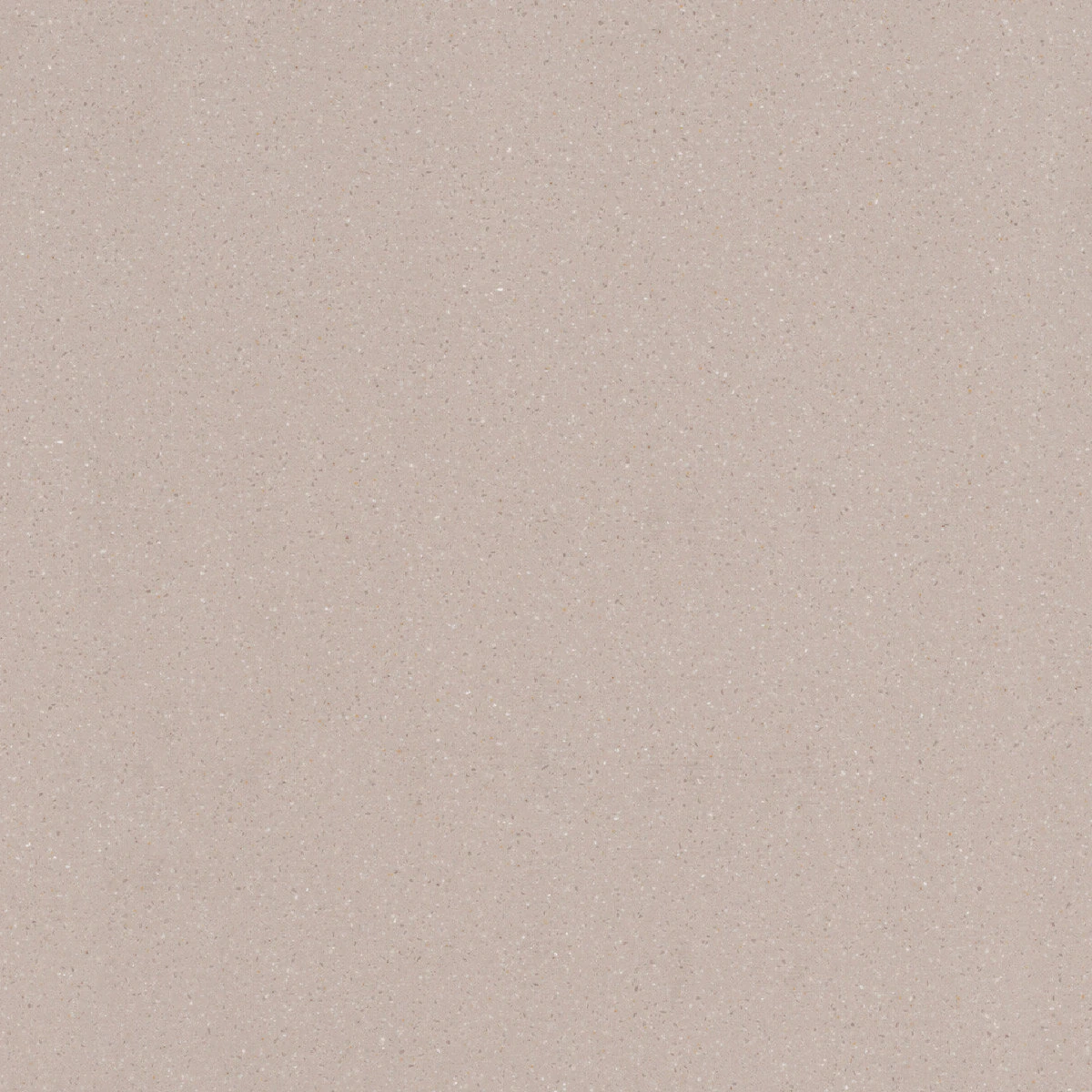 113 / 115Dupont Montelli Nut
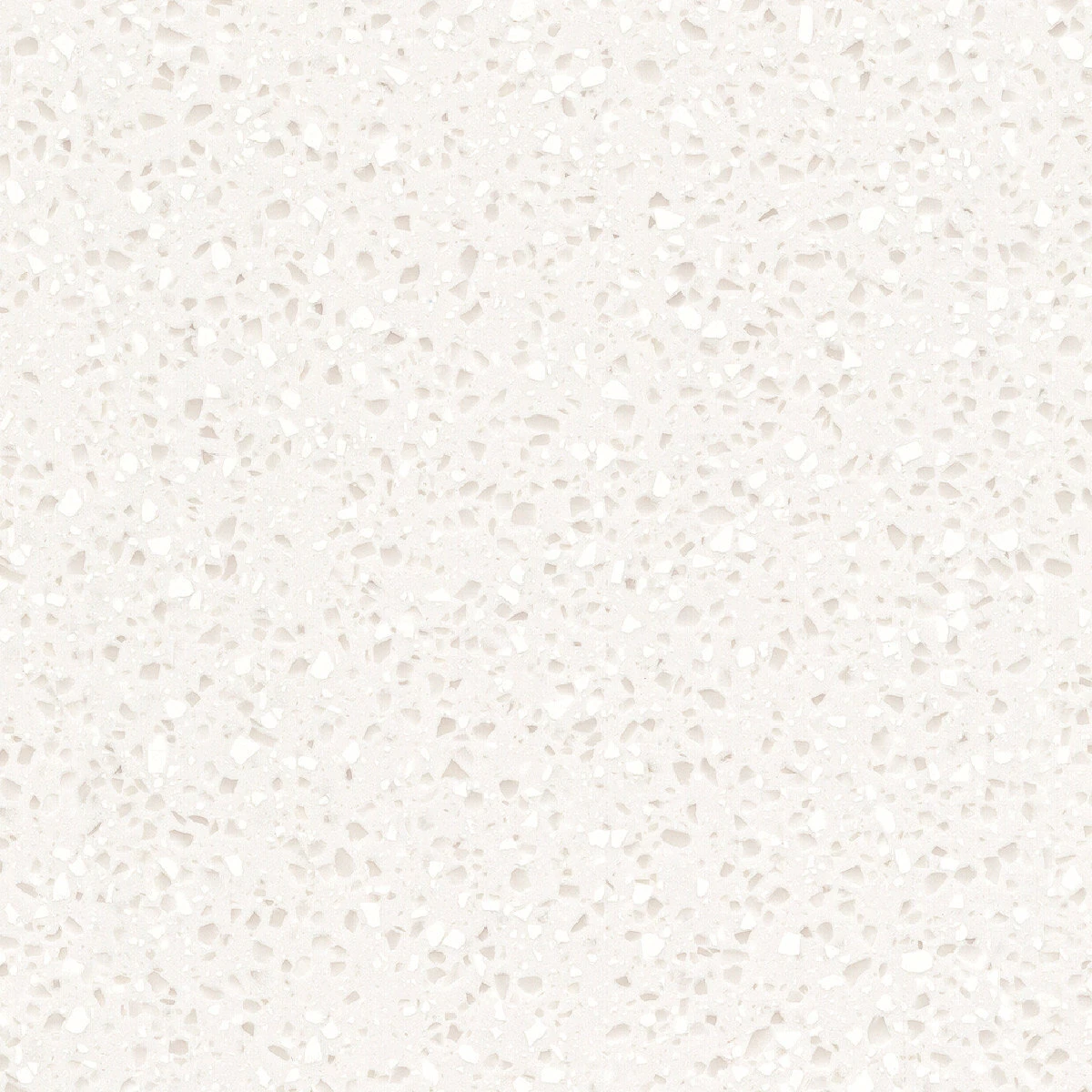 114 / 115Dupont Montelli Petal
 115 / 115Dupont Montelli Pure
Planning a seamless surface?
Tell us where it is going and how much of it you need.
Further reference
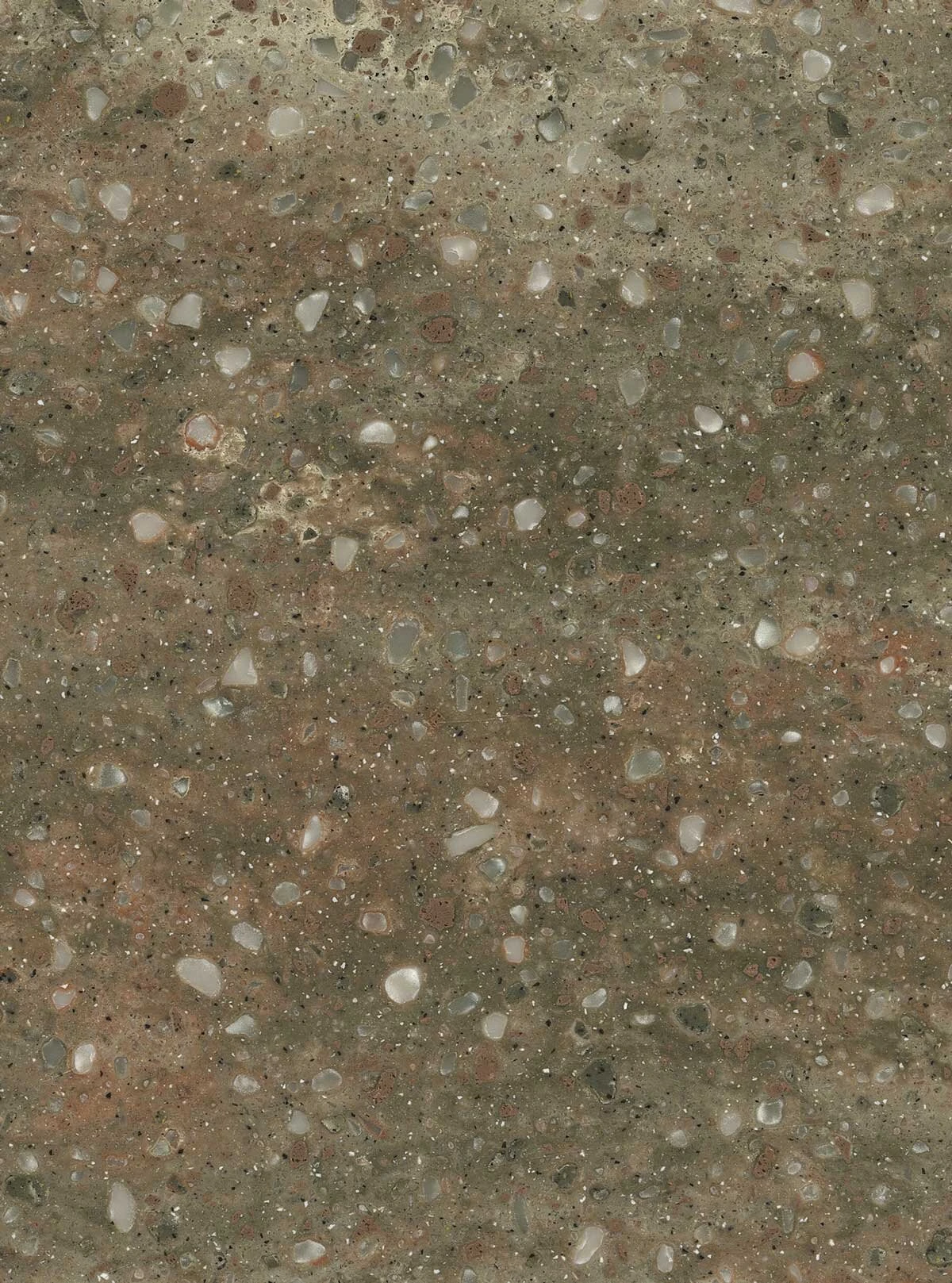 01 / 02Corian Rosemary
 02 / 02
Where Corian is used.
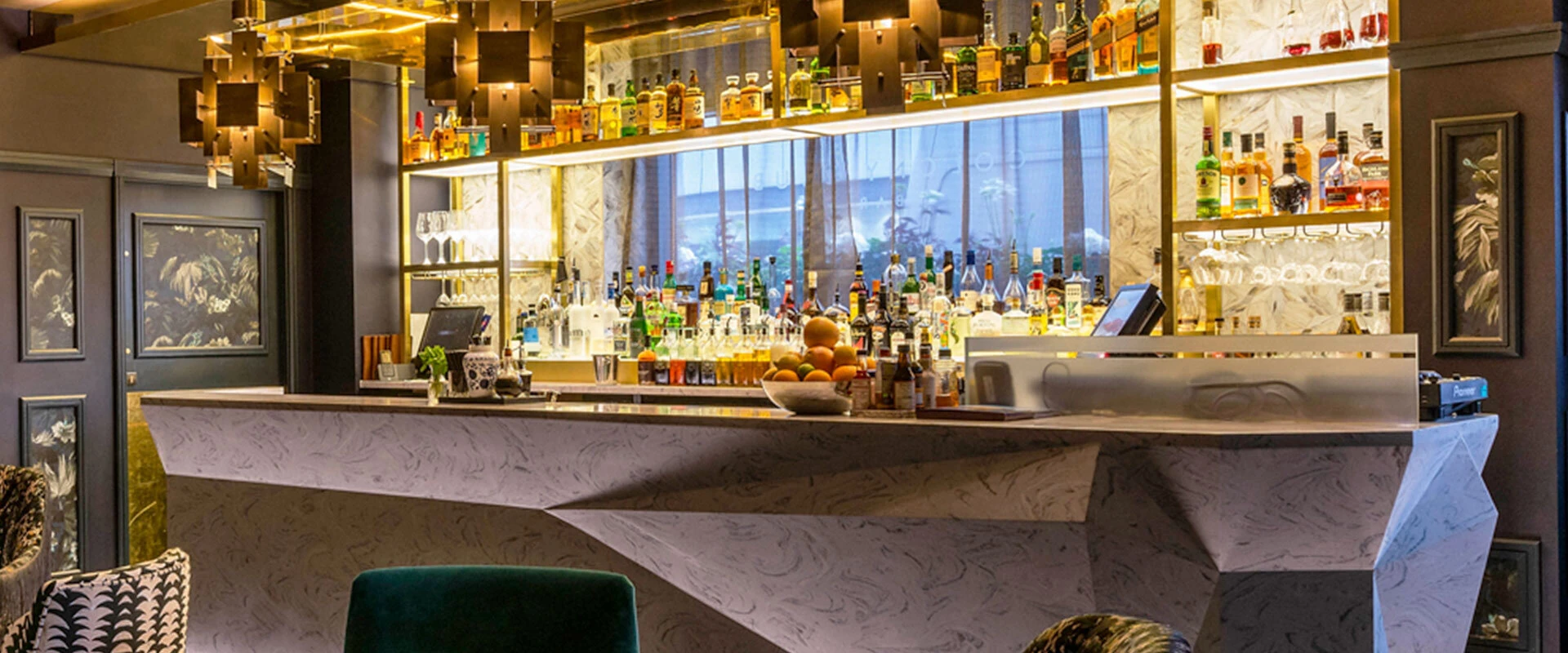
The seamless quality makes Corian the natural choice wherever a continuous, hygienic surface is wanted, from integrated bathroom basins to long reception desks. Thermoforming opens up applications that stone cannot reach: curved counters, coved wall returns and sculpted furniture. Its even colour and the option of light transmission make it equally suited to refined residential interiors and to hospitality, healthcare and retail settings.
- Worktops with no visible joints across long runs
- Vanity tops with seamlessly integrated basins
- Curved and thermoformed surfaces and furniture
- Reception, bar and lobby desk fronts
- Backlit translucent panels and feature walls
- Healthcare and laboratory surfaces requiring hygiene
- Joinery and cladding with continuous surface runs
Hygienic, and repairable.
Because Corian is non-porous, it does not absorb liquids and offers no foothold for bacteria or mould, which is why it is widely used in clinical and food-preparation settings. Most marks wipe away with soap and water. The more useful property over a long life is repairability: scratches, scorch marks and dulling can be sanded out by hand, returning the surface to its original finish without replacing any material. A worktop that has served for years can be brought back to look new.
- Non-porous and resistant to staining and moisture
- Seams bonded and sanded to read as continuous
- Renewable in place: scratches and burns sand out
- Warmer and quieter to the touch than stone
- Best protected from direct heat with a trivet
- Lighter than equivalent stone, easing fixing
Drawn, formed and joined to your scheme.
We work with Corian where a design depends on continuity. Our workshop network develops each piece from the drawing, planning where any joins fall, how edges are built up, and how curves are moulded so the finished surface behaves as one element. Basins, drainer grooves, upstands and splashbacks can be integrated into a single fabrication rather than added as separate parts.
For translucent applications, our makers select the lighter colours that carry light and detail the panel and its lighting together, so the glow is even and the fixings stay hidden. Colour and finish are agreed against samples early, since the matte-to-sheen level and the depth of any veining read differently in situ than on a chart. We can also pair Corian with timber, metal or stone where a scheme asks for it, using the solid surface for the elements that need to be seamless and hygienic.
Can the joins really be made invisible?
In most colours, yes. Sheets are bonded with a matched adhesive and sanded flush, so a long run reads as a single surface. The effect is most complete in plainer colours; heavily veined patterns can show a faint line where the pattern meets, which we plan around when setting out the work.
How does it compare with stone or quartz?
Corian is softer, so it scratches more easily than quartz, but unlike quartz those marks can be sanded out in place. It is warmer to the touch, lighter, can be thermoformed into curves, and accepts seamless integrated basins. Stone offers greater scratch and heat resistance and a natural depth of figure. The choice depends on whether seamlessness and repairability or hardness and natural character matter more to the scheme.
Is it suitable for kitchen worktops?
Yes. It is a long-standing choice for kitchens, valued for the seamless integration of sinks and drainers and for being renewable over time. The one care point is heat: hot pans should sit on a trivet rather than directly on the surface.
Where it's used
For UK based designers you can request samples from CDUK, the exclusive distributor in the UK and Ireland:
Have a scheme that calls for
a seamless surface?
Need samples? Get in touch and tell us about your project.