Metal
Luxury Metal Furniture Finishes
Hand-worked metal,
built in layers
Metal finishes are applied to furniture, joinery and architectural components in steel, brass, aluminium and stainless steel. They range from decorative and burnished finishes for metal to hand-crafted bespoke metal coatings and coloured metal finishes, each developed for the base metal and its setting. The base metal is selected for its mechanical properties — steel for structural elements, brass for hardware and fittings, aluminium where weight is a factor. The finish is built on top: polished to mirror, brushed to a hairline, chemically aged and patinated, or coated to a specified colour or alloy appearance. These finishes are produced through our metalwork workshop. For a specifier’s guide, see metal finishes: a specifier’s guide.
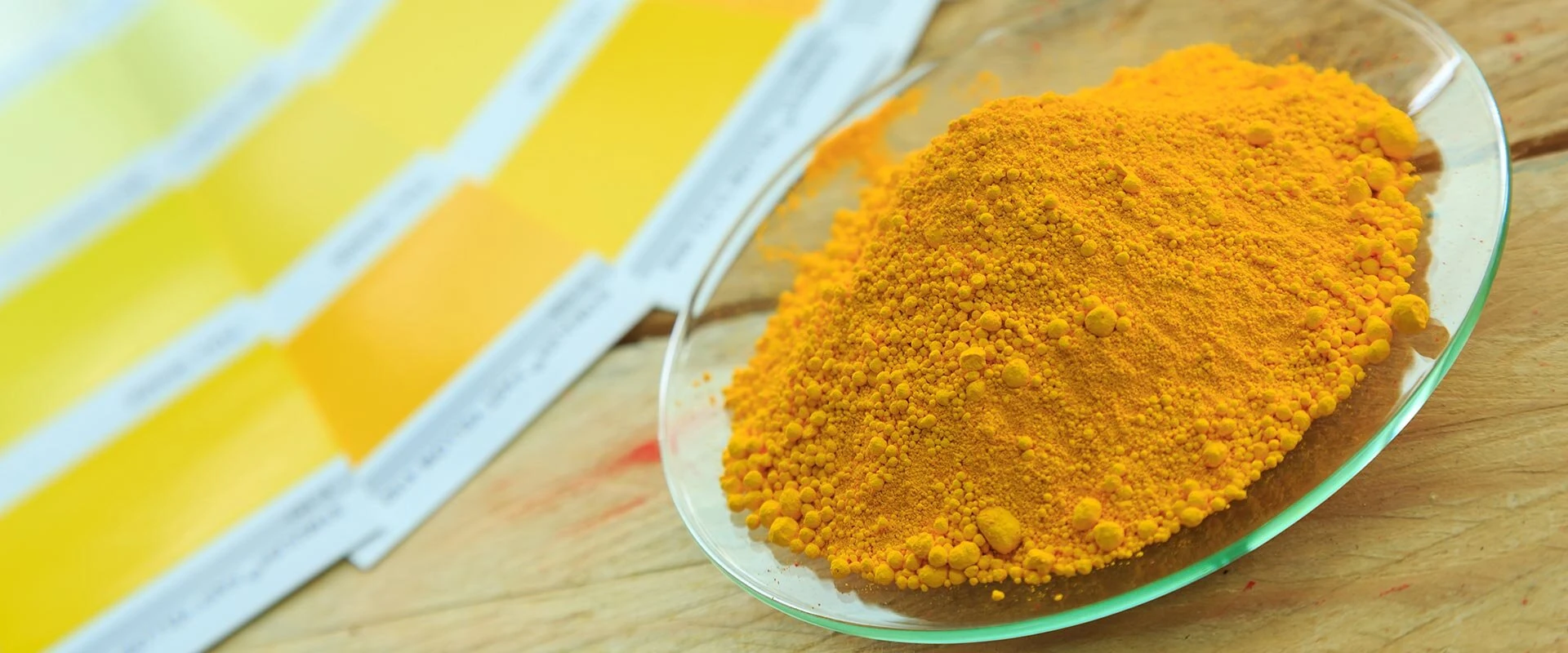
PVD coating — physical vapour deposition — deposits ionised metal vapour onto the surface at the molecular level, producing a finish in brass, gold, chrome, black or nickel that is harder than the base metal itself. It resists scratching, tarnishing and repeated cleaning at a level that electroplating cannot match. PVD is specified for furniture hardware, handles, architectural ironmongery and components that receive regular contact.
PVD on stainless steel is also the specification choice where a brass, bronze or nickel appearance is required on a structural element — a frame, leg or base that needs to carry load. Brass is a soft metal and cannot reliably fulfil that structural function. Stainless steel, polished and then PVD-coated, delivers the same surface appearance at lower cost than fabricating in solid brass, with the mechanical properties of steel retained beneath.
Powder coating applies a dry powder electrostatically to mild steel or aluminium, then cures it under heat to produce a finish harder and more impact-resistant than liquid paint. It can be matched to any RAL or NCS reference and is suitable for external architectural metalwork, furniture frames and joinery hardware where durability and colour consistency are both required.
Patinated finishes — burnished bronze, antiqued silver, aged steel — are built by hand through chemical treatment, burnishing and wax sealing. No two pieces are identical. The character of a patinated finish deepens over time and can be specified at varying degrees of distress, from lightly aged to heavily worked. To see how these finishes apply to steel, read about steel fabrication in London.
PVD: the hardest finish we specify
Physical Vapour Deposition (PVD) bonds a microns-thin layer of metal vapour onto stainless steel in a vacuum chamber, producing a coloured metal surface — brass, bronze, gold, gunmetal, black — that is dramatically harder than plated or lacquered equivalents. PVD steel does not tarnish, resists fingerprints and scratching, and holds its colour under daily contact, which is why we specify it for lift interiors, handrails, door furniture and high-traffic hospitality metalwork where a living finish would wear unevenly. It is the engineering answer where the look of brass must survive like steel.
Is the metal a feature or a whole room?
Tell us about the project.
Burnished brass
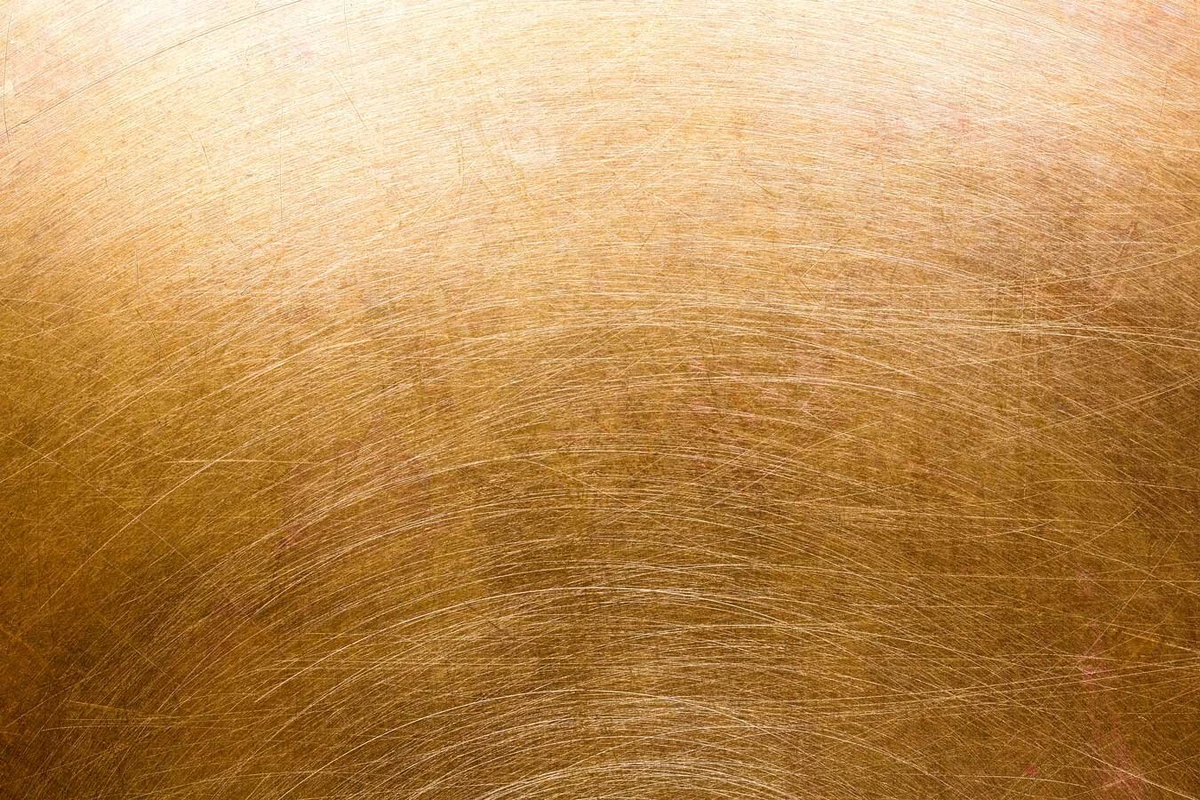
At the opposite pole sits burnished brass — a living finish, made by hand. The surface is cleaned, polished, then worked back with abrasives so the metal takes a soft, compressed glow: richer and less reflective than a mirror polish, more forgiving of fingerprints, and carrying the warmth of age without waiting decades for it. Burnished work is usually waxed or lacquered to hold the moment, or left bare for clients who want the patina to keep moving. Satin, antique and polished brass sit alongside it in the same family, matched across a project’s ironmongery, lighting and trim.
Powder coating
For colour on metal, powder coating outperforms wet paint: a dry powder is applied electrostatically and heat-cured into a hard, even skin that shrugs off chipping and scratching, in any RAL colour and any texture from smooth gloss to fine-structure matt. It is solvent-free — effectively zero-VOC — and the default for outdoor furniture frames and contract metalwork.
The metals themselves
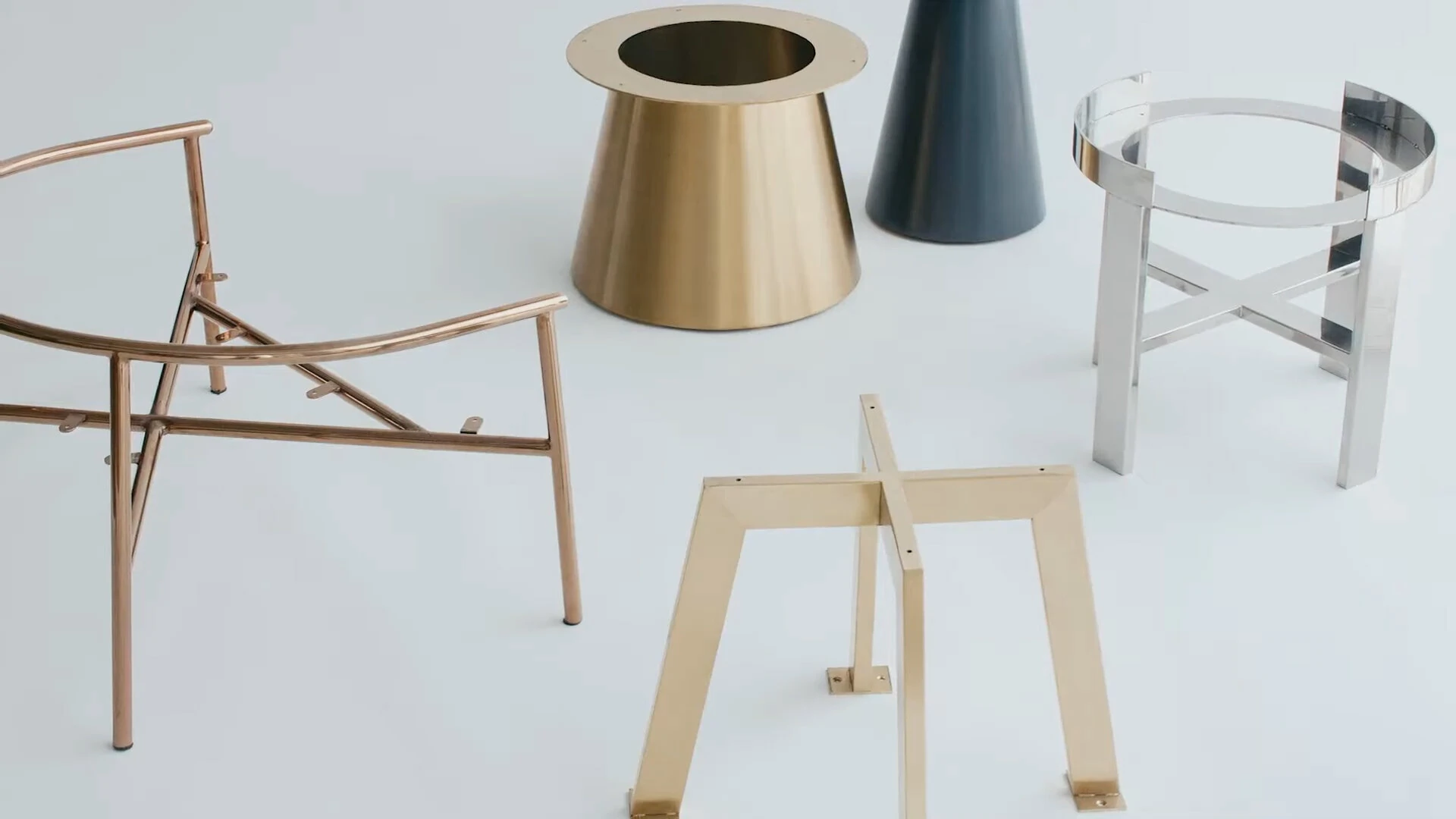
Each base metal brings its own behaviour. Steel carries structure — weight-bearing frames and legs. Stainless steel comes mirror-polished or hairline-brushed, with corrosion resistance that earns it kitchens, bathrooms and exterior work. Brass is the warm workhorse, taking polished, brushed, satin, antique and burnished treatments. Aluminium gives lightness for large panels and takes powder and PVD coatings cleanly. Copper is the living metal — soft, warm and determined to patinate.
 01 / 12Pvd Stainless Steel
 02 / 12Pvd Stainless Steel
 03 / 12Pvd Stainless Steel
 04 / 12Pvd Stainless Steel
 05 / 12Pvd Stainless Steel
 06 / 12Pvd Stainless Steel
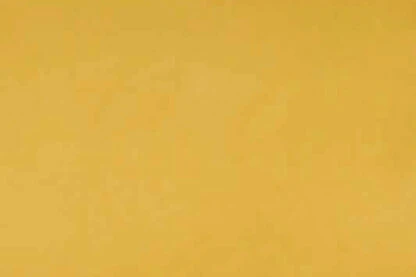 07 / 12Pvd Stainless Steel
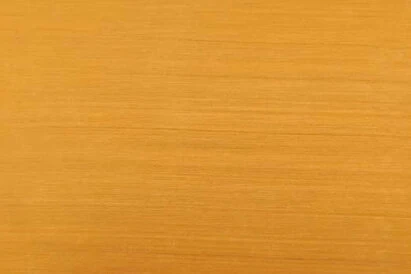 08 / 12Pvd Stainless Steel
 09 / 12Pvd Stainless Steel
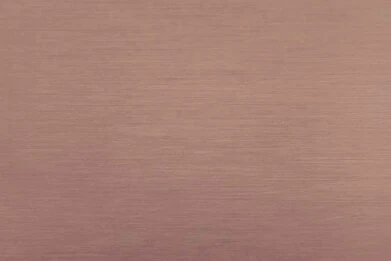 10 / 12Pvd Stainless Steel
 11 / 12Pvd Stainless Steel
 12 / 12Pvd Stainless Steel
Patinas
Patination is controlled ageing: chemical agents and time, steered by hand. The turquoise verdigris of weathered brass and copper, the deep browns of black patina bronze, and the sleek near-black of blackened and oxidised steel each carry a different temperature of age. Patinas are living finishes — sealed to hold a moment, or left to keep moving — and we match them to door ironmongery and hardware across the scheme, including custom metal inlay within joinery and pairings with timber, stone and woven mesh.
The wider palette
Copper and bronze bring warmth and natural patination; blackened steel and black bronze give depth without colour; antique and relieved finishes carry history into new work. Where the brief calls for sculptural metal surfaces on non-metal substrates, liquid metal — real cold-sprayed metal, polished or patinated — extends the family further. All finishes are approved as physical samples, matched across every trade that touches metal in the scheme.
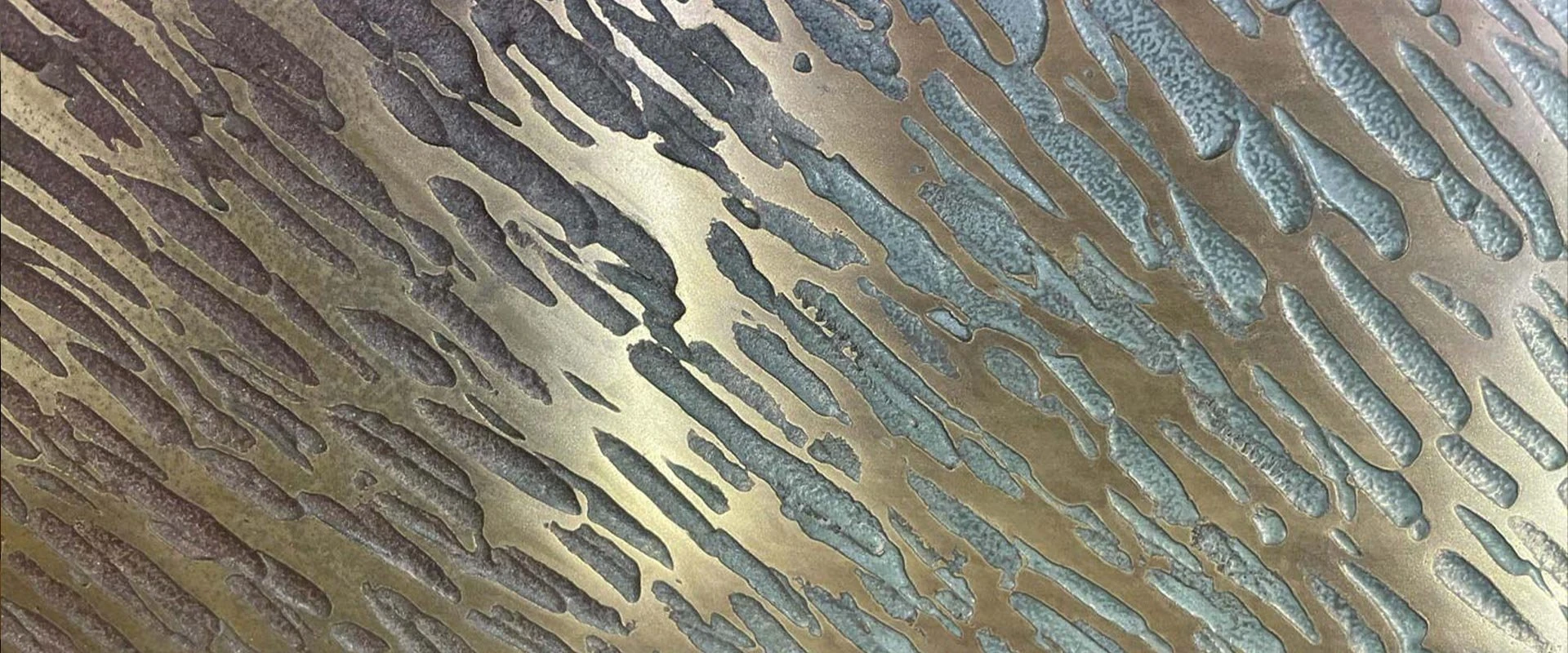
Liquid Metal
When practicality and budget restrict the use of cast metal, a decorative Liquid Metal Finish can be applied.
Cut & laid
Hand sculpted by our Decorative Artists, our striking decorative Liquid Metal Finishes combine the aesthetics and lustre of genuine metal with the texture and versatility of paint.
Further reference
Colour & character
The types of metals we use mostly are steel, brass, aluminium and stainless steel. From these base metals we are able to create a wide variety of finishes. Our popular standard finishes are ‘Burnished Bronze’ and ‘Antique Silver Leaf’, but there are plenty more.
Mirror and hairline finishes
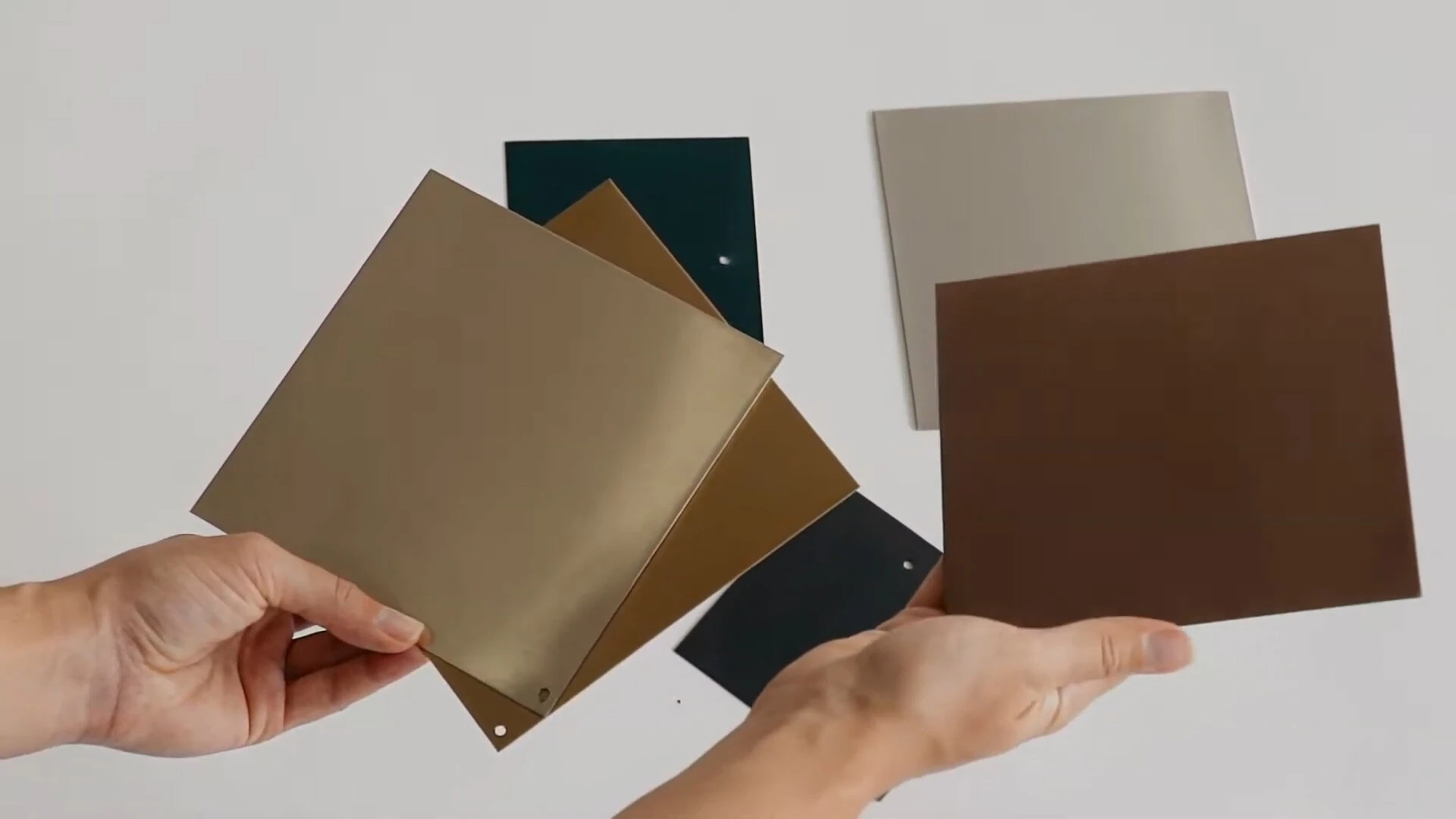
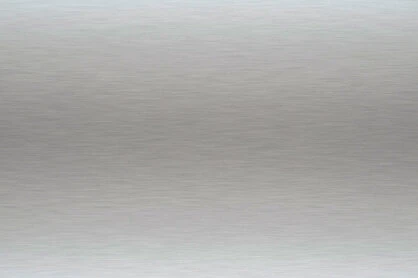
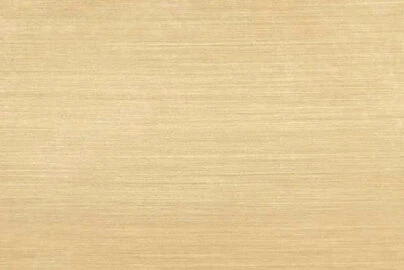
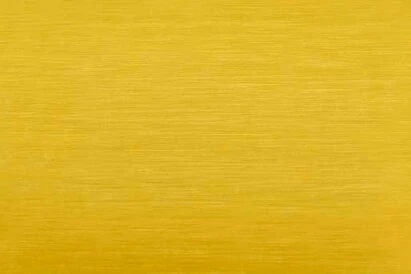
There are a number of interesting colours offered in mirror (polished) and hairline (brushed) options. The stainless steel is polished and then coated. This allows for a finish that resembles brass/bronze/nickel and combines the strength of steel. This has a practical application for creating a weight bearing frame or leg, which brass, being a soft metal, would not allow. Also, from a cost perspective, the polished stainless steel is less than the cost of brass.
Stainless Steel - PVD Coated
PVD coating is a good option for applications that require an extremely thin functional coating. PVD coating processes deposit a layer of high density material that's only a few microns thick. Once applied, the coating is nearly impossible to remove, and won't wear off on its own.
How powder coating works
Powder coating applies a decorative finish that is similar to paint but with greater durability. The process involves UV or heat curing of dry thermoplastic or thermosetting polymer powder onto the metal to produce a textured, matte, or glossy coating. It is an electrostatic process wherein a charge placed on the substrate attracts the powder particles to it.
Liquid Metal
When practicality and budget restrict the use of cast metal, a decorative Liquid Metal Finish can be applied.
Cut & laid
Hand sculpted by our Decorative Artists, our striking decorative Liquid Metal Finishes combine the aesthetics and lustre of genuine metal with the texture and versatility of paint.
Explore further
Have a scheme you'd
like to build?
Need samples? Get in touch and tell us about your project.