Mother of pearl, also called nacre, is the iridescent inner lining of certain mollusc shells such as oyster, abalone and mussel: the same substance that forms a pearl, prized for bespoke inlay and marquetry.
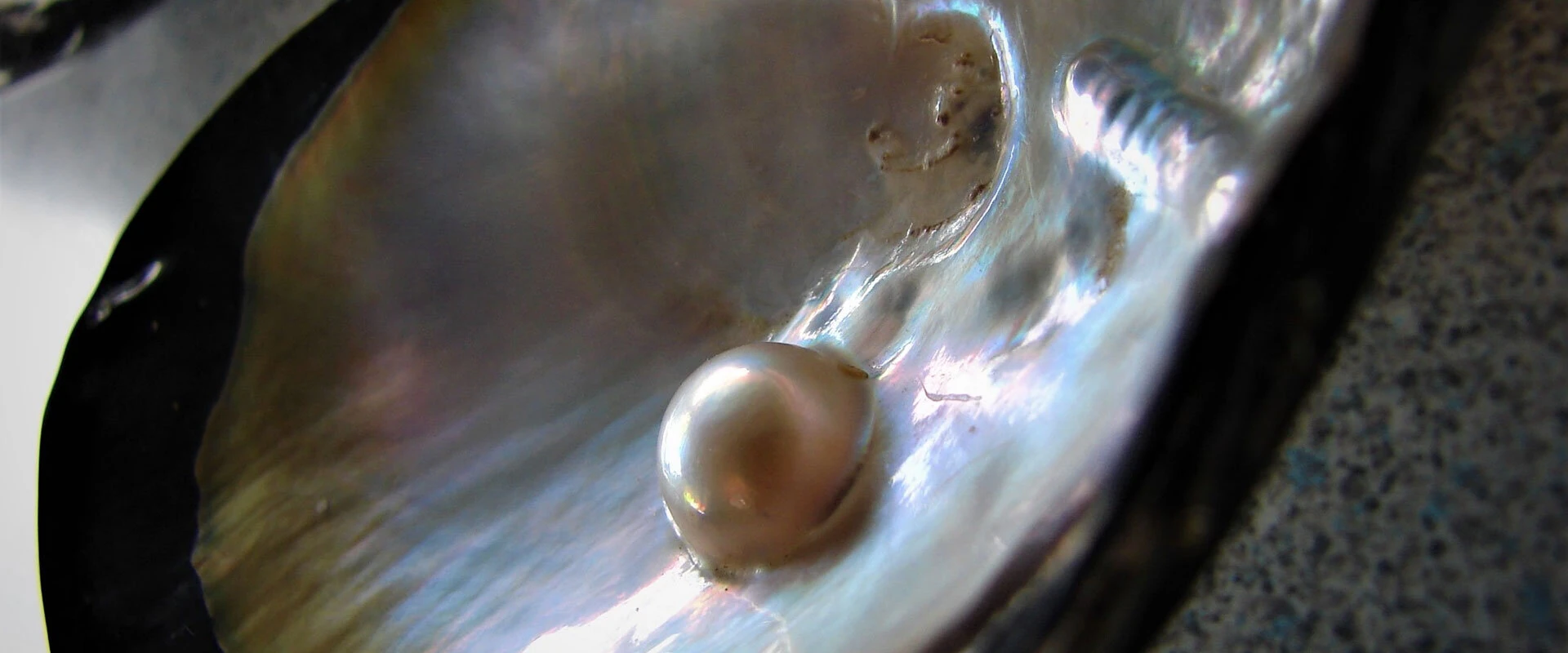
Hold a shell to the window and turn it slowly. The inner surface doesn’t simply catch the light — it shifts through it, sliding from pink to green to a cool silver-blue as your hand moves, as though the colour lives somewhere just beneath the surface rather than on it. That living lustre has a name. Mother of pearl — also called nacre — is the iridescent inner lining of certain mollusc shells, such as oysters, abalone and mussels. It is the same substance the animal uses to build a pearl, which is where the name comes from: the “mother” of the pearl. Hard, lustrous and shimmering with shifting colour, it has been treasured for thousands of years and remains one of the most luxurious natural materials used in marquetry and bespoke inlay.
Where it comes from
Nacre is secreted by molluscs as a smooth, protective coating on the inside of their shells — and around any irritant that gets trapped inside, which is how pearls form. It is built from microscopic plates of aragonite (a form of calcium carbonate) bonded by an organic “mortar” into a layered, brick-like structure, much like a wall of tiny translucent bricks. That structure is both the source of its strength and the secret of its shimmer. The shells most prized for decorative work each bring their own palette: the warm whites and soft golds of oyster, the vivid blue-greens of abalone (paua), every one of them sea-grown and unrepeatable.
Why it shimmers
The iridescence is not pigment — it is physics. The countless thin, translucent layers of aragonite are about the same thickness as the wavelengths of visible light, so light striking the surface is reflected and refracted between the layers, splitting into shifting colours that change with the angle of view. This effect, called iridescence, is why mother of pearl seems to glow and move in the light, and why no two pieces are ever quite alike. It is also why a panel only truly reveals itself once it is in a room, where daylight crosses it differently from hour to hour.
How it is used in bespoke work
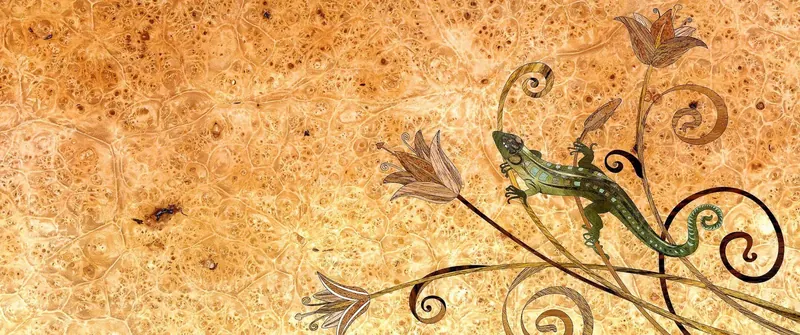
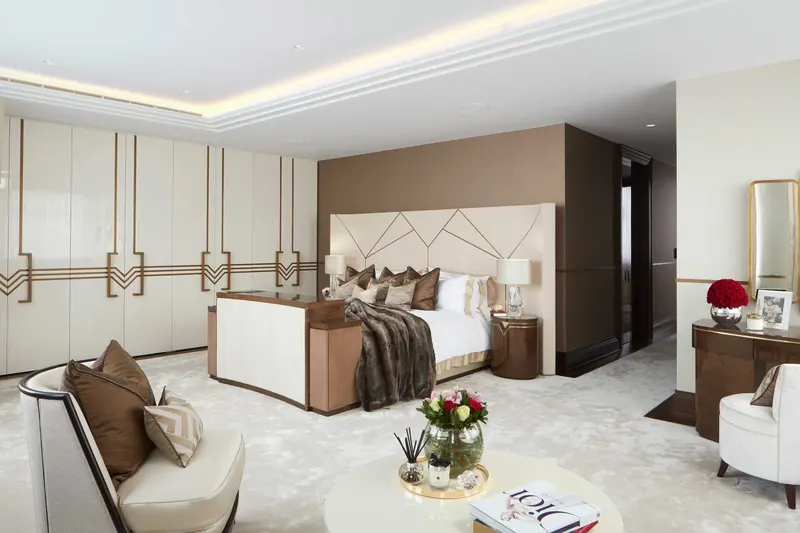
Because nacre is hard but thin and brittle, working it is a craft in itself. It is cut into fine pieces and set as inlay — into timber, lacquer or stone — or composed into marquetry panels where many small pieces build an image or pattern. The first time you cut it you learn quickly how little patience the material has for impatience; it will chip if you hurry, and reward you only when you slow to its pace. Traditions across the world have perfected this: from European cabinetmaking to the Persian art of khatam and the mother-of-pearl inlay of the Middle East and East Asia. In contemporary interiors it brings a jewel-like quality to cabinet doors, table tops, feature panels and decorative furniture — a flash of natural iridescence against timber or paint. Make Bespoke produces mother of pearl inlay for furniture and joinery.
Mother of pearl, shell and abalone
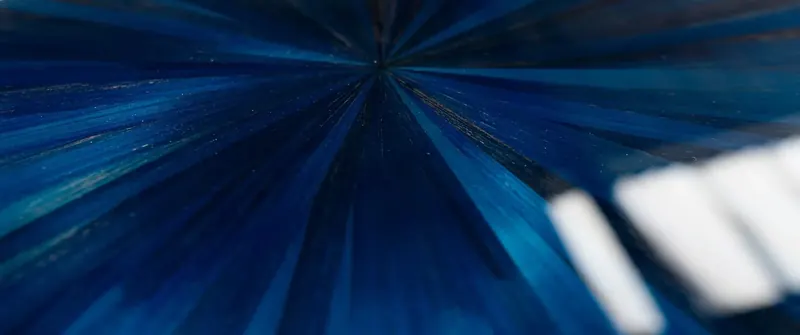
The terms overlap. Mother of pearl strictly means the nacreous lining of a shell, regardless of species; abalone is one particular shell prized for its intense blues and greens; and “shell inlay” is the general term for the craft. What they share is that they are natural, iridescent and entirely individual — qualities that machine-made materials cannot replicate, which is exactly why they remain so desirable.
A material worth the craft
Mother of pearl rewards the patience it demands. Set well, it lifts a piece of furniture from beautiful to extraordinary, catching the light in a way nothing else does. We work it as inlay and marquetry in bespoke commissions, and there are few things we enjoy more than the moment a finished panel first meets the daylight and quietly comes alive. We would be glad to explore how a touch of nacre could bring your piece to life.