Solid Wood
We have a wide selection of bespoke solid wood to choose from for the frames of our furniture.
Beech, oak and ash carry most of our solid wood work. Walnut is chosen where the timber itself is the design, and teak or iroko where a piece has to live outdoors.
What solid wood is
Solid wood is timber cut directly from the tree — structure, not surface. We use it where furniture works hardest: frames, legs, rails, edges and carved elements, paired with veneered panels where wide, stable surfaces are needed. The species sets the character of the piece, and the choice runs on four axes: density, grain, colour and how the timber behaves under the maker’s tools. For how the common species compare, see wood species for bespoke furniture. Where a timber surface needs to be harder and more moisture-resistant than solid wood, see Foresso, a timber terrazzo made from waste wood.
Where solid timber is specified
Solid timber carries structural and aesthetic roles that no other material can fill. Where section, mass or re-finishability are specified, solid wood is the only answer.
- Furniture legs and frames
- Hand-carved decorative elements
- Staircase components
- Heritage joinery and mouldings
- Solid oak flooring
- Structural joinery members
Which timber, and for what?
Tell us about the project and we will advise on the species and the cut.
Solid Oak
The benchmark furniture hardwood. Dense, hard-wearing and honest in figure, oak suits everything from dining tables to staircases. We favour white oak over red for its tighter figure and natural moisture resistance — it is the species that takes daily use in hospitality settings without complaint. Quarter-sawn oak adds the shimmering ray fleck prized in Arts and Crafts work; plain-sawn shows the familiar cathedral grain.
Solid Walnut
American black walnut is the luxury default: rich browns running to purplish black, a fine, tight grain that machines and carves cleanly, and a polish that feels as good as it looks. Its consistency makes it the species we reach for on curved work and intricate detailing — desks, dining tables and casegoods where the timber itself is the design.
Solid Beech
The frame-maker’s wood. Beech is strong, stable and even-textured, with a subtle pale grain that takes stain uniformly — which is why it sits inside most of our upholstered furniture, working invisibly as the sprung skeleton of sofas and chairs, and shows itself in clean contemporary pieces where a quiet, light surface is wanted. It also steam-bends and turns well.
Solid Ash
Pale, straight-grained and unusually flexible for its strength, ash is the species for bent and curved components — chair backs, arms, sweeping rails. Quarter-sawn it reads calm and linear; plain-sawn it shows a bold, open figure. Its near-white colour anchors light, contemporary schemes. It takes stain well.
Tropical hardwoods
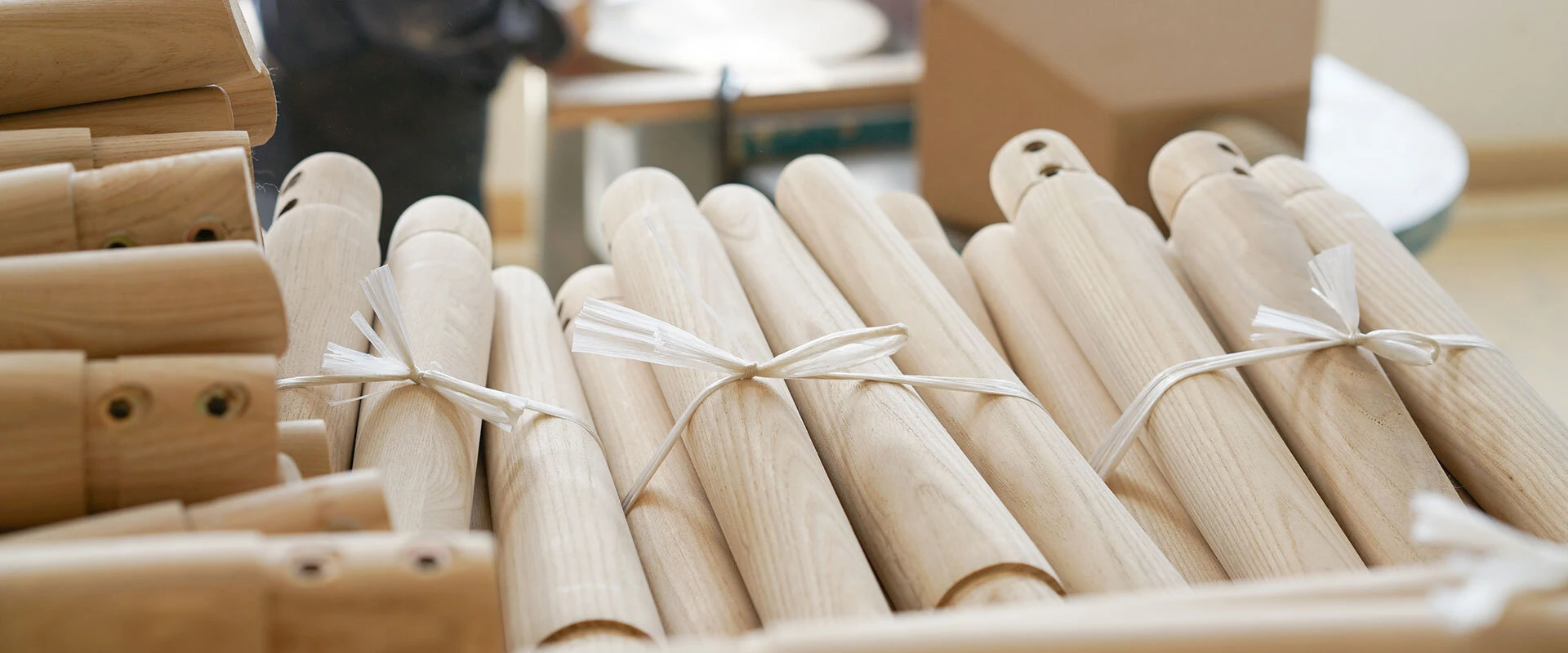
Teak, rosewood, mahogany and other dense tropical species bring colour and figure nothing temperate can match — and teak’s natural oils make it the standard for outdoor furniture. We source exotic timbers against responsible certification, and where a species is under pressure we propose exotic veneers or dyed alternatives that deliver the look with a clearer conscience.
Teak is among the most durable timbers there is, and one of the most expensive: its natural oils and rubbers give it extraordinary resistance to chemical and insect attack and to weather, and as it weathers it moves from honey brown to silvery grey. Iroko, from tropical Africa, is the practical alternative for outdoor pieces: light yellow when freshly cut, turning golden brown in the light, with an interlocking grain, a fairly coarse texture, strength close to teak and a natural resistance to decay and insects.
Textured timber
We can texture solid wood to your specification. CNC cutting produces patterns such as waves and chevrons, and sand-blasting lifts the natural grain by removing the softer timber, leaving a rustic, tactile surface. For milled fluted and reeded timber in a standard sheet, see fluted wood panels.
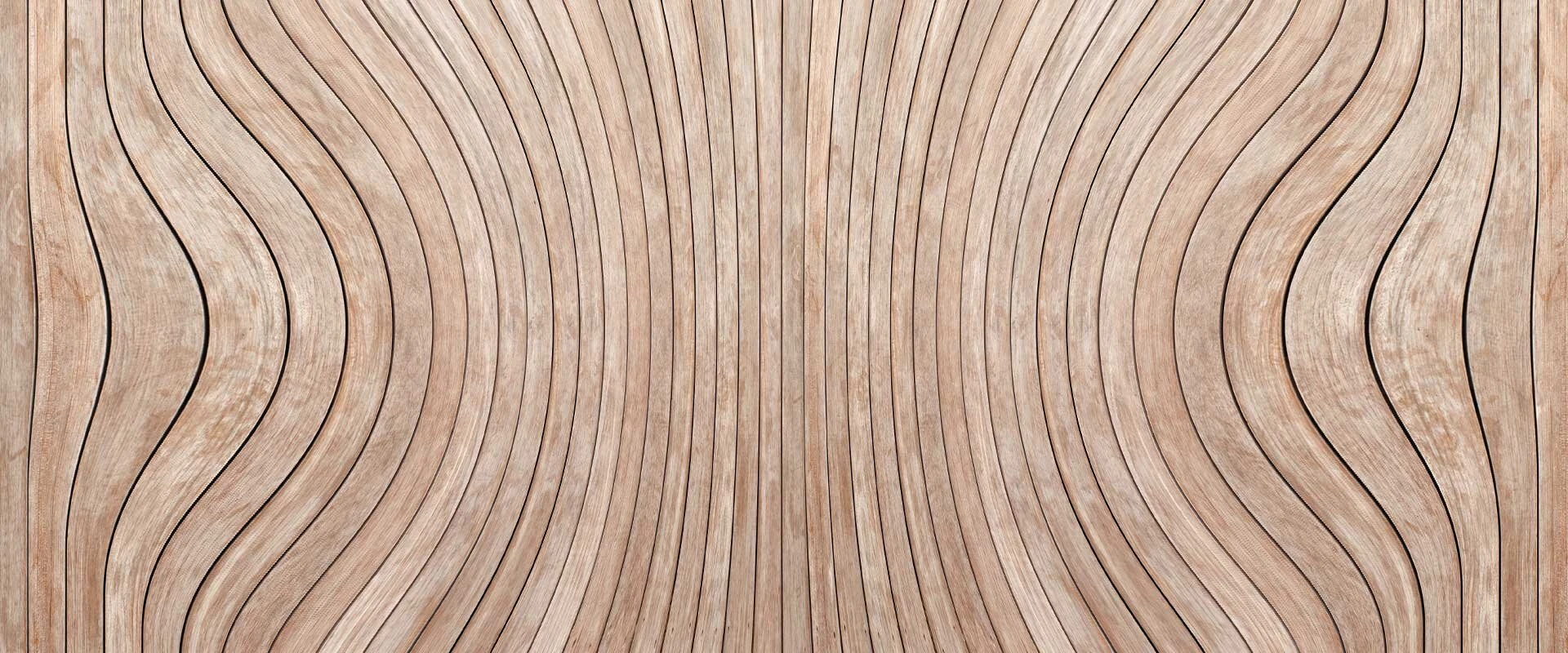 01 / 03
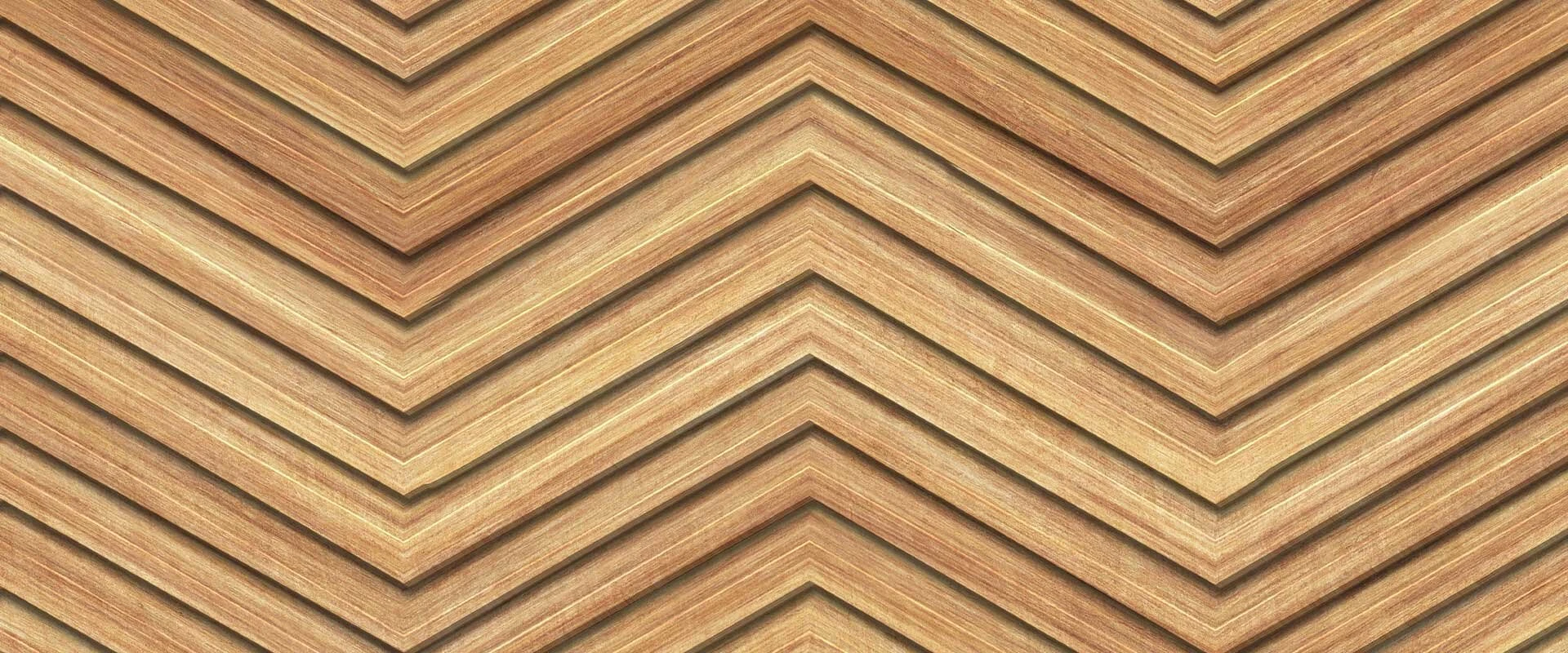 02 / 03Cnc Textured Wood
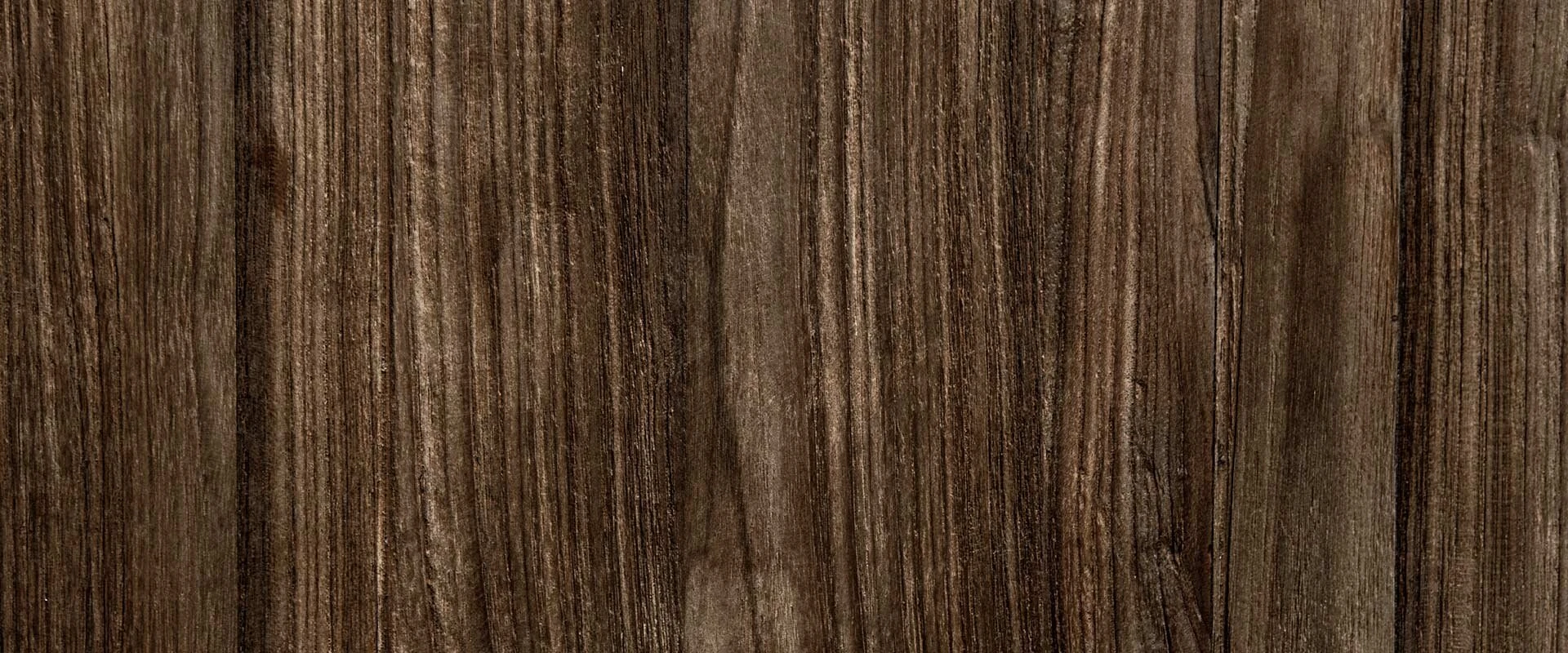 03 / 03Sand Blasted Wood
From board to piece
Every commission starts with selection — boards chosen for the specific piece, grain matched across components before a single cut. Timber is conditioned to workshop humidity, machined, joined with the joints the load demands, then finished in oil, stain or lacquer. Species samples are part of our sampling service; specifying from a photograph is the one mistake we will always talk a client out of.
Wooden Flooring
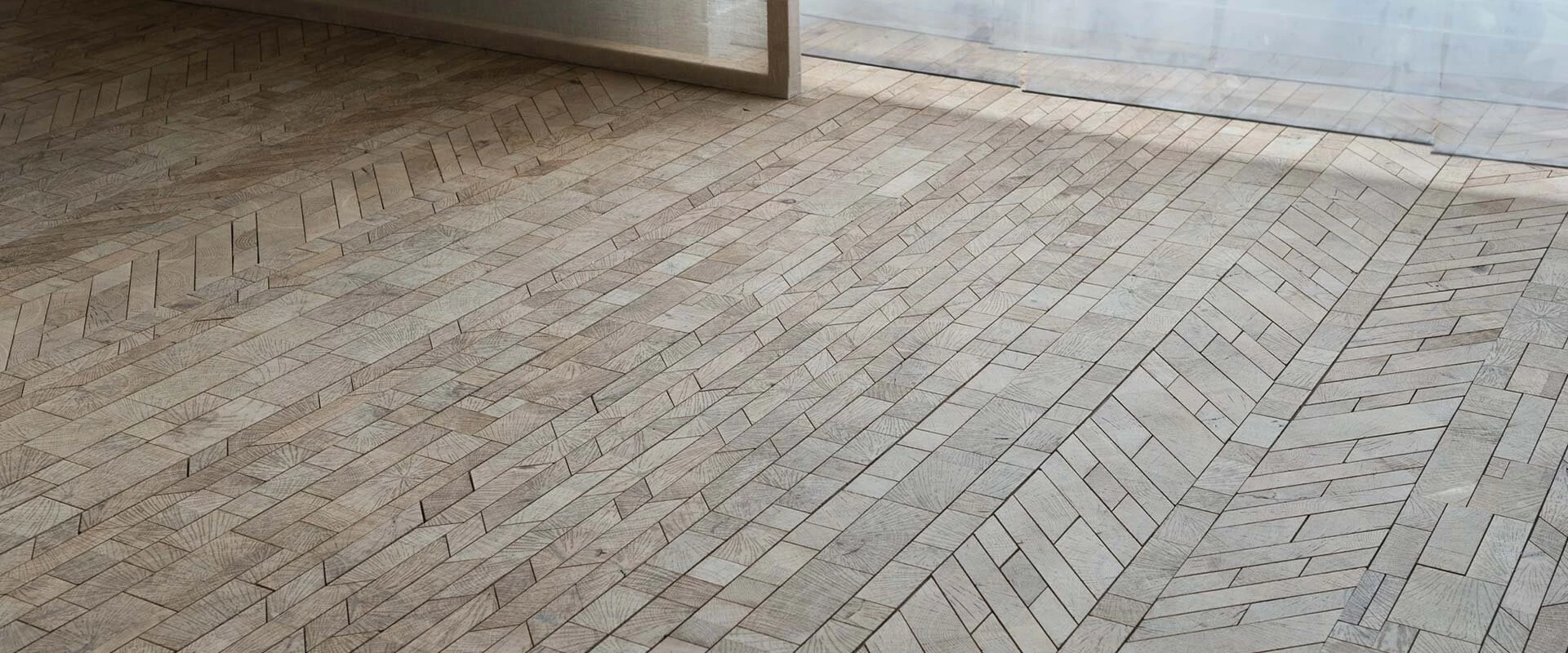
Timber underfoot is its own discipline. Our wood flooring pages cover parquet, engineered and solid boards, and our guide to engineered versus solid wood flooring explains how the two constructions differ.
Raw stock
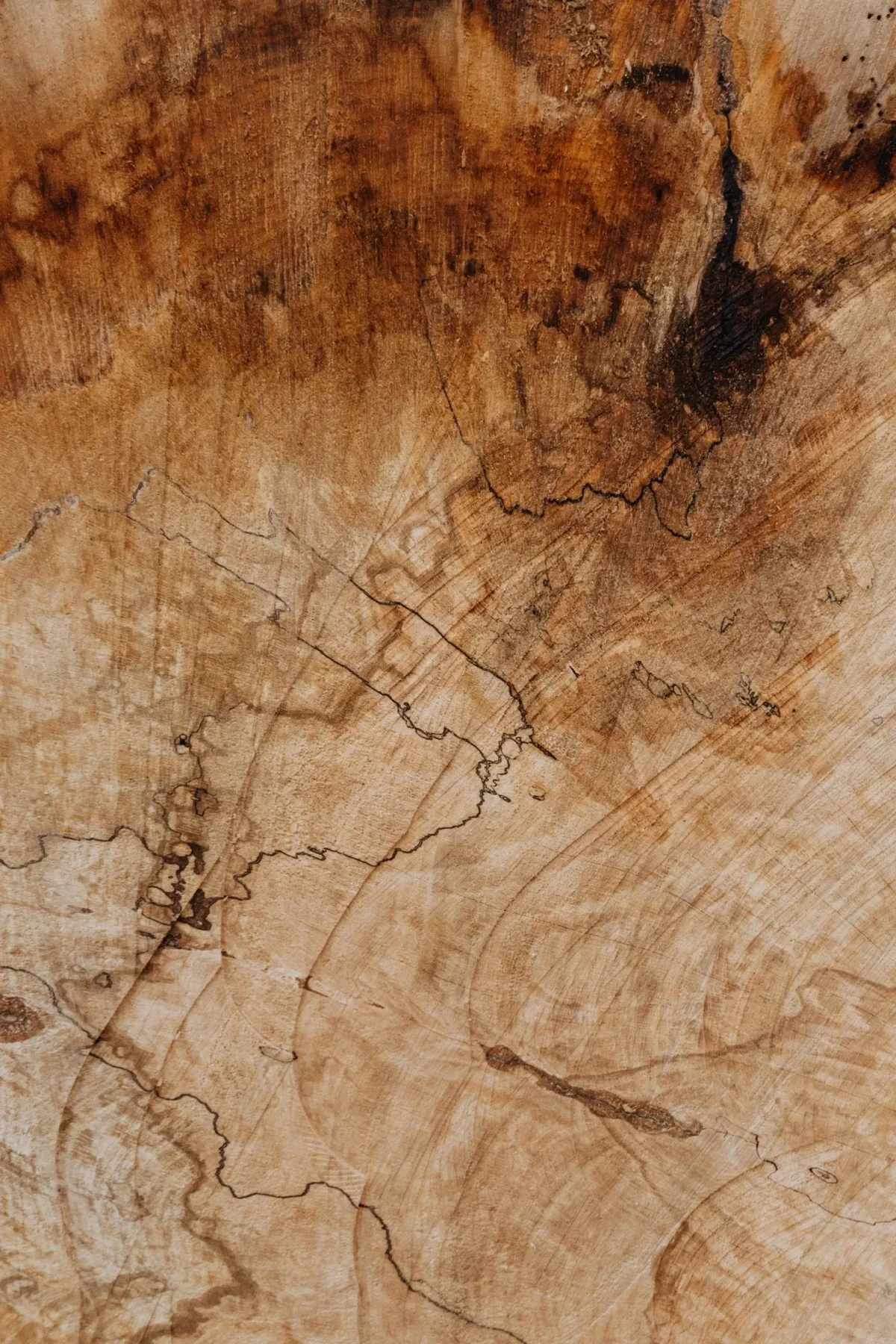
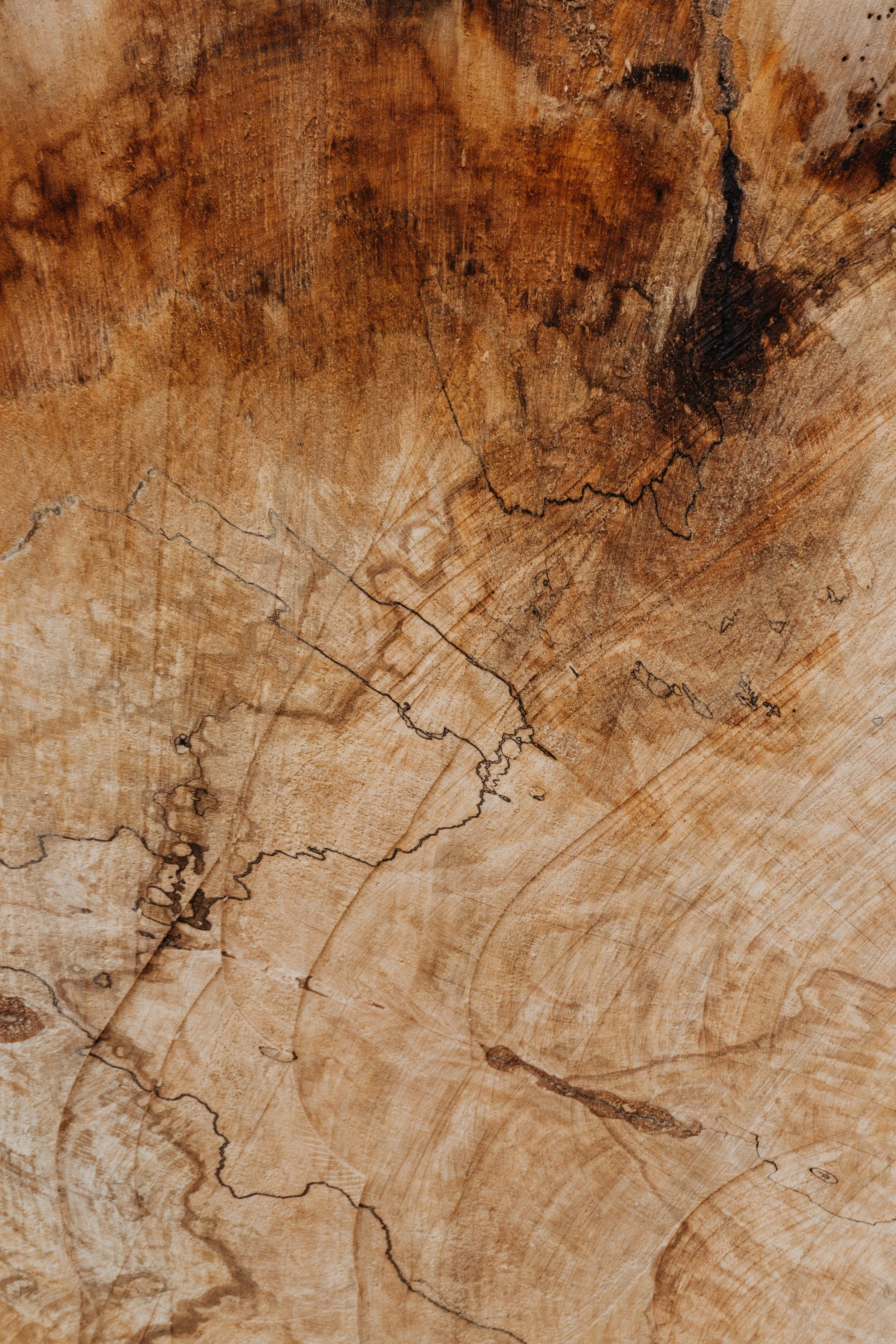
Timber arrives with its own character: figure, burr and cracks that vary from board to board. These reference images show aged and raw stock as it really is, which is why we recommend seeing a sample in the species and cut you intend to use. Get in touch and tell us about your project.
 01 / 02
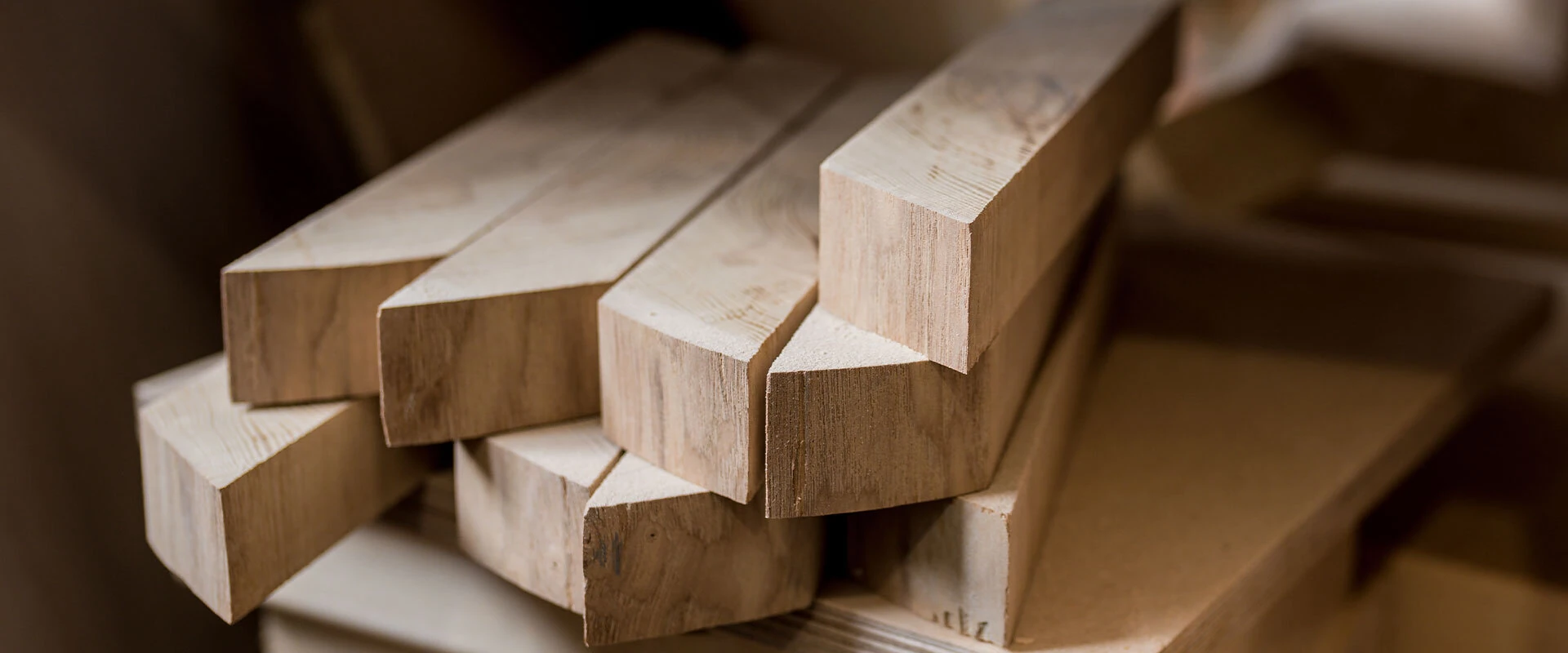 02 / 02Solid Oak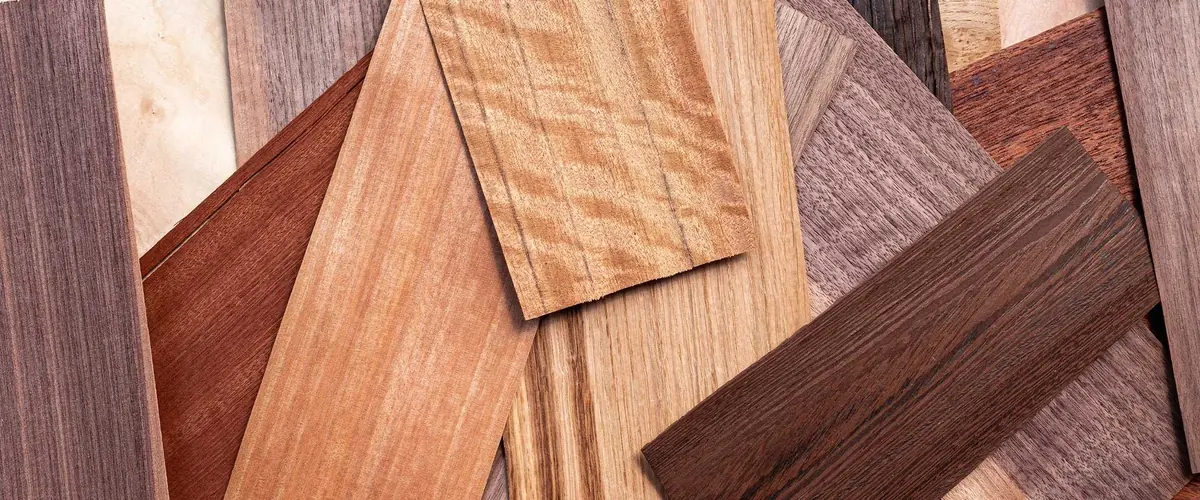
Specify solid timber for your
next bespoke commission.
Need samples? Get in touch and tell us about your project.