Glass & Mirror
We work with clear and extra clear glass and also mirror with various antiquing effects.
Precision glazing,
seamlessly integrated
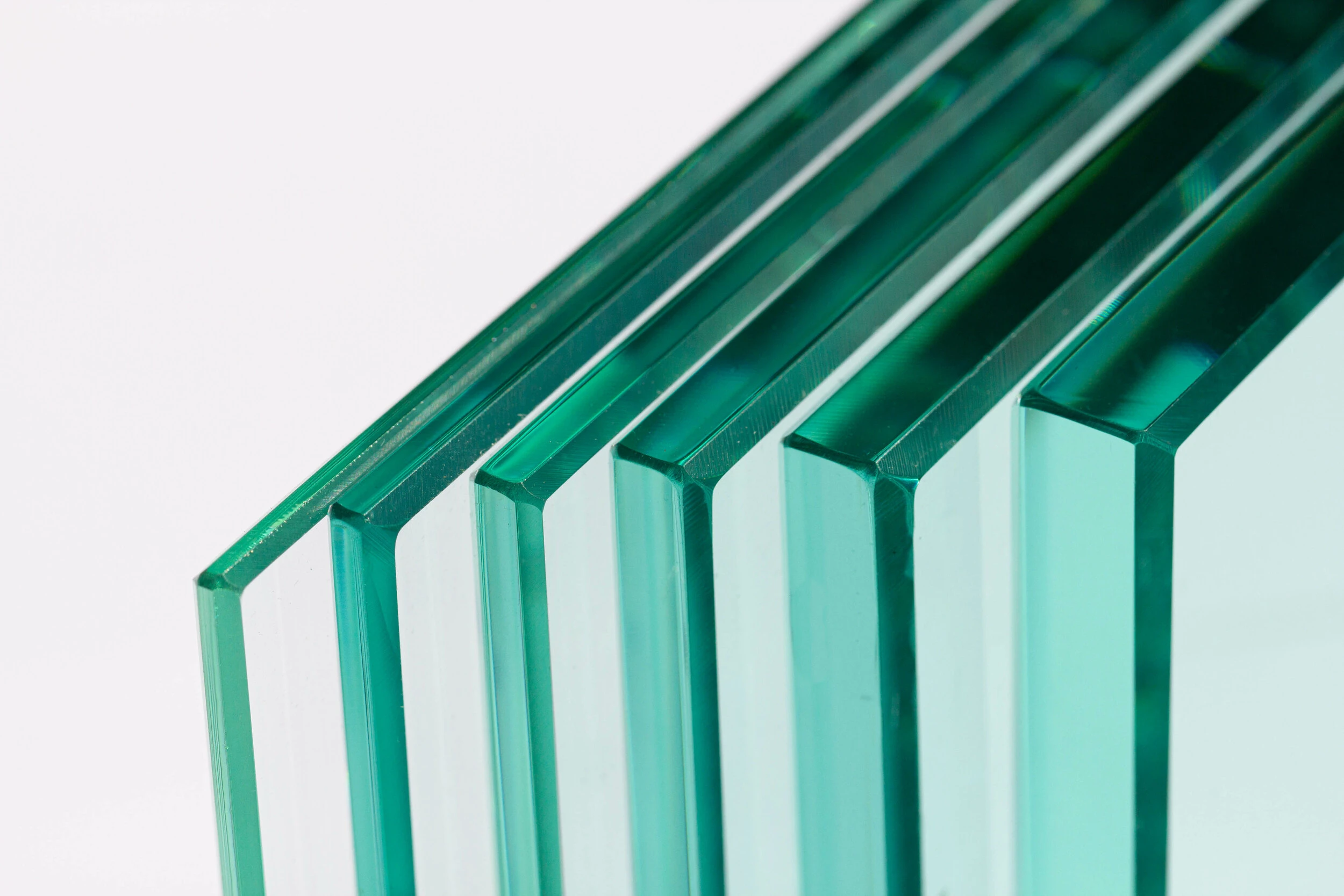
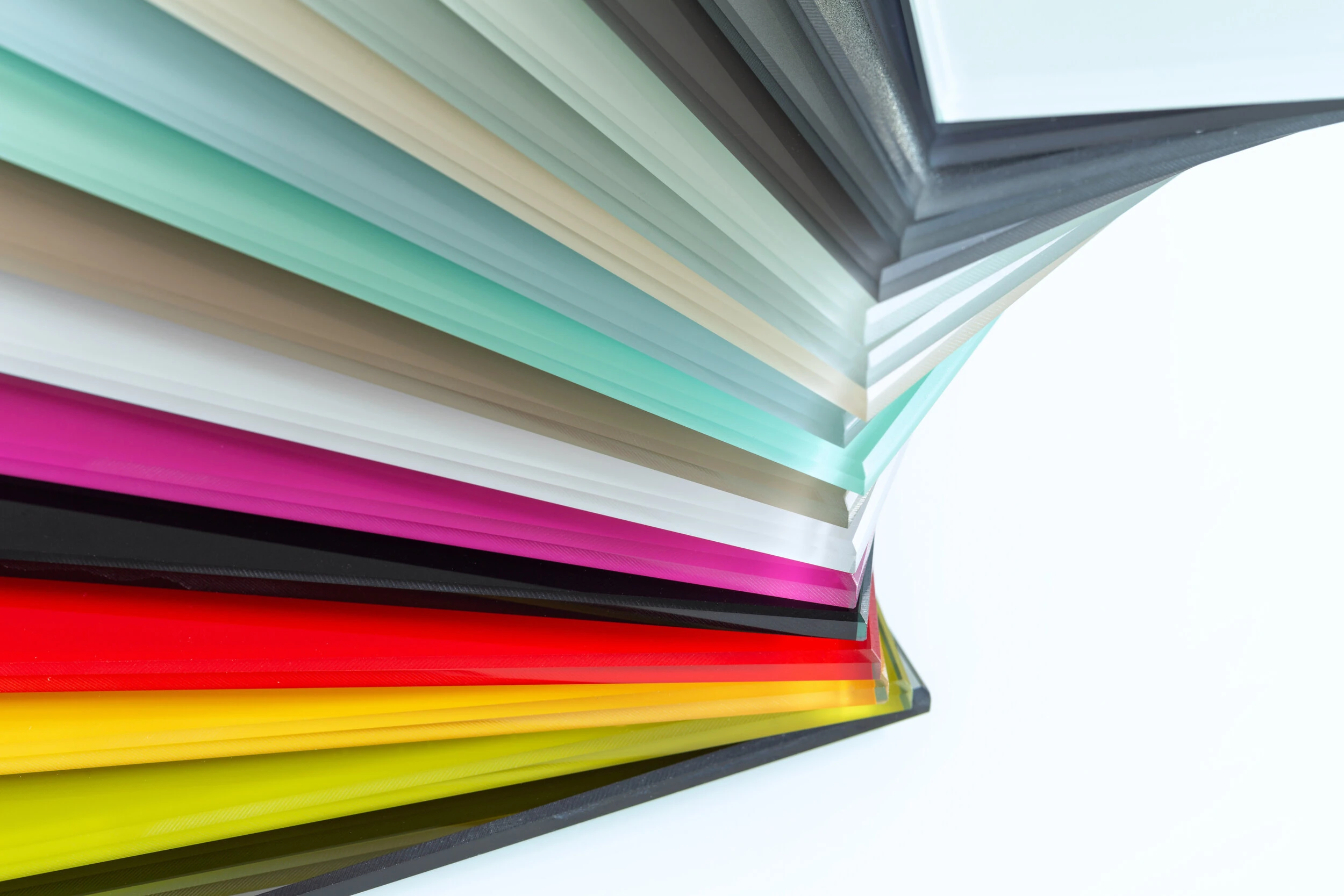
Glass is used across furniture and joinery in several forms: clear, extra-clear, back-painted and sandblasted. Back-painted glass carries a specified colour on its reverse face — RAL or NCS matched — with the painted surface sealed behind the glass and the viewing face left clean and unpainted. Extra-clear glass removes the green tint present in standard float glass, which matters where colour accuracy is critical and the glass sits against pale or neutral surfaces.
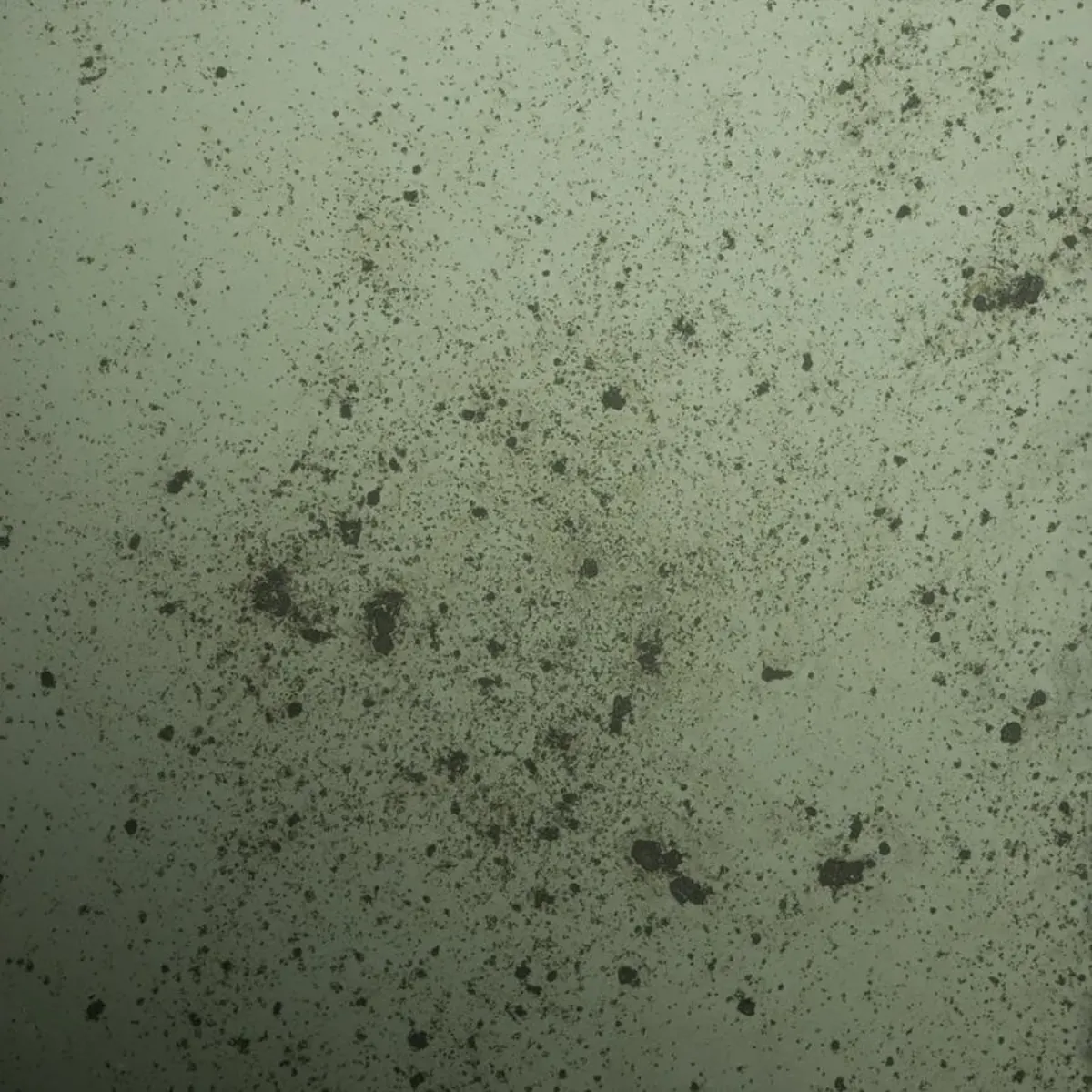
Mirror is available in standard silver and in a range of aged and antique effects. Antique mirror is produced by controlled oxidation of the silver backing, introducing variation, cloud and texture to what would otherwise be a flat reflective surface. The degree of ageing can be specified — from lightly foxed to heavily distressed — and is sourced from specialist suppliers we work with directly on a project basis.
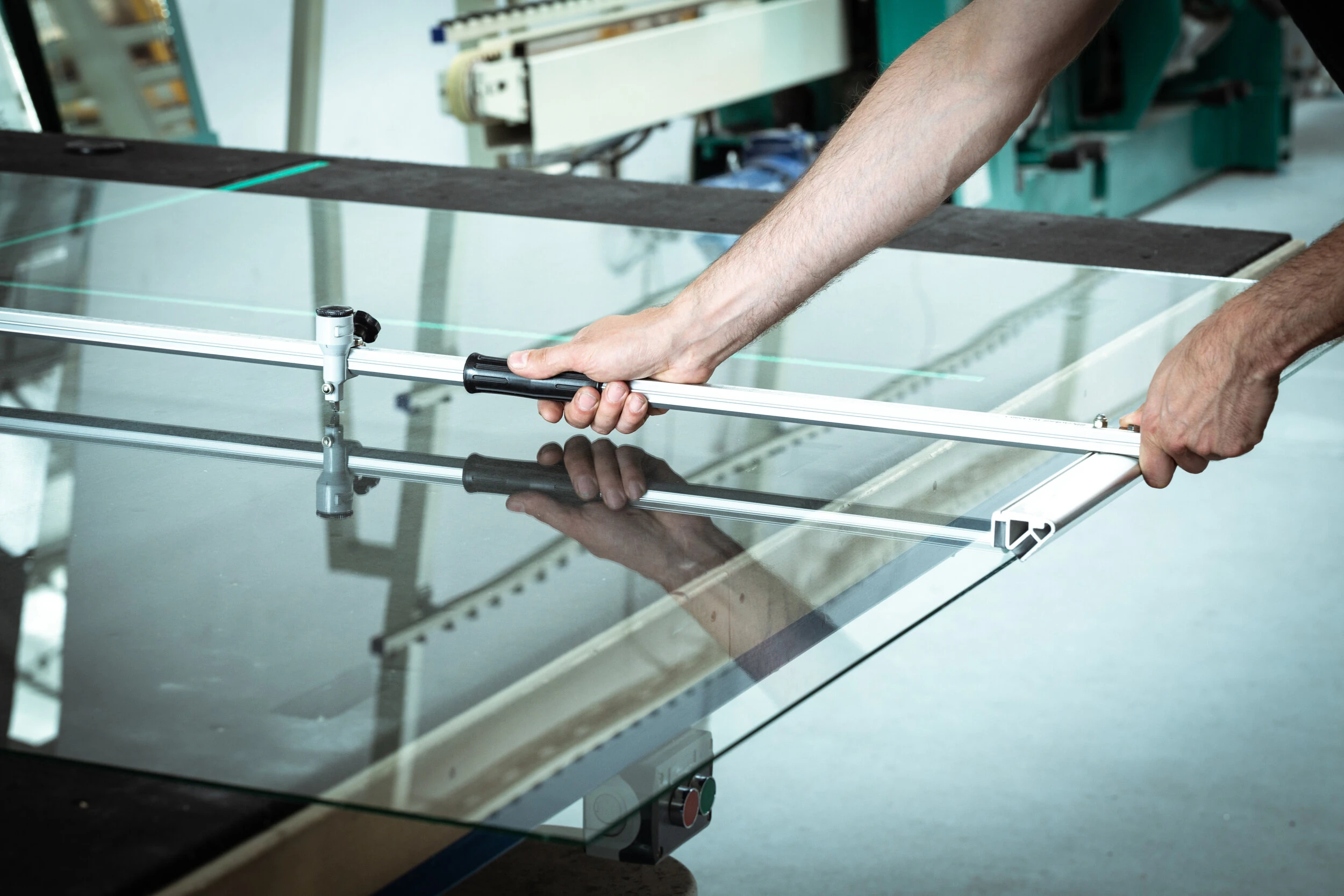
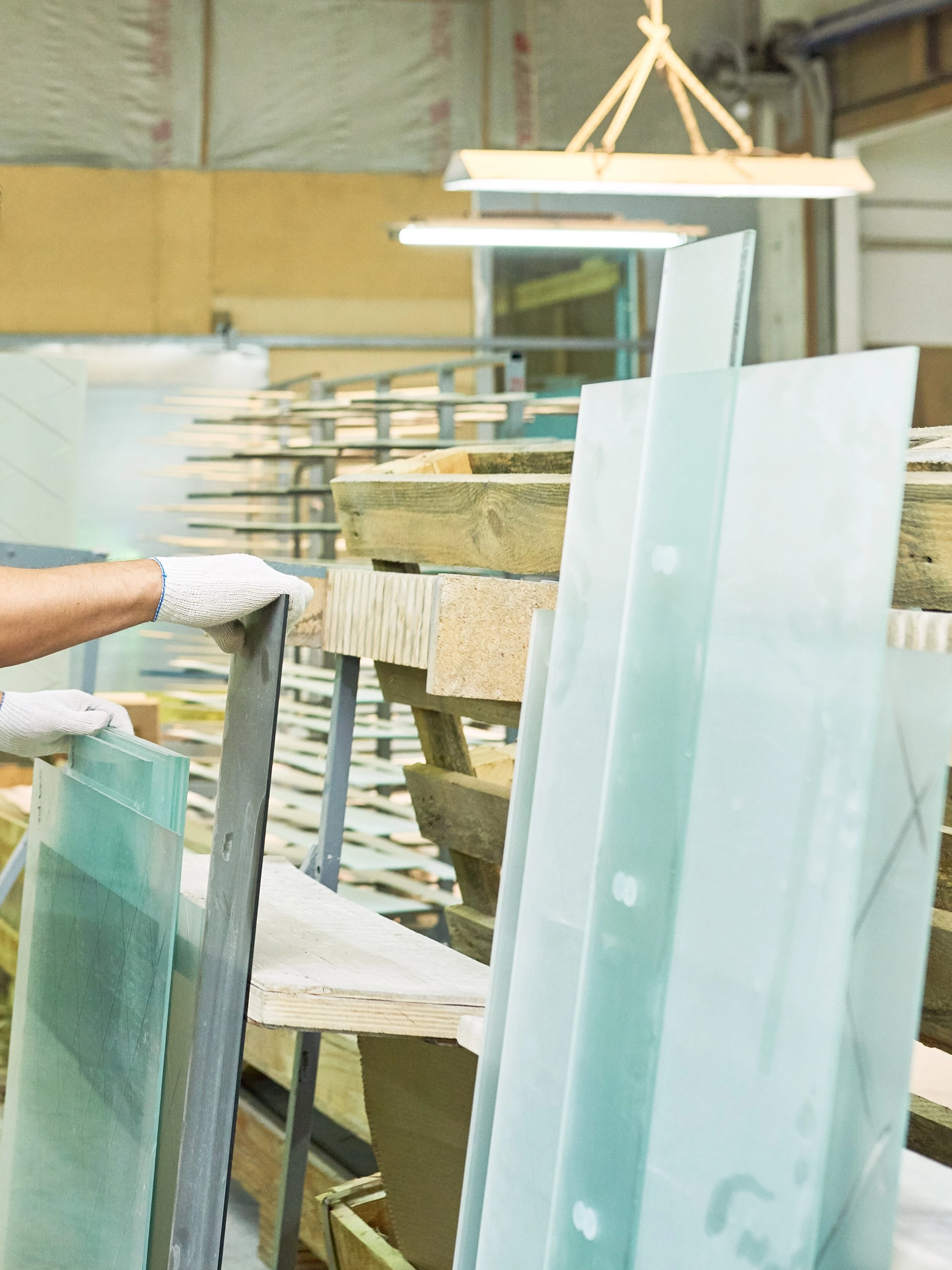
Glass and mirror are cut to tolerance and integrated into joinery for cabinet door glazing, bar backs, display shelving, wardrobe interiors, decorative wall panels and furniture tops. Cutting, edge polishing and drilling are carried out to match the surrounding frame specification and detail.
 01 / 04
 02 / 04
 03 / 04
 04 / 04
Mirror
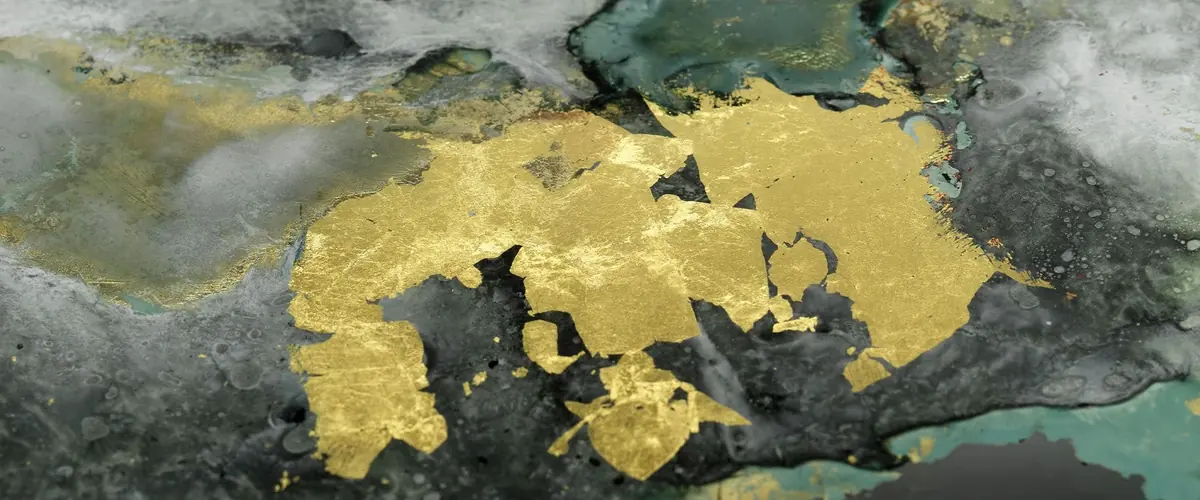
A selection of specialist antiqued mirror and gilded glass finishes available for bespoke projects.
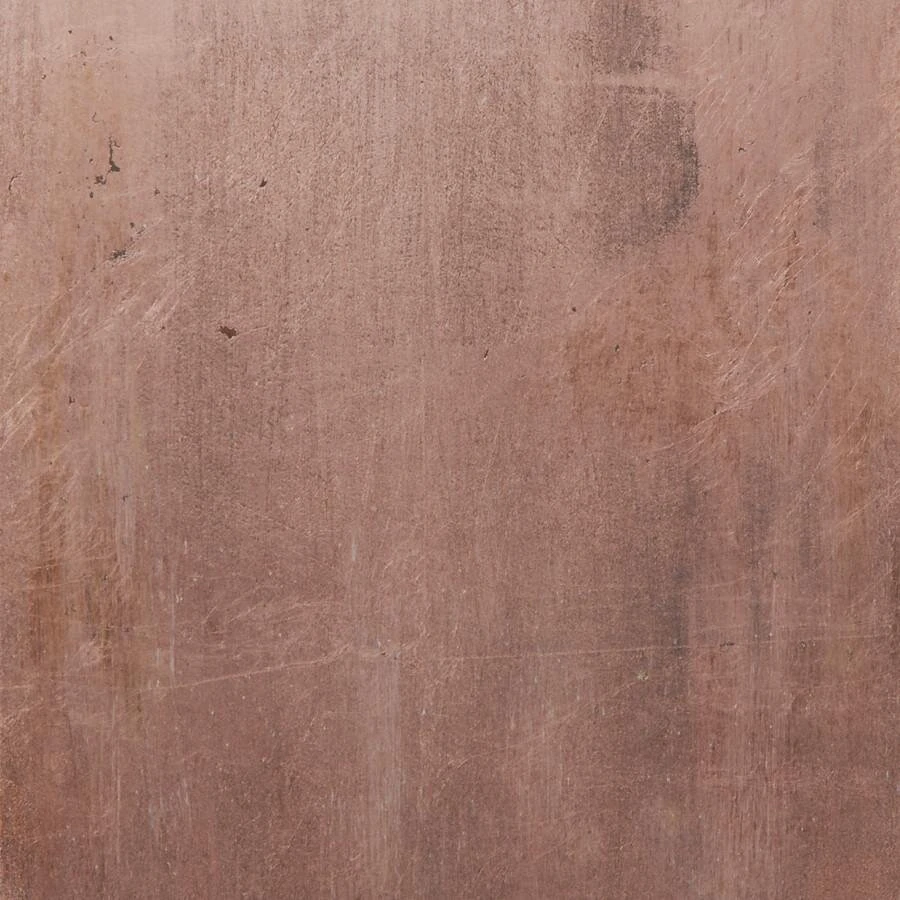 01 / 31Copper Gilded Clear Glass
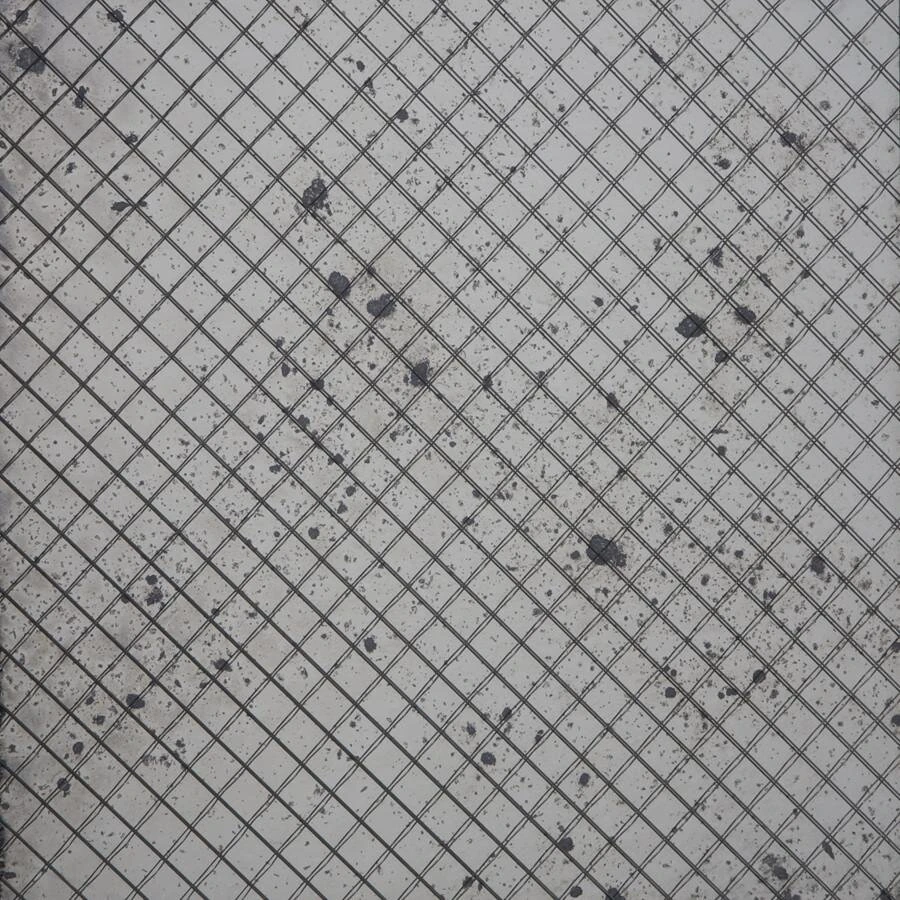 02 / 31Diagonal Wire Mesh Antiqued Mirror Glass
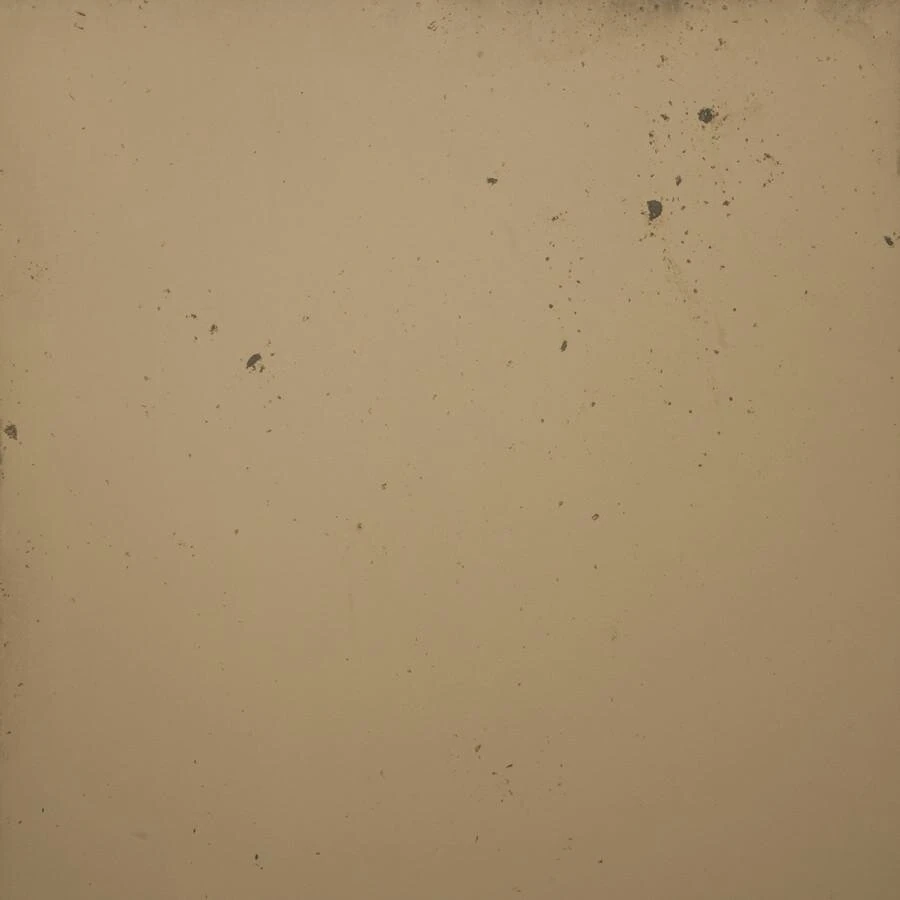 03 / 31Foxed Antiqued Mirror Finish on Bronze Tinted Glass
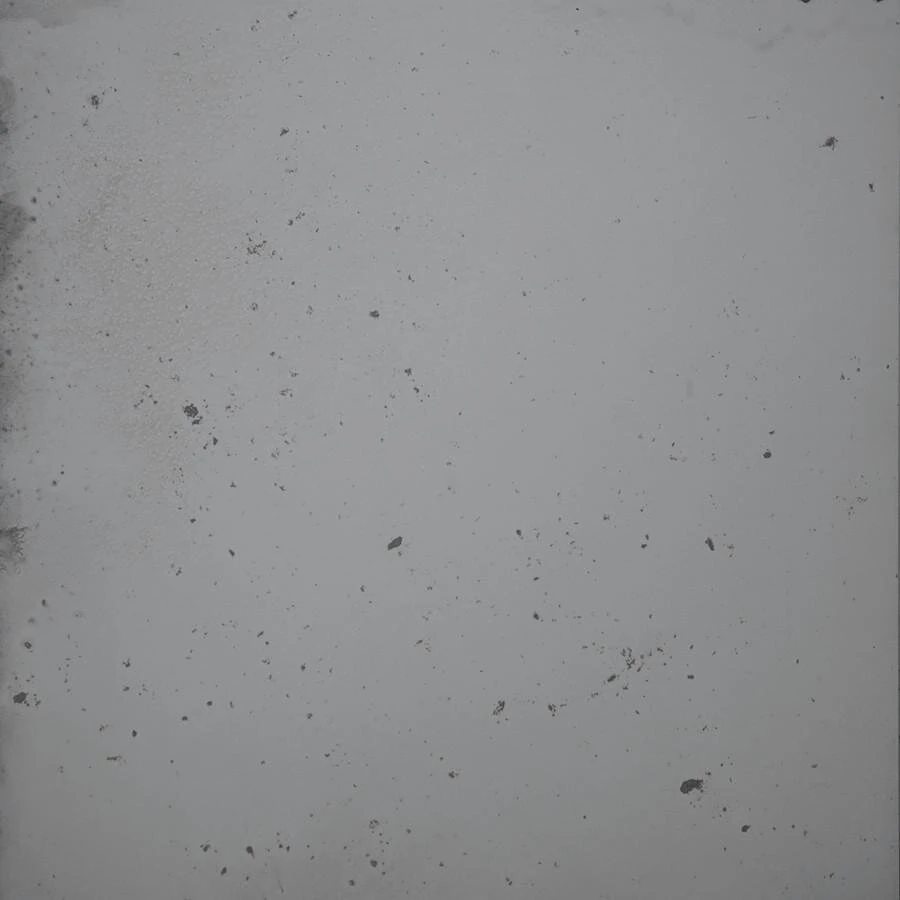 04 / 31Foxed Antiqued Mirror Finish on Grey Tinted Glass
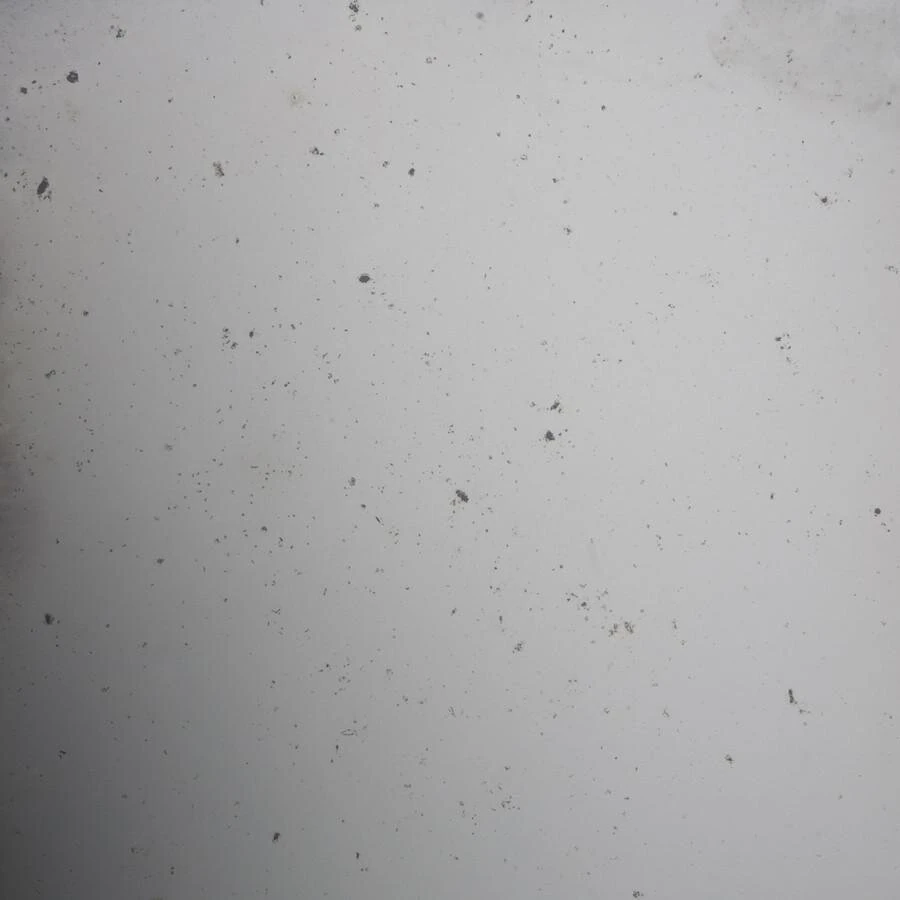 05 / 31Foxed Antiqued Mirror
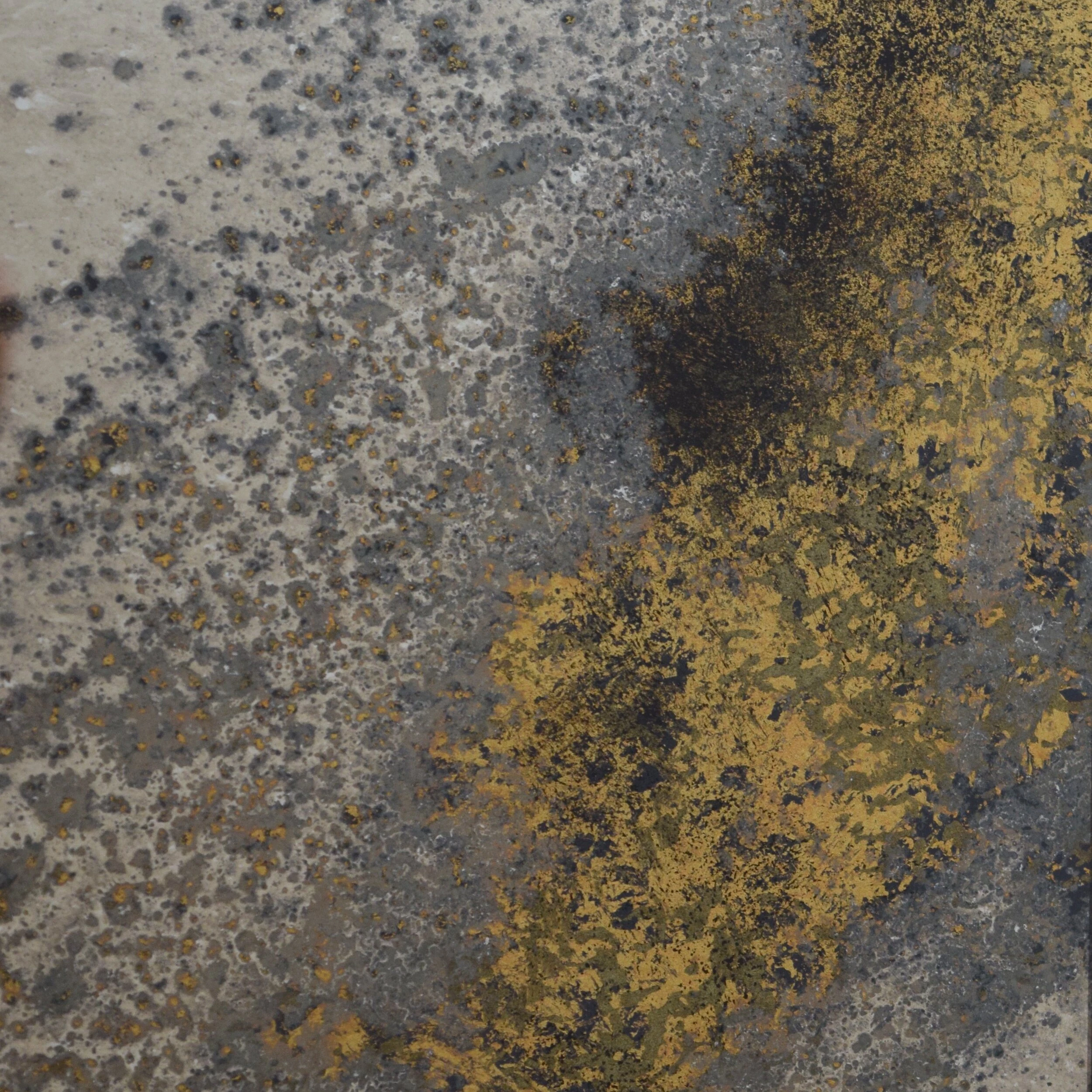 06 / 31Gold Swathe
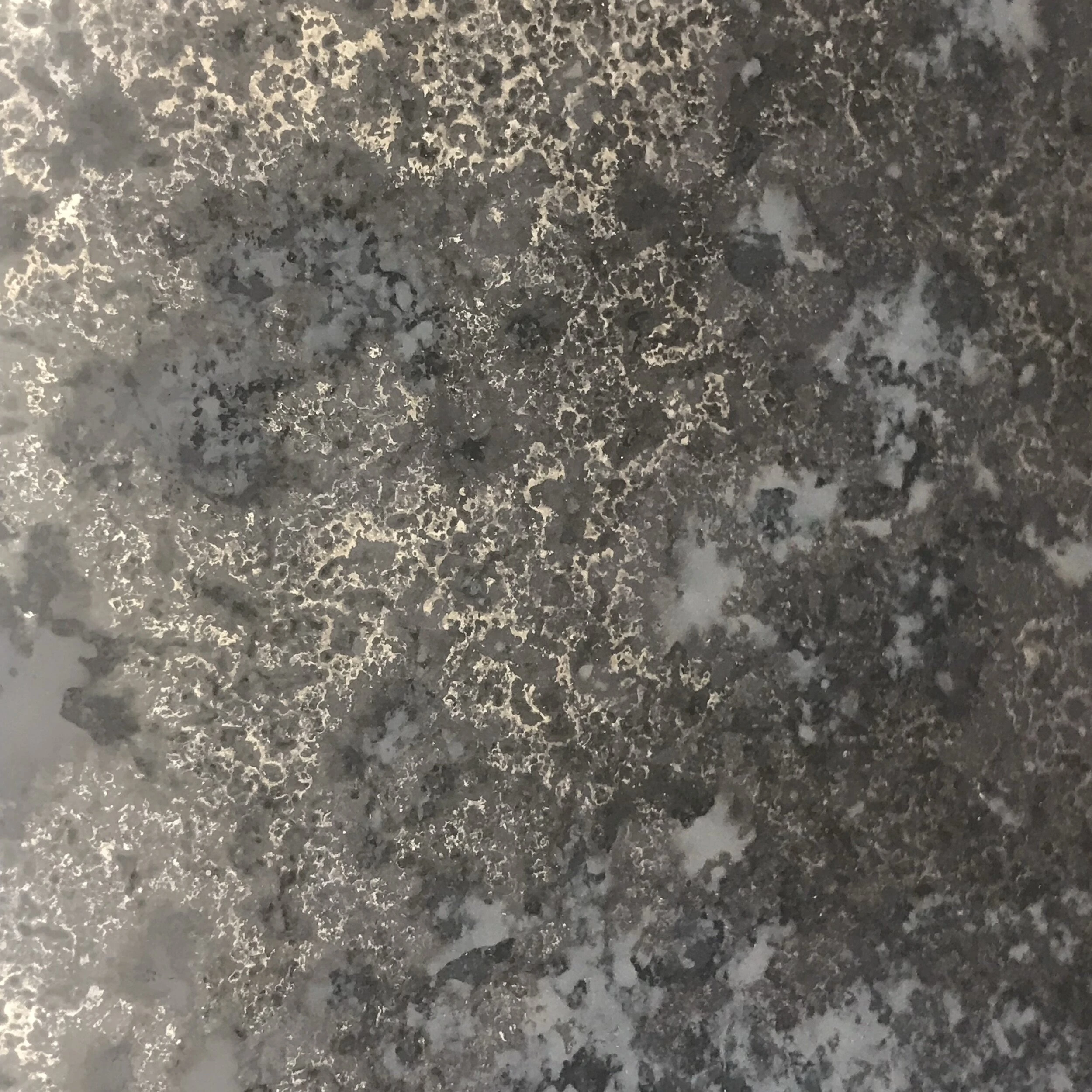 07 / 31Grey Swathe
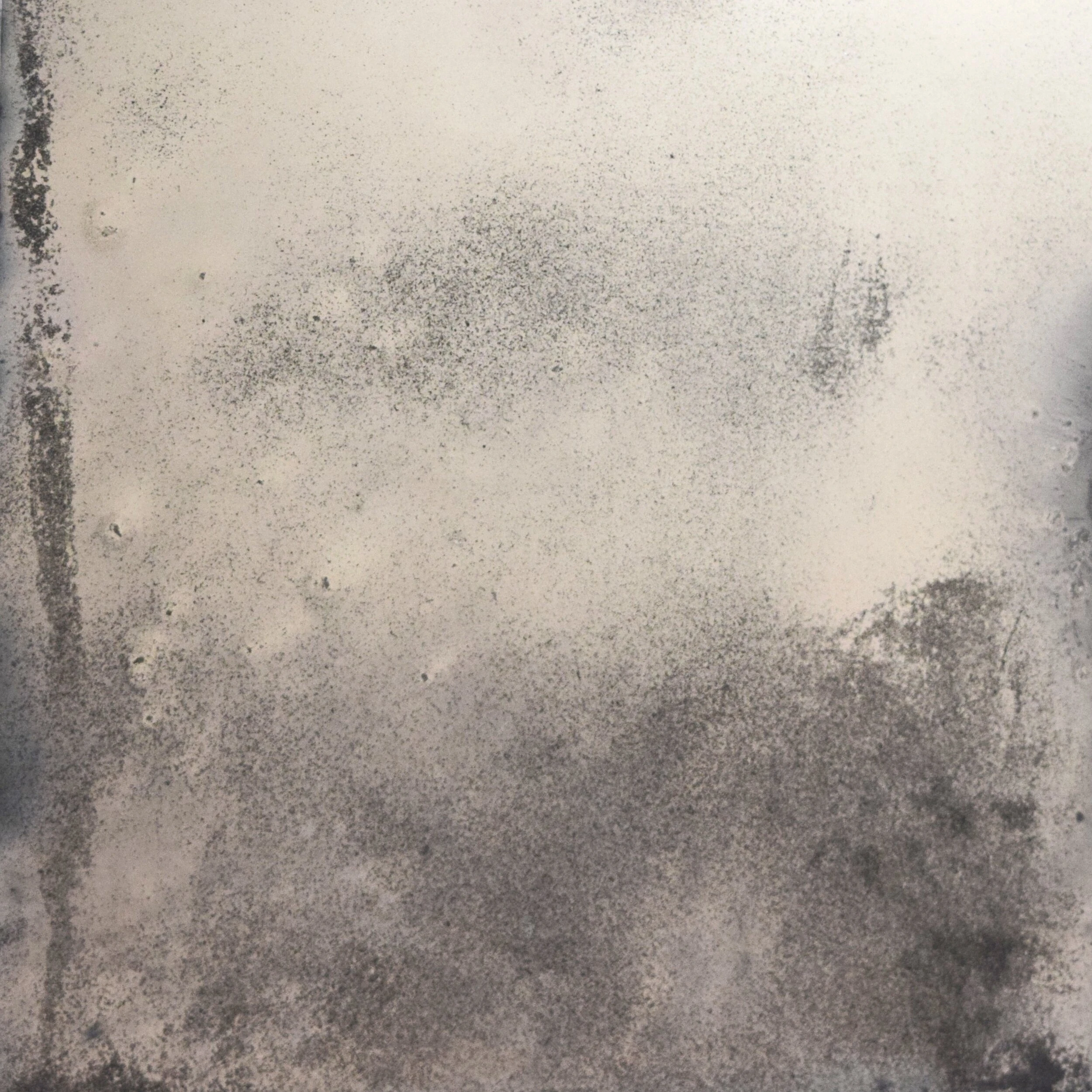 08 / 31Heavily Oxidised
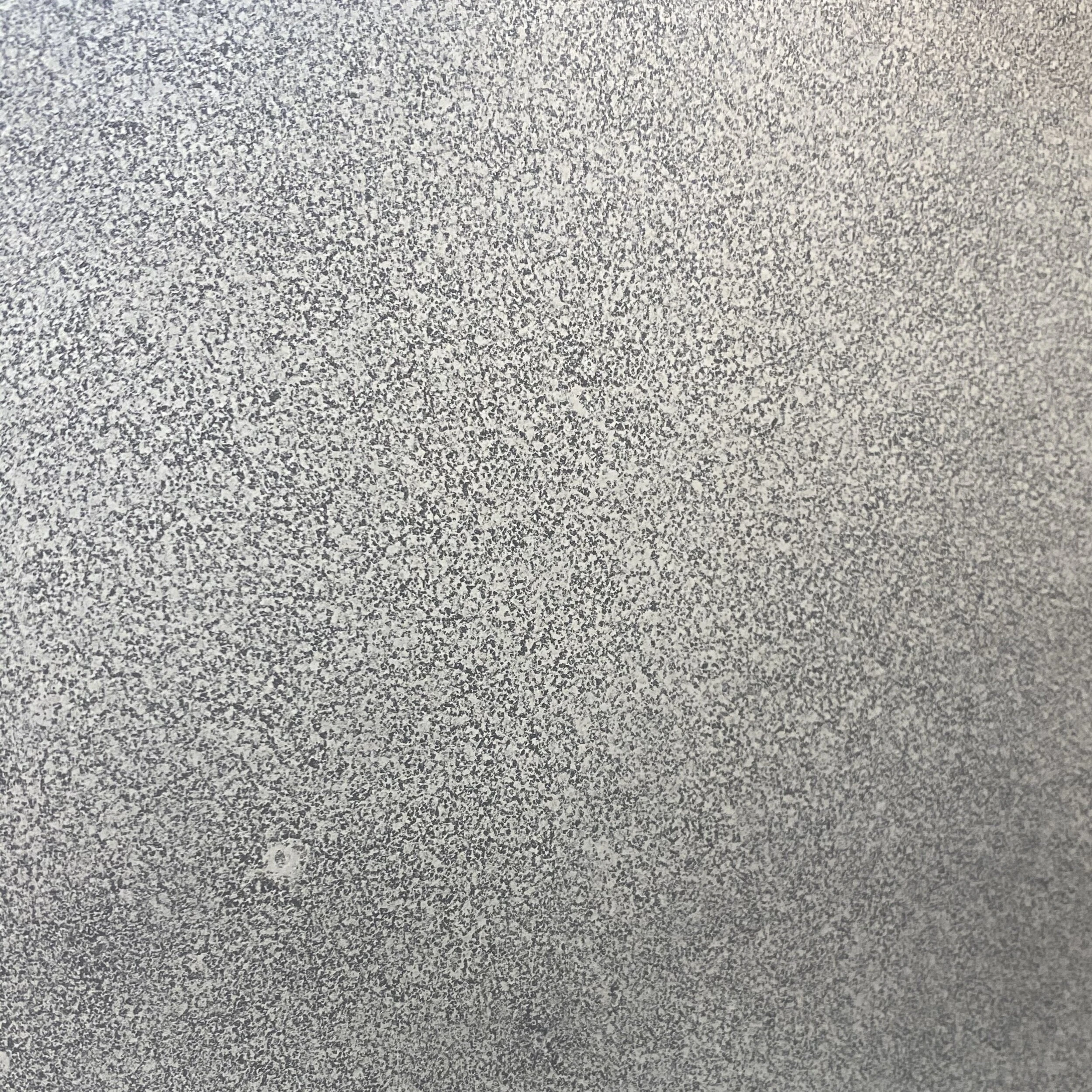 09 / 31Heavy Mizzle
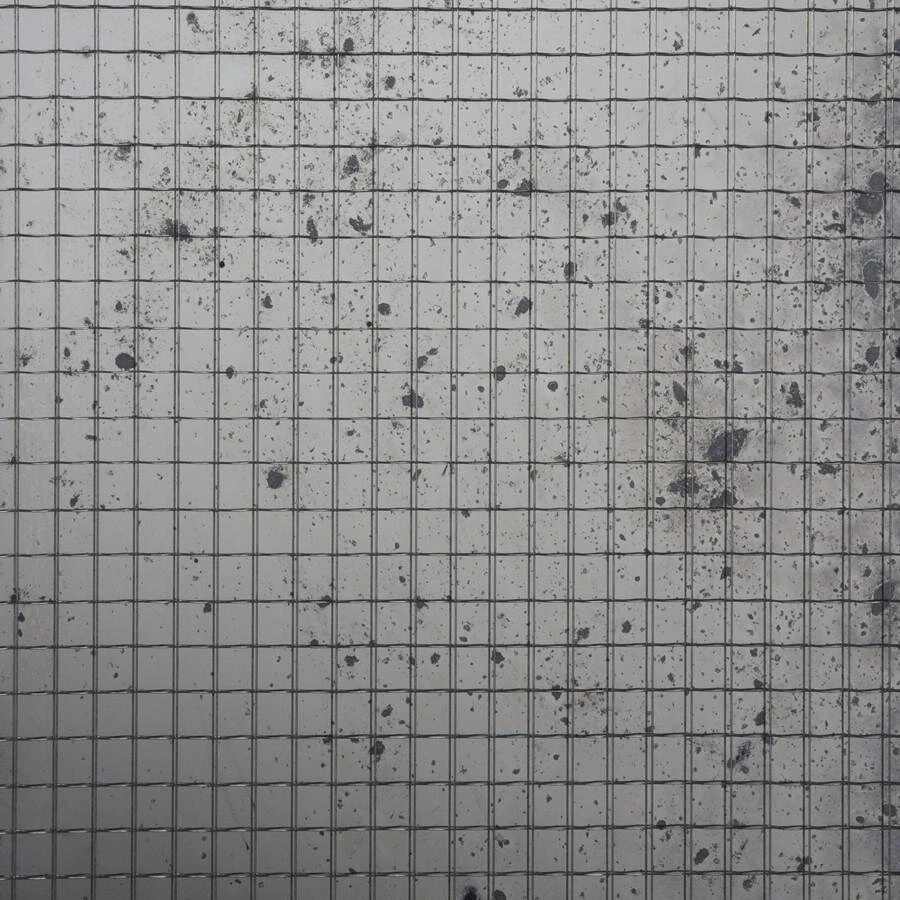 10 / 31Horizontal Wire Mesh Antiqued Mirror Glass
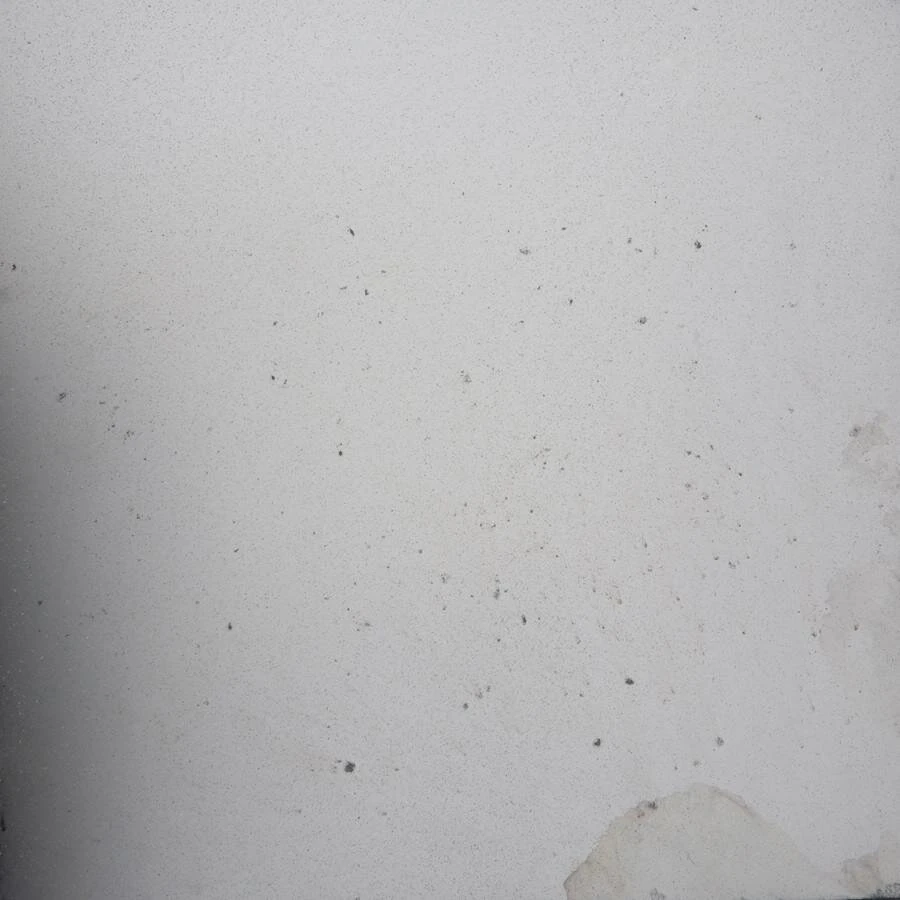 11 / 31Mercury Sparkle Antiqued Mirror Glass
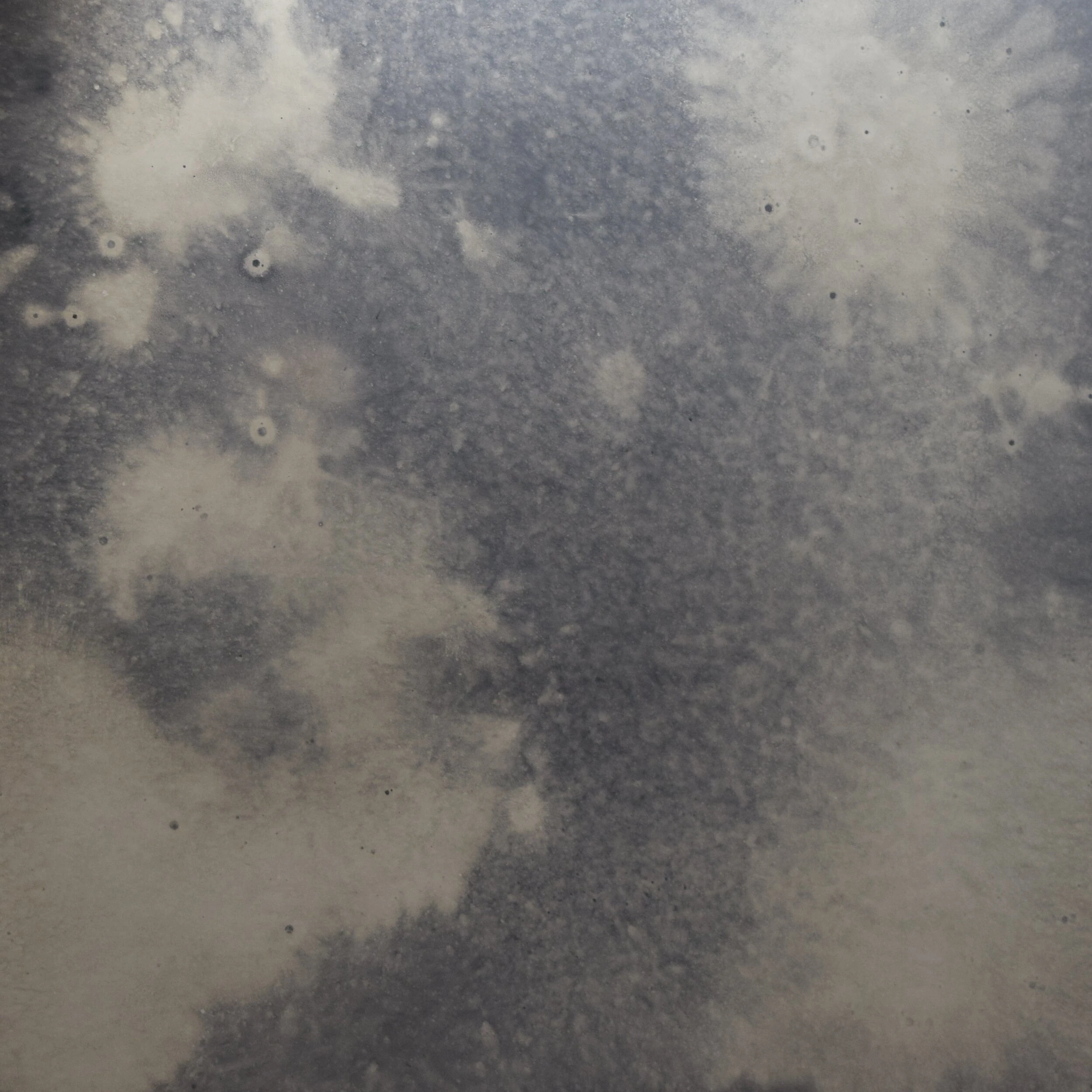 12 / 31Cloud Antiqued Mirror
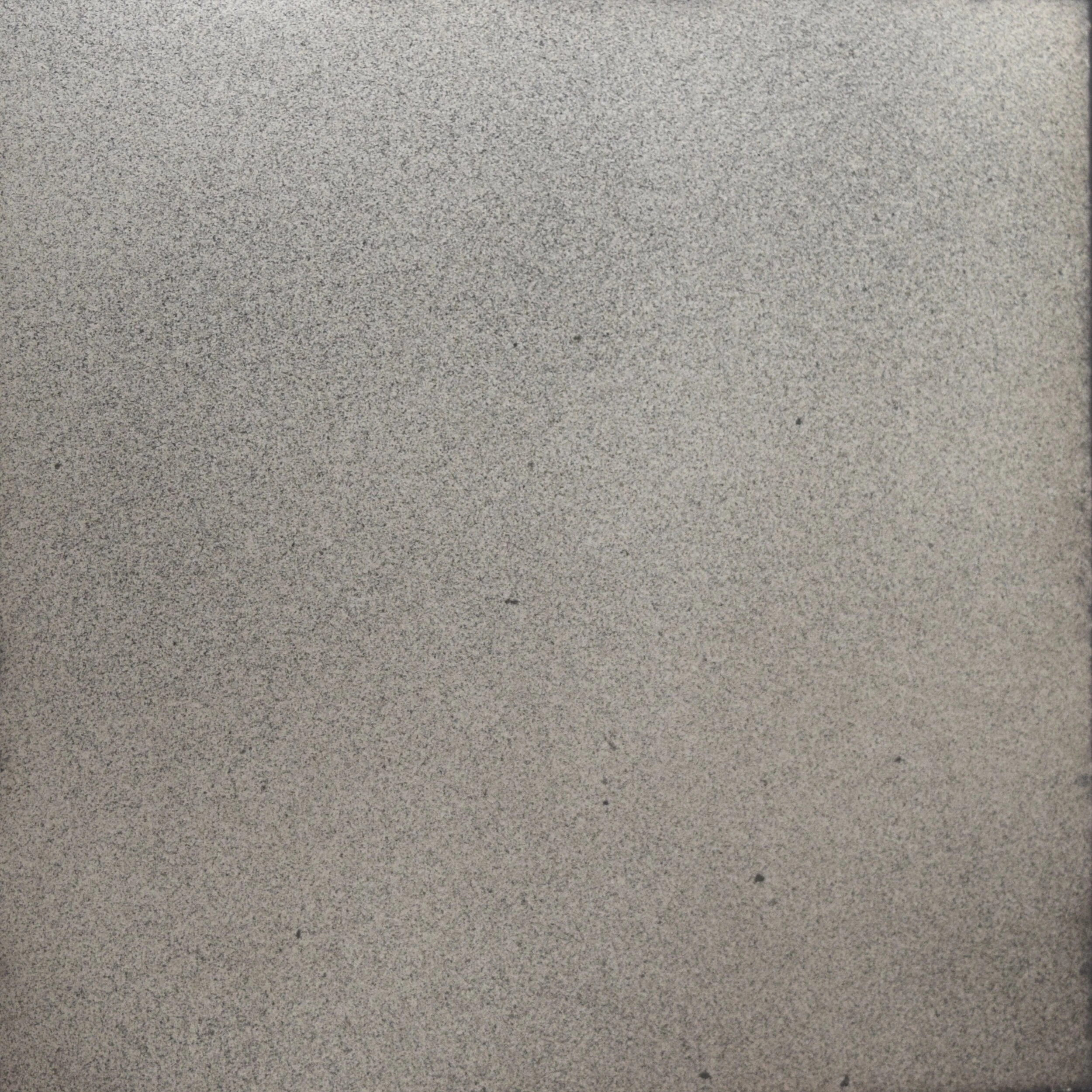 13 / 31Oxidised Antique Mirror Finish
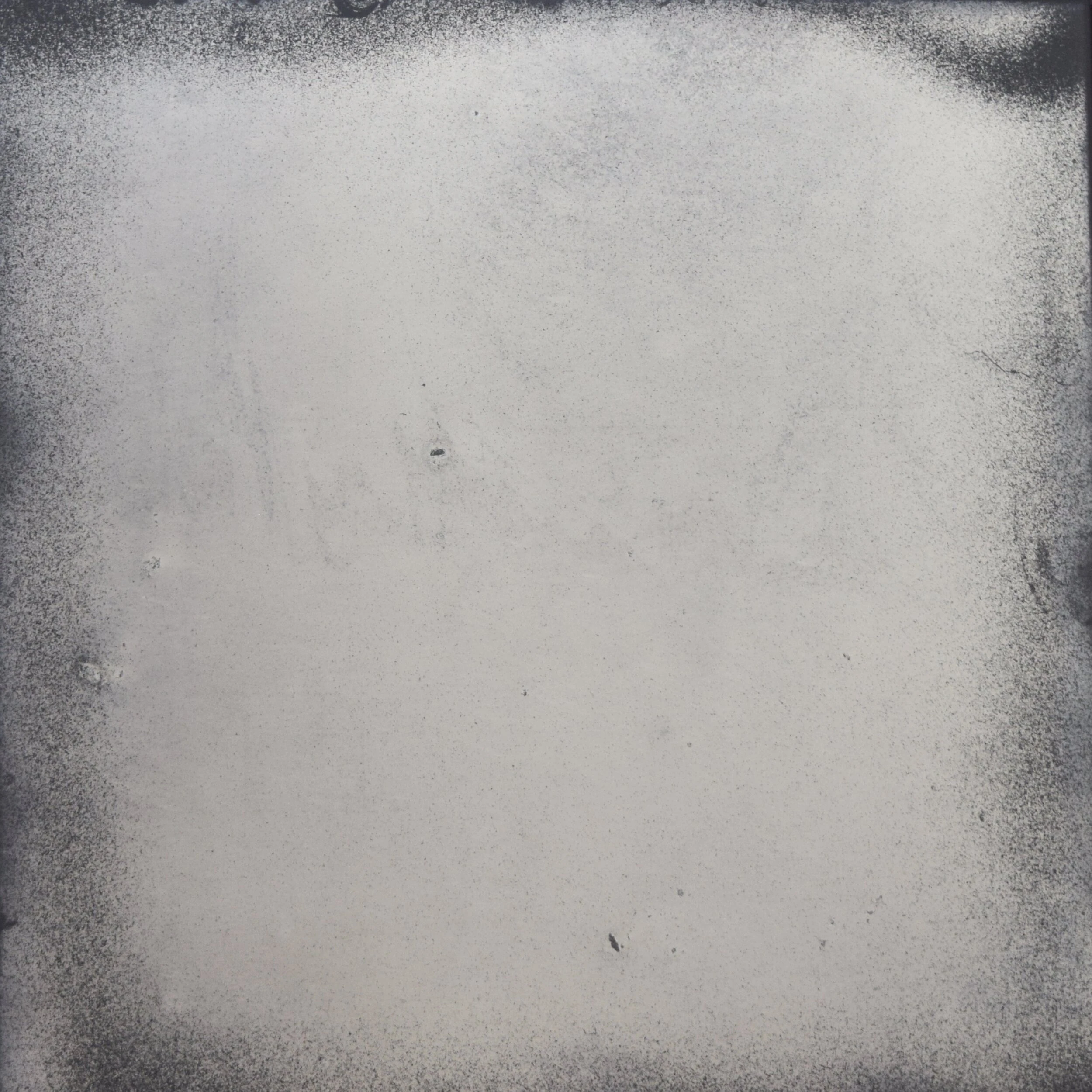 14 / 31Oxidised Edges
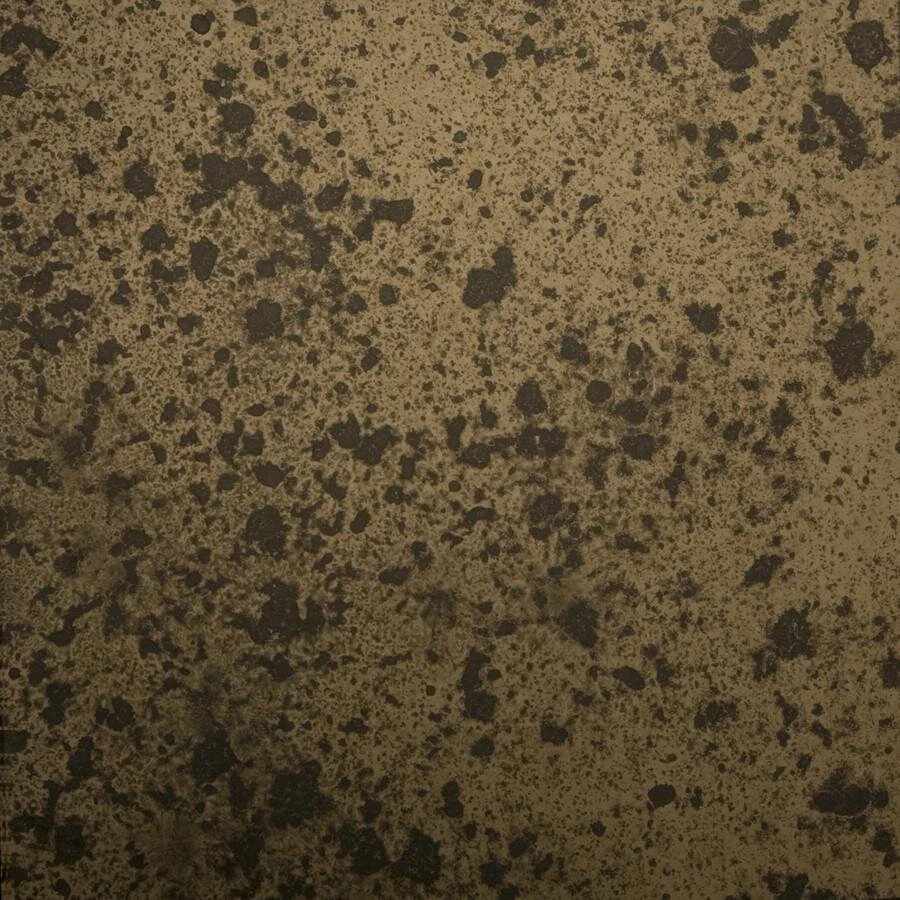 15 / 31Really Rough Antiqued Mirror Finish on Bronze Tinted Glass
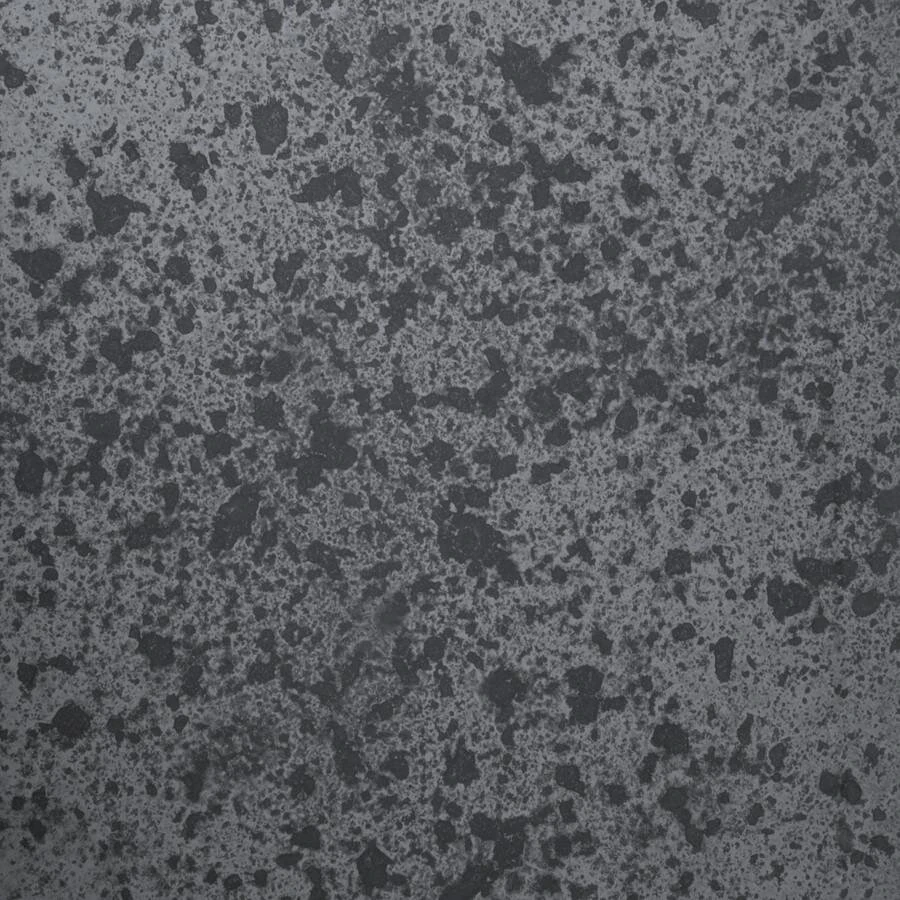 16 / 31Really Rough Antiqued Mirror Finish on Grey Tinted Glass
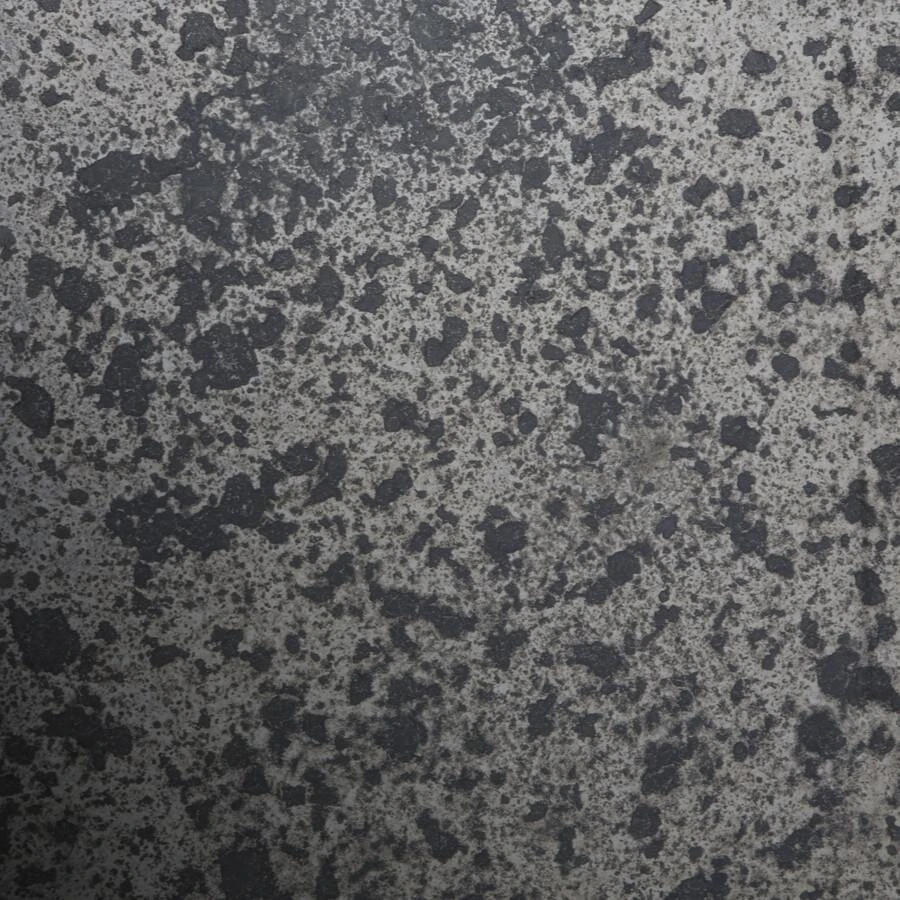 17 / 31Really Rough Antiqued Mirror Glass
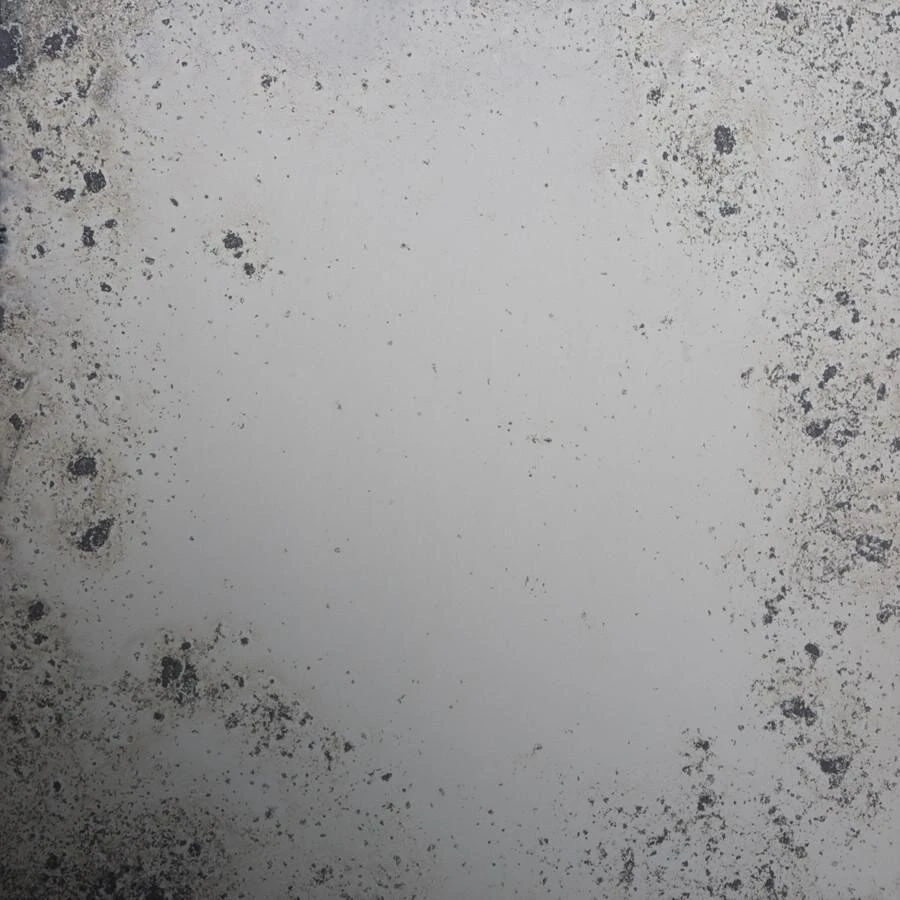 18 / 31Rough Edges Antiqued Mirror
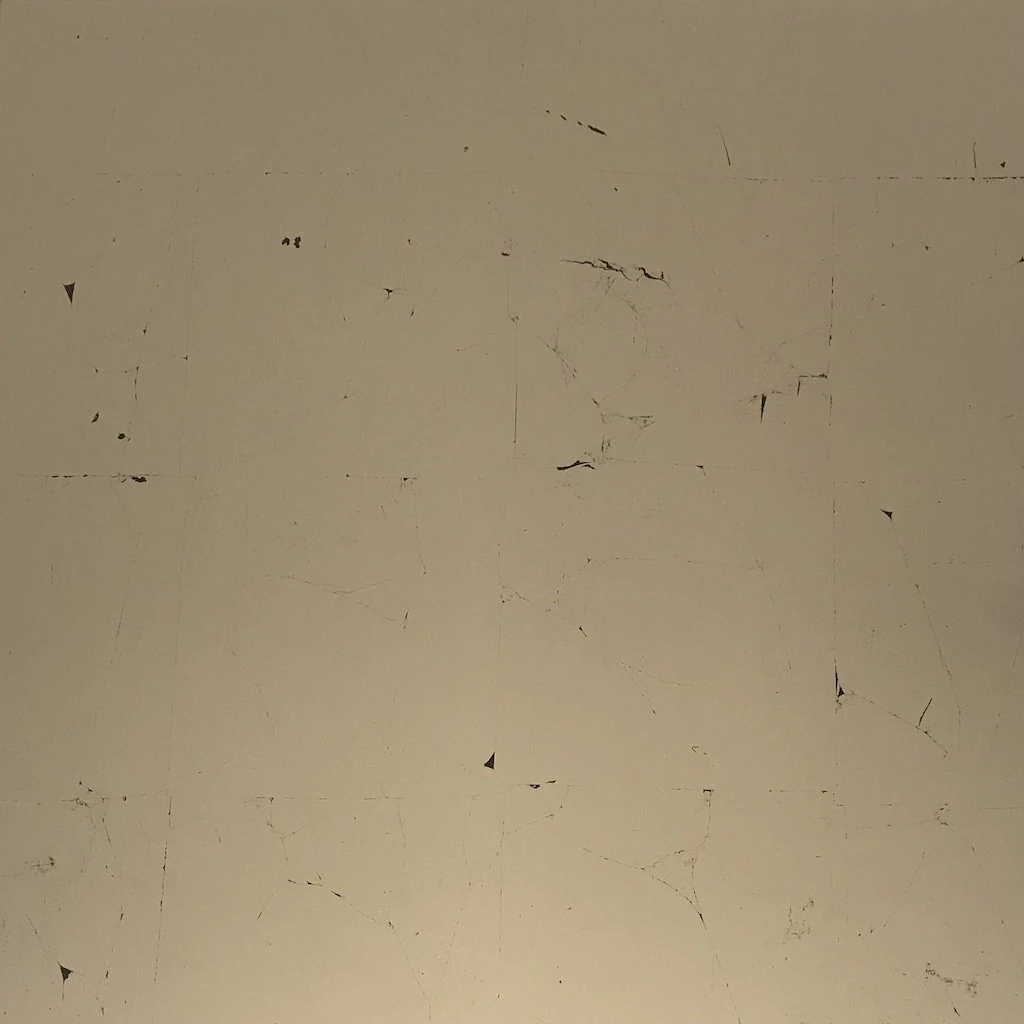 19 / 31Silver Leaf on Bronze Glass
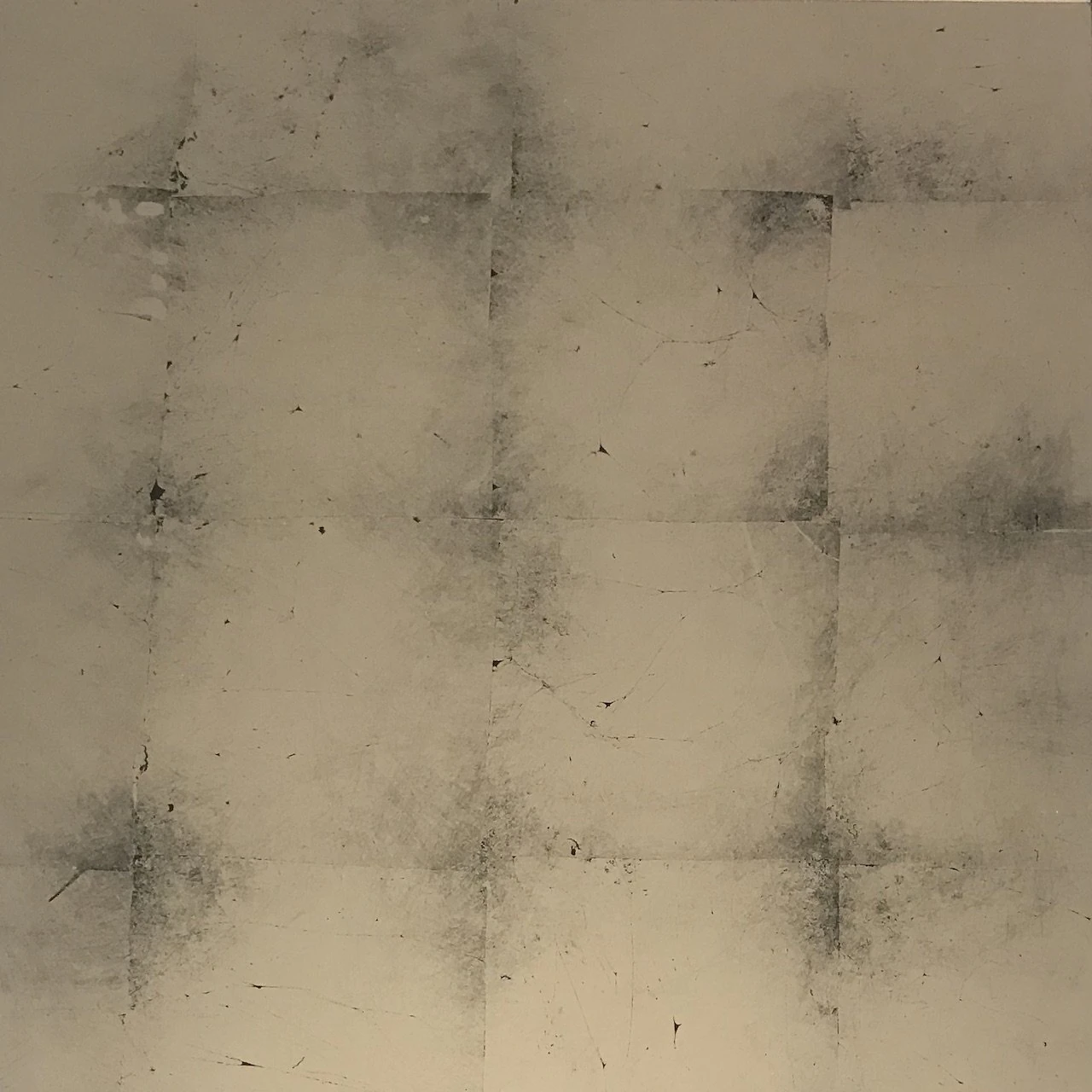 20 / 31Silver Leaf on Bronze Weathered Glass
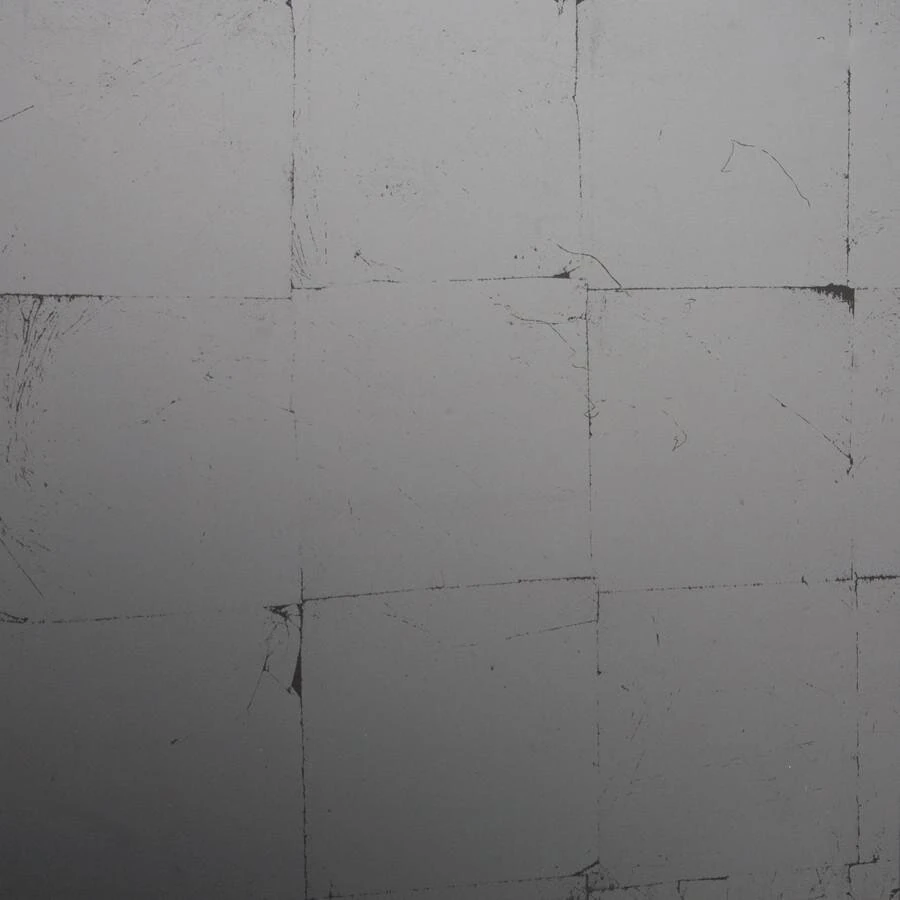 21 / 31Silver Leaf on Grey Tinted Glass
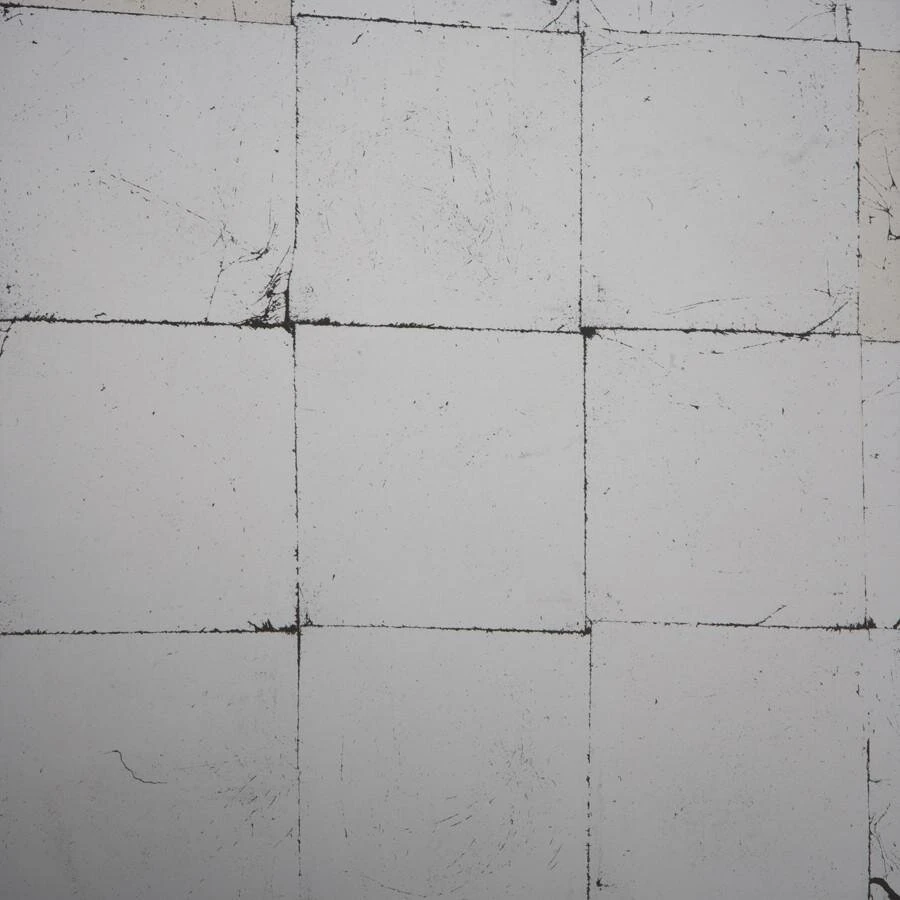 22 / 31Silver Leaf Verre Eglomise
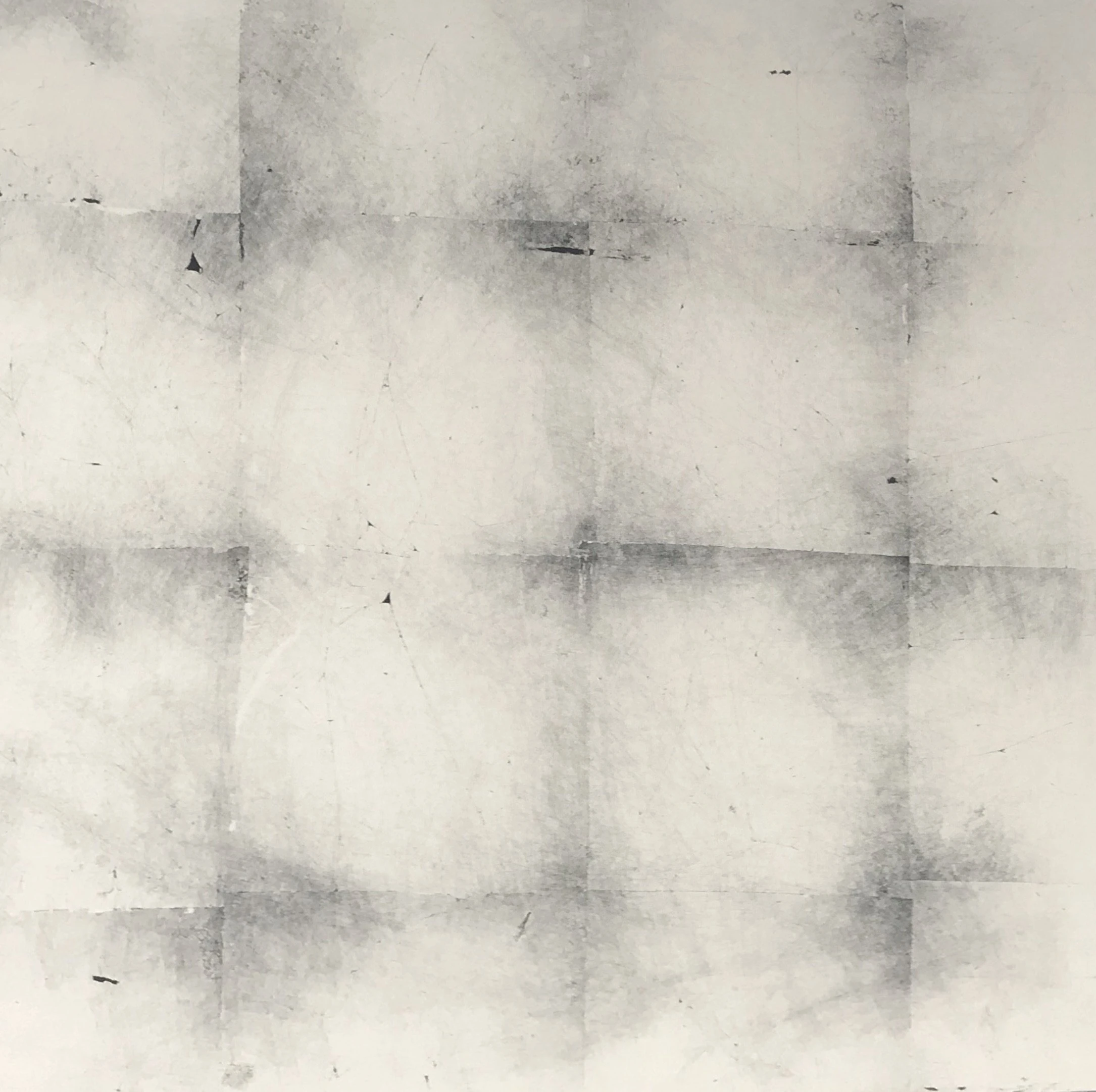 23 / 31Silver Leaf Weathered
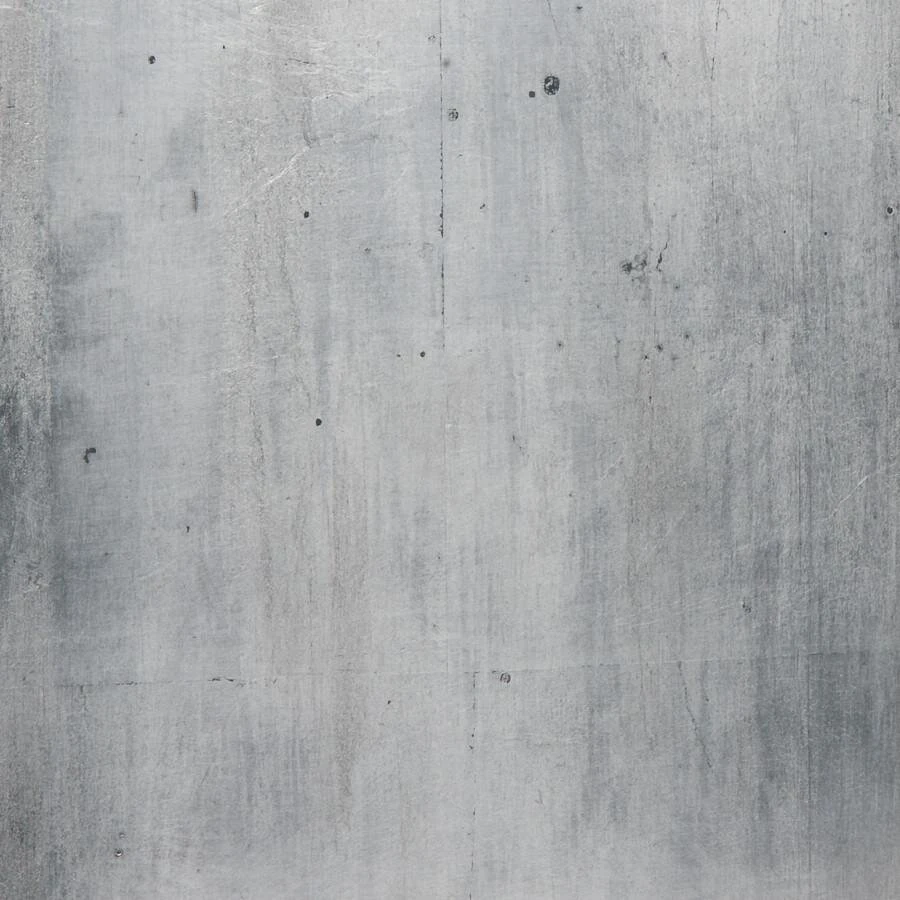 24 / 31Silver Metal Leaf on Clear Glass Oil Gilded
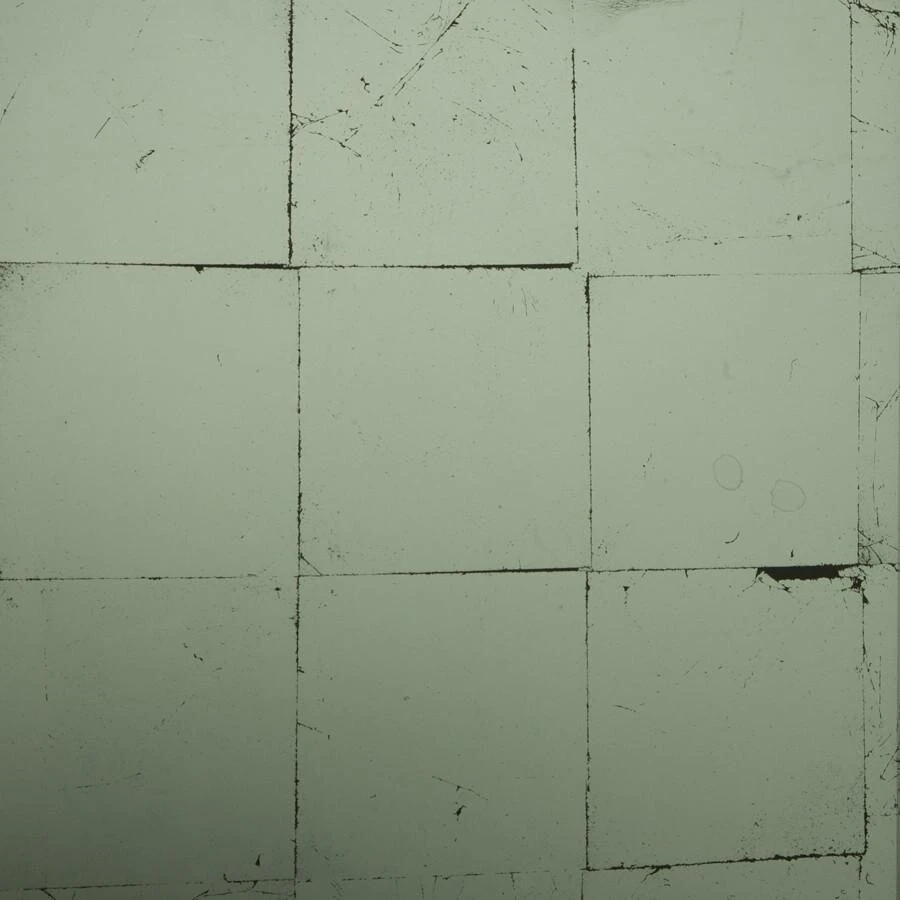 25 / 31
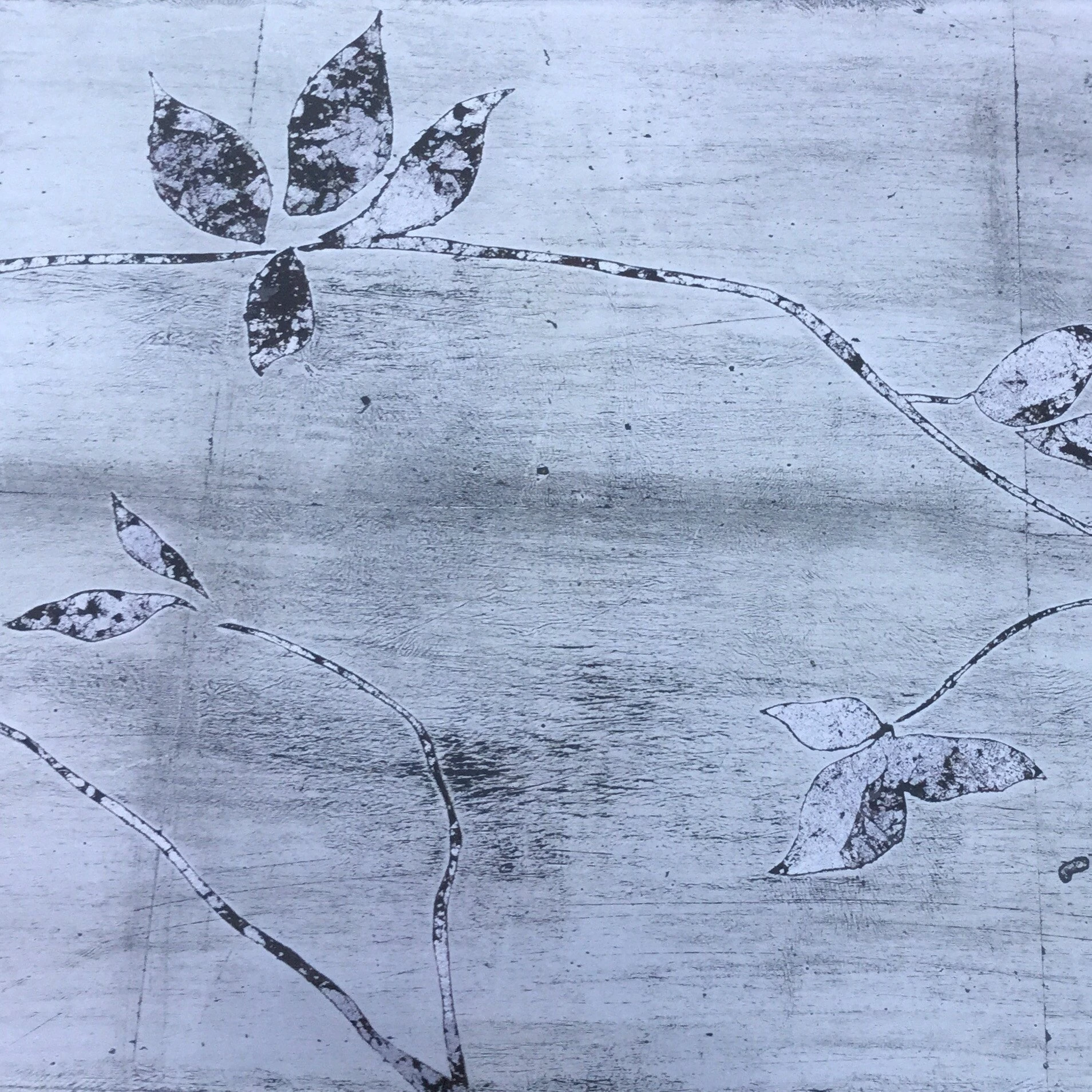 26 / 31Trailing Leaf Verre Eglomise Design
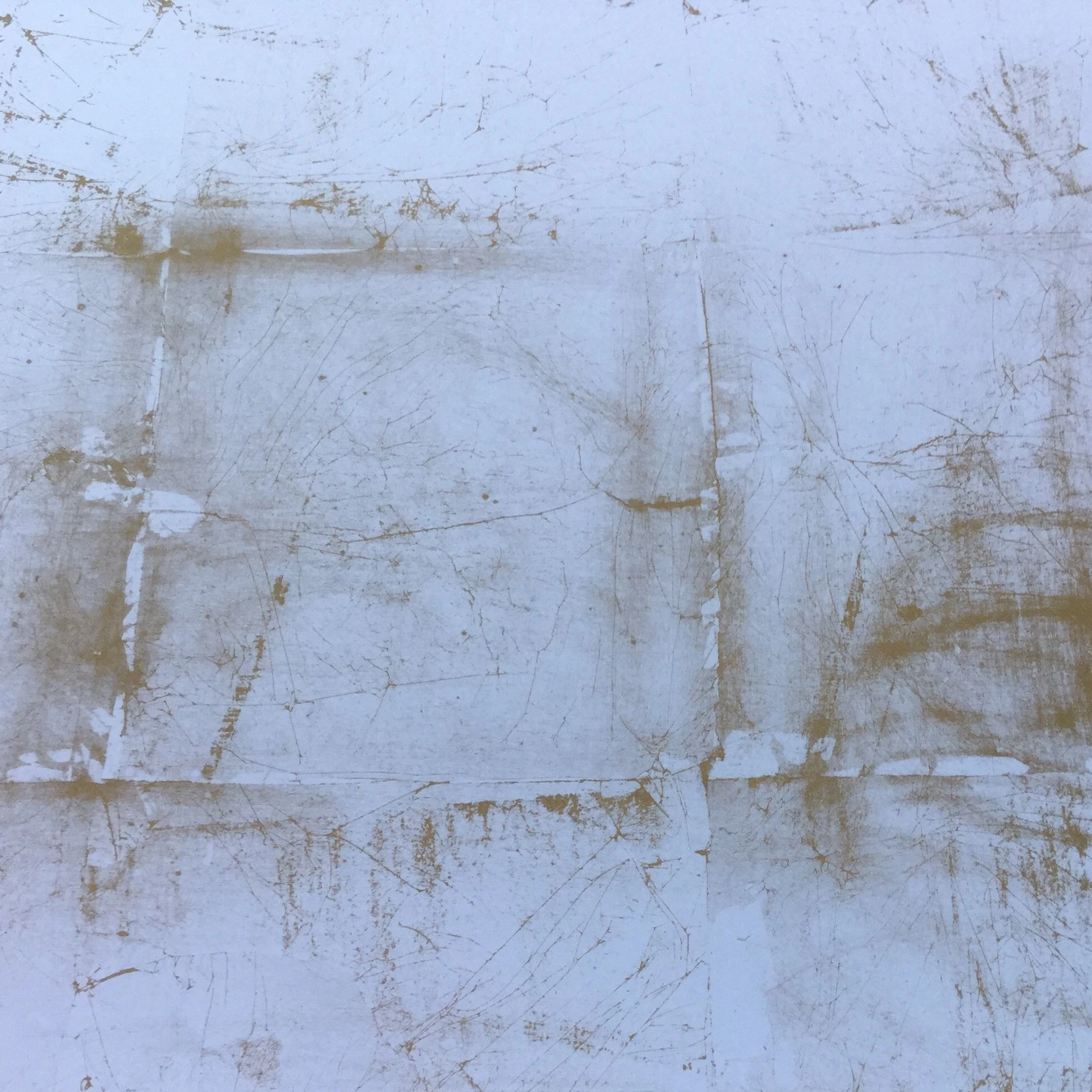 27 / 31
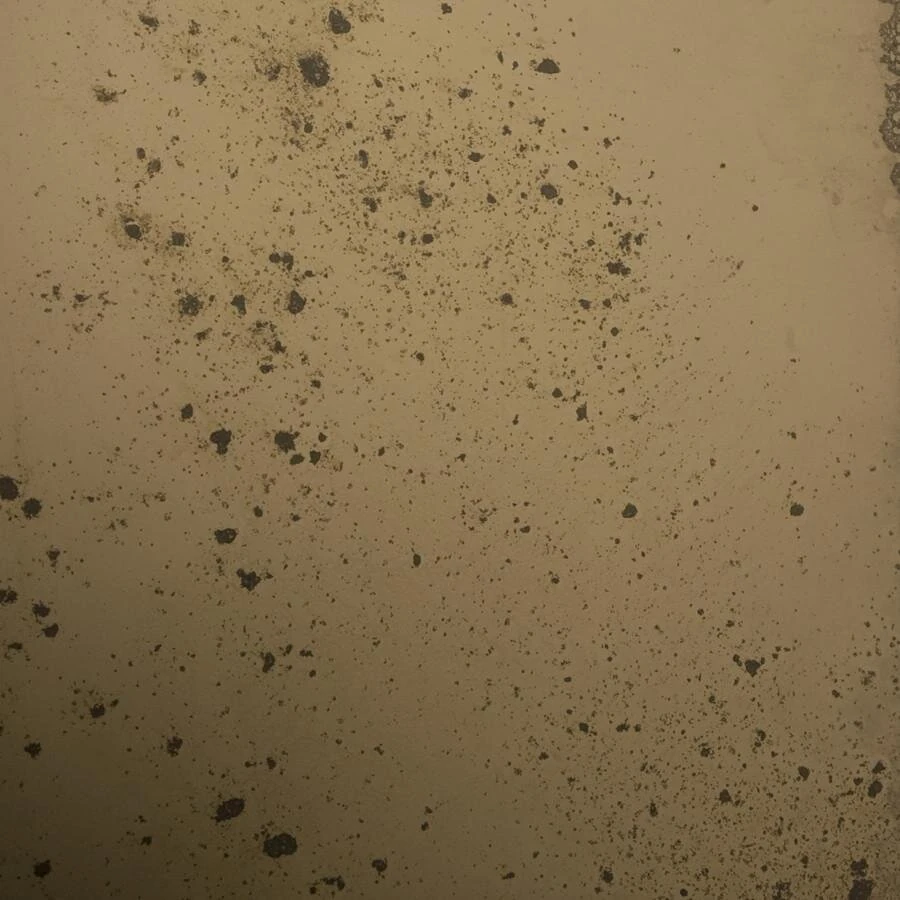 28 / 31Vintage Antiqued Mirror Finish on Bronze Tinted Glass
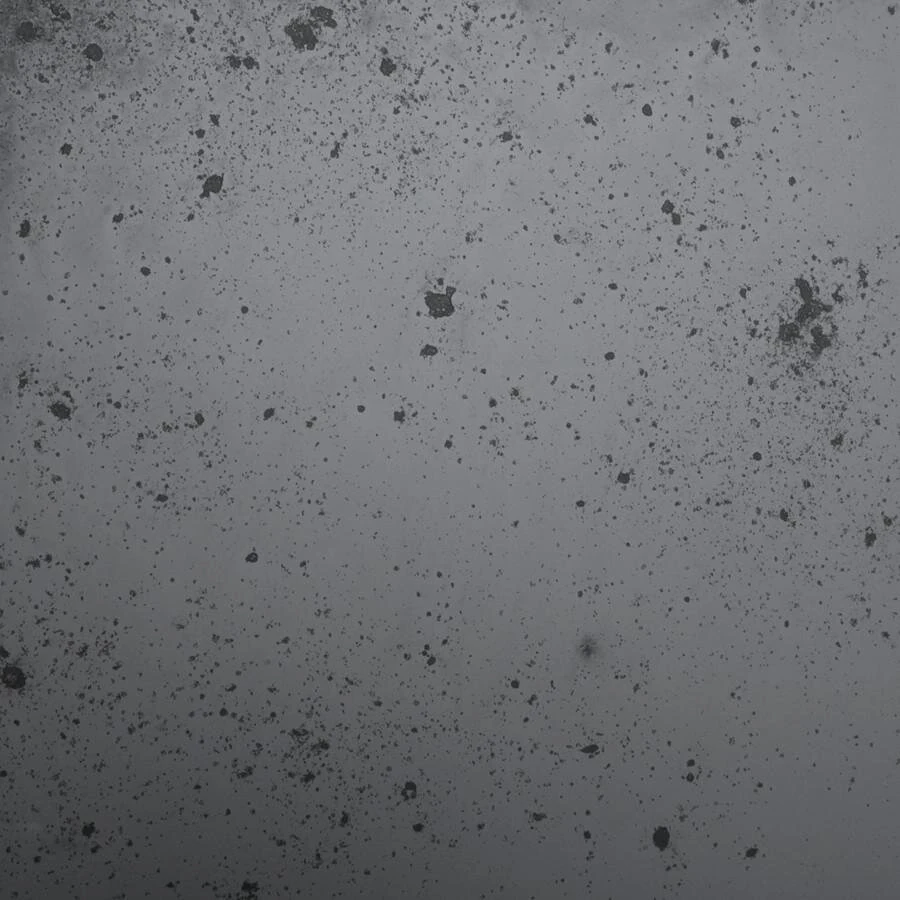 29 / 31Vintage Antiqued Mirror Finish on Grey Tinted Glass
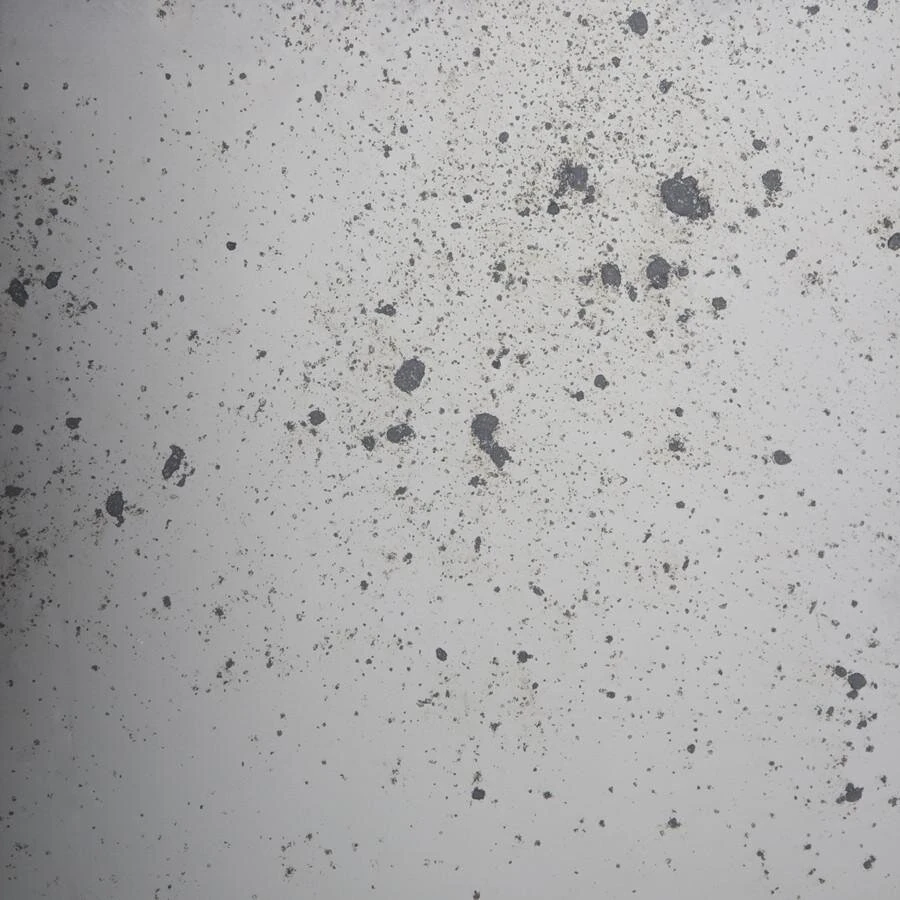 30 / 31Vintage Antiqued Mirror Glass
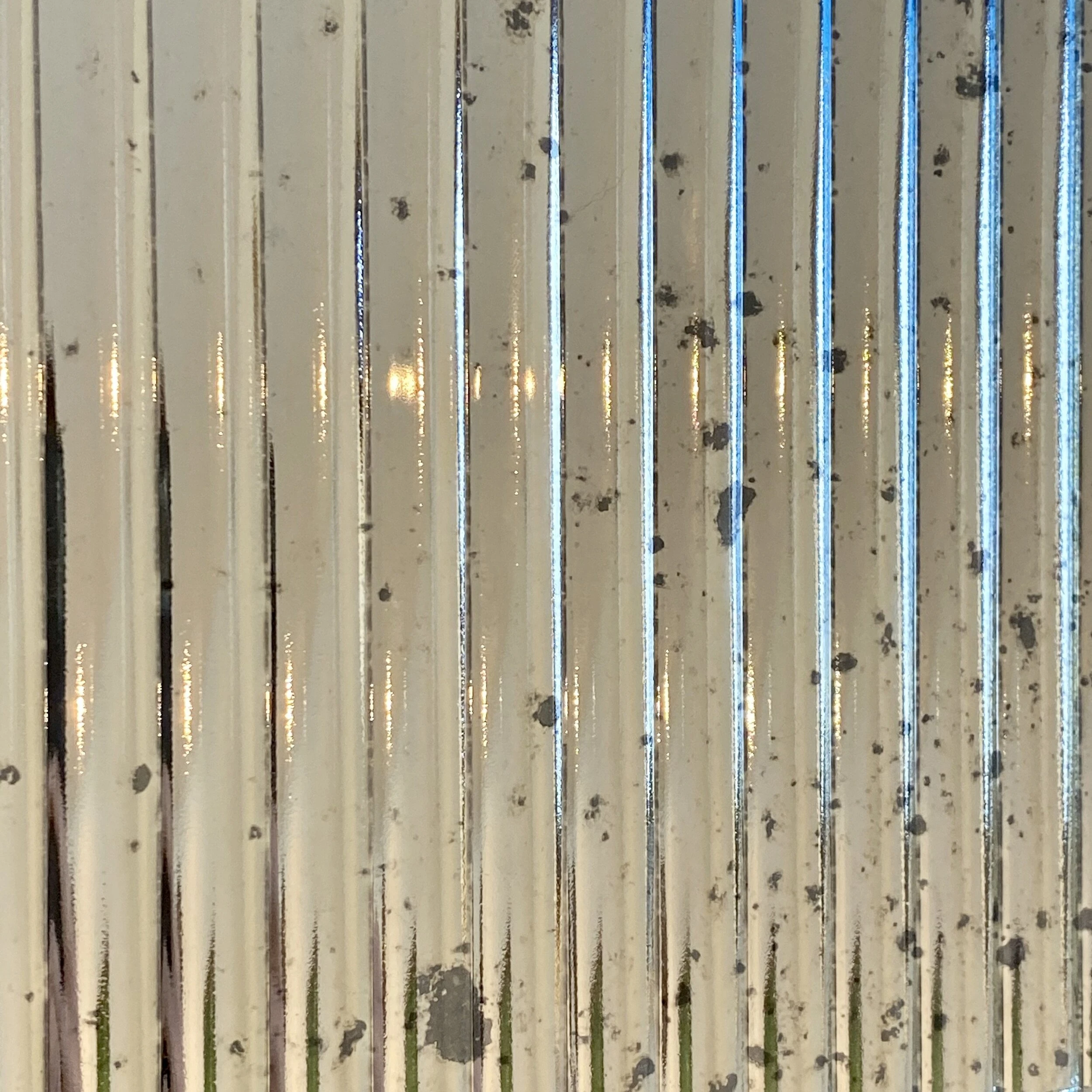 31 / 31Vintage on Fluted Glass
A mirror, a screen or a glass panel?
Tell us about the project.
The glass we specify
Most decorative glazing begins with float glass, the clear sheet glass produced by floating molten glass on a bed of liquid tin. Standard float glass carries a faint green cast that becomes visible at the edges and across larger sheets. Where colour neutrality matters, we specify low-iron (extra-clear) glass, which removes most of that tint and reads closer to true clear. It is the usual choice for back-painted panels and for glazing set against pale or neutral joinery.
Tinted glass is float glass coloured through the body in bronze, grey or green. The tint deepens with thickness, so the same glass reads lighter in a thin pane and darker in a heavier one. Textured and patterned glass carries a rolled surface relief that diffuses light and obscures the view through it. Fluted and reeded glass, with its repeating vertical ribs, is a common choice for cabinet fronts and screens where privacy and a sense of movement are both wanted.
Back-painted glass carries a colour applied to the reverse face and sealed there, leaving the viewing face clean. The colour can be matched to a RAL or NCS reference, and low-iron glass is preferred so the painted shade reads accurately rather than shifting under the green of standard float. The result is a hard, wipeable surface with depth that a painted board cannot match.
Clear, tinted and antiqued mirror
A mirror is glass with a reflective metallic coating, usually silver, applied to the back and protected by layers of paint. Clear silver mirror gives a true, bright reflection. Where a warmer or quieter result is wanted, the mirror can be made on tinted glass: bronze mirror reads warm and gold, grey (smoked) mirror reads cool and muted, and both soften a reflection that clear mirror can make too stark in a furniture or panel setting.
Antiqued mirror, also called distressed or foxed mirror, is produced by removing or chemically reacting parts of the silver backing so the surface reflects unevenly. The effect ranges from lightly speckled to heavily clouded, with the spotting, veining and edge wear that older mercury glass develops over time. Because the ageing is applied by hand, no two panels are identical, and the degree of distress can be specified to suit the scheme. Antiqued mirror is decorative rather than functional: it is chosen for the quality of its broken reflection, not for a clear image.
Related gilded treatments sit alongside the mirror range. Verre eglomise applies metal leaf, typically silver or gold, to the reverse of the glass for a soft reflective ground, and leaf can also be laid over tinted or weathered glass for a more worked, irregular finish.
Toughening, lamination and use
Glass is processed to suit where it sits. Annealed (standard) glass is fine for cabinet glazing and decorative panels that are not at risk of impact. Toughened (tempered) glass is heat-treated to several times the strength of annealed glass and breaks into small blunt granules rather than shards, which makes it the right choice for table tops, shelving and any surface that could be struck or sat against. Laminated glass bonds two panes with an interlayer that holds the glass together if broken, and it is used where a panel must stay in place after damage, such as some balustrades and overhead applications.
Antiqued and back-painted glass cannot be toughened after the decorative face is finished, because the toughening furnace would destroy the coating. Where strength and an antique effect are both required, the glass is toughened first and then antiqued, or the antiqued panel is laminated to a clear toughened backing. We confirm the right route for each panel during specification.
In practice the material is specified for splashbacks, cabinet and wardrobe fronts, display and bar shelving, decorative wall panels, screens and table tops. Edges are polished, bevelled or left as cut to match the surrounding detail, and panels are cut to tolerance and drilled as the fixing requires. Clear and back-painted glass wipe clean and resist heat and moisture, which suits kitchens and bathrooms. Antiqued mirror is best kept away from constant standing water, as moisture can lift the backing over time, so it is usually specified for vertical and decorative settings rather than wet horizontal surfaces.
Can antiqued mirror be used as a splashback?
It can, away from the immediate wet zone. The clouded backing is sensitive to standing water and steam over time, so we usually keep it clear of the area directly behind a tap or hob and recommend clear toughened or back-painted glass for those positions.
Will two antiqued panels match?
No two will be identical, since the effect is applied by hand. Panels are produced together and to an agreed degree of distress so they sit as a family, but the individual clouding and spotting will vary. That variation is part of the finish.
How is back-painted glass colour matched?
The reverse face is painted to a RAL or NCS reference of your choosing. We specify low-iron glass for colour-critical work so the shade reads true, and we can prepare a sample on the intended glass before the full run.
Mirror
We work with all glazed surfaces, and this includes mirror, and in particular, antique mirror. Quite often we will work directly with suppliers of these specialist finishes an co-ordinate with them when a project requires these.
Seen in
Read more
Explore further
Have a scheme you'd
like to build?
Need samples? Get in touch and tell us about your project.