Undici Collection
Decoration weaved into the wood
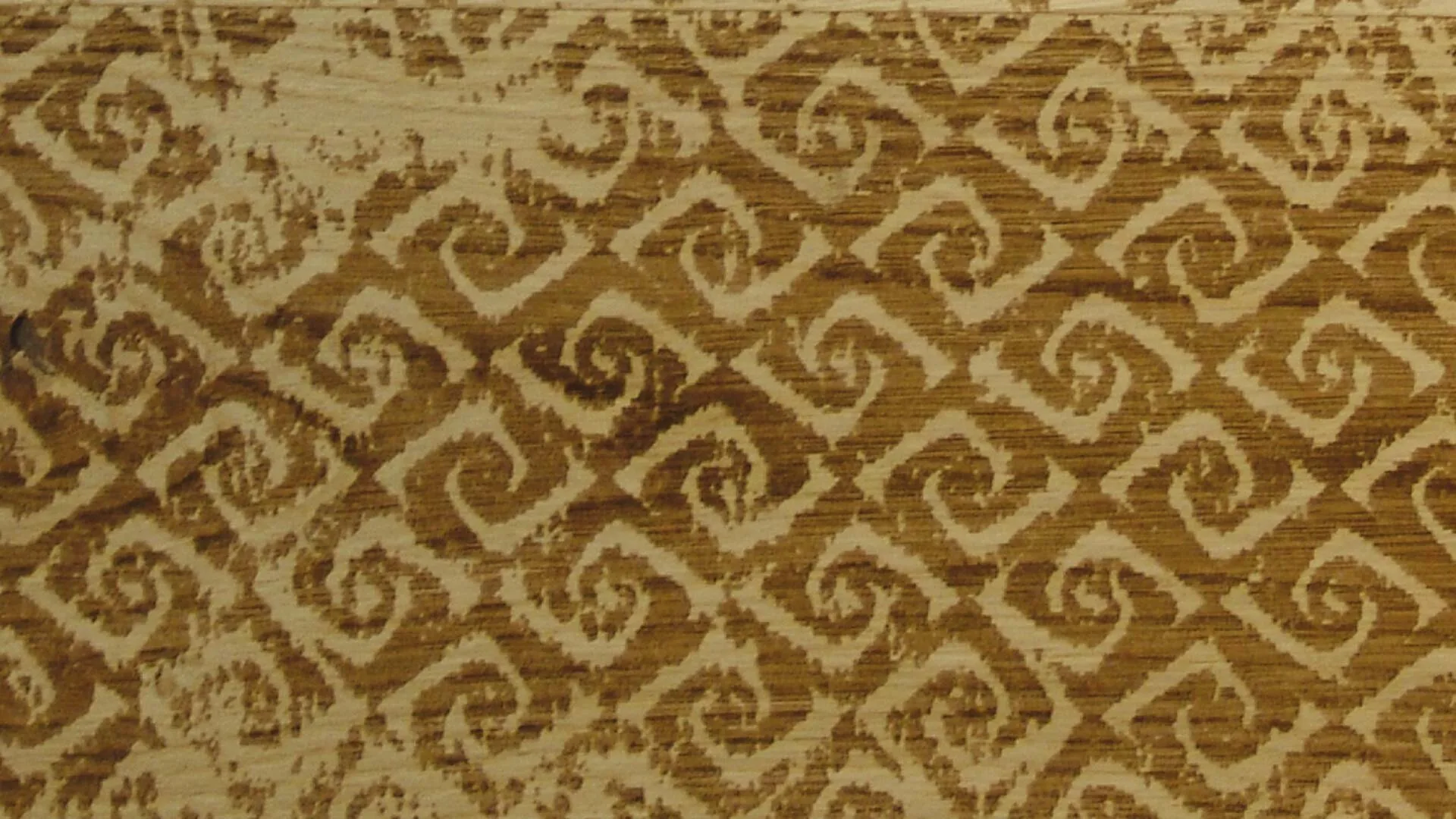
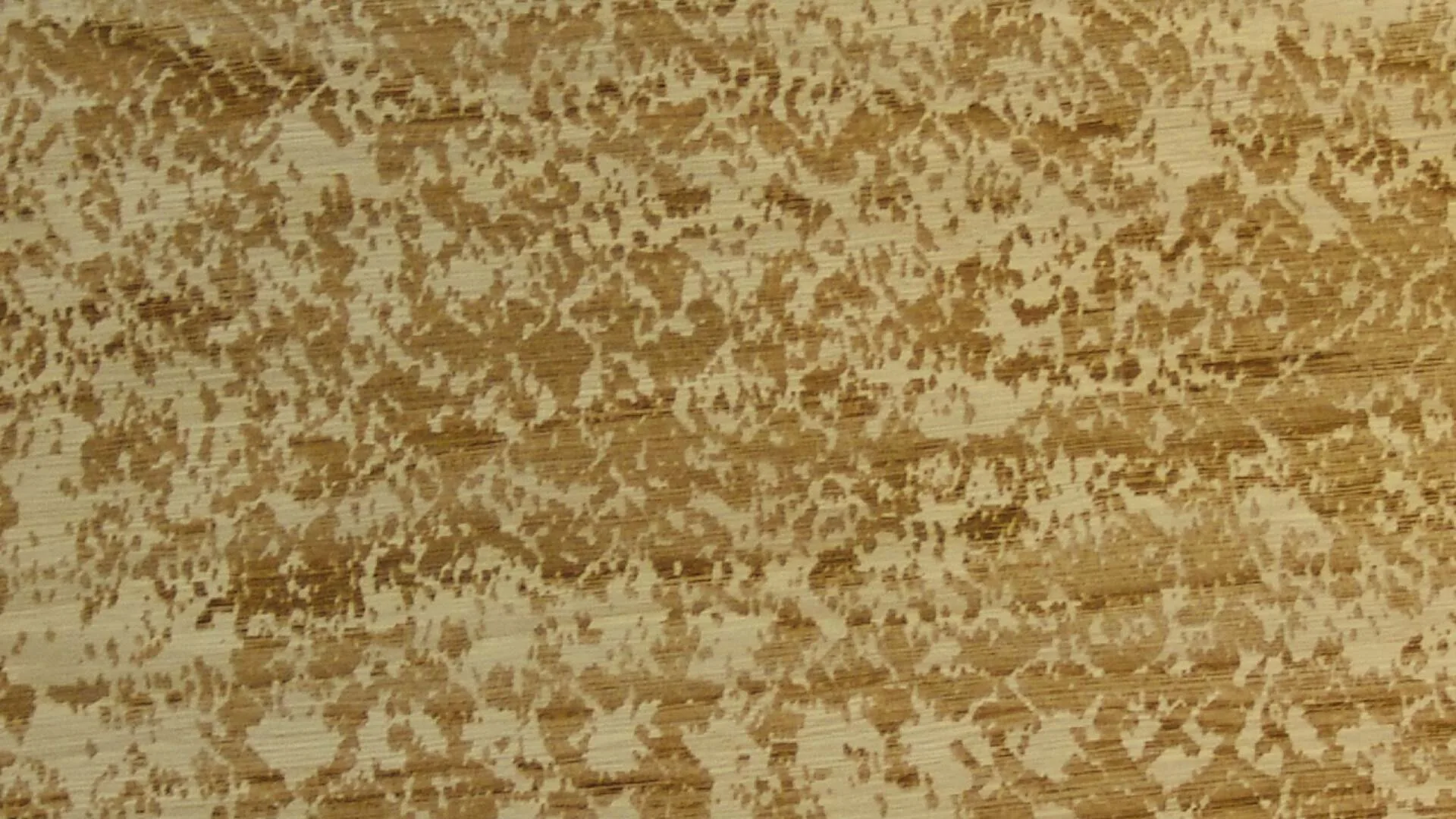
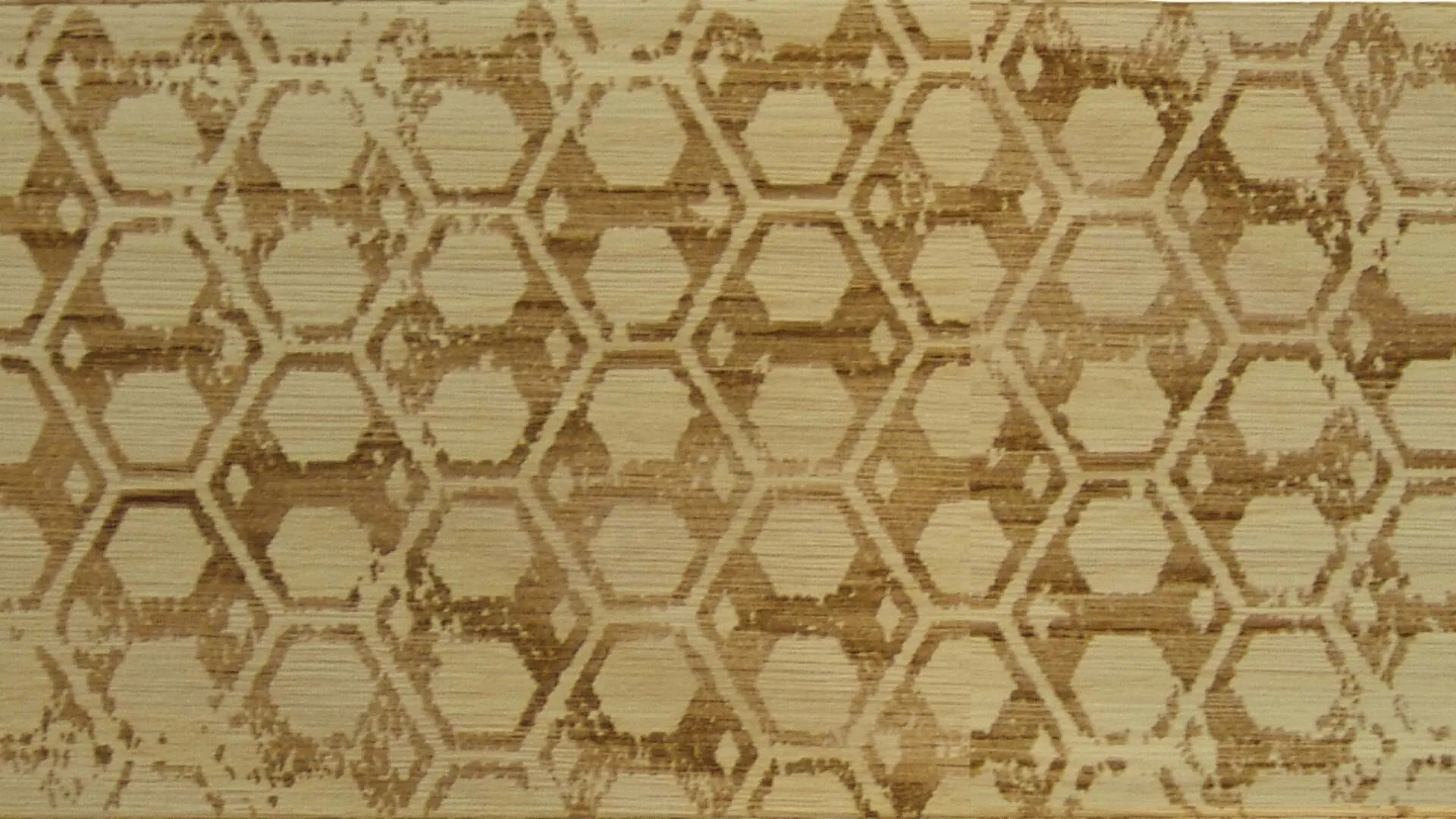
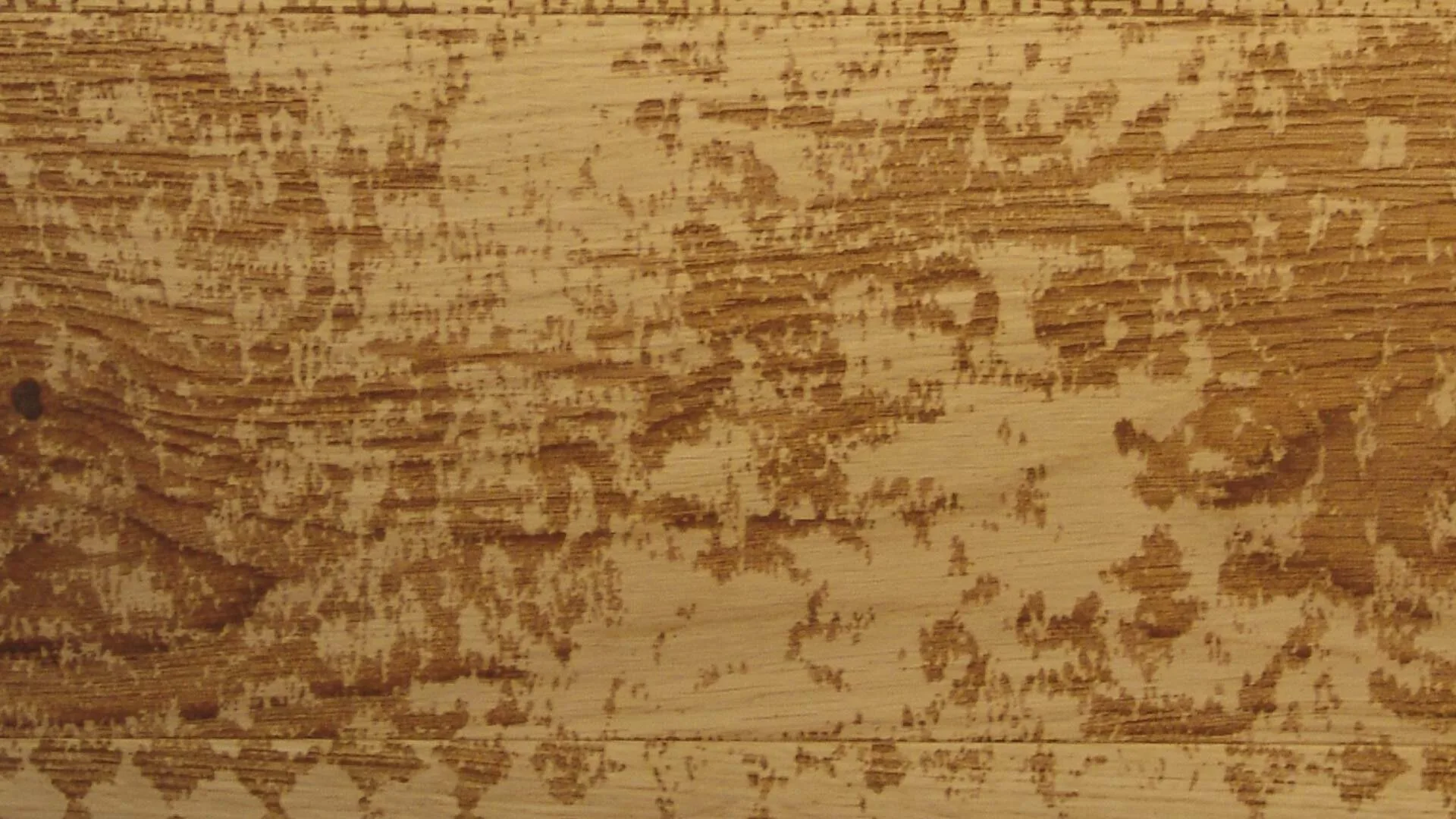
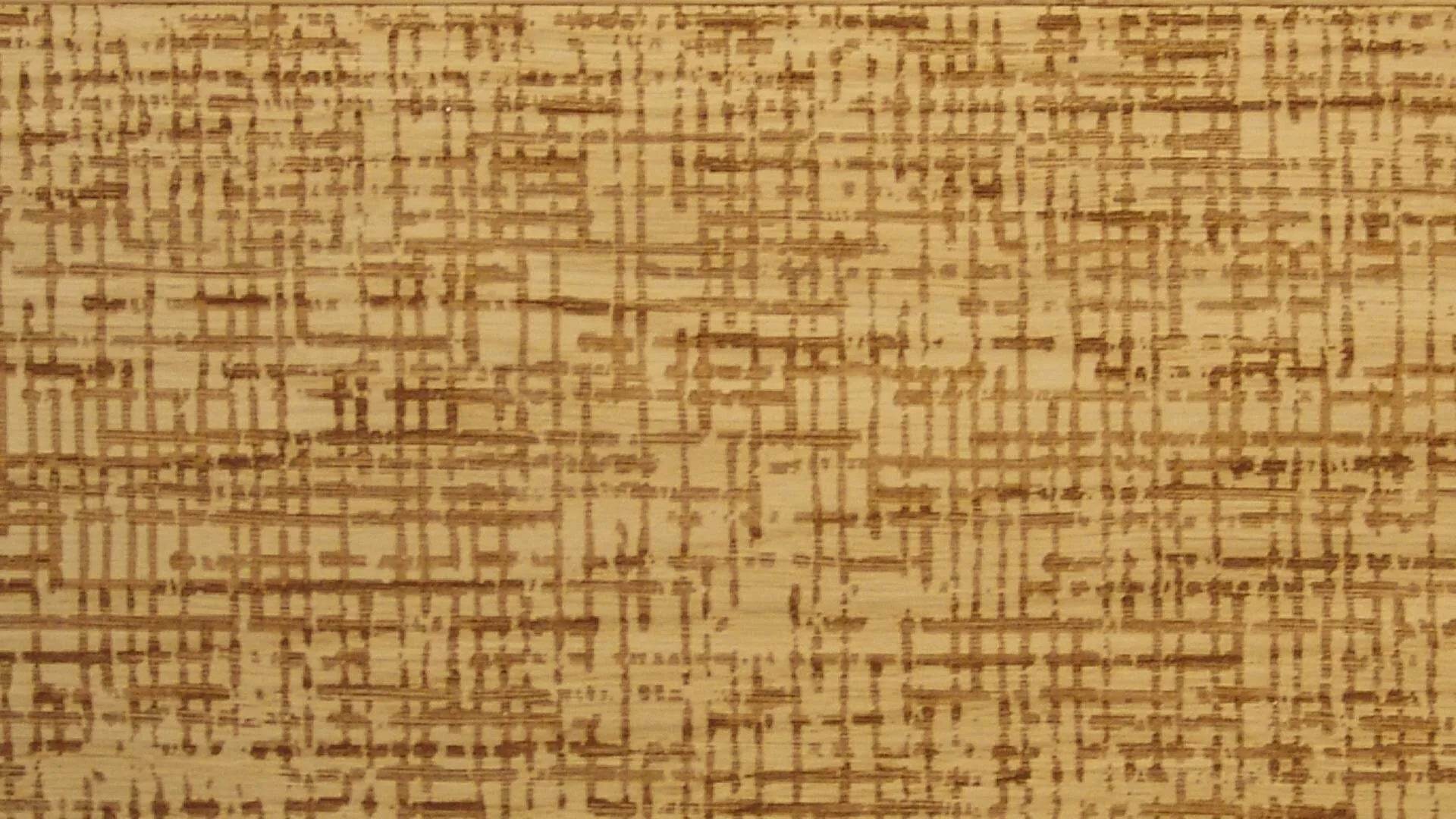
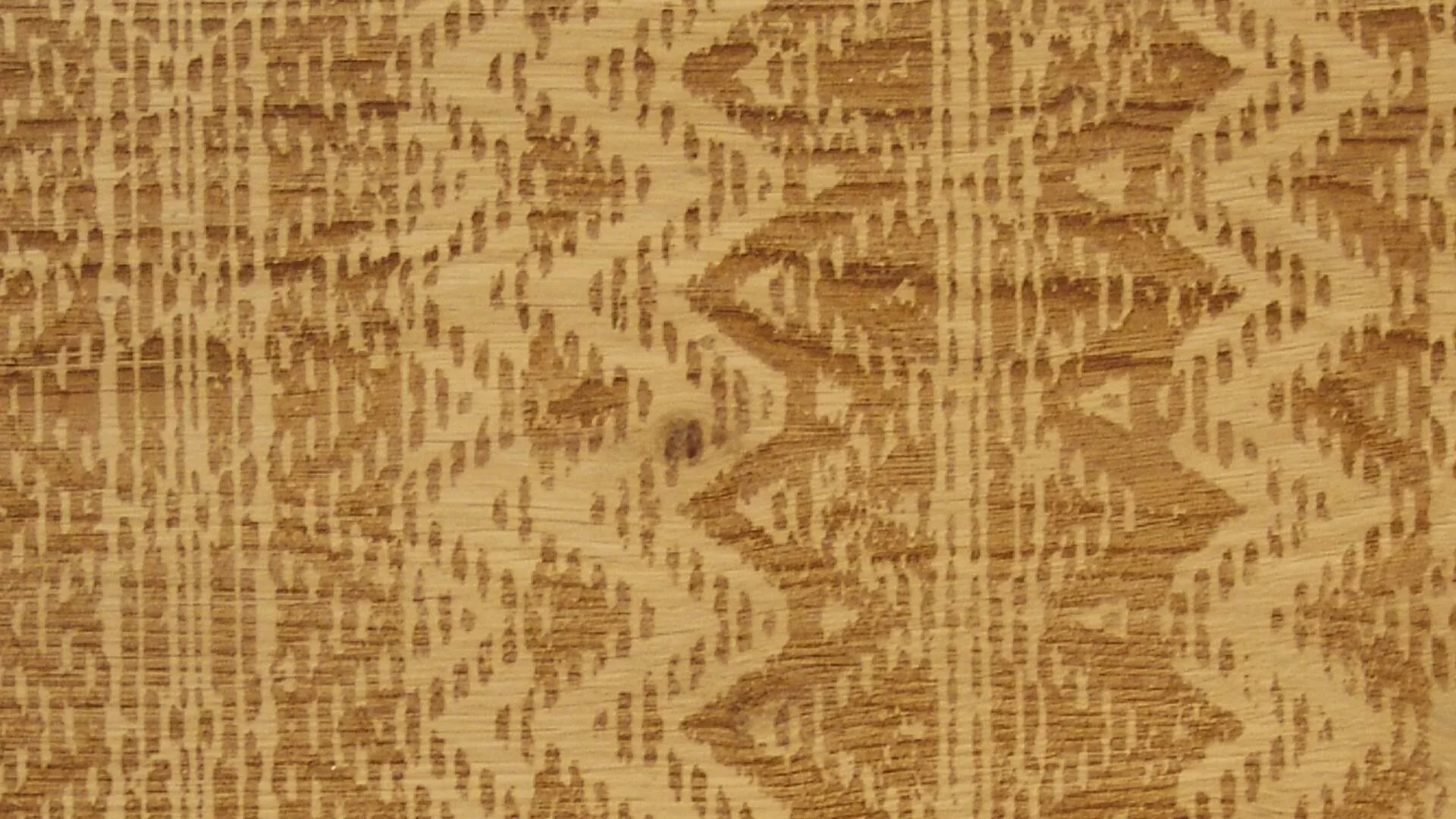
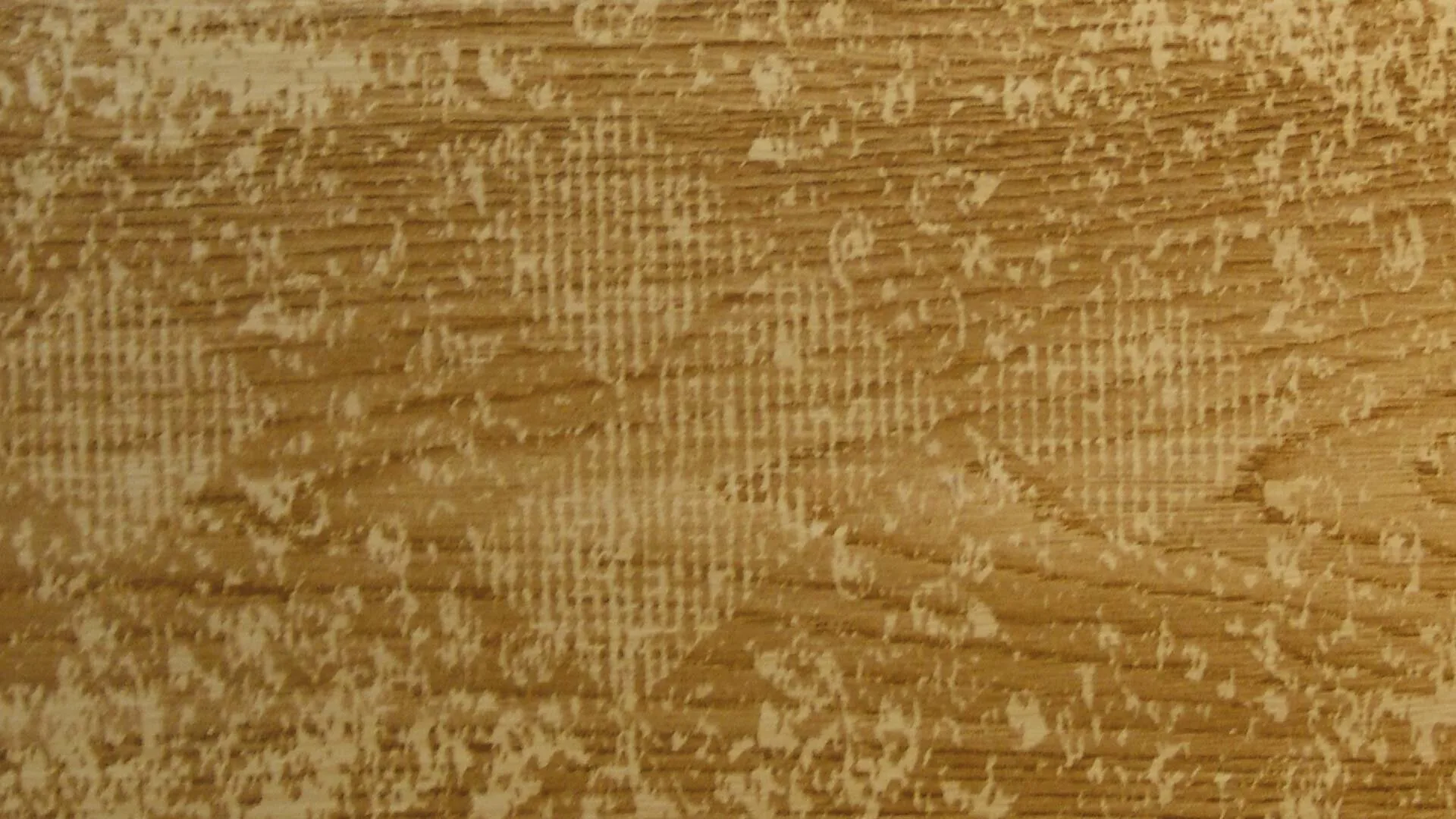
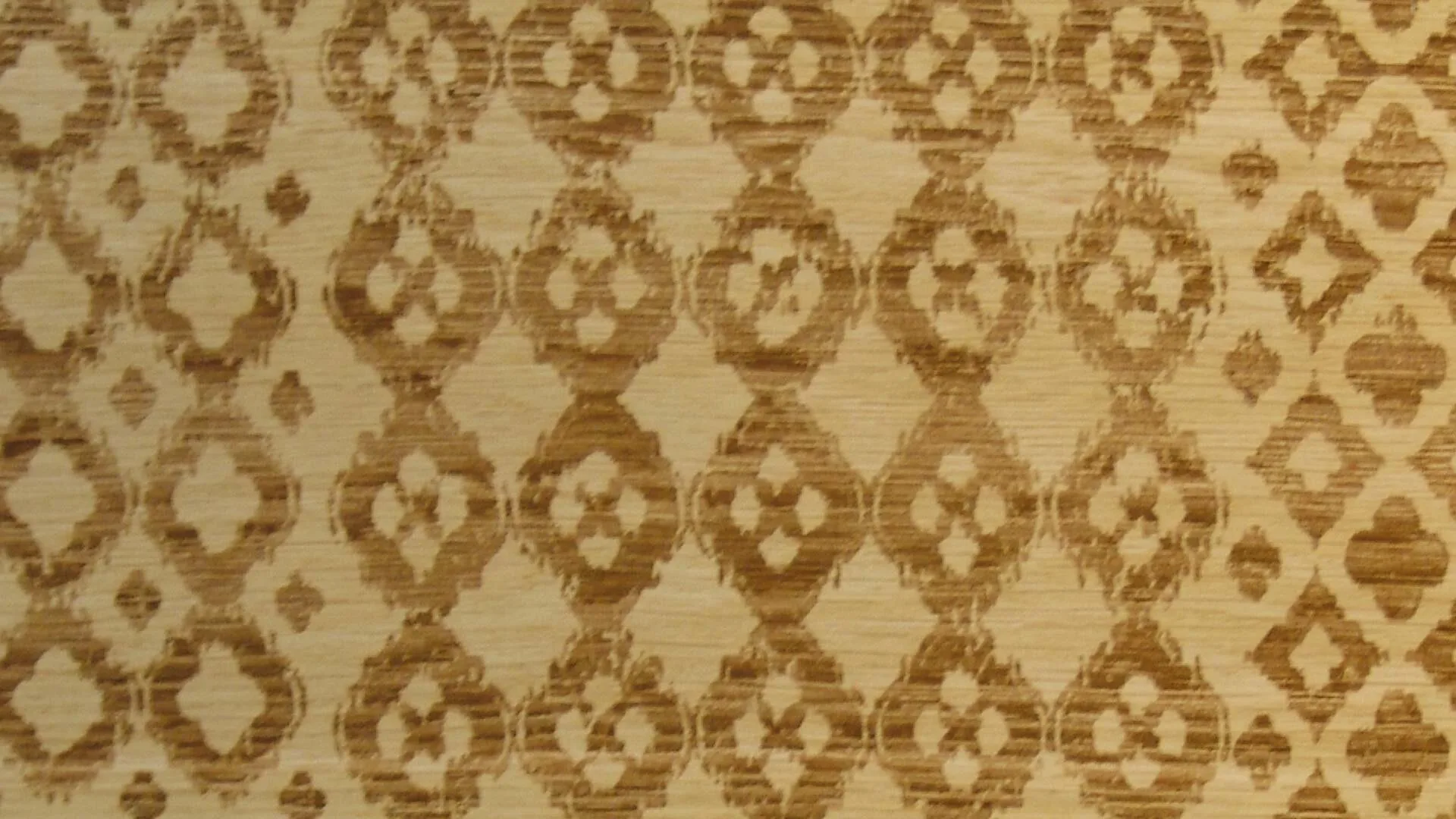
Undici is a laser-engraved parquet collection in which texture, geometry and decoration are weaved into the wood itself. Rather than sitting on the surface as a print or an inlay, the pattern is engraved directly into the timber, so the decoration mixes with the natural grain, colour and lines of the wood. The result reads as one material: figure and ornament held together in the same plane.
The collection brings together technological precision and natural character. Laser engraving allows fine, repeatable detail across a floor, while the oak beneath keeps the warmth, movement and irregularity that only real wood carries. Each board is part pattern and part timber, and the two are never fully separable.
Undici is conceived as a total look. The same engraved language can be carried across floors, walls and furniture, connecting the design of a room with the resistance and stability of an engineered substrate. It suits interiors where the floor is intended to be part of the architecture rather than a neutral backdrop.
See the Undici engravings laid on wide oak planks in the floor visualiser.
Collection details
| Surface | Laser-engraved oak parquet, decoration weaved into the grain |
| Construction | Engineered board on a dimensionally stable substrate |
| Decoration | Texture, geometry and pattern engraved into the timber |
| Applications | Floors, walls and furniture as a total look |
| Customisation | Pattern, scale and depth developed per project |
| Underfloor heating | Suitable |
| Supply | Specified and finished through our workshop network |
Pattern weaved into the wood
The idea behind Undici is simple to state and exacting to make. The decoration is not applied to the wood, it is engraved into it. A focused laser removes material from the surface in a controlled way, following a digital pattern with consistent depth and edge across the whole floor. Because the engraving cuts into the timber, the design and the grain occupy the same surface, and light, shadow and the figure of the oak all read together.
This places Undici between two worlds that are usually kept apart. The pattern carries the precision of a digital process: repeatable, scalable and exact. The wood carries everything a screen cannot: tone, movement, the way a board takes light along and across the grain. No two boards are identical, because the timber underneath is never identical.
How it is made
Engraving begins with the timber, not the pattern. Boards are selected and prepared so that the surface is even and the grain is suited to the geometry being cut. The pattern is then engraved into the wood at a depth chosen for the design: shallow for a subtle texture that is felt more than seen, deeper where the geometry is meant to hold strong shadow. After engraving, the surface is cleaned and finished so that it is durable underfoot and pleasant to touch, while the engraved lines stay legible.
Because the work is driven by a digital pattern, the scale and density of the decoration can be tuned to the room. A large floor can carry a generous, open geometry; a smaller space can take a finer, closer figure. The same logic lets a pattern be set out so that it resolves cleanly at thresholds, borders and changes of direction, which matters when a floor is read as a single composition.
A total look across floor, wall and furniture
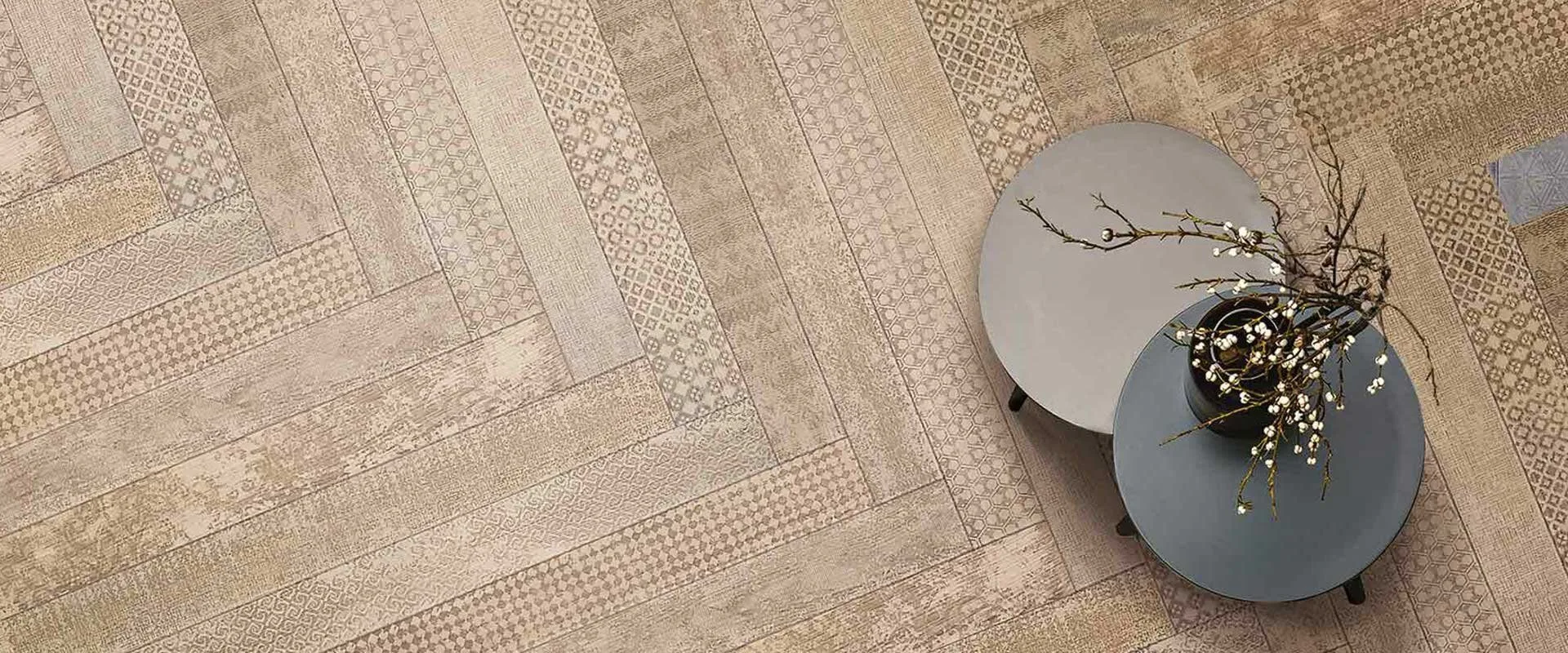
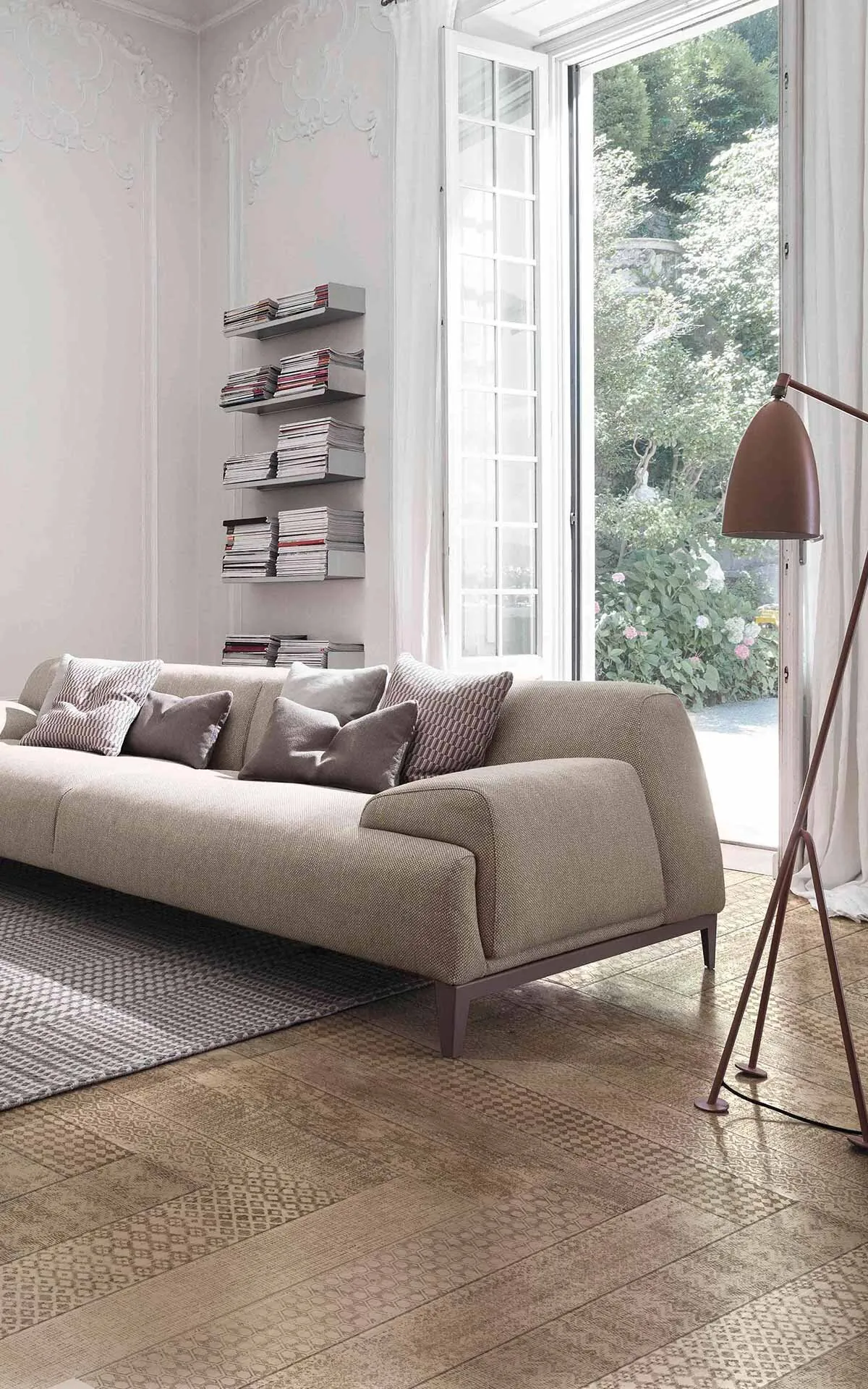
Undici is designed to move beyond the floor. The same engraved language can be applied to wall panelling and to furniture surfaces, so that a single decorative idea runs through a room. Used this way, the collection connects the visual design of a space with the resistance and stability of an engineered substrate, giving continuity of pattern without asking each surface to behave the same way structurally.
On floors, the engineered construction keeps the board stable across normal changes in temperature and humidity and makes it compatible with underfloor heating. On walls and furniture, where movement and wear are different, the same pattern can be carried at a depth and finish suited to that use. The intent is one material vocabulary, adapted sensibly to each surface it covers. Our guide to wood flooring over underfloor heating sets out the figures and the order of work.
Specifying and caring for Undici
Each Undici project is developed rather than picked from a shelf. We work through pattern, scale and engraving depth with the design team, then prepare physical samples before anything is committed, so that the relationship between grain, finish and engraving can be judged in the actual light of the scheme. Layouts, borders and the meeting of floor with wall or joinery are set out at this stage.
In use, an engraved floor is maintained much like any sealed wood floor. Regular sweeping or vacuuming keeps grit out of the engraved lines, and cleaning is done with products suited to a sealed surface rather than wet washing. Finishing and fabrication are carried out through our workshop network.
Common questions
Is the pattern printed onto the wood?
No. The decoration is engraved into the timber with a laser, so it is part of the surface rather than a layer sitting on top of it. This is why the pattern and the natural grain read together and why the engraving does not simply wear away as a print would.
Can the design be changed for a project?
Yes. The geometry, scale and depth of the engraving are developed per project, and the pattern can be set out to suit the proportions of the room and the way the floor will be seen. We confirm the design on physical samples before production.
Can it be used on more than floors?
It can. The same engraved treatment can be applied to walls and to furniture as part of a total look, with the depth and finish adapted to each use.