Biscuit Collection
Softness, drawn in oak
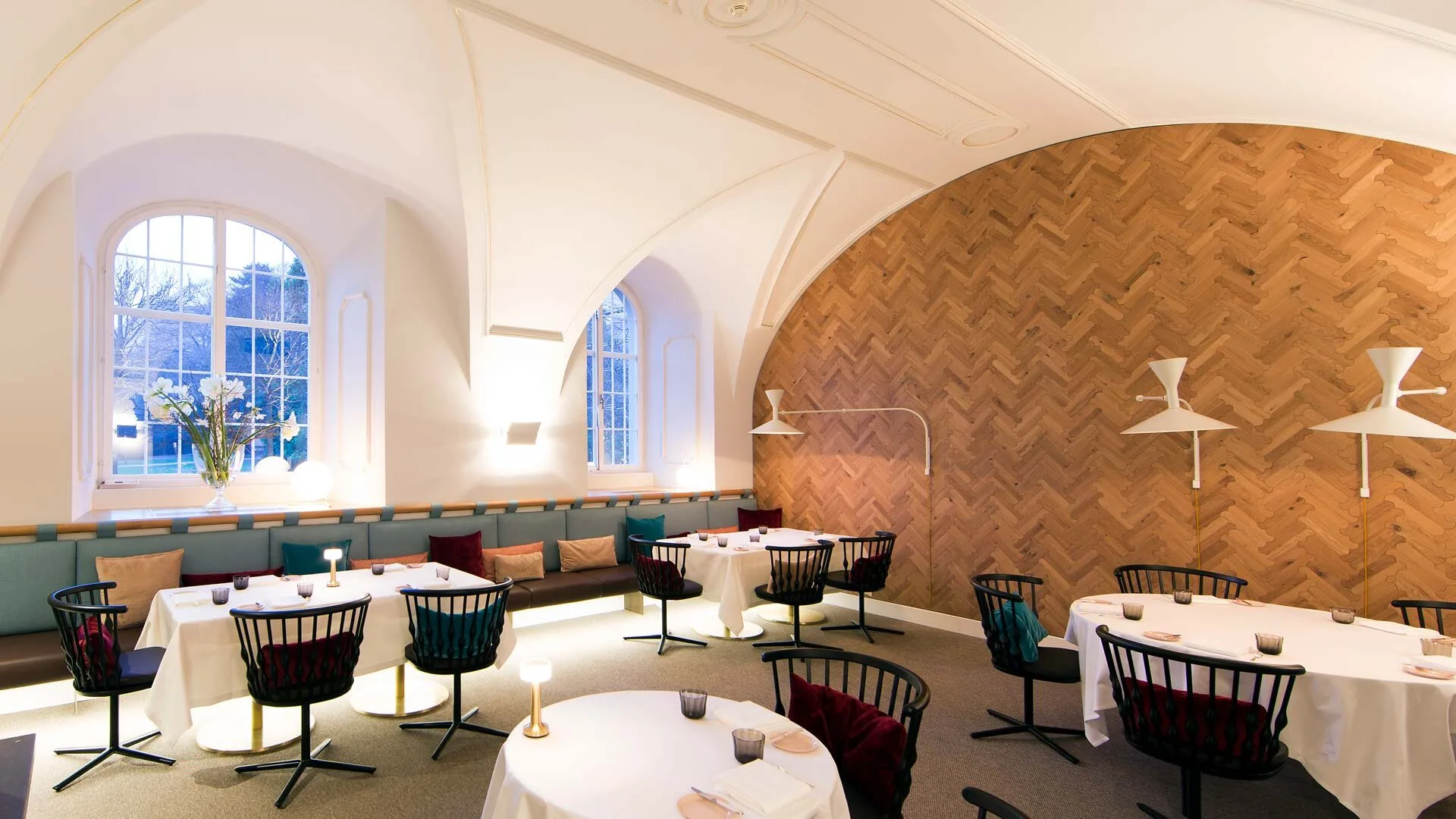
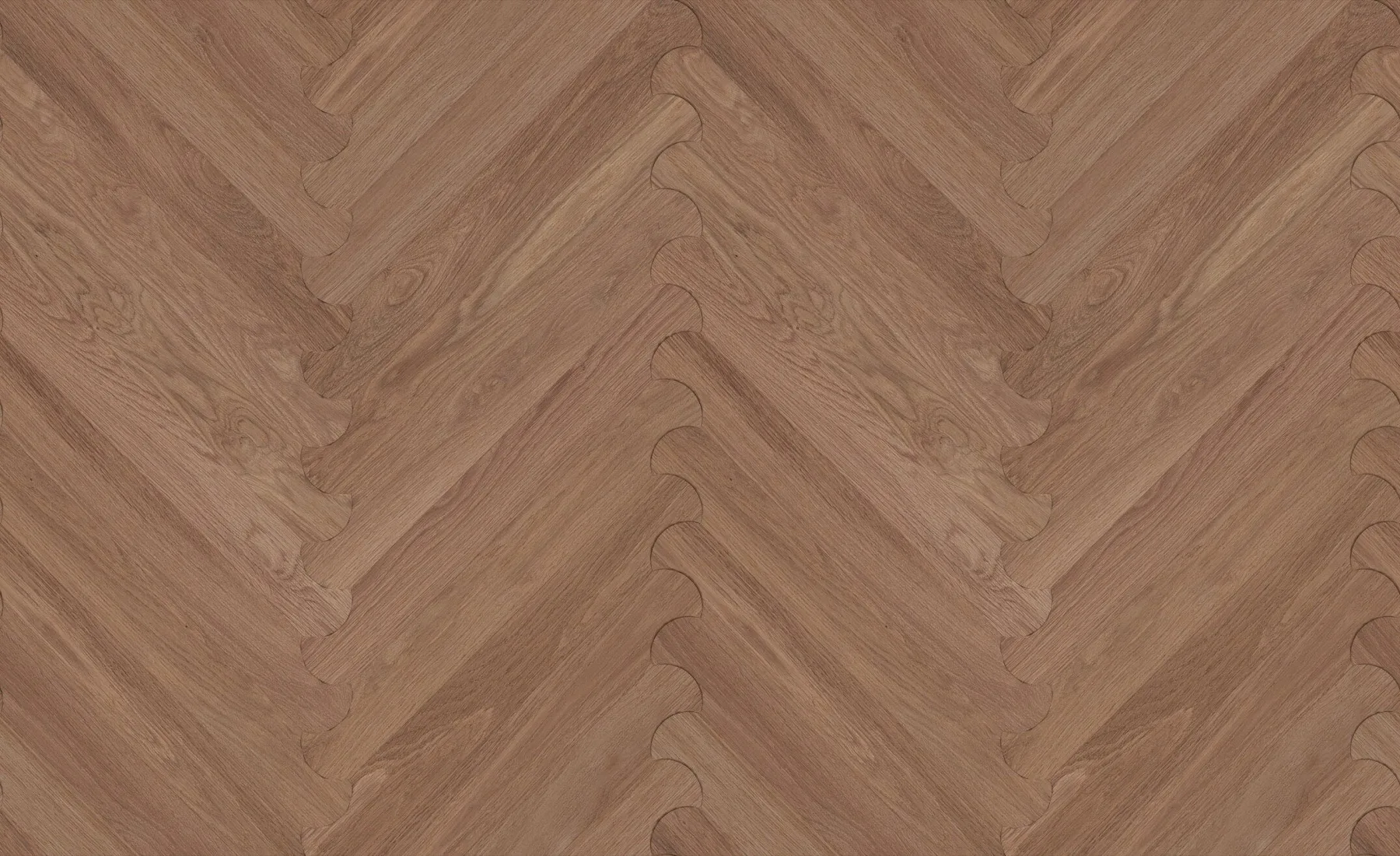
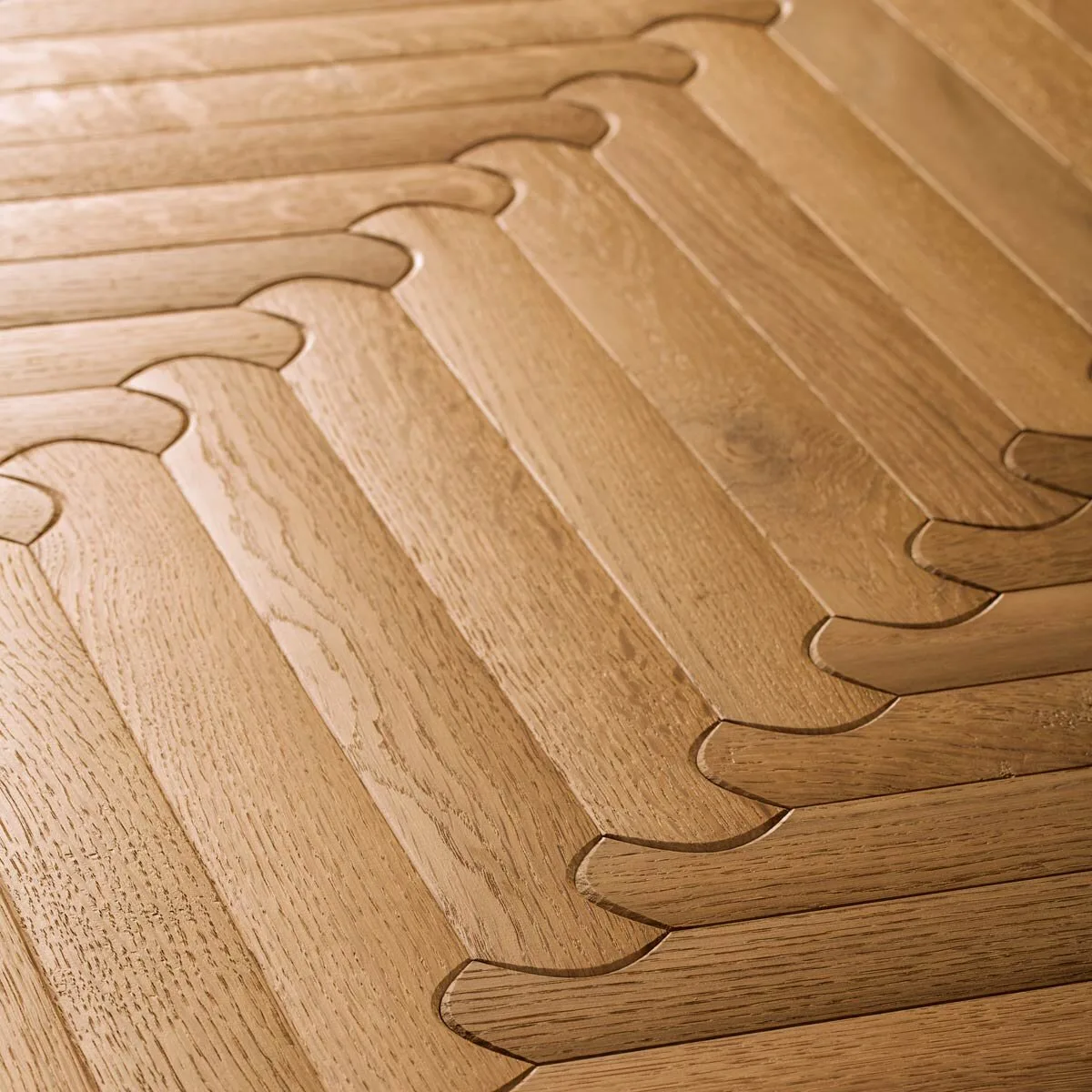
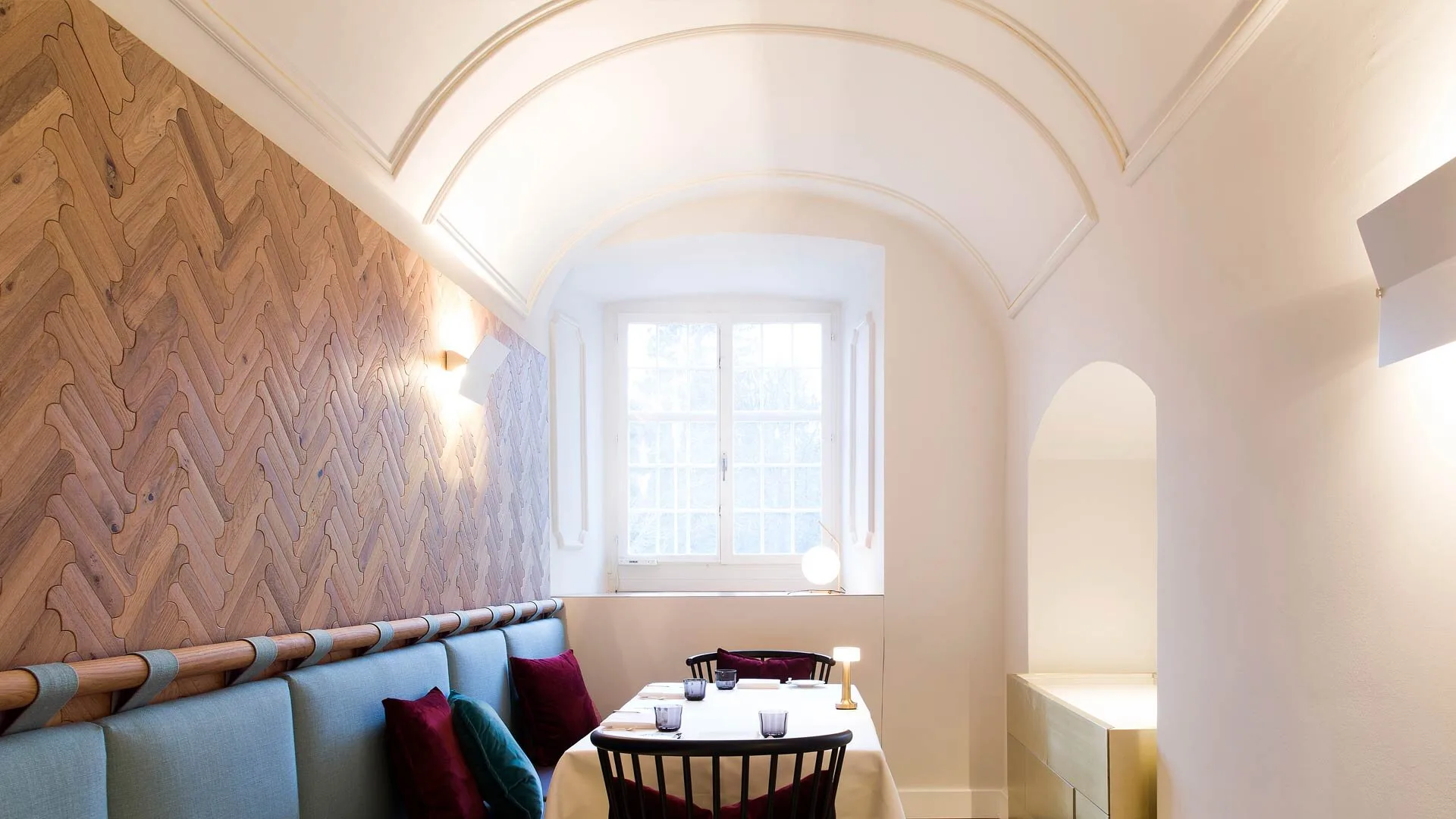
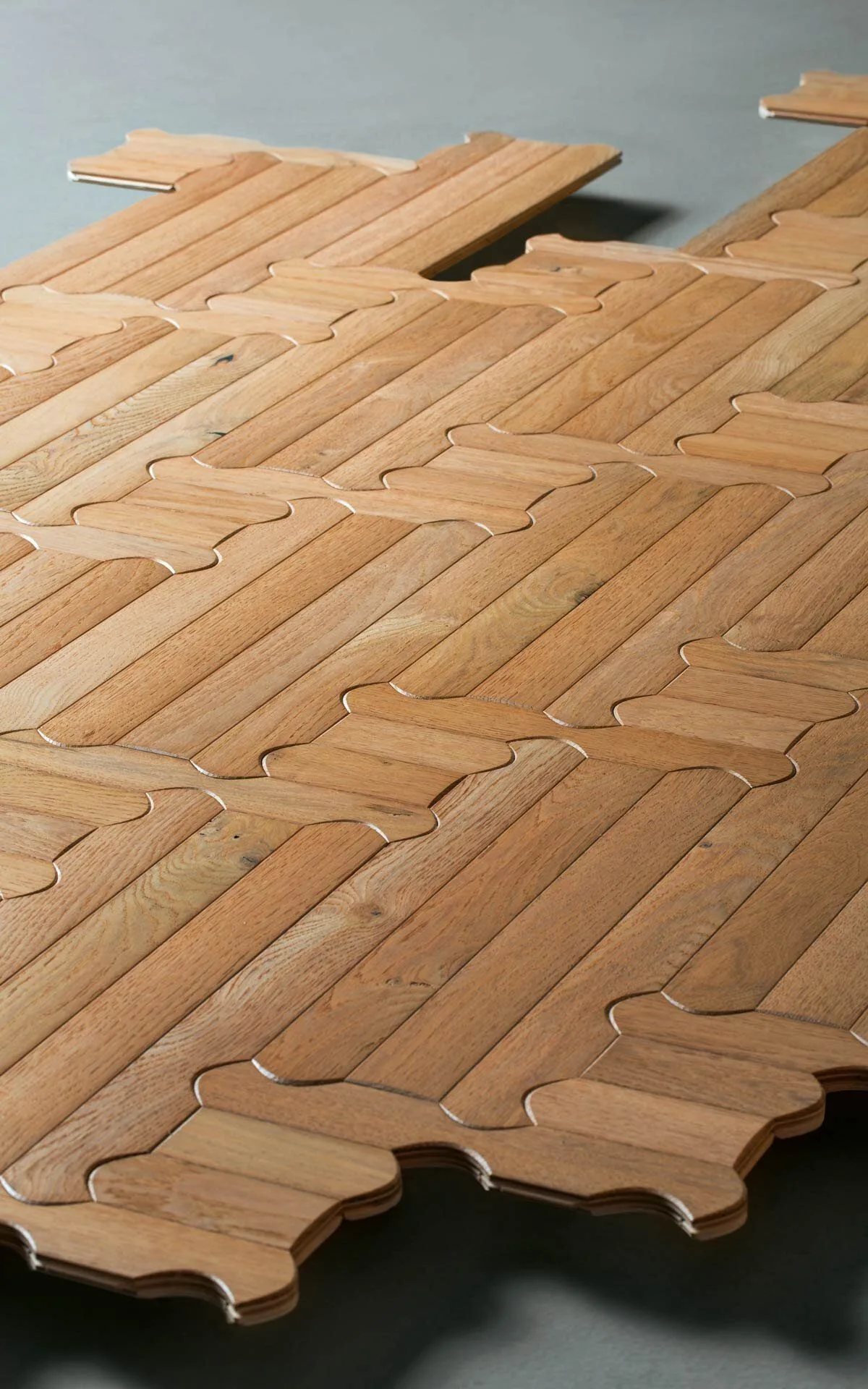
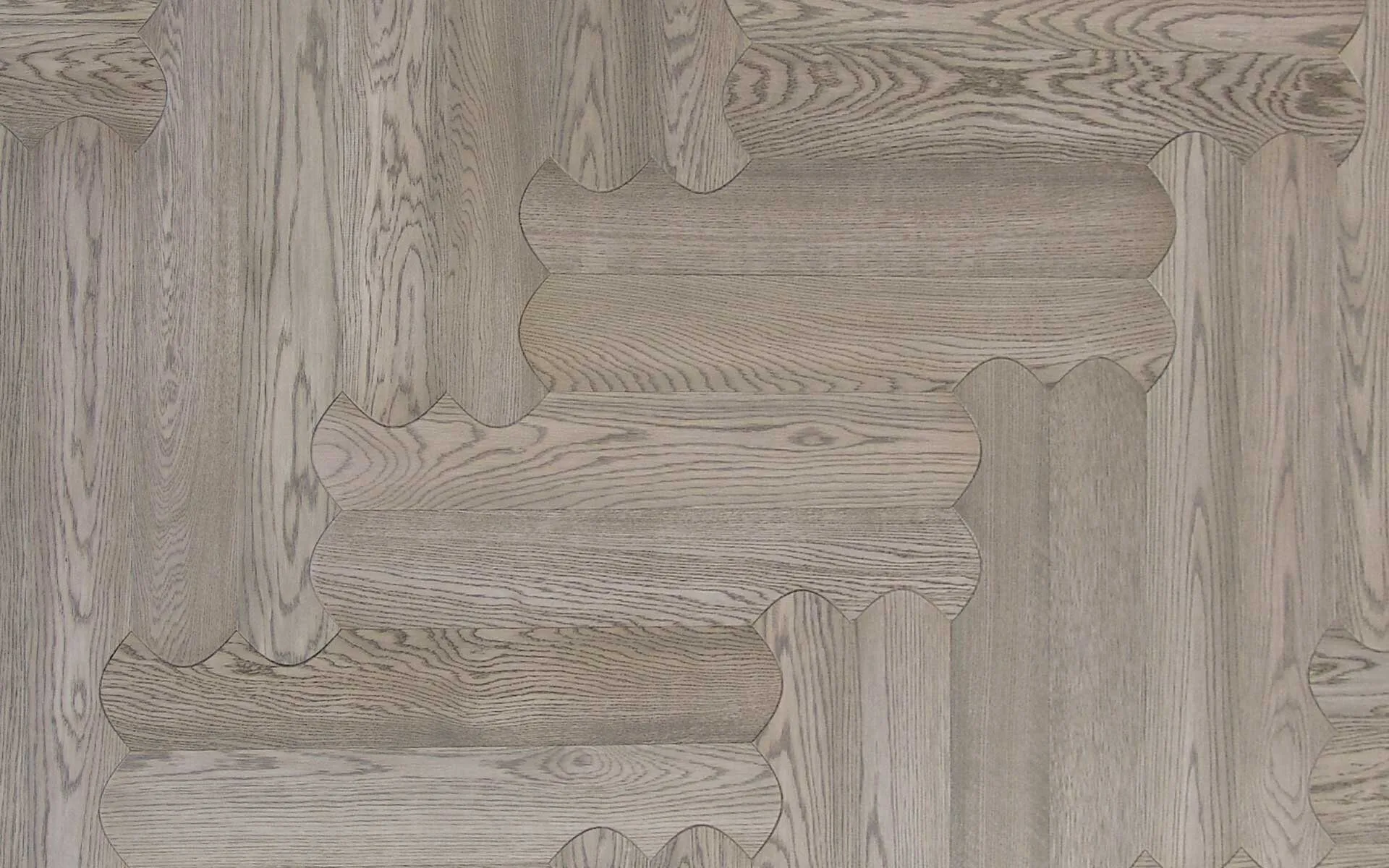
Biscuit was developed around a single idea: softness. The boards are rounded, bevelled and gently curved, with a slight bombé surface that reads as a low, convex swell across each plank. Set against the straight cuts and sharp arrises of conventional parquet, this gives the collection a quieter language, closer to a worn step or a hand-finished edge than a machined floor.
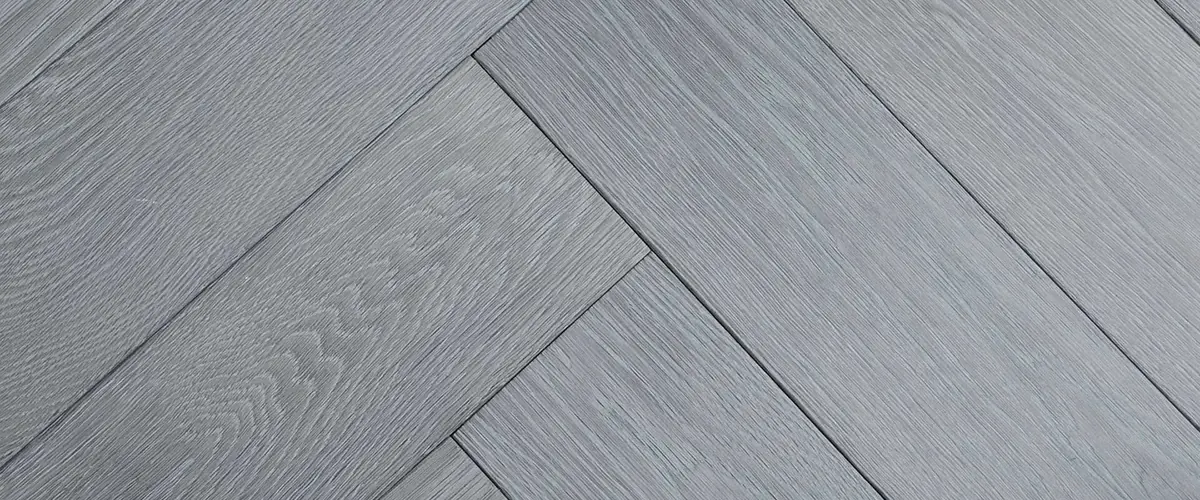
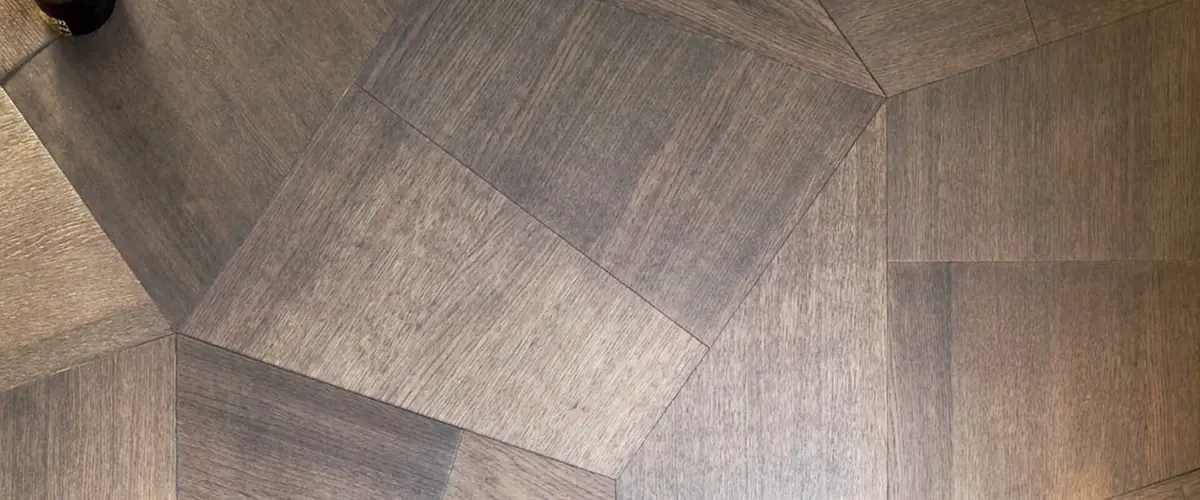
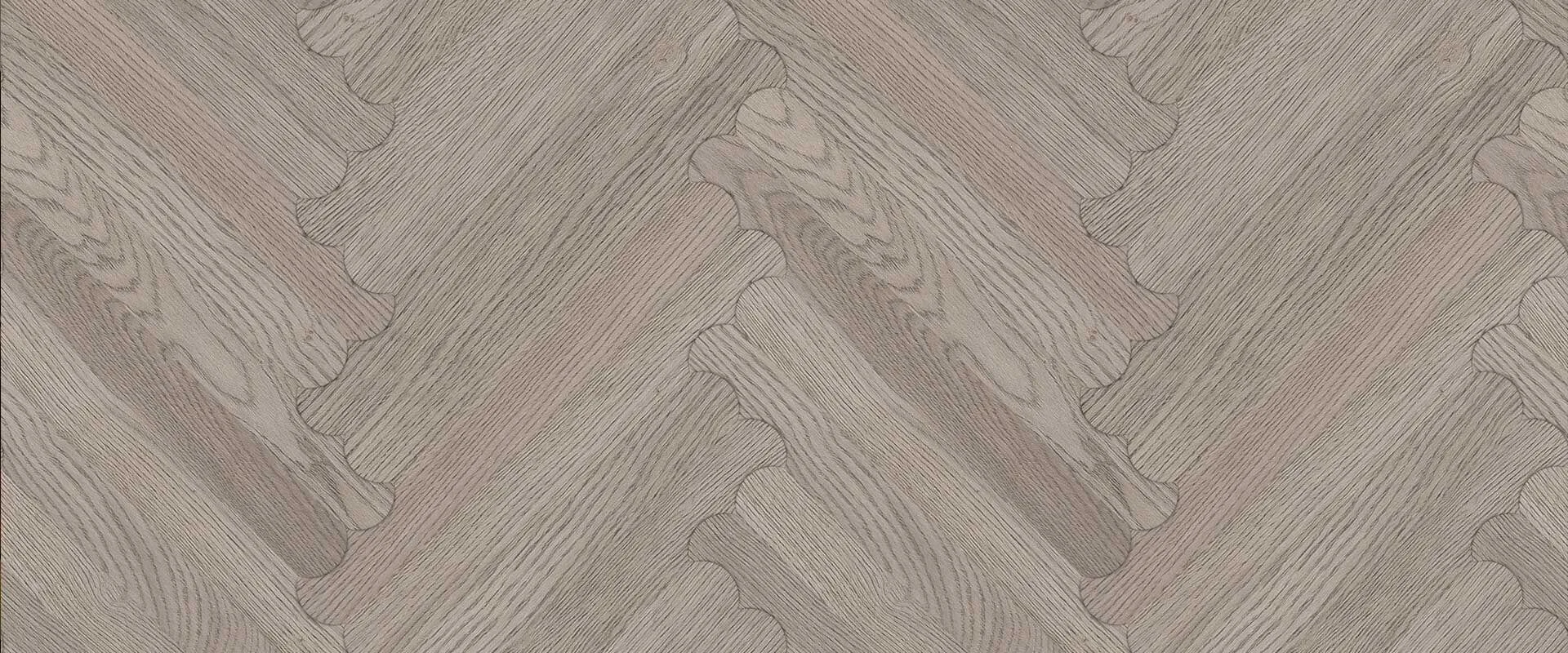
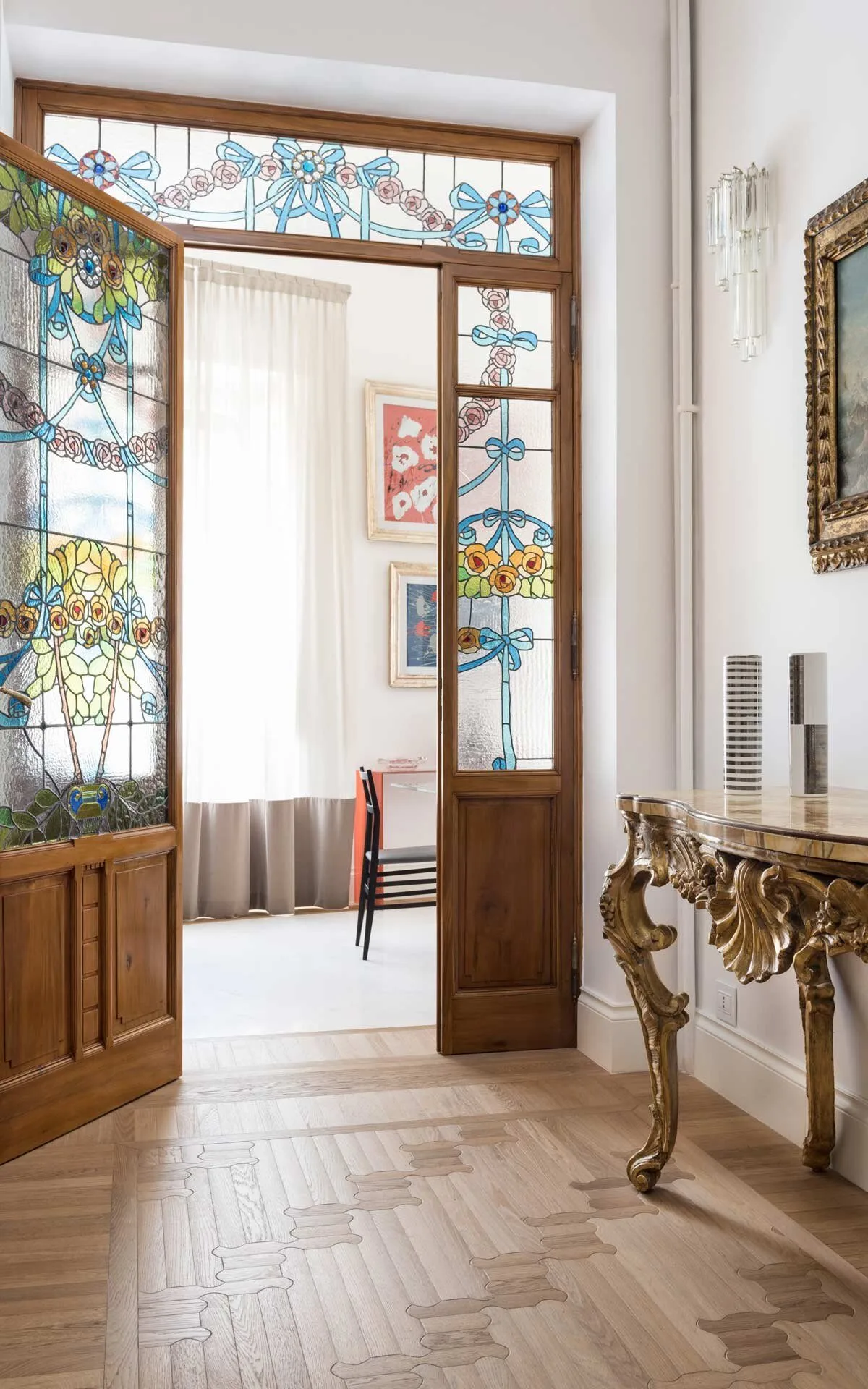
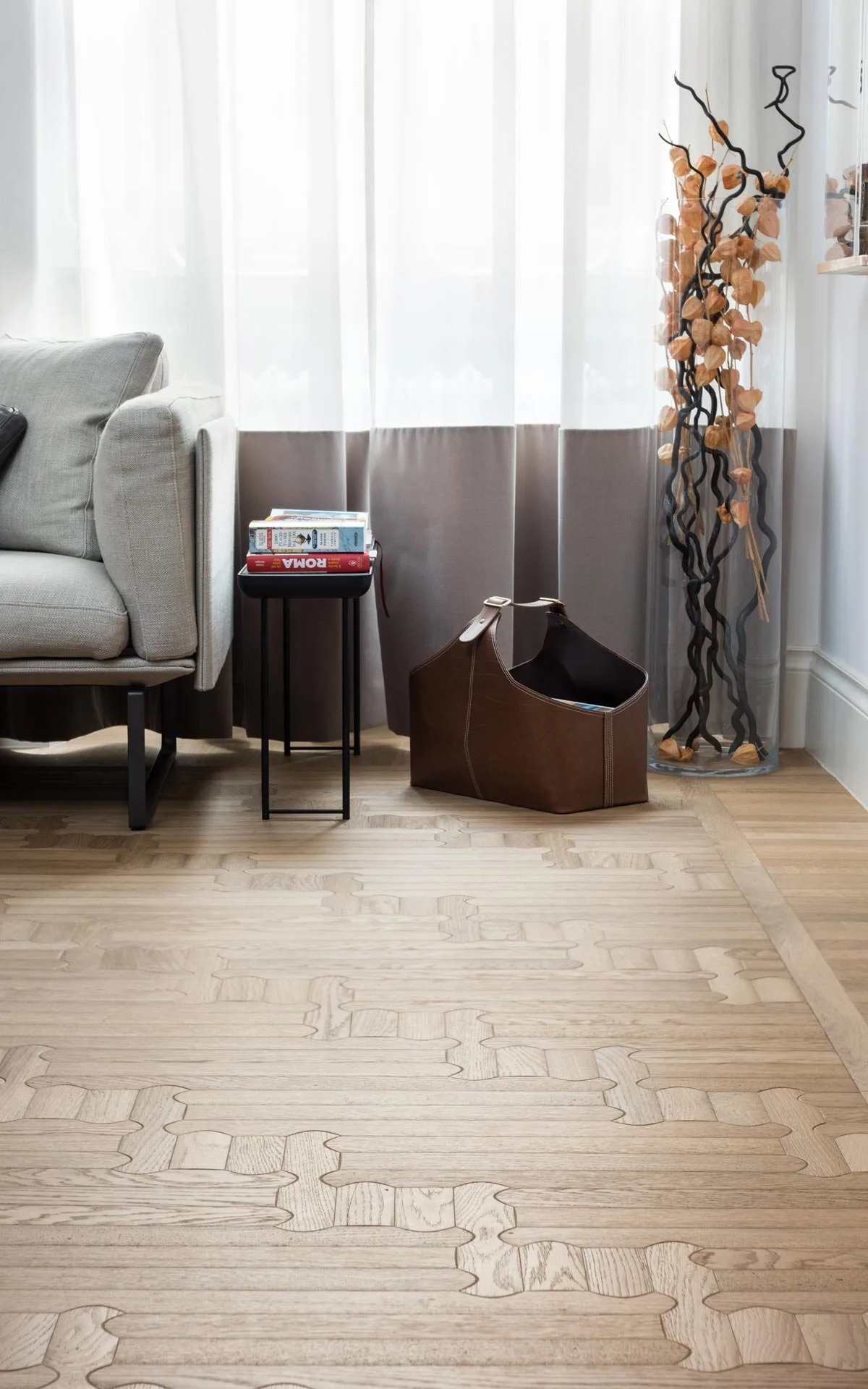
The collection is made in oak with a natural finish and is offered in two tones, Oak Civita 1695 and Oak Pienza 1458. Smooth, accurate cuts allow the boards to be laid in contemporary patterns that still echo classical parquet, so the floor can sit comfortably in both period rooms and pared-back modern interiors. It is suitable for underfloor heating and performs well in residential and light commercial settings.
See Biscuit herringbone in a room in the floor visualiser, or over a photo of your own.
Collection details
| Material | Engineered oak |
| Tones | Oak Civita 1695, Oak Pienza 1458 |
| Finish | Natural |
| Edge profile | Rounded and bevelled, slight bombé surface |
| Patterns | Herringbone, diagonal, full-length |
| Underfloor heating | Compatible |
| Made by | Our workshop network, for Make Bespoke Studio |
The bombé edge, and how it reads
Most engineered oak is cut to a flat face with a crisp, square edge. Biscuit takes a different approach. Each board is rounded and bevelled, and the face carries a slight bombé, a gentle convex rise across its width. The effect is quiet rather than decorative. In raking light, the soft edges catch a thin line of shadow where boards meet, so the floor reads as a field of distinct planks rather than a single continuous plane.
Underfoot the difference is felt as much as seen. The eased edges remove the hard line that a square arris presents, and the curved surface gives a floor that feels settled and worn-in from the first day. It is a register that suits rooms meant to be lived in slowly, and it pairs as easily with plaster and linen as with stone and brass.
Two tones in oak
Biscuit is made in European oak and offered in two natural tones. Oak Civita 1695 sits in the warmer register, with a gentle golden depth that softens north-facing rooms and holds its own under both warm metals and darker joinery. Oak Pienza 1458 is the calmer of the two, a more neutral oak that recedes and lets furniture and art lead. Both carry the natural grain movement of the timber, so no two rooms are identical, and both take the same edge and surface treatment.
The finish is natural. It is chosen to keep the oak close to its raw colour and to let the grain remain legible, rather than sealing the board under a heavy, uniform film. The result is a surface that ages openly: light wear blends into the existing character of the floor instead of standing against it. For how oil, lacquer, brushing and smoking compare, see our guide to wood floor finishes.
Pattern options
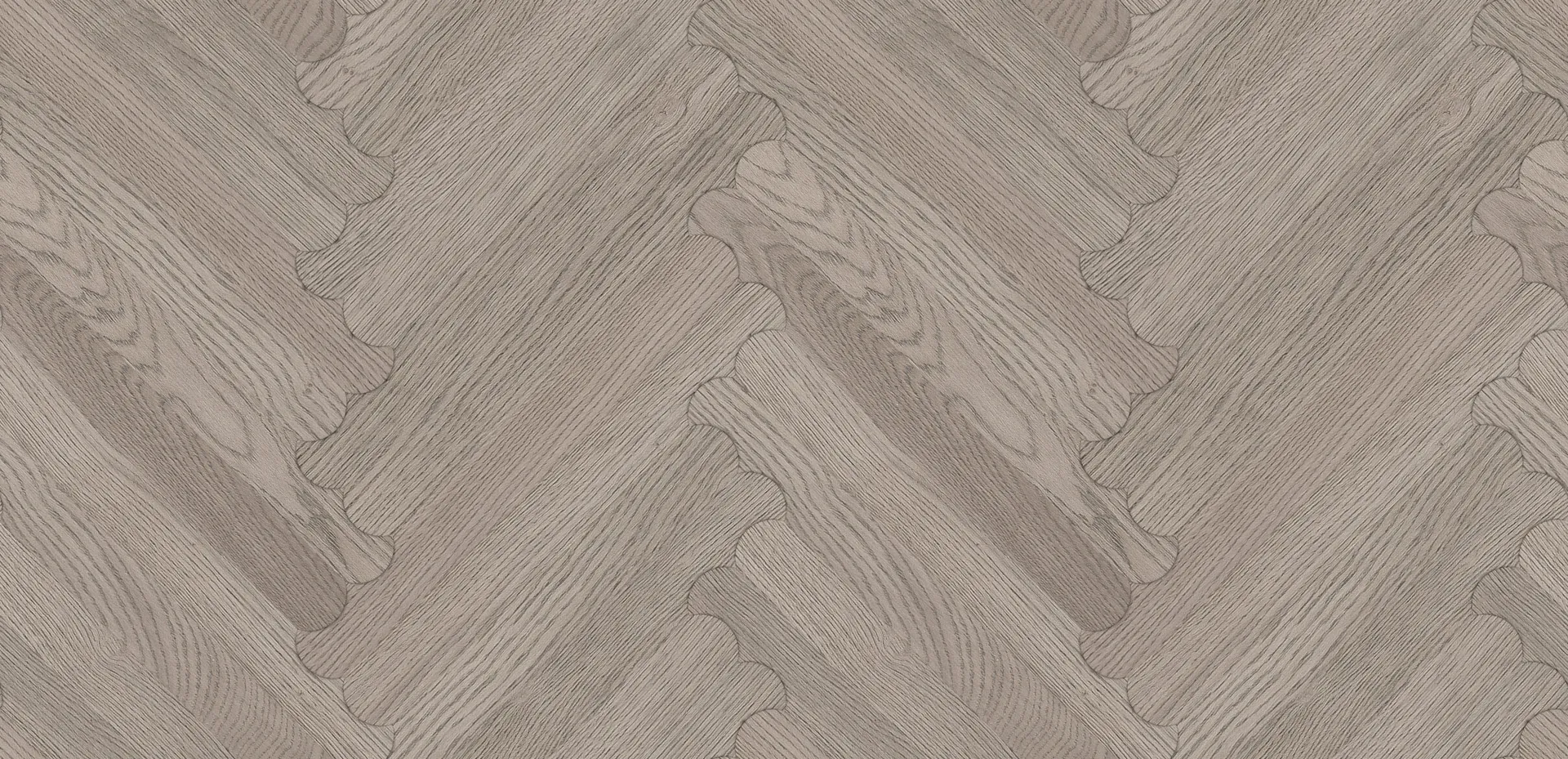
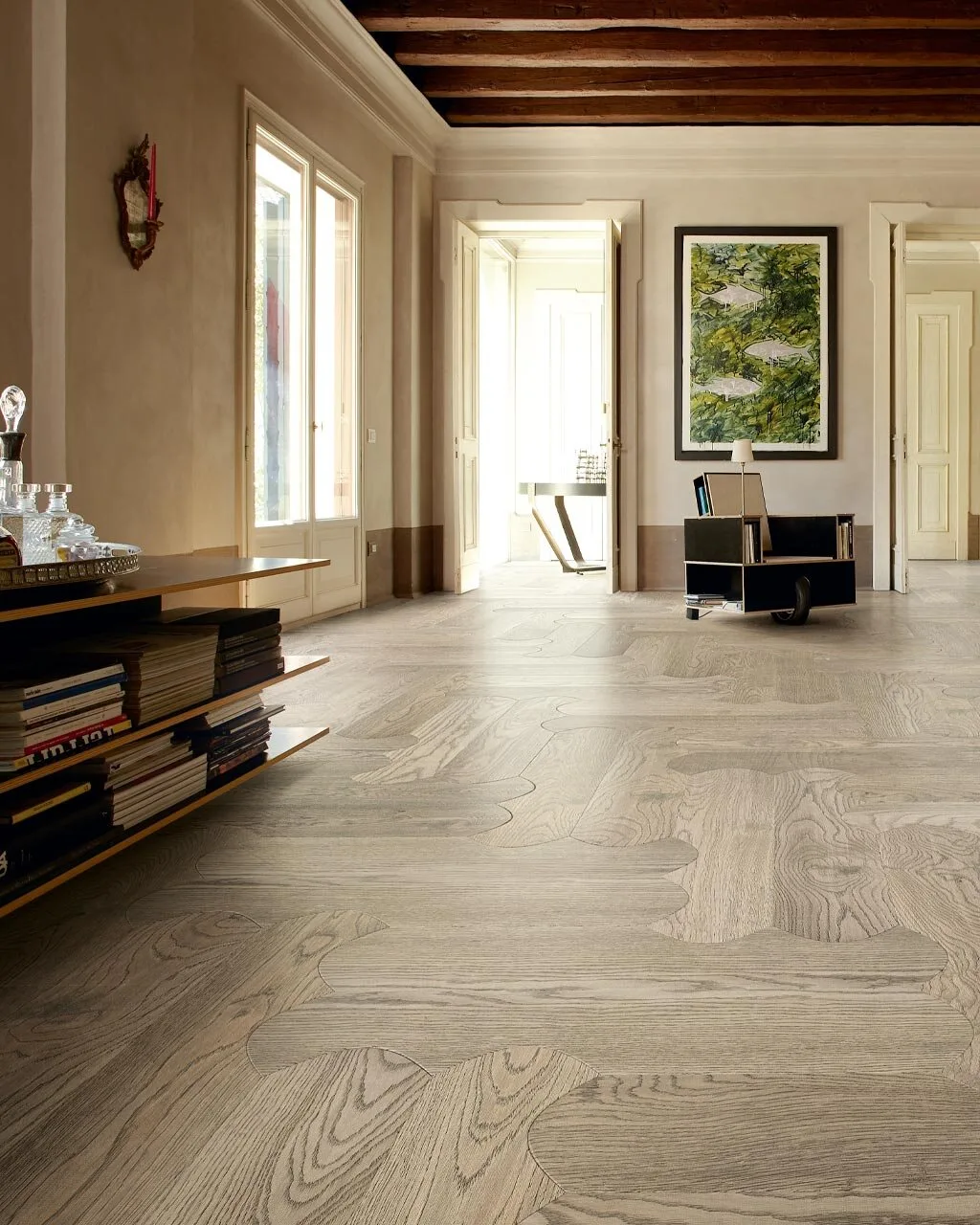
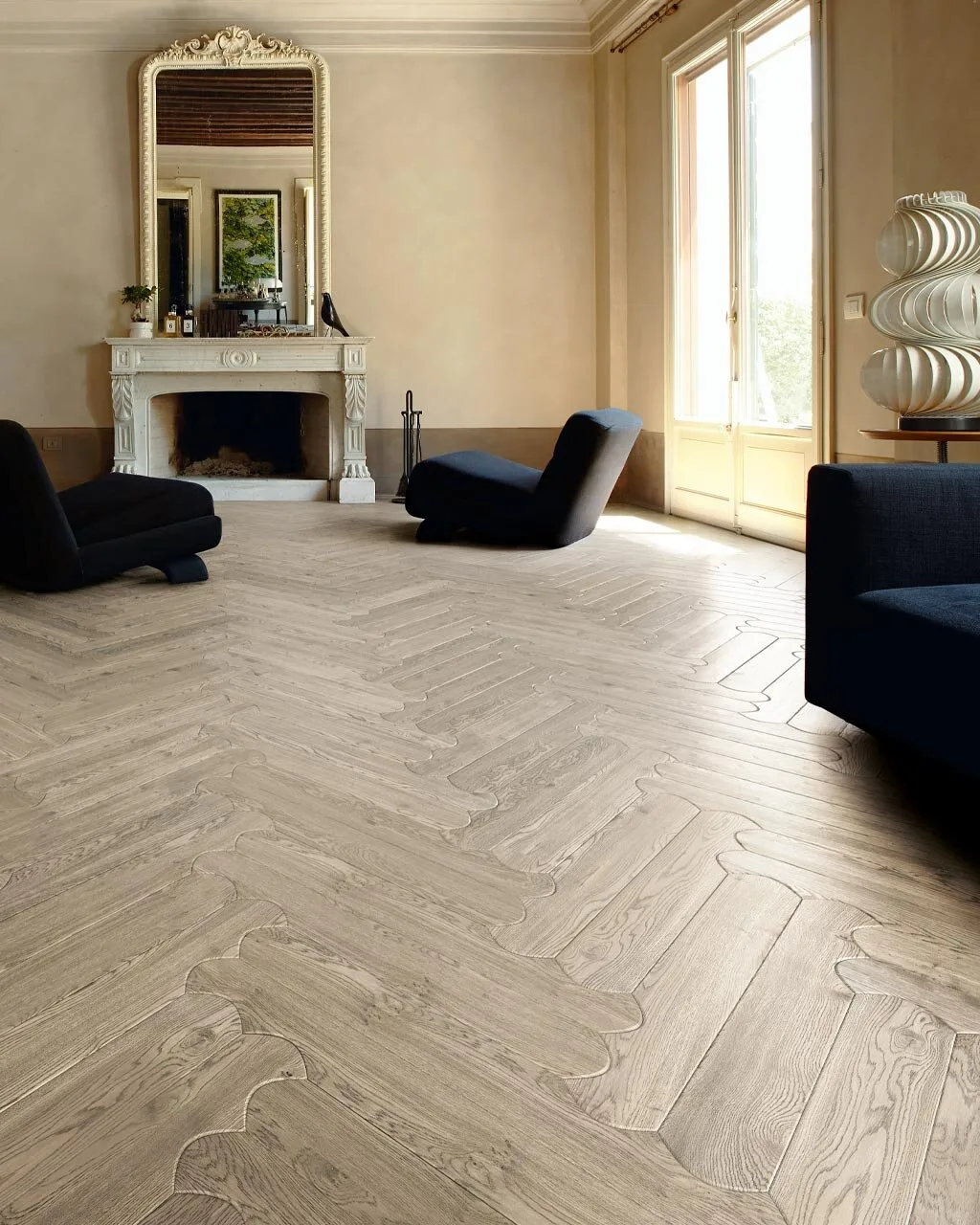
Because the cuts are smooth and accurate, Biscuit can be laid in patterns that echo classical parquet while reading as contemporary. We work with three principal layouts:
- Herringbone. The boards meet at a right angle in the traditional manner. The eased edges give a softer joint than sharp-cut herringbone, which suits the pattern to quieter, modern rooms.
- Diagonal. Boards run at an angle to the walls, drawing the eye across the room and adding movement without the formality of a full parquet.
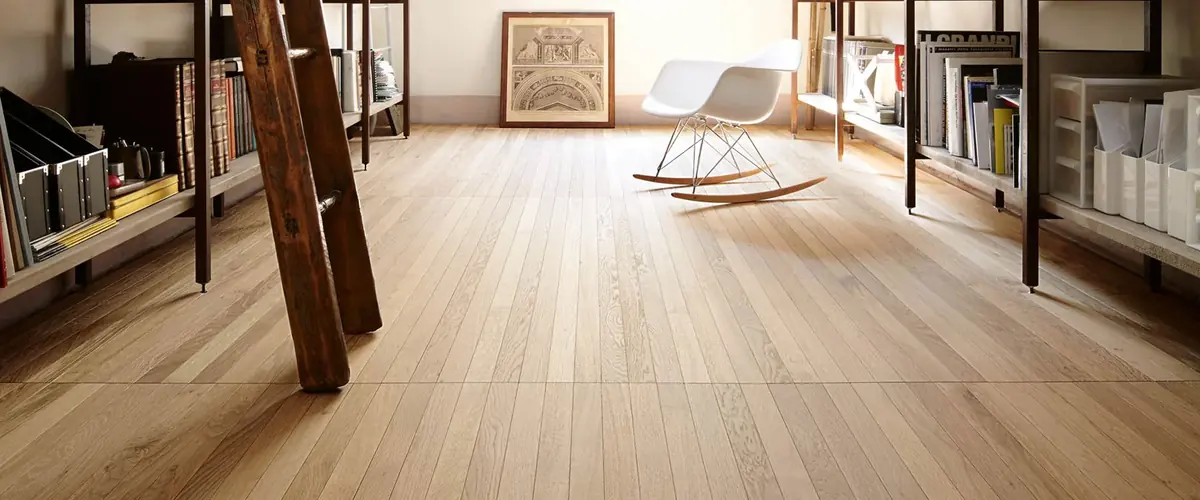
- Full-length. Long, continuous planks for a calmer, more architectural floor that lets the bombé surface carry the interest.
The right layout depends on the proportions of the room, the direction of natural light and the level of formality intended. We are happy to advise on a pattern at the specification stage.
Fitting and underfloor heating
The engineered construction, a hardwood oak wear layer over a stable substrate, keeps the boards dimensionally steady through changes in humidity and temperature. This is what makes Biscuit suitable for underfloor heating, now the default in most new residential specifications. As with any timber floor over heating, the system should be commissioned and brought up to temperature gradually, and a surface temperature limit observed, so that the boards acclimatise without stress.
Boards are typically fully bonded to the screed for use over underfloor heating, which gives the most consistent heat transfer and the quietest floor. We advise allowing the material to acclimatise on site before fitting, and confirming that screed moisture levels are within tolerance. Our guide to wood flooring over underfloor heating sets out the figures and the order of work. For what a good installation specification covers, see our guide to wood flooring installation.
Maintenance
A natural-finished oak floor is straightforward to keep. Day to day, a soft brush or vacuum and an occasional damp (not wet) mop is enough. The natural finish can be refreshed locally, so a worn traffic lane can be treated without re-doing the whole room, and the softly aged character means small marks are forgiving rather than conspicuous. With periodic care, the floor settles and improves with use.
How we work with Biscuit
Biscuit is part of our flooring range, produced for us by our workshop network. We hold the collection as a specifier-ready system rather than a fixed catalogue line: tone, pattern and board layout are selected to suit the room, and we can advise on transitions where Biscuit meets stone, tile or another timber. For adjacent rooms in other registers, it sits comfortably alongside the Classics oak tones, and the same calm oak language continues into Désir parquet. Samples of both tones are couriered on request through our sampling service.
Common questions
What is the bombé surface?
It is a slight convex rise across the face of each board, paired with rounded, bevelled edges. It softens the line between planks and gives the floor a worn, settled look from the outset.
Can Biscuit be laid in a parquet pattern?
Yes. The smooth, accurate cuts support herringbone, diagonal and full-length layouts. The eased edges read as a more contemporary take on classical parquet.
Is it suitable for underfloor heating?
Yes. The engineered construction keeps the boards stable over heating. The system should be commissioned gradually and a surface temperature limit observed.