Bespoke upholstered furniture is defined by the hidden architecture beneath the cloth: the jointed frame, tied springs, wadding and fill that decide, far more than the fabric, how a piece feels and how long it lasts. From bespoke sofas and armchairs to banquettes and dining chairs, our upholstered seating is made for residential and hospitality interiors across London and internationally. To commission a piece, see bespoke upholstered furniture.
Sit down on a well-made sofa and there is a moment of quiet negotiation. The seat takes your weight, holds it, and gives a little of it back — not the dead drop of a tired cushion or the unyielding push of a cheap one, but a considered welcome. None of what makes that happen is visible. Beneath the cloth lie layers you will never see: the jointed frame, the tied springs, the wadding and the fill, each one chosen and built before the fabric ever went on. That hidden architecture is upholstery, and it is what separates a piece you sink into gratefully for years from one you replace in three.
Bespoke upholstered furniture occupies the centre of most rooms — the sofa in the drawing room, the chairs around the dining table, the headboard behind the bed. It is the furniture that people use most and touch most; it is also, for that reason, the furniture that ages most visibly. Getting the specification right — fabric, construction, form — determines not only how a piece looks on delivery but how it performs over a decade of use. This guide is for interior designers and architects specifying bespoke upholstered sofas, chairs, banquettes and headboards for residential and hospitality projects in the UK.
At Make Bespoke Studio, all upholstered pieces are made in our dedicated upholstery workshop. Frames are built in our woodwork facility, upholstered by hand in the workshop, and finished to the same standards of precision as our cabinetwork and joinery. This is a guide to the key decisions in upholstery specification and what each one means for the final piece.
Fabric selection
Fabric is the most visible decision in upholstery specification and also the most consequential for durability. The broadest distinction is between natural fibres — linen, wool, cotton, silk — and synthetic or blended performance fabrics. Run a hand across good linen and you feel the slubs and small irregularities of a living fibre; natural cloths have a tactile quality and visual depth that synthetics cannot replicate. They also ask more of you: more care, and generally less resistance to wear, fading and staining. Performance fabrics, particularly in hospitality and high-traffic applications, now offer significant practical advantages without the visual compromise that characterised earlier generations of the category — the plasticky hand and dull surface are largely a thing of the past.
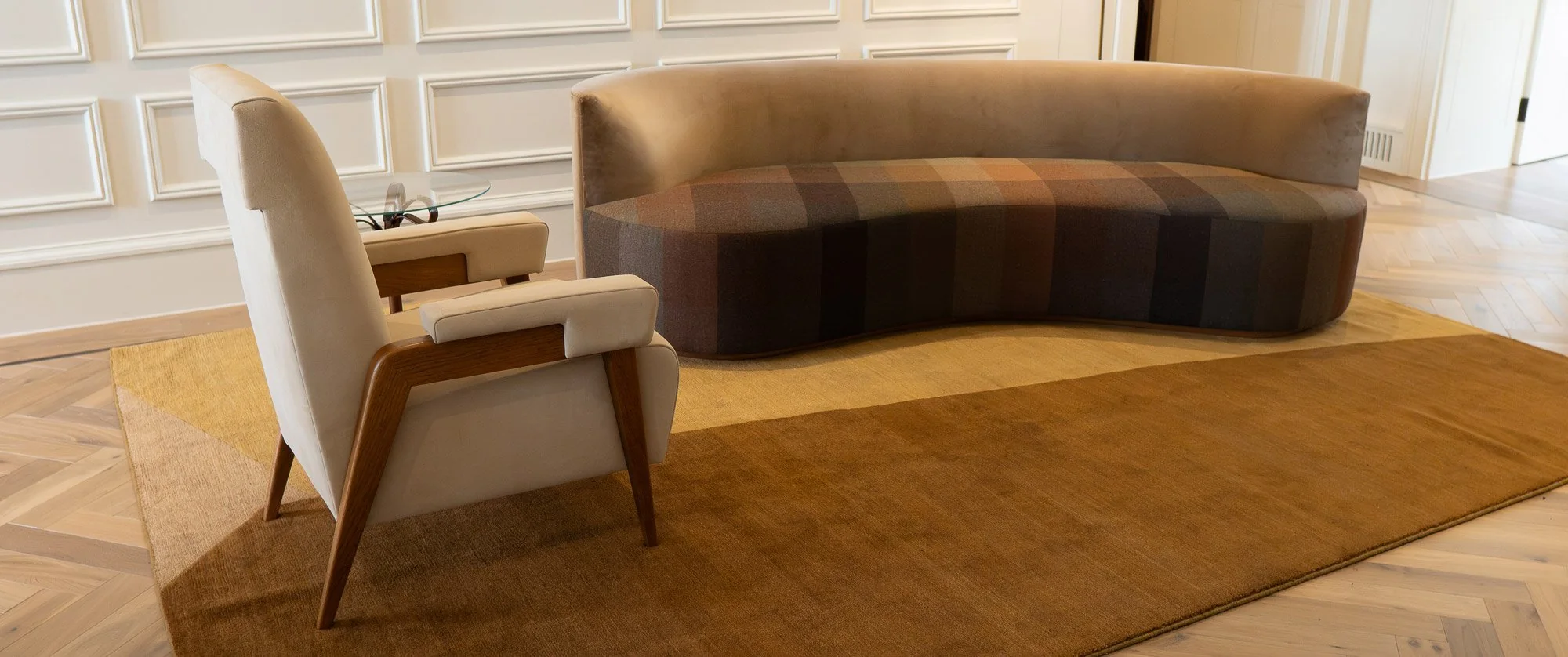
Velvet, whether cut, uncut or patterned, remains one of the most consistently specified materials for luxury upholstery. The way velvet shifts colour as you move past it — pale where the pile lies one way, deep and shadowed where it lies the other — gives an upholstered piece a quality of aliveness that flat-woven fabrics simply do not have. It marks easily, and the hand of a guest leaves its trace, but in a private residential context that responsiveness is often exactly what makes it the right choice.
For COM (customer's own material) specifications, we accept fabric from any supplier and can advise on suitability for the intended application before cutting begins. Pattern placement and matching across panels, cushion borders and welts is treated as a critical quality point, not an optional refinement. When a fabric arrives with a repeat, much of the craft happens before a single cut is made — laying it out, reading where the motif should land on the seat, where it should run unbroken across the back, so that the eye never catches a join it was not meant to see.
Leather
Leather upholstery divides into three broad categories: full-grain, top-grain and corrected-grain. Full-grain leather retains the entire original grain surface of the hide, including natural variations in texture and markings. It is the most durable and develops the richest patina over time. Top-grain leather has been lightly sanded to remove surface imperfections and is more uniform in appearance; it is the most widely used leather in quality furniture. Corrected-grain leather has been heavily processed with an applied surface, more uniform still, but with less of the natural character that makes leather distinctive.
Aniline leathers, dyed with transparent dyes that allow the natural grain to show through, are the most characterful and the most sensitive. Pigmented leathers carry an opaque surface coating that is more resistant to staining and fading but visually flatter. Semi-aniline offers a compromise: a light protective coating over a transparent dye, balancing character with practicality.
We work with specialist leather suppliers and can source hides to match existing leather in a room or to complement a specific material palette. All leather is inspected before cutting; any hides with significant natural variations that might compromise the finished appearance are returned. A hide is not a bolt of cloth, after all — it carries the life of the animal in it, a scar here, a stretch mark there, the line of the backbone running down the middle — and I will admit we spend a long time over the inspection table, turning a hide to the light, deciding where the cleanest leather should fall on the seat where a hand will rest and where the natural marks can be allowed their place. The grain tells you where it wants to be used; the job is mostly listening.
Frame construction and form
The structure beneath the upholstery determines the long-term performance of a piece — how it holds its shape, how it sits, how it ages. Our frames are built in hardwood or high-quality engineered board depending on the application, jointed and glued rather than stapled or screwed; a frame put together properly will not creak or rack a decade in. Seat suspension is typically an eight-way hand-tied spring system for deep, traditional seating — each spring lashed by hand in eight directions so the seat flexes evenly underneath you — or a sinuous spring system for more contemporary, firmer profiles. The difference is one you feel the instant you sit: the slow, generous give of the hand-tied seat against the cleaner, more immediate support of the sinuous.
Cushion fillings range from high-density foam, which gives a clean, contemporary edge and consistent support, through to feather-wrapped foam and pure feather for a softer, more traditional character. There is a particular sound to a feather cushion as you lower into it, a soft exhale, and a particular ritual to keeping it — the choice of filling affects both the silhouette of the piece and its maintenance. Feather cushions need regular plumping to keep their shape, while foam holds its profile with minimal attention. Neither is better; they are simply two different ways for a seat to meet you.
Types of upholstered furniture
Our upholstery workshop produces the full range of upholstered furniture for residential and hospitality interiors:
- Sofas and sectionals, from tight-back contemporary forms to deep, traditional feather-filled pieces
- Dining and occasional chairs, fully upholstered, part-upholstered or with contrast piping and button detailing
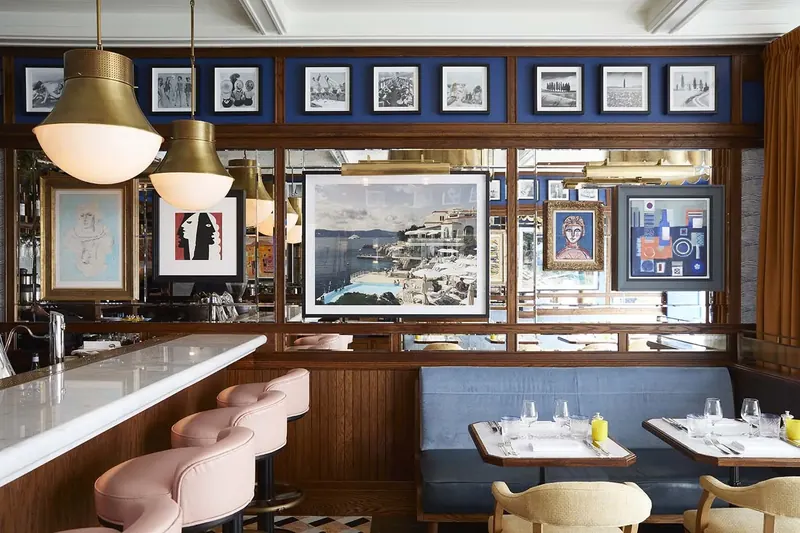
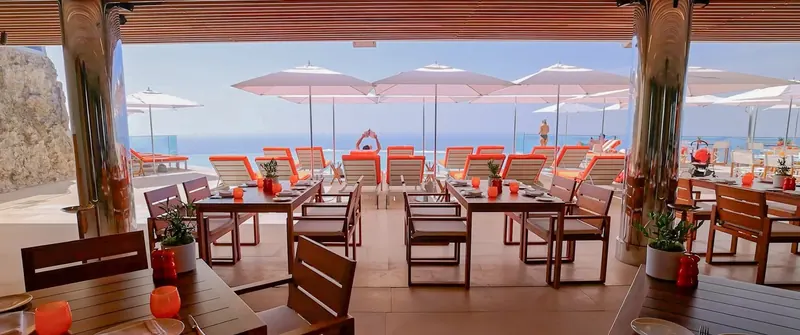
- Banquette seating, fixed and booth configurations for hospitality and private dining
- Headboards, from simple panel headboards to full bed surrounds with integrated bedside shelving
- Ottomans and poufs, as standalone pieces or as companions to a sofa or chair
- Panel upholstery, wall panels, door upholstery and headboard surrounds as part of a joinery scheme
All pieces are made to the dimensions and specification of the project. There are no standard sizes — the seat is built to the height of the person, the depth of the room, the way the light falls. A piece of upholstered furniture is the one thing in a room people return to, day after day, without thinking; our hope is always that it gives a little back each time. Contact us to discuss your upholstery requirements.