Bespoke Wood Flooring
Make Bespoke Studio specifies and supplies bespoke wood flooring to interior designers, architects and contractors from its studio in Chelsea Harbour, London: herringbone, chevron and parquet in engineered and end-grain oak, in nine collections from manufacturing partners in France, Italy and the UK. Each collection is available in bespoke dimensions, finishes and installation patterns.
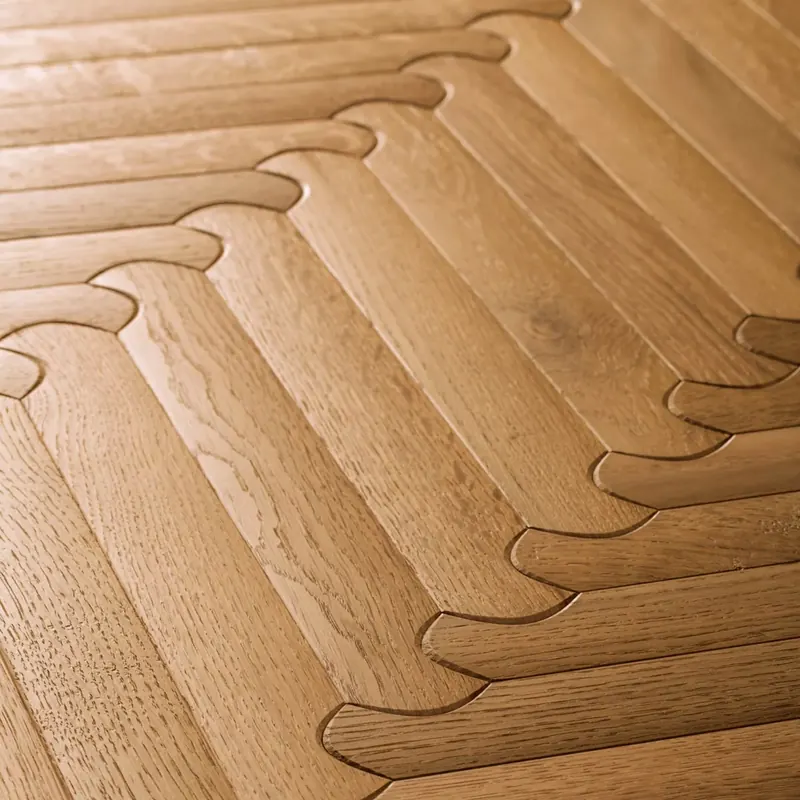
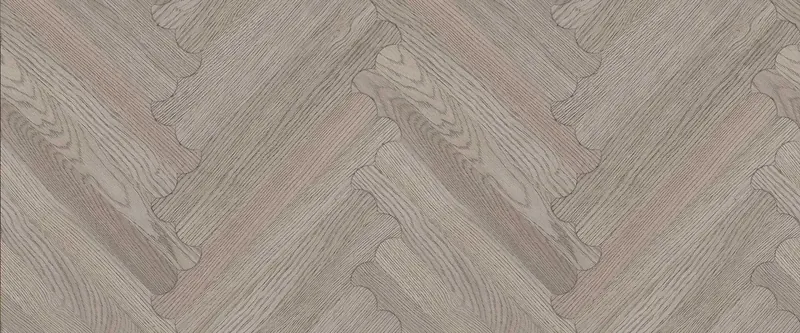
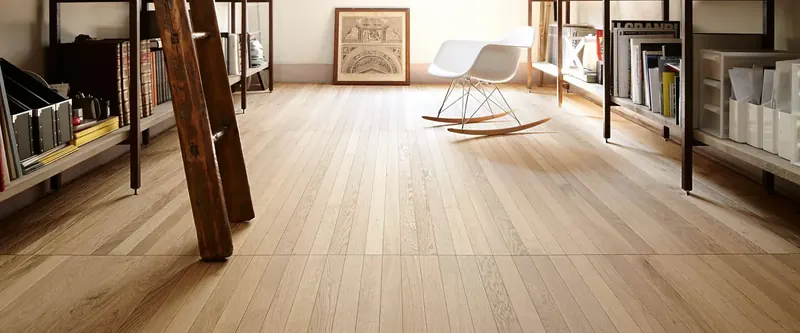
The collections run from classic to contemporary. Classics is the core oak range, in twelve shades as plank or parquet. Désir is a woven lay of slender oak planks, and Biscuit a rounded, bombé engineered board laid in herringbone. Opus and Forêt are end-grain oak, an orientation that wears far more slowly than a flat-sawn board: Opus is a mosaic with no visible repeat, and Forêt offers six patterns. Slide composes modular panels into geometric layouts, and Undici carries laser-engraved decoration in the grain. Élément reduces the chevron to one end-grain component laid in many arrangements, and Cube sets end-grain oak blocks in an open, even grid.
All flooring is engineered for dimensional stability, performing reliably over underfloor heating and across wide spans when correctly specified; heating for Élément and Cube is confirmed with the maker for each project. Boards are supplied pre-finished or unfinished to specification, in a range of oak grades and treatments including natural, smoked, brushed, oiled and lacquered. Not sure whether engineered, end-grain or solid suits the room? Read our guide to engineered and solid wood flooring.
See a floor before you specify it. The floor visualiser lays 55 patterns in 30 timbers and shades, in a room photo or over a photo of your own.
Flooring collections
Nine collections from manufacturing partners in France, Italy and the UK, each available in bespoke dimensions, finishes and installation patterns. Choose by character, then lay it in a room in the floor visualiser.
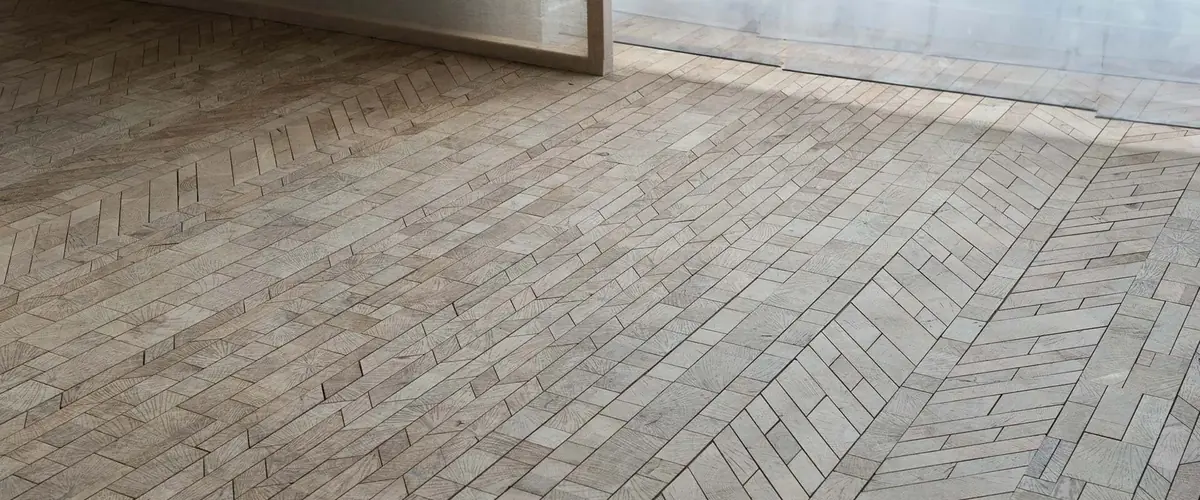
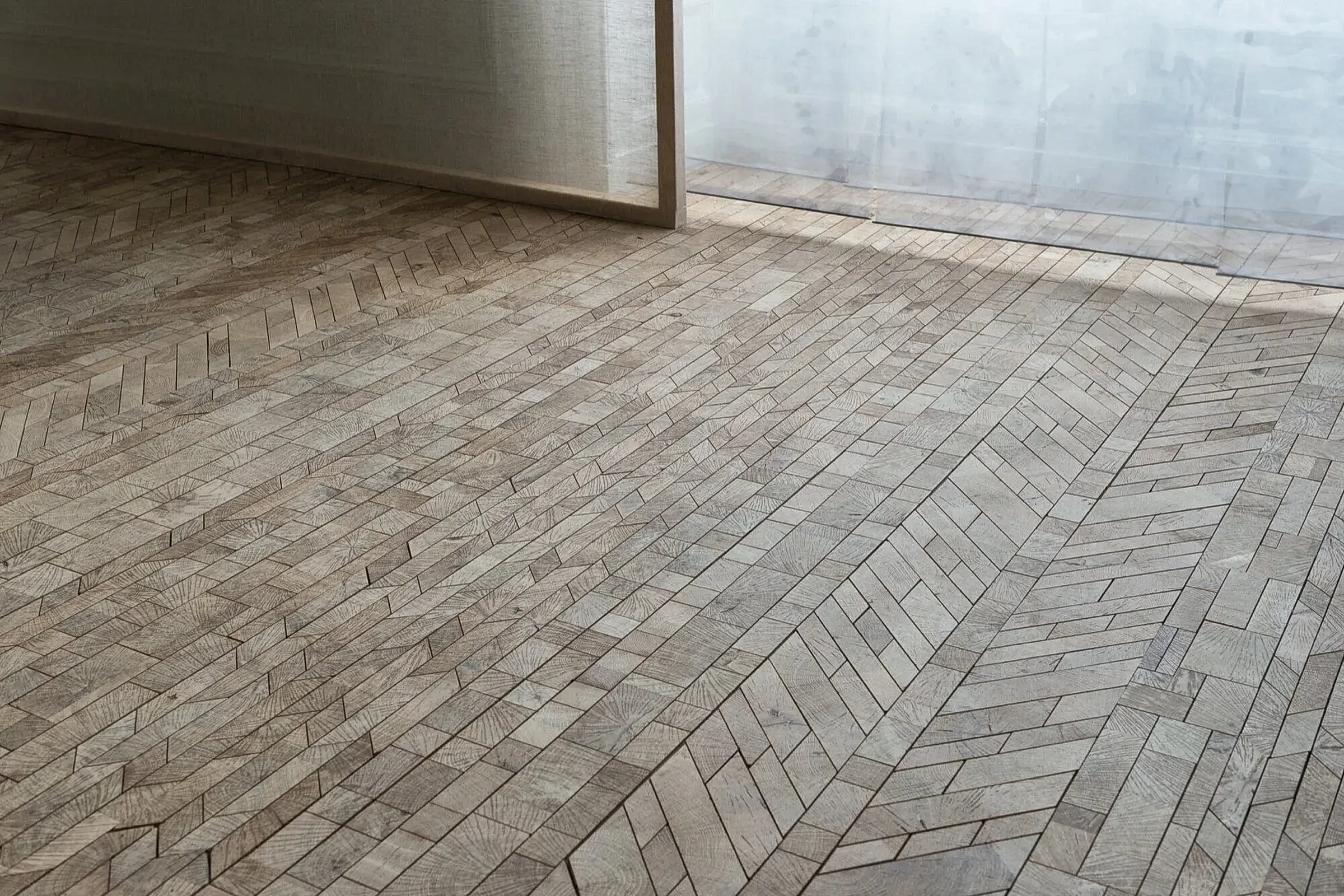
End-grain oak in six patterns, mounted on planks.
Explore →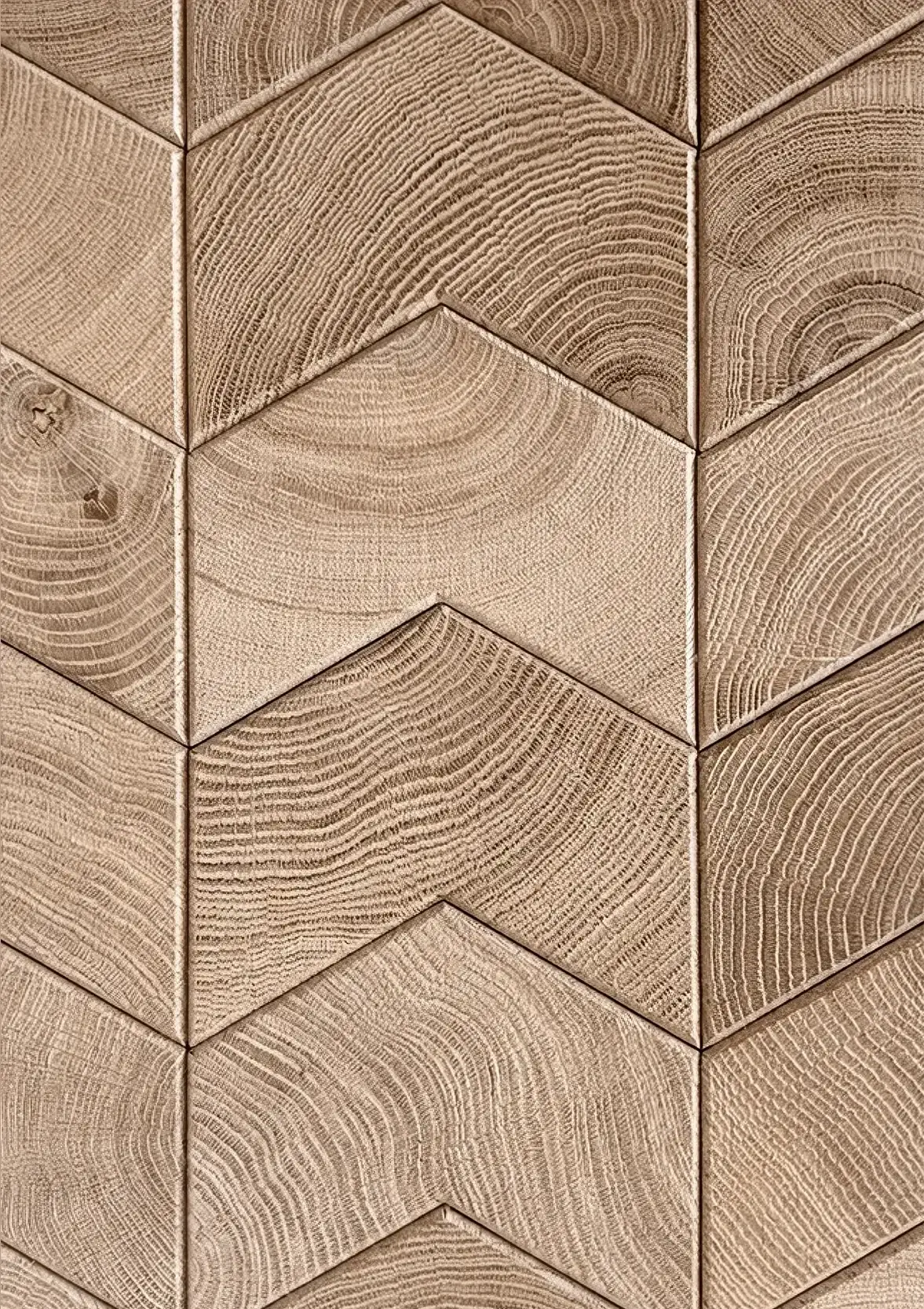
One end-grain oak chevron component, many arrangements.
Explore →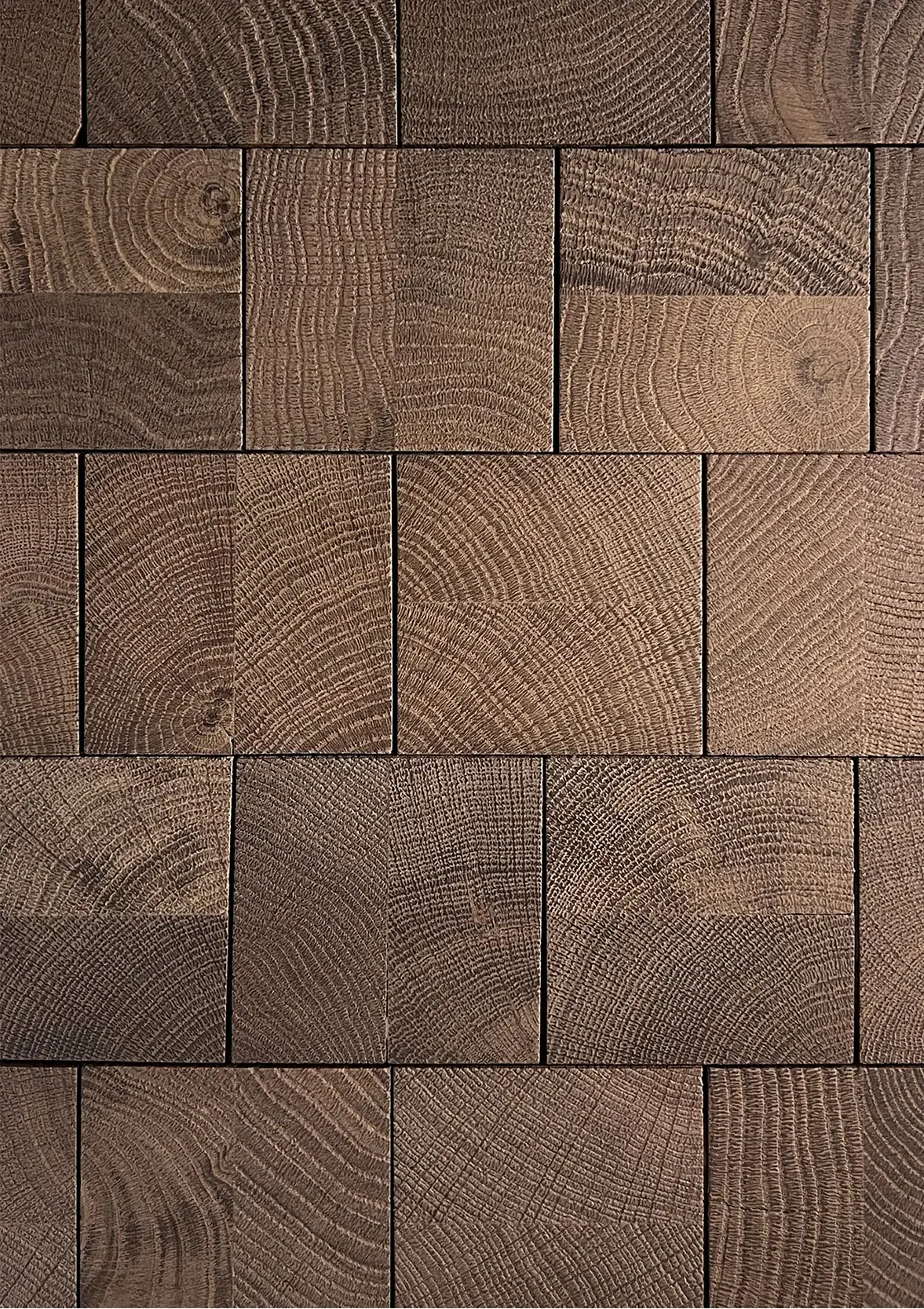
End-grain oak blocks in an open, even grid.
Explore →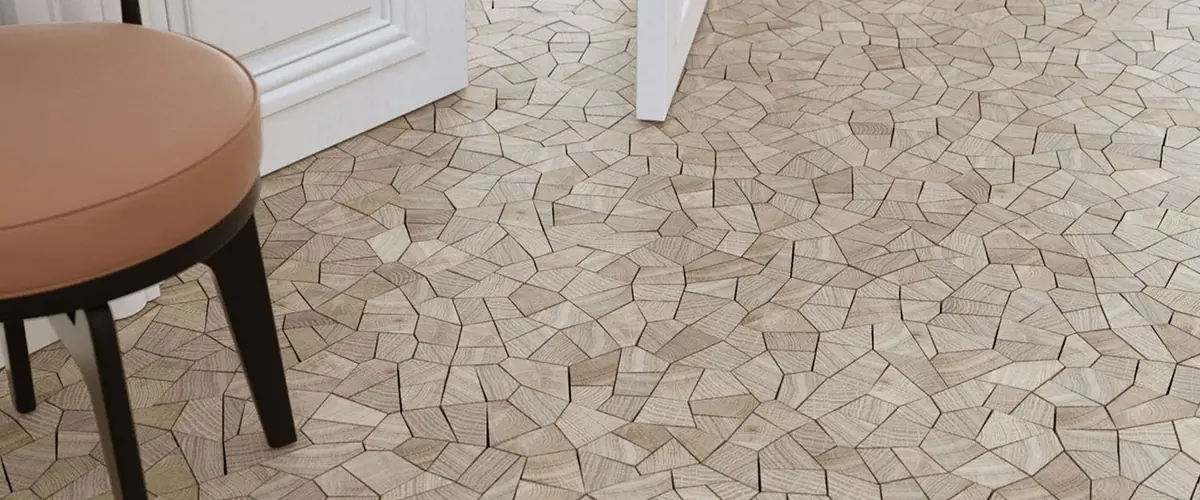
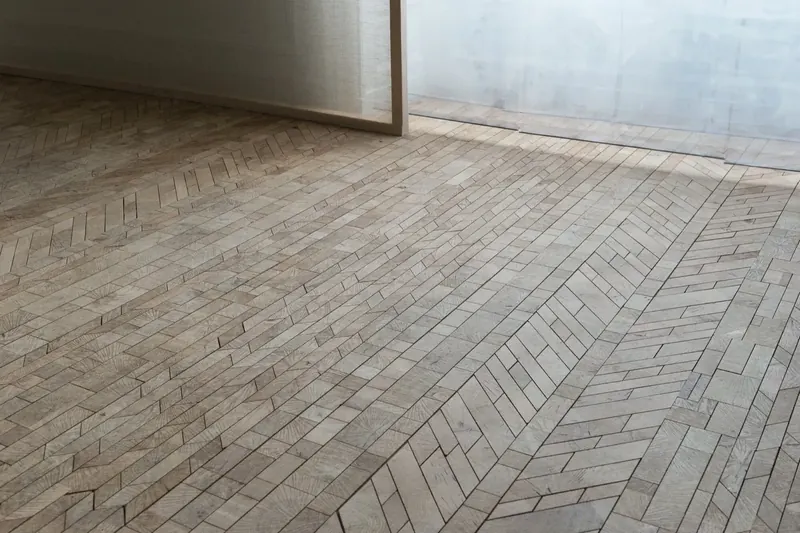
End-grain oak mosaic with no visible repeat.
Explore →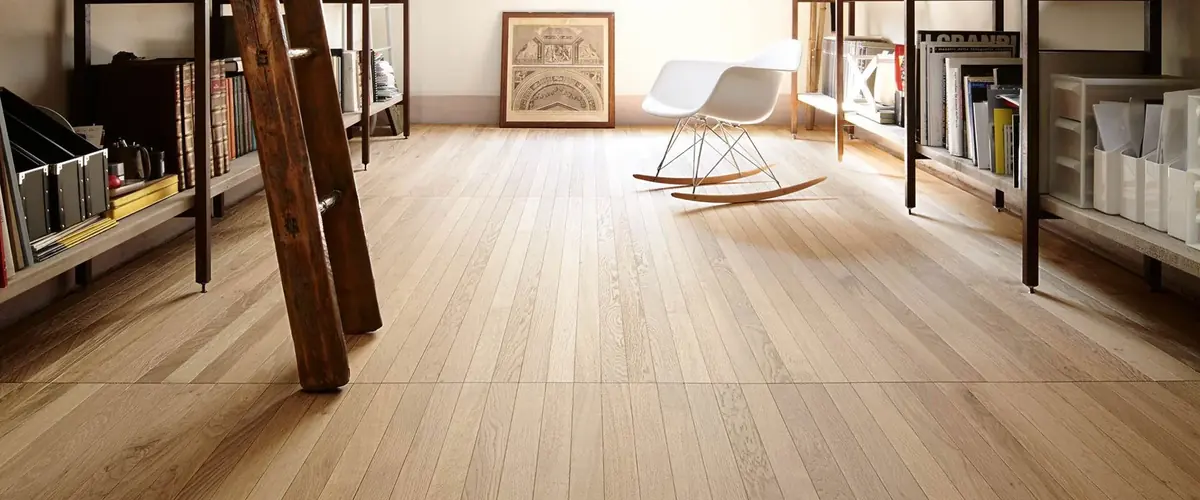
A woven lay of slender oak planks.
Explore →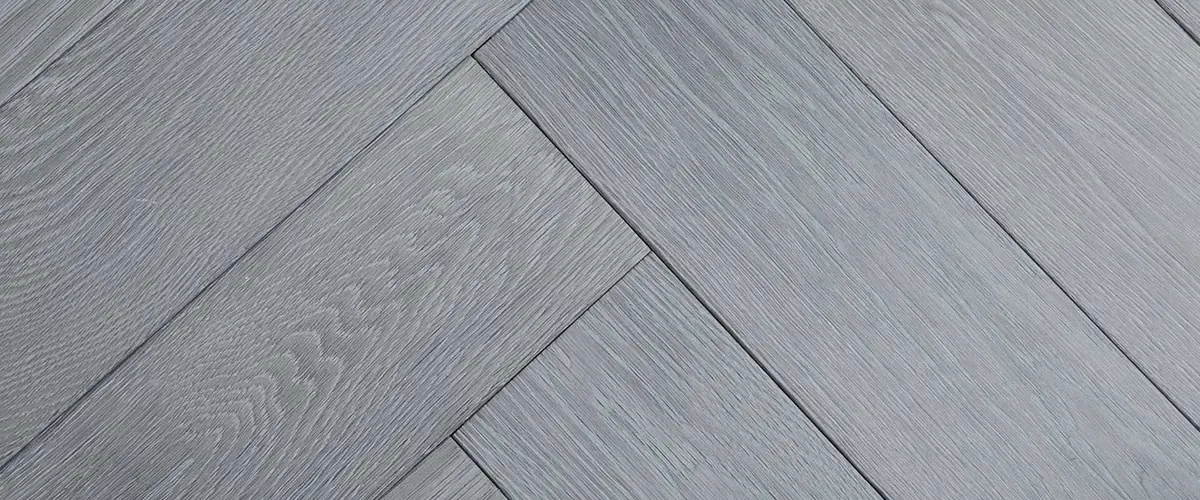
Twelve oak shades, as plank or parquet.
Explore →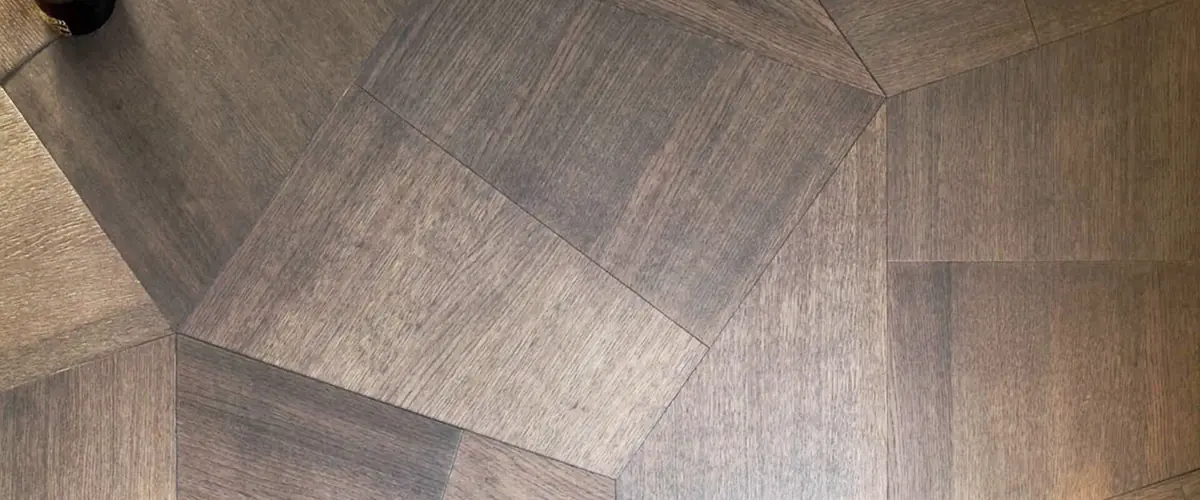
Modular oak panels in geometric layouts.
Explore →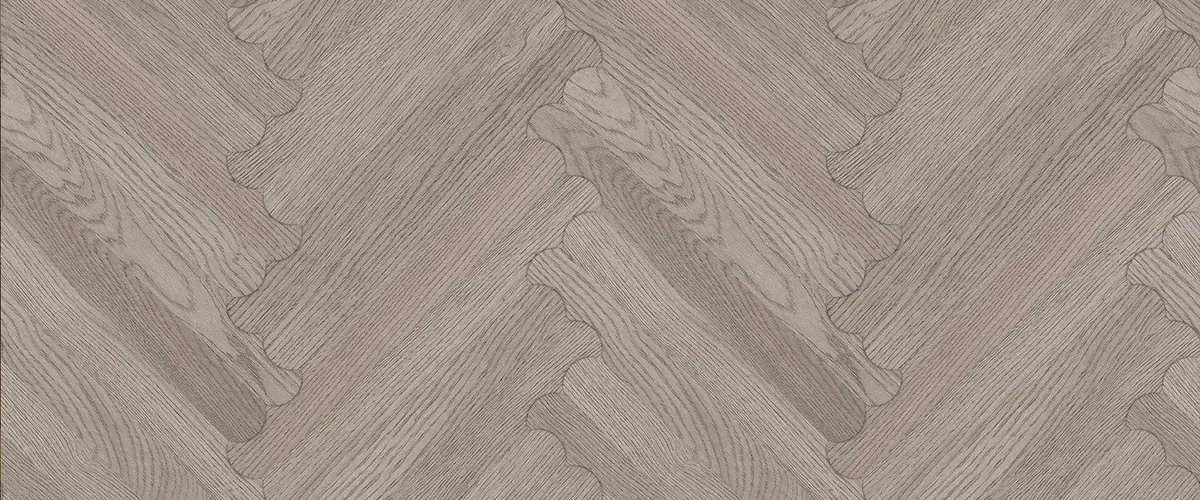
Engineered oak with a rounded, bombé edge.
Explore →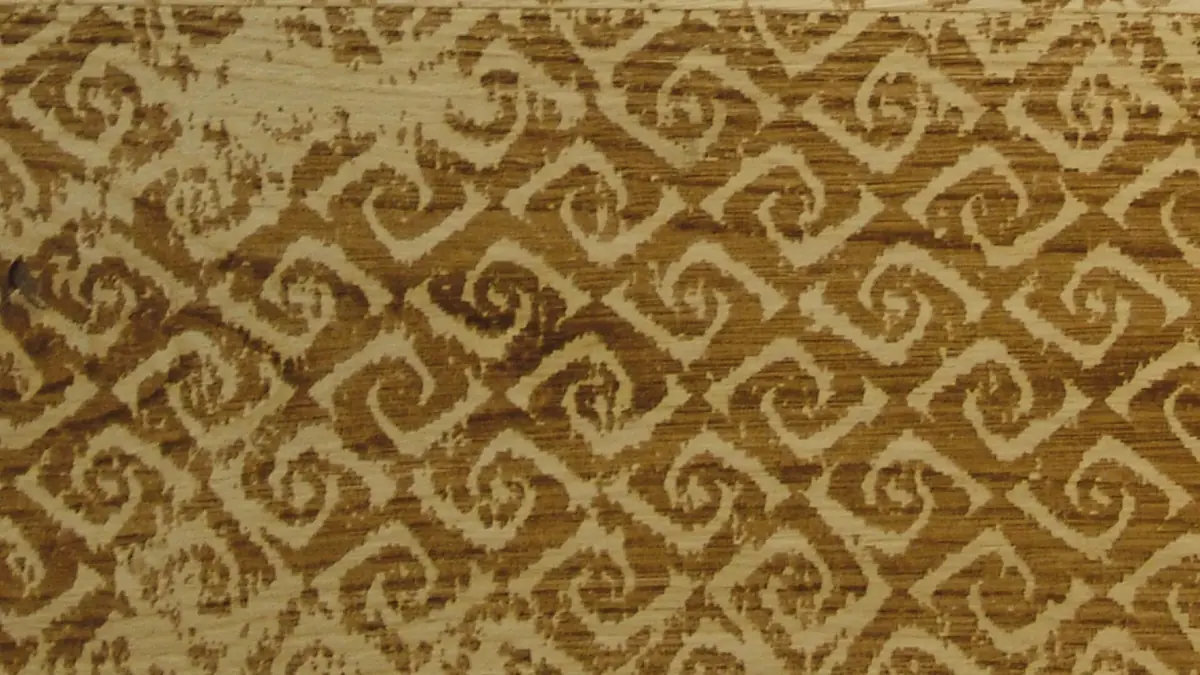
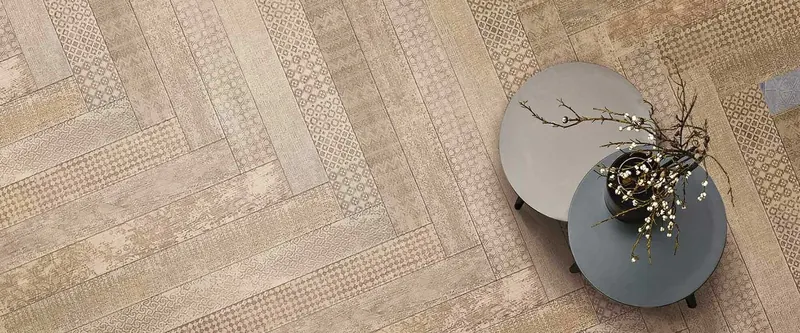
Laser-engraved oak parquet.
Explore →Herringbone, chevron, panel and plank layouts
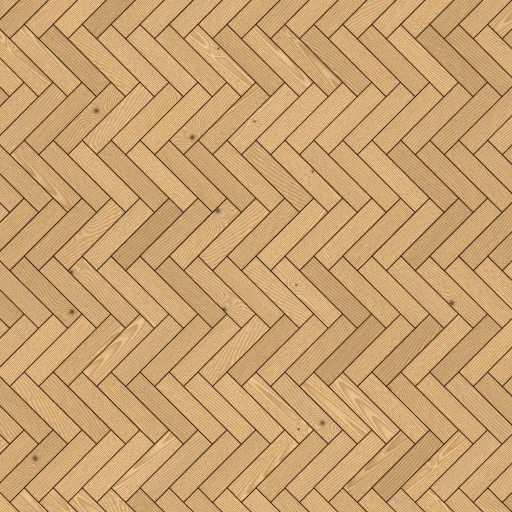
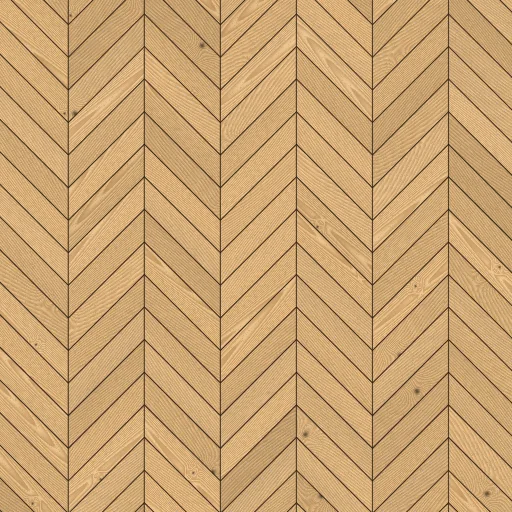
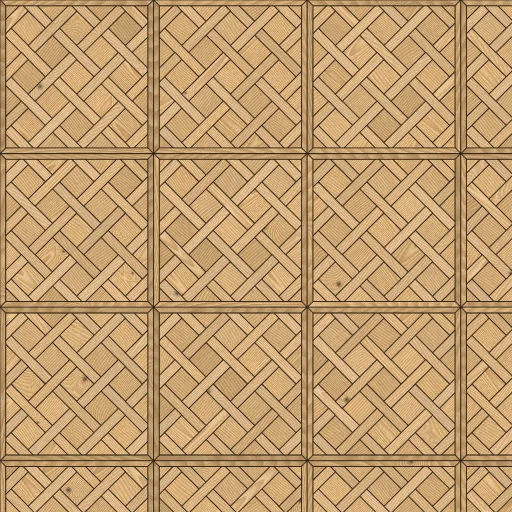
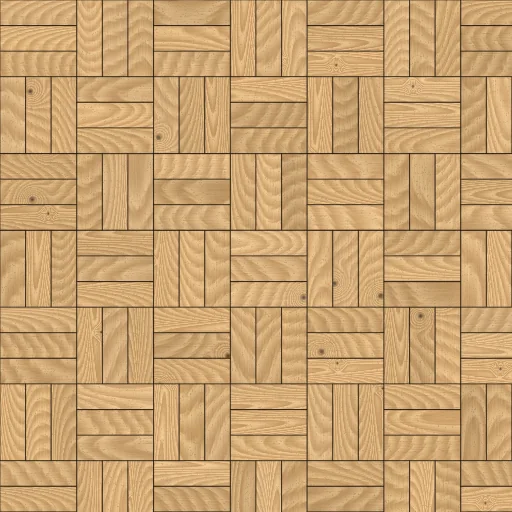
A floor reads first as a pattern. Herringbone sets rectangular blocks at right angles for a continuous zigzag; chevron cuts the boards at an angle so their ends meet in an unbroken arrow; Versailles and the other panel parquets frame diagonal infills in squares, close cousins of marquetry; plank layouts run long boards in parallel; and the end-grain collections turn the cross-section of the timber upward. We can produce any of them, in bespoke dimensions. Choose one below to see it laid in a room.
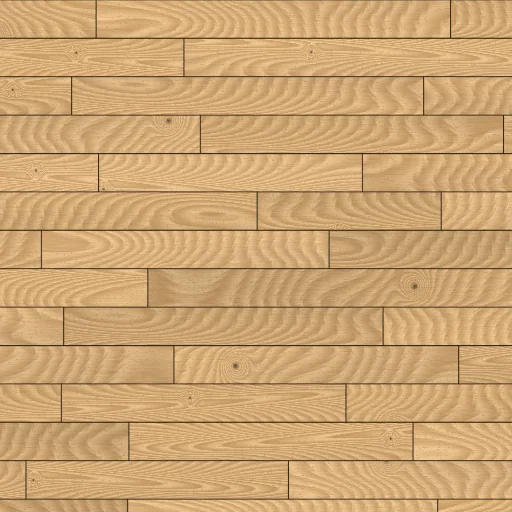
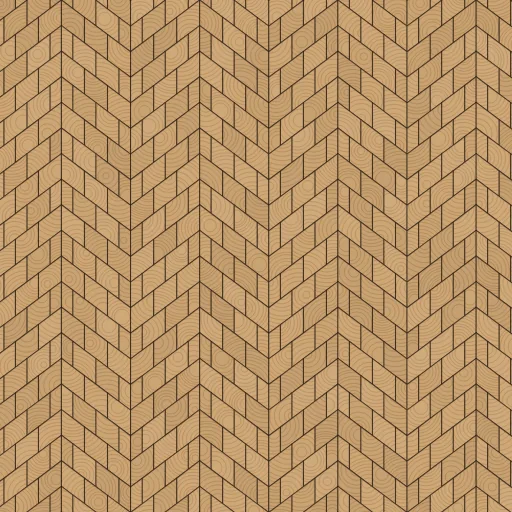
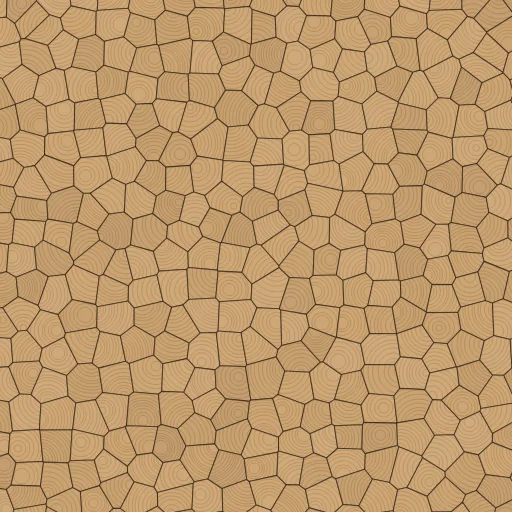
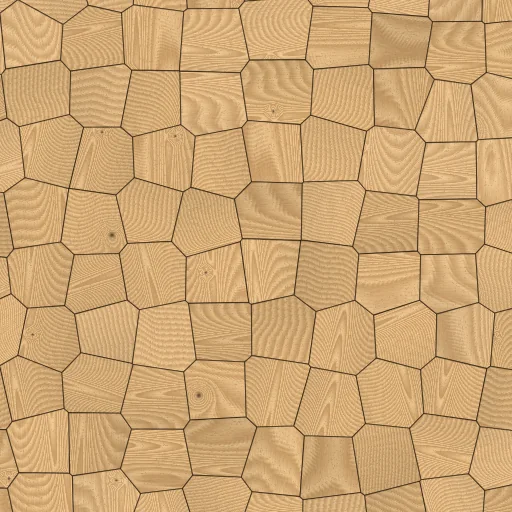
See the floor in your room
Lay 55 patterns in 30 timbers and shades, in a room photo or over a photo of your own. Your photo is processed in your browser and is never uploaded.
Try the floor visualiser →Engineered, end-grain and solid oak
The construction beneath the surface governs how a floor lives, more than the timber or the pattern. We advise on the right one for the room, the subfloor and the use.
| Construction | What it is | Where it suits |
|---|---|---|
| Engineered oak | A real oak wear layer bonded to a dimensionally stable core. | Moves far less as humidity and temperature change, so it suits underfloor heating and wide spans. |
| End-grain oak | Blocks cut so the cross-section of the timber faces upward, as in Opus and Forêt. | Wears far more slowly than a flat-sawn plank, the orientation once chosen for workshop floors. |
| Solid oak | Each board a single piece of timber from top to bottom. | Can be sanded back and refinished many times; it moves more with humidity, so we advise room by room. |
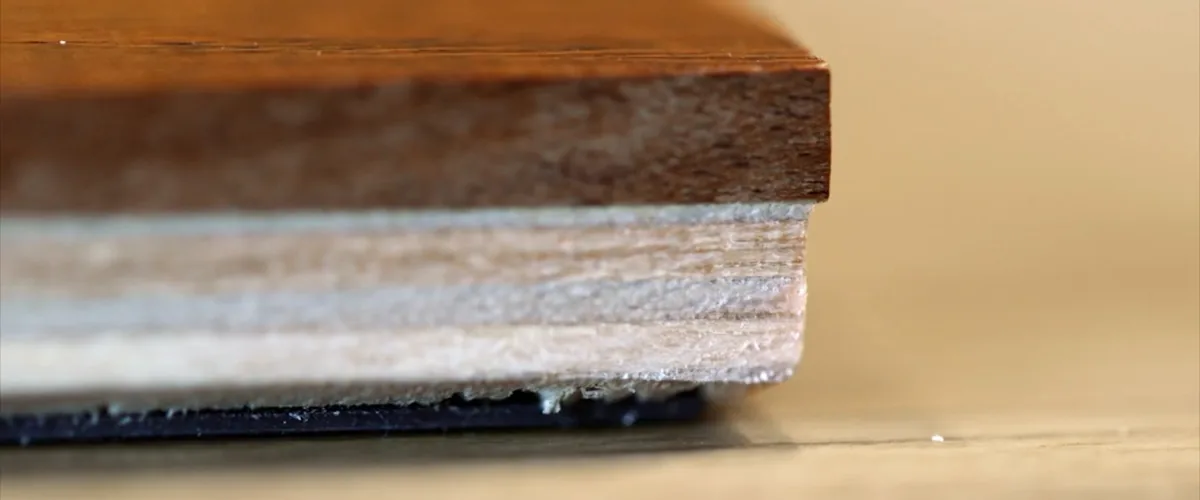
The full comparison is in our guide to engineered and solid wood flooring. For patterns, finishes and care, see the wood flooring guide, and for heated floors, read about wood flooring over underfloor heating.
Natural, smoked, brushed, oiled or lacquered
The finish matters as much as the construction. A natural oil is easy to refresh and repair locally, while a UV-lacquer gives a harder surface for busier rooms. Boards can be brushed for texture, smoked for depth or left natural, supplied pre-finished or unfinished to specification.
The Classics collection alone runs to twelve shades: Naturel, Miel Doux, Brun Doux, Brun Marais, Blanc Rosé, Tout Blanc, Rocher Blanc, Rocher Bleu Gris, Rocher Brun, Rocher Charbon, Rocher Noir and Noir Marais. Stain and sheen can be adjusted on sample where a closer match to your joinery is needed.
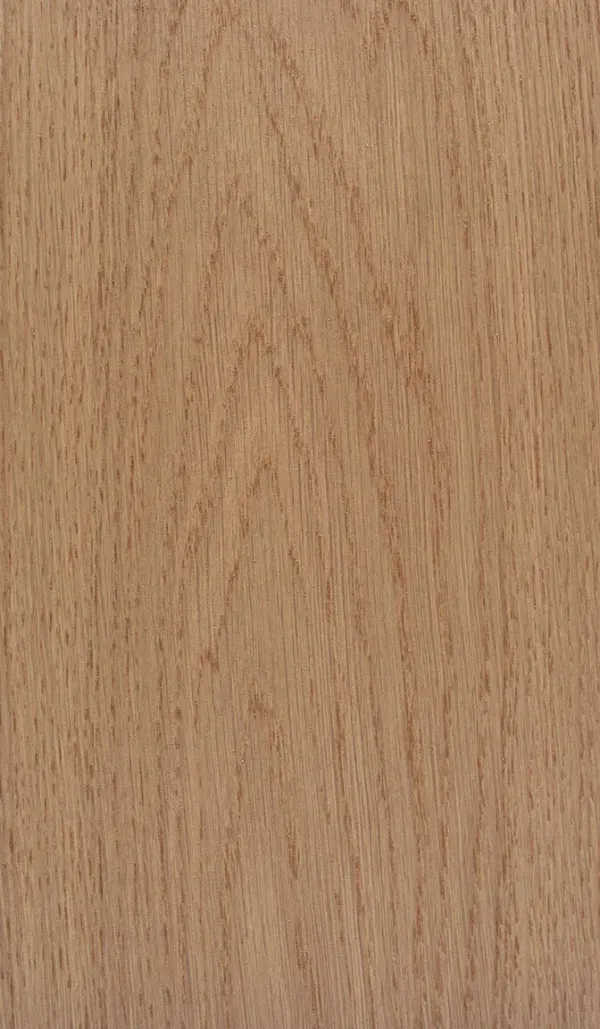
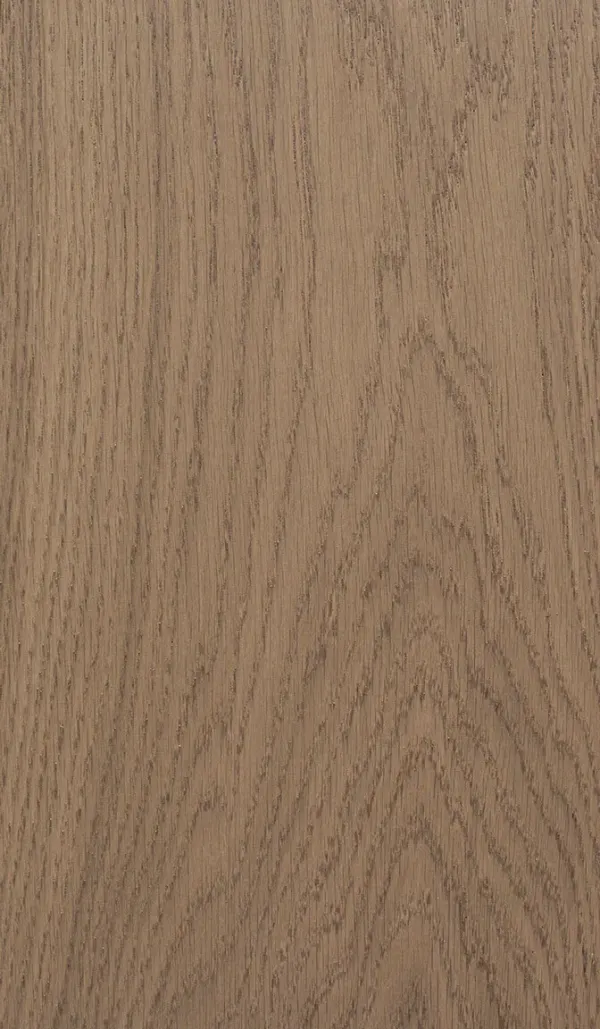

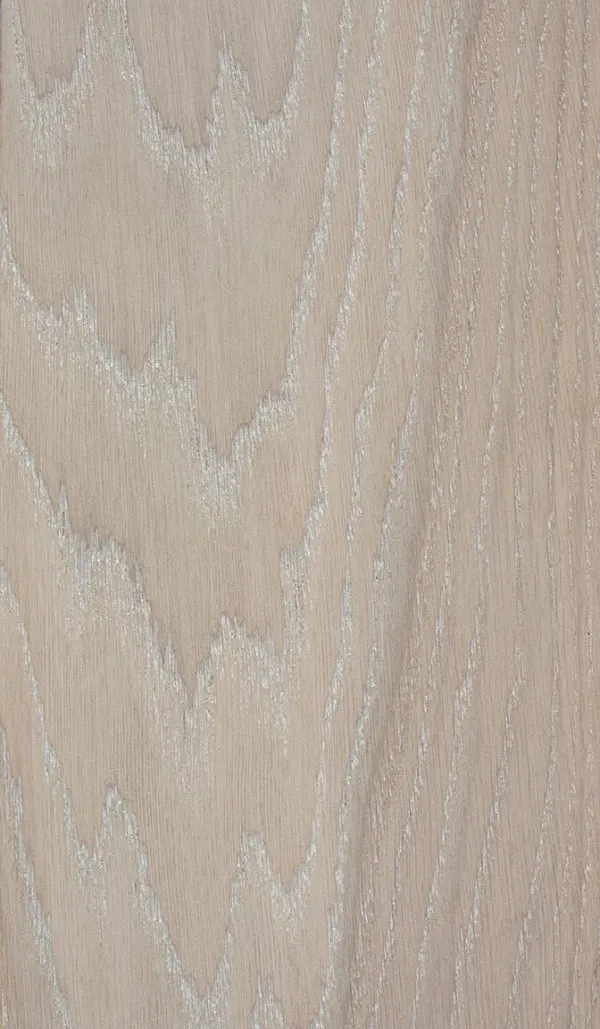
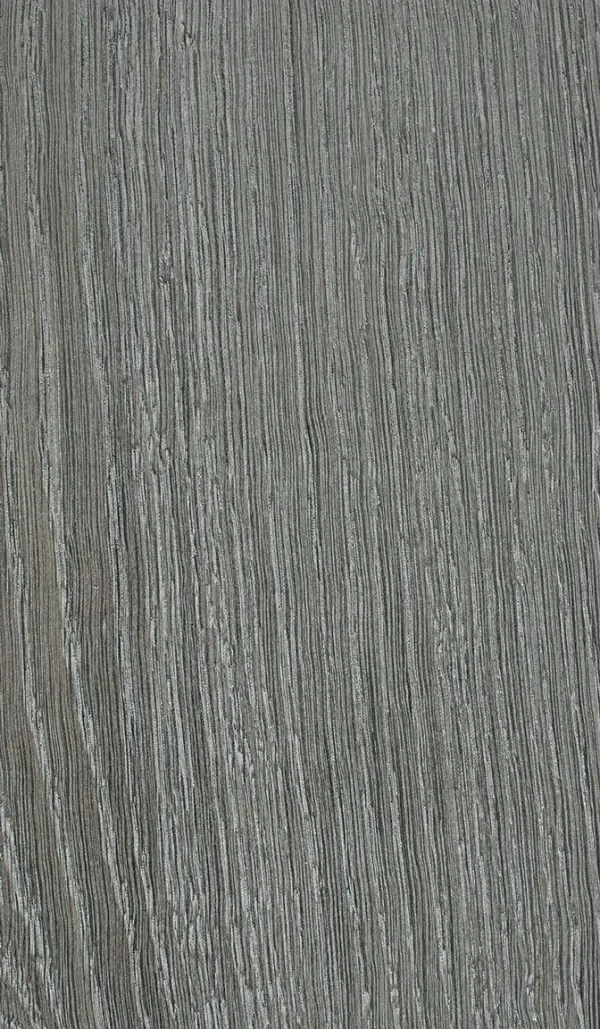
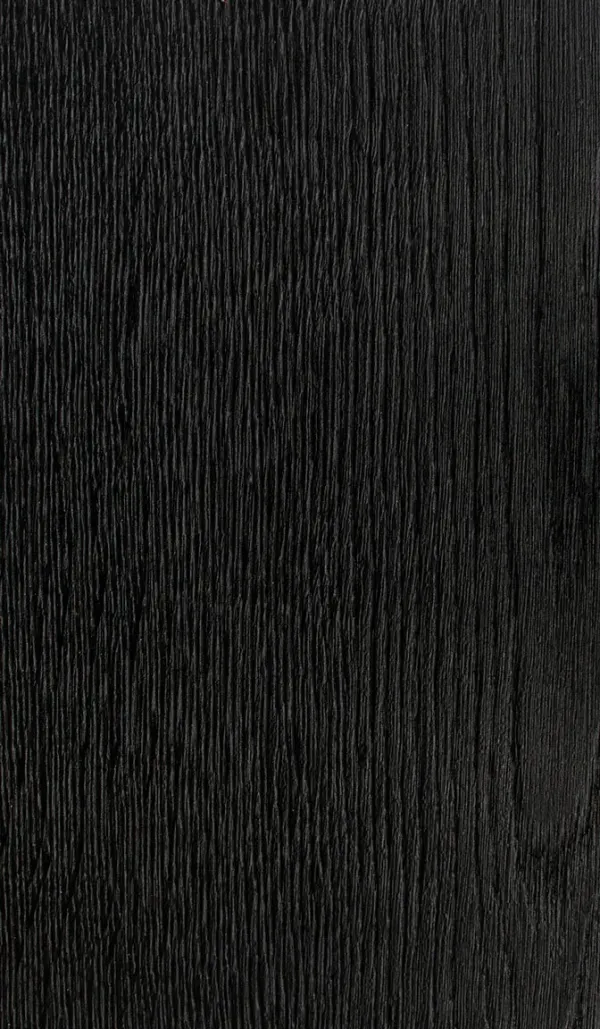
Colour on a screen is only a guide, so every floor is confirmed on a physical sample. You can compare the shades side by side in the floor visualiser, or view the Classics collection. For how oil, lacquer, brushing and smoking compare, read our guide to wood floor finishes.
Flooring in finished interiors
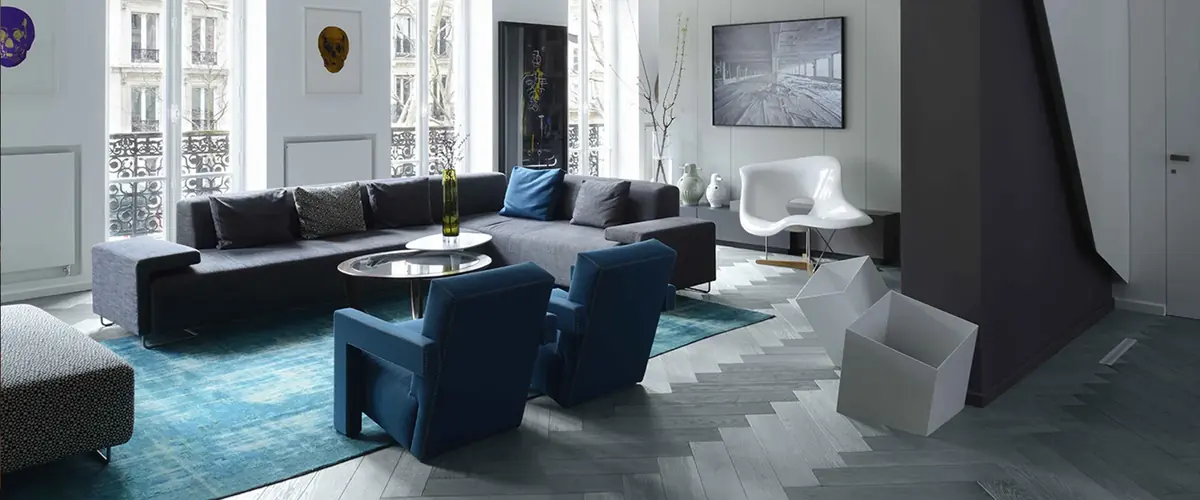
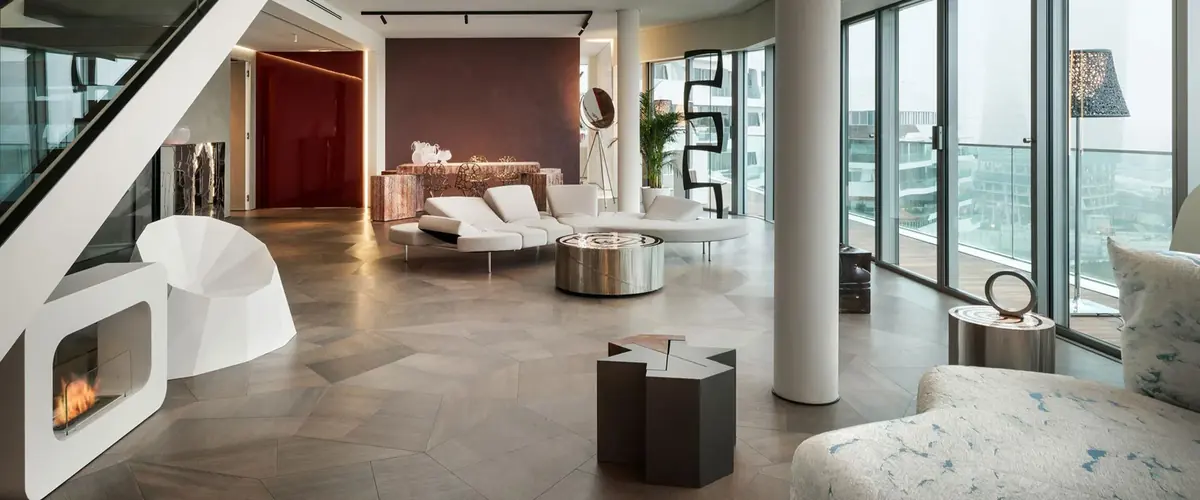
Two residential projects where the studio's flooring collections were laid.
How a floor is specified
- Brief and drawings. Send the floor plans, the pattern you have in mind and the finishes schedule. We advise on the collection, construction and pattern for each room.
- Samples. We prepare floor samples alongside joinery and furniture samples for the same room and review them together in conditions close to the project's own light.
- Layout. A patterned floor lives or dies on its layout, so it can be set out digitally on the floor plate first, with each board coded and packed in laying order.
- Manufacture. Boards are manufactured by our partner to the approved sample, which is filed with the other control samples and used as the benchmark.
- Installation. We confirm subfloor, moisture and acclimatisation requirements with your contractor before installation: a flat, dry subfloor, a building at living conditions, boards acclimatised in the room and a fixing method that suits the pattern. We hand over care guidance with the floor. Our guide to wood flooring installation sets out what a good specification includes.
Programme and price
Lead times depend on the collection, the quantity and the finish, and are confirmed with the quotation. Every floor is quoted individually against your plans, the collection and pattern, and the finish, with samples first so the specification is agreed before the boards are made. See our lead times and pricing and quotation, or how we work with designers and architects.
Common questions
What types of bespoke flooring do you offer?
We specify and supply a curated range of engineered and end-grain oak flooring in nine collections from manufacturing partners in France, Italy and the UK, each available in bespoke dimensions, finishes and patterns.
The collections run from classic to contemporary. Classics is the core oak range, in twelve finishes and as plank or parquet. Désir is a woven lay of slender oak planks. Opus and Forêt are end-grain oak, a surface that wears far more slowly than a flat-sawn board, with Forêt offering six patterns selectable board by board. Élément sets one end-grain chevron block in many arrangements, and Cube lays end-grain oak blocks in an open, even grid. Biscuit has a softly rounded, bombé board; Slide uses modular panels composed into bespoke geometric layouts; and Undici carries laser-engraved decoration in the grain. Herringbone, chevron, panel and full-length layouts are all possible. Boards come pre-finished or unfinished, in natural, smoked, brushed, oiled or lacquered treatments, and can be matched to the joinery and furniture in a scheme.
What is the difference between herringbone and chevron flooring?
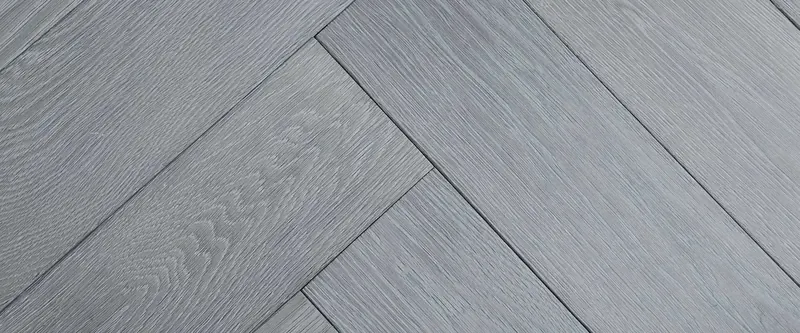
Herringbone sets rectangular boards with square-cut ends at right angles to each other, so the end of one board meets the side of the next and the pattern zigzags. Chevron cuts the board ends at an angle so they meet in a continuous point, like an arrow, with a clean line down the middle of each V.
Chevron reads as cleaner and more directional, and it is less forgiving of a careless joint. Both are available in our collections, and you can compare them side by side in the floor visualiser.
Can bespoke wood flooring be laid over underfloor heating?
Yes, when it is specified for it. Engineered construction holds its shape through heating cycles, which is why we recommend it over underfloor heating, and correctly specified and acclimatised, our collections perform over underfloor heating and across wide spans. We confirm subfloor, moisture and acclimatisation requirements with your contractor. The engineered and solid wood flooring guide explains why, and our guide to wood flooring over underfloor heating sets out the figures.
Do you offer engineered as well as solid wood flooring?
Yes. Engineered boards give stability over underfloor heating and in changing conditions, while solid and end-grain oak suit other settings; we advise on the right construction for the room, the subfloor and the use.
An engineered board bonds a real oak wear layer to a dimensionally stable core, so it moves far less as humidity and temperature change; correctly specified and acclimatised, our collections perform over underfloor heating and across wide spans. End-grain oak, used in the Opus and Forêt collections, turns the timber's cross-section upward, the orientation once chosen for workshop floors because it wears far more slowly than a flat-sawn plank. The finish matters as much as the construction: a natural oil is easy to refresh and repair locally, while a UV-lacquer gives a harder surface for busier rooms. We confirm subfloor, moisture and acclimatisation requirements with your contractor before installation, and hand over care guidance with the floor.
Can you match flooring to existing or new joinery?
Yes. Because we make furniture and joinery as well as supply flooring, we can coordinate species, tone and finish across a whole scheme, so floor, panelling and cabinetry read as one material palette.
Matching starts with physical samples. We prepare floor samples alongside the joinery and furniture samples for the same room and review them together in conditions close to the project's own light, because oak that matches under studio lighting can drift at dusk. The Classics collection alone runs to twelve finishes, from pale Tout Blanc through honeyed Miel Doux to near-black Rocher Noir, which leaves a lot of room to tune a floor to its joinery, and stain and sheen can be adjusted on sample where a closer match is needed. For an existing floor or piece we work from a physical offcut rather than a photograph. The approved floor sample is filed with the other control samples and used as the benchmark when the boards are made.
Can I see a floor in my own room before choosing?
Yes. The floor visualiser lays any of the patterns in one of our room photographs, or over a photograph of your own room, in your choice of timber, shade and finish. Your photo is processed in your browser and is never uploaded. Colour on a screen is only a guide, so we confirm every floor with physical samples.
How much does bespoke wood flooring cost?
It depends on the collection, the construction, the pattern, the area and the finish, so every floor is quoted individually against your plans and finishes schedule. Samples come first, so the specification is agreed before the boards are made. See our pricing and quotation page, or start a specification.
How do I choose between an oil and a lacquer finish?
A natural oil soaks into the wood, leaves a matt, tactile surface and can be refreshed and repaired locally, which suits living rooms and bedrooms. A UV-lacquer sits on the surface as a harder, sealed film, which suits kitchens, hallways and busier rooms. Our guide to wood floor finishes compares them side by side, with brushing, smoking and fuming, and we prepare samples in the finishes that suit your room.
Is your wood flooring sustainable?
Oak is a Least Concern species on the IUCN Red List, and a floor that can be sanded and refinished for decades is a long-lived one. Certification and documentation depend on the collection and the batch, so ask for them to be confirmed against your specification. Our guide to sustainable wood flooring explains the certificates, the law and what to ask for.
Where is your flooring made?
The collections are made by our manufacturing partners in France, Italy and the UK and supplied through Make Bespoke Studio from its studio in Chelsea Harbour, London. Boards are made to the approved sample, which is filed with the other control samples and used as the benchmark.
Do you supply flooring for designers and contractors?
Yes. We work with interior designers, architects and contractors, supplying to specification and coordinating with the programme. See our page for designers and architects for how we work with the trade.