Straw
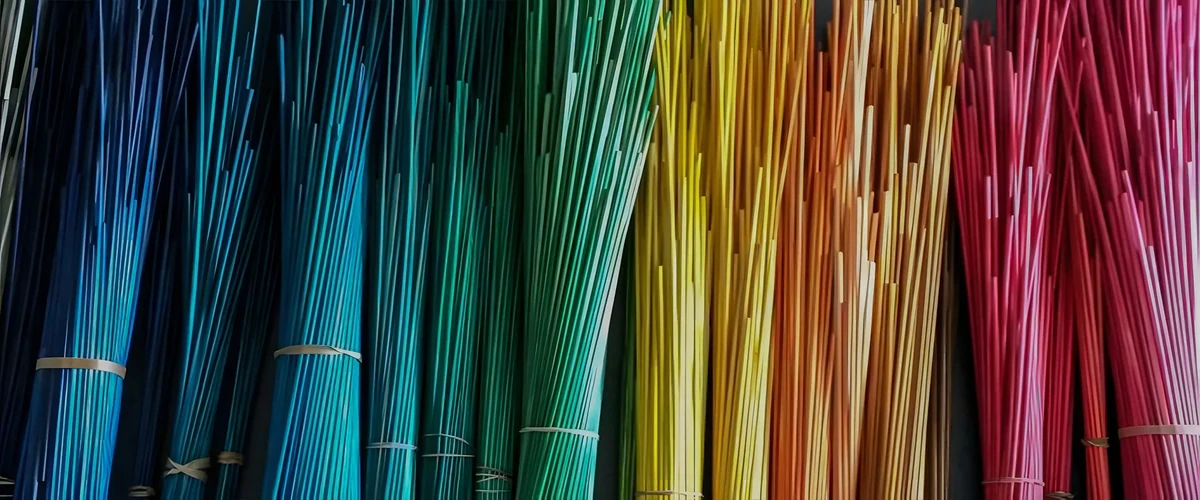
Straw can be dyed using an array of natural pigments to transform the natural golden hues into a spectrum of shades
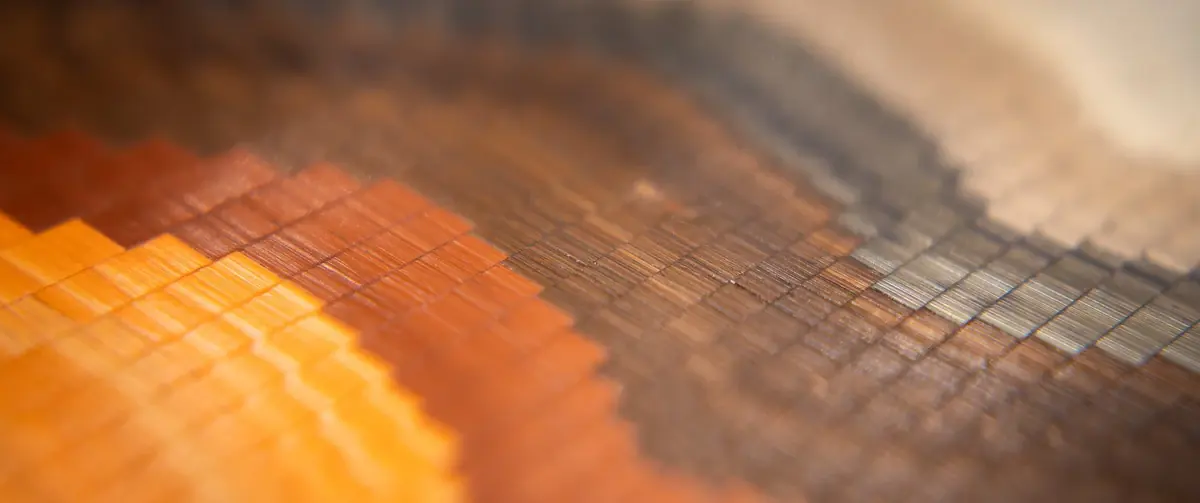
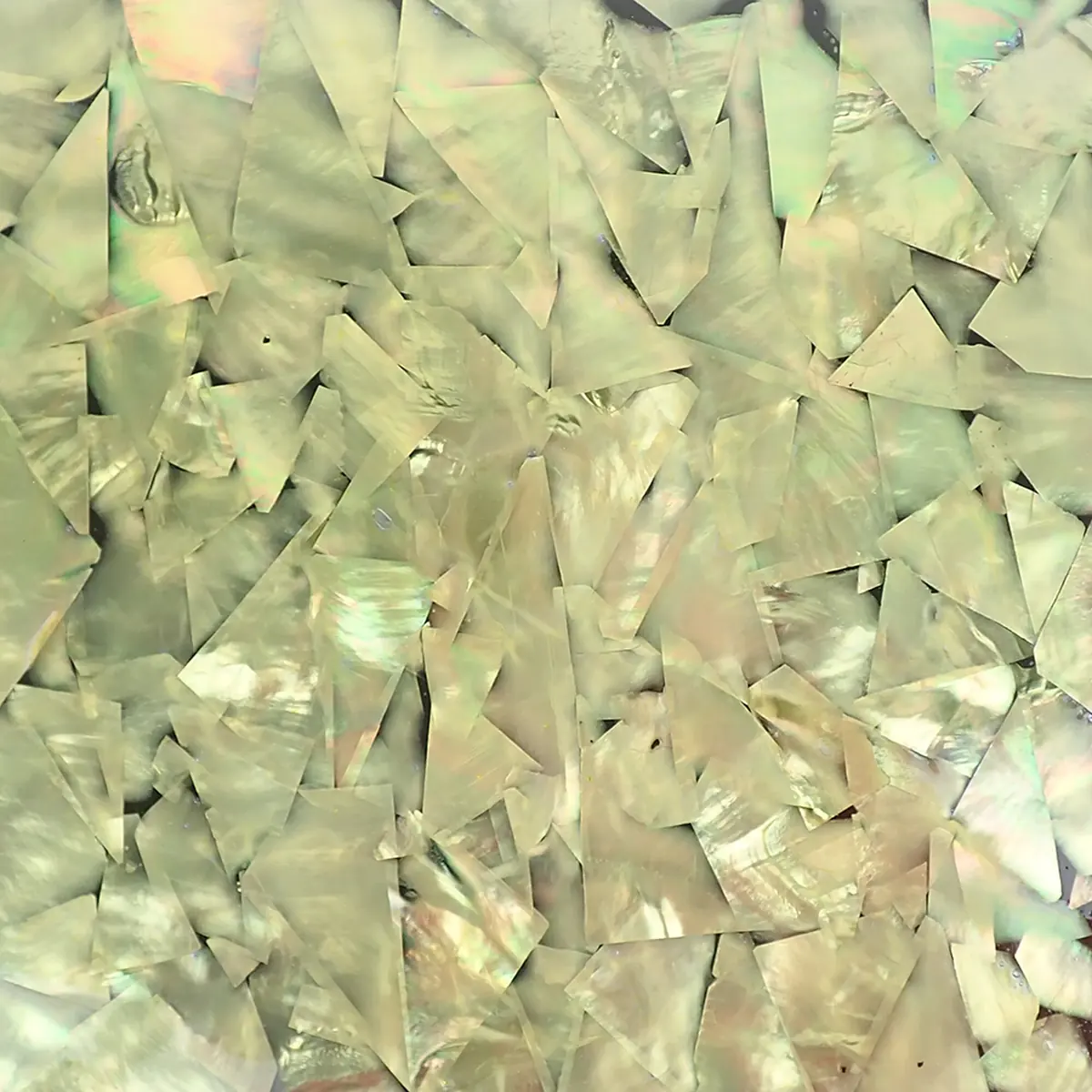
The straw material can be dyed with natural pigments to transform golden hues into various shades. Its natural colouring includes diffused and delicate tones that contribute to the overall sheen and lustre visible in finished designs.
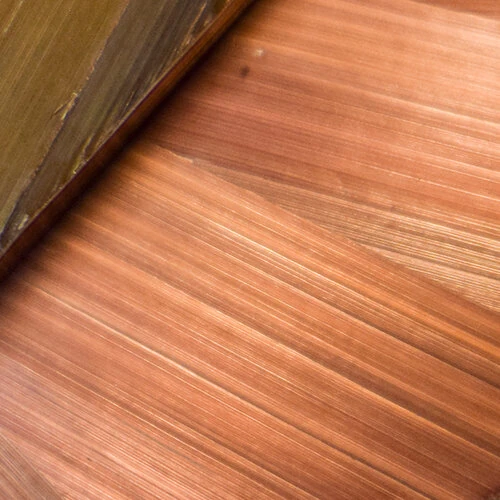
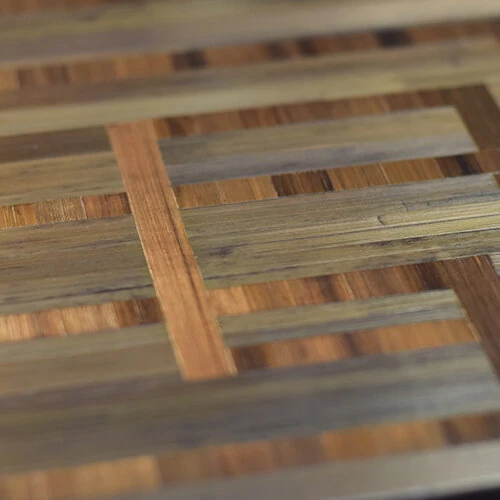
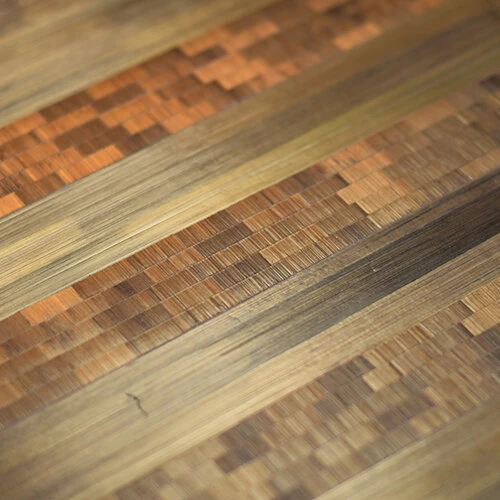
Various laying techniques create different patterns. Traditional dyes and pigmentation enable creation of a complete colour spectrum, with natural variation producing shimmering effects.
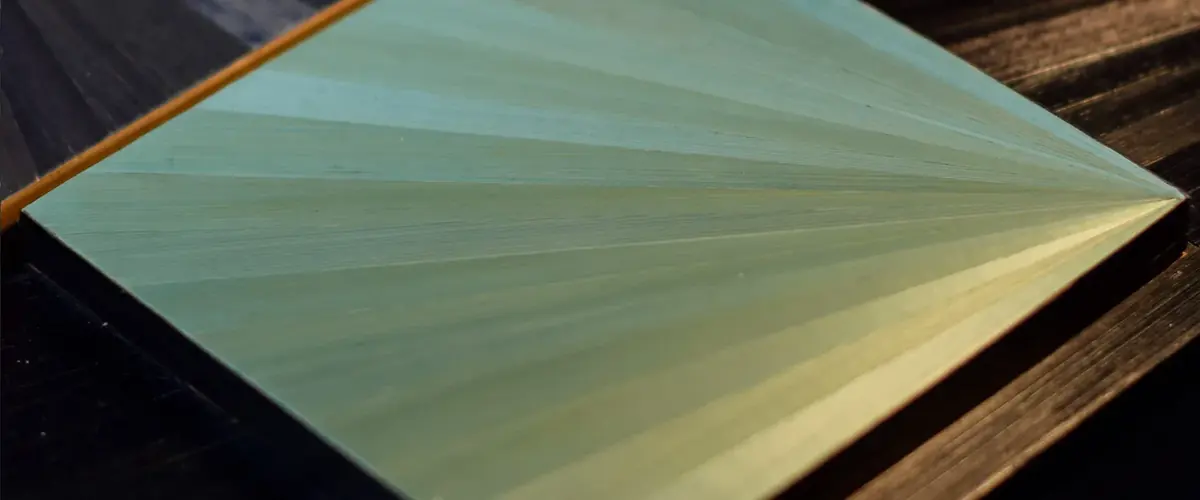
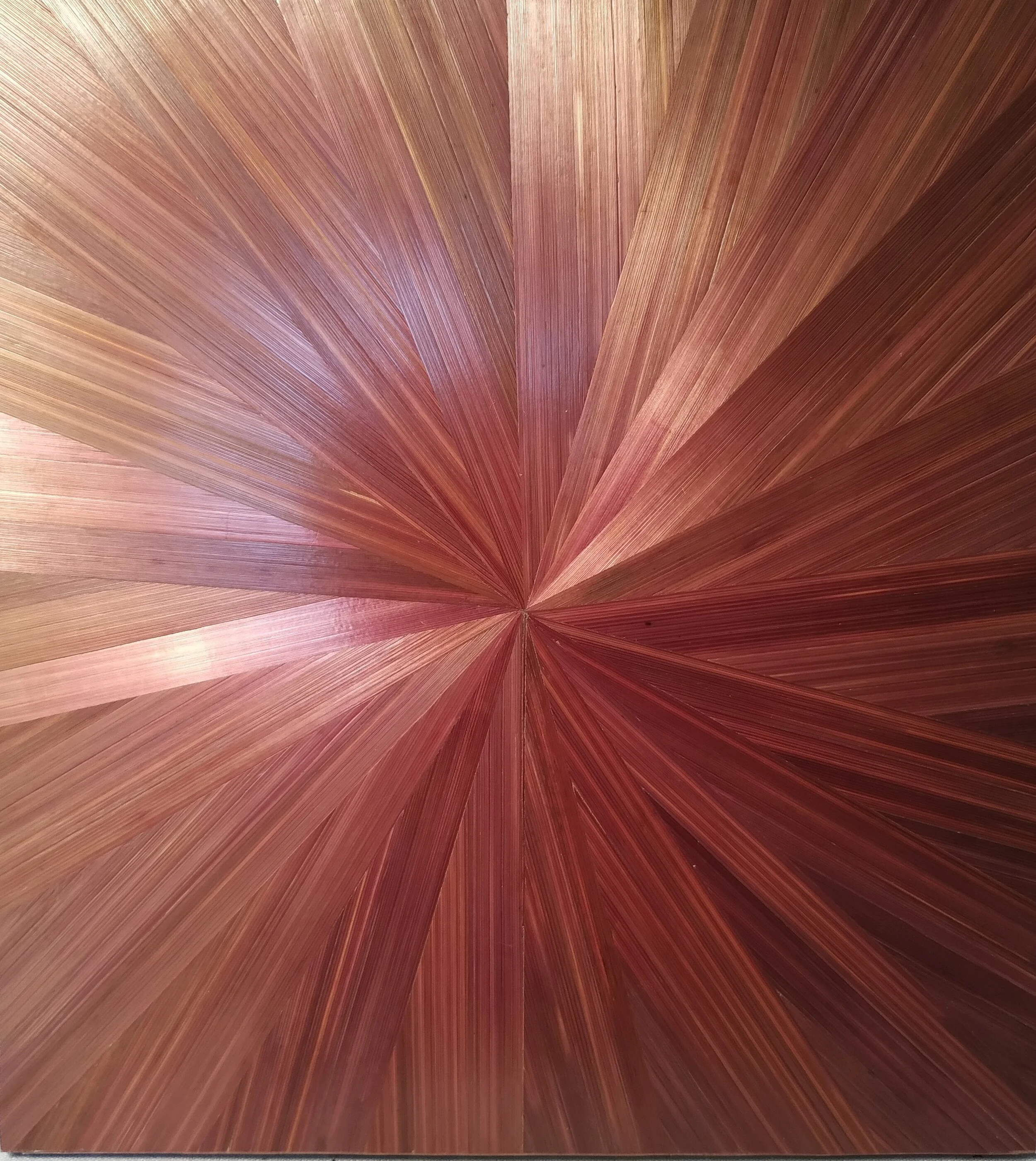 01 / 02Straw Finishes for Straw Marquetry Sun Burst
 02 / 02Straw Finishes for Straw Marquetry
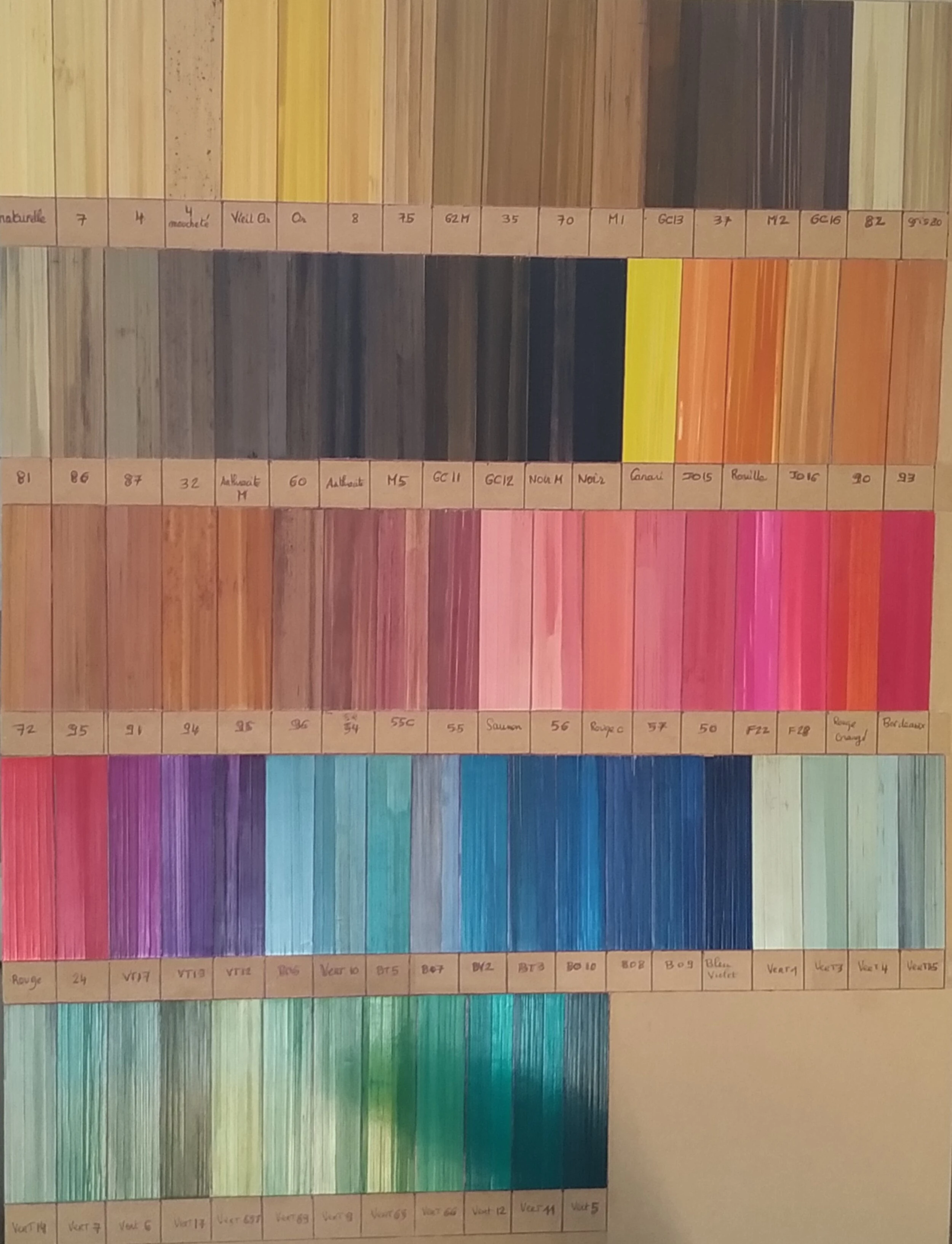
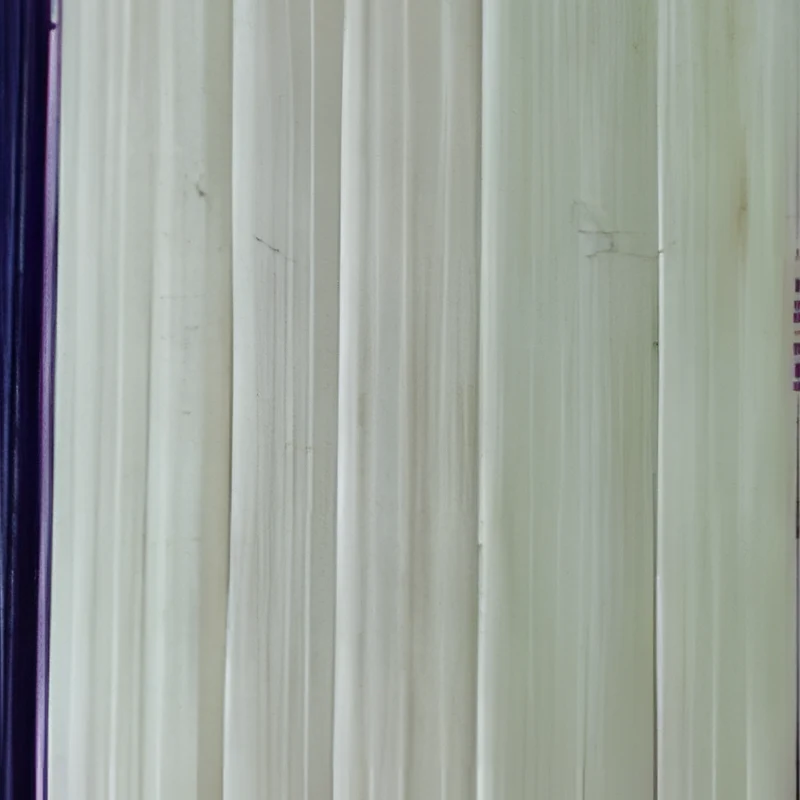
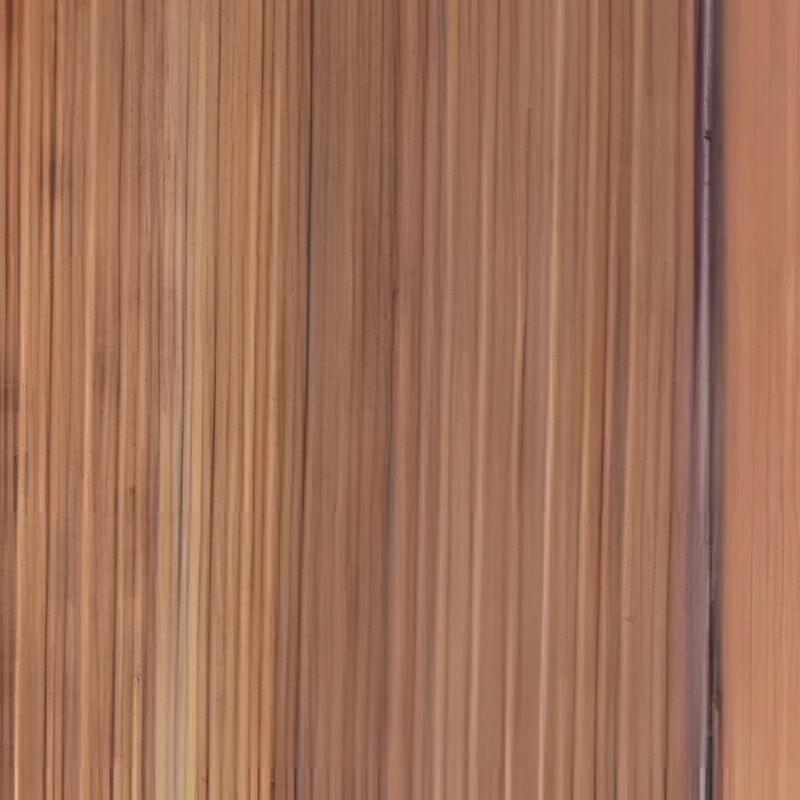
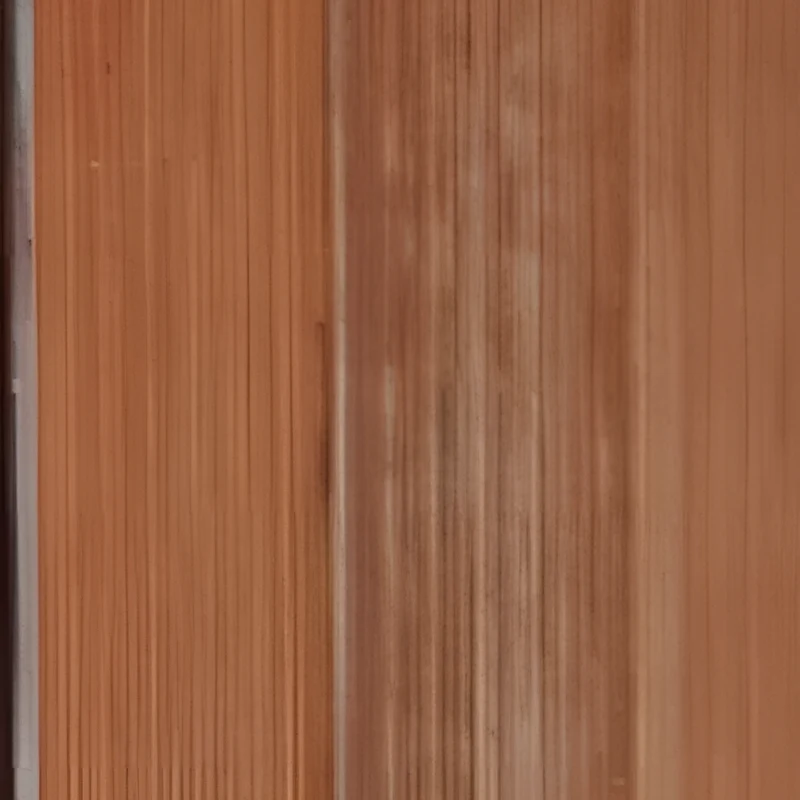
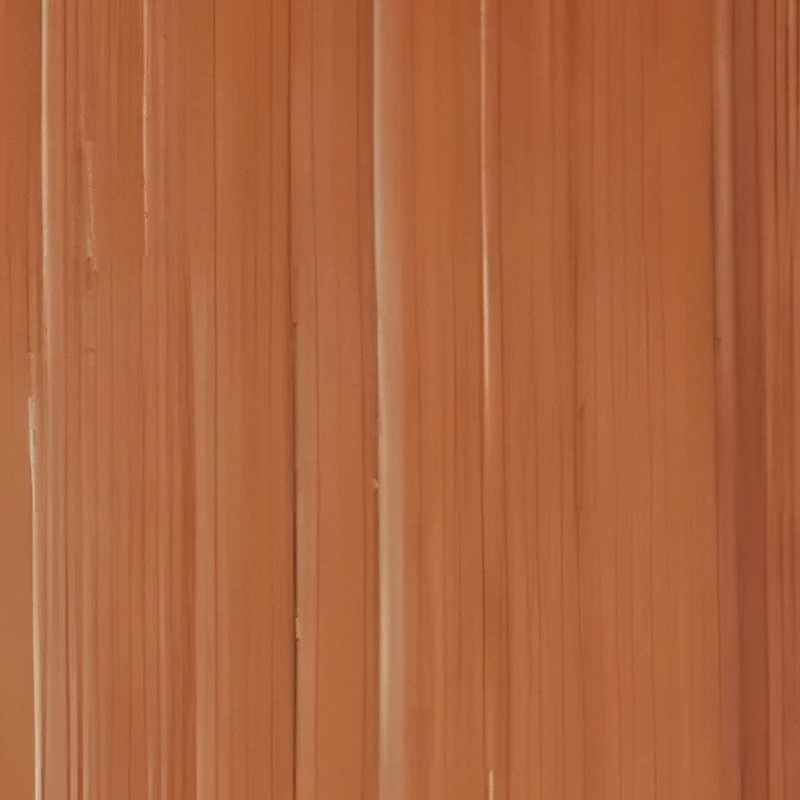
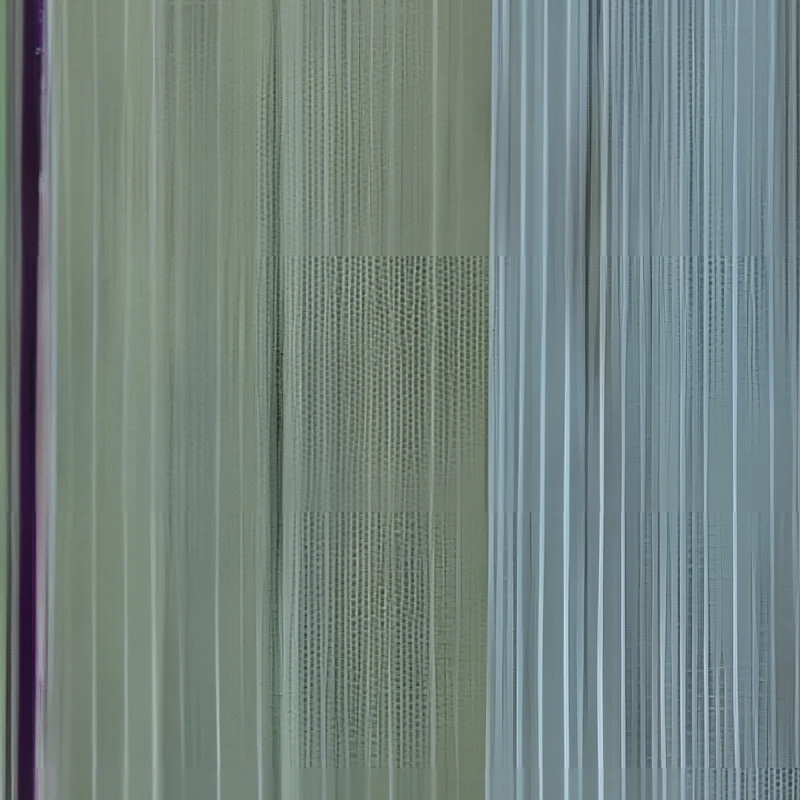
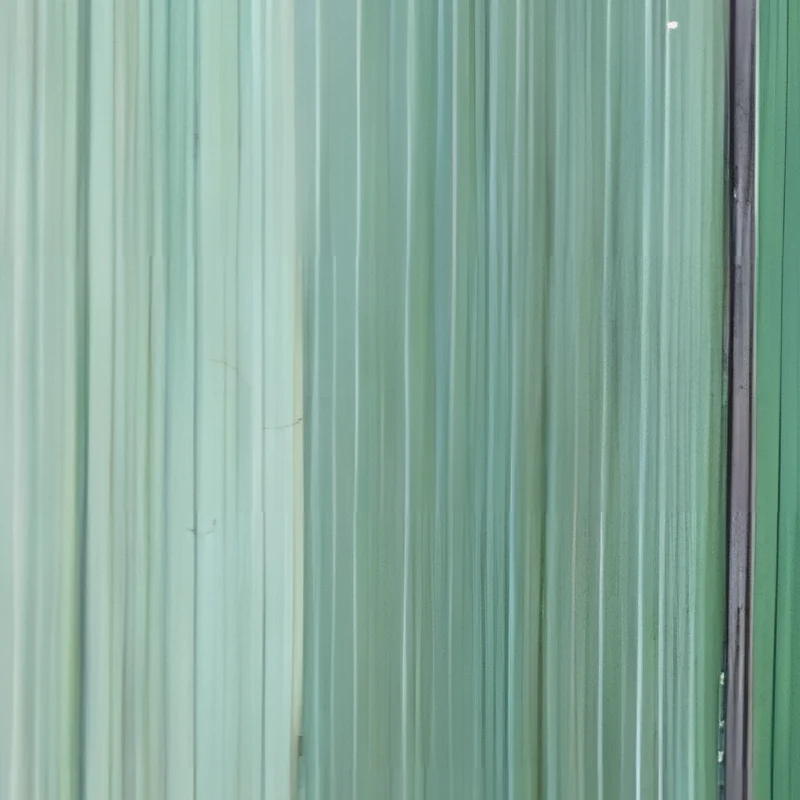
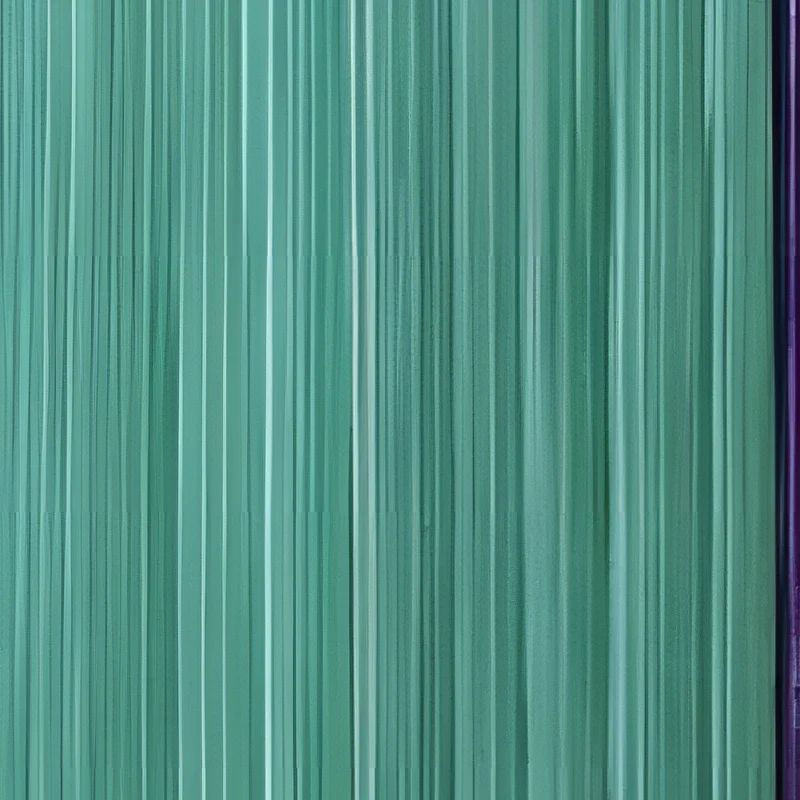
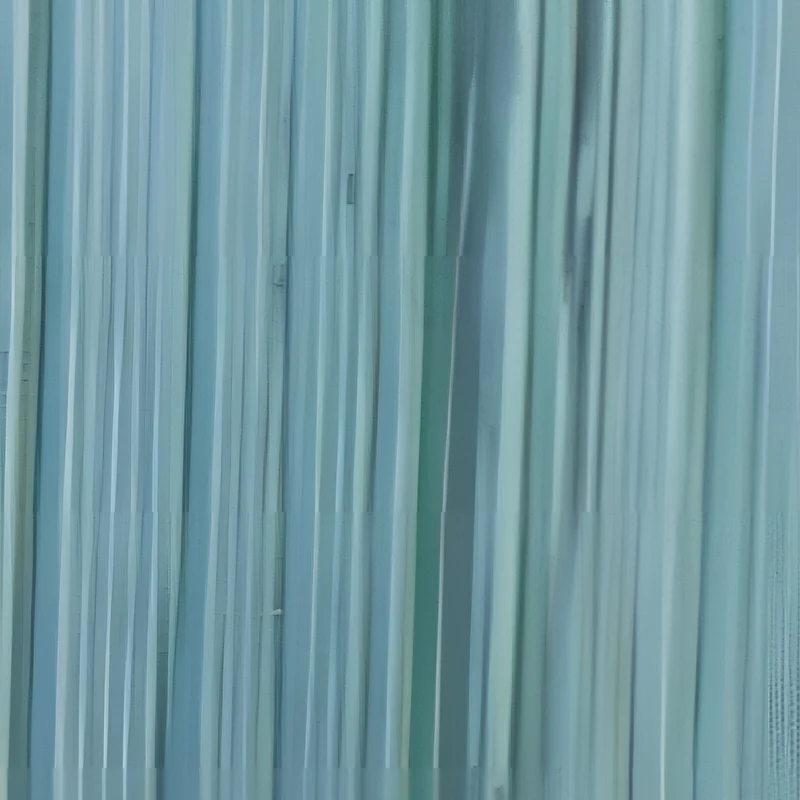
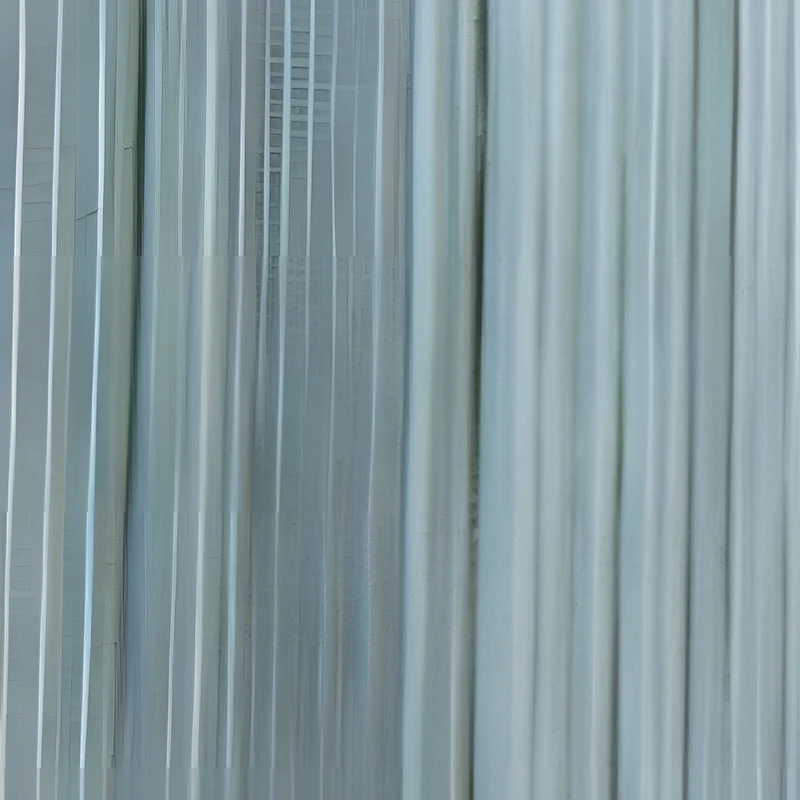
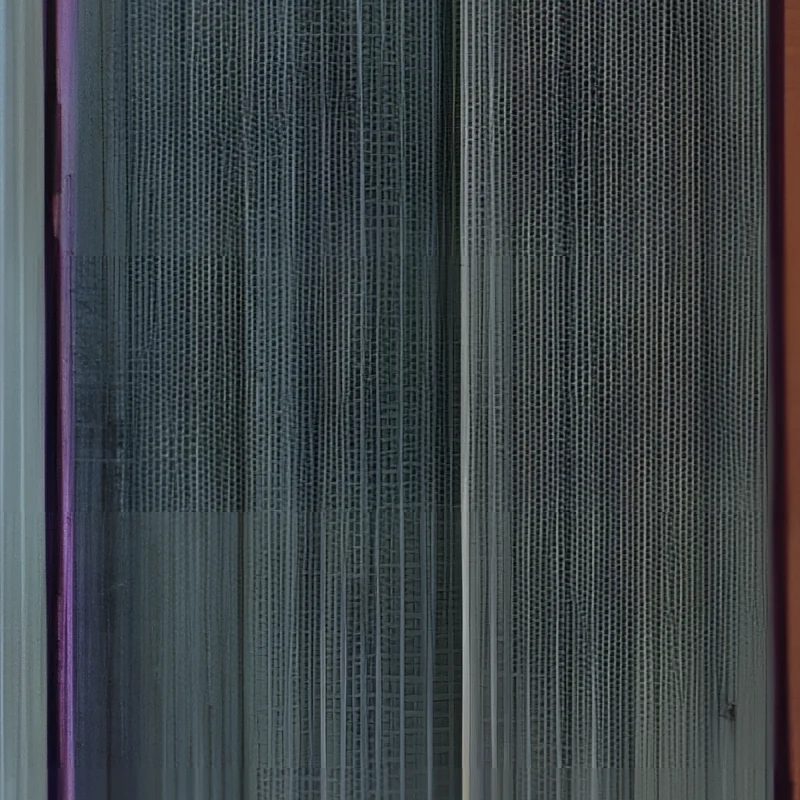
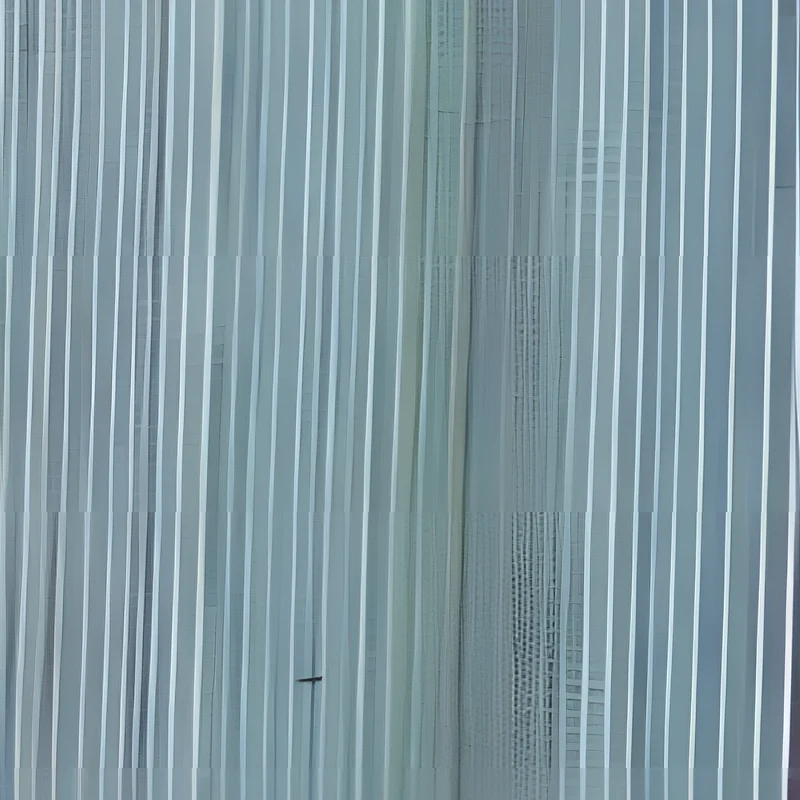
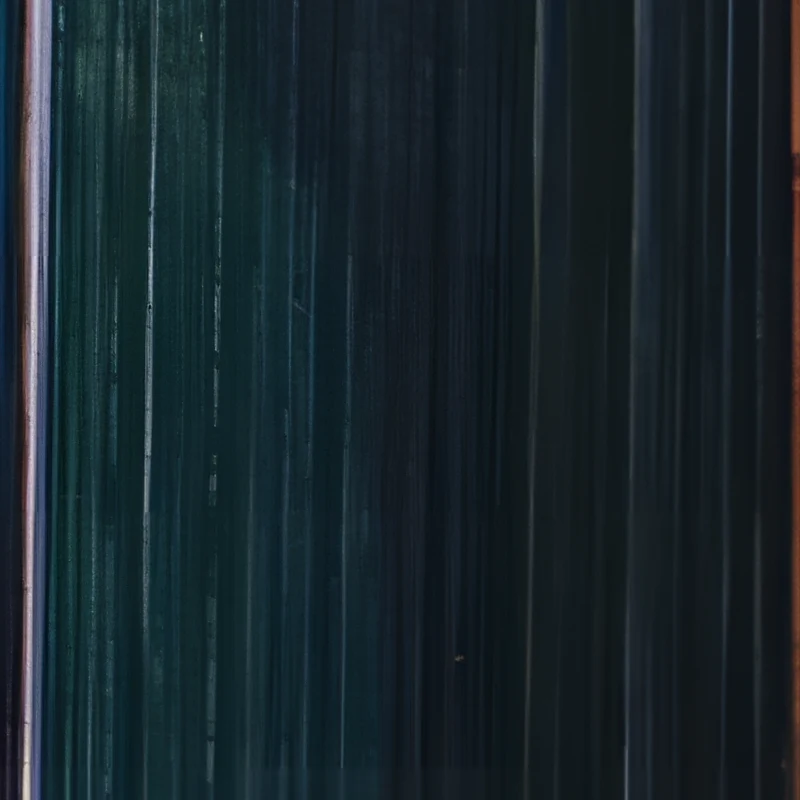
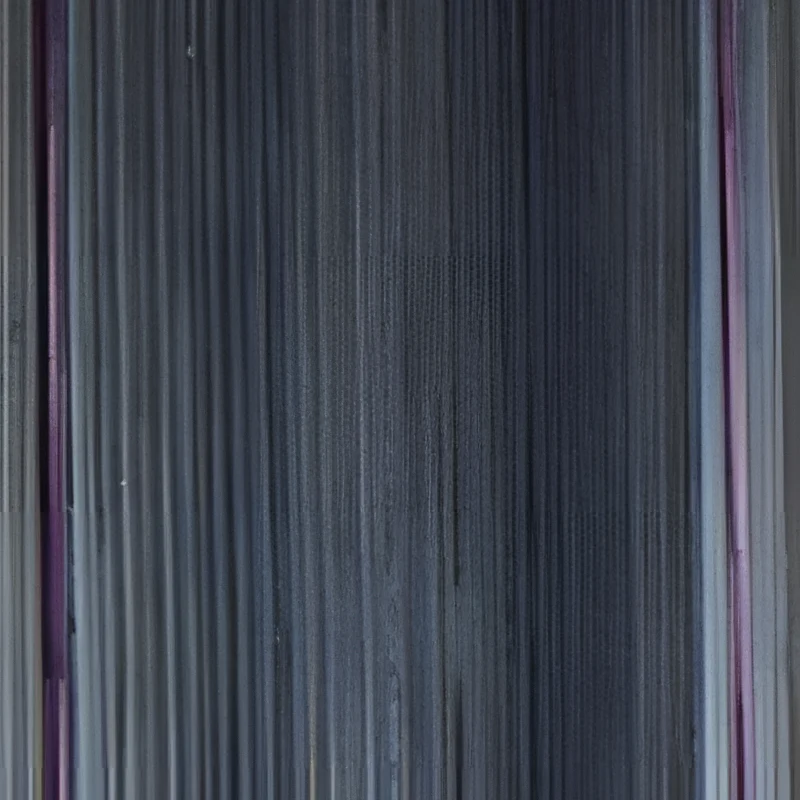
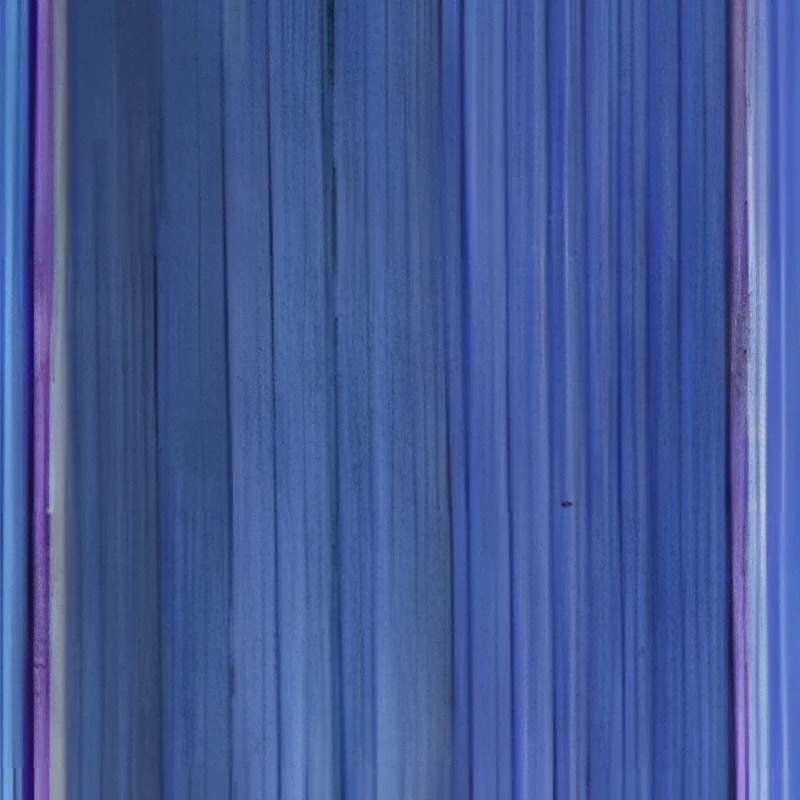
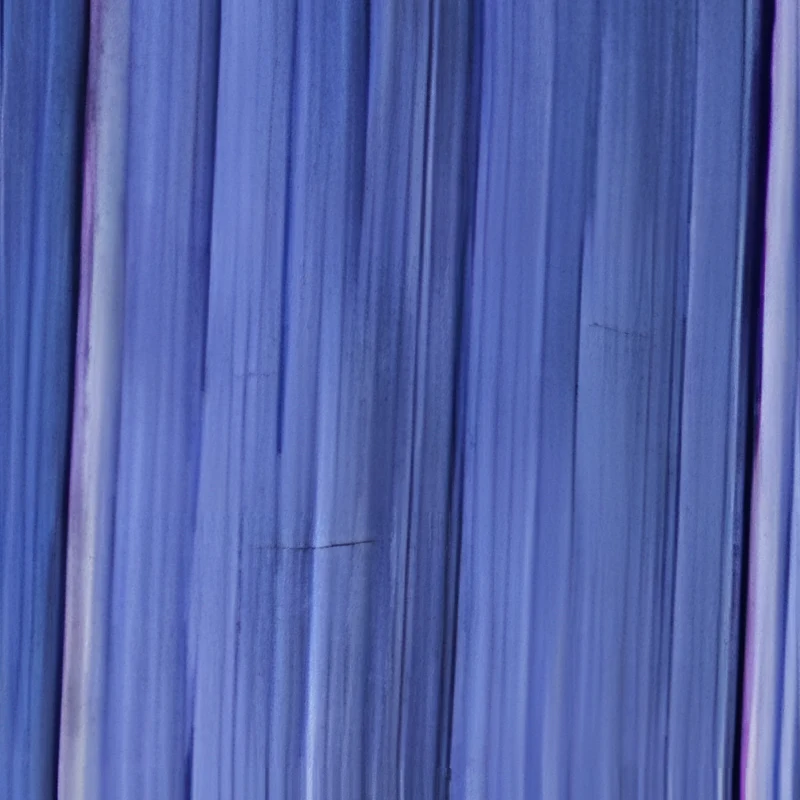
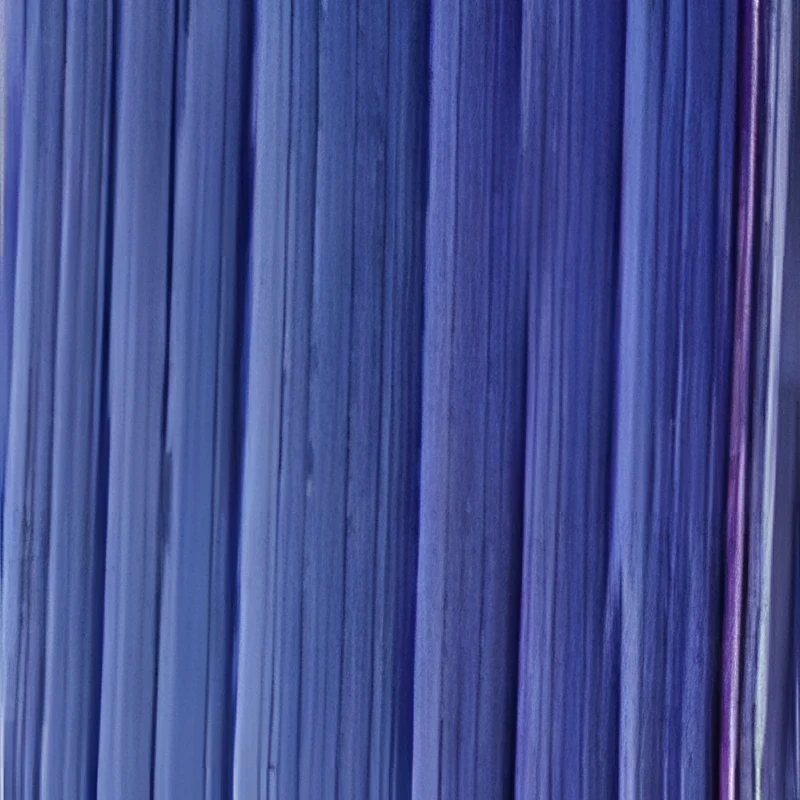
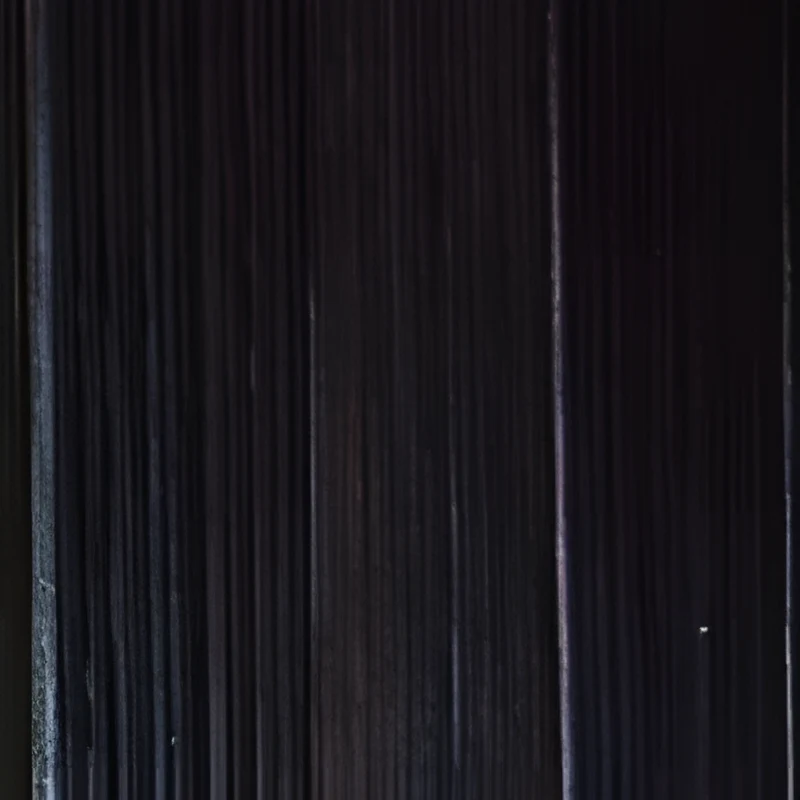
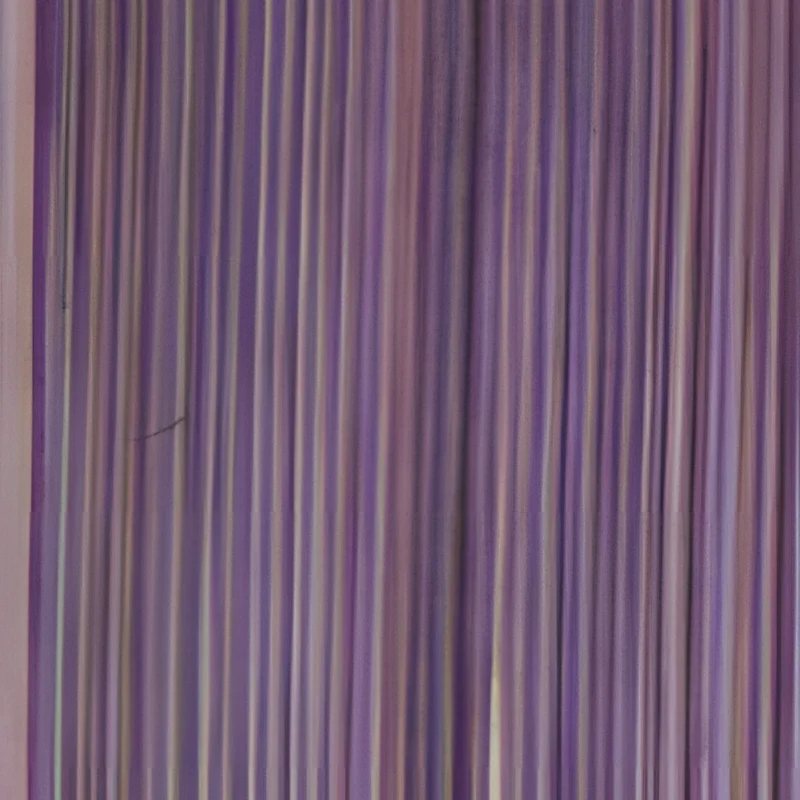
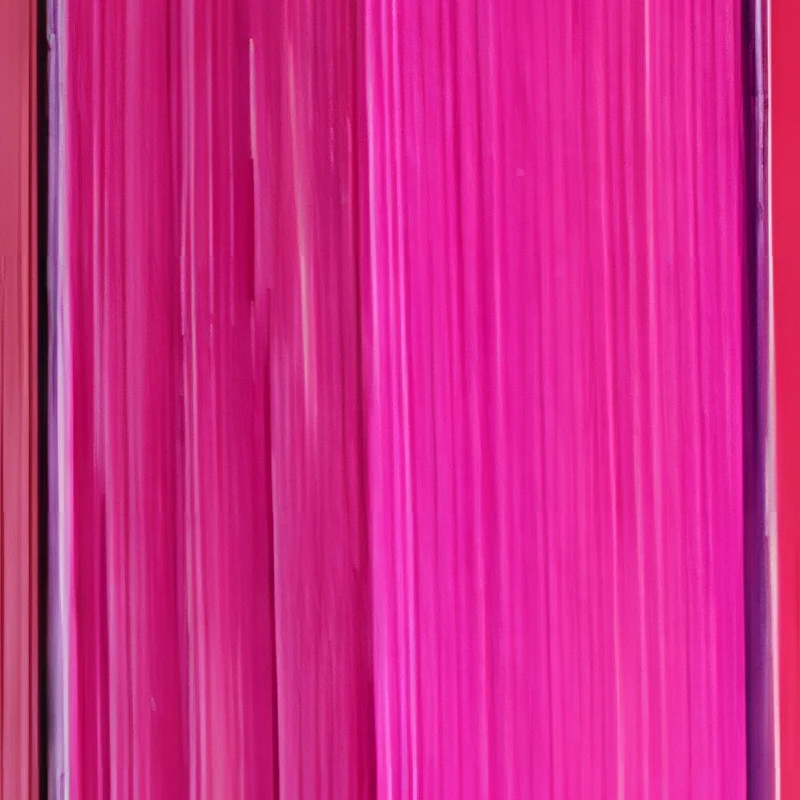
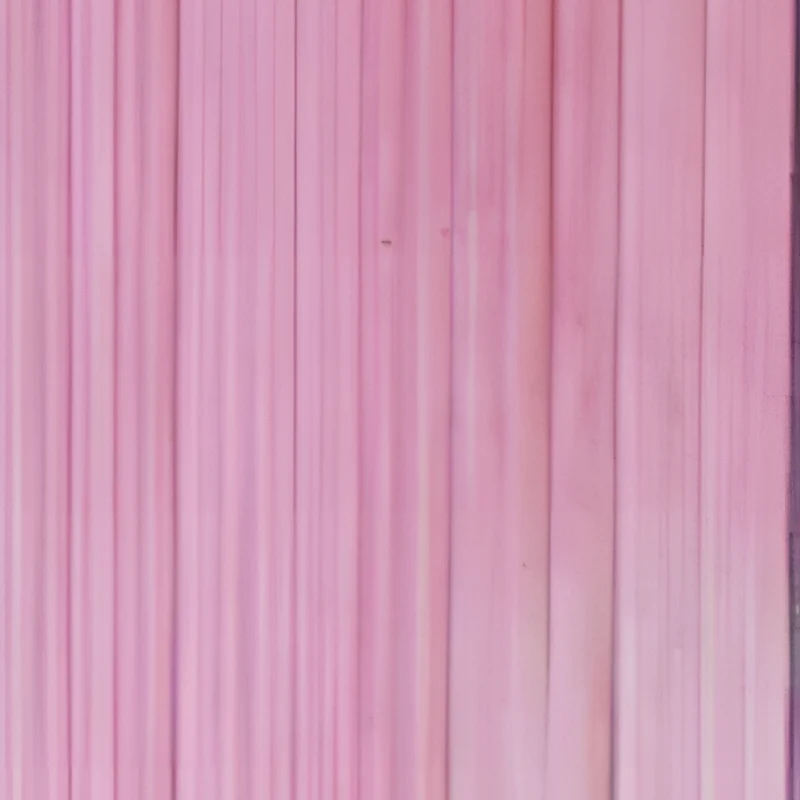
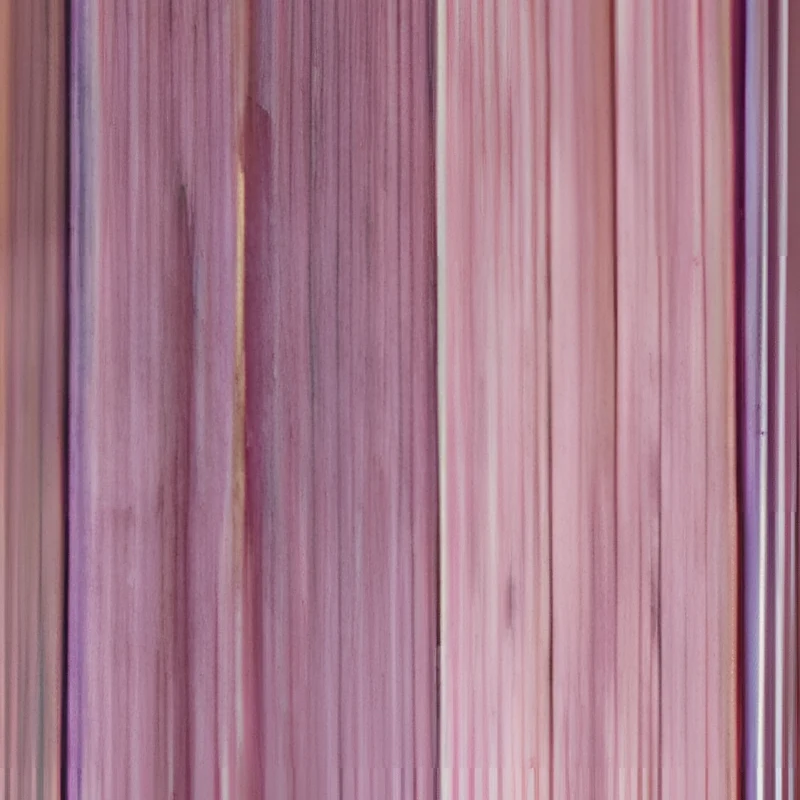
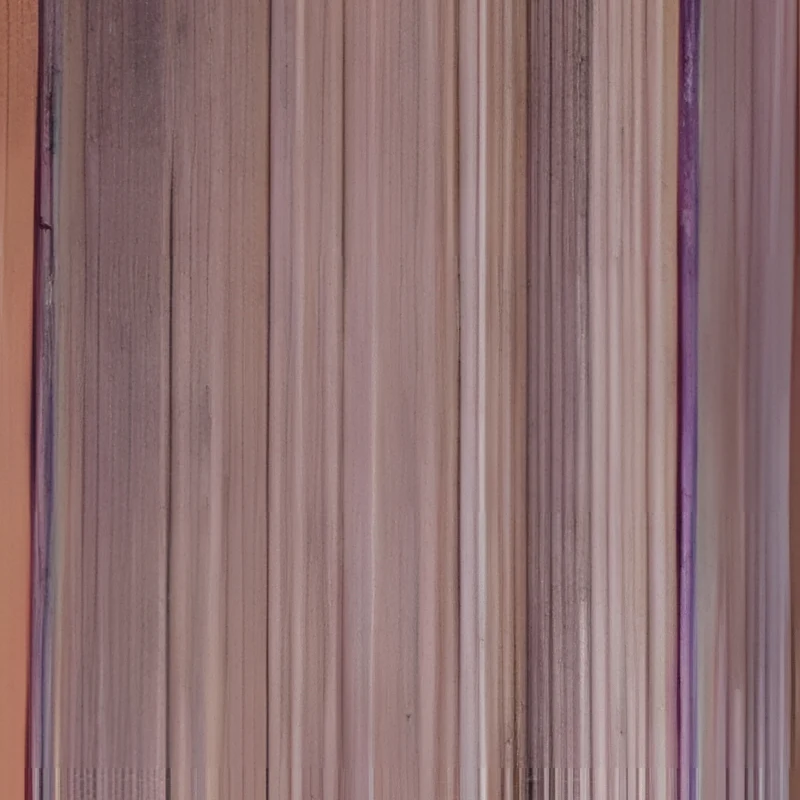
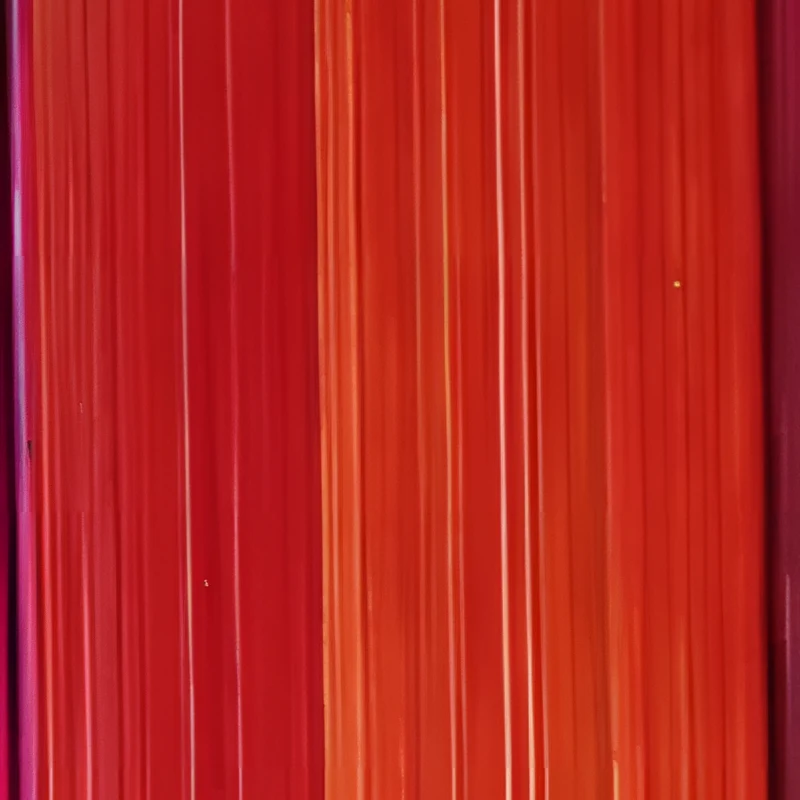
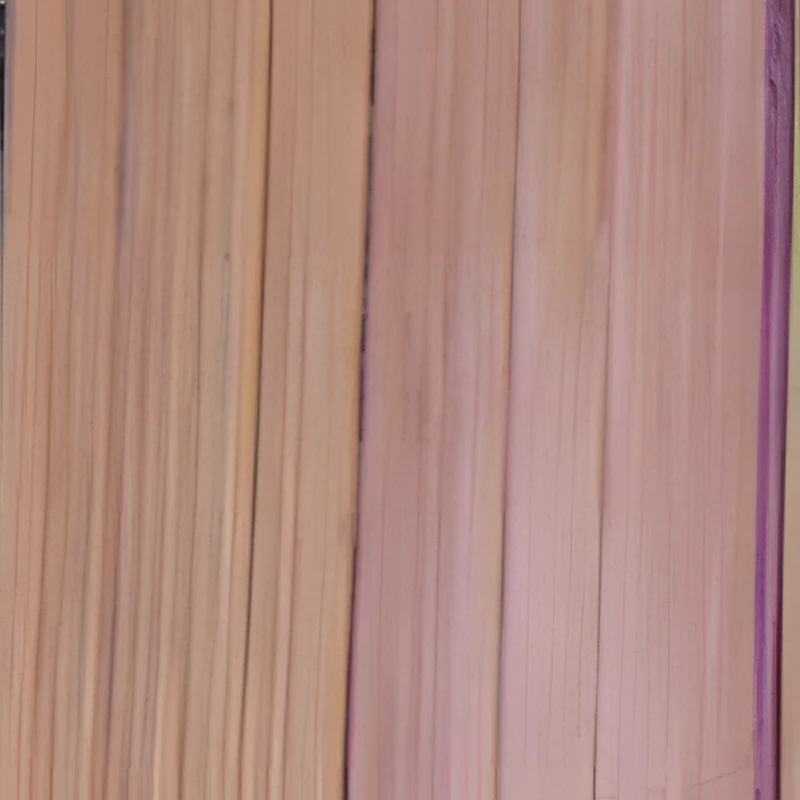
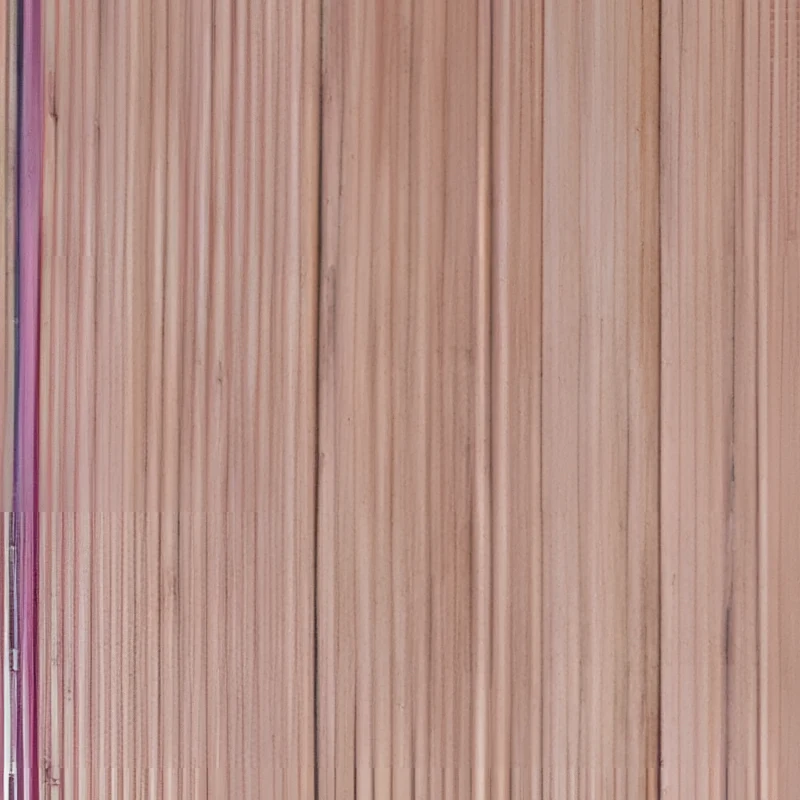
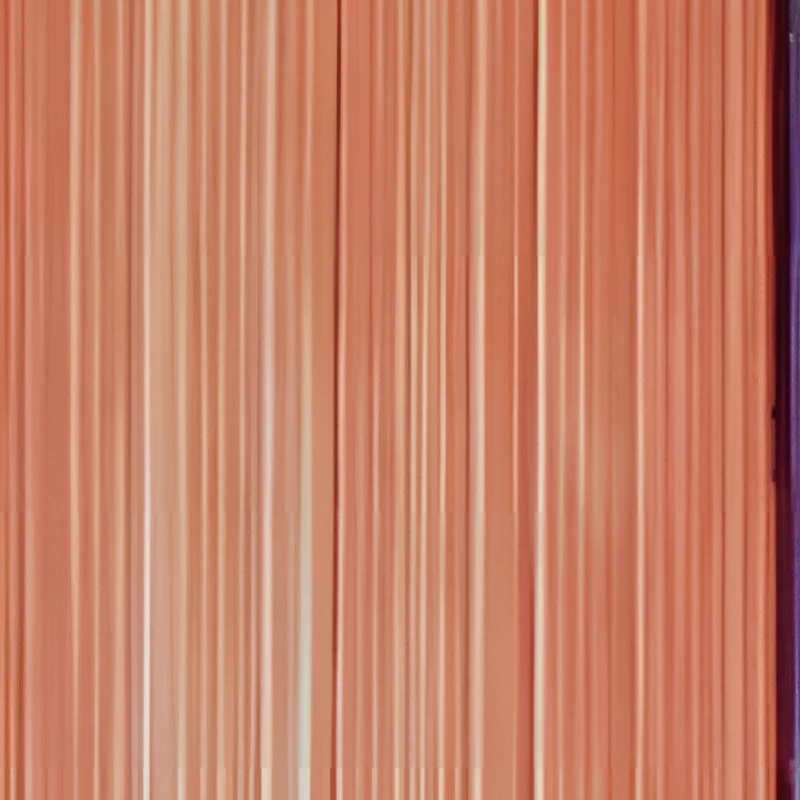
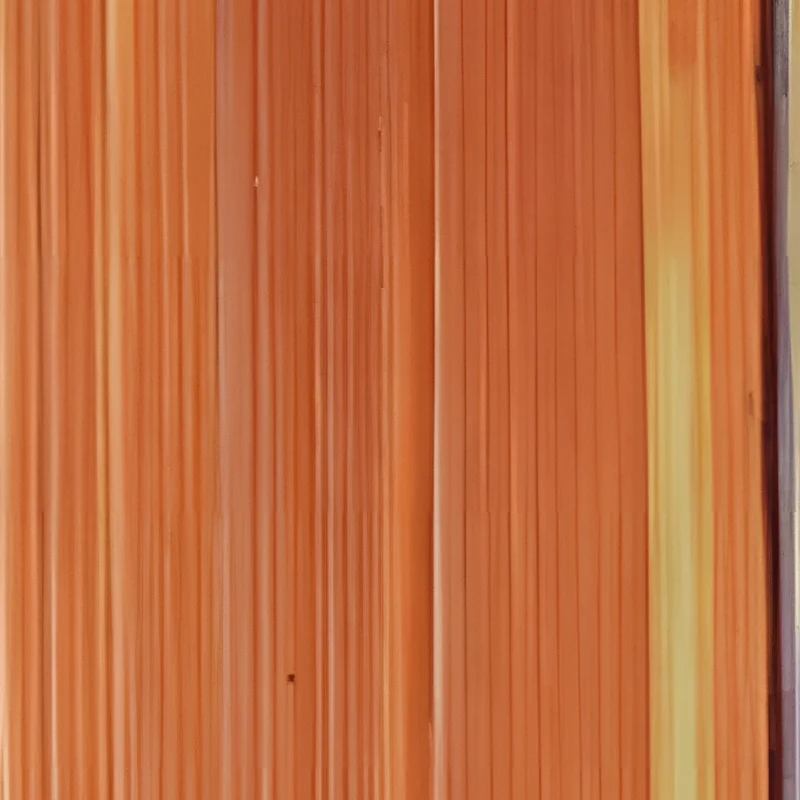
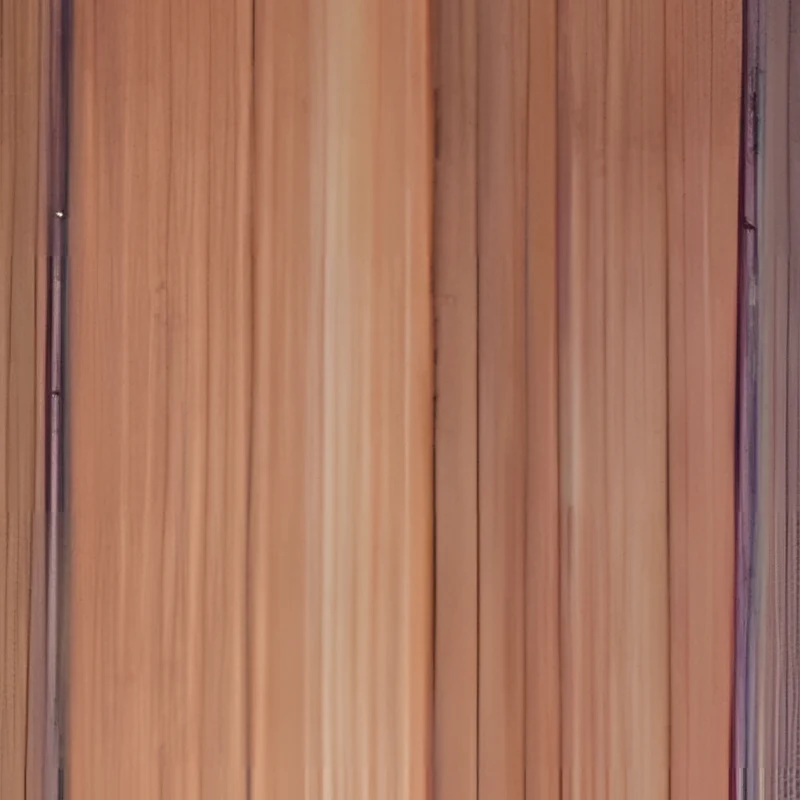
A spectrum of dyed straw
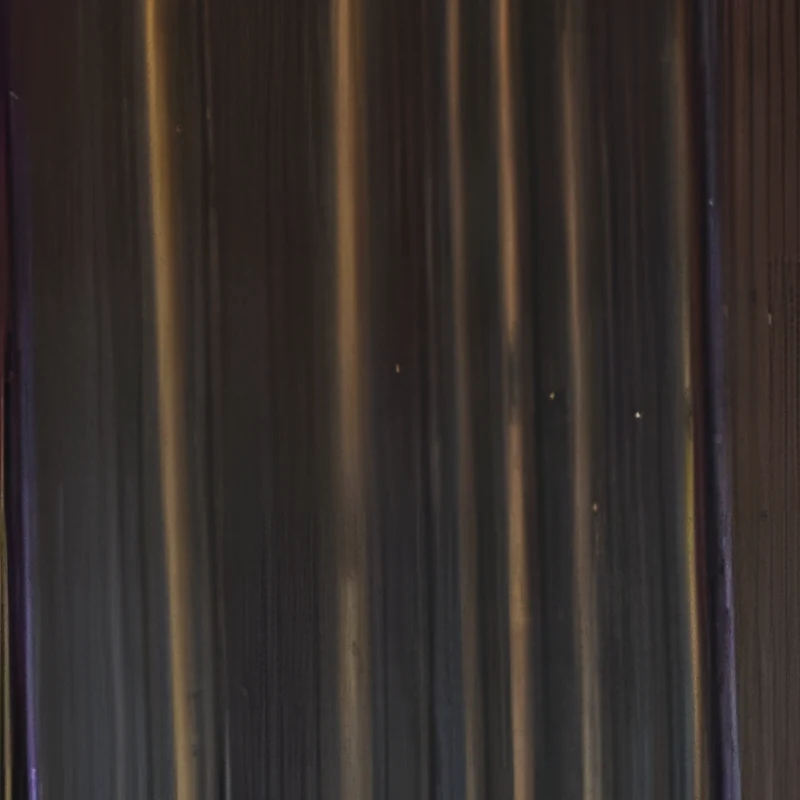
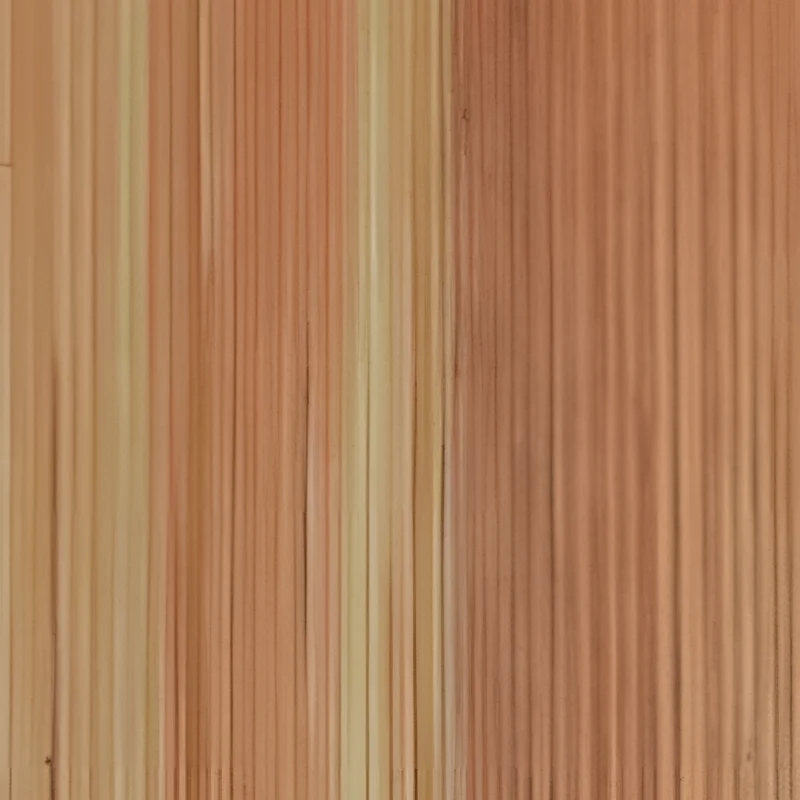
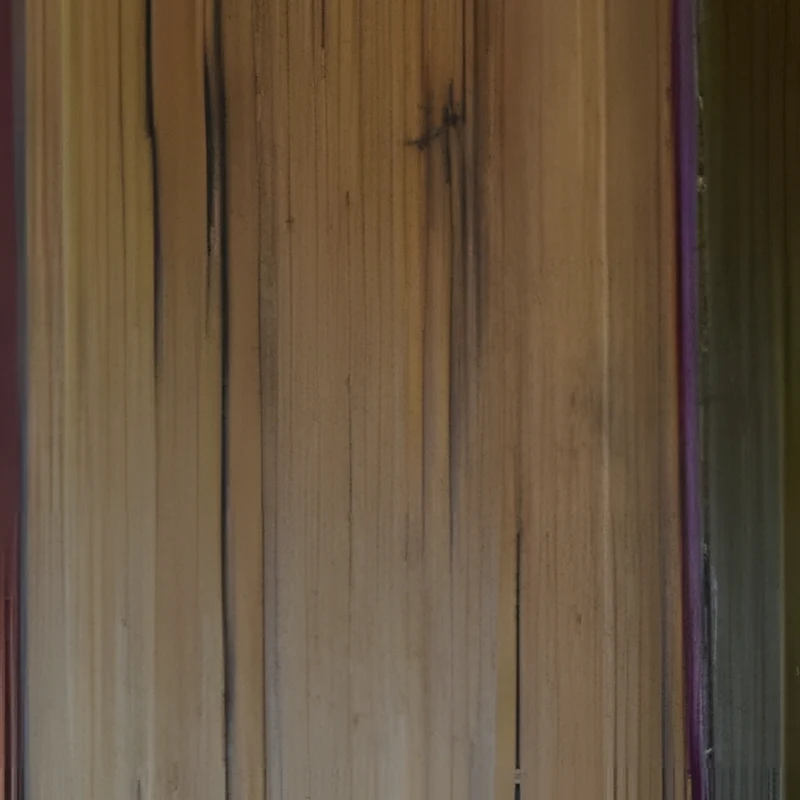
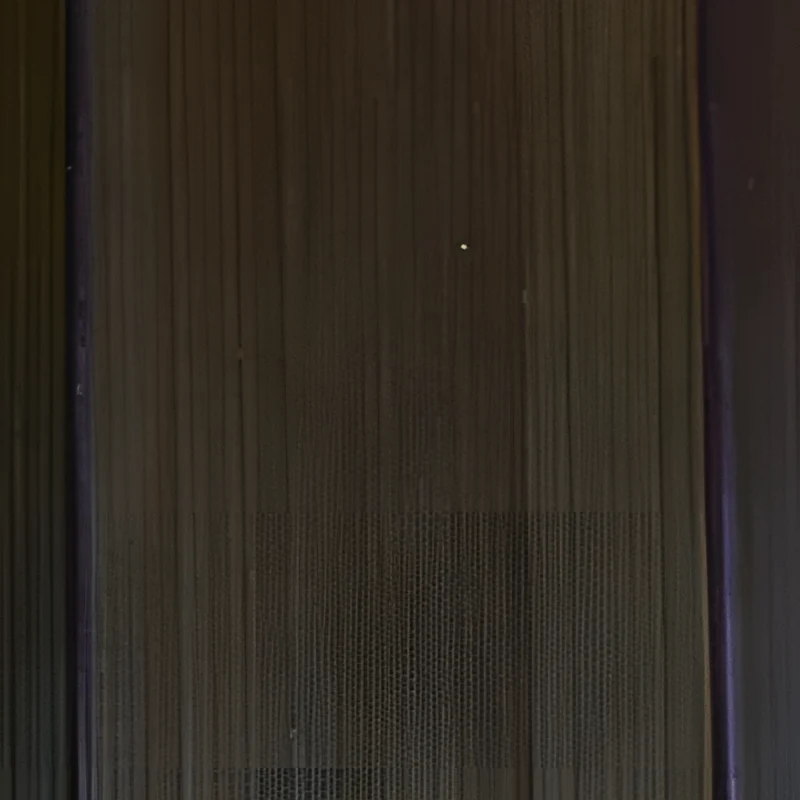
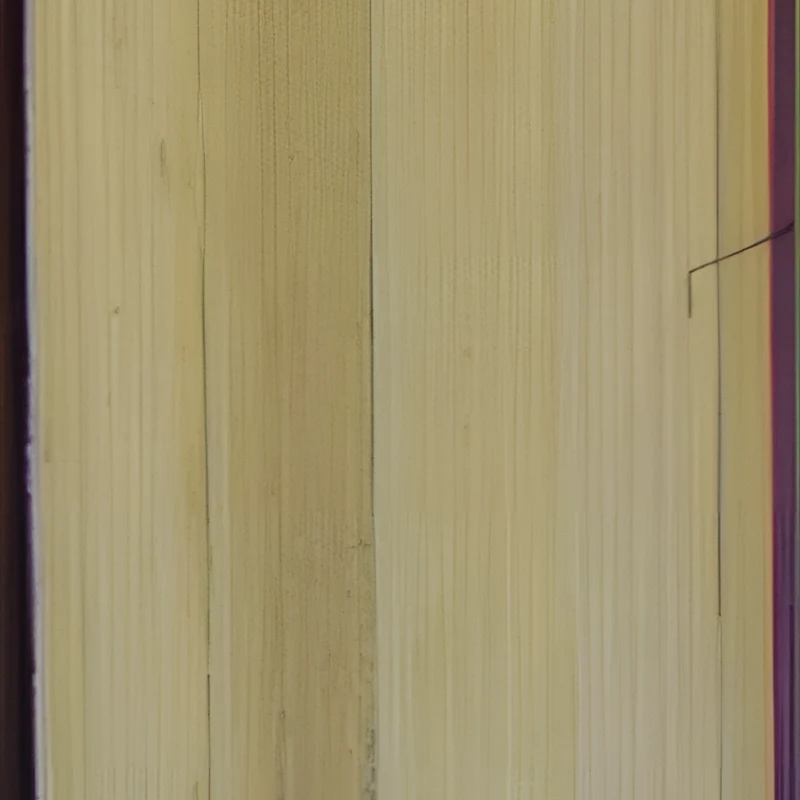
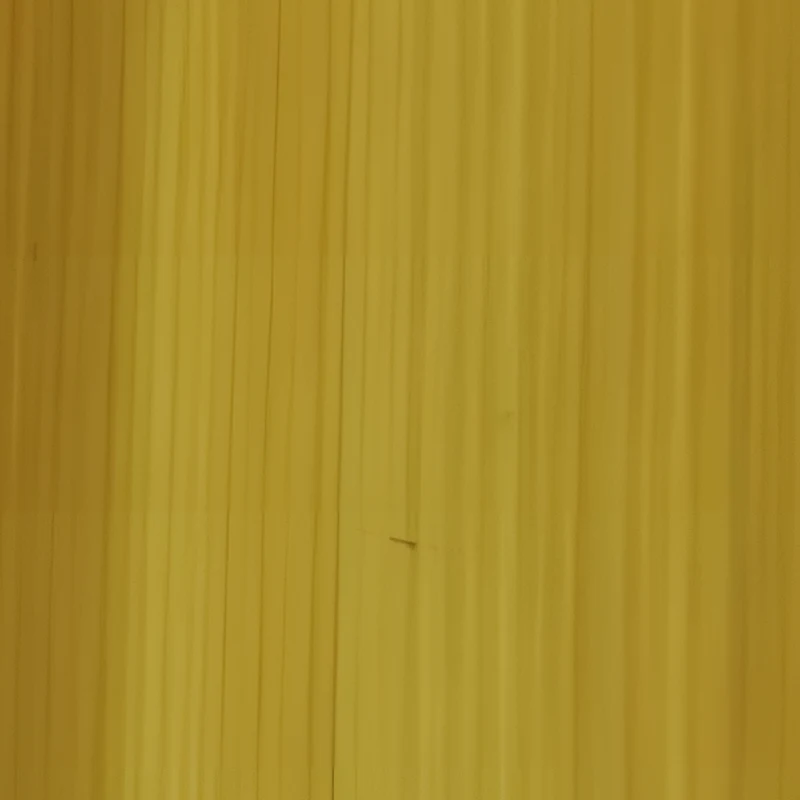
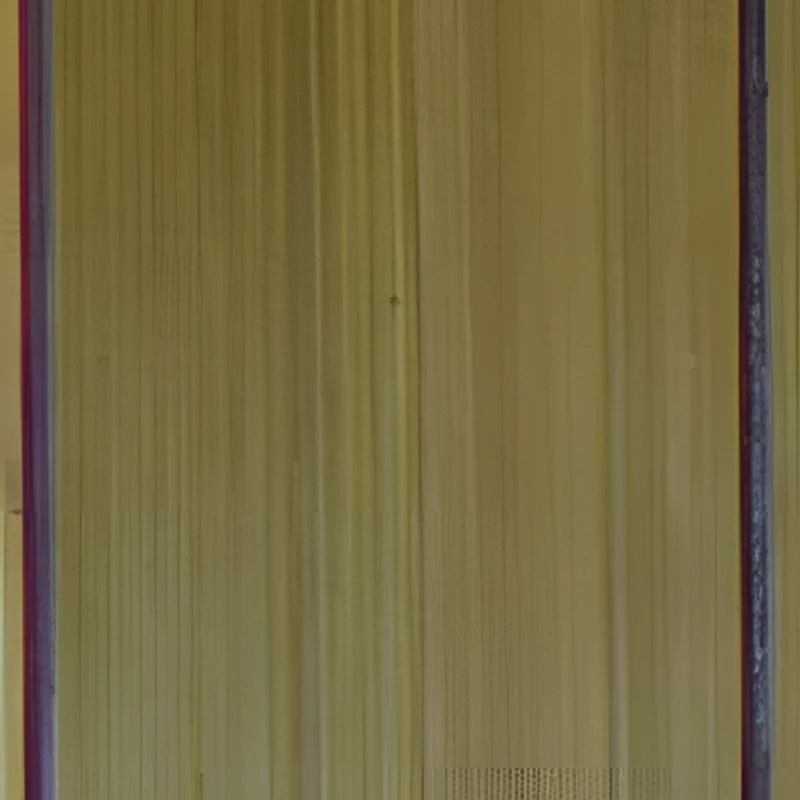
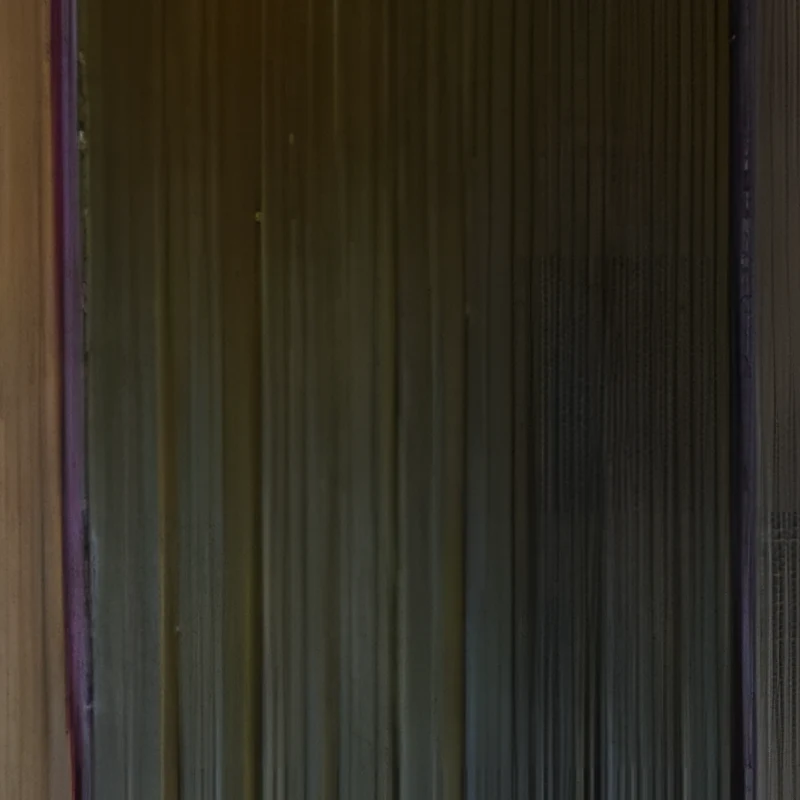
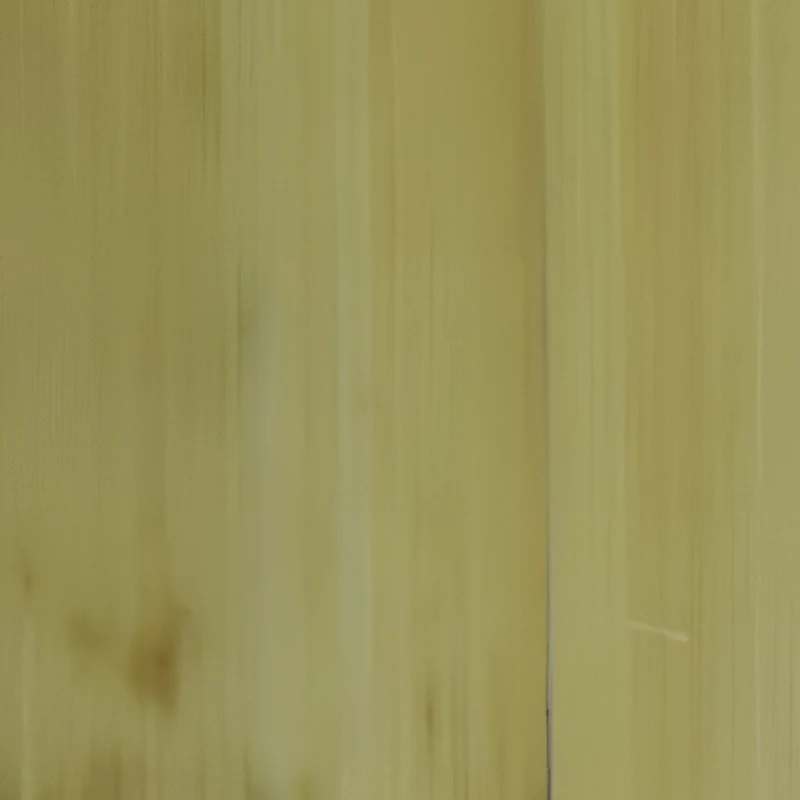
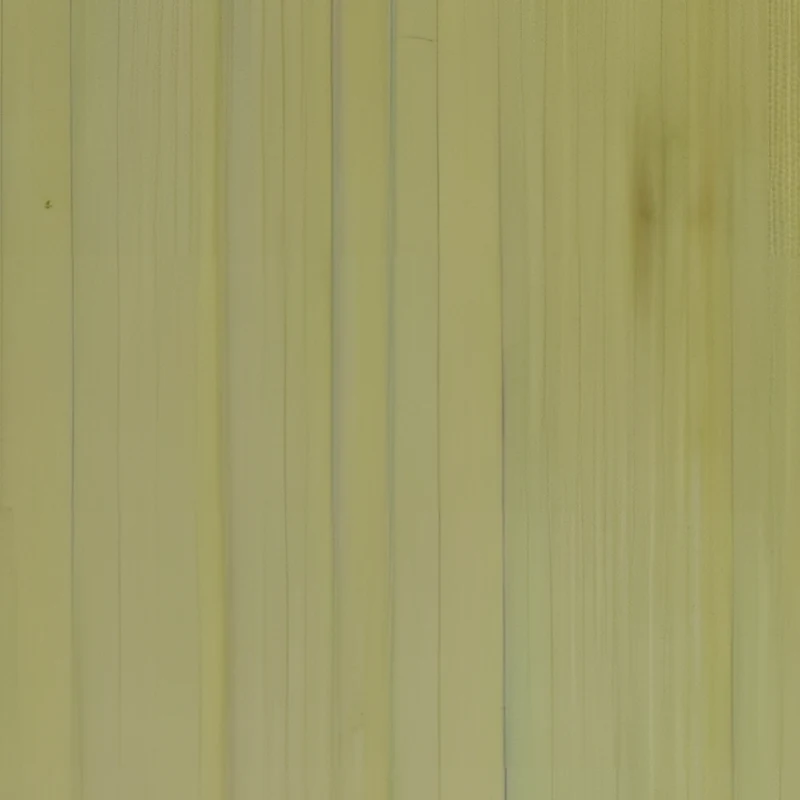
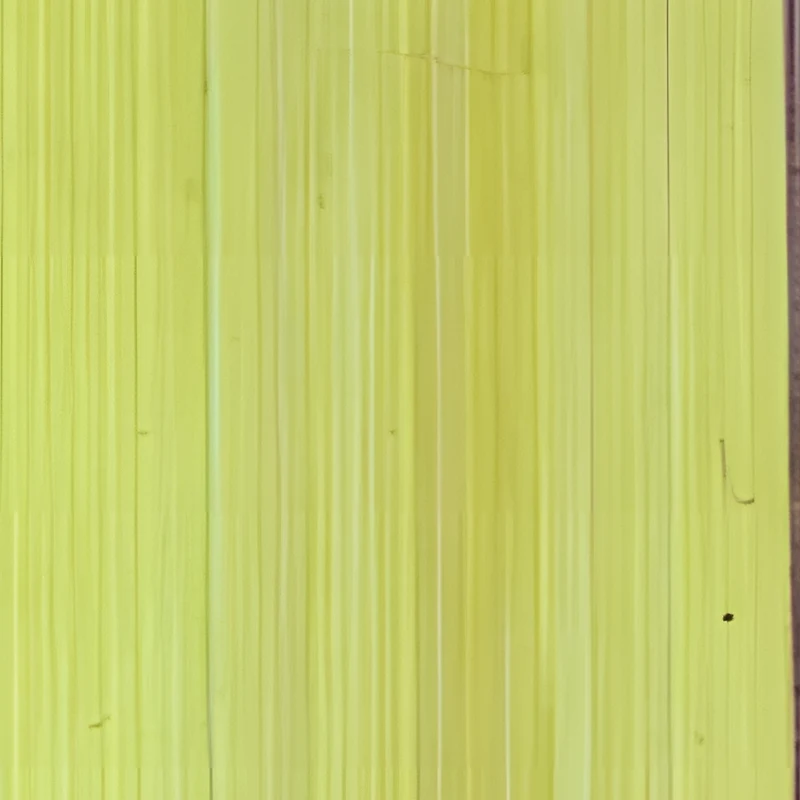
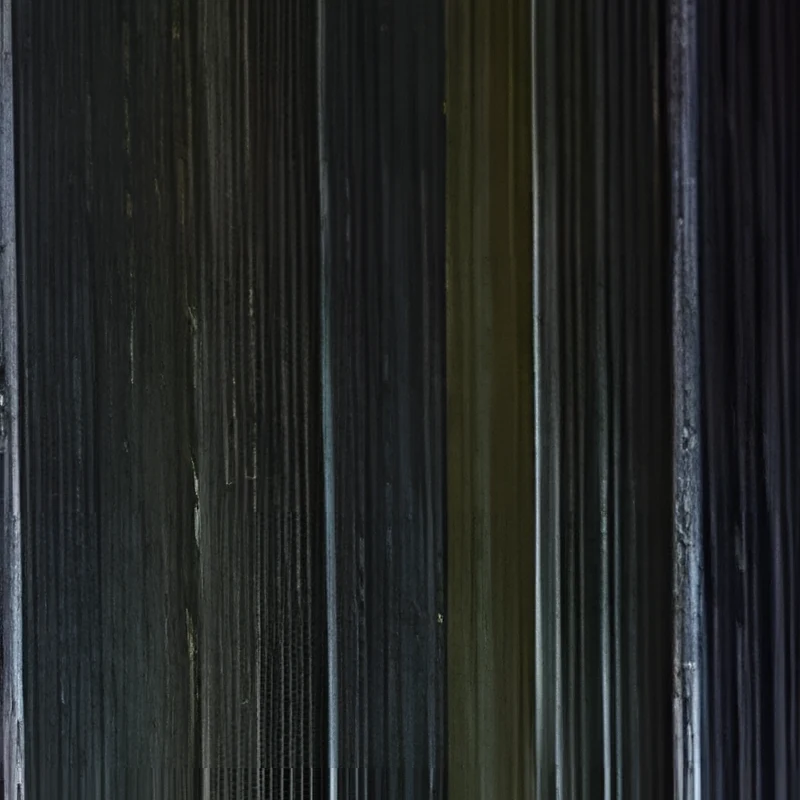
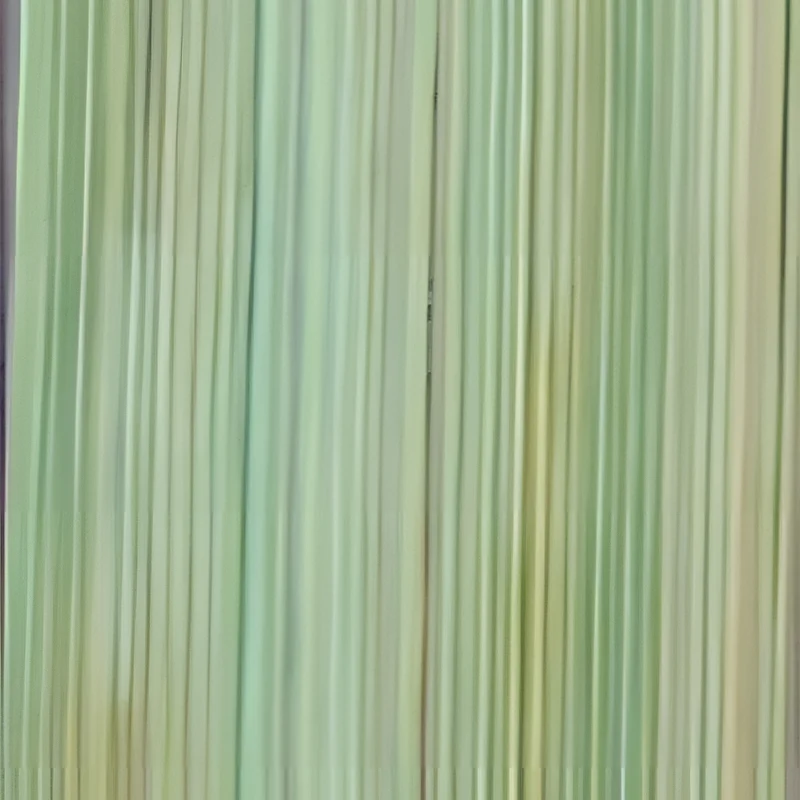
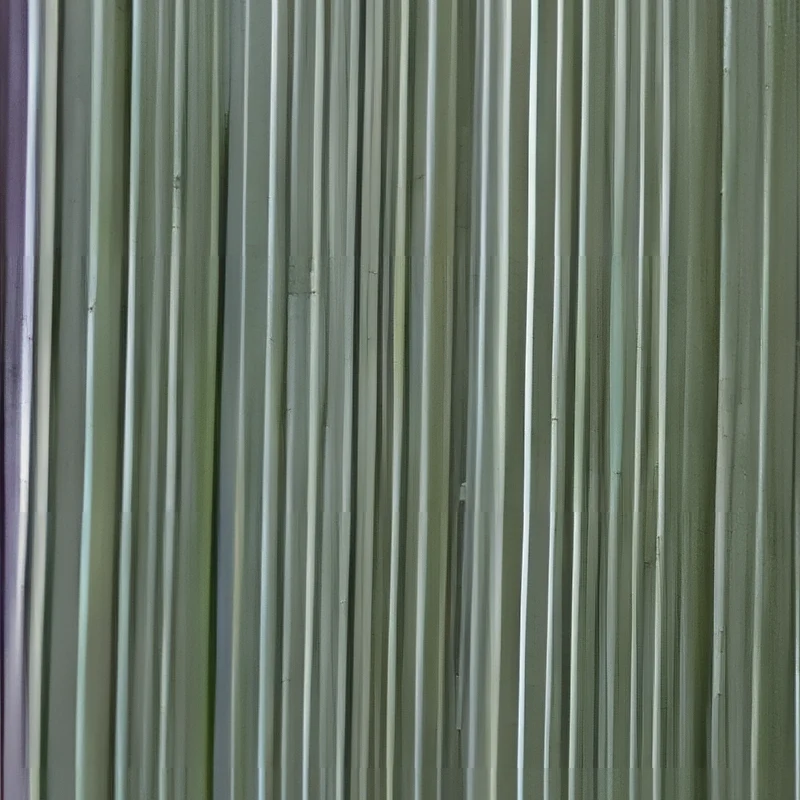
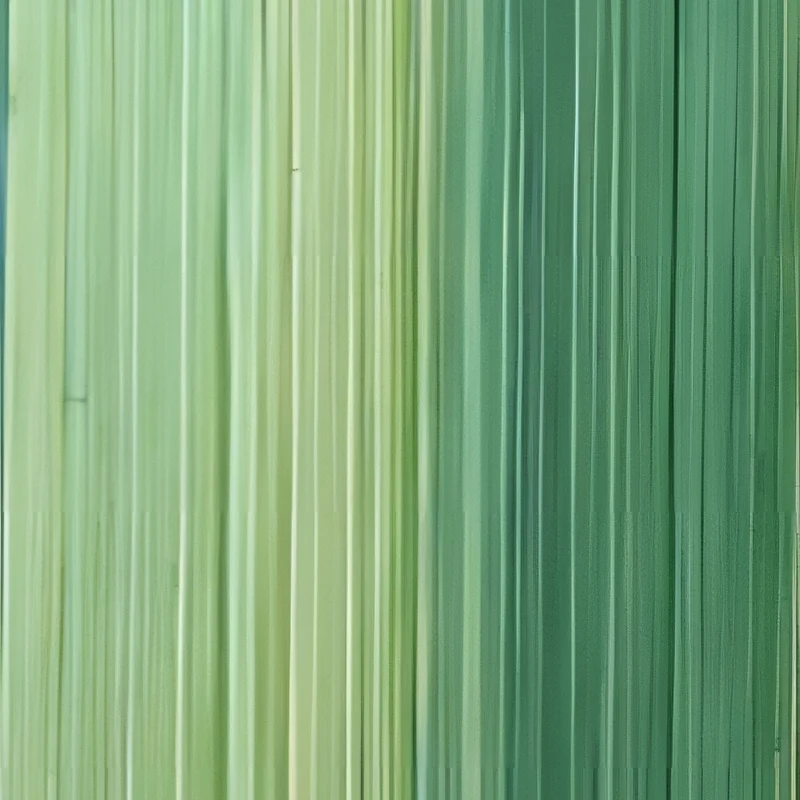
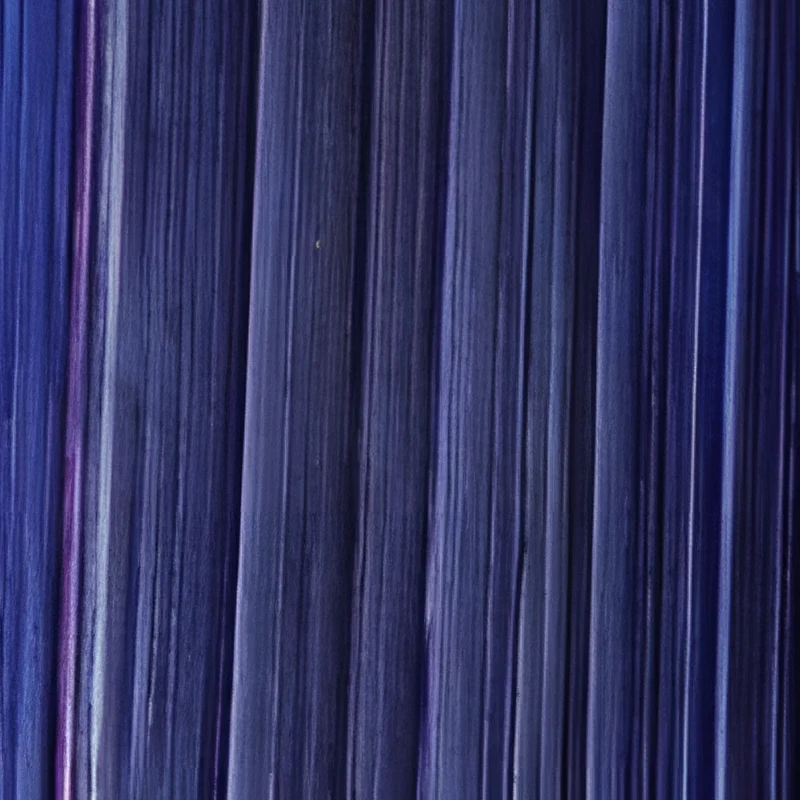
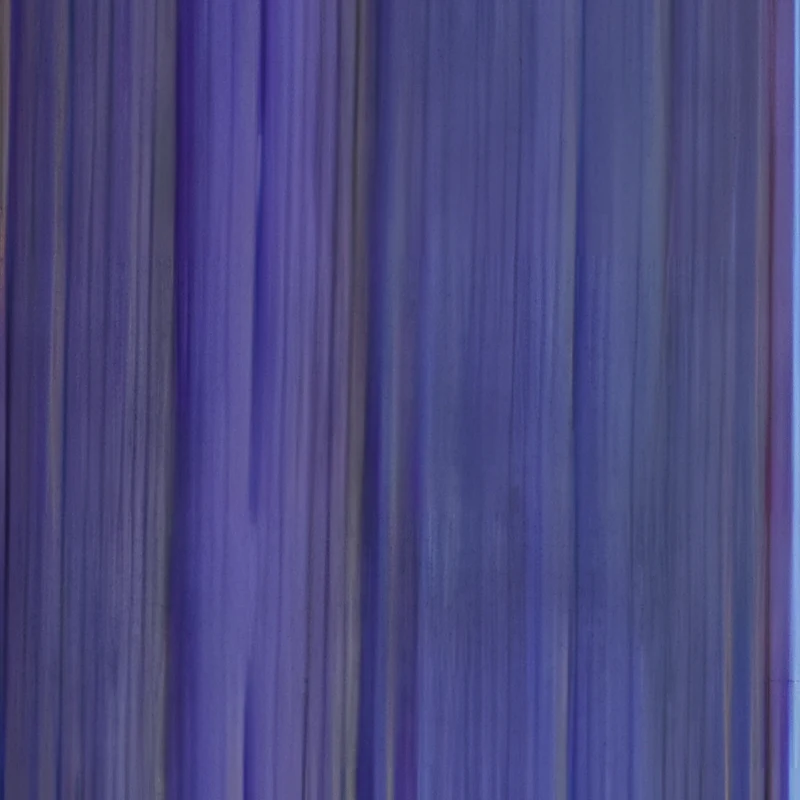
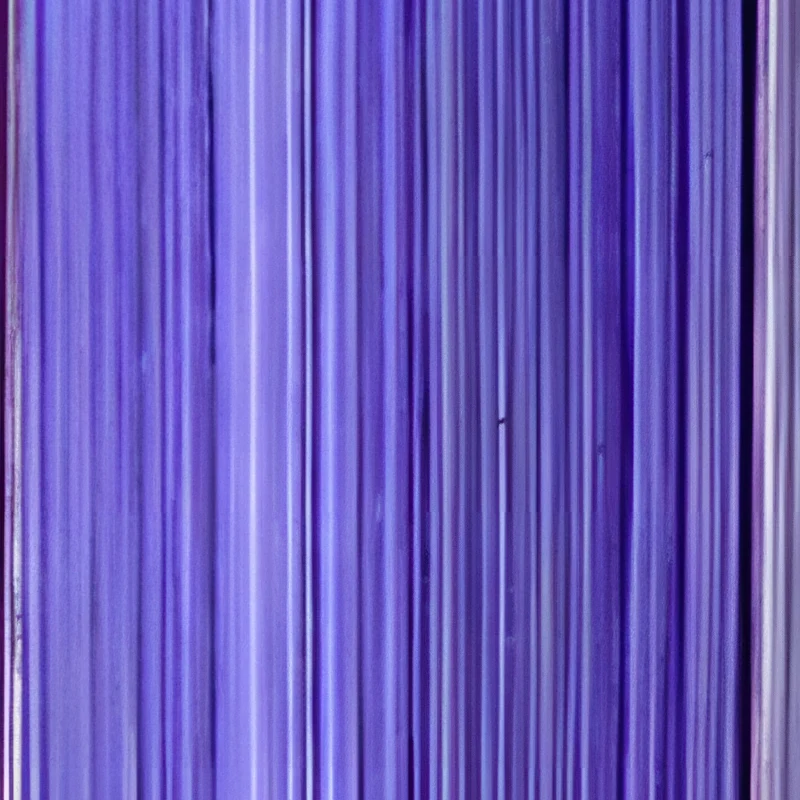
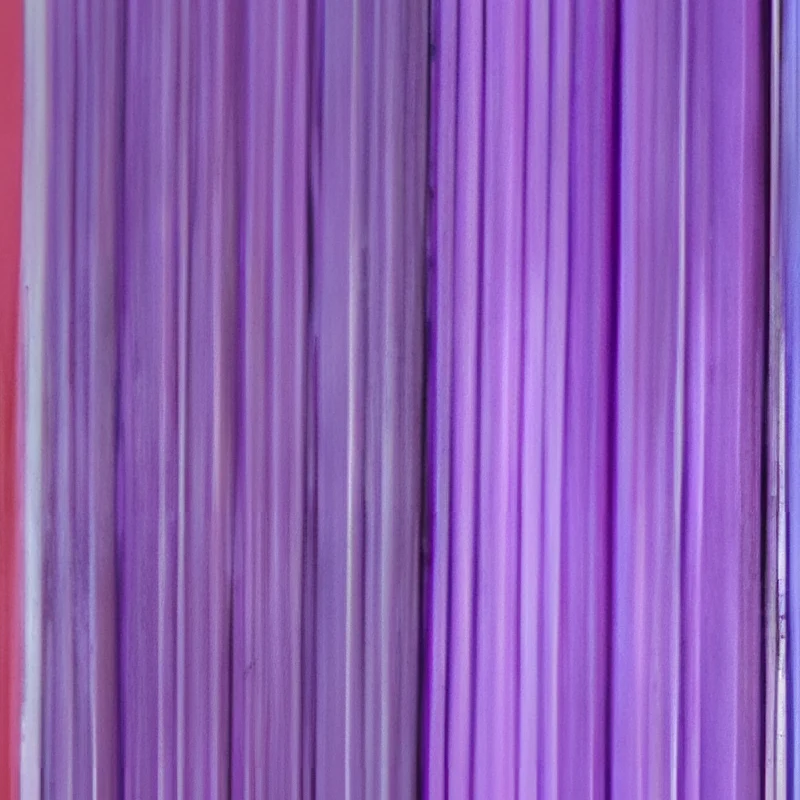
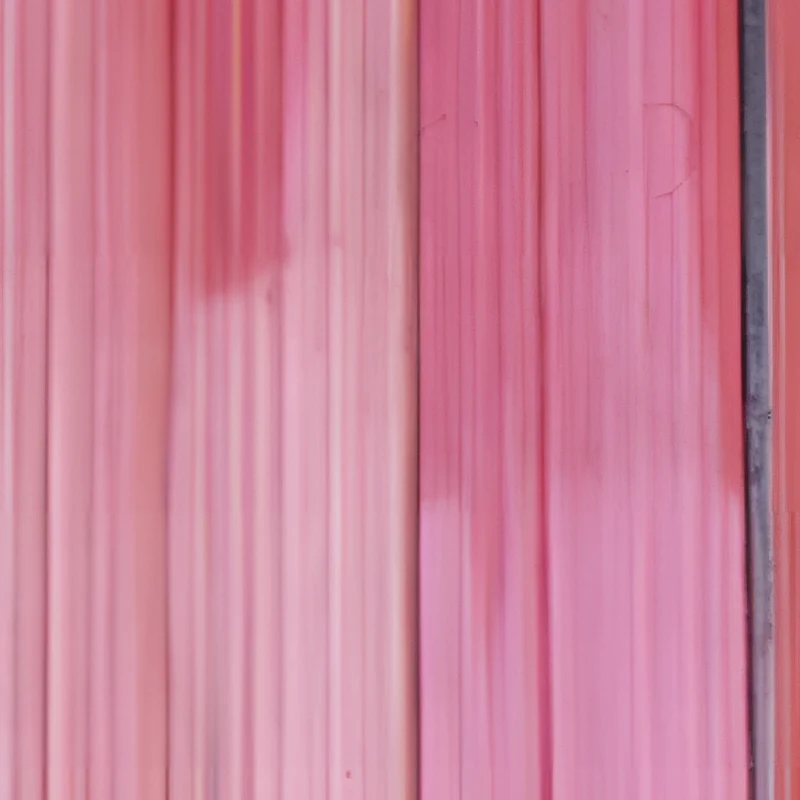
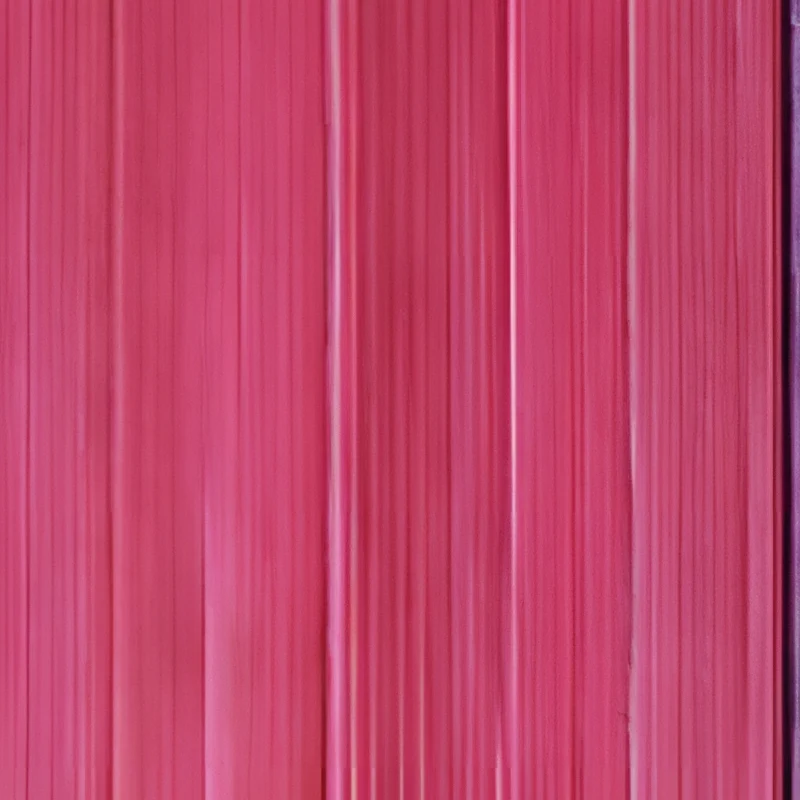
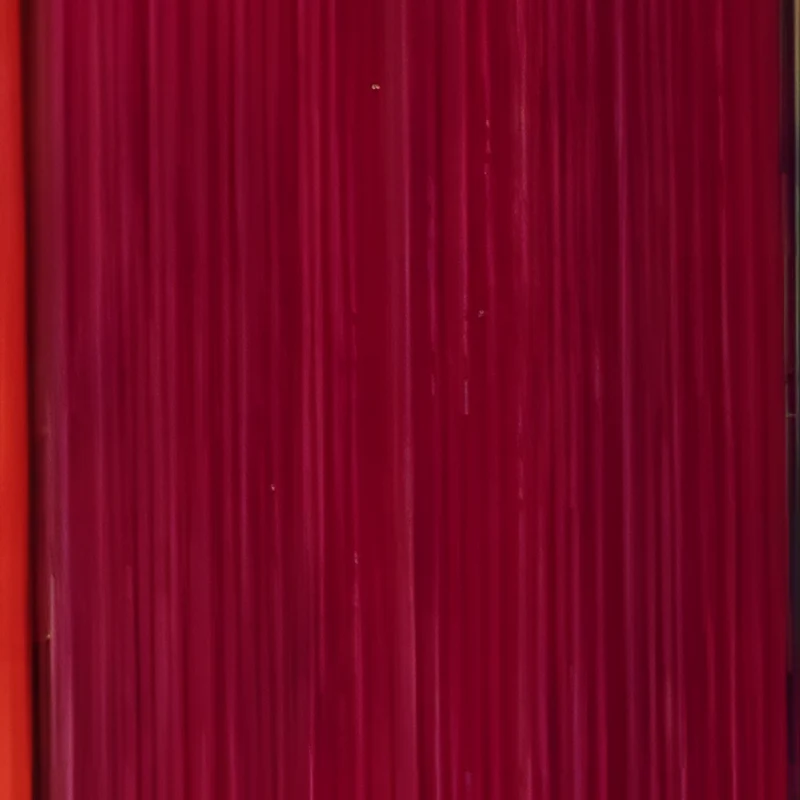
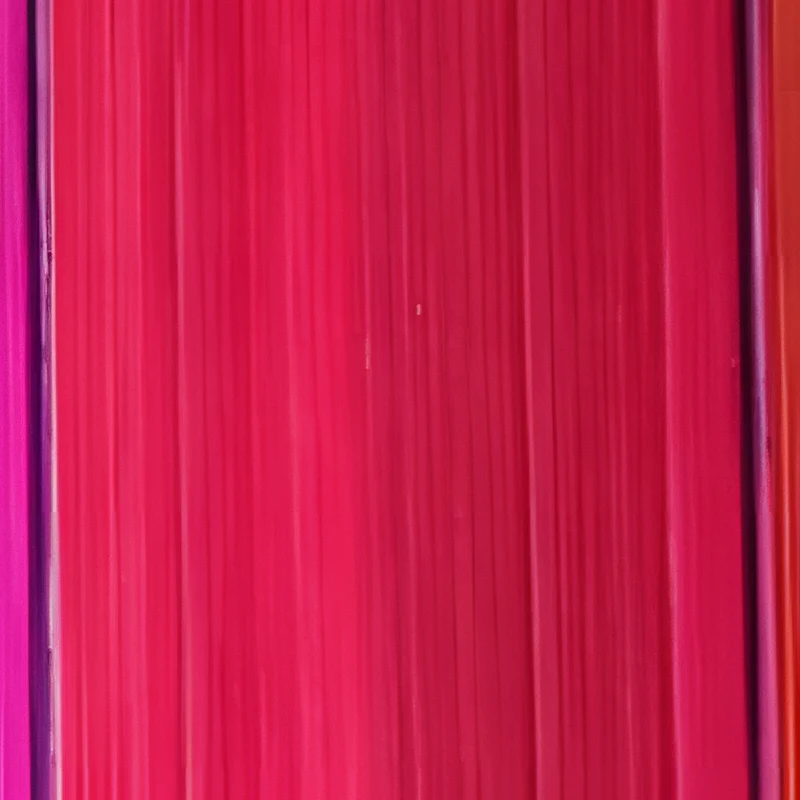
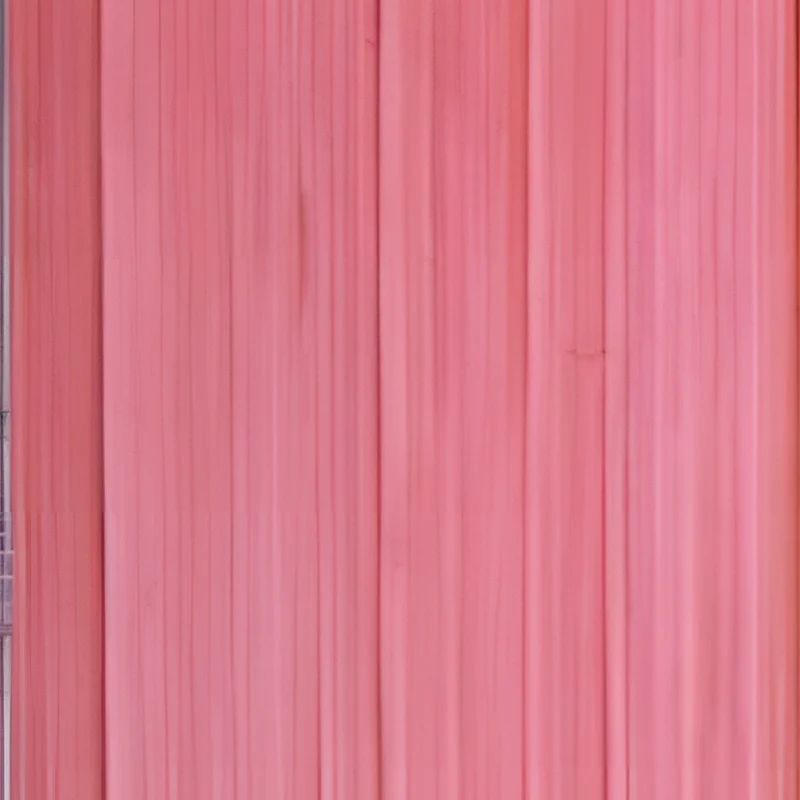
Natural rye straw and the full range of dyed shades we work with — from soft golds and naturals through verts, blues, reds and blacks. Select a swatch to see it at full size; colour codes match those used in commissions. Working to a RAL reference? Tell us about your project and we can make samples starting from the RAL colour and select the closest dyed straw from this chart.





Planning a scheme in straw?
Samples are made for each project, so tell us about yours.
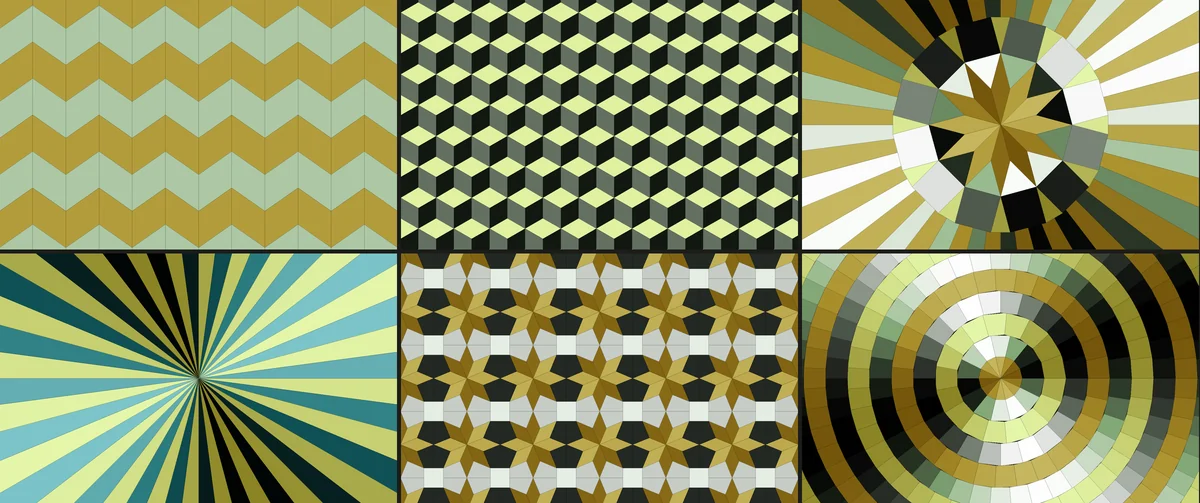
See these colours laid in pattern.
Pick any of the dyed straws on this chart, from one colour to six, and see them in thirty straw marquetry patterns.
Explore the patternsPatterns
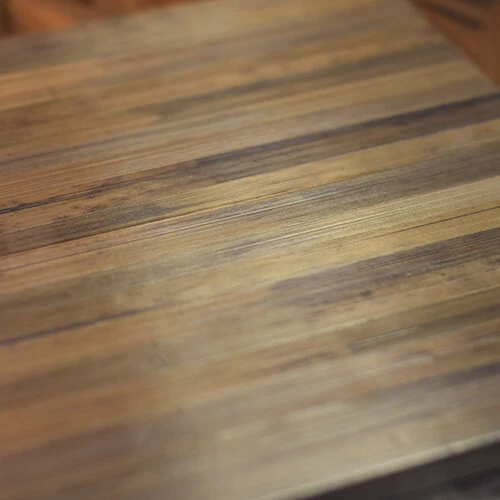
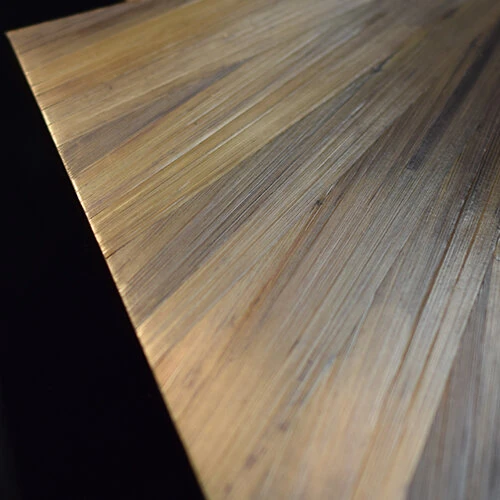
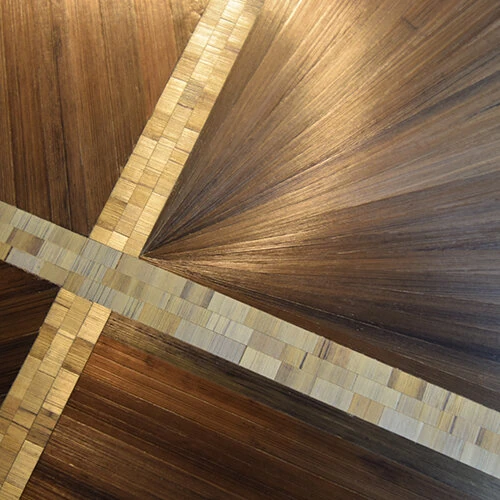
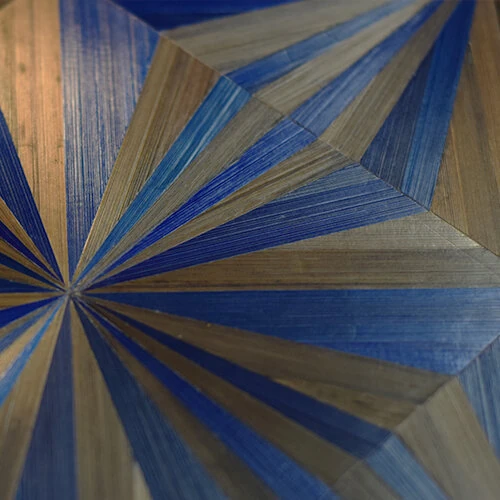
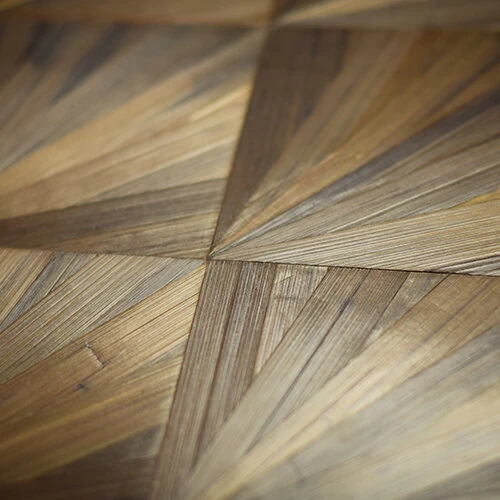
There are various ways to lay the straw with some example patterns shown below.
 01 / 08
 02 / 08
 03 / 08
 04 / 08
 05 / 08
 06 / 08
 07 / 08
 08 / 08
How the straw is dyed
We buy our straw in from our French supplier, which dyes it before it reaches us. Dyeing happens after splitting and before laying. The straw is bathed in natural or mineral pigments held in hot water, then drawn out, drained and air-dried. The silica skin that gives finished straw marquetry its directional lustre also affects how the colour takes — the dye sits on the surface and within the structure, never quite the same on two stems. Colours range from naturals and warm golds through full saturation in greens, blues, reds, pinks and blacks, with the full spectrum of subtle tones in between for tone-on-tone work. Once dried, the dyed straw is ready to lay. In normal interior use the colour holds well; like any natural material, it can lighten with prolonged exposure to direct sunlight.
The thing not everyone realises about working with straw is that the raw material itself shifts from harvest to harvest. Rye is an agricultural crop, and like wine, its character is shaped by the season — rainfall, sunlight, soil minerals, when the stems went into the ground and when they came out. Two crops a year apart can take the same dye recipe and produce noticeably different colours, sometimes deeper, sometimes paler, sometimes shifted in tone. We treat this as part of the material’s honesty rather than a problem to fix. For most commissions it adds character; for larger schemes that need to read uniformly across multiple panels, we plan for a single harvest of straw to be set aside before work begins, so the field stays consistent.
Stock, samples and the variation spectrum
Most of the popular straw colours — the naturals, the deeper golds, the classic verts, the strong reds and the blacks — are held in stock and ready to commit to a piece without delay. For colour selection we can supply smaller dyed-straw samples by post, drawn from current stock, which give a much more accurate read than the swatches on screen. Where a particular colour matters, we recommend asking for several samples of the same code so the variation spectrum — the range of tonality within a single dyed batch — can be seen in person before committing.
Some colours are fairly uniform — pieces sit close together in tone and produce a quiet, even surface when laid. Others carry significant variance, with each piece reading slightly different from its neighbour; this is the looser, more painterly end of the spectrum, well-suited to large surfaces where the directional sheen and natural variation make the panel come alive. Both have their place, and the variance of a chosen colour is one of the most important decisions in specifying a piece. We talk through it with every client at the sampling stage.
For a fuller account of how the straw is laid once dyed — pattern, technique, applications — see our straw marquetry craftsmanship page, which covers the full bespoke commissioning process for panels, furniture and wall veneers.
Where the straw is grown
The rye straw used for marquetry is grown for the stem, not the grain. Most of what passes through our workshops is cultivated in the Saône-et-Loire region of Burgundy, where the silica-rich soil and the long growing season produce stems of the length, straightness and natural sheen the craft requires. Harvest happens once a year, in late summer, when the stems are tall and dry but still pliable enough to split without cracking. The crop is cut by hand, bundled, and air-dried in barns before the workable centre section — roughly 60 centimetres of straw per 2.5-metre stem — is selected. Everything else is set aside; the yield from a season is small and the process cannot be hurried.
Where straw is used
A surface with no equivalent elsewhere, the iridescent, geometric quality of hand-laid straw marquetry sets any piece apart.
- Cabinet and furniture door fronts
- Decorative wall panels
- Headboard and bed surround inserts
- Jewellery and decorative box surfaces
- Feature furniture tops
- Luxury packaging and display

Seen in
Have a scheme that calls for
a surface without equal?
Samples are made for each project. Get in touch and tell us about your project.