Console Tables
Console tables, and the wall they sit against
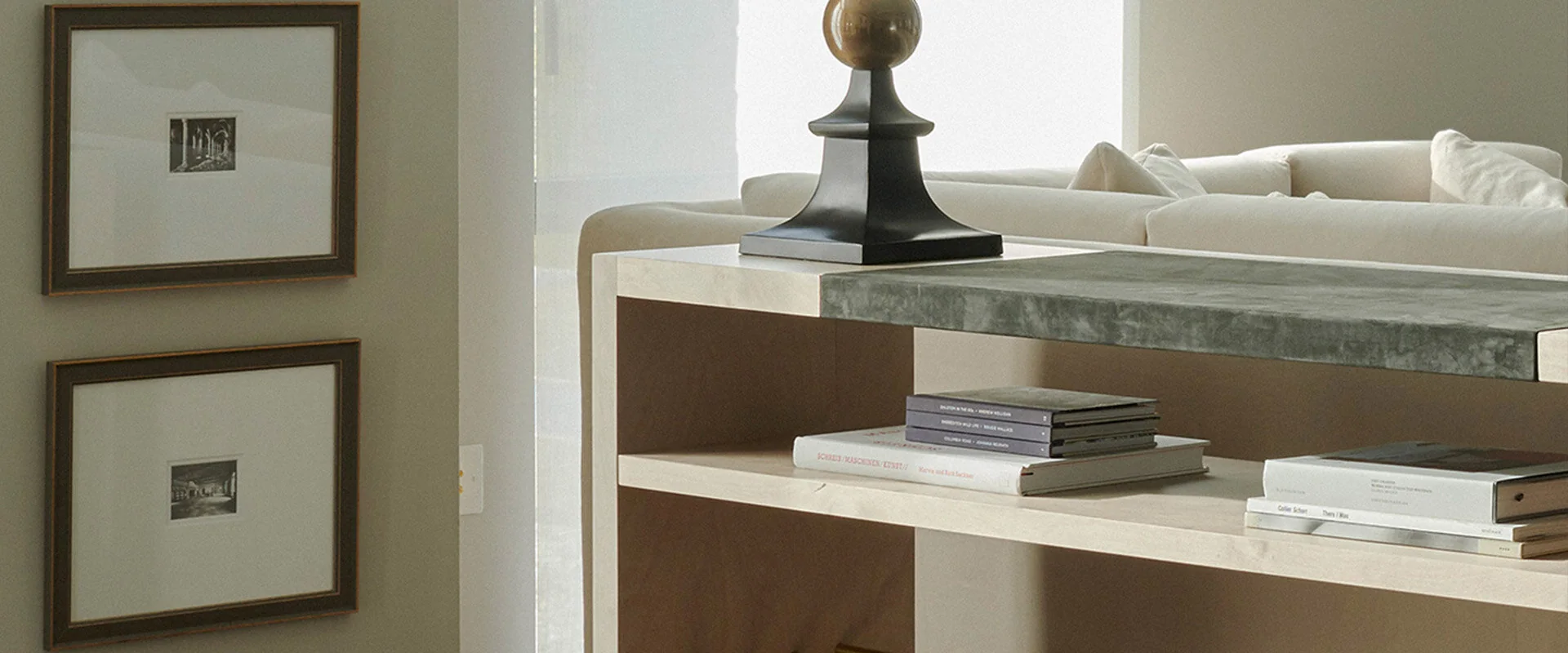
A console table is a long, narrow table designed to sit against a wall rather than in the middle of a room. Width sits at 30–45 cm — narrow enough to not project into a hallway, deep enough to hold lamps, sculpture and flowers — and length is sized to the wall it sits against. The form has been part of the upholstery vocabulary for two centuries; its job has remained the same.
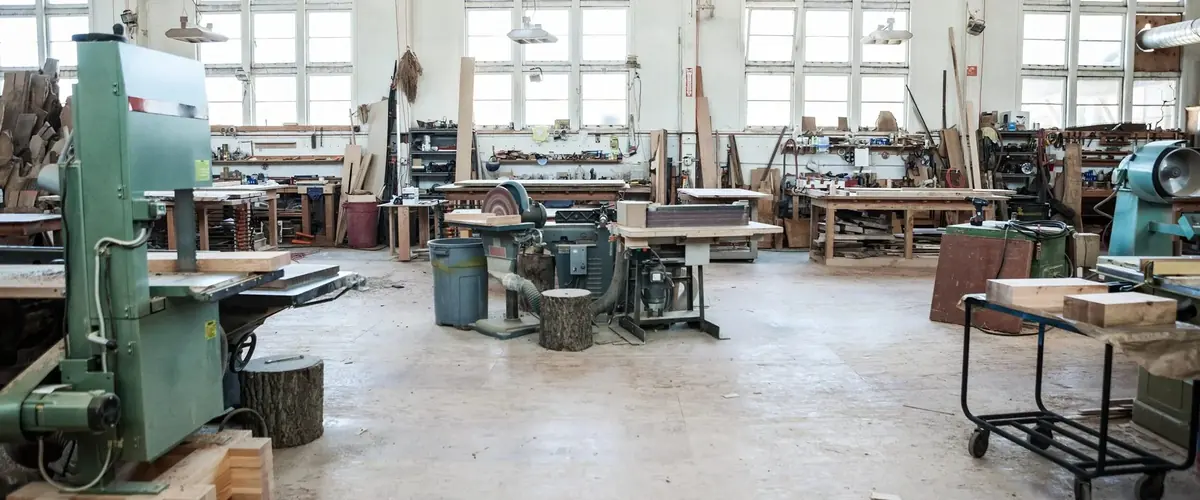
The workshop builds console tables for halls, behind sofas, on landings and against feature walls. The construction follows the wider casegoods engineering — hardwood carcass where the table has a cabinet, hardwood or metalwork frame where it is open-leg.
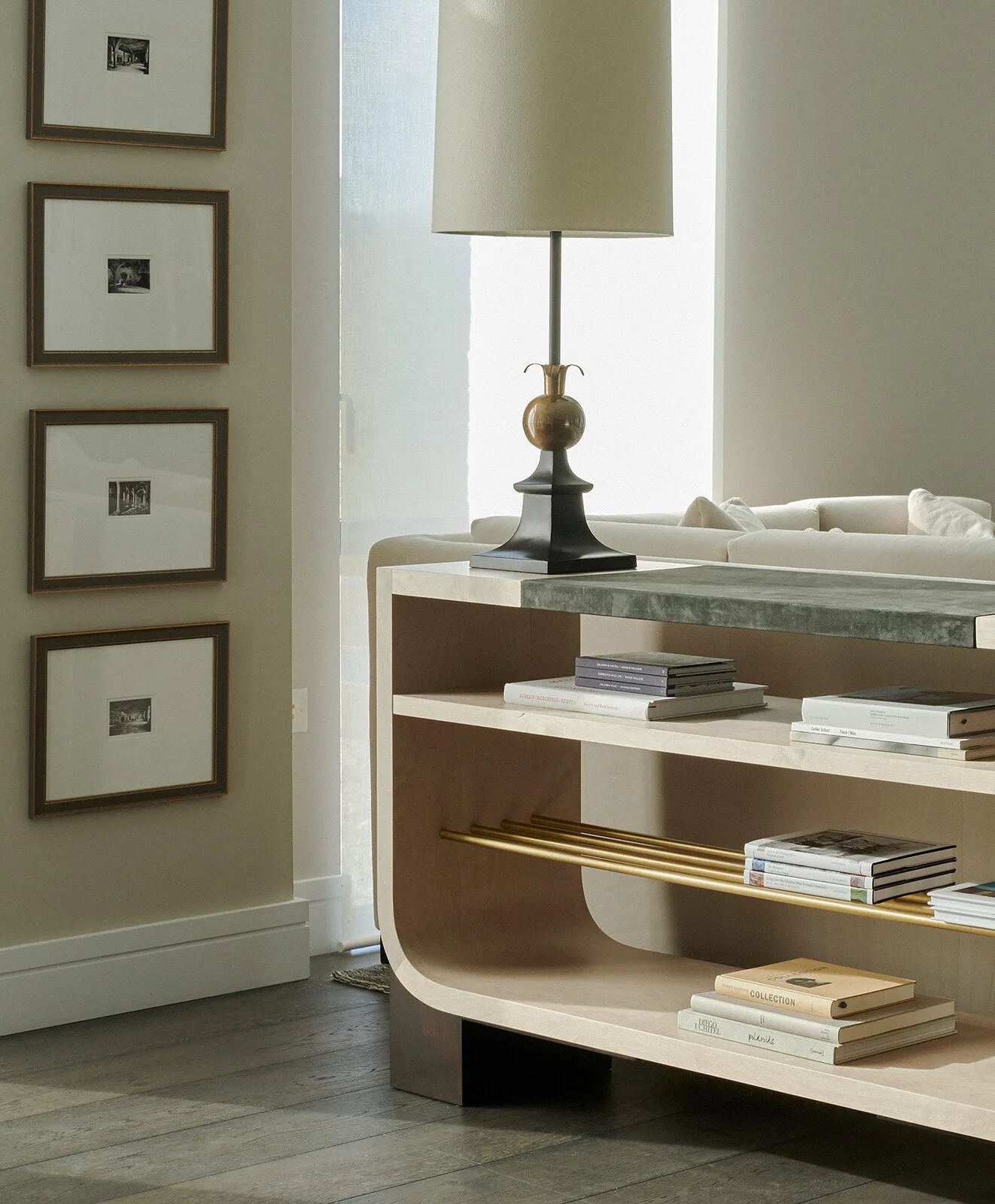
The console tables we build
Console table briefs fall within a handful of established forms.
Hall consoles
The standard hall form — a long, narrow table 120–220 cm long, 30–40 cm deep, set against the hall wall. Hall consoles often carry a mirror above them, a pair of lamps on top, and a shallow drawer below the top. Specified into entry halls, vestibules and any room where a long horizontal surface is wanted against a wall.
Sofa consoles (behind-sofa tables)
A console sized to sit behind a sofa rather than against a wall, used in open-plan rooms where the back of a sofa would otherwise be visible. Sofa consoles match the sofa length and sit slightly lower than the sofa back; they often hold lamps that light the seating area from behind.
Landing and feature consoles
Longer, more architectural consoles for landings, gallery walls and rooms with a single feature wall. Landing consoles can be 200–280 cm long, often with marquetry or stone tops, and read as a piece of furniture in their own right rather than as a supporting surface.
Wall-mounted consoles
Consoles with no legs, fixed directly to the wall on hidden brackets. The form gives a floating horizontal surface with no visible support. Specified into modern interiors and into halls where floor space is tight.
Specifying a console table
Dimensions are decided against the wall and the line of the room. A hall console runs typically 140–180 cm against most modern hall walls; in larger halls or galleries, 220–280 cm gives the right architectural weight. Top height sits at 78–82 cm — slightly higher than a dining table so the surface reads as a presentation surface rather than a working one.
Surfaces follow the room. Hall consoles take heavy daily wear — keys, post, daily contact — so a stone or lacquer top is often specified; sofa consoles tolerate softer materials. Wall-mounted consoles need to be specified for the wall they fix to; load brackets are calculated against the depth of the console and any lamps that will sit on it.
Lead times run typically 8–12 weeks from approved drawings; sourced veneer or stone tops can extend the schedule. Consoles ship complete; wall-mounted versions ship with the brackets and the fixing pattern.
Where this sits
This page covers one of the pieces in the casegoods catalogue. The broader range — credenzas and sideboards, drinks cabinets, dining and coffee tables, console tables, boardroom tables, bedside tables, chests and commodes, writing desks, dressing tables and display cabinets — sits under casegoods furniture. The cabinetry behind every piece is set out on the woodwork workshop page; surfaces and finishes are covered under materials.