Bedside Tables
Bedside tables, matched in pairs and runs
A bedside table is a small piece, but it carries more of the bedroom's daily use than almost anything else. A book, a glass of water, a light, a charging device, sometimes a clock — and the surface and the drawers see daily contact every morning and night. The workshop builds bedside tables as individual residential pieces and in matched runs of forty or sixty for hotel guestroom programmes.
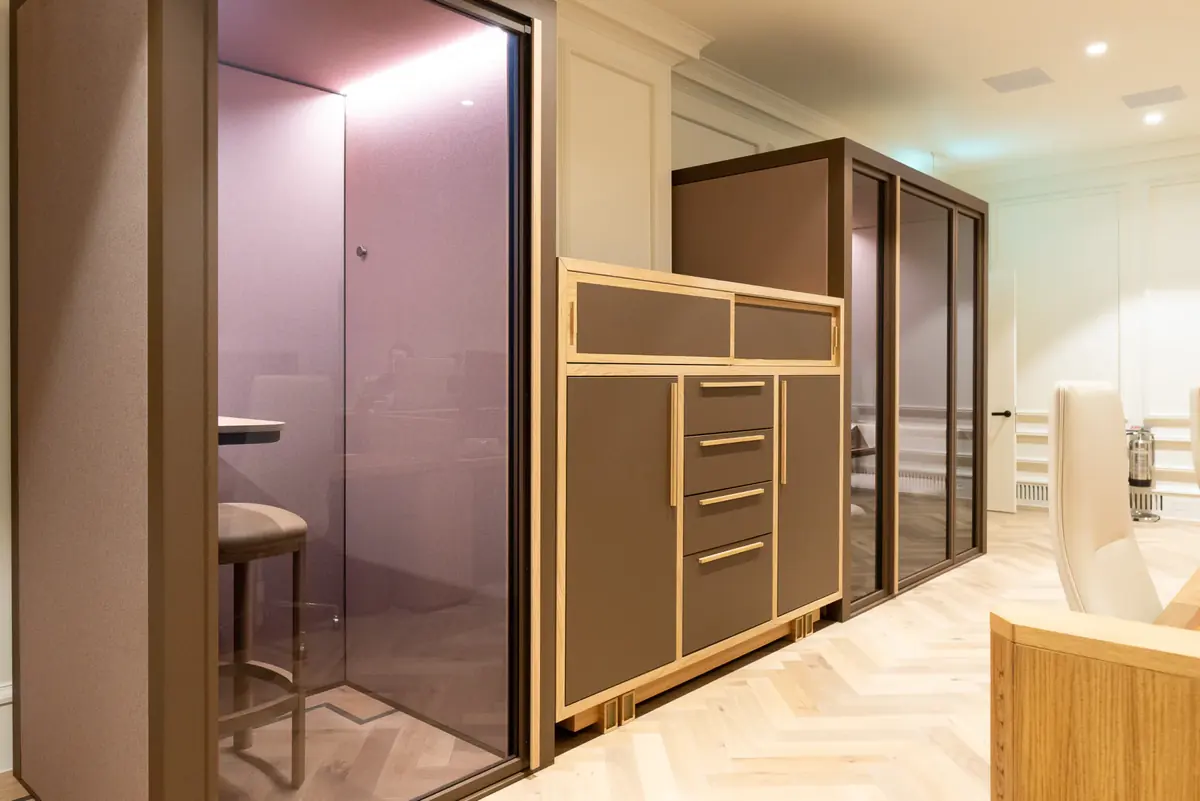
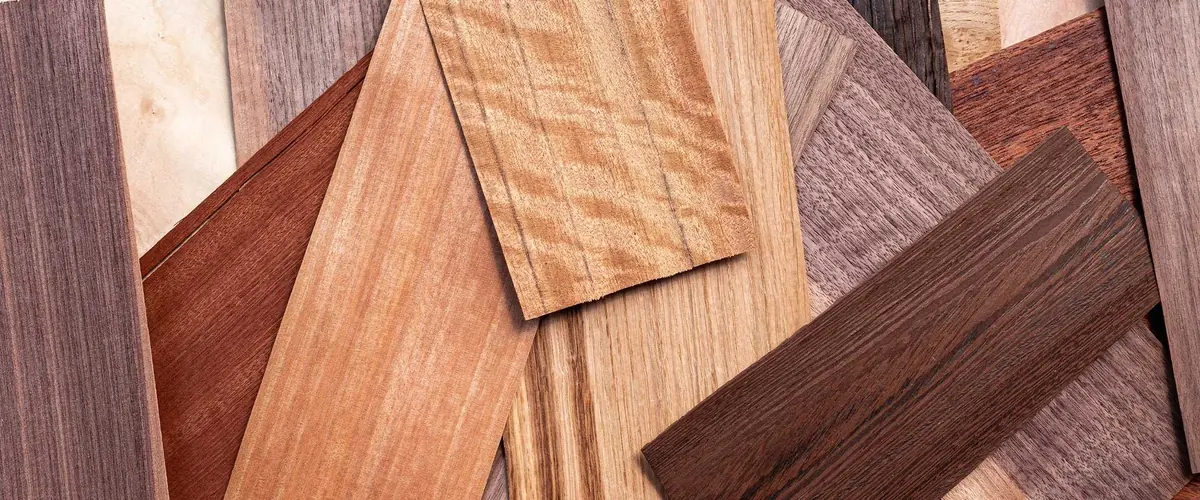
The construction is small-scale cabinet-making at the same quality as the rest of the casegoods catalogue: dovetailed drawers, hand-fitted hardware, surfaces in any veneer, lacquer or mixed material. What changes with a bedside table is how the small scale shows every join and every finish.
.webp)
The bedside tables we build
Most briefs fall within a handful of established forms.
Two- and three-drawer bedside tables
The standard residential form — a small cabinet 40–55 cm wide with two or three drawers and a small surface for a lamp. Drawers run on hand-fitted hardwood runners or soft-close hardware; pulls are finished to the bedroom's wider hardware. Most often paired either side of the bed.
Open-shelf bedside tables
A simpler form — an open shelf below the top surface for books, glasses or a basket. Open-shelf bedsides read lighter and less furnished than drawer cabinets; specified in modern residential briefs and in some boutique hotel schemes.
Hotel guestroom bedsides
Bedside tables for hotel guestroom programmes, built in matched runs of typically 30–200 pieces. Guestroom bedsides usually integrate USB and power into the top surface, sometimes wireless charging pads, and are engineered for repeated guest use — drawers that won't jam, surfaces that resist watermarks, finishes that survive housekeeping cleaning regimes. Specifications are set against the hotel's brand guidelines.
Lit and feature bedside tables
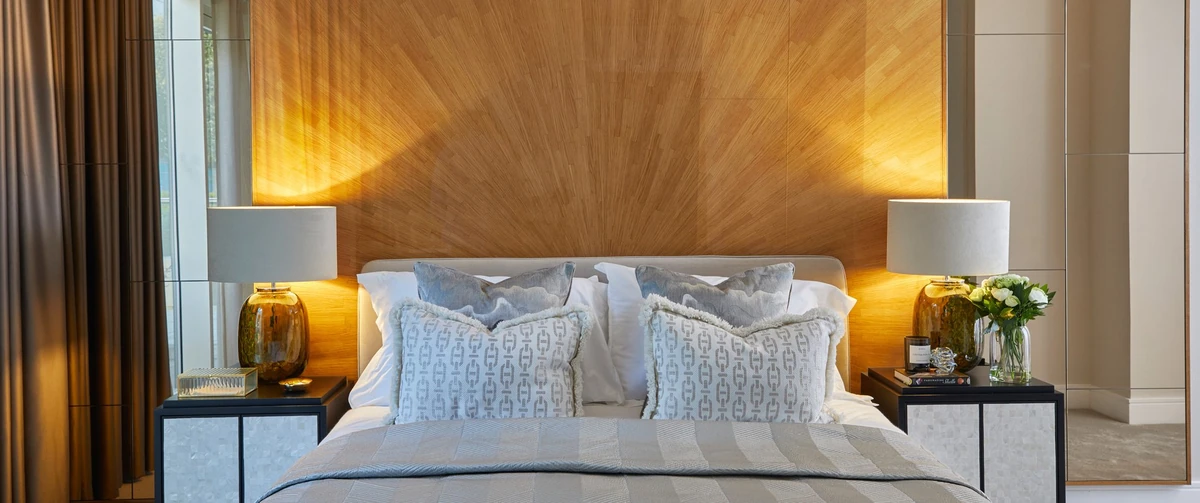
Bedside tables with integrated reading lights — typically a discreet LED under the top edge or a fully integrated reading light arm — and sometimes a back-lit panel that reads as a soft glow against the wall. Lighting is specified to the bedroom's wider scheme.
Wall-mounted bedside tables
Floating bedside tables fixed to the wall on hidden brackets, with no legs. The form gives a clean line under the table and is useful where floor space is tight. Often specified into small bedrooms and into apartment hotels.
Specifying a bedside table
Dimensions are decided against the bed and the room. Top height usually sits at mattress height — typically 60–65 cm — so the lamp and the glass sit at the reaching-position from the pillow. Width sits at 40–55 cm for residential; wider tables read as a small chest rather than a bedside.
Drawer pulls, hinge finishes, integrated USB / power, and the top surface treatment are all matched to the room's wider scheme. For hotel programmes, prototypes are built and tested in service before the full run is approved; site assembly is bespoke per project.
Lead times run 6–10 weeks for residential pairs; 12–18 weeks for full hotel runs depending on the volume. Pairs and runs are matched at the bench so figure, finish and hardware read as a single set rather than as individual pieces.
Where this sits
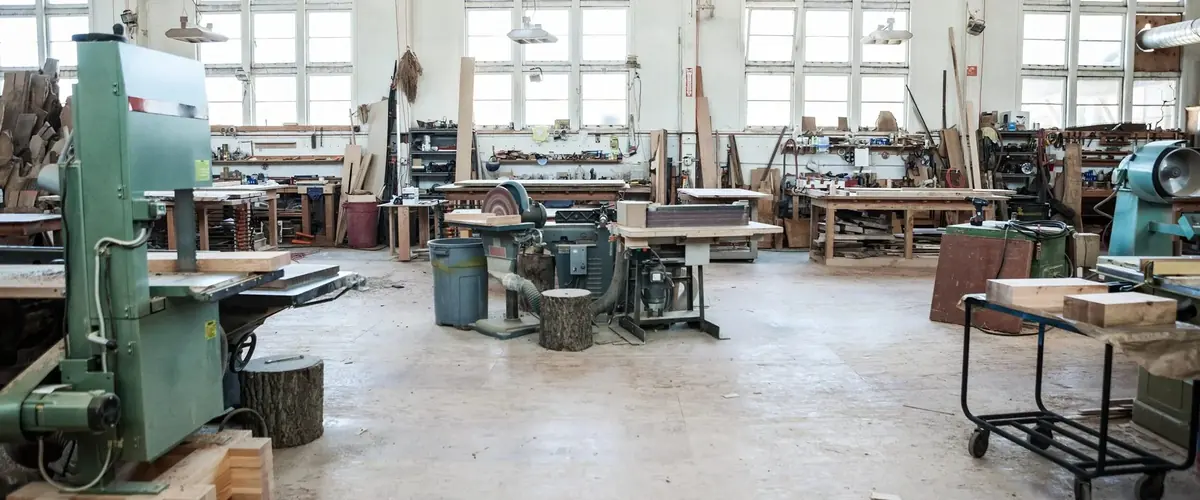
This page covers one of the pieces in the casegoods catalogue. The broader range — credenzas and sideboards, drinks cabinets, dining and coffee tables, console tables, boardroom tables, bedside tables, chests and commodes, writing desks, dressing tables and display cabinets — sits under casegoods furniture. The cabinetry behind every piece is set out on the woodwork workshop page; surfaces and finishes are covered under materials.