Credenzas & Sideboards
Credenzas, sideboards, and the long horizontal line
Credenzas and sideboards are the long, low cabinets that anchor a dining room or a living wall. They share their construction — a hardwood carcass behind doors and drawers, sized to the floor space and the proportions of the room — and they share their job: storage, display, surface, and the architectural horizontal line that breaks up a wall of vertical paintings or windows. The distinction between the two is mostly historical; the build is the same.
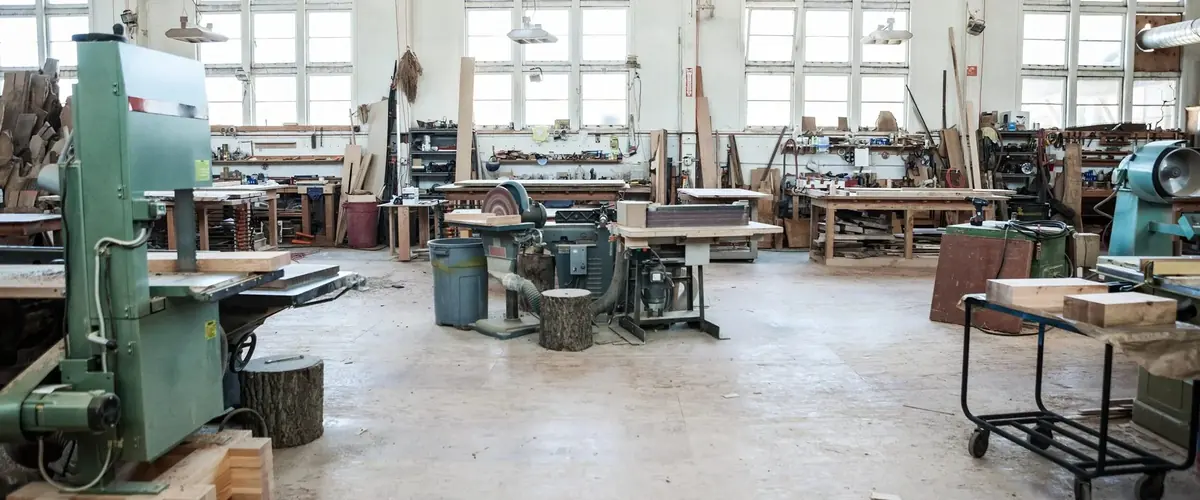
The workshop's credenzas and sideboards are made-to-measure rather than chosen from a catalogue. Length, depth, height, leg style, top finish, cabinetry behind the doors and the proportion of doors to drawers are all set at design. The engineering is the same set out on the casegoods page — kiln-dried hardwood carcasses, dovetailed drawers, hand-fitted ironmongery, surfaces in any combination of veneer, lacquer, stone and metal.
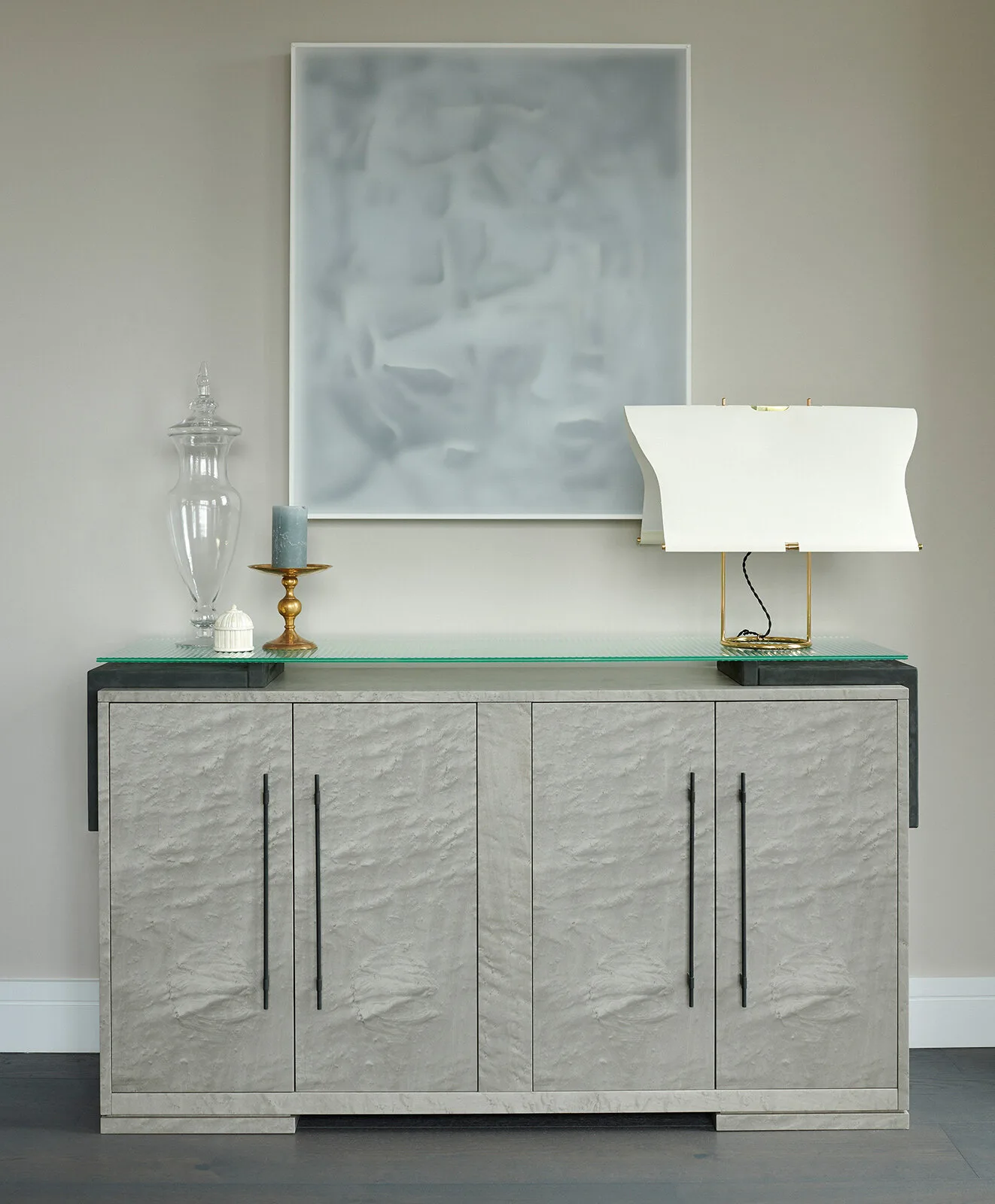
The credenzas and sideboards we build
Most credenza and sideboard briefs land within a handful of established forms.
Dining-room sideboards
The traditional form — a four- or six-door cabinet 150–240 cm long, with the top sized for serving, the cabinet for table linens and tableware. Dining sideboards often carry the same finish as the dining table they sit behind, with hardware that picks up the room's wider metalwork. Drawers run on hand-fitted hardwood runners or soft-close hardware to the brief.
Media credenzas with ventilated cabinetry
Long, low cabinets sized to house television, audio and AV equipment behind doors. The cabinetry behind the doors is engineered for ventilation — convection grilles in the back, sometimes silent fan systems at the corners — so equipment stays in service for a decade without overheating. Cable management runs through the carcass to a wall outlet; doors are pivoted or pocket-folded so they sit flush when open.
Tall credenzas
Higher than the standard 75–85 cm sideboard — typically 90–110 cm — used as a serving piece, a hallway statement or a drinks station. Tall credenzas carry a different proportion: the carcass is deeper, the legs are shorter or set on a recessed plinth, and the top can take a marble or stone insert without looking heavy.
Mixed-material credenzas
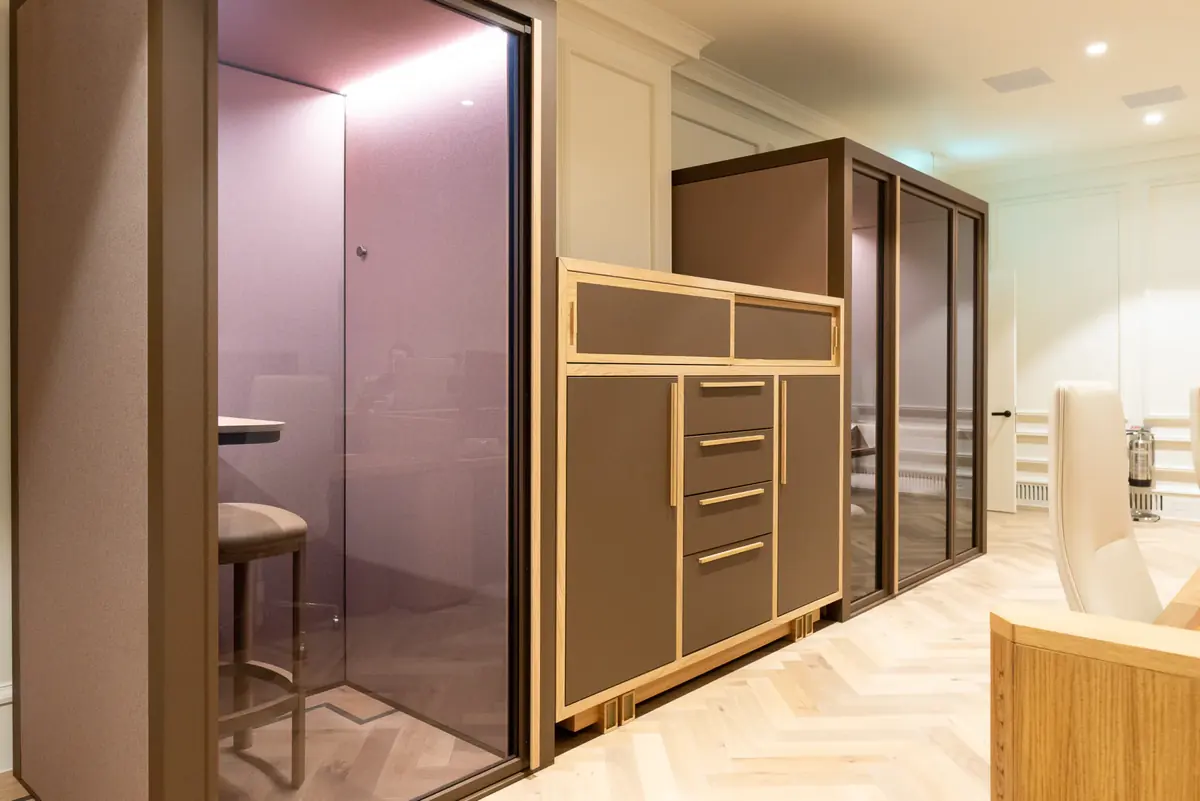
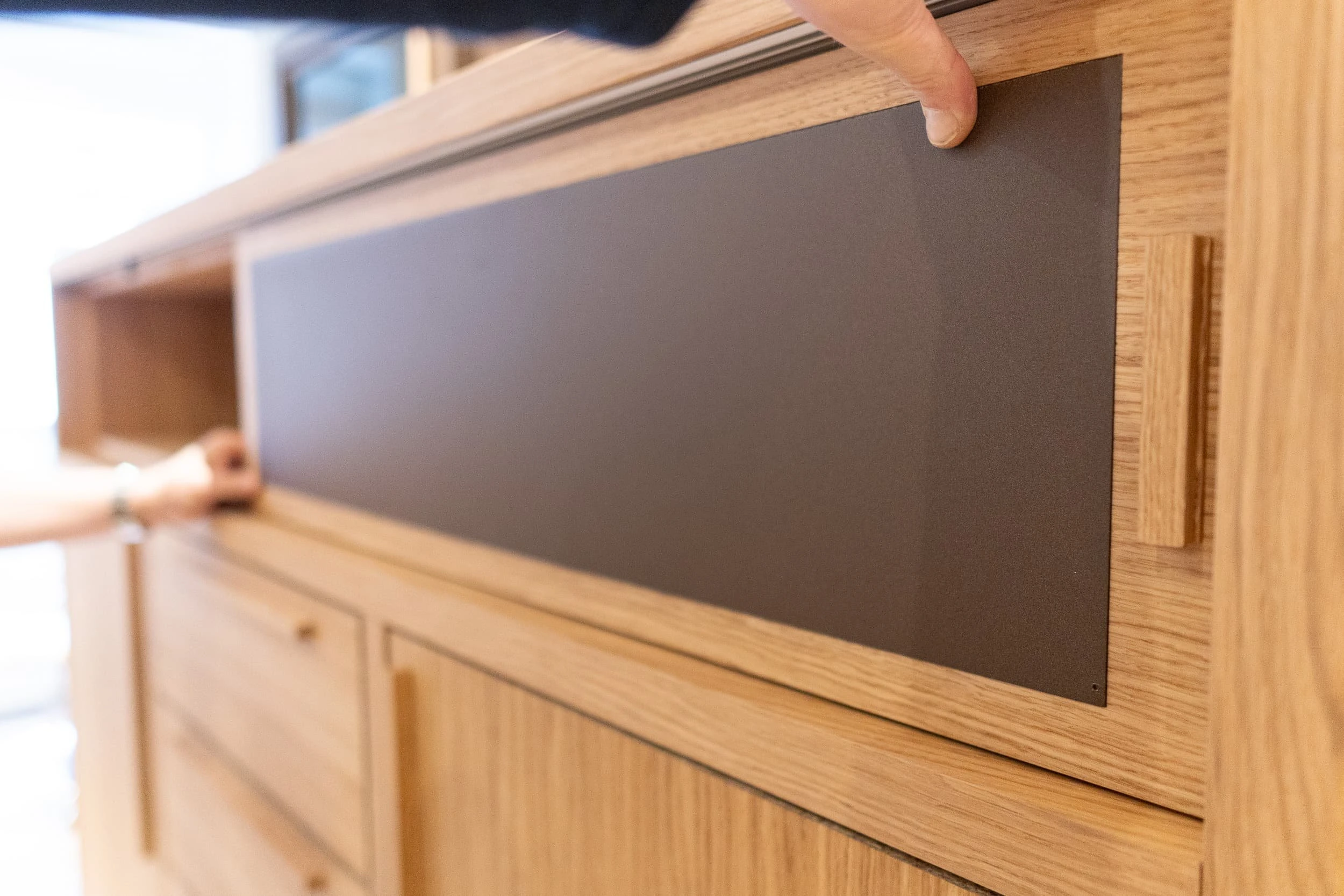
Veneer carcasses with a stone top and brass or steel hardware; lacquer fronts with a bronze foot detail; liquid-metal panel inlays into a hardwood case. The mixed-material credenza is the form where the workshop's materials library shows most clearly — every surface and every join is a specification decision.
Specifying a credenza or sideboard
Length and proportion are decided against the wall and the line of the room. A 220 cm credenza on a 240 cm wall reads as architecturally placed; the same credenza on a 360 cm wall reads as a floating object. Drawings are reviewed at design with the wall in mind, and the credenza is often sketched against a paper template before final dimensions are signed off.
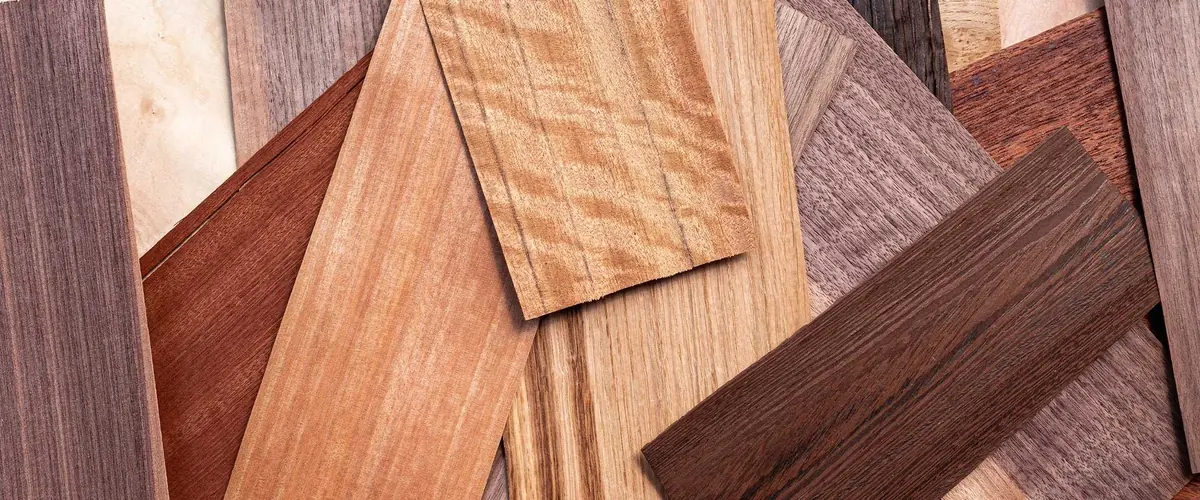
Surfaces are drawn from the full materials library. Veneer fronts are book-matched or slip-matched across the doors to a continuous grain; lacquer fronts are sprayed and hand-polished in any colour; stone tops are templated from the carcass and fitted with hidden brackets. Hardware — pulls, knobs, hinges — is finished to match the room's wider metalwork; soft-close mechanisms are specified for high-use pieces.
Lead times run typically 10–14 weeks from approved drawings, with stone and complex veneer schedules adding to the back end. The credenza ships in one piece for residential briefs; very long credenzas — over 280 cm — are built in sections and joined invisibly on site.
Where this sits
This page covers one of the pieces in the casegoods catalogue. The broader range — credenzas and sideboards, drinks cabinets, dining and coffee tables, console tables, boardroom tables, bedside tables, chests and commodes, writing desks, dressing tables and display cabinets — sits under casegoods furniture. The cabinetry behind every piece is set out on the woodwork workshop page; surfaces and finishes are covered under materials.