A bar unit and consoles matched to an existing Poliform kitchen
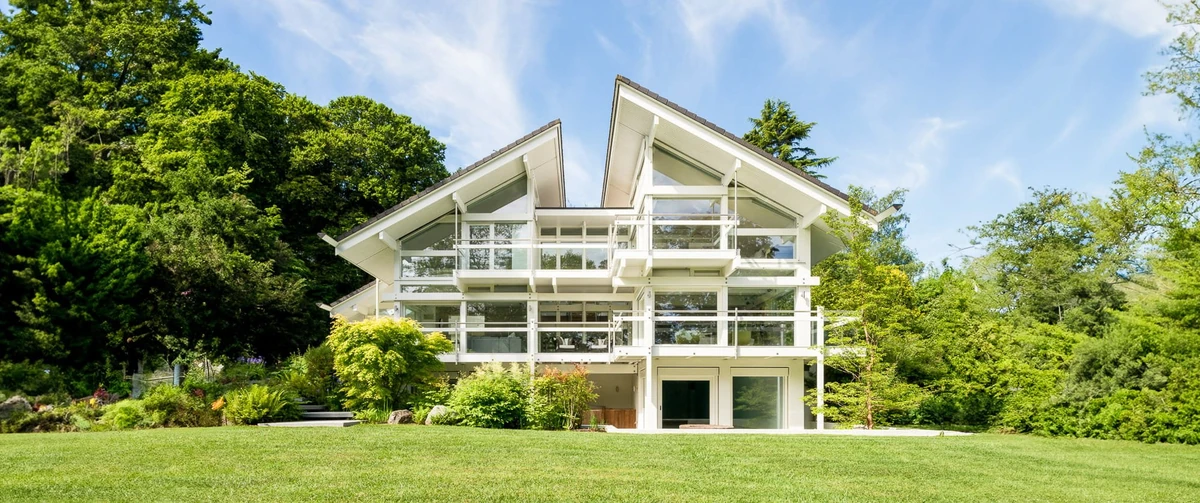
We recently had the privilege of working on a unique and challenging project that tested our bespoke joinery services: crafting a kitchen joinery bar unit and bespoke consoles that needed to seamlessly integrate into an existing Poliform kitchen within a truly extraordinary home — a Huf Haus, one of the largest in Europe when it was constructed 20 years ago. This property is not only a testament to innovative design and high-end craftsmanship but also an example of how timeless architectural style can harmonise with contemporary luxury.
Post-and-beam, triple-glazed, flooded with light
Huf Haus are prefabricated houses known for their precision-engineered post-and-beam construction and German craftsmanship. Originally conceptualised by Johann Huf, these houses embody the principles of energy efficiency, innovative design and modular construction. This particular house was constructed using a post-and-beam structure, a hallmark of the brand’s architectural style, and features expansive triple-glazed glass walls that allow natural light to flood the living spaces. The load-bearing dividing walls and durable materials reflect the quality associated with off-site construction approaches.
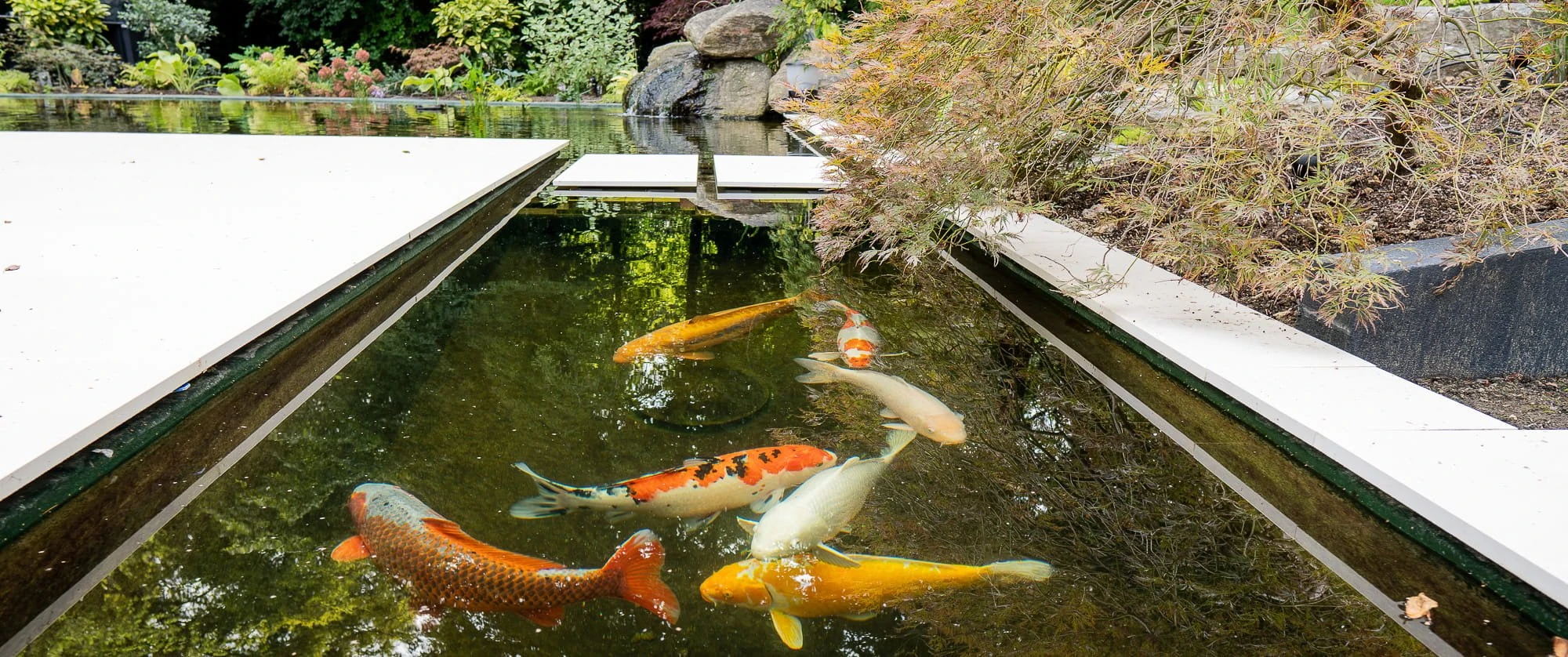
The current owner, who has an eye for contemporary design, has embarked on a series of renovations, including a stunning garden landscaping project that features a pond for koi carp. This modernisation plan extends the original vision of the house while introducing new elements of natural beauty and tranquillity.
Joinery to match an existing kitchen?
Tell us about the kitchen and we will match colour and grain.
Italian craftsmanship in American walnut
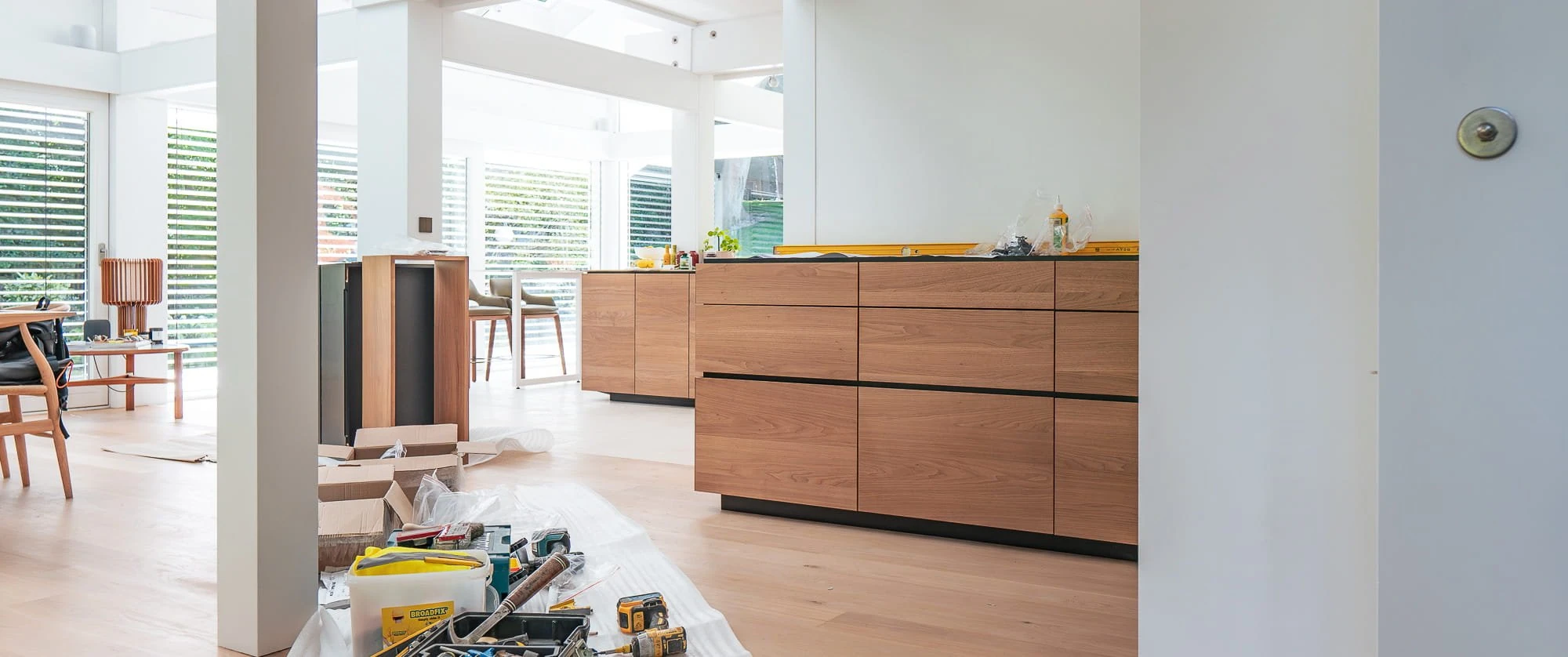
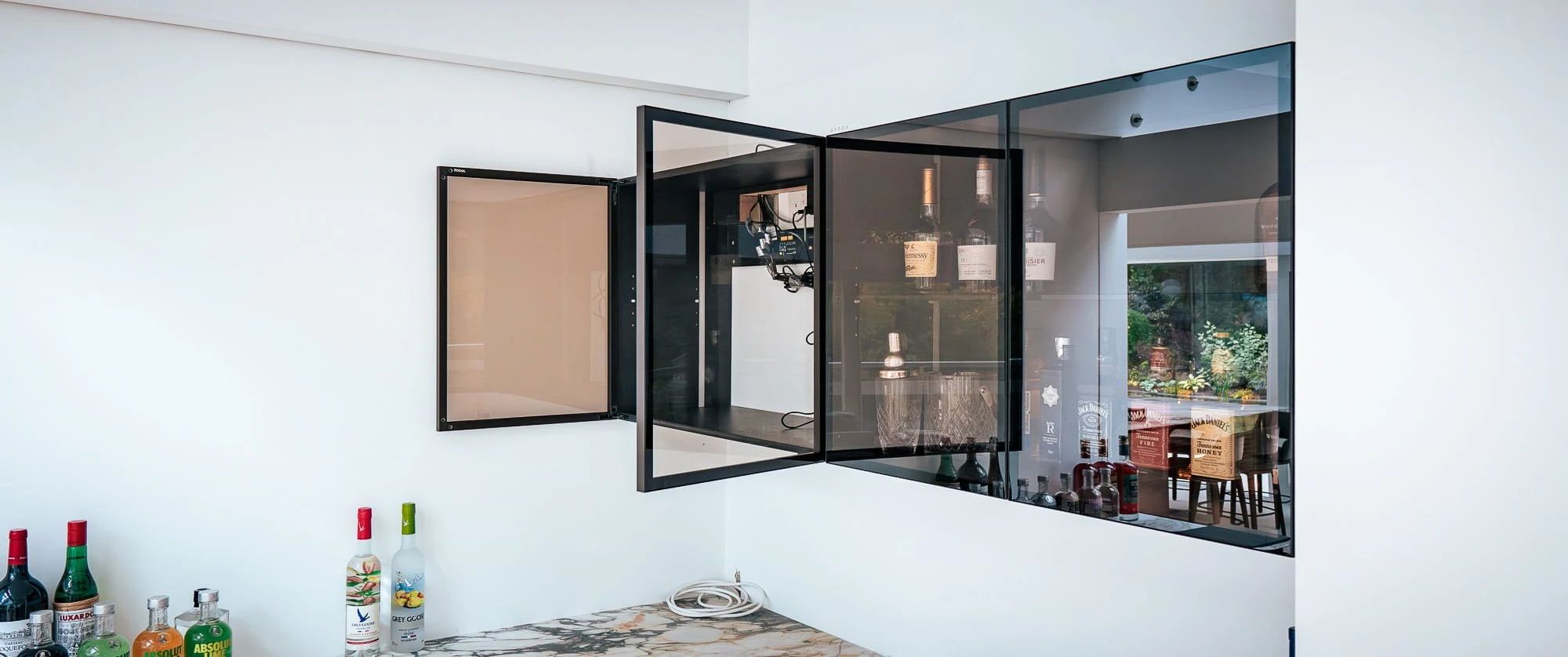
At the heart of this Huf Haus lies a Poliform kitchen — a brand synonymous with ultra-high-end kitchen design, blending Italian craftsmanship with contemporary luxury. The kitchen’s island, sleek base units and expertly crafted storage cupboards are all fronted in a warm timber, providing a perfect blend of form and function. The choice of material, such as American walnut, and the inclusion of smoked glass display cabinets, highlight a dedication to using only the finest, most durable materials.
That attention to detail is evident in every aspect of the design, from the soft-close hinge mechanism on the cabinets to the powder-coated metal frame that supports the furniture pieces — a space that is as functional as it is beautiful.
Matching Canaletto walnut, exactly
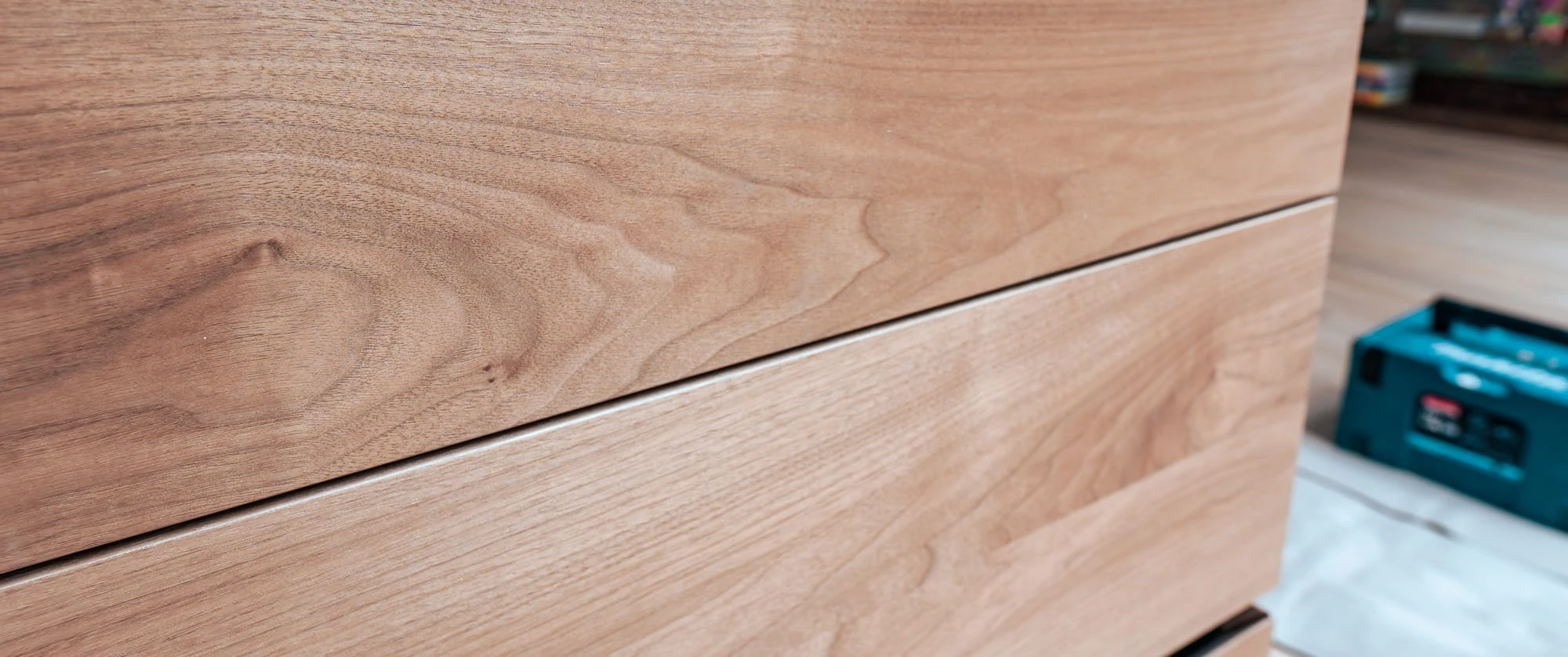
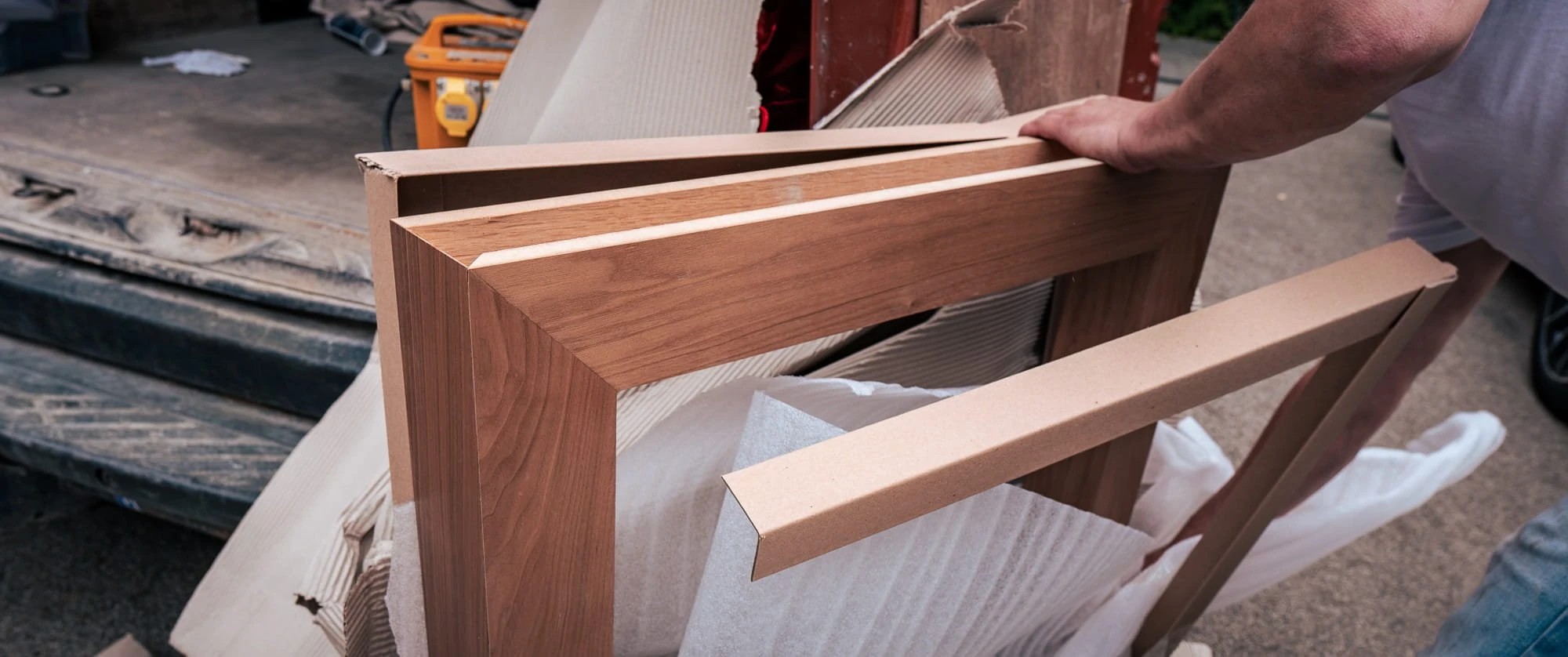
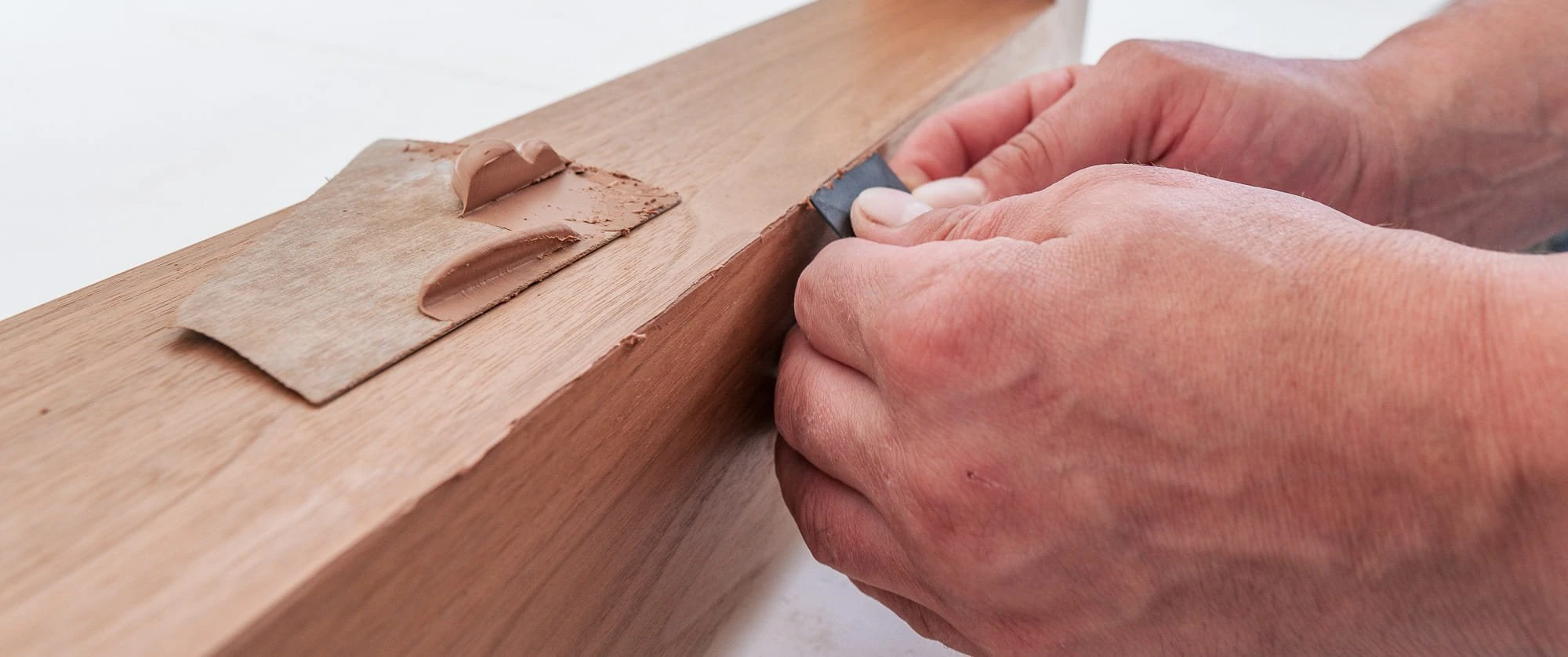
Our task was to create a kitchen joinery bar unit and matching open consoles that would not only complement but also elevate the existing kitchen. The challenge was to match the Canaletto walnut finish — a rich, warm American walnut timber that has a bleached look to it. Achieving a seamless match required a meticulous design process, where our team of artisans carefully selected veneers and solid wood samples that reflected the exact tone and grain of the original material.
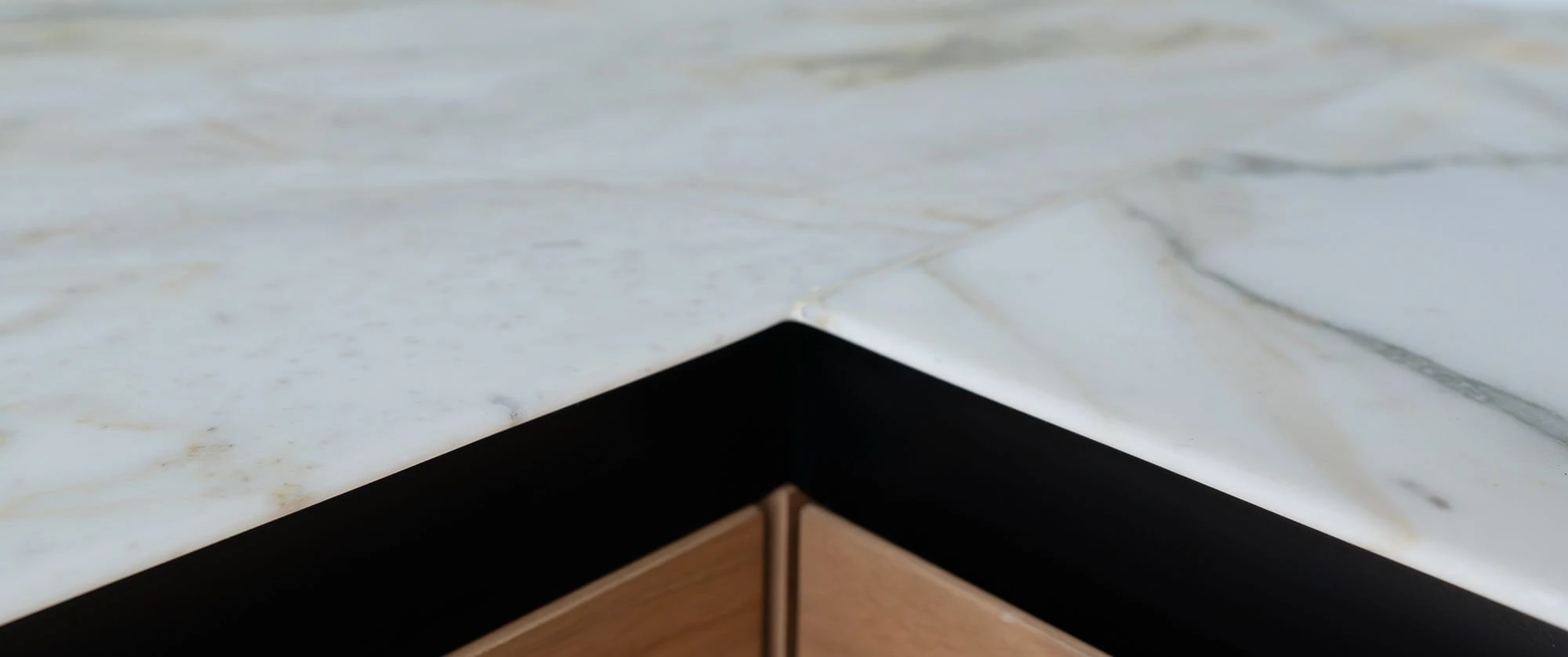
The consoles we crafted were designed to be both functional and aesthetically pleasing, providing additional storage without disrupting the flow of the space. Constructed using moisture-resistant MDF and finished with a matt lacquer to protect the wood, these bespoke pieces were built to last. The open consoles were made of the same timber finish, ensuring they perfectly matched the existing kitchen while adding a touch of bespoke elegance.
Factory precision, on-site judgement
The success of this project was rooted in our bespoke production plan, which involved a combination of factory production and on-site installation. Every component of the bar unit and consoles was crafted with precision. The basic structure of the units was carefully measured and designed to integrate seamlessly with the existing kitchen’s beam structure and load-bearing walls, preserving the integrity of the original architectural style.
Our installation team worked closely with Ishikawa to ensure that the new joinery complemented the natural light and open feel of the house. The new pieces were designed and positioned to enhance the flow of the living spaces, ensuring that the additions felt like a natural extension of the home’s original design.
As though they were always there
The final result was a stunning transformation that respected the original architecture while introducing new elements of contemporary luxury. The kitchen joinery bar unit and bespoke consoles blended so seamlessly with the Poliform kitchen that they appeared to be part of the original installation. The Canaletto walnut finish matched perfectly, and the smoked glass details provided a cohesive look that tied the new pieces to the existing kitchen.
This project stands as a testament to our ability to work with bespoke homes that honour their history while embracing modernity. By carefully matching the walnut finish and respecting the Italian design principles already in the room, we were able to deliver a space that is both timeless and contemporary.
Tranquillity and balance, not opulence
Kaoru Ishikawa’s influence on the interior design is not about opulence but about achieving a sense of tranquillity and balance, creating spaces that are both functional and serene. This philosophy resonates strongly with the core values of Poliform and Huf Haus, where elegance is achieved through the careful selection of materials, attention to detail, and a deep understanding of how design can enhance the quality of life.
As the owner continues to renovate and modernise this iconic house, including the addition of a tranquil koi carp pond in the newly landscaped garden, we are proud to have contributed to the home’s legacy. This project exemplifies how bespoke joinery can transform a space, creating elegant kitchen and living areas that reflect both the past and the future.