Display Cabinets
Display cabinets, made to be seen into
A display cabinet is a piece of furniture engineered to present what it contains rather than store it. Glass fronts allow contents to be seen without opening doors; integrated lighting catches the surface of glass, ceramic or polished metal; mirrored backs reflect the display into the room. The form has been part of the furniture vocabulary since the seventeenth-century china cabinet; modern bespoke display cabinets carry the same brief in any room.
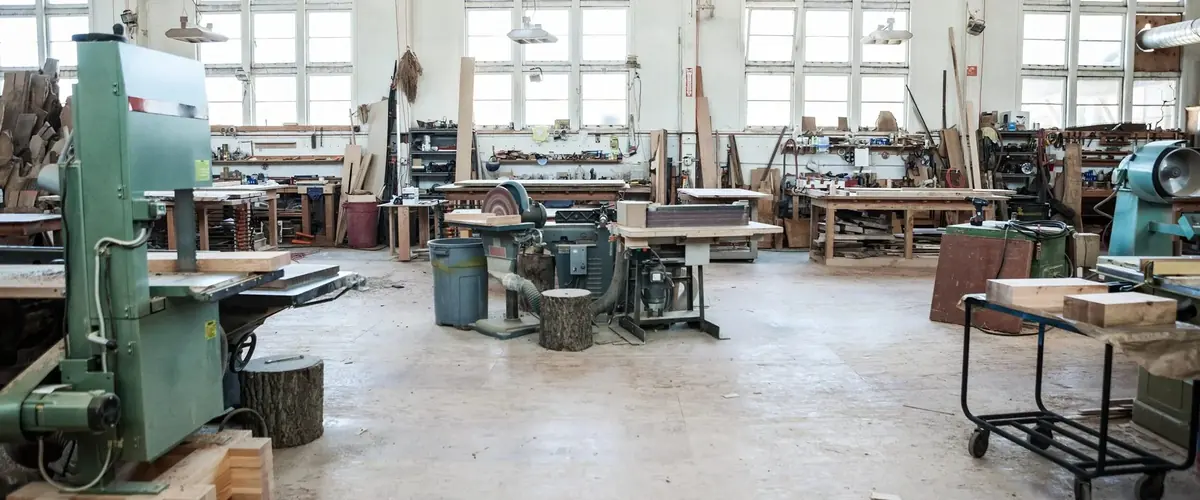
The workshop builds display cabinets at residential scale — single statement pieces in a drawing room, library or hall — and at commercial scale, with retail display cabinets for jewellery, watch and luxury brand stores. The construction is the same set out on the wider casegoods page.
.webp)
The display cabinets we build
Most briefs fall within a handful of established forms.
China and glassware cabinets
The traditional drawing-room or dining-room form — a tall cabinet 180–220 cm high, with glass-fronted doors, glass shelves, a mirrored back panel and integrated lighting. China and glassware reflect off the mirror, the light catches the cut surfaces, and the cabinet reads as a piece of presentation rather than storage.
Curio and collectibles cabinets
Smaller display cabinets sized for collectibles — silver, porcelain, art glass, watches, jewellery. Curio cabinets are often shorter than china cabinets (130–160 cm high), and the lighting and shelf spacing are tuned for the specific collection.
Wall-mounted display cabinets
Glass-fronted cabinets fixed to the wall on hidden brackets, with no floor support. The form gives a floating, gallery-style display, with the cabinet reading as a piece of the wall rather than a piece of furniture.
Display credenzas
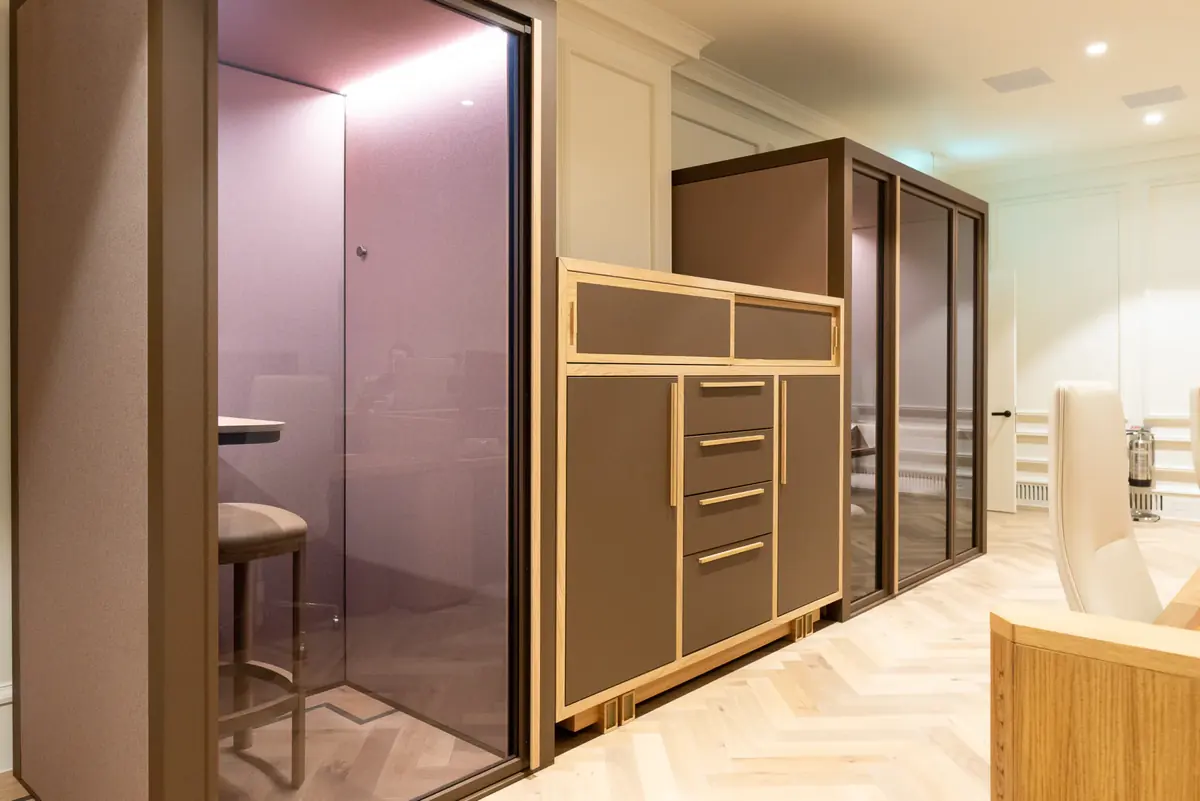
Low display cabinets that combine a credenza form (closed cabinetry below) with a display section (glass doors above). Useful where a single piece needs to do both jobs — drawing-room storage at the bottom, presentation above.
Retail display cabinets
Commercial display cabinets for jewellery, watch and luxury brand retail. Built to higher security specifications — laminated glass, hidden locks, alarmed cases — with the same finish quality as residential pieces. Specified with retail clients to fit their store fixtures and lighting plan.
Specifying a display cabinet
Glass and lighting are the technical decisions that set a display cabinet apart. Standard glass is float-glass with polished edges; laminated glass is specified for retail or high-security pieces; museum-quality glass reduces reflections and protects contents from UV. Lighting is integrated LED at 2700–3000 K, dimmable, with the driver hidden in the plinth or top of the cabinet.
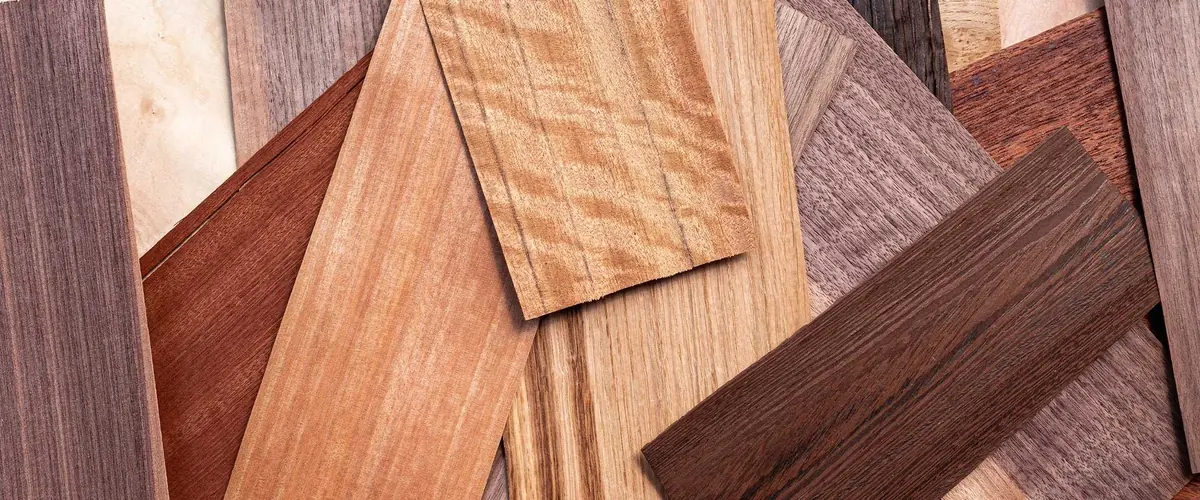
Cabinet construction is kiln-dried hardwood with veneer, lacquer or mixed finishes on the visible surfaces. The mirrored back panel is set into a rebate so it sits flush; glass shelves run on adjustable stainless supports; doors are hinged or pivot-mounted depending on the design.
Lead times run 12–16 weeks for residential briefs; retail display cabinets often involve longer schedules because of glass and security integration. Cabinets ship complete for residential briefs; tall pieces ship in two sections with the mirror panel separate for safe transit.
Where this sits
This page covers one of the pieces in the casegoods catalogue. The broader range — credenzas and sideboards, drinks cabinets, dining and coffee tables, console tables, boardroom tables, bedside tables, chests and commodes, writing desks, dressing tables and display cabinets — sits under casegoods furniture. The cabinetry behind every piece is set out on the woodwork workshop page; surfaces and finishes are covered under materials.