Coffee & Cocktail Tables
The coffee table, and how it sits
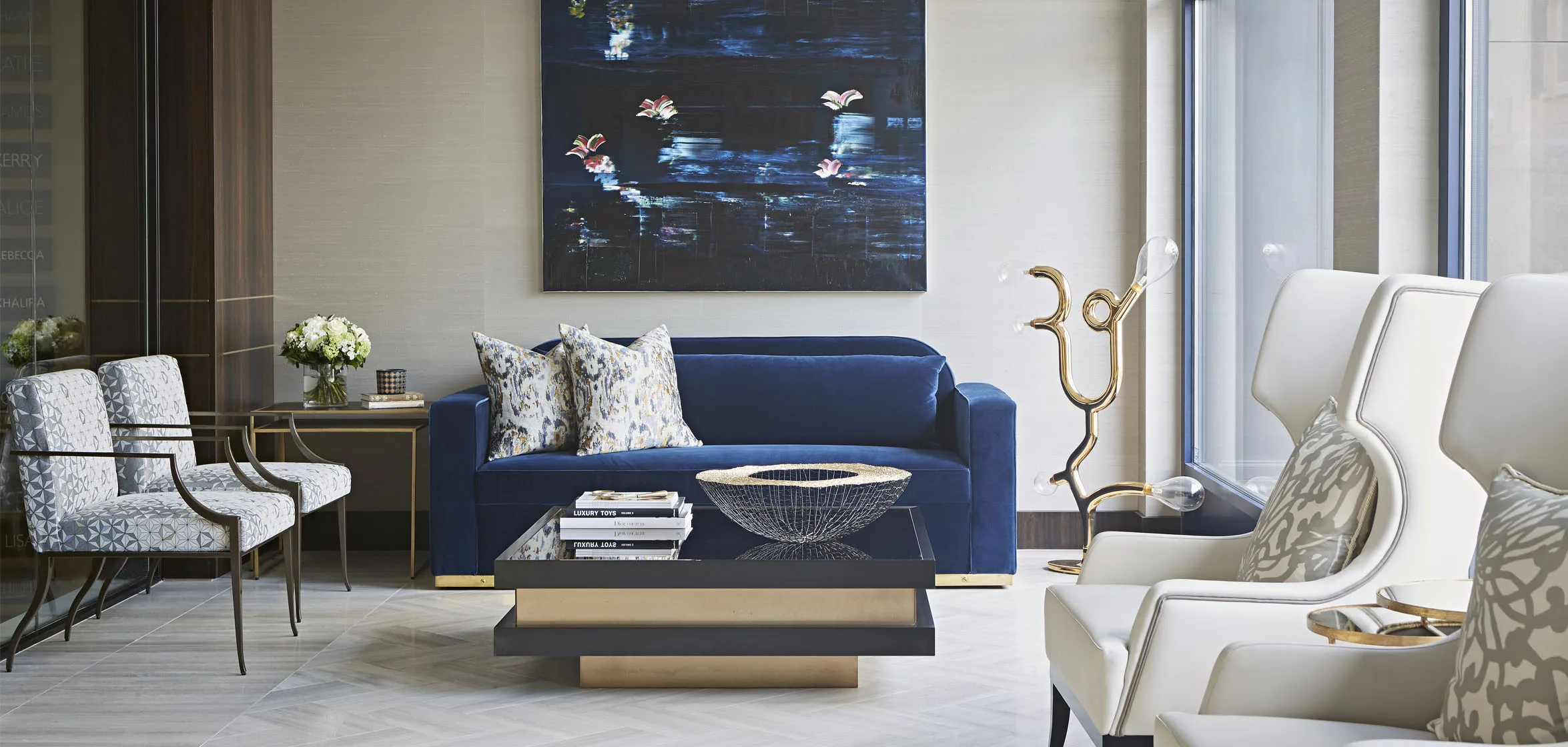
A coffee table or a cocktail table is the smallest table in the room but it carries the line of the seating arrangement. Length, width and height are set against the sofa it sits in front of: the top of the table sits at or slightly below seat height, the long side runs roughly two-thirds the length of the sofa, the table sits 35–40 cm from the front of the seat. Get those proportions wrong and the room reads as awkward; get them right and the table disappears into the scheme.
The workshop builds coffee and cocktail tables in any material the brief allows — single-slab tops, marquetry, stone, polished metal, mixed materials. The construction is the same as the other tables in the catalogue, set out on the casegoods page, scaled to the smaller piece.
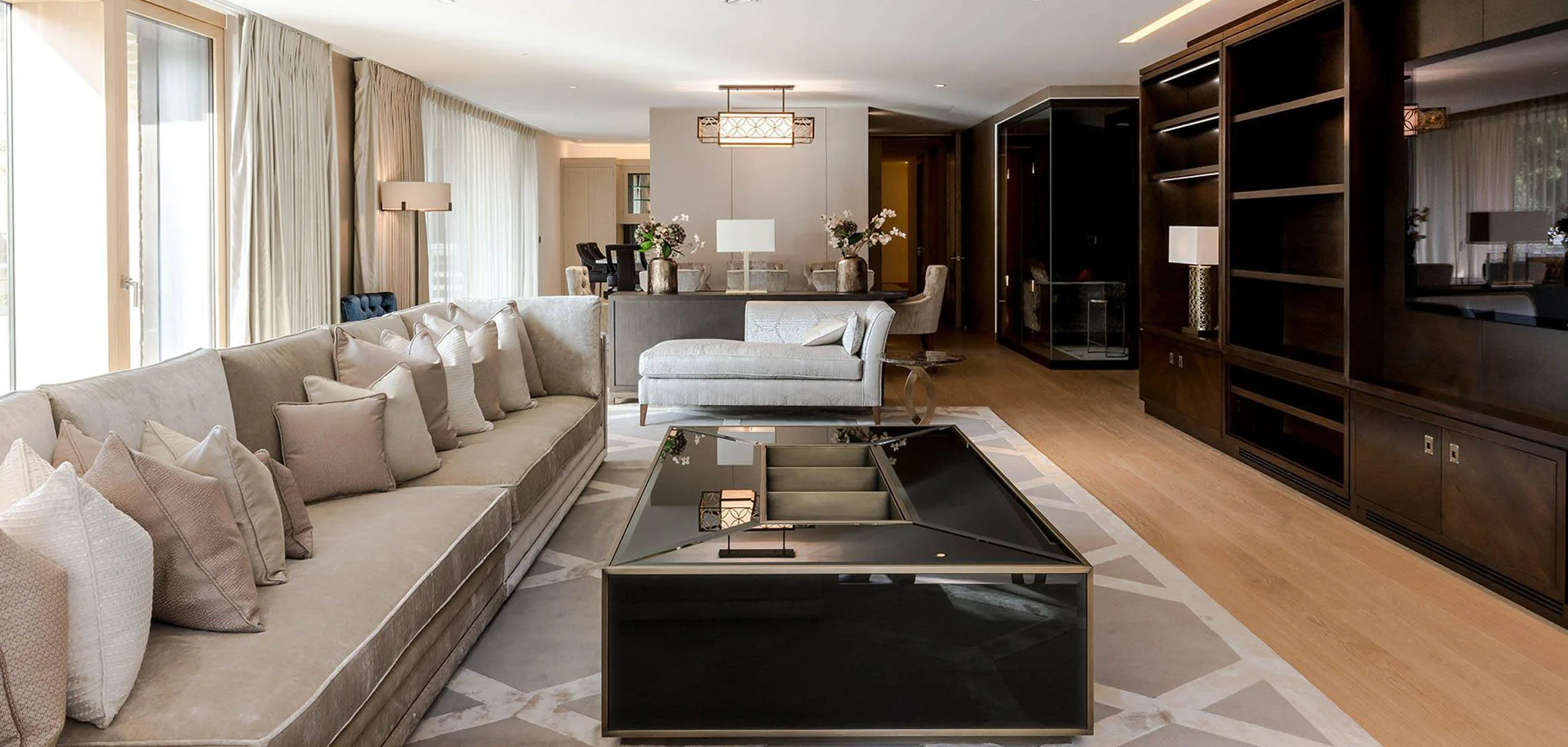
The coffee and cocktail tables we build
Most briefs fall within a handful of established forms.
Single-piece coffee tables
The standard form — a single table sized to the sofa, rectangular, square, oval or round, with the top in any material the brief allows. Single-piece tables work best where the seating arrangement is conventional: a sofa with chairs either side, a coffee table in the middle.
Nested and grouped tables
Two or three smaller tables that fit under or alongside each other when not in use and pull out for use. Nested tables are flexible: the smallest can move beside an armchair, the medium can act as an extra seat, the largest stays in front of the sofa. Specified into reception rooms where the seating arrangement varies.
Cocktail tables
A taller form, typically 50–55 cm high — between coffee-table height (40–45 cm) and dining height (75 cm). Cocktail tables sit comfortably alongside a high-backed armchair or in front of a deep sofa; the additional height makes the top usable for drinks held in the hand without leaning forward.
Stone and metal-topped tables
Marble, travertine, onyx or polished metal tops on hardwood or metalwork bases. The stone-topped coffee table is one of the most-specified pieces in residential drawing rooms — the cool, hard top reads as a contrast against the soft upholstery around it. The base is sized for the top's weight.
Marquetry coffee tables
Coffee tables with patterned tops cut from contrasting timber, brass or shell. Marquetry on a small surface reads as a piece of art rather than a pattern; the table becomes a presentation piece in its own right.
Specifying a coffee or cocktail table
Proportions are decided against the seating. Top height sits at 40–45 cm for a coffee table, 50–55 cm for a cocktail table, with the seat height of the sofa it accompanies driving the choice. Length sits at 60–70% of the sofa length; width at 60–90 cm depending on the form. The table is sketched against a paper template in the room before the final dimensions are signed off.
Material choices follow the brief. A stone top adds visual weight; a single-slab walnut top adds warmth; a polished metal top adds reflection. Mixed materials — a brass-edged stone top, a marquetry top with a contrasting timber base — are decided at design and prototyped on a small sample before the full piece is built.
Lead times run 8–12 weeks from approved drawings. Coffee tables ship complete; cocktail and nested tables are usually packed individually.
Where this sits
This page covers one of the pieces in the casegoods catalogue. The broader range — credenzas and sideboards, drinks cabinets, dining and coffee tables, console tables, boardroom tables, bedside tables, chests and commodes, writing desks, dressing tables and display cabinets — sits under casegoods furniture. The cabinetry behind every piece is set out on the woodwork workshop page; surfaces and finishes are covered under materials.