.webp)
Drinks Cabinets
The drinks cabinet, made to entertain
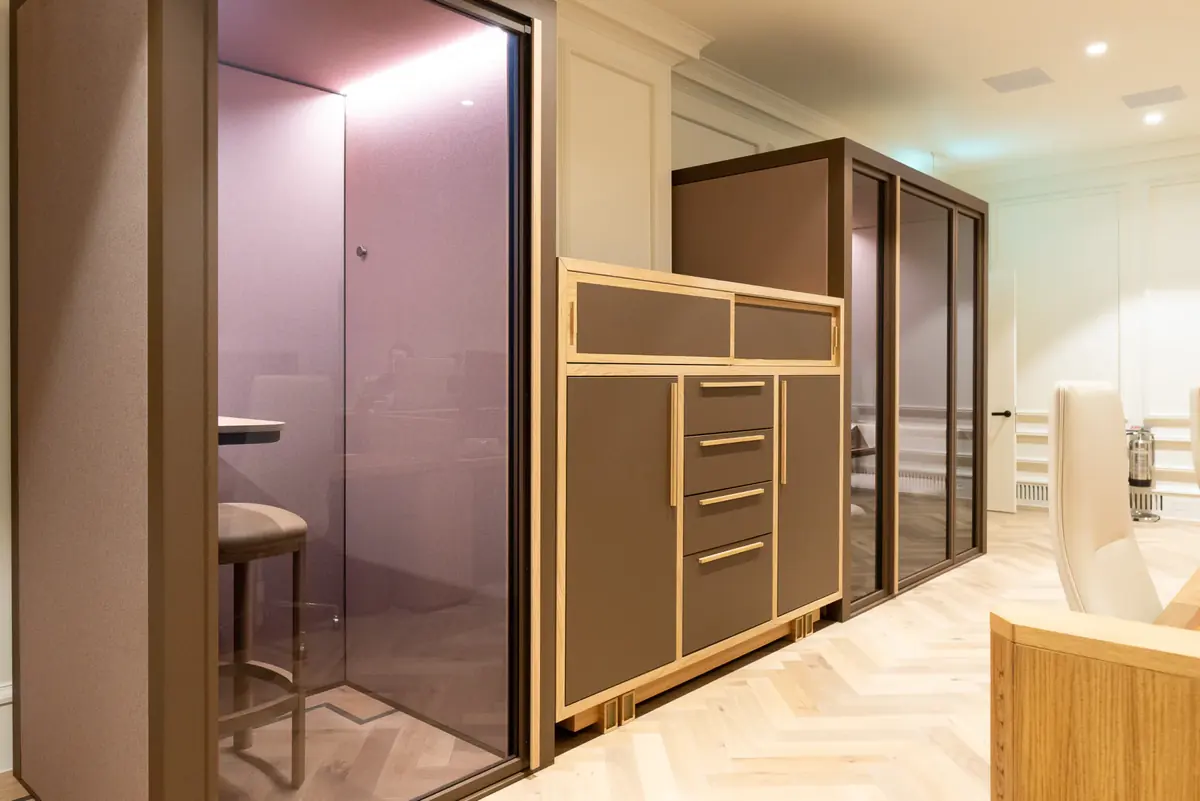
A drinks cabinet is one of the more architectural pieces in the workshop's catalogue. The form has stayed remarkably stable over a century — a cabinet sized for glassware, bottles and a serving surface, finished to a higher specification than the rest of the room because the doors open in front of guests — and modern interpretations carry the same brief. The decisions are about scale, light, mirror, and how the cabinet reveals its interior when the doors open.
The workshop builds drinks cabinets from compact two-door drawing-room cabinets to full-height pieces with integrated lighting and refrigeration. Each piece is the freestanding cousin of the joinery-built home bar — same construction principles, same interior engineering, in a single object rather than a wall-fitted run.
.webp)
The drinks cabinets we build
Drinks cabinet briefs fall within a handful of established forms.
Two-door drawing-room cabinets
The standard form — a single cabinet 90–120 cm wide, with two doors opening to a mirrored, lit interior fitted with glass shelves and bottle racks. The pull-down or pull-out serving surface sits at the front of the cabinet so drinks can be made on the piece itself rather than carried away. Doors are usually inset rather than overlay, with hand-applied lacquer or veneer faces and brass or bronze pulls.
Tall cabinets and refreshment cabinets
A taller cabinet that combines drinks storage with serving surface and sometimes refrigeration. The lower section holds bottles and a wine fridge or under-counter fridge; the middle section forms the bar surface; the upper section holds glassware behind glass doors. Specified in larger drawing rooms and in private apartments where space allows.
Mirrored and lit interiors
The signature detail of a drinks cabinet — the inside back panel is mirrored, the shelves are glass, and the interior is lit by a discreet LED strip along the top of the cabinet. When the doors open, the mirror reflects the bottles back into the room and the light catches the cut glass. The mirror, the lighting and the proportions are sized together at design.
Wine-storage drinks cabinets
A drinks cabinet sized to hold its bottles horizontally rather than upright, with the rack engineered for the bottle profile and the cabinet vented or chilled. Specified for households or hospitality clients where the bottle storage is meaningful — the cabinet doubles as a presentation piece and a working store.
Specifying a drinks cabinet
The first decision is whether the cabinet is freestanding furniture or built-in joinery. A freestanding drinks cabinet sits in front of a wall; a joinery-built bar is recessed into one. The freestanding form gives flexibility and a piece of furniture that can move with the household; the built-in form gives more storage and a tighter architectural finish, and is covered under home bar joinery.
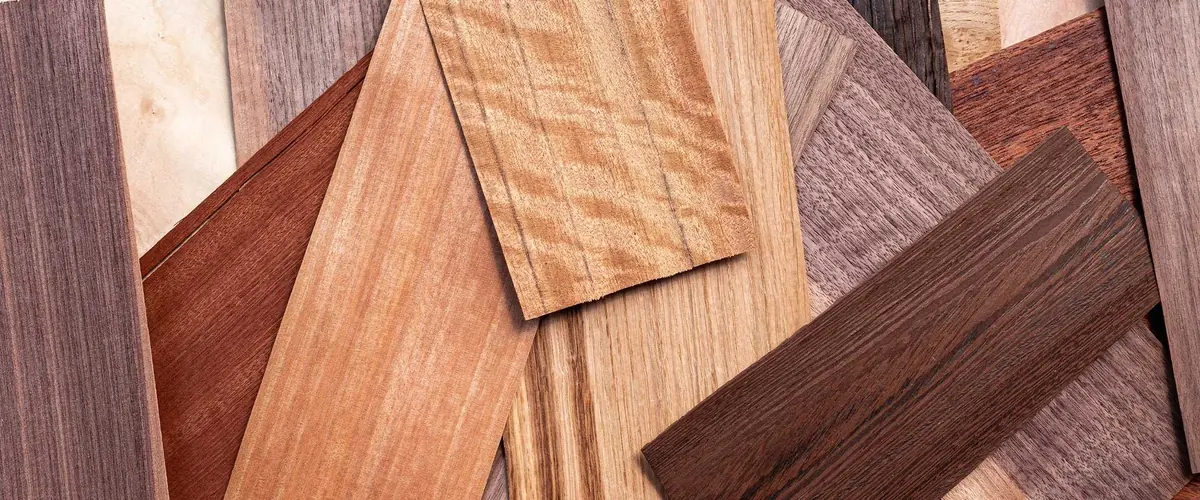
Carcass construction is kiln-dried hardwood with a veneer or lacquer face. The mirrored back is fixed into a rebate in the back panel so it sits flush with the carcass interior; glass shelves run on adjustable supports. Lighting is integrated at design — usually a warm-white LED at 2700 K, dimmable, with the driver hidden in the plinth or a back compartment.
Hardware — door pulls, hinges, the catches that release the doors — is finished to the room's wider metalwork. Soft-close hinges are standard for residential pieces. Lead times run typically 12–16 weeks from approved drawings, with refrigeration and lighting integration adding to the schedule.
Where this sits
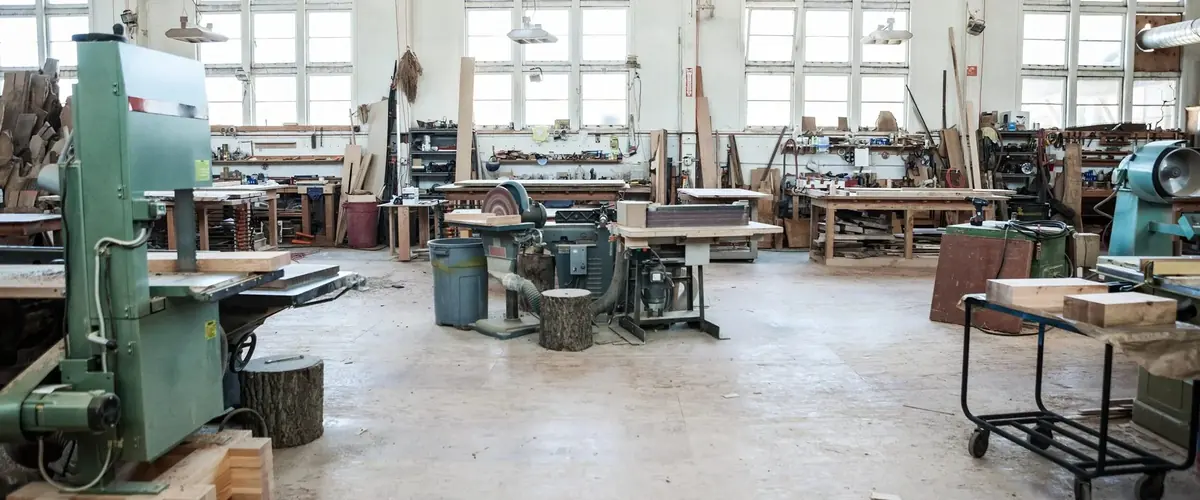
This page covers one of the pieces in the casegoods catalogue. The broader range — credenzas and sideboards, drinks cabinets, dining and coffee tables, console tables, boardroom tables, bedside tables, chests and commodes, writing desks, dressing tables and display cabinets — sits under casegoods furniture. The cabinetry behind every piece is set out on the woodwork workshop page; surfaces and finishes are covered under materials.