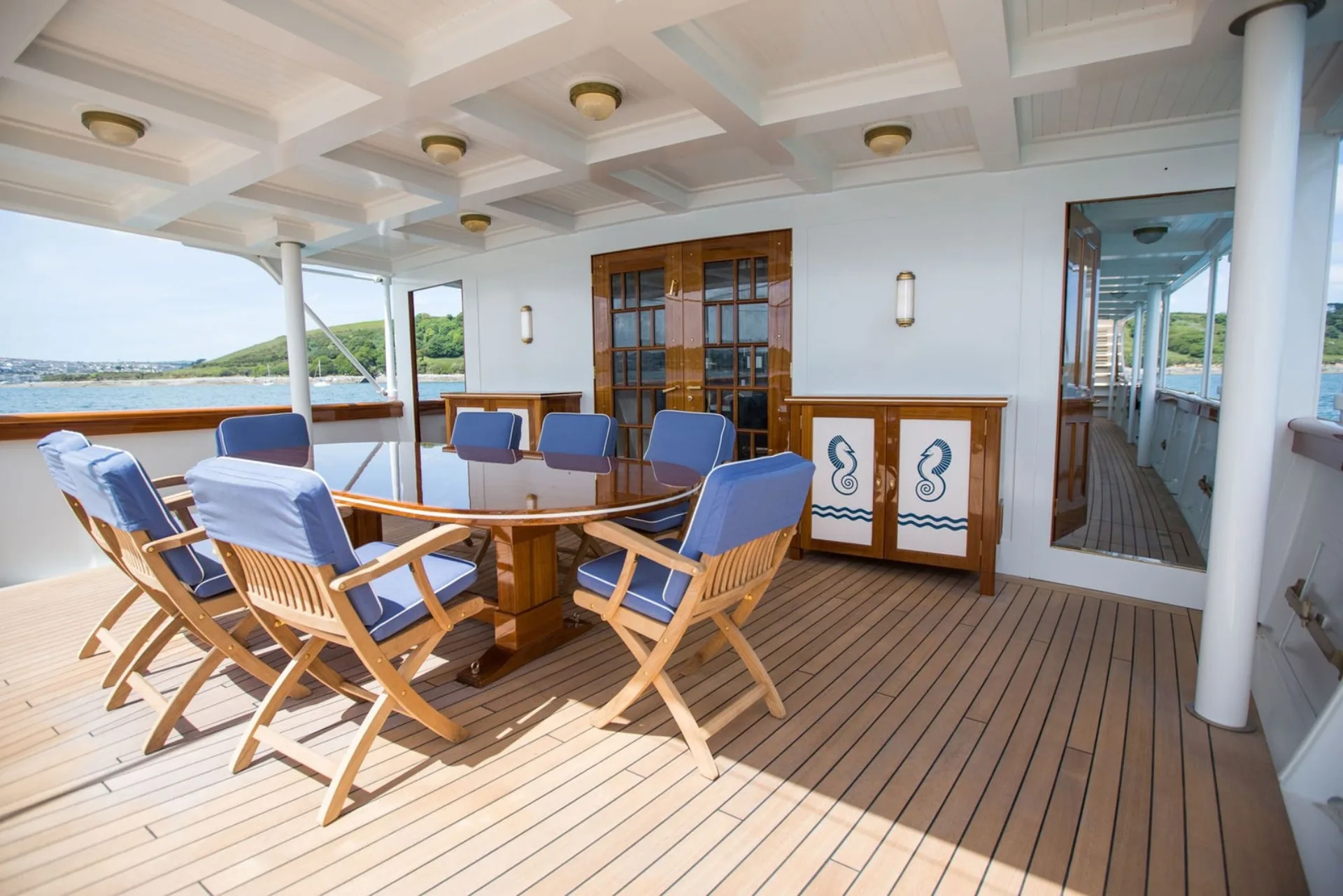
Superyacht Deck Furniture
Superyacht deck furniture, engineered for the sea
Superyacht deck furniture is the most demanding outdoor brief the workshop takes on. Salt air, salt spray, intense sun reflected off white deck surfaces, vibration and movement at speed, and the very tight constraints on weight and storage that come with a yacht installation all push the engineering past standard outdoor specification. Marine-grade hardware, lightweight aluminium frames, sea-state securing and yacht-finish quality are the baseline.
The workshop builds furniture for aft decks, sun decks, flybridge entertaining areas and beach platforms on private yachts and charter superyachts. Programmes are specified alongside the yacht's wider fit-out, with weight budgets, storage allocations and design language agreed with the yacht designer or the build yard.
.webp)
Superyacht deck categories
Yacht briefs typically cover several distinct deck environments.
Aft deck dining and seating
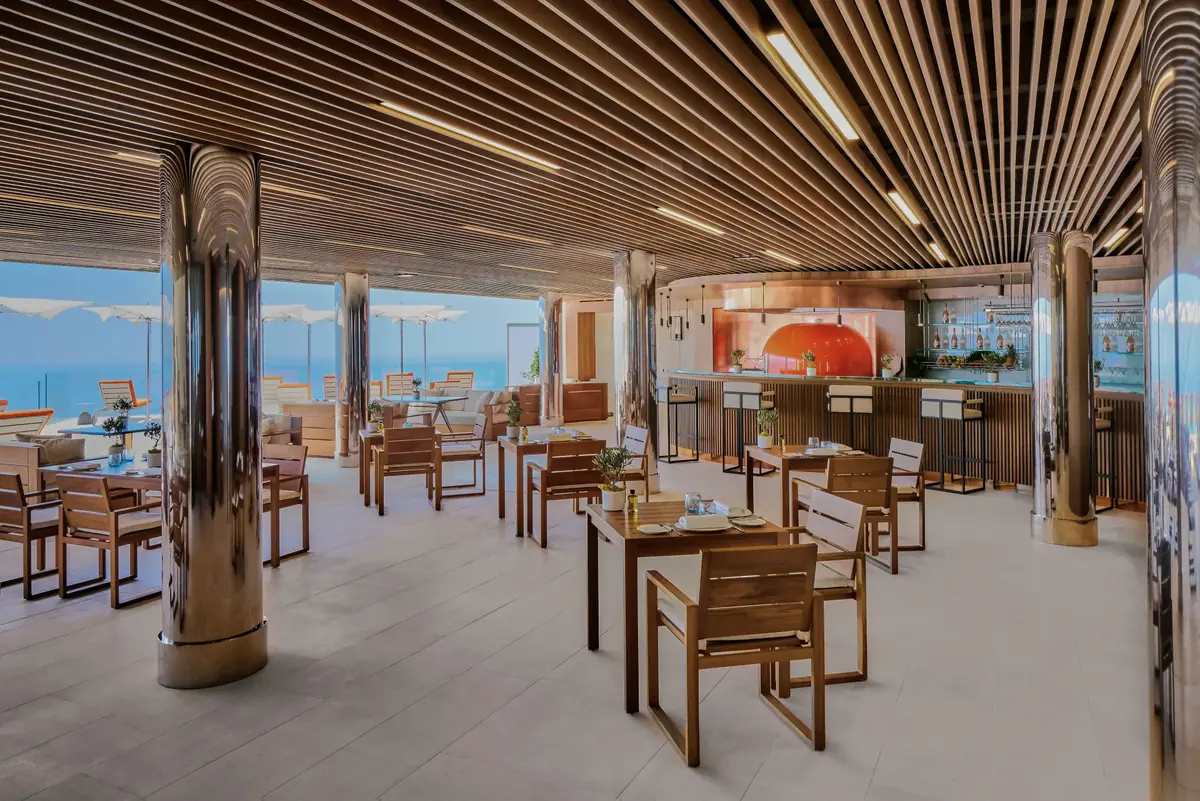
The main entertaining deck at the stern of the yacht — usually a covered dining area with seating extending to an open sun deck. Dining tables, chairs, lounge seating and a bar are typical. Furniture is specified for daily charter use and for the cleaning regimes the deck crew runs.
Sun deck loungers and daybeds
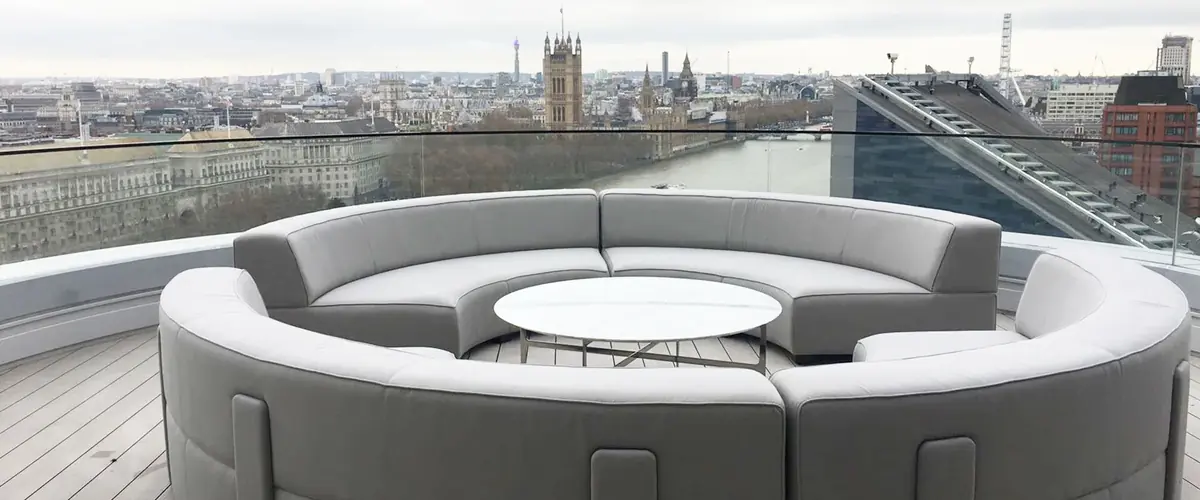
The upper deck reserved for sunbathing and informal seating. Sun-deck furniture tends to be more relaxed than the aft deck — loungers, daybeds, low tables — with the same chlorine and salt tolerance as pool-side furniture. Often specified in lighter materials so the deck crew can move pieces for cleaning and covering.
Flybridge entertaining areas
Upper-deck entertaining and helm zones with bar seating, lounge areas and informal dining. Flybridge furniture sees the highest wind and movement at speed; pieces are specified with concealed sea-state securing — tie-down points, weighted bases, anchor brackets — that the crew can operate without tools.
Beach platforms and swim-deck furniture
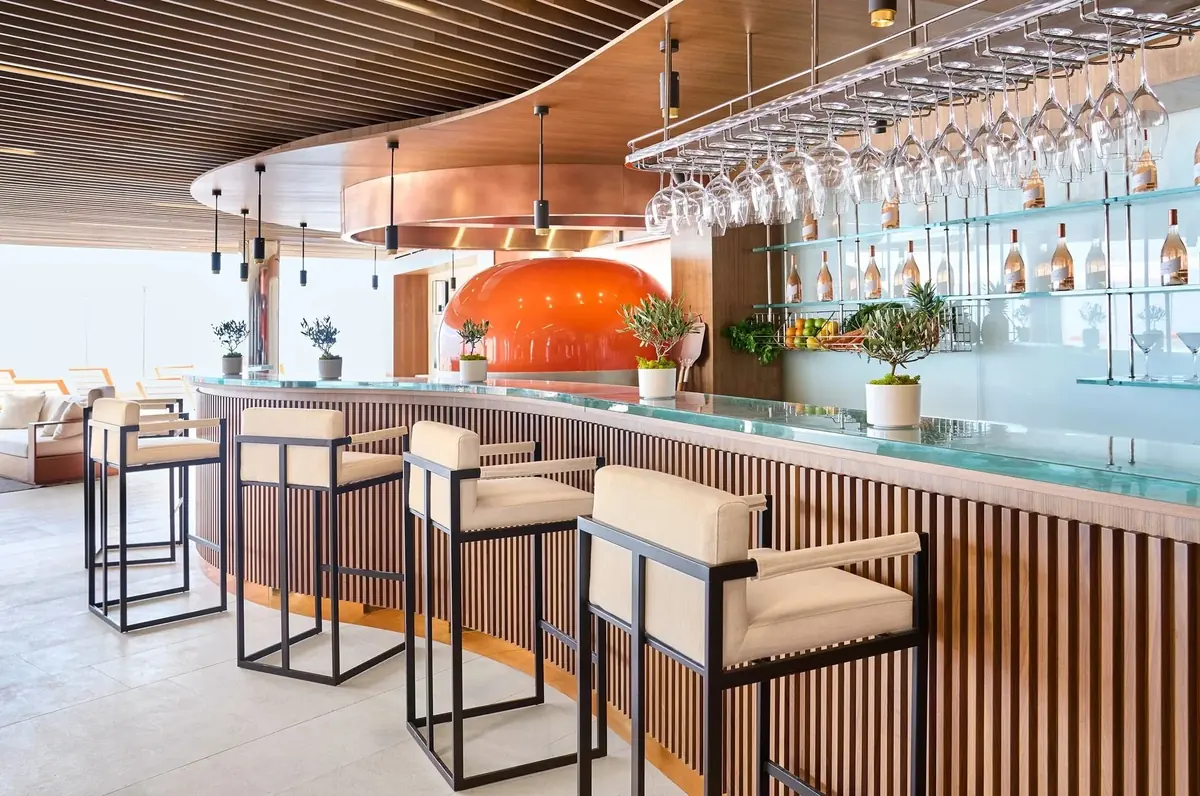
The deck at water level used for swimming, water sports and informal dining. Beach-deck furniture is the most salt-exposed piece on the yacht and is specified accordingly — powder-coated aluminium with marine-grade fittings, replaceable cushions, fold-flat designs for storage when the platform is in transit configuration.
Bespoke yacht furniture programmes
Most superyacht commissions cover a coordinated furniture programme across all decks — dining sets, loungers, side tables, bar seating, fitted bench cushions for built-in joinery. Designed with the yacht designer; specifications agreed early so production aligns with the yacht's commissioning date.
Specifying superyacht furniture
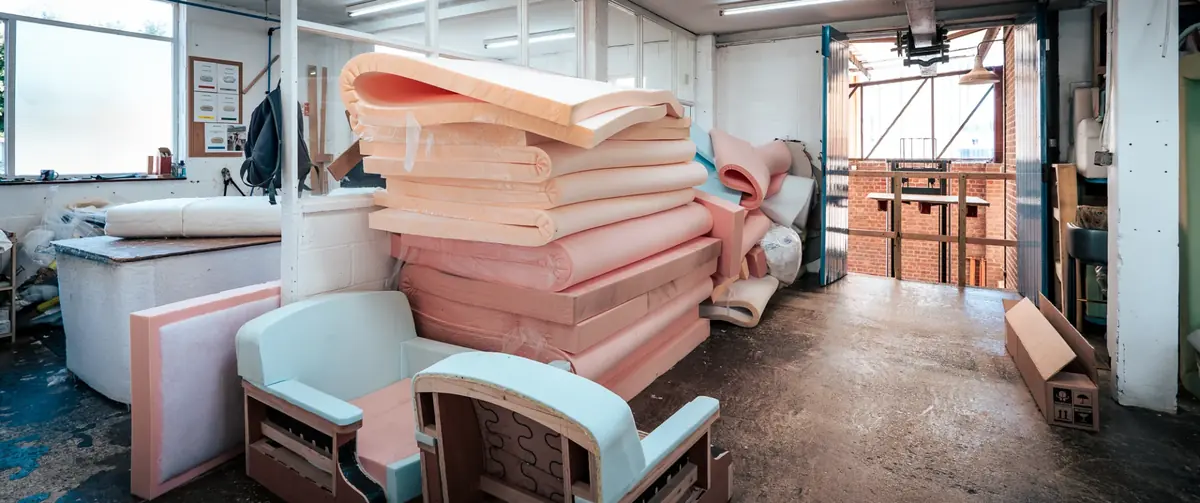
Weight is the constraint that distinguishes yacht furniture from any other outdoor brief. Every kilo of furniture is a kilo against the yacht's design weight; specifications start with a weight budget and work backwards into material choices. Marine-grade aluminium frames replace timber wherever possible; foam densities are tuned to balance comfort with weight; tabletops use lightweight stone composites or porcelain on aluminium bases.
All hardware is 316 marine-grade stainless — the only grade reliably resistant to salt corrosion. Fabrics are marine-rated solution-dyed acrylic or similar, specified for both UV and salt resistance, and are tested at sample stage with the yacht designer's specification standards. Cushion covers are removable for laundry; replacement programmes are agreed for long-term charter use.
Sea-state securing is engineered into every piece. Loose pieces have hidden tie-down points or weighted bases; tables fix to the deck with hidden brackets that release for stowage. Lead times align with the yacht's commissioning programme — typically 14–20 weeks from approved drawings, with prototypes built and signed off before the production run.
Where this sits
This page covers one piece-type in the outdoor catalogue. The broader range — outdoor seating, dining and low tables, daybeds and loungers, pool decks, hospitality terraces and superyacht decks — sits under outdoor furniture. Fixed outdoor joinery (planters, built-in benches, outdoor kitchens) is covered under outdoor & terrace joinery. The cushion engineering — reticulated drains-rather-than-soaks foam, performance fabric specification — sits under foam in upholstery and performance fabrics.