Outdoor Tables
Outdoor tables, dining and low
An outdoor table is engineered against the same weather as outdoor seating, with the additional engineering challenge of the top. Tabletops carry direct contact with food, drink, sun and rain; they're cleaned more aggressively than seat cushions and they hold standing water unless the top is engineered to shed it. The decisions on an outdoor table — top material, slatted vs solid, stone vs timber, fixed vs extending — all follow from those constraints.
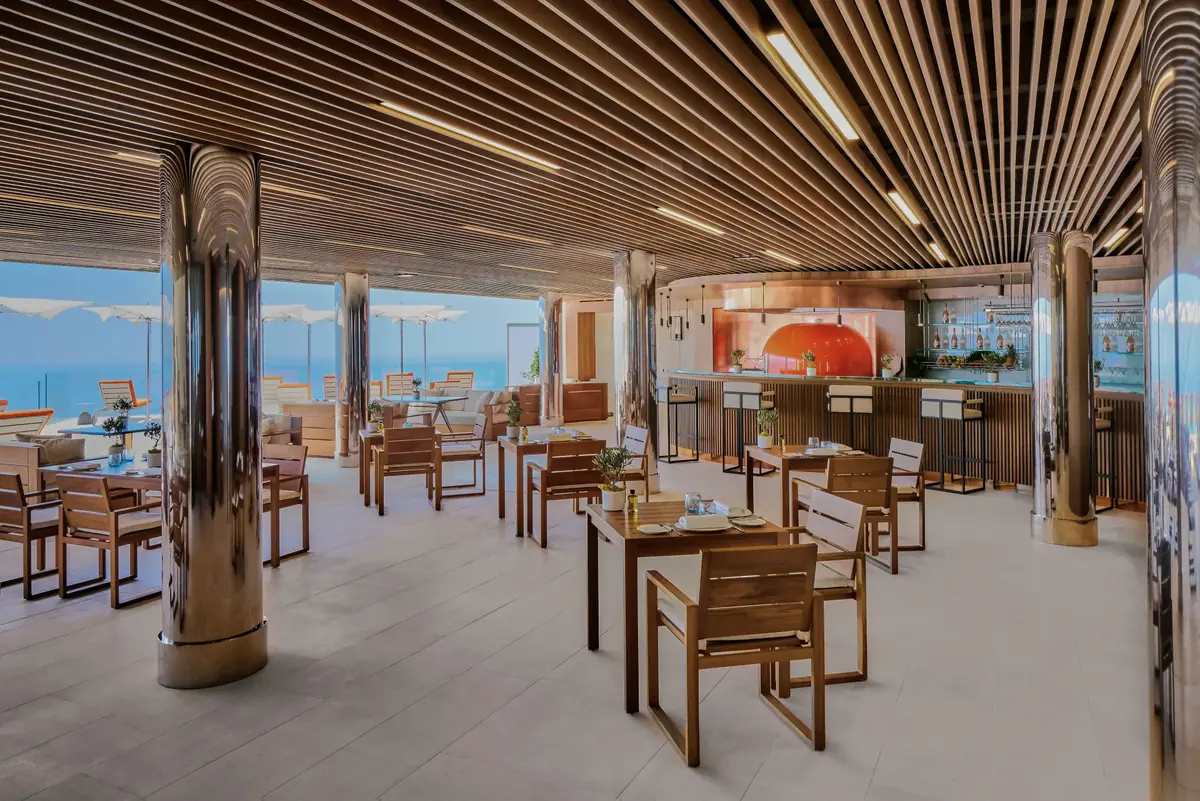
The workshop builds outdoor tables for residential terraces, pool decks, hotel and restaurant dining gardens, and superyacht decks. Sizes range from small side tables to long terrace dining tables seating sixteen. The construction is set against the location: marine-grade substructures for coastal and yacht installs, standard outdoor specification for residential terraces with seasonal cover.
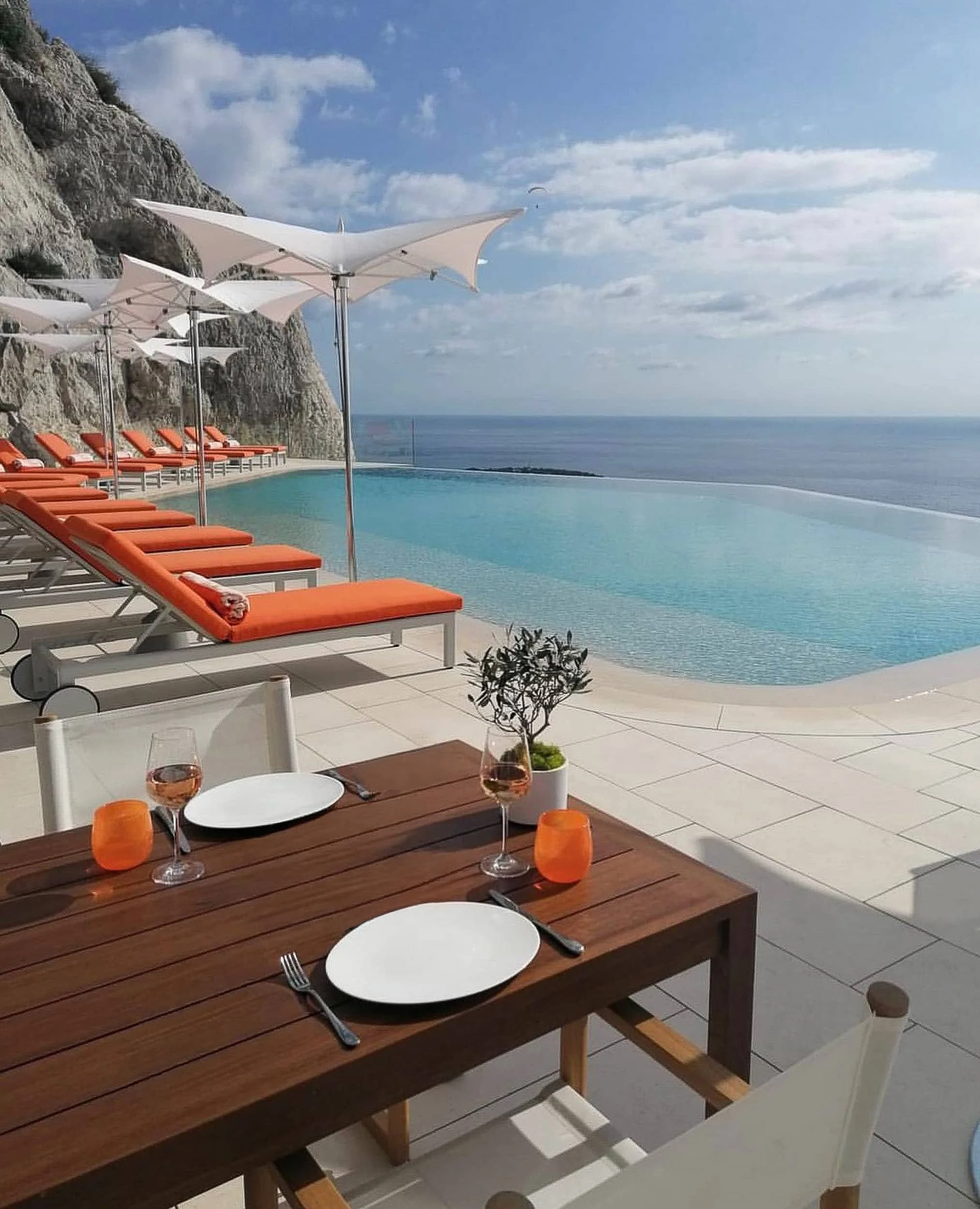
The outdoor tables we build
Outdoor table briefs fall within a handful of established forms.
Outdoor dining tables
Long rectangular or round dining tables sized to the terrace and the chair set. Common dimensions: 180–240 cm for residential six-to-eight-seat sets, 280–400 cm for ten-plus-seat hospitality dining. Tops in slatted teak, solid teak, sealed porcelain, marble or stone — each with a different cleaning regime and a different visual character.
Slatted timber tables
The traditional outdoor form — teak or iroko slats laid with small gaps between them so the top drains rather than pools water. Slatted tops are vegan to maintenance, dry quickly after rain, and read as the classic outdoor material. Slat width and spacing are decided at design against the use and the visual brief.
Stone and porcelain-topped outdoor tables
Solid stone, marble, travertine or porcelain tops on hardwood or metal bases. Sealed stone tops resist staining from food and drink, tolerate aggressive cleaning, and read as a piece of architecture rather than a piece of furniture. Porcelain tops are lighter than natural stone and can be specified in any pattern and colour, including stone effects.
Outdoor coffee and side tables
Lower outdoor tables sized for the sofa and lounge seating arrangement, at 35–45 cm high. Coffee tables for outdoor sofas take a stone or solid top so they tolerate drinks and food; side tables are typically smaller and more portable.
Extending and modular outdoor tables
Tables that extend at the centre for larger gatherings, or modular tables that join and separate for different terrace configurations. The extending mechanism is engineered for outdoor use — marine-grade hardware that survives weather without sticking or seizing. Specified into hospitality settings and large residential terraces.
Specifying an outdoor table
Top material is the dominant decision. Teak slatted tops are the classic outdoor specification — lowest maintenance, traditional look, ages gracefully. Sealed stone or porcelain tops give a more architectural piece and better stain resistance, at the cost of more weight and a more aggressive cleaning regime. The right call is set by the use and the brief.
Bases are engineered against the load. A 280 cm stone-topped table can weigh over 200 kg fully assembled; the base is calculated against the top weight, the wind load on the table, and the surface the table sits on. Tables on terraces with wind exposure are sometimes anchored to the deck through hidden brackets.
Lead times run 10–16 weeks from approved drawings; sourced stone tops can extend the schedule. Tables ship in pieces above 240 cm; stone tops ship separately from their bases. Site assembly takes a day for larger pieces.
Where this sits
This page covers one piece-type in the outdoor catalogue. The broader range — outdoor seating, dining and low tables, daybeds and loungers, pool decks, hospitality terraces and superyacht decks — sits under outdoor furniture. Fixed outdoor joinery (planters, built-in benches, outdoor kitchens) is covered under outdoor & terrace joinery. The cushion engineering — reticulated drains-rather-than-soaks foam, performance fabric specification — sits under foam in upholstery and performance fabrics.