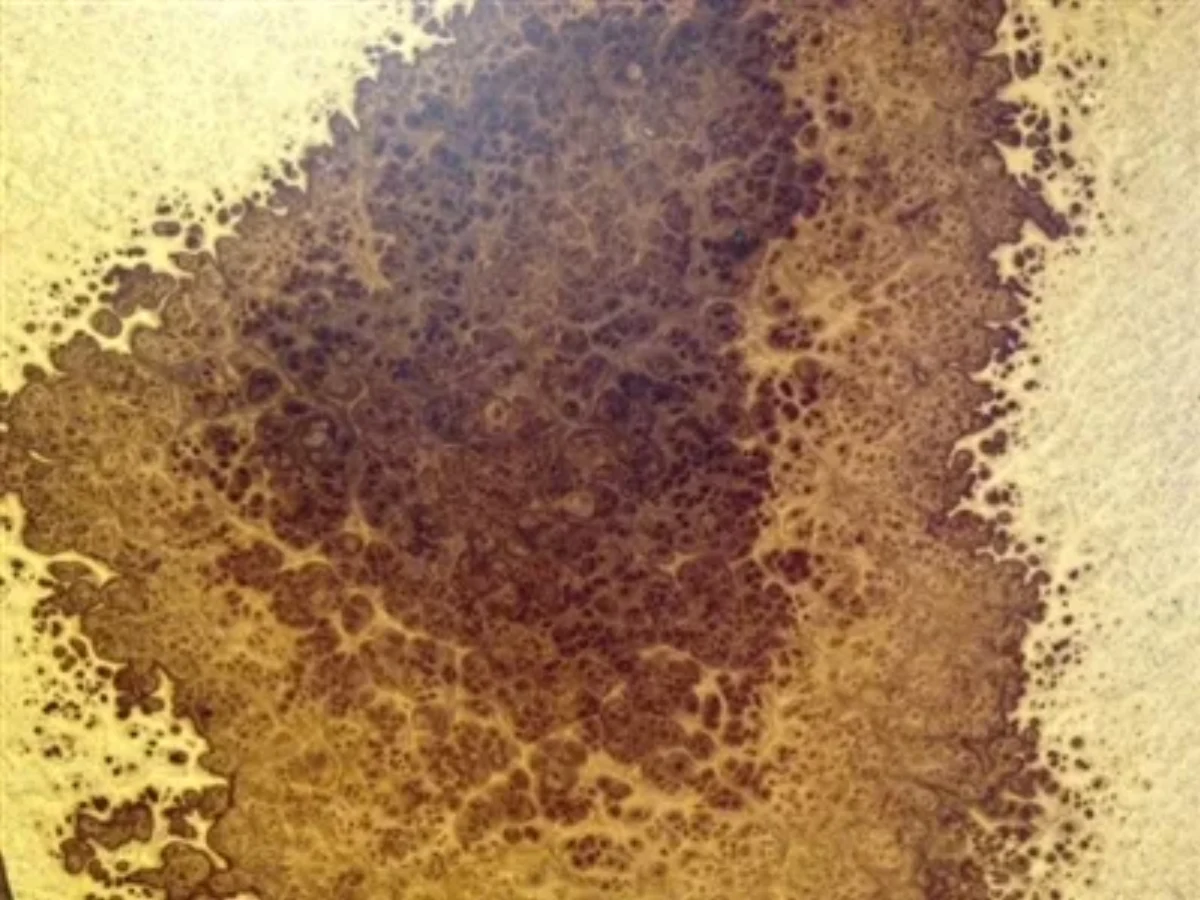
Burls, figure & rare cuts
A specialist veneer library of burls, crotch and curl figure, dyed colour and flexible cuts.
This is the specialist end of the veneer library — the surfaces that turn a piece into a focal point. Burls in walnut, amboyna, elm and madrone; the flame and feather of crotch and curl cuts; quilted, fiddleback and pommele figure; and a deep range of dyed and smoked colour.
Alongside the decorative are the practical: engineered multilaminar veneers for consistent large runs, and flexible backed veneers that wrap curves and columns where a rigid leaf cannot follow. The vocabulary of cuts and figure is set out in our veneer glossary.
This range sits alongside our Mundy natural veneers, Tabu dyed veneers and the wider wood veneer library.
A specialist veneer for a particular look?
Tell us what you are working towards.
Burls, crotch and curl figure, dyed and smoked colour, engineered and flexible veneers. Select a family to browse; every veneer can be sampled through our sampling service.
Burl
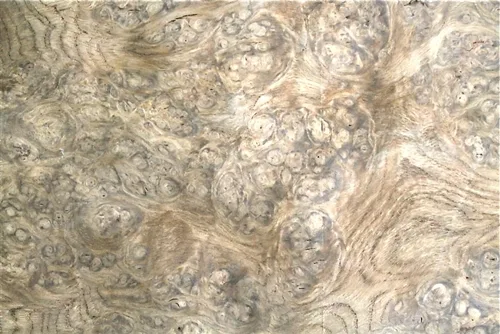
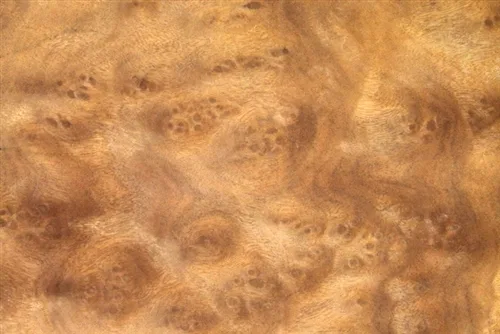
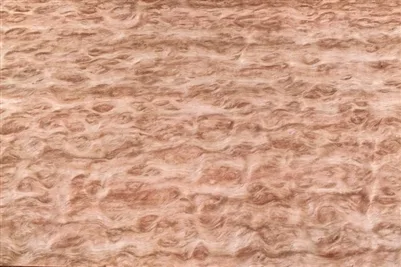
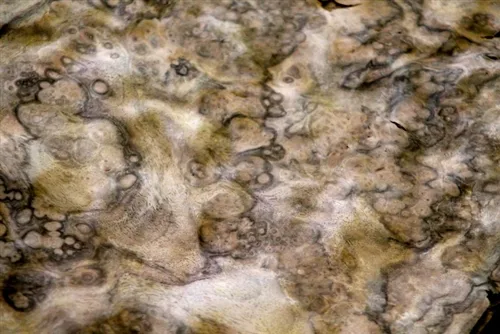
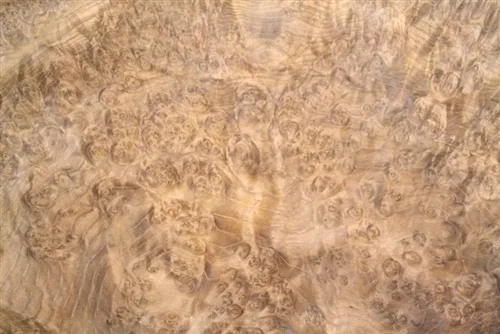
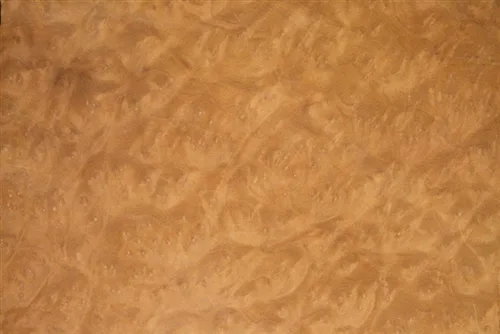
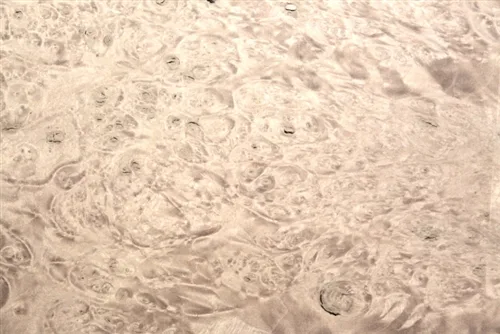
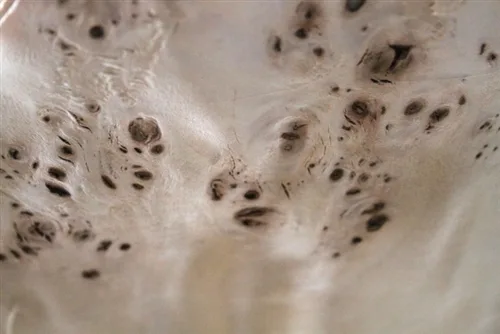
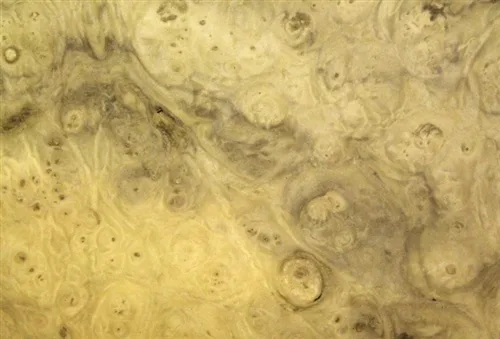
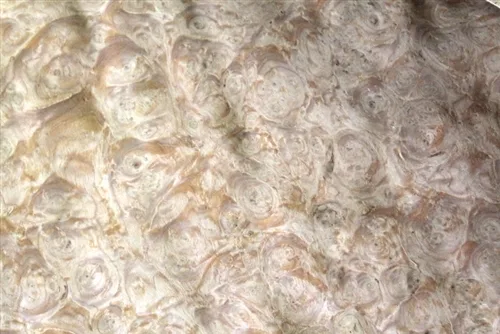
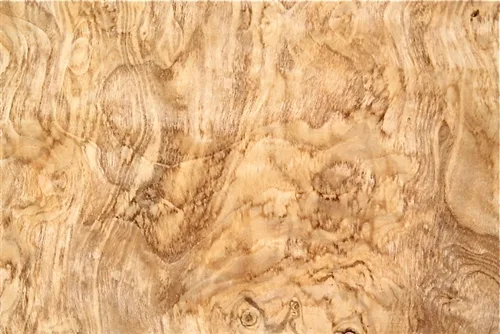
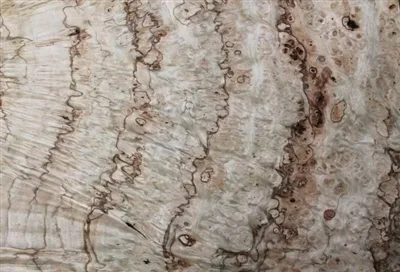
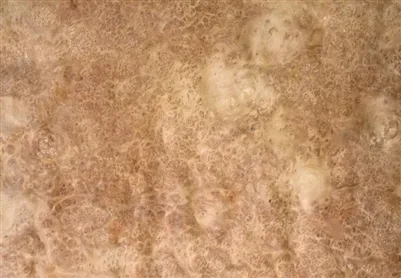
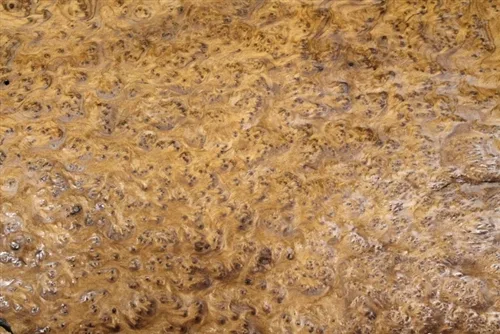
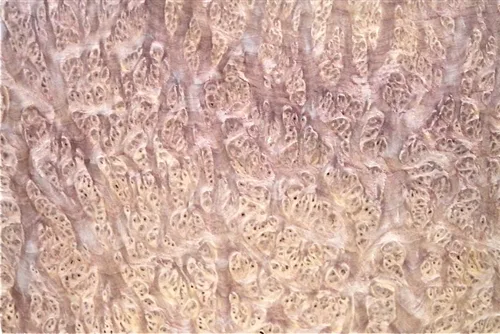
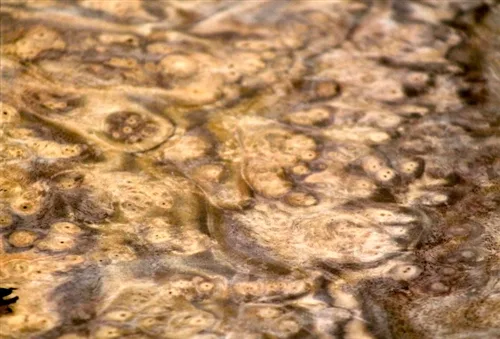
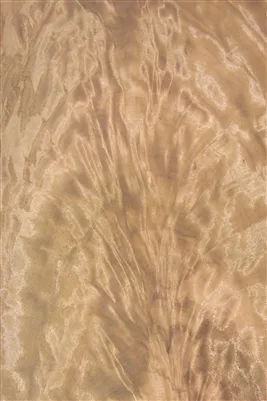
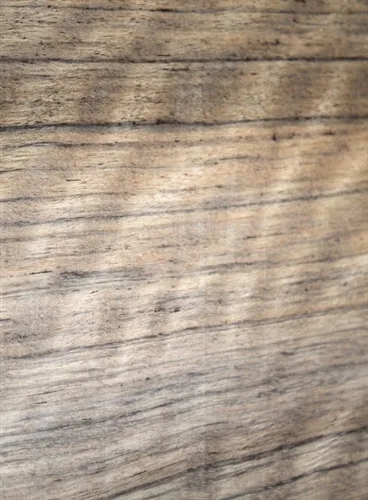
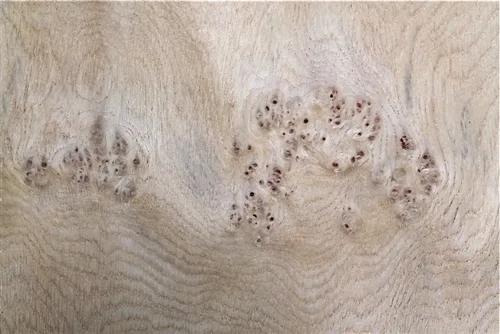
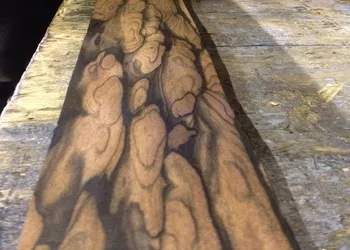
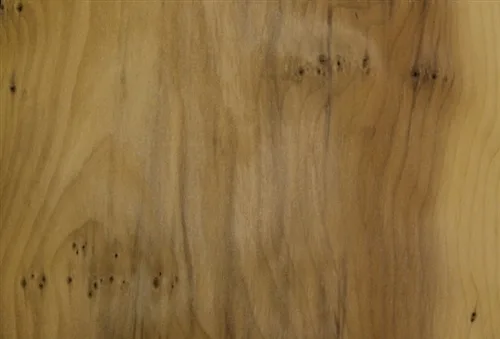
The rarest figure of all — dense clusters of swirling grain and tight eyes formed where a tree answers stress. Amboyna, walnut, oak, elm, madrone and more.
Crotch & Curl
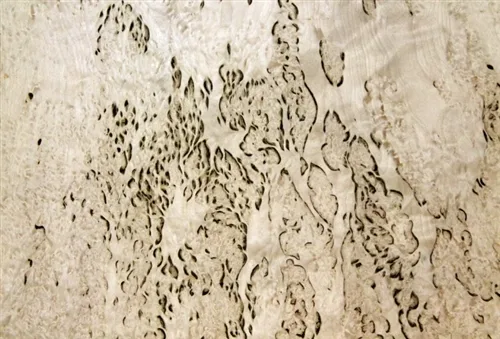
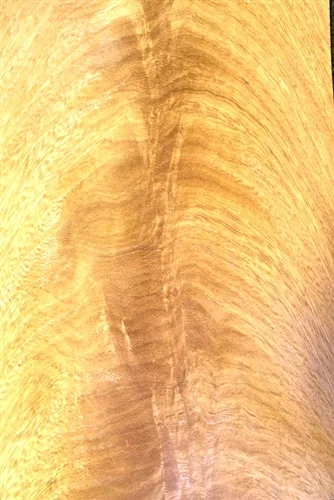
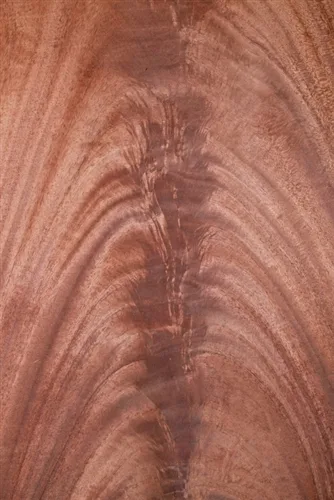
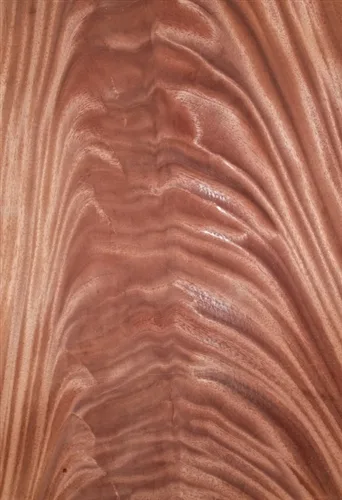
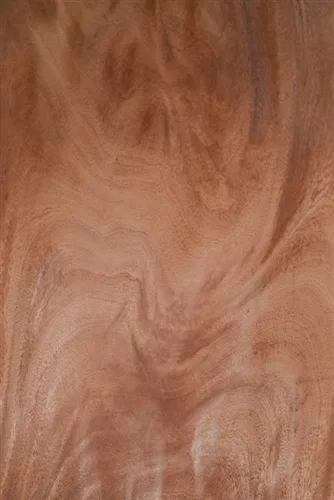
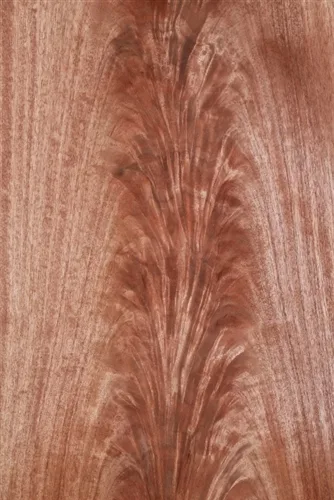
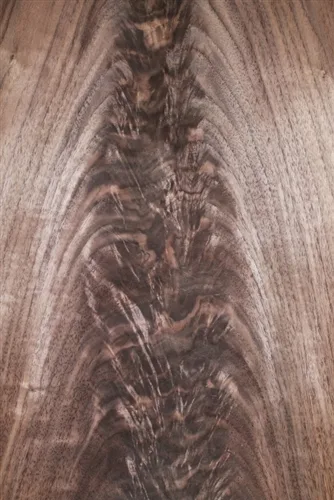
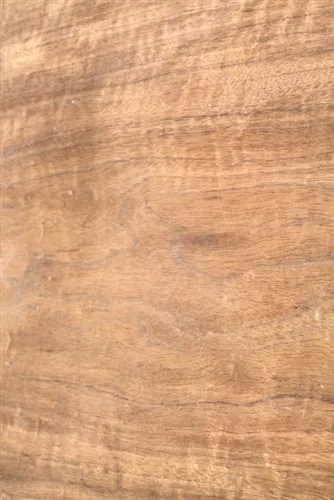
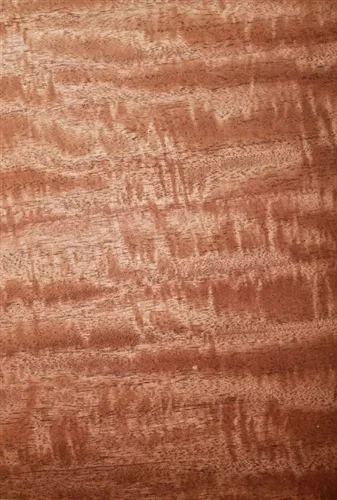
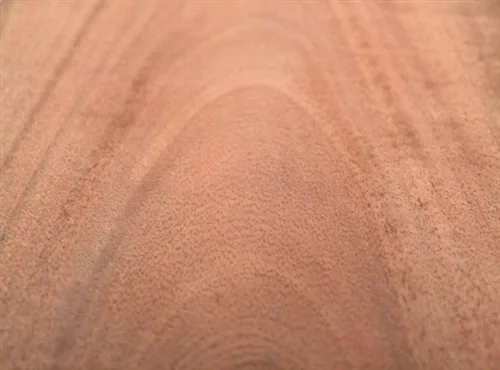
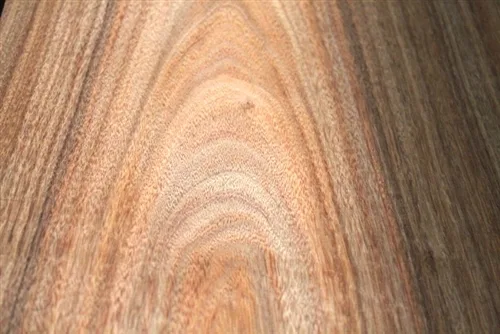
The dramatic flame and feather figure cut from where a trunk forks into branches — mahogany, walnut and other species at their most sculptural.
Figured
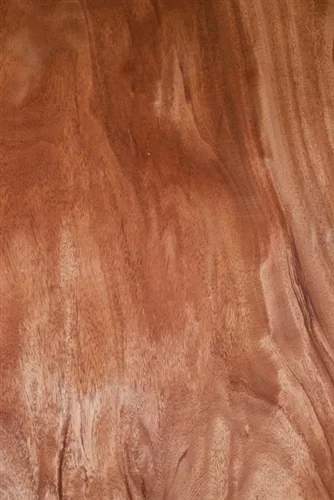
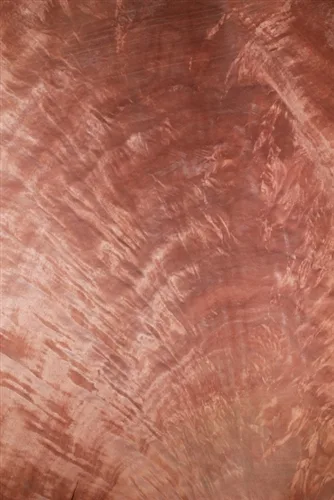
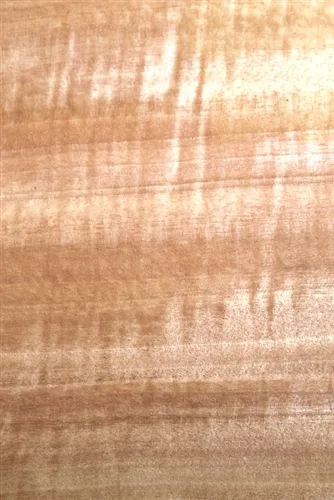
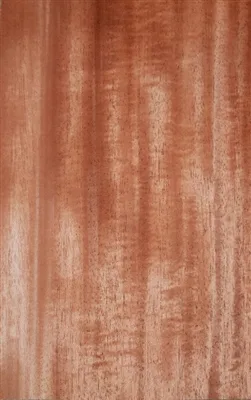
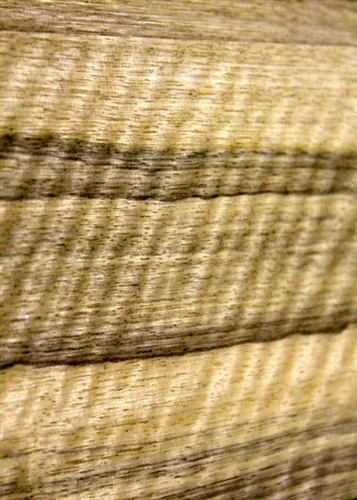
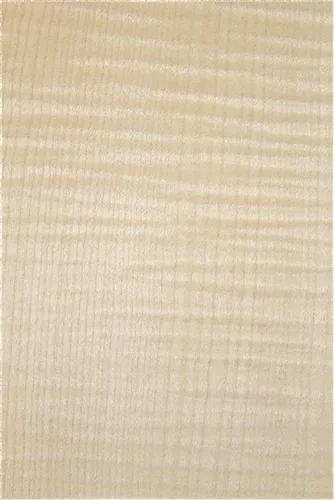
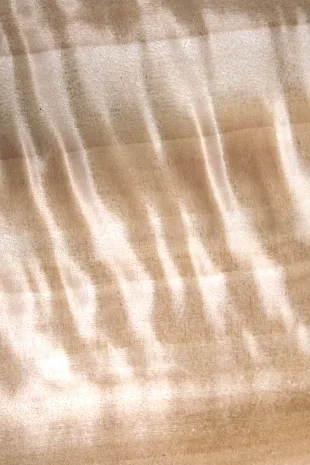
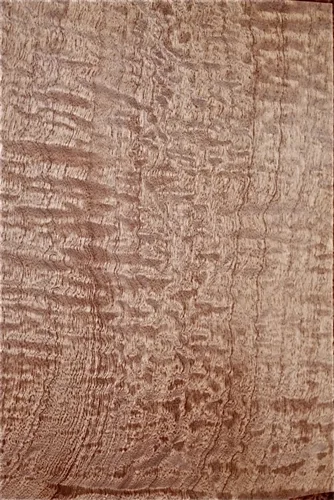
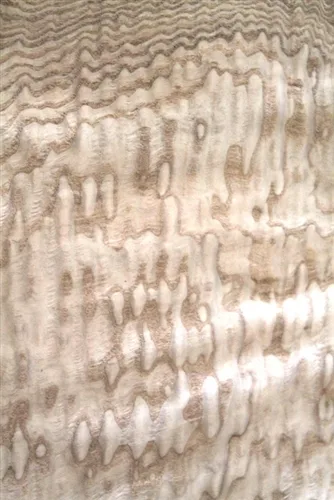
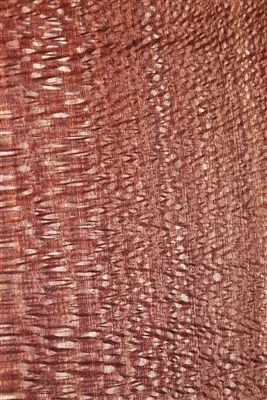
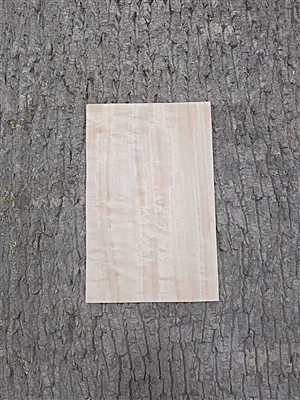
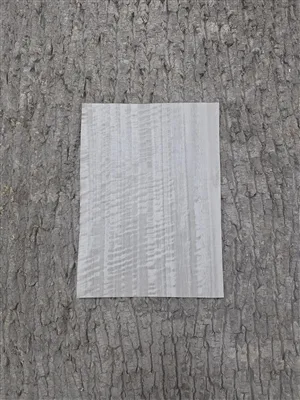
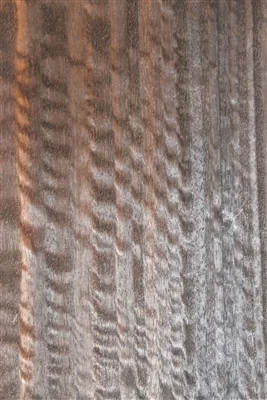
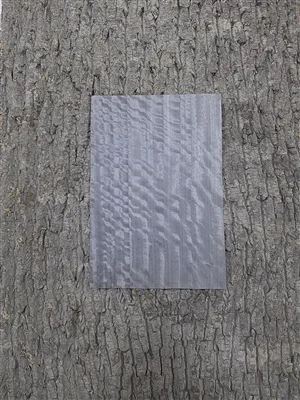
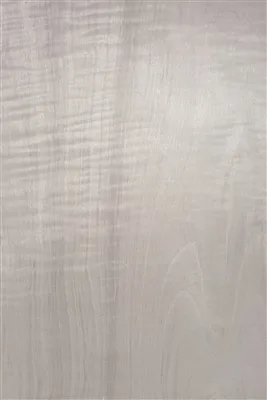
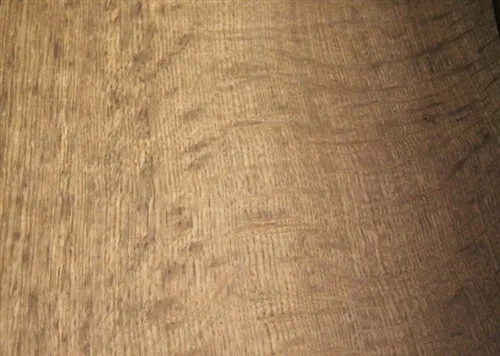
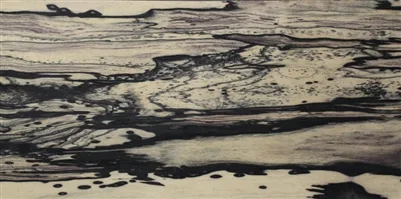
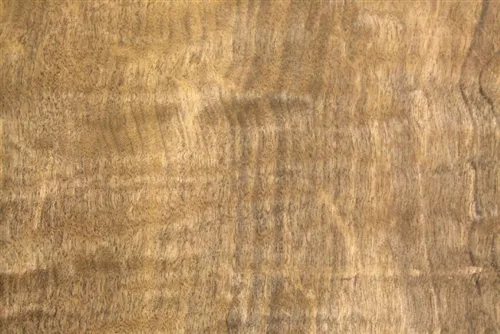
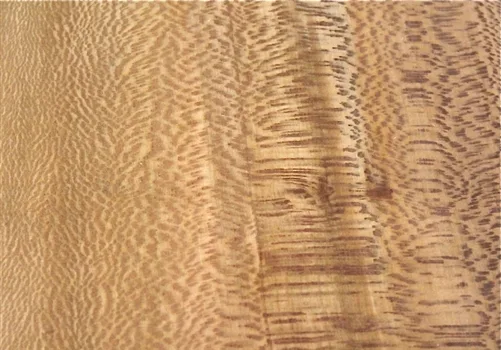
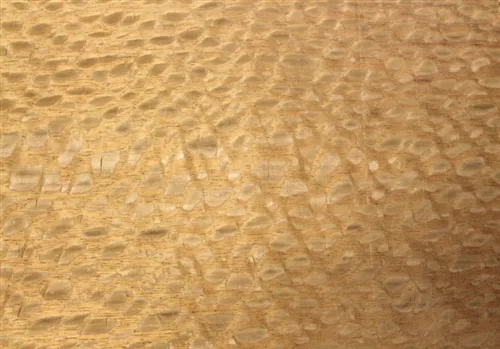
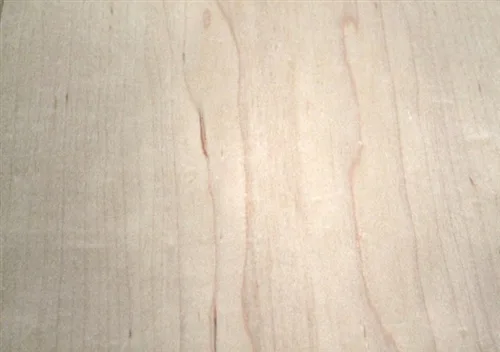
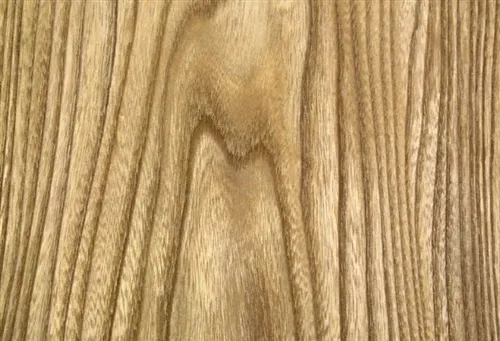
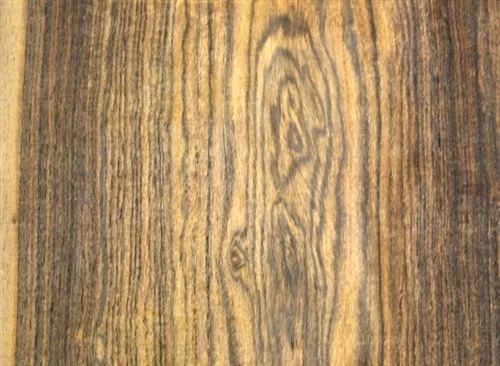
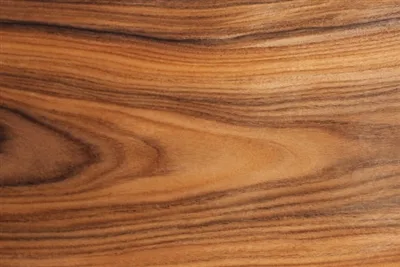
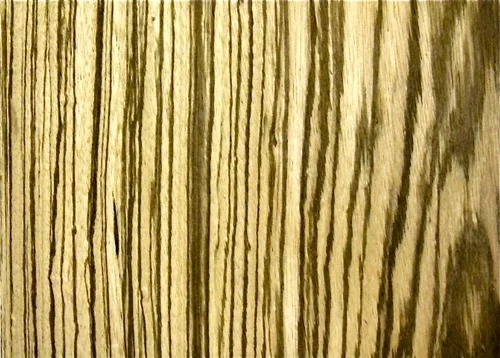
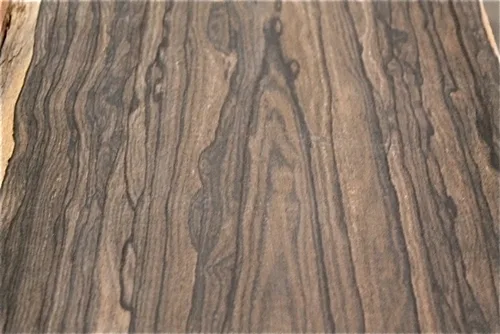
Quilted, fiddleback, pommele and ray-fleck figure — natural surfaces that shift and shimmer under raking light.
Dyed & Smoked
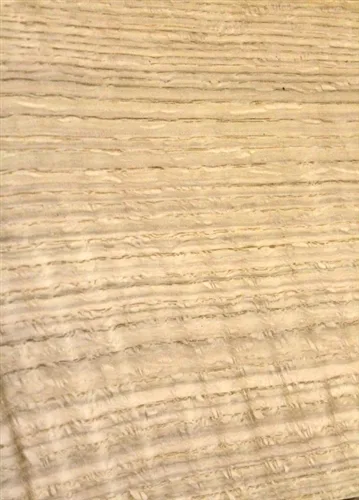
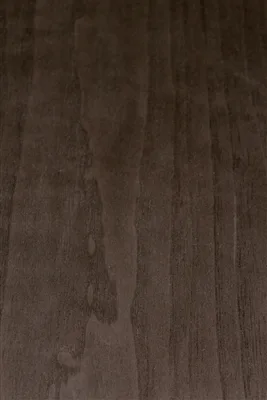
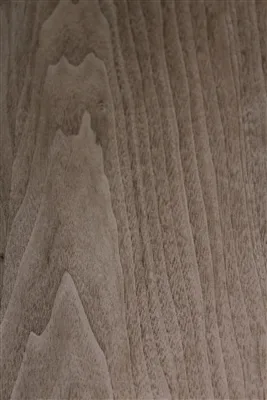
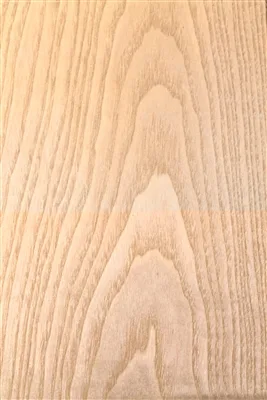
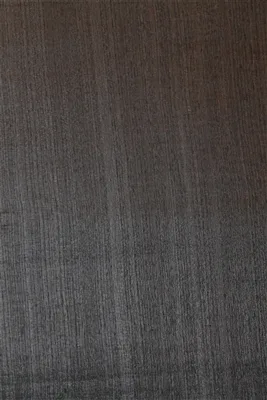
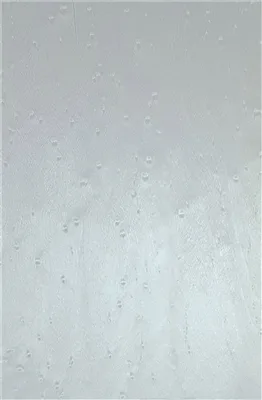
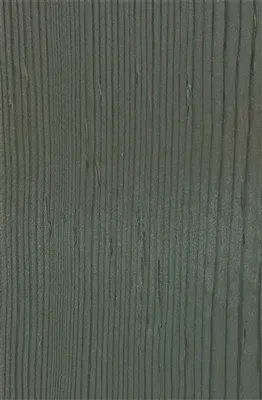
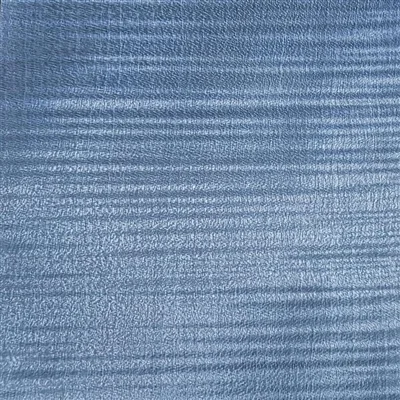
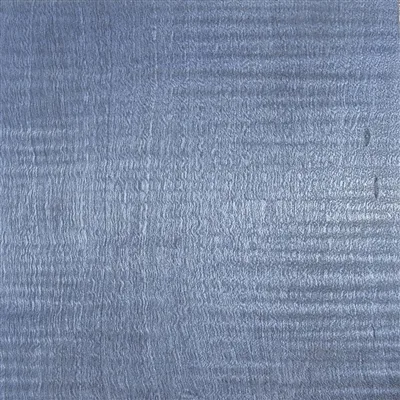
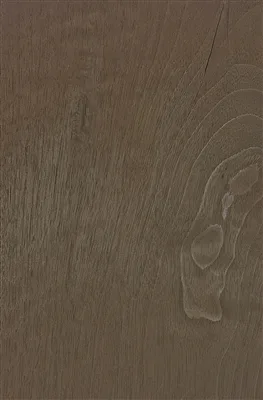
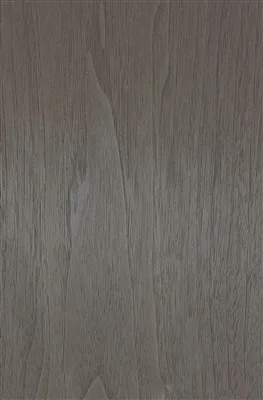
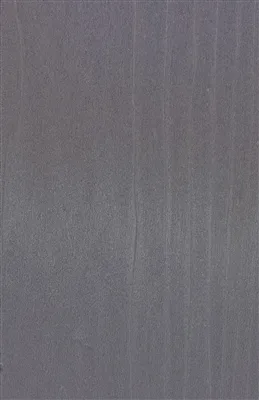
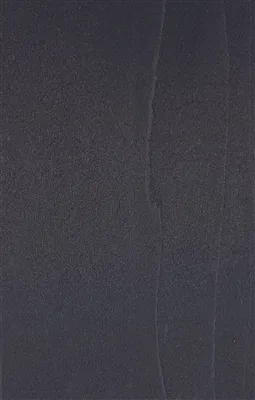
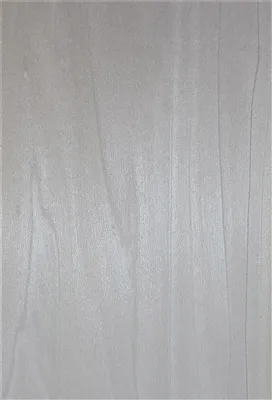
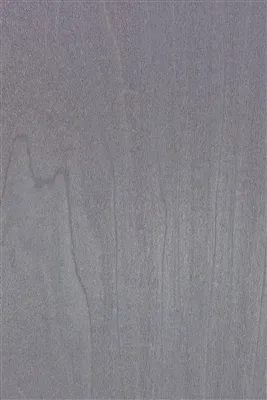
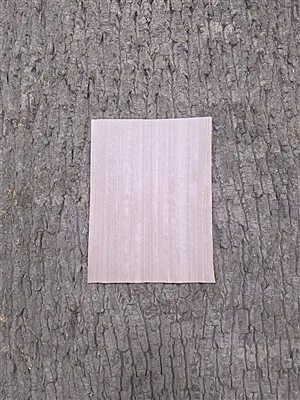
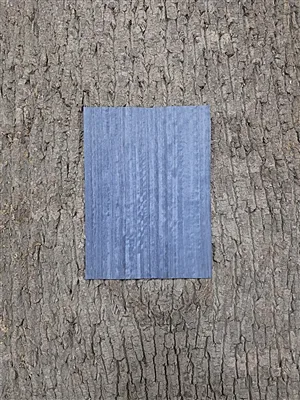
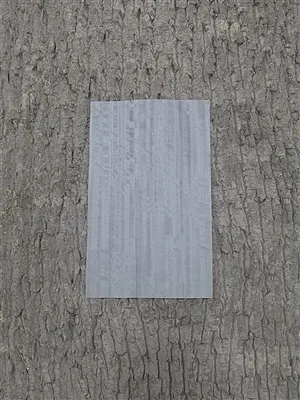
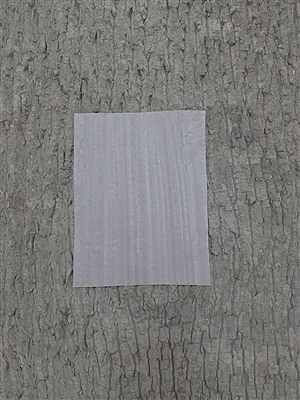
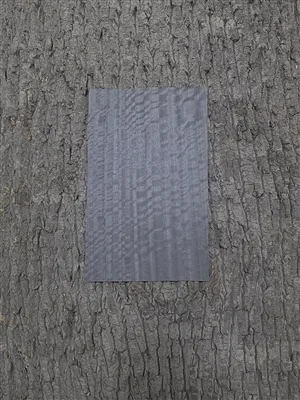
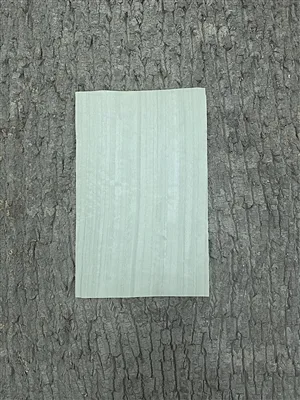
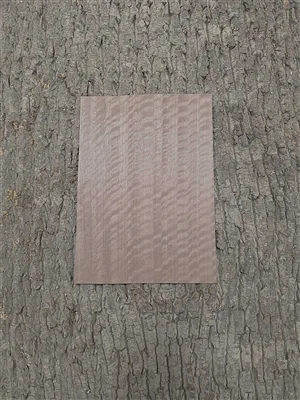
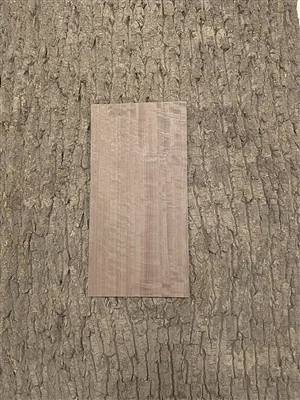
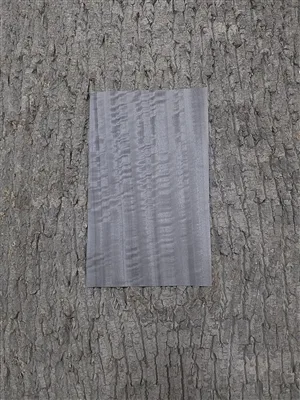
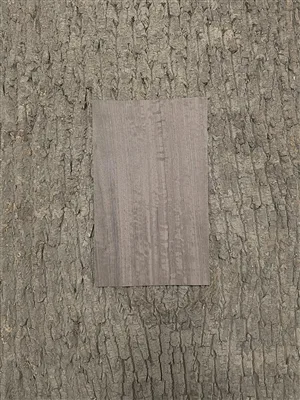
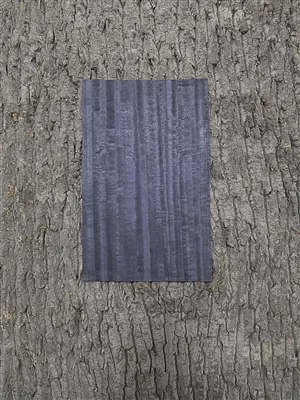
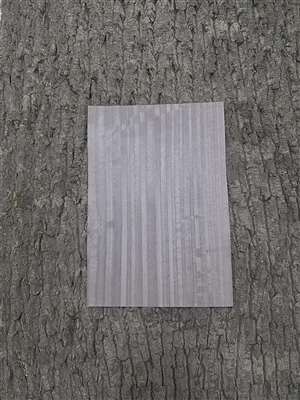
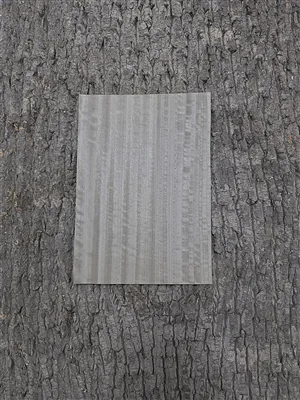
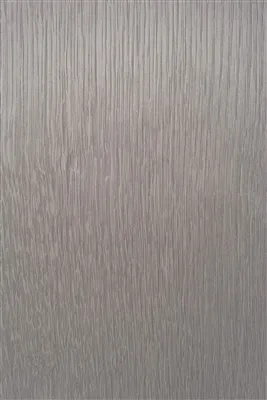
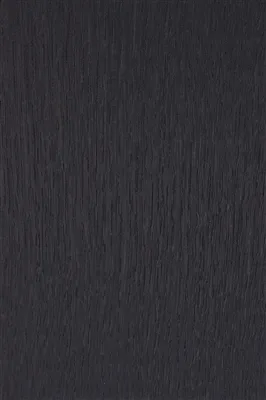
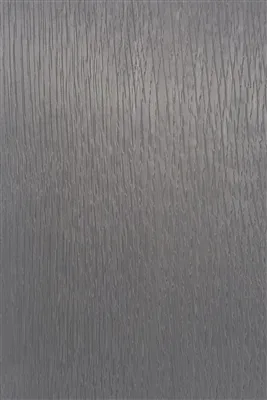
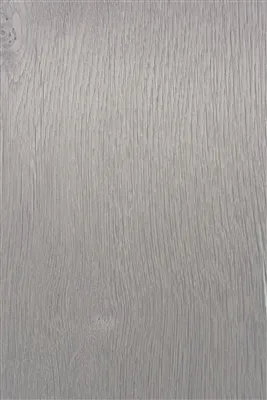
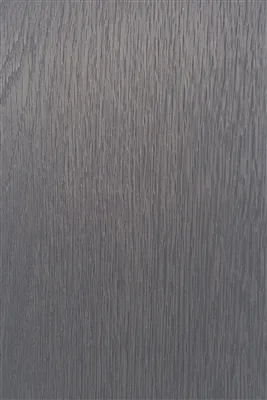
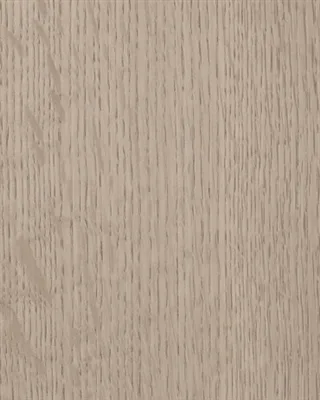
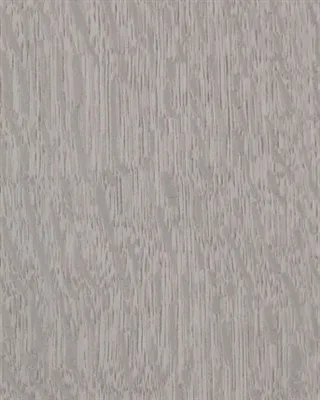
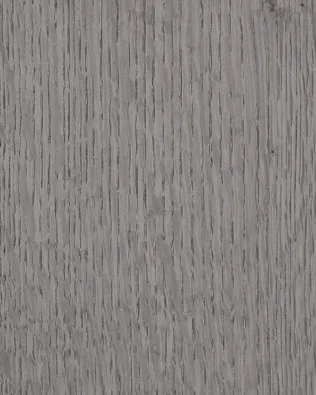
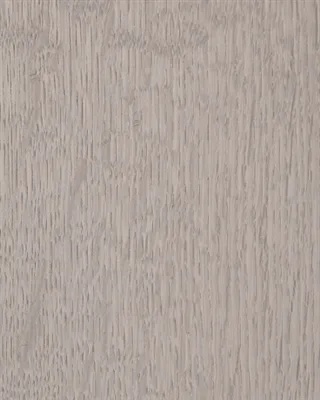
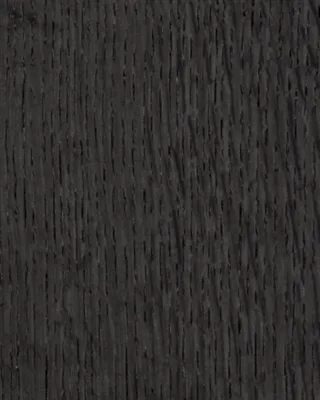
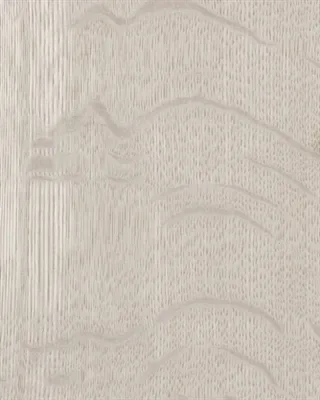
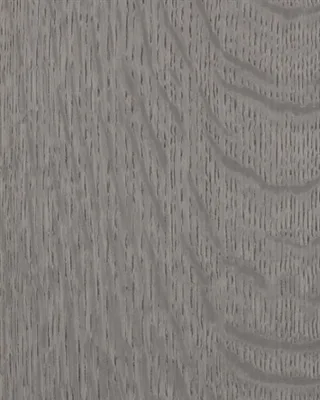
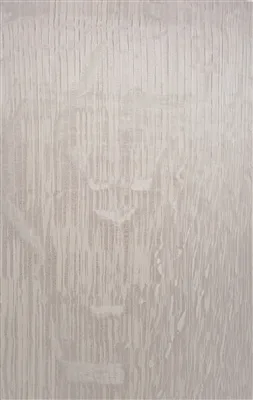
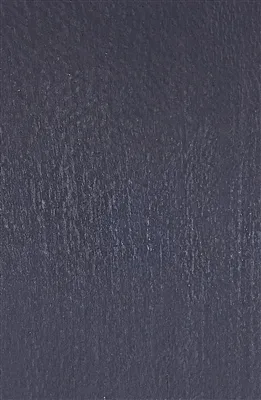
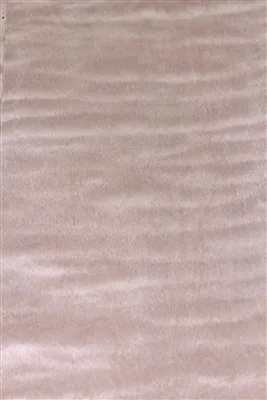
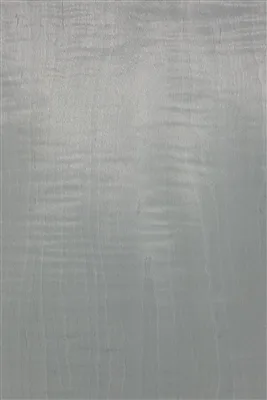
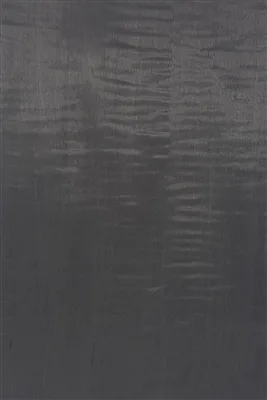
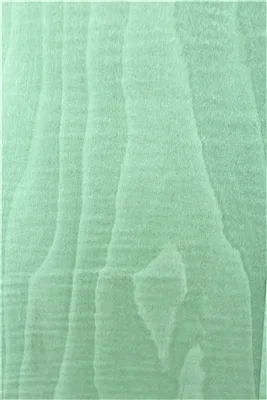
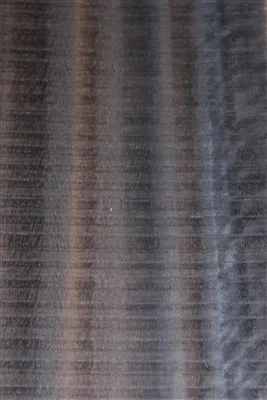
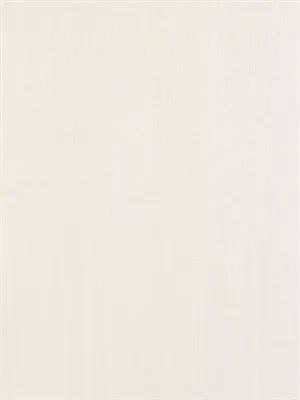
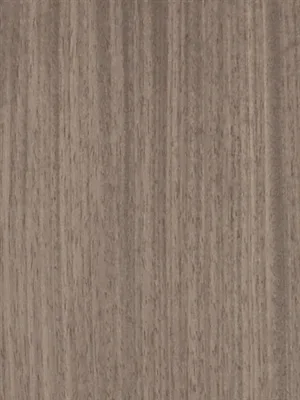
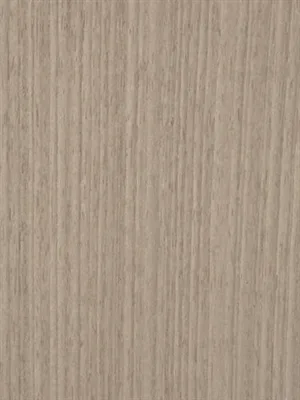
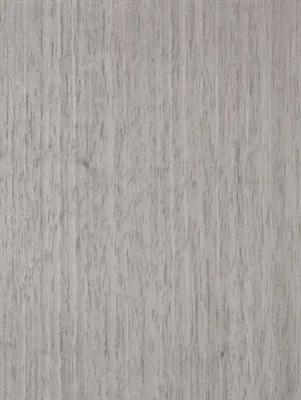
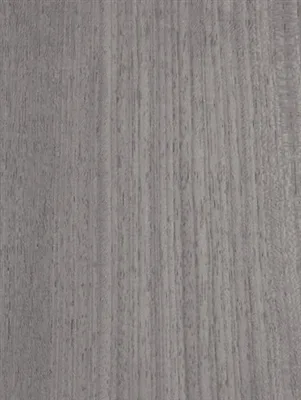
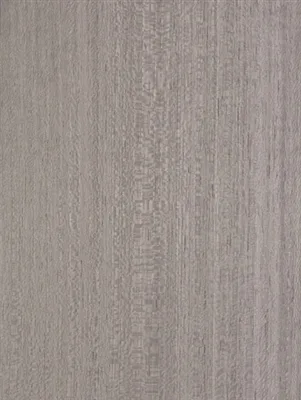
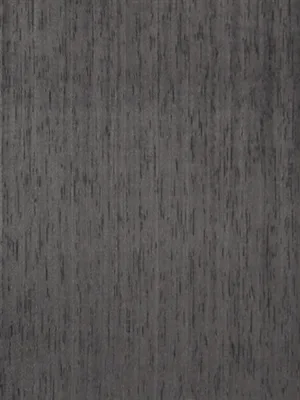
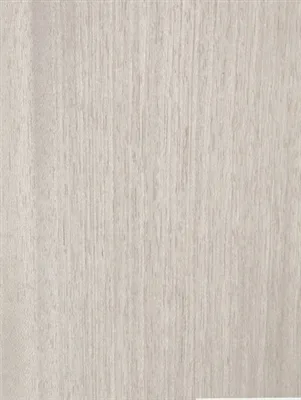
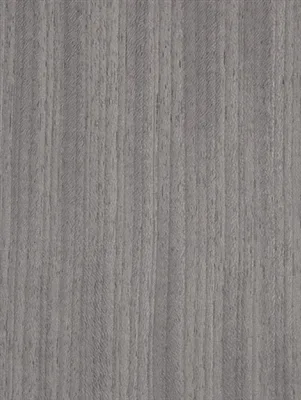
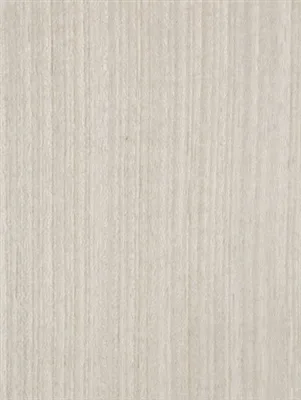
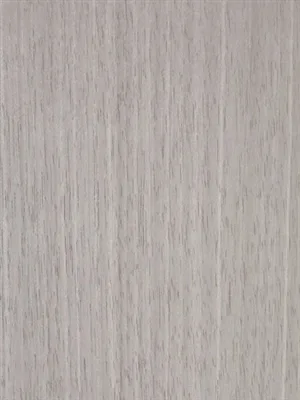
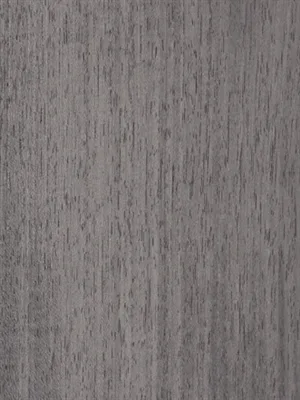
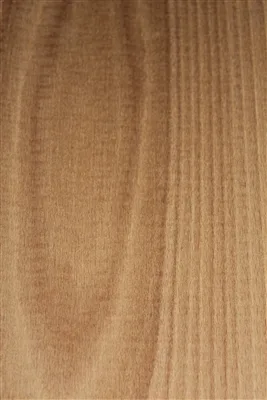
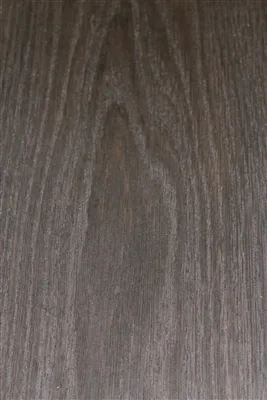
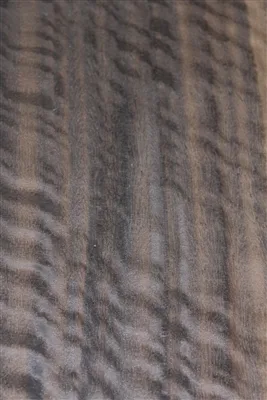
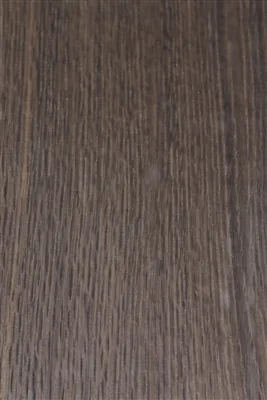
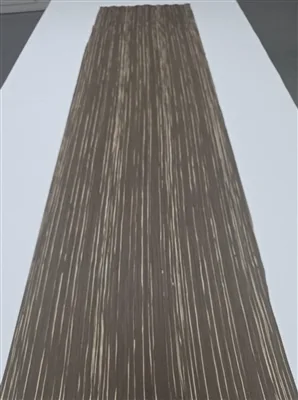
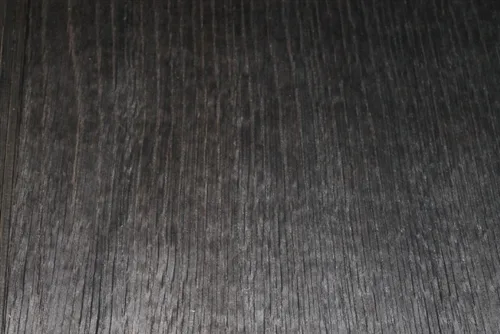
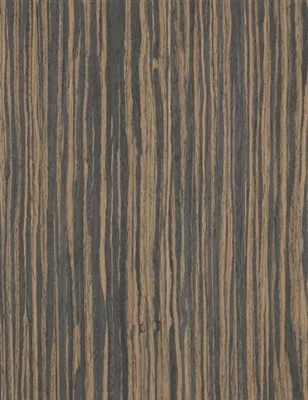
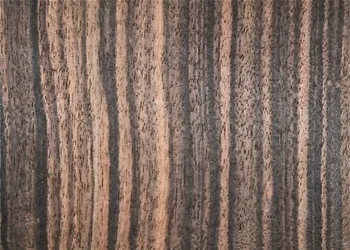
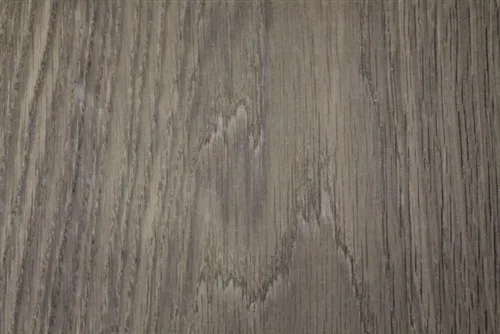
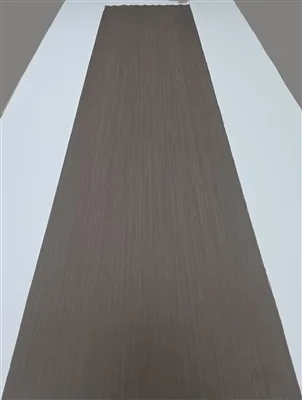
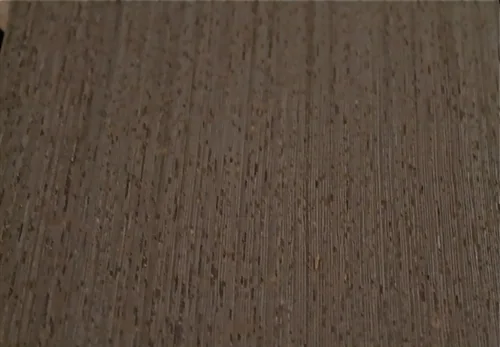
Real veneer dyed through the fibre or ammonia-smoked to colour — eucalyptus, oak, pearwood, quilted maple, silkwood and sycamore in a deep palette.
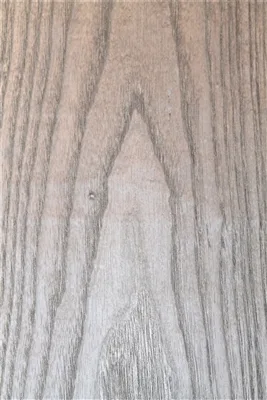
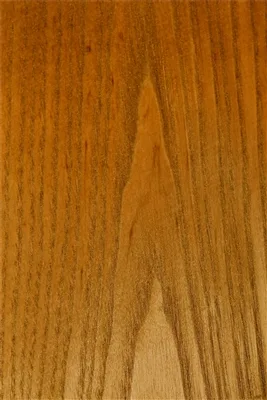
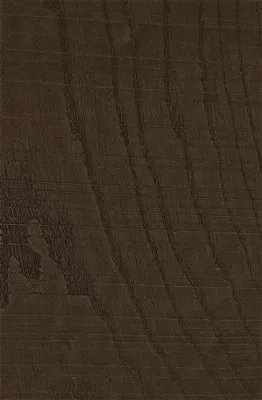
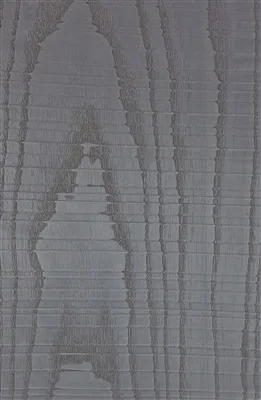
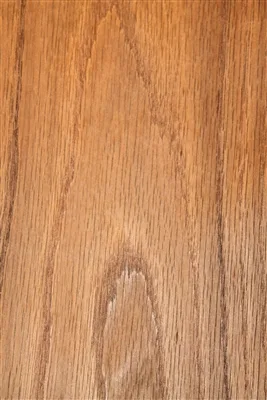
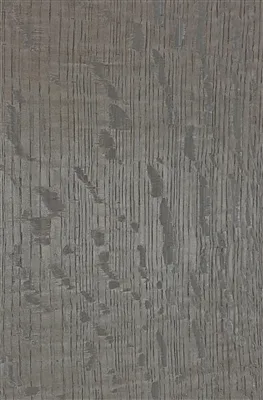
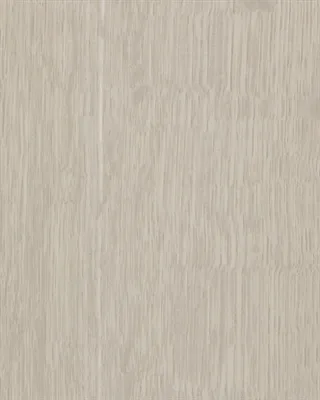
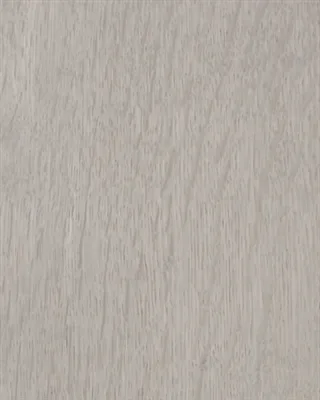
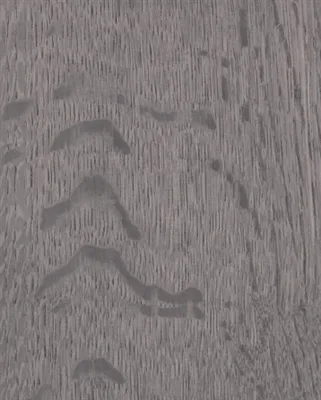
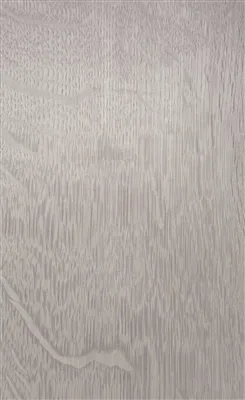
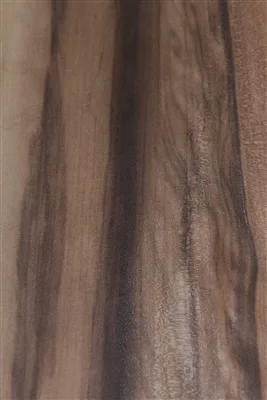
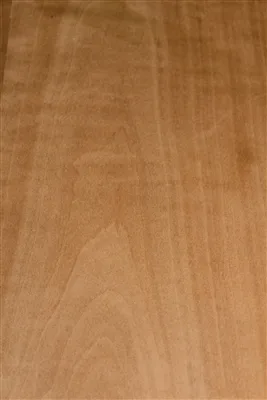
Engineered
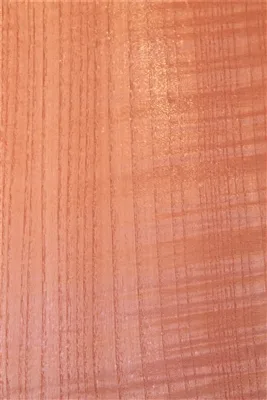
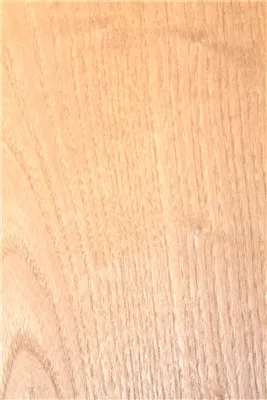
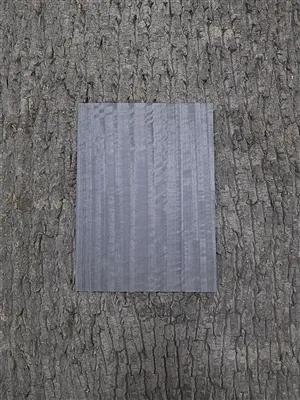
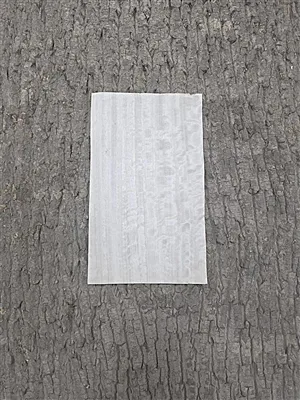
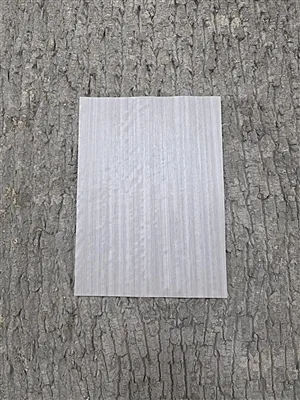
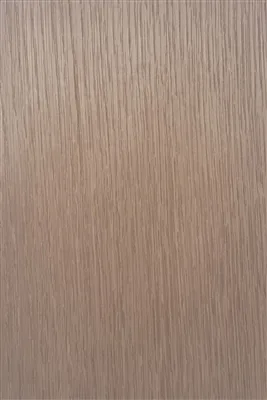
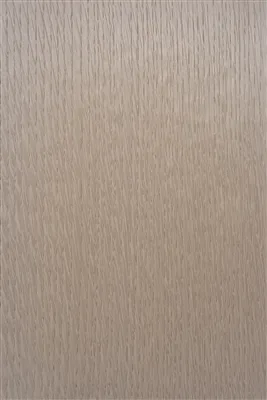
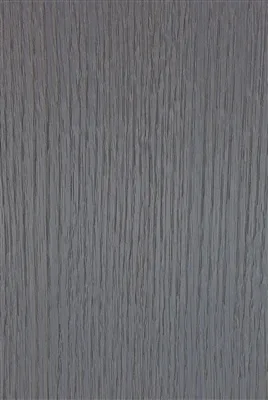
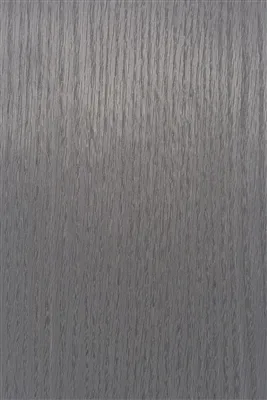
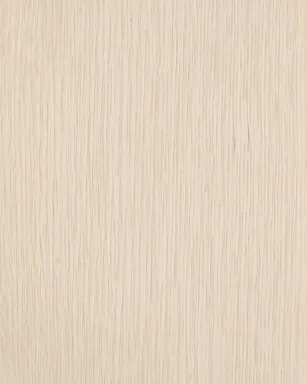
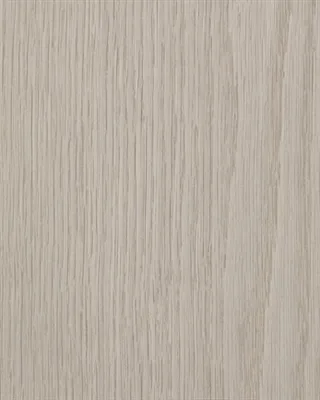
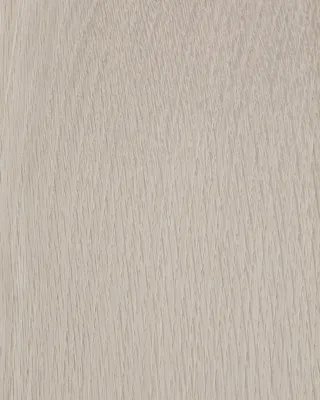
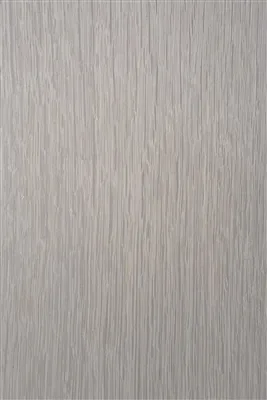
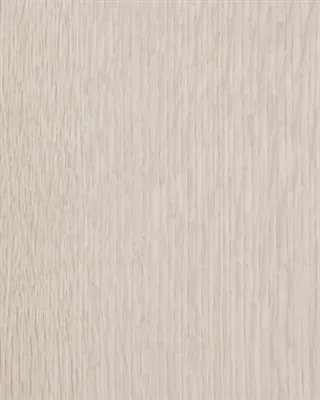
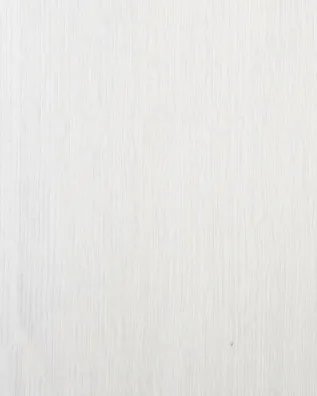
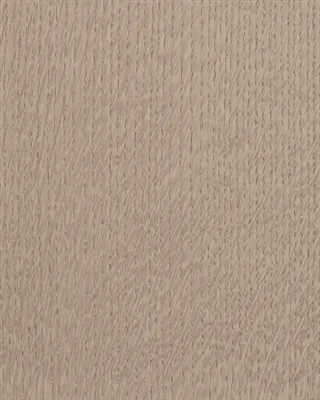
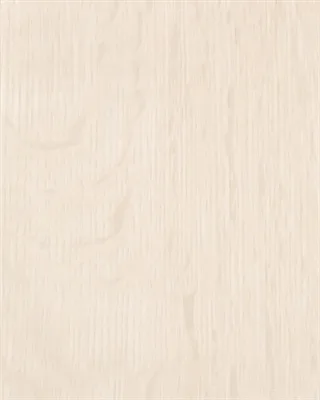
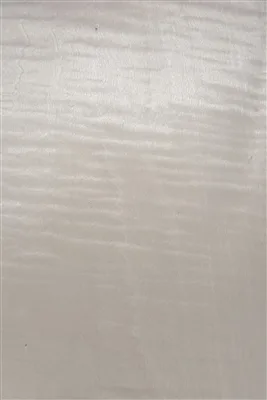
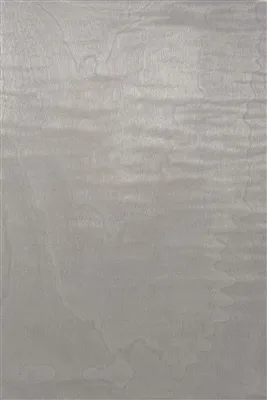
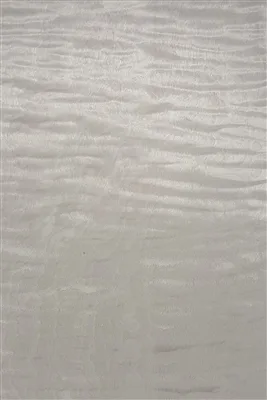
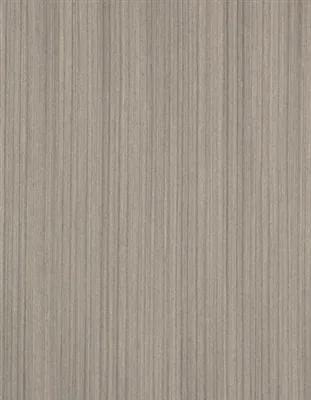
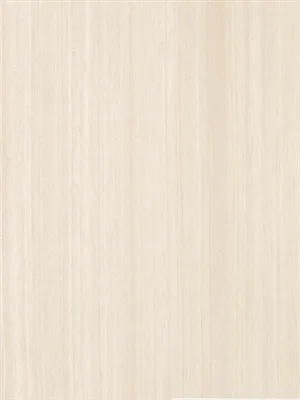
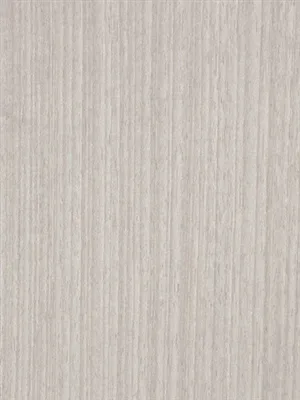
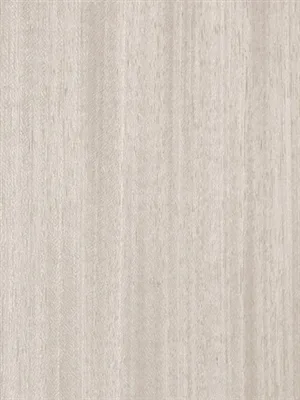
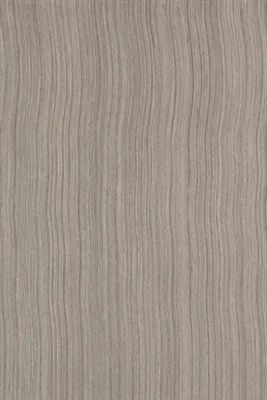
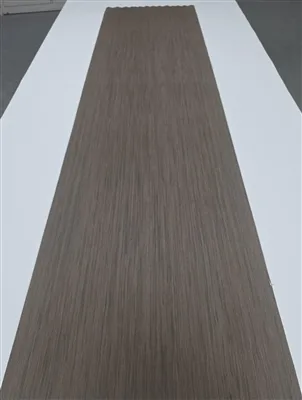
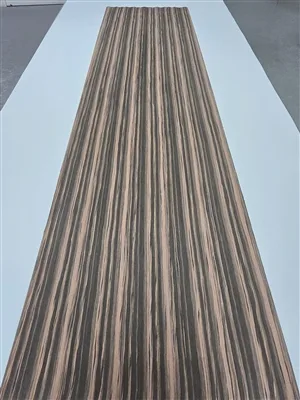
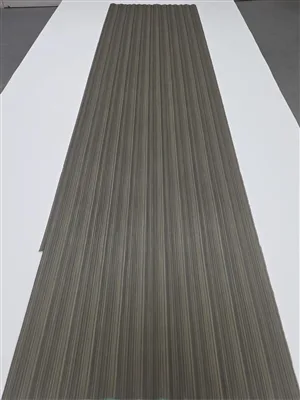
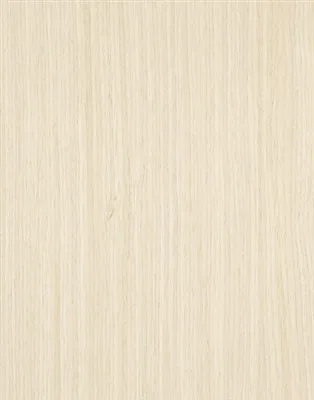
Reconstituted multilaminar veneers — consistent grain and colour engineered from sustainable species, ideal for large runs and editions.
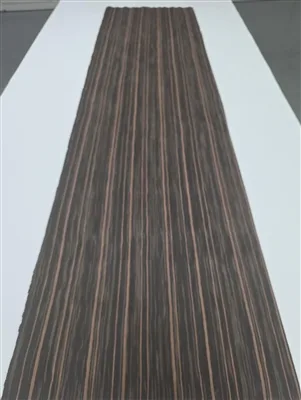
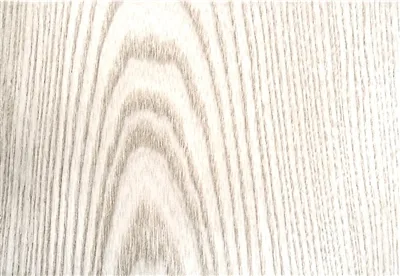
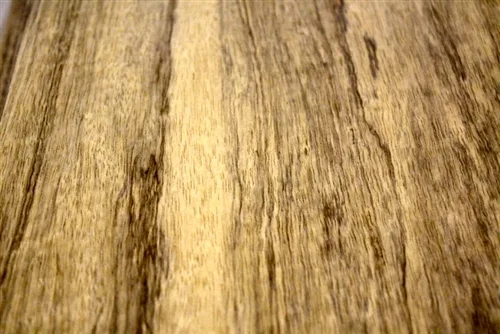
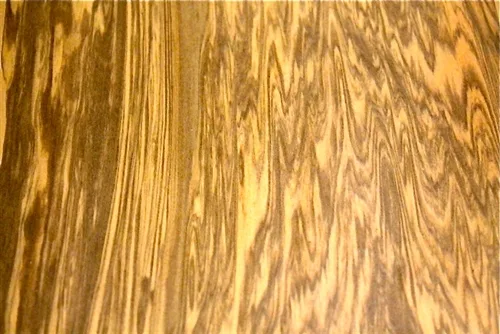
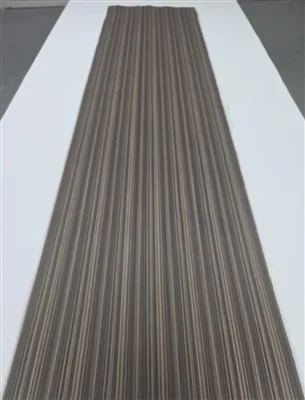
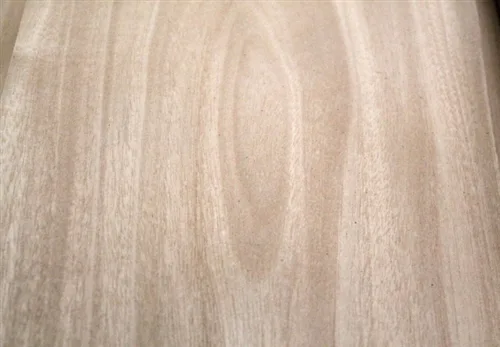
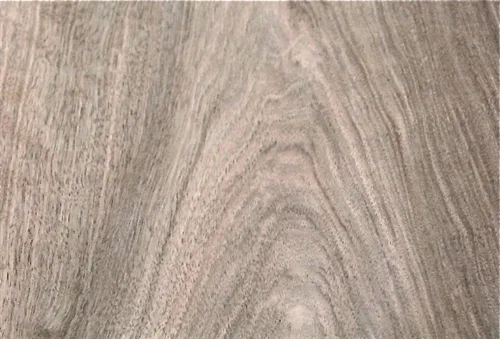
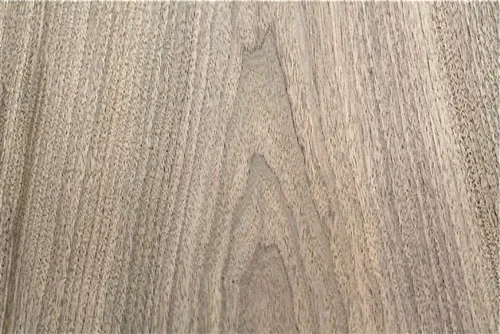
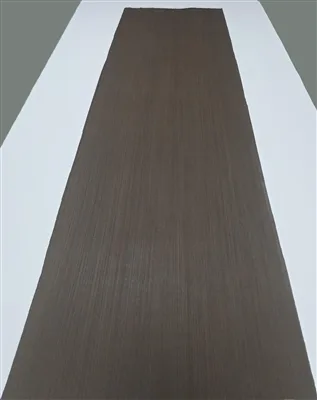
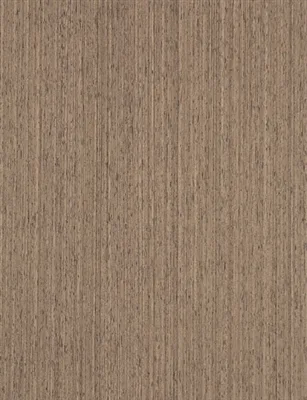
Flexible
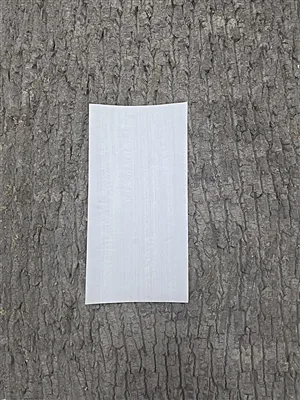
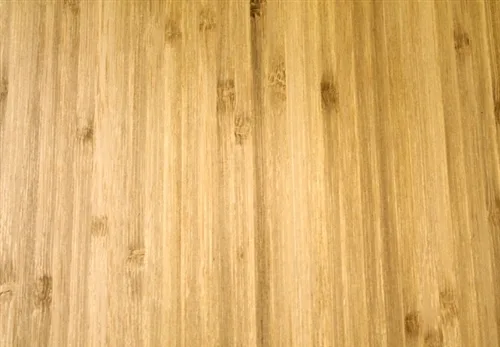
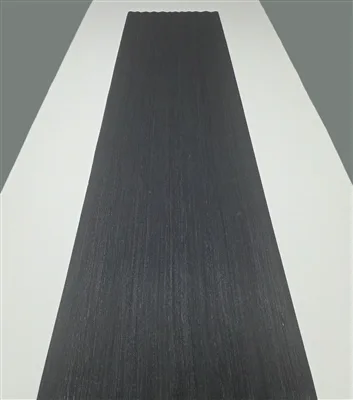
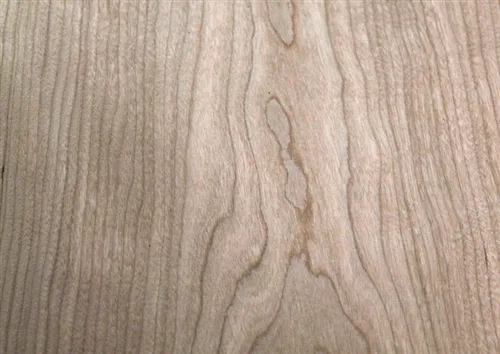
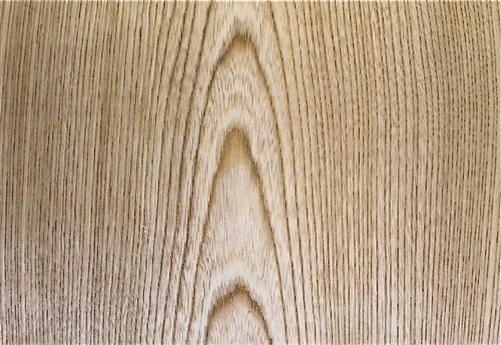
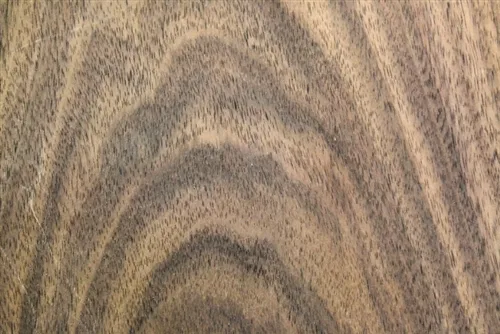
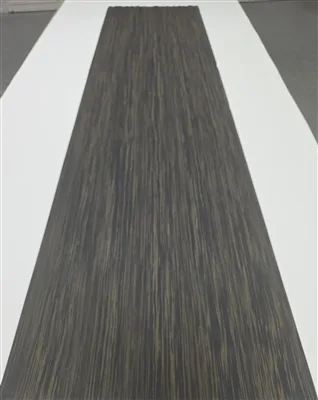
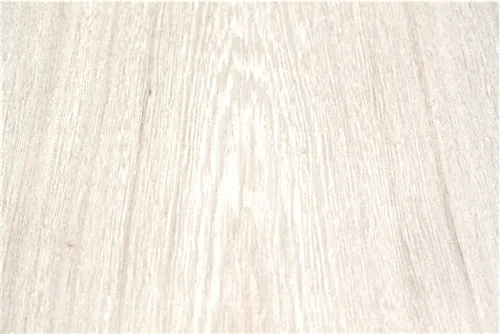
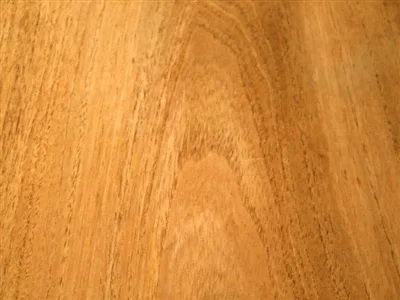
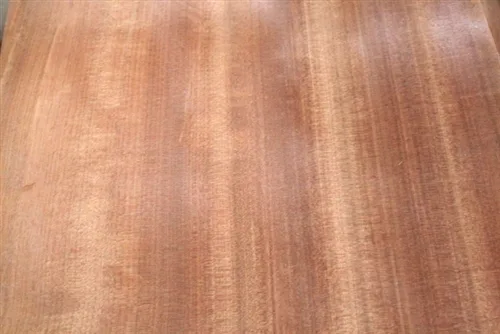
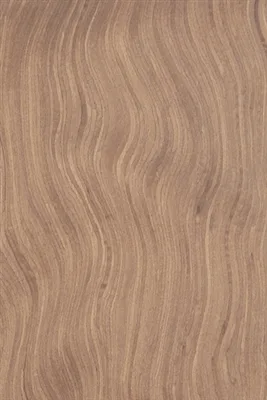
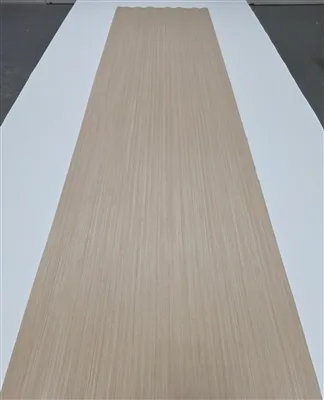
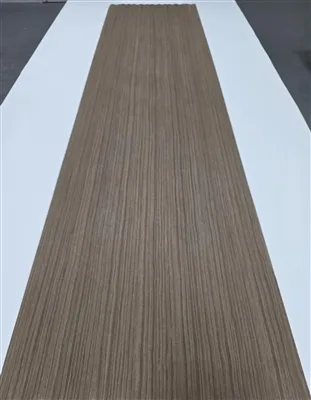
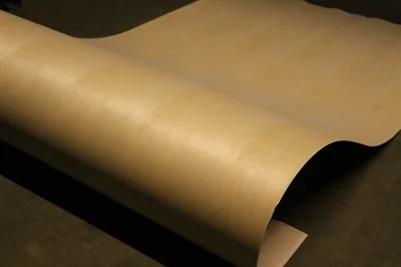
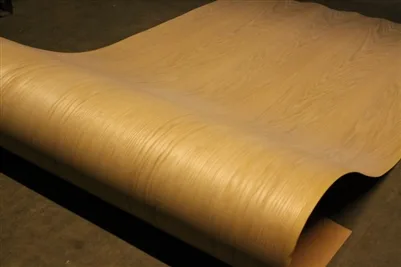
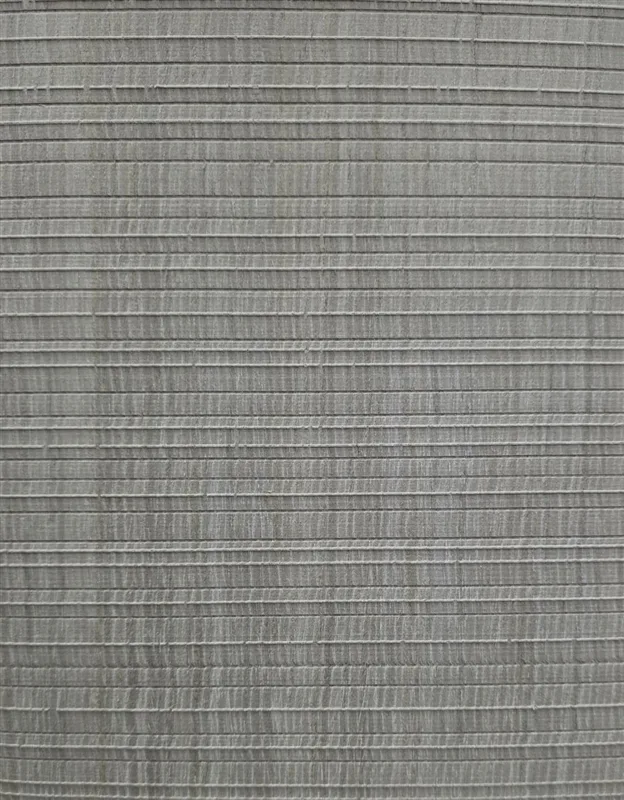
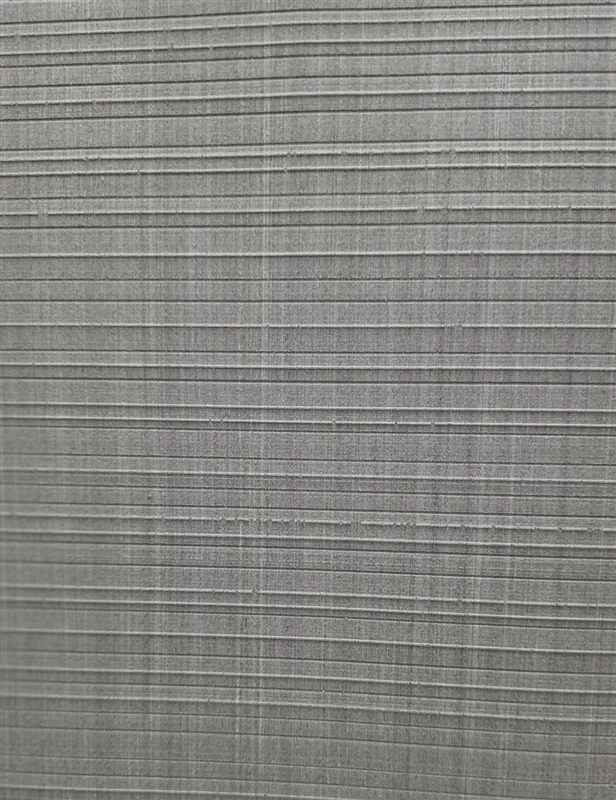
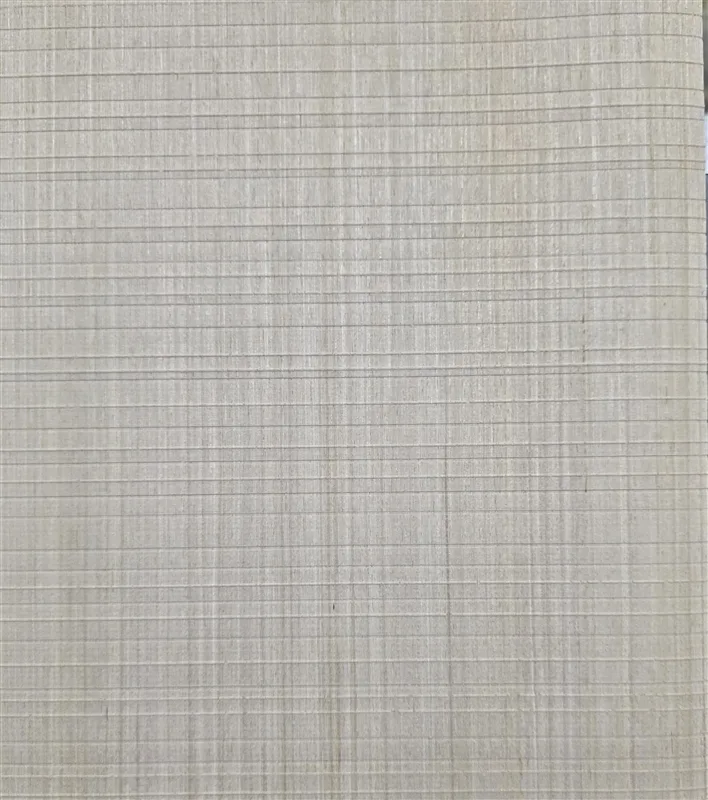
Backed flexible veneers that wrap curves, columns and complex forms where rigid leaves cannot follow.
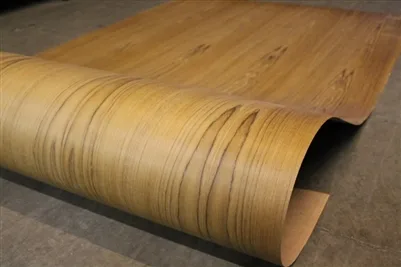
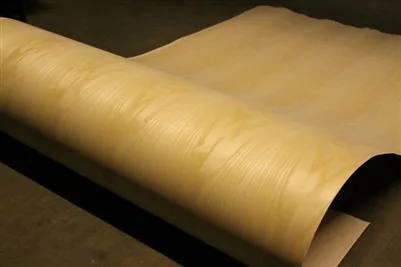
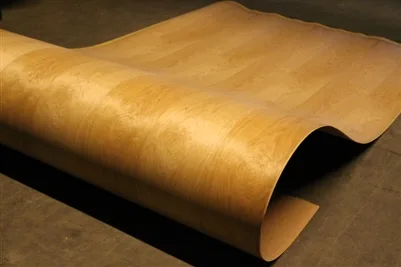
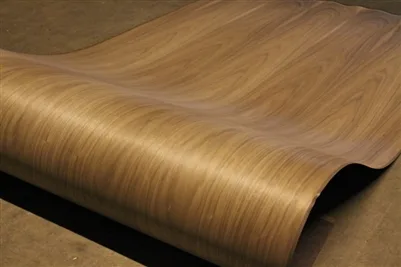
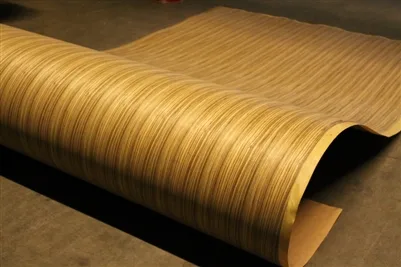
Nature Range
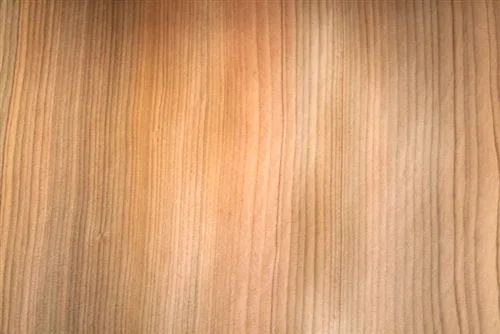
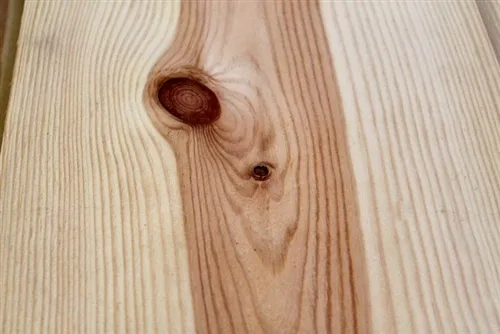
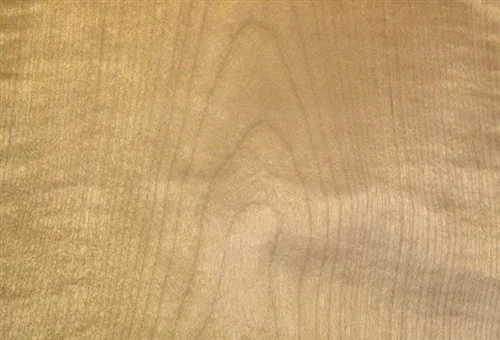
A selected range of natural species in their honest, untreated colour and grain.
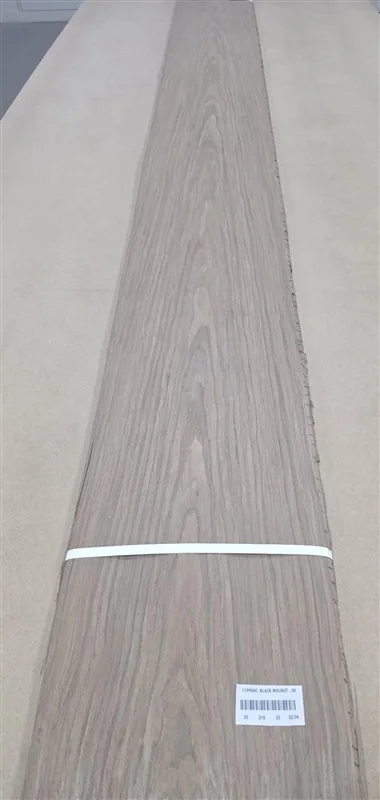
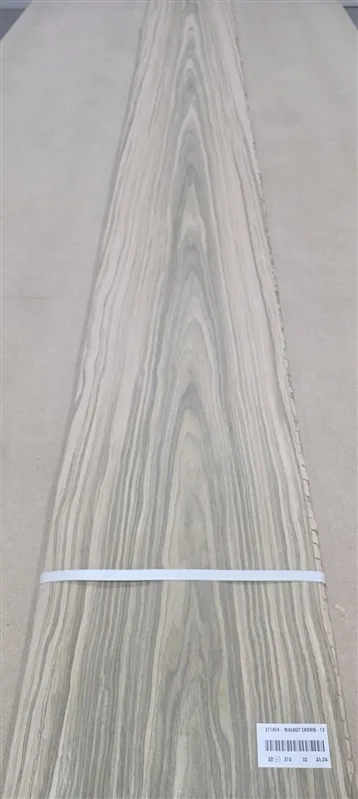
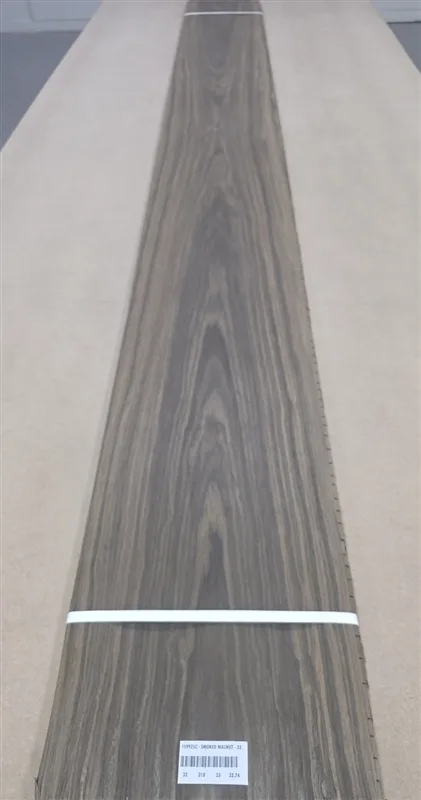
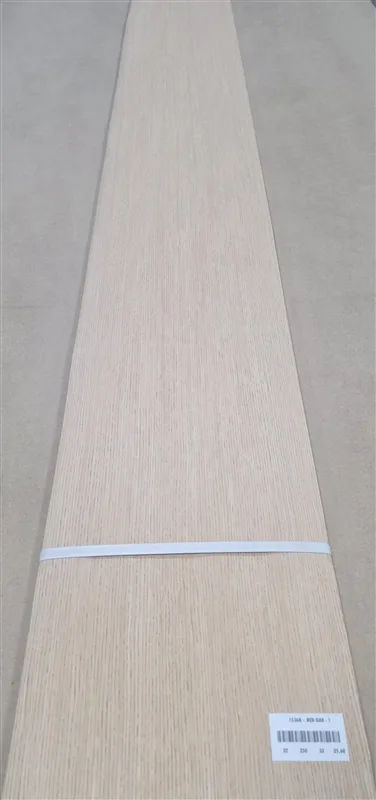
Sawn
Thicker sawn-cut veneers for solid-edge details and applications a sliced leaf cannot serve.
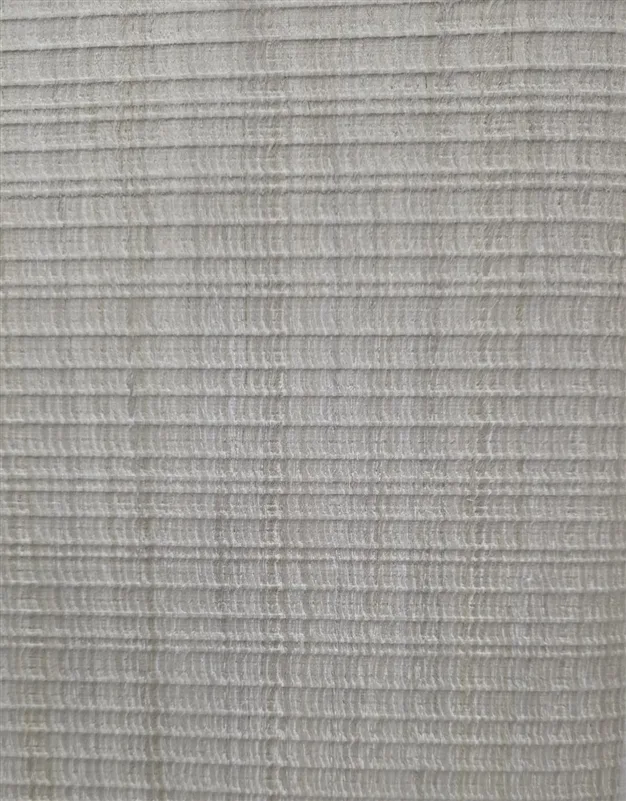
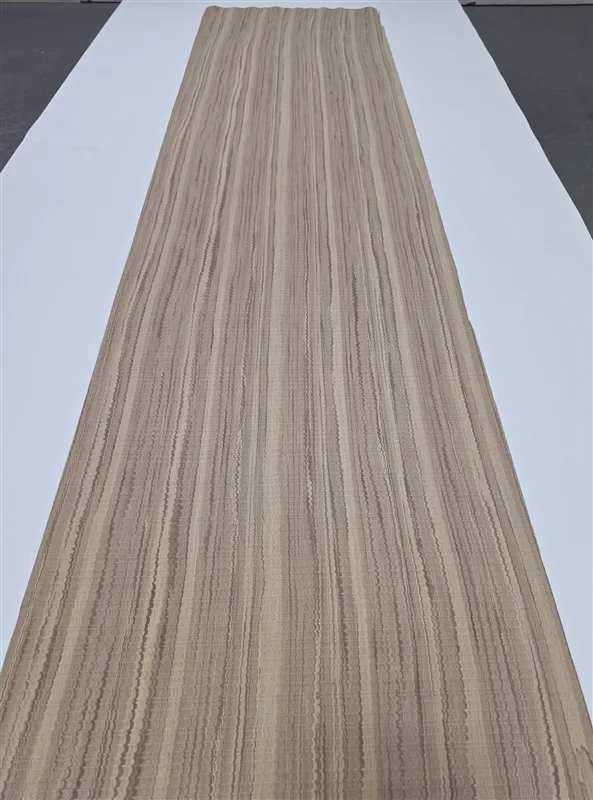
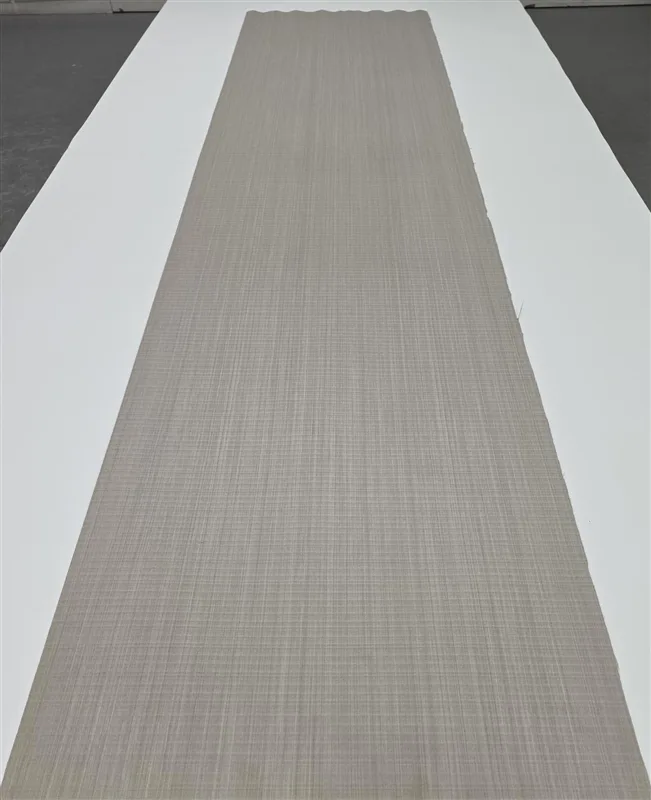
Where these veneers are used.
Burls, figured cuts and dyed surfaces are specified where a single piece must hold the eye — feature cabinetry, headboards, table tops and statement panelling.
- Feature wall panelling
- Cabinet and joinery faces
- Bespoke furniture tops
- Hotel headboards and bed surrounds
- Reception and lobby features
- Fitted wardrobes
Colour that goes through, not on
The difference between a dyed veneer and a stained one is depth. Water-based dyes are driven through the full thickness of the leaf, so the colour survives sanding, edge profiles and wear — and because the dye saturates the fibre rather than sitting on it, the grain stays legible inside the colour. A deep green leaf still reads unmistakably as timber; that is the whole point.
Two families
Dyed natural veneers take real leaves of a single species and shift their colour while keeping every quirk of figure — the choice when the design wants natural variation in an unnatural hue. Multilaminar (reconstituted) veneers go further: dyed plantation-grown leaves are laminated into blocks and re-sliced, engineering both the colour and the grain pattern itself. The result is perfectly repeatable — useful across editioned furniture and large schemes — and relieves pressure on rare species, since a plantation poplar can be engineered to carry the look of an endangered exotic.
Where dyed veneer earns its place
- Marquetry – dyed leaves are the marqueteur’s extended palette: consistent blues, greens and greys that no natural timber supplies, and the same design re-colourable for different schemes.
- Veneer matching – book, slip and quarter matches behave exactly as they do in natural veneer, with the added discipline of perfectly consistent colour across every leaf.
- Statement surfaces – cabinet fronts, wall panels and table tops where colour and grain need to coexist rather than compete.
As an authorised stockist we hold a substantial reference library and can source any specification from the full range — samples through our sampling service, with the wider vocabulary of cuts and matching covered in our veneer glossary and on the wood veneer page above this one.
Specify a specialist veneer for
your next commission.
Need samples? Get in touch and tell us about your project.