
Natural wood veneers
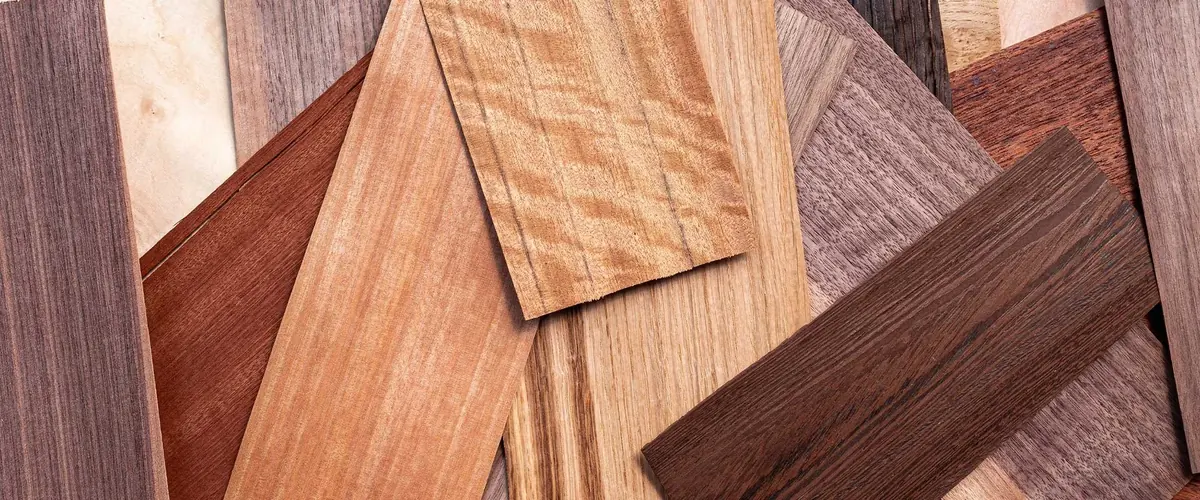
A library of natural wood veneers from across the world — every species, figure and cut.
Where our dyed library reaches for colours nature never made, this is the opposite library: natural wood veneers showing the true grain, figure and tone of the timber itself. It spans the familiar — oak, walnut, ash, maple — through to the rare and figured: burrs, curls, pommele and exotic species sourced from responsibly managed forests.
Veneers are available across crown, quartered, curl and figured cuts, book-matched and slip-matched to the design, and finished in oil or lacquer. The vocabulary of cuts, matching and figure is set out in our veneer glossary, and samples are couriered through our sampling service.
This natural range sits alongside our Tabu dyed veneers and the wider wood veneer library.
A natural veneer for a panel or a piece?
Tell us about the project.
A library of natural wood veneers spanning the world’s species — from familiar oak, walnut and ash to rare burrs and figured cuts. Every veneer can be sampled through our sampling service.


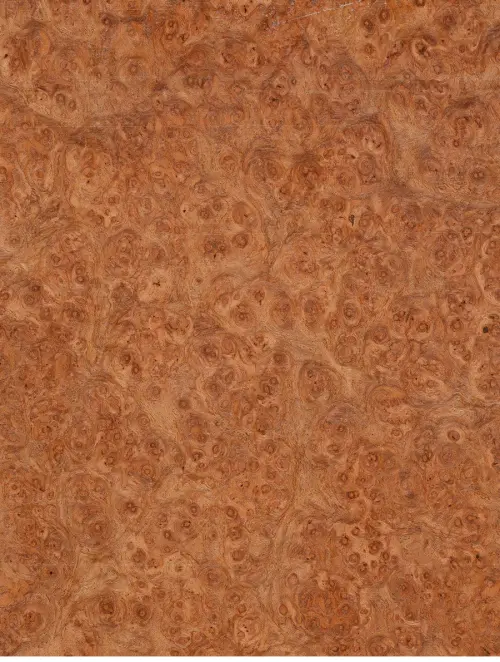


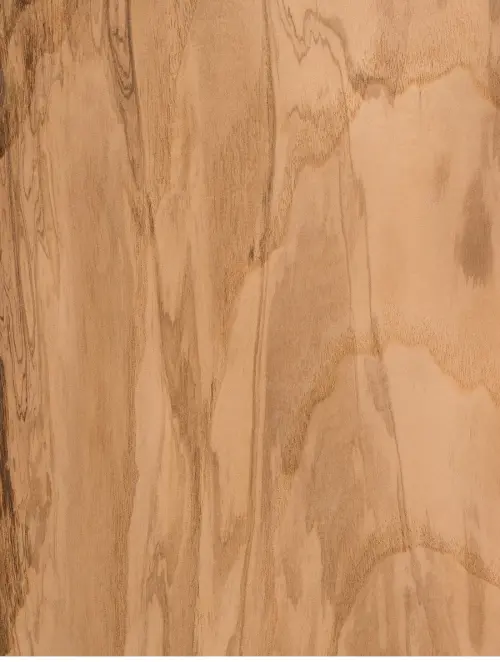


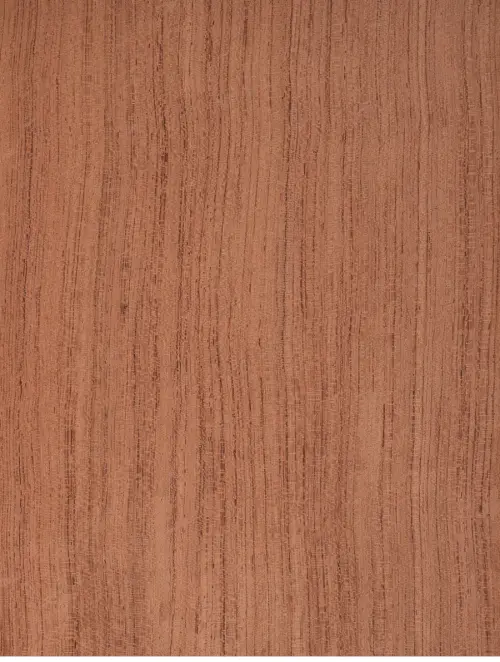
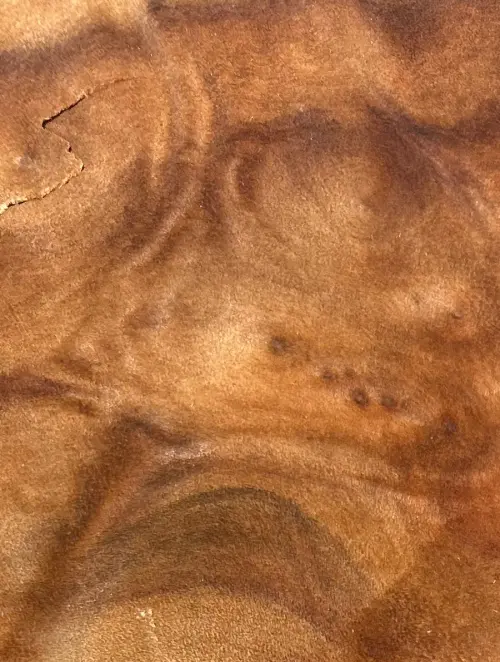


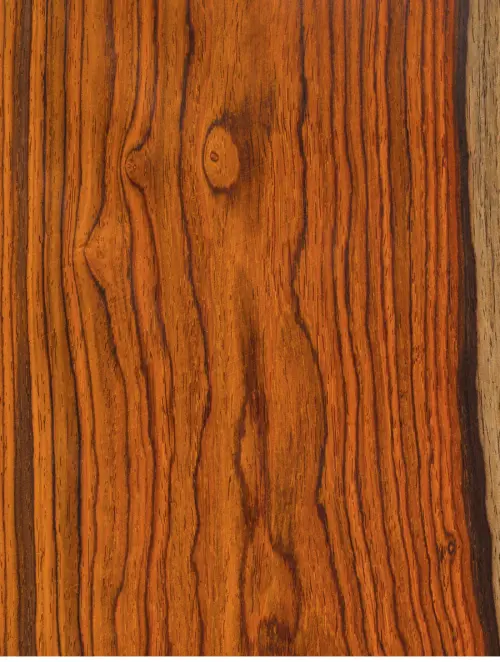


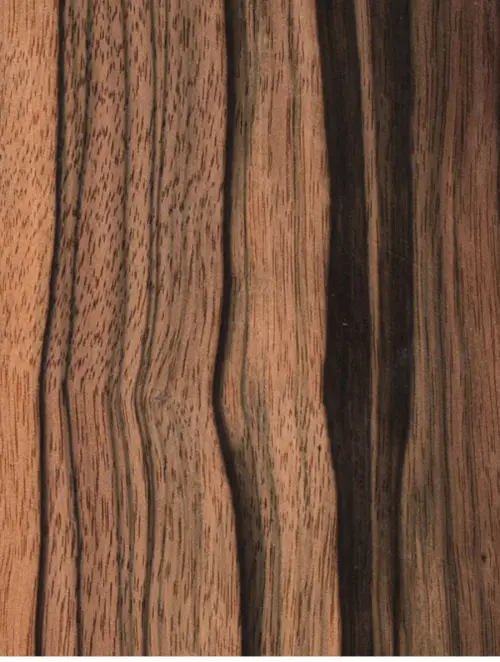


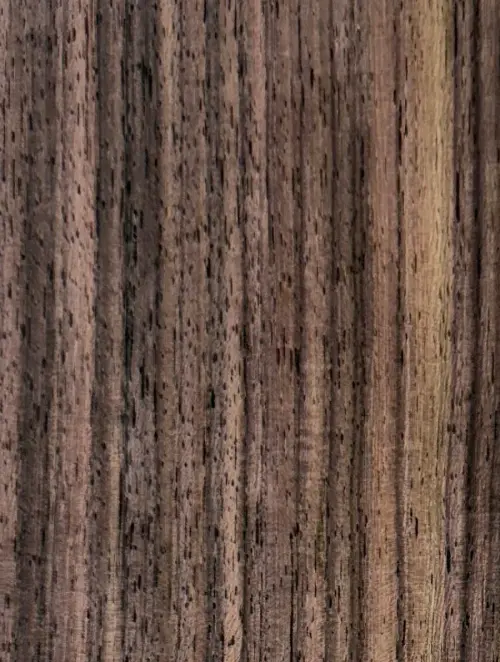
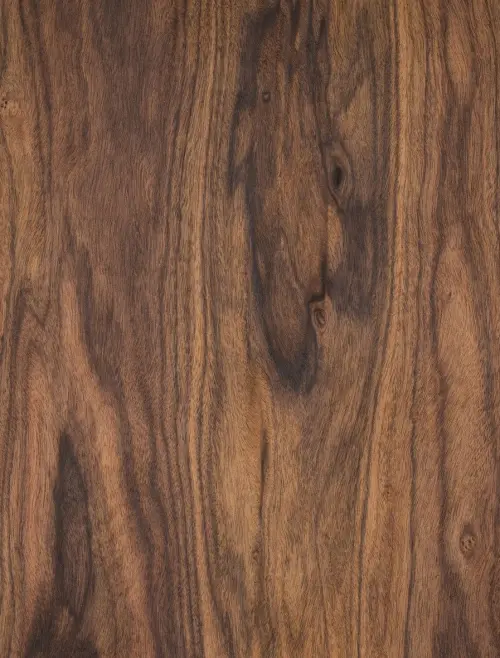


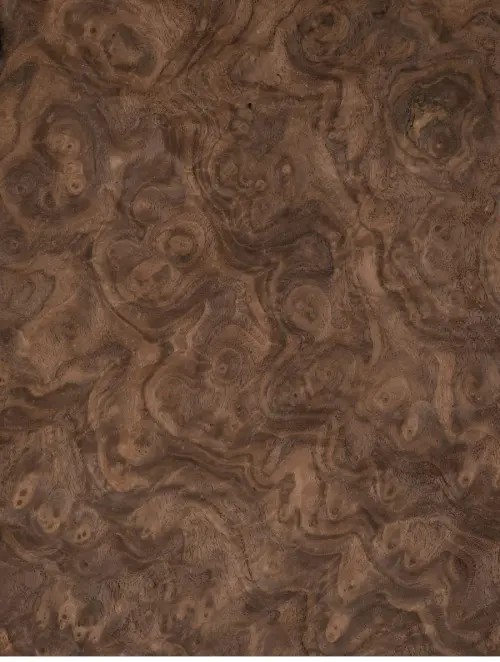


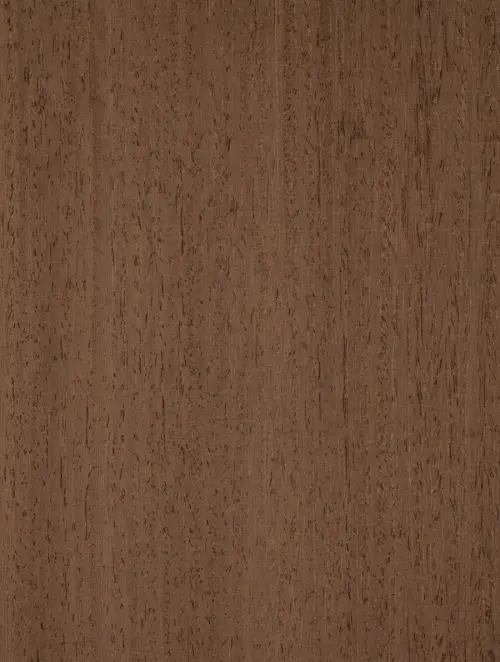


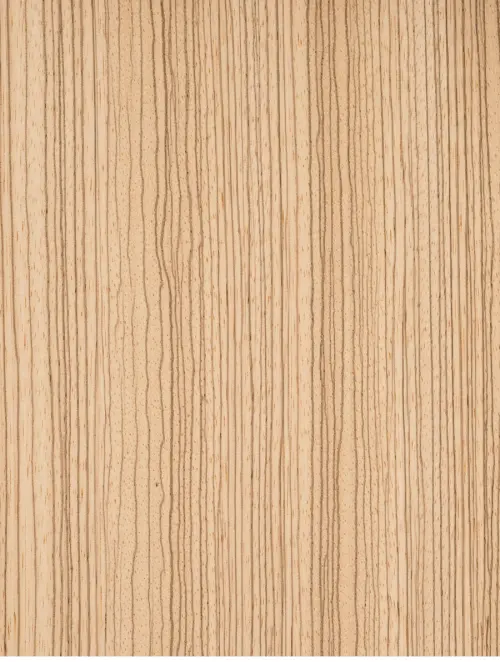
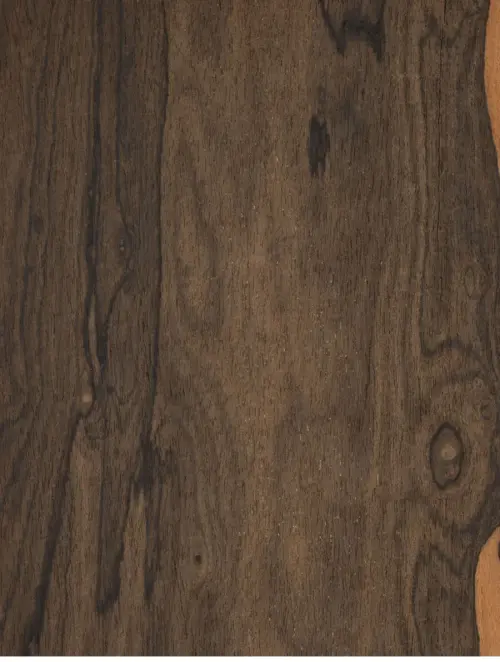
Where natural veneers are used.
Natural veneers bring the true grain, figure and tone of the timber itself — the surface of choice where warmth, authenticity and craft must read at a glance.
- Feature wall panelling
- Cabinet and joinery faces
- Bespoke furniture tops
- Hotel headboards and bed surrounds
- Reception and lobby features
- Fitted wardrobes
Colour that goes through, not on
The difference between a dyed veneer and a stained one is depth. Water-based dyes are driven through the full thickness of the leaf, so the colour survives sanding, edge profiles and wear — and because the dye saturates the fibre rather than sitting on it, the grain stays legible inside the colour. A deep green leaf still reads unmistakably as timber; that is the whole point.
Two families
Dyed natural veneers take real leaves of a single species and shift their colour while keeping every quirk of figure — the choice when the design wants natural variation in an unnatural hue. Multilaminar (reconstituted) veneers go further: dyed plantation-grown leaves are laminated into blocks and re-sliced, engineering both the colour and the grain pattern itself. The result is perfectly repeatable — useful across editioned furniture and large schemes — and relieves pressure on rare species, since a plantation poplar can be engineered to carry the look of an endangered exotic.
Where dyed veneer earns its place
- Marquetry – dyed leaves are the marqueteur’s extended palette: consistent blues, greens and greys that no natural timber supplies, and the same design re-colourable for different schemes.
- Veneer matching – book, slip and quarter matches behave exactly as they do in natural veneer, with the added discipline of perfectly consistent colour across every leaf.
- Statement surfaces – cabinet fronts, wall panels and table tops where colour and grain need to coexist rather than compete.
As an authorised stockist we hold a substantial reference library and can source any specification from the full range — samples through our sampling service, with the wider vocabulary of cuts and matching covered in our veneer glossary and on the wood veneer page above this one.
Specify a natural veneer for
your next commission.
Need samples? Get in touch and tell us about your project.