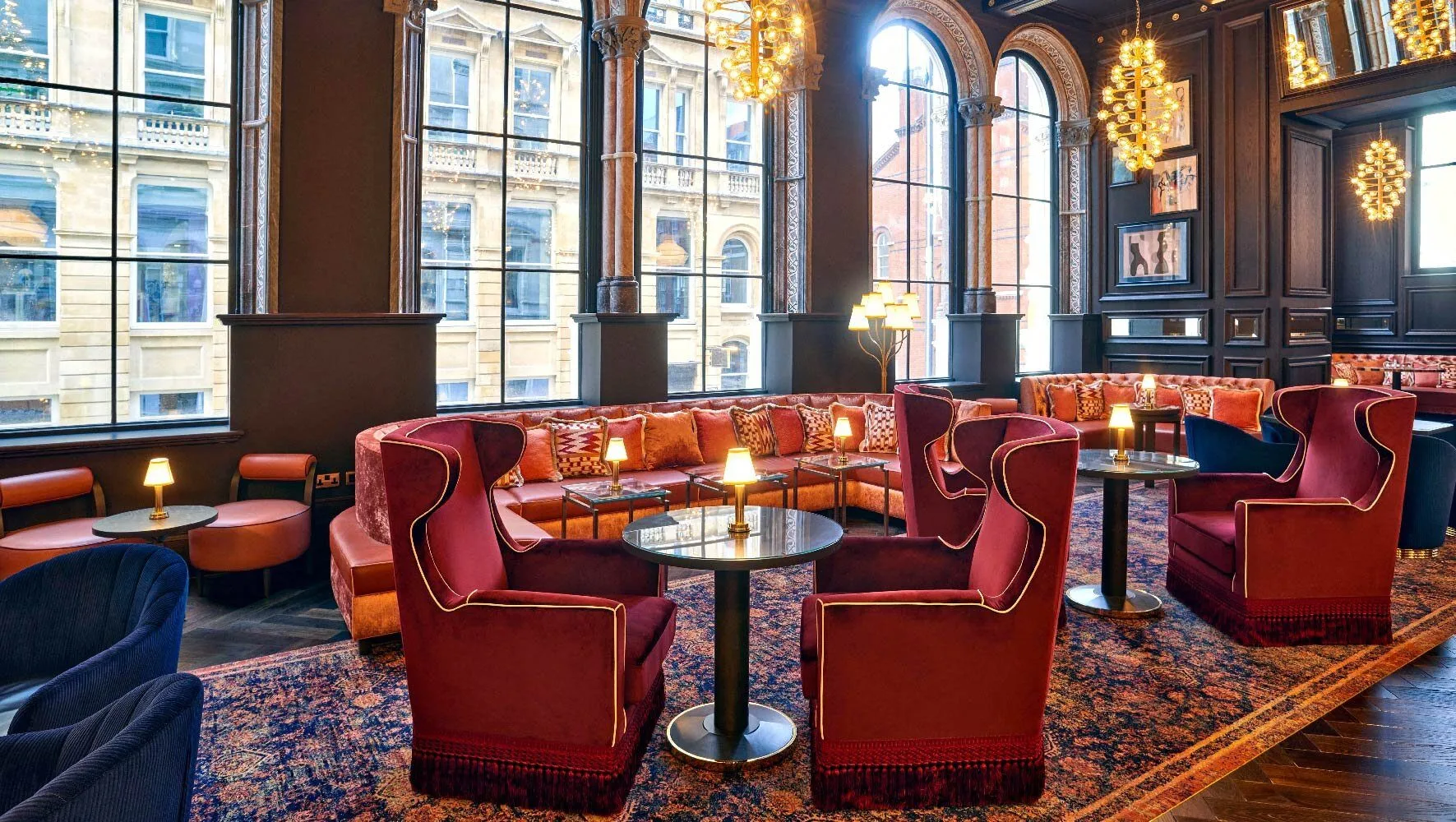
Slipper & Wingback Chairs
Slipper, and the high back
Slipper chairs and wingback chairs are accent pieces — the upholstered chair specified into a room not as part of the main seating arrangement but as a statement, a single seat that signs the line of the scheme. Both have well-established forms in the upholstery vocabulary, and both are built on the same hardwood-and-spring engineering as the rest of the workshop's output.
Of the two, the slipper chair is the lighter, more contemporary form; the wingback is the older, more architectural one. Most rooms work with one of them rather than both, and the choice is decided by the line of the scheme and the brief for the corner the chair will sit in.
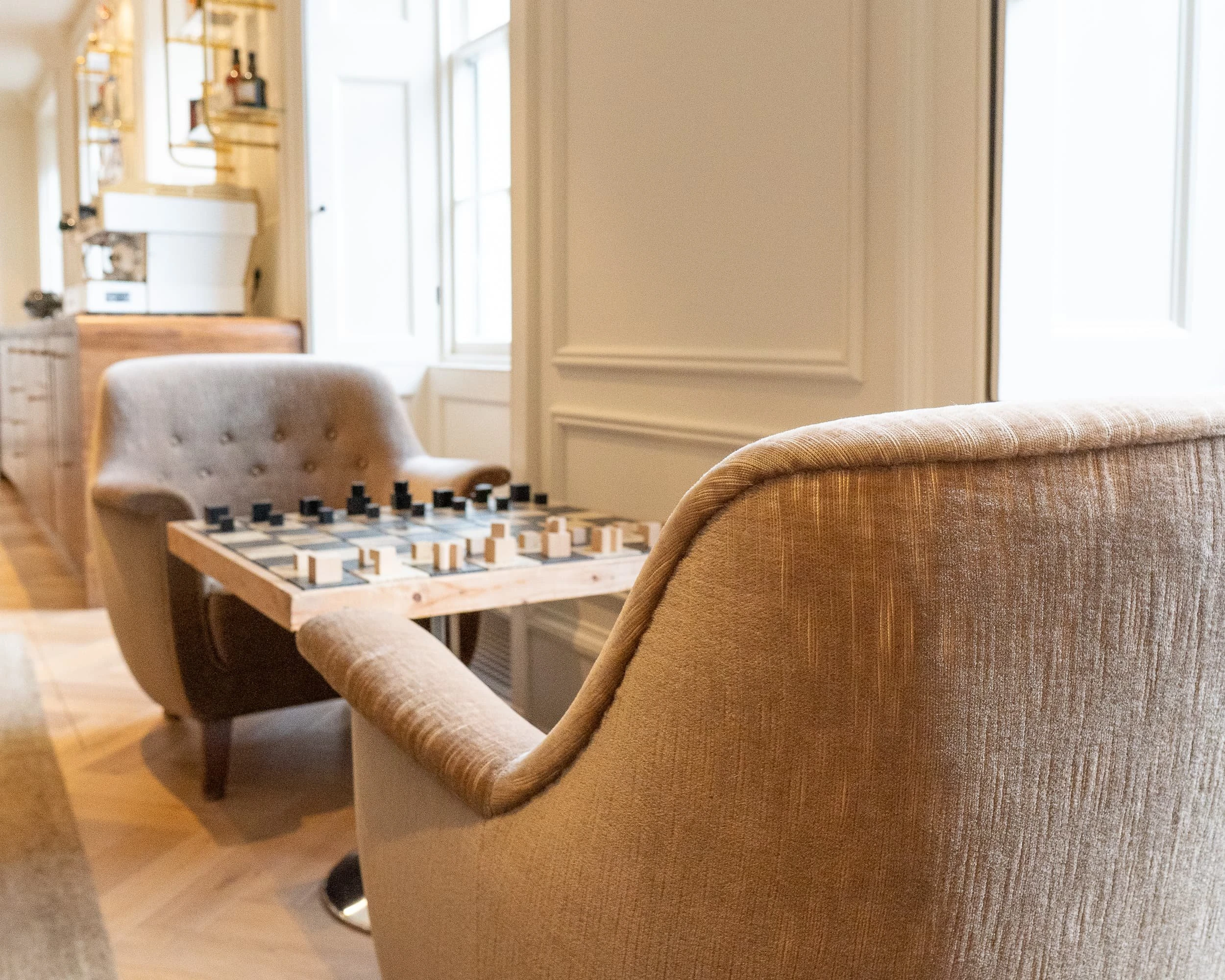
The forms we build
Each form has its established place; both are built on the same workshop engineering.
Slipper chairs
An armless, low-seated upholstered chair with a tight, straight back and short legs. The slipper chair was designed for dressing rooms and bedrooms — somewhere to sit while putting on shoes, hence the name — and reads as a graceful, compact piece in any room where an armchair would feel too dominant. Specified into bedrooms, dressing rooms, ladies' rooms and at the foot of a bed. The lack of arms makes the chair flexible against a wall or in a pair across a fireplace; the low seat asks for a relatively firm cushion fill so the sit reads as upright rather than collapsed.
Wingback chairs
A high-backed armchair with deep side panels — the wings — that wrap forward from the back to shelter the sitter's head from draughts. The form originated in 17th-century English libraries, where the wings caught the heat of an open fire and held it close to the chair. Modern wingbacks carry the same architectural presence: the chair reads as a piece of furniture from anywhere in the room, and is most often specified into drawing rooms, libraries, hotel suites and any room with a fireplace as the focal point. Wing styles range from the pronounced traditional wing to a contemporary low wing that softens the historical reference.
Variants — gentlemen's chairs, library chairs
The slipper and wing forms have variants either side. A gentleman's chair carries a higher back and slightly squared arms; a library chair is essentially a wingback with a deeper seat, often paired with a footstool. The forms blend at the edges; what matters is the line of the chair, and that is set at design rather than by classification.
Specifying a slipper or wingback
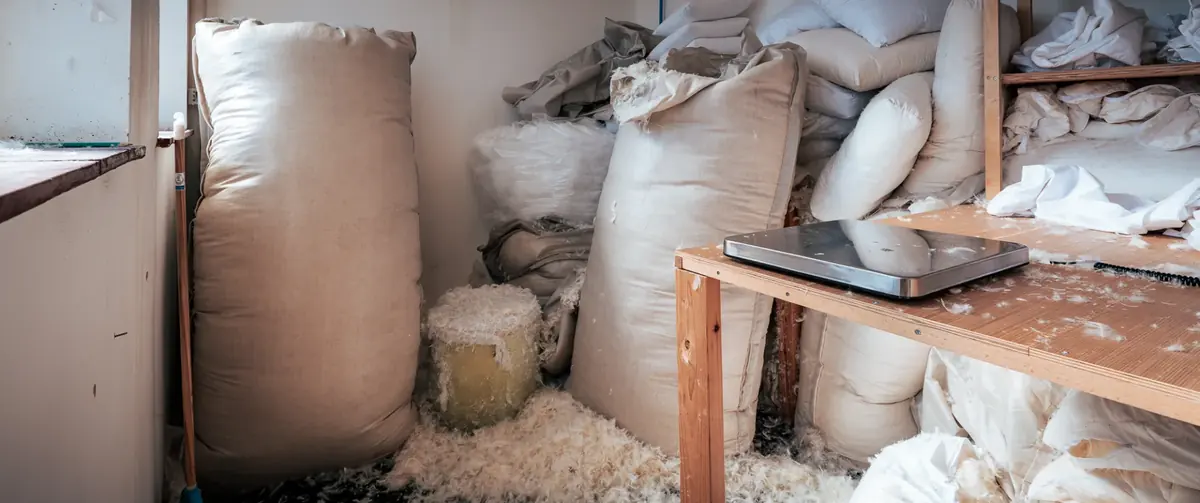
Slipper chairs are usually specified in firmer cushion fills — foam-core wrapped in feather, or a higher-density foam — because the low seat and the upright back call for a sit that reads as a controlled posture rather than a relaxed slump. Wingback chairs, by contrast, are often filled softer: the form already gives the chair architectural firmness, so a 60/40 feather-and-down cushion or a foam-and-feather wrap reads as an indulgent contrast to the wings.
Both forms take detailing well. Slipper chairs carry single piping at the seam and a single contrast colour on a back panel; wingback chairs traditionally carry deep buttoning on the back, brass studding along the arm front, and a separate cushion in a contrast colour or fabric. The detailing is set at design and reflected in the technical drawing.
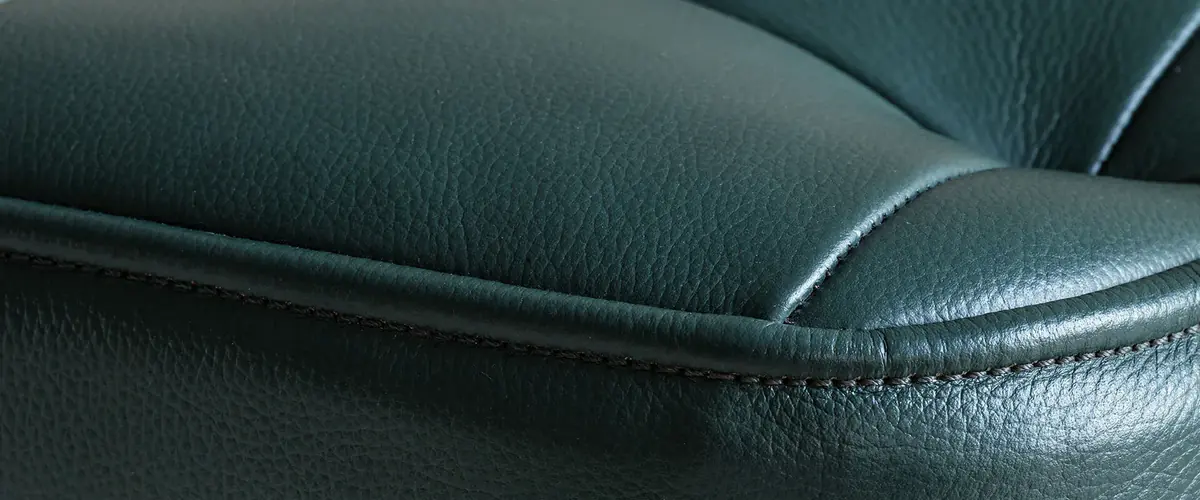
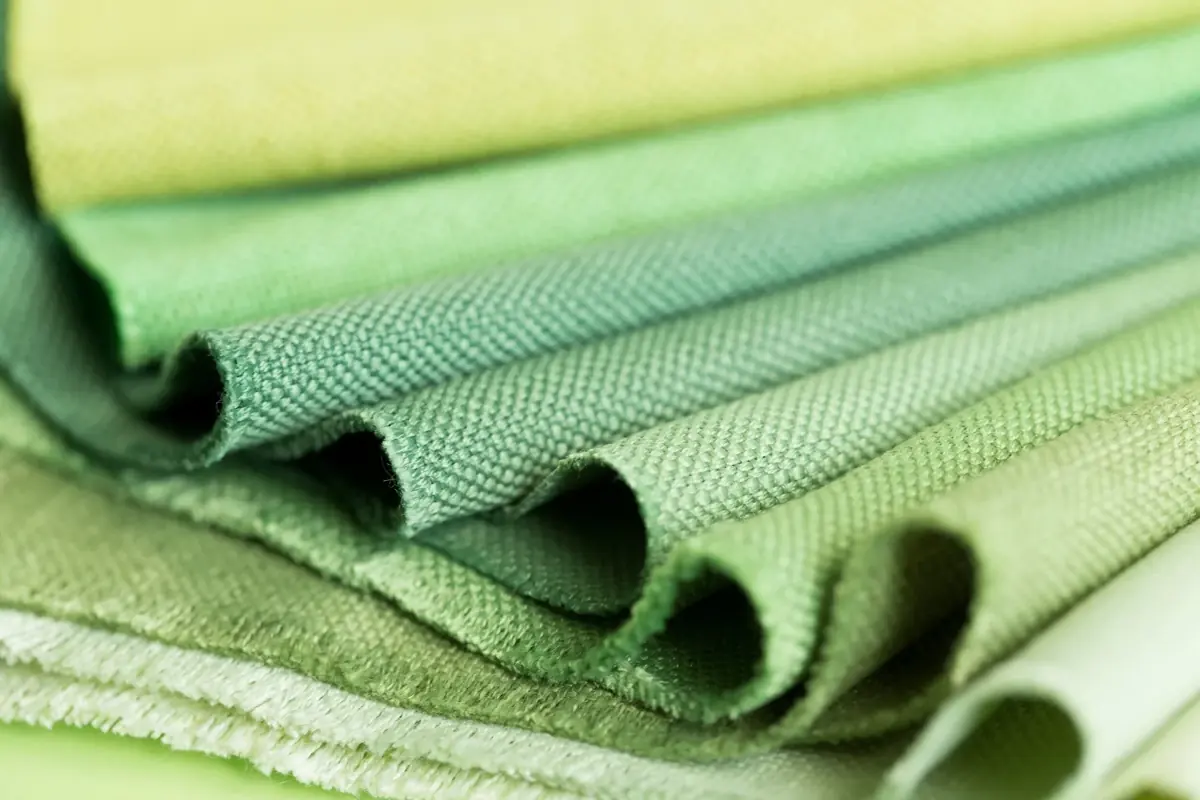
Both are built on hardwood frames with spring or webbed bases depending on the form, with the cushion fill decided by use. The fills are covered in full on the upholstery fills page; fabric and leather options are covered on the fabrics page, with leather covered separately at materials — leather.
Where this sits
This page covers one of the piece-types built in the upholstery workshop. The broader range — sofas, armchairs, slipper and wingback chairs, dining and desk chairs, banquettes, ottomans, beds and headboards — sits under upholstered furniture. The engineering behind every piece is set out on the upholstery workshop page; the cushion fills are covered under upholstery fills, and the cover options are set out under fabrics.