Charcoal Garden
Dubai
Charcoal Garden
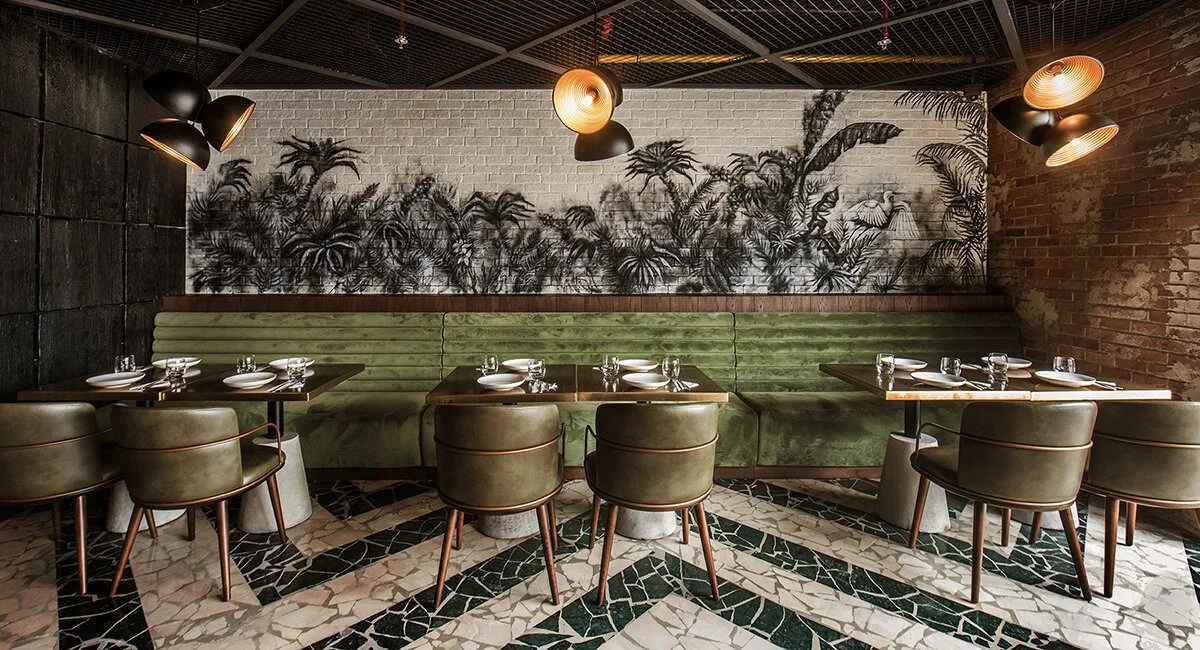
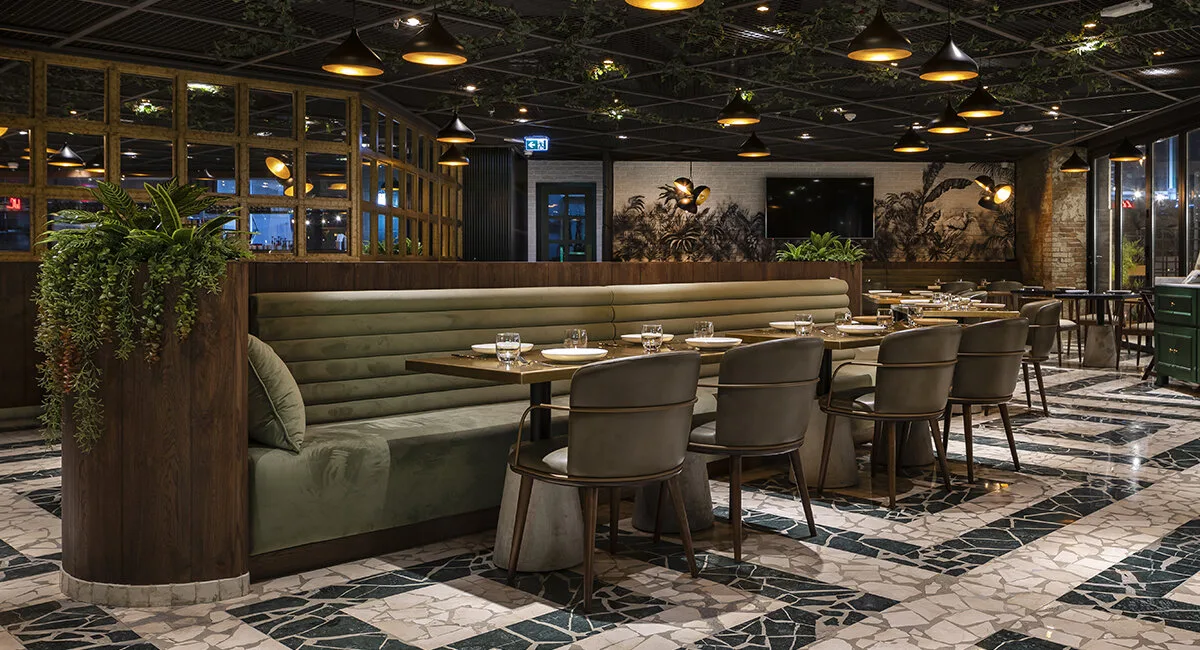
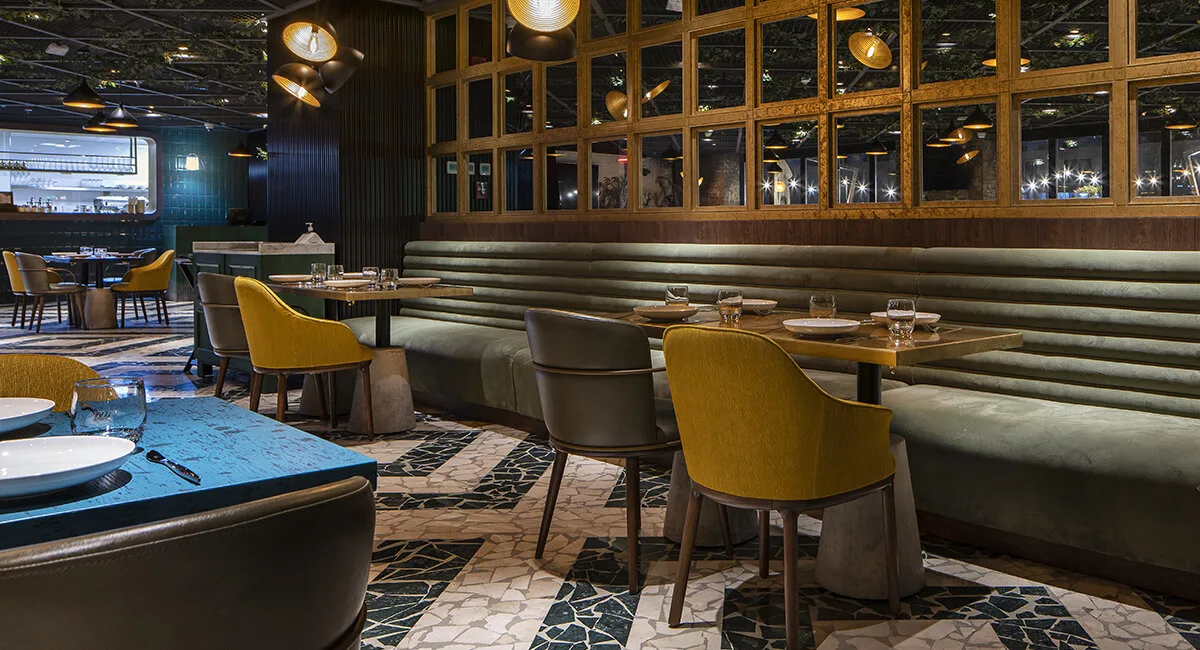
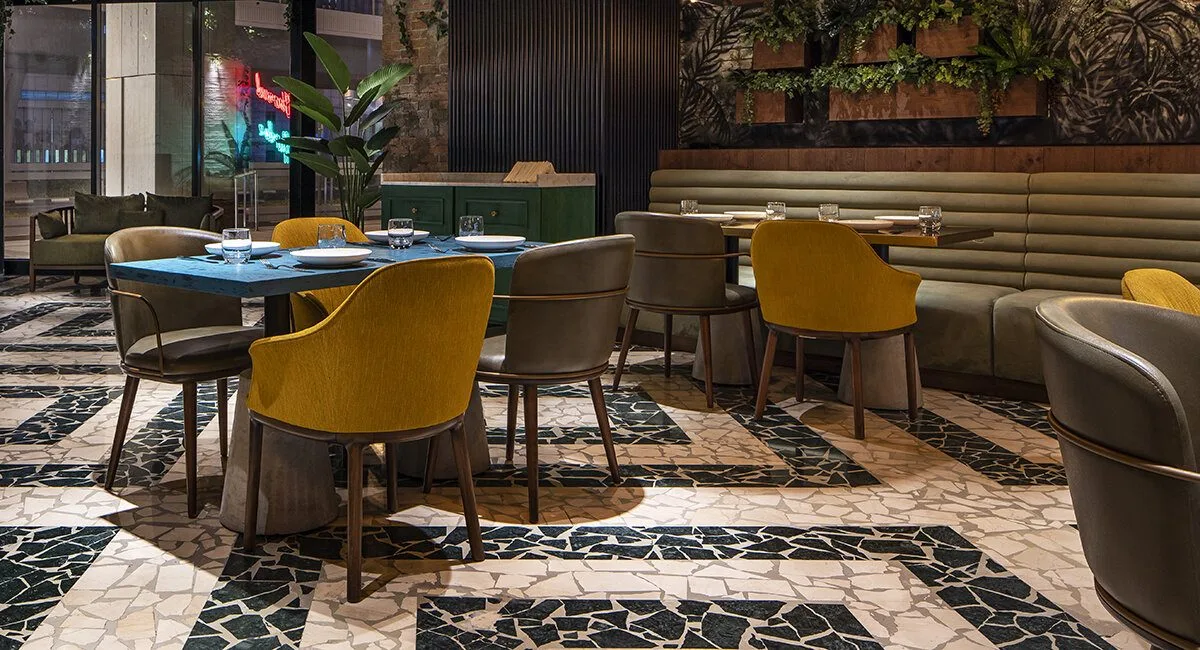
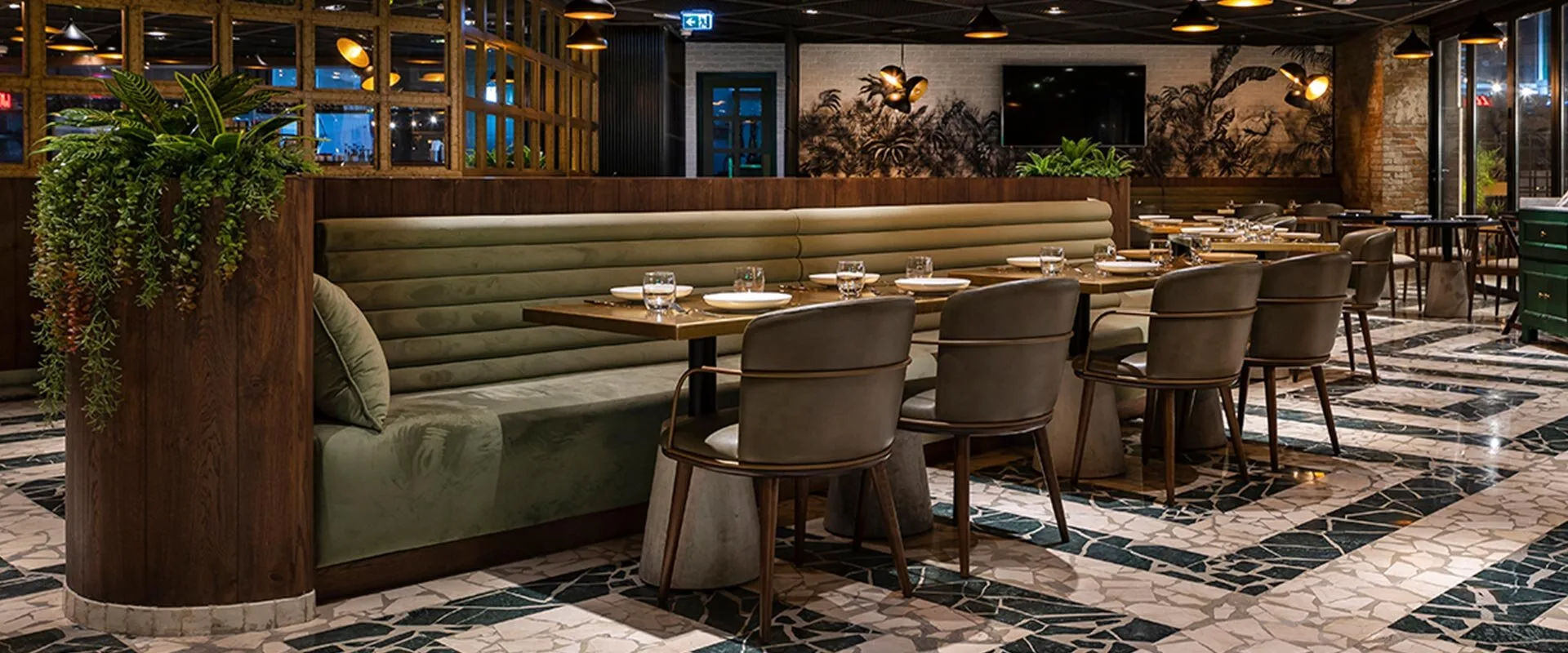
Charcoal Garden is a distinctive dining concept with an approach rooted in live-fire cooking and raw, honest materials. Make Bespoke's partners contributed bespoke furniture and joinery to the project, producing pieces that respond to the restaurant's material-led aesthetic, reclaimed timber, aged metal and natural textures throughout.
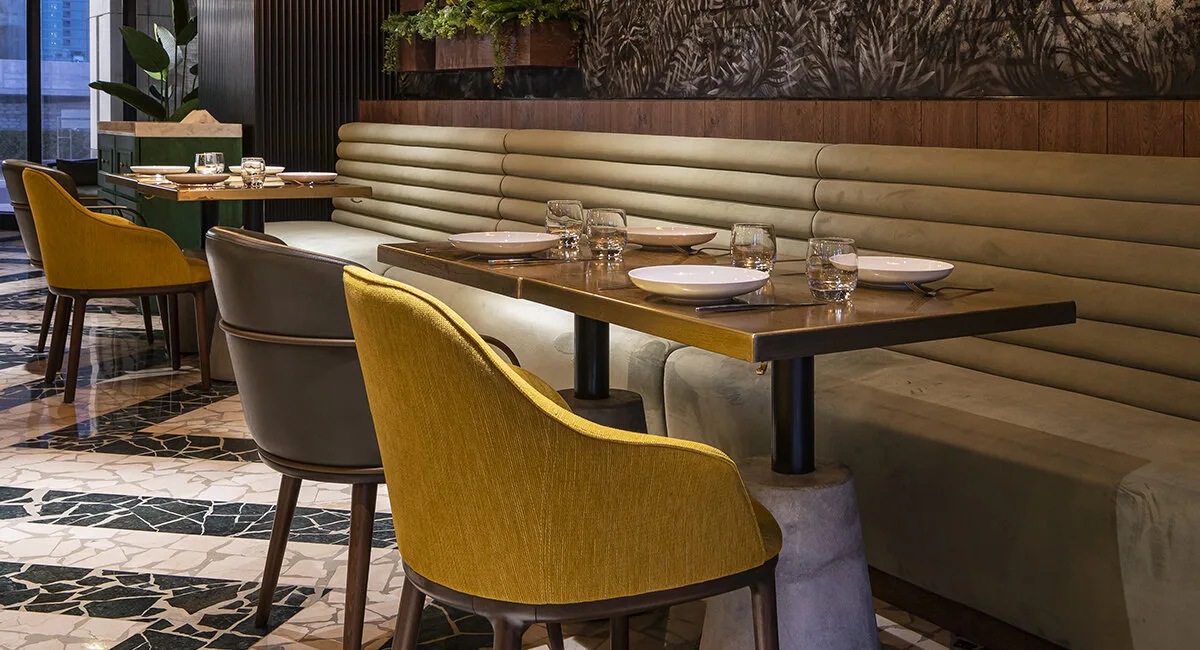
The commission required close coordination with the interior design team to ensure each furniture piece complemented the considered rawness of the space. Bespoke seating and table elements were produced to specification, finished in materials chosen to withstand the demands of a busy restaurant environment, aged metals and treated timbers sitting naturally alongside the exposed structural fabric of the dining room and bar.
About Charcoal Garden
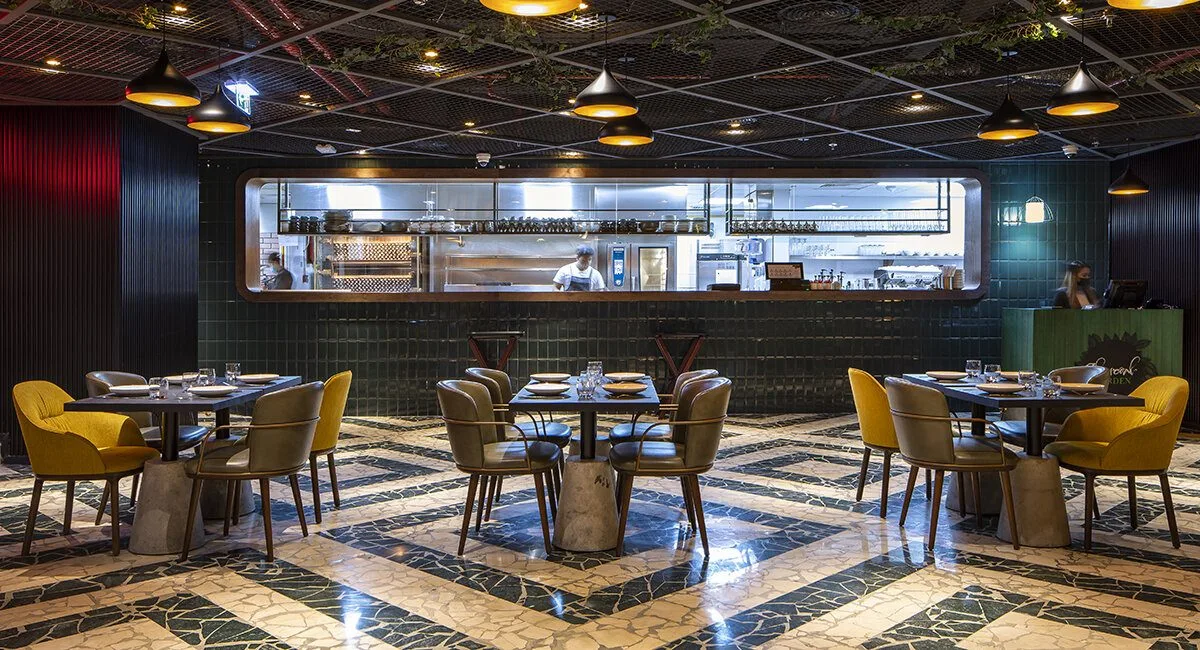
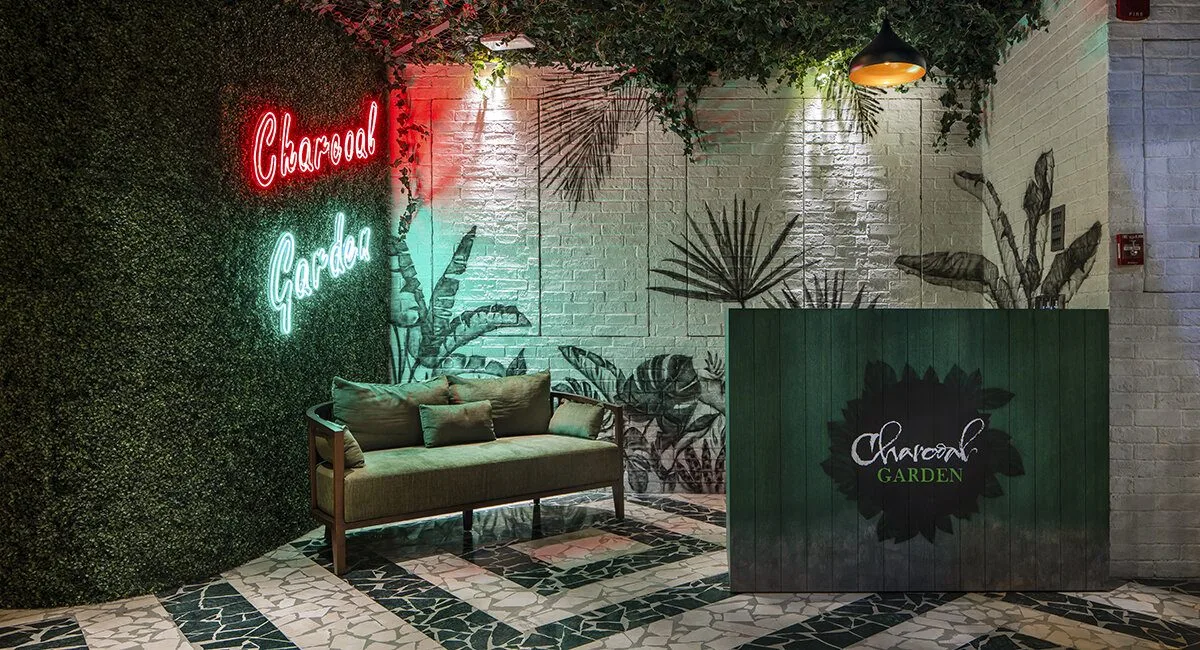
Charcoal Garden is a restaurant concept at Shatha Tower, Dubai, designed by 4Space with furniture supplied through our partner network. The interior takes an industrial-modern approach to both the gastronomic and design language — with a twist of green living. The mood is close to nature, so the materials used are reclaimed woods and aged surfaces to promote sustainability. The ceiling carries a rustic mesh that references the act of grilling in a more contemporary and sophisticated way. Burnt and reclaimed woods are used on the host counter to create texture and visual interest while giving new purpose to something old and dilapidated. The tables are rustic metal for a more industrial touch.
Reclaimed timber to a Dubai hospitality specification is more demanding than it first reads: each board has to be moisture-stabilised for the climate, kiln-treated for pest and dimensional stability, and re-graded for structural use before it can be brought back into a public room. Boards were sorted at workshop for tone and surface character, with the most weathered faces reserved for the host counter so the visible texture would read at close range.
The rustic-metal table tops were finished by hand to develop the right patina rather than being delivered with a factory finish — oxidisation worked across each surface and stopped at the point it would read as deliberately aged rather than abandoned. Reclaimed timber and worked metal were combined on a single piece where the brief called for it, with the join detail resolved so the two materials met as a sharp line rather than a softened edge.
Project photography