Mohair
Dense, lustrous, built to wear
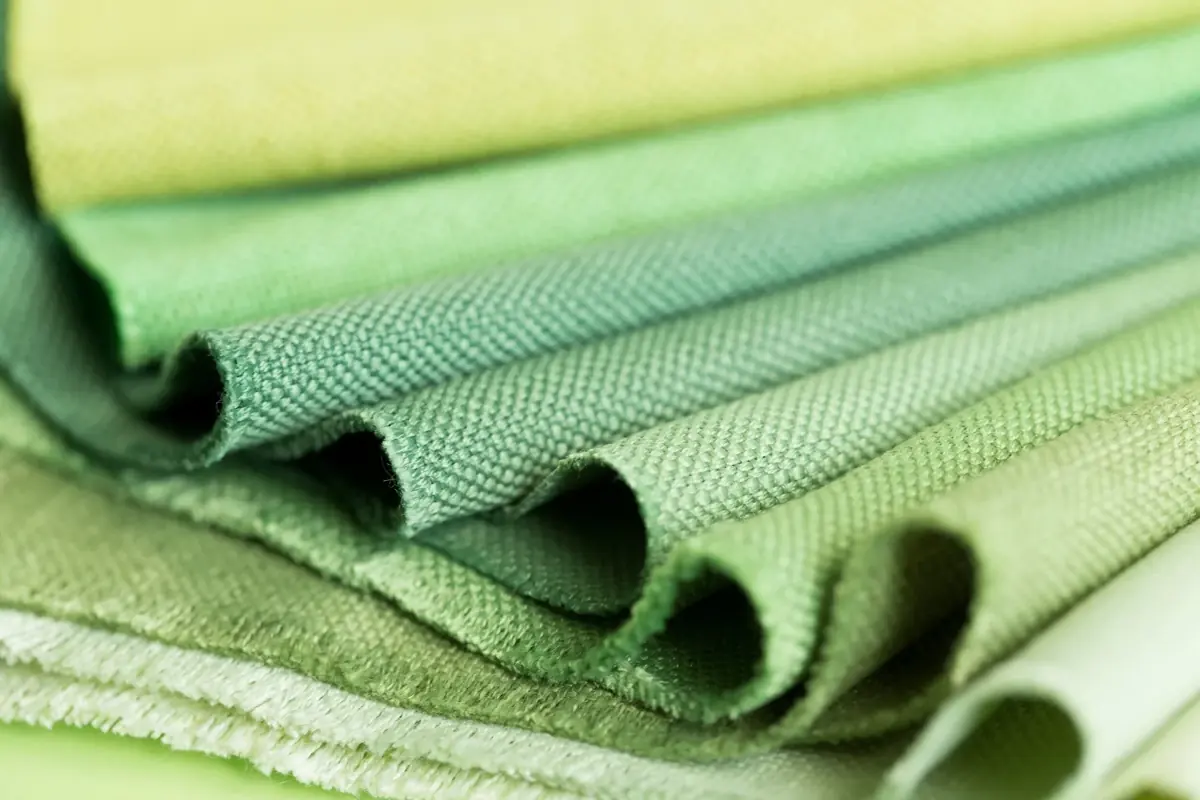
Mohair is the fibre that lets a velvet seat read as luxury but wear like a contract cloth. Woven from the long, smooth fleece of the Angora goat, mohair is naturally lustrous, dense and resilient. It carries dye unusually well, so a mohair velvet reads with a depth and saturation that few other pile cloths match, and it survives years of daily use without the matting and crushing that show first on a cotton pile.
The mohair family on the library covers mohair velvets, mohair plush, mohair-cotton blends and mohair upholstery weaves. Each has the same underlying fibre, woven into a different construction for a different end use.
Mohair for a sofa or a banquette?
Tell us about the pieces and the setting.
Where mohair sits
Mohair is best understood by what it gives that other cloths do not.
Mohair velvet and plush
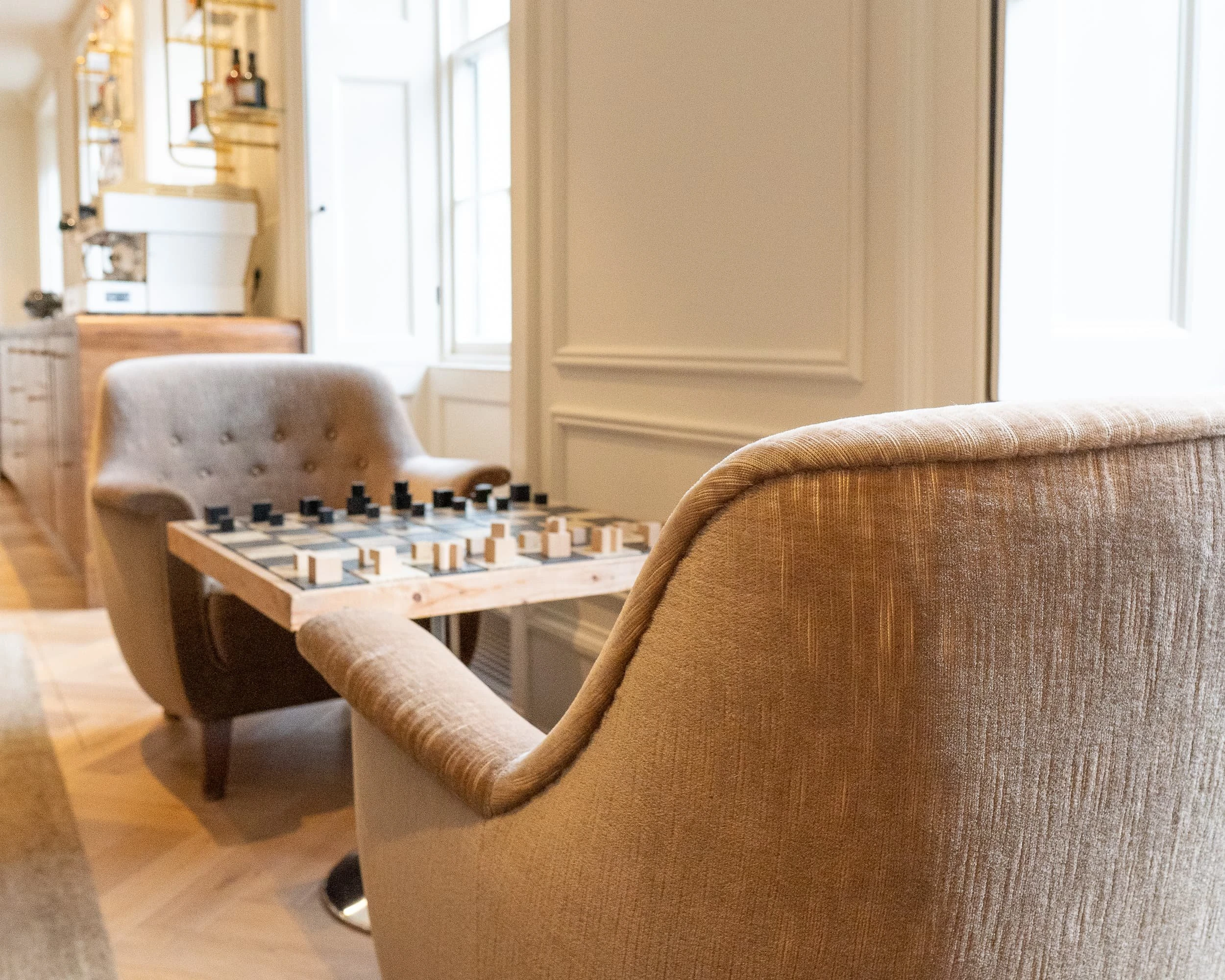
The most common mohair construction. A cut-pile cloth with a denser pile and higher sheen than cotton velvet. Abrasion ratings typically above 50,000 Martindale rubs, often well above — some mohair velvets pass 100,000 rubs without visible wear, which is why the cloth has been specified on theatre seating, club chairs and ocean liner lounges for more than a century. The pile is naturally resilient: a mohair seat that has been sat on hard usually rebounds completely overnight, where a cotton velvet would carry an impression.
Mohair-cotton and mohair-wool blends
Mohair blended with cotton or wool in the pile to bring the cost down or to soften the hand. Blends keep the lustre and the durability of mohair while reducing the absolute density of the cloth. Commonly specified for hospitality dining, formal lounge seating and high-use residential pieces where the budget does not stretch to pure mohair.
Mohair flat weaves
Mohair woven without a cut pile, into a smooth, slightly lustrous cloth that reads as a luxurious flat weave rather than a velvet. Less common than mohair velvet but specified on tailored armchairs and contract seating where pile would be wrong for the line of the piece.
What mohair gives you, in service
Mohair is naturally flame-retardant in the same way that wool is — the fibre chars rather than melts — and most mohair velvets pass the UK Furniture and Furnishings (Fire Safety) Regulations untreated. Crib 5 compliance for contract use is reached with a standard FR interliner without compromising the hand of the cloth.
Mohair has a property that few other cloths share: it gets better with use. The natural lustre of the fibre deepens slightly as the cloth is sat on, and the pile compacts into a denser, more uniform surface over the first months of use. The cloth resists fading, holds dye through repeated cleanings and tolerates light steaming to lift any flattened areas. Spills are blotted in the direction of the pile; professional cleaning is recommended every few years on heavy-use pieces.
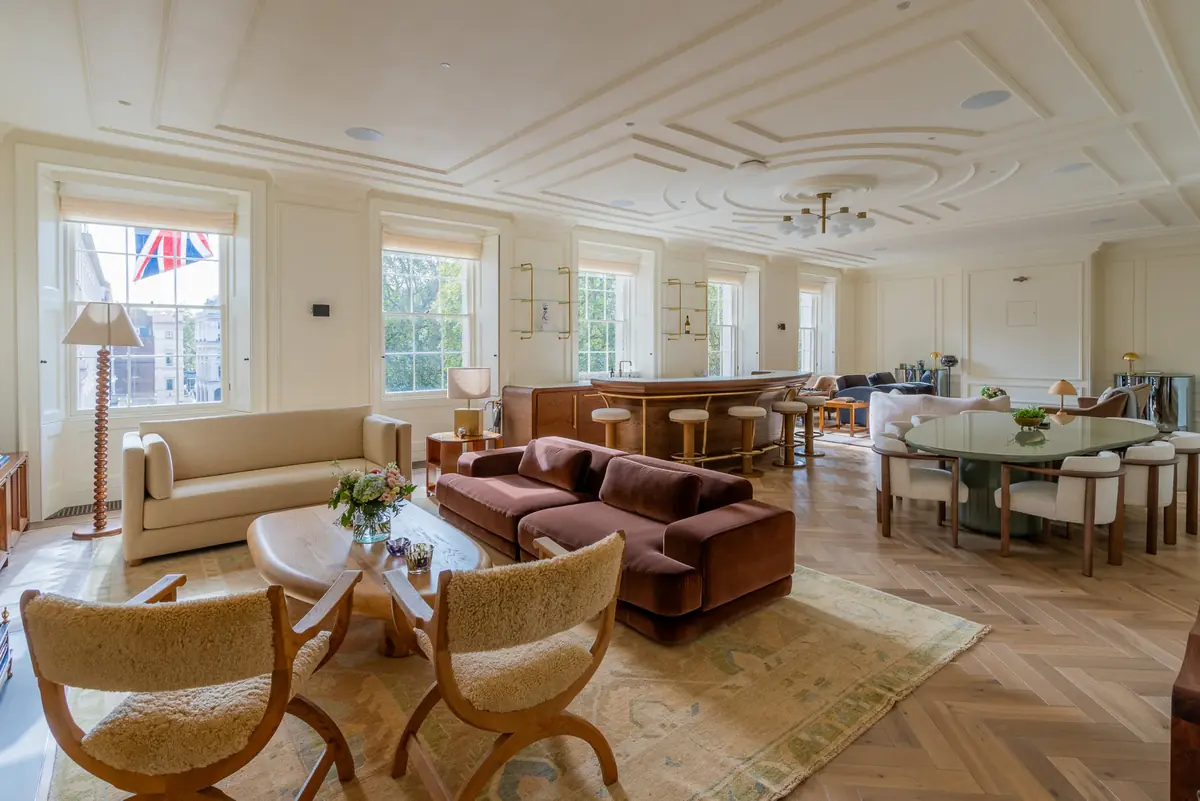
Mohair is the right specification for a velvet look that has to last decades on a primary piece: a flagship sofa, a club chair, a hotel lobby or a flagship restaurant booth. It is over-specified for occasional or decorative pieces, where cotton velvet at a lower cost gives the same look in a lighter-use setting.
Where this sits
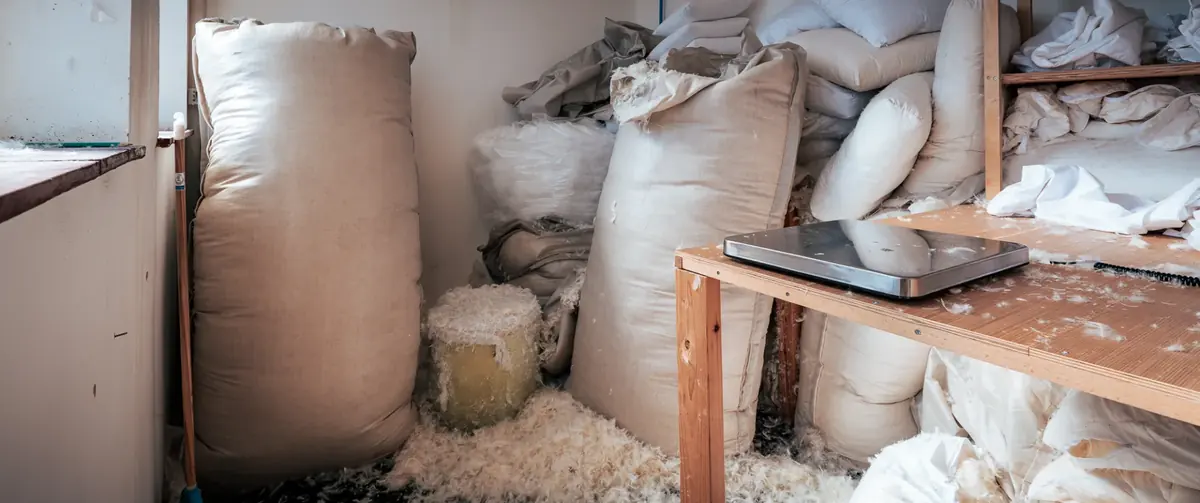
Fabric is one decision in a piece of upholstered furniture. The build behind the cover — frame, springs, stuffing and wrap — is covered on our upholstery workshop page; the cushion fills behind the seat surface are set out in our guide to upholstery fills; the other fabric families and the COM, fire and Martindale specifications that govern them sit on the fabrics overview.