Linens
Strong, breathable, relaxed handle
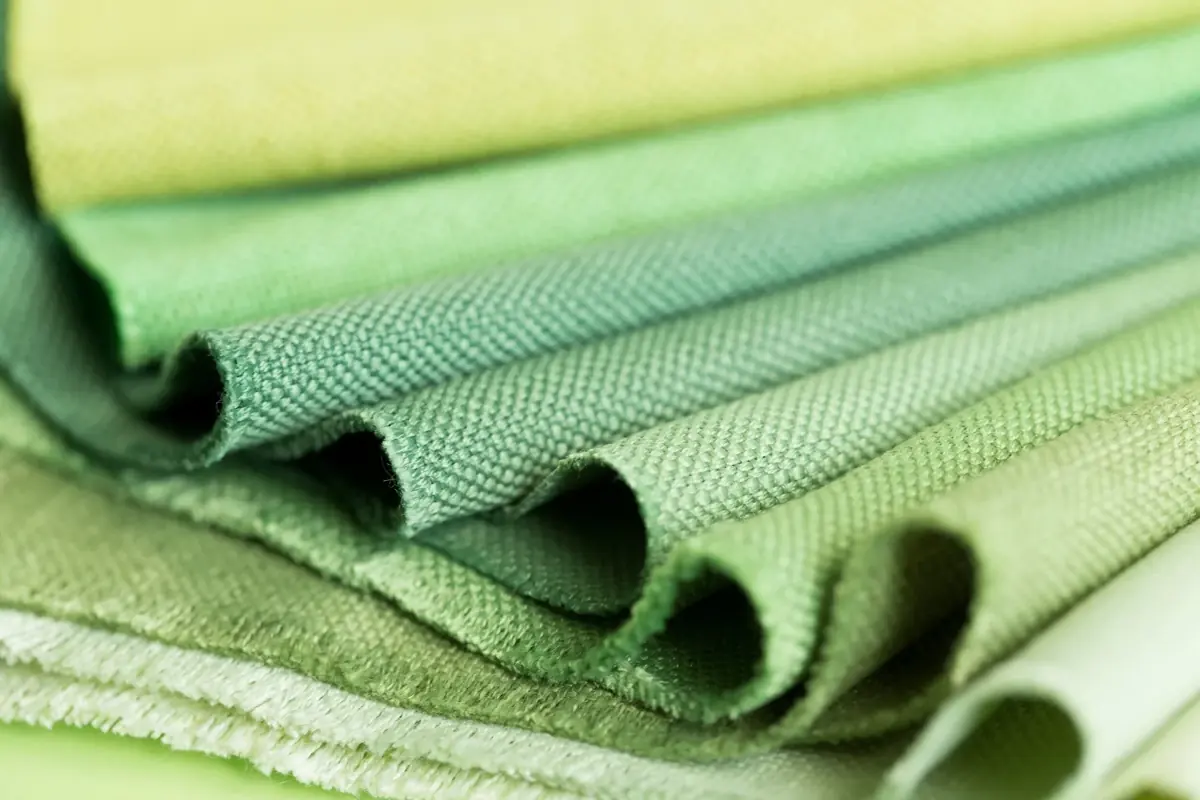
Linen is the cloth of relaxed schemes. It is matte, slightly textured, and softens with age in a way that almost no other upholstery fibre matches. The cloth is strong — flax fibre has a higher tensile strength than cotton — and it breathes, which is why linen-upholstered seats feel cool to sit on in warm weather. The trade-off is its tendency to crease, which is part of the character on a loose-covered sofa and a problem on a tightly-fitted dining chair.
The linen family on the library covers pure linen, blended linen-cottons and linen-polyesters, and washed or stone-finished linens that read pre-aged from the first day. Each gives the same matte handle in different proportions of crease, recovery and abrasion.
Linen for upholstery or soft furnishings?
Tell us about the pieces and the room.
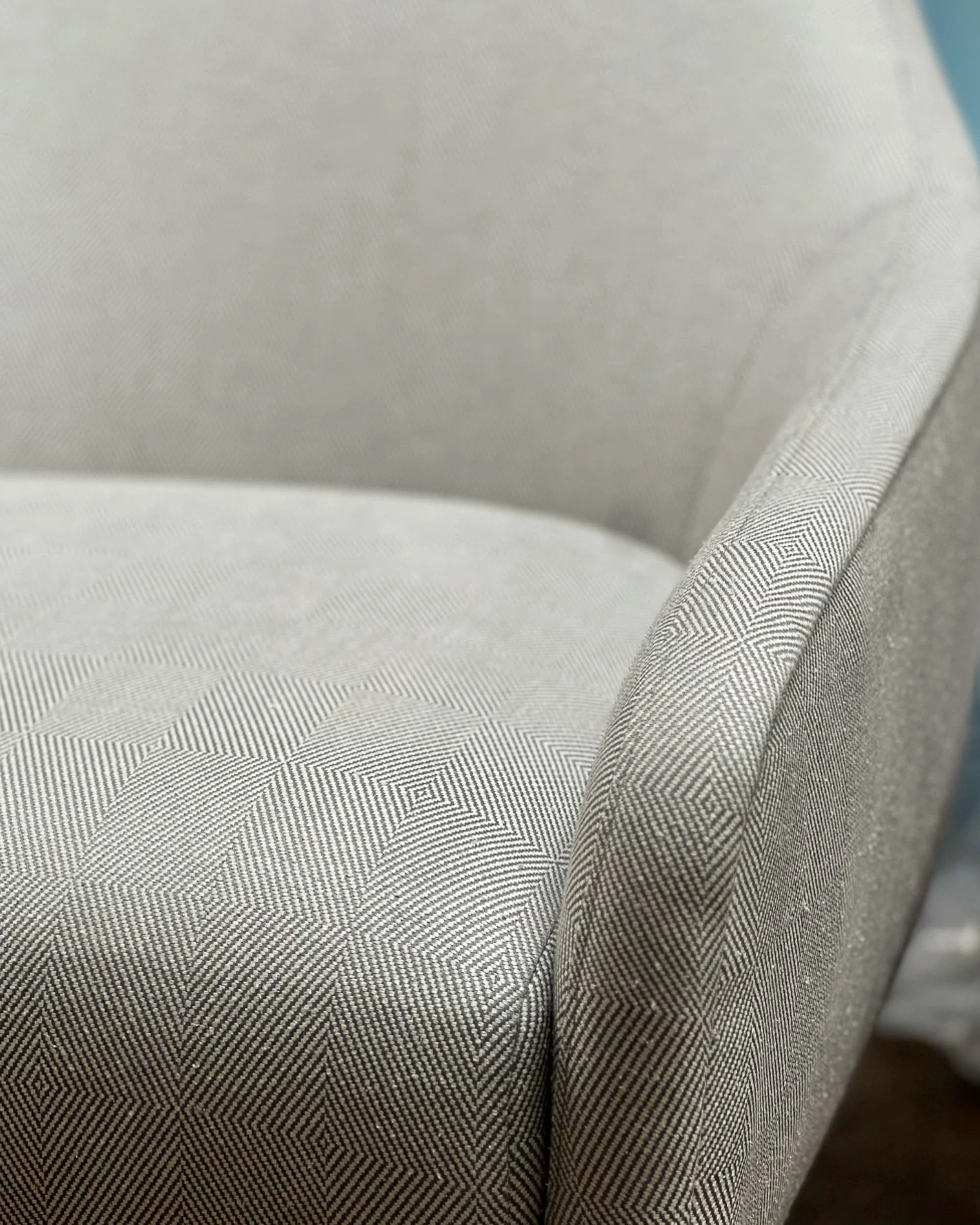
Pure, blended and washed
Linen reaches upholstery in three principal forms.
Pure linen
100% linen, woven plain or in a slight slub. The most relaxed handle and the most pronounced crease memory: a pure linen seat carries the marks of being sat on, which on a loose-covered sofa is part of the look and on a tightly-upholstered chair is not. Pure linen is most often specified for loose covers, drapery, and slip-covered occasional chairs — pieces where the wrinkles read as relaxed rather than untidy.
Linen-cotton blends
Linen blended with cotton to soften the cloth and reduce creasing. Typical proportions are 55/45 or 70/30. The cloth keeps linen's matte surface and breathability, with a more even sit after use. The standard specification for upholstered armchairs, sofas and occasional chairs where a linen look is wanted without the deep crease of pure linen.
Linen-polyester blends and performance linens
Linen blended with polyester or solution-dyed synthetic fibre. The cloth reads as linen at first touch — matte, slubbed, slightly textured — but holds its shape under daily use and tolerates the cleaning regimes that pure linen does not. Increasingly specified in family rooms, hotel lobbies and any piece that needs to read natural but wear like a performance weave.
What linen gives you, in service
Pure linen has an excellent abrasion rating — commonly 30,000–50,000 Martindale rubs — but is not naturally flame-retardant. UK upholstered seating in linen meets the fire regulations with an FR interliner or back-coating, neither of which changes the cloth's visible character. Performance and blended linens pass abrasion ratings well above pure linen.
Linen takes light gracefully: it is one of the few cloths that genuinely improves in colour and handle as it ages, with sun and use softening the fibre and lifting the colour to a slightly muted tone. The cloth resists pilling, vacuuming or shedding fibres over time. Spills should be blotted, not rubbed; pure linen is sensitive to aggressive cleaning, so a damp cloth and patience reach most marks. Blended performance linens tolerate water-based cleaning codes and, in some cases, diluted bleach.
Linen suits relaxed sofas with loose covers, coastal and country schemes, summer drawing rooms and any piece where the cloth is part of an unhurried, lived-in palette. It is less suited to tightly-tailored upholstery where every crease shows, or to contract dining where the cloth will see daily food and drink without protection.
Where this sits
Fabric is one decision in a piece of upholstered furniture. The build behind the cover — frame, springs, stuffing and wrap — is covered on our upholstery workshop page; the cushion fills behind the seat surface are set out in our guide to upholstery fills; the other fabric families and the COM, fire and Martindale specifications that govern them sit on the fabrics overview.