Craftsmanship
Traditional
Marquetry
The classical wood inlay traditions of Europe and the Islamic world, geometric, pictorial and architectural, refined across centuries of cabinetmaking practice.
The classical wood inlay traditions of Europe and the Islamic world, geometric, pictorial and architectural, refined across centuries of cabinetmaking practice.
Traditional marquetry is a conversation between the maker and the history of the craft, every pattern has a lineage.
Traditional marquetry, in the context of Make Bespoke Studio's work, refers primarily to the geometric inlay traditions of the Islamic world — the complex star and polygon patterns developed in Egypt, Syria and Persia from the 9th century onward, and refined across centuries of cabinetmaking practice in cities such as Cairo, Damascus and Isfahan. The patterns are non-figural by convention, rooted in geometric rather than pictorial logic, and governed by strict mathematical construction.
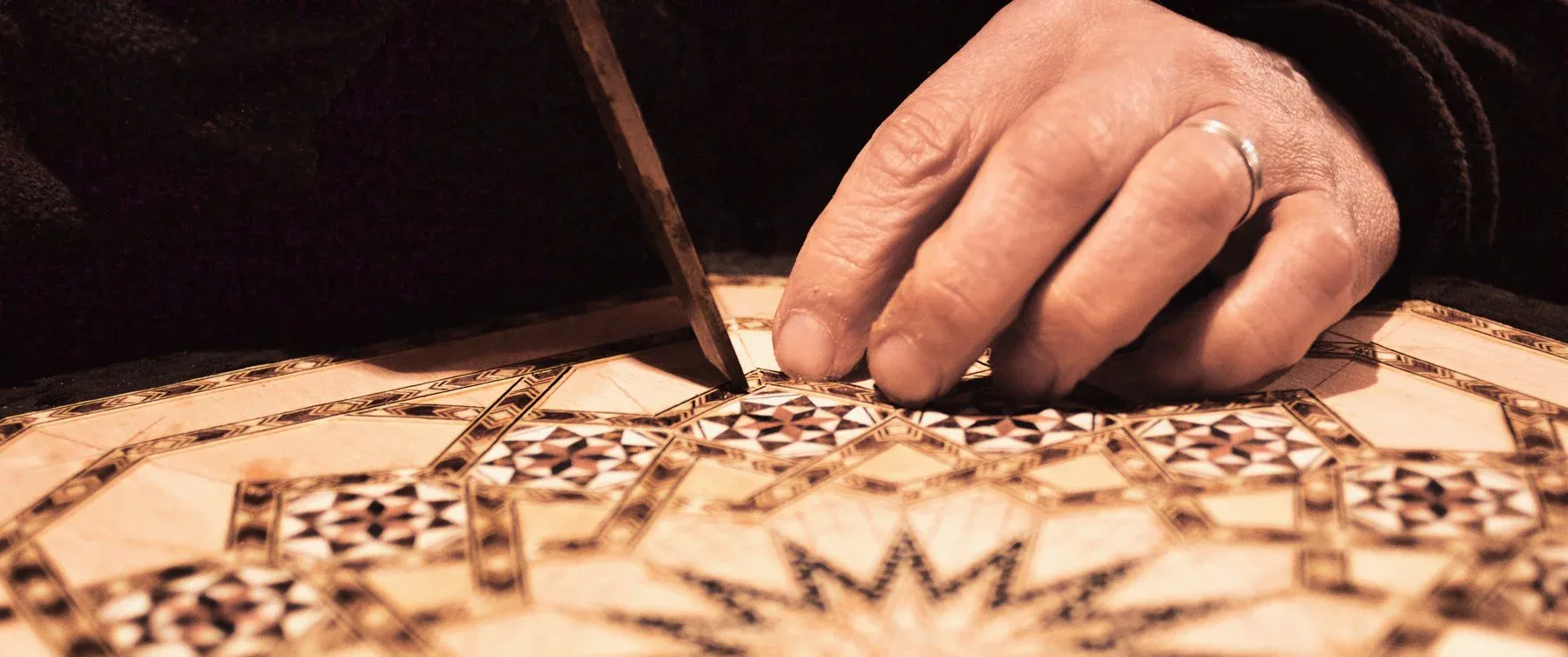
What makes these patterns demanding is not their visual complexity alone, but the precision required in the cutting. A single panel may contain hundreds of individual pieces per square foot, each one a precisely shaped polygon that must fit without gap against its neighbours. The visual effect — elaborate, intricate, deeply patterned — is the direct result of that accumulated precision. Where traditional hand-cutting was once the only method, modern commissions can also be executed by laser, holding the exactness of the geometry across large panel runs.
Make Bespoke Studio produces traditional Islamic geometric marquetry for occasional tables, wall panels and decorative joinery. Pattern scale, species selection and finish are agreed with the craftsperson at the outset of each commission.
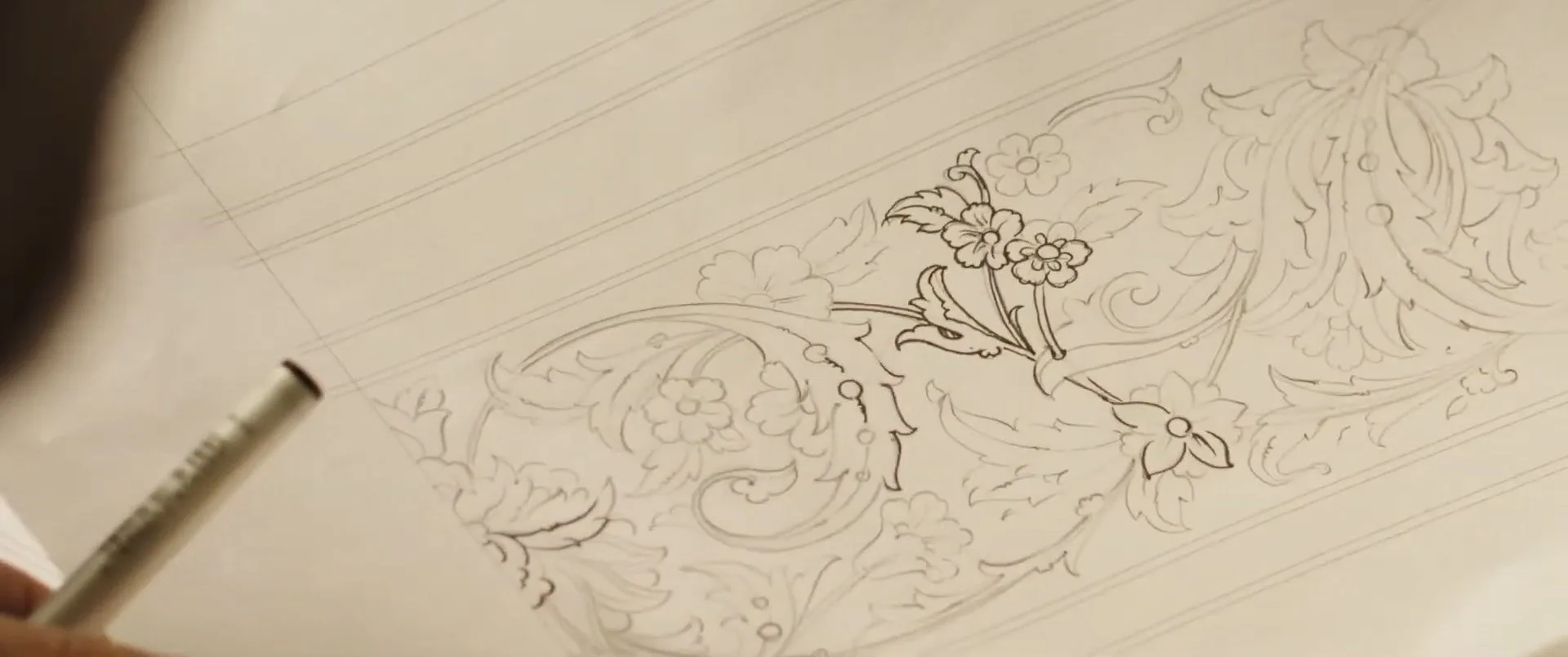
The geometric pattern is constructed from mathematical first principles — compass and ruler for traditional work, CAD for digital preparation. Pattern scale and repeat are established relative to the panel dimensions before any material is cut.
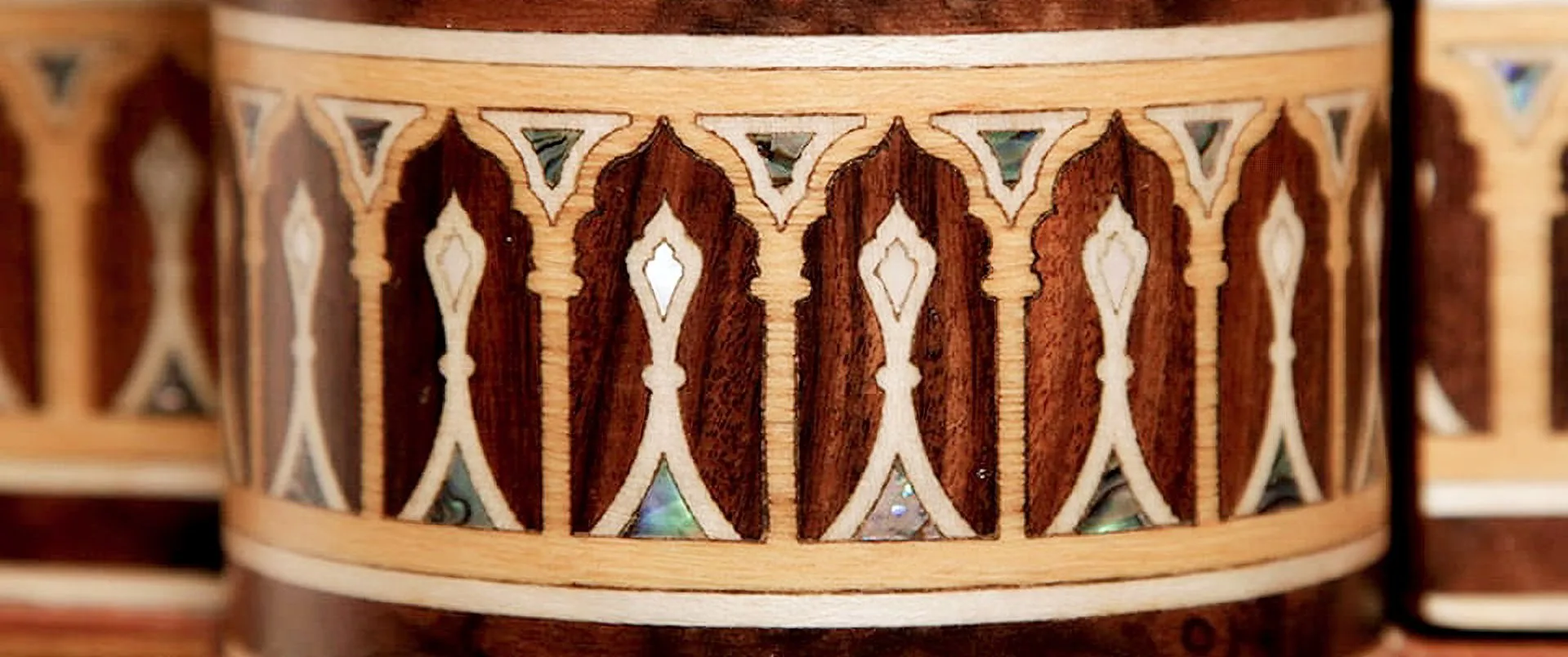
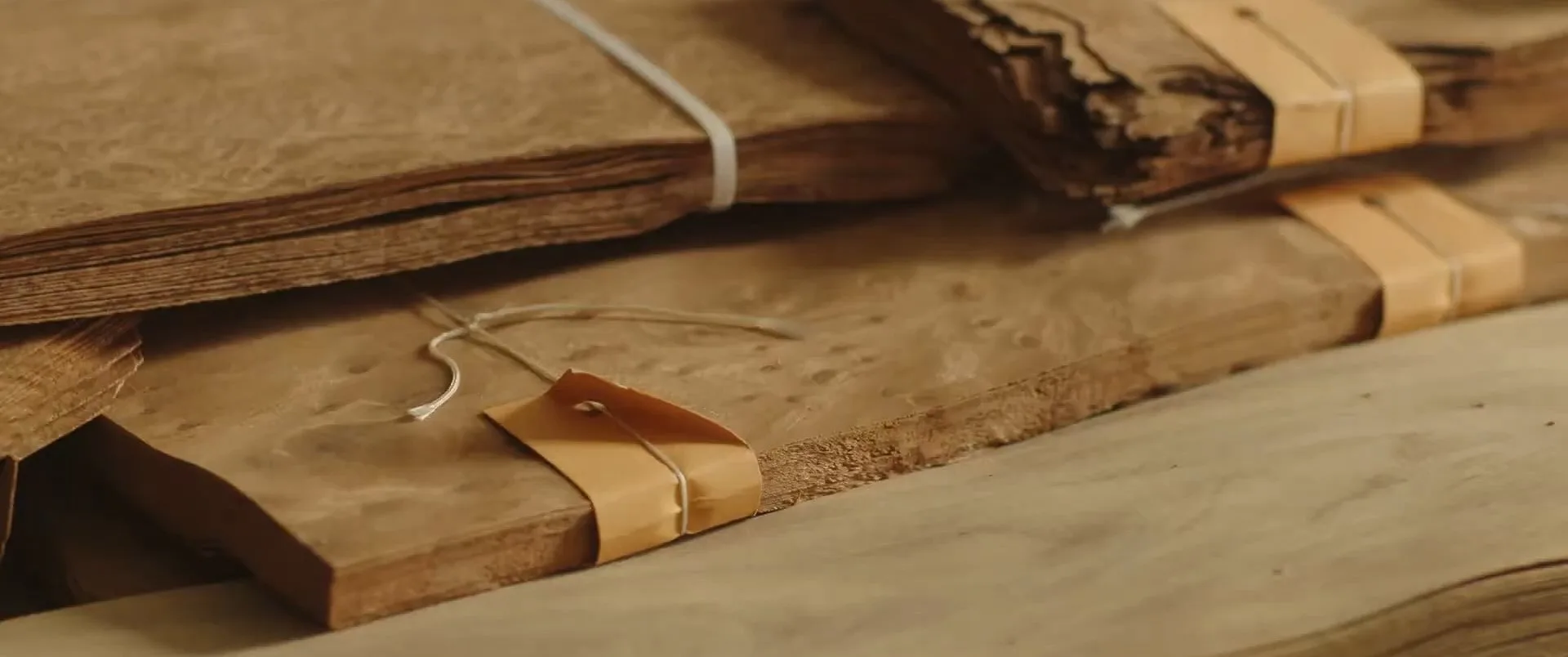
Species are selected for colour contrast and cutting character. For Islamic geometric work, the aim is maximum definition between adjacent polygon pieces; typically darker and lighter species are alternated across the pattern.
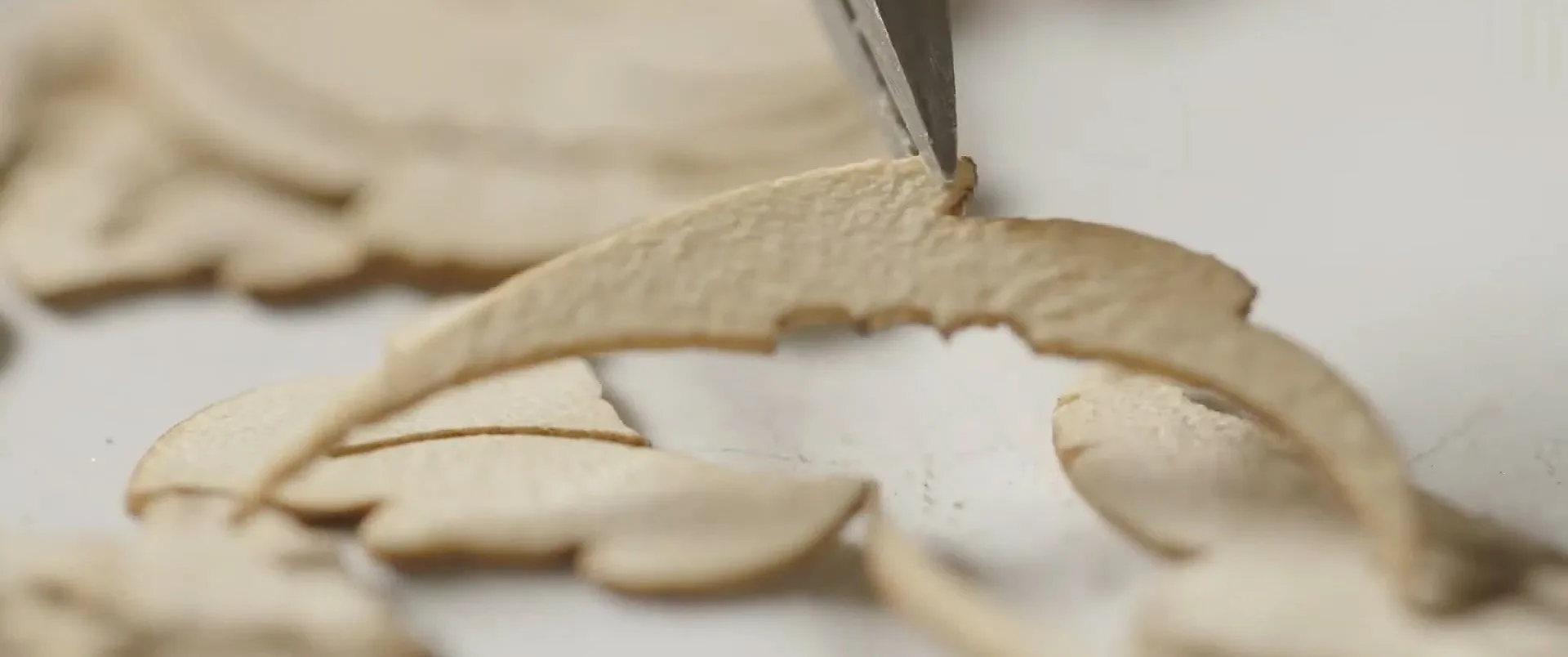
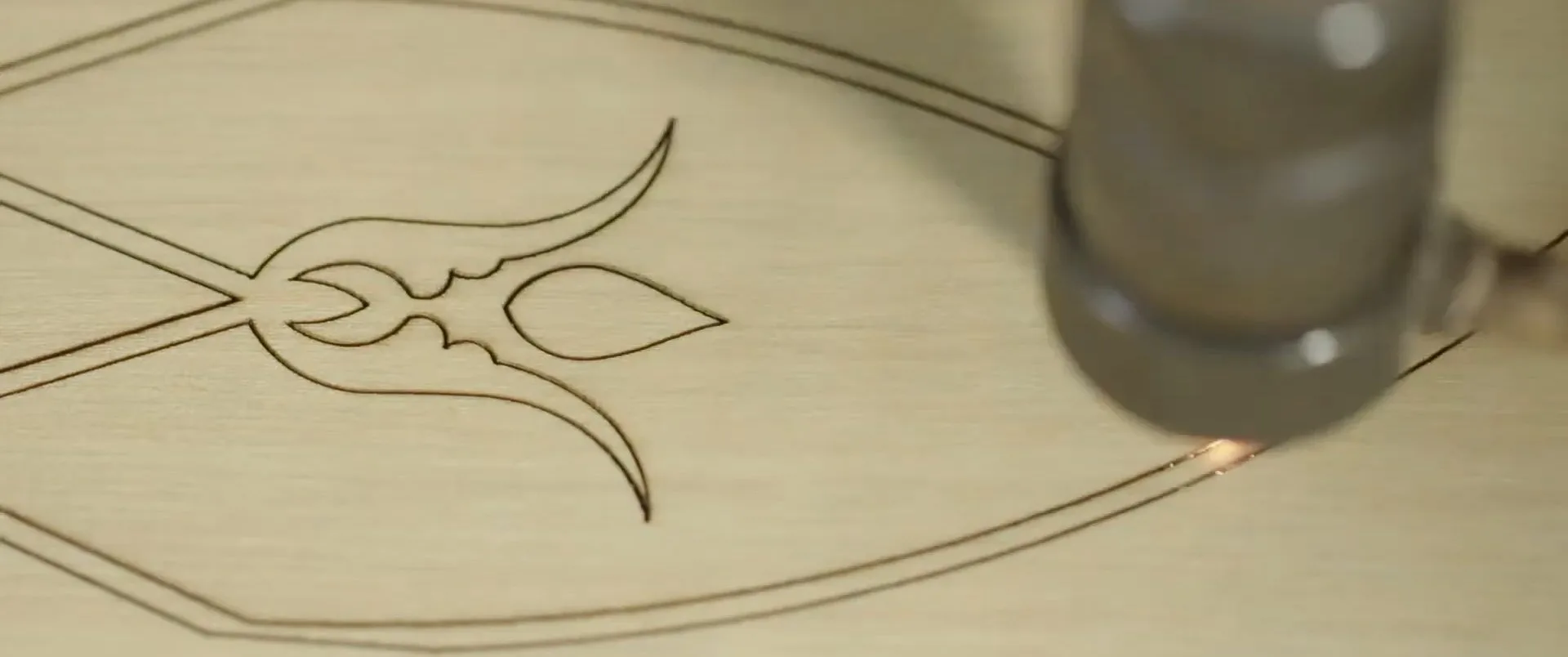
Geometric pieces are cut to precisely defined polygon shapes by hand or by laser. Laser cutting adds consistency across large or repeat panels while holding the mathematical exactness of the geometry. For traditional hand-cut work, each piece is cut against a precision template.
Pieces are dry-fitted before gluing to the backing panel; for Islamic geometric work, this can involve hundreds of individual pieces per square foot of panel area.
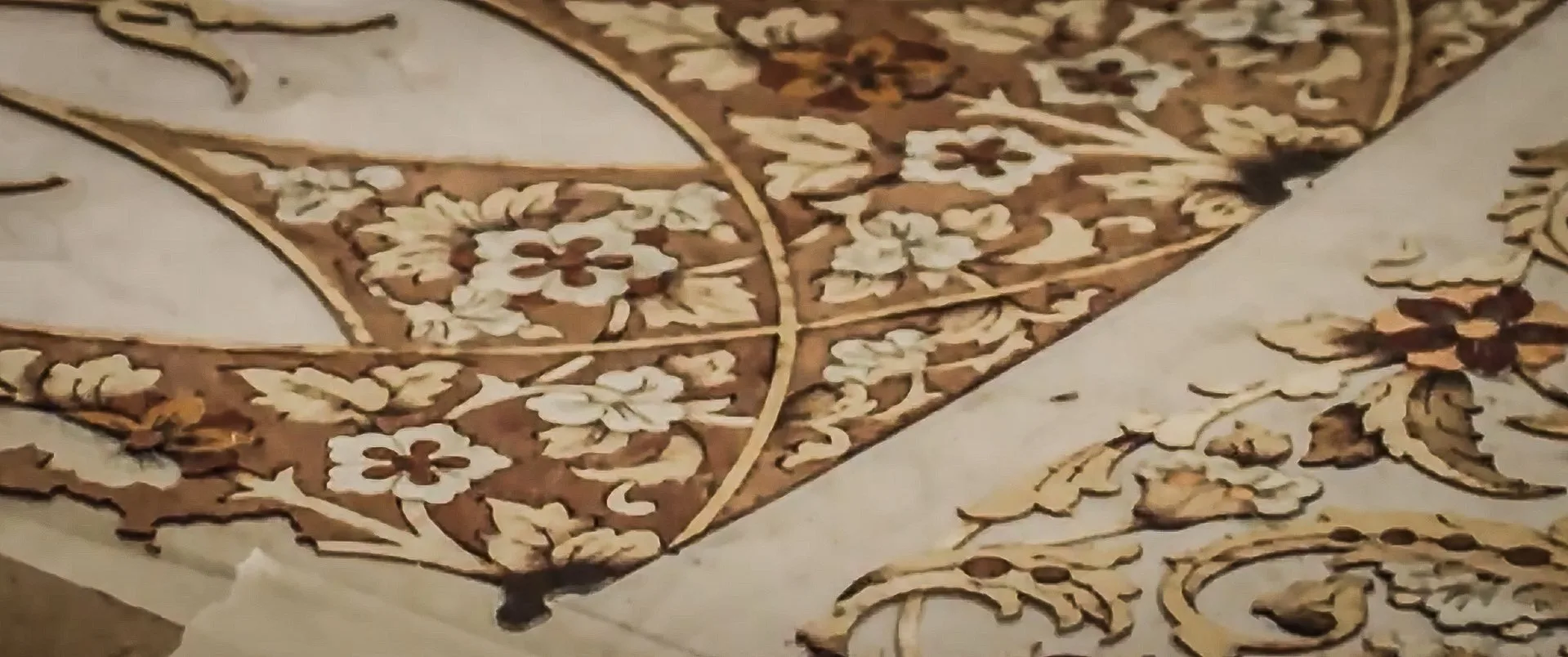
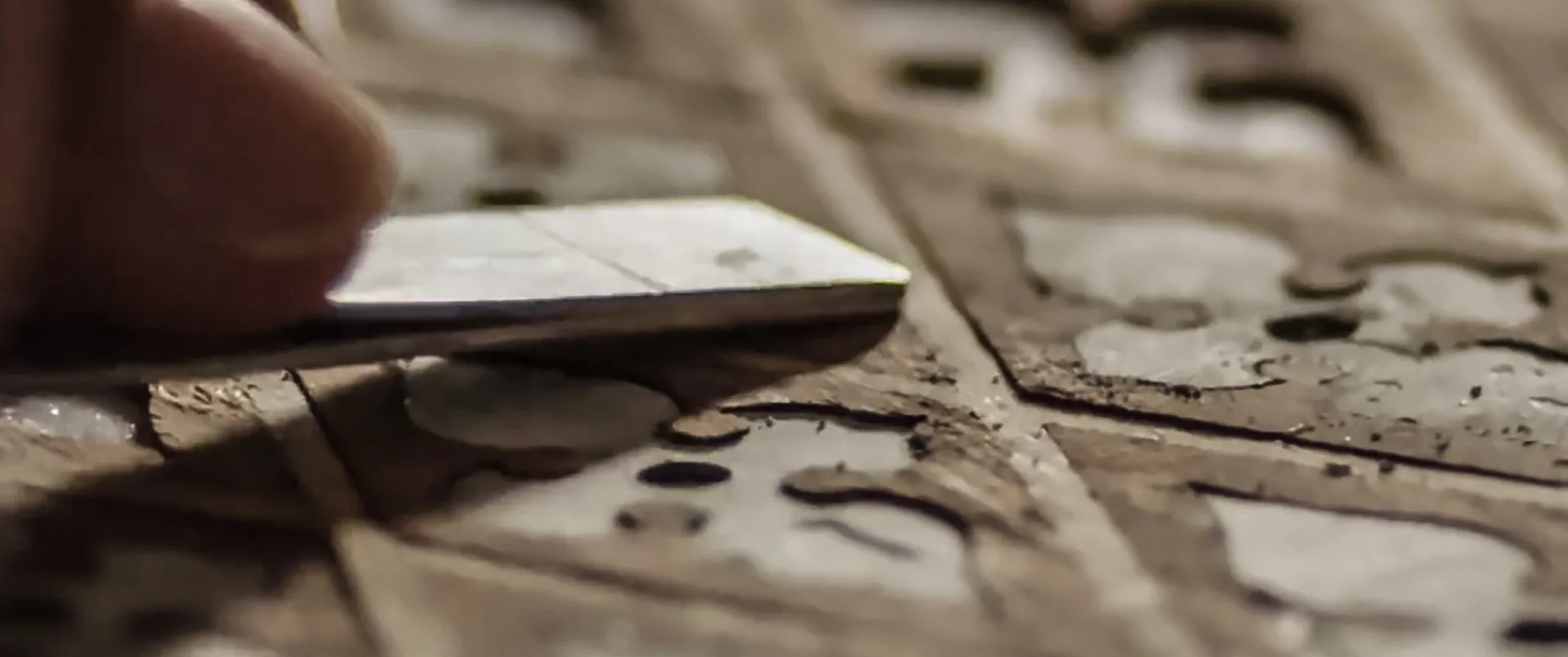
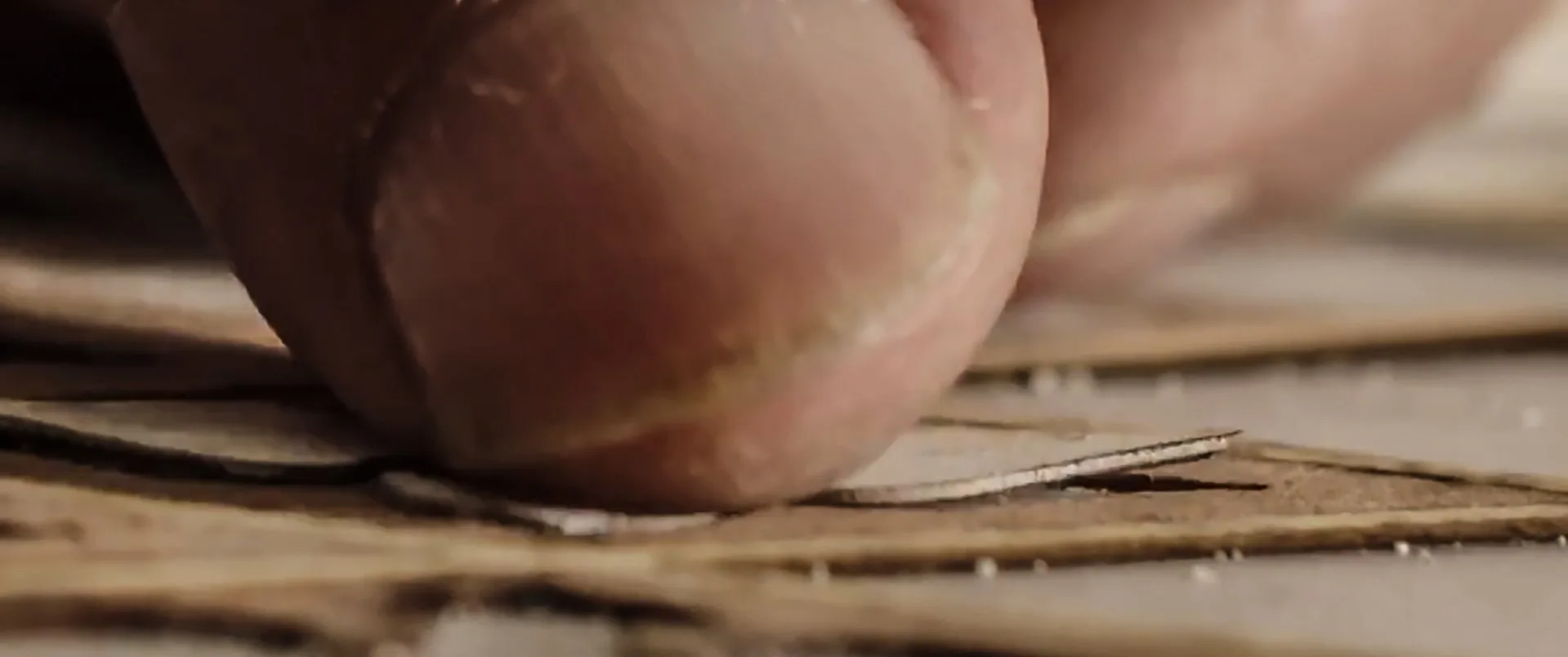

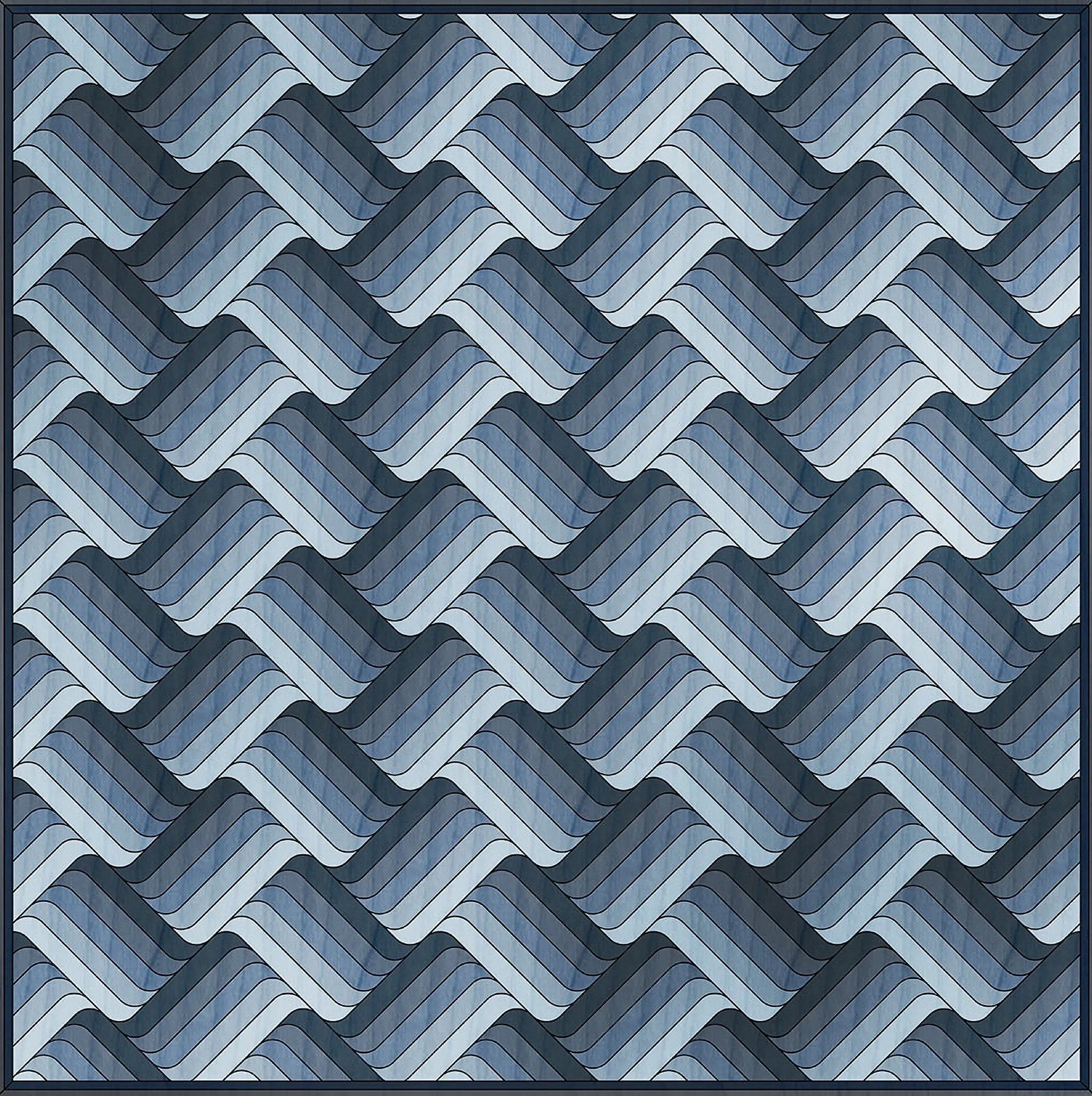
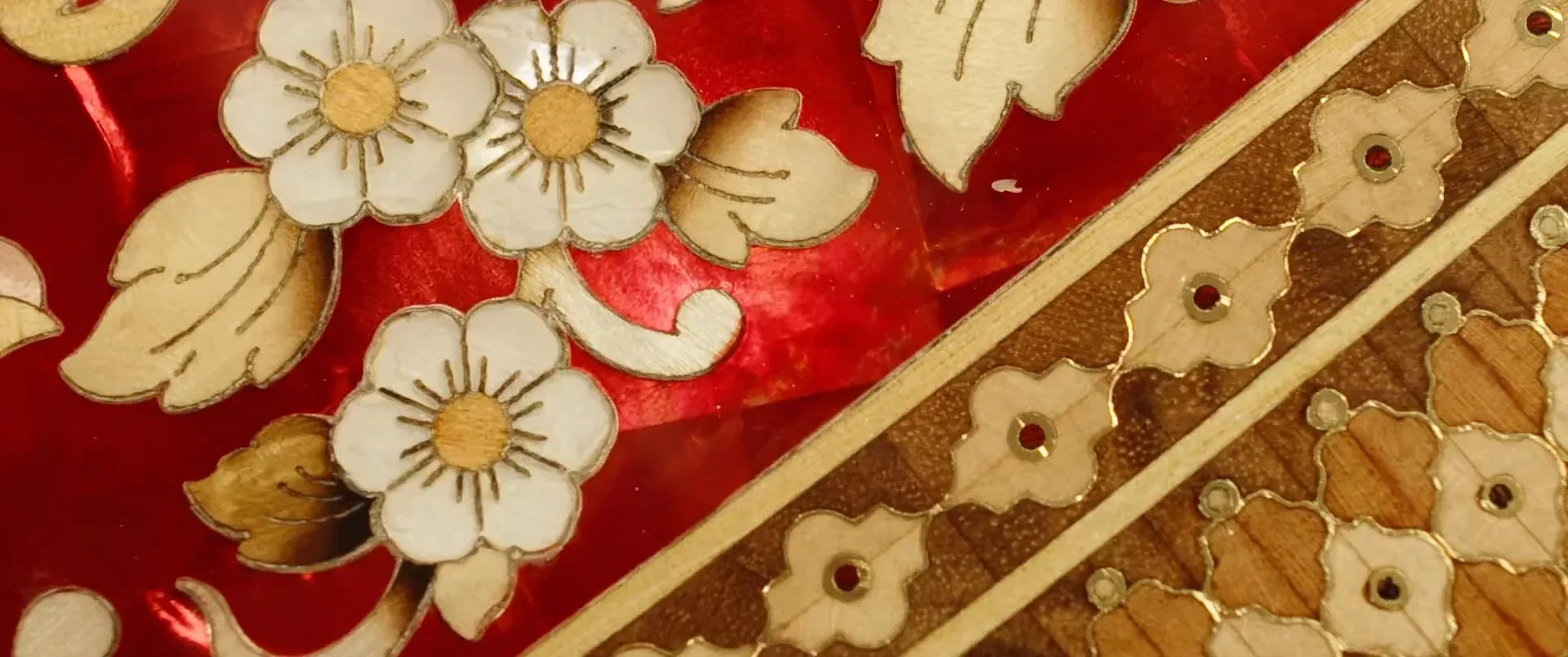
Sand shading introduces tonal gradation into individual veneer pieces before assembly. A piece of veneer is partially submerged in heated sand — typically at 200–250°C — and held for a controlled period. The heat scorches the wood at the point of contact, darkening it and creating a smooth gradient from light to dark across the piece.
The technique requires judgment: dwell time, sand temperature and the species' own tonal range all affect the result. In geometric marquetry it adds depth to star and polygon patterns that would otherwise read as flat — turning a two-dimensional arrangement of pieces into a surface with apparent volume and shadow.
 01
01
 02
02
 03
03
 04
04
 05
05
 06
06
Traditional Islamic geometric marquetry is suited to surfaces where the complexity of the pattern can be appreciated at close range. It is equally at home in contemporary and heritage interiors — the geometry is formal enough to read as architectural, and varied enough to hold sustained attention.